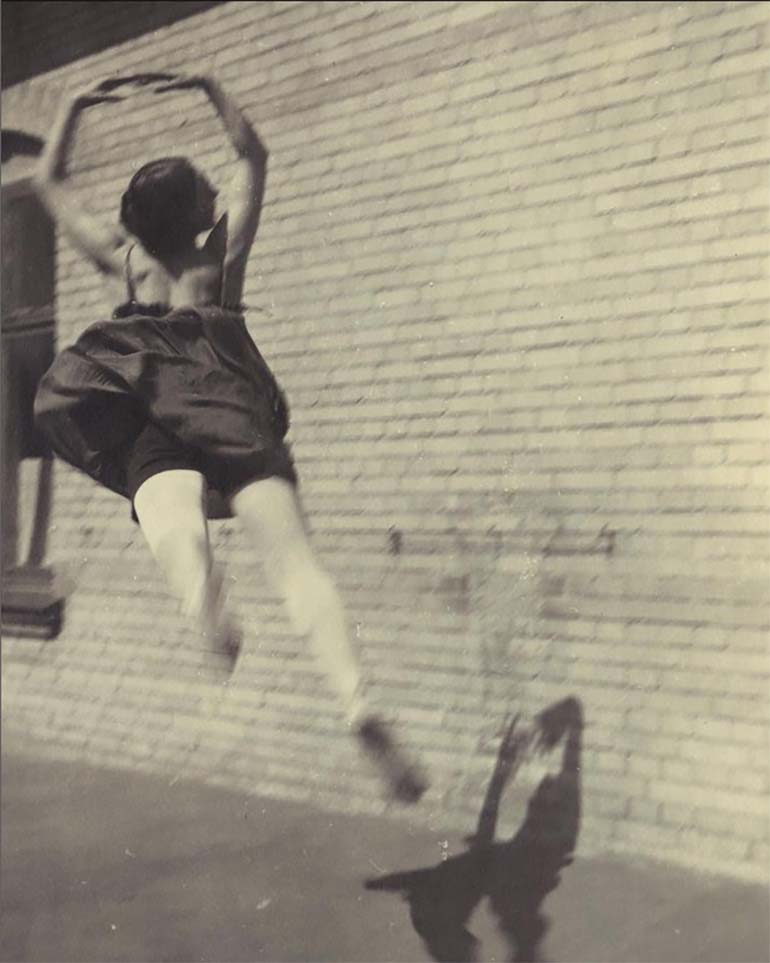
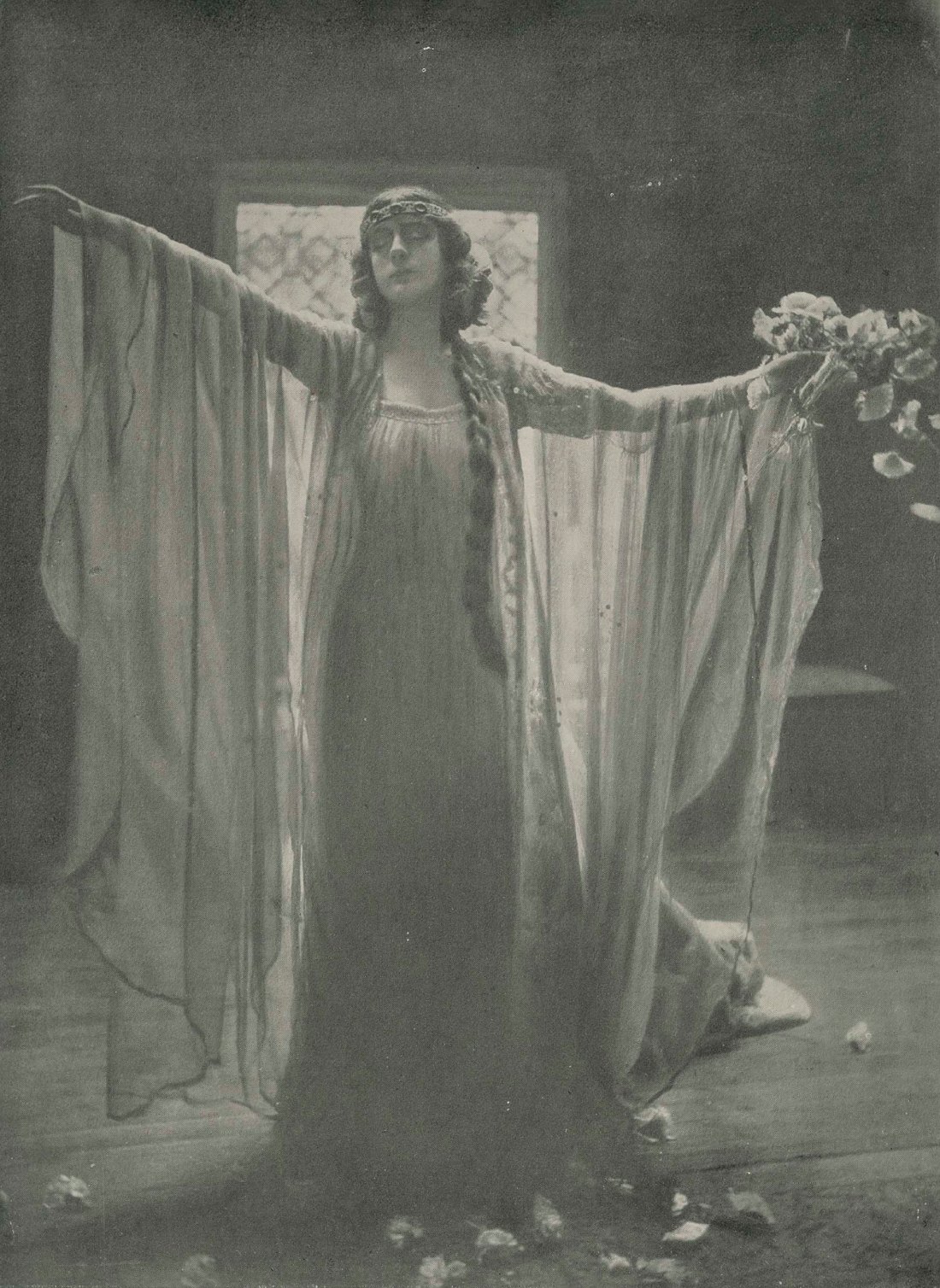
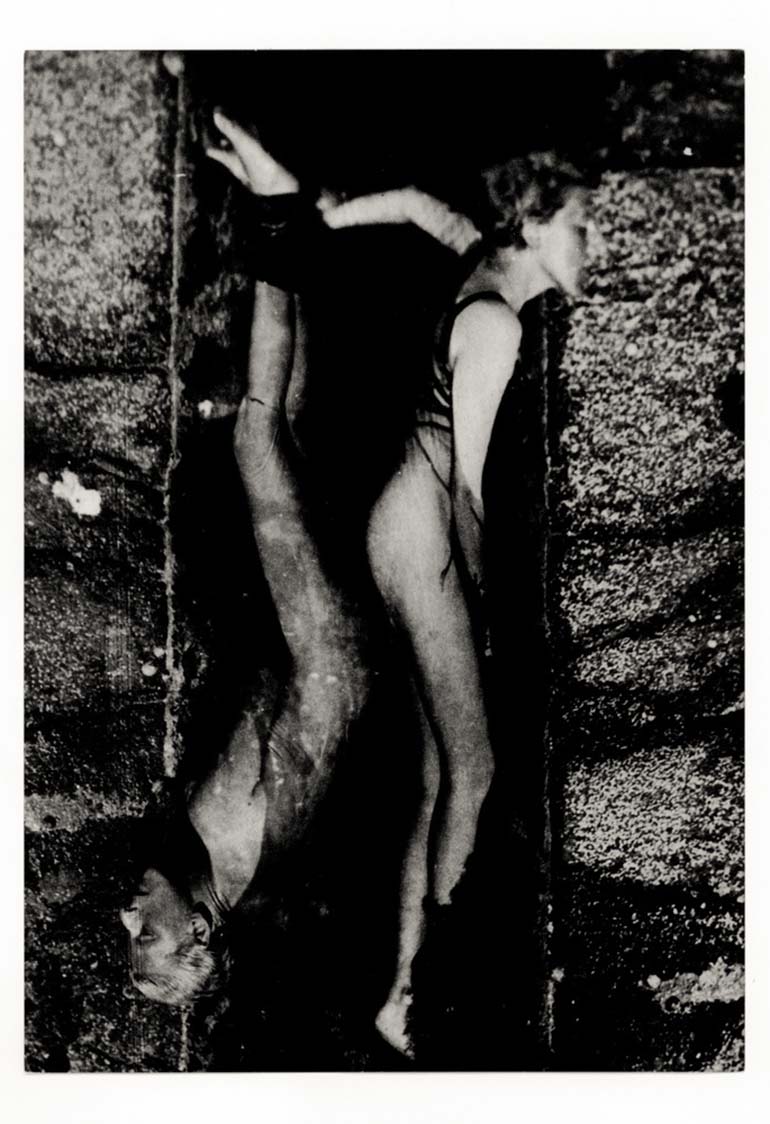
![Jenny Hasselquist på taket till [Jenny Hasselquist on the roof] Théâtre des Champs-Elysées, 29 oktober 1920, Jenny Hasselquists arkiv. | src Dansmuseet · IG](https://unregardoblique.com/wp-content/uploads/2022/05/jenny-hasselquist-pacc8a-taket-till-thecc81acc82tre-des-champs-elysecc81es-29-oktober-1920-jenny-hasselquists-arkiv-dansmuseet.ig_.png)
images that haunt us

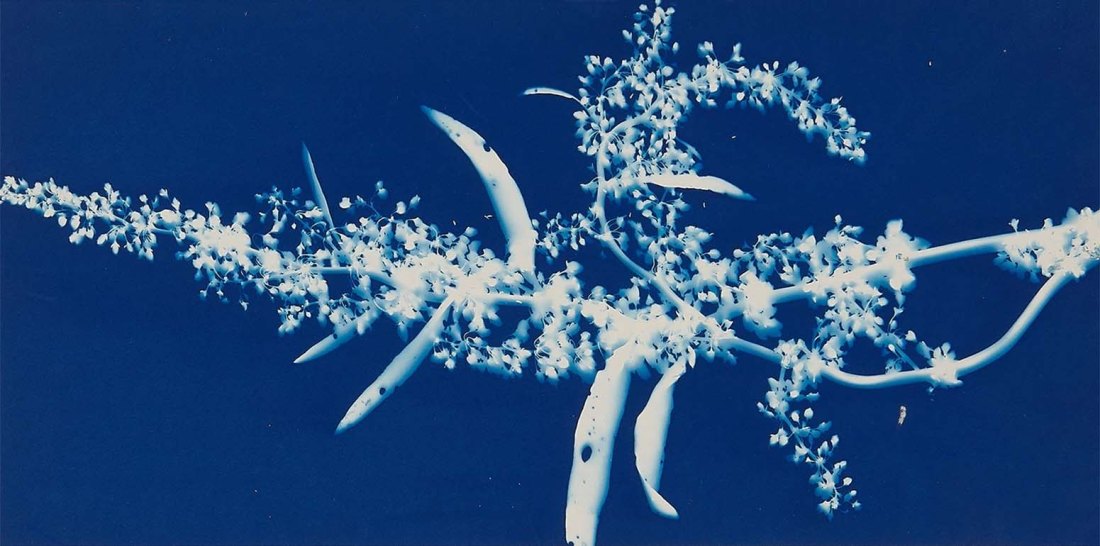
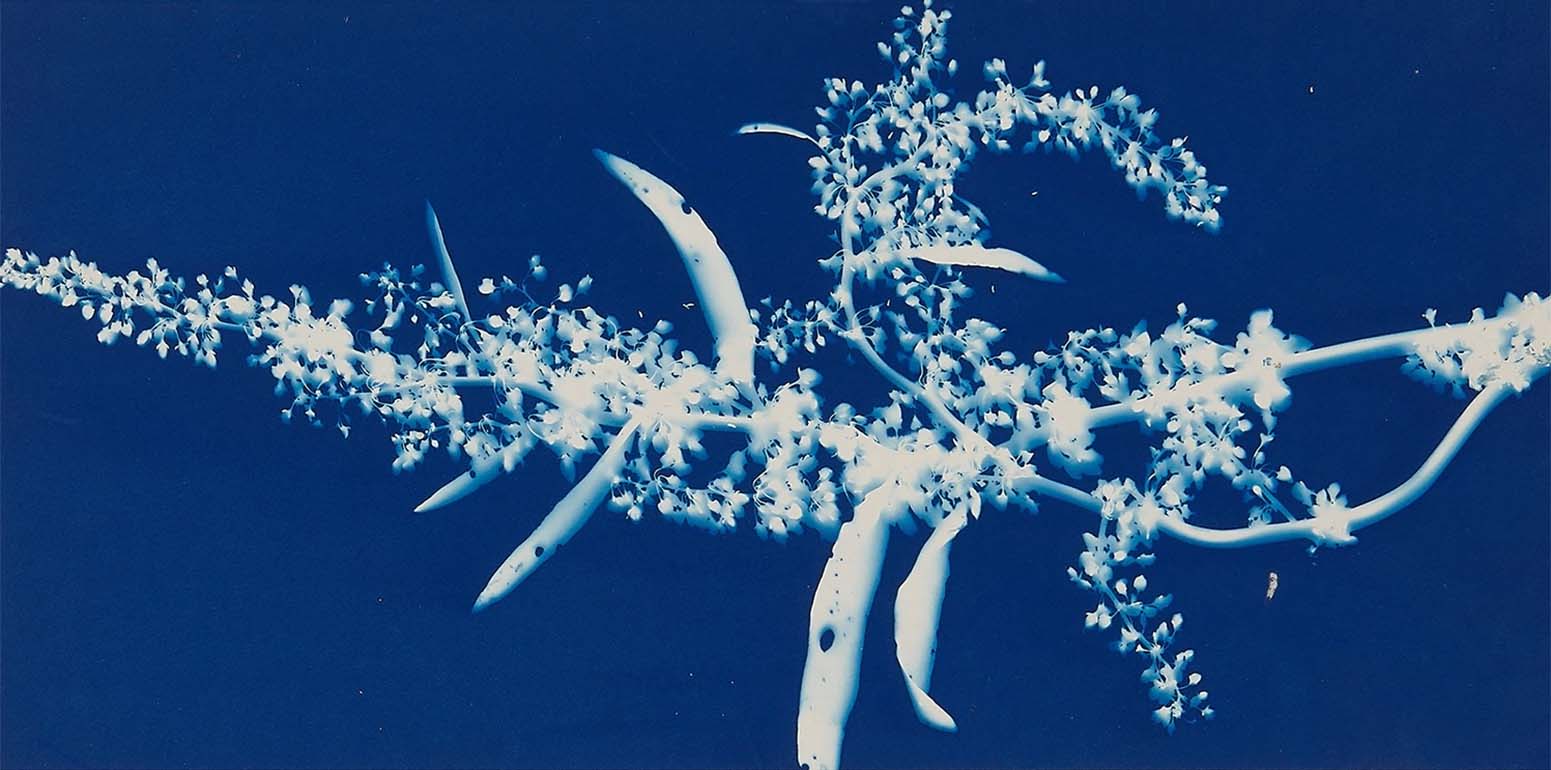
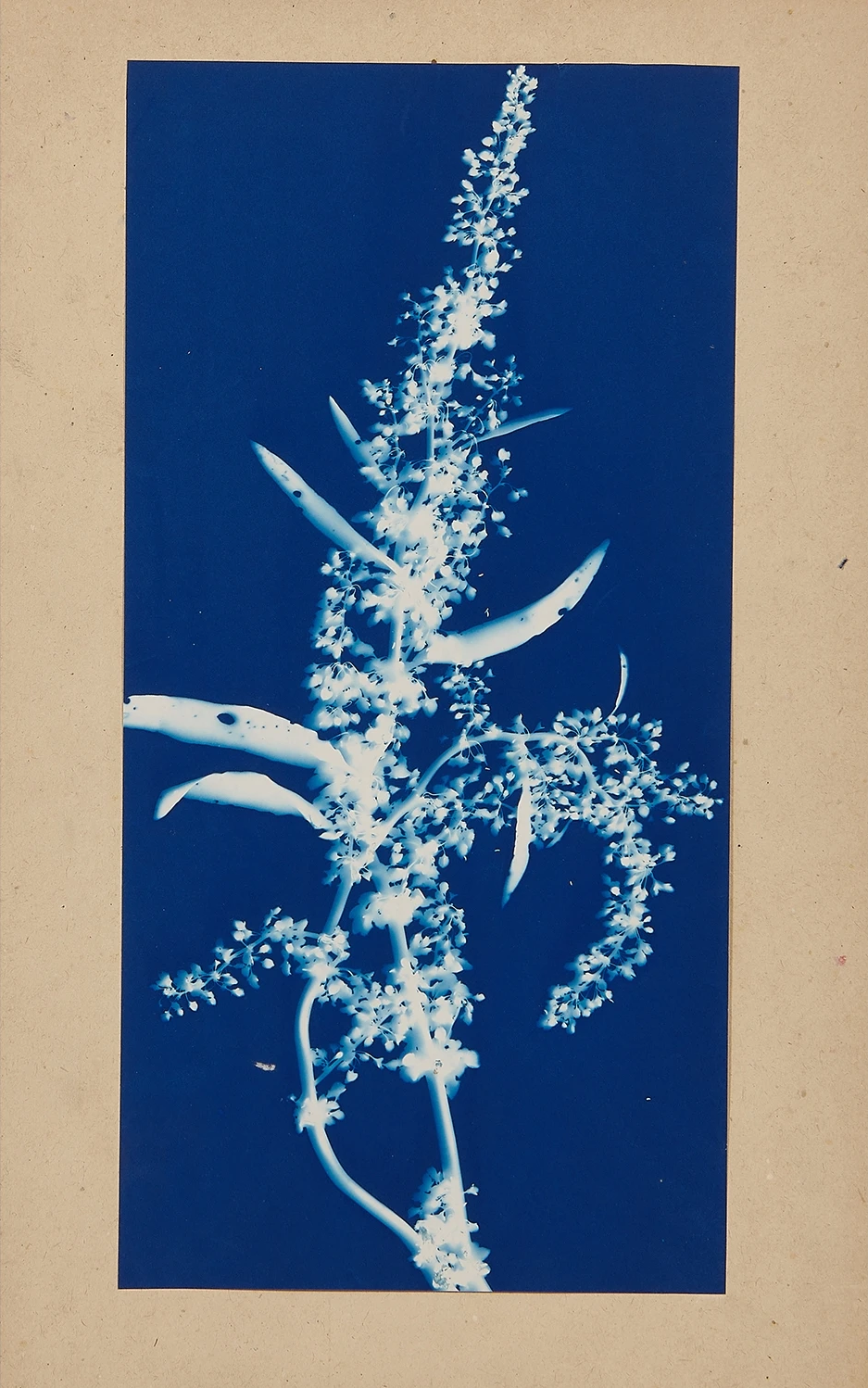
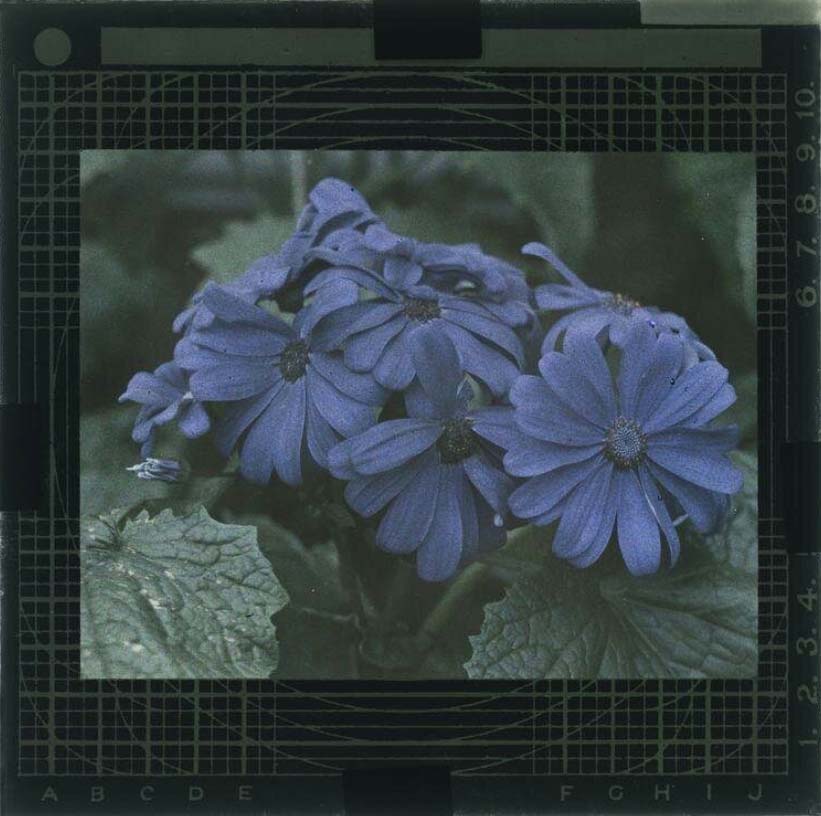
Jaques was already a respected printmaker when she began making cyanotype photograms of wildflowers. An active member of the Wild Flower Preservation Society, she created over a thousand of these botanical images. Made without a camera by placing objects directly on sensitized paper and exposing it to light, the photogram is the least industrialized type of photography. Because prints were easy to produce by this method, it achieved wide popularity. Graphic artists often chose this form of print because of its rich Prussian blue color. Aligned with the antimodernist views of the late Victorian Arts and Crafts movement, Jaques’s work reflects a reverence for commonplace elements of nature and the beautifully crafted object.
Merry A. Foresta American Photographs: The First Century (Washington, D.C.: National Museum of American Art with the Smithsonian Institution Press, 1996). From Smithsonian American Art Museum (SAAM)
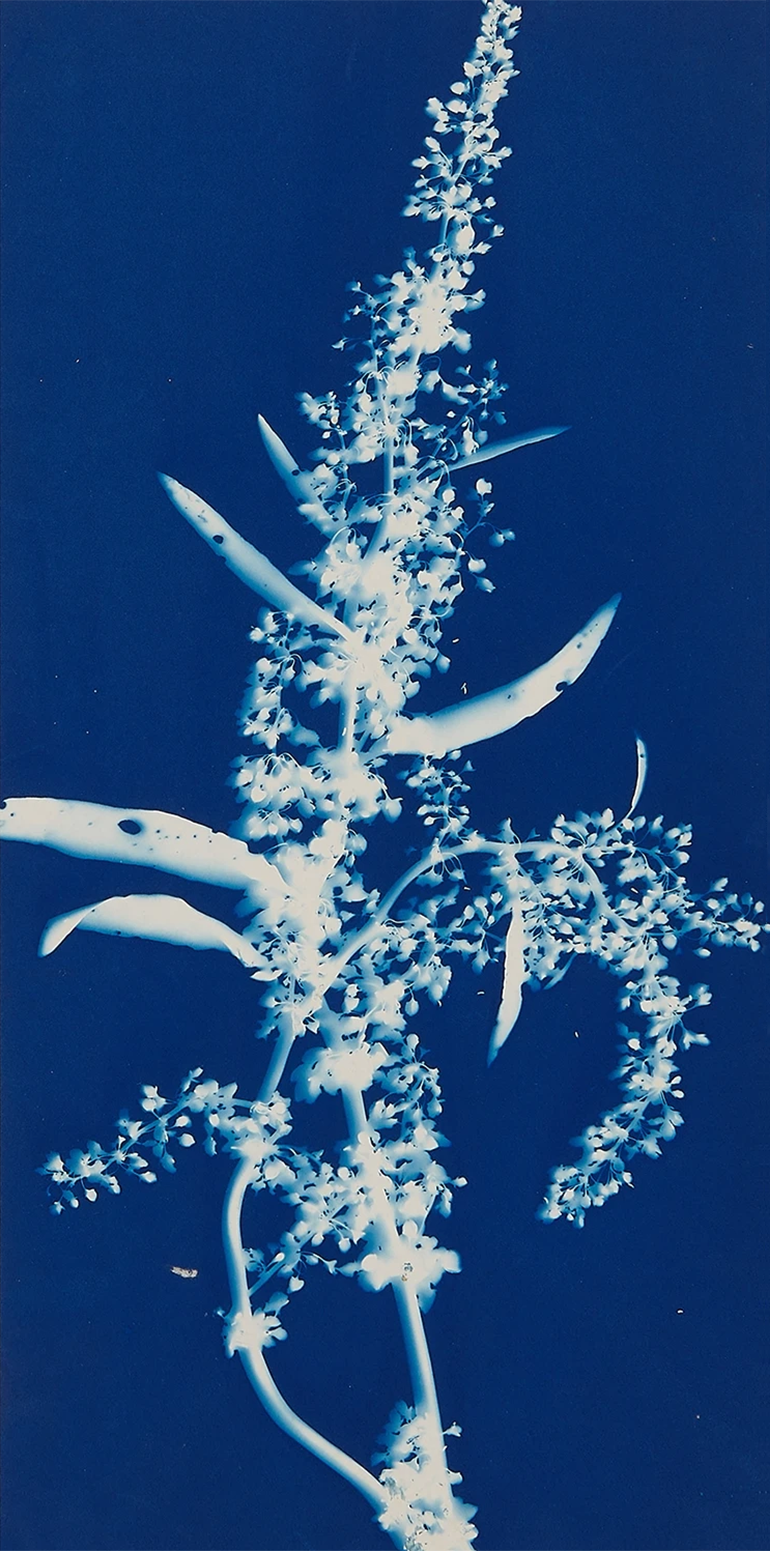
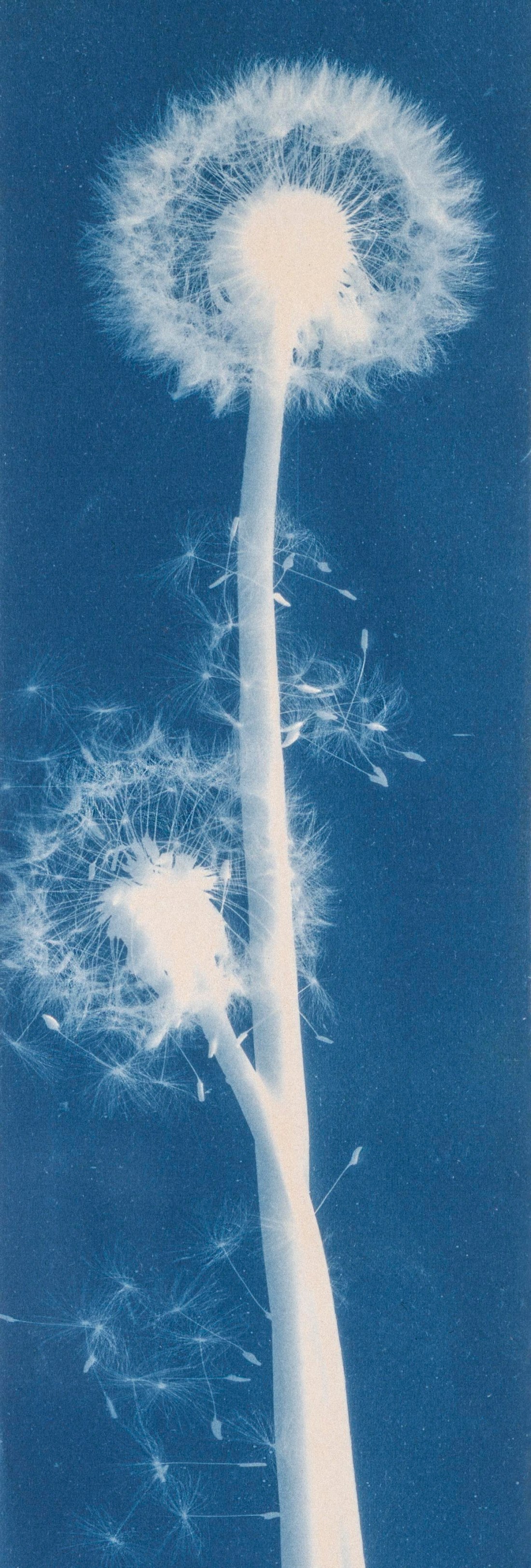
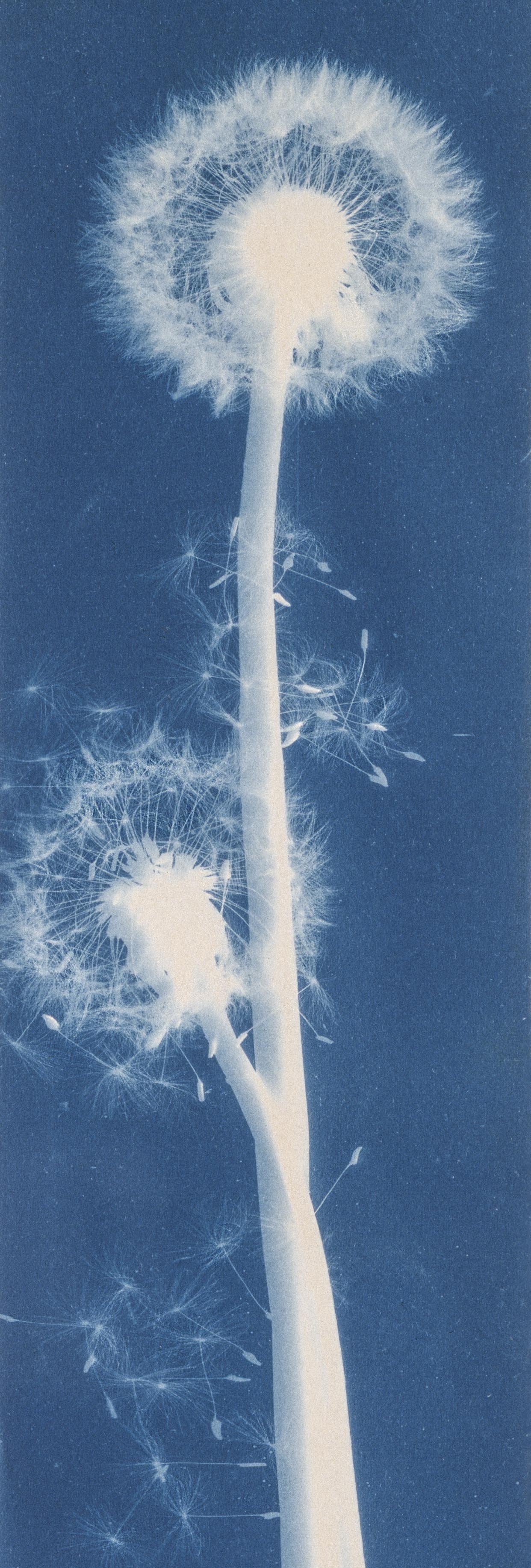
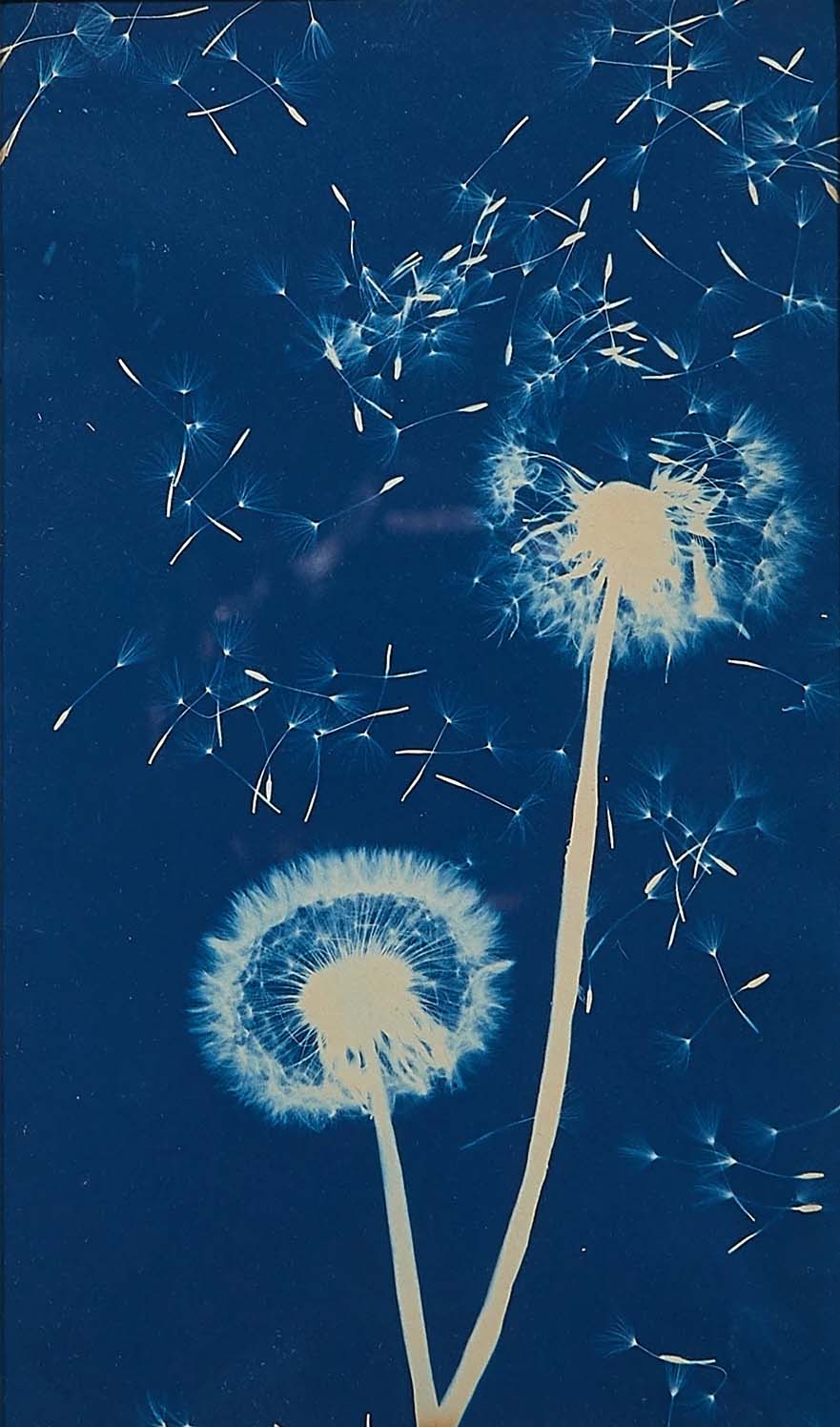
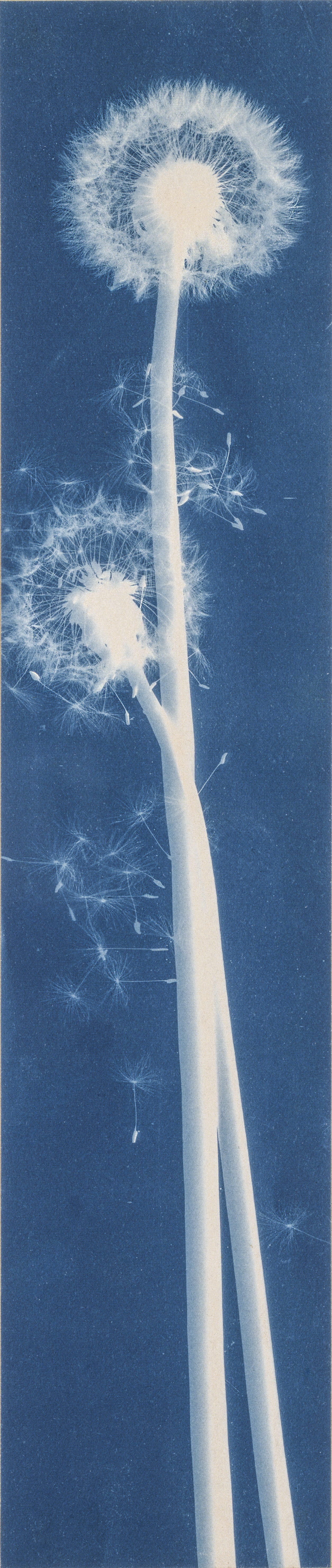
Jaques was already a respected printmaker when she began making cyanotype photograms of wildflowers. An active member of the Wild Flower Preservation Society, she created over a thousand of these botanical images. [See Dandelion Seeds, Taraxacium Officinale, SAAM, 1994.91.89] Made without a camera by placing objects directly on sensitized paper and exposing it to light, the photogram is the least industrialized type of photography. Because prints were easy to produce by this method, it achieved wide popularity. Graphic artists often chose this form of print because of its rich Prussian blue color. Aligned with the antimodernist views of the late Victorian Arts and Crafts movement, Jaques’s work reflects a reverence for commonplace elements of nature and the beautifully crafted object.
Merry A. Foresta American Photographs: The First Century (Washington, D.C.: National Museum of American Art with the Smithsonian Institution Press, 1996). From Smithsonian American Art Museum (SAAM)
![Jules Gervais-Courtellemont :: Slapende vrouw in Orientaalse kleding [Sleeping woman in oriental costume], ca. 1910-ca. 1940. Autochrome. | src Rijksmuseum](https://unregardoblique.com/wp-content/uploads/2022/10/slapende-vrouw-in-orientaalse-kleding-jules-gervais-courtellemont-ca.-1910-ca.-1940-rjksmuseum-detail.jpg?w=1100)
![Jules Gervais-Courtellemont :: Slapende vrouw in Orientaalse kleding, ca. 1910 - ca. 1940. Autochrome. | src Rijksmuseum [DETAIL]](https://unregardoblique.com/wp-content/uploads/2022/10/slapende-vrouw-in-orientaalse-kleding-jules-gervais-courtellemont-ca.-1910-ca.-1940-rjksmuseum-detail.jpg)

Jules Gervais-Courtellemont (1863 – 1931)
Photographer and editor, friend of Pierre Loti, by Auguste Rodin, d’Albert Kahn. He devoted most of his life to traveling the world, and more especially the Orient. From his many trips, he gathered a large collection of photographs, mostly autochromes. It’s in the years 1880s, in Algeria, that he acquired the practice of photography, seeing in the medium the most suitable tool to “faithfully reproduce the splendours of the past and the picturesque of the present”. Thereby, he will also launch into the publication of a journal from 1889, “Artistic and picturesque Algeria”. The first discovery of the Orient for Jules Gervais-Courtellemont took place a few years later, in 1893. From Paris to Jerusalem via Constantinople, he crossed the countries with the sole regret that he could only bring back black and white photos. So, from the demonstration of the autochrome process by the Lumière brothers in 1907, he immediately undertook the same journey with his wife, this time bringing back the first colored “Visions d’Orient”. Faced with the success of his photographic testimonials in color, he and his wife set out to travel the world, in order to build a large collection of autochromes. Algeria (1911, 1912), Tunisia (1911), Morocco (1921), Spain (1911, 1914), Italy, India (1913), Japan, Tibet. Convert to Islam, Jules Gervais-Courtellemont brought back unpublished photographs of Mecca in 1896, published in L’Illustration in 1897. Jules Gervais-Courtellemont also photographed the First World War with reconstructed scenes in the post-war trenches, as well as pictures of colonial troops. Most of Jules Gervais-Courtellemont’s photographic work is kept at the Robert-Lynen Cinémathèque in the city of Paris.
Orient Visions : upon his return to France, following his second trip to the Orient in 1907, Jules-Gervais -Courtellemont wanted to transmit to the public his first autochrome images. Under the title of “Visions d’Orient”, he organized his first color “projection-conference” at the Hôtel de l’Université des Annales in 1908. Of 1908 at 1909, his Visions d’Orient were screened every evening, Charras room in Paris. The advertising brochure for this event reflects the public’s enthusiasm for this photographer and his first color images.
quoted from House of Photography of Marrakesh
![Jules Gervais-Courtellemont :: Slapende vrouw in Orientaalse kleding [Sleeping woman in oriental costume], ca. 1910-ca. 1940. Autochrome. Edited image to enhance color. | src Rijksmuseu](https://live.staticflickr.com/65535/52436921512_bf74569374_o.jpg)
Our note: as a very similar Autochrome as the one we publish here is titled: “Tunisienne au bonnet pointu” (resolution is very poor, the lady photographed is the same, also the costume and headgear), we adventure the date of this one maybe around 1911, when JGC traveled to Tunisia.



![Edward Henry Weston (1886 - 1958) :: [Woman in Asian Costume], 1917 | The J. Paul Getty Museum Collection](https://unregardoblique.com/wp-content/uploads/2022/09/edward-weston-woman-in-asian-costume-1917-the-j.-paul-getty-museum-collection.jpg)
 un regard oblique