
images that haunt us
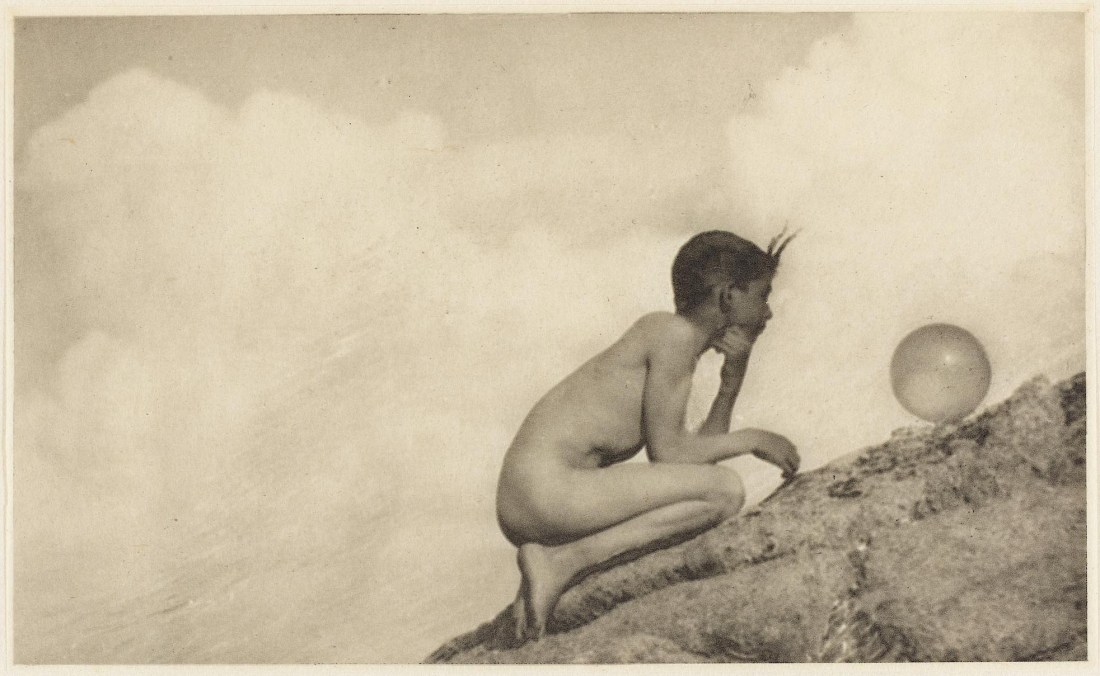
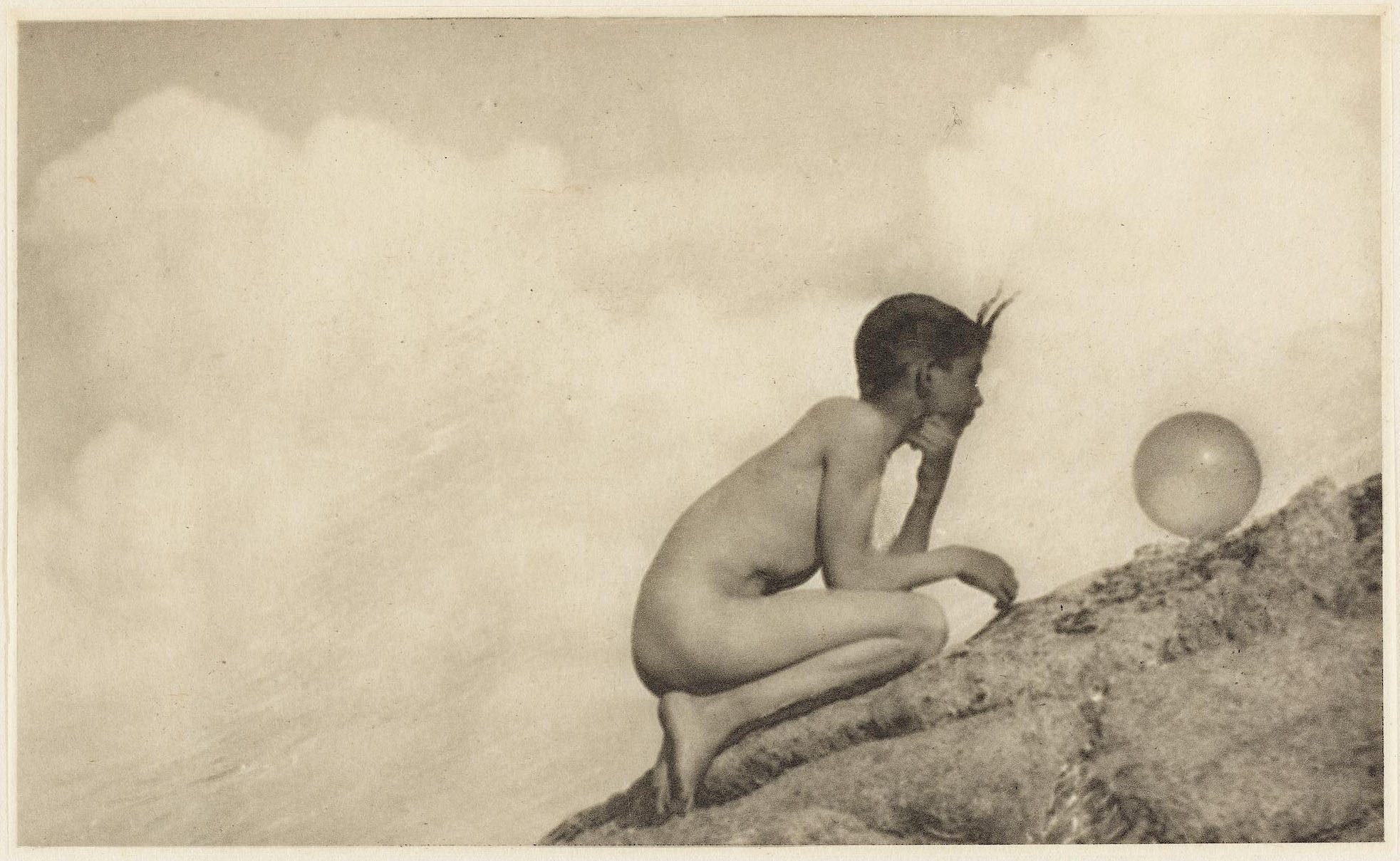
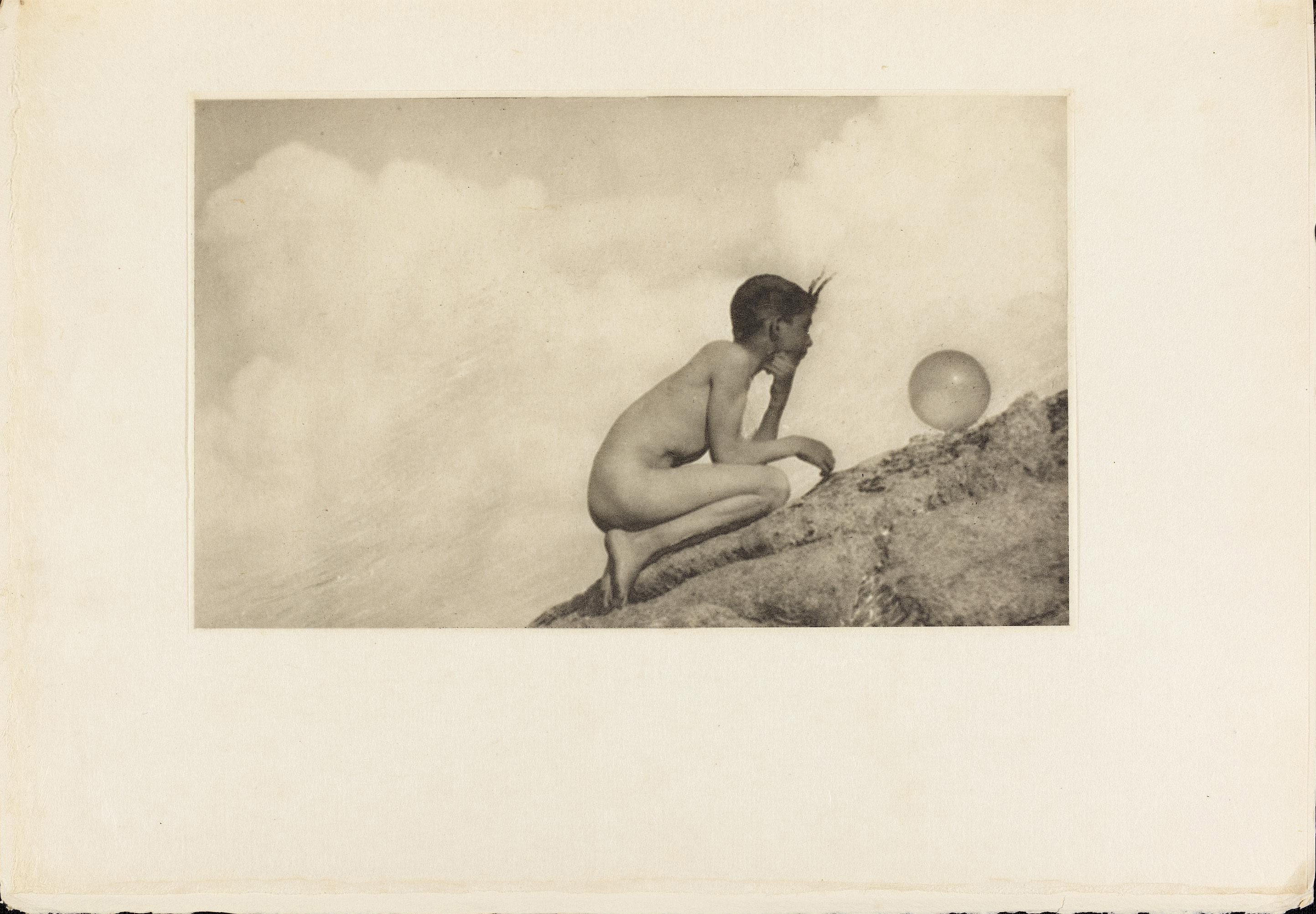
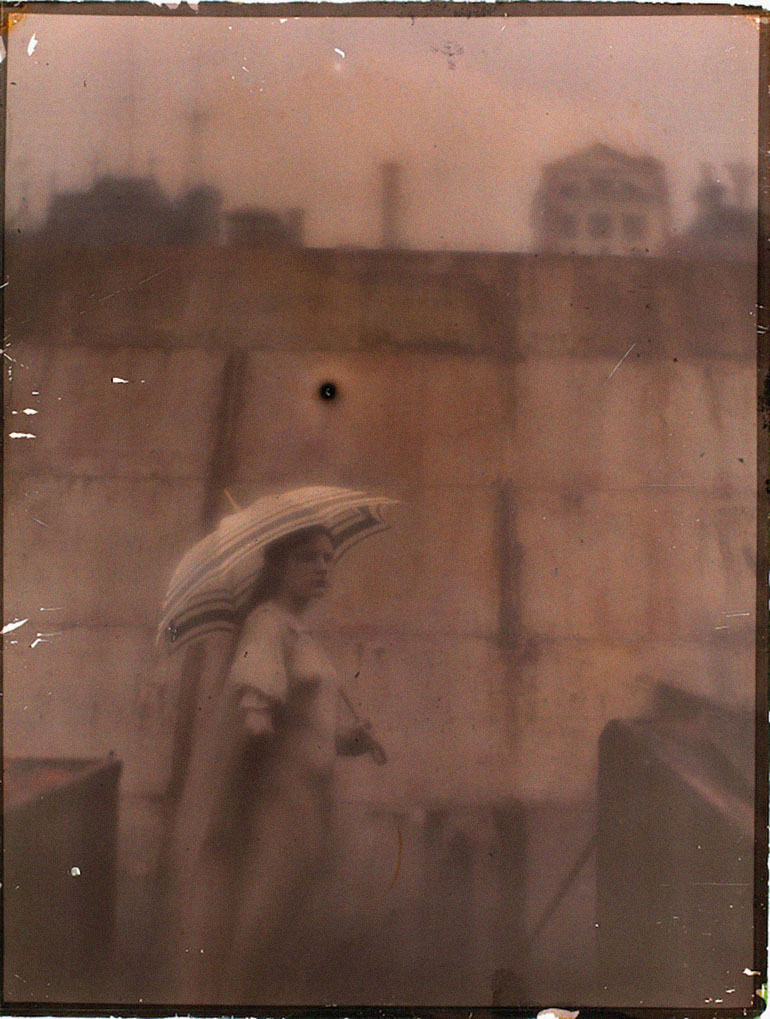

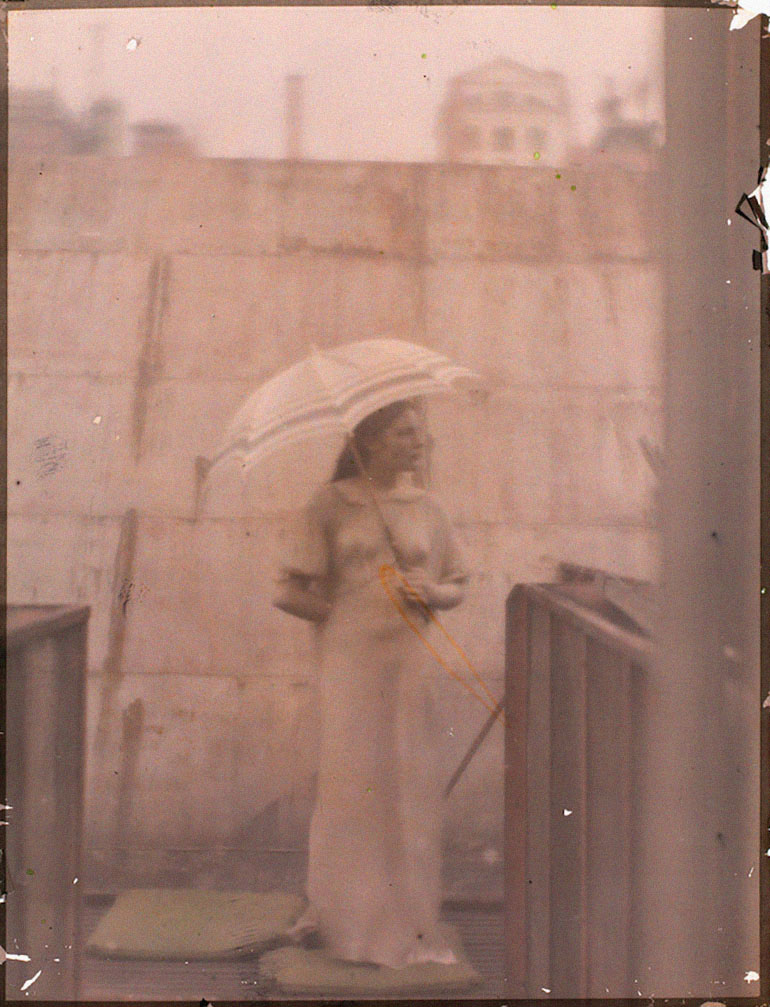

Paul Haviland, while working in New York as a representative for his father’s porcelain factory, explored the arts. His interest in writing and photography eventually led him to the Little Galleries of the Photo-Secession, where Alfred Stieglitz and his circle of photographers strove to have the medium recognized as a fine art. In 1910 Haviland was made associate editor of Stieglitz’s publication Camera Work.
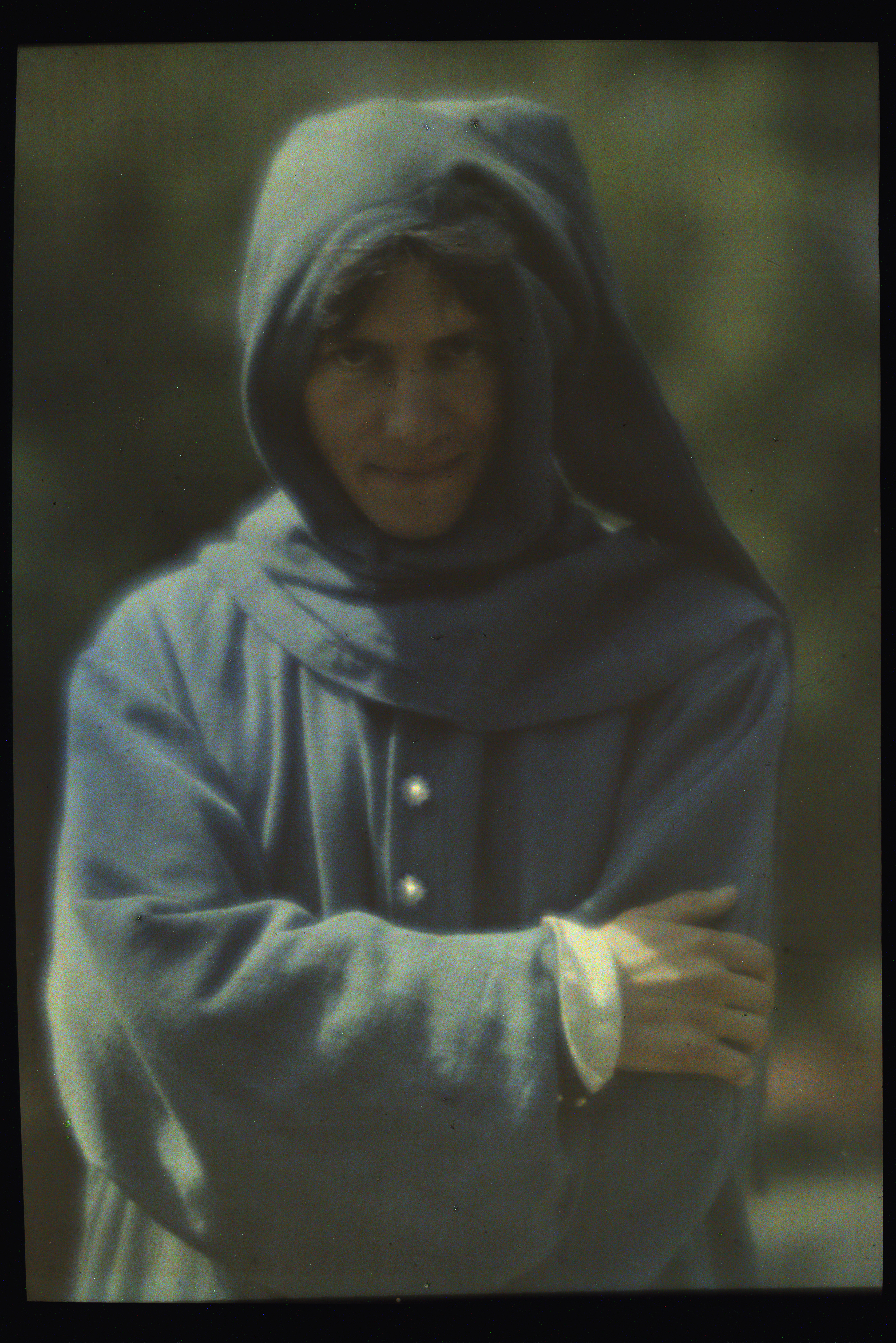
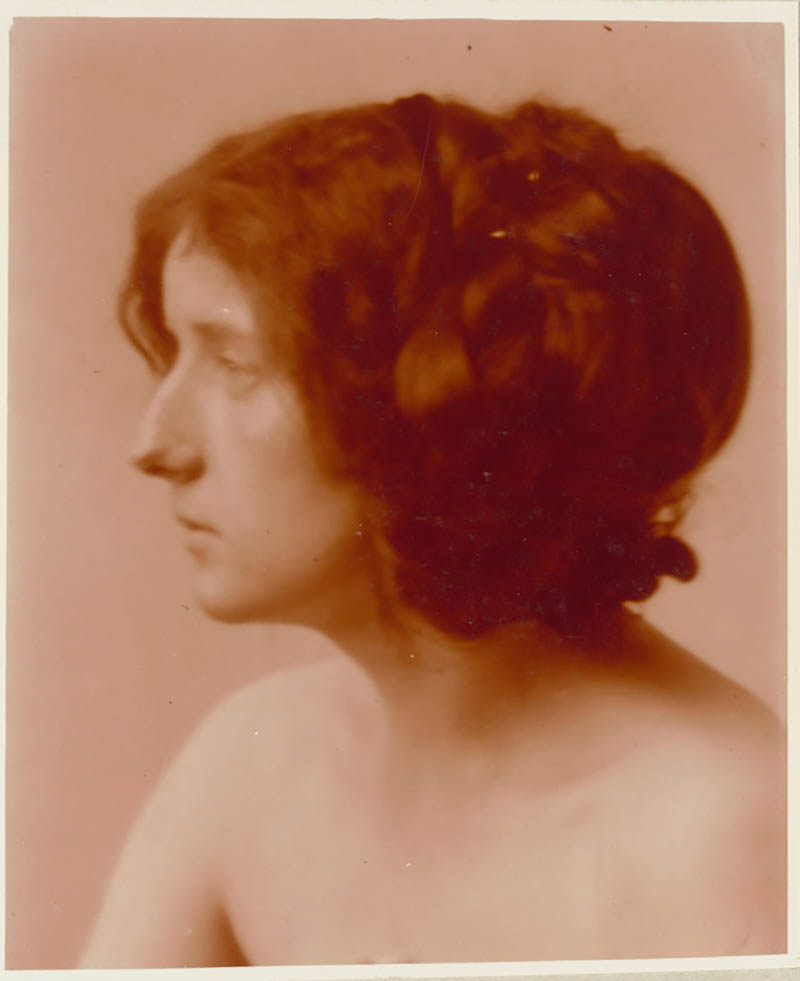
Haviland’s Portrait of a Man [SAAM, 1994.91.65], made about the same time he met Stieglitz (ca. 1908), is an impressionistic study rather than a conventional likeness. Although Haviland continued making portraits upon returning to France after World war I, they lacked the engaging inventiveness of his work in New York. [quoted from Smithsonian American Art Museum : SAAM]






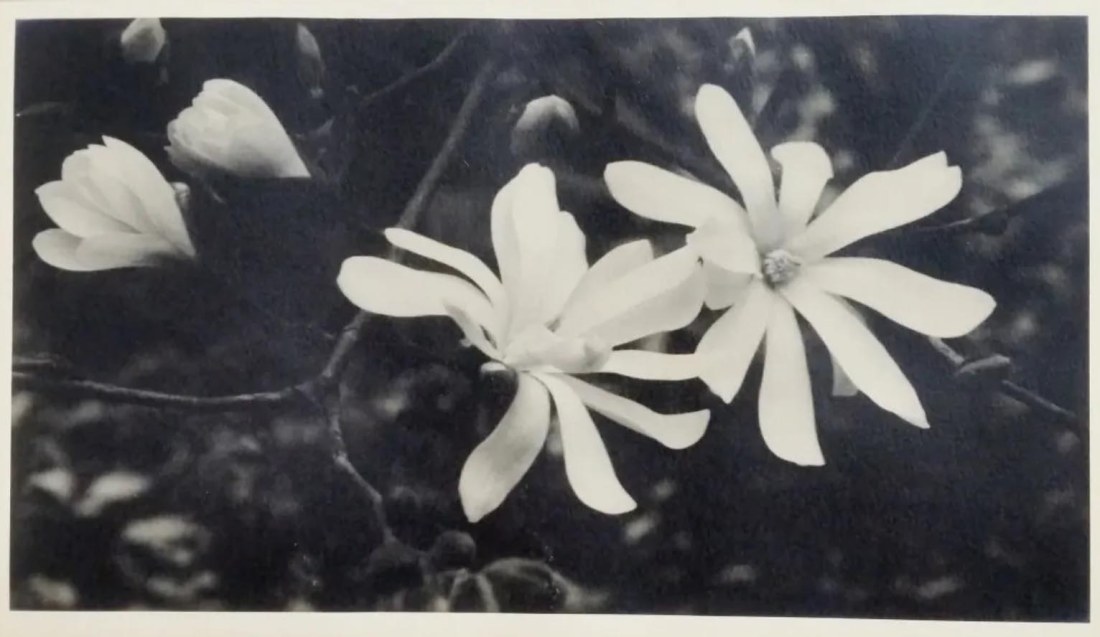
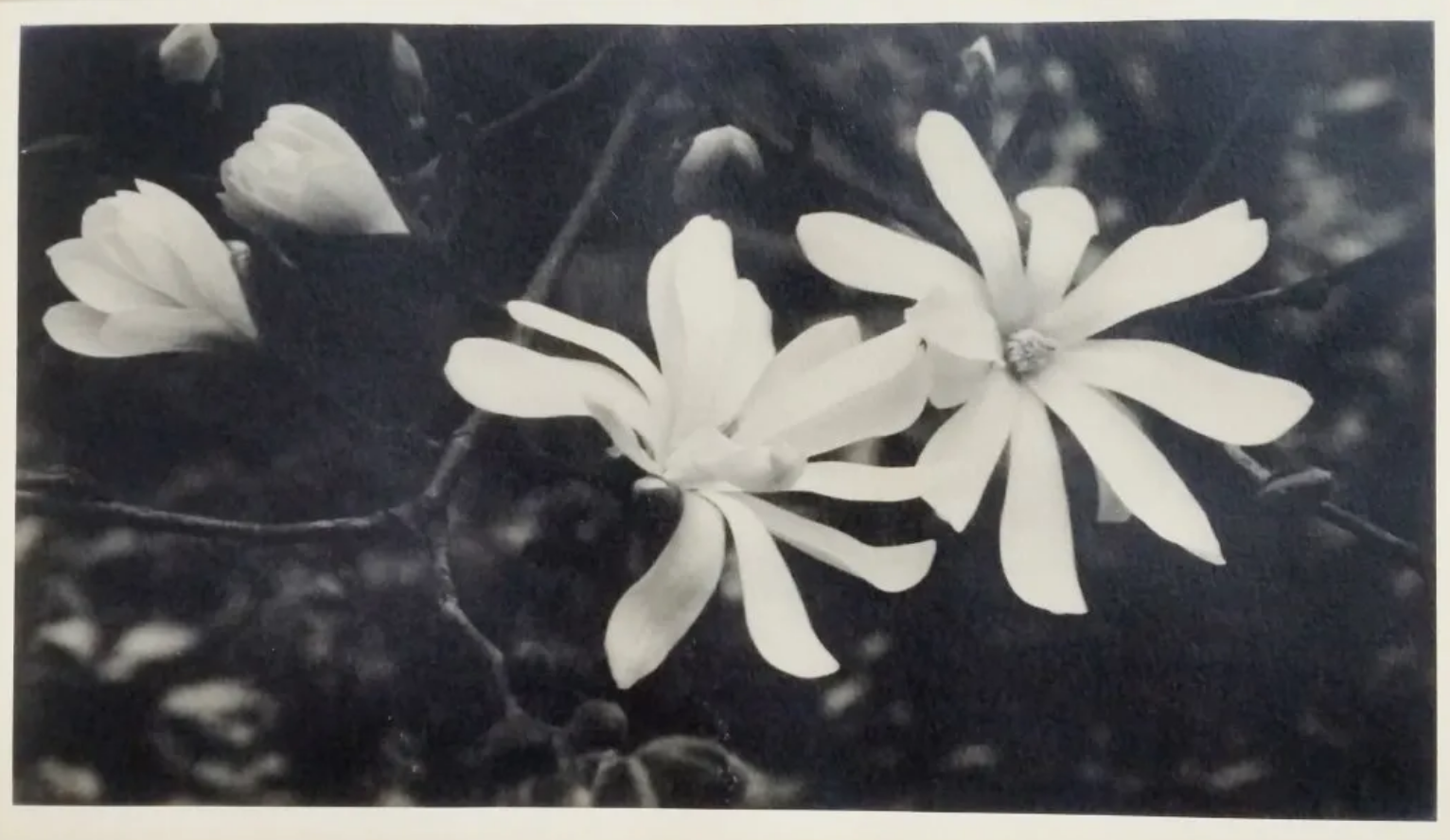
Flower blossoms photographed by William Dassonville; very different from his usual landscape repertoire.
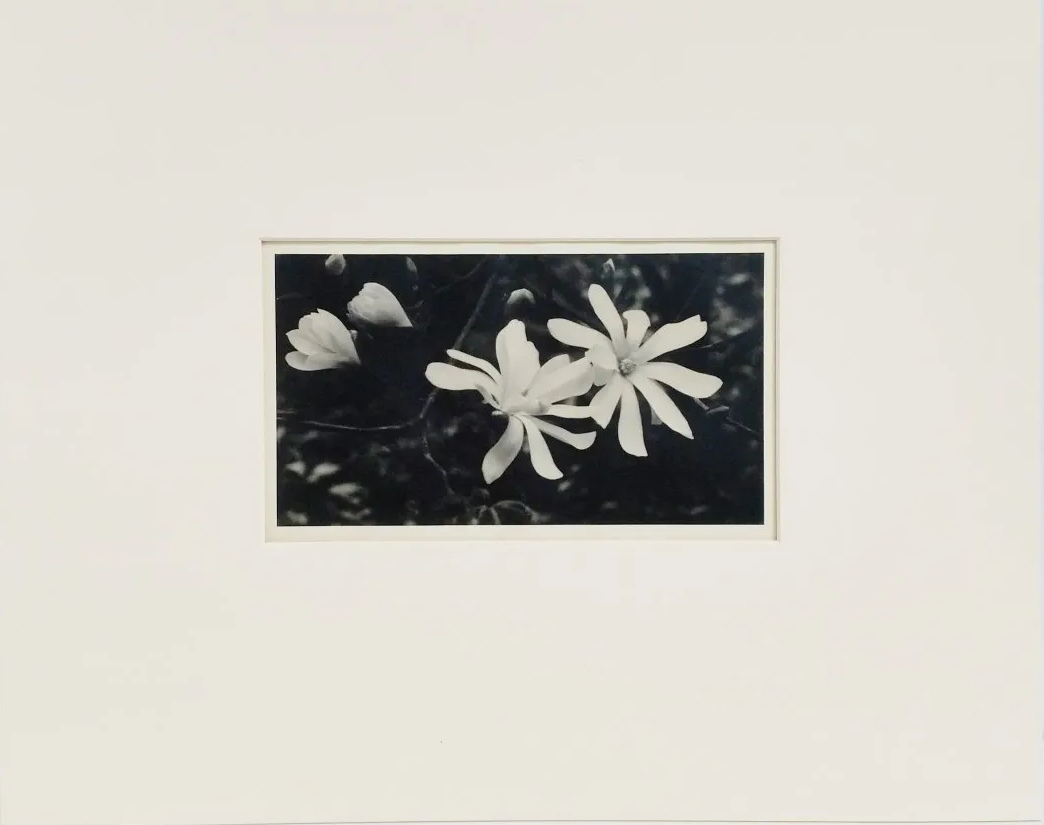
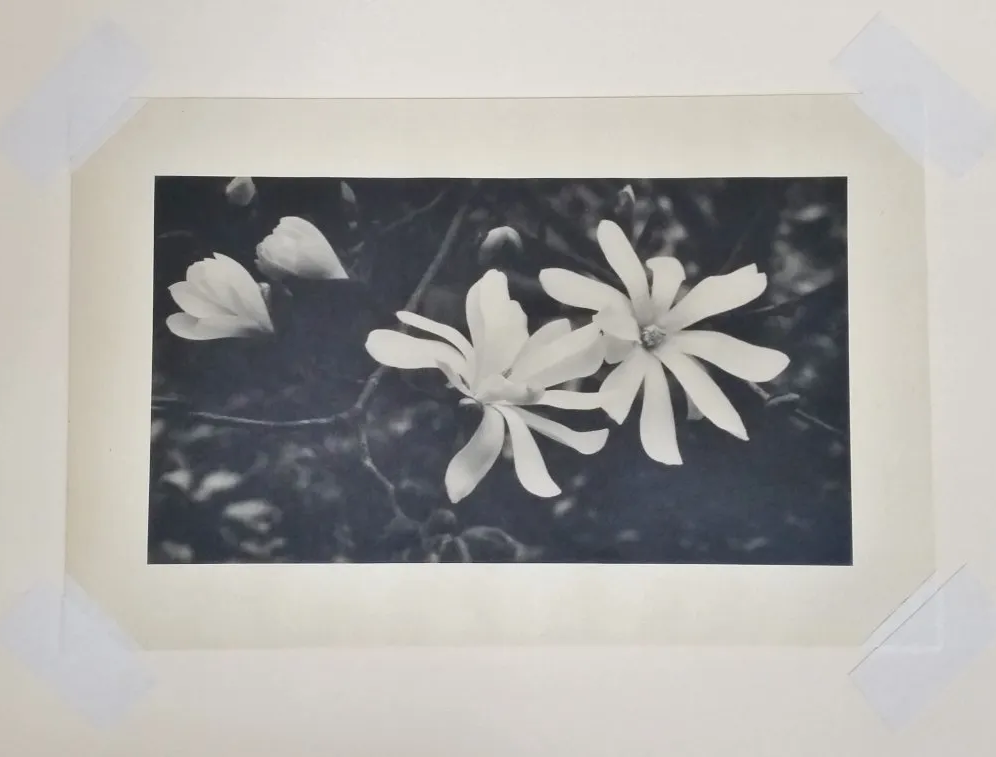
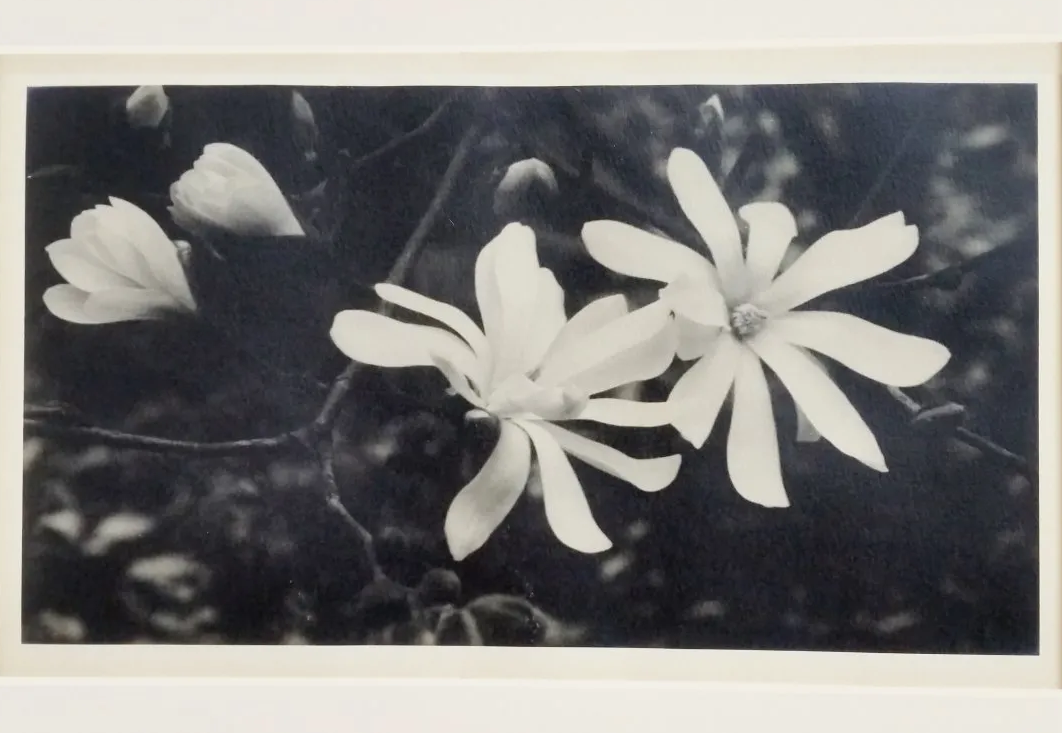
William E. Dassonville was a California photographer primarily known for his landscapes. He was an associate of Ansel Adams and worked with William Keith, George Stirling, Maynard Dixon, and John Miur. Born in Sacramento, CA, he acted as secretary of the California Camera Club and contributed to Camera Craft. He also invented a velvety surfaced printing paper that he later manufactured commercially (REF: Getty). His chemistry was heralded by Ansel Adams and Imogen Cunningham, and he exhibited alongside Alfred Stieglitz, Clarence White, and Gertrude Kasebier (REF: icp org) | src liveauctioneers
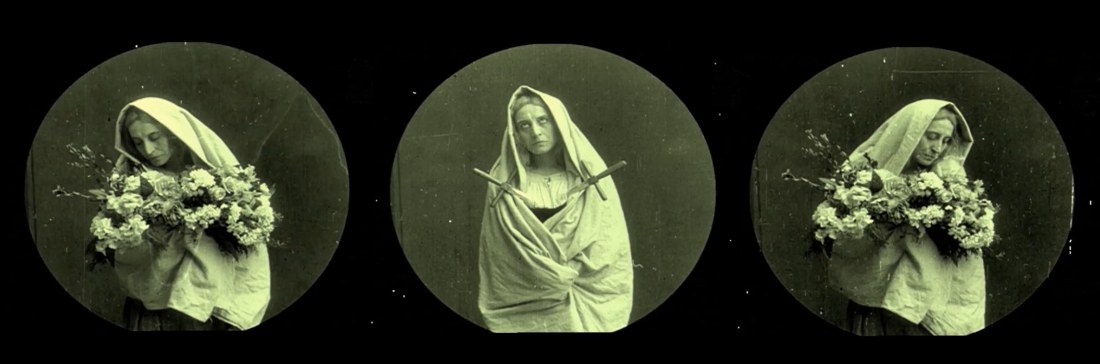
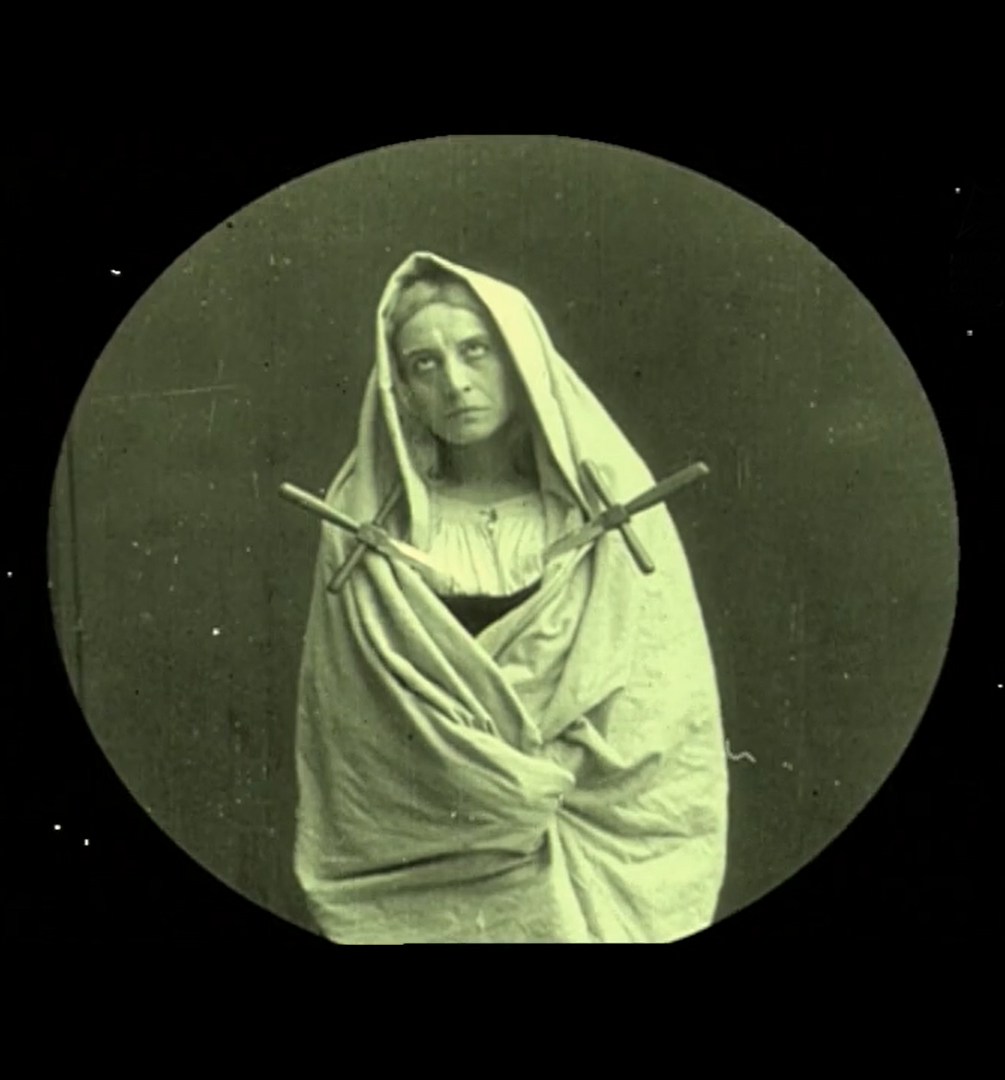
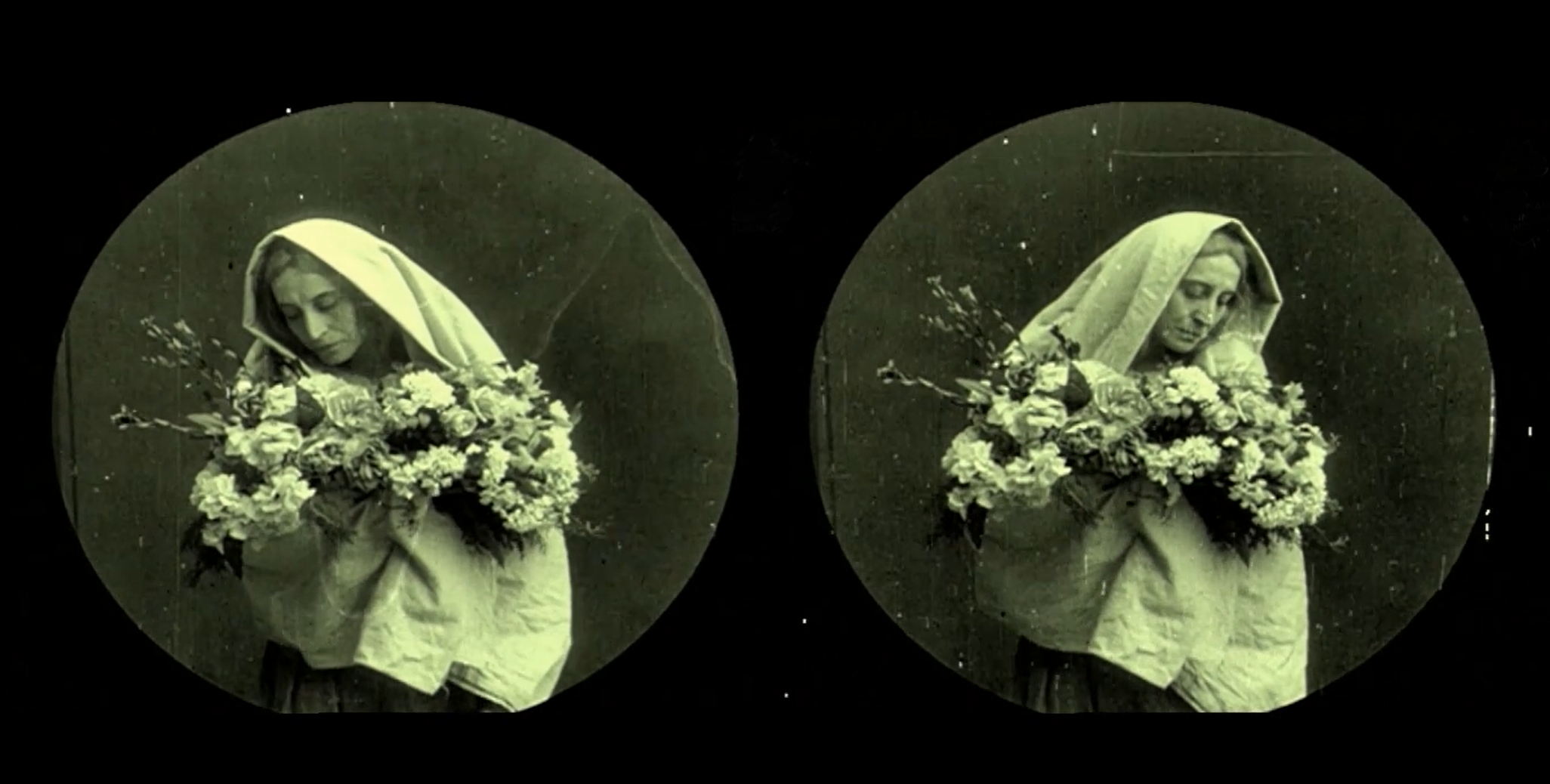
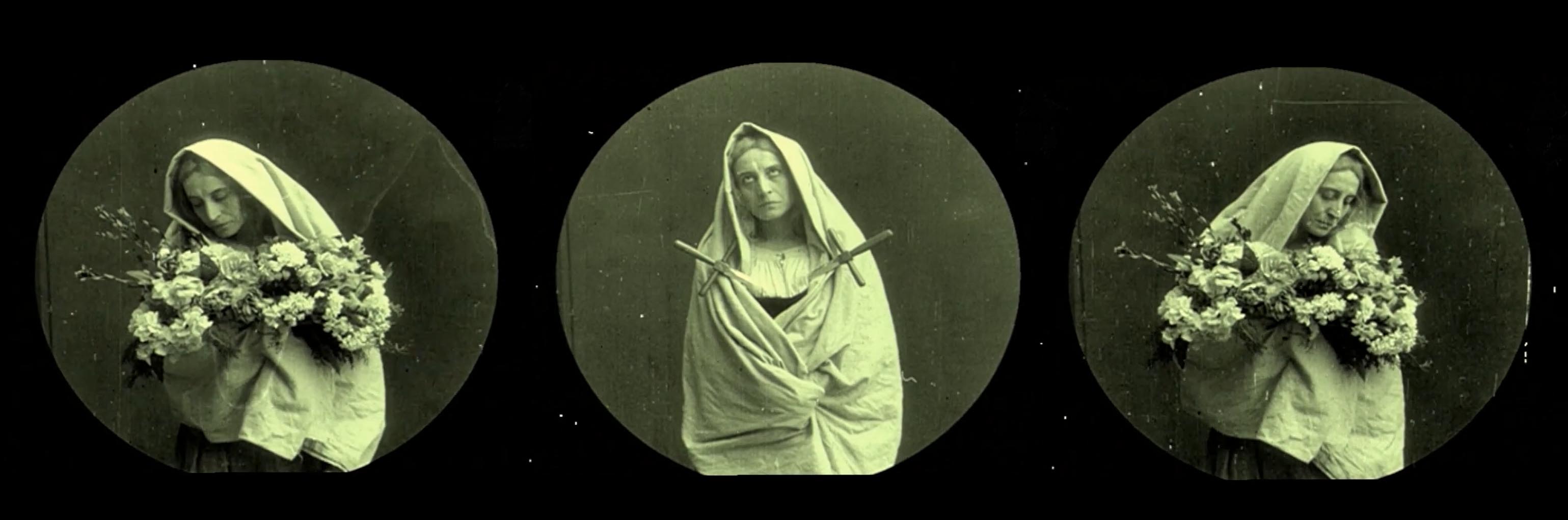

 un regard oblique