
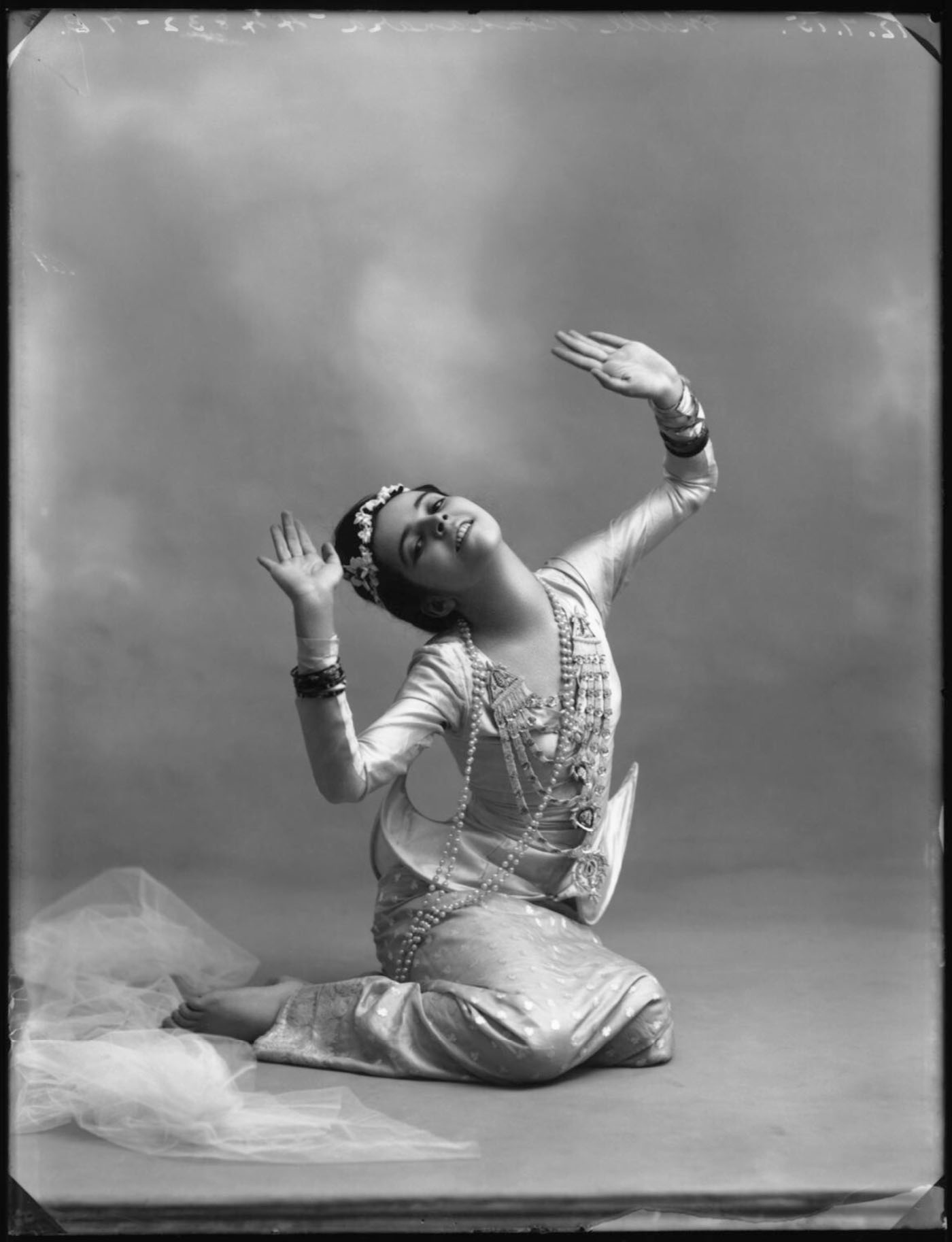
© National Portrait Gallery, London

images that haunt us
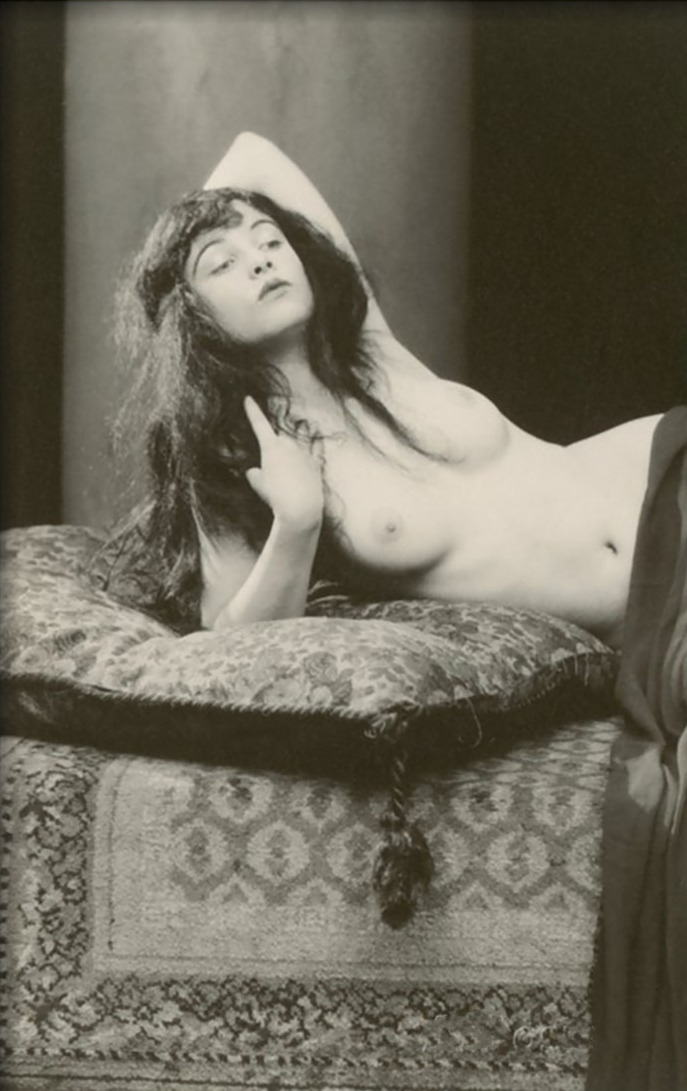
Anonymous– Reclining nude,
with Pillow and Rug,1910s
(my first delicat content identified by tumblr)
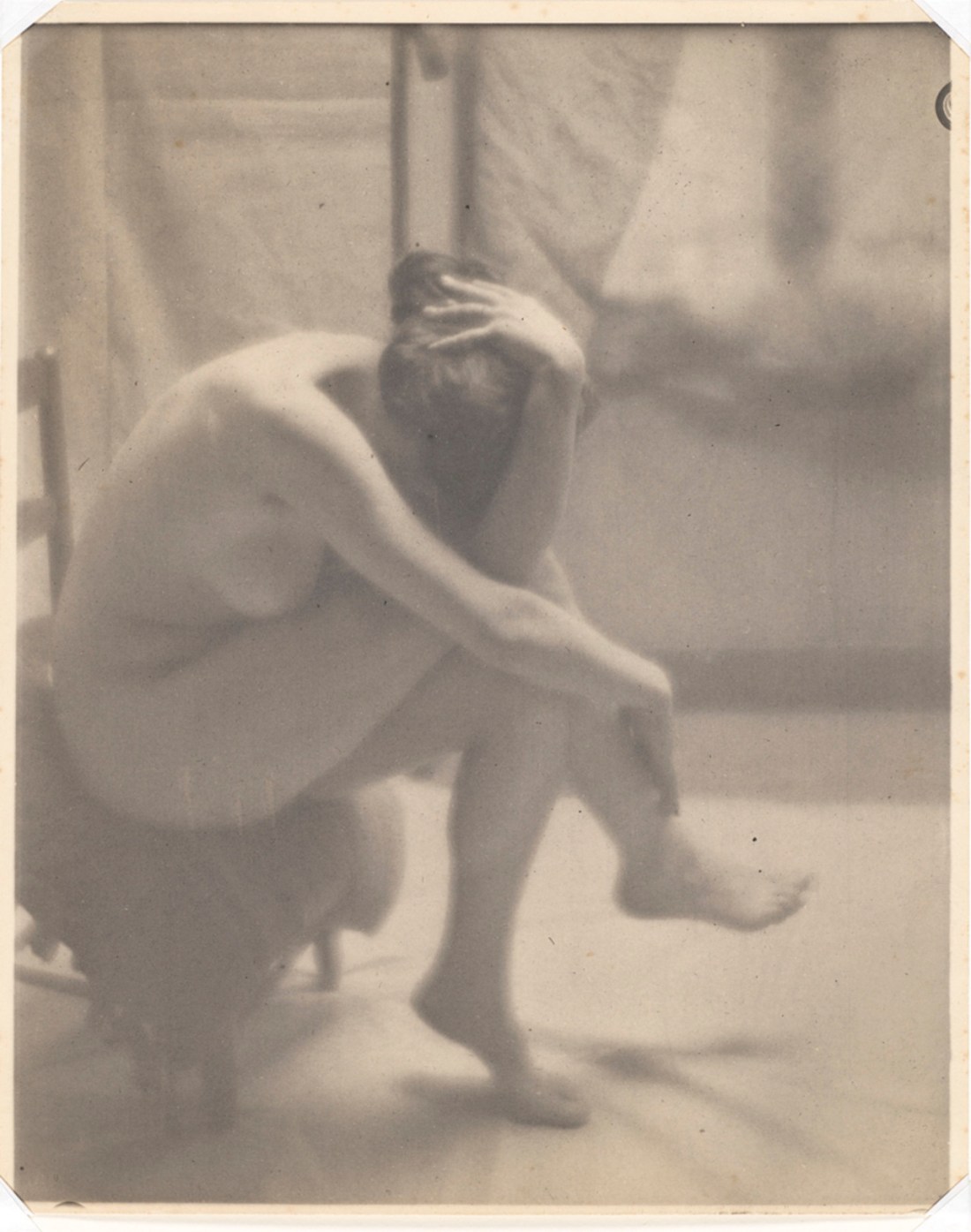
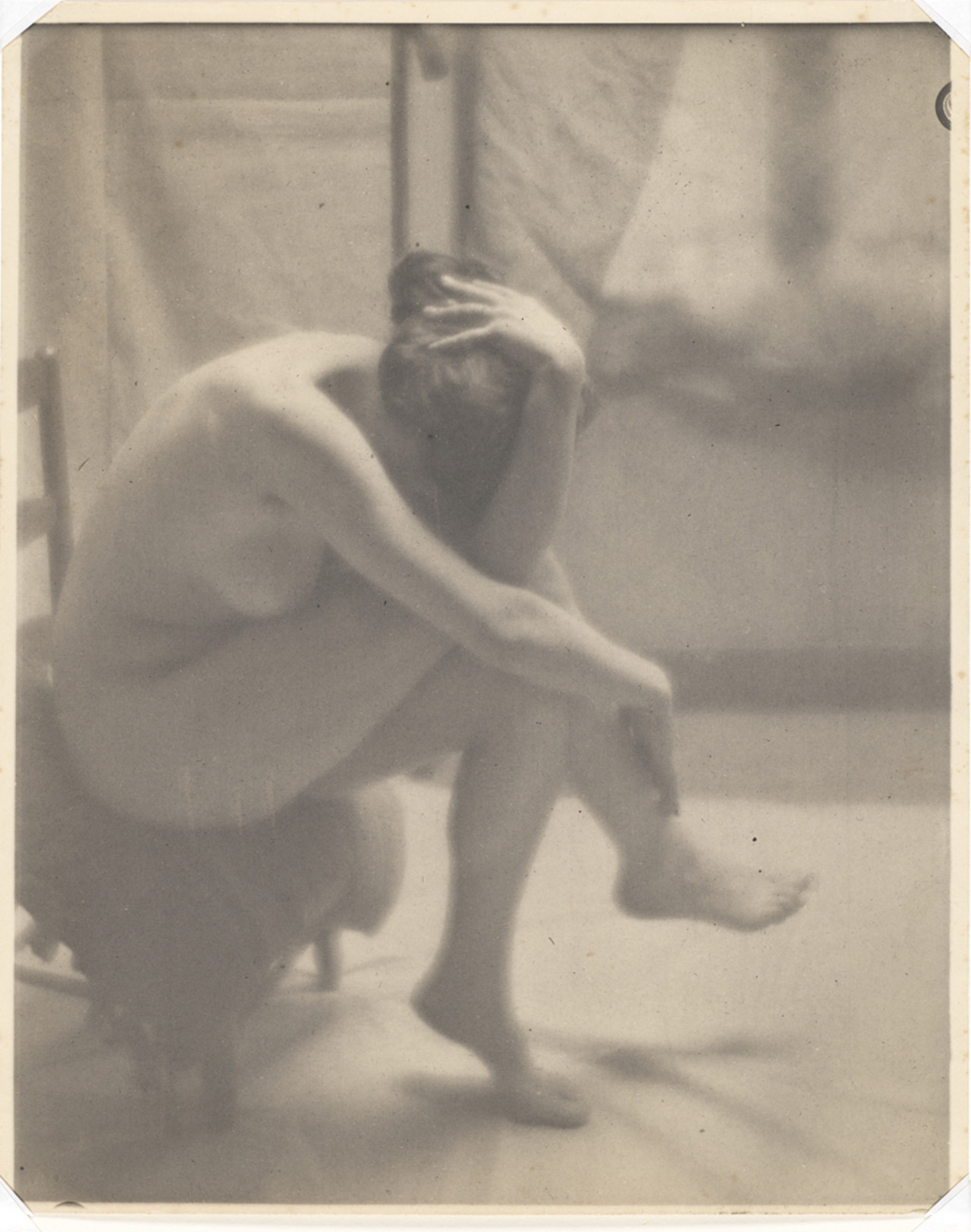
With its diffuse lighting and soft tones, Paul Haviland’s Seated Nude demonstrates his stylistic allegiance to the Photo-Secession group of American photographers.
Haviland was a French émigré and heir to a successful porcelain manufacturing firm, but after meeting Alfred Stieglitz in 1908, he devoted the next decade to establishing the legitimacy of photography as a form of high art. He published both photographs and essays in Camera Work, the preeminent American journal of avant-garde art, and helped found its successor, 291. This image is similar to photos of female nudes published by Haviland’s colleagues, with the model assuming an unusual and contorted pose in a hazy, empty interior space, her face turned away or concealed in shadow.
Quoted from Changing Poses: The Artists’ Model
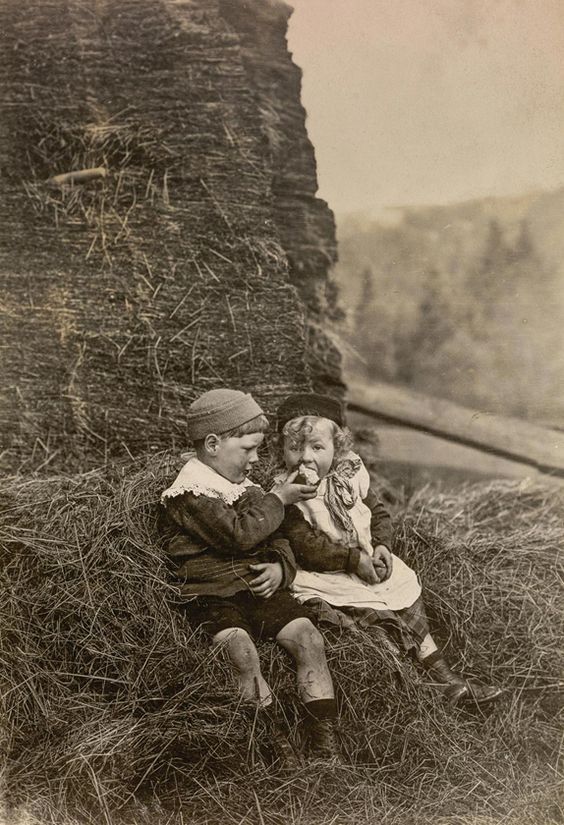
A.W. Cutler :: This photograph, taken in Britain during the war years, was published in a
number of National Geographic in 1916. source: national geographic
more [+] by this photographer

Emmy Hennings with Dada-doll, 1917.
Photo from Hans Richter, Dada and Anti-Art, (Thames and Hudson, 1965)
Emmy Hennings (1885-1948) was a performer and poet, and wife of the Dadaist Hugo Ball. Despite her critical role in the founding of the Cabaret Voltaire which launched the Dada movement, and her centrality in its performances (particularly as its only female member), it is difficult to locate information on her that does not correspond directly to her relationship with Ball.
Thomas F. Rugh describes her as “a primary contributor to the sensual display of bombast at the cabaret”, personifying the spirit of the Dada movement with which she was so intimately involved as “impulsive, enigmatic, creative, and at odds with her materialistic culture”.
The Zürcher Post wrote of her on 7 May, 1916: “The star of the cabaret however, is Mrs. Emmy Hennings. The star of who knows how many nights and poems. Just as she stood before the billowing yellow curtain of a Berlin cabaret, her arms rounded up over her hips, rich like a blooming bush, so today she is lending her body with an ever-brave front to the same songs, that body of hers which has since been ravaged but little by pain”.
via

Frank Hurley :: Photograph taken during Ernest Shackleton’s Imperial Trans-Antarctic Expedition (1914–17)
more [+] by this photographer
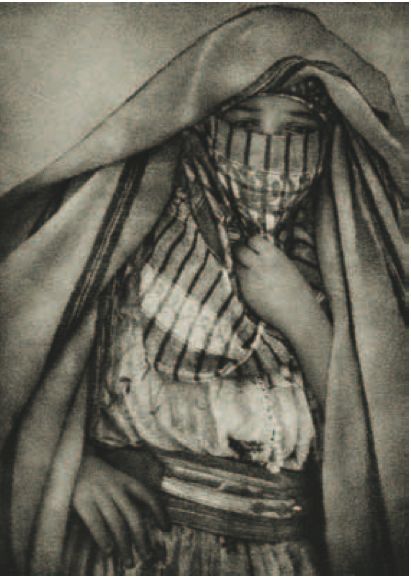
José Ortiz Echagüe (1886-1980) :: Rifeña / Woman from Rif, ca. 1910 / src: Museo Universidad de Navarra
more [+] by this photographer

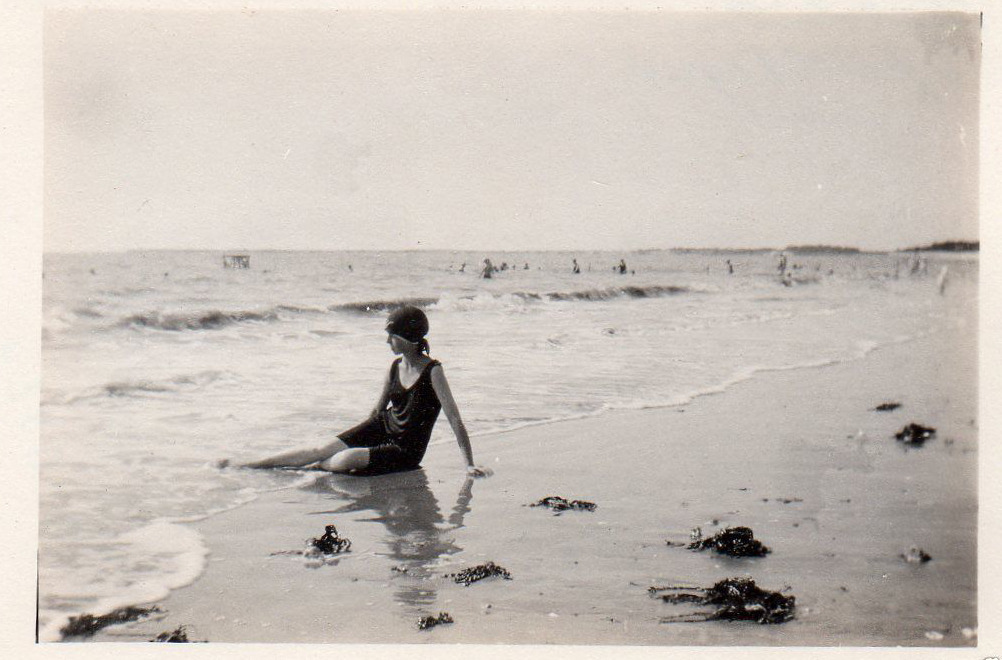

 un regard oblique