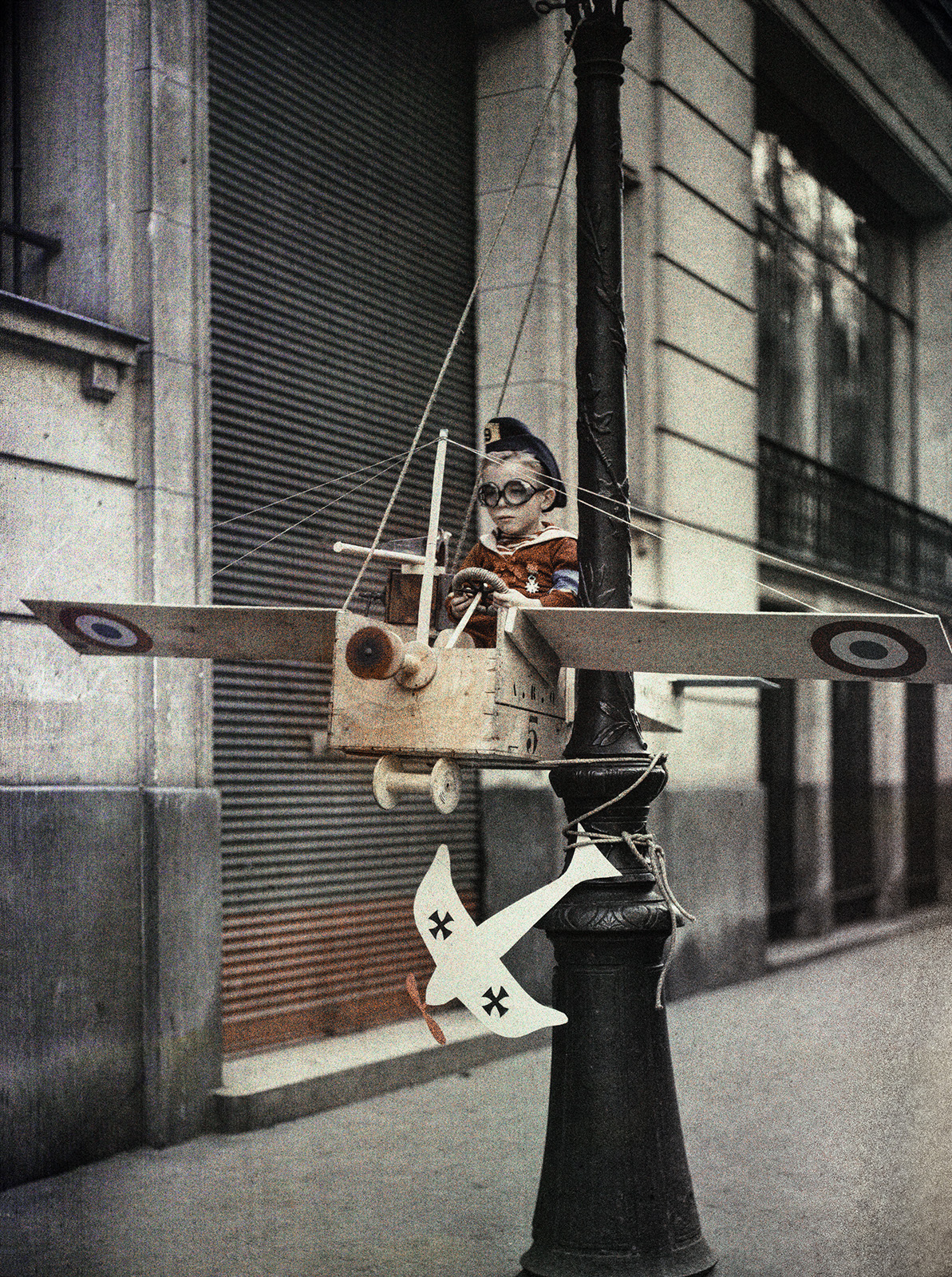
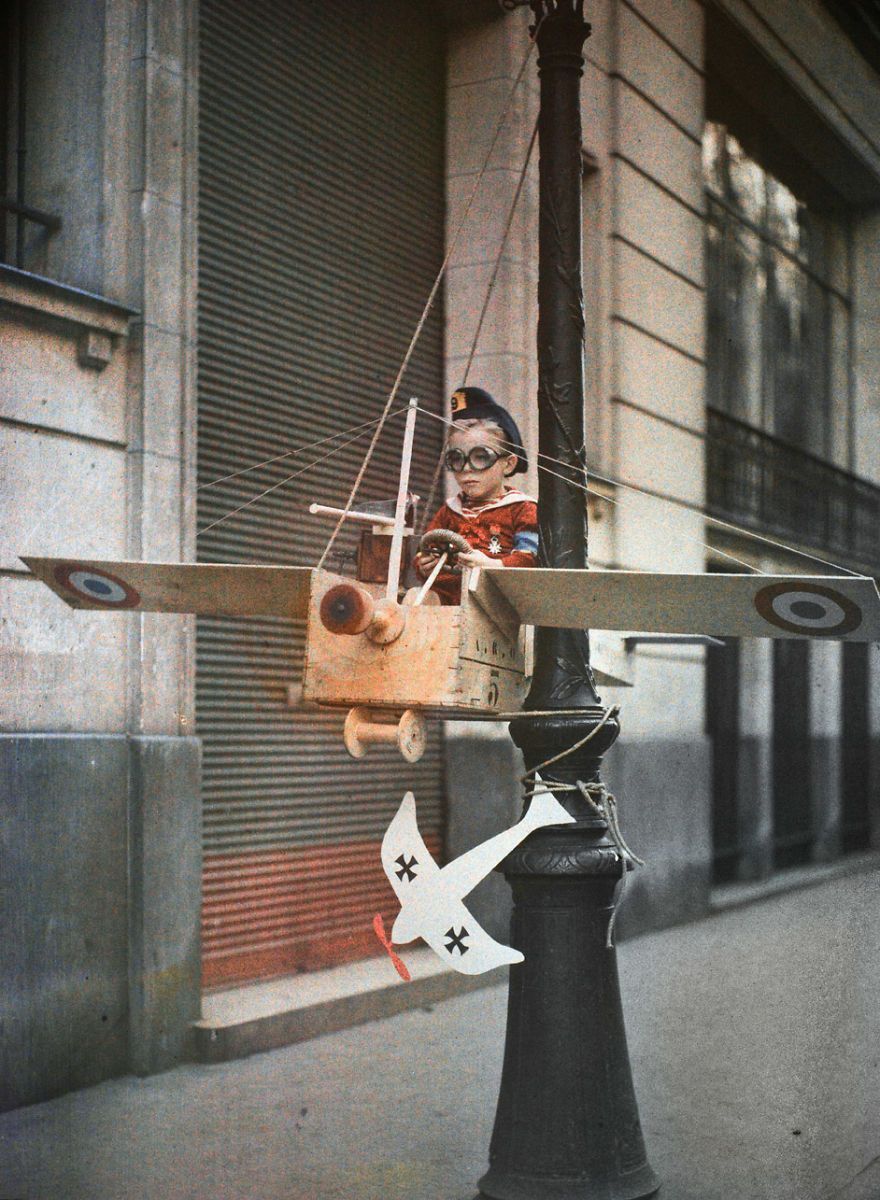
A ‘taube’ is spotted; a French 75 is immediately put into battery while ‘Pépéte’, the aviator, prepares to give chase. Paris, 19 September 1915.Léon Gimpel (1873-1948) :: The aviator ‘Pépéte’ has just shot down a ‘taube’ with his machine gun. Paris, 19 September 1915.Léon Gimpel (1873-1948) :: Boy playing in model airplane attached to a lamppost. France, 1915. Autochrome. | src SFP L’aviateir «Pépete» vient d’abattre un «Taube» à coups de mitralleuse. Paris, 19 septembre 1915.
In 1915 Gimpel befriended a group of children from the Grenata Street neighborhood in Paris who had established their own “army”. He began to visit them regularly on Sundays, helping them to build their arsenal from whatever was to hand, providing direction in “casting”, and recording with his camera the army’s triumphs over the evil enemy, the Boche.
Gimpel was charmed by these children and came to know each of them well: the “chief”, the eldest in the garrison; his friend, who was conscripted to play the unenviable role of the Boche; and Pépète, who was “small, slightly misshaped, rather scrofulous, looking somewhat like a gnome” but who nonetheless played the part of an ace aviator. At the end of each session, Gimpel would reward the troops with barley sugar, causing all to shout with one voice, “Long live the photograph!”
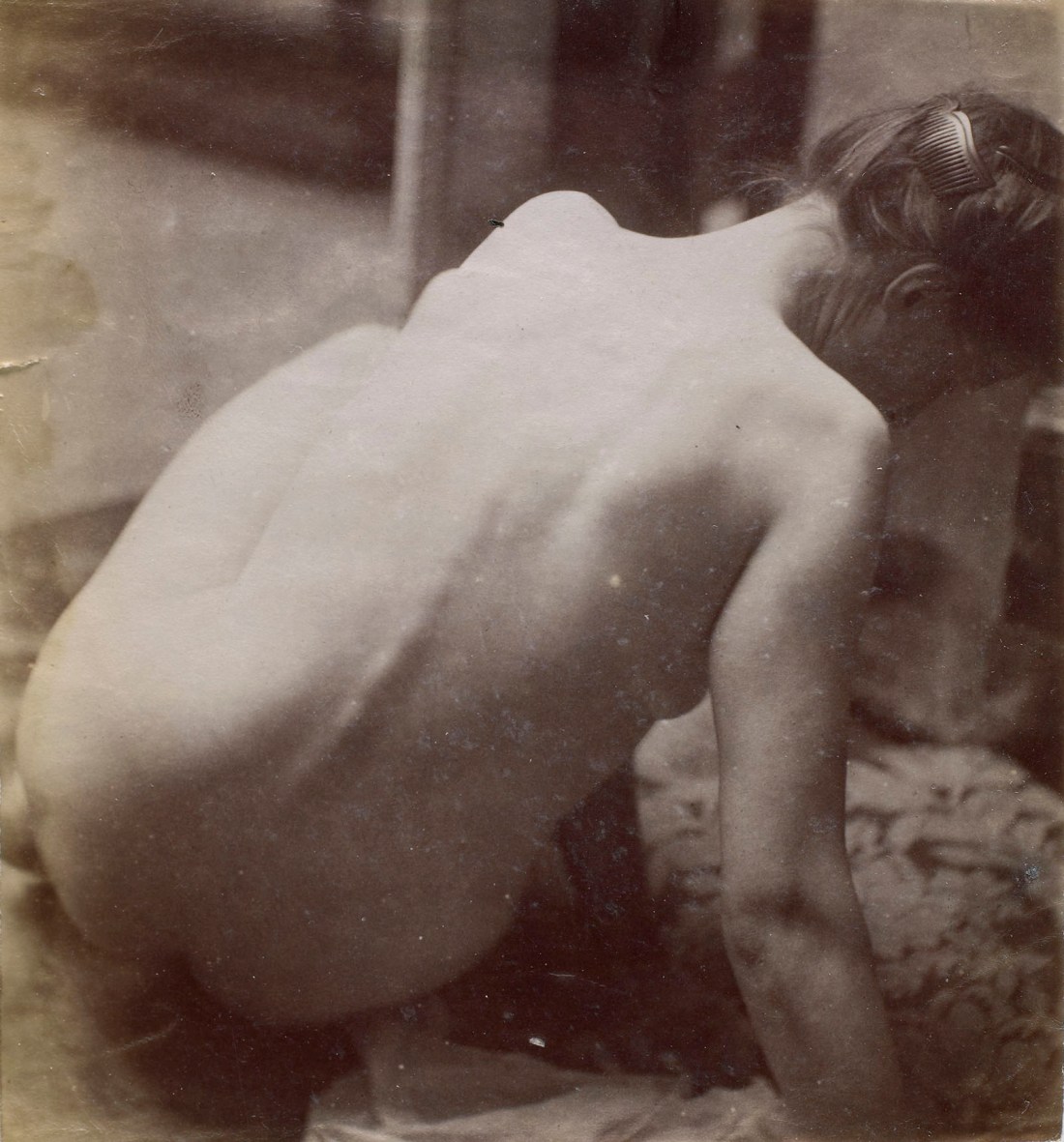
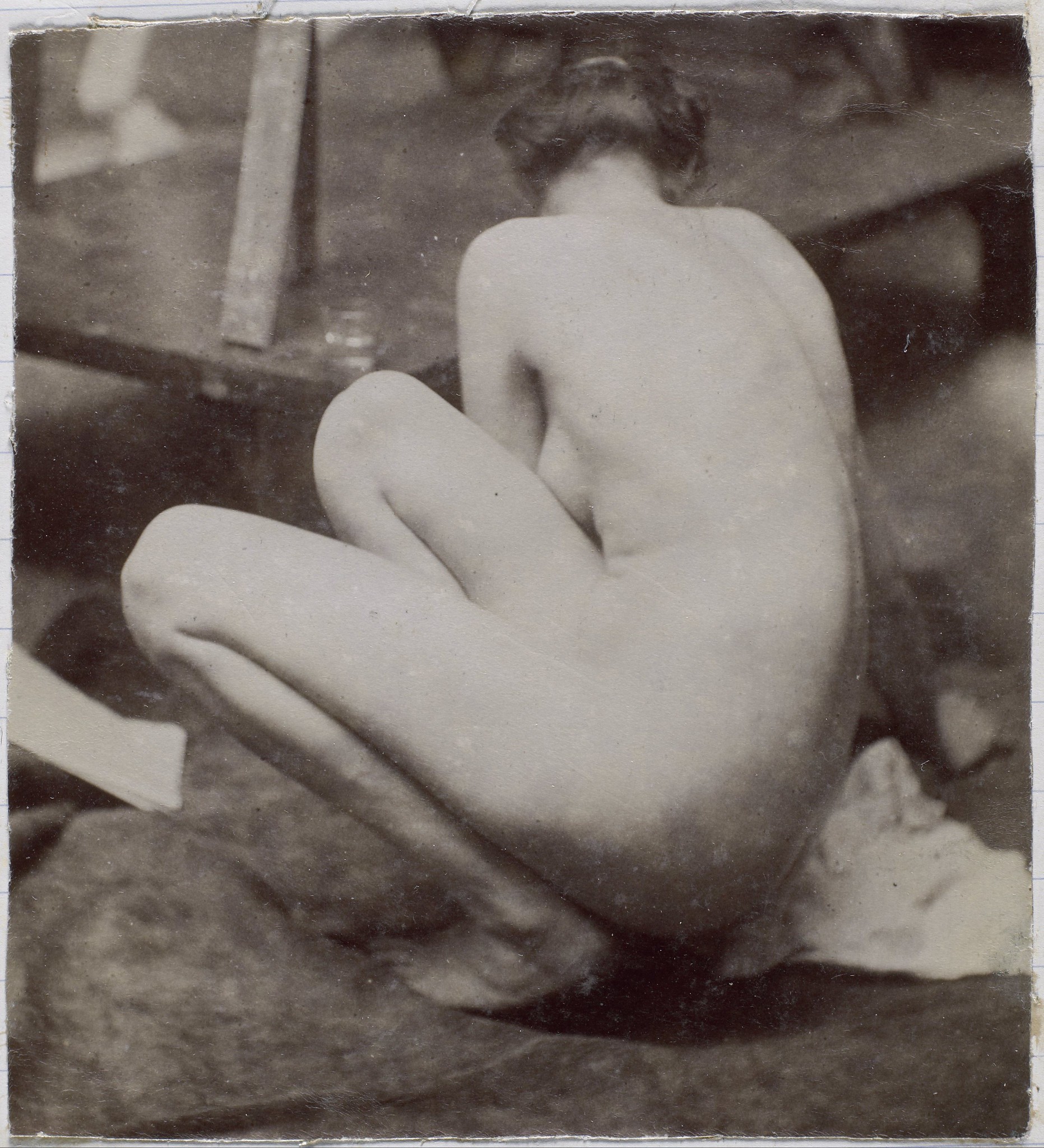
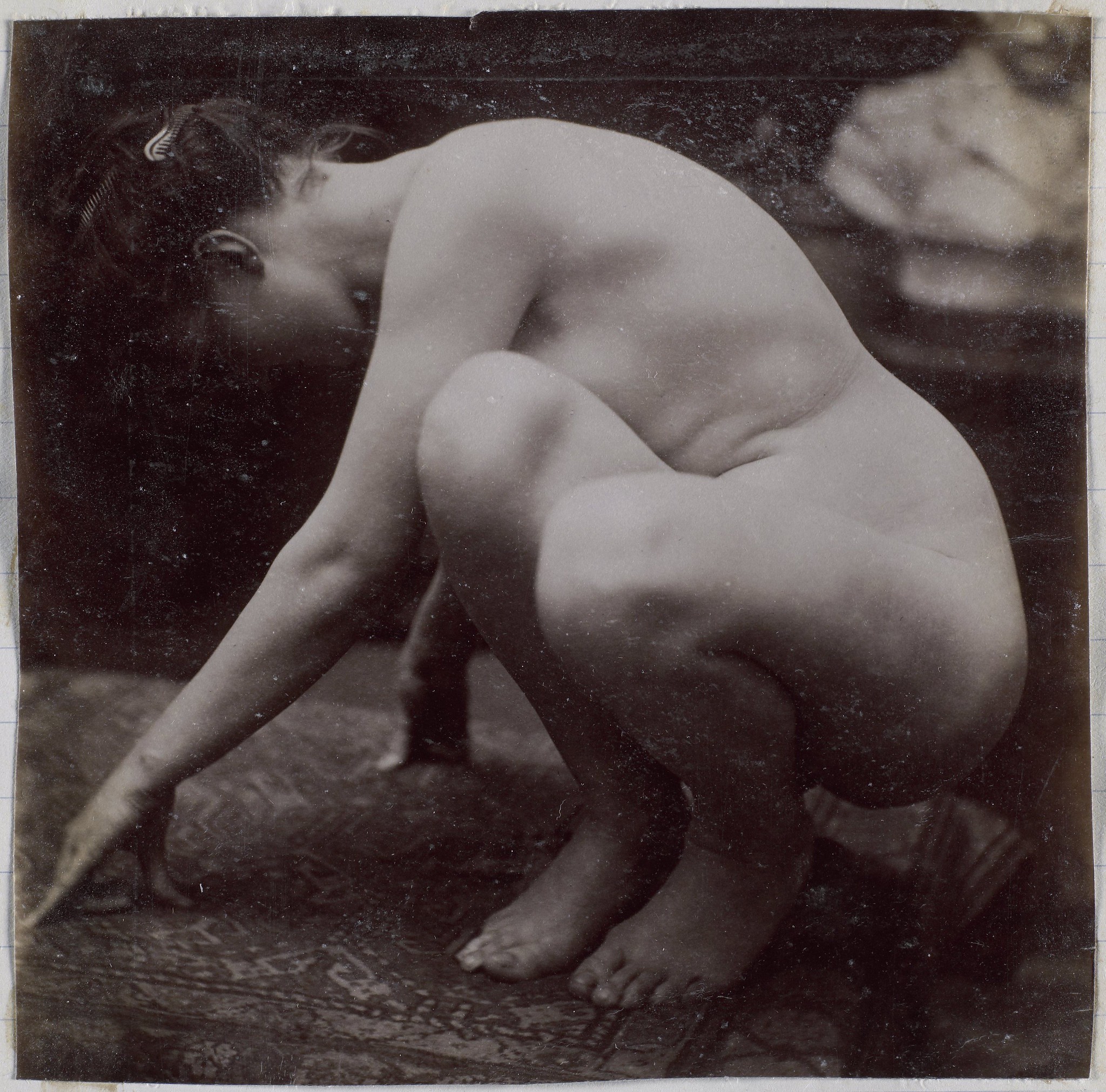
Study of a nude female model, seen from the back, in the atelier of Jacques de Lalaing, preliminary study for element for a fountain in Musée des Beaux arts, Tournai (Doornik) and for circular fountain, Brussels, ca. 1900-1914. Attributed to Jacques Lalaing. Albumen printStudy of a nude female model, seen from the back, in the atelier of Jacques de Lalaing, Brussels, ca. 1900-1914. Attributed to Jacques Lalaing. Albumen printStudy of a female nude model, seen from the side, in the atelier of Jacques de Lalaing, preliminary study for element for a fountain in Musée des Beaux arts, Tournai (Doornik) and for circular fountain, Brussels, ca. 1900-1914. Attributed to Jacques Lalaing. Albumen printStudy of a female nude model, seen from the side, in the atelier of Jacques de Lalaing, Brussels, ca. 1900-1914. Attributed to Jacques Lalaing. Albumen printStudy of a female nude model, seen from the side, in the atelier of Jacques de Lalaing, Brussels, ca. 1900-1914. Attributed to Jacques Lalaing. Albumen printStudy of a female nude model, seen from the side, in the atelier of Jacques de Lalaing, Brussels, ca. 1900-1914. Attributed to Jacques Lalaing. Albumen print
All five images are part of a notebook with 108 Photographs of Models Owned by Jacques de Lalaing (1858-1917). Access to the whole notebook held at Rijksmusem, here: follow link >>> (RP-F-2001-4)
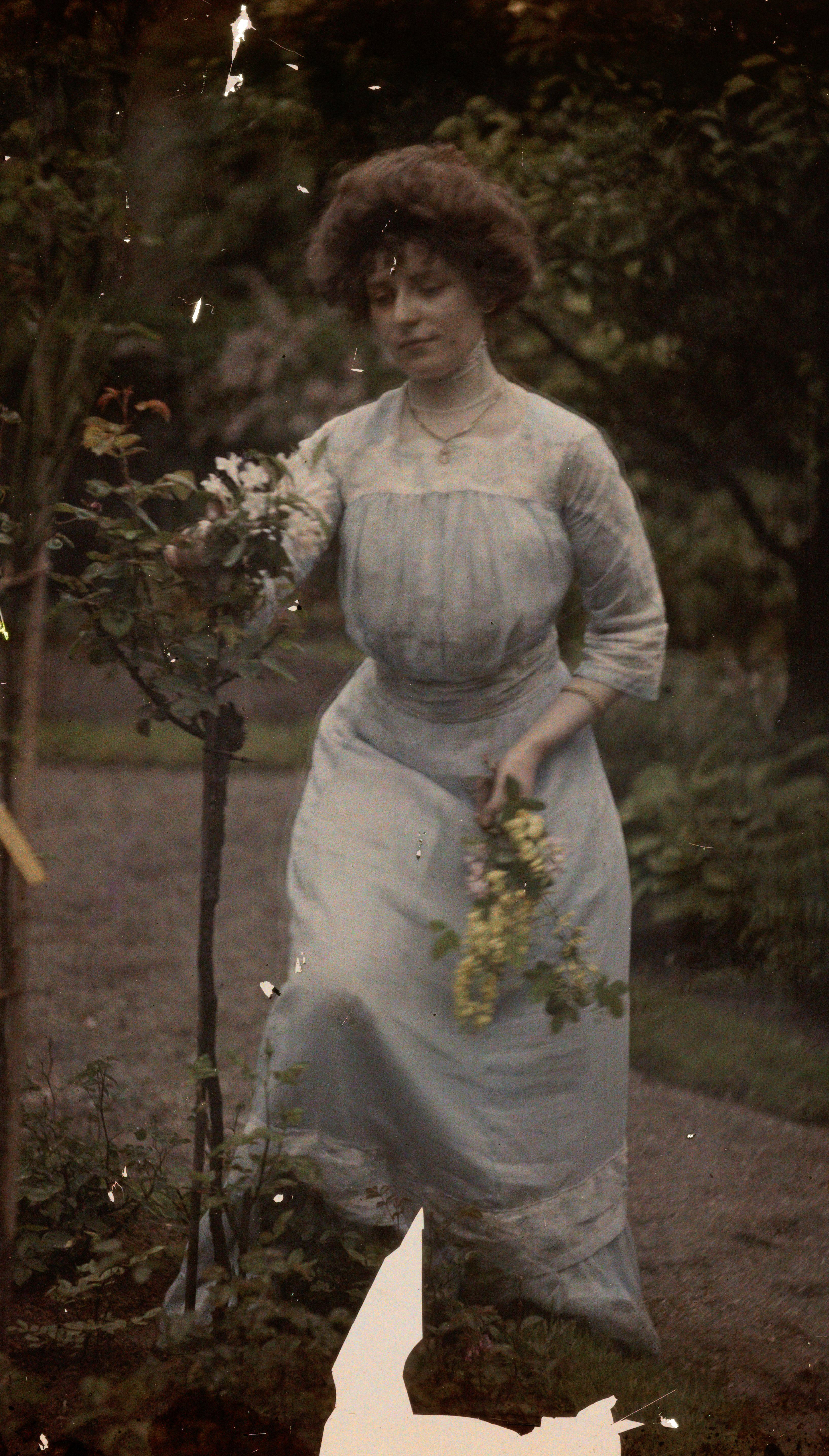
Johannes Hendrikus Antonius Maria Lutz :: Woman in garden, 1907 – 1916. Glass negative. Autochrome. | src RijksmuseumVrouw in tuin, Johannes Hendrikus Antonius Maria Lutz, 1907 – 1916 | src Rijksmuseum (DETAIL) This work belongs to Portretten (RP-F-2013-85)Johannes Hendrikus Antonius Maria Lutz :: Woman in garden (Vrouw in tuin), 1907 – 1916. Glass negative. Autochrome. | src Rijksmuseum
Charles Corbet :: The gardener, ca. 1910. Autochrome. | src Belgian AutochromistsCharles Corbet :: Girl at pond with yellow flowerbush, ca. 1910. Autochrome. | src Belgian AutochromistsCharles Corbet :: Mrs. Corbet and daughter on the heath, ca. 1910. Autochrome. | src Belgian AutochromistsCharles Corbet :: Two girls, ca. 1910. Autochrome. | src Belgian AutochromistsCharles Corbet :: Maiden with in background Echternach (Lx), ca. 1910. Autochrome. | src Belgian AutochromistsCharles Corbet :: Woman and girl by a brook, ca. 1910. Autochrome. | src Belgian AutochromistsCharles Corbet :: Reclining woman by river, ca. 1910. Autochrome. | src Belgian AutochromistsCharles Corbet :: Girl in dunes, ca. 1910. Autochrome. | src Belgian Autochromists
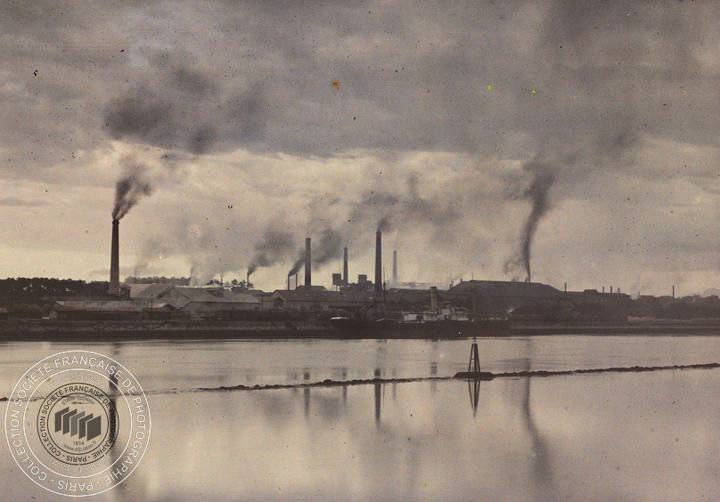
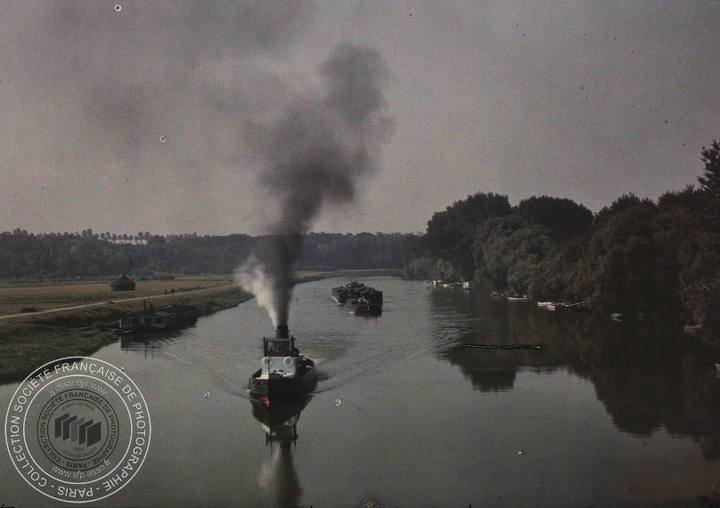
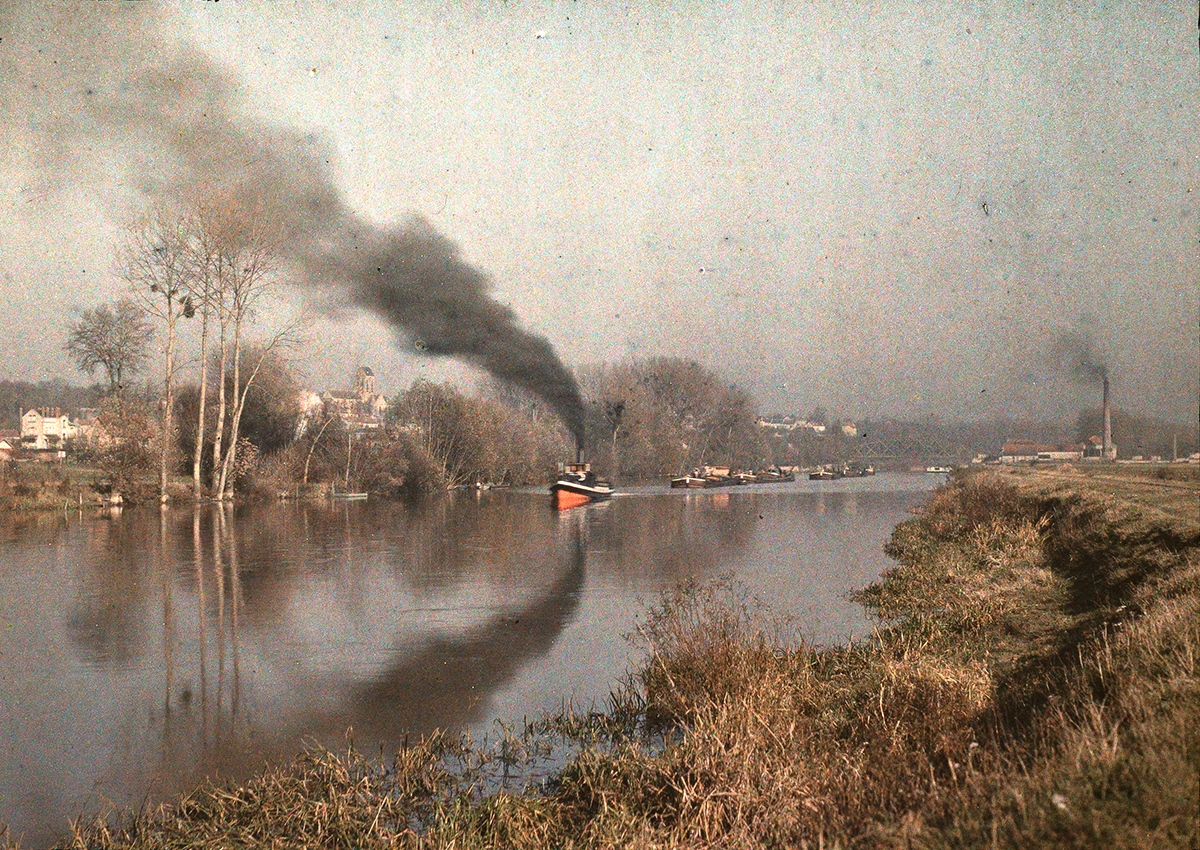
Antonin Personnaz :: [Usines, rivière, péniches], entre 1907 et 1914. Plaque de verre Autochrome. | src ODLPAntonin Personnaz :: [Rivière, usine, fumée, péniches], entre 1907 et 1936. Plaque de verre Autochrome. | src Collection SFP[Train de péniches sur l’Oise vu depuis le pont d’Auvers (En direction de l’aval) avec bateau-lavoir et une meule sur la berge, Méry-sur-Oise – Auvers-sur-Oise, Val-d’Oise, Île-de-France, France], entre 1907 et 1914. Plaque de verre Autochrome. | SFP[Rivière, péniches et petit bâteau], Antonin Personnaz, entre 1907 et 1914. Plaque de verre Autochrome | src SFPAntonin Personnaz :: Méry-sur-Oise. L’Oise en amont d’Auvers-sur-Oise. Péniches au chargement. 1907-1914. Société française de photographieLa Vie en Couleurs – Antonin Personnaz : Photographe Impressionniste | Courtesy RMM Rouen Normandie | l’œil de la photographie
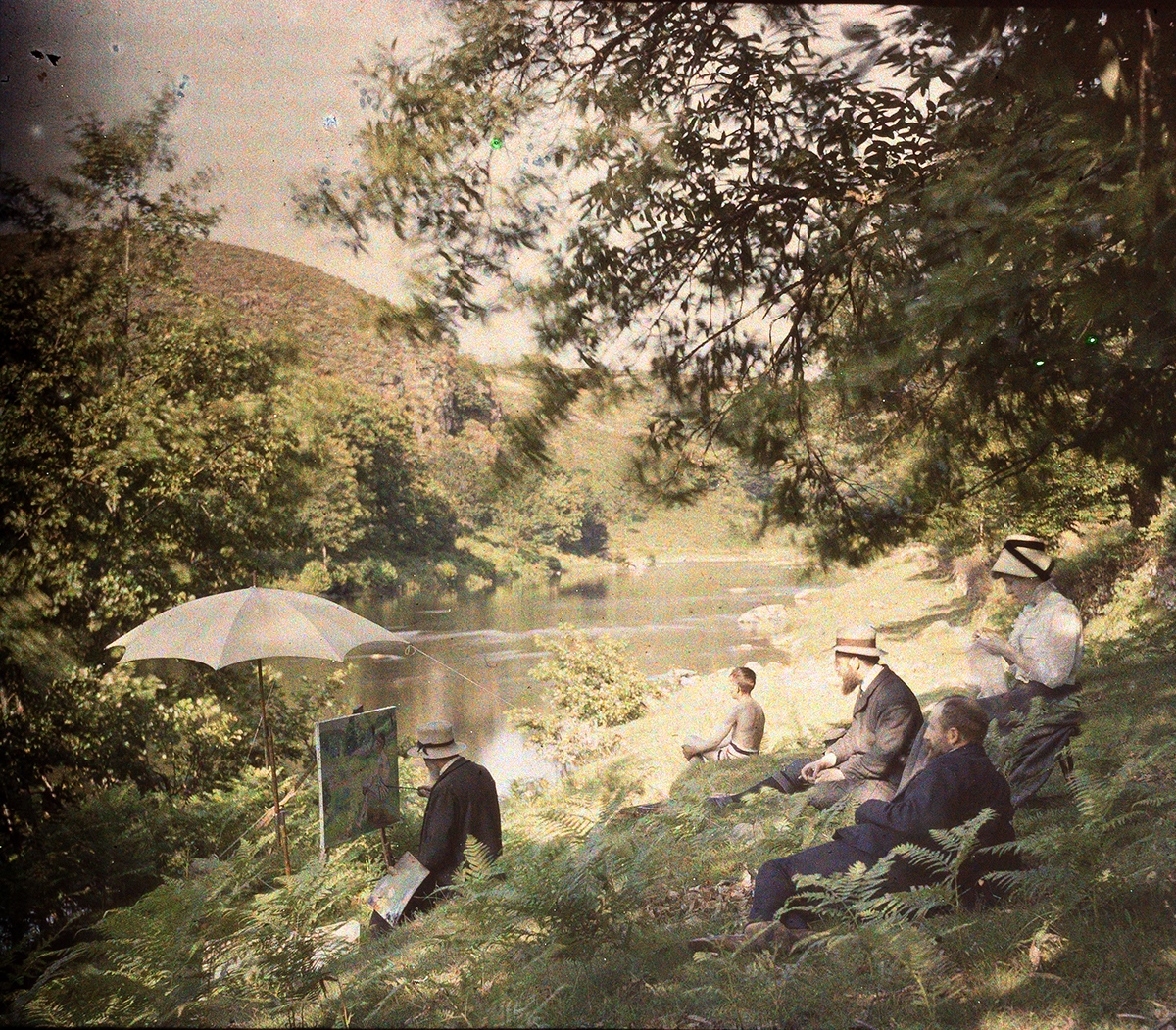
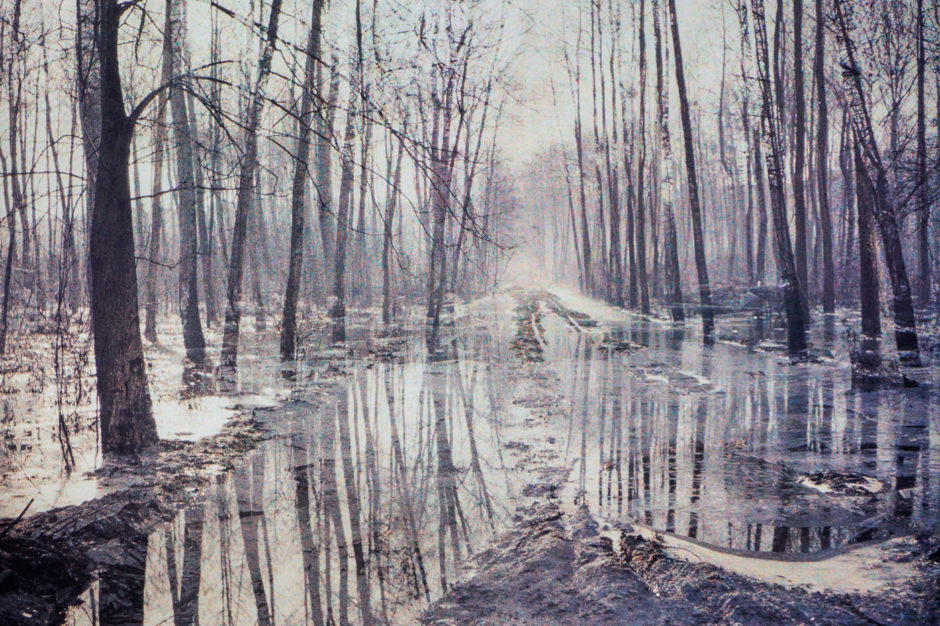
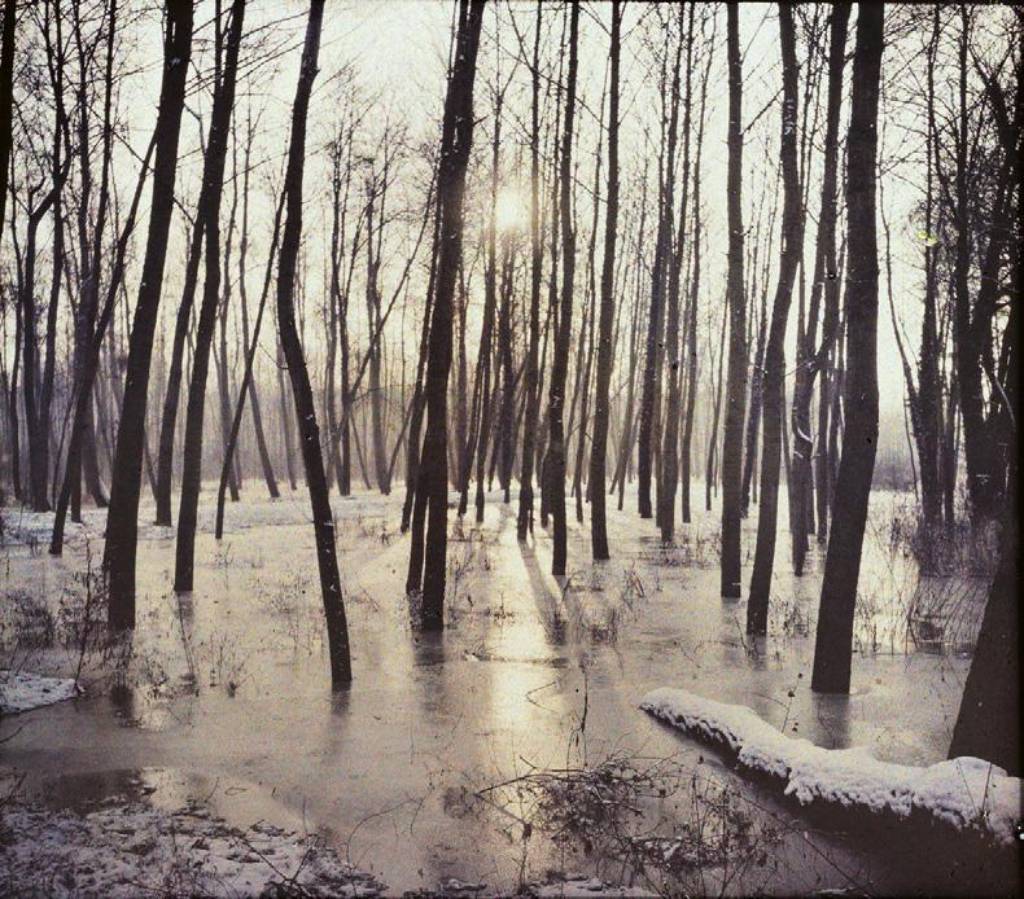
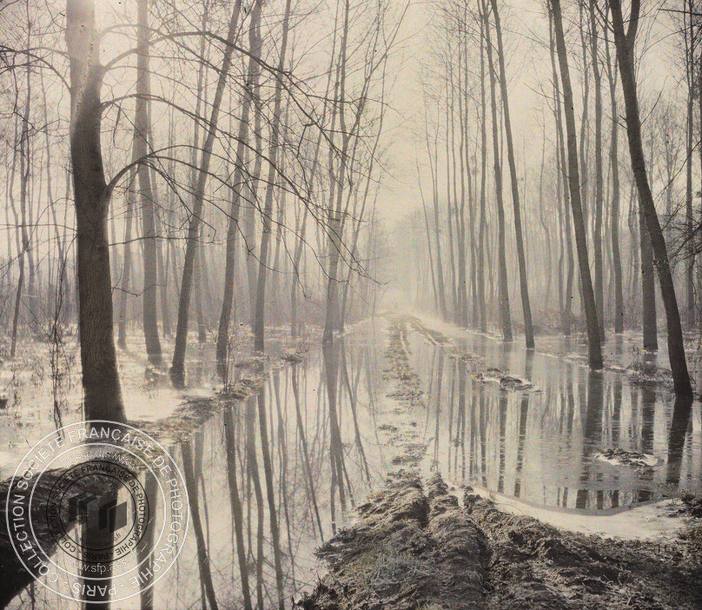
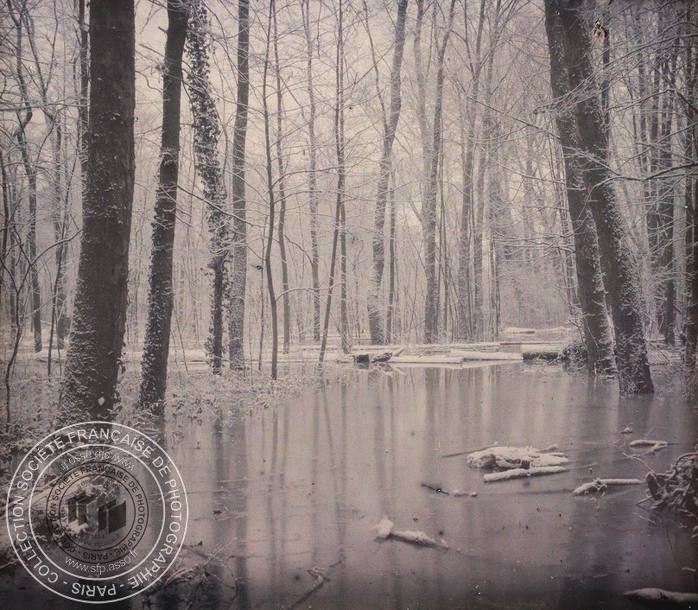
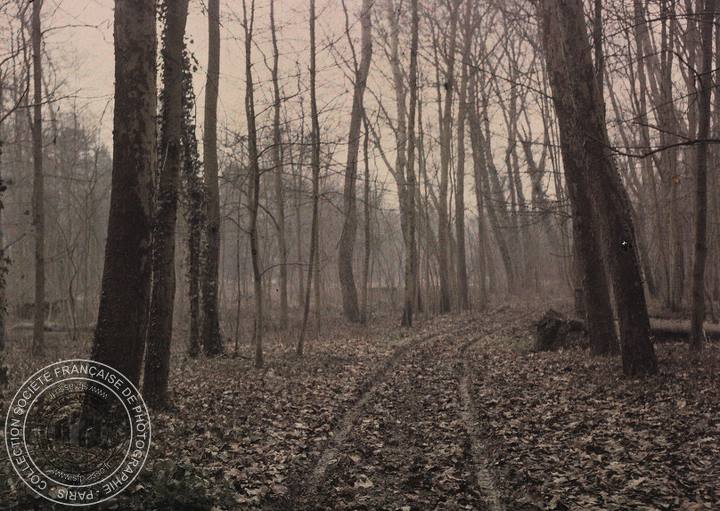
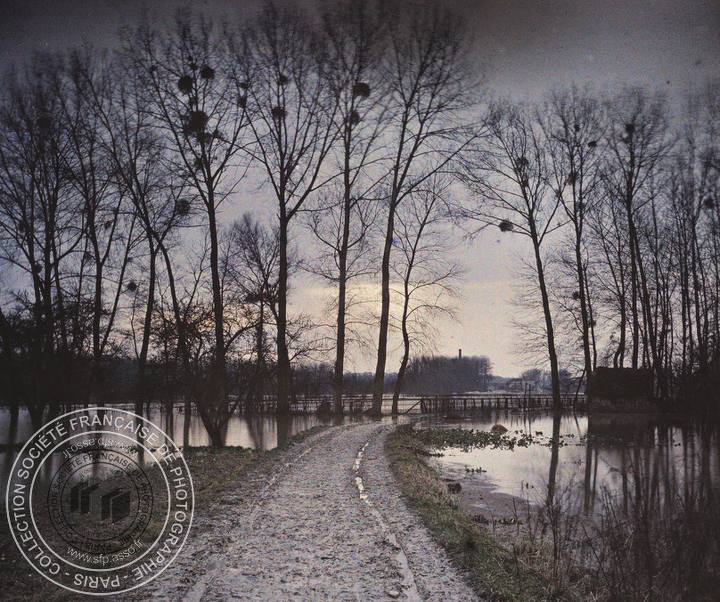
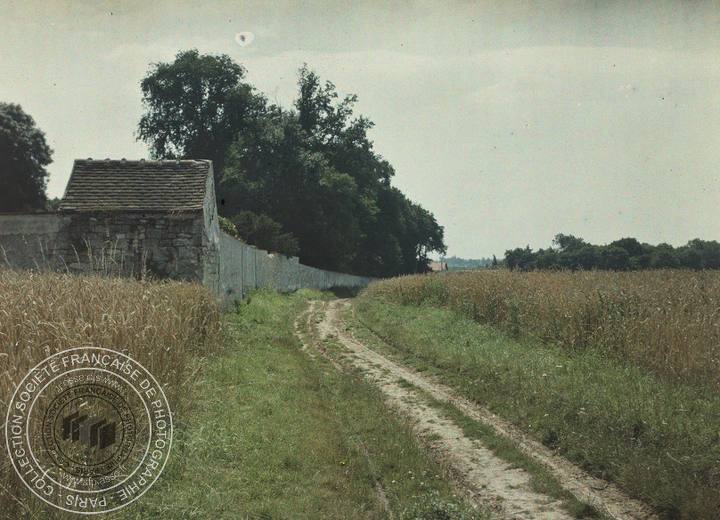
Antonin Personnaz :: Le peintre Armand Guillaumin peignant “Baigneurs à Crozant” vers 1907. Plaque Autochrome. | src ODLPLa Vie en Couleurs : Antonin Personnaz, Photographe Impressionniste – Courtesy RMM Rouen Normandie / Musée des Beaux-Arts / ODLPAntonin Personnaz :: [Rivière, femme peintre sur le motif], entre 1907 et 1936. Plaque de verre AutochromeAntonin Personnaz :: La vie en couleurs – Antonin Personnaz, photographe impressionnisteAntonin Personnaz :: Effet de soleil dans les arbres. Inondations. Hiver, 1907-1914. Autochrome. | Société française de photographieAntonin Personnaz :: [Chemin, forêt, inondation], entre 1907 et 1936. Plaque de verre autochrome.Antonin Personnaz :: [Forêt, neige], entre 1907 et 1936. Plaque de verre autochrome.Antonin Personnaz :: [Forêt, inondation, neige], entre 1907 et 1936. Plaque de verre autochrome.Antonin Personnaz :: [Chemin, forêt, feuilles mortes], entre 1907 et 1936. Plaque de verre autochrome.Antonin Personnaz :: [Chemin, champs inondés ou étendues d’eau, hiver, crépuscule?], entre 1907 et 1936. Plaque de verre autochrome.Antonin Personnaz :: [Paysage: pêcheur en bord de rivière], entre 1907 et 1936. Plaque de verre autochrome.Antonin Personnaz :: [Chemin, champs de blé, mur, petite construction], entre 1907 et 1914. Plaque de verre Autochrome.
Invented by the Lumière Brothers, Autochrome was the first color photographic process to be marketed. As soon as it was put on the market in 1907, it was an immediate success with amateur and professional photographers. This is the photographic medium used by Albert Kahn for his Archives de la planète, the world’s first global report in color. Among the early adopters stands out a singular personality. Antonin Personnaz (1854-1936) is indeed one of the most important collectors of Impressionism, and is one of the great benefactors of national museums. His 1937 bequest includes 142 first-rate works (Pissarro, Guillaumin, Sisley, Degas, Renoir, Toulouse-Lautrec, etc.), including Monet’s famous Pont d’Argenteuil, which are today among the masterpieces presented at the Musée d’Orsay and at the Musée Bonnat-Helleu. Less well known is his status as an active member of the French Photography Society (from 1896) and of the Society of Excursions for Photography Amateurs (from 1900). As such, he is at the origin of a distinction awarded to the Lumière Brothers for the invention of the autochrome plate, whose grainy and pointillist rendering seems to him to join the research of Impressionist painters, and whose aesthetic qualities he ardently defends. From 1907, Antonin Personnaz assiduously practiced autochromy himself and produced more than a thousand plates, which his widow donated to the Société française de photographie. Despite its interest in the history of Impressionism, this collection has been little studied and shown. However, because of its proximity to artists, Personnaz’s photographic work is of exceptional interest.
In fact, there are not only direct testimonies from painters working on the motif, but also many views whose kinship with the most famous impressionist landscapes is obvious. Views of rivers, countryside, snowy landscapes, peasant scenes, women with umbrellas, flowering apple trees, poppies, all the Impressionist vocabulary can be found there. It seems that Personnaz looks at sites chosen by painters and, by photographing them, mirrored a sort of collection of personal Impressionist images. This unique exhibition, produced in partnership with the Société française de photographie, will be the very first study and publication devoted to Antonin Personnaz. It will present a corpus of images that recreate the pictorialist imagination of the author, with a striking realism for today’s visitor.
A unique exhibition produced in partnership with the Société française de photographie | src ODLP
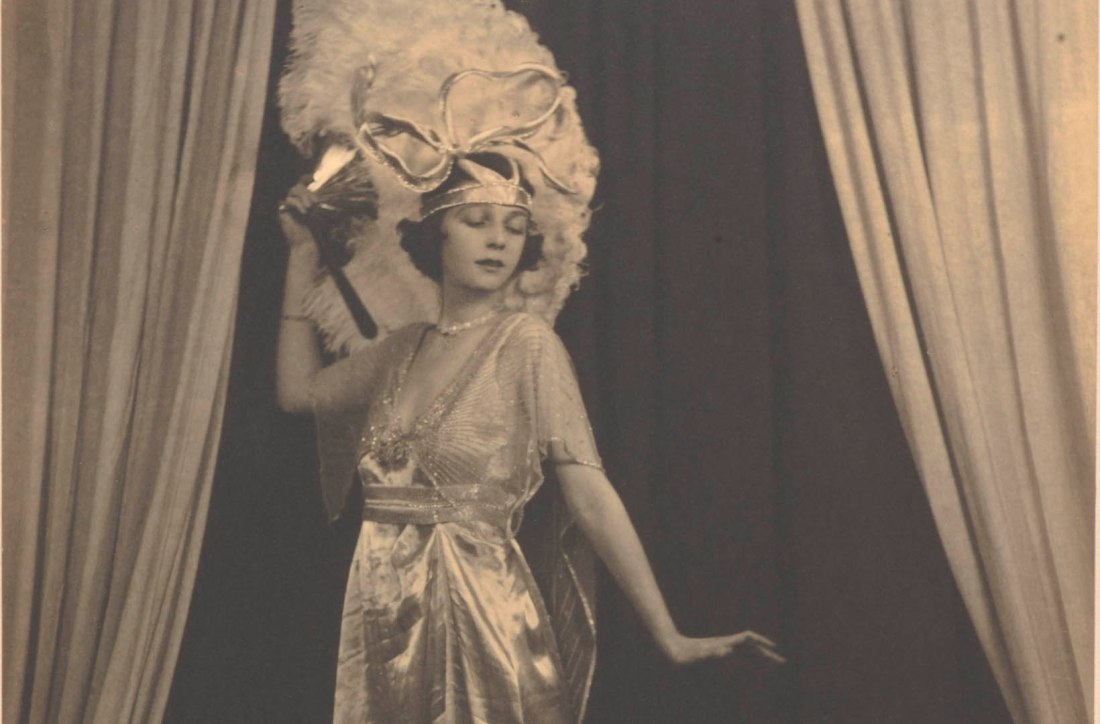
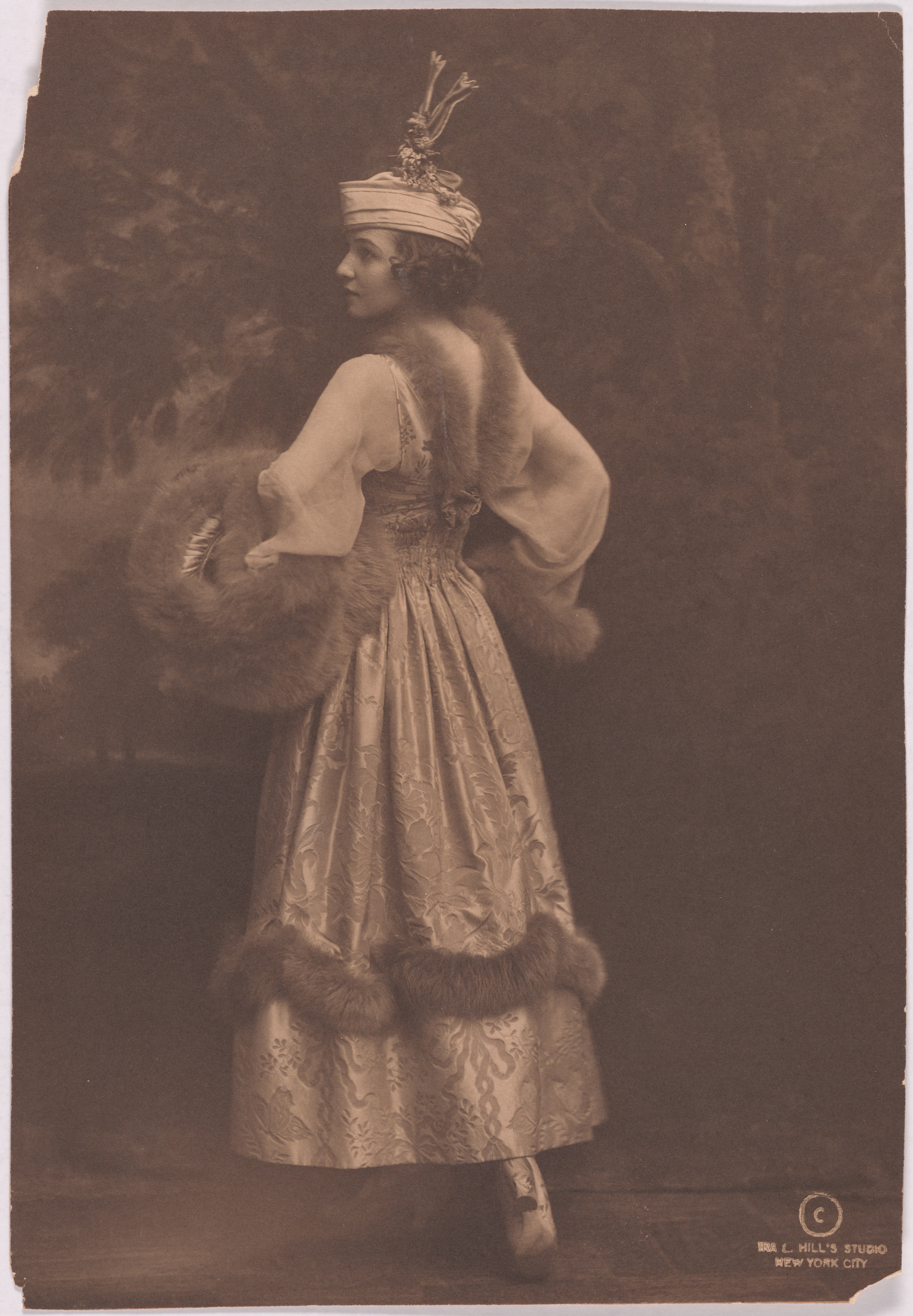
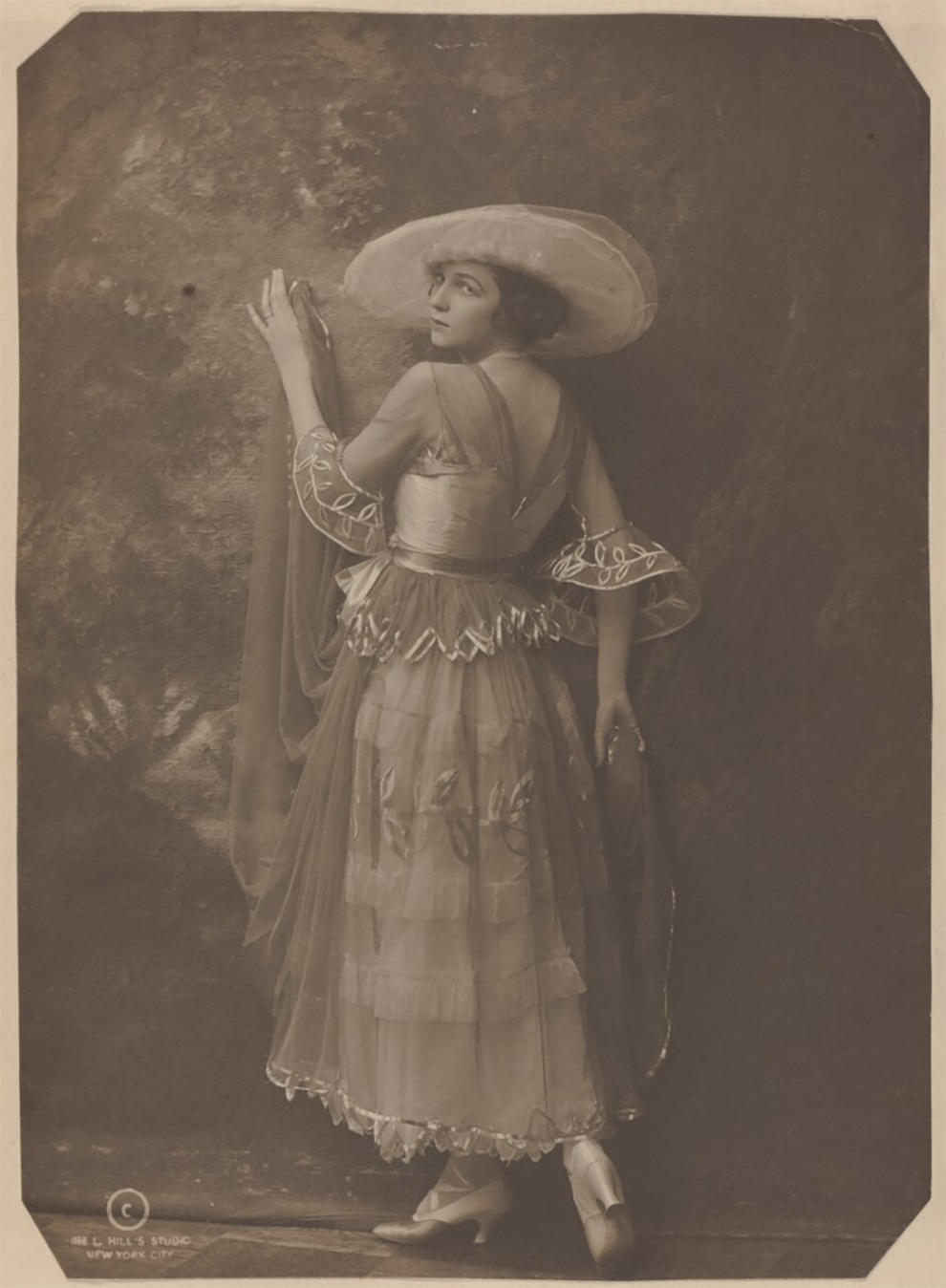
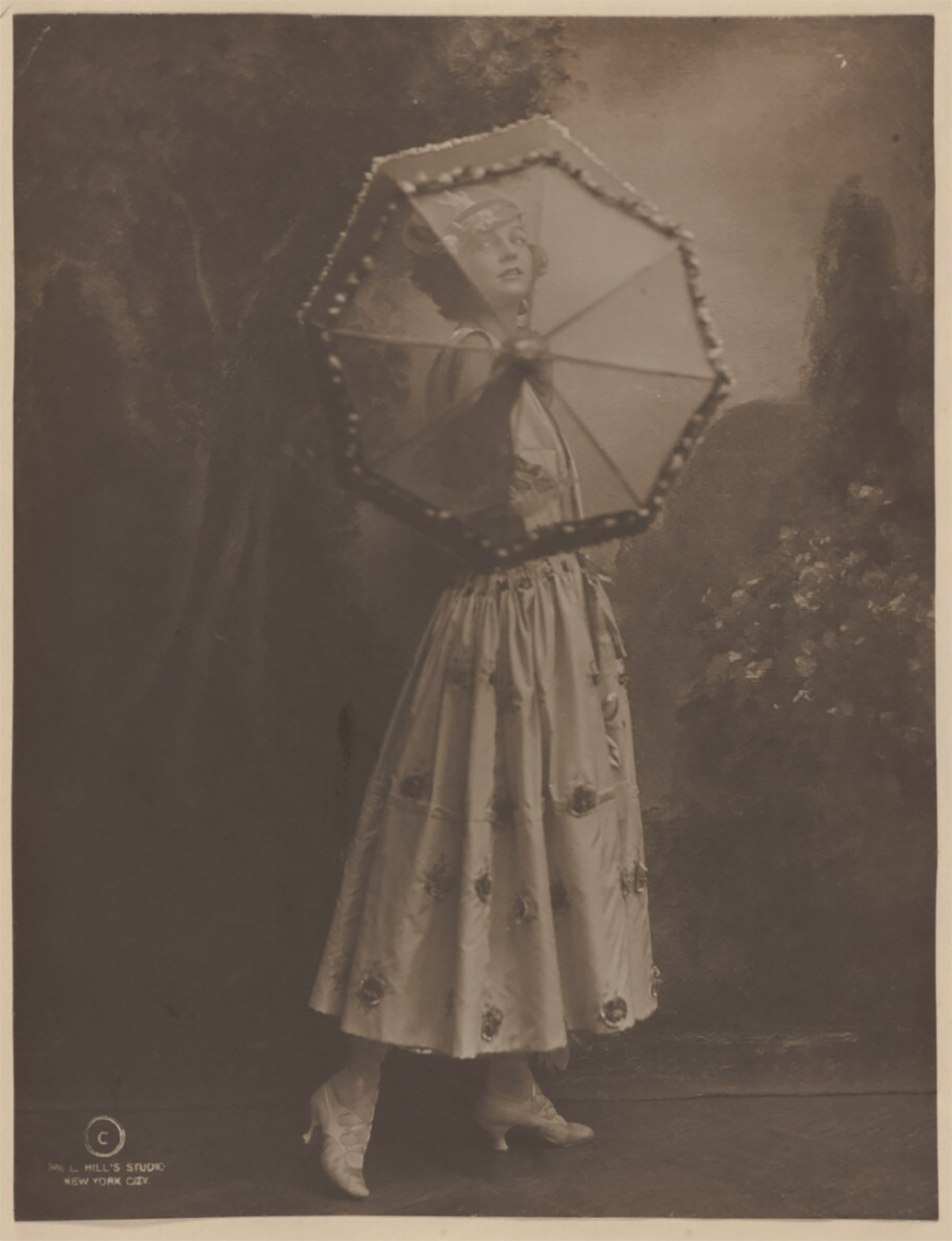
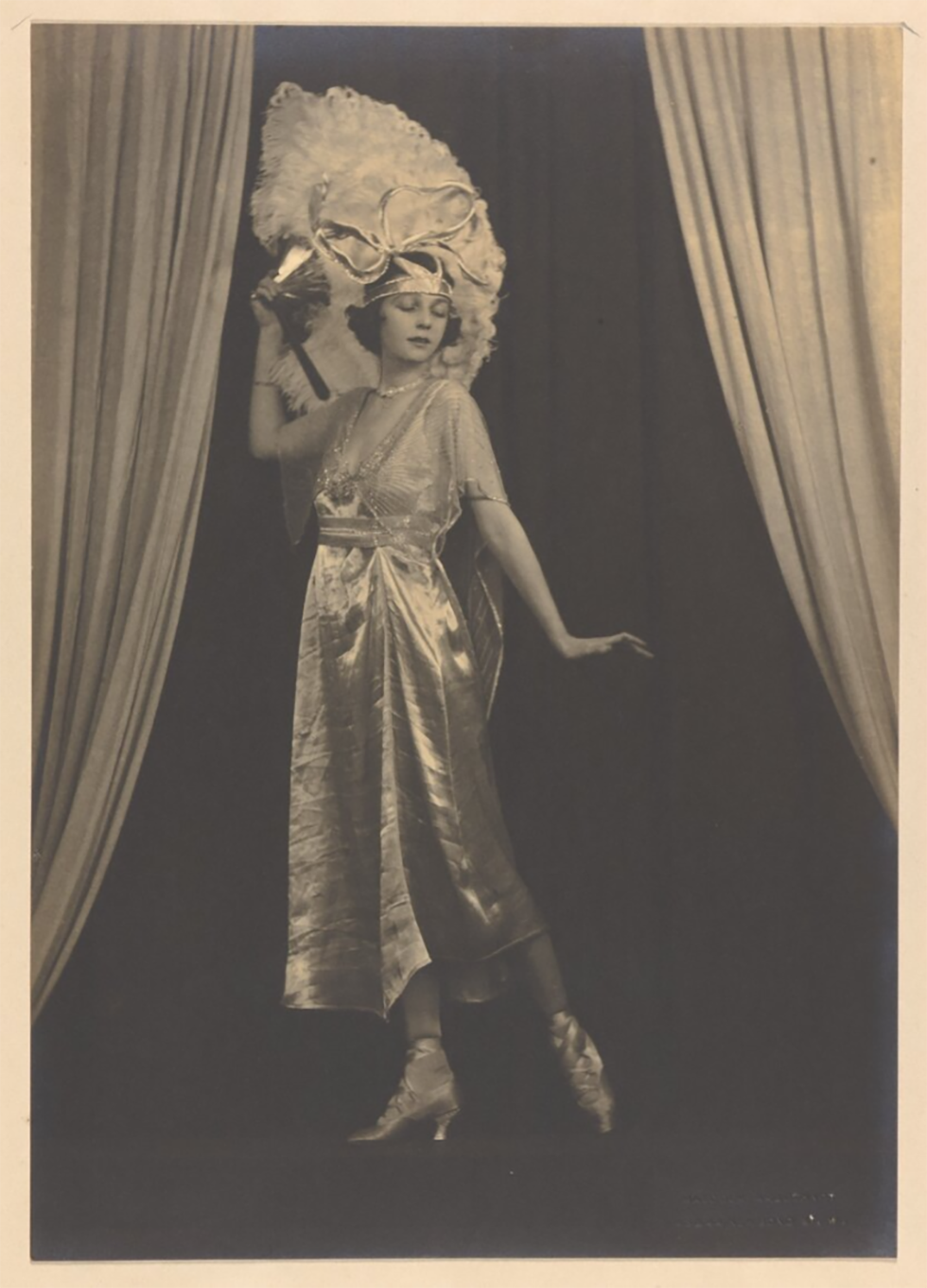
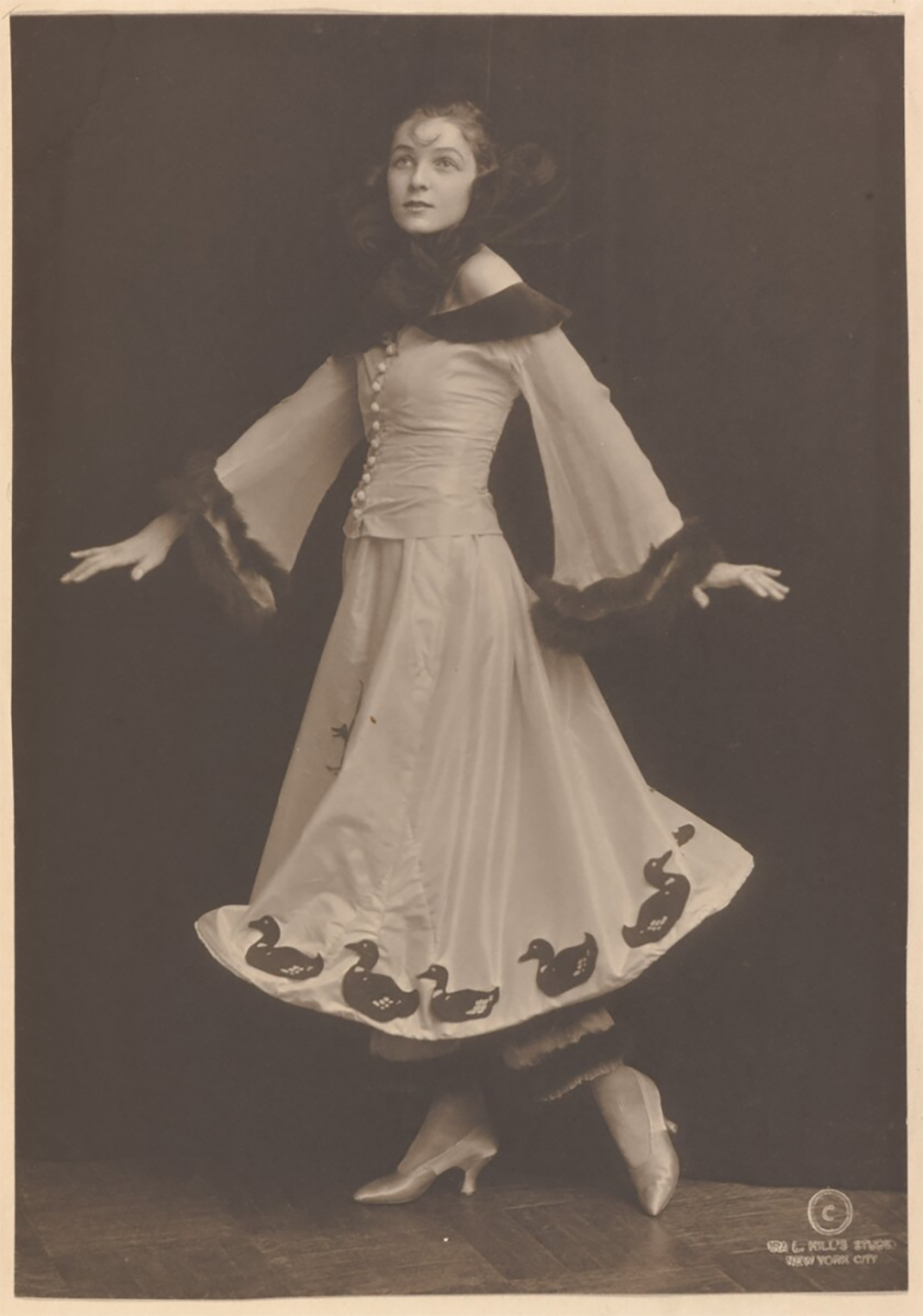
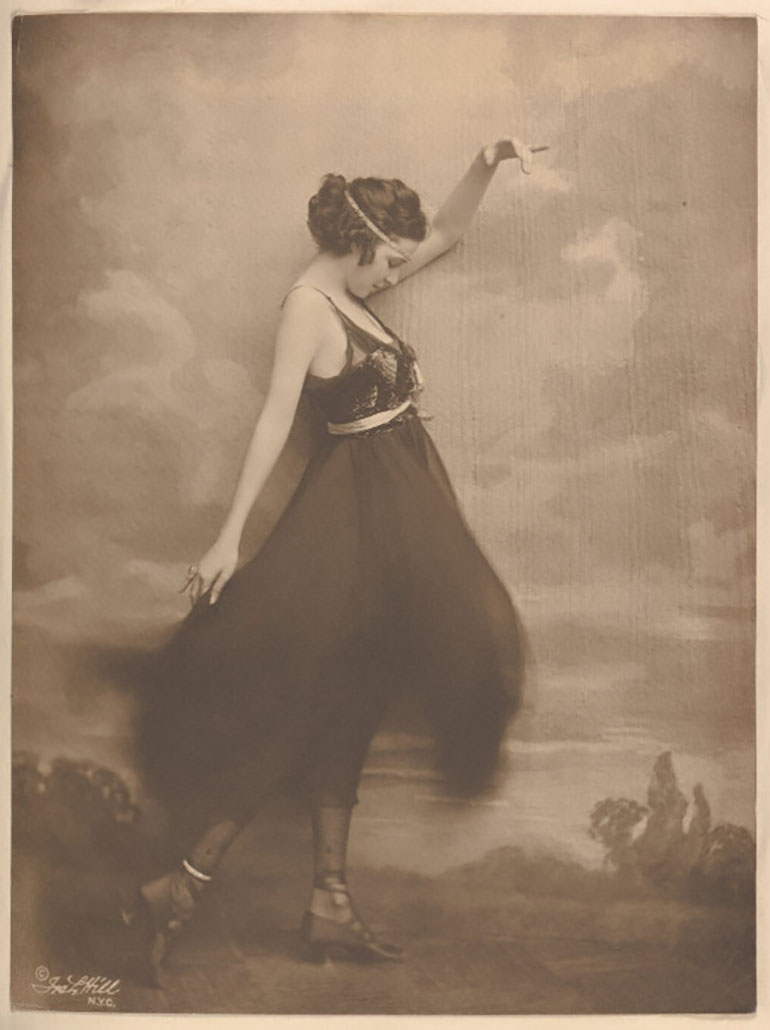
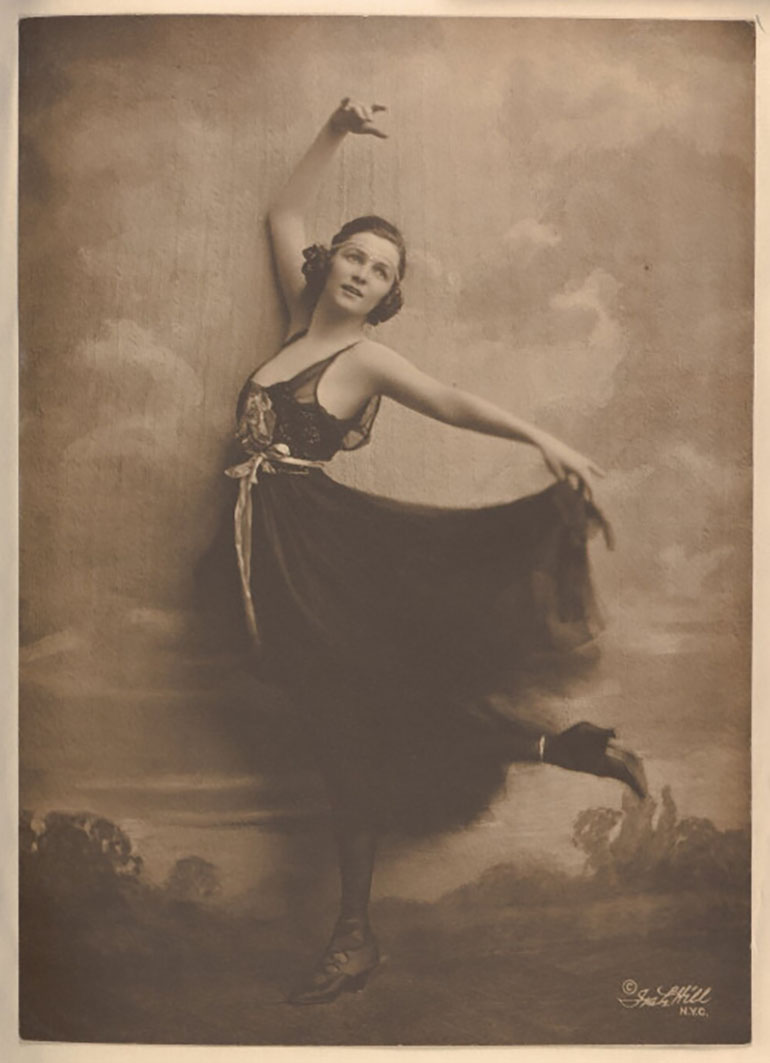
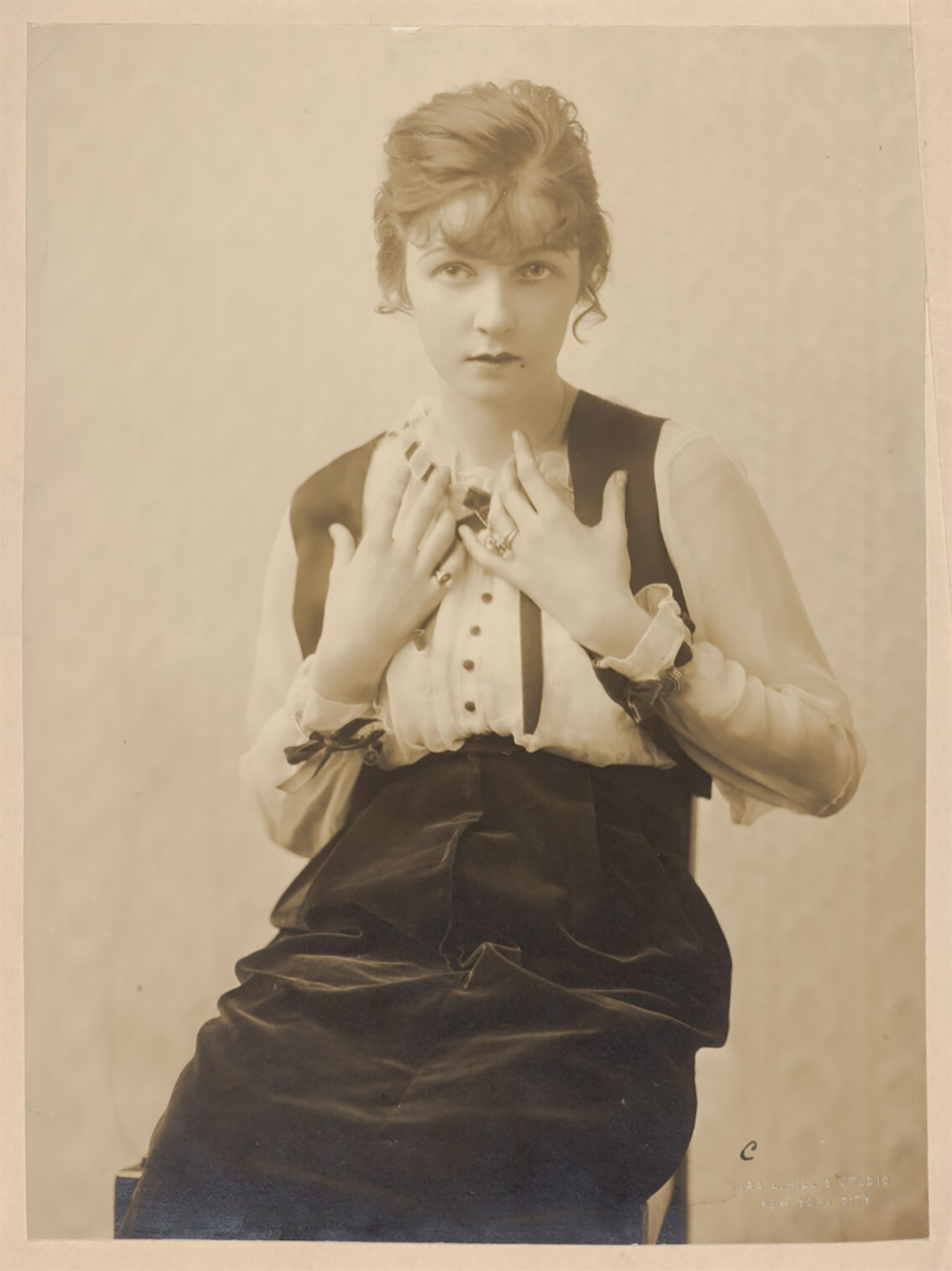
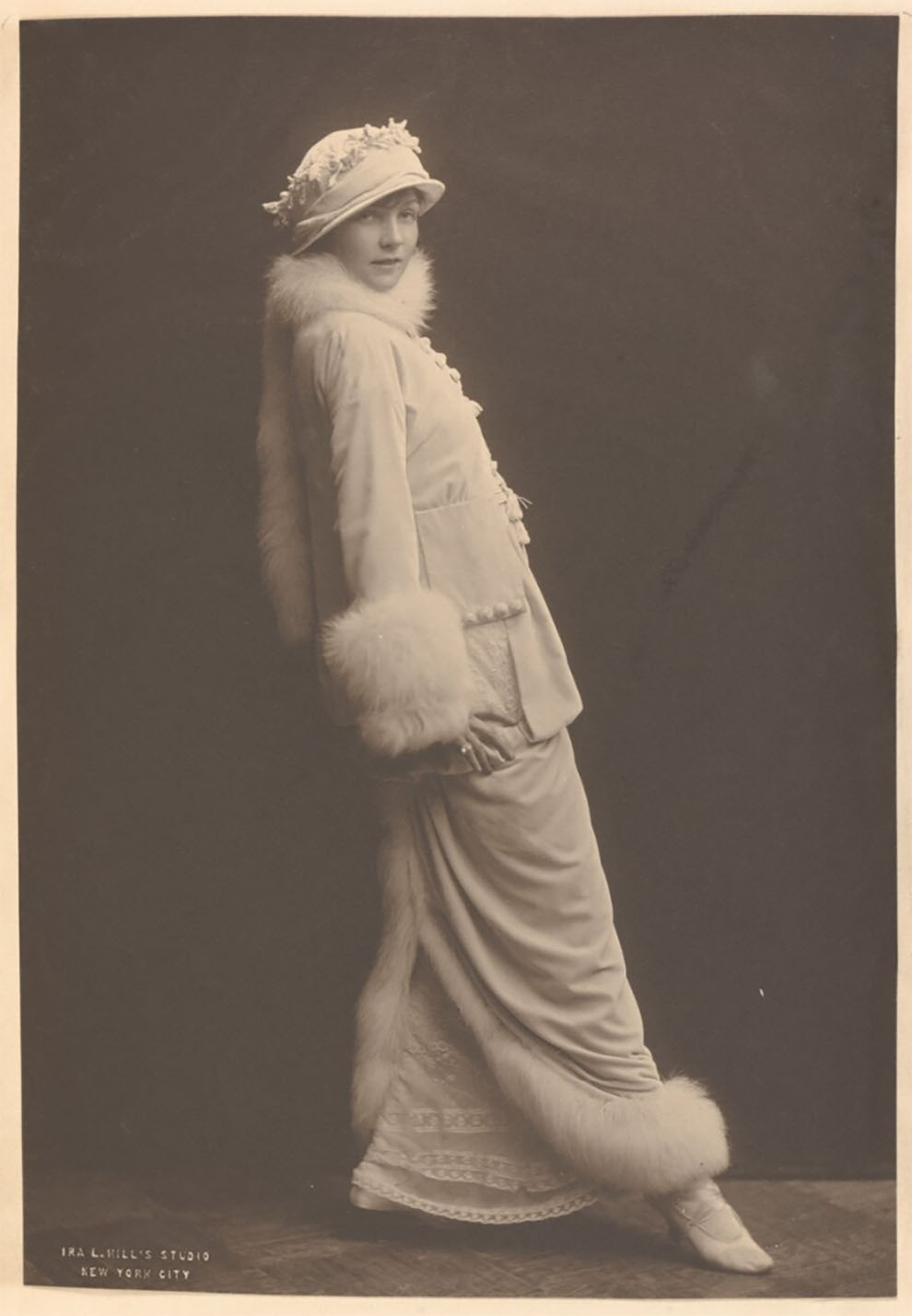
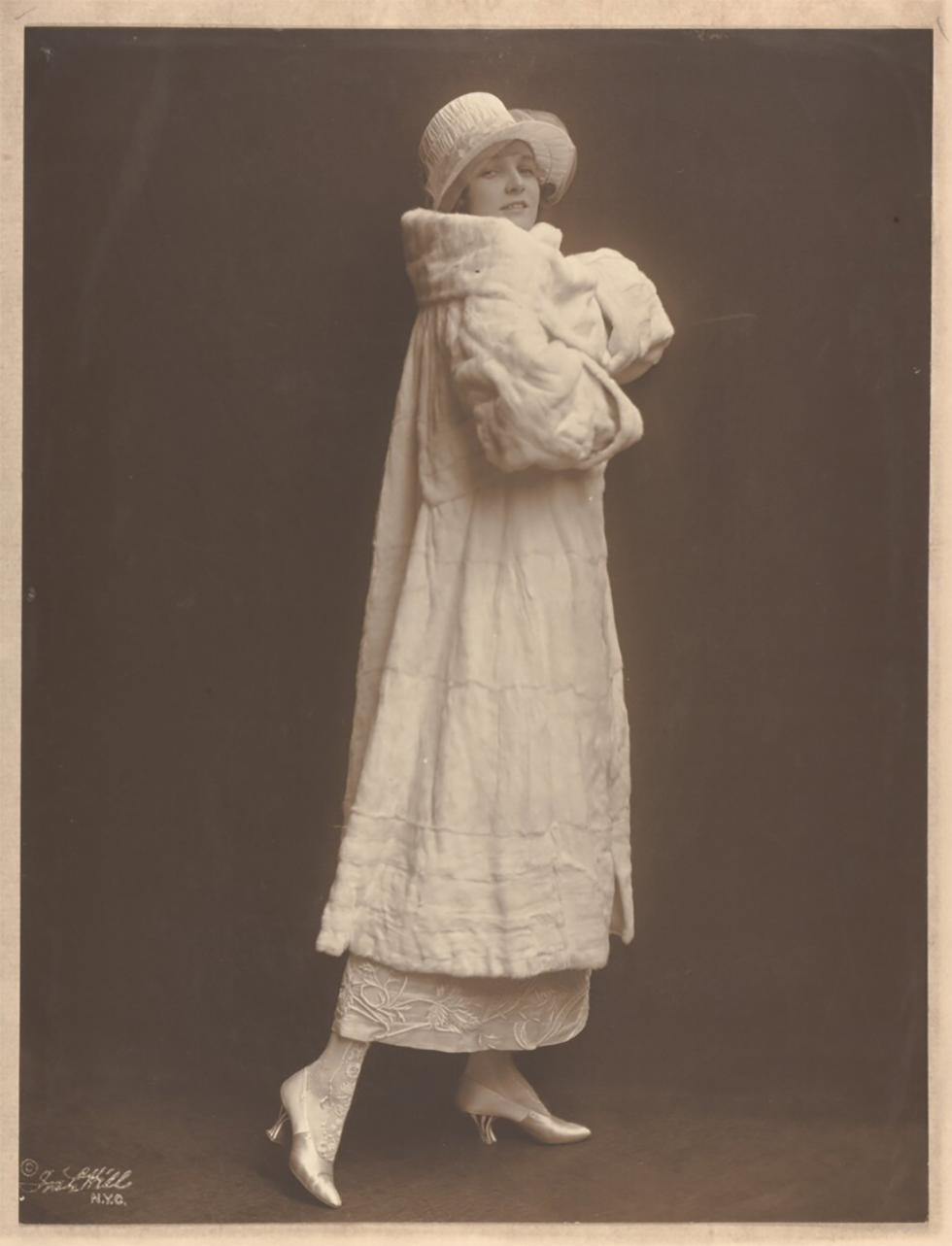
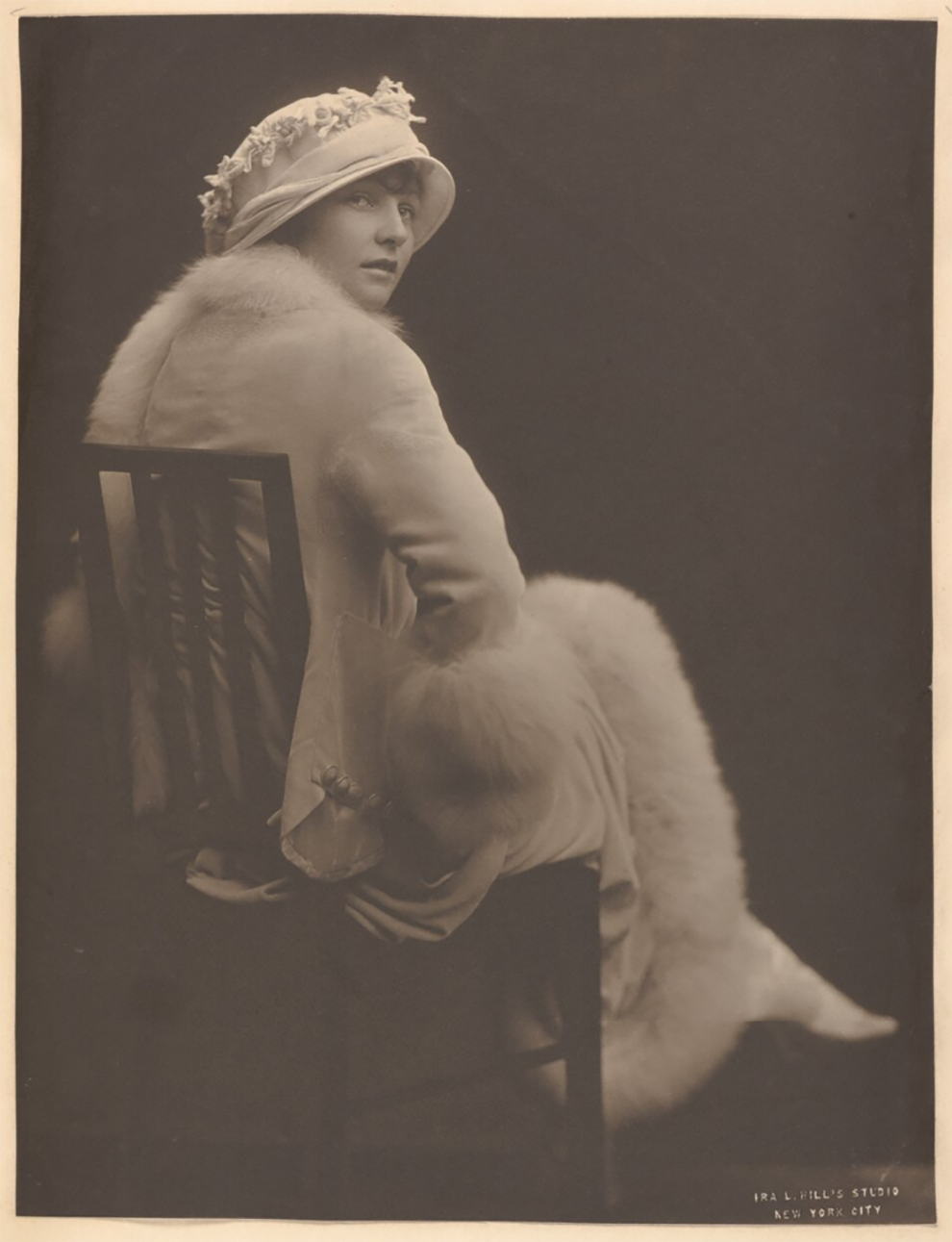
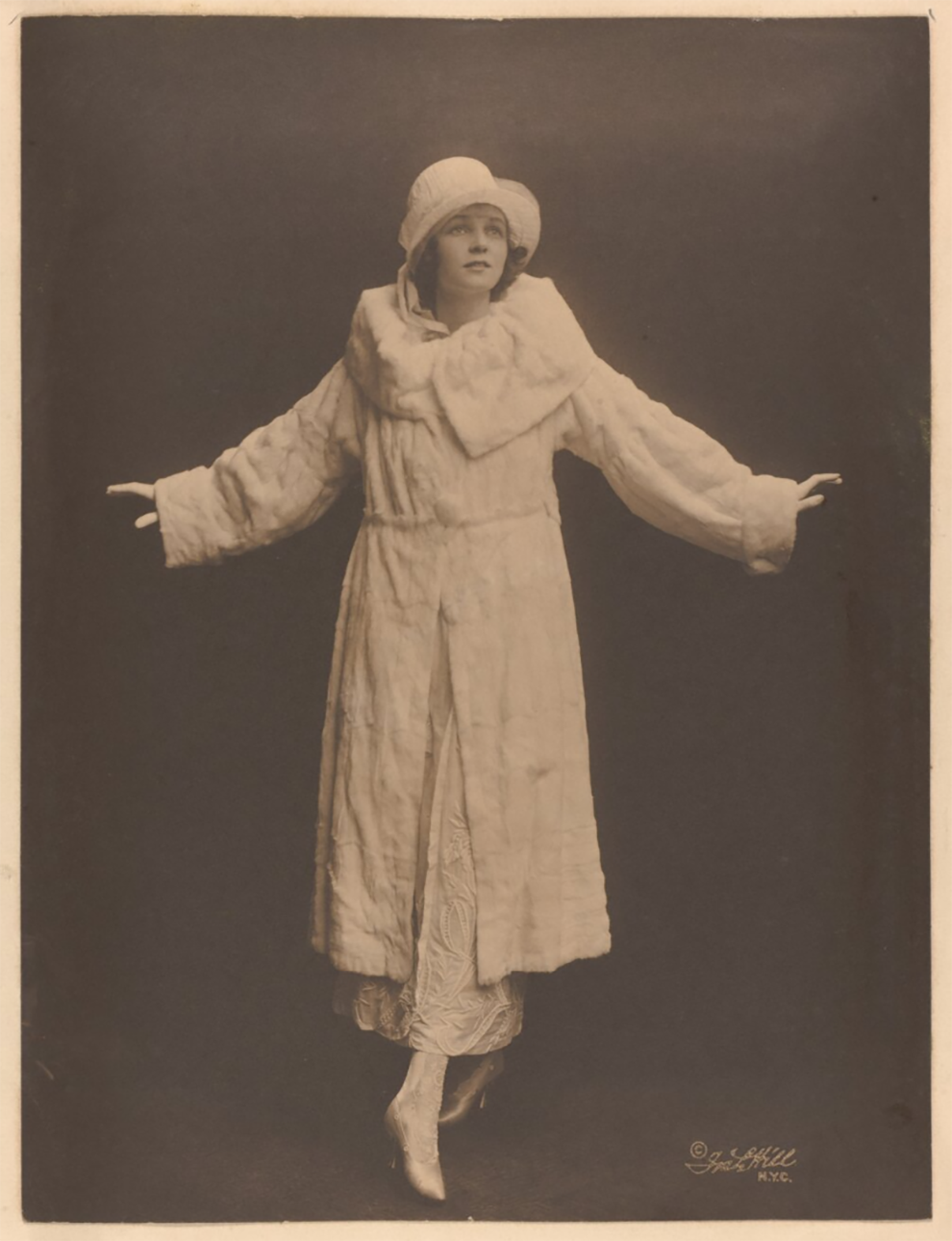
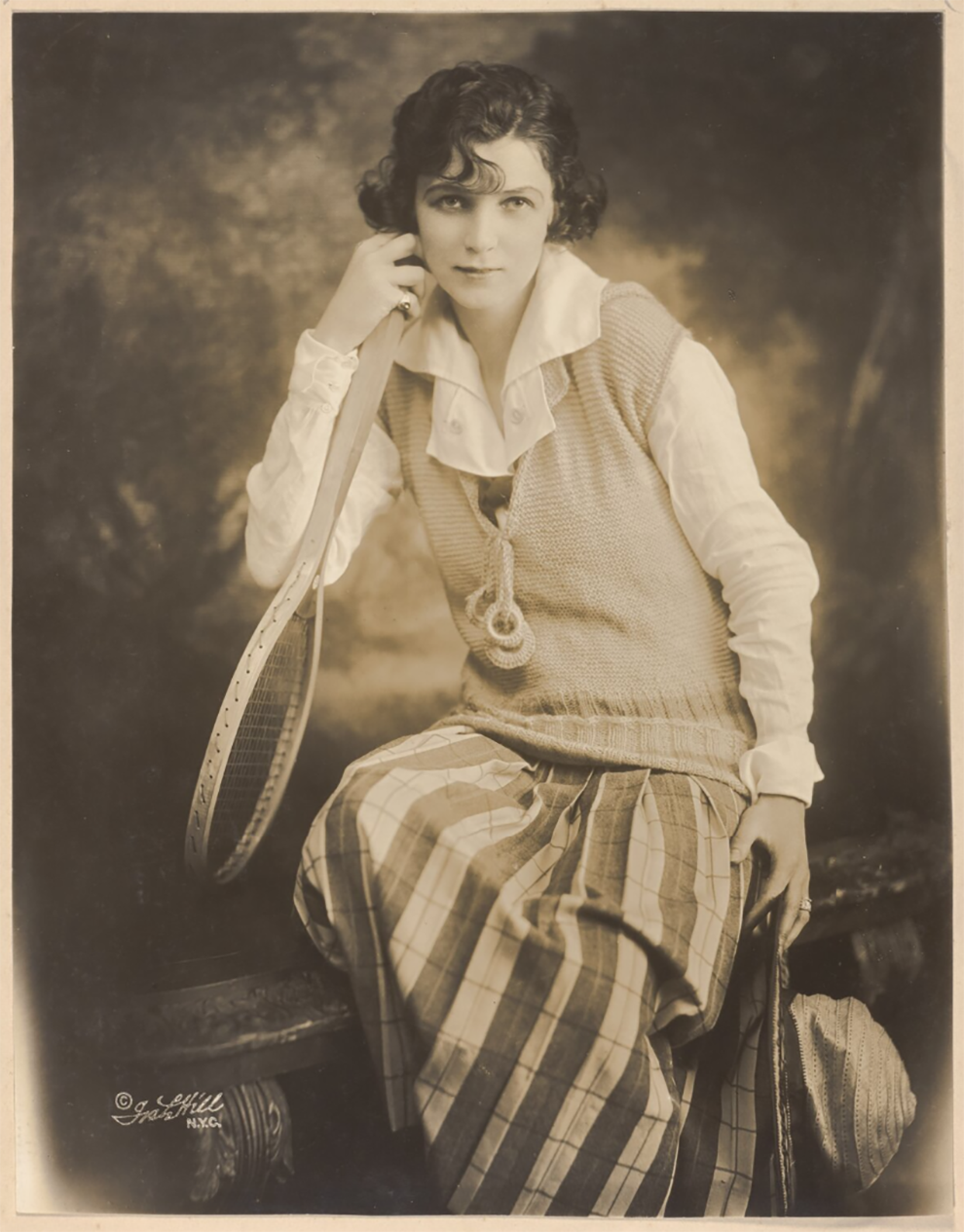
Ira L. Hill :: Irene Foote Castle (1893 – 1969), ca. 1920. Gelatin silver print. National Portrait Gallery, Smithsonian InstitutionIra L. Hill :: Irene Castle (1893 – 1969), 1910s. Other fashion photos. | src Cornell LibraryIra L. Hill :: Irene Castle (1893 – 1969), 1910s. Other fashion photos. | src Cornell LibraryIrene Castle in a rhinestone-encrusted headdress known as the Castle Band / Cornell LibraryIrene Castle in a rhinestone-encrusted headdress known as the Castle Band / Cornell LibraryIra L. Hill :: Irene Castle (1893 – 1969), 1910s. Other fashion photos. | src Cornell LibraryIra L. Hill :: Irene Castle (1893 – 1969), 1910s. Other fashion photos. | src Cornell LibraryIra L. Hill :: Irene Castle (1893 – 1969), 1910s. Other fashion photos. | Cornell LibraryIra L. Hill :: Irene Castle (1893 – 1969), 1910s. Other fashion photos. | Cornell LibraryIra L. Hill :: Irene Castle (1893 – 1969), 1910s. Other fashion photos. | Cornell LibraryIra L. Hill :: Irene Castle (1893 – 1969), 1910s. Other fashion photos. | src Cornell Library
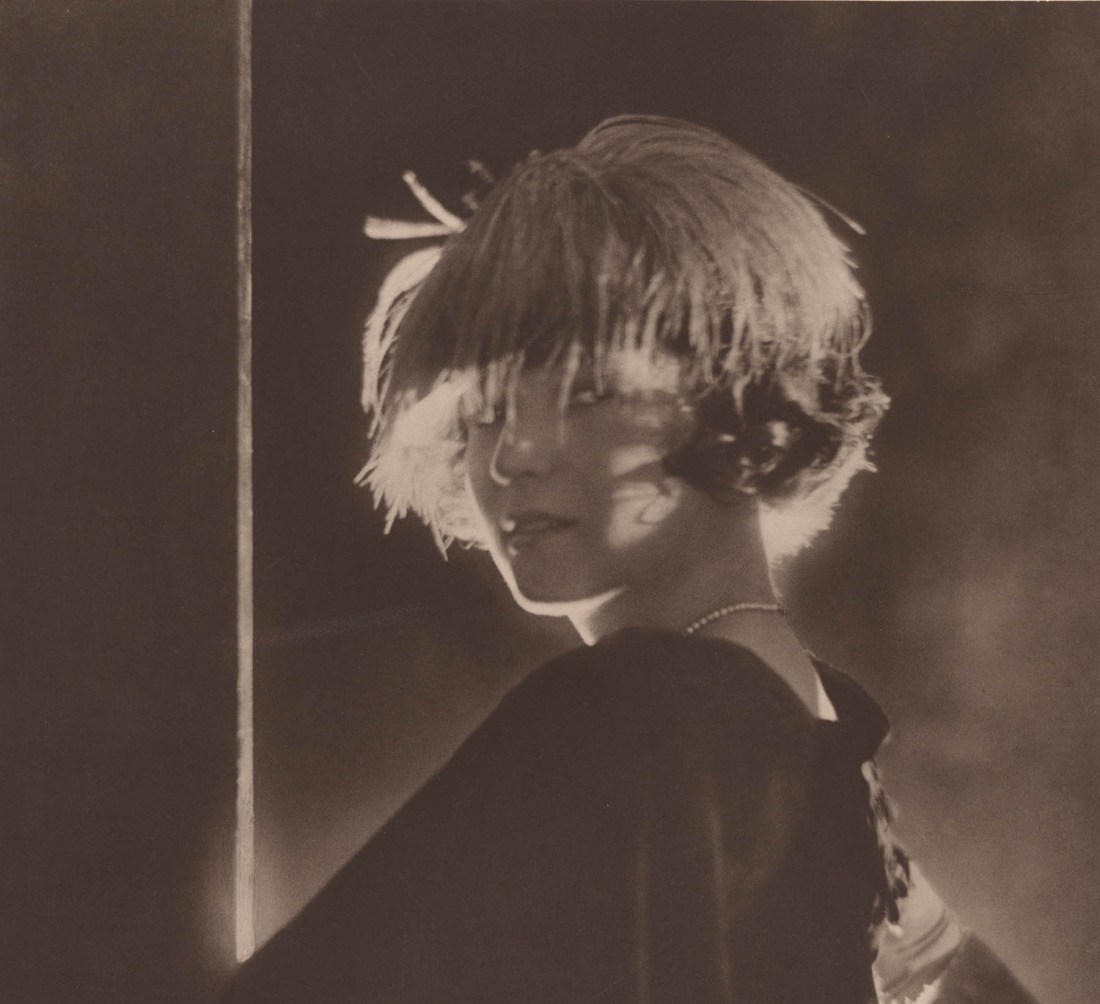
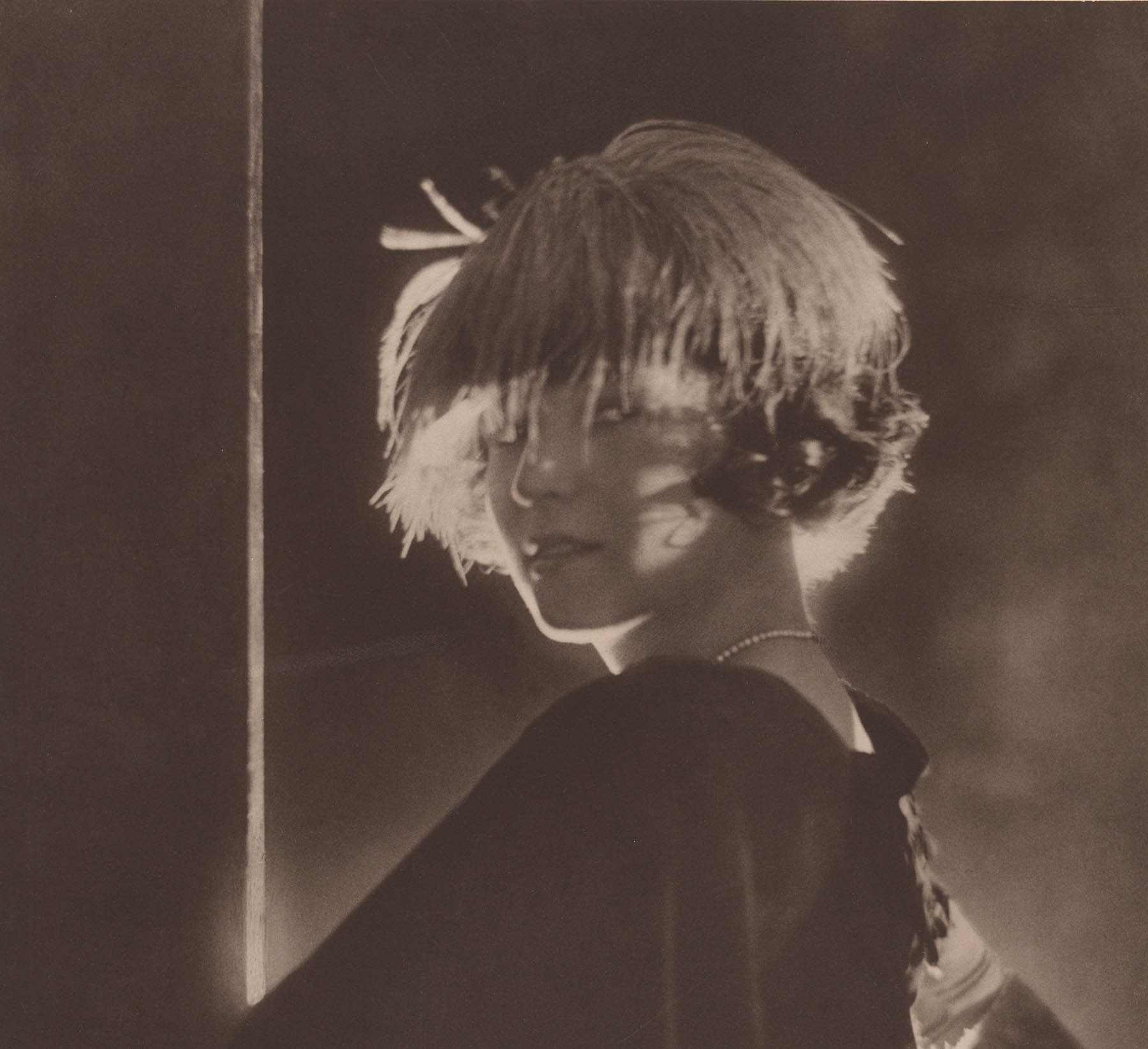
Nini & Carry Hess :: German actress Fritta Brod (1896-1988) in the play ‘The Chalk Circle’ by Klabund (pseudonym of Alfred Henschke), Staatstheater, 1930. (Photo by Nini & Carry Hess) | src Getty ImagesNini & Carry Hess :: Fritta Brod, Schauspielerin, role-picture with a hat, 1919. Published by: ‘Die Dame’ 21/1919. | src Getty Images
When Irene Castle formalized her relationship with Corticelli Silk Mills in 1917, she was at the height of her fame: she had recently filmed the serial Patria (1917) and celebrated the success of The Whirl of Life (1915); her co-authored best selling book, Modern Dancing (1914); and the Broadway hit Watch Your Step (1914). Irene was an arbiter of fashion, outfitted almost exclusively by Lady Duff Gordon and was voted the first “Best Dressed Woman in America.”
As early as 1914, silk companies like Mallison and Corticelli began using film actresses to promote their products; however, Castle was the first film star to create a line of clothing. The line launched in tandem with the serial, Patria, and Satin Patria was the fabric promoted in the early dress designs. Initially Lady Duff Gordon was the ghost designer, but as the fashion line developed Irene took over the creative side and Corticelli advertisements emphasized her role as designer. In reality, Irene remembered in her memoirs, “I had an endorsement contract with the Corticelli Silk Company which required very little of me. I helped them design the clothes.” In the later advertisements, Corticelli claimed that the dresses were duplicates from Irene’s wardrobe. “The same delightful effect of quality which distinguishes the wraps and frocks of ‘America’s Best Dressed Woman’ is found in every ‘Irene Castle Exclusive Model,’ read a 1923 advertisement. Fall/Winter 1927 was the last season of Irene Castle Corticelli Fashions and the Corticelli Silk Mill would close soon after the start of the Great Depression. [quoted from Cornell University Library]







![Antonin Personnaz :: [Usines, rivière, péniches], entre 1907 et 1914. Plaque de verre Autochrome.](https://live.staticflickr.com/65535/52784179301_9d51134c76_o.jpg)
![[Train de péniches sur l'Oise vu depuis le pont d'Auvers (En direction de l'aval) avec bateau-lavoir et une meule sur la berge, Méry-sur-Oise - Auvers-sur-Oise, Val-d'Oise, Île-de-France, France], Antonin PERSONNAZ, entre 1907 et 1914. Autochrome](https://live.staticflickr.com/65535/52784427352_b326b56d0b_o.jpg)
![[Rivière, péniches amarrée], Antonin PERSONNAZ, entre 1907 et 1914. Plaque de verre Autochrome](https://live.staticflickr.com/65535/52785215244_a7879153e4_o.jpg)










 un regard oblique