
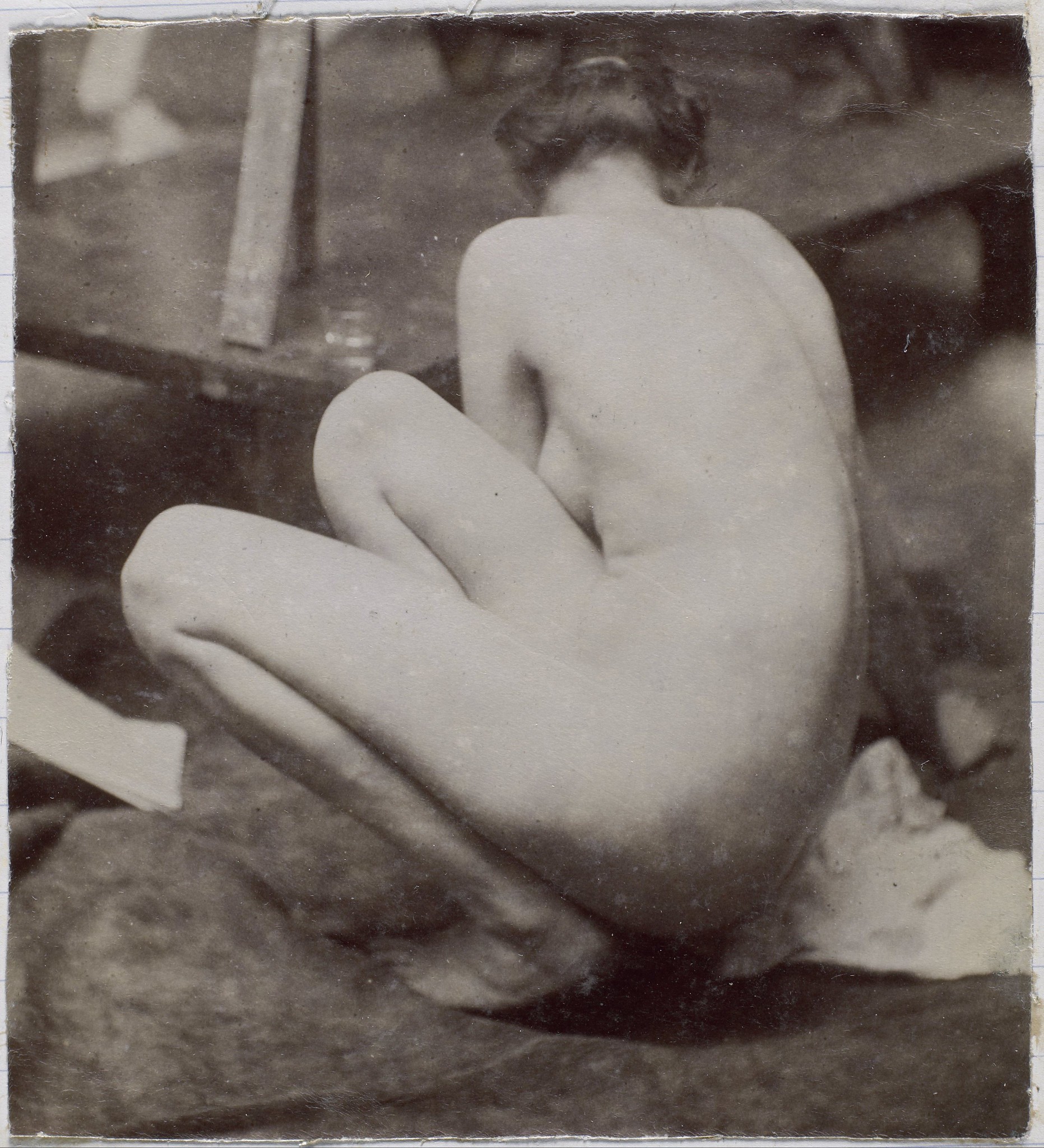
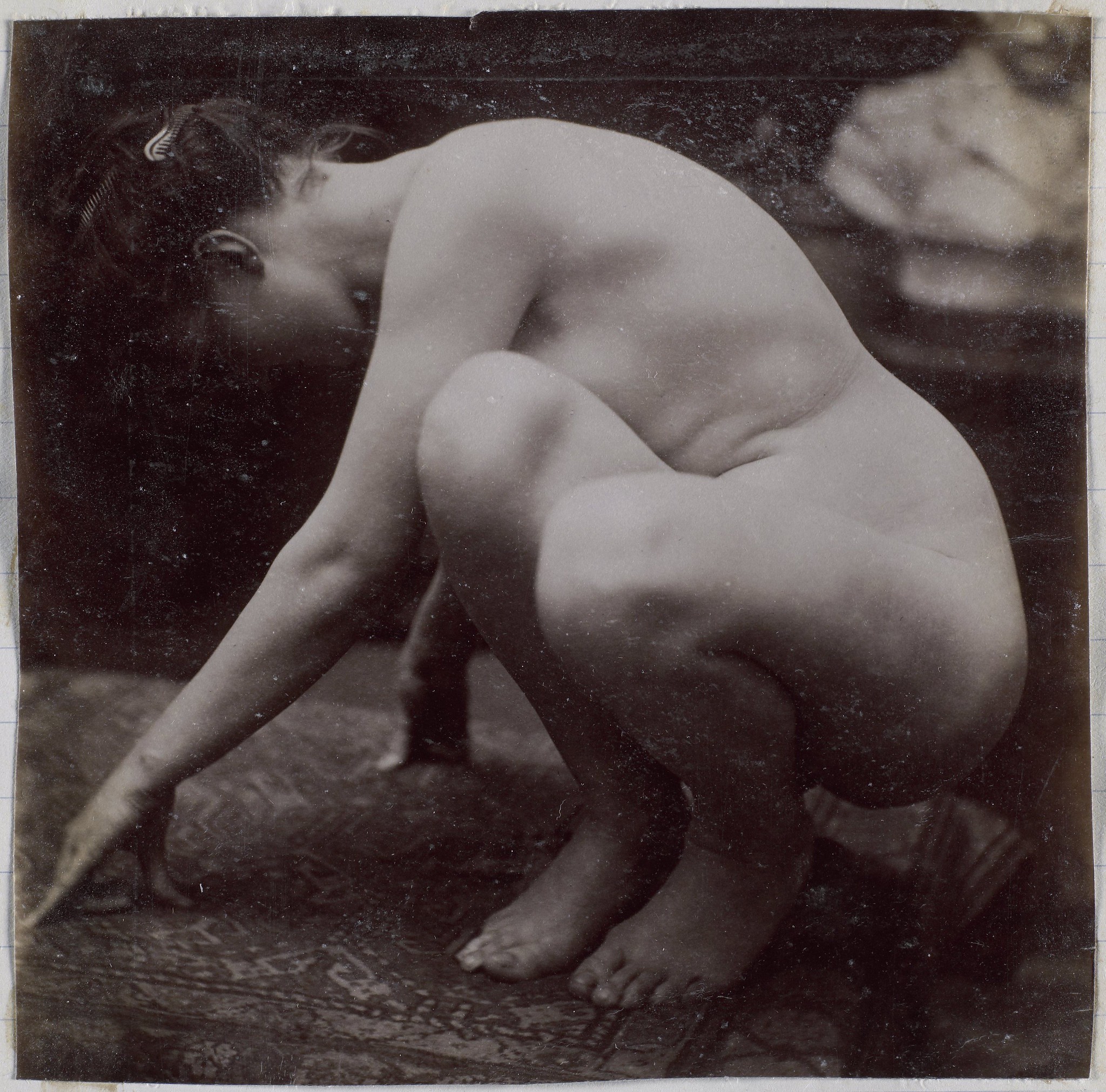


All five images are part of a notebook with 108 Photographs of Models Owned by Jacques de Lalaing (1858-1917). Access to the whole notebook held at Rijksmusem, here: follow link >>> (RP-F-2001-4)
images that haunt us
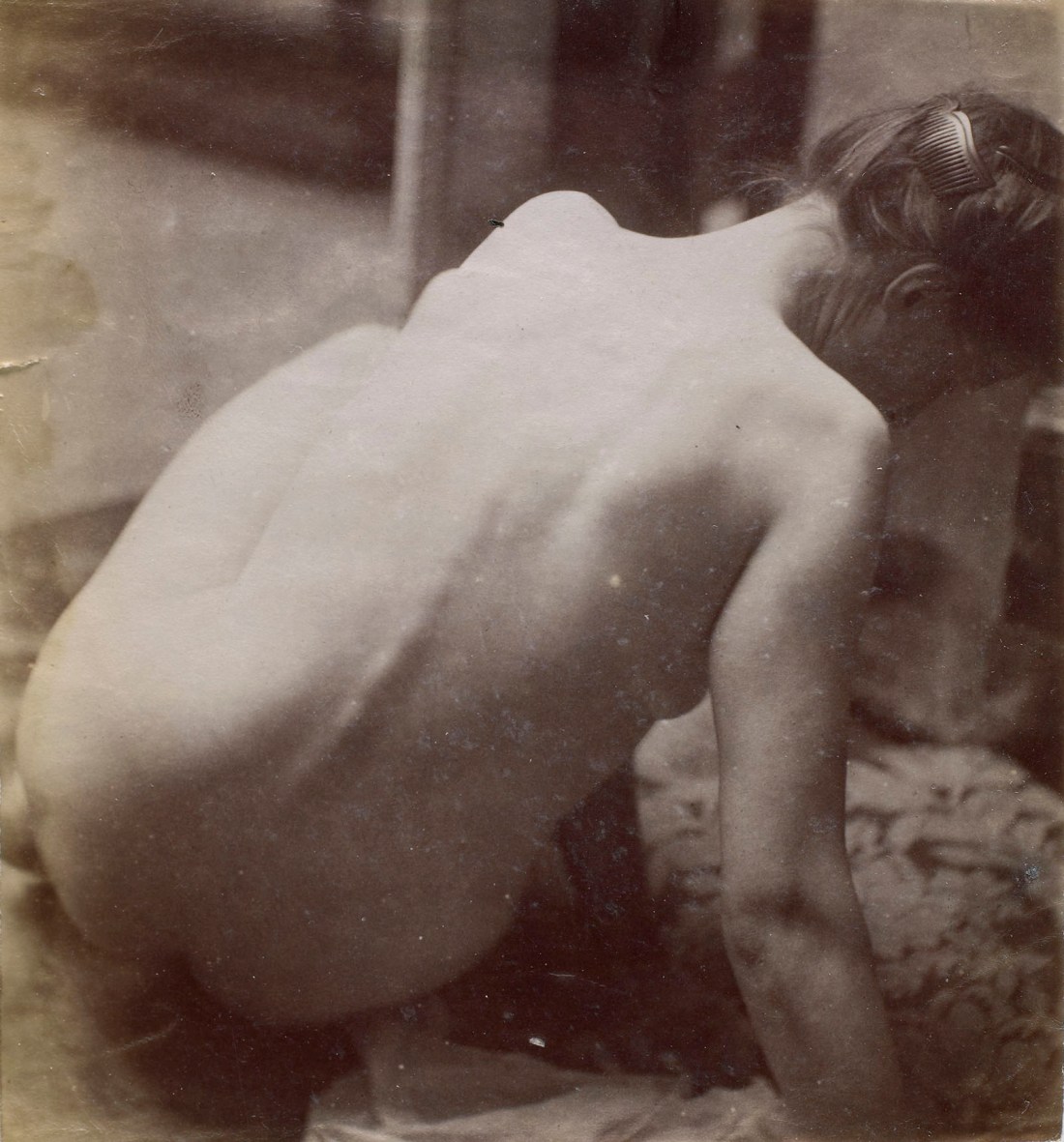
All five images are part of a notebook with 108 Photographs of Models Owned by Jacques de Lalaing (1858-1917). Access to the whole notebook held at Rijksmusem, here: follow link >>> (RP-F-2001-4)
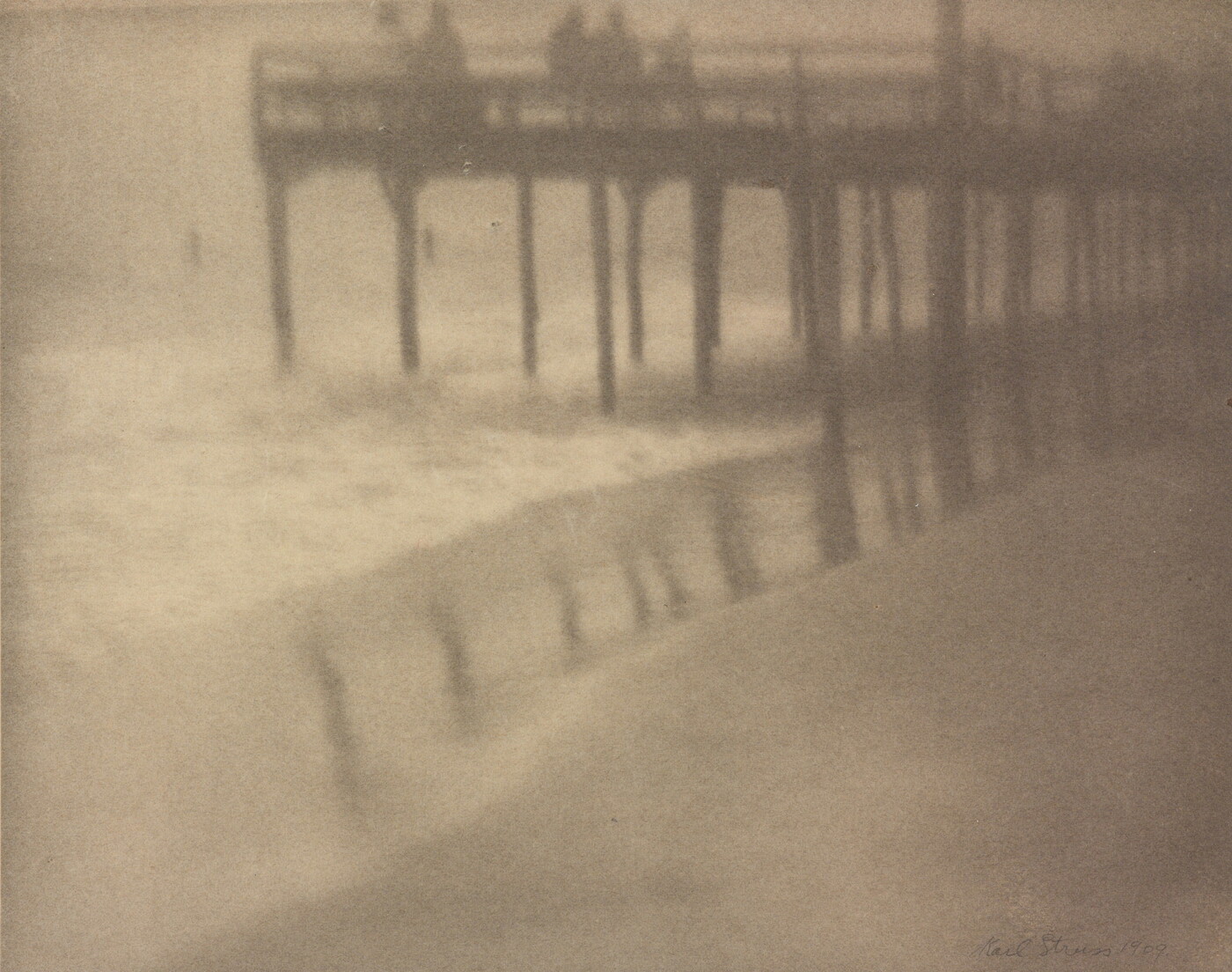
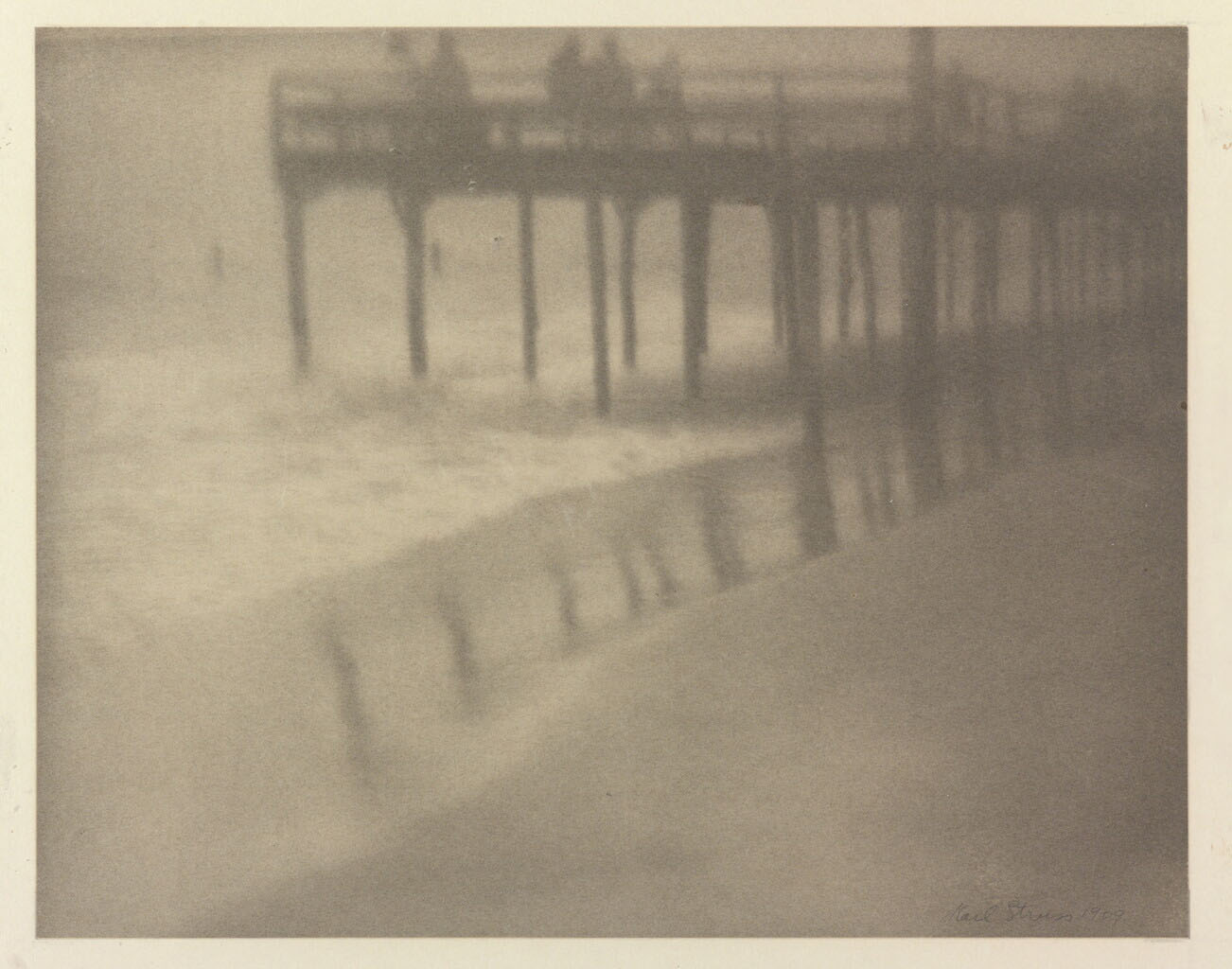
![Karl Struss (1886-1981) :: [Reflections and moonlight, Arverne, Long Island], 1910. Platinum print. | Amon Carter Museum of American Art](https://live.staticflickr.com/65535/52792067823_1d0aa38459_o.jpg)
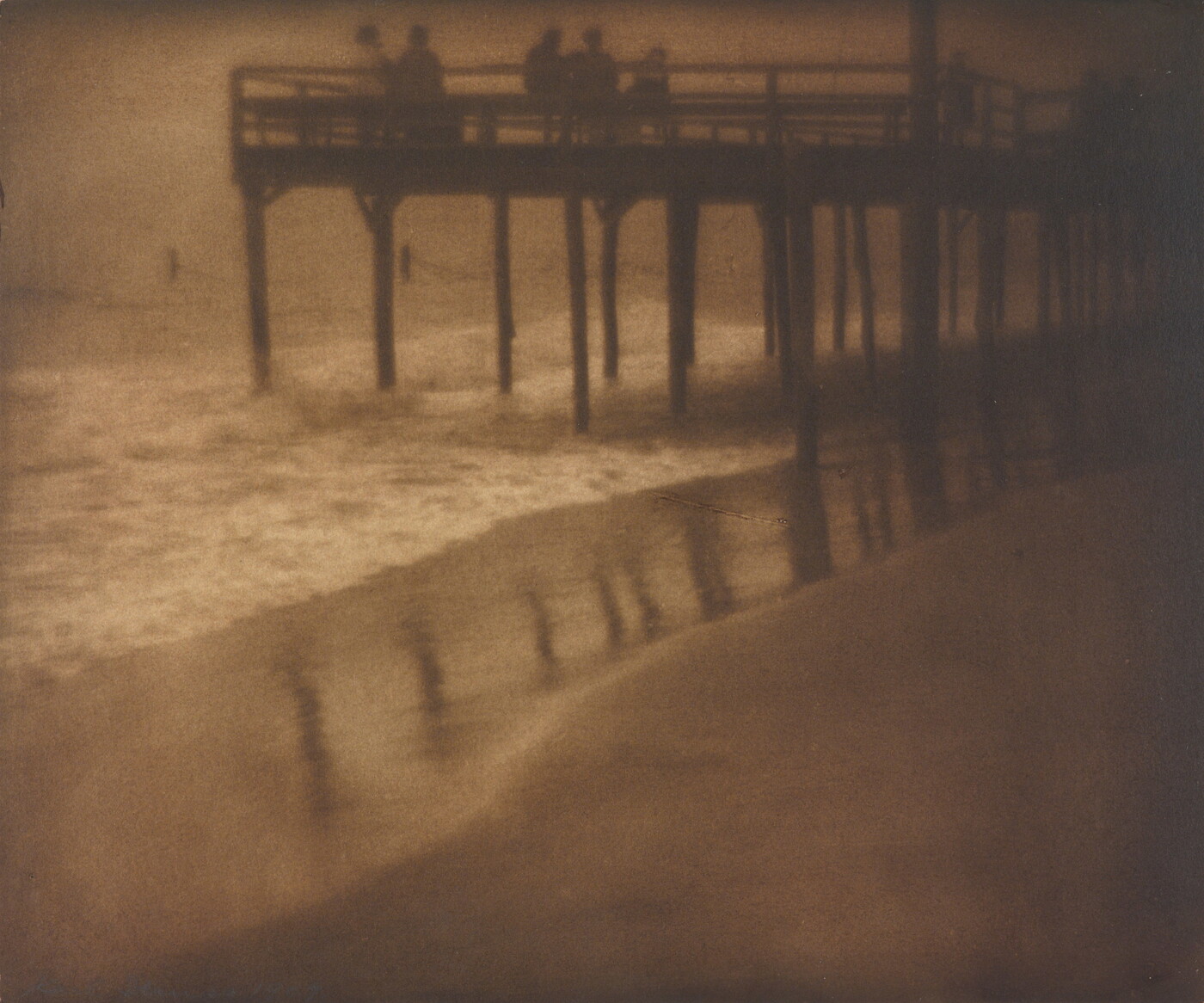
![Karl Struss (1886-1981); [Reflections and moonlight, Arverne, Long Island]; 1910; Platinum print; Amon Carter Museum of American Art, Fort Worth, Texas; P1983.23.67](https://live.staticflickr.com/65535/52791856574_c055770b8d_o.jpg)

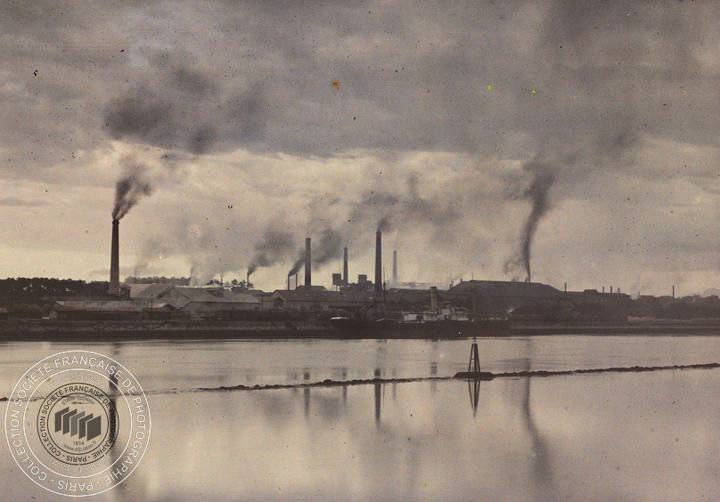
![Antonin Personnaz :: [Usines, rivière, péniches], entre 1907 et 1914. Plaque de verre Autochrome.](https://live.staticflickr.com/65535/52784179301_9d51134c76_o.jpg)
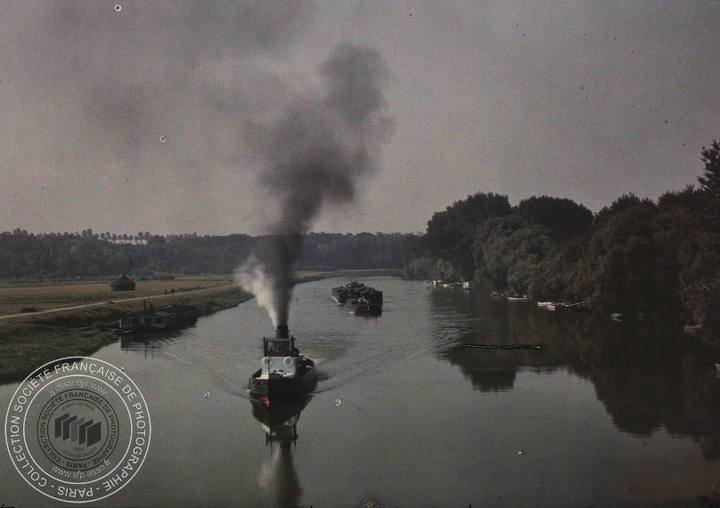
![[Train de péniches sur l'Oise vu depuis le pont d'Auvers (En direction de l'aval) avec bateau-lavoir et une meule sur la berge, Méry-sur-Oise - Auvers-sur-Oise, Val-d'Oise, Île-de-France, France], Antonin PERSONNAZ, entre 1907 et 1914. Autochrome](https://live.staticflickr.com/65535/52784427352_b326b56d0b_o.jpg)
![[Rivière, péniches amarrée], Antonin PERSONNAZ, entre 1907 et 1914. Plaque de verre Autochrome](https://live.staticflickr.com/65535/52785215244_a7879153e4_o.jpg)
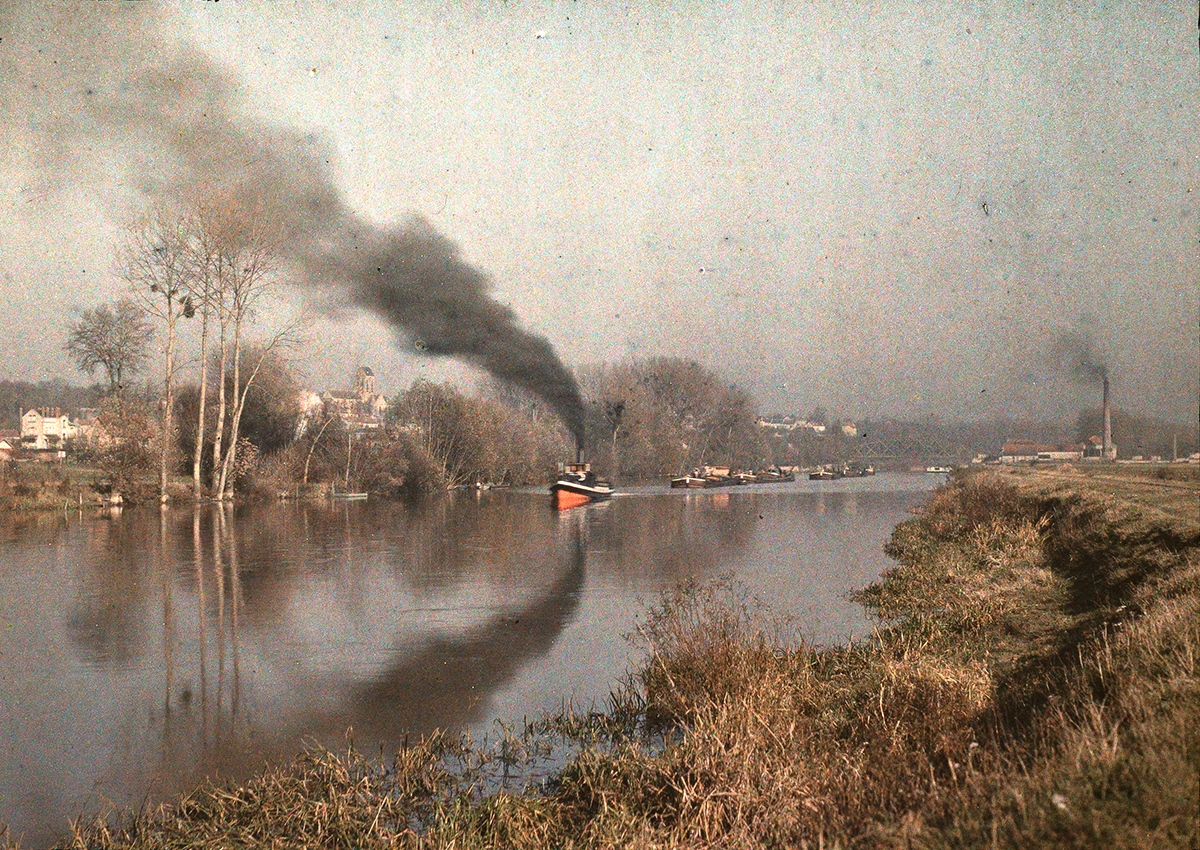
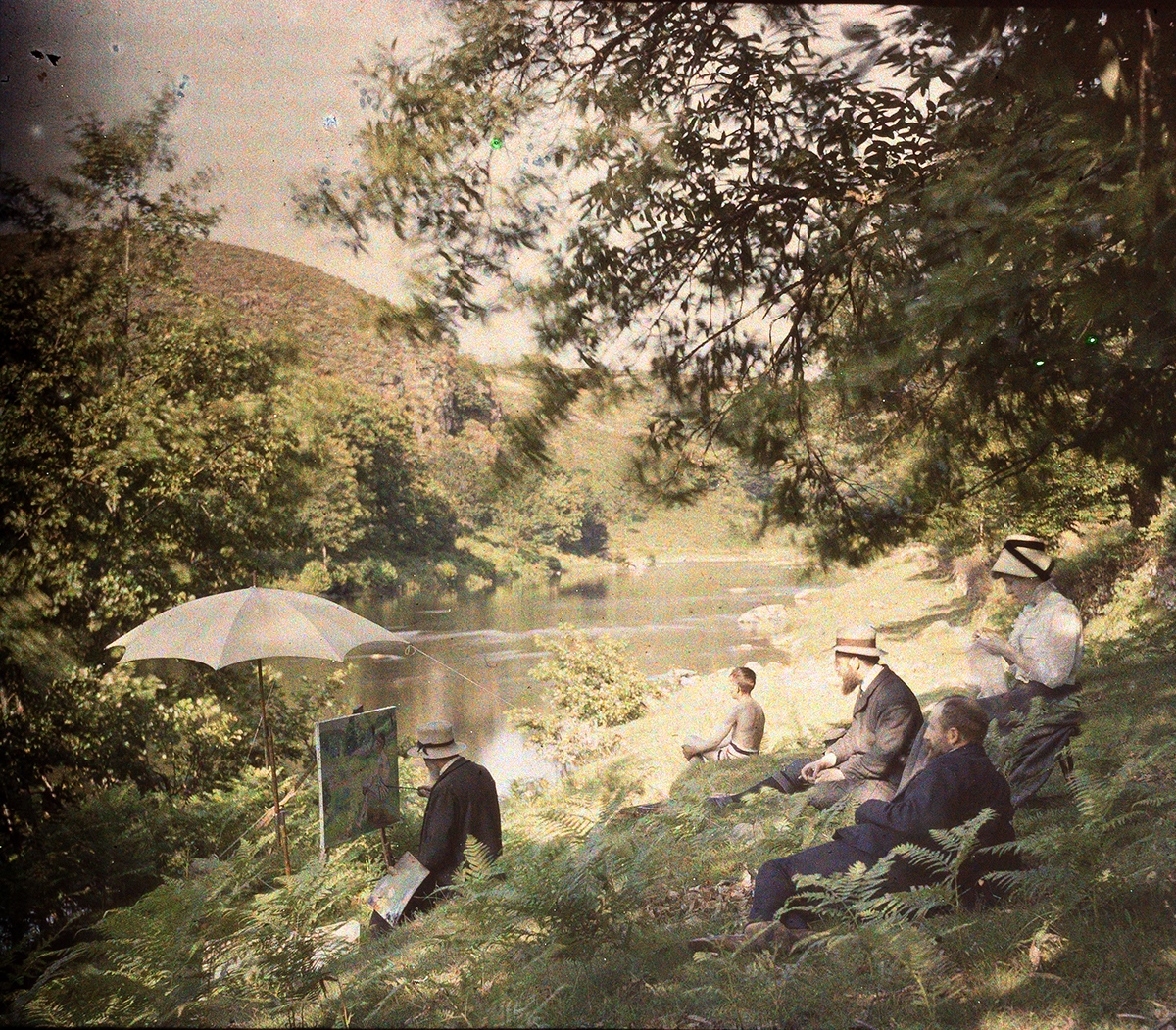


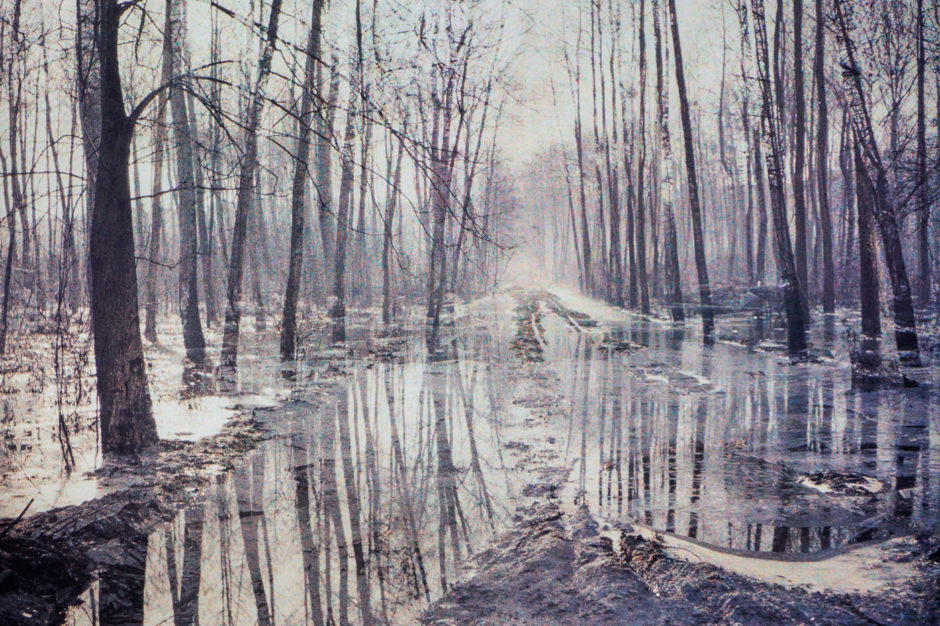
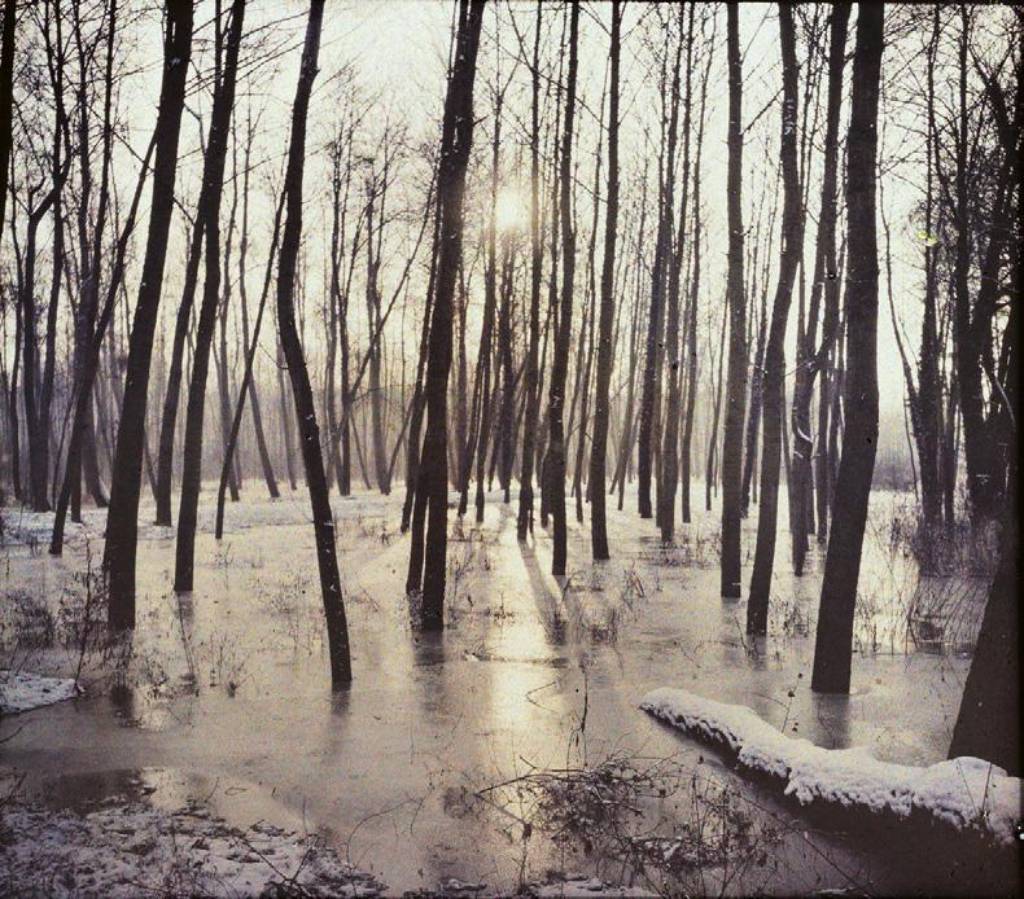
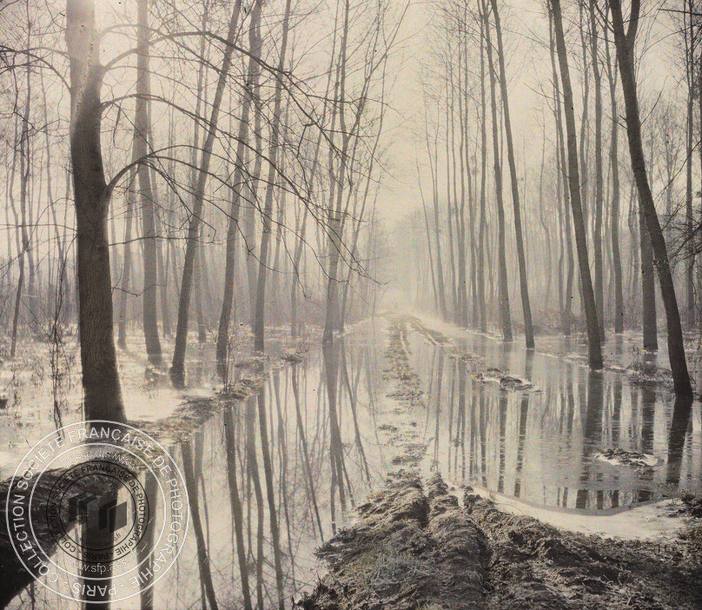

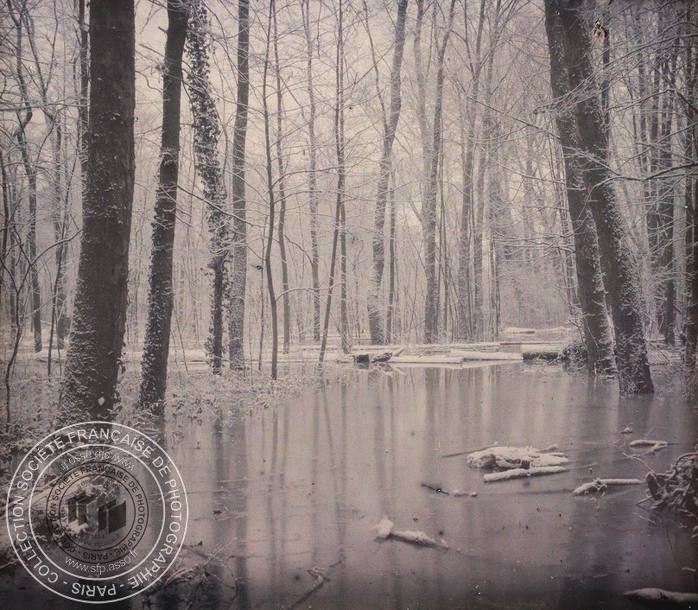
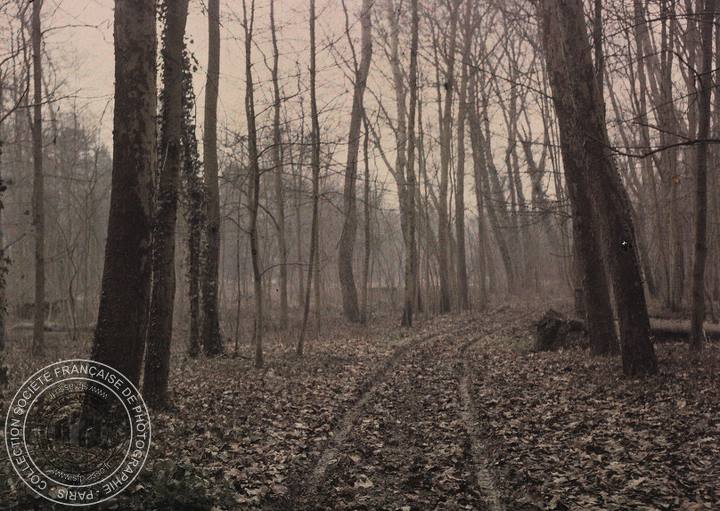
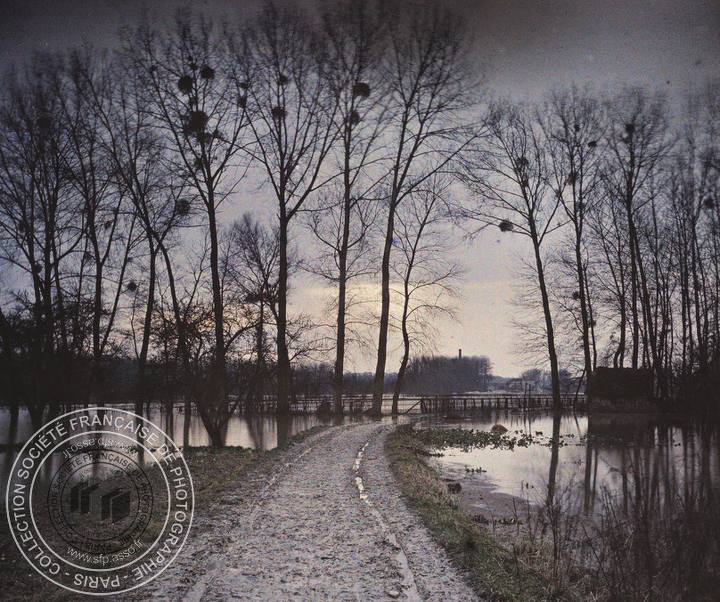

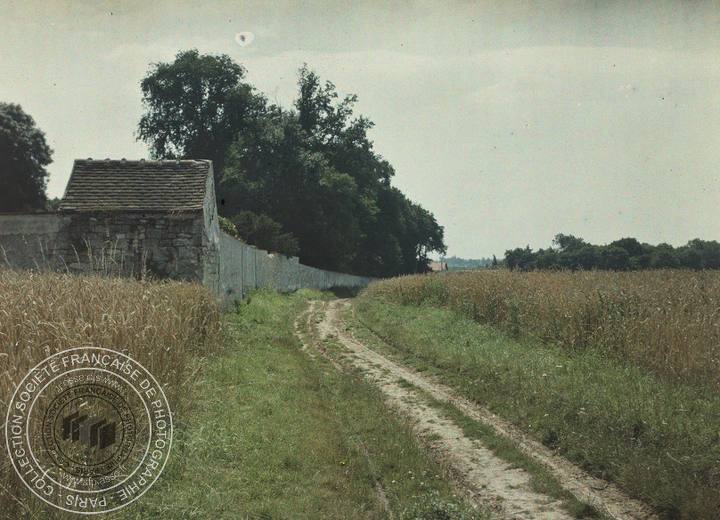
Invented by the Lumière Brothers, Autochrome was the first color photographic process to be marketed. As soon as it was put on the market in 1907, it was an immediate success with amateur and professional photographers. This is the photographic medium used by Albert Kahn for his Archives de la planète, the world’s first global report in color. Among the early adopters stands out a singular personality. Antonin Personnaz (1854-1936) is indeed one of the most important collectors of Impressionism, and is one of the great benefactors of national museums. His 1937 bequest includes 142 first-rate works (Pissarro, Guillaumin, Sisley, Degas, Renoir, Toulouse-Lautrec, etc.), including Monet’s famous Pont d’Argenteuil, which are today among the masterpieces presented at the Musée d’Orsay and at the Musée Bonnat-Helleu. Less well known is his status as an active member of the French Photography Society (from 1896) and of the Society of Excursions for Photography Amateurs (from 1900). As such, he is at the origin of a distinction awarded to the Lumière Brothers for the invention of the autochrome plate, whose grainy and pointillist rendering seems to him to join the research of Impressionist painters, and whose aesthetic qualities he ardently defends. From 1907, Antonin Personnaz assiduously practiced autochromy himself and produced more than a thousand plates, which his widow donated to the Société française de photographie. Despite its interest in the history of Impressionism, this collection has been little studied and shown. However, because of its proximity to artists, Personnaz’s photographic work is of exceptional interest.
In fact, there are not only direct testimonies from painters working on the motif, but also many views whose kinship with the most famous impressionist landscapes is obvious. Views of rivers, countryside, snowy landscapes, peasant scenes, women with umbrellas, flowering apple trees, poppies, all the Impressionist vocabulary can be found there. It seems that Personnaz looks at sites chosen by painters and, by photographing them, mirrored a sort of collection of personal Impressionist images. This unique exhibition, produced in partnership with the Société française de photographie, will be the very first study and publication devoted to Antonin Personnaz. It will present a corpus of images that recreate the pictorialist imagination of the author, with a striking realism for today’s visitor.
A unique exhibition produced in partnership with the Société française de photographie | src ODLP


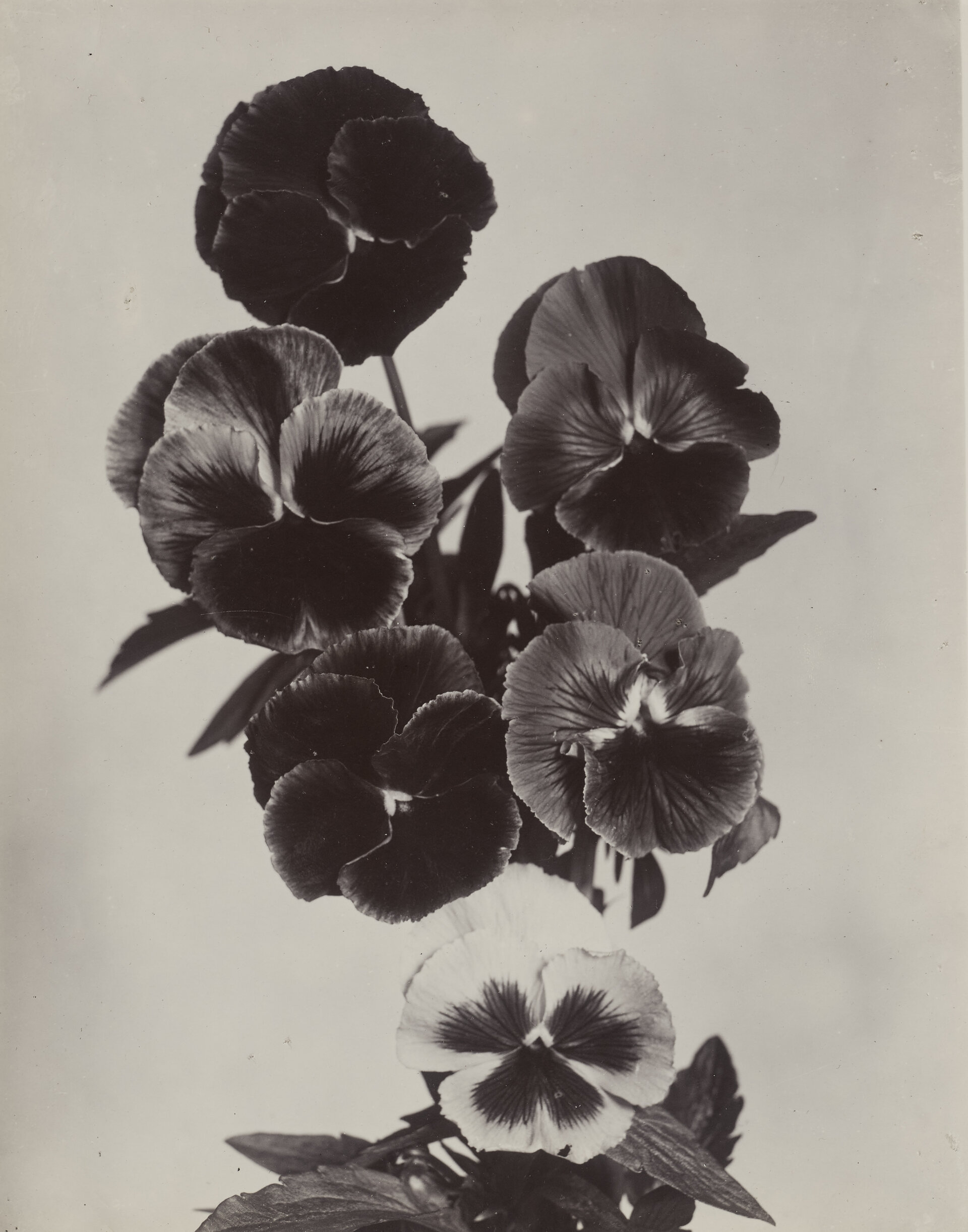
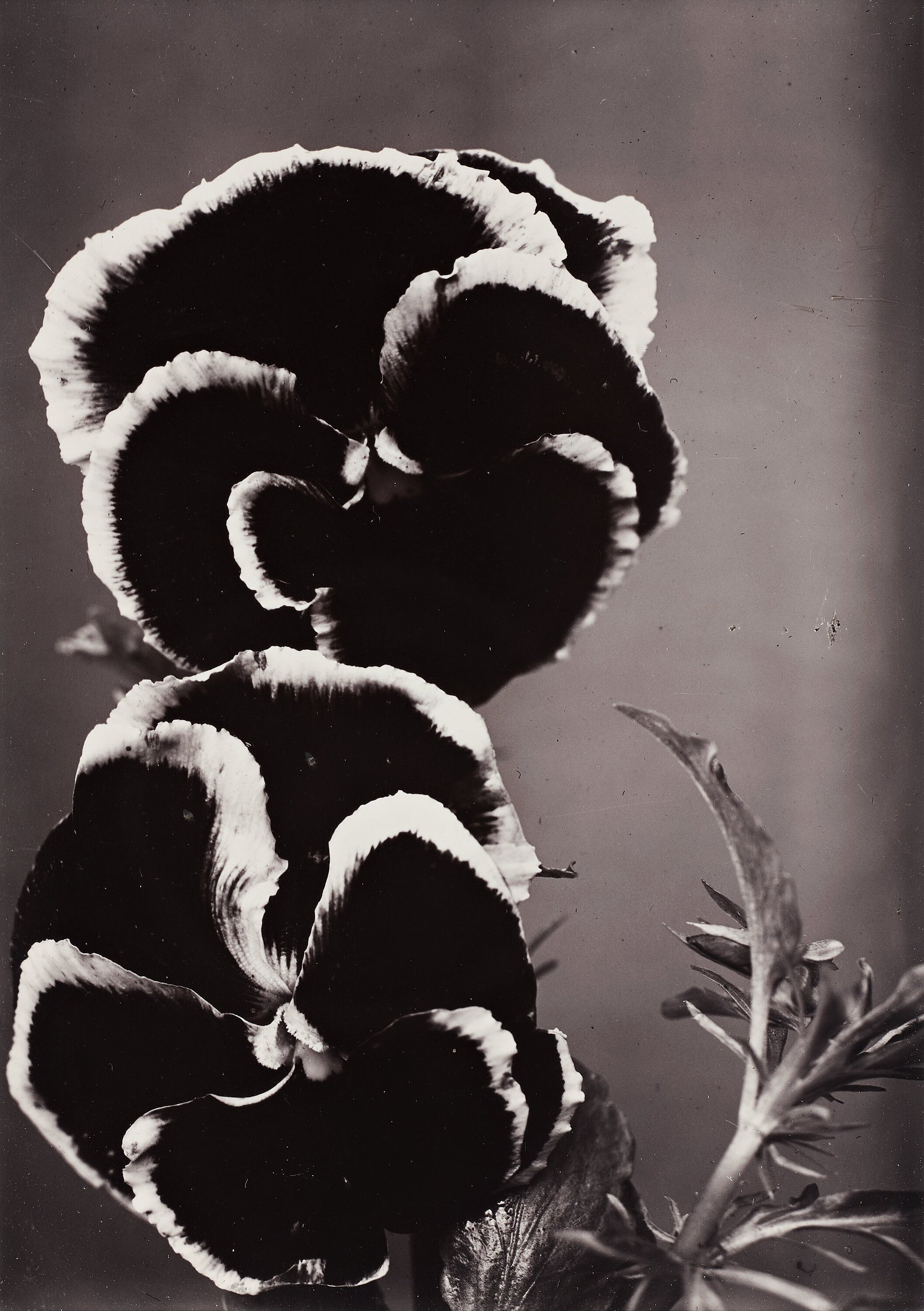
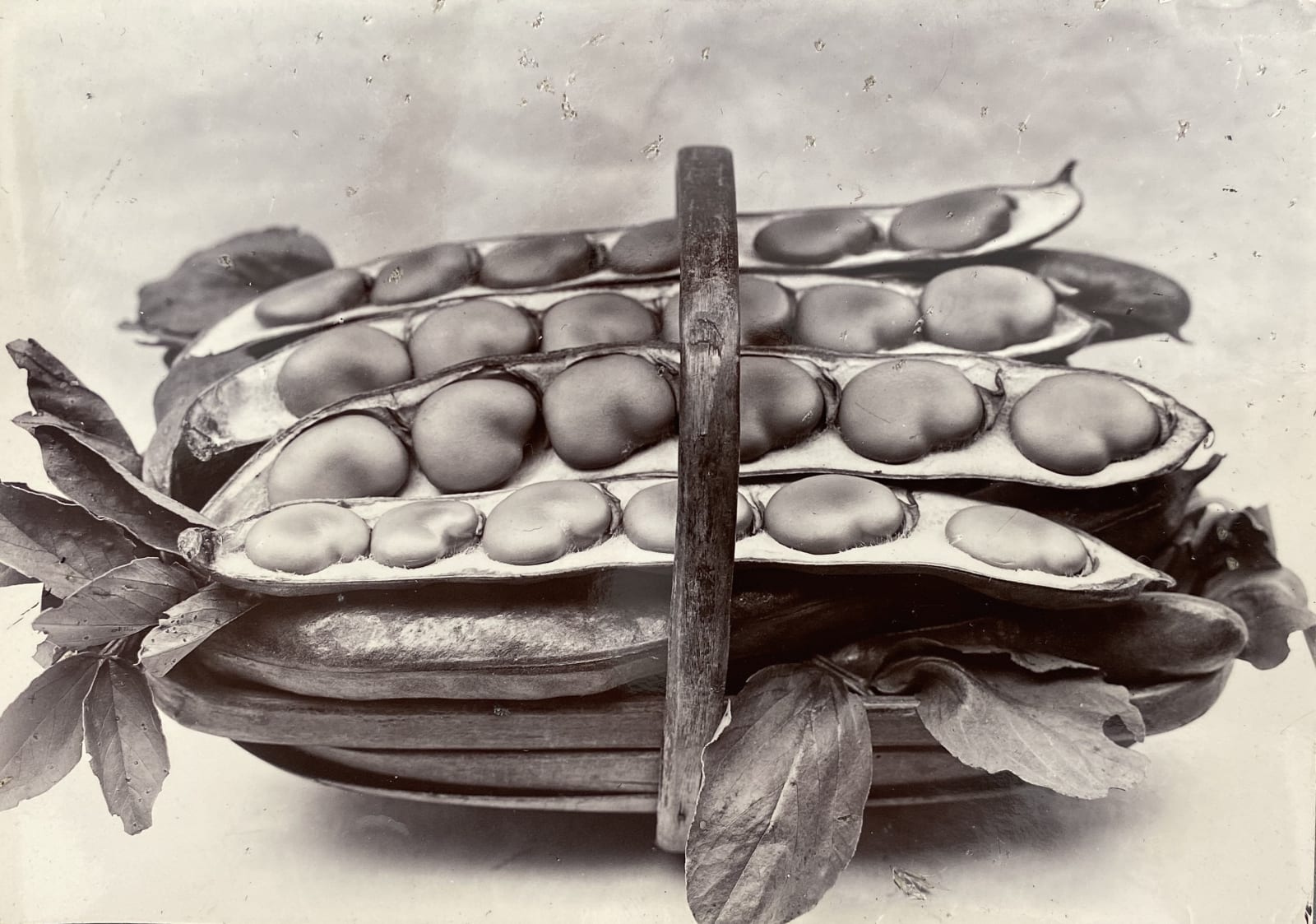

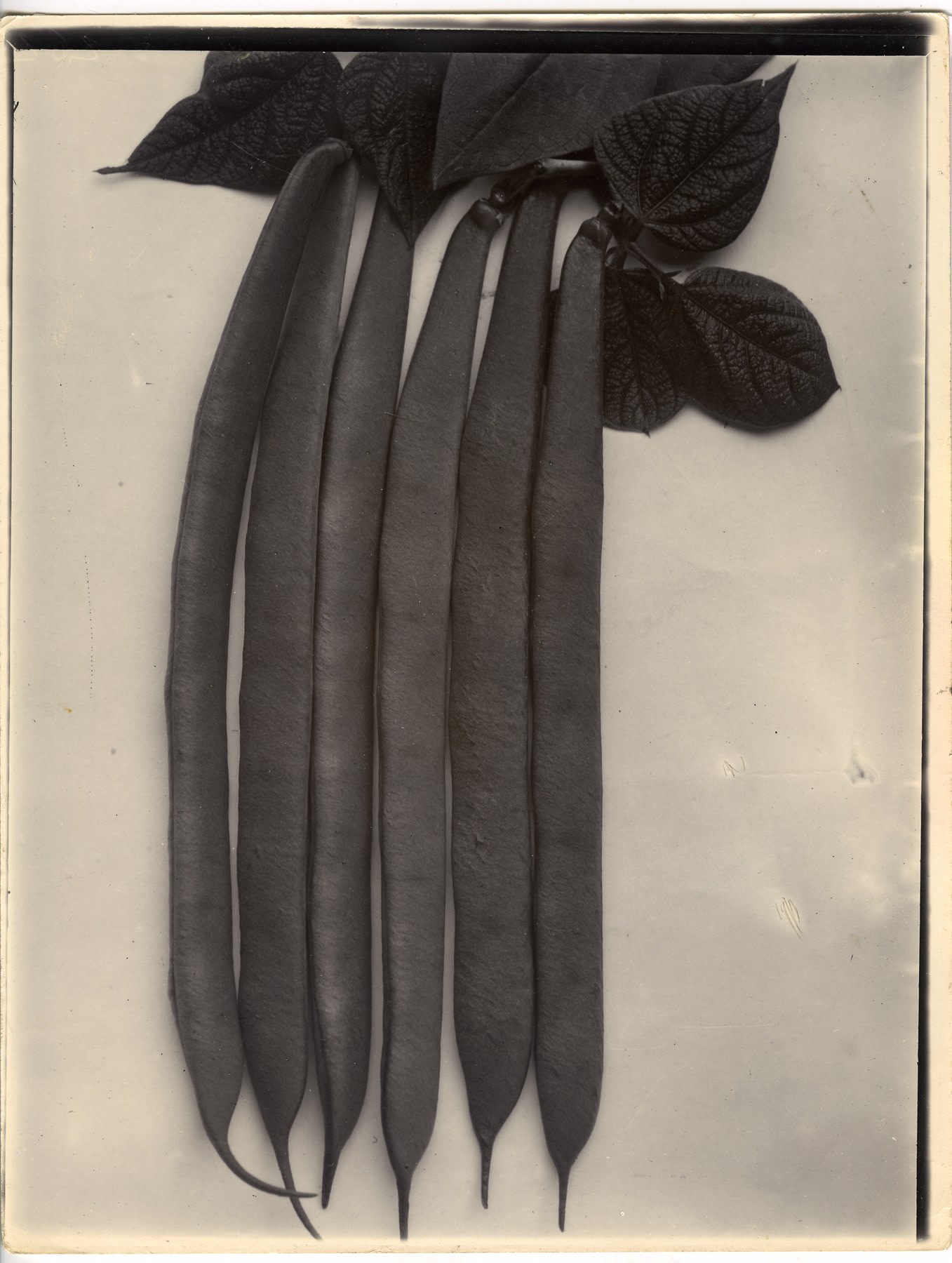
Charles Jones was an English gardener and plantsman, who worked on private estates in the 1890s. As if they were carefully crafted objects, he diligently photographed the vegetables, fruit and flowers he grew. In the era of the supermarket, they appear as a eulogy to a lost time of intimacy between producer and product, the simplicity of the forms paralleling a seemingly less complex age. Although his work wasn’t discovered until 1984 (in Bermondsey market by Sean Sexton), his life’s work is now considered to be on a par with the spare, modernist photographs of Karl Blossfeldt’s flowers and Edward Weston’s vegetables. All his negatives would have been glass and each gold toned print would have taken many hours to complete, the prints are beautiful and unique and show an adept hand in what was a very complex ‘hobby’. His work is in public institutions worldwide. [quoted from Michael Hoppen Gallery]
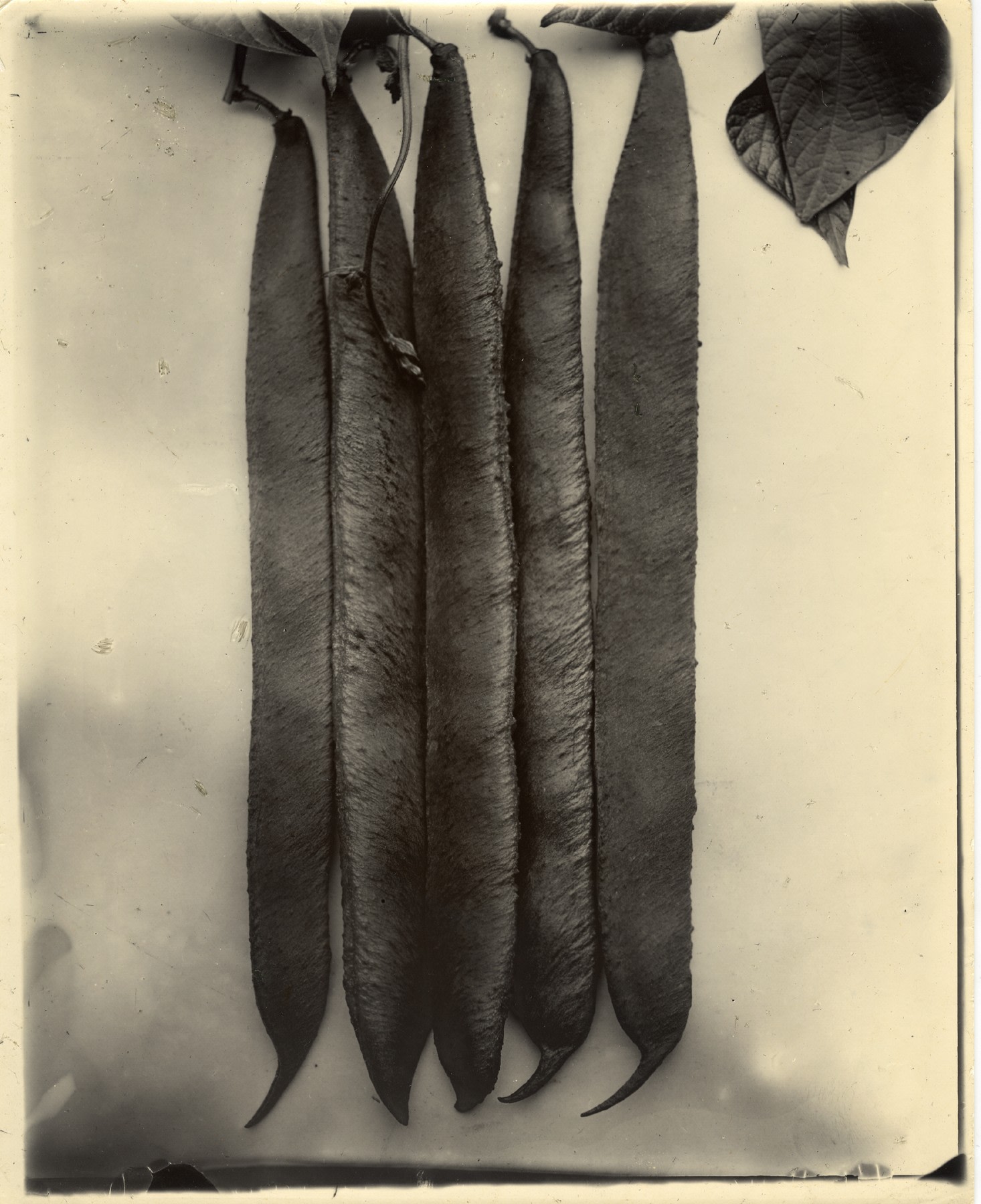
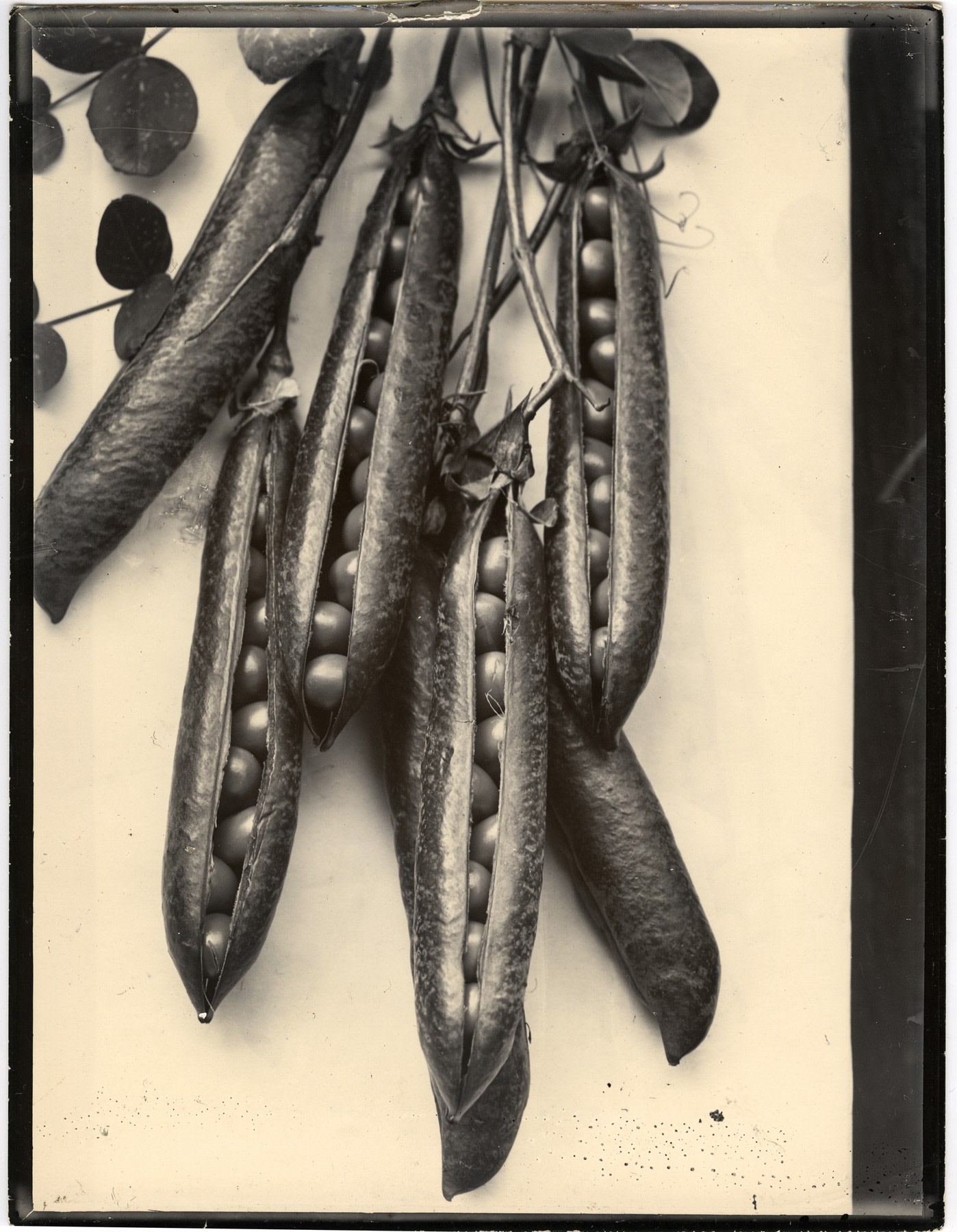

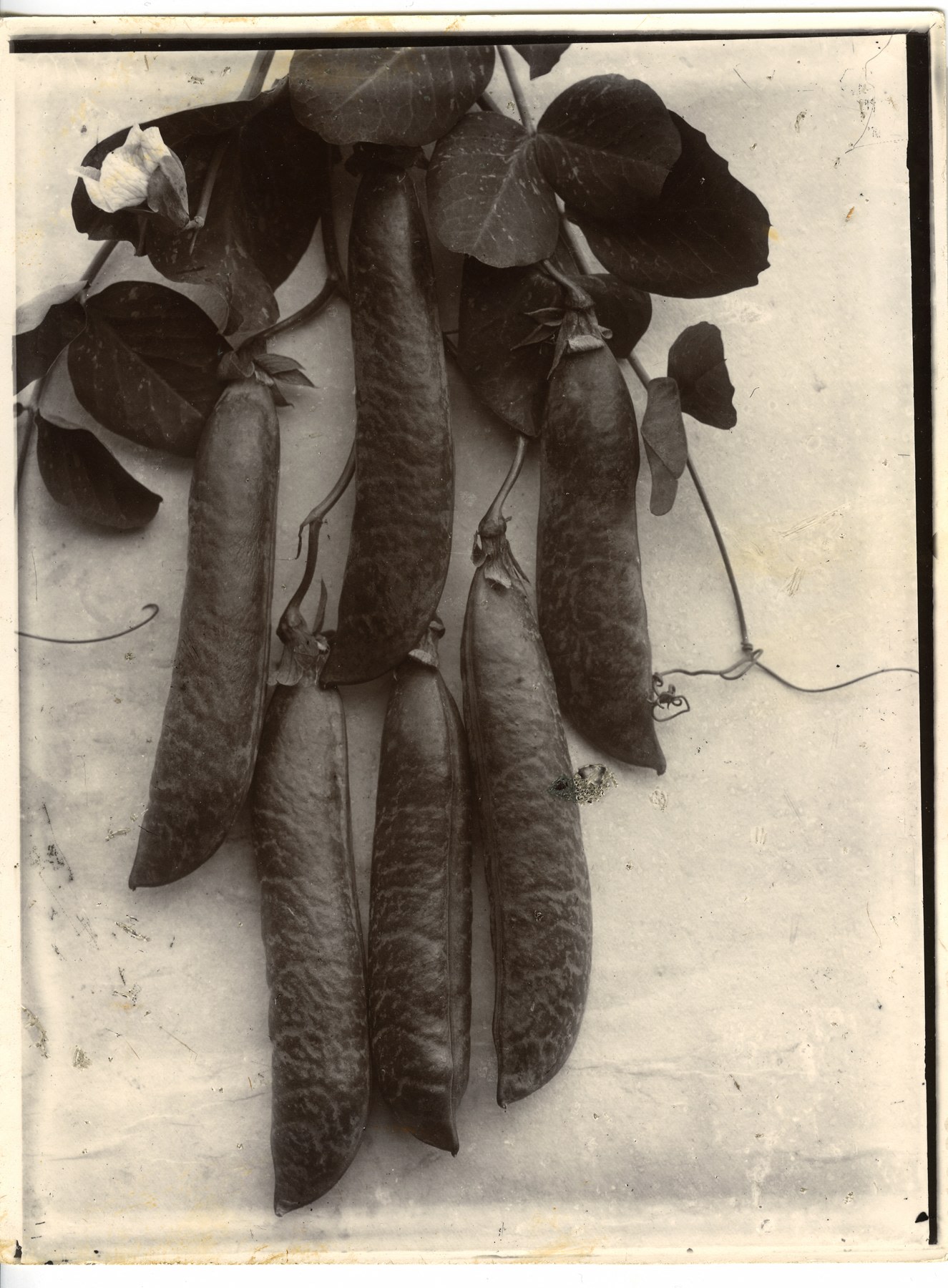
Howard Greenberg Gallery is pleased to announce an exhibition of still life photographs by British born Charles Jones. Viewed as a proto-Modernist and outsider artist, Jones, a humble English gardener and photographer working at the turn of the 20th century, is one of art’s most mysterious and recent discoveries. Jones’ work came to light in 1981, when discovered in a trunk at an antiques market in London. The only clue to the identity of the photographer were the initials “C.J.” or sometimes the signature “Charles Jones” that was scrawled on the backs of the prints along with fastidious notations giving the precise name of each of the subjects. But the story of the photographer remained unknown until a woman, seeing the photographs on BBC television, identified them as the work of her grandfather, a gardener who worked at several private estates between the years 1894 and 1910. [quoted from HGG]
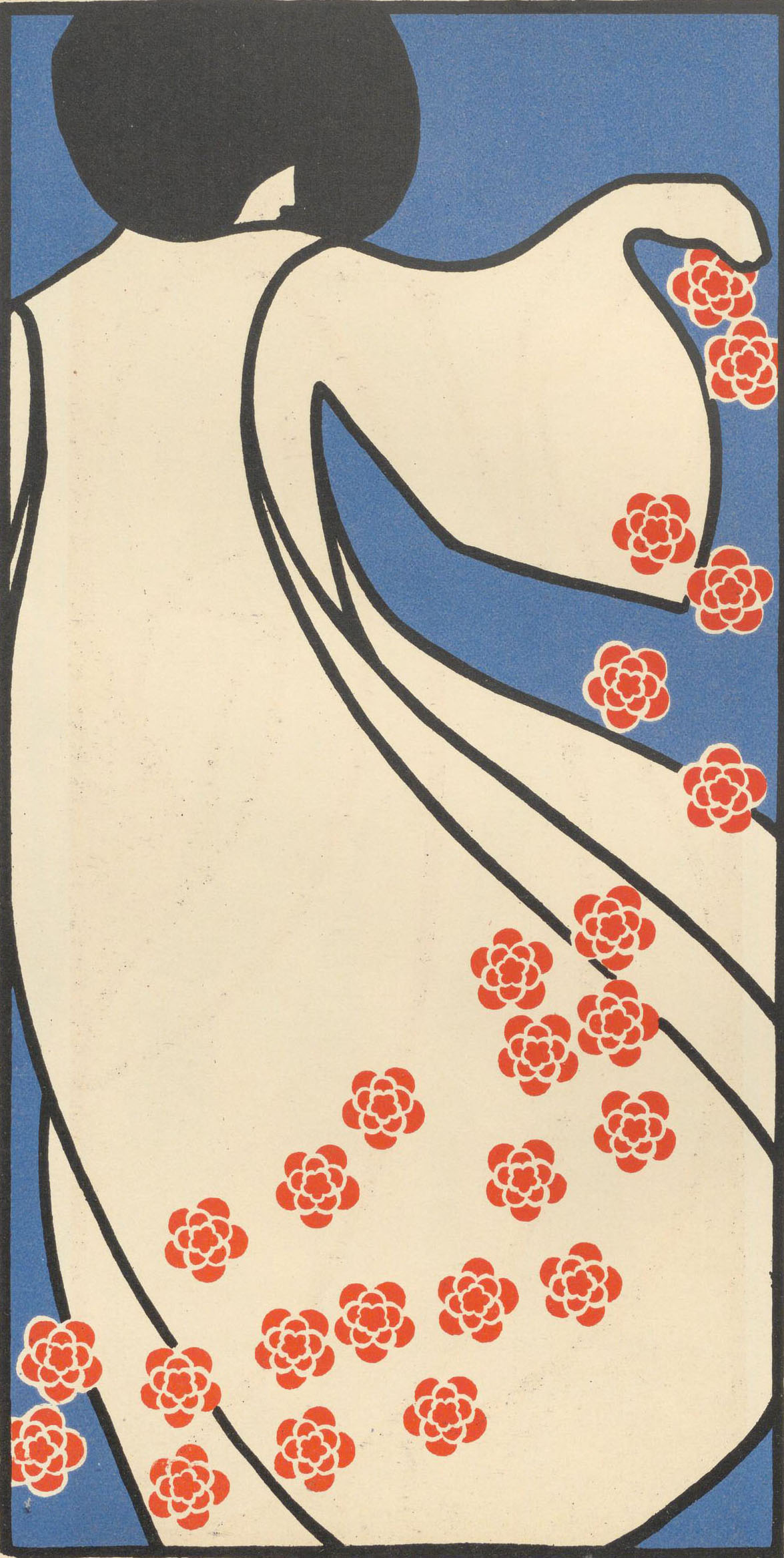
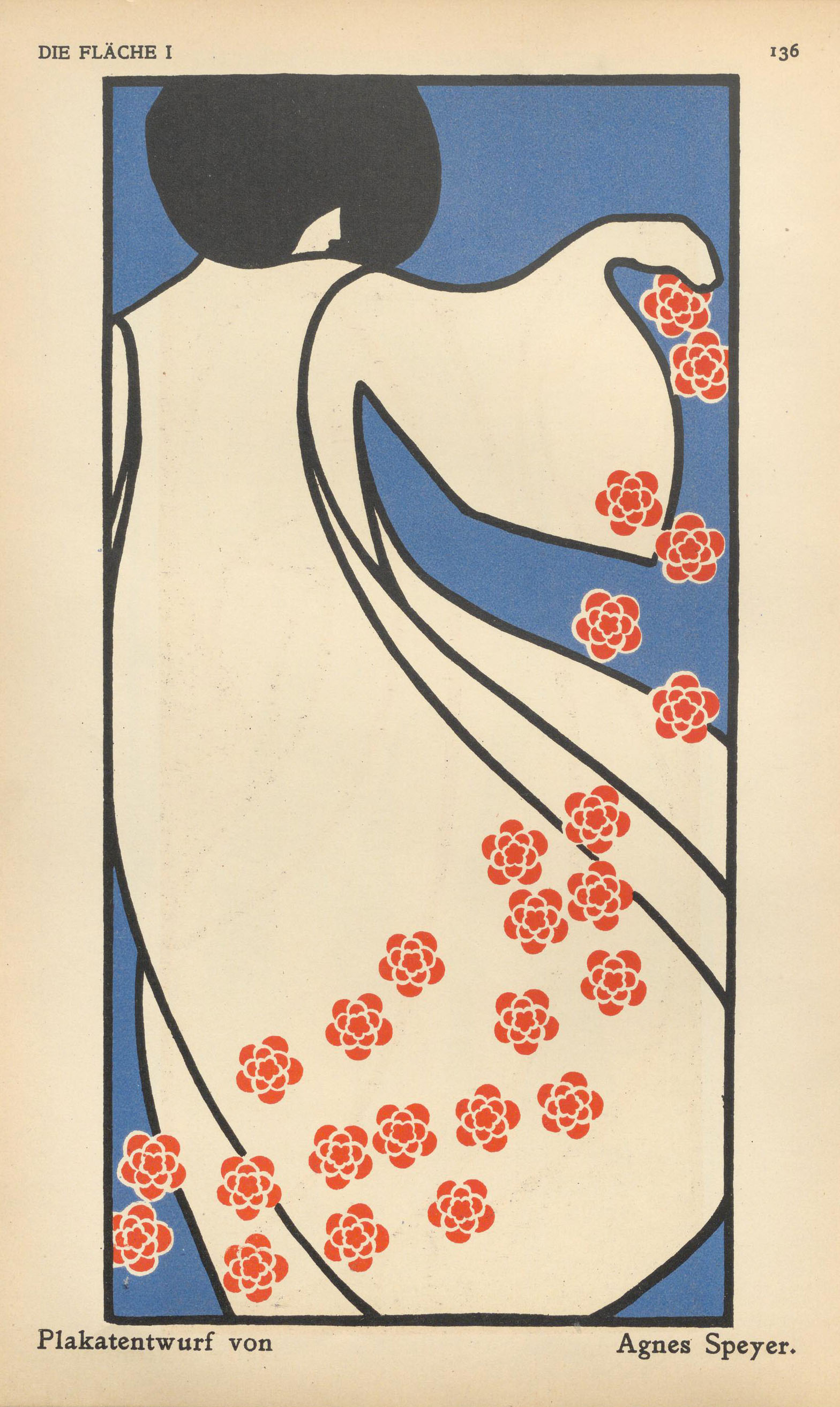


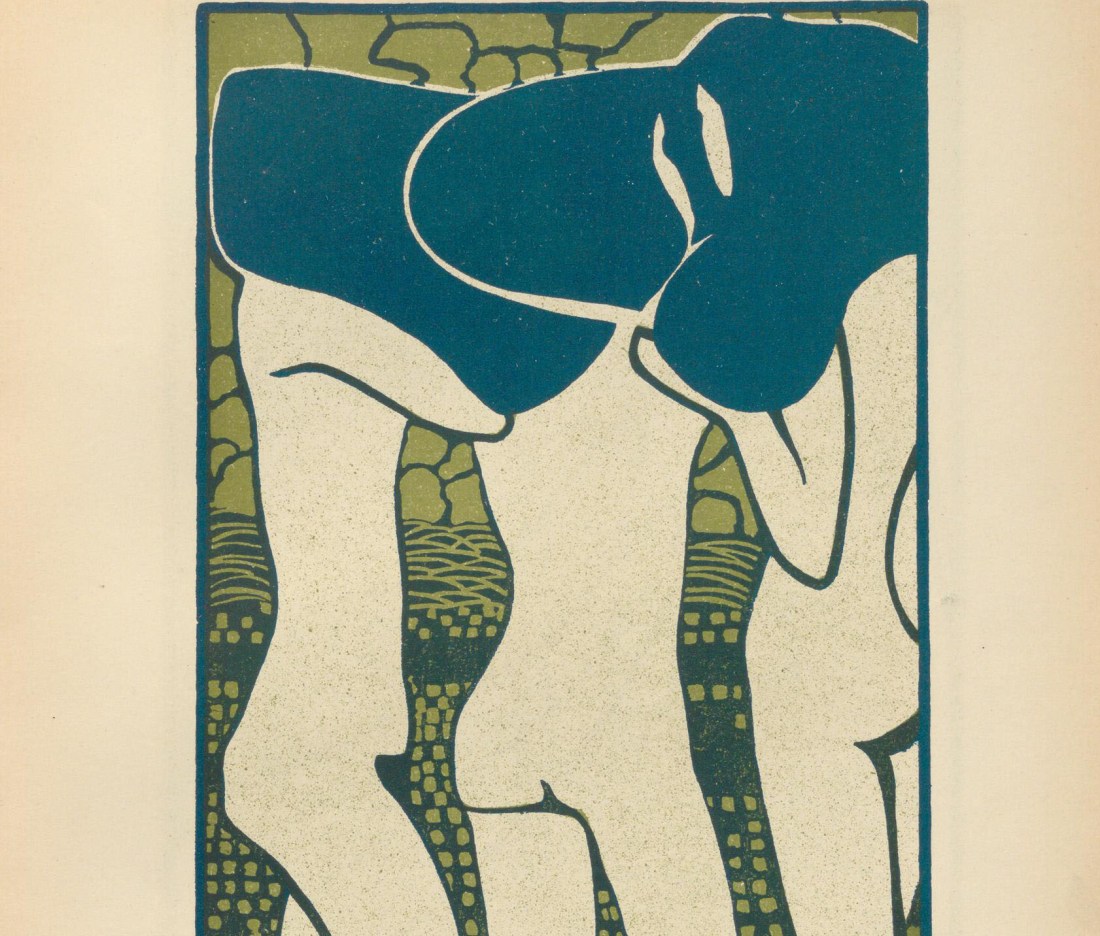


For a long time it was Nelly Marmorek’s fate that she was only known as the wife of the successful architect and committed Zionist Oskar Marmorek and as the daughter of the well-known banker Julius Schwarz. But even the few works of her that have survived show that she should be honored as an independent creative personality.
Nelly Marmorek was born Cornelia Schwarz on May 13, 1877 in Vienna and came from a very wealthy family of bankers on her father’s side. Apparently her mother, who was a sister of the well-known and successful composer Ignaz Brüll, brought in her musical talent. Nelly, as she was called, soon showed a talent for drawing and – supported by her art-loving family home, in which composers such as Gustav Mahler and Johannes Brahms and writers such as Arthur Schnitzler and Hugo von Hofmannsthal frequented – sought an artistic education.
In 1901 she began studying at the Vienna School of Applied Arts, where she was a student of Alfred Roller and Carl Otto Czeschka, among others. Her fellow students included Hilde Exner, Emma Schlangenhausen, Moriz Jung and Rudolf Kalvach. The fact that there is an original woodcut of hers in “Ver sacrum” and that she was able to publish four works in the portfolio “Die Fläche” shows that Marmorek was counted among the best of her year by her teachers.
A photograph from the Roller class has been preserved in the archive of the University of Applied Arts in Vienna, in which both of the poster designs by Nelly Marmorek depicted in “Die Fläche” can be seen. The picture, which most likely shows the artist herself at work, also documents that the poster designs were not just small sketches, but were worked out in the original size.
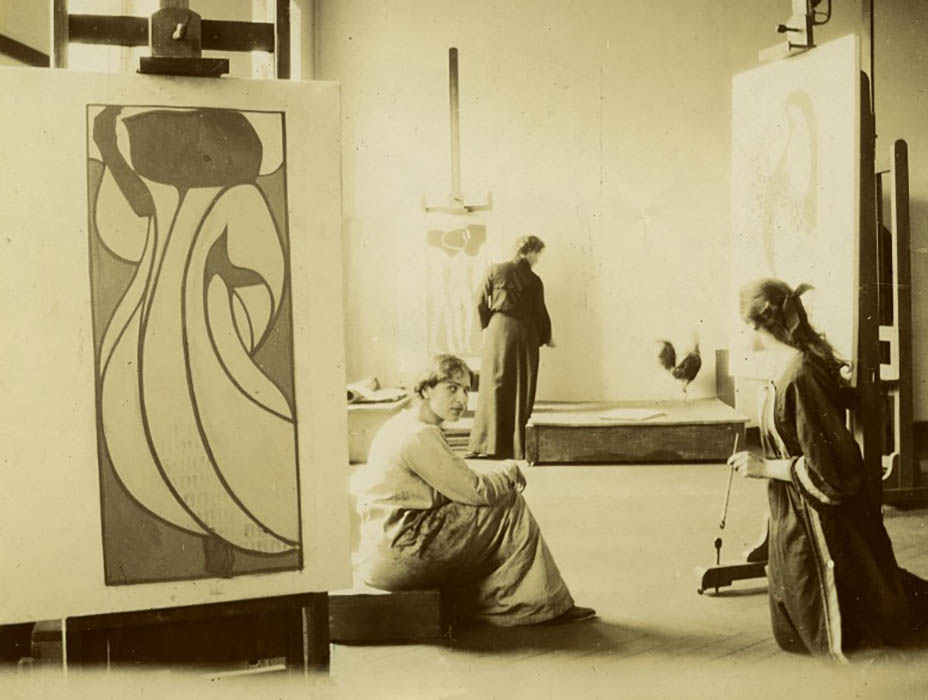
After Oskar Marmorek, to whom she had been married since 1897, committed suicide in 1909, Nelly Marmorek moved back to her parents’ apartment at Berggasse 13, where she was officially registered until 1928. However, she spent most of her time in France, where she studied painting with Henri Matisse and also took part in exhibitions.
Nelly Marmorek lived in Cannes during World War II. In 1942, southern France was occupied by German troops and now the Jews living here or who had fled here, like Nelly Marmorek, were exposed to the terror of the National Socialist rulers. Marmorek was no longer able to travel to the USA, and she died in Cannes on March 11, 1944.
After basic research, Ingrid Erb wrote in her study of Nelly Marmorek: “Nelly’s death certificate states the address Villa Baron, Avenue Isola Bella, Cannes. A cause of death is not noted. The Villa Baron was confiscated by the German troops during World War II and used by the Nazi occupying power as a headquarters. On March 14, 1944, Nelly Marmorek was buried in the Cimetière Le Grand Jas as a native on common ground with a five-year concession.”
quoted from: Austrian Posters / Nelly Marmorek
 un regard oblique