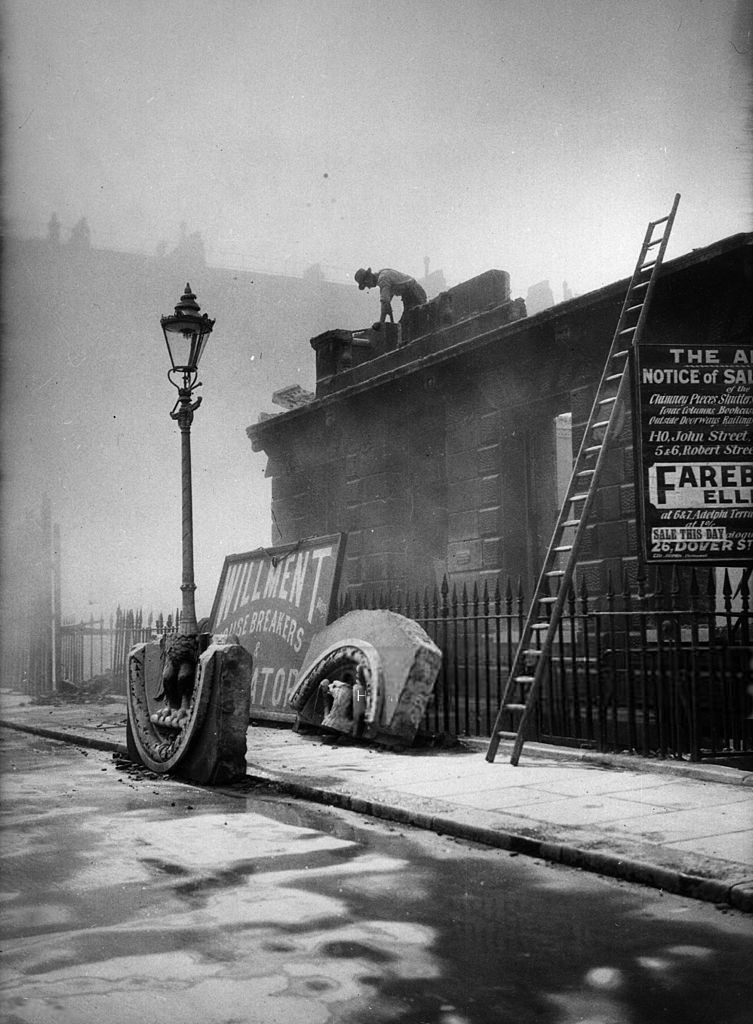
Hulton Archive. London, 1900′s / via
images that haunt us

Geisha Sakae dressing herself in the mirror, a postcard from around 1905 to 1910. / source: Blue Ruin (Flickr)
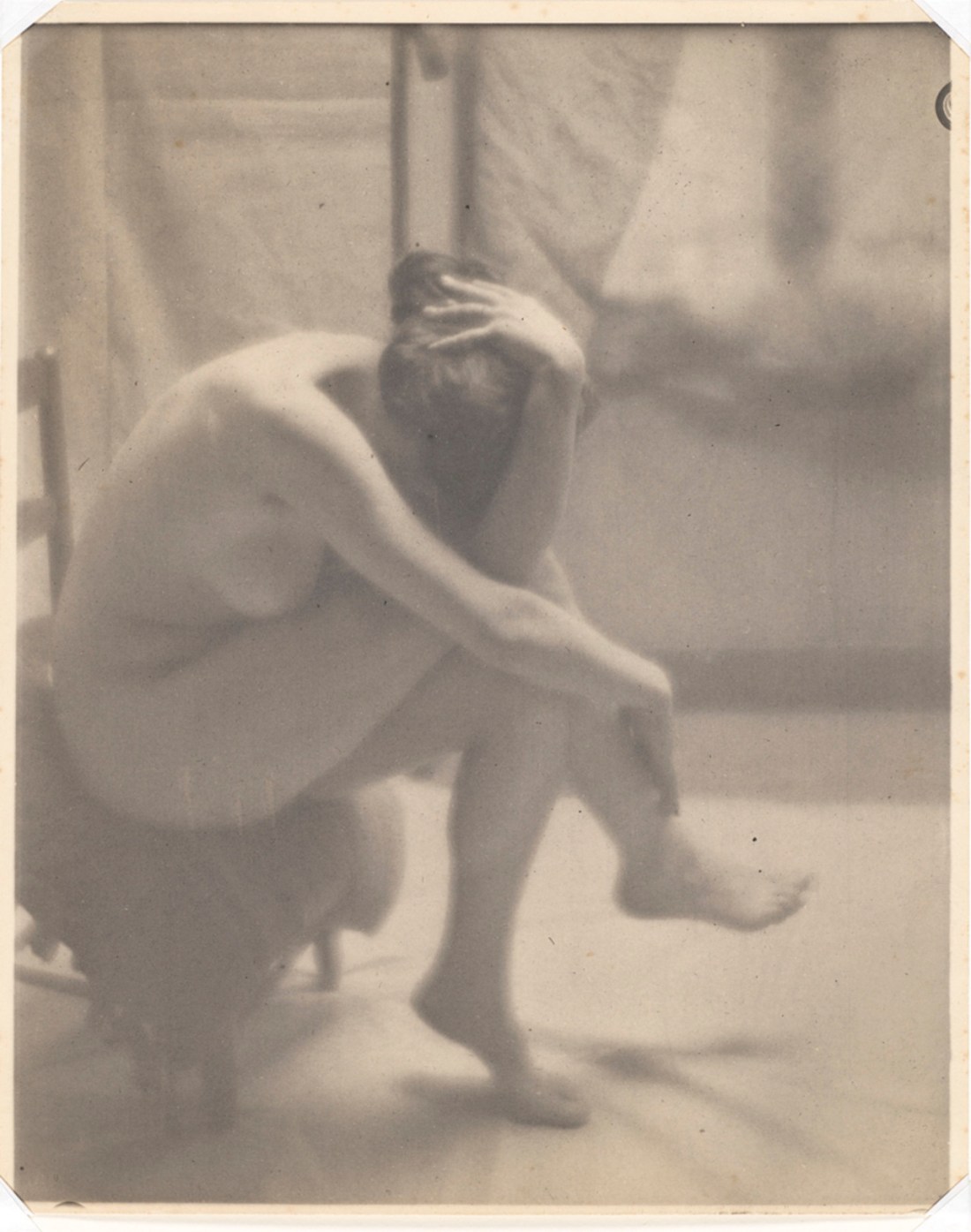
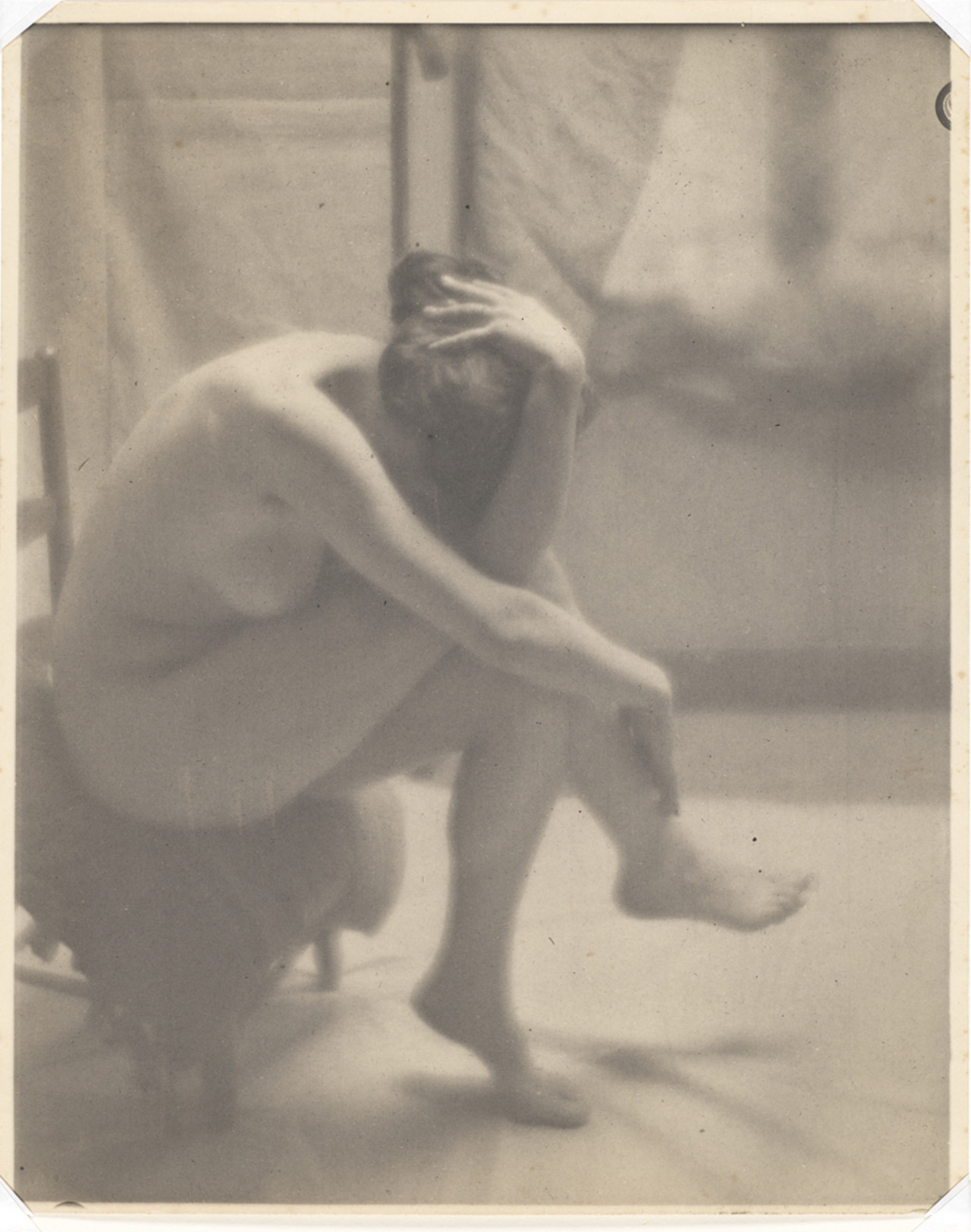
With its diffuse lighting and soft tones, Paul Haviland’s Seated Nude demonstrates his stylistic allegiance to the Photo-Secession group of American photographers.
Haviland was a French émigré and heir to a successful porcelain manufacturing firm, but after meeting Alfred Stieglitz in 1908, he devoted the next decade to establishing the legitimacy of photography as a form of high art. He published both photographs and essays in Camera Work, the preeminent American journal of avant-garde art, and helped found its successor, 291. This image is similar to photos of female nudes published by Haviland’s colleagues, with the model assuming an unusual and contorted pose in a hazy, empty interior space, her face turned away or concealed in shadow.
Quoted from Changing Poses: The Artists’ Model
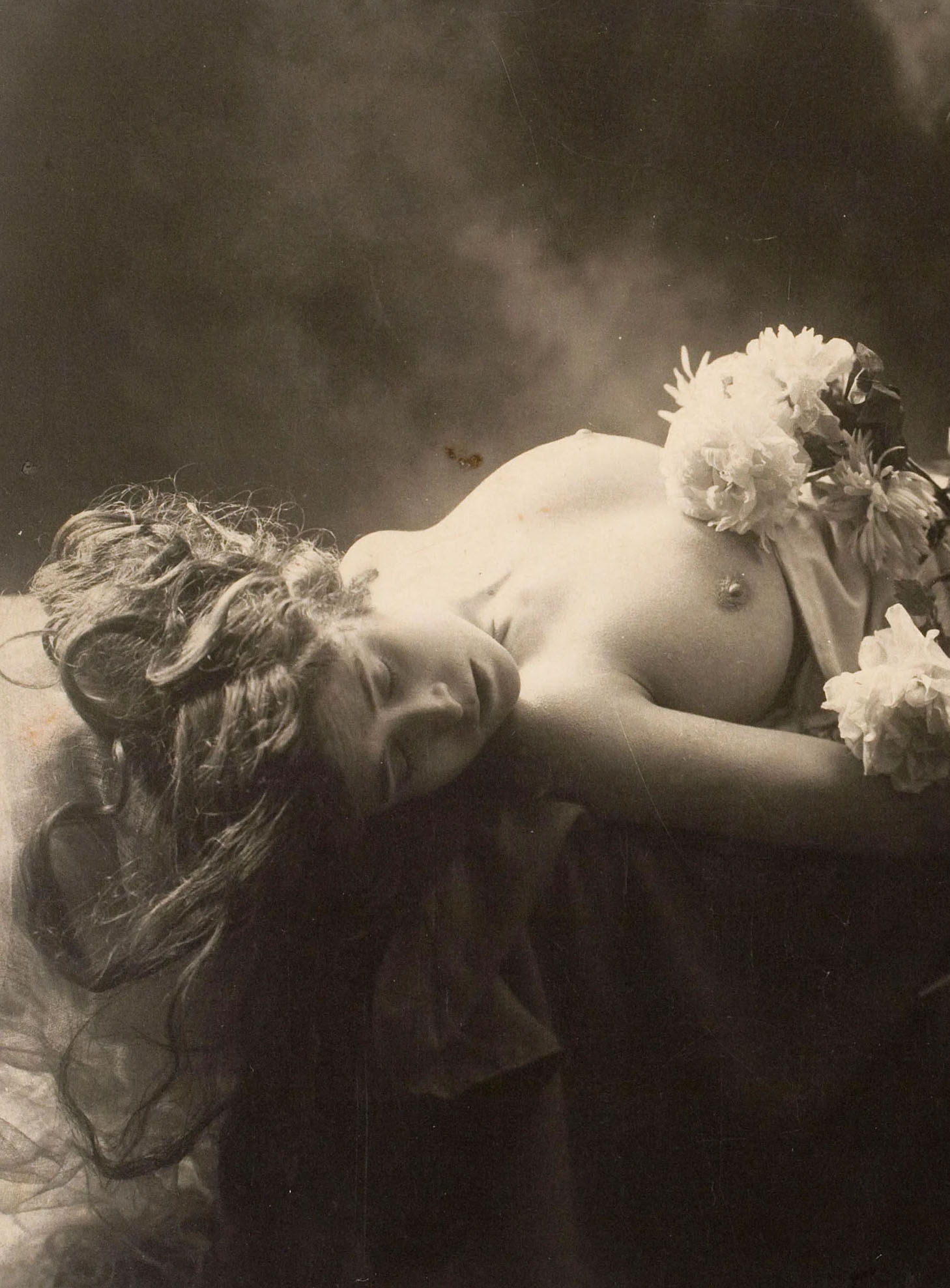
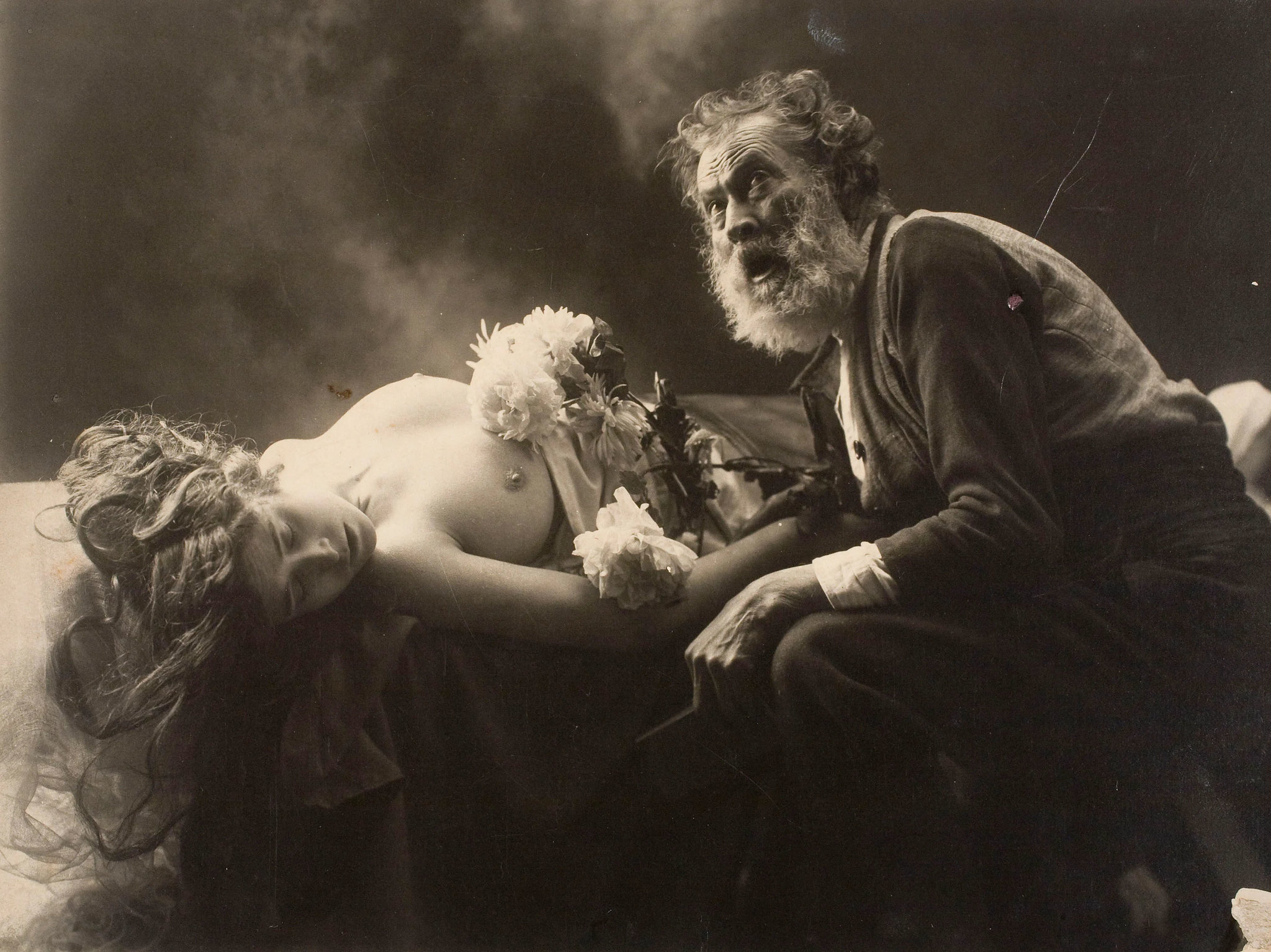
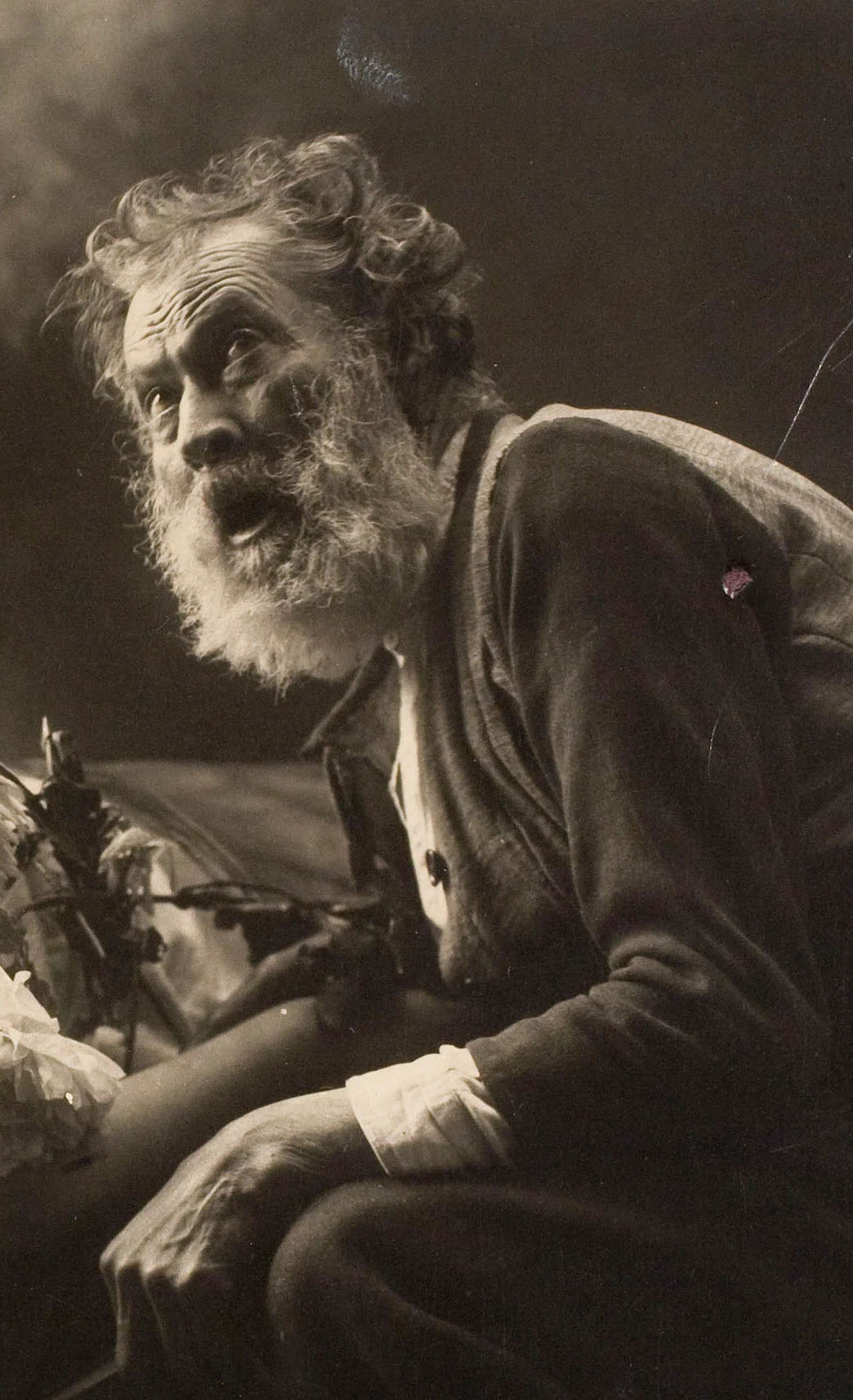
The massive industrialization of the photography based on the new models of Kodak in 1888, marked the birth of amateurism, and what could be considered its elitist complement and counterpart, Pictorialism, understood to be the first discourse of artistic legitimization of photography.
Faced with technological standardization and documental utilitarianism, Pictorialism proposed the use of pigmentary techniques that evoked the manual work of paintings, as well as their symbolic, picturesque or sublime themes, in accordance with the aesthetic paradigms of the modern art of the 19th century, which was based on the romantic principle of genius. In some way the concept of “creation” was introduced into photographic techniques, vindicating the figure of the photographer as an author and interpreter of reality. Within this framework, Joan Vilatobà created a series of works which moved between symbolic allegory and customs, and photography through topics such as beauty, death, love, etc., of which Where in heaven will I find you? is an example. | quoted from MNAC ~ Museu Nacional d’ Art de Catalunya


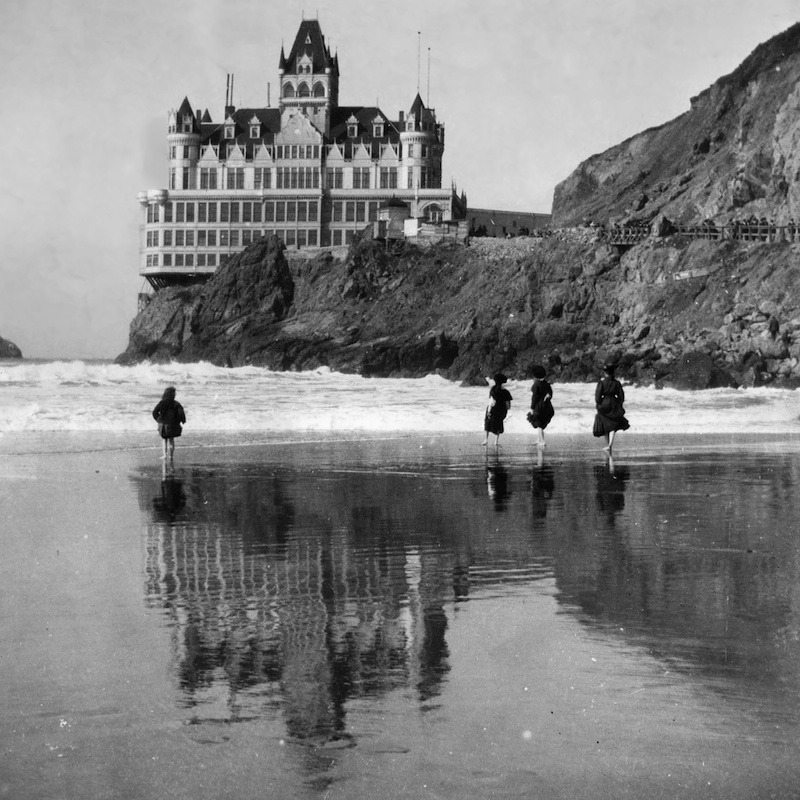
Edward “Doc” Rogers :: The Cliff House, San Francisco, CA, early 1900′s – Ladies wade at the beach with their long
skirts tucked only knee high by the old Cliff House. This eight-story
version of the Cliff House opened in 1896 and was destroyed by fire in
1909. (Oakland Tribune) / src: Oakland Tribune Archives
more [+] Cliff House posts
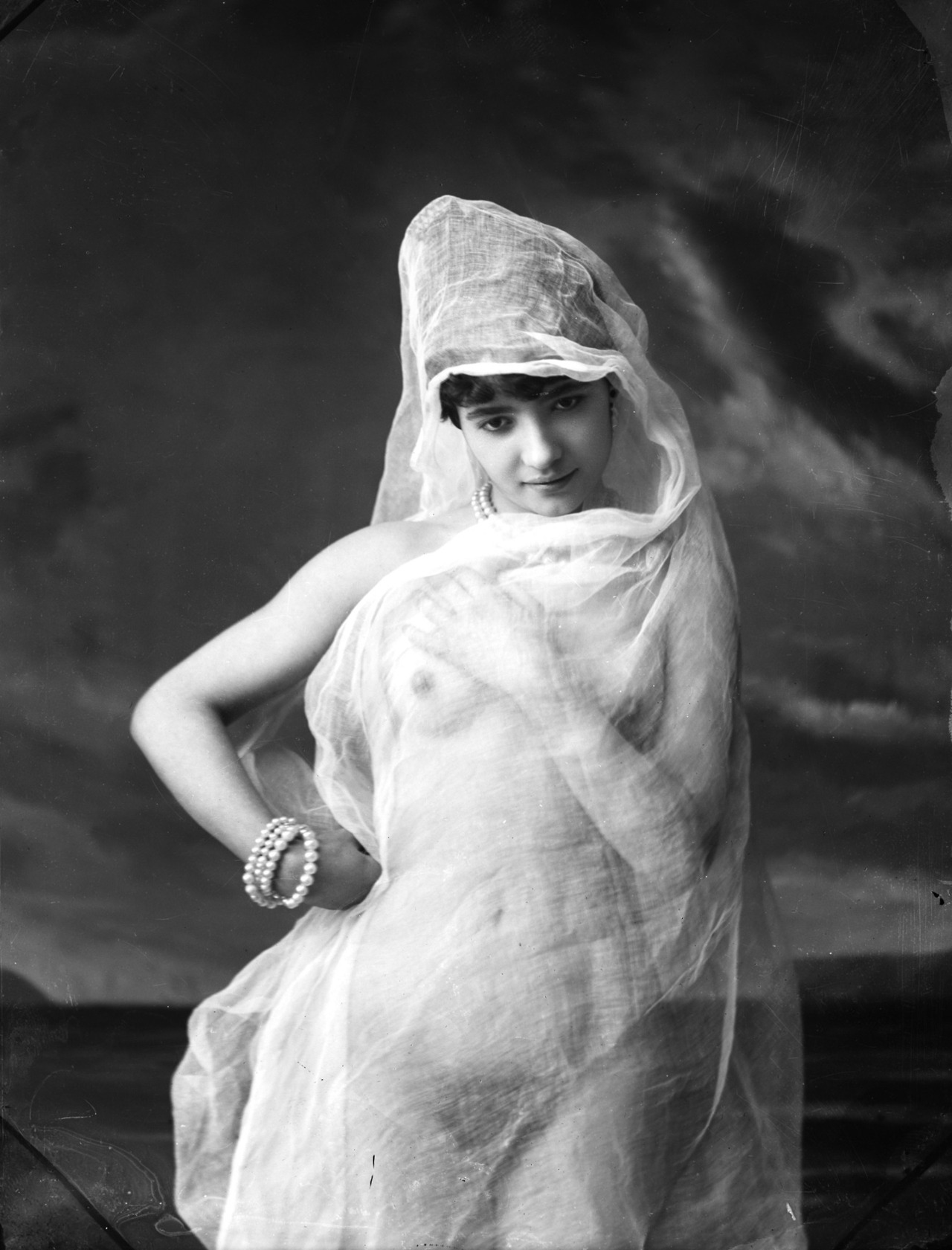
Antoni Esplugas Puig (1852-1929) :: Nu femení / Female nude, 1890-1900 / source:
les-sources-du-nil (original source click on photographer’s name)
more [+] by this photographer

C.C. Pierce :: Young Girls of the Hopi Nation, All Wearing the Squash Blossom Hairstyle Indicating Their Unmarried Status, Shonguapavi, Arizona, 1900 / via
related post, here

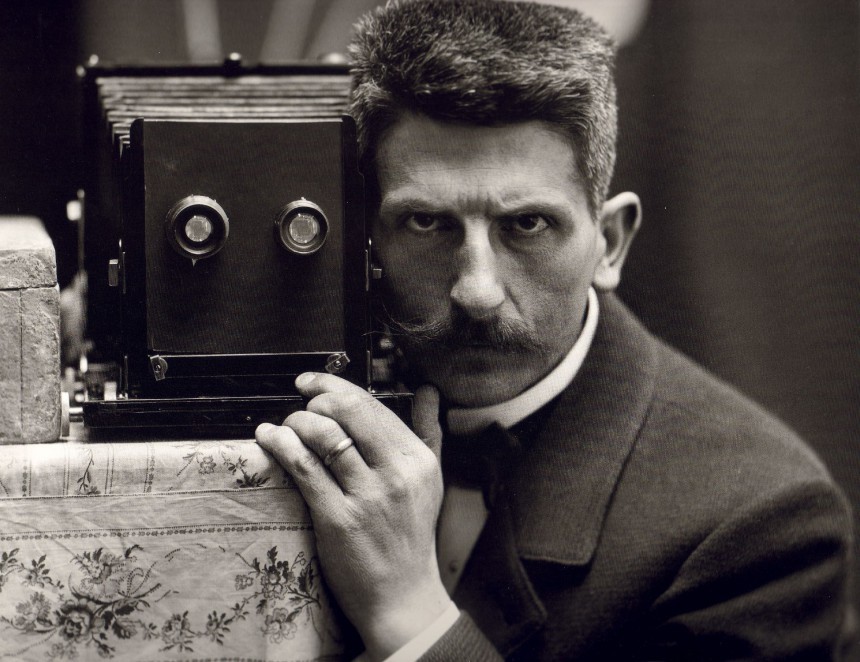
 un regard oblique