Actress Alexandra Rebikova

Ребикова, Александра Васильевна. Молоко в спектакле «Синяя птица». | Russian actress Alexandra Vasilievna Rebikova as Milk in the play «The Blue Bird» in costume designed by Vladimir Egorov (?) for Konstanin Stanislavski’s production of Maurice Maeterlinck’s «Oiseau Bleu» at the Moscow Art Theatre, 1908. | src academia.ru
Мей в спектакле «Сверчок на печи». Actress Alexandra Vasilievna Rebikova as May Fielding in the play «Cricket on the Hearth» at the Moscow Art Theatre. Unknown date, probably before 1908.
Мей в спектакле «Сверчок на печи». Actress Alexandra Vasilievna Rebikova as May Fielding in the play «Cricket on the Hearth» at the Moscow Art Theatre. Unknown date, probably before 1908. [Full scan of programme]
Portrait of Alexandra Vasilievna Rebikova. | src academia.ru

In 1915, Alexandra Rebikova began to star in the movies of the film company “A. Khanzhonkov and Co.” [Торгового дома «А. Ханжонков и К°] and very soon became one of the leading silent film actresses.

Alexandra Rebikova with Oleg Frelyh (Frelikh) in 1917 in the film «The Clay God» («Глиняный бог», a silent film by Nikolai Larin, 1918)
Alexandra Rebikova with Gregory Khmara (Chmara) in the film «Symphony of Sorrow» («Симфония горя», 1918) | src academia.ru

J. Antoine’s autochrome sunsets

un regard oblique's avatarun regard oblique

Jules Antoine (1863-1948) :: Coucher de soleil sur la plage dans des tonalités rose-orangés, la mer à l’horizon, 1905-1912. Positif transparent; Support verre; Procédé Autochrome

Jules Antoine (1863-1948) :: Coucher de soleil sur la mer sous un ciel nuageux, 1905-1912. Positif transparent; Support verre; Procédé Autochrome

Jules Antoine (1863-1948) :: Coucher de soleil sur la plage, la mer à l’horizon, 1905-1912. Positif transparent; Support verre; Procédé Autochrome

Jules Antoine (1863-1948) :: Coucher de soleil sur la plage, la mer à l’horizon, la silhouette d’un homme se détachant sur le banc de sable, 1905-1912. Positif transparent; Support verre; Procédé Autochrome

Jules Antoine (1863-1948) :: Coucher de soleil sur la mer, falaises au premier plan, ciel nuageux en arrière-plan, 1905-1912. Positif transparent; Support verre; Procédé Autochrome

Jules Antoine (1863-1948) :: Coucher de soleil sur la plage, 1905-1912. Positif transparent; Support verre; Procédé Autochrome

Jules Antoine (1863-1948) :: Coucher de soleil sur la…

View original post 68 more words
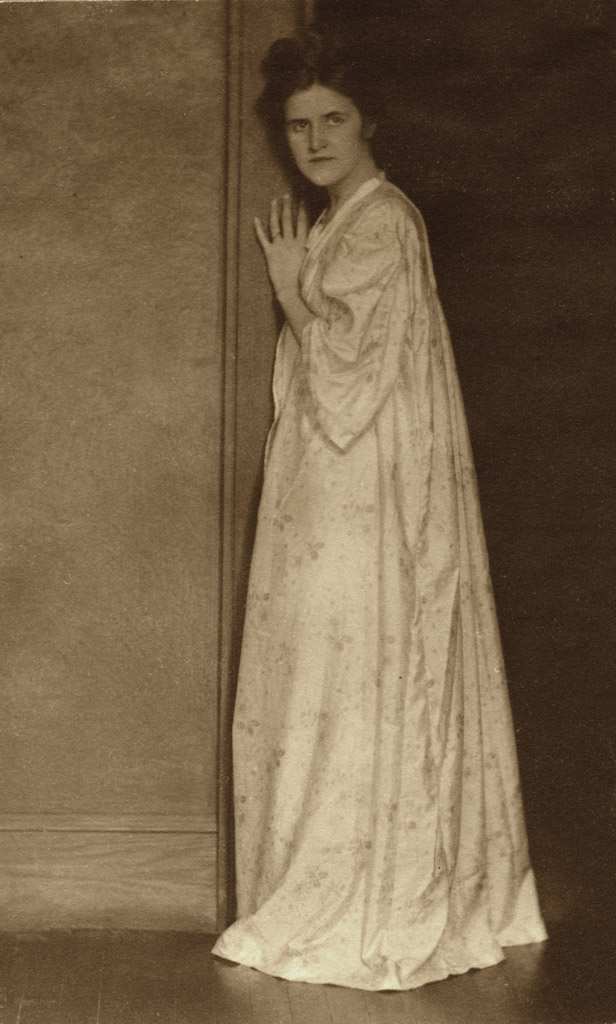
Sipprell by Sipprell, 1900-1970

Francis J. Sipprell (1878-1958) :: Portrait of Clara E. Sipprell, ca. 1910. Platinum print. Burchfield Penney Art Center. | src l’œil de la photographie (broken link; linked to l’œil homepage)
Francis J. Sipprell (1878-1958) :: Clara E. Sipprell (1885-1975), ca. 1910. Platinum print. | src Burchfield Penney Art Center
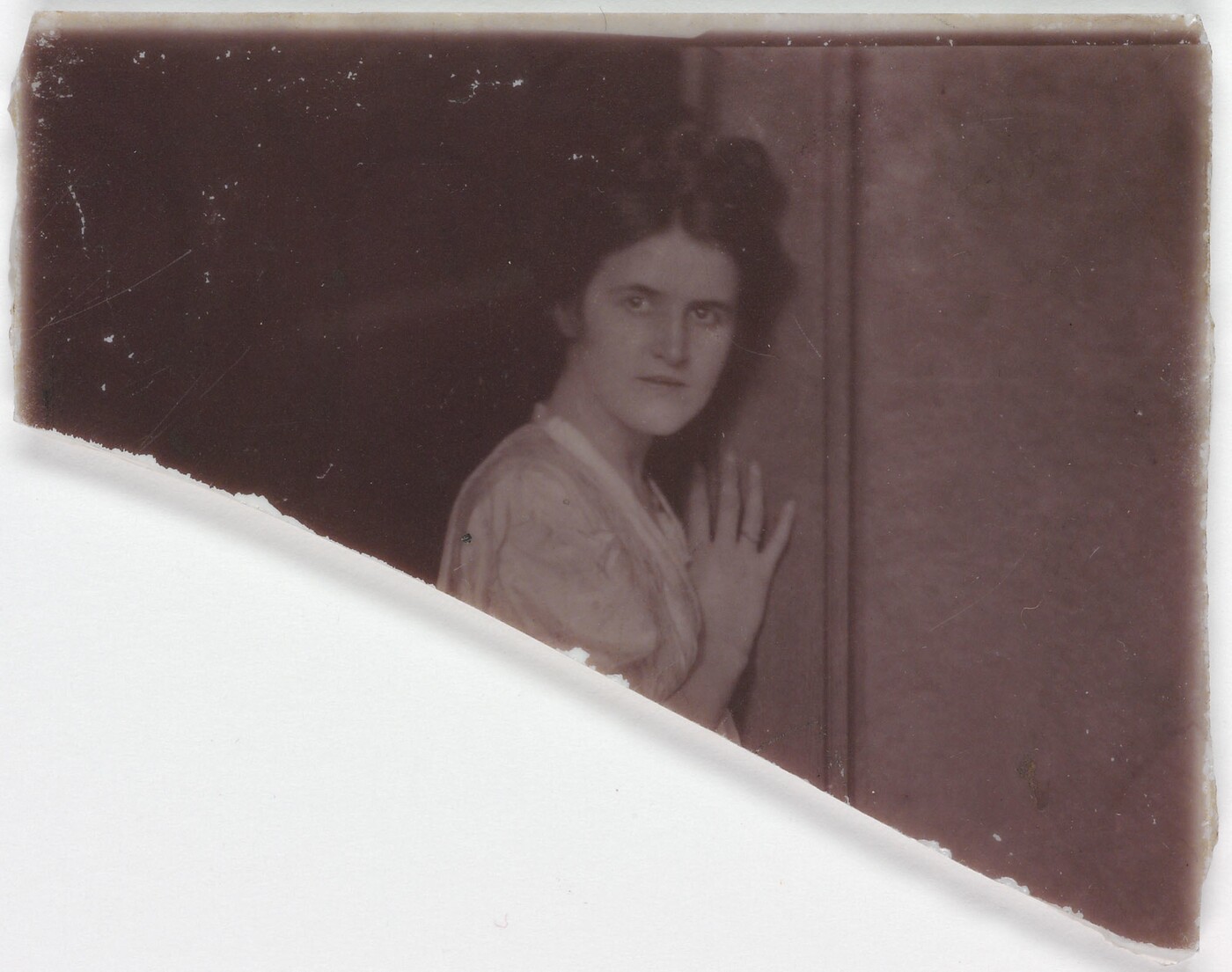
Clara Sipprell :: [Fragment of portrait of Clara Sipprell], ca. 1900. Gelatin silver print. Clara E. Sipprell Collection. There is no mention on source whether this photograph was taken by Clara or Francis. | src Amon Carter Museum of American Art
Clara Sipprell :: Lucy Sipprell, ca. 1913. Platinum print. Scan from color transparency. | src Smithsonian American Art Museum
Allen Sipprell (1919-1998) :: Portrait of Clara E. Sipprell, ca. 1970. Gelatin silver print. | src Burchfield Penney Art Center

Clara E. Sipprell was one of America’s most important pictorial photographers of the early 20th century. Born in Canada, she moved to Buffalo, New York after her oldest brother Francis opened a photography studio. She worked part-time as an apprentice, but eventually dropped out of school to work full-time at his studio, where she learned all different types of photographic techniques. She partnered with him in 1905, and after working together for ten years and having many successful shows, she opened a studio in New York City and eventually traveled all over the world.

Clara E. Sipprell’s use of a soft-focus lens and her reliance upon entirely natural light gave her photographs an atmospheric effect and moody romanticism. She was a successful portraitist, photographing such notable people as Eleanor Roosevelt, Robert Frost, and Albert Einstein. However, she did not confine herself to that genre. Her landscapes, cityscapes, and still-life subjects were exhibited in national and international salons, galleries, and museums. There are over 1,000 photographs by Sipprell in the Amon Carter Museum collection, a gift from The Dorothea Leonhardt Fund of the Communities Foundation of Texas, Inc.  The (then) Burchfield Art Center presented a solo exhibition of her work in 1991.

quoted from Burchfield Penney Art Center
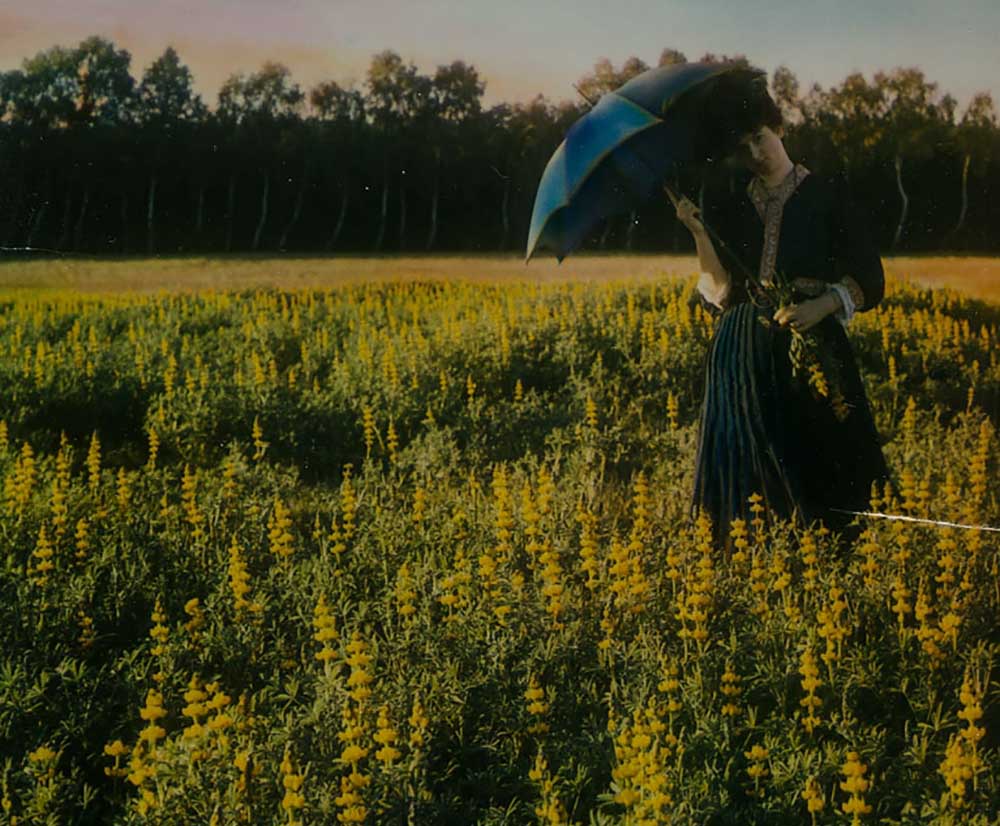
Pinatype by Perscheid, 1900s

field of flowers, pinatype, early color, colour, pinatipie
Nicola Perscheid :: Ms. Änne Jungmann in the lupins, ca1900. Pinatype. | src MK&G
Nicola Perscheid :: Fräulein Änne Jungmann in den Lupinen, um 1900. Pinatypie. | src MK&G

The Pinatype is a dye transfer imbibition process. The colored picture is obtained by superimposing three gelatin films which have been exposed under negatives taken behind color-screens and dyed with corresponding colors.
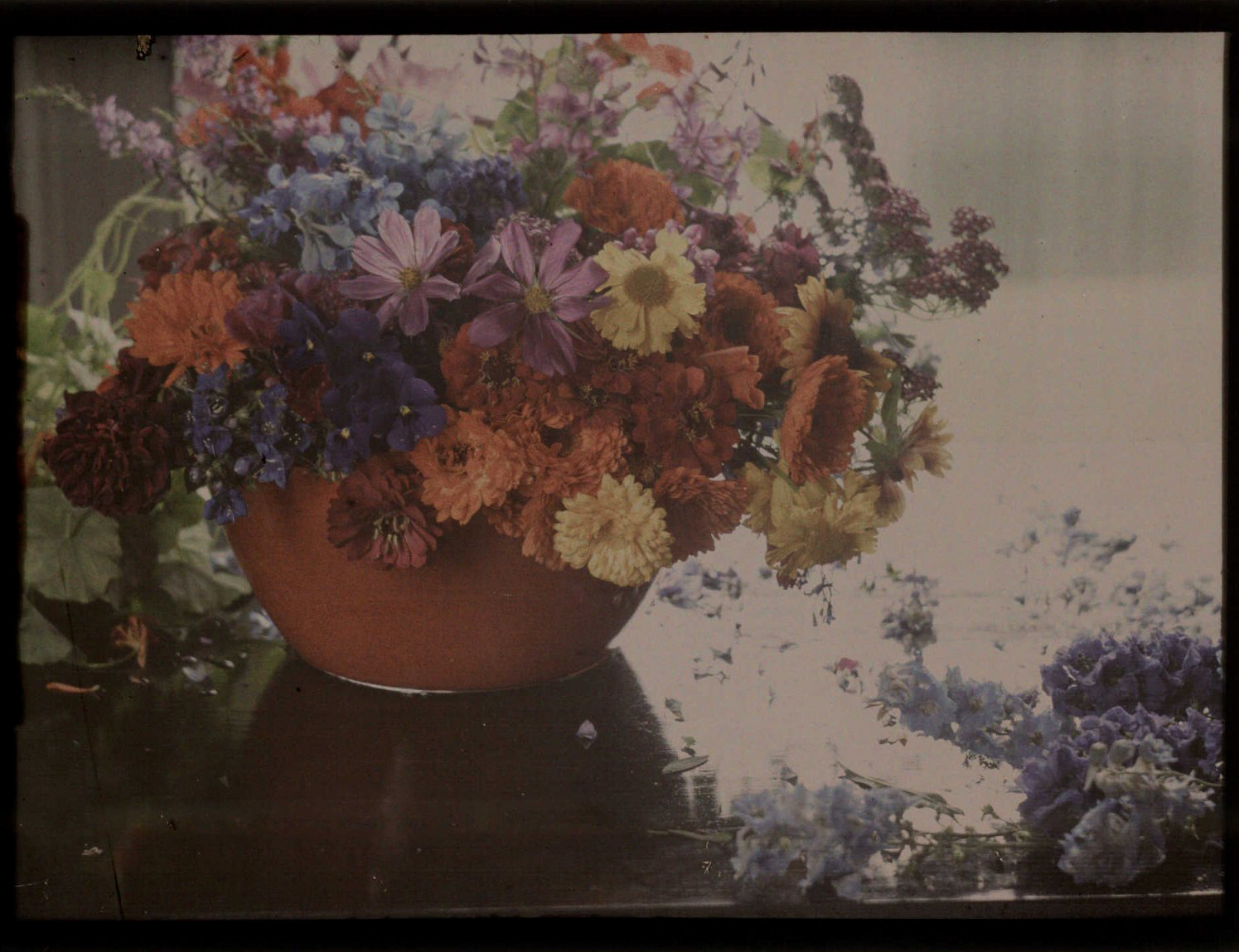
Nicola Perscheid :: Ms. Änne Jungmann in the lupins, ca. 1900. Pinatype. | src MK&G
Nicola Perscheid :: Ms. Änne Jungmann in the lupins, circa 1900. Pinatype. (Detail) | src MK&G

Flower studies by De Meyer

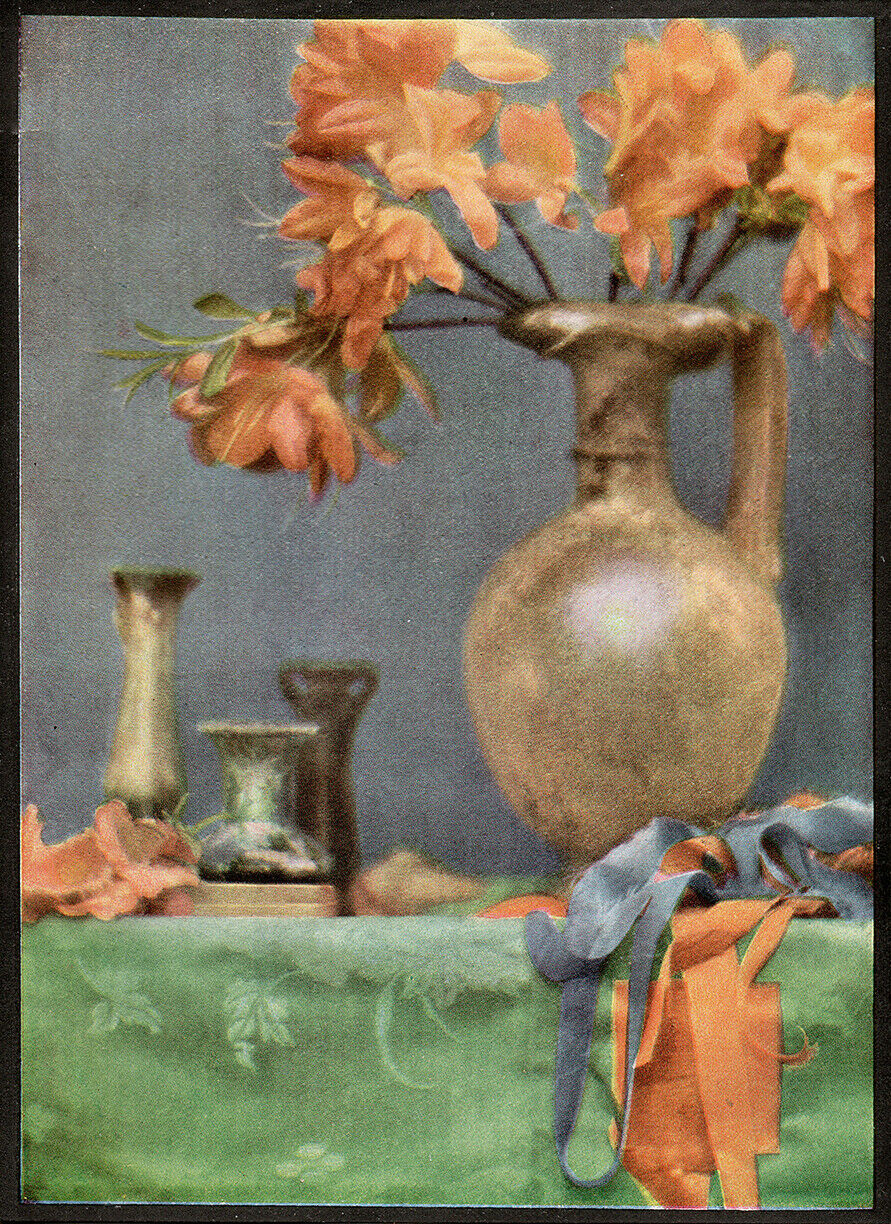
Baron Adolph de Meyer :: Flower Study, 1908. Autochrome. (Royal Photographic Society Collection) | src The Dawn of Colour at Science and Media Museum
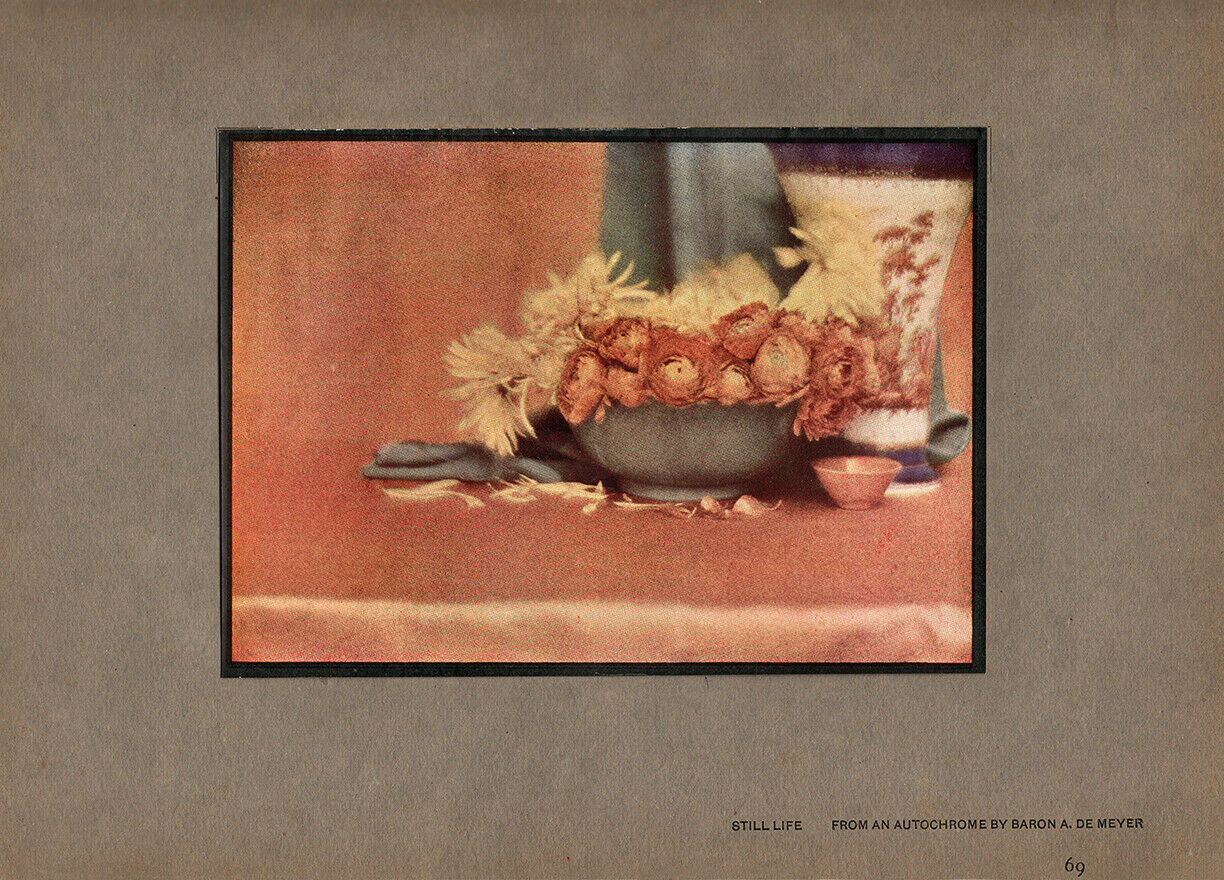
Baron Adolf de Meyer :: Still Life # 3, 1908. Halftone printed from an Autochrome. | src eBay
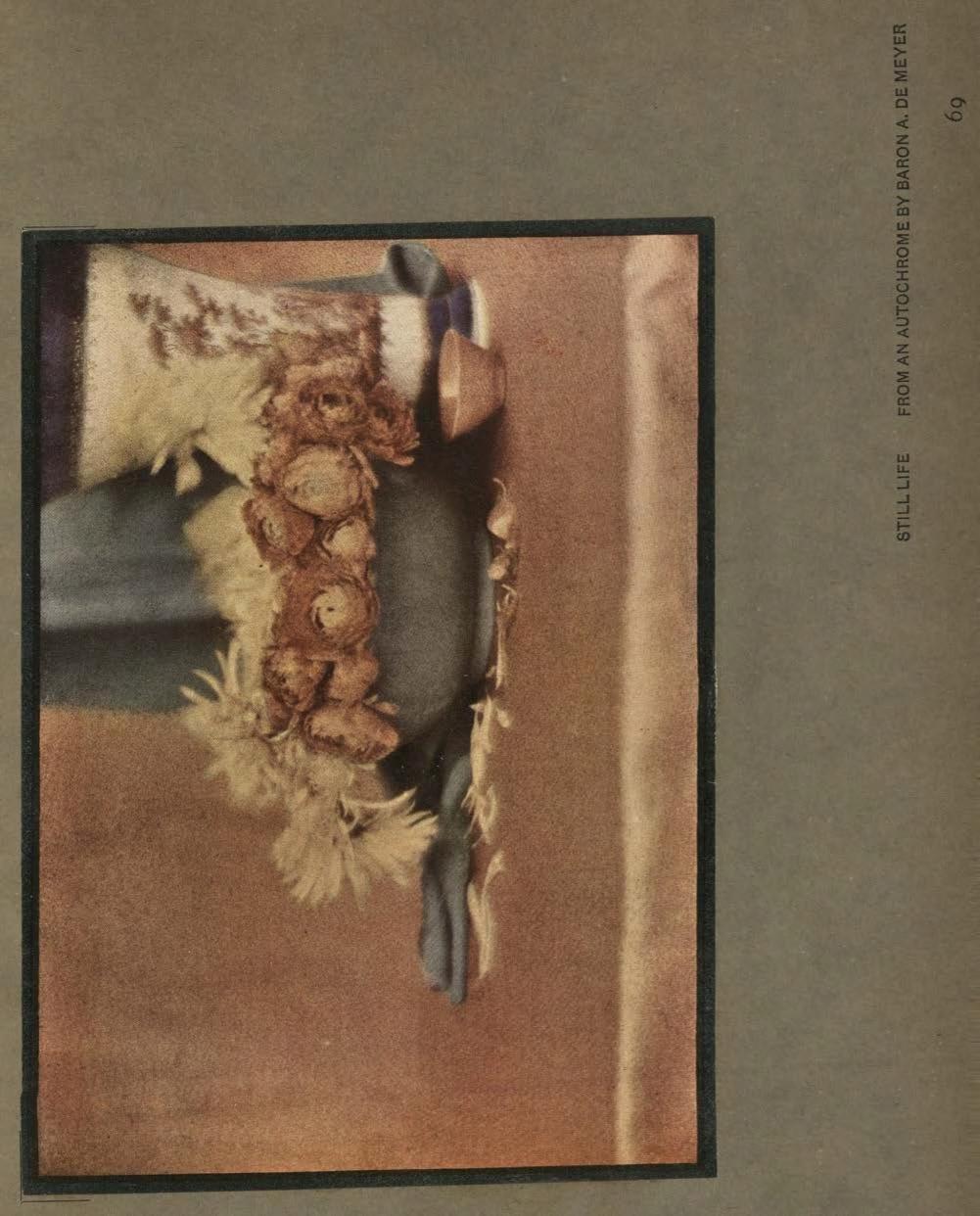
Still Life, ca. 1908. From an Autochrome by Baron A. de Meyer. From: “Colour Photography and other Recent Developments of the Art of the Camera”. Charles Holme ed., 1908. | src internet archive
Baron Adolf de Meyer :: Still Life, 1908. Halftone printed from an Autochrome. | src eBay

These studies, titled Still-life (Nature morte; Stillleben), are halftones printed from the original Autochrome dating from 1908; both were published in “Colour Photography and other Recent Developments of the Art of the Camera” a British companion along with “Art in Photography”, to Camera Work, the important American photo secessionist magazine published by Alfred Stieglitz. | src eBay & eBay

Das Goldfisch-Glas, ca. 1905

Pierre Dubreuil :: Das Goldfisch-Glas, ca. 1905. Photogravure. From: Photographische Mitteilungen 1905. | src Photogravure.com
Pierre Dubreuil :: Das Goldfisch-Glas [The Goldfish Bowl], ca. 1905. Photogravure. From: Photographische Mitteilungen 1905. | src Photoseed.com

Trost ~ Das Kruzifix, ca. 1905

Siri Fischer-Schneevoigt :: Das Kruzifix, ca. 1905. Photogravure. Atelier Georg Büxenstein & Co. (editor). From: Photographische Mitteilungen 1905. | src Photogravure.com
Siri Fischer-Schneevoigt :: Trost [Alternate title: Das Kruzifix  (printed in index)], ca. 1905. Photogravure. From: Photographische Mitteilungen 1905. | src Photoseed

Taufgang, ca. 1905

Otto Scharf :: Taufgang, ca. 1905. Photogravure. Editor: Atelier Georg Büxenstein & Co. In: Photografische Mitteilungen 1905. | src photogravure.com
Otto Scharf :: Taufgang, ca. 1905. Photogravure. The photograph depicts the faithful standing in line outside a church to be baptized. In: Photografische Mitteilungen 1905. | src Photoseed

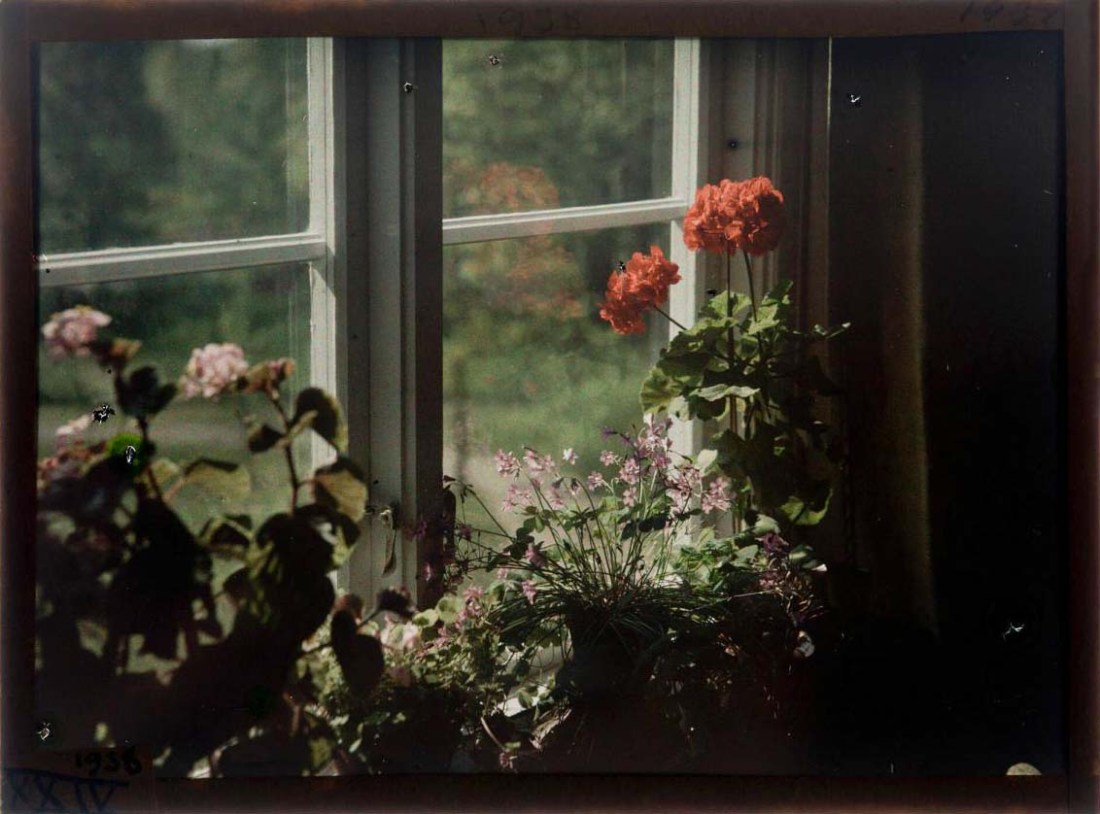
Pelargonien · Geraniums

Gustaf Wernersson Cronquist (Sverige, 1878 - 1967) :: Titel saknas, 1938. Autokrom. | src Moderna Museet
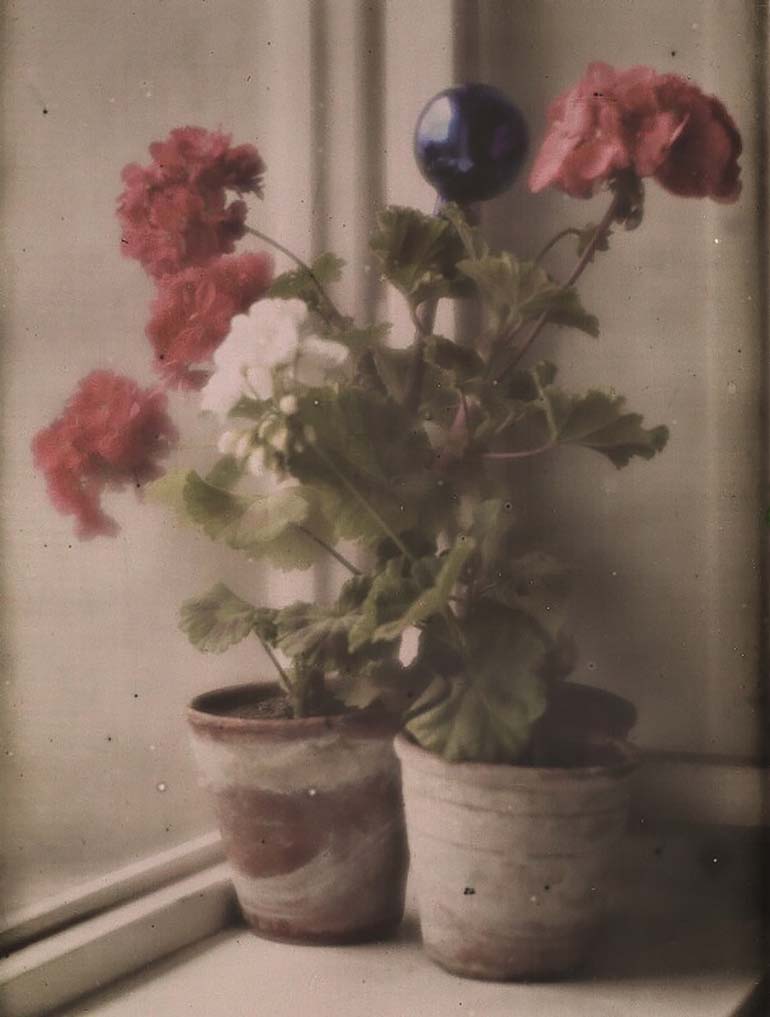
Heinrich Kühn :: Stillleben mit Pelargonien (Still life with geraniums), 1907. Autochrome. | src ÖNB
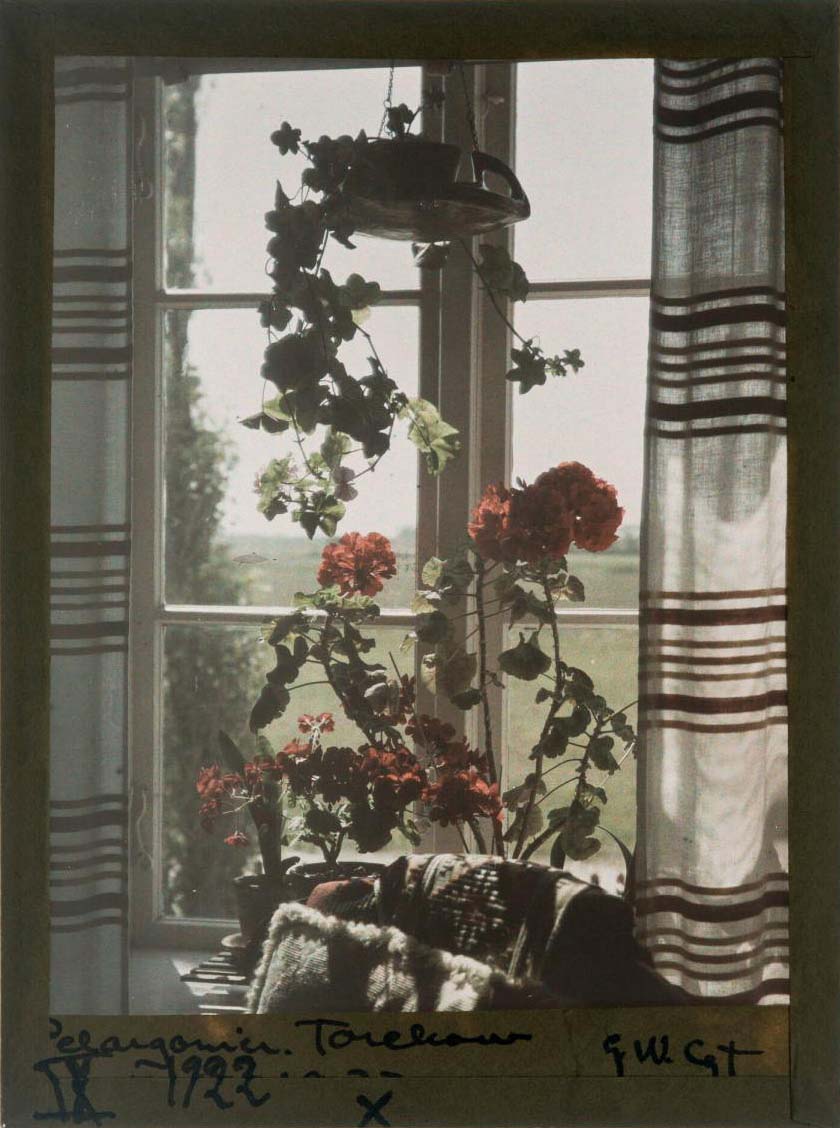
Gustaf Wernersson Cronquist (Sverige, 1878 - 1967) :: Pelargonia, Torekov, 1922  | src Moderna Museet
Gustaf Wernersson Cronquist (Sverige, 1878 – 1967) :: Pelargonia, Torekov, 1922. Autokrom. | src Moderna Museet
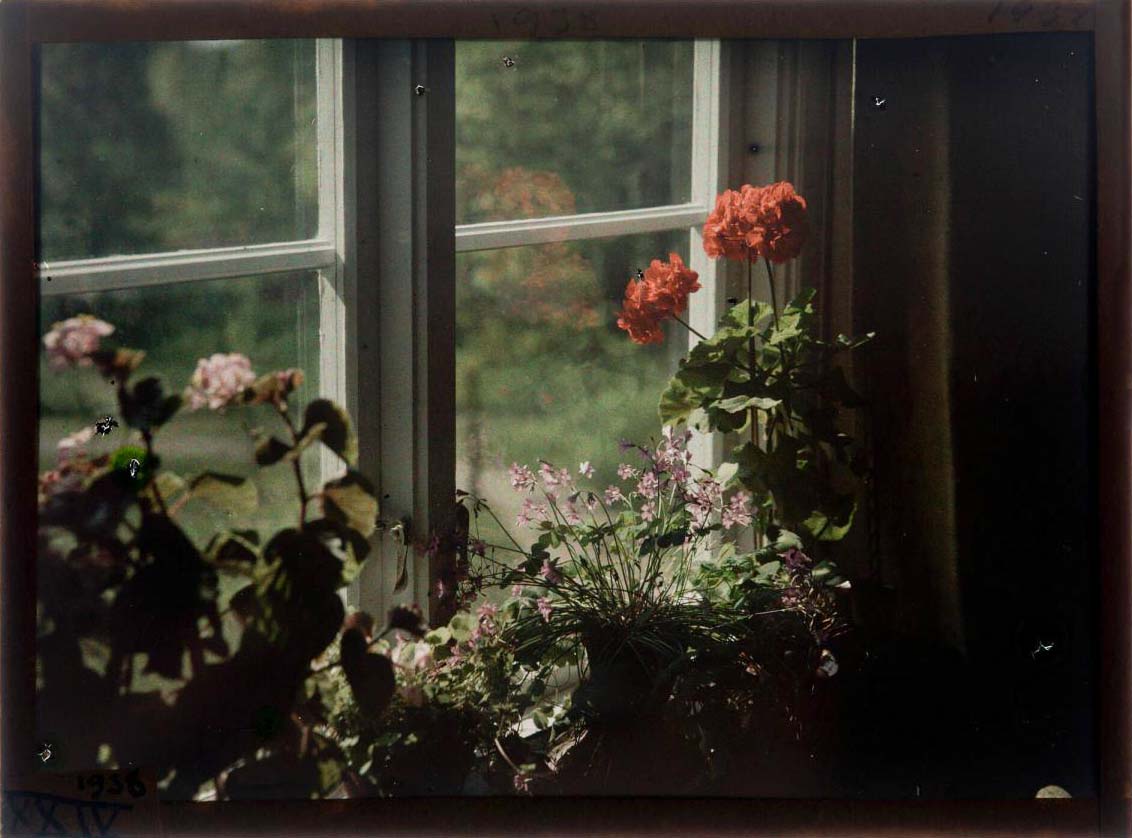
Gustaf Wernersson Cronquist (Sverige, 1878 - 1967) :: Titel saknas, 1938. Autokrom. | src Moderna Museet
Gustaf Wernersson Cronquist (Sverige, 1878 – 1967) :: Titel saknas, 1938. Autokrom. | src Moderna Museet