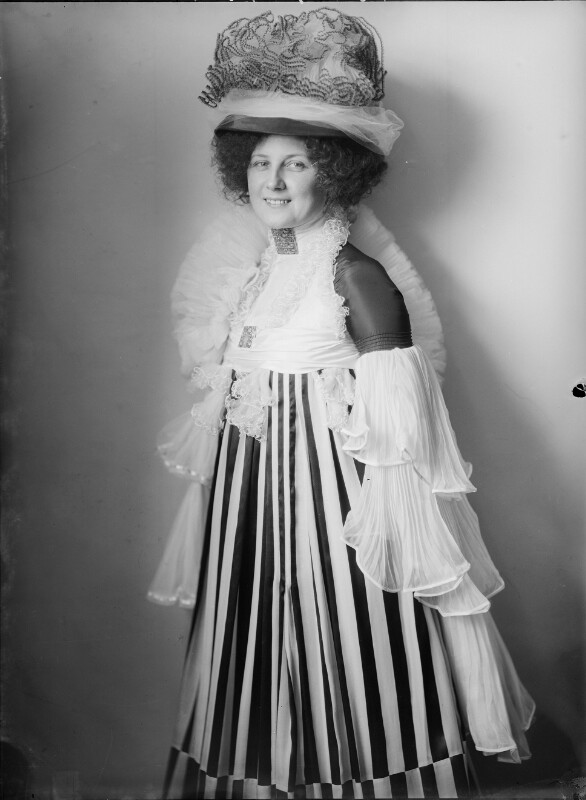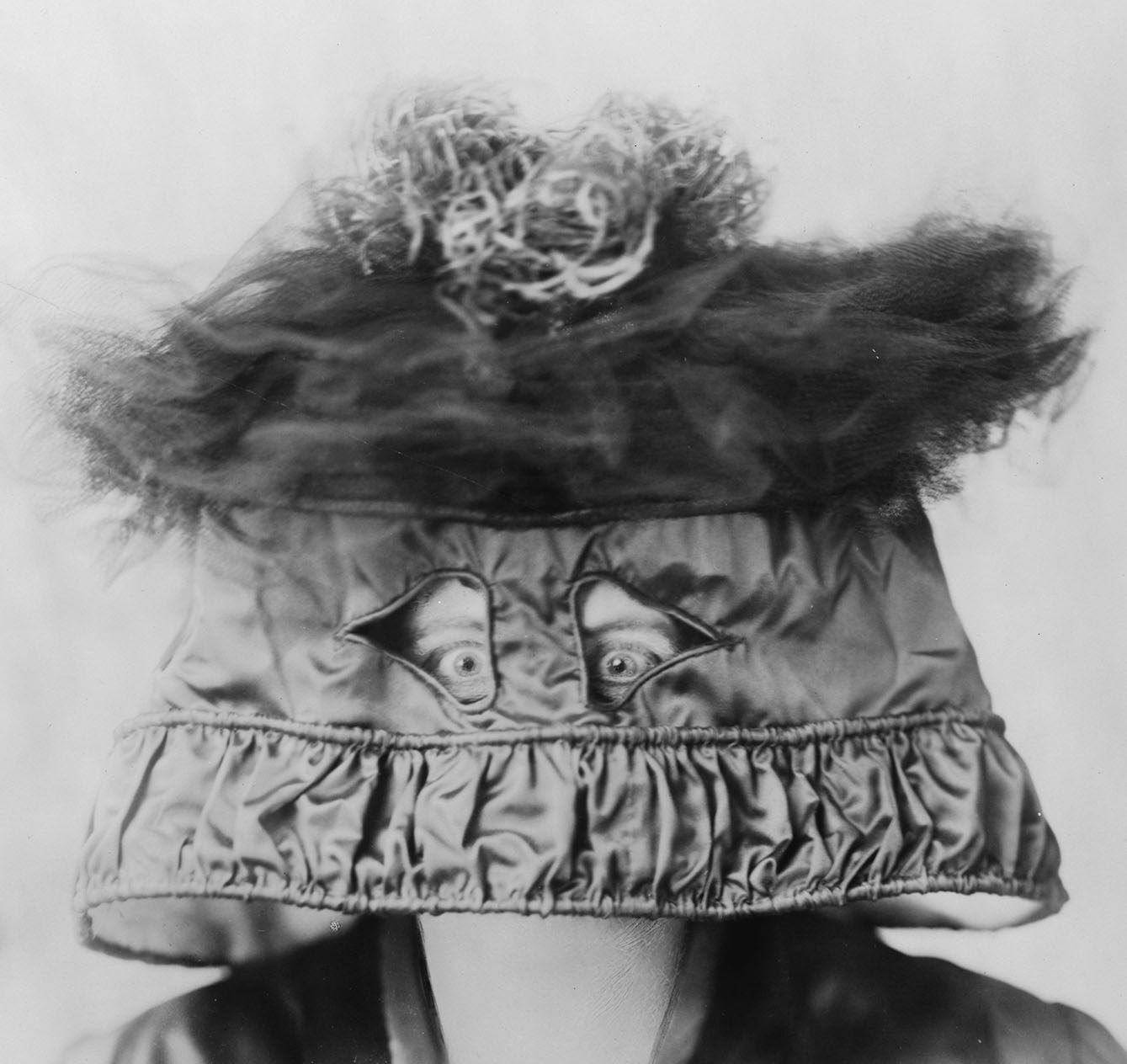
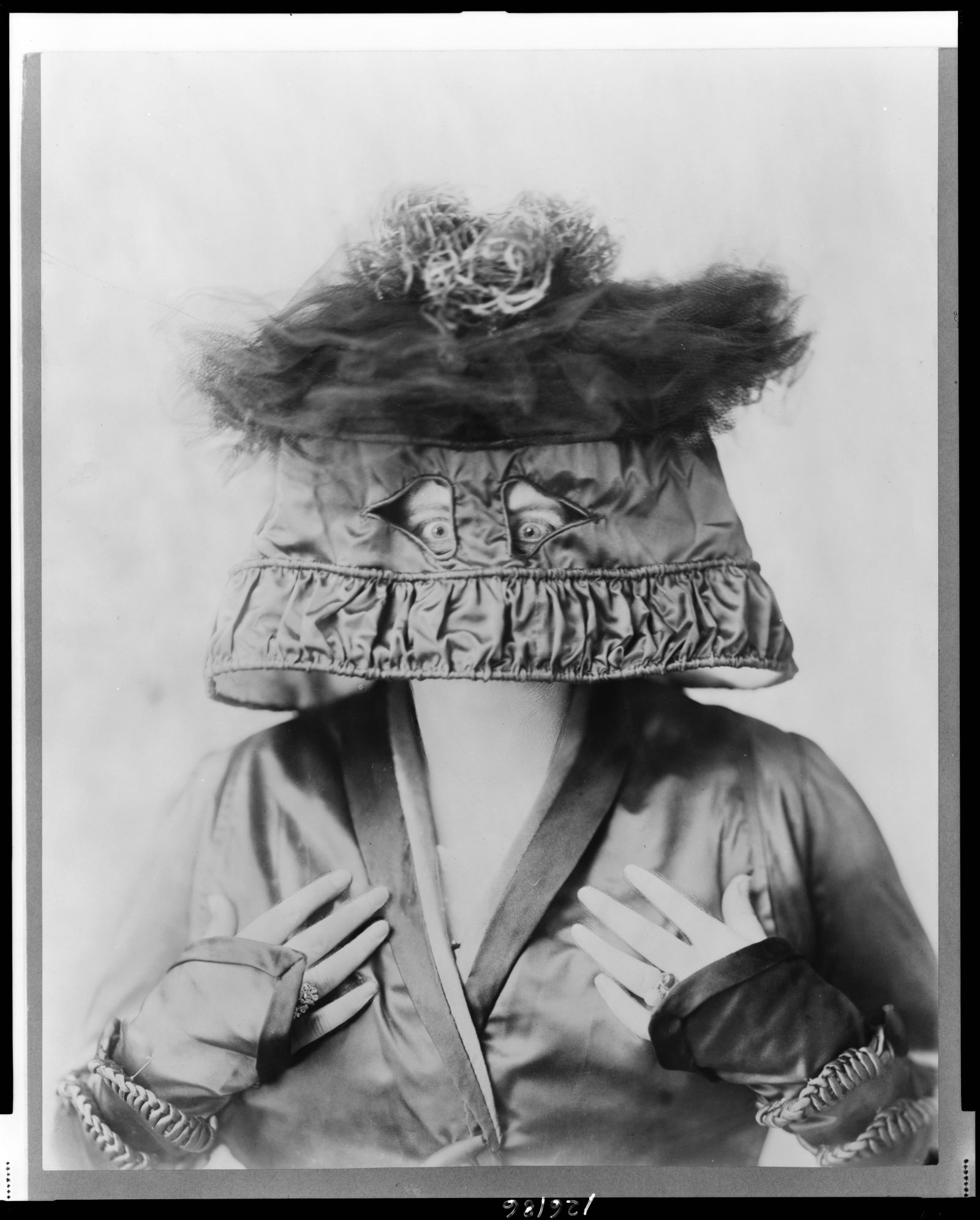
Dressler in lampshade hat · 1909

[Marie Dressler, head-and-shoulders portrait, facing front, wearing lamp shade style hat on her head], ca. 1909 [detail]
[Marie Dressler, head-and-shoulders portrait, facing front, wearing lamp shade style hat on her head], ca. 1909 | src L. of Congress

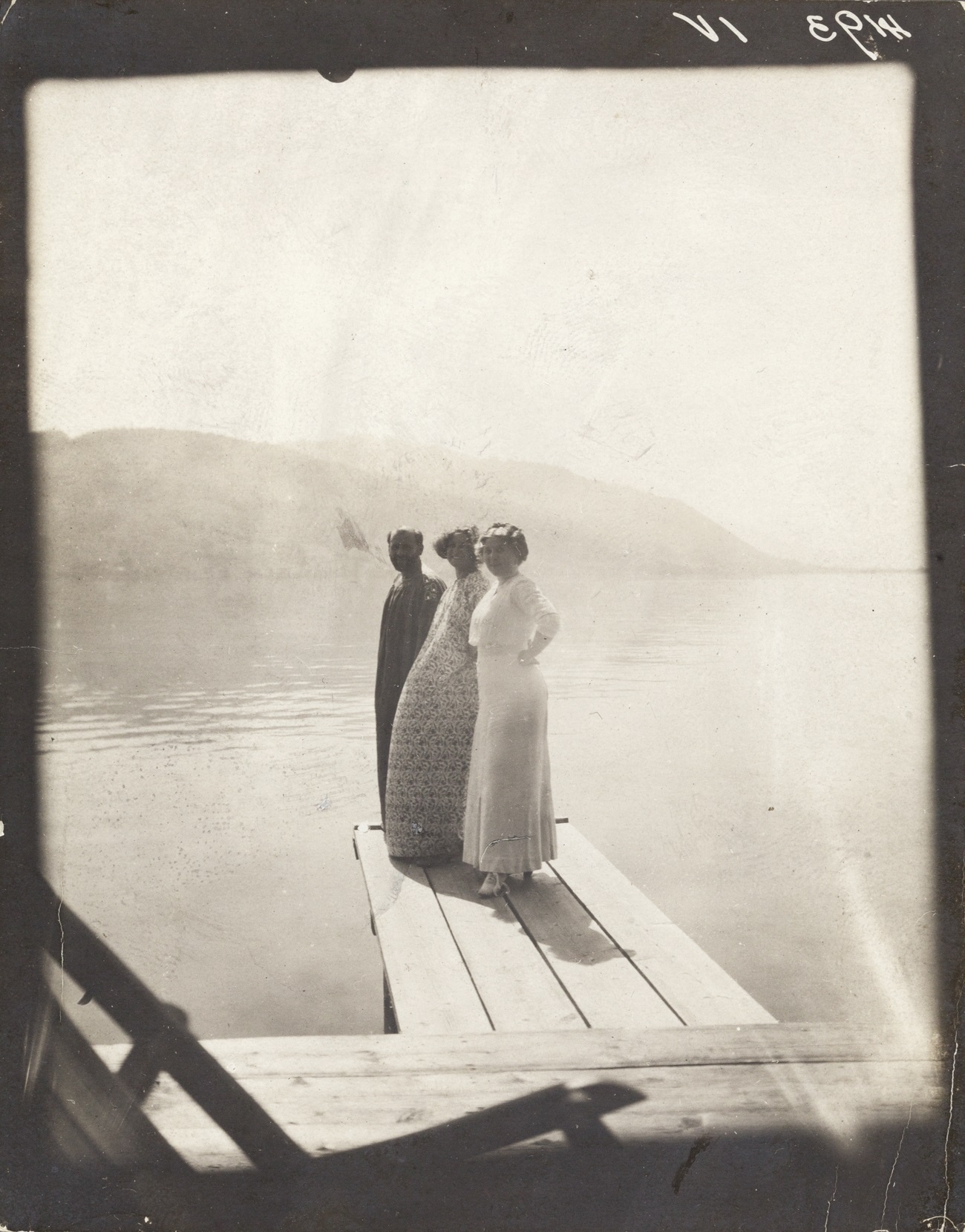
Klimt and Flöge sisters in 1906

Anonymous. Gustav Klimt, Emilie und Helene Flöge, Litzlberg at Attersee, Austria, 1906 | src Ostlicht

Emilie Flöge spent many summers with Gustav Klimt at Lake Attersee from the 1890s on. Her sisters Pauline and Helene, with whom she opened the “Schwestern Flöge” fashion salon at Mariahilfer Strasse 1b in 1904, were often also part of the party. The salon, designed by Josef Hoffmann as a “Gesamtkunstwerk”, employed up to 80 seamstresses at the time of its greatest success and catered to the upper bourgeoisie. Helene Flöge was married to Ernst Klimt, the younger brother of Gustav Klimt, with whom he worked in a studio partnership.

This private photograph is captivating because of the contrast between the different silhouettes of the three figures, which reveals the emancipatory radicalism of the reform dress – in contrast to the usual dresses worn over a corset. Implicitly, as one might say, this also “quotes” the design element of repeated curved lines, as found in many of Gustav Klimt’s compositions. This is the only known print of this photograph [Negative number “4/93 IV” in the upper margin, handwritten annotated “Gustav Klimt Emilie Helene” in ink on the reverse.] | src Ostlicht

Four ladies in white (1908)

Haeckel Archive, Haeckel Collection
Racecourse on Norderney island: four ladies in white dresses on the turf, 1908. Haeckel Collection. | src Getty Images
Otto Haeckel (1872-1945) and Georg Haeckel (1873-1942) :: Racecourse on Norderney island: four ladies in white dresses on the turf, 1908. Haeckel Collection. Ullstein Bild. | src Getty Images

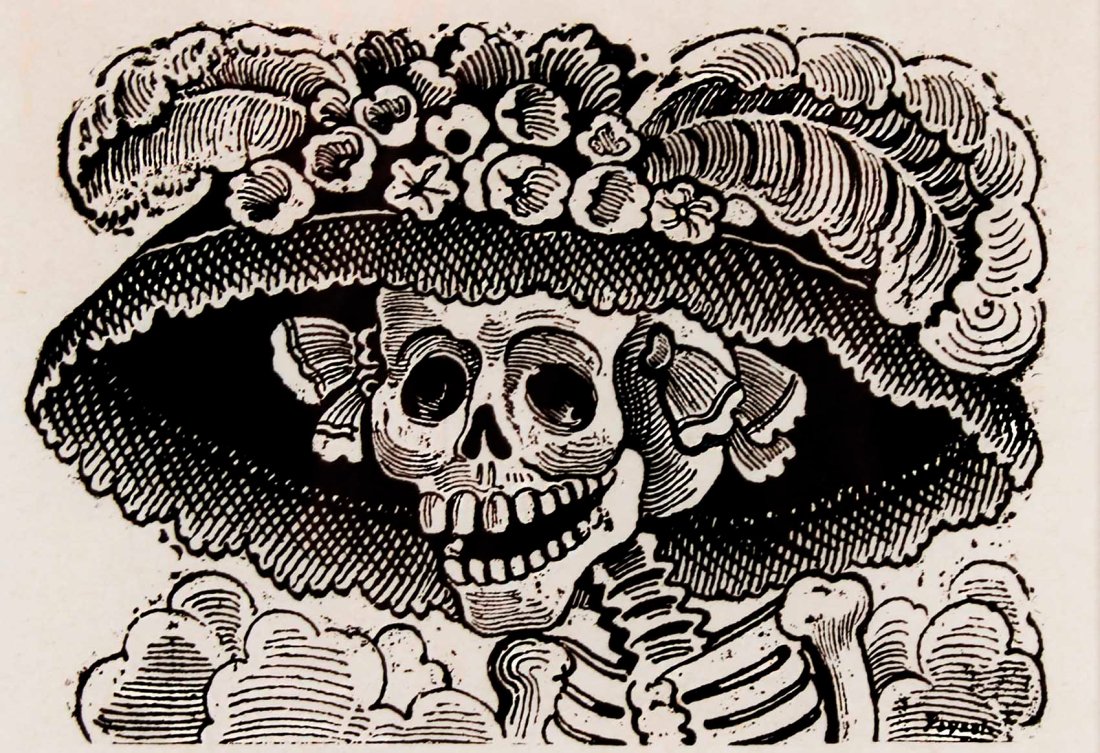
La Calavera Garbancera, ca. 1910

La Calavera Garbancera [aka, La Catrina, La calavera Catrina (*)​] created by Mexican engraver José Guadalupe Posada (zinc etching, ca. 1910 / periodical from 1913).
(*) Skull of the Female Dandy, named after the mural 'Sueño de una tarde dominical en la Alameda Central' (1947) by muralist Diego Rivera. | source wikimedia commons
La Calavera Garbancera [aka, La Catrina, La calavera Catrina (*)​] created by Mexican engraver José Guadalupe Posada (zinc etching, ca. 1910 / periodical from 1913).
(*) Skull of the Female Dandy, named after the mural ‘Sueño de una tarde dominical en la Alameda Central’ (1947) by muralist Diego Rivera. | source wikimedia commons
La Calavera Garbancera [aka, La Catrina, La calavera Catrina (*)​] created by Mexican engraver José Guadalupe Posada (zinc etching, ca. 1910 / periodical from 1913).
(*) Skull of the Female Dandy, named after the mural 'Sueño de una tarde dominical en la Alameda Central' (1947) by muralist Diego Rivera. | source wikimedia commons
La Calavera Garbancera [aka, La Catrina, La calavera Catrina] created by Mexican engraver José Guadalupe Posada (zinc etching, ca. 1910 / periodical from 1913)

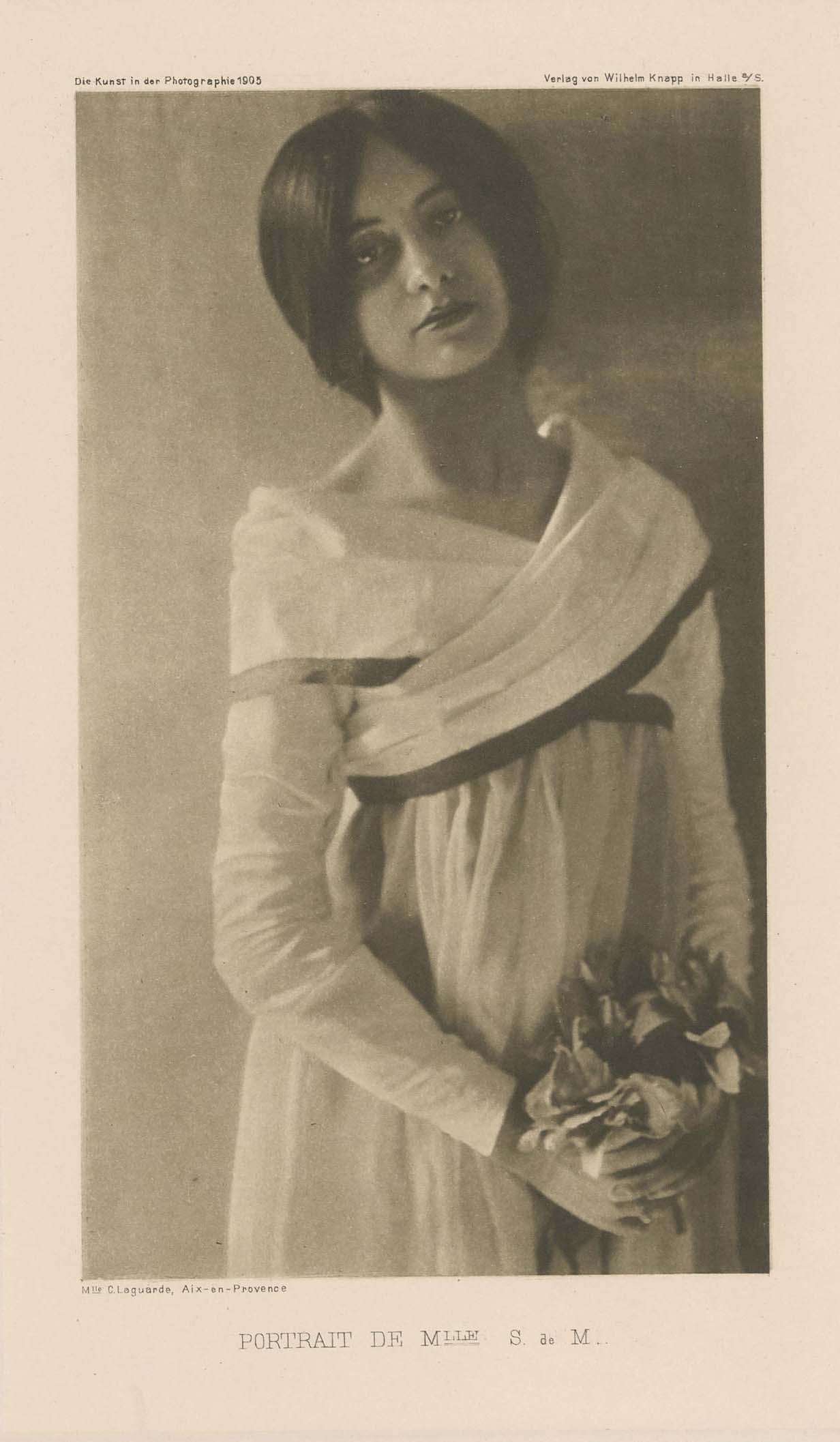
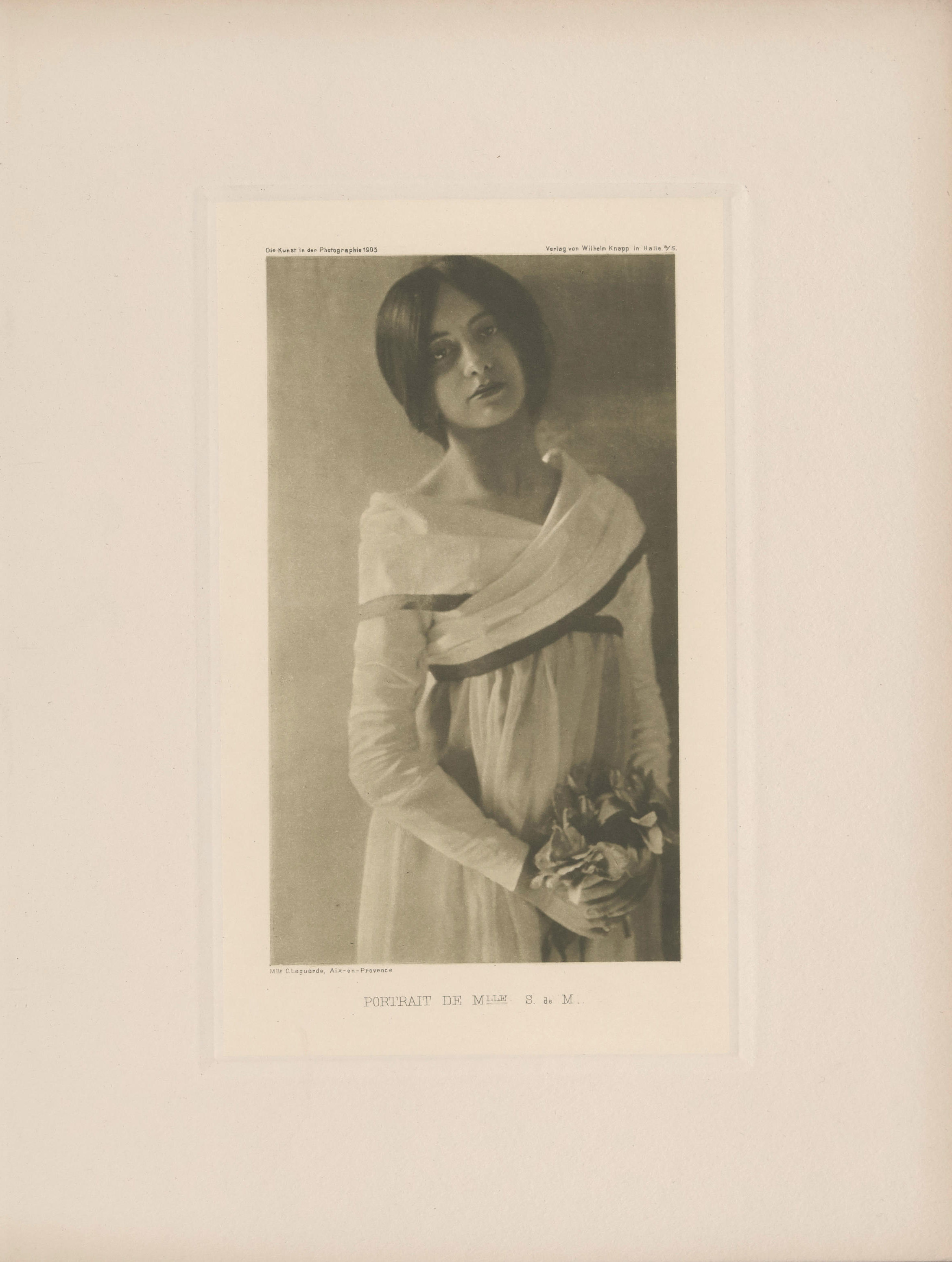
Portrait of Miss S. M., ca. 1905

Céline Laguarde :: Portrait de Mlle. S. de M. (Portrait of Miss S. M.), ca. 1905. Photogravure published in Die Kunst in der Photographie 1905

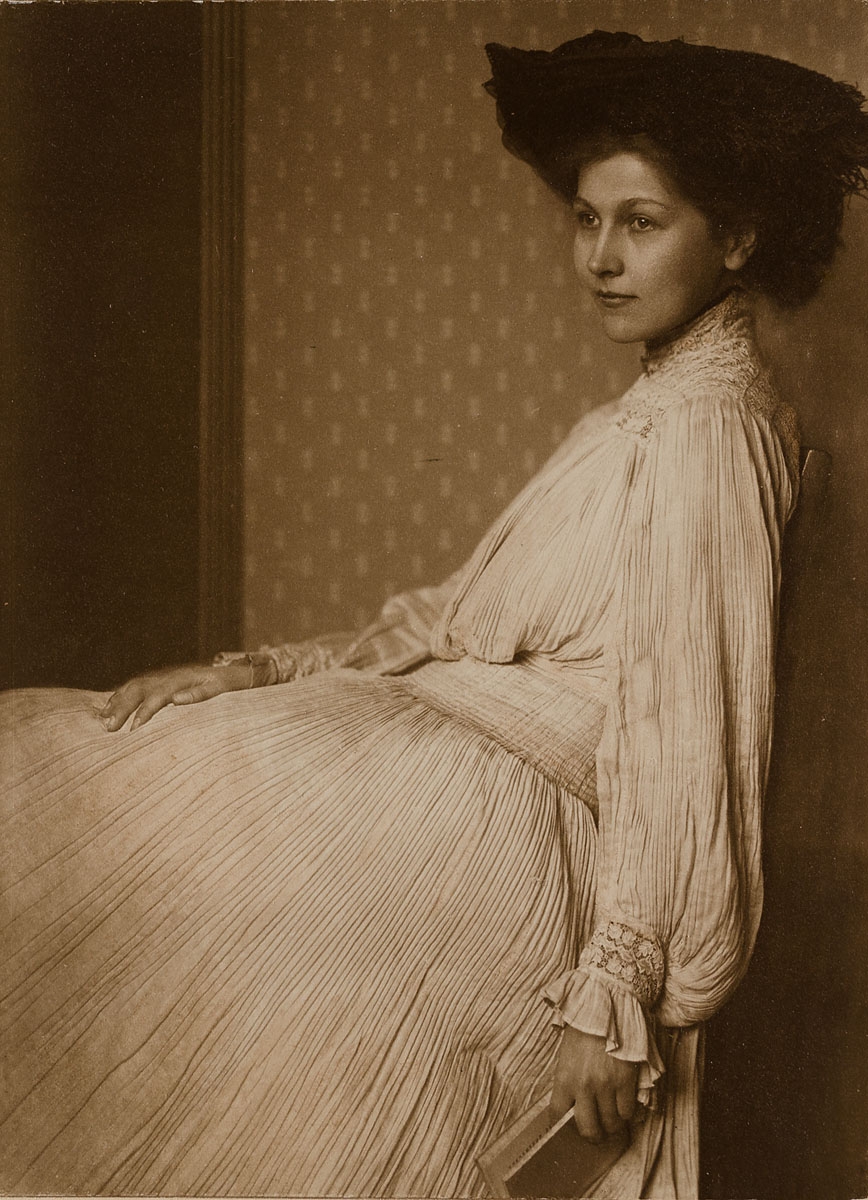
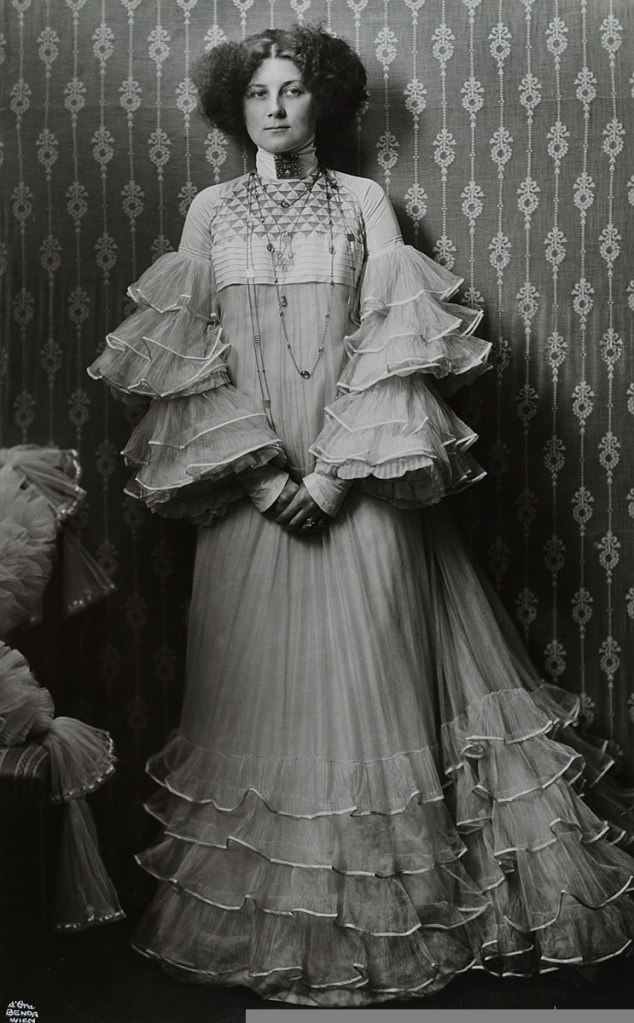
Emilie Flöge, 1909

Atelier d’Ora – Benda :: Emilie Flöge in einem von Gustav Klimt entworfenen Kleid, 1909. | Emilie Flöge in a dress designed by Gustav Klimt, 1909. | src ÖNB via via Stadtspaziergänge

Emilie Flöge, 1909

Atelier d’Ora – Benda :: Emilie Flöge, Wien, 1909. Inhaberin des Moden-Salons ‘Schwestern Flöge’ (Flöge Sisters). Das dreieckige Dekor, oben auf dem Kleid ist nach einem Entwurf von Prof. Kolo Moser. Die Dame ist sehr oft von Maler Prof. Klimt gemalt geworden. | src MK&G

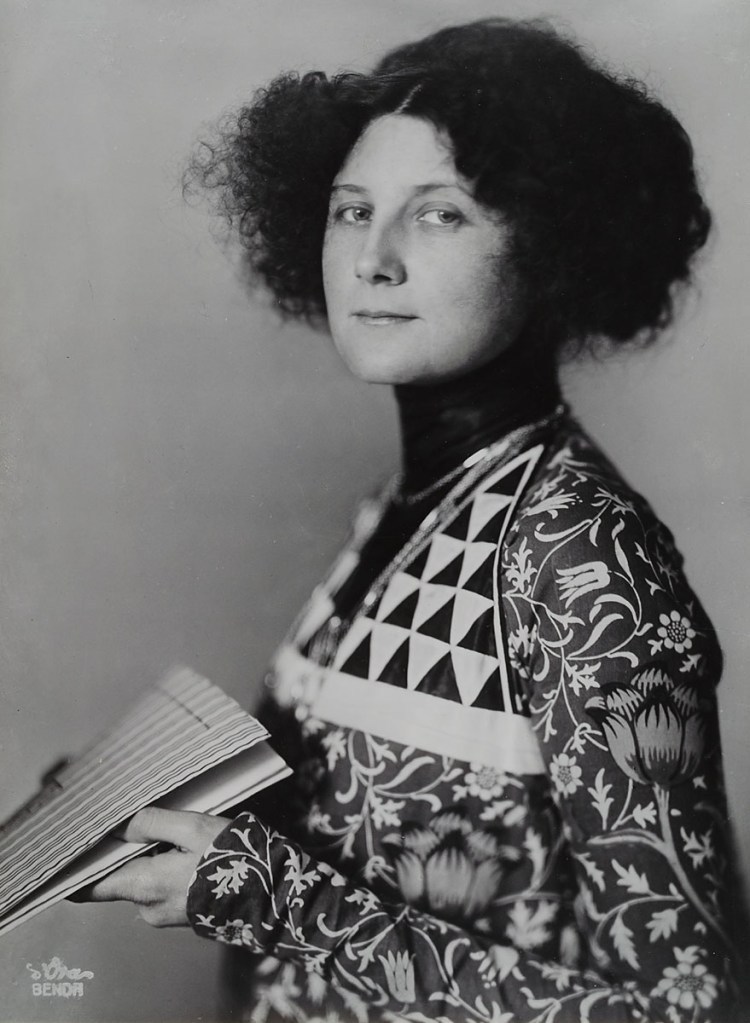
Modeschöpferin Emilie Flöge

Atelier d’Ora – Benda :: Die Modeschöpferin Emilie Flöge in einem ihrer Kleider mit den Kolo-Moser-Motiven, 1908. | Fashion designer Emilie Flöge in one of her dresses with Kolo Moser motifs, 1908. | src MK&G (Staatliche Landesbildstelle Hamburg)

Emilie Flöge, February 1909

Atelier d’Ora – Benda :: Bildnis Emilie Flöge in einem Reformkleid, 02-1909. Schwarz-Weiß-Negativ. | src ÖNB