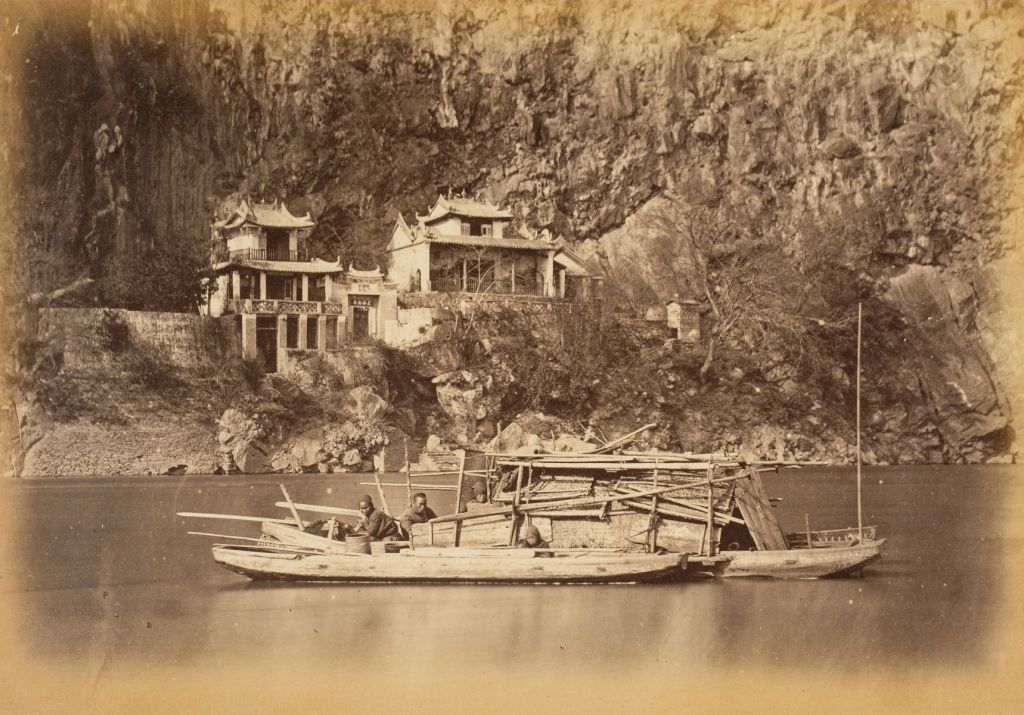
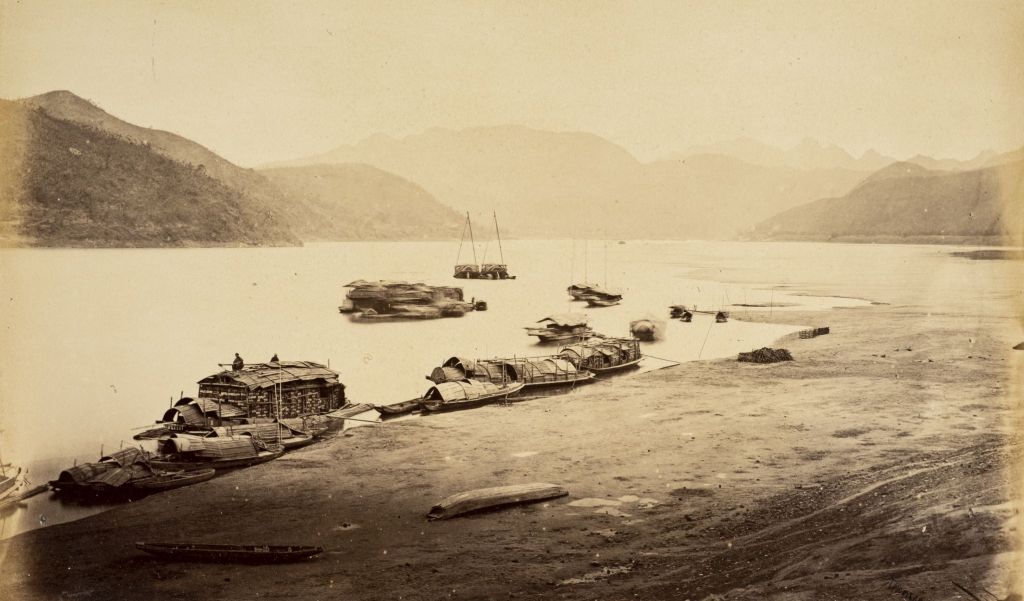
The Mang-Tsz-Hap, 1860s

John Thomson :: The Mang-Tsz-Hap (Blind Boy’s Pass), 1860s, albumen print. Retrieved from: Views on the North River, 1st edition, Hongkong: Noronha & Sons, Printers, 1870. | src Dominic Winter Auctioneers

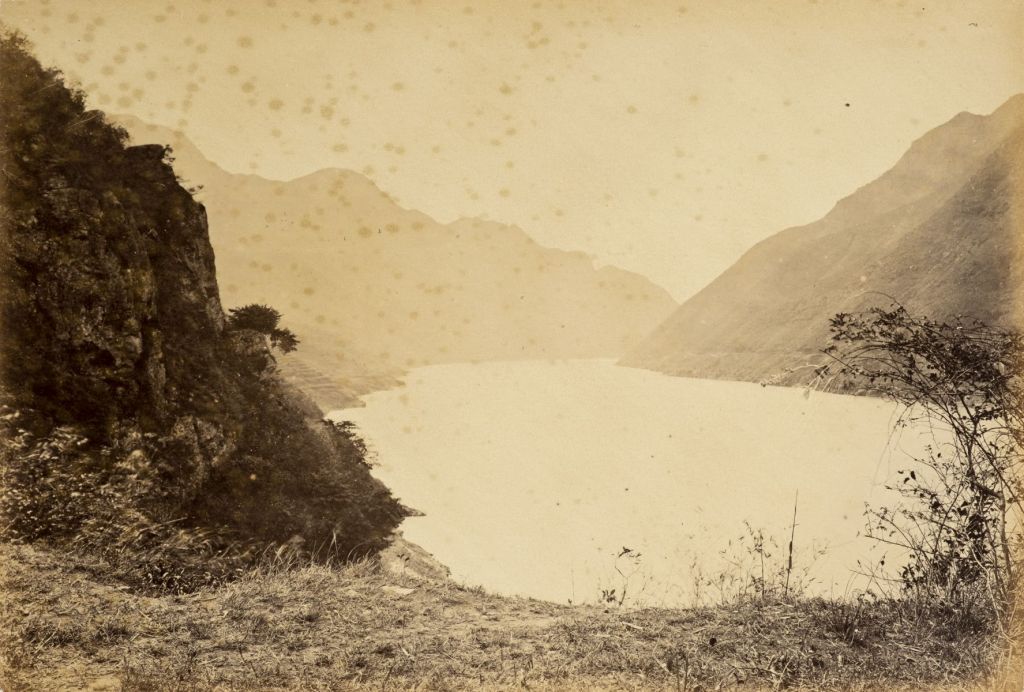
In the Ts’ing Yune Pass, 1860s

John Thomson :: In the Ts’ing Yune Pass, 1860s, albumen print. Retrieved from: Views on the North River, 1st edition, Hongkong: Noronha & Sons, Printers, 1870. | src Dominic Winter Auctioneers

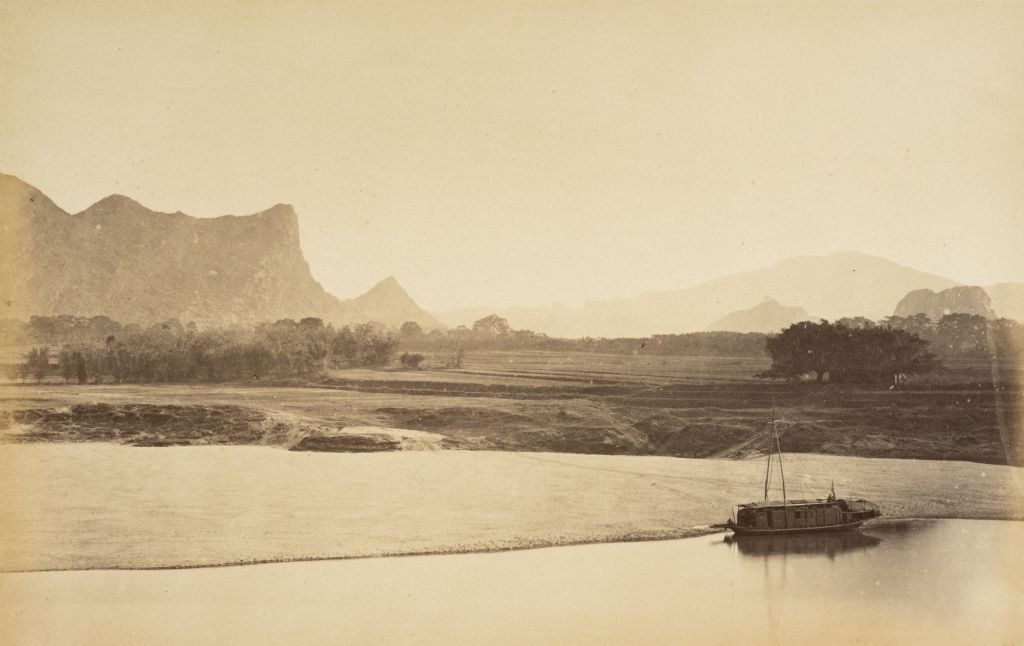
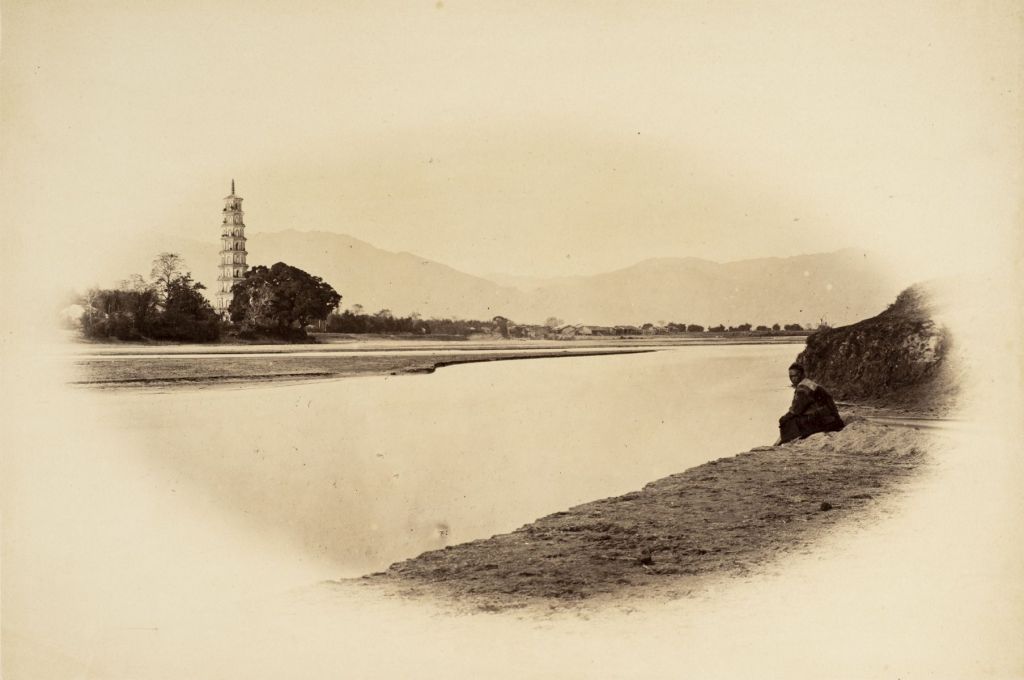
The Ts’ing Yune Pagoda, 1860s

John Thomson :: The Ts’ing Yune Pagoda, 1860s, albumen print. Retrieved from: Views on the North River, 1st edition, Hongkong: Noronha & Sons, Printers, 1870. | src Dominic Winter Auctioneers

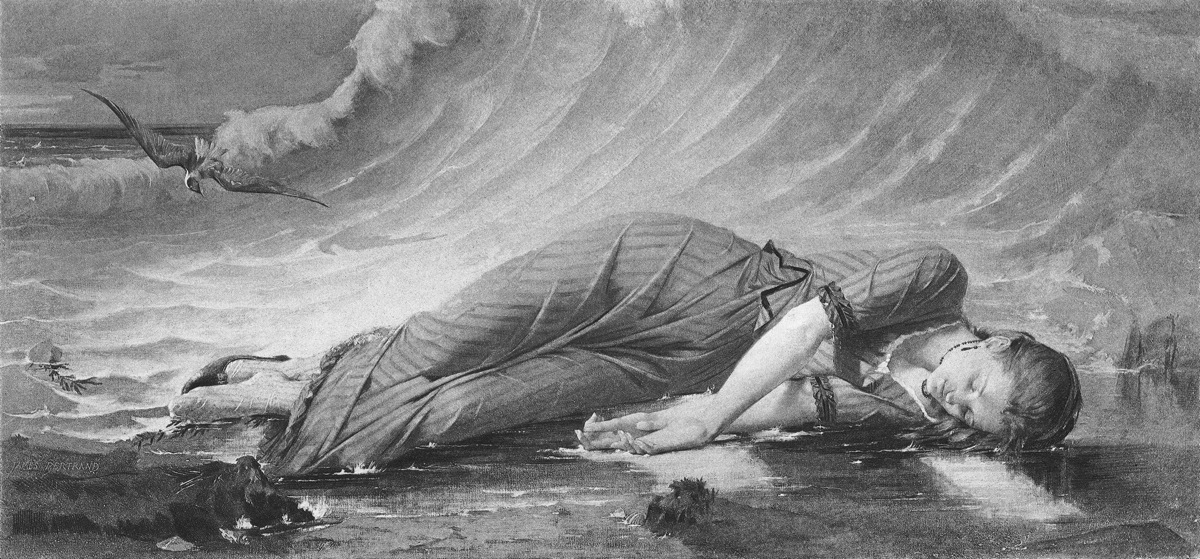
La mort (naufrage) de Virginie

Jean Baptiste Bertrand :: Gravure reproduction of “La Mort de Virginie”, 1869. Goupil & Cie, Paris. Based on the oil painting (Jean Baptiste Bertrand, aka James Bertrand). | src RMN-Grand Palais

(theme connections)

Naufrage de Virginie / Gravure de Barthélémy Joseph Fulcran Roger (1767 – 1841), d’après Pierre Paul Prud’hon (1758 – 1823)
[full page]
Paul et Virginie. Paris: Pierre Didot l’Ainé, 1806.
Engraving after Prudhon. Luxury edition put together by Bernardin de Saint-Pierre. | src Bonhams

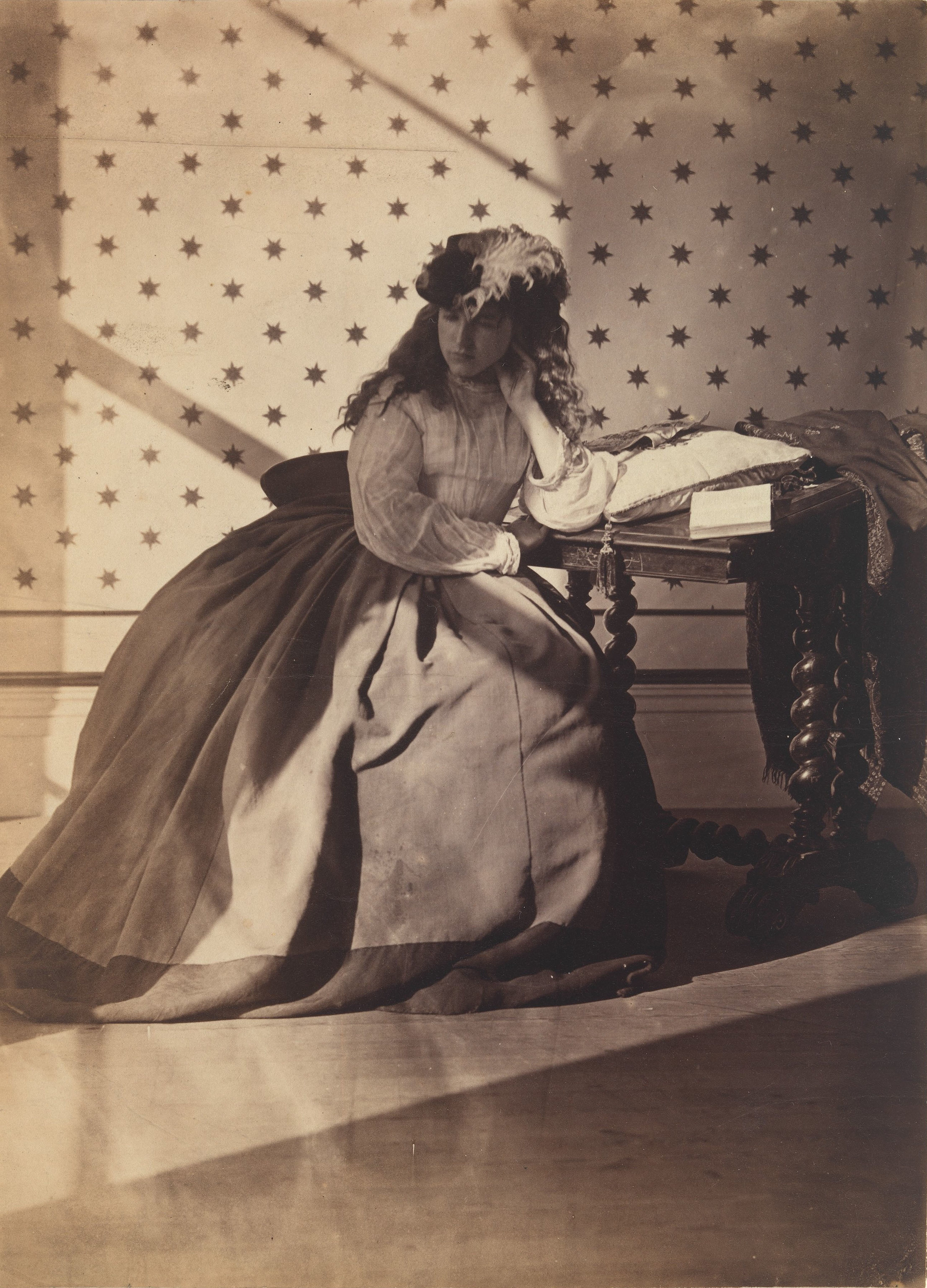
Photographic Study, 1860s

Clementina Maude, Viscountess Hawarden, aka Lady Clementina Hawarden ~ Photographic Study, early 1860s. Albumen silver print from glass negative | src MetMuseum

Clementina Maude, her mother’s preferred model, is seen here in a reflective pose against a star-studded wall. The casual placement of the shawl on the table and the girl’s loose hair contribute to the feeling of intimacy. In the airy room time seems to be suspended. The sensuous curves of the table legs, the soft weight of the crushed velvet, and the crispness of the starry wallpaper are enhanced by the skillful handling of the collodion technique. The composition, devoid of Victorian clutter, brings together light, shadow, and compositional elements in a spare and appealing interplay. In contrast to the prevailing fashion of giving literary or sentimental titles to portraits of young women, Lady Hawarden titled her works simply “Photographic Study”.

Lady Clementina Hawarden aka Viscountess Hawarden ~ Photographic Study, early 1860s (detail) | src MetMuseum