
images that haunt us
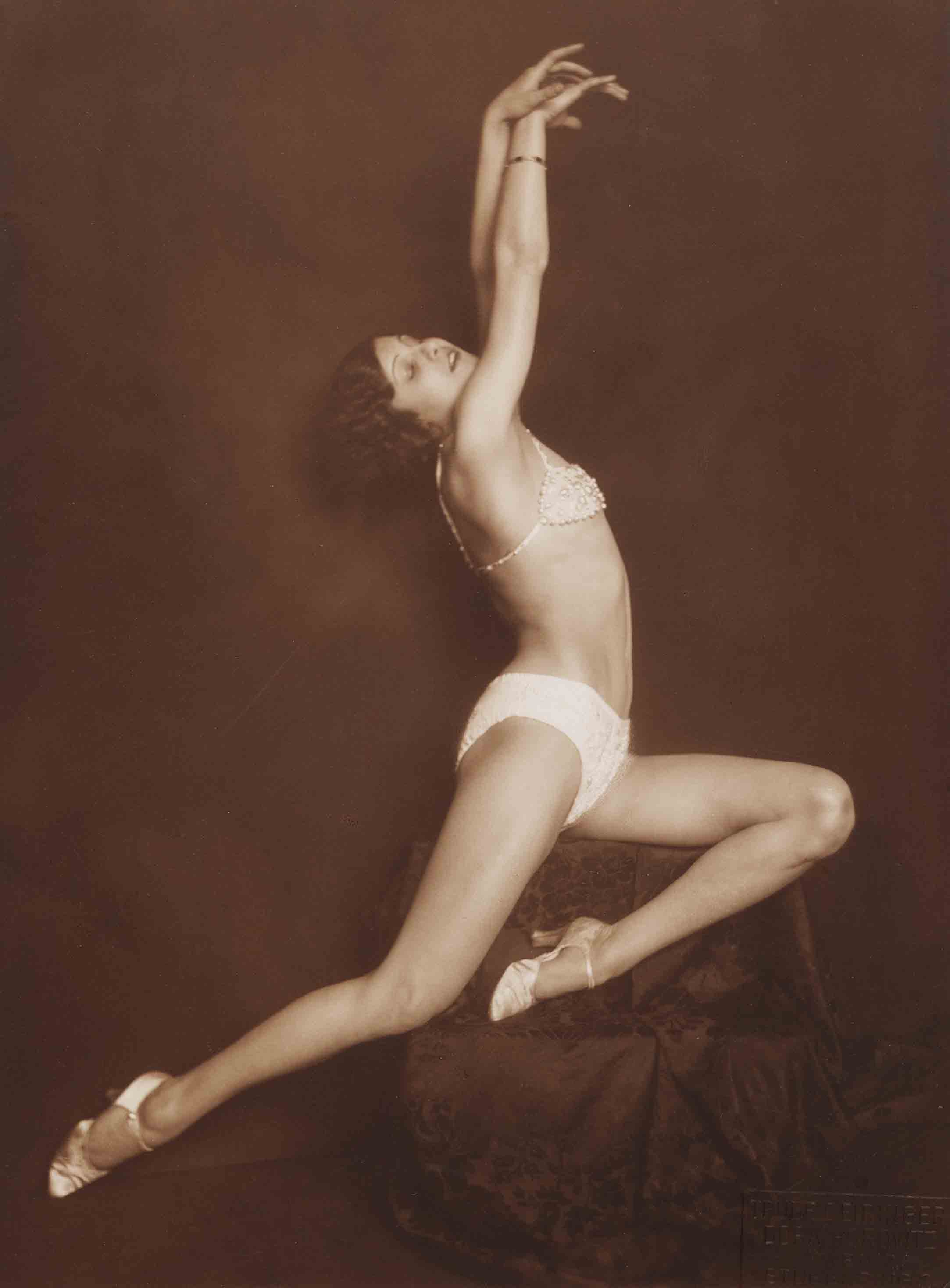


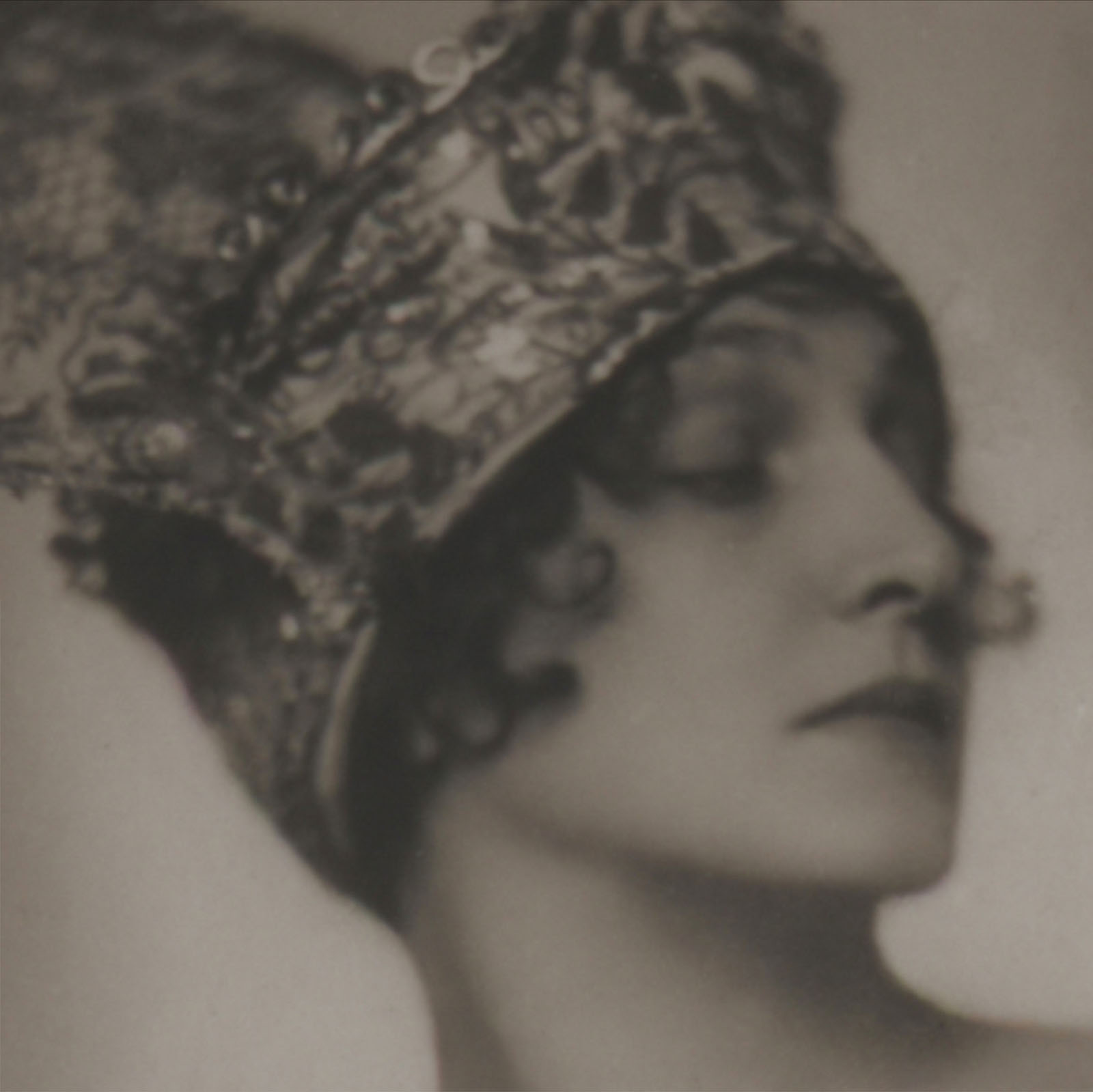
Olga Petrova, born Muriel Harding in England, Petrova moved to the US and rose to success in vaudeville before entering the film industry. She was best known for “The Vampire” (1915), “Bridges Burned” and “Daughter of Destiny” (1917), and “Tempered Steel” (1918). She retired from film in 1918, but continued working as a stage actress .


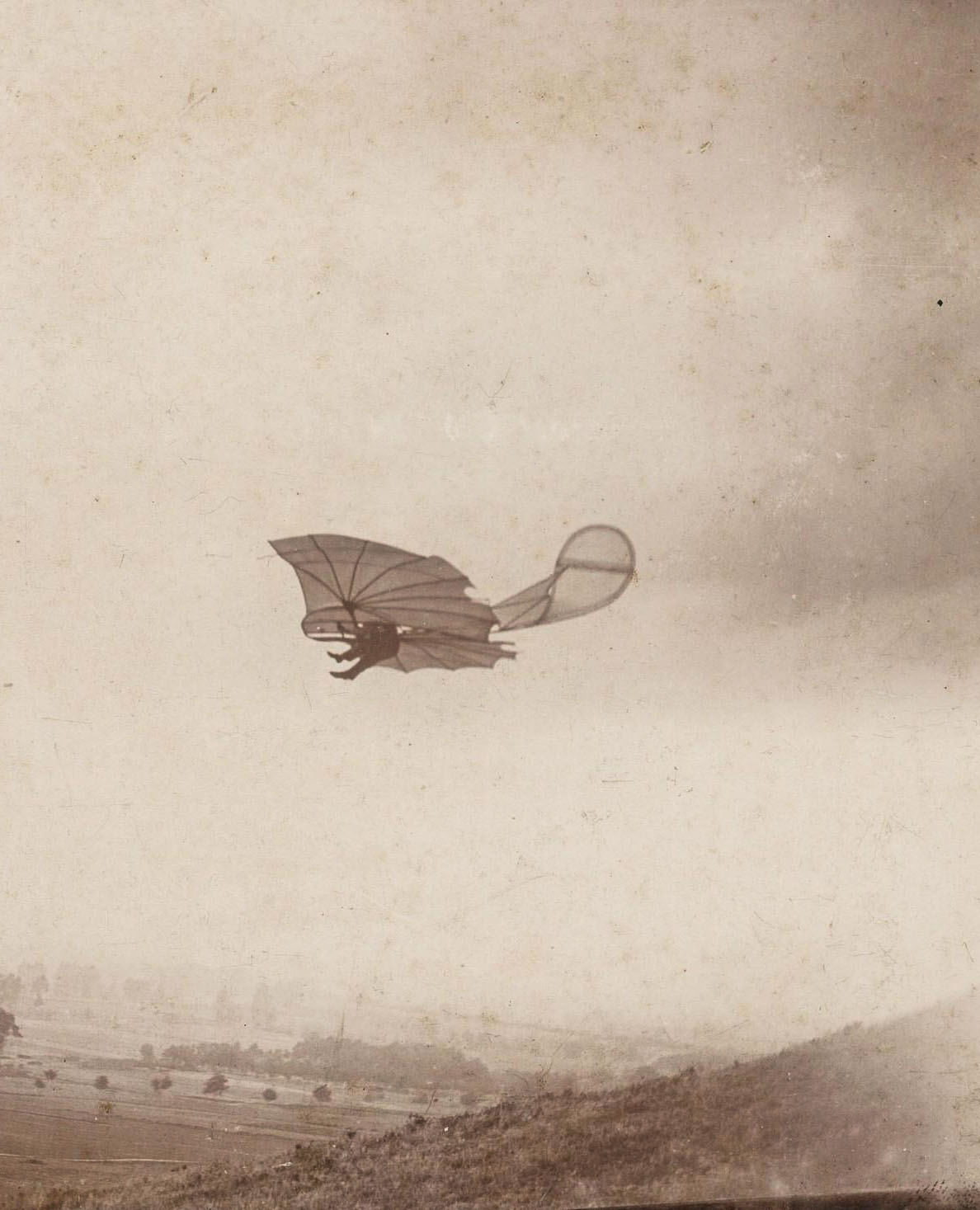
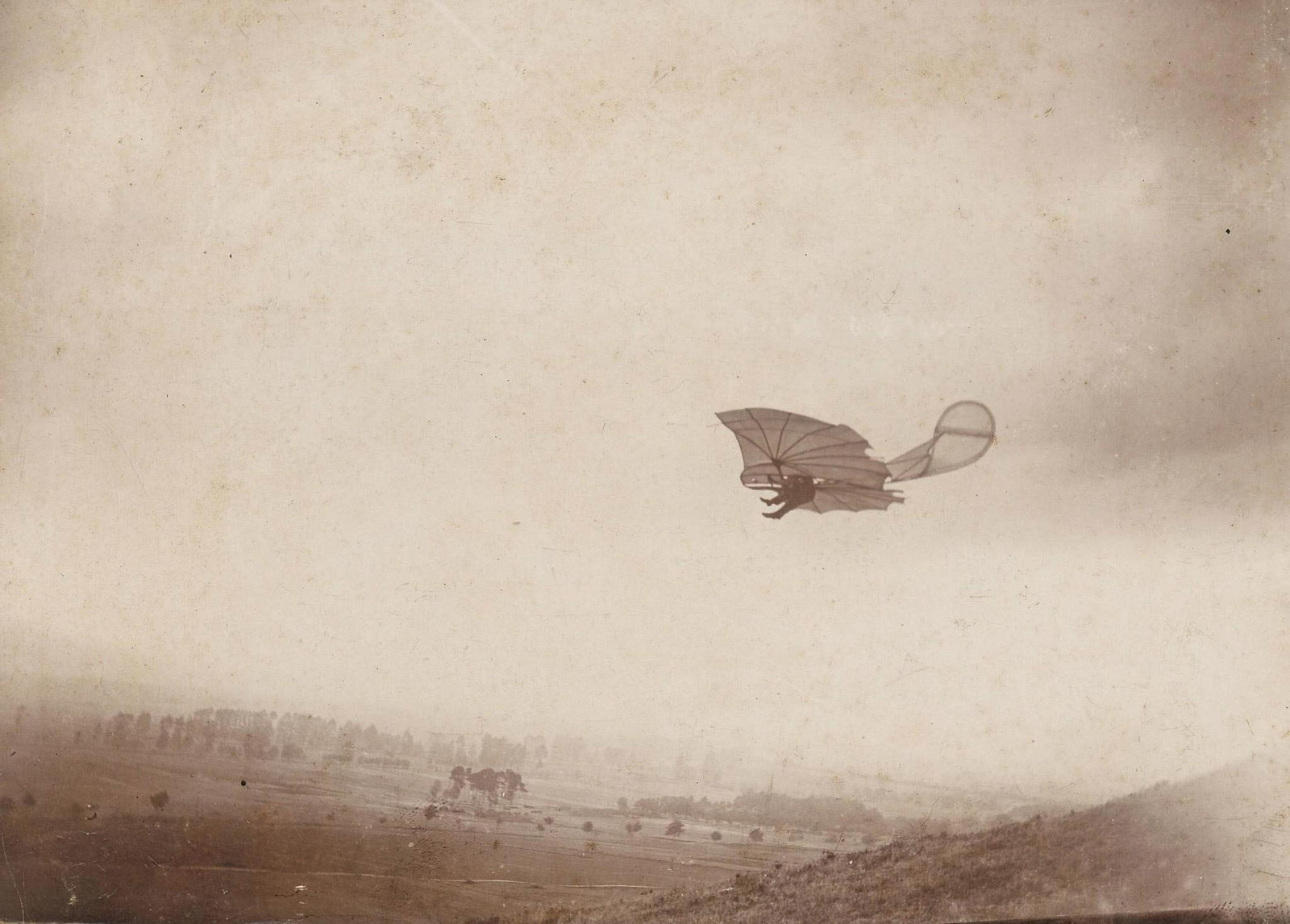
Alex Krajewski (Court photographer of Prince Aribert von Anhalt, active in Berlin, 1890s). Otto Lilienthal flying one of his gliding planes near Berlin, Rhinower Berge, Germany, 1893. Vintage collodion paper print. Mounted to original ornamental board
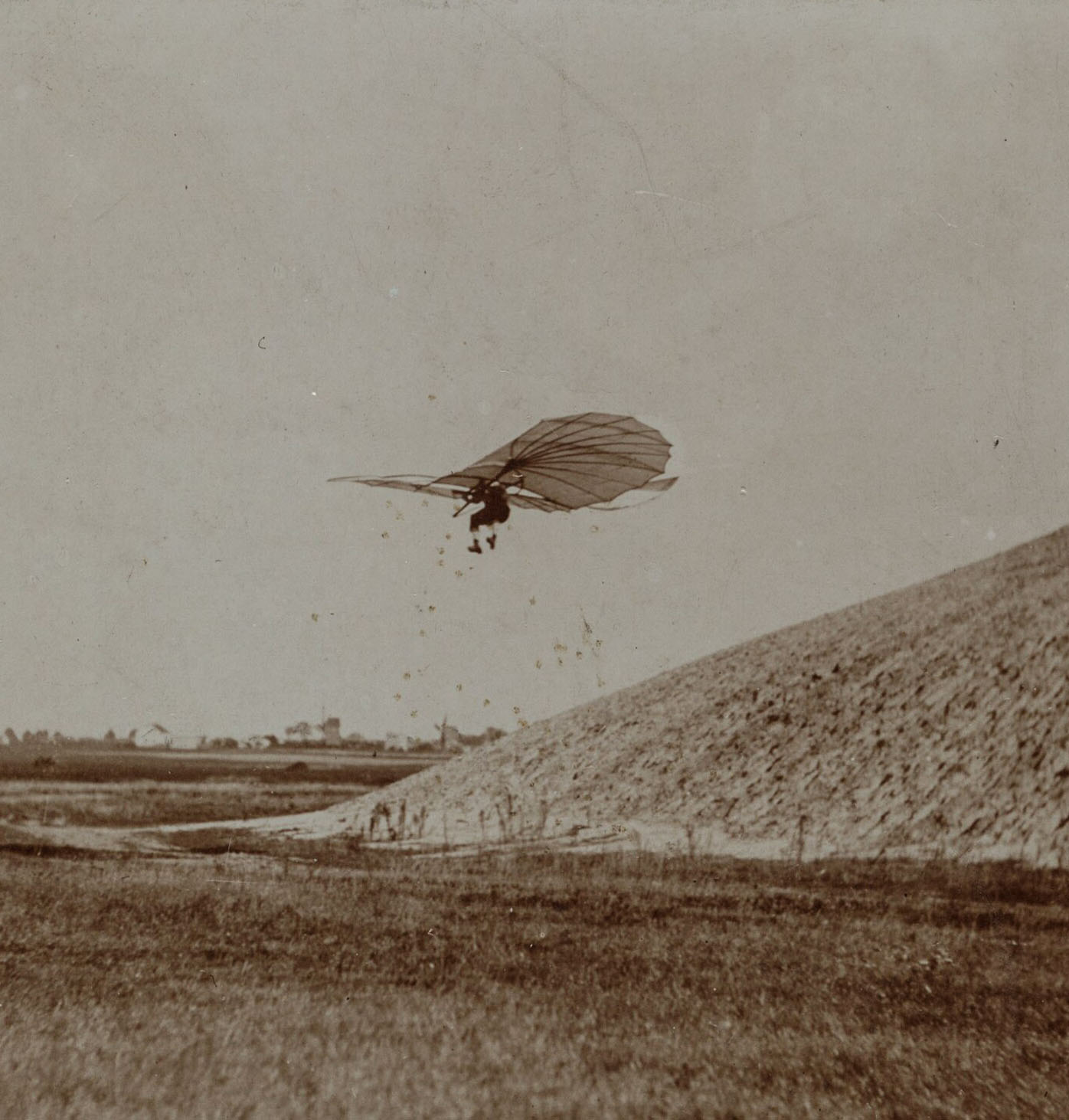
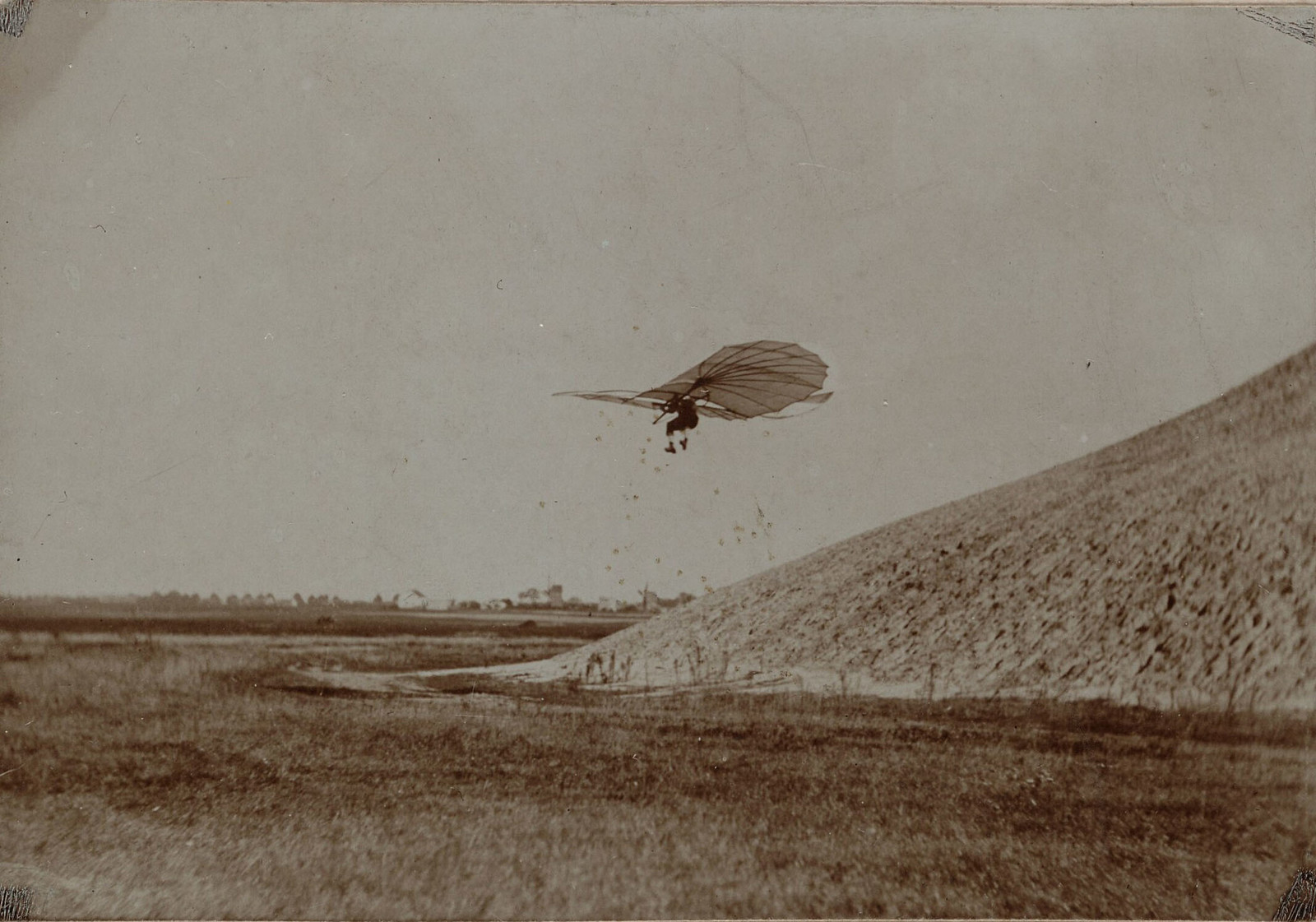
The evolution of photography and aviation shares interesting similarities. In 1884, Ottomar Anschütz began capturing images of storks in flight, marking the first momentary snapshots in the history of photography. By 1890, he developed the “Tachyscope,” displaying sequential images of people and animals in motion, which gained popularity at the 1893 Chicago World’s Fair, highlighting advancements in transportation and industry through widely distributed photographs. In 1891, Otto Lilienthal initiated his flight experiments, lasting five years until his unfortunate death in 1896, due to a flight accident. During this period, photographers such as Ottomar Anschütz, Carl Kassner, Richard Neuhauss, and Alex Krajewski documented Lilienthal’s flights near Berlin. These images often circulated as photo postcards and served as crucial documentation for Lilienthal. Unfortunately, the glass negatives of Lilienthal’s photographs, archived in the Deutsches Museum in Munich, were destroyed during WWII. This particular image, part of a series by Alex Krajewski capturing Lilienthal’s flights in the Rhinow Hills near Berlin, is exceptionally rare, with only eight images from this series preserved in the photo archives of the Otto Lilienthal Museum in Anklam. (source: Bassenge Auktion 123)


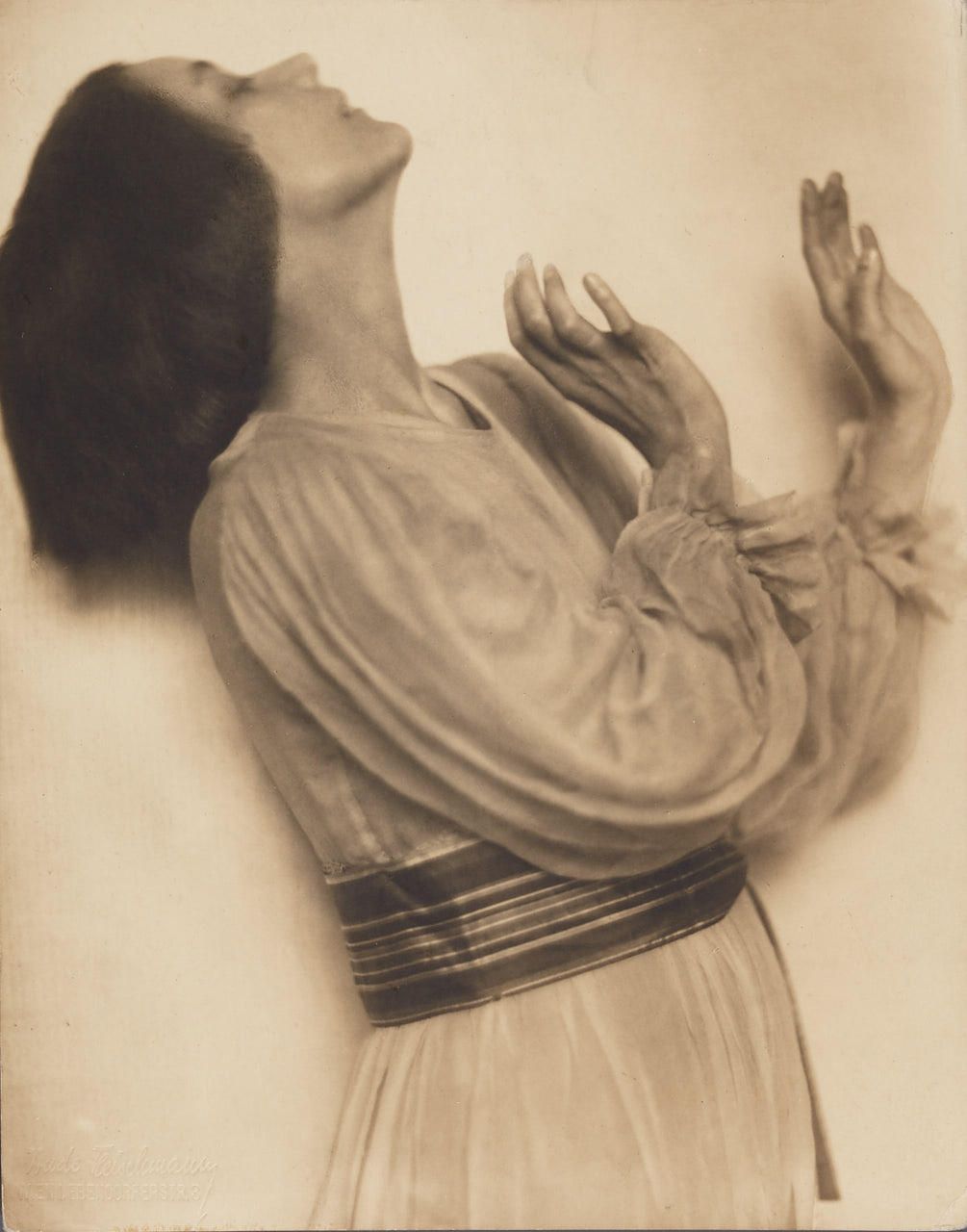
From 1926 to 1934, Vera Shabshai (1905 – 1988) created about a hundred miniatures ballets, mainly on Jewish themes, to the music of composers from the Society of Jewish Music. These choreographic numbers, combined into suites on a specific theme, made up the extensive repertoire of “Evenings of Jewish Dance” and “Evenings of Jewish Ballet and Pantomime” organized by Shabshai in the seasons of 1929-1930 and 1930-1931.
The most popular piece of these ballets was the Jewish pantomime-ballet “Aleph”, in which she said she wanted to express through plastic means various moments of Jewish history from antiquity to the present day. It consisted of six pats or cycles: “Jewish Bas-reliefs”, “Mourning dances”, “Jews in Spain”, “Shtetl dances” and the pantomime “ Smena / Change”.
 un regard oblique