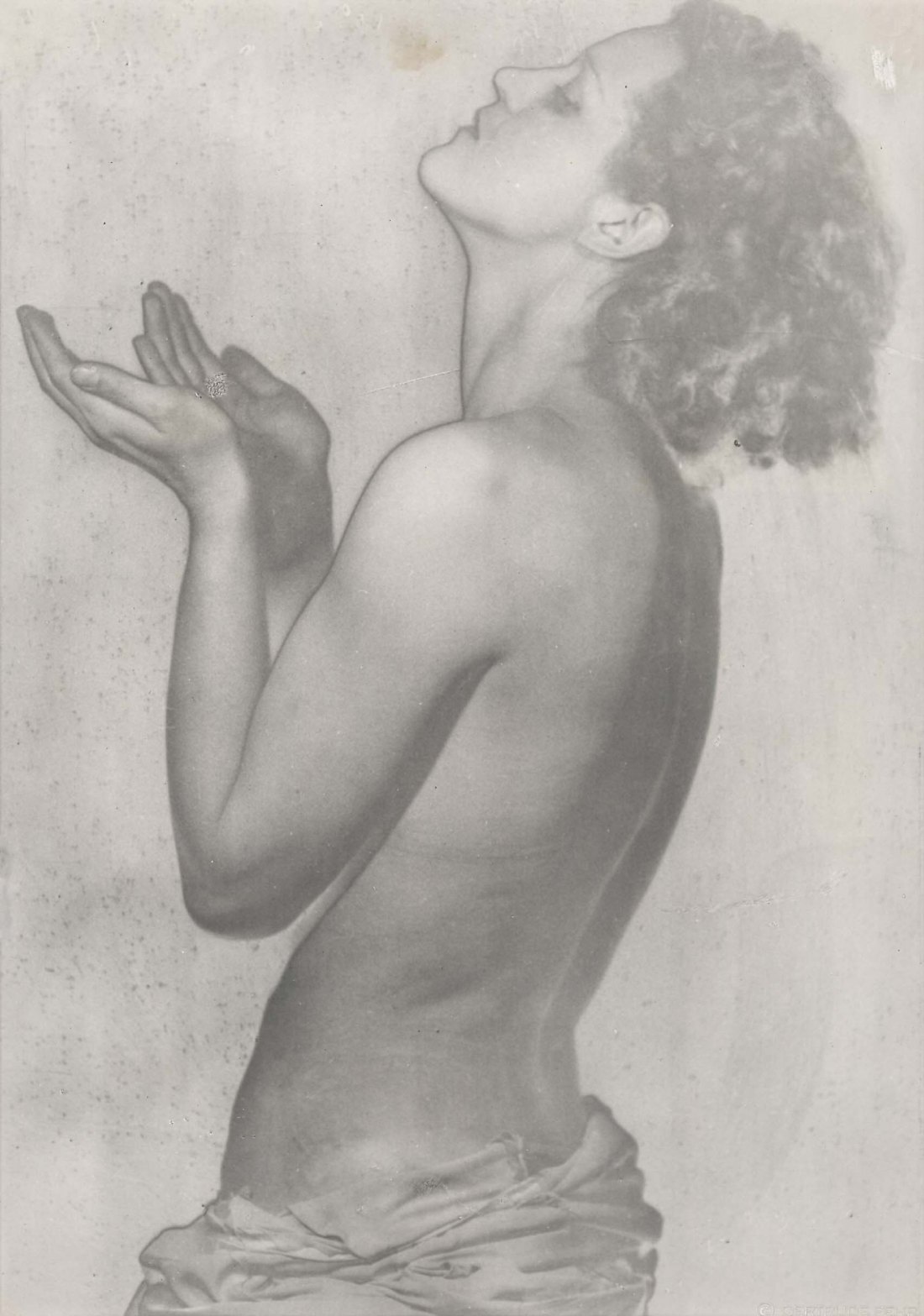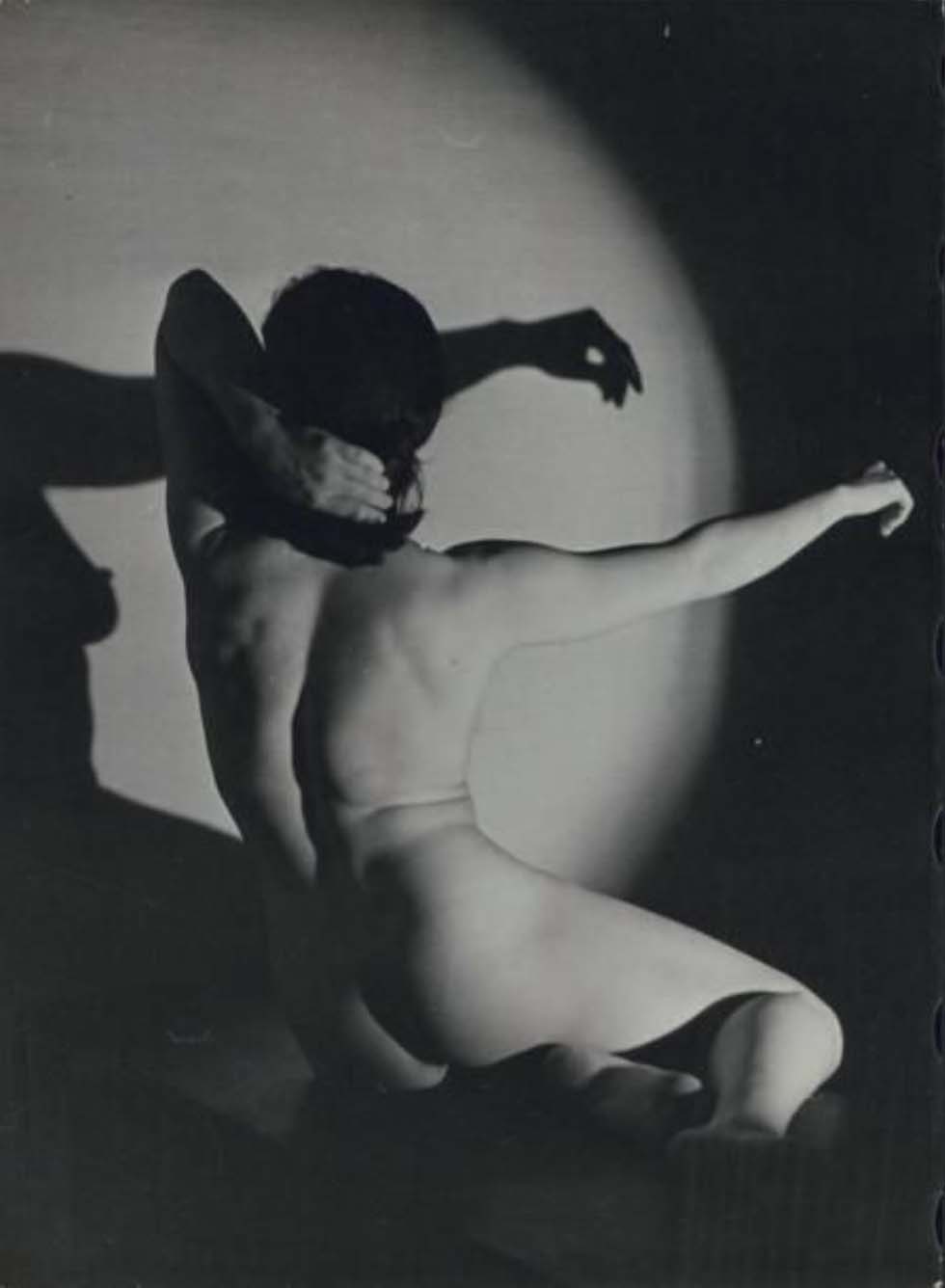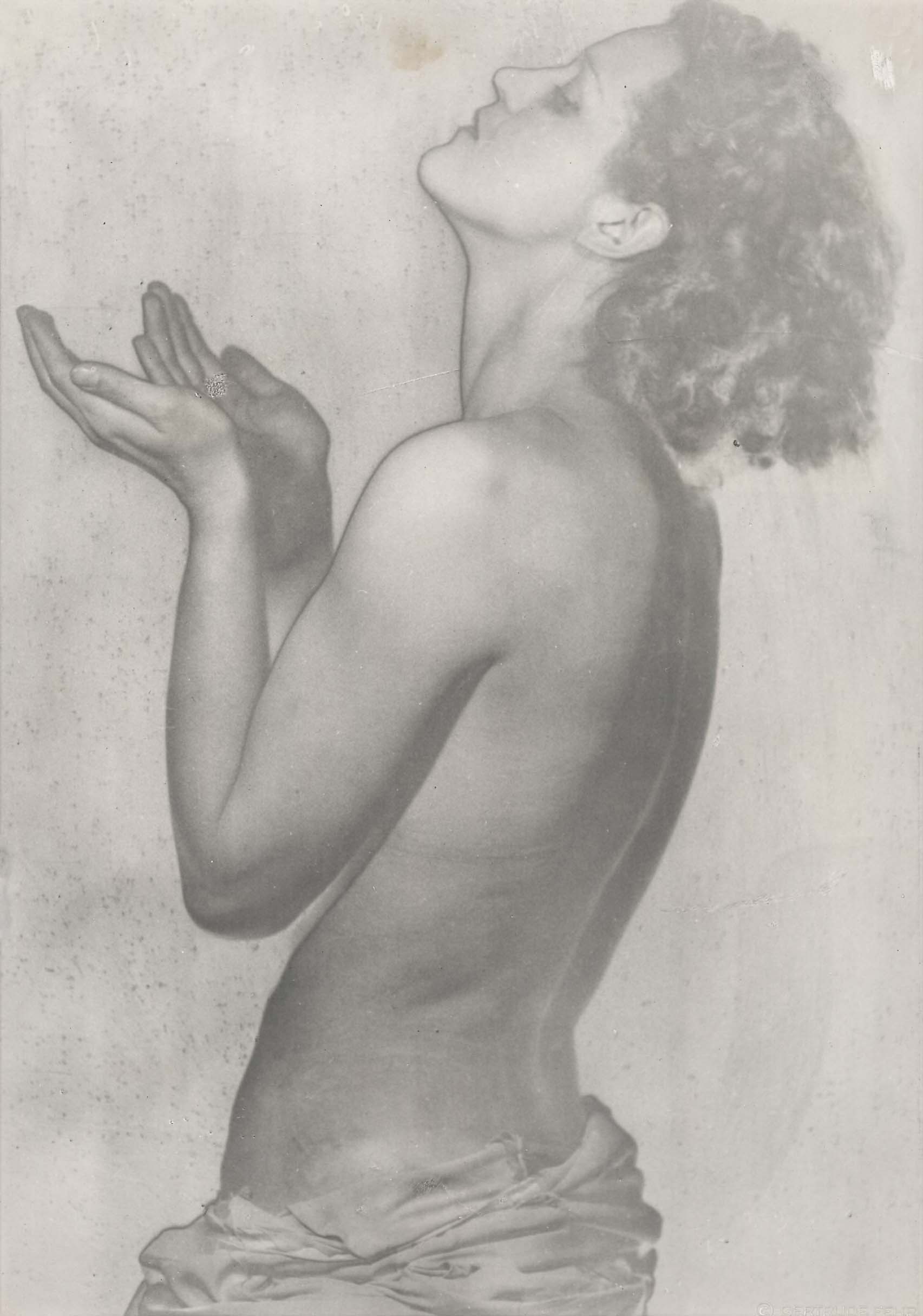
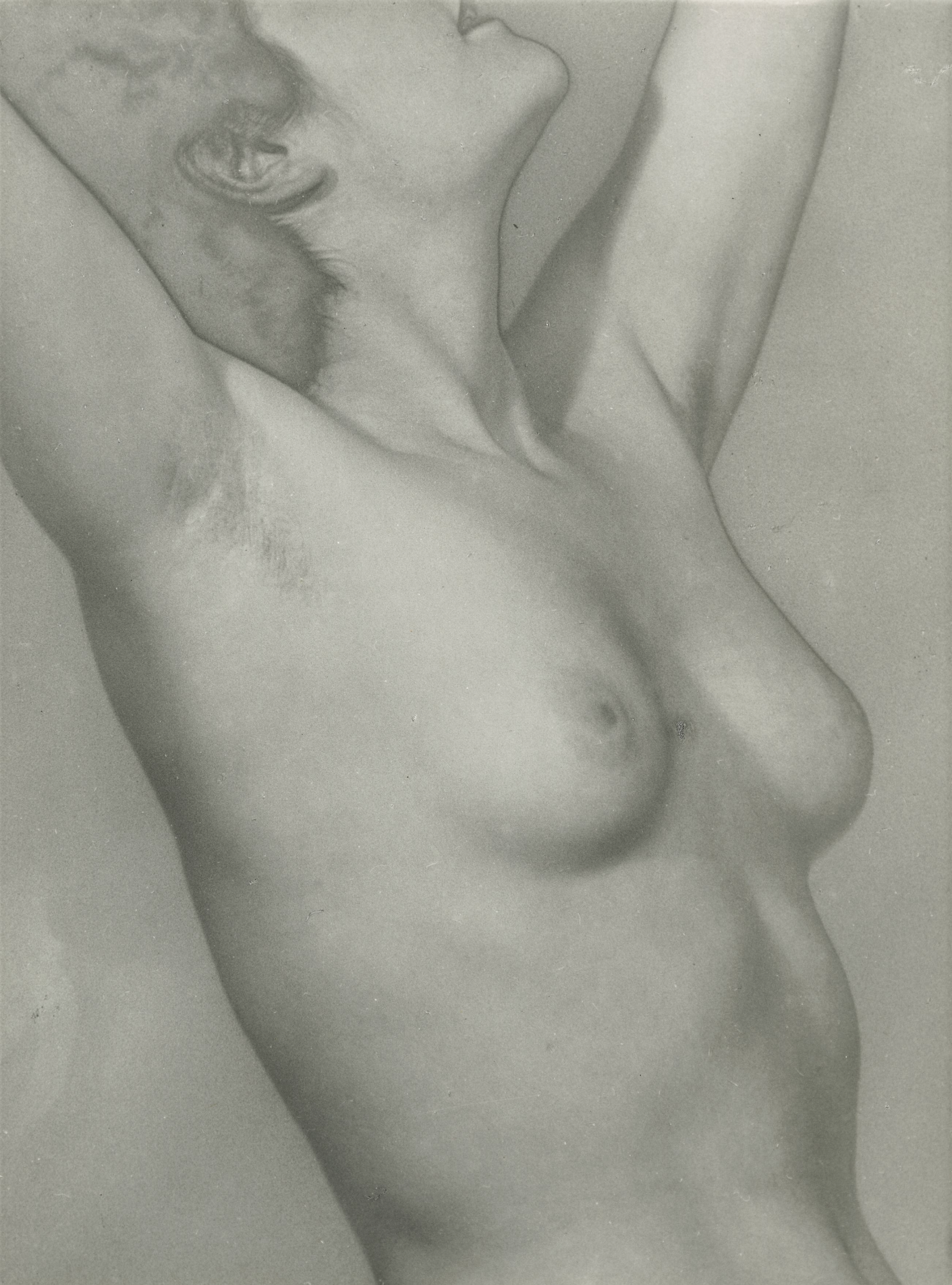
Solarized nudes by Fehr

female nude, nu feminin, solarization, 1930s
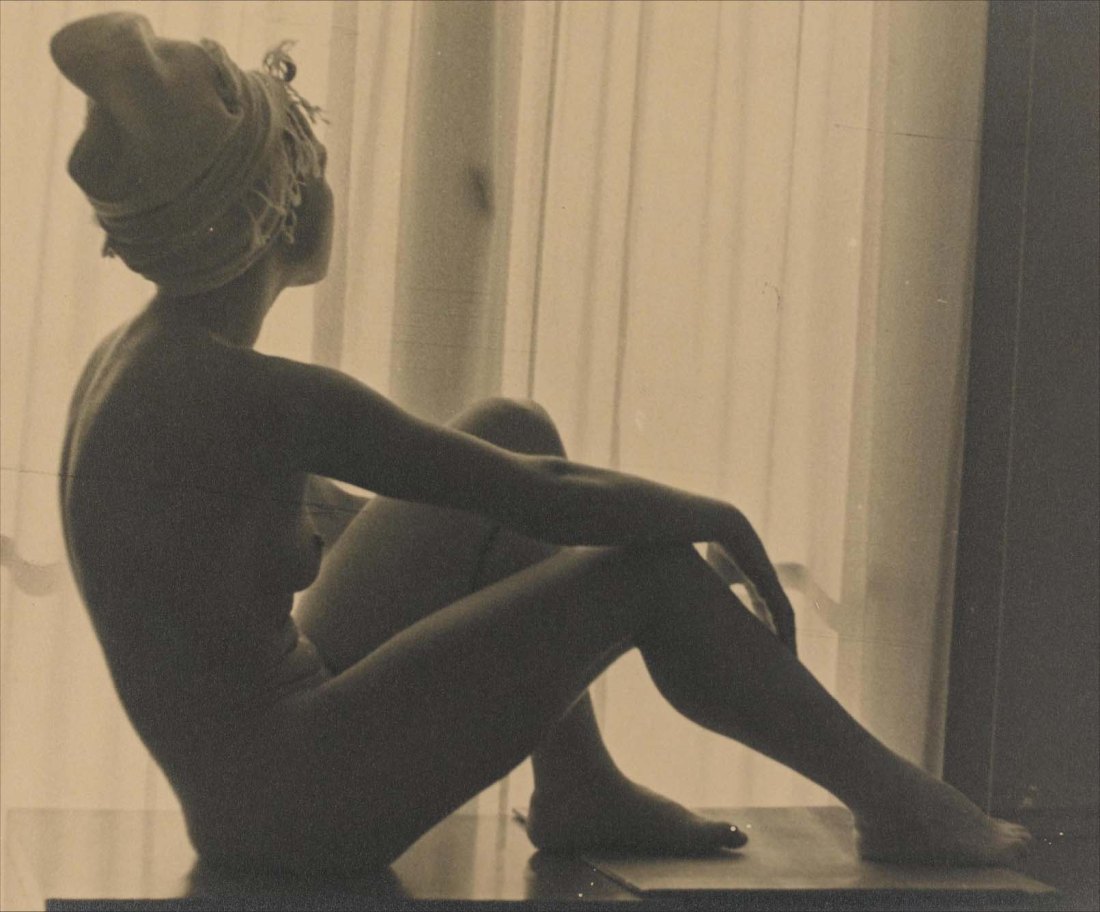
Gertrude Fehr :: Halbakt, solarisiert, 1936. | src Fotostiftung Schweiz
Gertrude Fehr :: Halbakt solarisiert, Paris, 1936 (?). | src Fotostiftung Schweiz
Gertrude Fehr :: Halbakt solarisiert, Paris, 1936 © 2021, ProLitteris, Zurich | src Fotostiftung Schweiz – Sammlung online

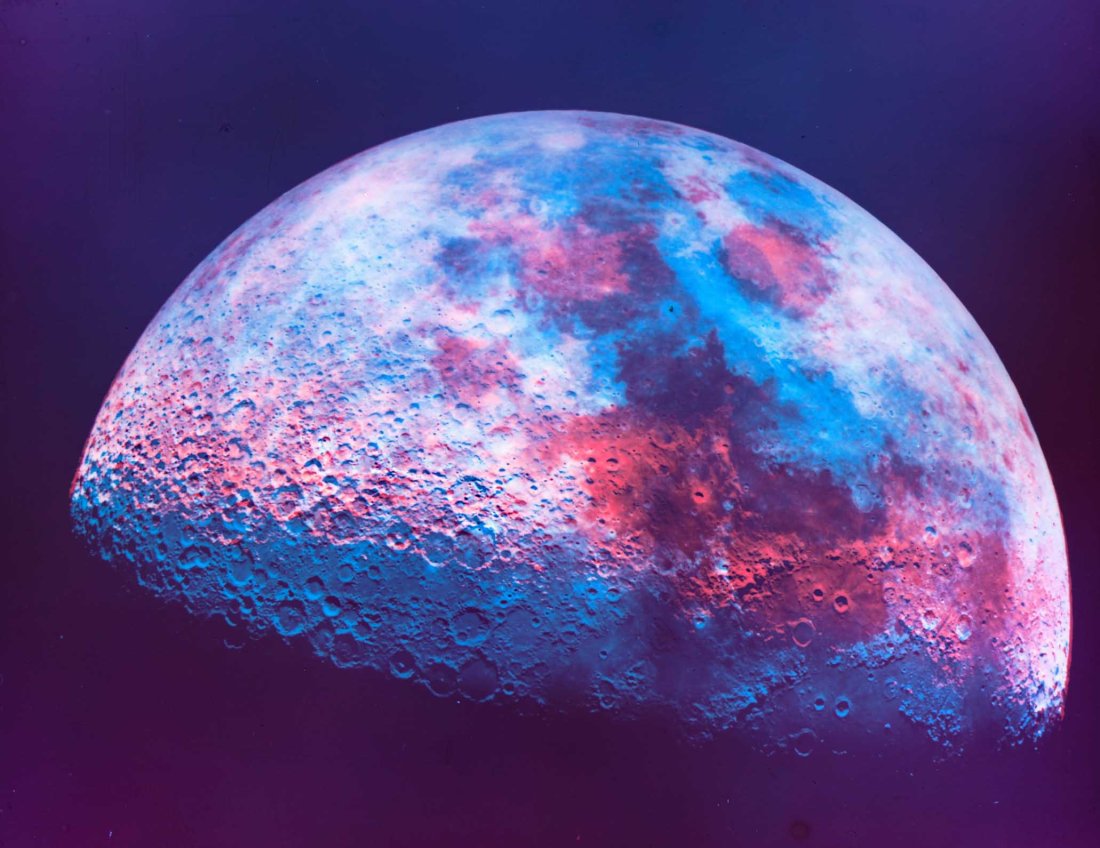
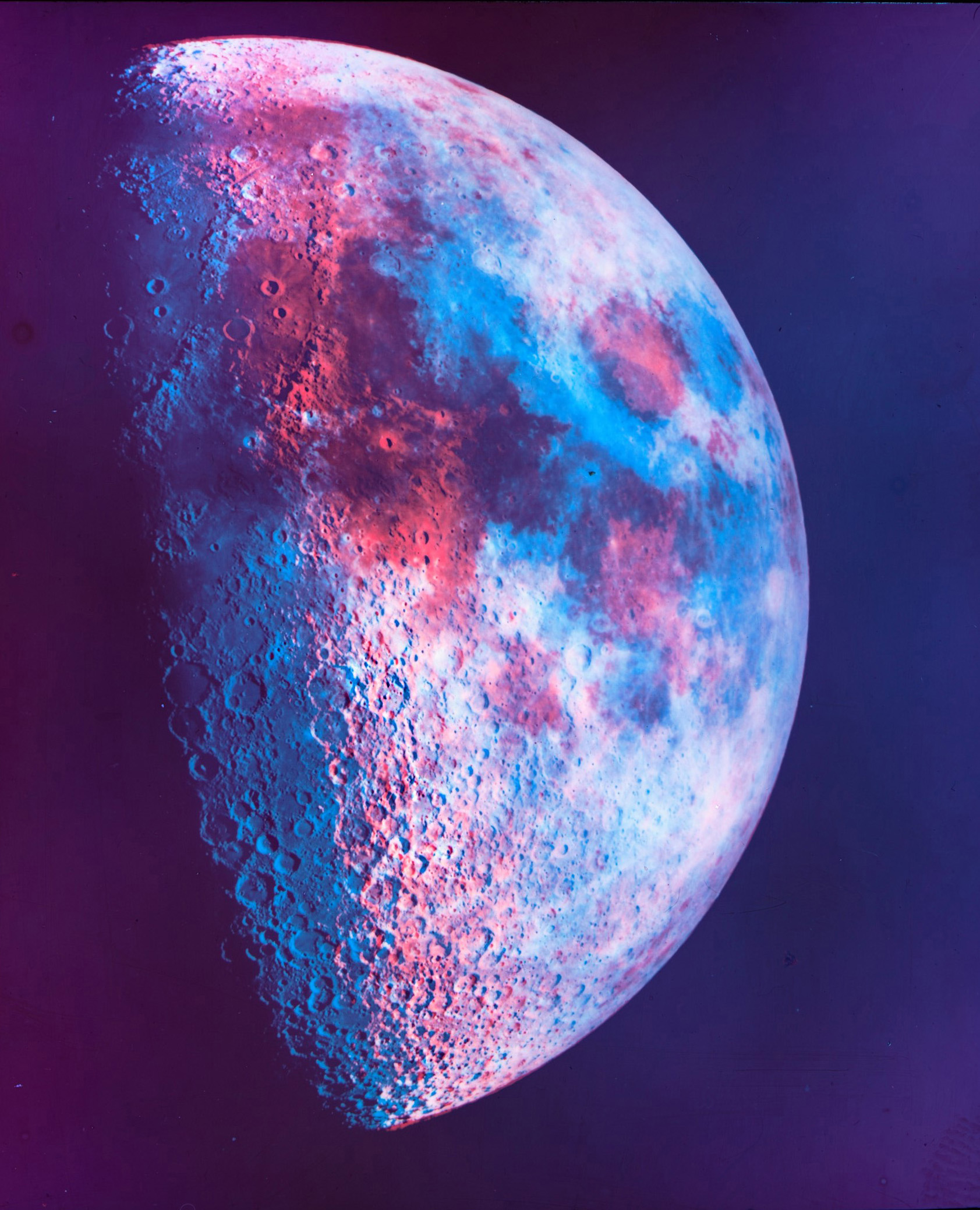
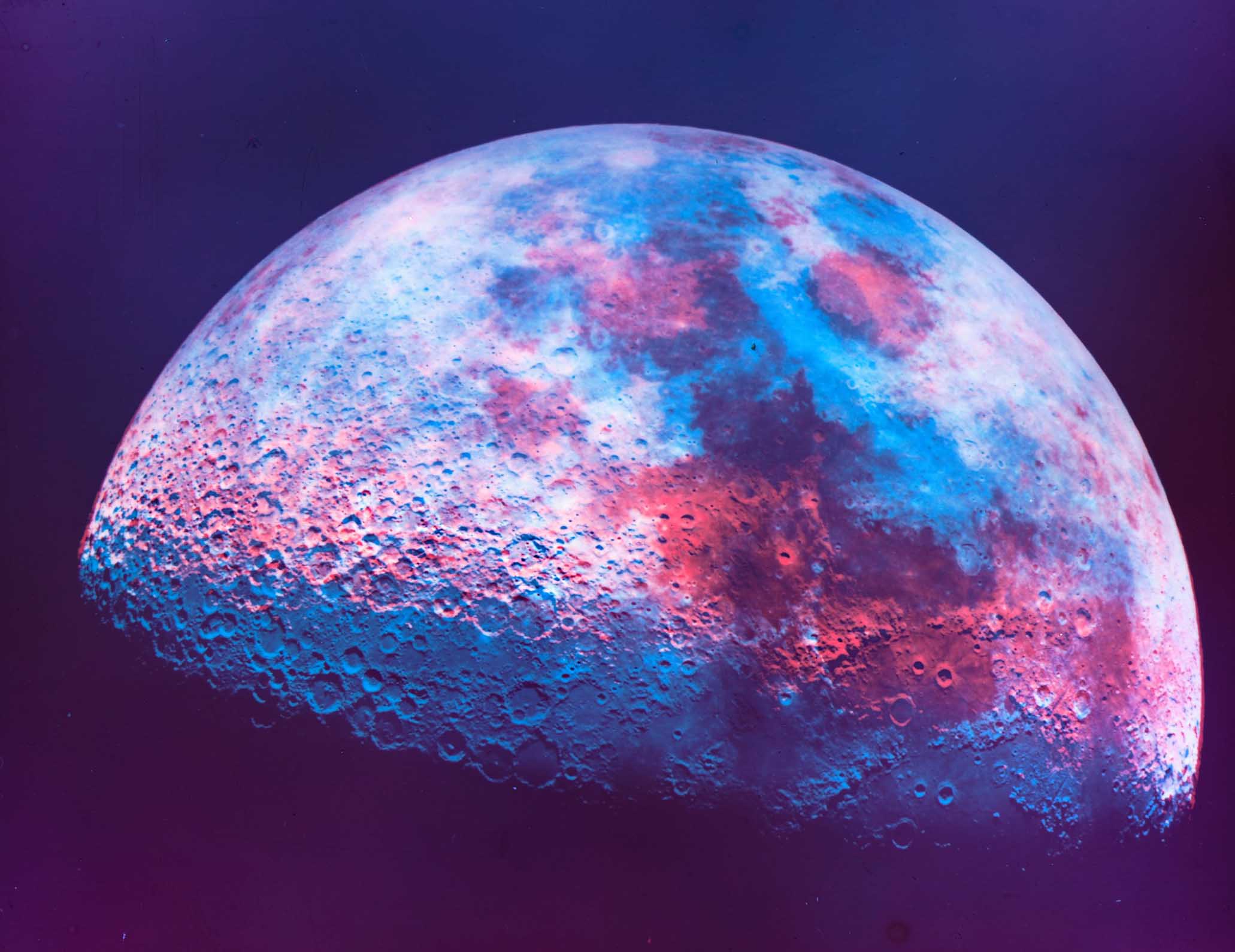
Anaglyph of the moon, 1923

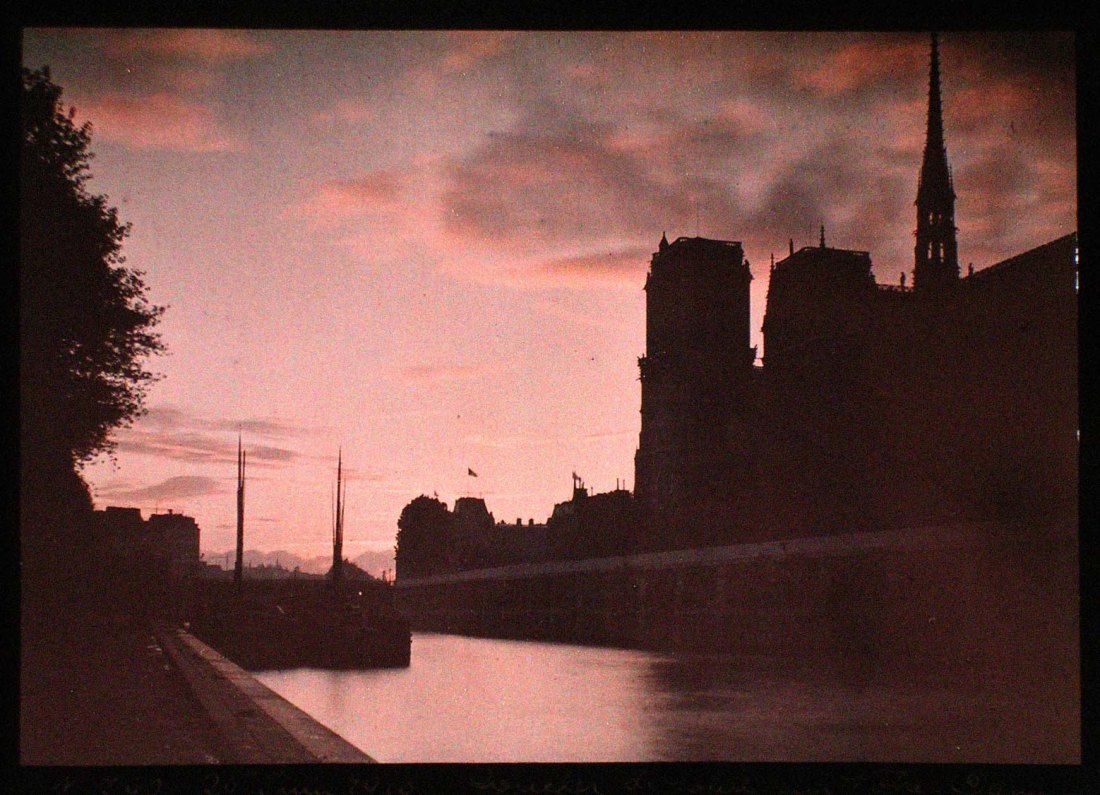
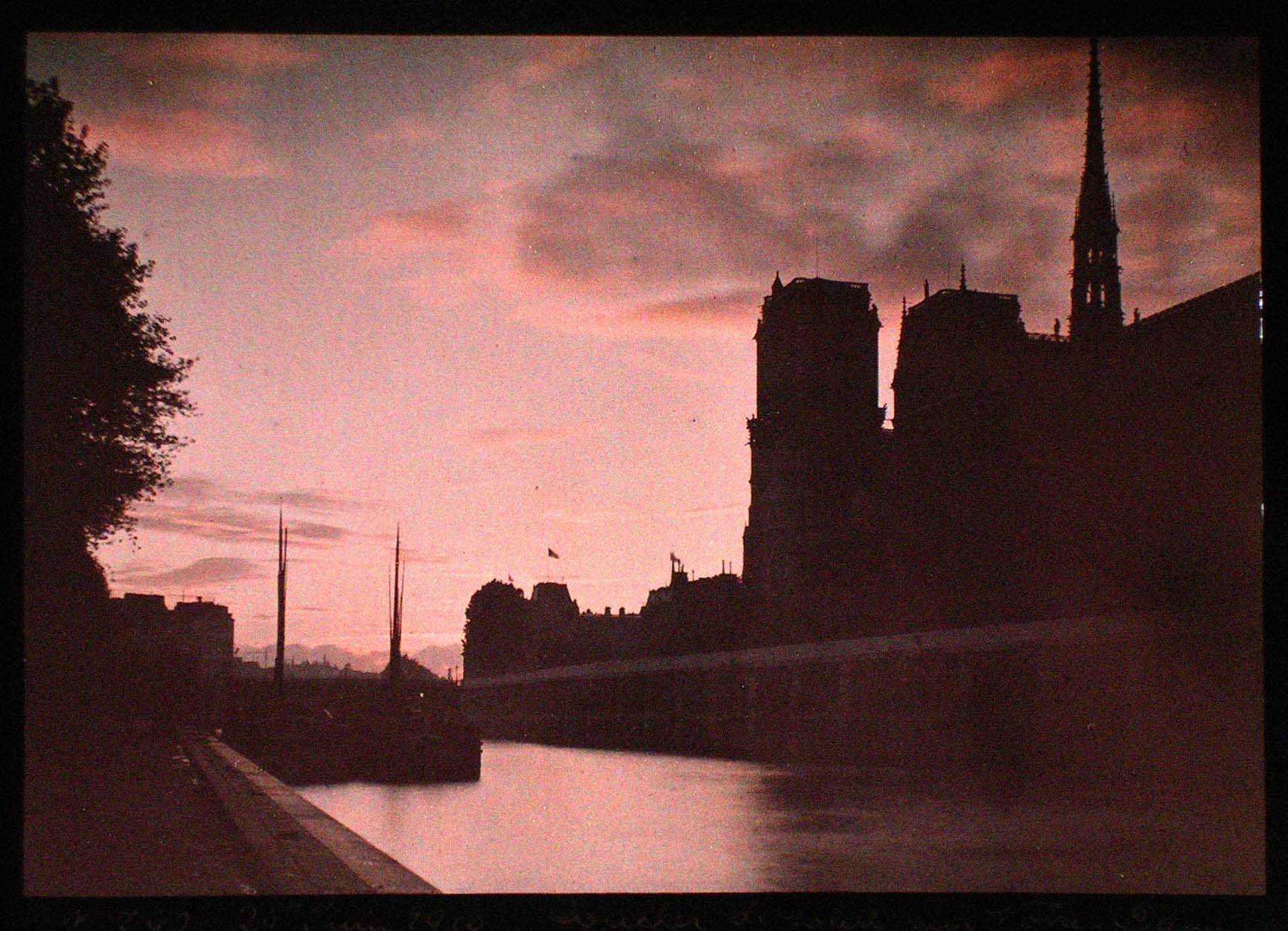
Leon Gimpel :: Anaglyph vom Mond, 1923. Handkolorierte Silbergelatine-Glasplatte. | src Kunstmuseum Basel
León Gimpel :: Anaglyph of the moon, 1923. Hand-colored silver gelatin glass plate. | src Kunstmuseum Basel

There are many different ways of creating and viewing stereoscopic 3D images but they all rely on independently presenting different images to the left and right eye.
León Gimpel :: Anaglyph of the moon, 1923. Hand-colored silver gelatin glass plate. | src Kunstmuseum Basel

Anaglyphs are a straightforward way of presenting stereo pair images is the stereoscopic 3D effect achieved by means of encoding each eye’s image using filters of different (usually chromatically opposite) colors, typically red and cyan. Anaglyph 3D images contain two differently filtered colored images, one for each eye. When viewed through the “color-coded” “anaglyph glasses”, each of the two images reaches the eye it’s intended for, revealing an integrated stereoscopic image. The visual cortex of the brain fuses this into the perception of a three-dimensional scene or composition.

There are three types of anaglyph glasses in common use: red-blue, red-cyan, and red-green.
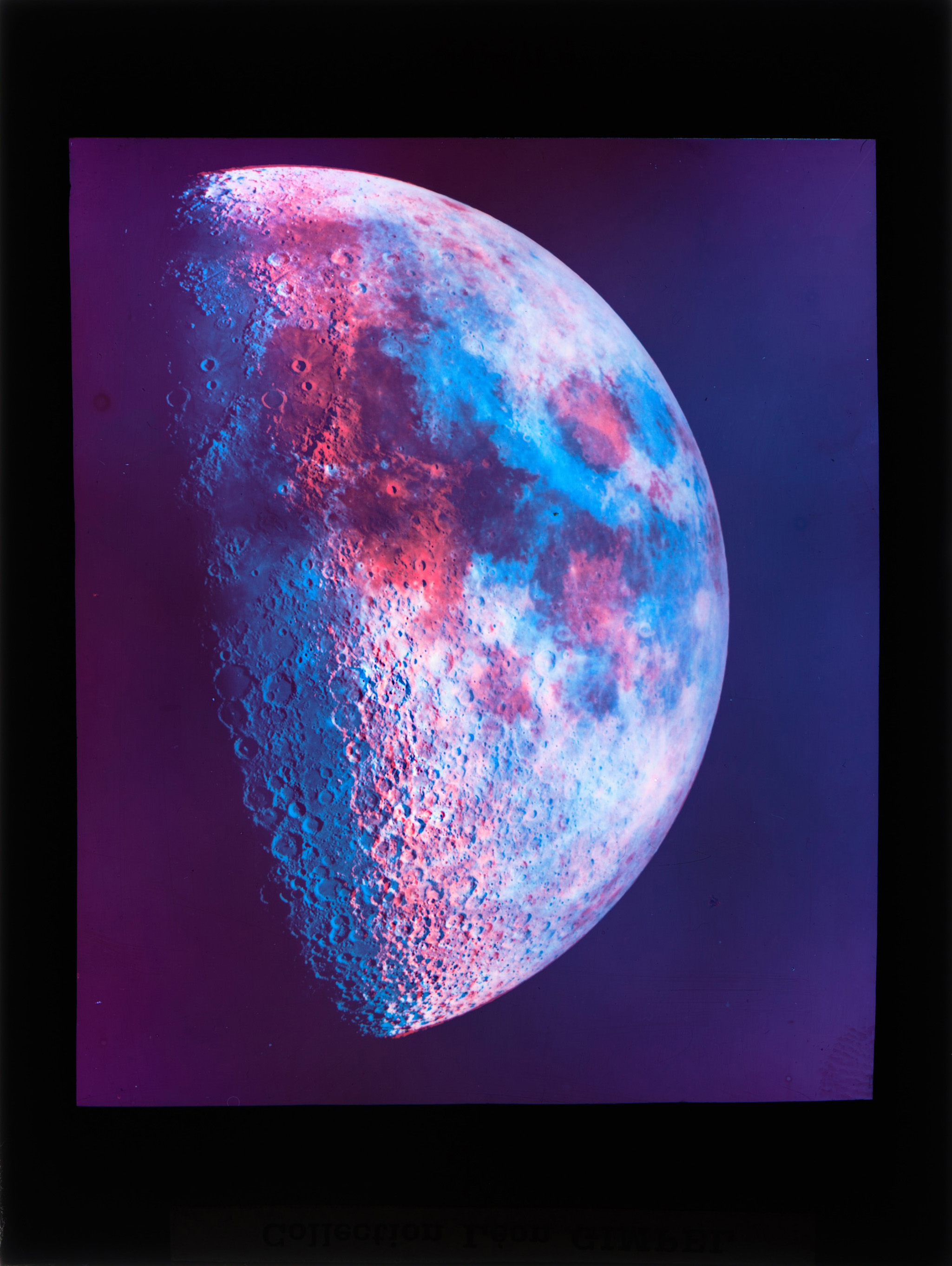
Leon Gimpel :: Anaglyph vom Mond, 1923. Handkolorierte Silbergelatine-Glasplatte. | src Kunstmuseum Basel

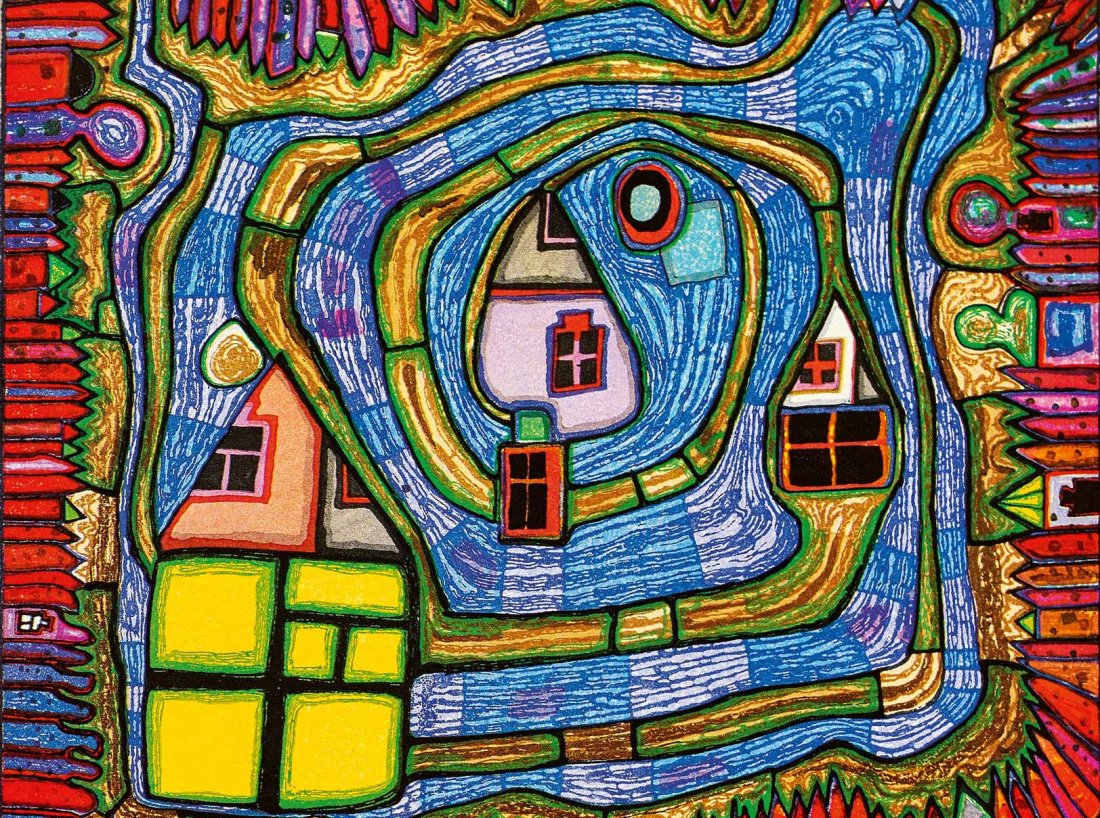
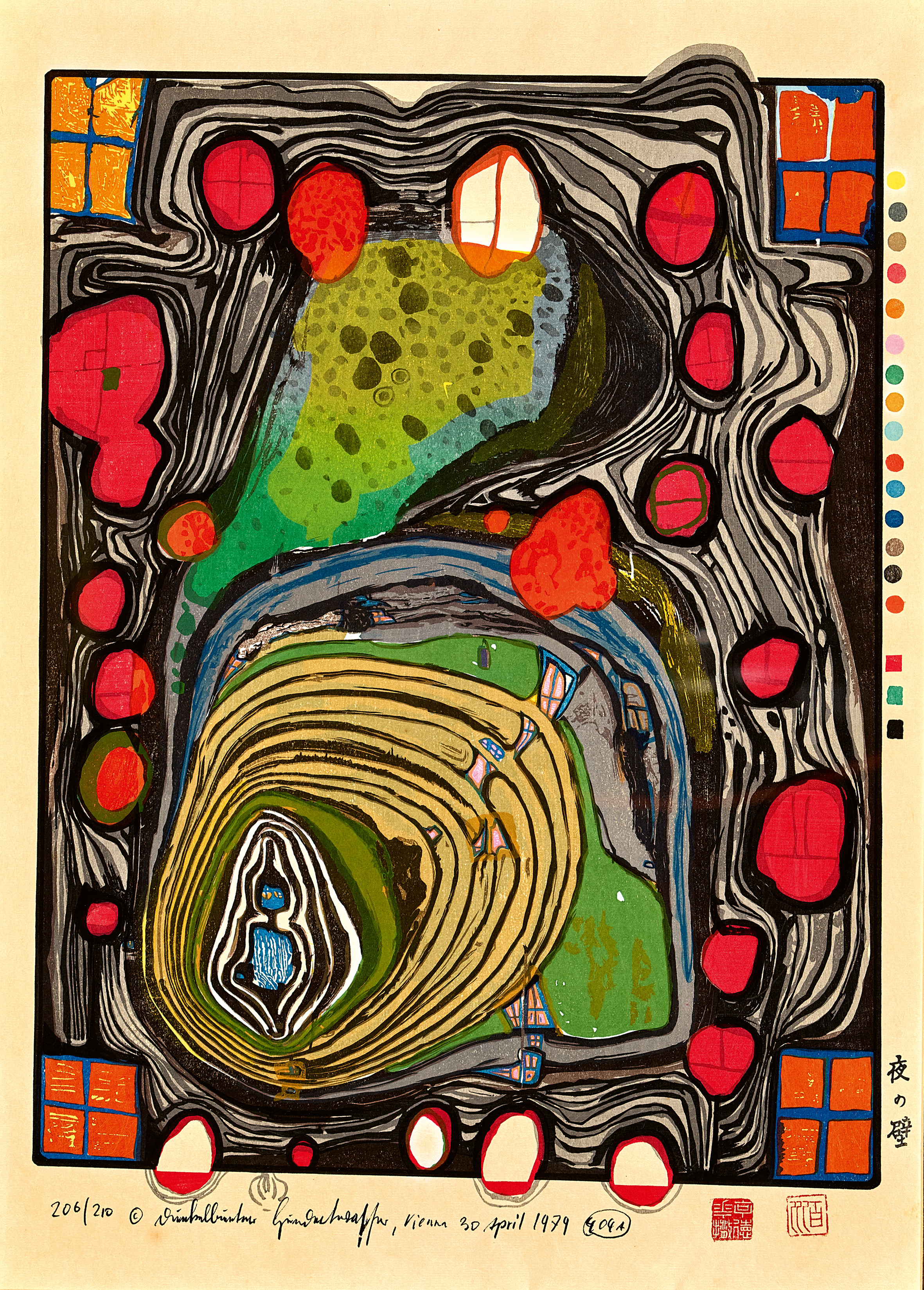
Friedensreich Hundertwasser

Friedensreich Hundertwasser :: Das vollständige druckgrafische Werk 1951-1986 (cover) | src Dobiaschofsky Auktionen
HUNDERTWASSER, FRIEDENSREICH Die Mauer, 1979
Friedensreich Hundertwasser :: Die Mauer, 1979 | src Dobiaschofsky Auktionen

Bending over backwards

bending over backwards, bending back, diver, diving
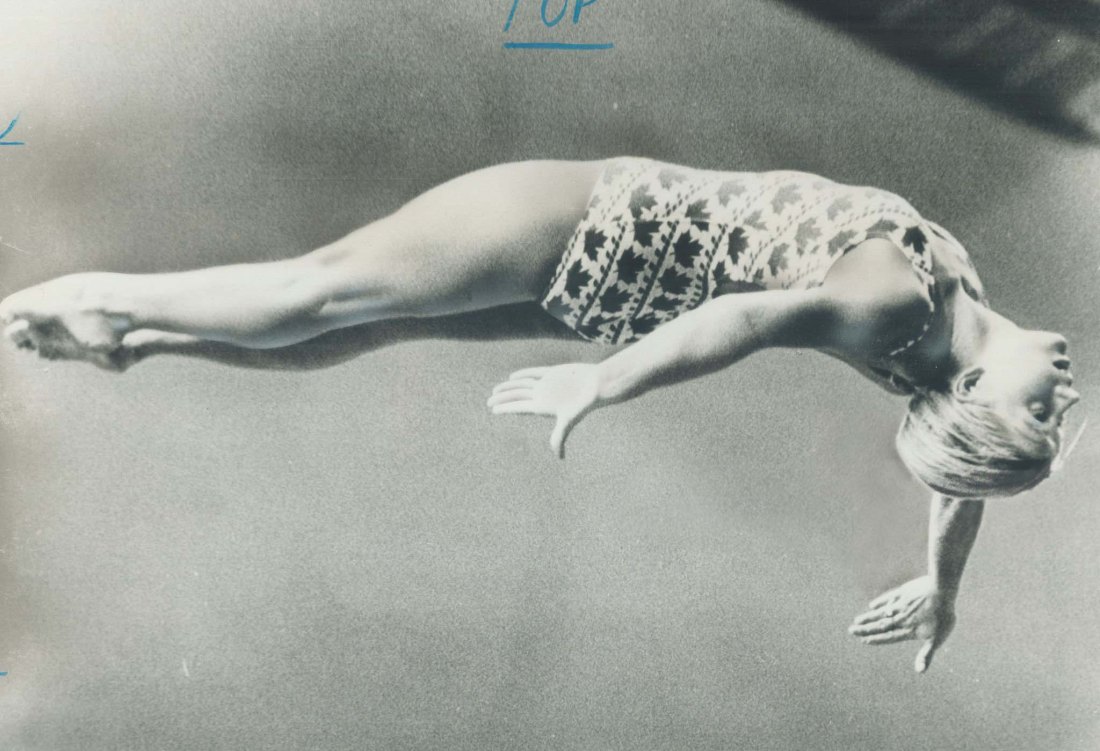
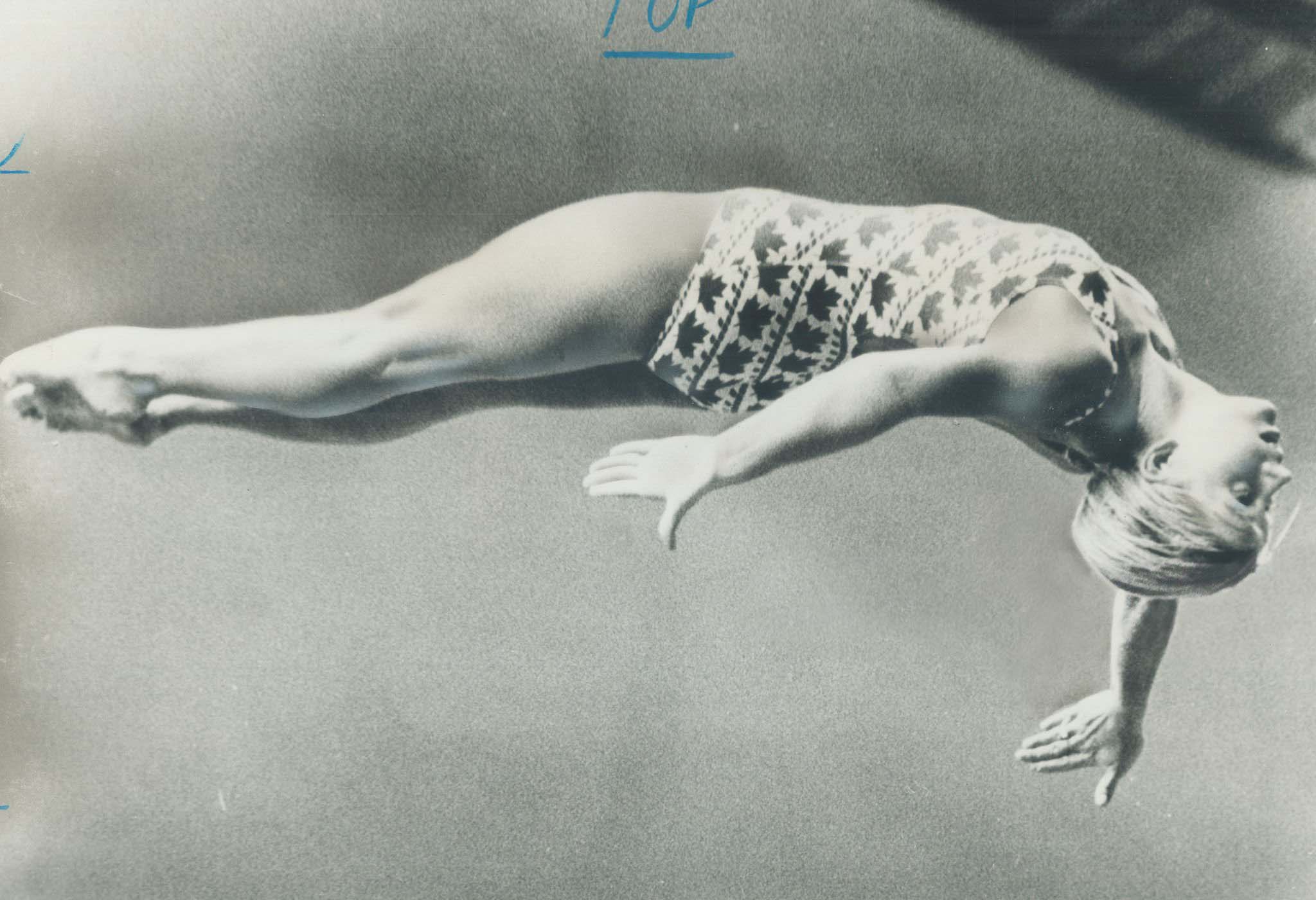
Ron Bull :: Cindy Shatto dips her head into a downturn in the final of Olympic platform diving. Canada, July 25th, 1976. | src Getty Images

Bending over backwards: Cindy Shatto of Toronto dips her head into a downturn last night in the final of Olympic platform diving. Miss Shatto was in second place after three dives; but fell back to fifth at the end; one rank ahead of teammate Teri York of Vancouver. Elena Vaytsekhovskaia of the Soviet Union; who said she took to diving because swimming is dull; was gold medalist. Canada. July 25th, 1976 (Ron Dull for Toronto Star)

Lily nude by Steiner (ca. 1933)

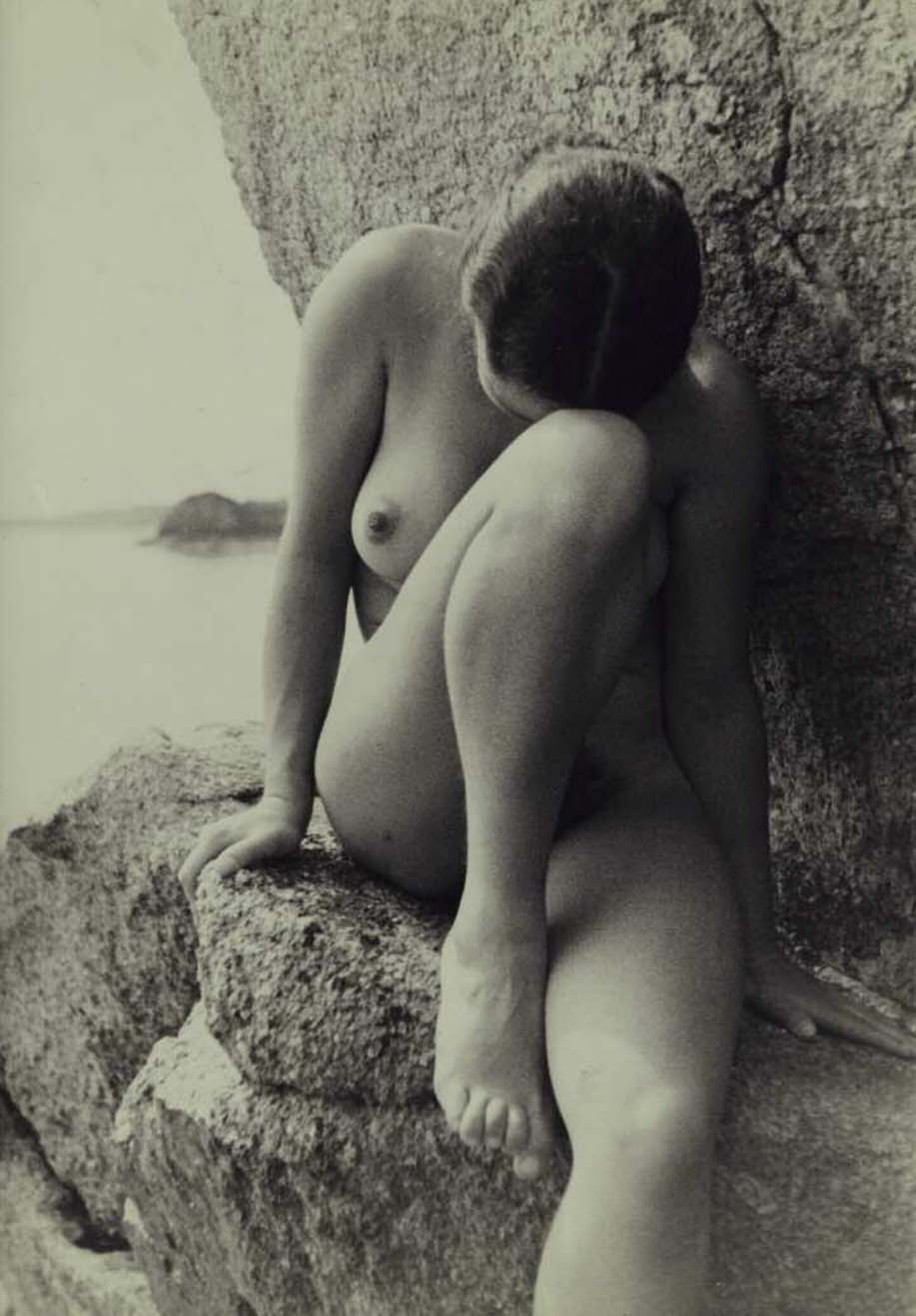
André Steiner :: Étude de nu, Lily, Roscoff, 1933. Tirage argentique. | src Binoche et Giquello
Steiner, Lily Steiner nue sur un rocher, 1933
André Steiner :: Lily Steiner nue sur un rocher, 1933. Epreuve gélatino-argentique. | src Centre Pompidou
André Steiner :: Nu, Lily, appartement de la rue Gambetta, Paris, circa 1930; tirage argentique. | src Giquello et Associés
André Steiner :: Ombre portée, Lily, Paris, 1934; tirage argentique. | src Binoche et Giquello

Bibliographie : Ce qu’on n’a pas fini d’aimer, éditions Bec en l’Air, 2011, page 36 ; 45 Nus par André Steiner, éditions Sun, 1947, page 25
Exposition : André Steiner. Photographs, MAMM, Moscou, 2014 ; Ce qu’on n’a pas fini d’aimer, Musée Nicéphore Niépce, Chalon-sur-Saône, 2011
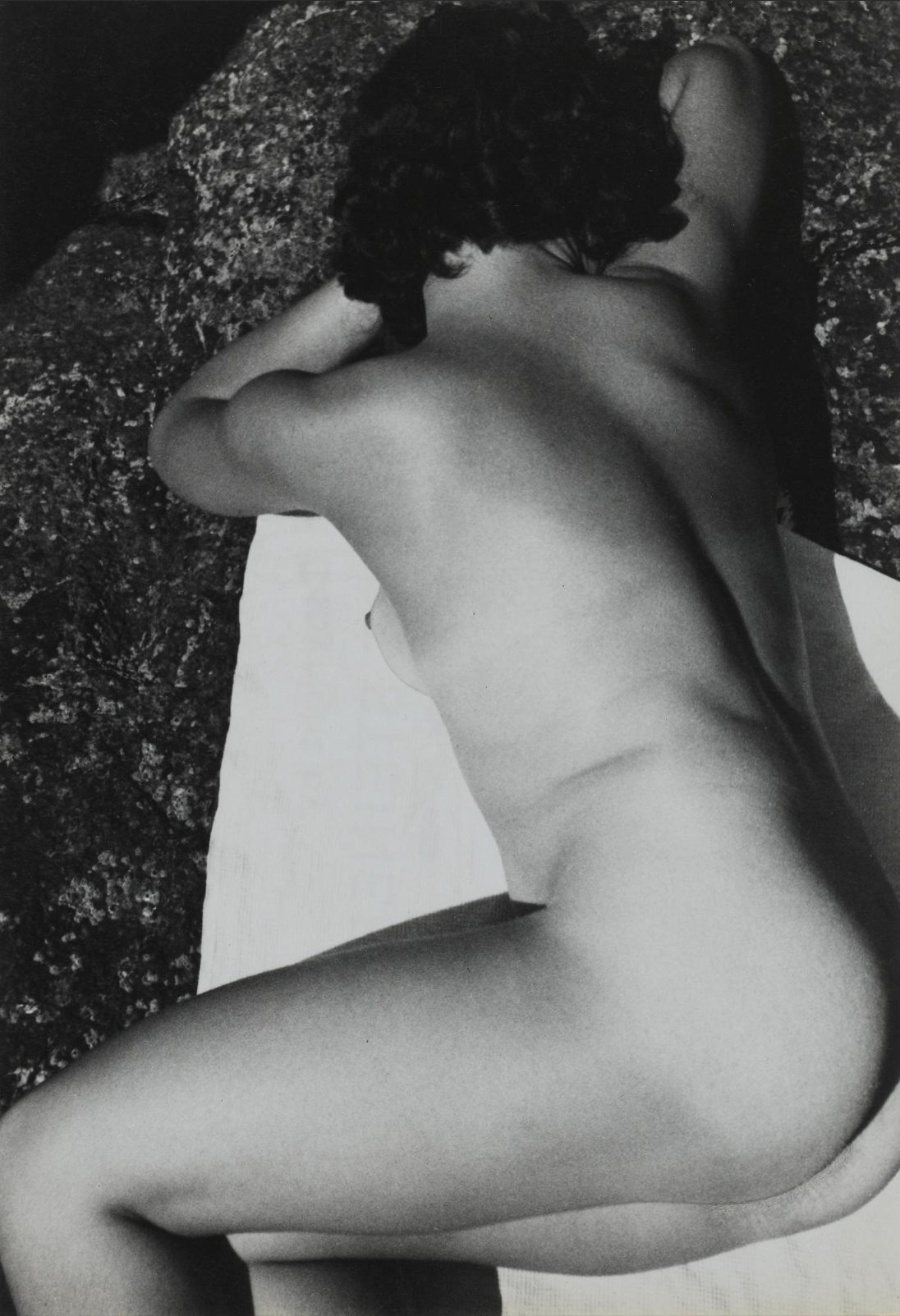
Steiner, Lily Steiner nue allongée sur un rocher, 1933
André Steiner :: Lily Steiner nue allongée sur un rocher, 1933. Epreuve gélatino-argentique. | src Centre Pompidou
André Steiner :: Étude de nu, Lily, 1934. Épreuve argentique d’époque Tampon de l’artiste au verso. | Artcurial via Lotsearch