Die Fläche · Nelly Marmorek

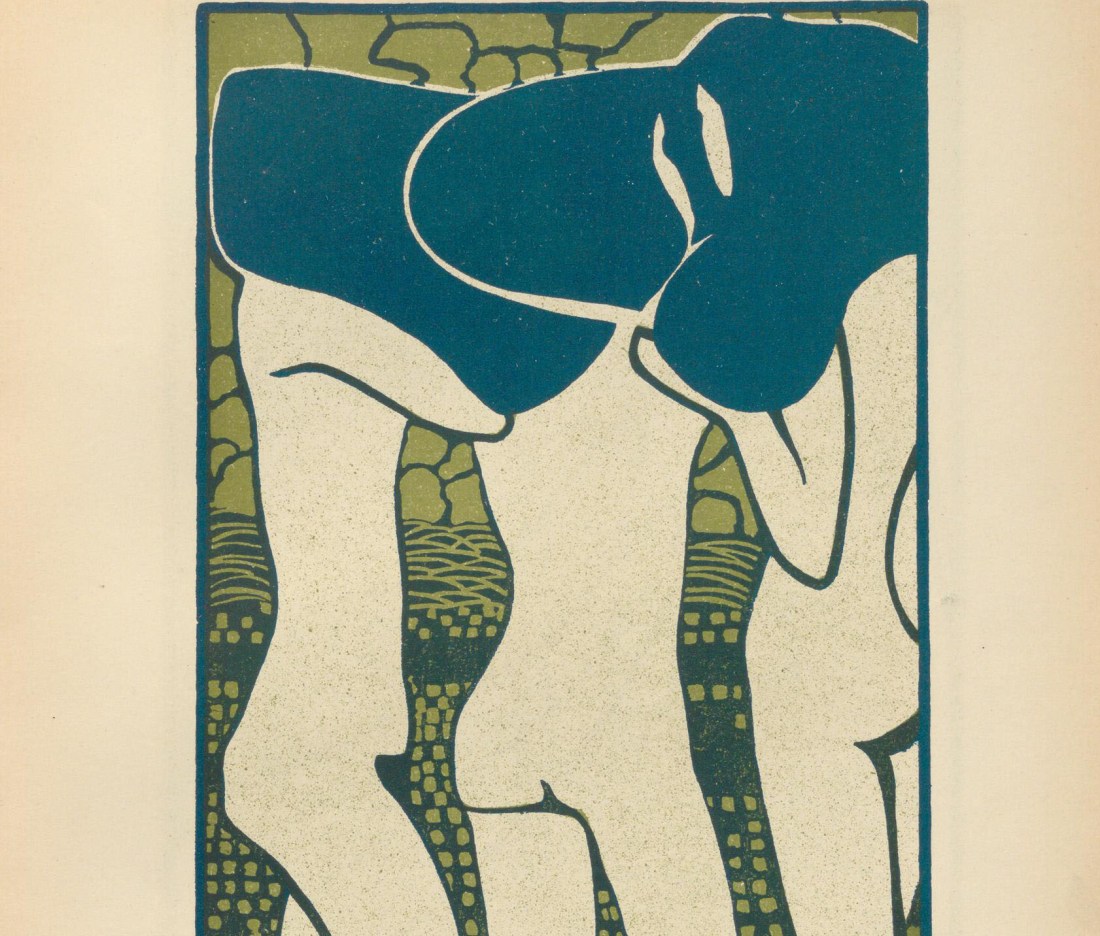
Plakatentwourf von Nelly Marmorek (1877 - 1944) Cornelia Nelly Marmorek (née Schwarz)
Die Fläche : Entwürfe für decorative Malerei, Placate, Buch- und Druckausstattung
Plakatentwurf von Nelly Marmorek (1877 – 1944) Cornelia Nelly Marmorek (née Schwarz)
Die Fläche : Entwürfe für decorative Malerei, Placate, Buch- und Druckausstattung(1903) | ÖNB
Plakatentwourf von Nelly Marmorek (1877 - 1944) Cornelia Nelly Marmorek (née Schwarz)
Die Fläche : Entwürfe für decorative Malerei, Placate, Buch- und Druckausstattung
Plakatentwurf von Nelly Marmorek (1877 – 1944) Cornelia Nelly Marmorek (née Schwarz)
Die Fläche : Entwürfe für decorative Malerei, Placate, Buch- und Druckausstattung (1903) | ÖNB

For a long time it was Nelly Marmorek’s fate that she was only known as the wife of the successful architect and committed Zionist Oskar Marmorek and as the daughter of the well-known banker Julius Schwarz. But even the few works of her that have survived show that she should be honored as an independent creative personality.

Nelly Marmorek was born Cornelia Schwarz on May 13, 1877 in Vienna and came from a very wealthy family of bankers on her father’s side. Apparently her mother, who was a sister of the well-known and successful composer Ignaz Brüll, brought in her musical talent. Nelly, as she was called, soon showed a talent for drawing and – supported by her art-loving family home, in which composers such as Gustav Mahler and Johannes Brahms and writers such as Arthur Schnitzler and Hugo von Hofmannsthal frequented – sought an artistic education.

In 1901 she began studying at the Vienna School of Applied Arts, where she was a student of Alfred Roller and Carl Otto Czeschka, among others. Her fellow students included Hilde Exner, Emma Schlangenhausen, Moriz Jung and Rudolf Kalvach. The fact that there is an original woodcut of hers in “Ver sacrum” and that she was able to publish four works in the portfolio “Die Fläche” shows that Marmorek was counted among the best of her year by her teachers.

A photograph from the Roller class has been preserved in the archive of the University of Applied Arts in Vienna, in which both of the poster designs by Nelly Marmorek depicted in “Die Fläche” can be seen. The picture, which most likely shows the artist herself at work, also documents that the poster designs were not just small sketches, but were worked out in the original size.
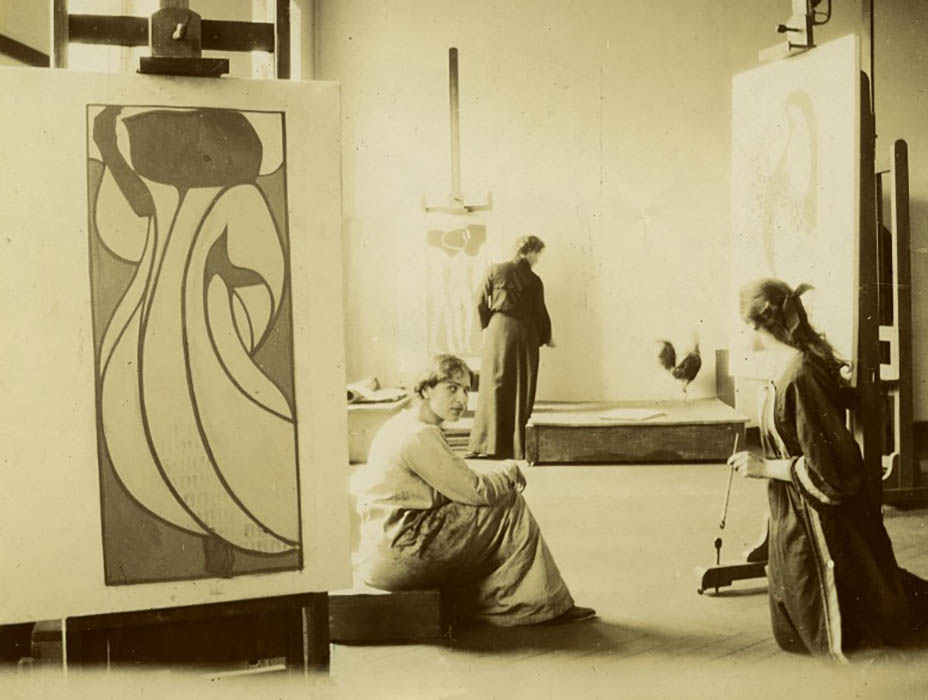
Alfred Rollers Atelier mit den zwei Plakatentwürfen von Nelly Marmorek, um 1903. (Universität für angewandte Kunst Wien, Kunstsammlung und Archiv, Inv.Nr. 18.474/F), Ausschnitt

After Oskar Marmorek, to whom she had been married since 1897, committed suicide in 1909, Nelly Marmorek moved back to her parents’ apartment at Berggasse 13, where she was officially registered until 1928. However, she spent most of her time in France, where she studied painting with Henri Matisse and also took part in exhibitions.

Nelly Marmorek lived in Cannes during World War II. In 1942, southern France was occupied by German troops and now the Jews living here or who had fled here, like Nelly Marmorek, were exposed to the terror of the National Socialist rulers. Marmorek was no longer able to travel to the USA, and she died in Cannes on March 11, 1944.

After basic research, Ingrid Erb wrote in her study of Nelly Marmorek: “Nelly’s death certificate states the address Villa Baron, Avenue Isola Bella, Cannes. A cause of death is not noted. The Villa Baron was confiscated by the German troops during World War II and used by the Nazi occupying power as a headquarters. On March 14, 1944, Nelly Marmorek was buried in the Cimetière Le Grand Jas as a native on common ground with a five-year concession.”

quoted from: Austrian Posters / Nelly Marmorek
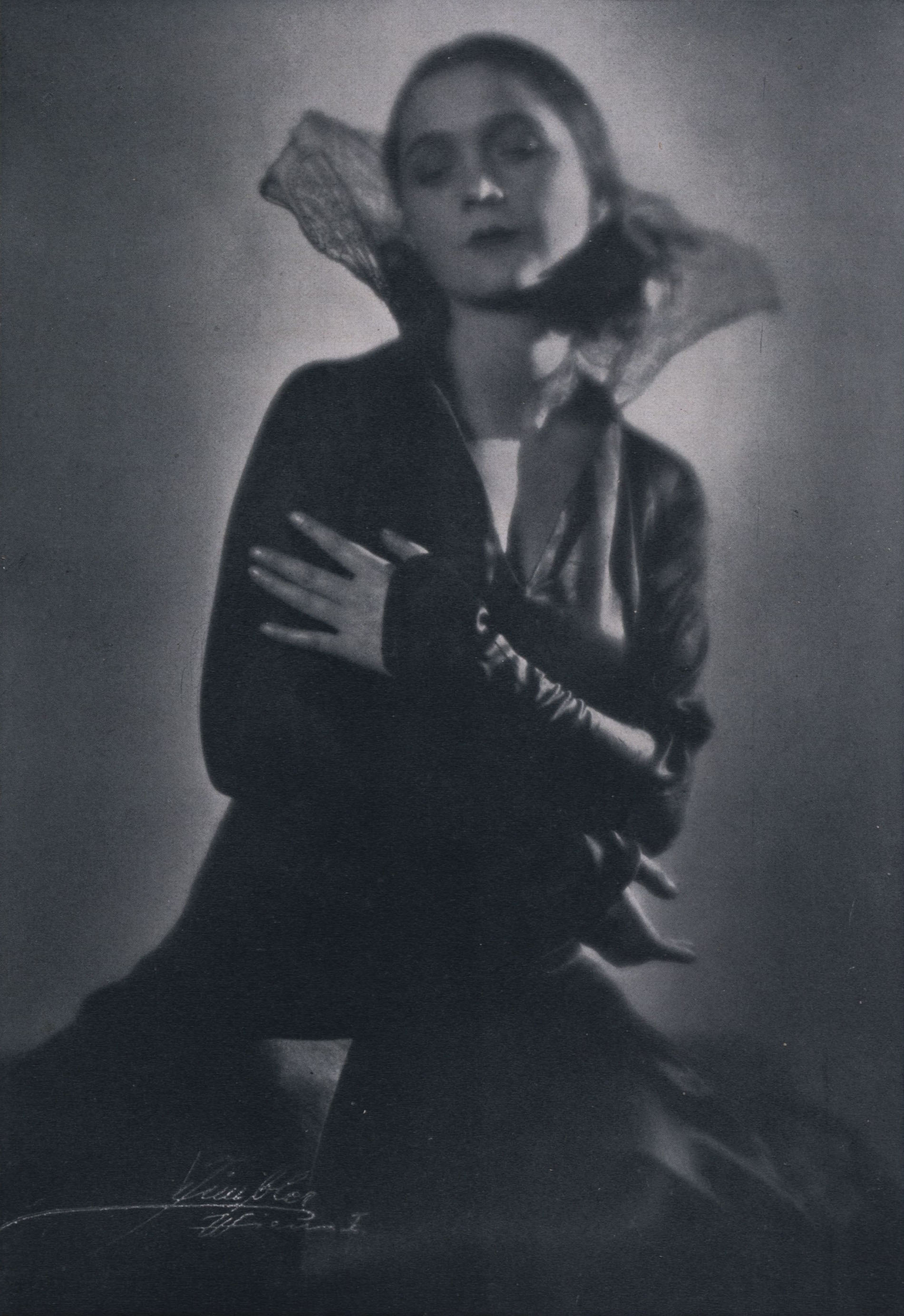
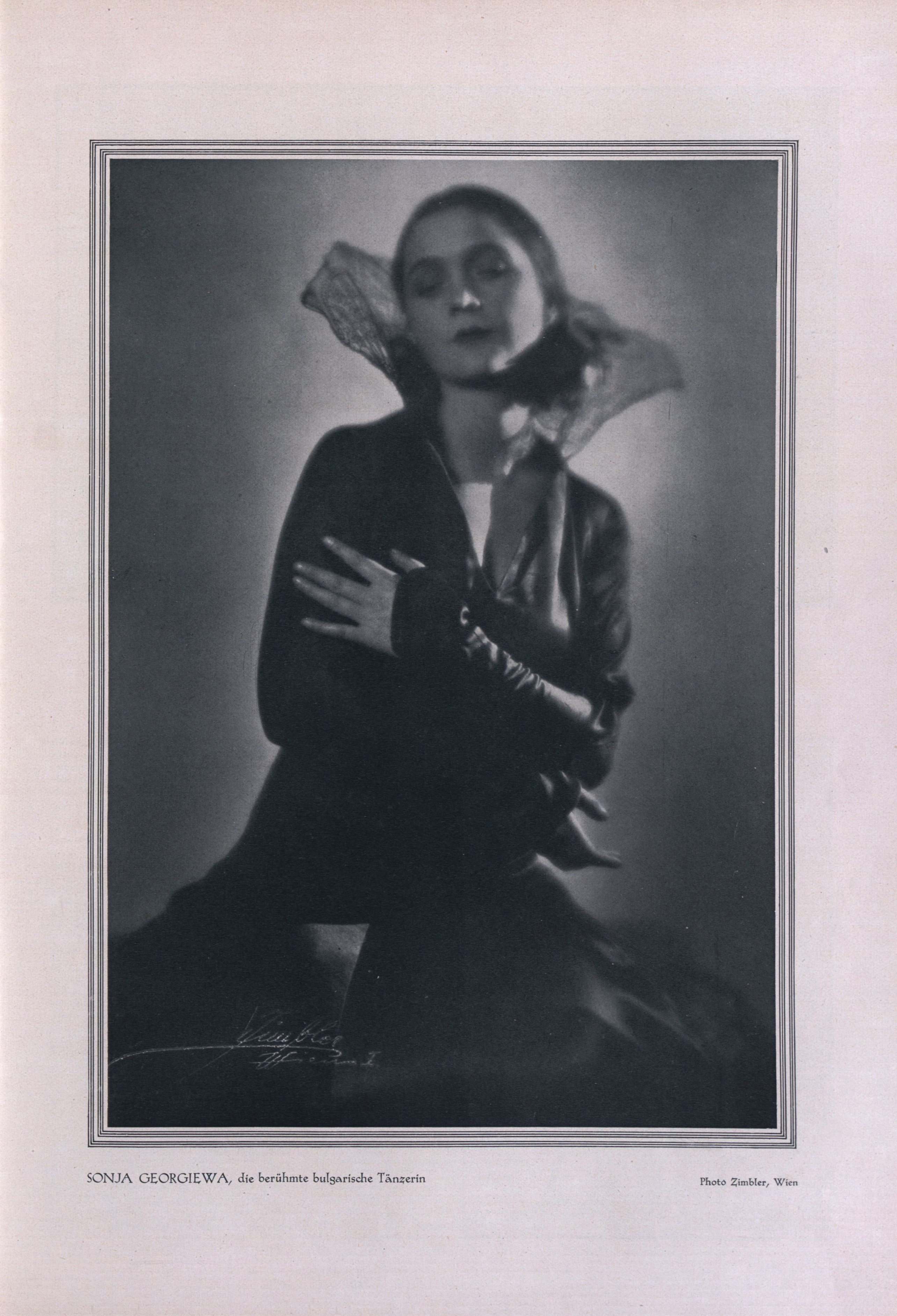
Sonja Georgiewa by Zimbler

Sonja Georgiewa, die berühmte bulgarische Tänzerin. Photo Zimbler, Wien. Moderne Welt, Jahrgang 10, Heft 12. März, 1929 | ÖNB
Sonya Georgieva, the famous Bulgarian dancer. Photo Zimbler, Wien. Moderne Welt, volume 10, issue 12. March 1929 | ÖNB
Sonja Georgiewa, die berühmte bulgarische Tänzerin. Photo Zimbler, Wien. Moderne Welt, Jahrgang 10, Heft 12. März, 1929 | ÖNB

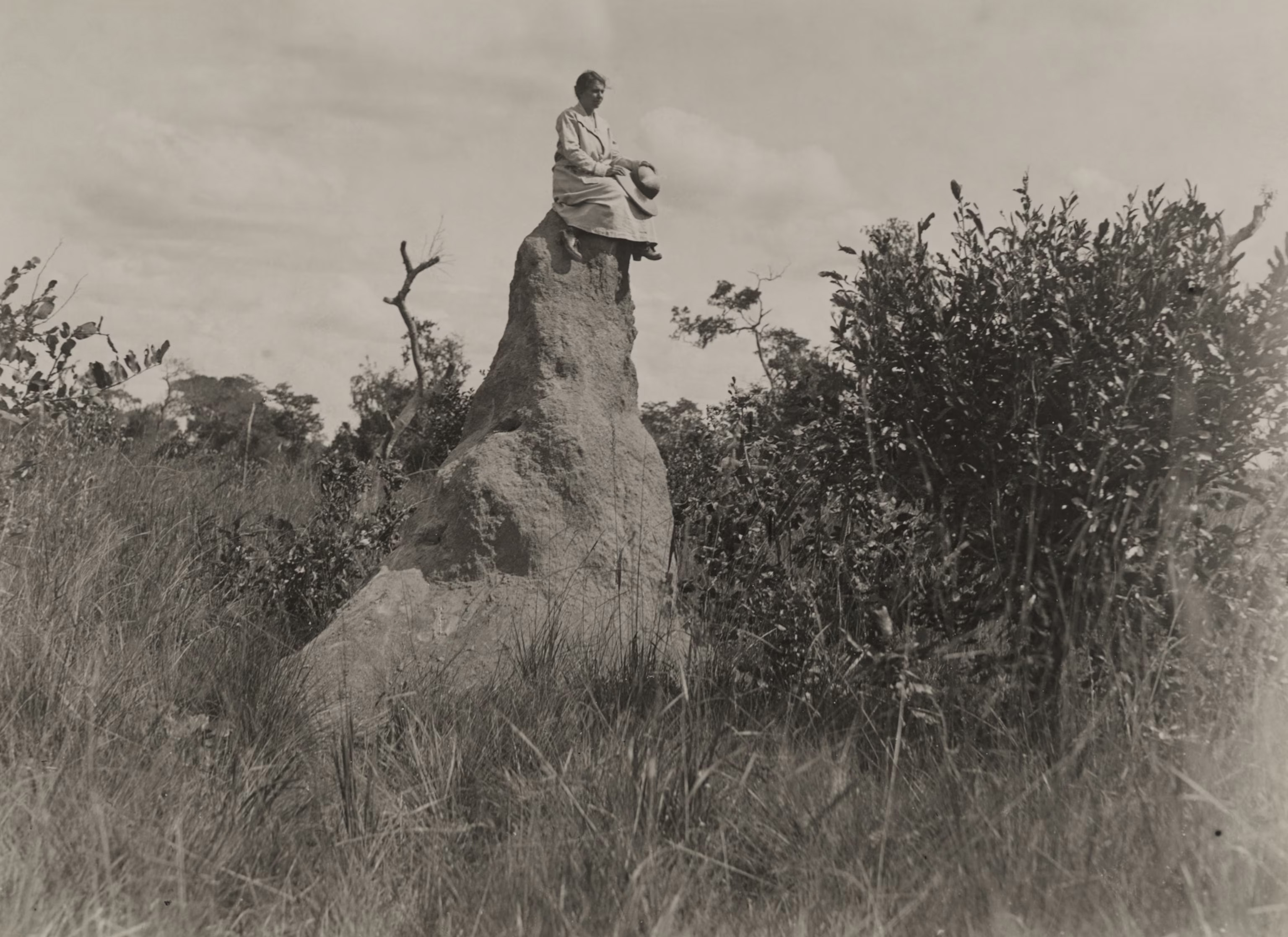
Woman on anthill circa 1922

Frank J. Magee :: A woman sits on top of a large white anthill near Elizabethville (Belgian Congo), before 10-1922. | Nat Geo

A woman sits on top of a large white anthill, some of which can rise up to 40 feet high, near Elizabethville in the former Belgian Congo. The image was taken for a story in the October 1922 issue about a navy operation in Africa during World War I (National Geographic / Nat Geo). Photograph by Frank J. Magee.

Cassandre poster design

A.M. Cassandre :: Poster for the Paris newspaper L'Intransigeant, designed by Cassandre, 1925. Collection of Philip B. Meggs Printer: Hachard & Cie., Paris | src MoMA
A.M. Cassandre :: Poster for the Paris newspaper L’Intransigeant, designed by Cassandre, 1925. Printer: Hachard & Cie., Paris | src MoMA

Cassandre (1901-1968) or A.M. Cassandre (the pseudonym of Adolphe-Jean-Marie Mouron) was a graphic artist, stage designer, and painter whose poster designs greatly influenced advertising art in the first half of the 20th century.

Cassandre used figurative geometry and modulated planes of colour, derived from Cubism, to revitalize postwar French poster design. From 1923 until 1936, Cassandre designed posters in which he reduced his subject matter to bold shapes and flat, modulated icons. He emphasized two-dimensional pattern, and he integrated lettering with his imagery to make a unified overall composition. Cassandre also utilized airbrushed blends and grading to soften rigid geometry. 

A.M. Cassandre (Adolphe Mouron, 1901-1968)
A.M. Cassandre (Adolphe Mouron, 1901-1968) :: 1932 version of the “Dubonnet” poster. Alliance Graphique, Paris. | src Rennert Gallery

Cassandre gained a reputation with such posters as “Étoile du Nord” (1927) and “Dubo Dubon Dubonnet” (1932). The Dubonnet posters were among the earliest designed specifically to be seen from fast-moving vehicles, and they introduced the idea of the serial poster, a group of posters to be seen in rapid succession to convey a complete idea.

In 1926 Cassandre cofounded the advertising agency Alliance Graphique and soon turned his attention to experimental typography. He designed three typefaces: Bifur (1929), Acier Noir (1935) and Piegnot (1937). In 1939 he abandoned poster art and henceforth devoted himself to designing stage sets and to painting.

quoted from Encyclopædia Britannica

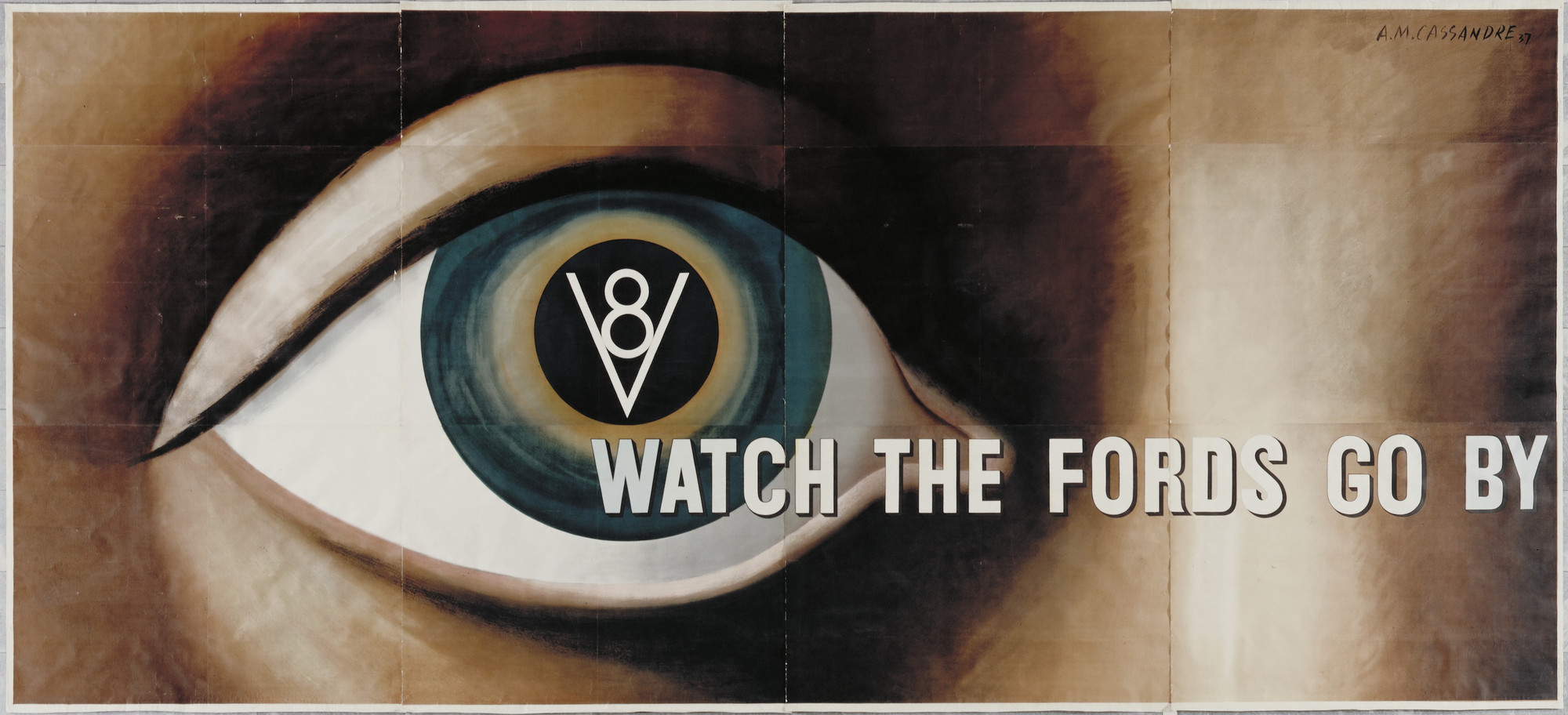
A.M. Cassandre :: Watch the Fords Go By (Poster for Ford Motor Company), 1935 | src MoMA

Ford was the first manufacturer to develop a V8 engine—previously associated with luxury and specialist cars—for a mass market. In employing Cassandre, Ford infused its corporate reputation for industrial innovation with the artistic cachet of European modernism. Cassandre was already established as a preeminent French poster designer and in 1936 he had become the first graphic artist to have a solo exhibition at MoMA. This compelling image of a disembodied, all-seeing eye is rooted in a classical tradition that emphasizes the primacy of vision in Western culture; the eye is also prevalent in Surrealist art of the 1920s. Trailing from the iris, the slogan “Watch the Fords Go By” gives a sense of modern vision, always in motion, while the V8 icon imprinted on the pupil suggests a fusion of mind, body, and technology—a synthesis that revolutionized individual perception in the modern world.

Gallery label from Shaping Modernity: Design 1880-1980, December 23, 2009–July 25, 2010 (MoMA)

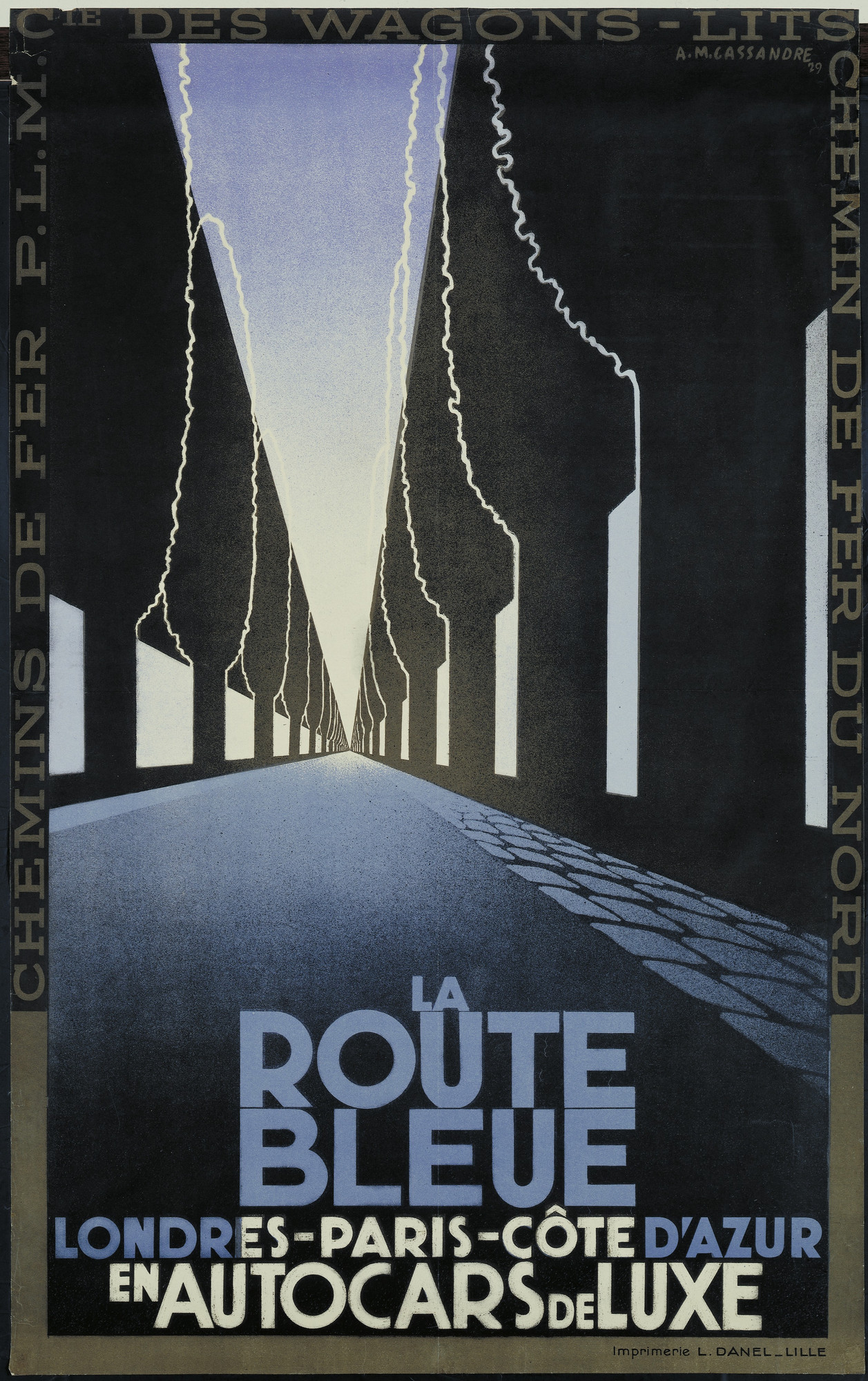
A.M. Cassandre :: La Route Bleu, Londres-Paris-Côte d’Azur en Autocars de Luxe, 1929 | MoMA
A.M. Cassandre :: Fêtes de Paris, 1935. | MoMA
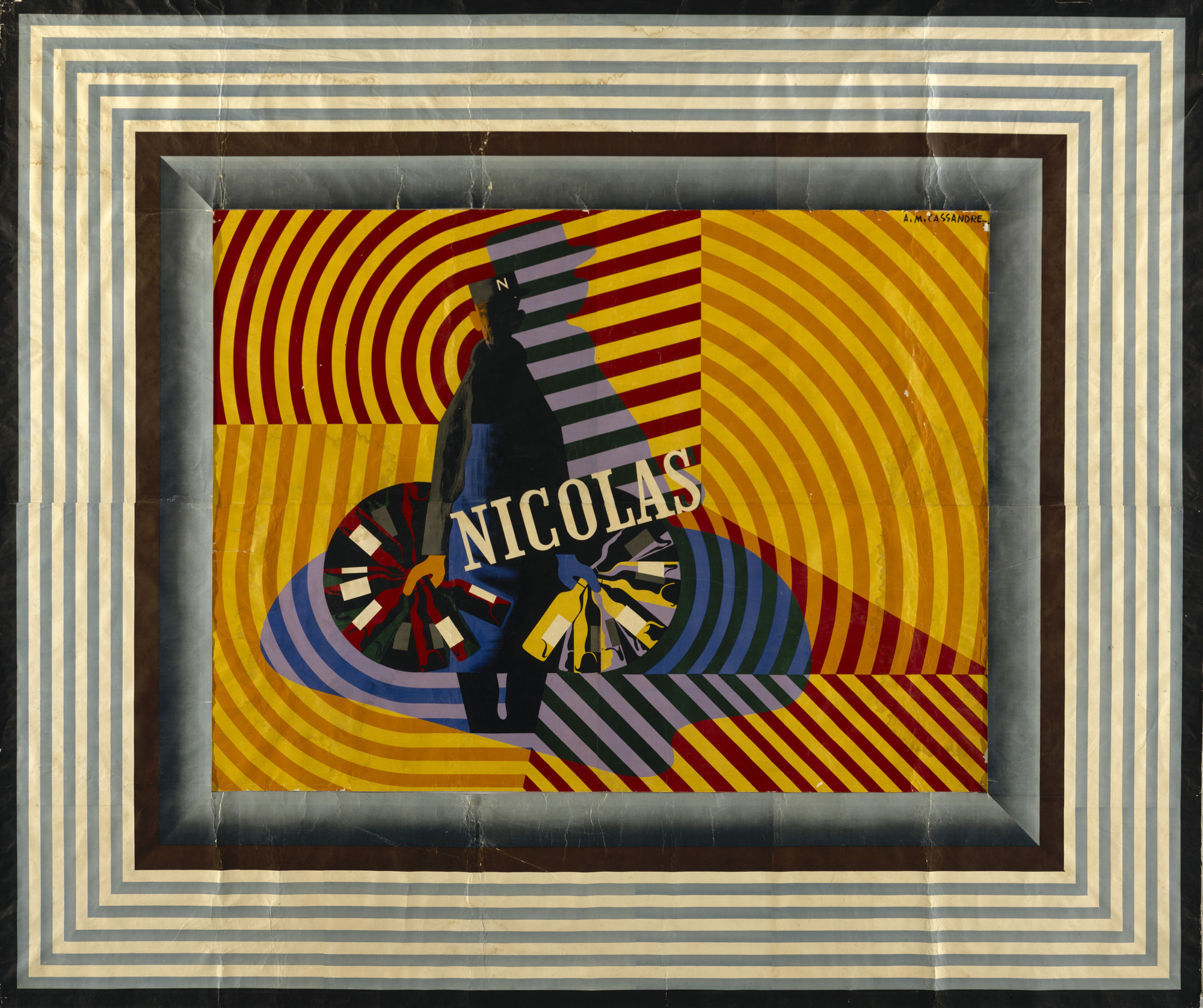
A.M. Cassandre :: Nicolas, 1935 | src MoMA

dans le jardin d’Ernest Cormier

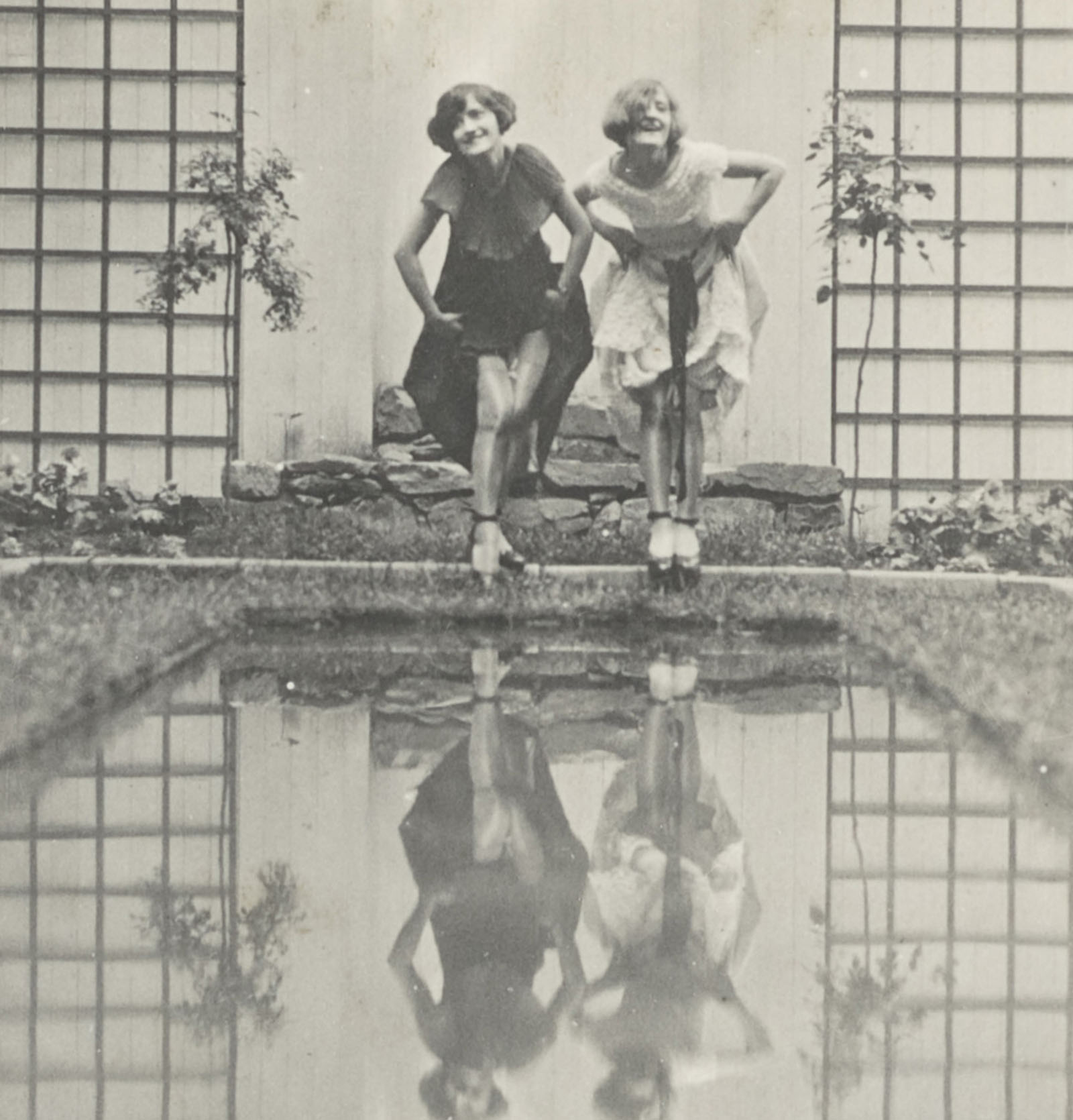
Fernand Préfontaine :: Clorinthe et Cécile Perron posant dans le jardin de l'atelier d'Ernest Cormier, Montréal, 1924. Épreuve à la gélatine argentique. | src Collection du Musée national des beaux-arts du Québec
Fernand Préfontaine :: Clorinthe et Cécile Perron posant dans le jardin de l’atelier d’Ernest Cormier, Montréal, 1924. Épreuve à la gélatine argentique. | src Collection du Musée national des beaux-arts du Québec
Fernand Préfontaine :: Clorinthe et Cécile Perron posant dans le jardin de l'atelier d'Ernest Cormier, Montréal, 1924. Épreuve à la gélatine argentique. | src Collection du Musée national des beaux-arts du Québec
Fernand Préfontaine :: Clorinthe et Cécile Perron posant dans le jardin de l’atelier d’Ernest Cormier, Montréal, 1924. Épreuve à la gélatine argentique. Fonds Fernand Préfontaine. | src Collection du Musée national des beaux-arts du Québec
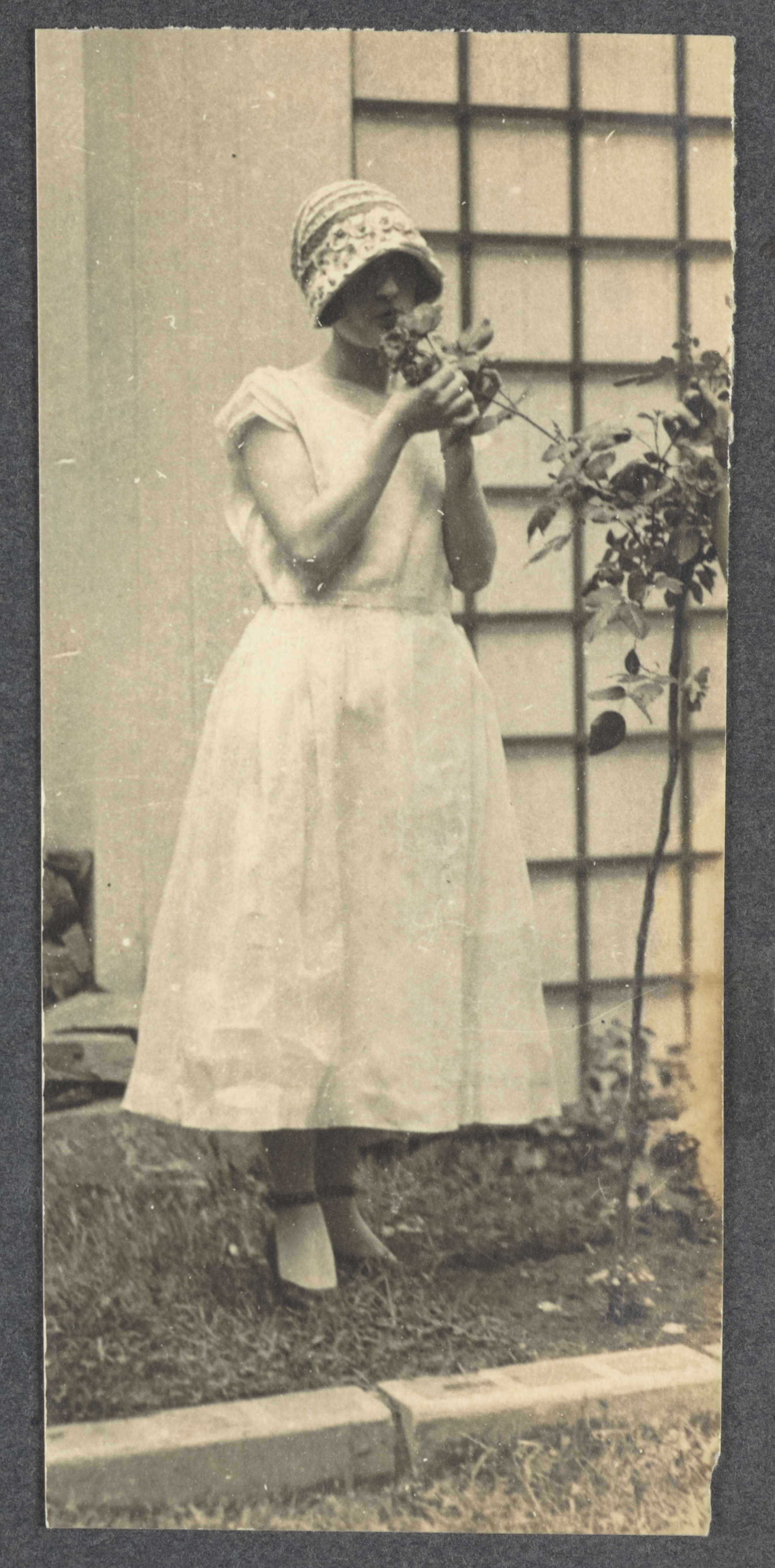
Fernand Préfontaine :: Cécile Perron dans le jardin de l'atelier d'Ernest Cormier, Montréal, 1924. Épreuve à la gélatine argentique 
Collection du Musée national des beaux-arts du Québec
Fernand Préfontaine :: Cécile Perron dans le jardin de l’atelier d’Ernest Cormier, Montréal, 1924. Épreuve à la gélatine argentique
Collection du Musée national des beaux-arts du Québec
Fernand Préfontaine :: Cécile Perron et Adrien Hébert dans le jardin de l'atelier d'Ernest Cormier, Montréal, 1924. 
Collection du Musée national des beaux-arts du Québec
Fernand Préfontaine ::Adrien Hébert et Cécile Perron dans le jardin de l’atelier d’Ernest Cormier, Montréal, 1924.
Collection du Musée national des beaux-arts du Québec
Fernand Préfontaine :: Cécile Perron et Adrien Hébert dans le jardin de l'atelier d'Ernest Cormier, Montréal, 1924. 
Collection du Musée national des beaux-arts du Québec
Fernand Préfontaine :: Cécile Perron et Adrien Hébert dans le jardin de l’atelier d’Ernest Cormier, Montréal, 1924.
Collection du Musée national des beaux-arts du Québec
Fernand Préfontaine :: Cécile Perron dans le jardin de l’atelier d’Ernest Cormier, Montréal, 1924. Épreuve à la gélatine argentique
Collection du Musée national des beaux-arts du Québec

Perron et Sullivan 1948

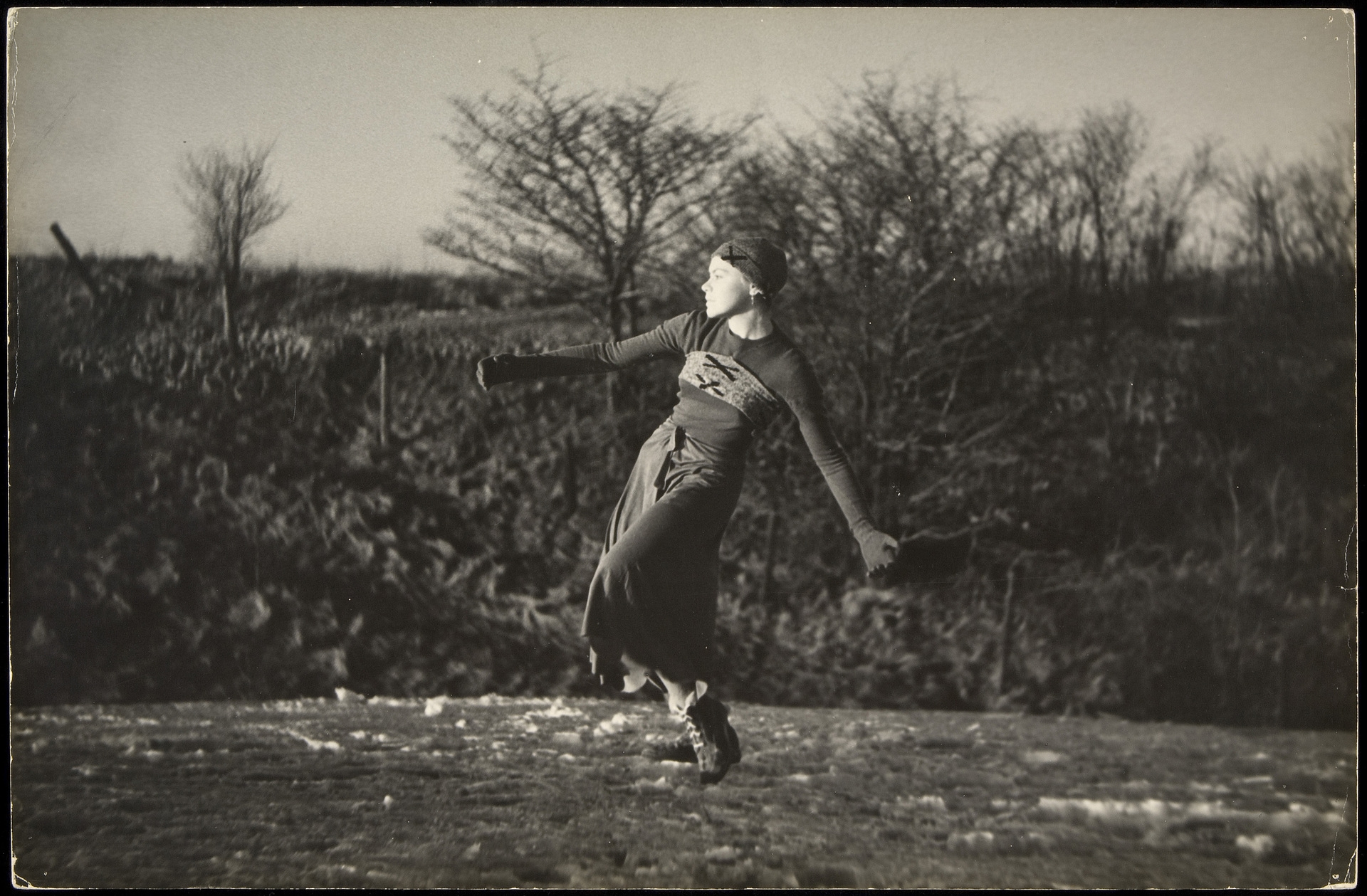
Maurice Perron :: Françoise Sullivan exécutant « Danse dans la neige », février 1948. Montréal (Otterbern-Park) et Mont-Saint-Hilaire (Québec), Canada
Maurice Perron :: Françoise Sullivan exécutant « Danse dans la neige », février 1948. Montréal (Otterbern-Park) et Mont-Saint-Hilaire (Québec), Canada. | src Musée national des beaux-arts du Québec
Maurice Perron :: Françoise Sullivan exécutant « Danse dans la neige », février 1948. Montréal (Otterbern-Park) et Mont-Saint-Hilaire (Québec), Canada. | src Musée national des beaux-arts du Québec
Maurice Perron & Françoise Sullivan :: « Danse dans la neige », de la maquette du manifeste « Refus global » [manifeste du groupe des Automatistes], février 1948. | src Musée national des beaux-arts du Québec

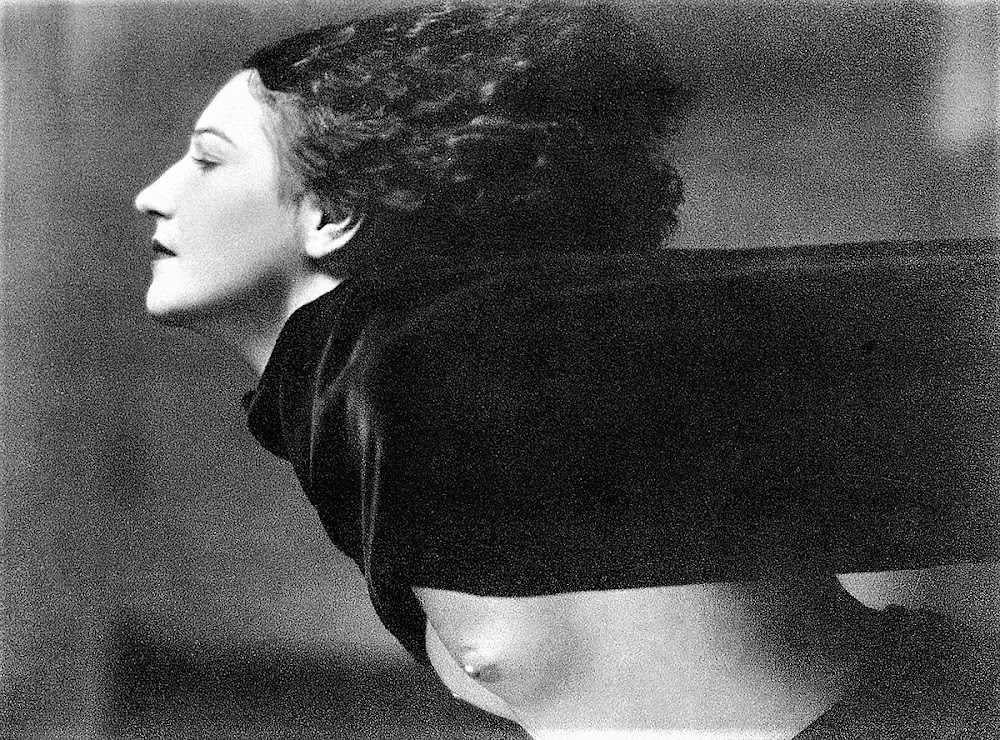
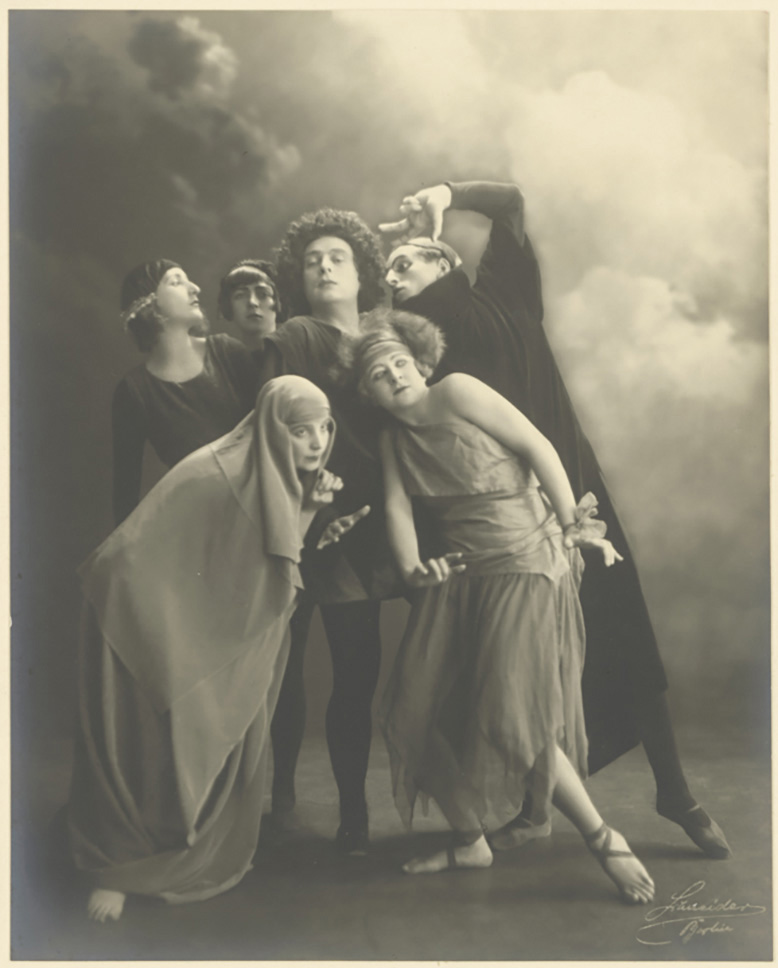
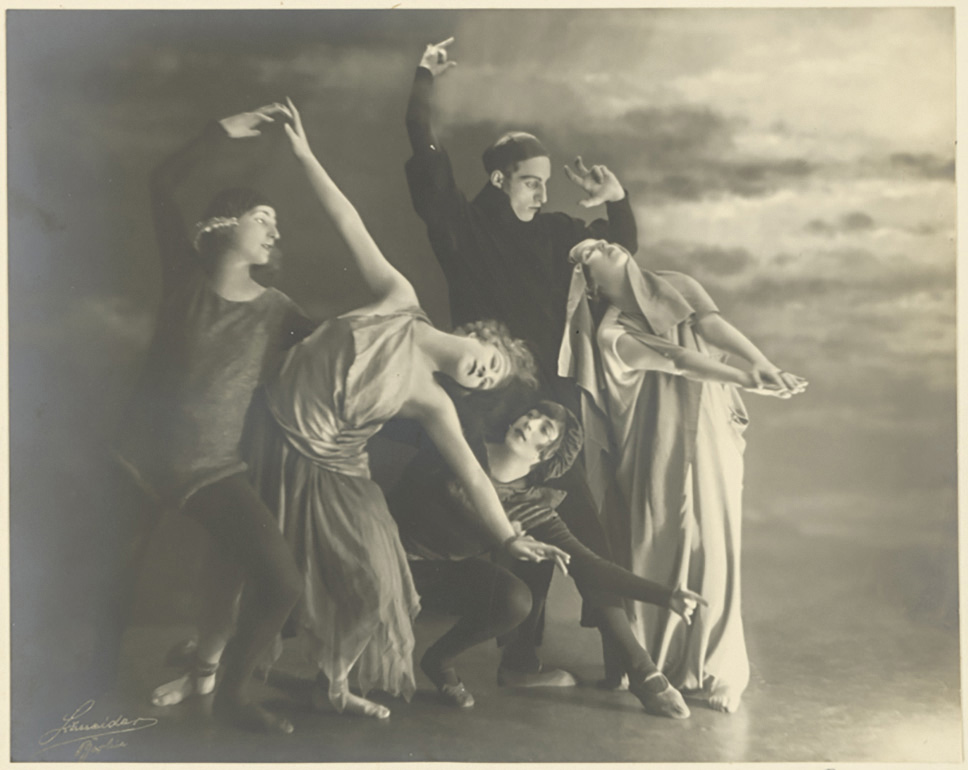
Laban Tanzschule von Schneider

Ernst Schneider :: Tanzbühne Rudolf von Laban: Narrenspiegel, 1926. | src Staatliche Museen zu Berlin, Kunstbibliothek
Ernst Schneider :: Dance scene von Rudolf von Laban: Fool’s Mirror, 1926. | src Staatliche Museen zu Berlin, Kunstbibliothek
Ernst Schneider :: Tanzbühne Rudolf von Laban: Narrenspiegel, 1926. | src Staatliche Museen zu Berlin, Kunstbibliothek