


images that haunt us
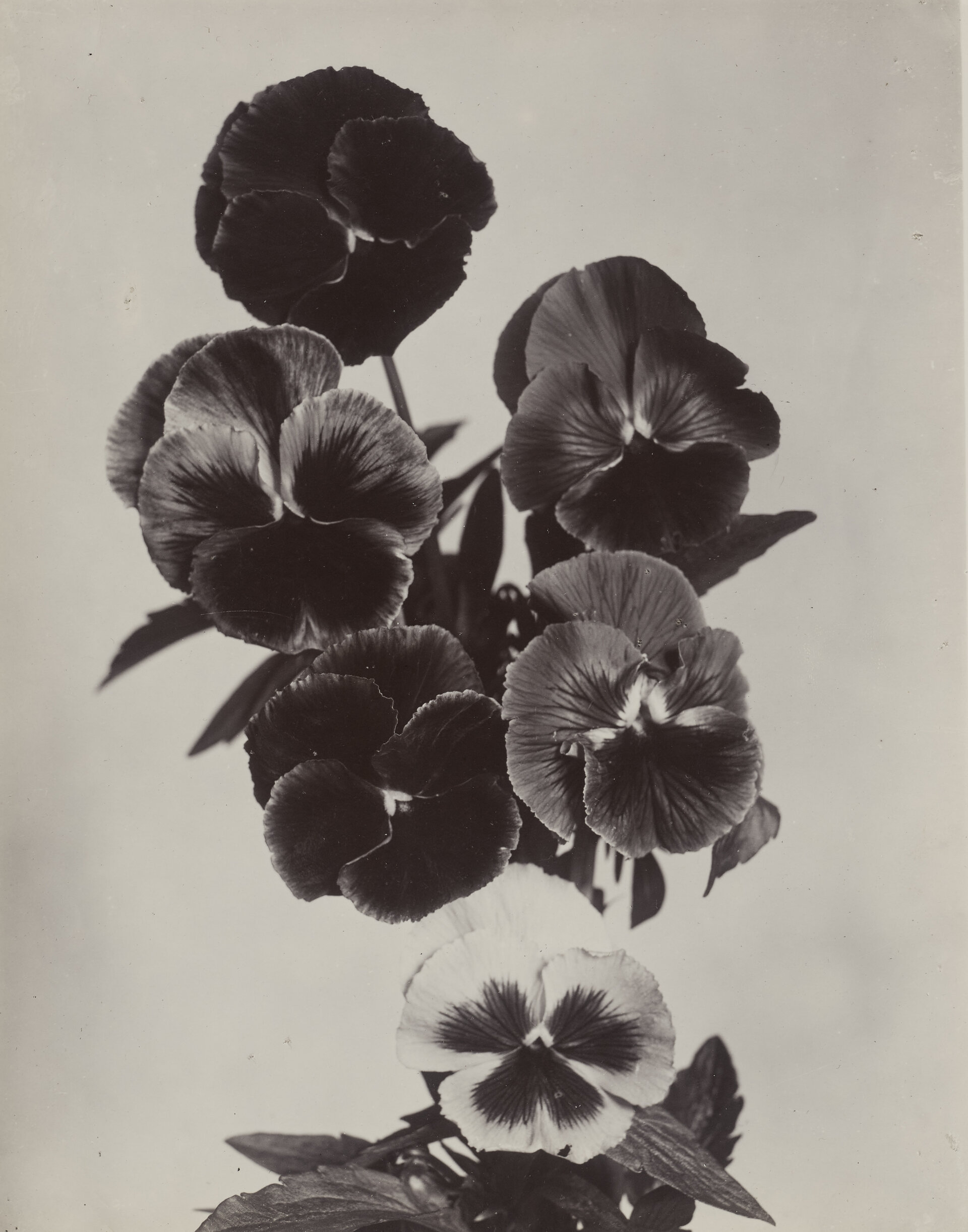
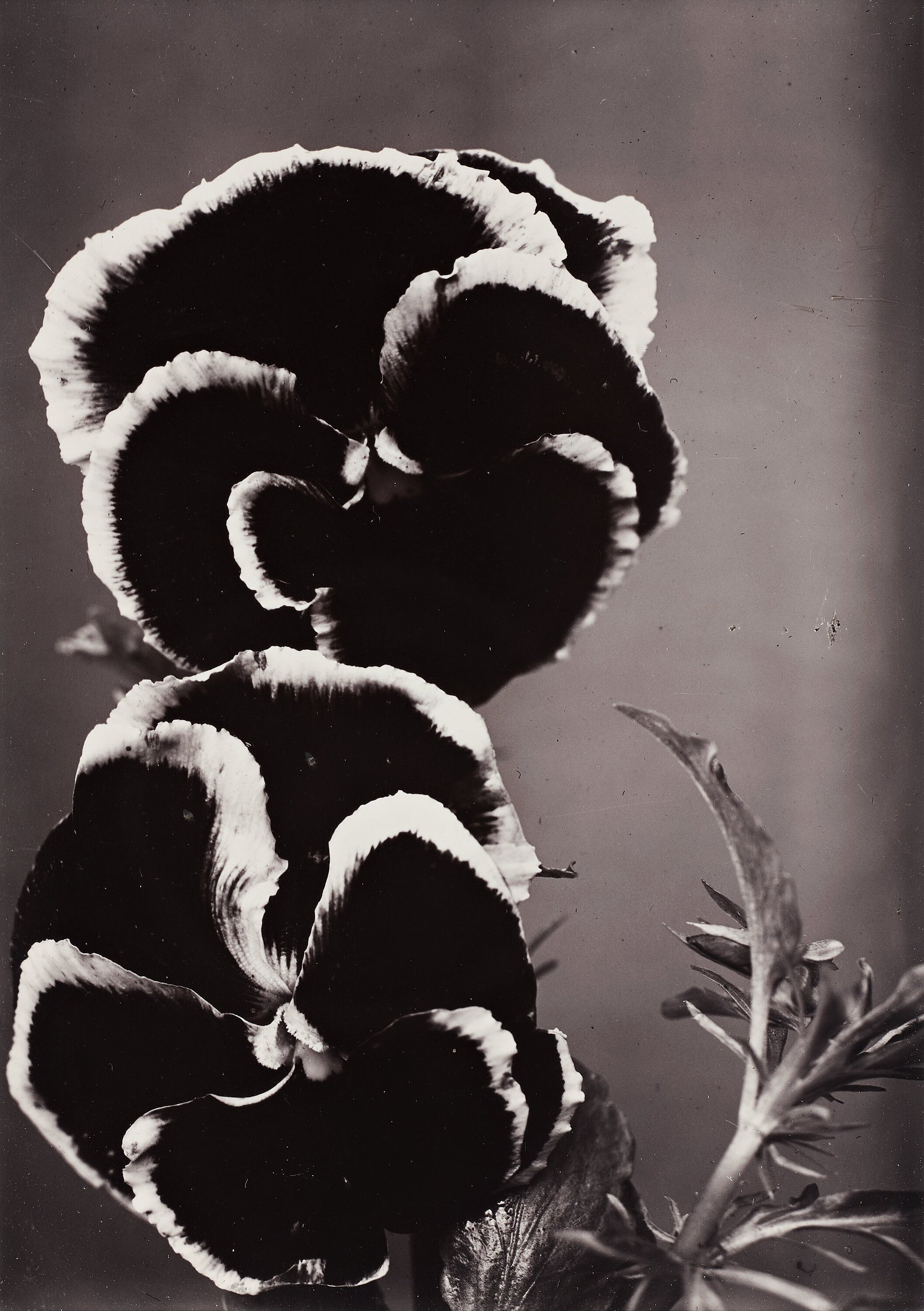
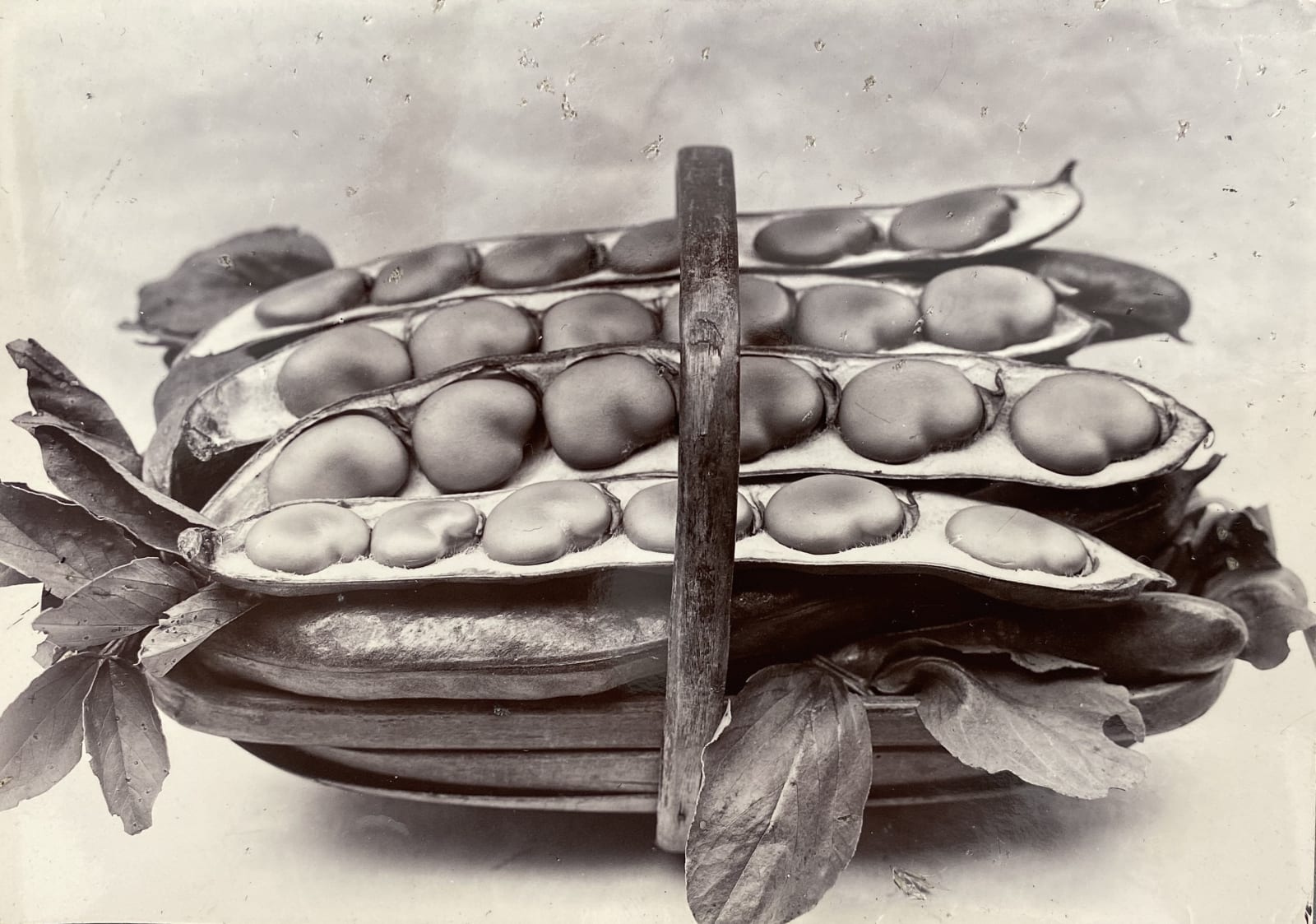

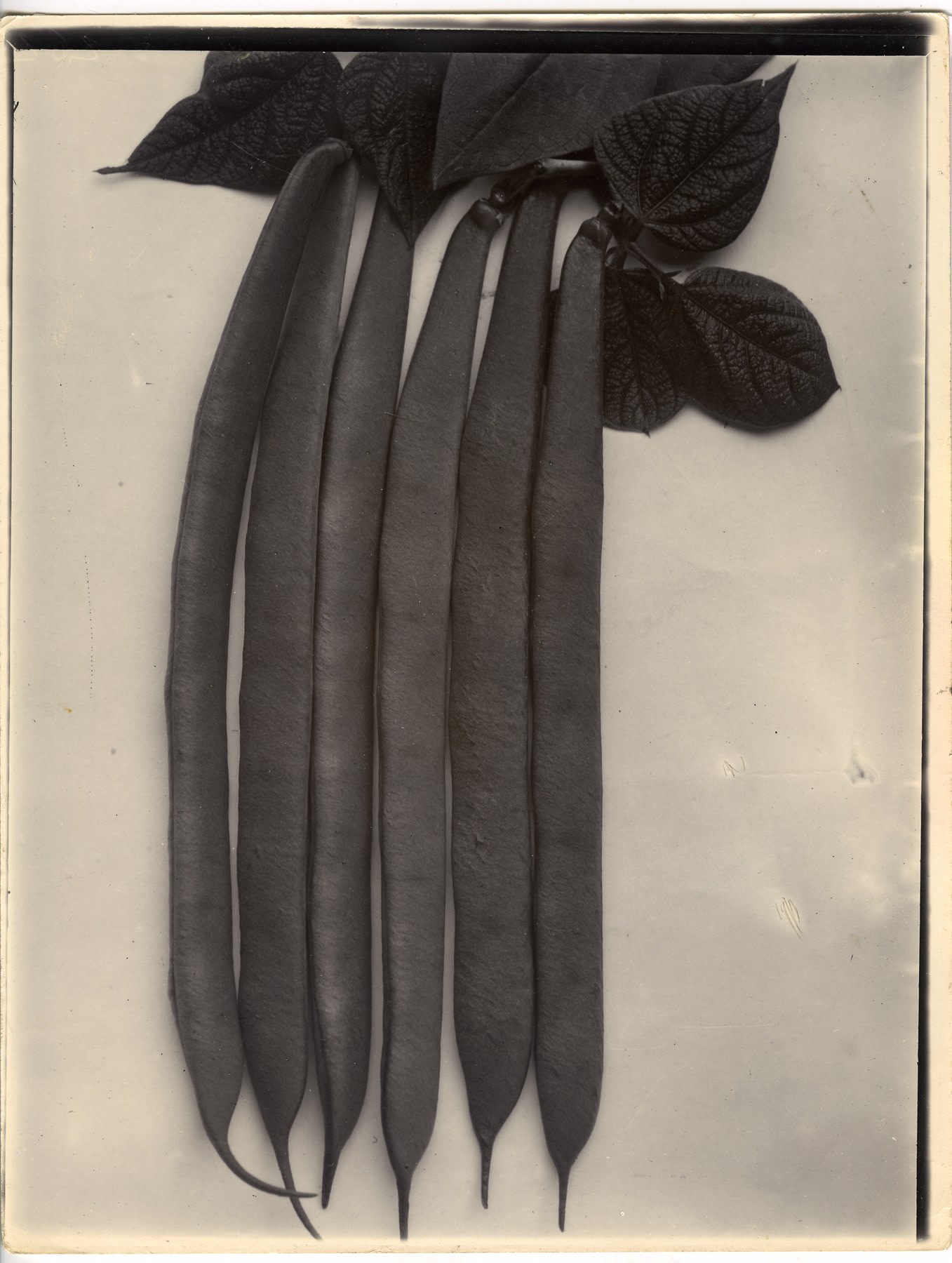
Charles Jones was an English gardener and plantsman, who worked on private estates in the 1890s. As if they were carefully crafted objects, he diligently photographed the vegetables, fruit and flowers he grew. In the era of the supermarket, they appear as a eulogy to a lost time of intimacy between producer and product, the simplicity of the forms paralleling a seemingly less complex age. Although his work wasn’t discovered until 1984 (in Bermondsey market by Sean Sexton), his life’s work is now considered to be on a par with the spare, modernist photographs of Karl Blossfeldt’s flowers and Edward Weston’s vegetables. All his negatives would have been glass and each gold toned print would have taken many hours to complete, the prints are beautiful and unique and show an adept hand in what was a very complex ‘hobby’. His work is in public institutions worldwide. [quoted from Michael Hoppen Gallery]
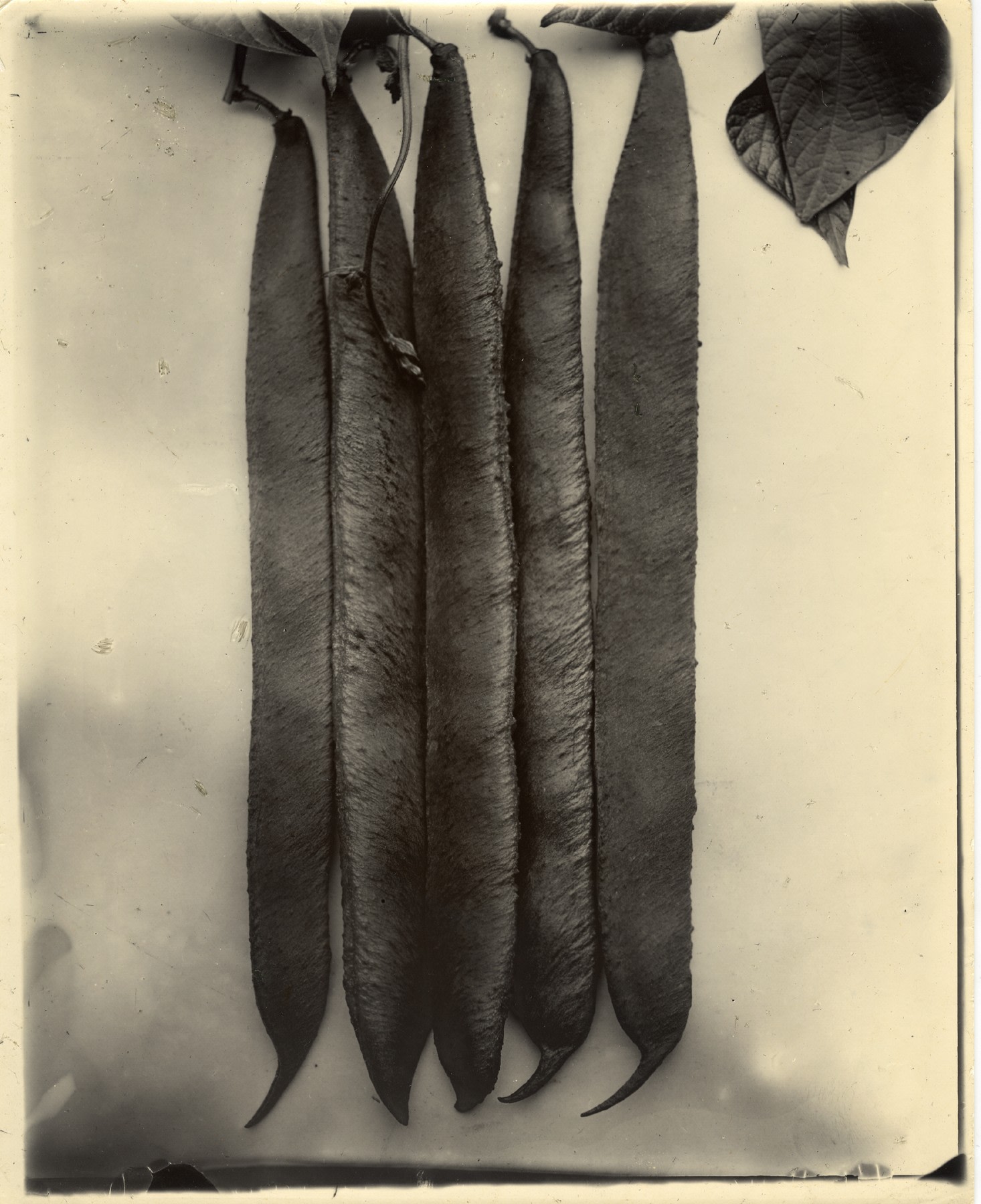
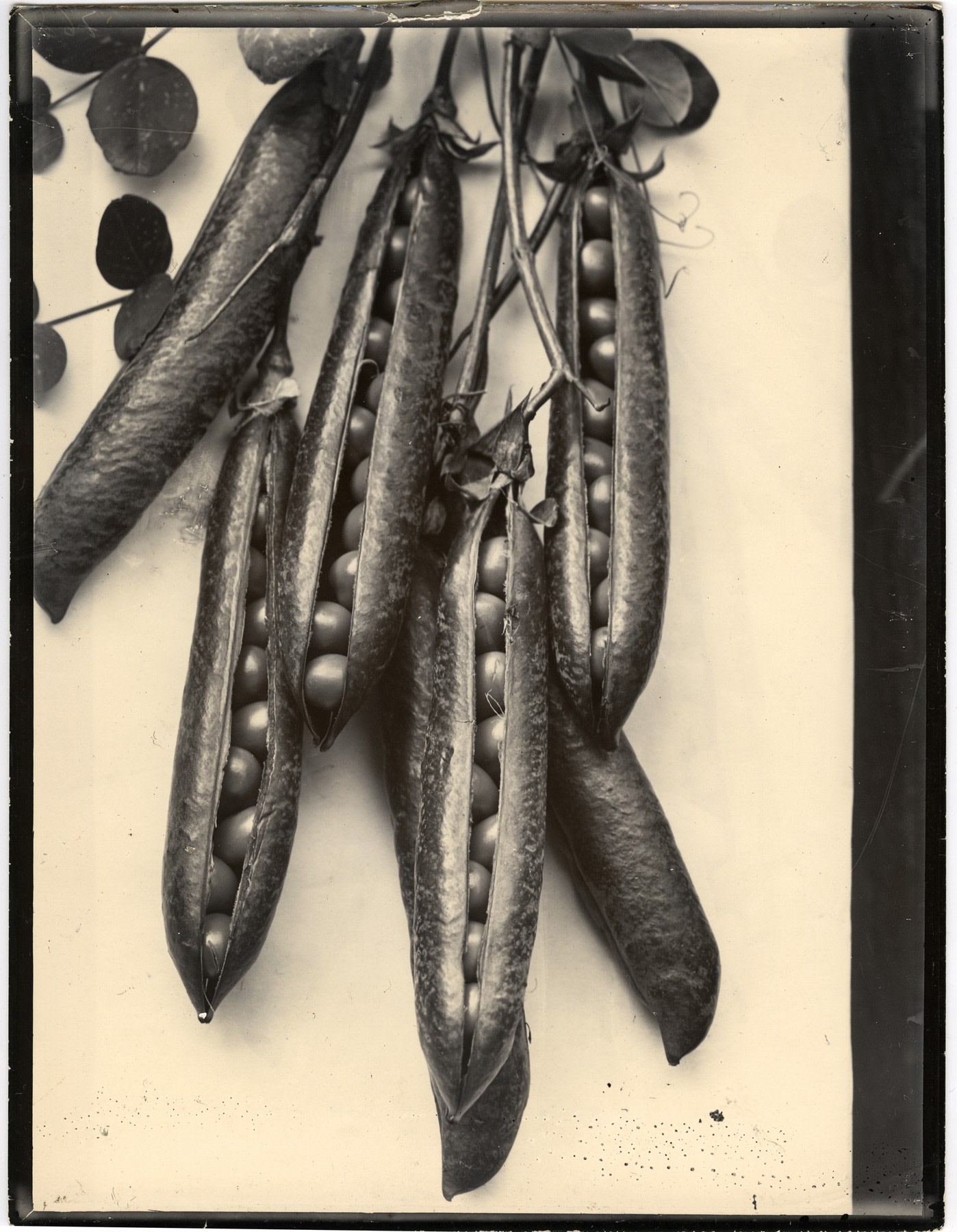

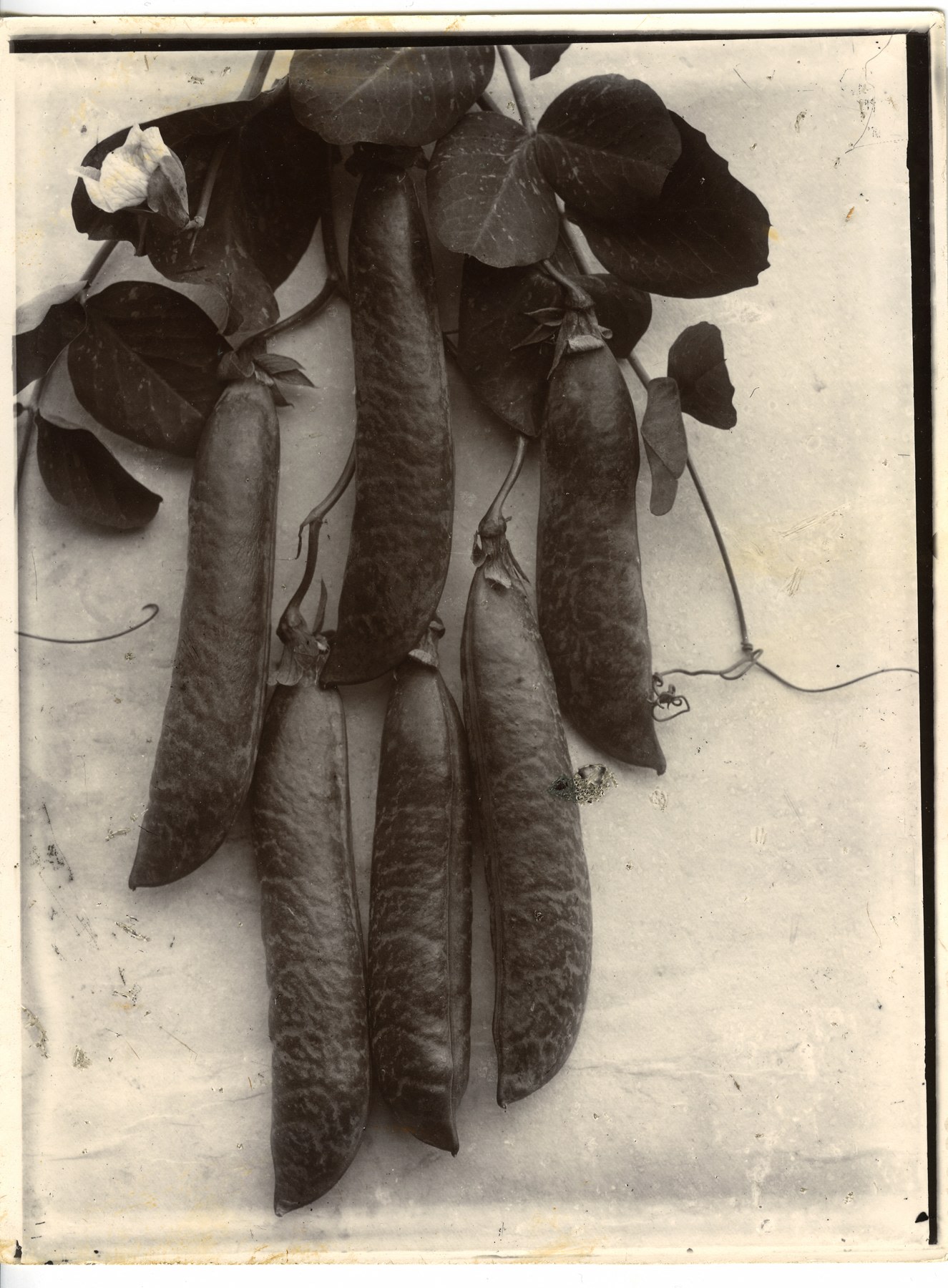
Howard Greenberg Gallery is pleased to announce an exhibition of still life photographs by British born Charles Jones. Viewed as a proto-Modernist and outsider artist, Jones, a humble English gardener and photographer working at the turn of the 20th century, is one of art’s most mysterious and recent discoveries. Jones’ work came to light in 1981, when discovered in a trunk at an antiques market in London. The only clue to the identity of the photographer were the initials “C.J.” or sometimes the signature “Charles Jones” that was scrawled on the backs of the prints along with fastidious notations giving the precise name of each of the subjects. But the story of the photographer remained unknown until a woman, seeing the photographs on BBC television, identified them as the work of her grandfather, a gardener who worked at several private estates between the years 1894 and 1910. [quoted from HGG]

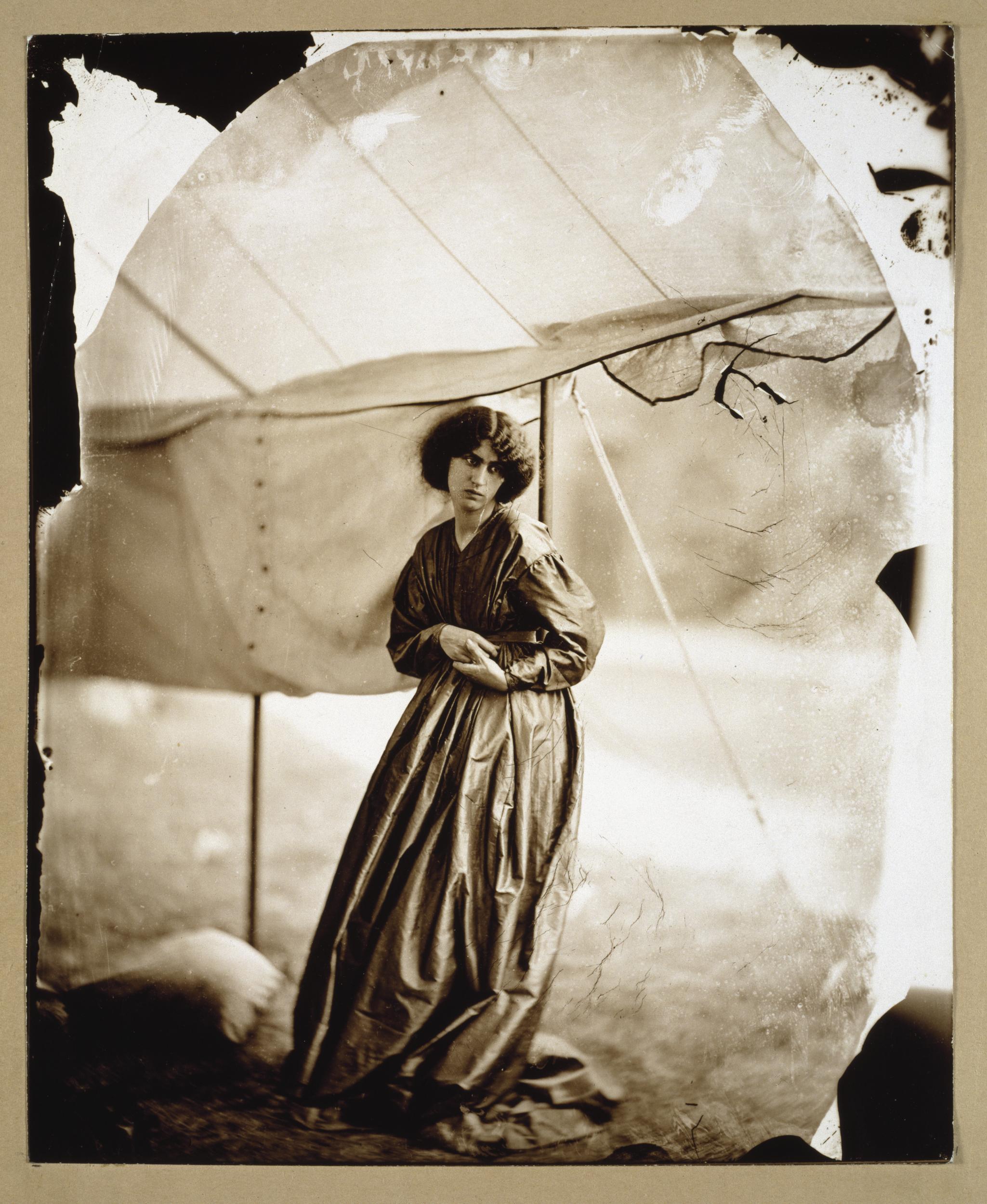
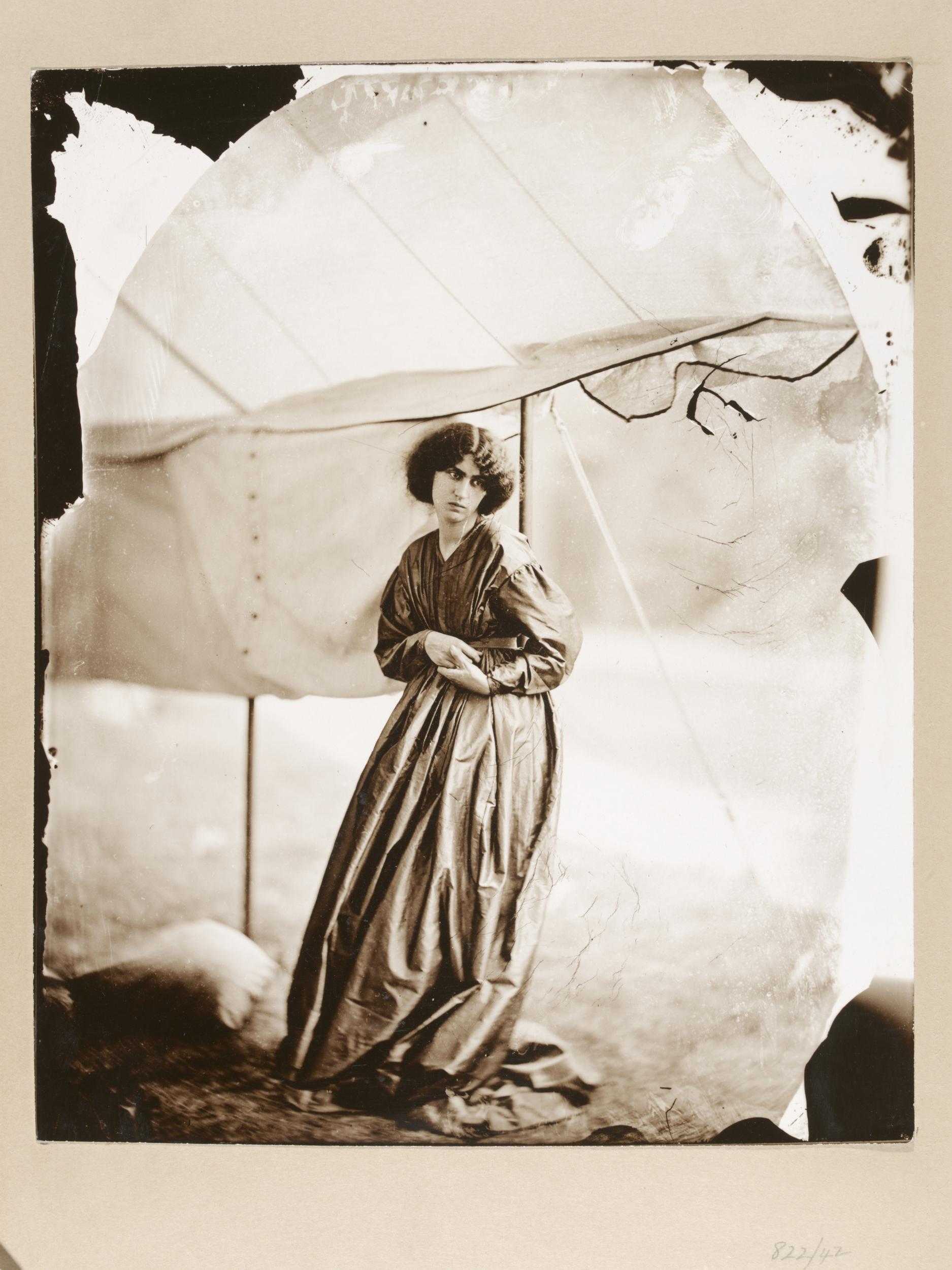
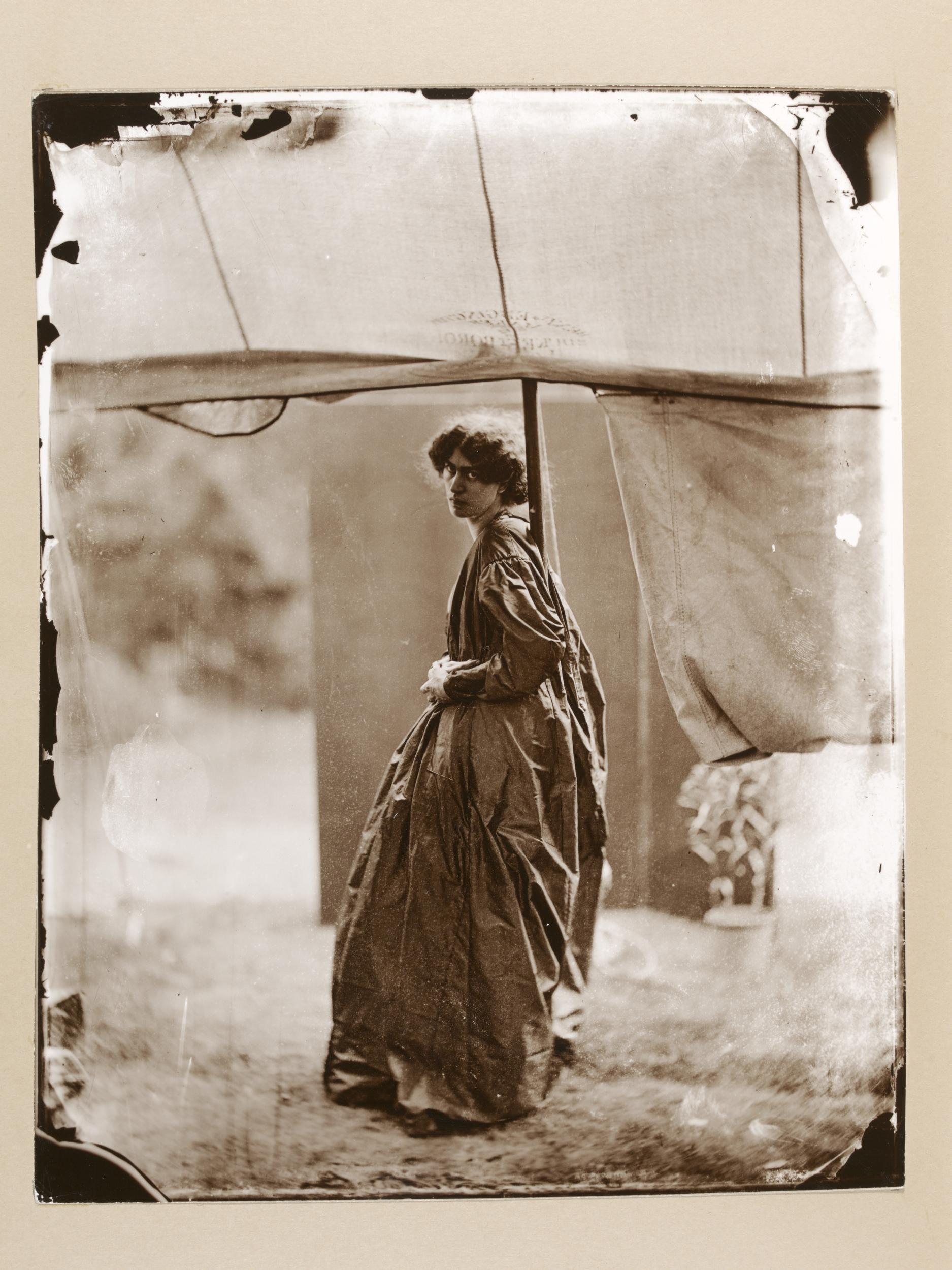
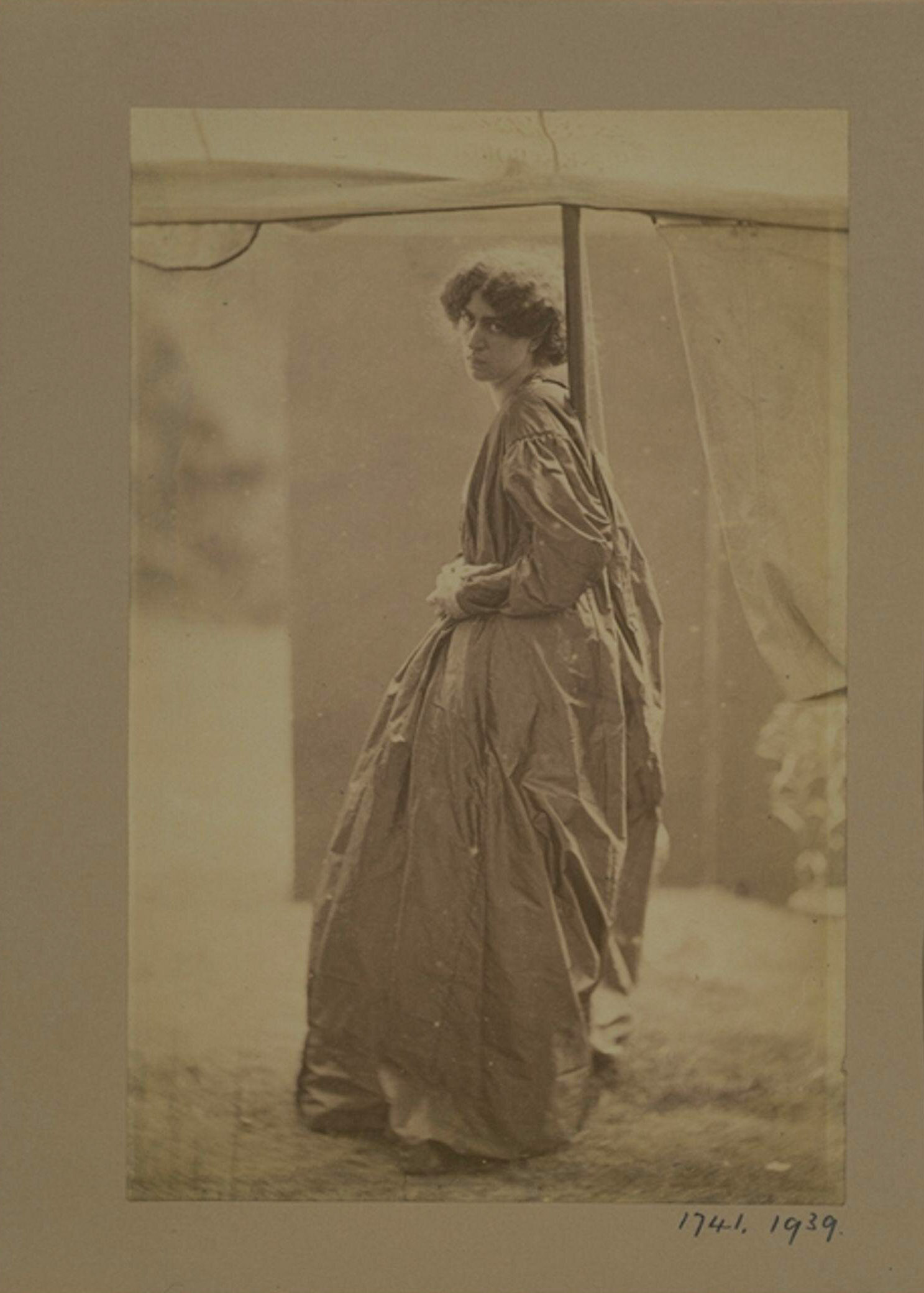
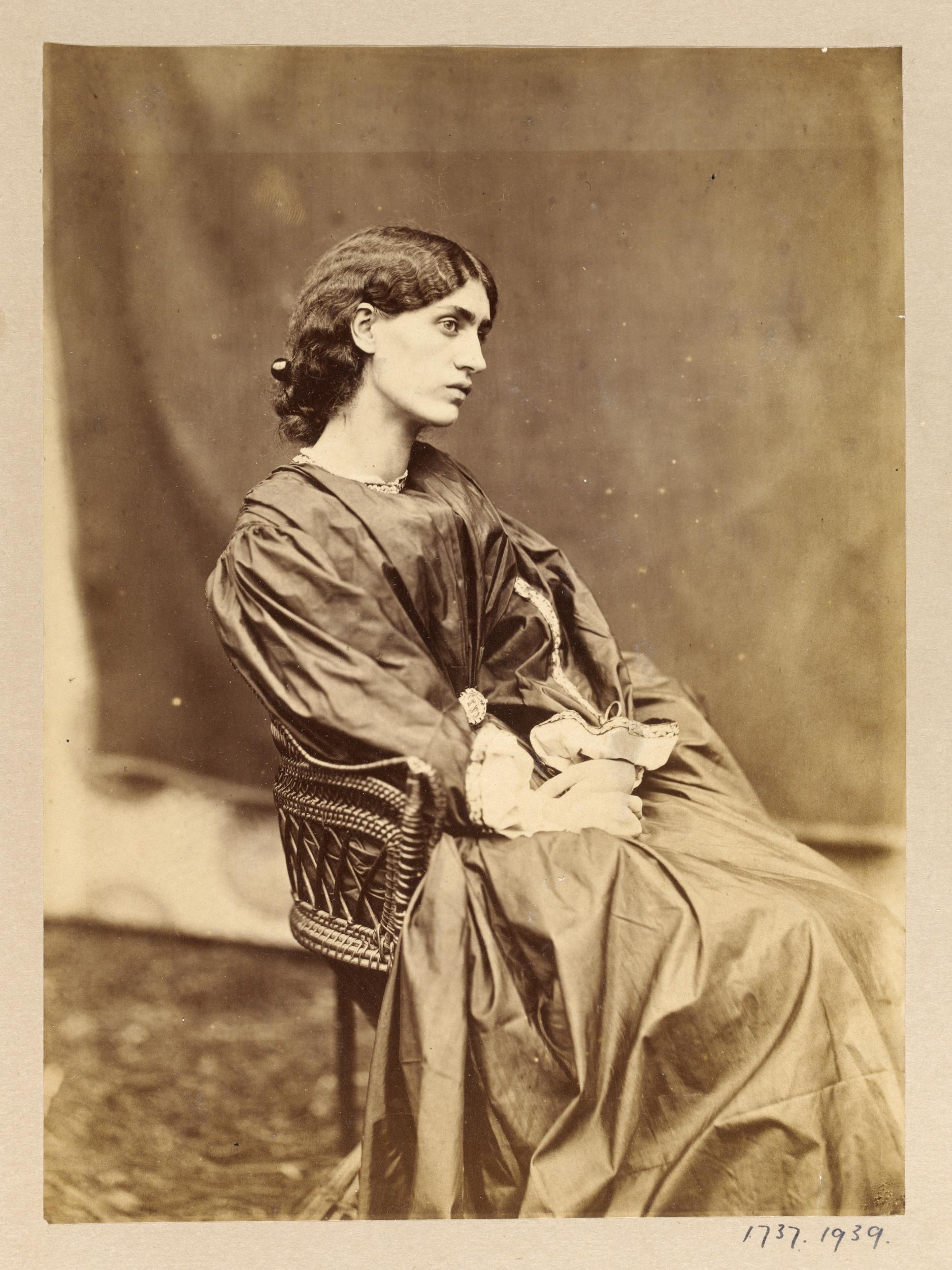
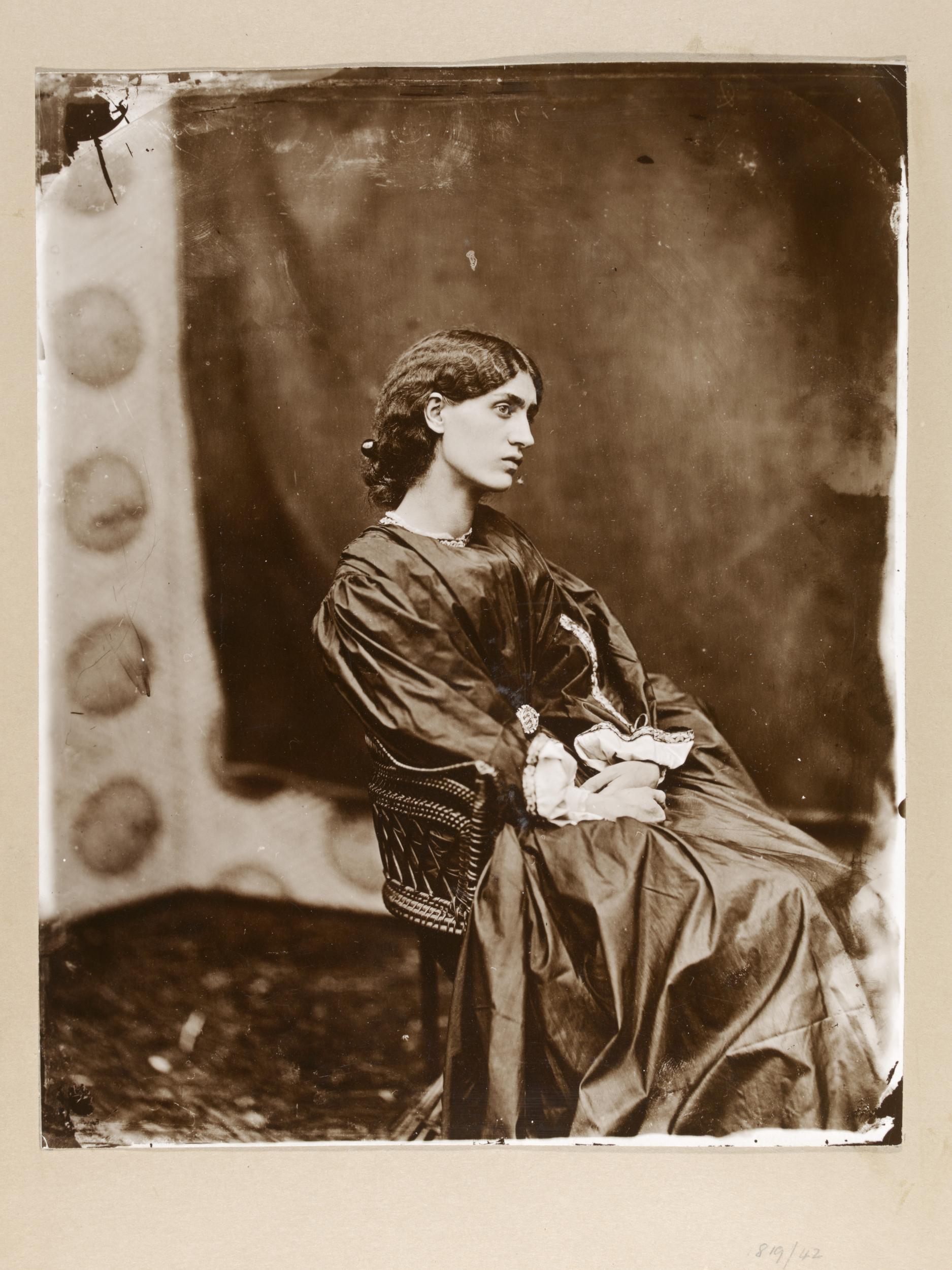
As with a number of photographs in the Jane Morris series, at least three copies of this pose survive, one print in the Birmingham City Museum and Art Gallery, this copy (two prints done around 1930, differing in exposition), and another also in the Victoria and Albert Museum’s Album of Portraits of Mrs. William Morris (Jane Burden). Posed by Rossetti, 1865 .
This picture is one of the most remarkable in the series, especially the two prints that are preserved in the Victoria and Albert album. Mrs. Morris is posed outdoors against the backdrop of a billowing canopy, with her hands clasped at her midriff. She is turned facing the camera, though she looks away to the right. The other V&A print [image # 3] is cropped down from the original negative, as is the Birmingham copy. The modern prints shows the composition of the original negative and is far the more dramatic and dynamic image, though the cropped version is also interesting and effective, not least because of certain ghostly internal “framing” effects (these appear on several other of the pictures in the series). The Birmingham print, which is a replica of the cropped version, does not display this framing effect.
This pose is very close in style to another pose also composed outdoors in the marquee [images # 4, 5, and 6].
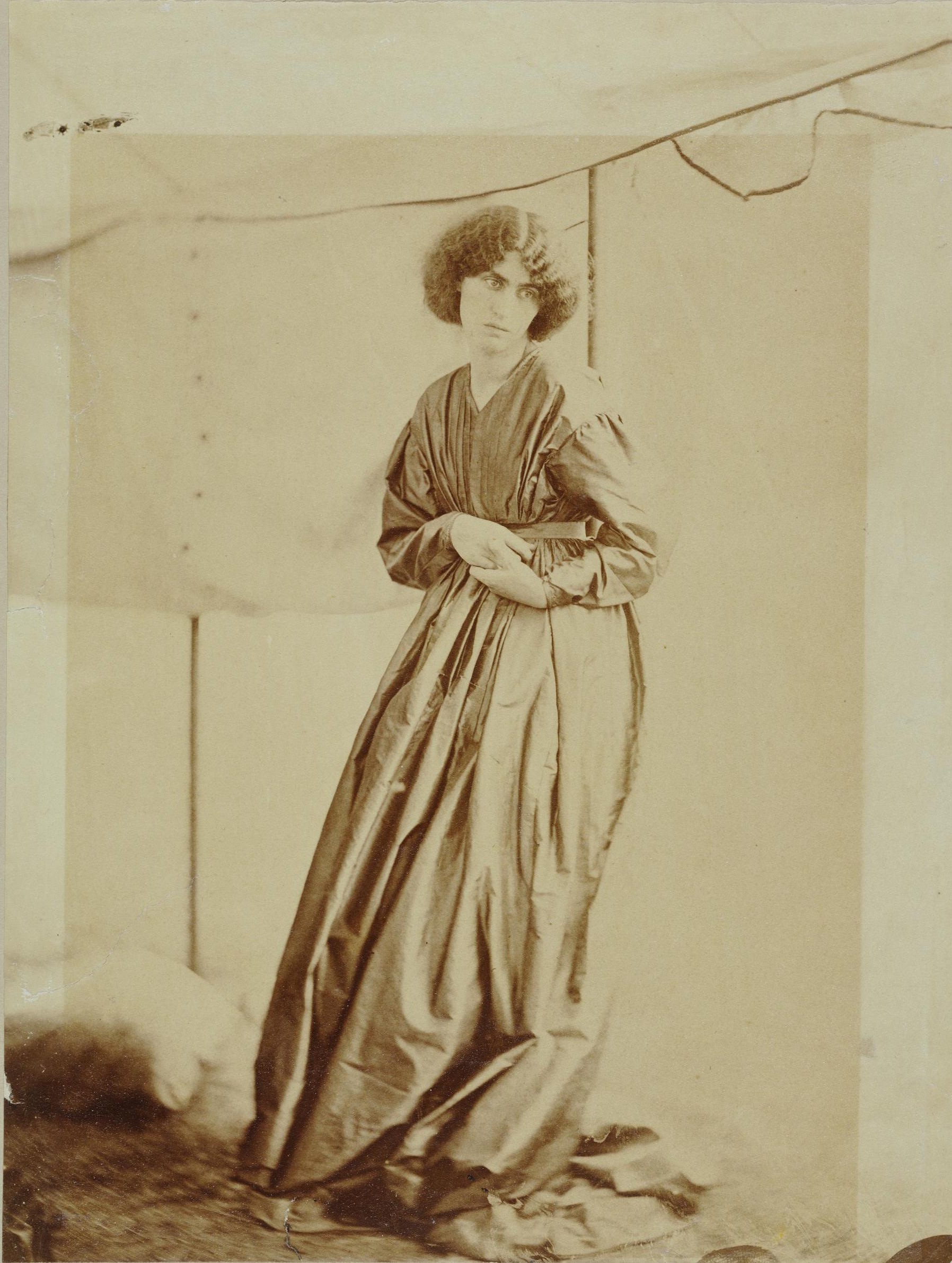
This pose is closely related to the previous one in which Mrs. Morris is outdoors under a marquee and against a white backgroup, with her hands clasped at her midriff. In this pose her body is turned to the left but her face is turned directly at the camera. As in the related pose, this exists in two printed states, one that shows a billowing canopy, the other that is cropped close. The cropped print is much less dramatic. The uncropped picture is in fact a modern print made when Gordon Bottomly was putting together the album of photographs that house all of the Victoria and Albert prints.
The Victoria and Albert Museum has two other prints of this picture. The Museum records identify the cropped print as an original, the other as a modern copy. Of course all the copies of the uncropped version ultimately derive from an original 1865 negative, and in fact it is these copies that show the negative’s original compositional structure.


Mrs. Morris standing facing right, outdoors against a black backdrop in front of a white cloth. The image is particularly startling because it contains two ghostly framing areas around Mrs. Morris, as we see in several other prints from this picture series (notably Jane Morris standing, in marquee: two sets of thee images each, discussed previously). These effects were generated subsequent to the shoot. They are due to the deterioration of the wet collodion negatives during handling.


Mrs. Morris stands outdoors, her back to the camera, her head turned to the right over her shoulder showing her profile. On the wicker chair to her left a shawl is draped. The only background is the garden vegetation, which is out of focus. A copy, cropped and printed darker, is the print made in 1865 [image above].

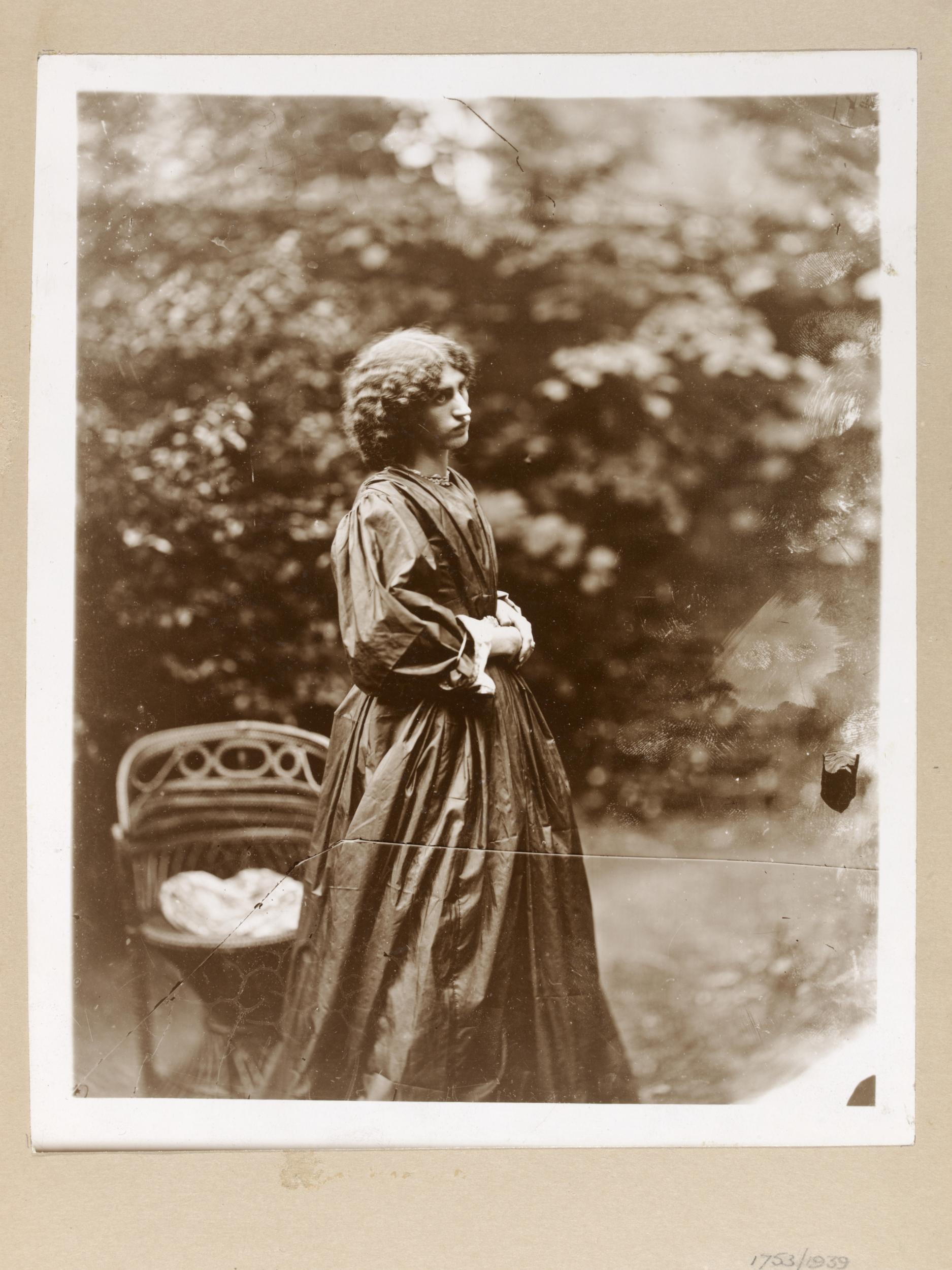
Mrs. Morris outdoors, standing in front of wicker chair and turned at an angle toward the camera. Her hands are at her midriff. The shot is a variation on Jane Morris standing beside wicker chair [the two images previously discussed]. In this picture the shawl lies on the chair seat and is not draped over the chair.

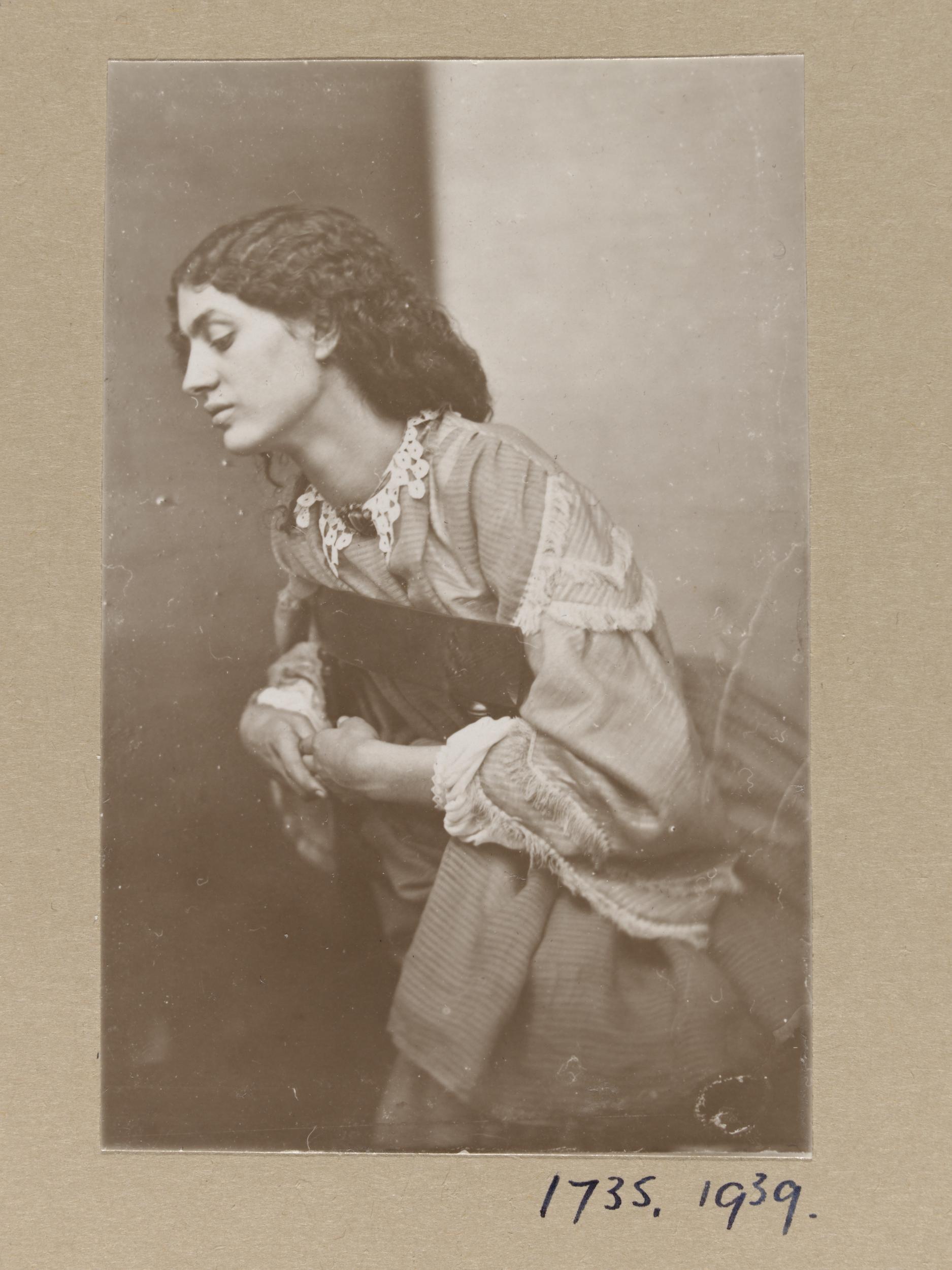
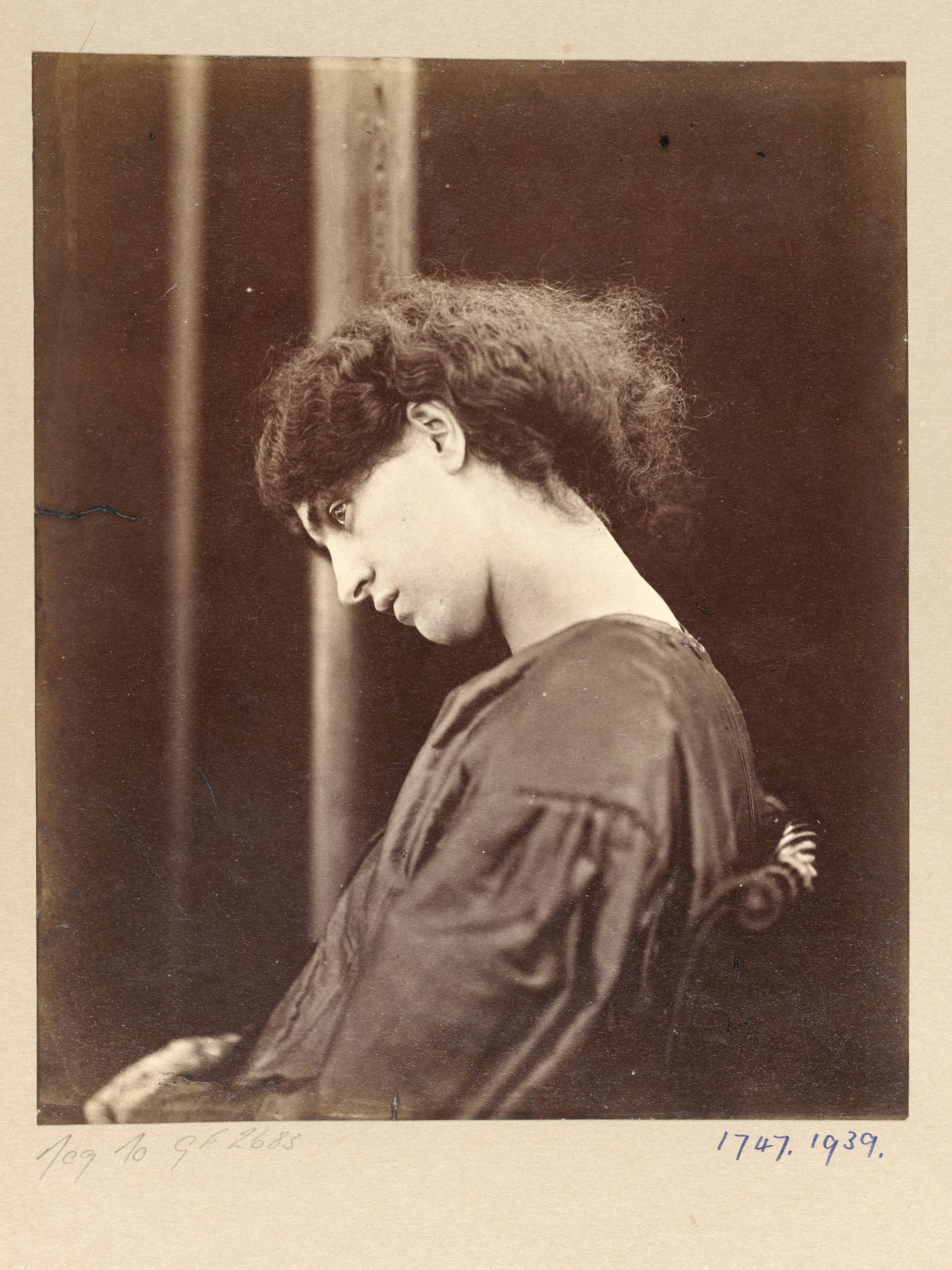
This is a print made in 1865. Mrs. Morris stands outdoors facing right with her head lowered. Her hands, at her midriff, hold a spray of foliage. The only background is the garden vegetation, which is out of focus. A second print [image below], less cropped and printed darker, is identified in museum records as a modern copy made from the 1865 original negative.
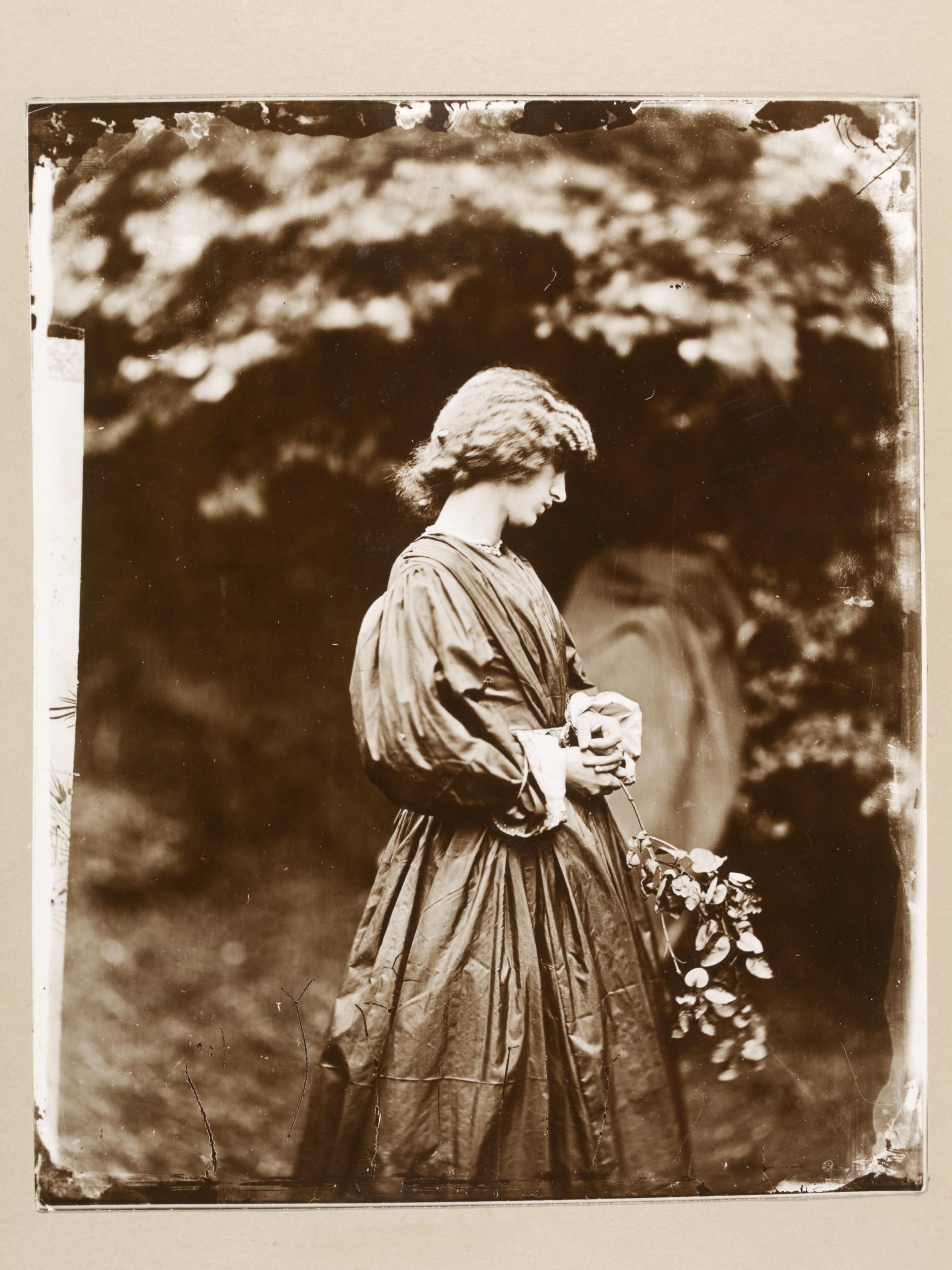
All images are from the book : Album of Portraits of Mrs. William Morris (Jane Burden) Posed by Rossetti, 1865. Composed by Gordon Bottomly in 1933
source of images V&A Museumsource of text Rossetti Archive
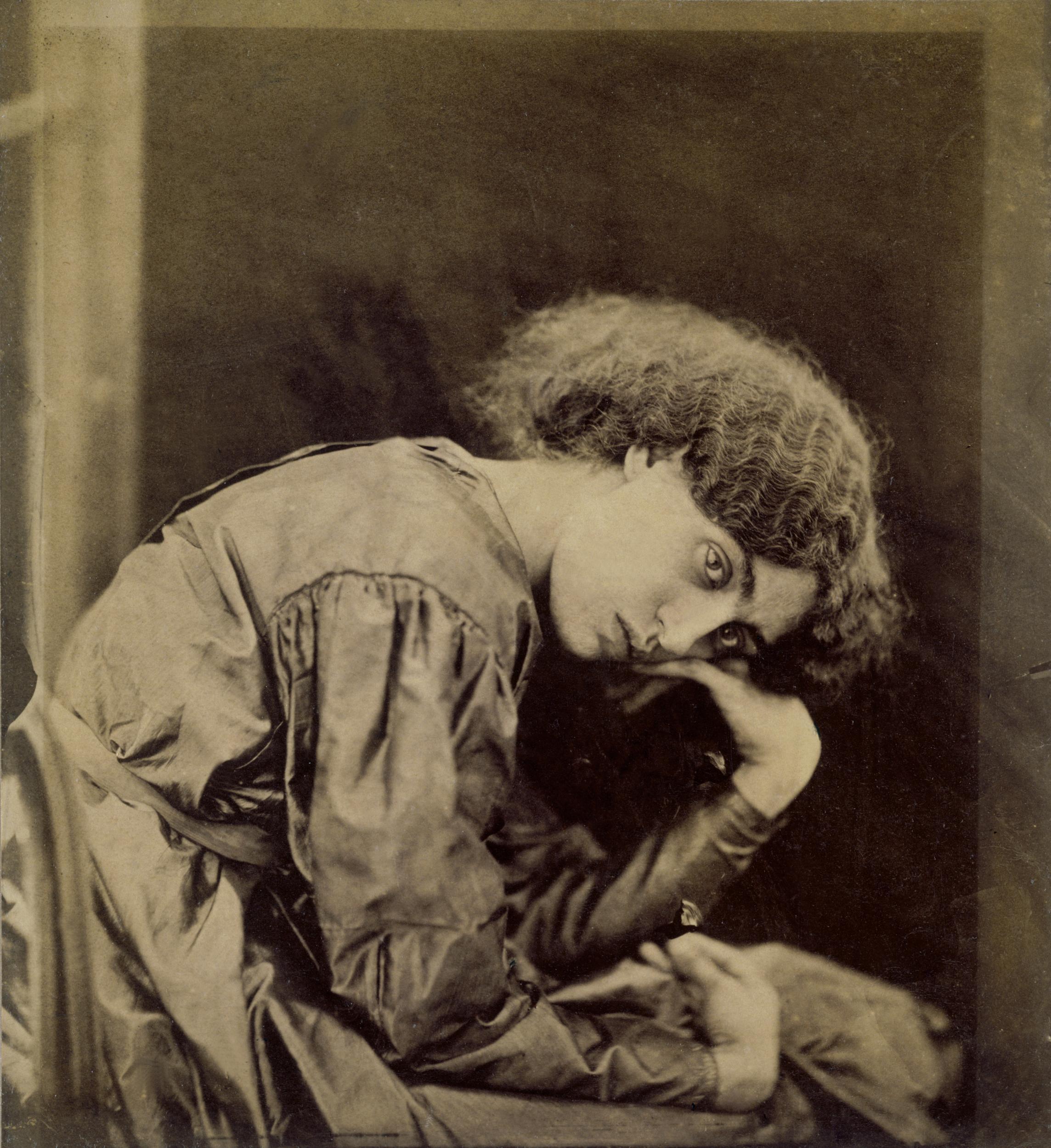
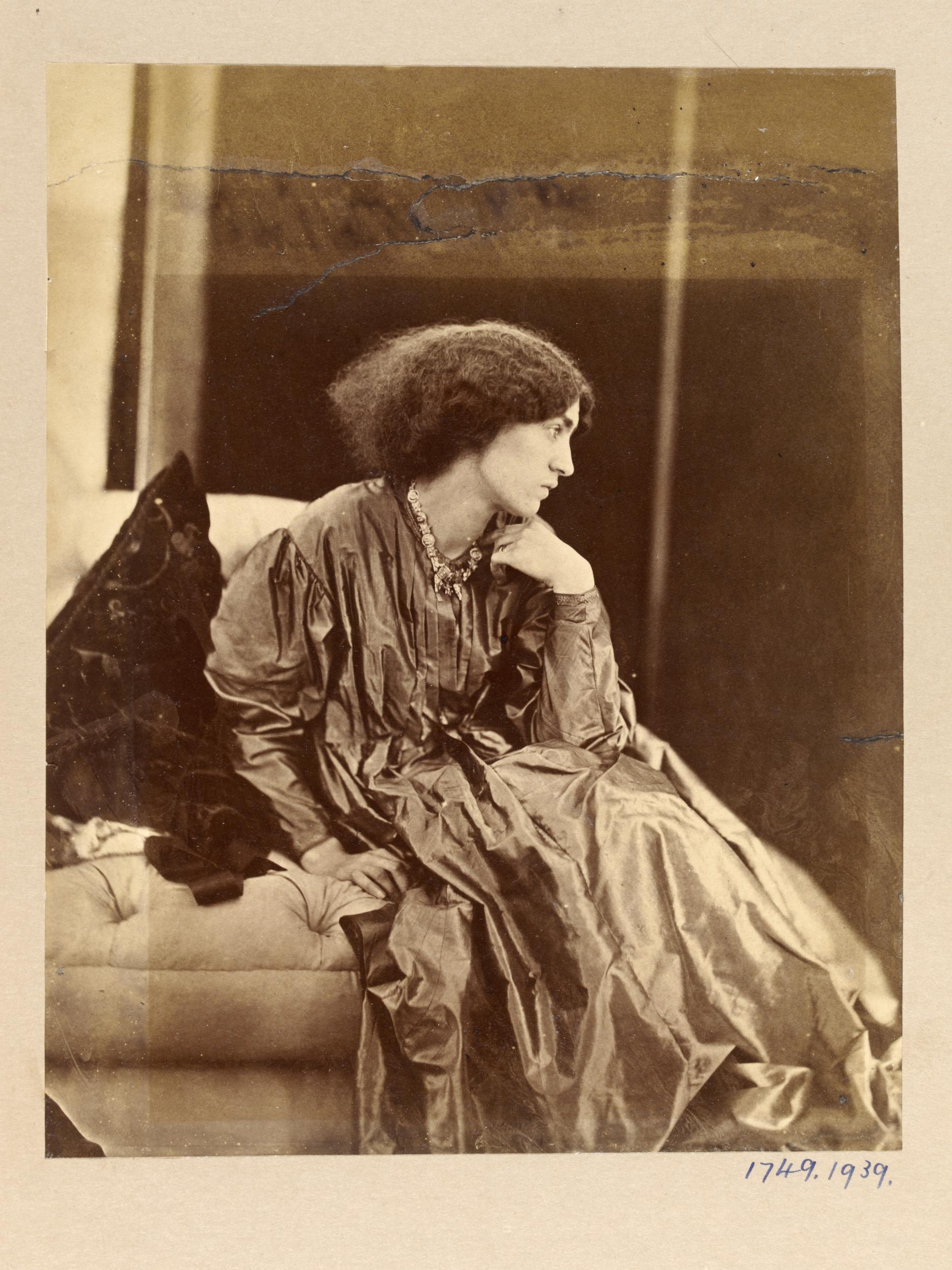
Jane Morris seated, leaning forward with her head turned to the right, resting on her hand, and facing the viewer. DGR posed her in this striking posture and later recurred to the composition in his painting Reverie, done in 1868; the sitter was again Jane Morris.
All images in this post are from: Album of Portraits of Mrs. William Morris (Jane Burden) Posed by Rossetti, 1865. Composed by Gordon Bottomly in 1933
This book is an album of photographic prints that were made from photographs shot by John Parsons under Rossetti’s directions. All the photos seem to have been shot on 7th June 1865 at Rossetti’s house on Cheyne Walk. Most of the shots were taken outdoors, in the garden [where a marquee was set], but two were made indoors in the parlor. Some of the prints are original (dating back from 1865), some were made later as an effort to preserve the images, which were seen to be fading.

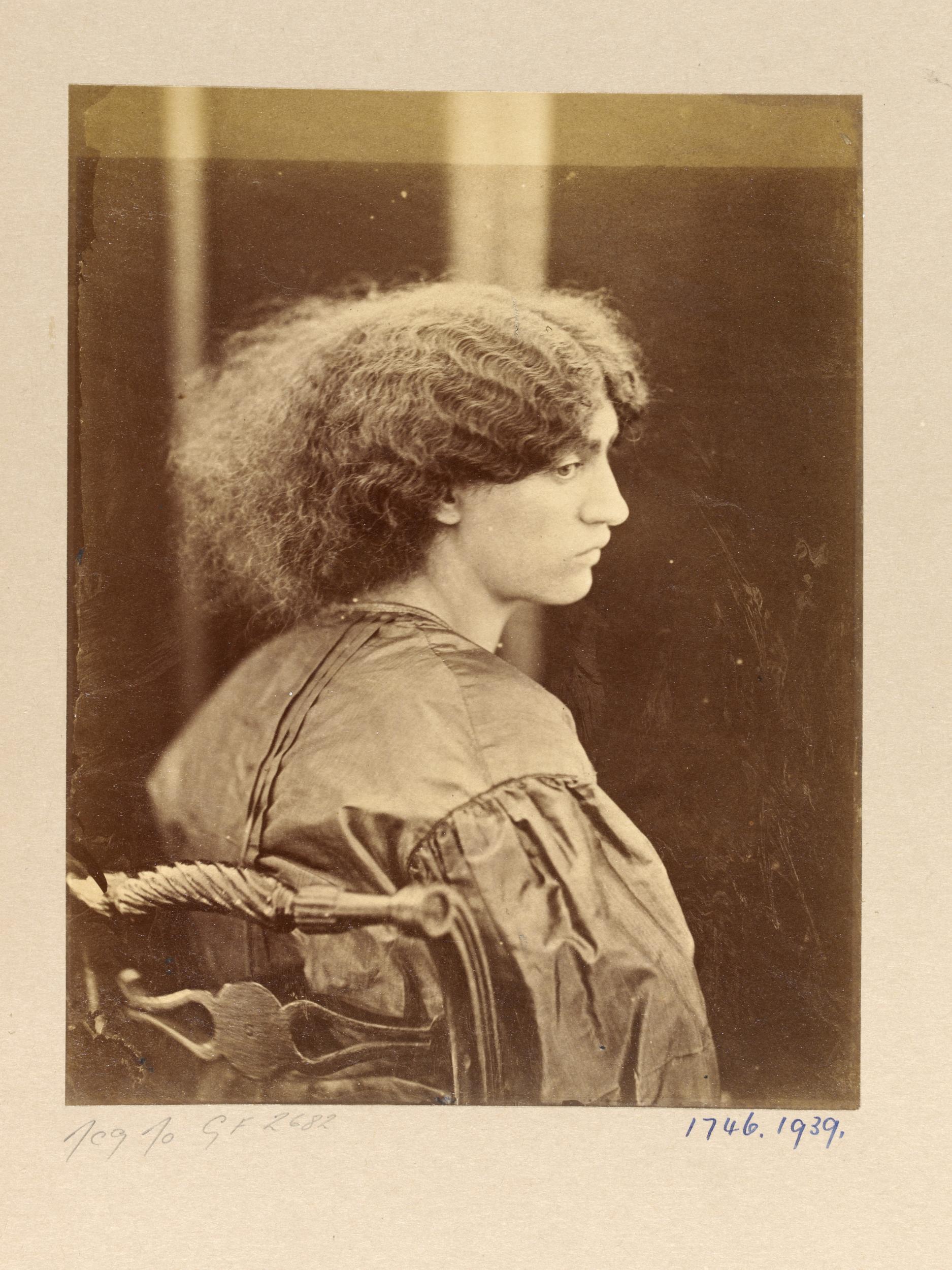
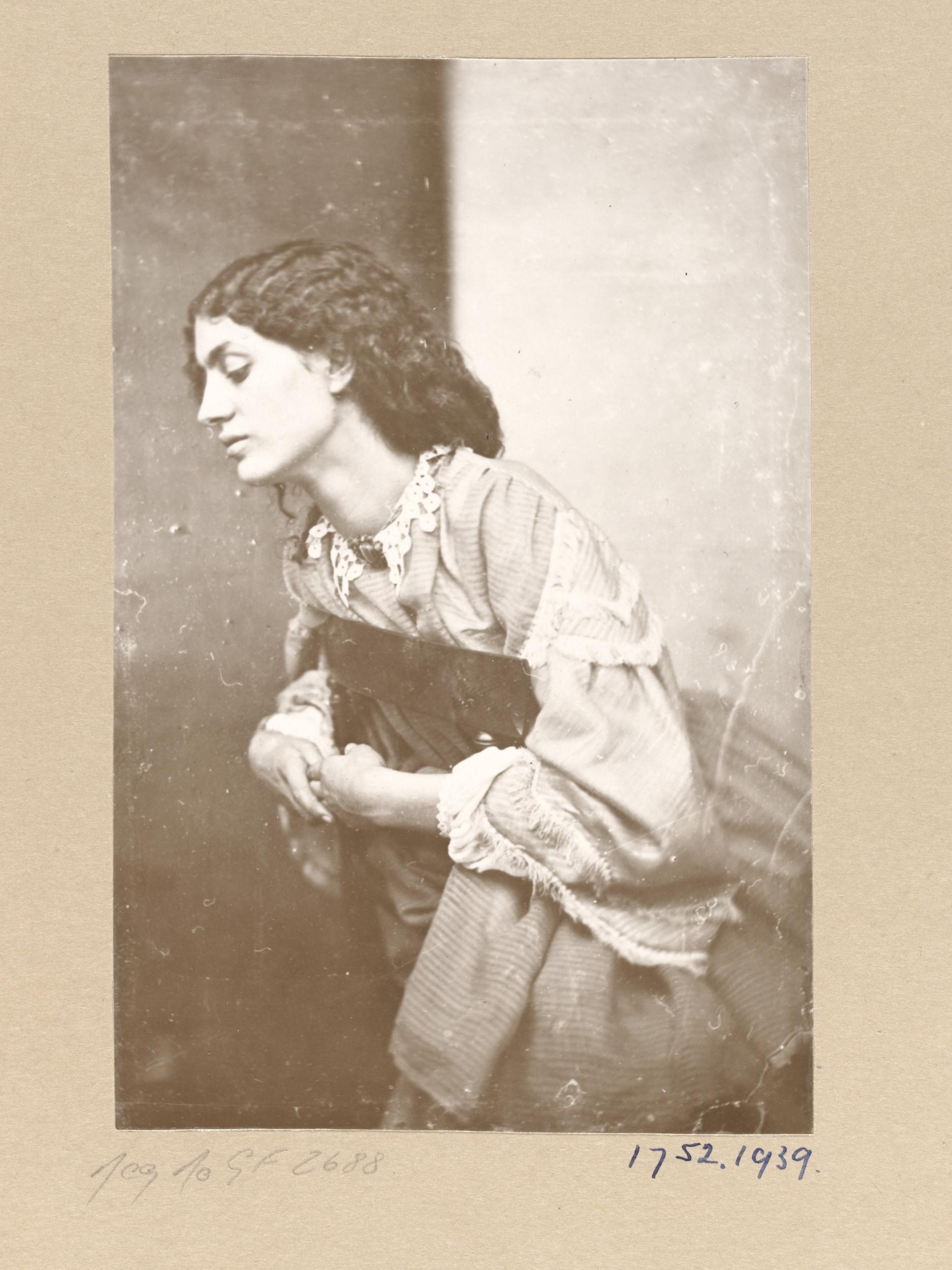
This portrait is closely related to two other pictures in the Jane Morris series of photographs: the picture is virtually the mirror image of “Jane Morris seated, half length” [image # 5 in this post], where Mrs. Morris faces left in much the same pose (the latter is also fairly closely cropped); and to “Jane Morris seated, half length” [image # 2 in this post]—a much less closely cropped shot, this one with Mrs. Morris also facing to the left.
DGR used this photograph as the compositional point of departure for the pencil drawing The Roseleaf
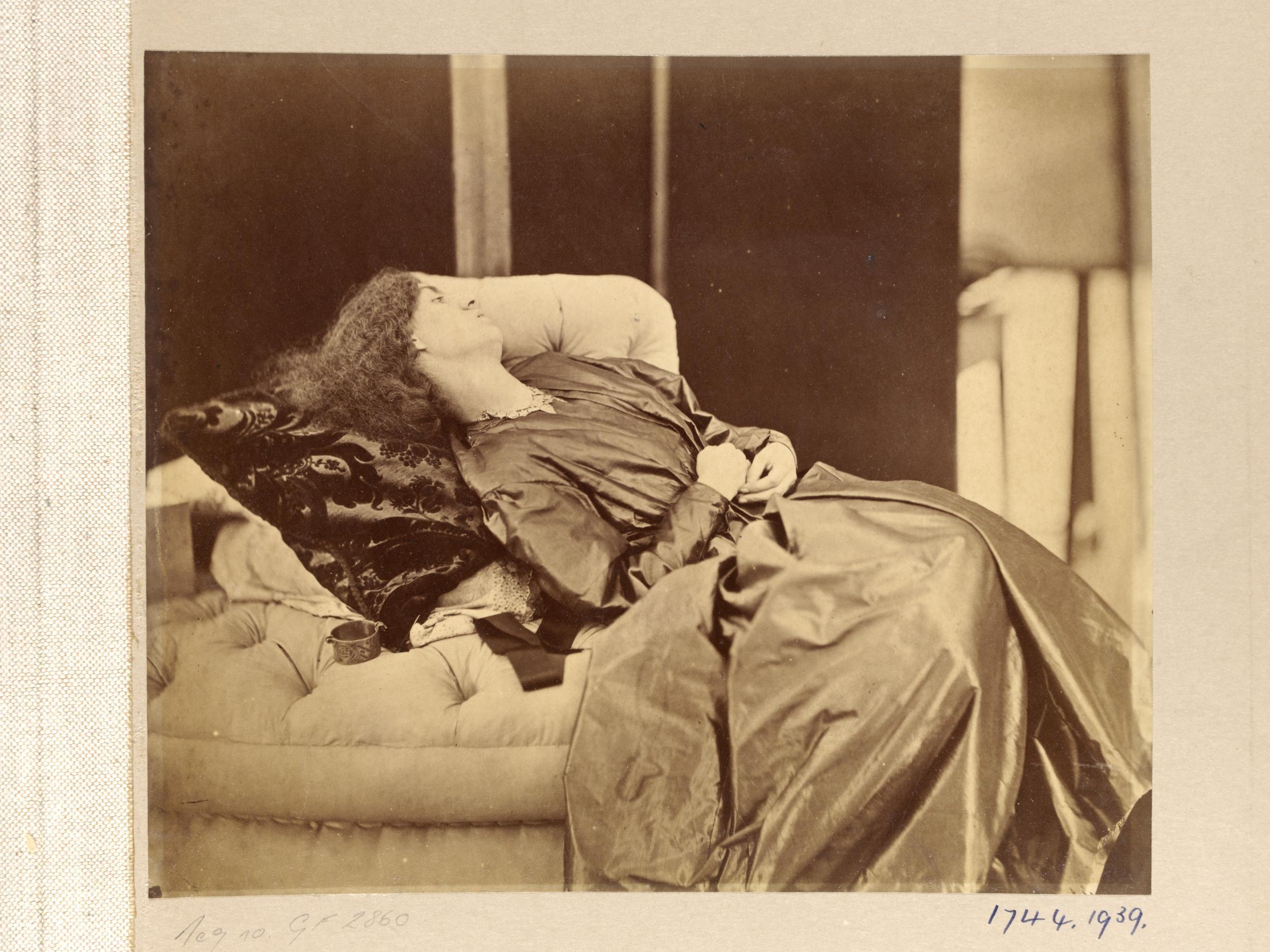
This is one of three prints made from a single negative. Mrs. Morris is reclining on a plush loveseat facing right with her head resting on a black pillow and turned slightly away from the viewer. Her hands are in her lap and the pose is set against a black backdrop. This print is cropped down like the Victoria and Albert’s 1865 original. Museum records identify the second copy in the V & A as a modern copy of the original. The modern print shows a larger background area that includes part of a canopy and some of its upholding poles.
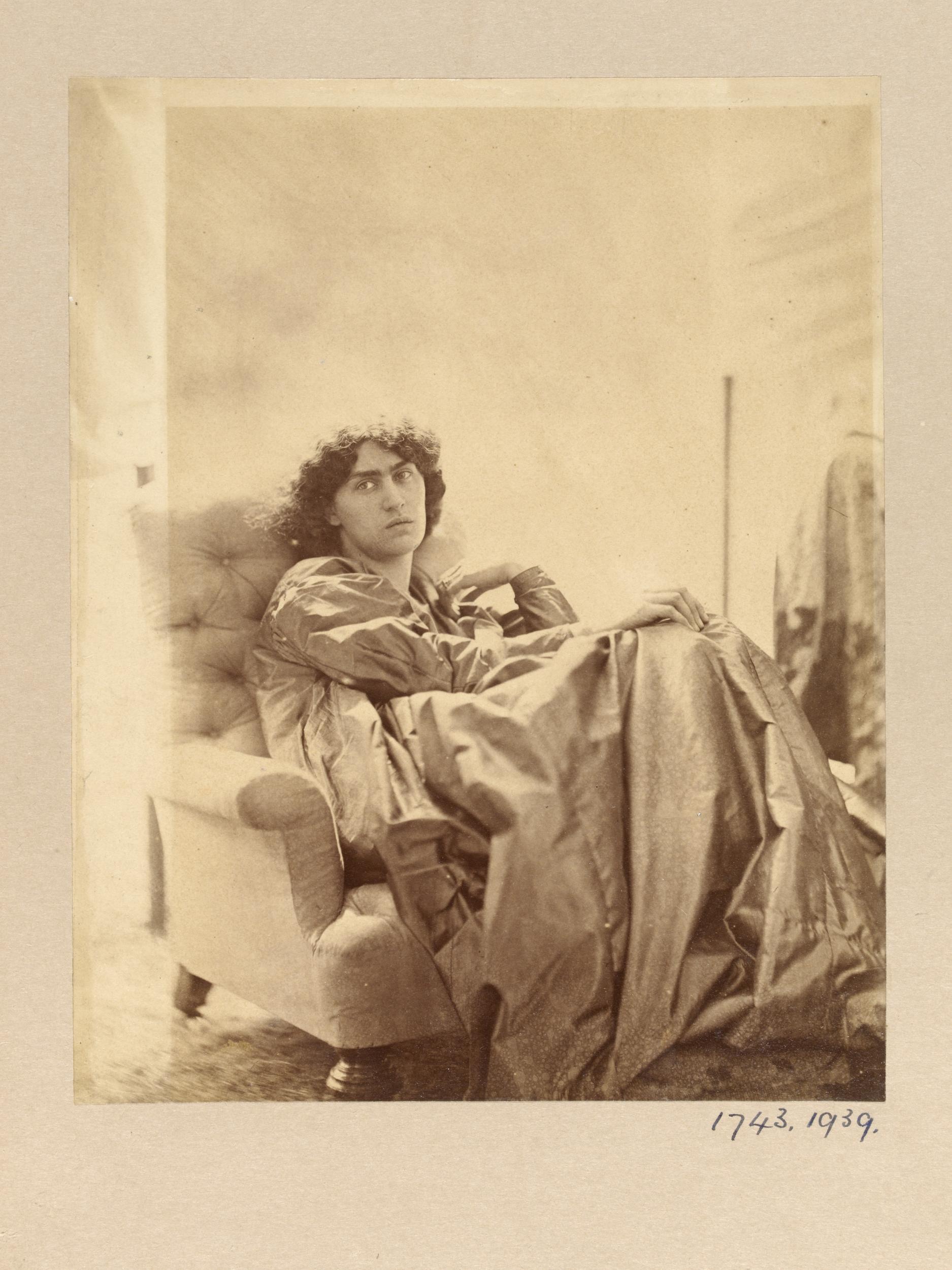
Mrs. Morris outdoors, slumped in plush chair facing the camera, under cloth canopy. Her left hand is curled back over her left shoulder, her right rests on her knee. Off to the right edge of the picture is visible a chair with a shawl or some sort of drapery thrown over it. A second print, uncropped, is identified in the Victoria and Albert records as a modern print; this is the original (1865) print.

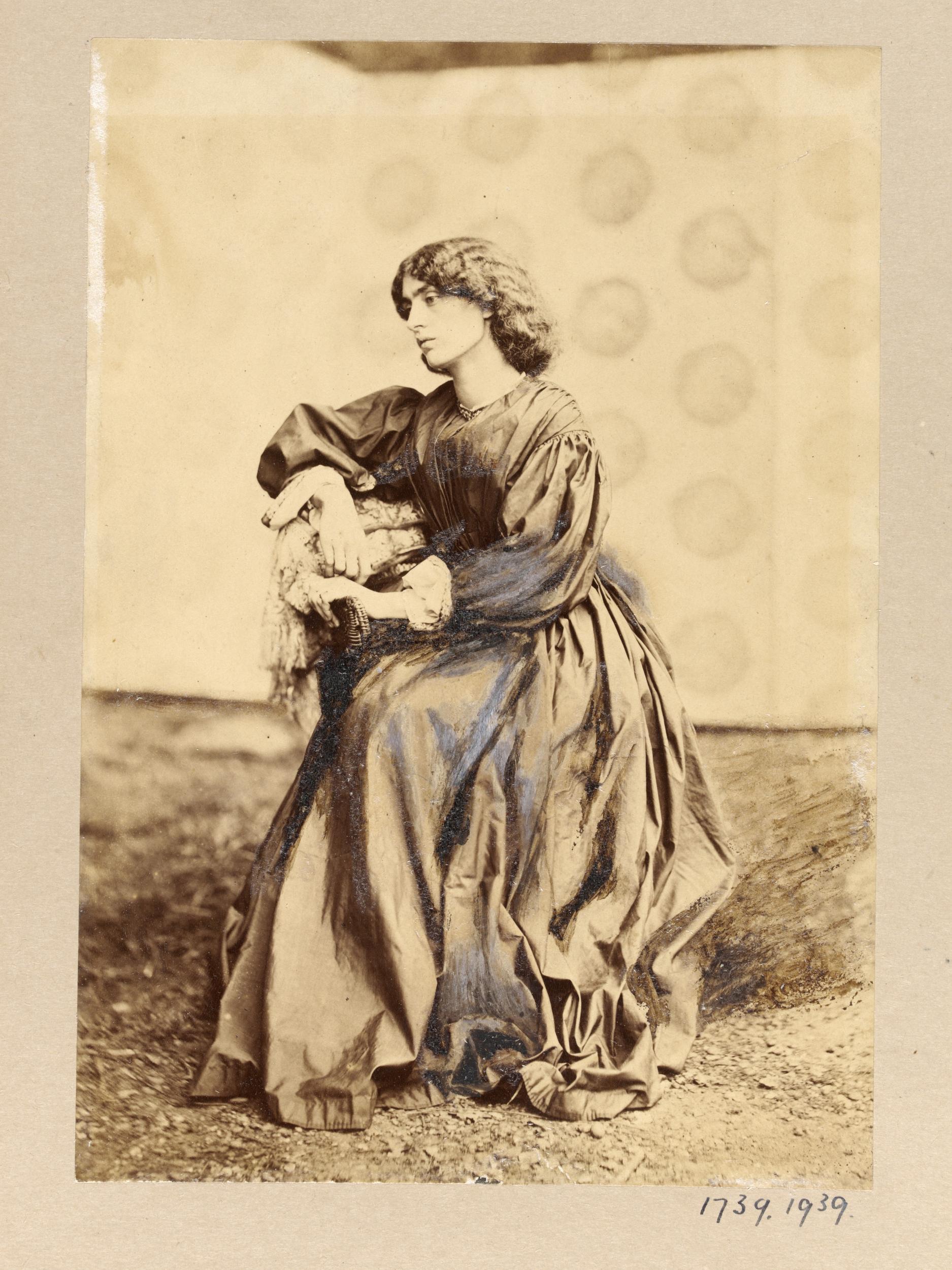
At least three copies of this pose survive, one in the Birmingham City Museum and Art Gallery, the other two in the Victoria and Albert Museum’s Album of Portraits of Mrs. William Morris (Jane Burden). Posed by Rossetti, 1865 .
The state of the two Victoria and Albert Museum prints tells much about DGR’s involvement with these photographs. In the larger copy [image below] a good deal of space is left around the sitter, who is seated in DGR’s garden, in full view, and facing to her right. A decorated screen is placed a few feet behind her; beyond that is foliage, though it is scarcely discernible as such. The print shows where Gordon Bottomly worked on the original print with a brush to disguise where the top of the print had been damaged during later efforts to mount it.
The smaller print [image above] in the album shows DGR intervening on the original photograph. In this case he has used a brush to paint on the print and smooth out Mrs. Morris’s dress (along the left sleeve and also among the folds by her left leg). The second print also illustrates a characteristic alteration of another kind that one finds in the album prints. This second print is much lighter and has been cropped so that the screen takes up virtually the whole of the background.
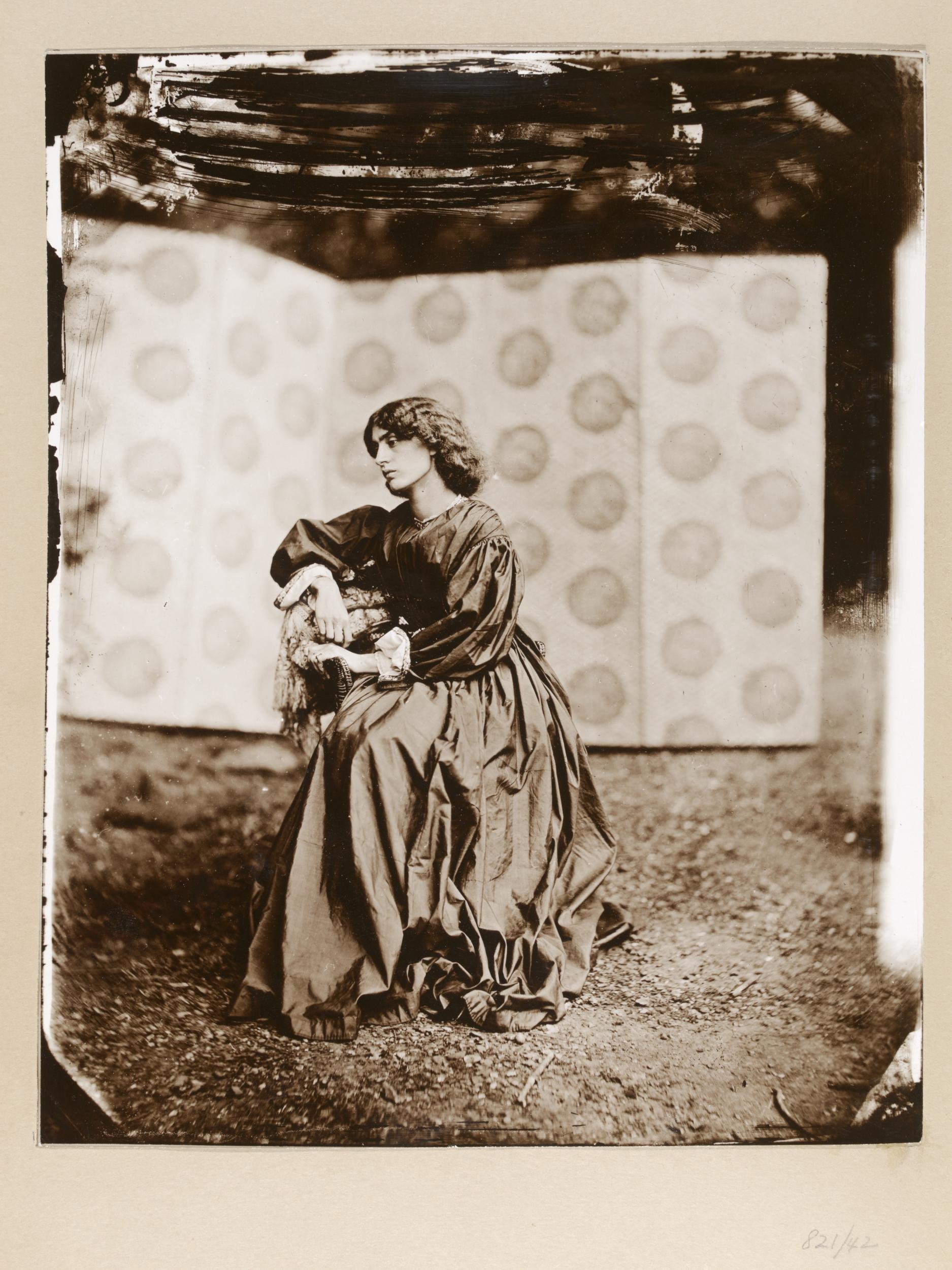

Mrs. Morris outdoors, seated in wicker chair facing right, with her left hand crossed to grasp the right edge of the chair and her right resting on the edge. A shawl draped across the chair has moved and is out of focus. A modern print [image below] showing the original compositional structure of the photograph is also in the V&A museum. This print was made in 1865 and is cropped and printed lighter than the modern print.
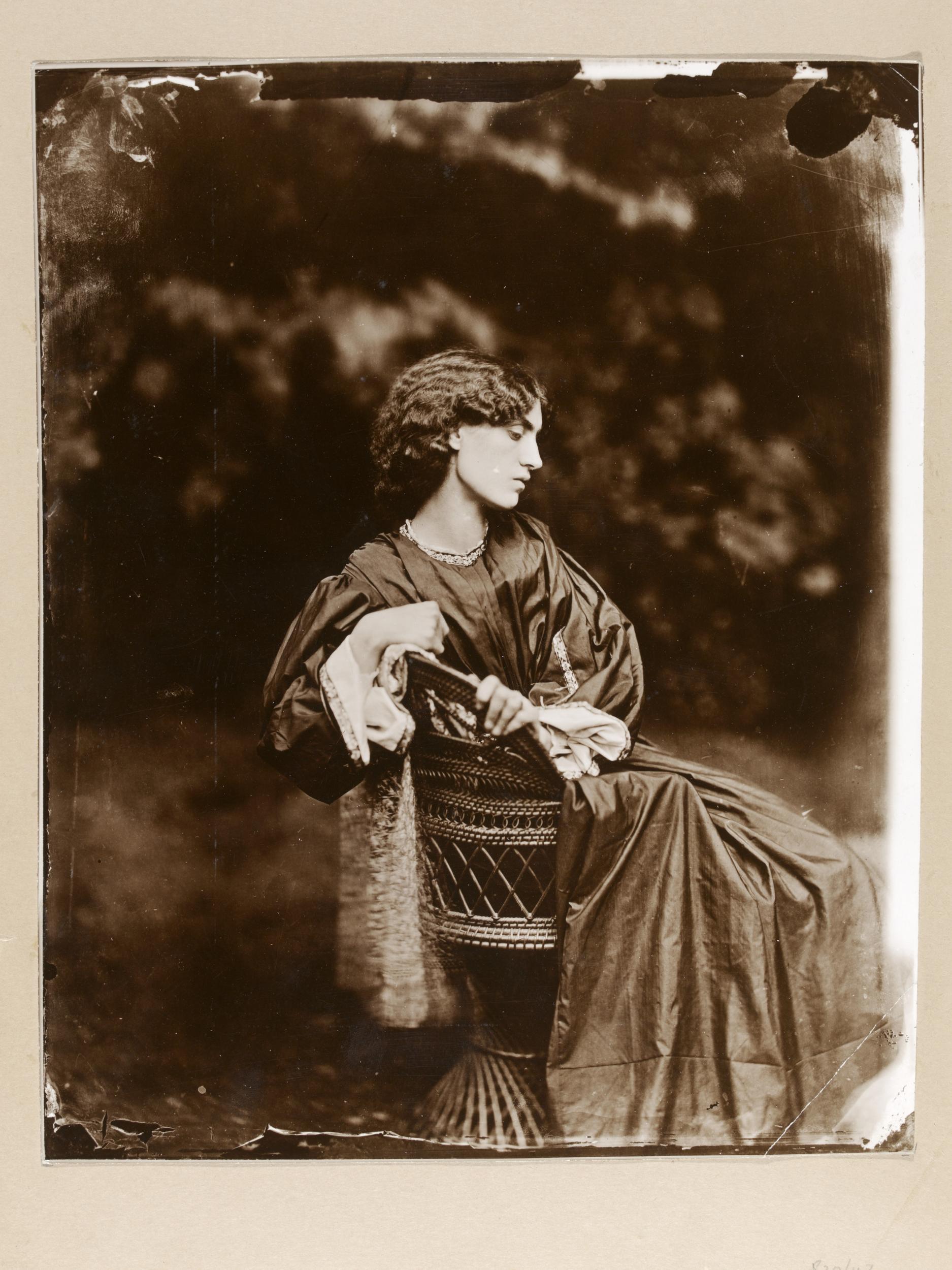
All images are from the book : Album of Portraits of Mrs. William Morris (Jane Burden) Posed by Rossetti, 1865. Composed by Gordon Bottomly in 1933
source of images V&A Museum
source of text Rossetti Archive


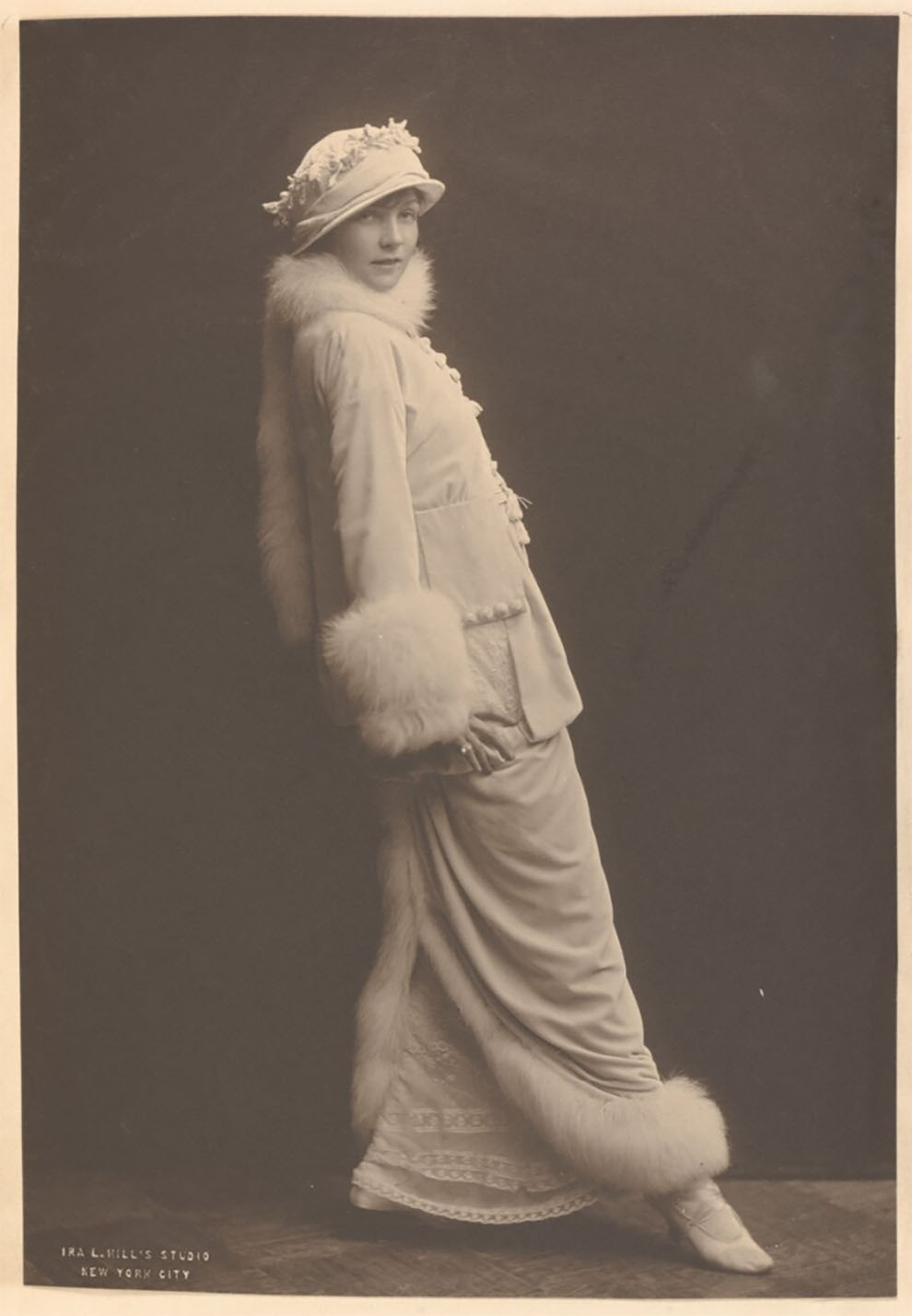
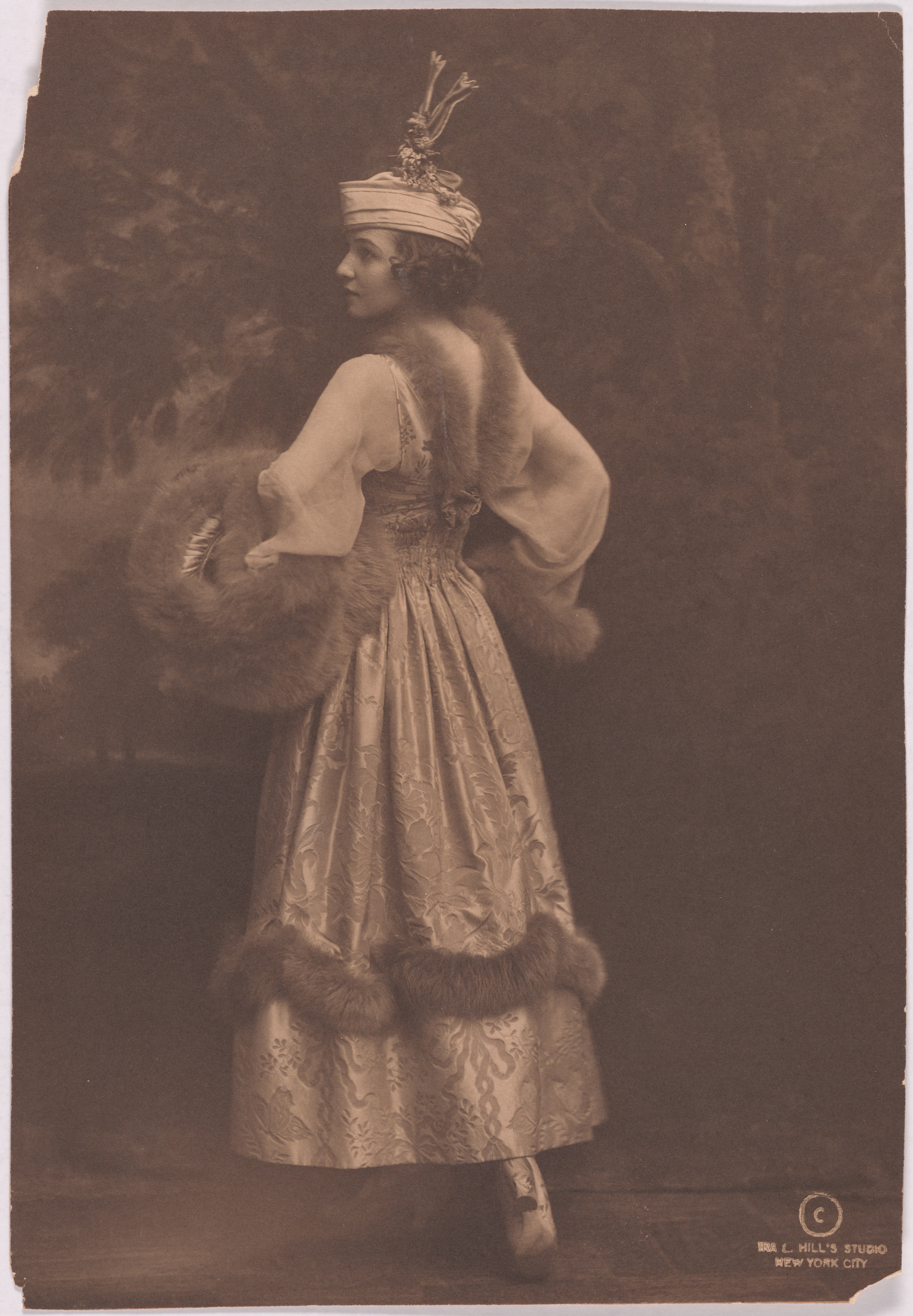
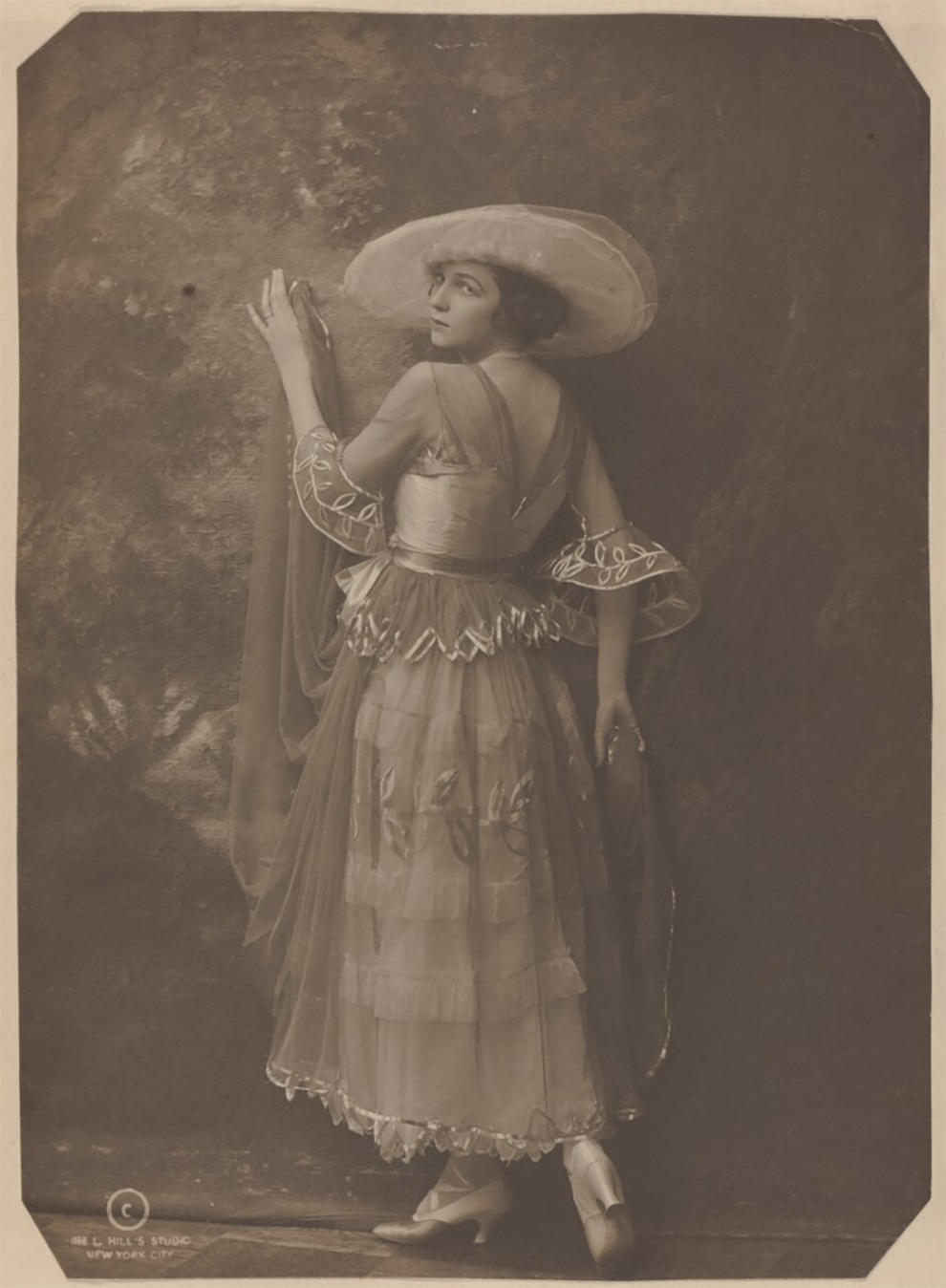
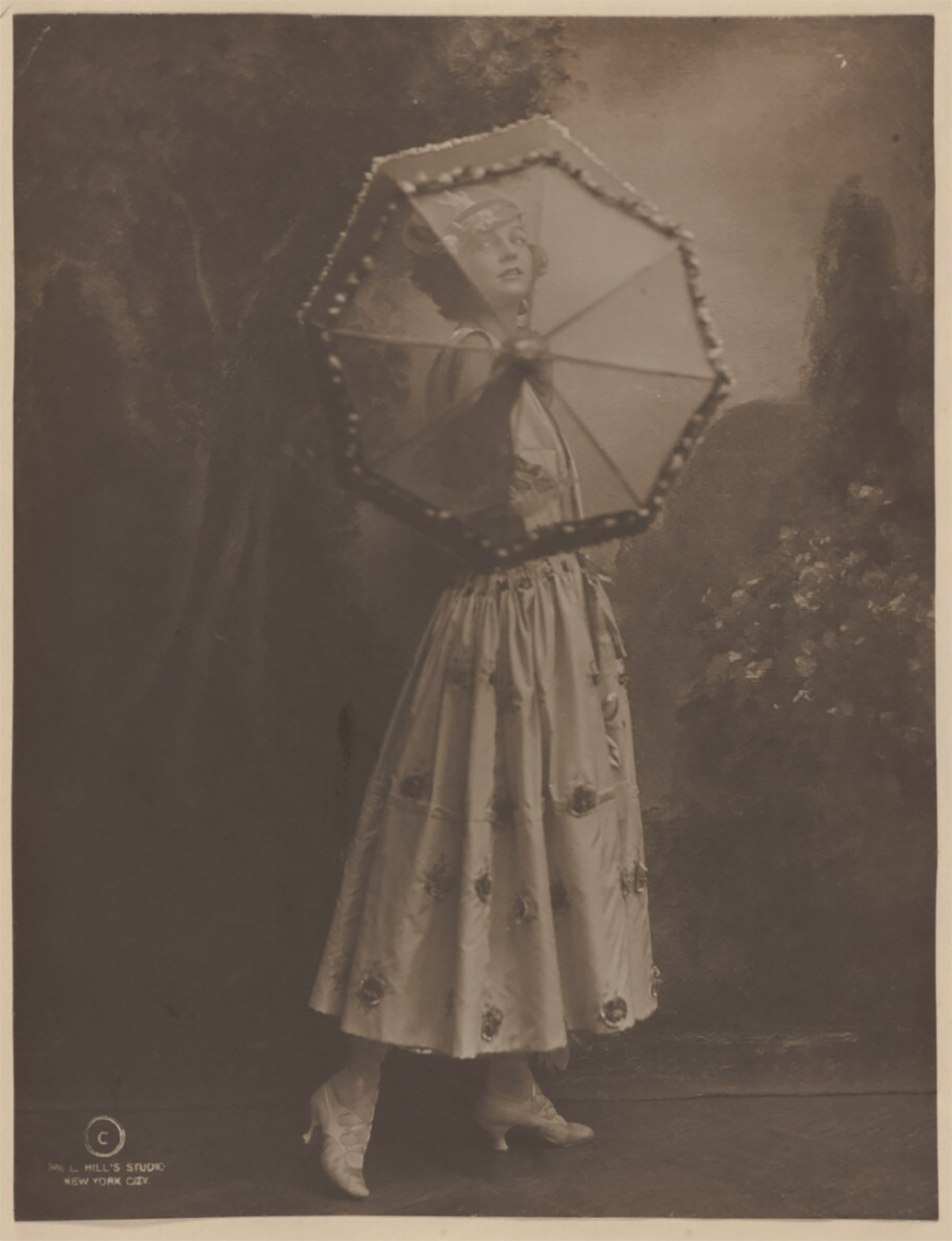
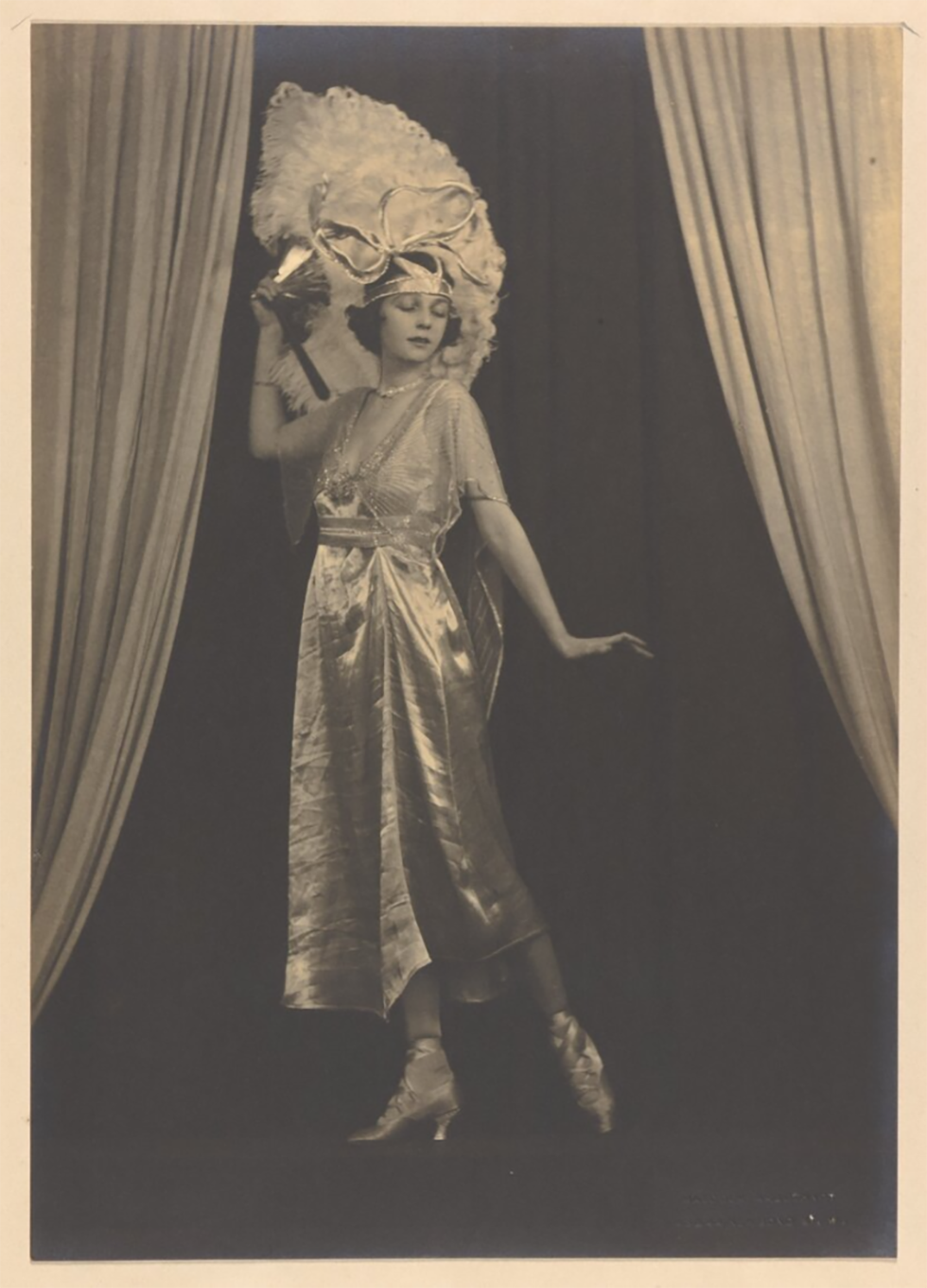
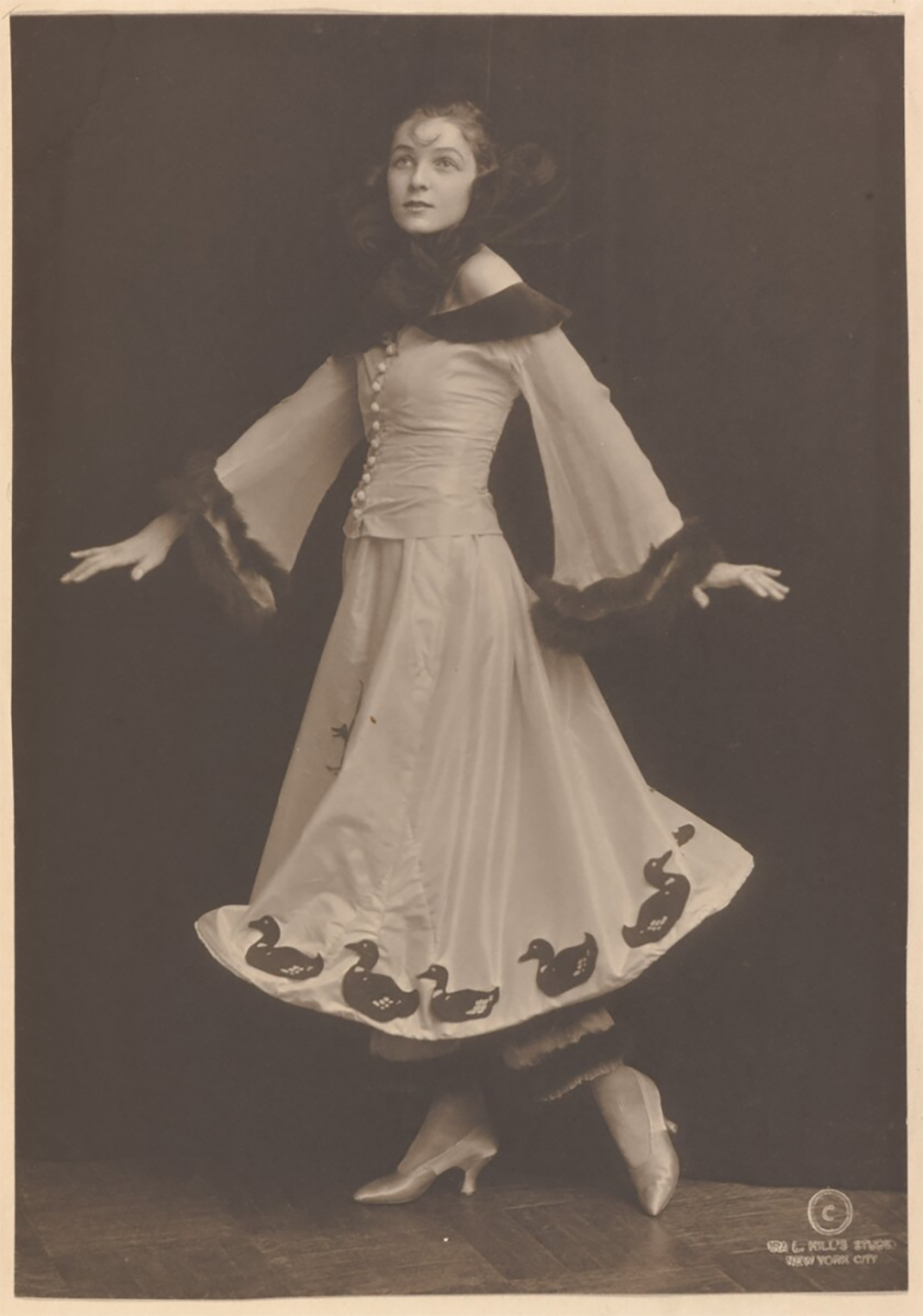
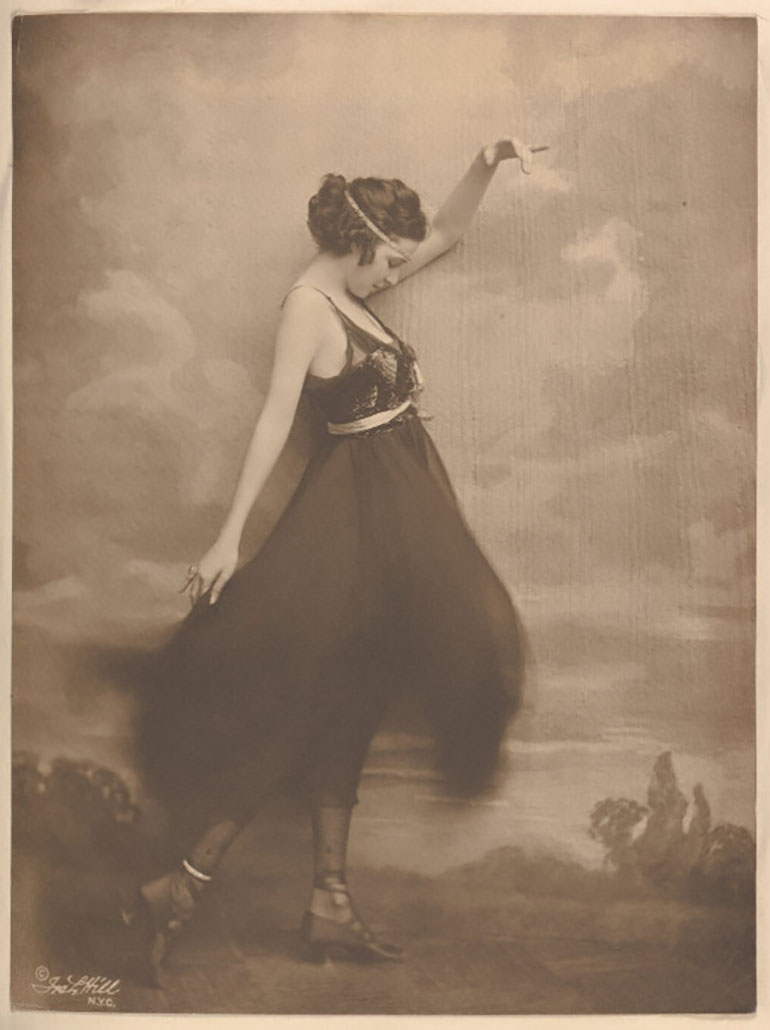
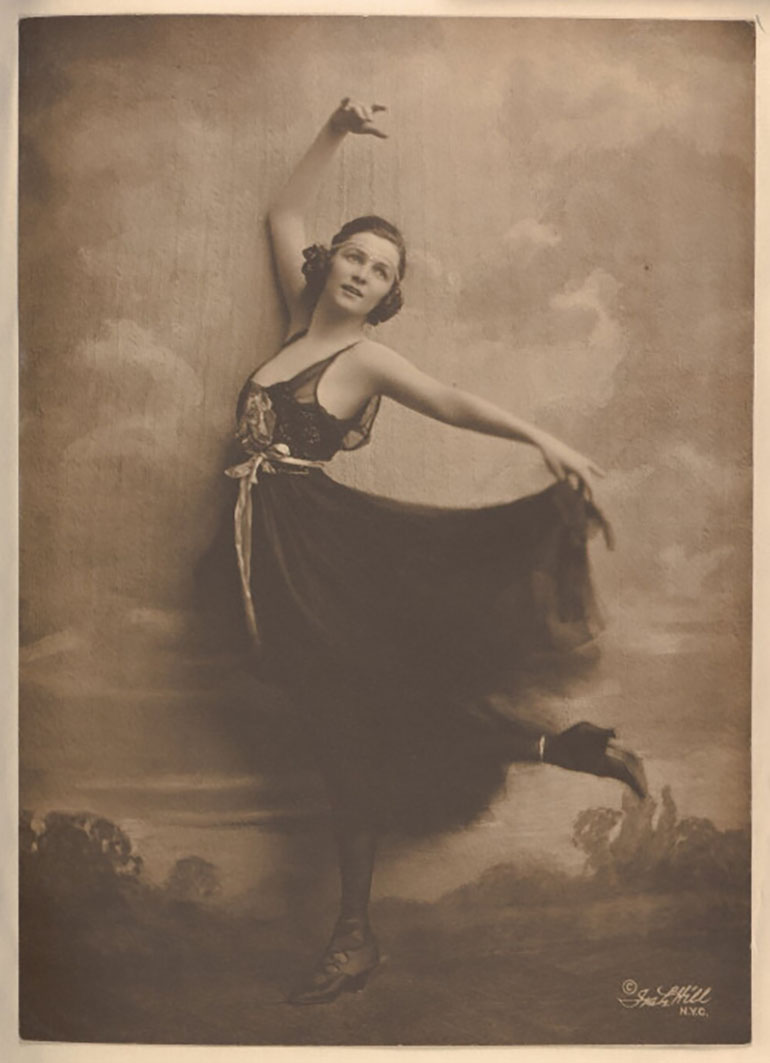
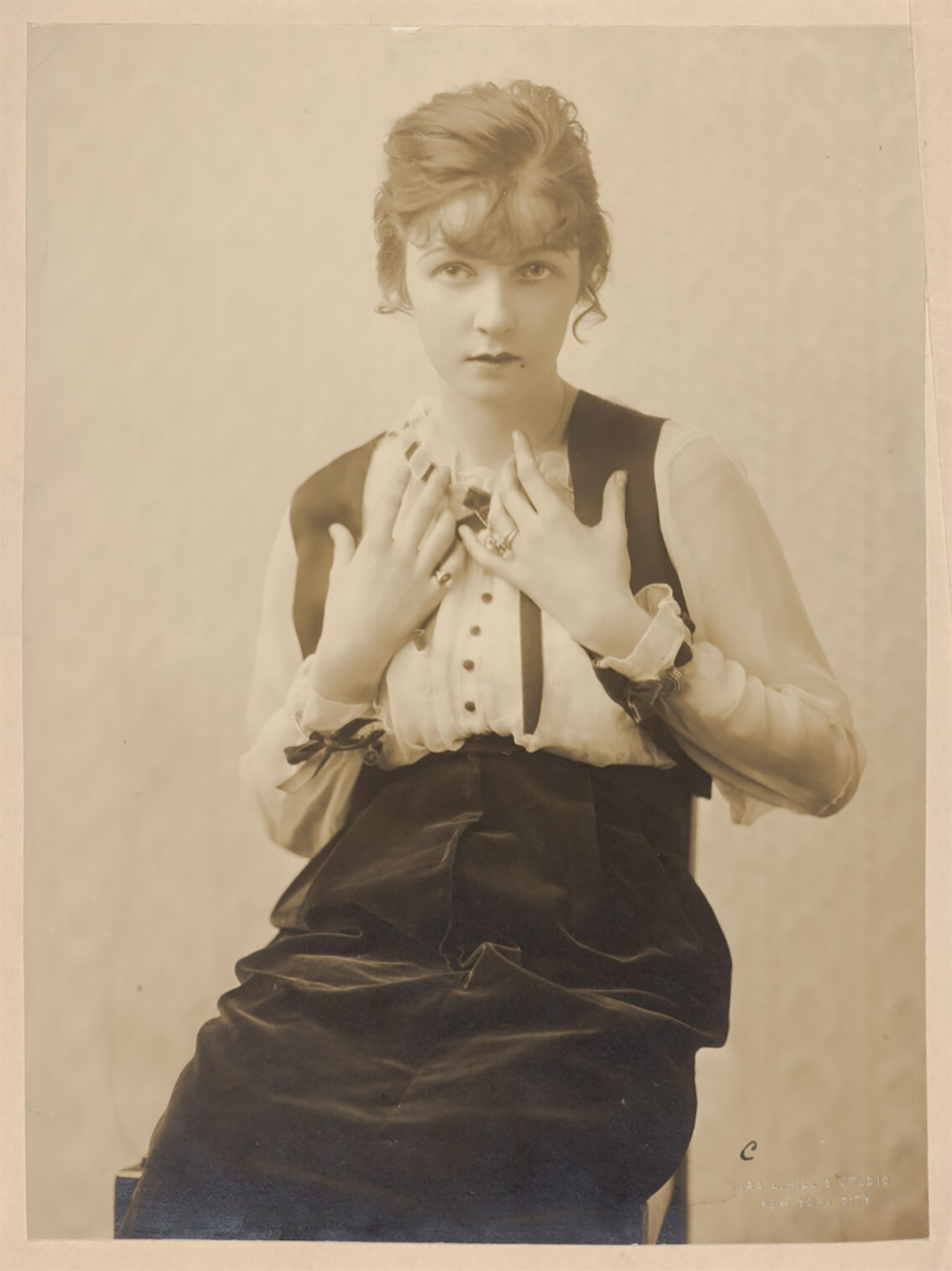
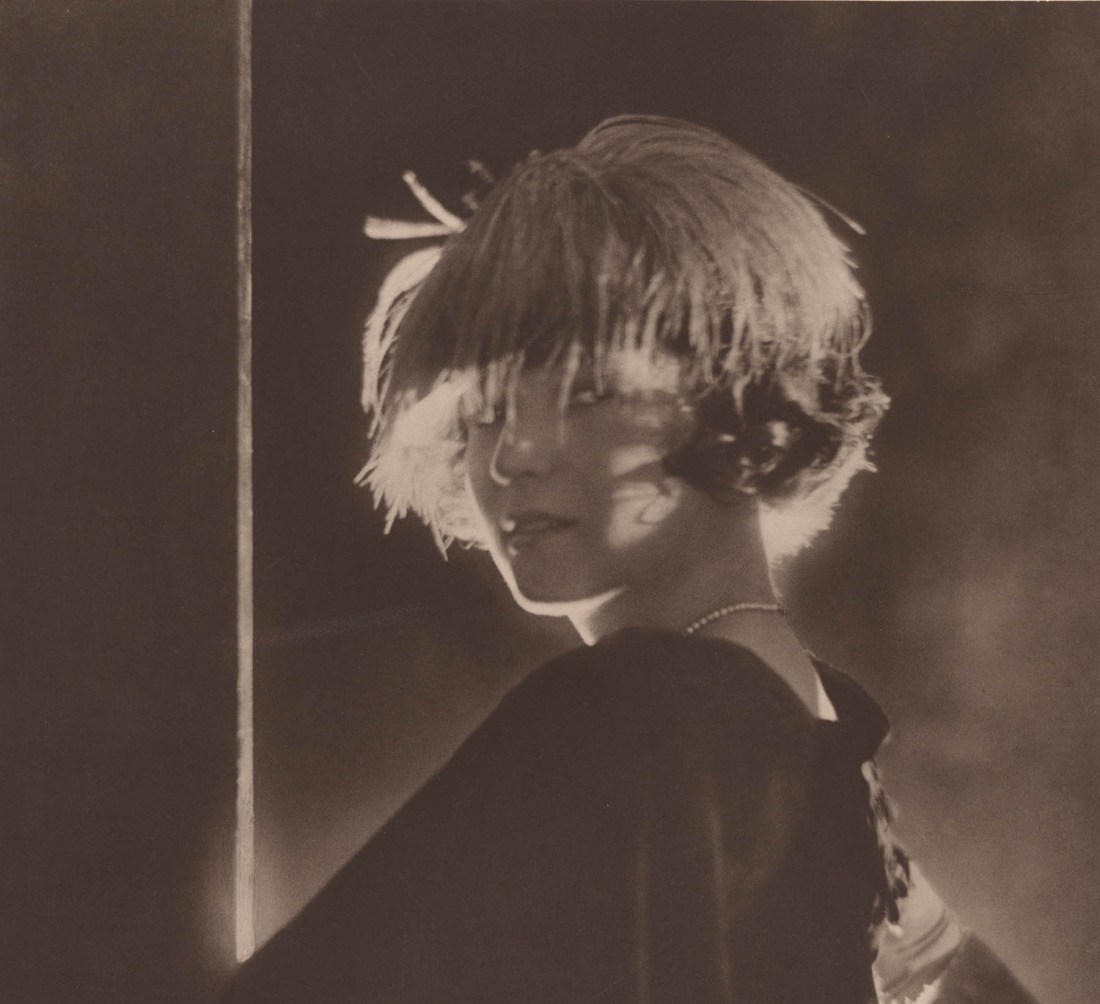
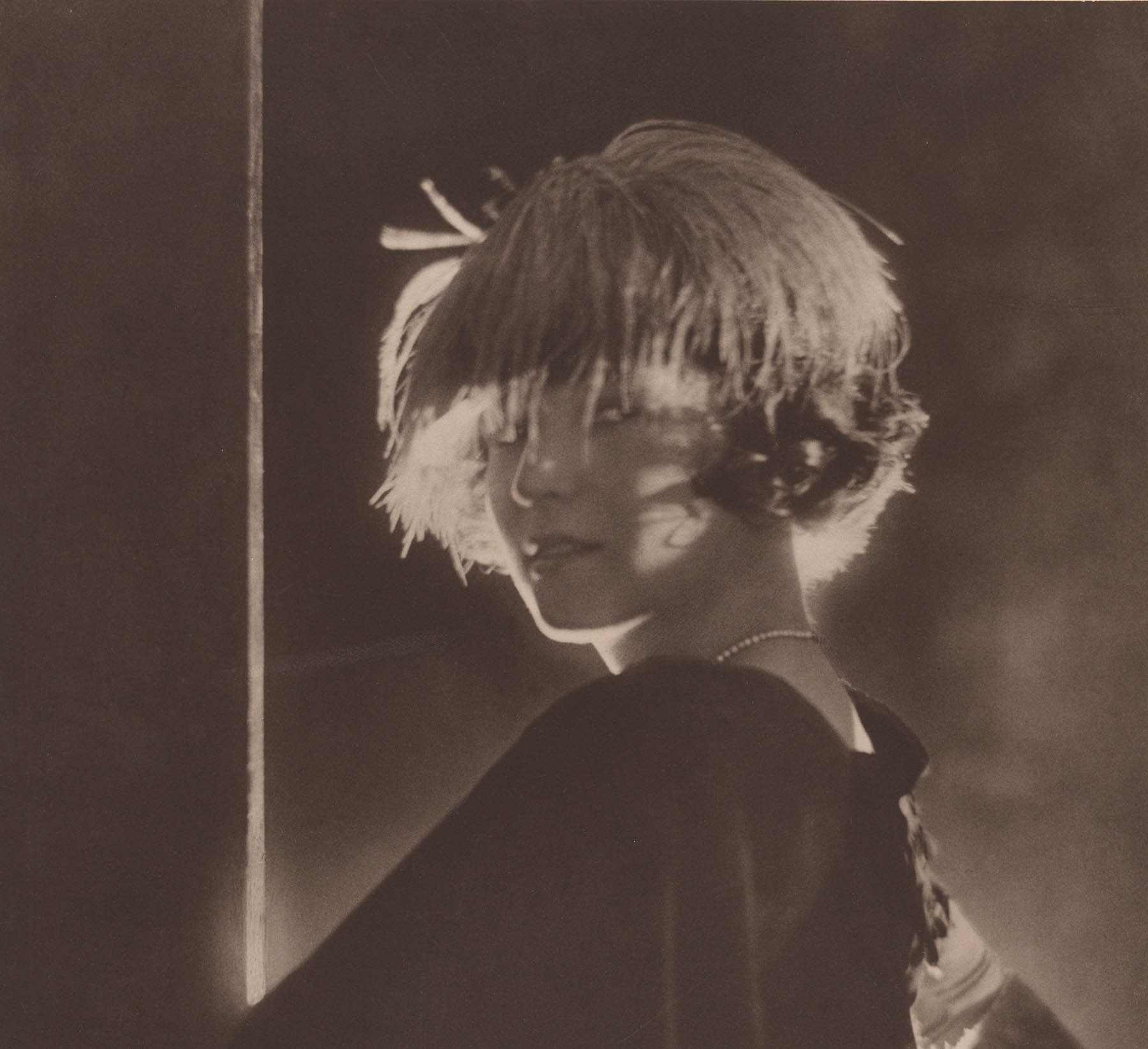
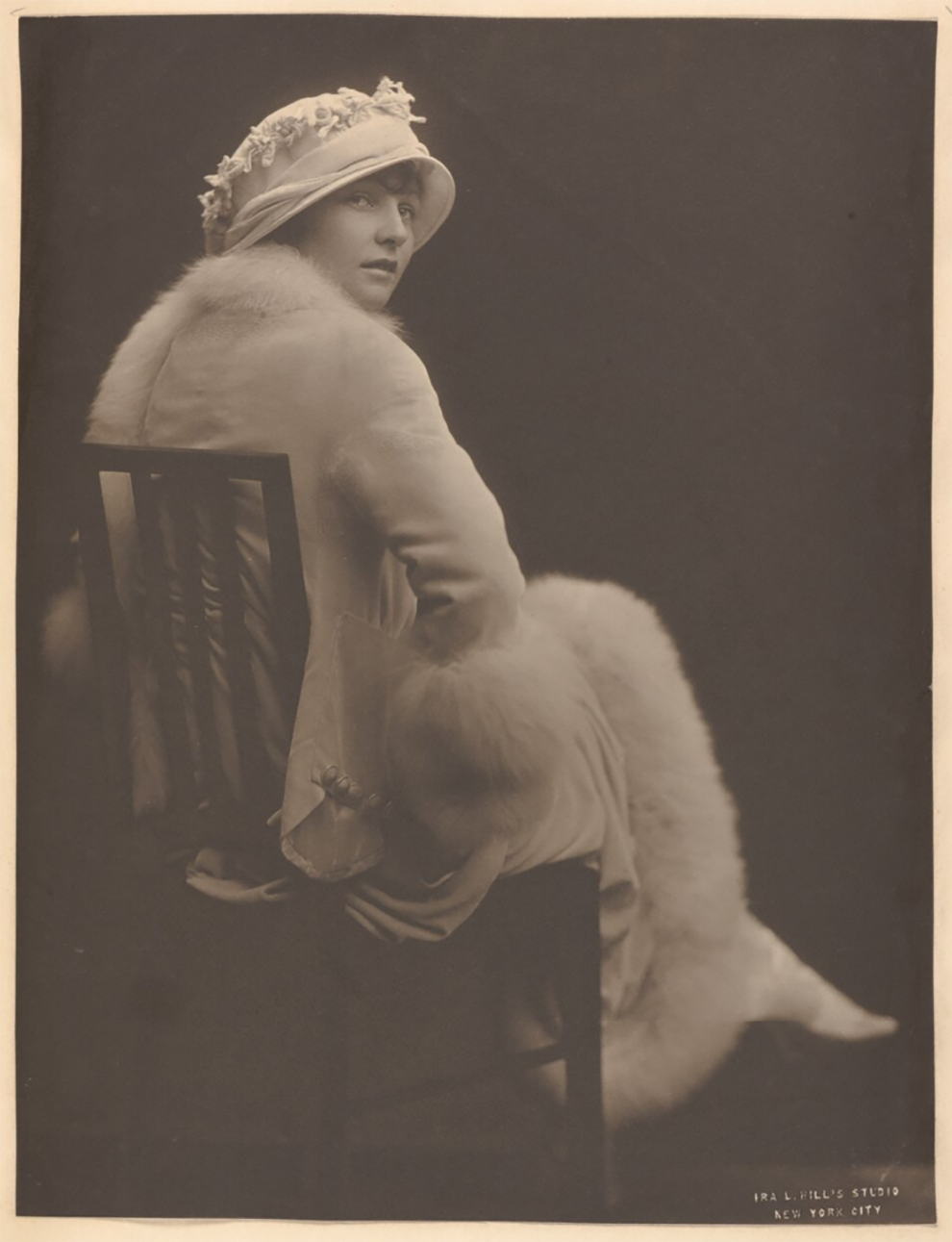
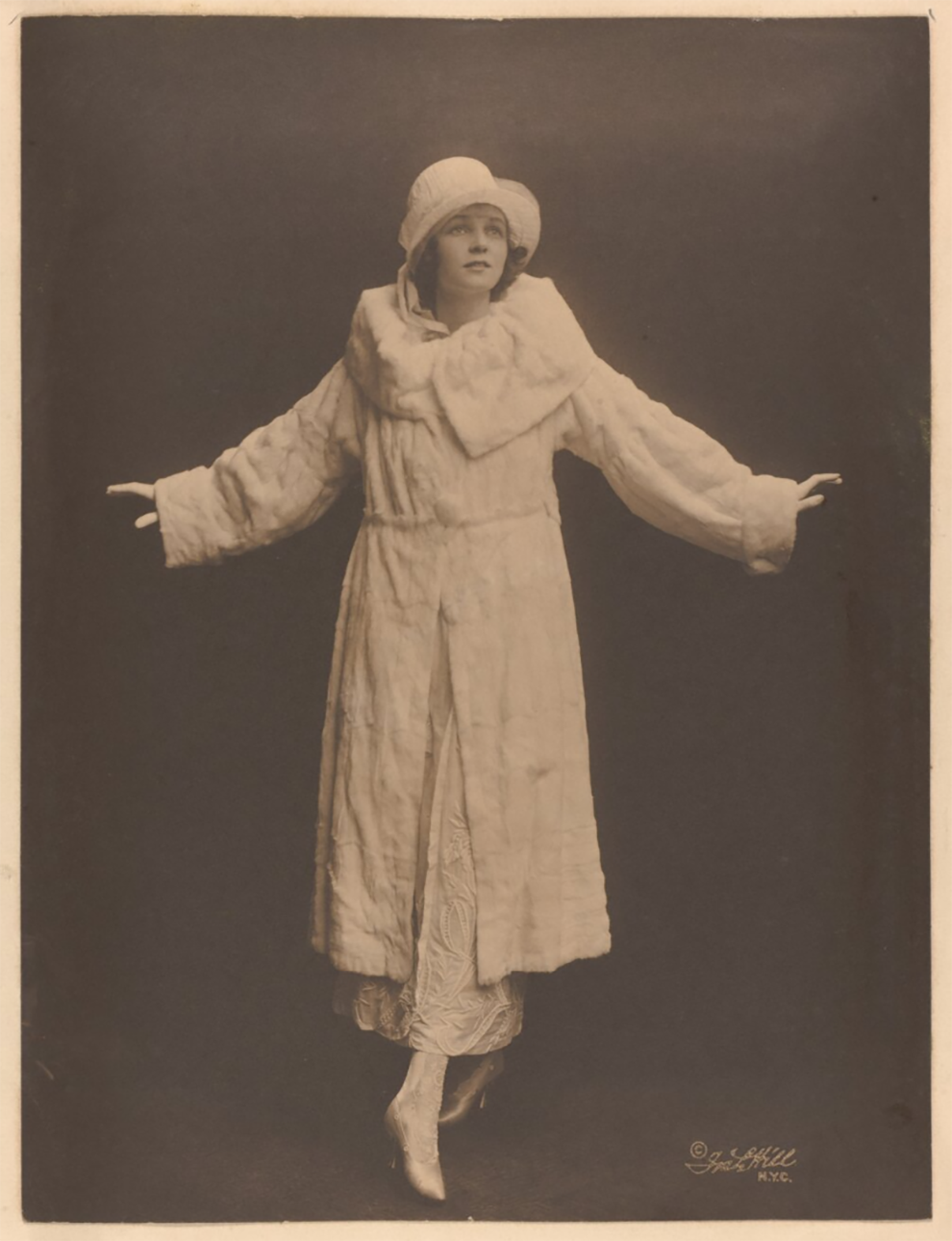
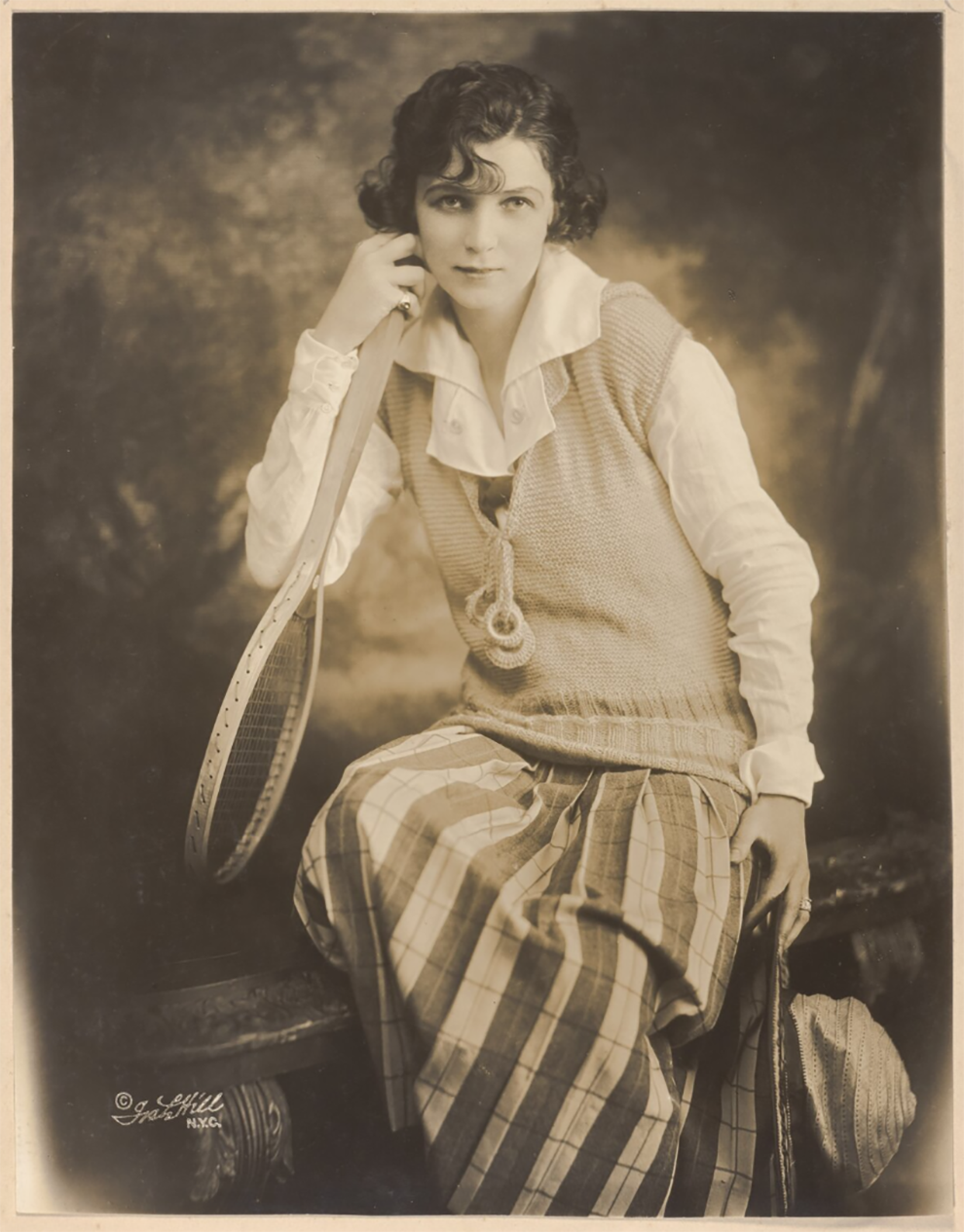
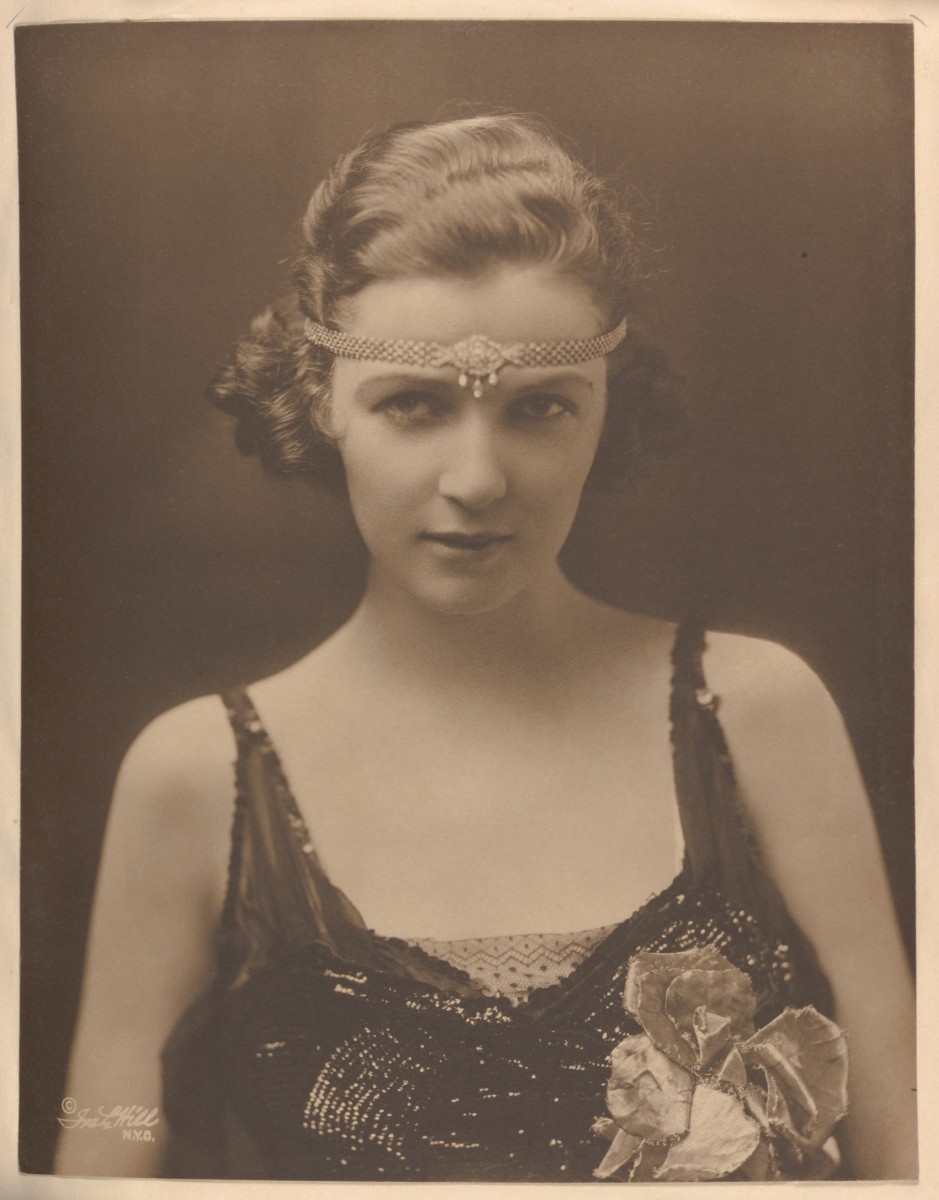
Irene Castle Corticelli Fashions
When Irene Castle formalized her relationship with Corticelli Silk Mills in 1917, she was at the height of her fame: she had recently filmed the serial Patria (1917) and celebrated the success of The Whirl of Life (1915); her co-authored best selling book, Modern Dancing (1914); and the Broadway hit Watch Your Step (1914). Irene was an arbiter of fashion, outfitted almost exclusively by Lady Duff Gordon and was voted the first “Best Dressed Woman in America.”
As early as 1914, silk companies like Mallison and Corticelli began using film actresses to promote their products; however, Castle was the first film star to create a line of clothing. The line launched in tandem with the serial, Patria, and Satin Patria was the fabric promoted in the early dress designs. Initially Lady Duff Gordon was the ghost designer, but as the fashion line developed Irene took over the creative side and Corticelli advertisements emphasized her role as designer. In reality, Irene remembered in her memoirs, “I had an endorsement contract with the Corticelli Silk Company which required very little of me. I helped them design the clothes.” In the later advertisements, Corticelli claimed that the dresses were duplicates from Irene’s wardrobe. “The same delightful effect of quality which distinguishes the wraps and frocks of ‘America’s Best Dressed Woman’ is found in every ‘Irene Castle Exclusive Model,’ read a 1923 advertisement. Fall/Winter 1927 was the last season of Irene Castle Corticelli Fashions and the Corticelli Silk Mill would close soon after the start of the Great Depression. [quoted from Cornell University Library]
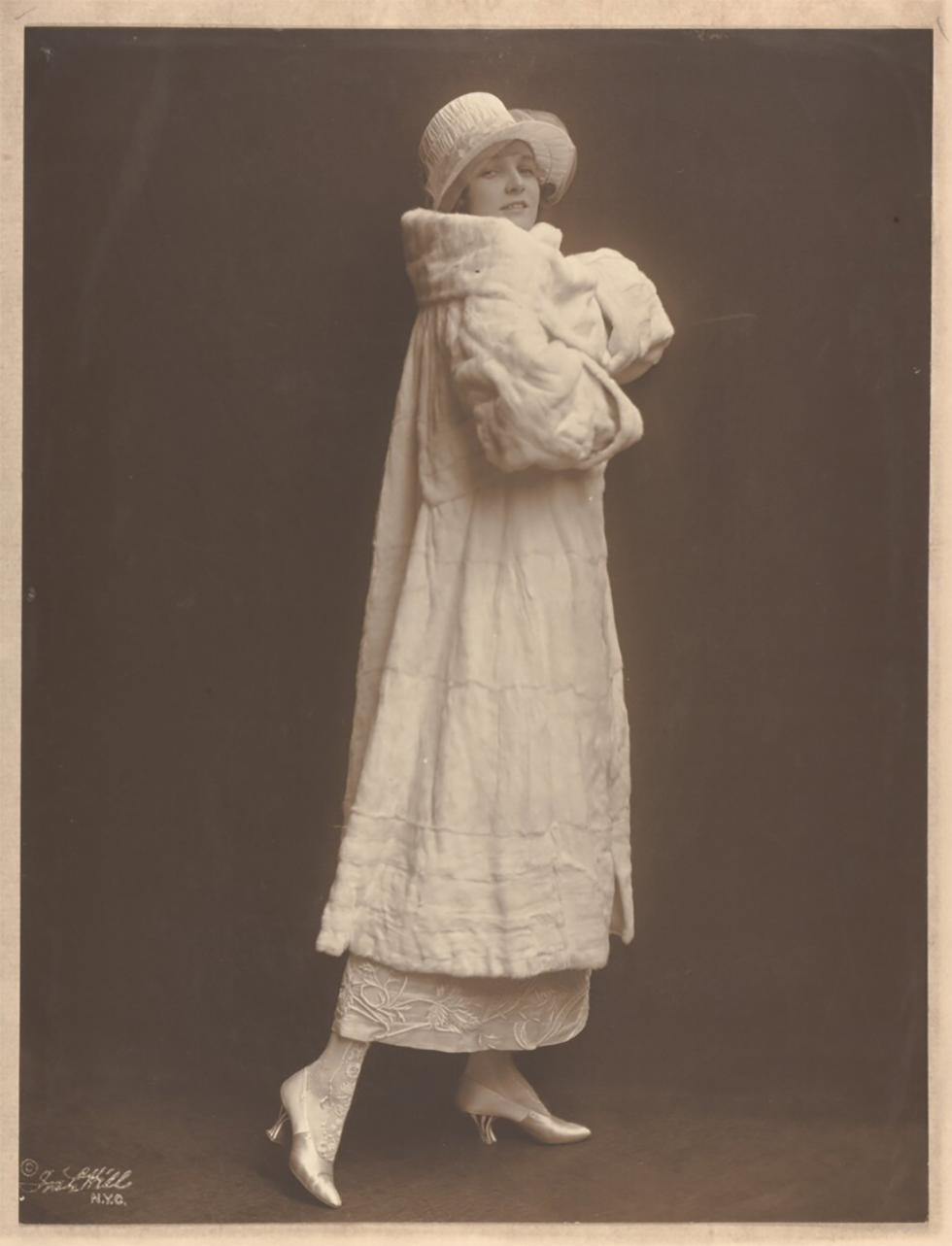



 un regard oblique