images that haunt us
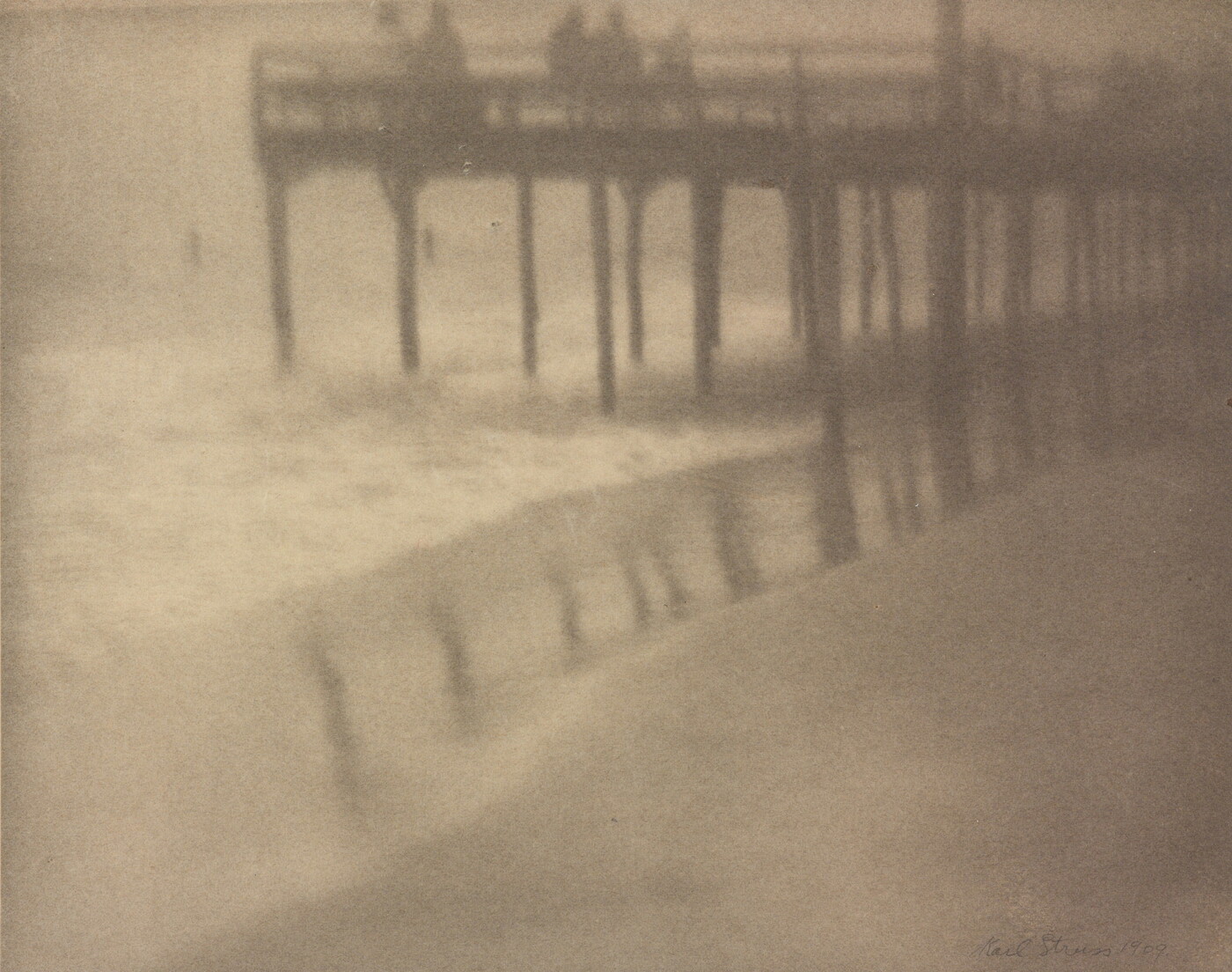
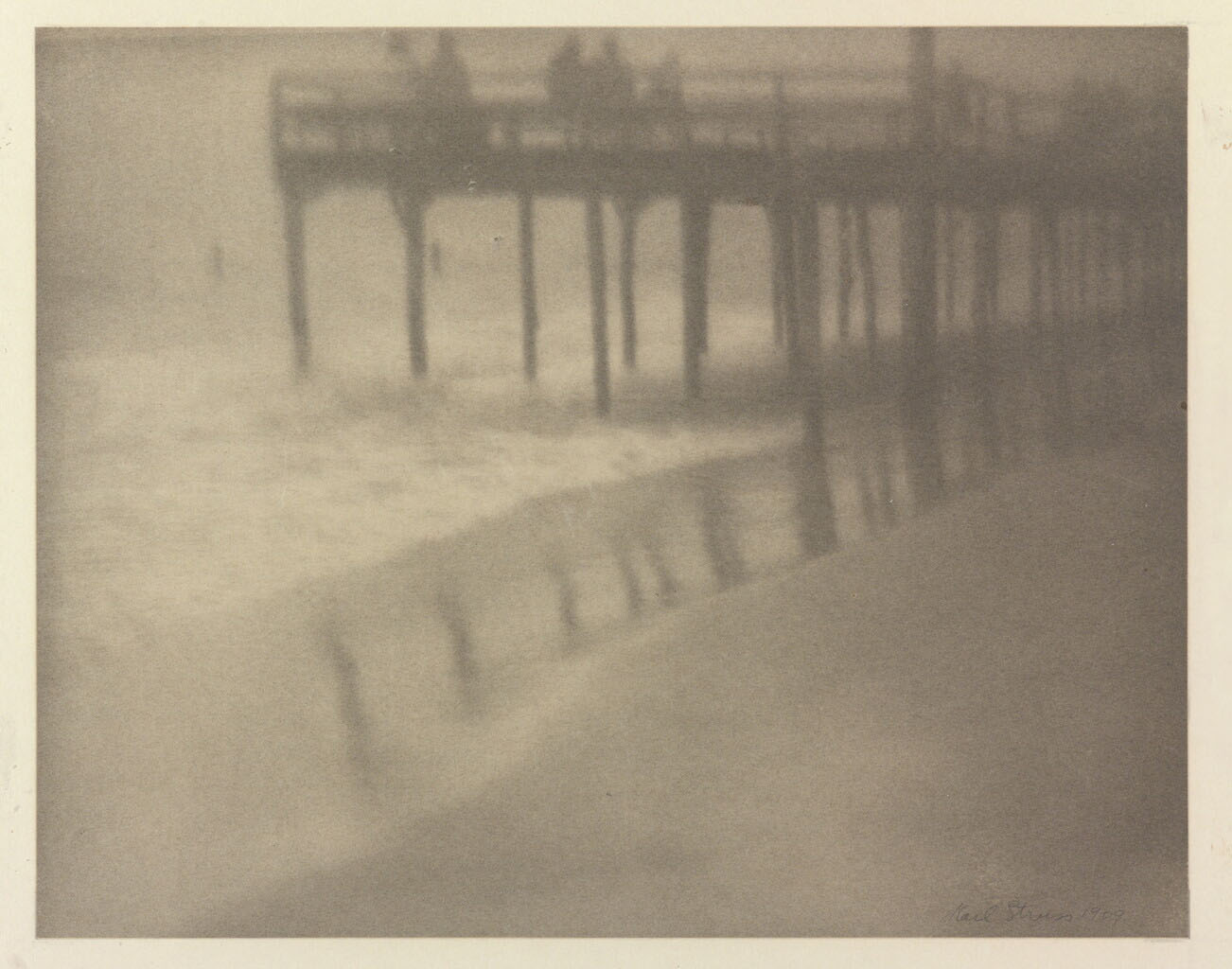
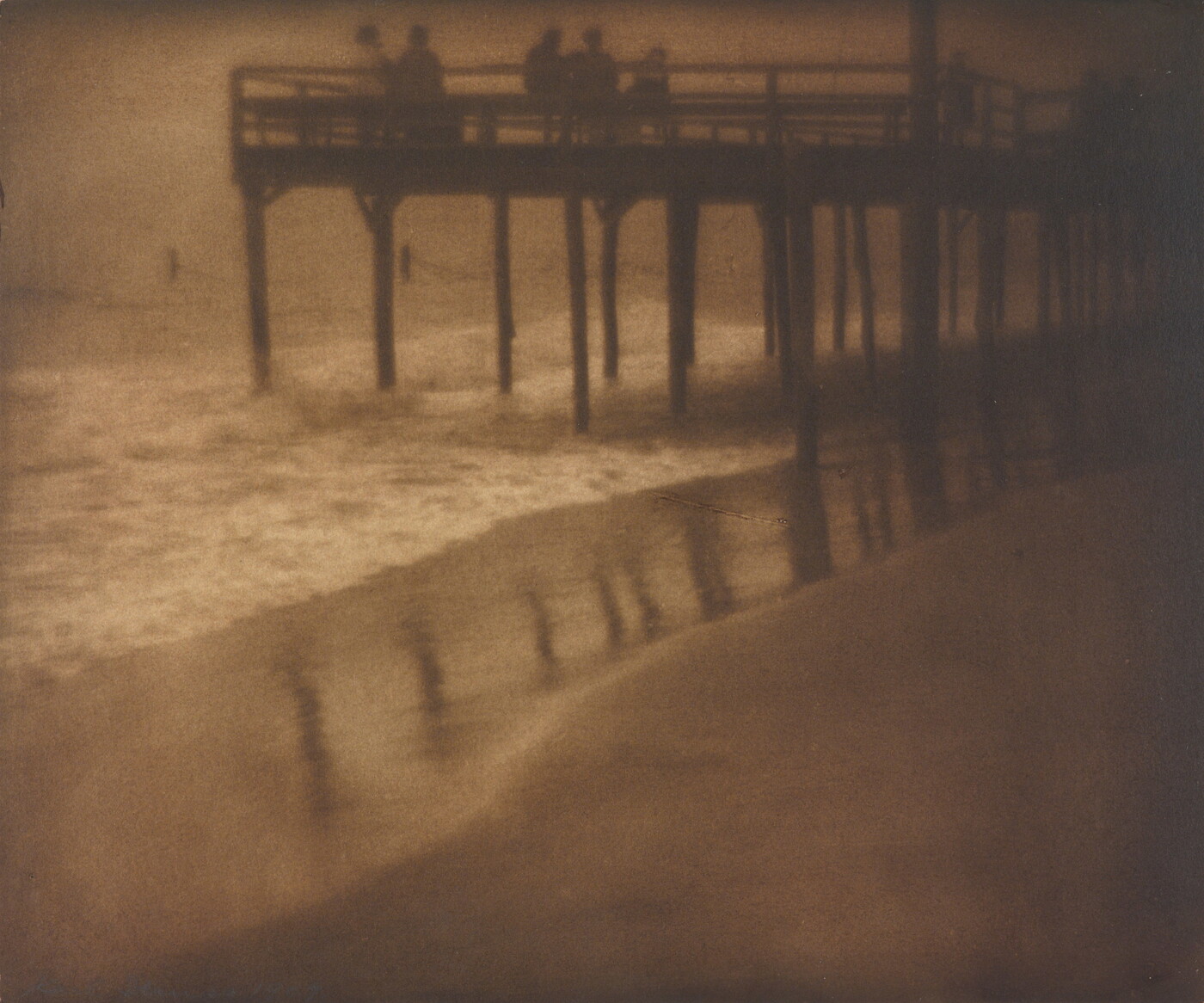
![Karl Struss (1886-1981) :: [Reflections and moonlight, Arverne, Long Island], 1910. Platinum print. | Amon Carter Museum of American Art](https://live.staticflickr.com/65535/52792067823_1d0aa38459_o.jpg)
![Karl Struss (1886-1981); [Reflections and moonlight, Arverne, Long Island]; 1910; Platinum print; Amon Carter Museum of American Art, Fort Worth, Texas; P1983.23.67](https://live.staticflickr.com/65535/52791856574_c055770b8d_o.jpg)

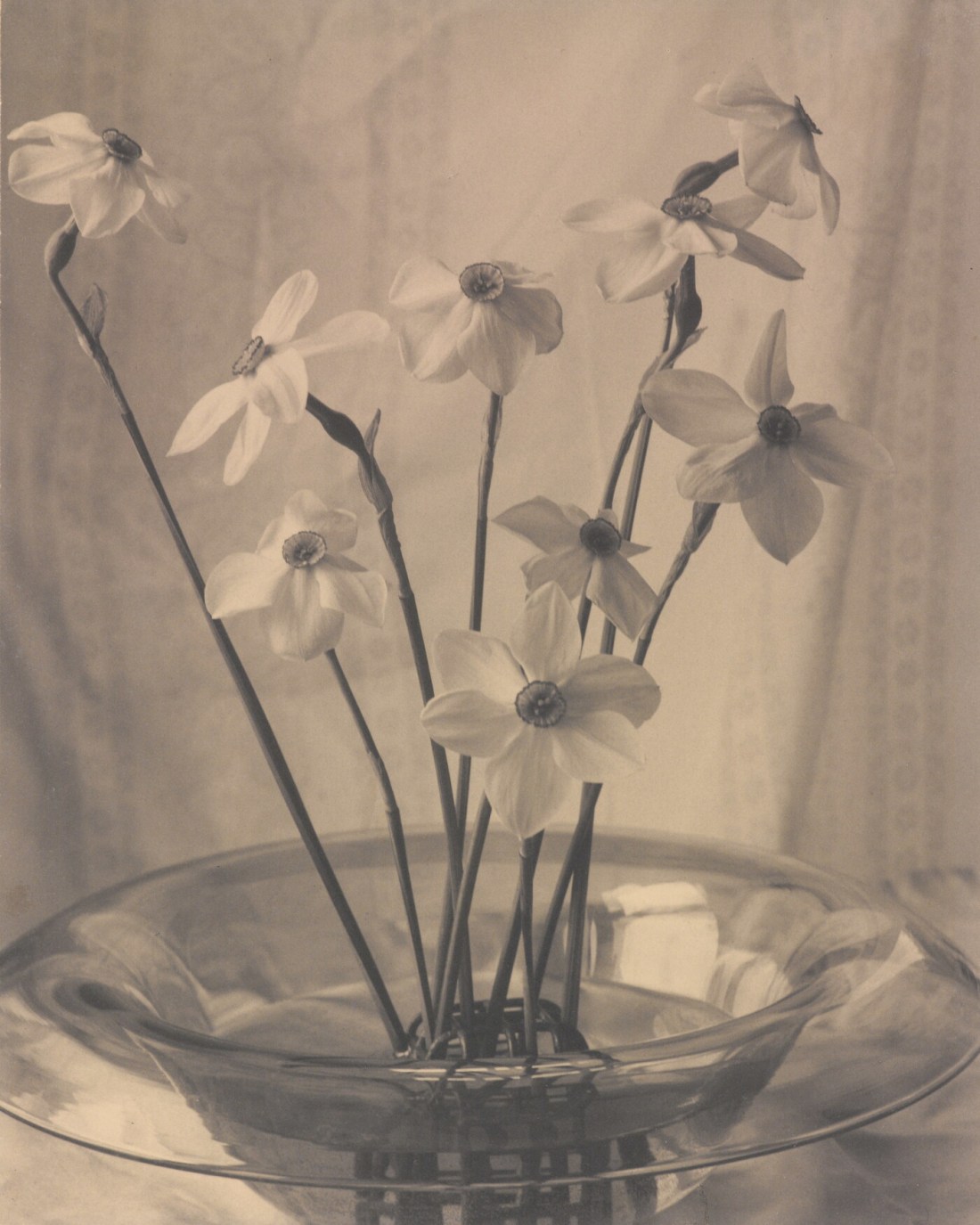


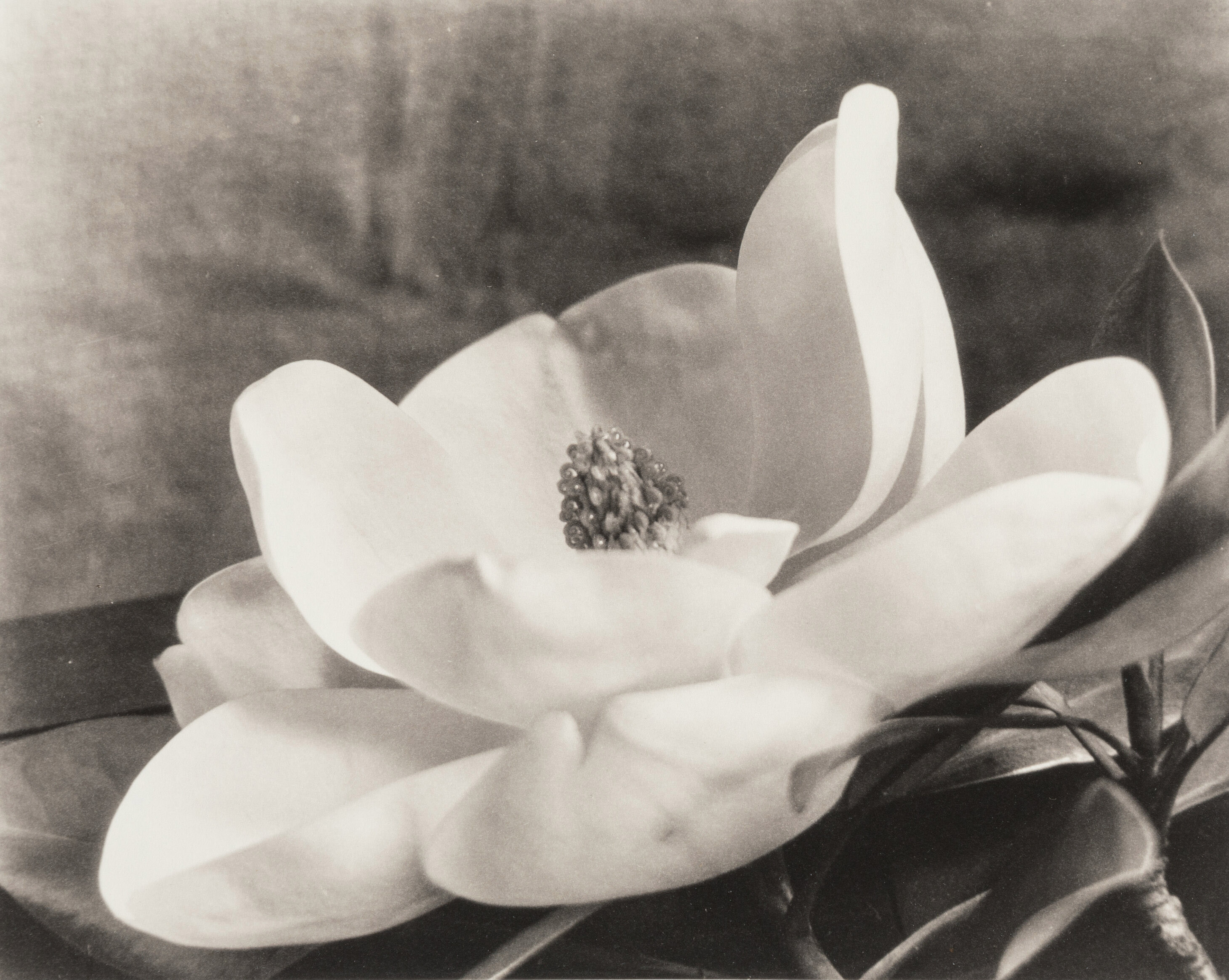
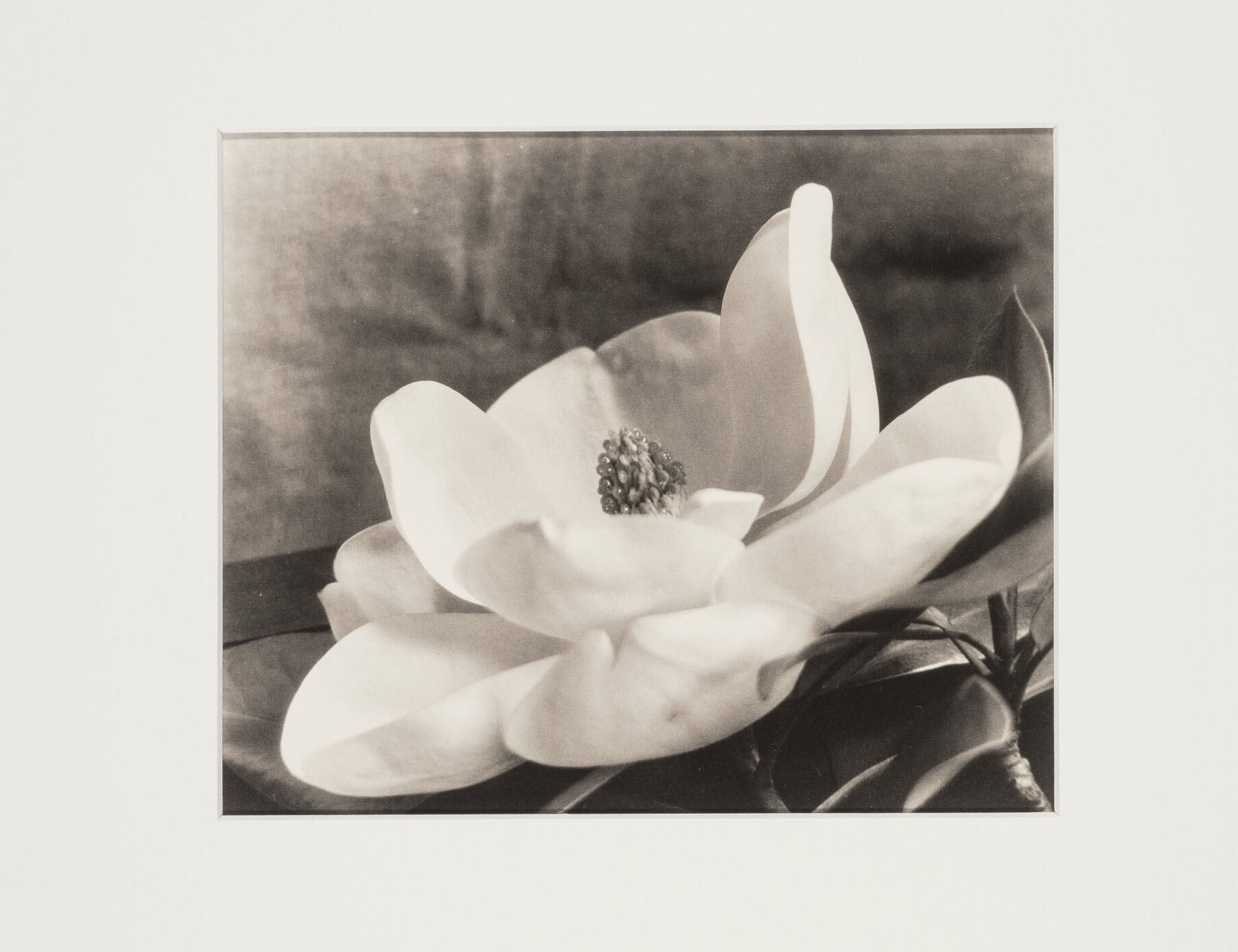
![Print, Verso:
u.l. to c.r. in ink: Narcissus \ 1926 [sic] \ Exhibited \ Brooklyn Institute of Arts & Sciences \ Oct. 1922 [sic] \ Photographic Society of Philadelphia \ Chicago Camera Club. 1929 (Feb) \ Omaha Camera Club \ Photo Pictorialists of Milwauke [sic] 1929 \ California Camera Club May 1929 \ Camera Club of New York. Dec 1-15 1928 \ Hon. Mention 8th Annual Competition American Photography](https://unregardoblique.com/wp-content/uploads/2023/04/laura-gilpin-1891-1979-narcisus-1928-amon-carter.jpg)
On verso of the Amon Carter Museum version (above this), there are a list of exhibitions and awards : Print, Verso:
u.l. to c.r. in ink: Narcissus \ 1926 [sic] \ Exhibited \ Brooklyn Institute of Arts & Sciences \ Oct. 1922 [sic] \ Photographic Society of Philadelphia \ Chicago Camera Club. 1929 (Feb) \ Omaha Camera Club \ Photo Pictorialists of Milwauke [sic] 1929 \ California Camera Club May 1929 \ Camera Club of New York. Dec 1-15 1928 \ Hon. Mention 8th Annual Competition American Photography
Also, this additional information: u.c. on paper label: [printed]: A PHOTOGRAPH BY \ LAURA GILPIN \ SANTA FE, NEW MEXICO \ [typed]: A PLATINUM PRINT \ NARCISSUS \ 1928



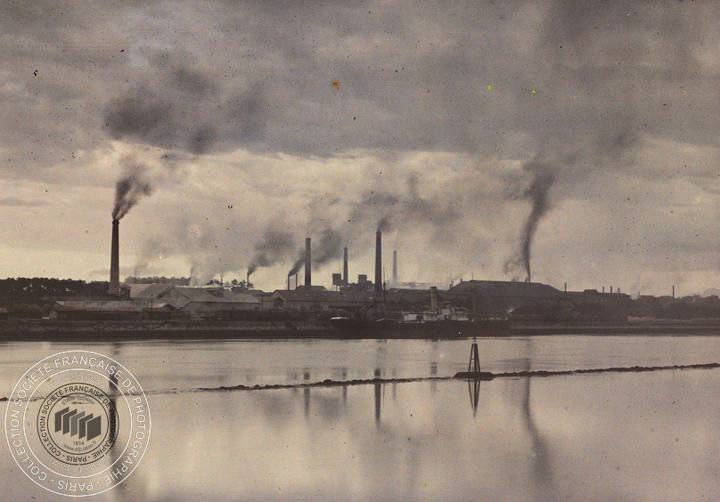
![Antonin Personnaz :: [Usines, rivière, péniches], entre 1907 et 1914. Plaque de verre Autochrome.](https://live.staticflickr.com/65535/52784179301_9d51134c76_o.jpg)
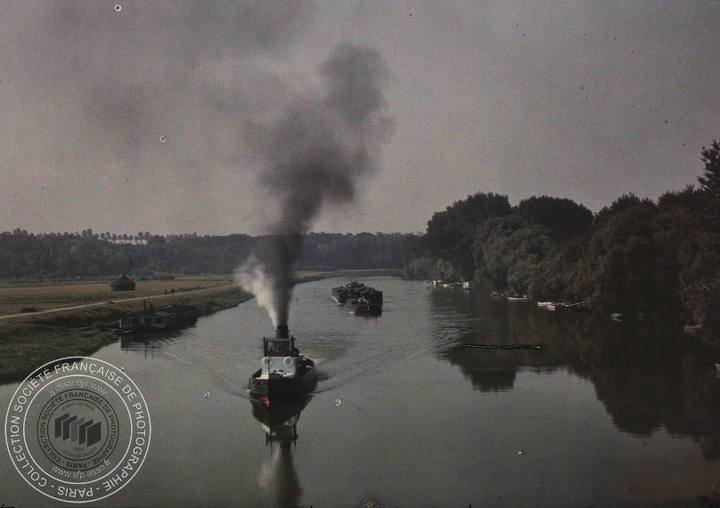
![[Train de péniches sur l'Oise vu depuis le pont d'Auvers (En direction de l'aval) avec bateau-lavoir et une meule sur la berge, Méry-sur-Oise - Auvers-sur-Oise, Val-d'Oise, Île-de-France, France], Antonin PERSONNAZ, entre 1907 et 1914. Autochrome](https://live.staticflickr.com/65535/52784427352_b326b56d0b_o.jpg)
![[Rivière, péniches amarrée], Antonin PERSONNAZ, entre 1907 et 1914. Plaque de verre Autochrome](https://live.staticflickr.com/65535/52785215244_a7879153e4_o.jpg)
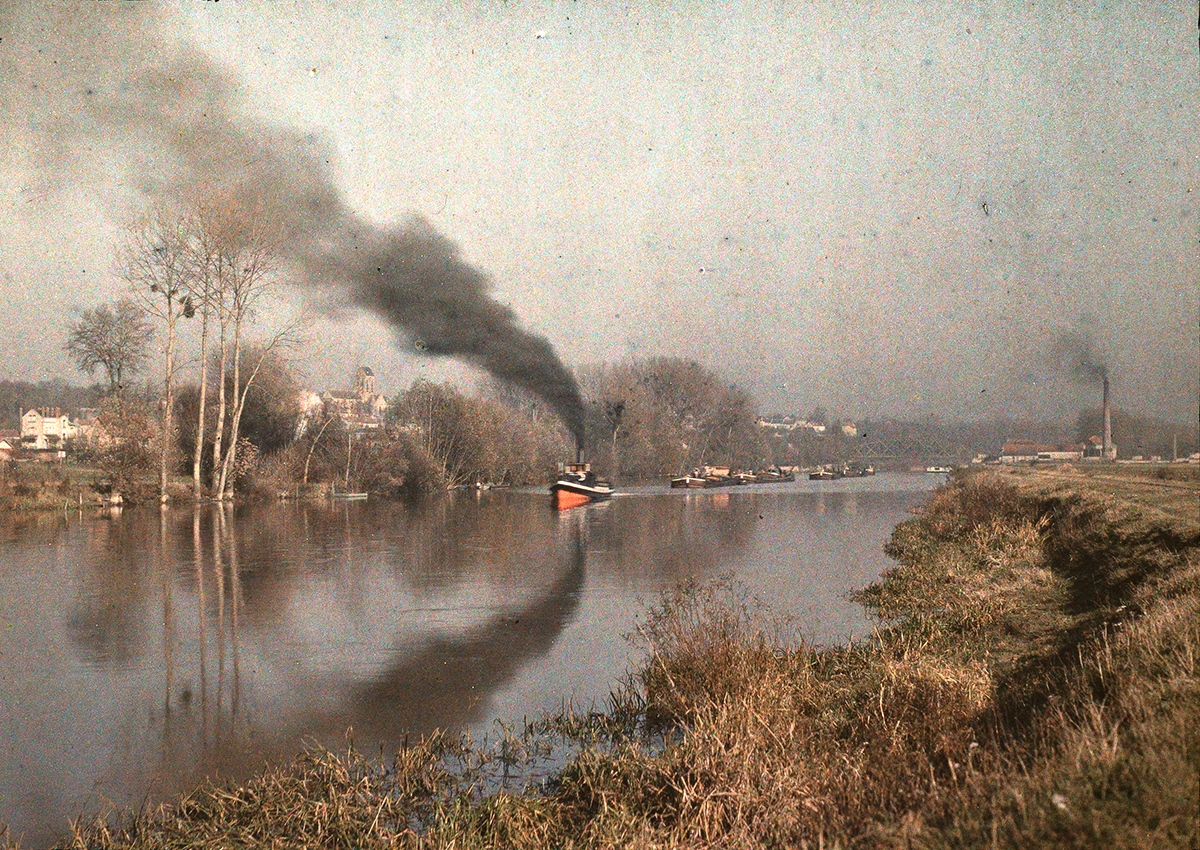
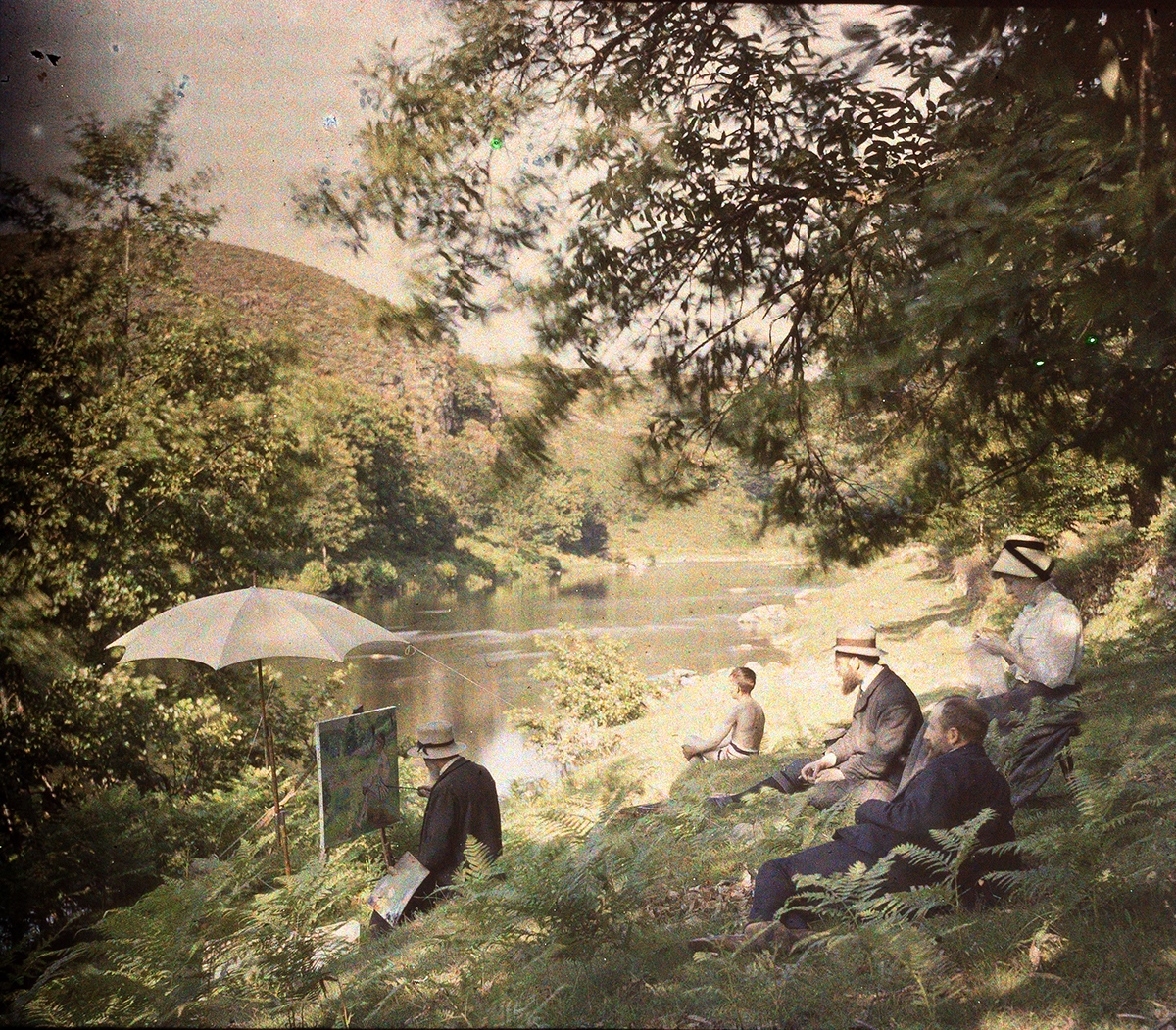


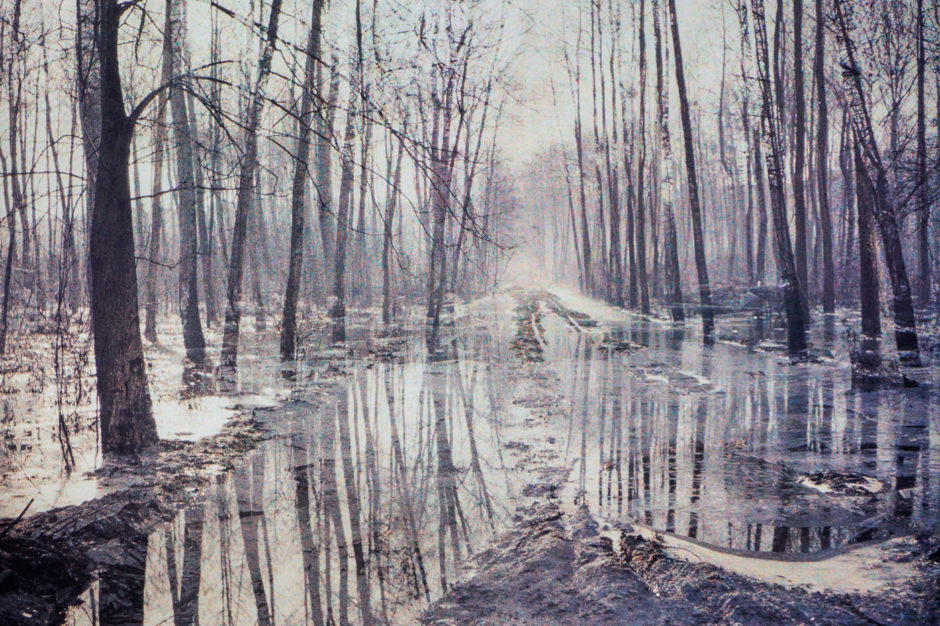
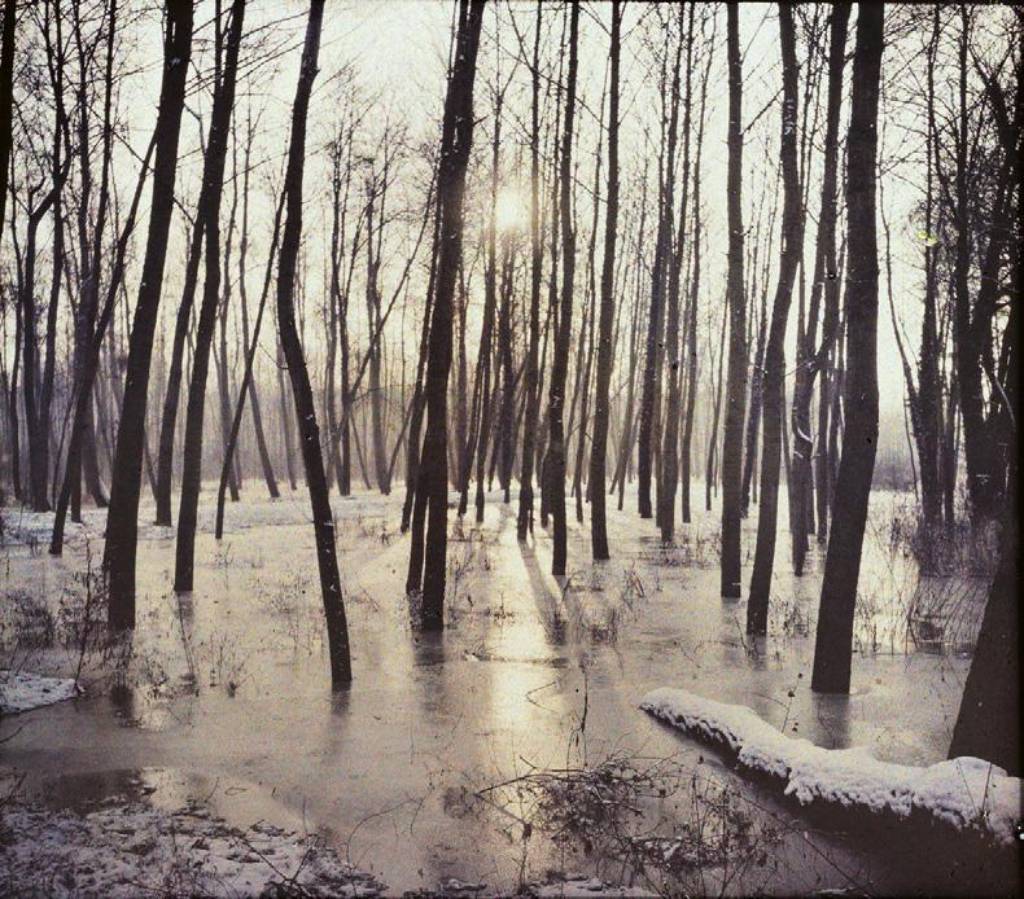
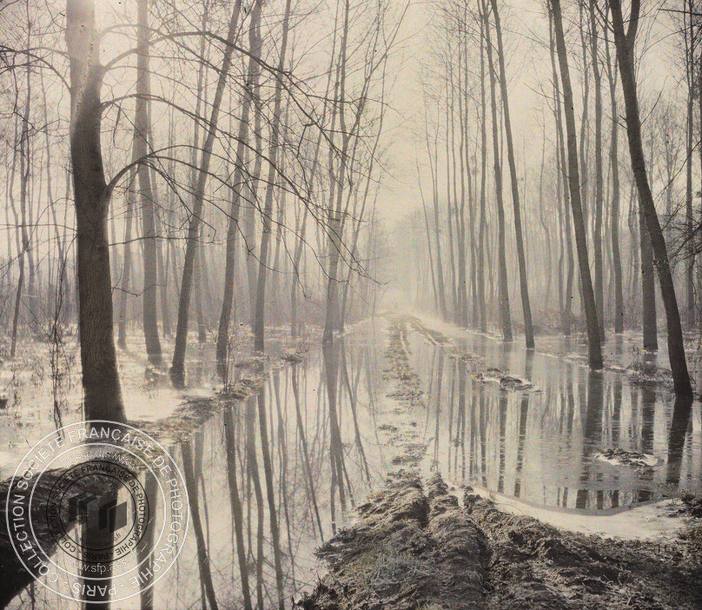

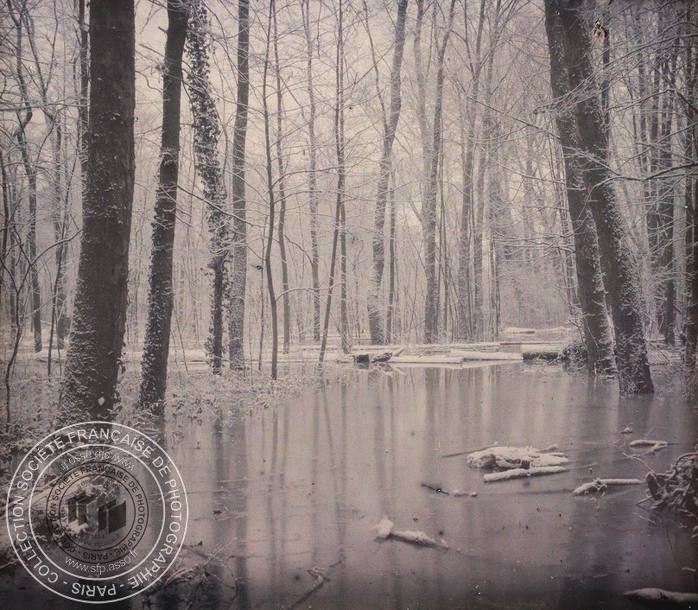
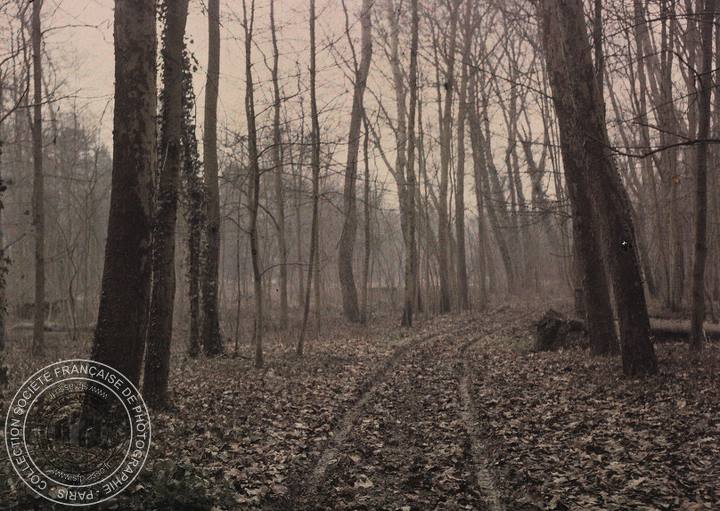
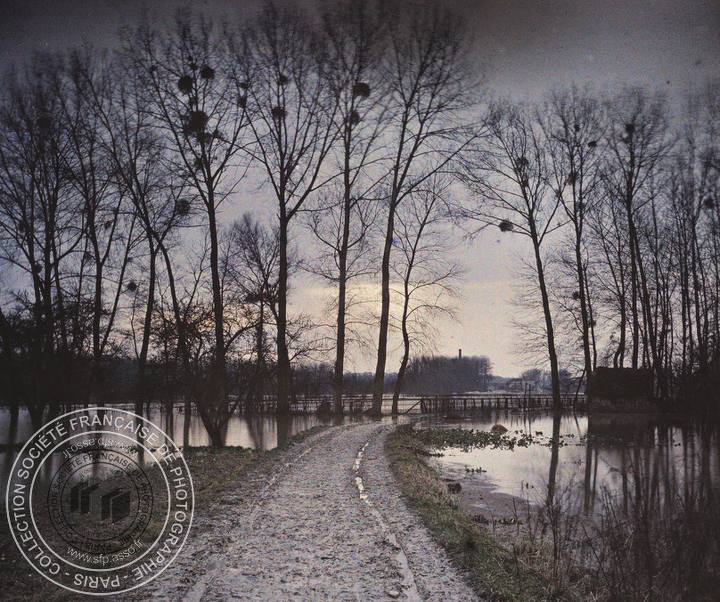

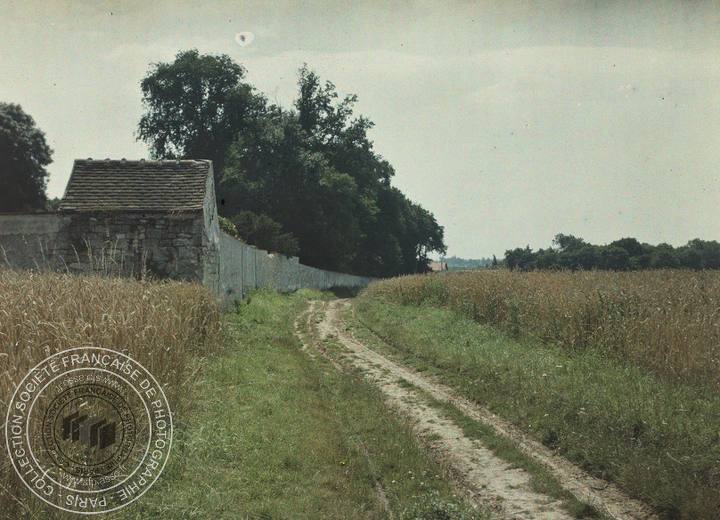
Invented by the Lumière Brothers, Autochrome was the first color photographic process to be marketed. As soon as it was put on the market in 1907, it was an immediate success with amateur and professional photographers. This is the photographic medium used by Albert Kahn for his Archives de la planète, the world’s first global report in color. Among the early adopters stands out a singular personality. Antonin Personnaz (1854-1936) is indeed one of the most important collectors of Impressionism, and is one of the great benefactors of national museums. His 1937 bequest includes 142 first-rate works (Pissarro, Guillaumin, Sisley, Degas, Renoir, Toulouse-Lautrec, etc.), including Monet’s famous Pont d’Argenteuil, which are today among the masterpieces presented at the Musée d’Orsay and at the Musée Bonnat-Helleu. Less well known is his status as an active member of the French Photography Society (from 1896) and of the Society of Excursions for Photography Amateurs (from 1900). As such, he is at the origin of a distinction awarded to the Lumière Brothers for the invention of the autochrome plate, whose grainy and pointillist rendering seems to him to join the research of Impressionist painters, and whose aesthetic qualities he ardently defends. From 1907, Antonin Personnaz assiduously practiced autochromy himself and produced more than a thousand plates, which his widow donated to the Société française de photographie. Despite its interest in the history of Impressionism, this collection has been little studied and shown. However, because of its proximity to artists, Personnaz’s photographic work is of exceptional interest.
In fact, there are not only direct testimonies from painters working on the motif, but also many views whose kinship with the most famous impressionist landscapes is obvious. Views of rivers, countryside, snowy landscapes, peasant scenes, women with umbrellas, flowering apple trees, poppies, all the Impressionist vocabulary can be found there. It seems that Personnaz looks at sites chosen by painters and, by photographing them, mirrored a sort of collection of personal Impressionist images. This unique exhibition, produced in partnership with the Société française de photographie, will be the very first study and publication devoted to Antonin Personnaz. It will present a corpus of images that recreate the pictorialist imagination of the author, with a striking realism for today’s visitor.
A unique exhibition produced in partnership with the Société française de photographie | src ODLP
In 1949, Georgia O’Keeffe and the Alfred Stieglitz Estate donated 1,311 photographs by Alfred Stieglitz to the National Gallery of Art and placed on deposit an additional collection of 331 portraits of O’Keeffe, which were later given to the Gallery in 1980. This collection, known as the Key Set, is an unparalleled selection of Stieglitz’s photographs, containing at least one print of every mounted photograph in his possession at the time of his death. It remains one of the most important photographic collections in existence. Carefully selected by O’Keeffe to include the finest examples, the Key Set traces the evolution of Stieglitz’s work, from its inception in the 1880s to its rich maturation in the 1930s, and thoroughly documents all aspects of his decisive contribution to the art of photography.
Previously available only in print, the Alfred Stieglitz Key Set online Edition represents the definitive publication on the artist’s work. Incorporating updated scholarship, including recent conservation findings, as well as overviews of the major periods in his art, robust search functionality, and advanced image viewing and comparison tools, the Online Edition opens up new avenues for researching—and being inspired by—Stieglitz’s work.
Explore highlights of the Key Set, browse by subject or person, or search the Key Set to view all Key Set photographs and filter results by Key Set number, negative date, photographic process, or other criteria. [permalink]
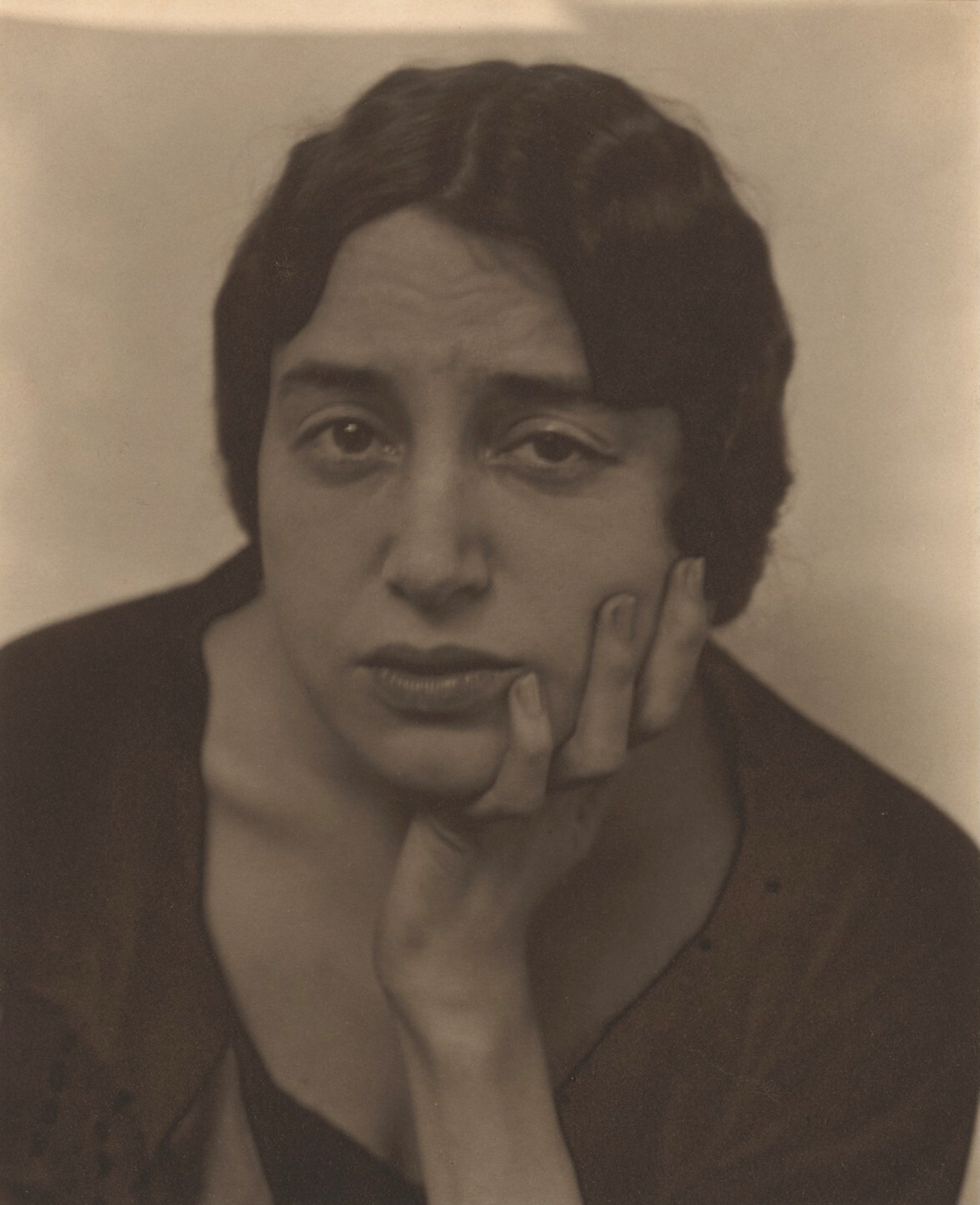
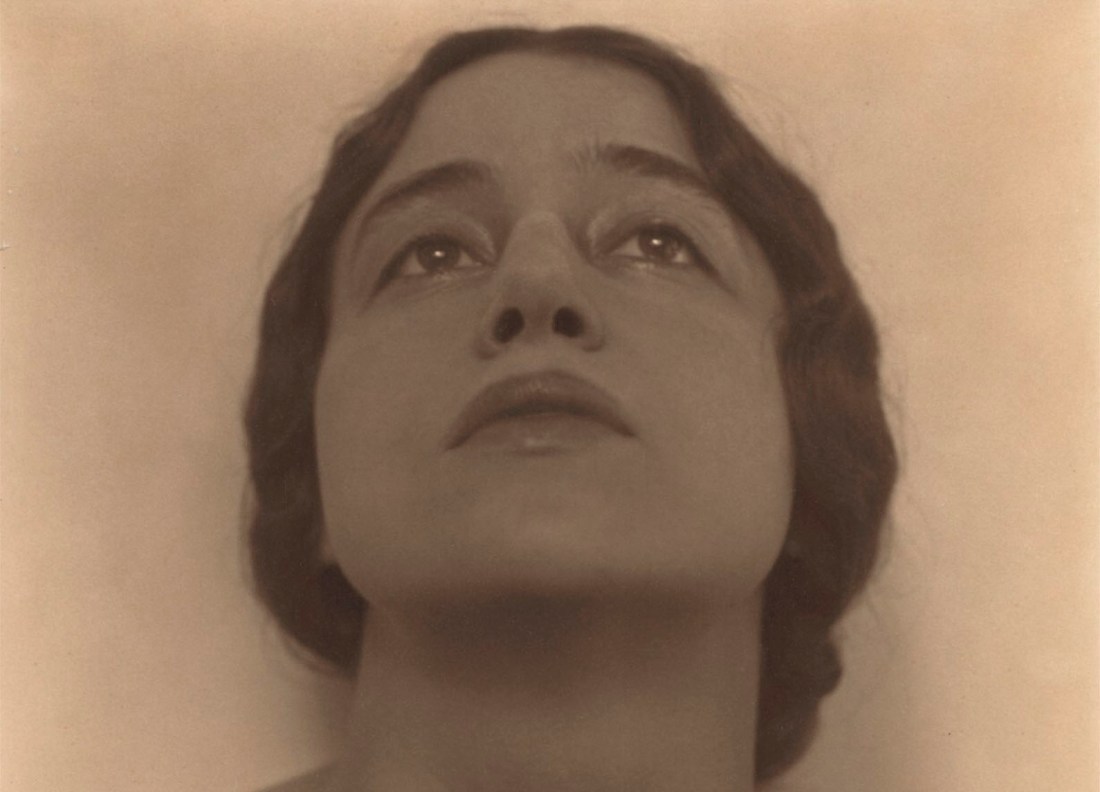
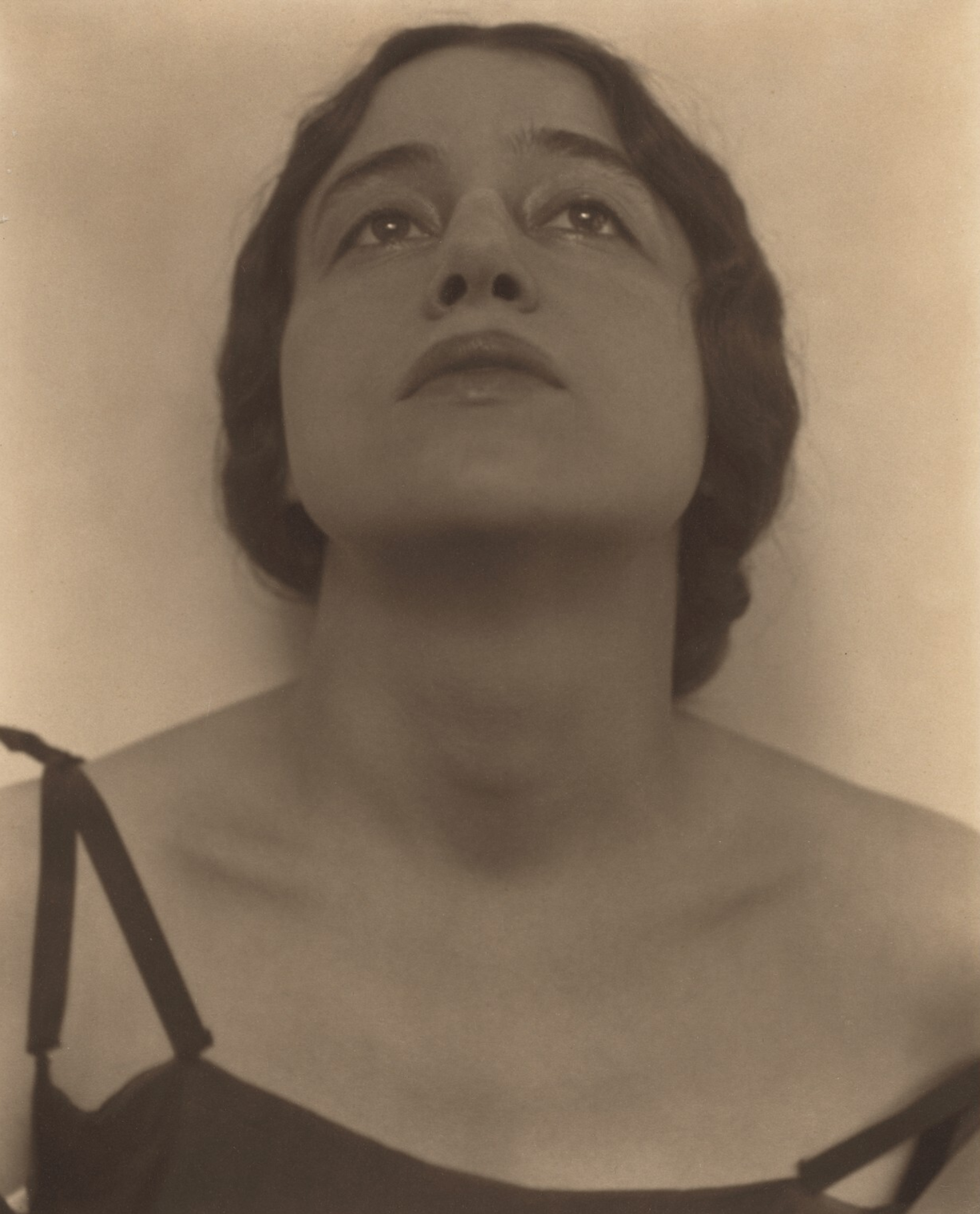
A dancer, actress, and writer, Helen Freeman (Corle) probably met Stieglitz and O’Keeffe in the early 1920s through her friendship with Mitchell Kennerley, owner of the Anderson Galleries.
The photographs and Key Set numbers 711-716 were made on at least two separate occasions between late November 1921 and Fall 1922.
“My Dear Miss. Freeman: The exposures have been developed. And there are proofs.—I have been thinking them over.—Some I feel are acceptable.—At least as a beginning. Early next week, should you find time, I’ll make another series.—And when you come, you’ll see the proofs” (Stieglitz to Helen Freeman, 1 December 1921 [Sotheby’s, auction catalogue, 17 April 1991, lot 123A])
quoted from NGA
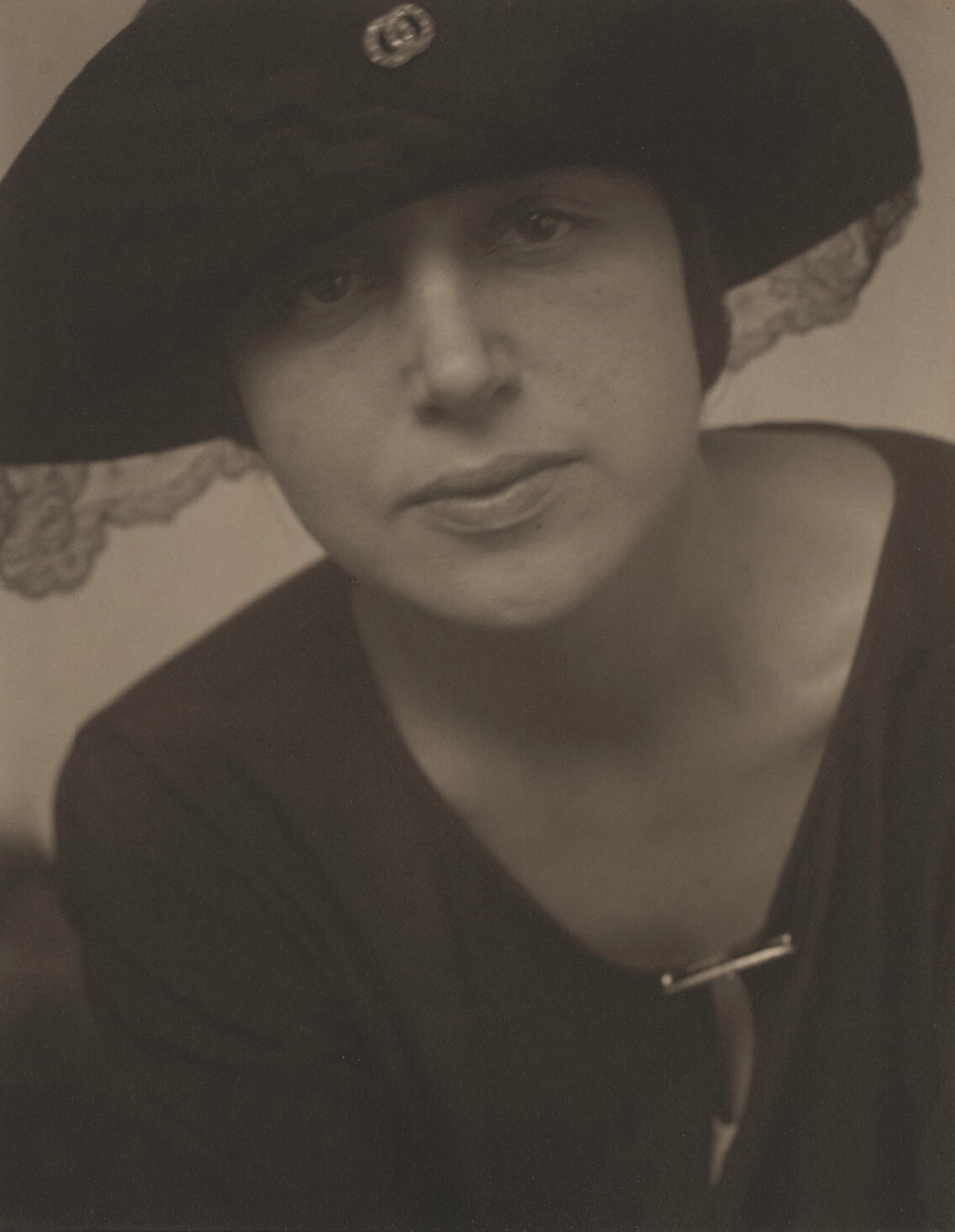
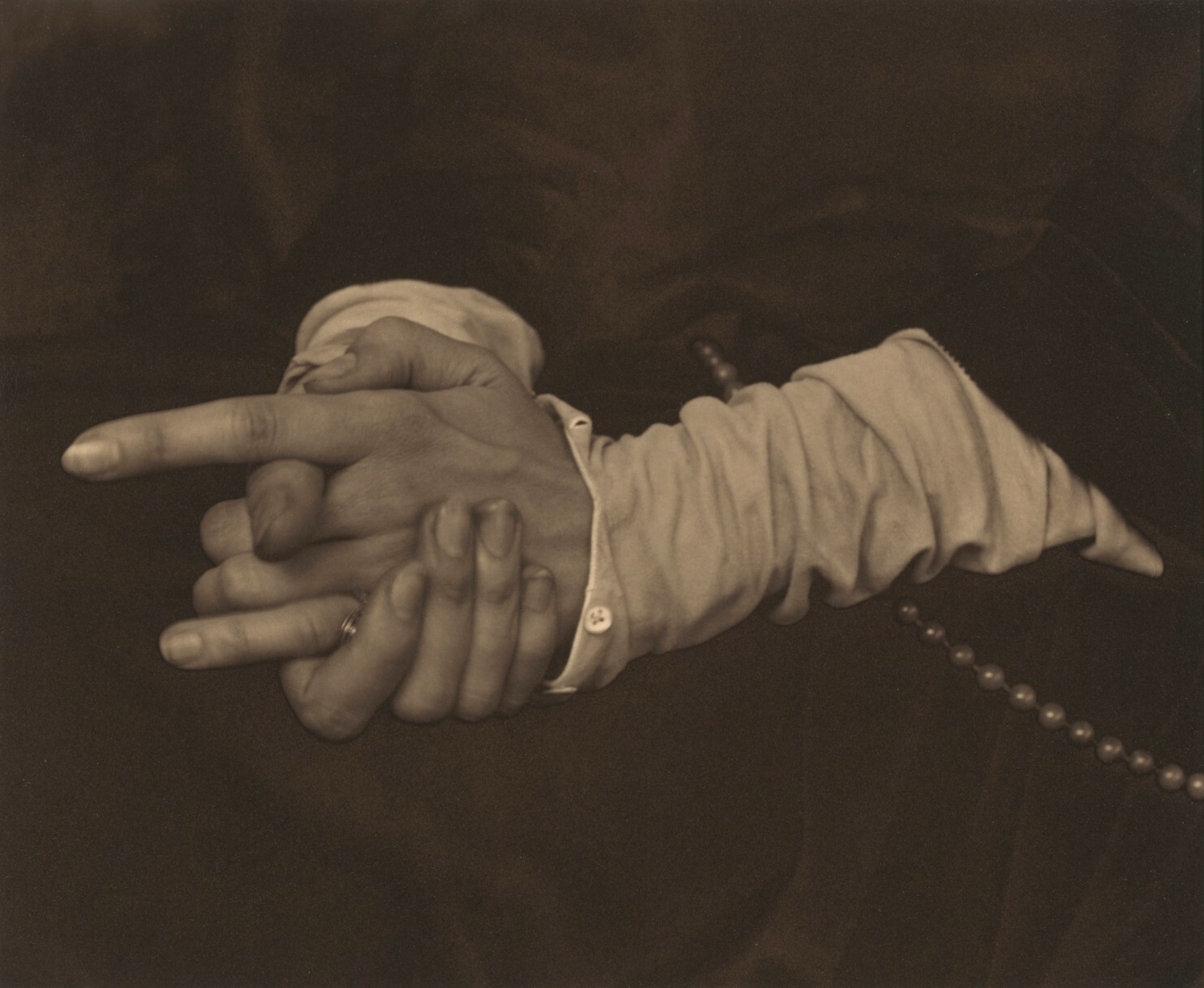

A dancer, actress, and writer, Helen Freeman (Corle) probably met Stieglitz and O’Keeffe in the early 1920s through her friendship with Mitchell Kennerley, owner of the Anderson Galleries.
The photographs and Key Set numbers 711-716 were made on at least two separate occasions between late November 1921 and Fall 1922.
“My Dear Miss. Freeman: The exposures have been developed. And there are proofs.—I have been thinking them over.—Some I feel are acceptable.—At least as a beginning. Early next week, should you find time, I’ll make another series.—And when you come, you’ll see the proofs” (Stieglitz to Helen Freeman, 1 December 1921 [Sotheby’s, auction catalogue, 17 April 1991, lot 123A])
quoted from NGA

In 1949, Georgia O’Keeffe and the Alfred Stieglitz Estate donated 1,311 photographs by Alfred Stieglitz to the National Gallery of Art and placed on deposit an additional collection of 331 portraits of O’Keeffe, which were later given to the Gallery in 1980. This collection, known as the Key Set, is an unparalleled selection of Stieglitz’s photographs, containing at least one print of every mounted photograph in his possession at the time of his death. It remains one of the most important photographic collections in existence. Carefully selected by O’Keeffe to include the finest examples, the Key Set traces the evolution of Stieglitz’s work, from its inception in the 1880s to its rich maturation in the 1930s, and thoroughly documents all aspects of his decisive contribution to the art of photography.
Previously available only in print, the Alfred Stieglitz Key Set online Edition represents the definitive publication on the artist’s work. Incorporating updated scholarship, including recent conservation findings, as well as overviews of the major periods in his art, robust search functionality, and advanced image viewing and comparison tools, the Online Edition opens up new avenues for researching—and being inspired by—Stieglitz’s work.
Explore highlights of the Key Set, browse by subject or person, or search the Key Set to view all Key Set photographs and filter results by Key Set number, negative date, photographic process, or other criteria. [permalink]


 un regard oblique