Romaine Brooks · Portraits

Beatrice Romaine Goddard (1874-1970), known as Romaine Brooks ~ Au bord de la mer (At the seaside), 1914. Oil on canvas. | Franco-American museum of the Blérancourt castle via wikimedia commons
Beatrice Romaine Goddard (1874-1970), known as Romaine Brooks ~ Au bord de la mer (Autoportrait), 1914. Oil on canvas.
Romaine Brooks ~ Peter (A Young English Girl), 1923-1924, oil on canvas SAAM-1970.70_2

Peter depicts British painter Hannah Gluckstein, heir to a catering empire who adopted the genderless professional name Gluck in the early 1920s. By the time Brooks met her at one of Natalie Barney’s literary salons, Gluckstein had begun using the name Peyter (Peter) Gluck. She unapologetically wore men’s suits and fedoras, clearly asserting the association between androgyny and lesbian identity. Brooks’s carefully nuanced palette and quiet, empty space produced an image of refined and austere modernity. ~ The Art of Romaine Brooks, 2016
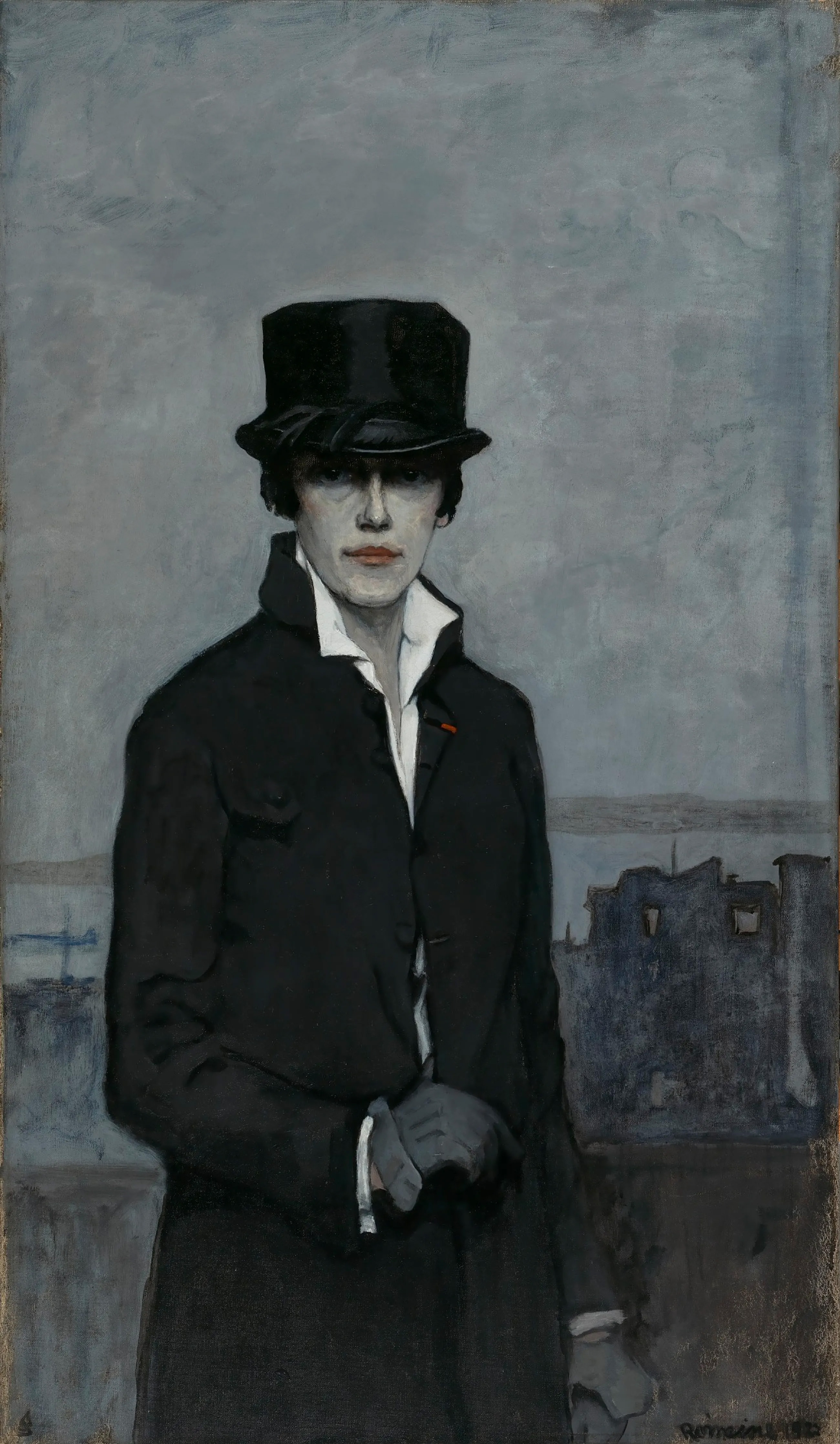
Romaine Brooks (1874-1970) ~ Self-Portrait, 1923. Oil on canvas. Smithsonian American Art Museum

With this self-portrait, Brooks envisioned her modernity as an artist and a person. The modulated shades of gray, stylized forms, and psychological gravity exemplify her deep commitment to aesthetic principles. The shaded, direct gaze conveys a commanding and confident presence, an attitude more typically associated with her male counterparts. The riding hat and coat and masculine tailoring recall conventions of aristocratic portraiture while also evoking a chic androgyny associated with the post–World War I “new woman.” Brooks’s fashion choices also enabled upper-class lesbians to identify and acknowledge one another. ~ The Art of Romaine Brooks, 2016

Romaine Brooks ~ Una, Lady Troubridge, 1924, oil on canvas SAAM-1966.49.6_2

Una Troubridge was a British aristocrat, literary translator, and the lover of Radclyffe Hall, author of the 1928 pathbreaking lesbian novel, The Well of Loneliness. Troubridge appears with a sense of formality and importance typical of upper-class portraiture, but with the sitter’s prized dachshunds in place of the traditional hunting dog. Troubridge’s impeccably tailored clothing, cravat, and bobbed hair convey the fashionable and daring androgyny associated with the so-called new woman. Her monocle suggested multiple symbolic associations to contemporary British audiences: it alluded to Troubridge’s upper-class status, her Englishness, her sense of rebellion, and possibly her lesbian identity. ~ The Art of Romaine Brooks, 2016
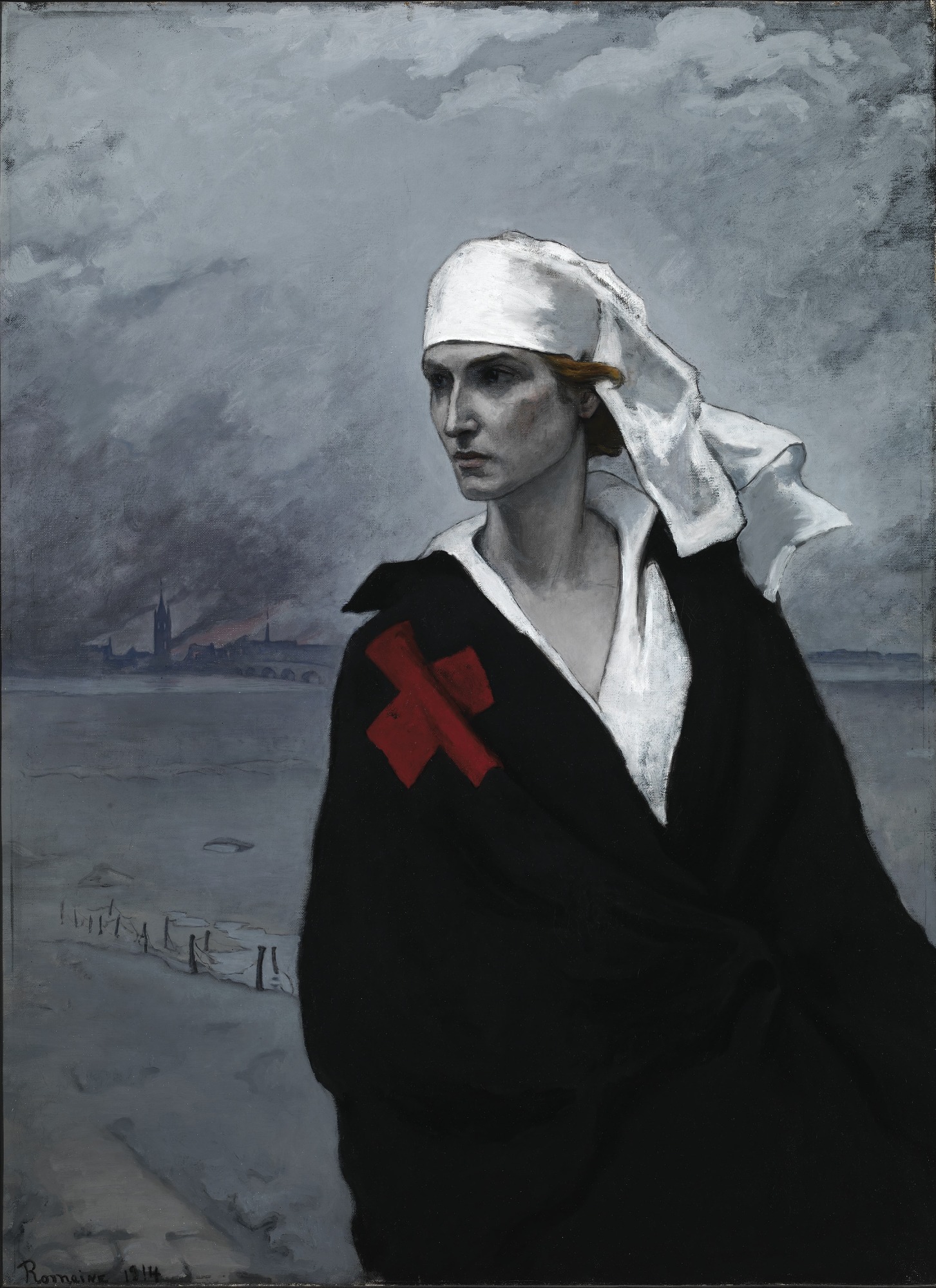
Romaine Brooks ~ La France Croisée, 1914, oil on canvas SAAM-1970.69_2

In La France Croisée, Brooks voiced her opposition to World War I and raised money for the Red Cross and French relief organizations. Ida Rubinstein was the model for this heroic figure posed in a nurse’s uniform, with cross emblazoned against her dark cloak, against a windswept landscape outside the burning city of Ypres. This symbolic portrait of a valiant France was exhibited in 1915 at the Bernheim Gallery in Paris, along with four accompanying sonnets written by Gabriele D’Annunzio. The gallery offered reproductions for sale as a benefit to the Red Cross. For her contributions to the war effort, the French government awarded Brooks the Cross of the Legion of Honor in 1920. This award is visible as the bright red spot on Brooks’s lapel in her 1923 Self-Portrait. ~ The Art of Romaine Brooks, 2016

Romaine Brooks ~ Ida Rubinstein, 1917, oil on canvas, Smithsonian American Art Museum

Brooks met Russian dancer and arts patron Ida Rubinstein in Paris after Rubinstein’s first performance as the title character in Gabriele D’Annunzio’s play The Martyrdom of St. Sebastian. Rubinstein was already well known for her refined beauty and expressive gestures; she secured her reputation as a daring performer by starring as the male saint in this boundary-pushing show that combined religious history, androgyny, and erotic narrative. Brooks found her ideal — and her artistic inspiration — in the tall, lithe, sensuous Rubinstein, who modeled for many sketches, paintings, and photographs Brooks produced during their relationship, from 1911 to 1914. In her autobiographical manuscript, “No Pleasant Memories,” Brooks said the inspiration for this portrait came as the two women walked through the Bois de Boulogne on a cold winter morning. ~ The Art of Romaine Brooks, 2016

All quotations and images (except n. 1 & 2) are from the Smithsonian American Art Museum (x)
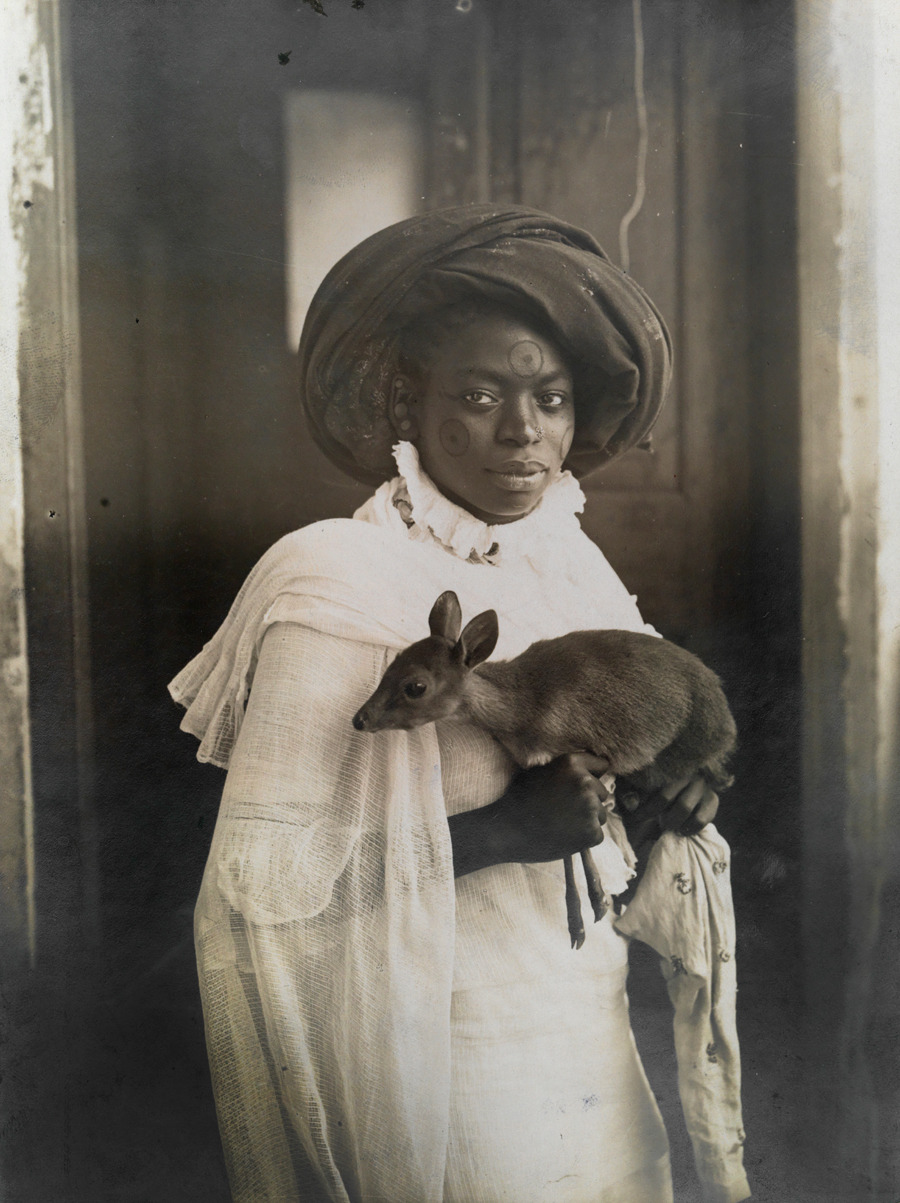
Woman and pet deer, 1909

A young Kenyan woman holds her pet deer in Mombasa, March 1909. Underwood and Underwood. | src National Geographic

un regard oblique's avatarun regard oblique

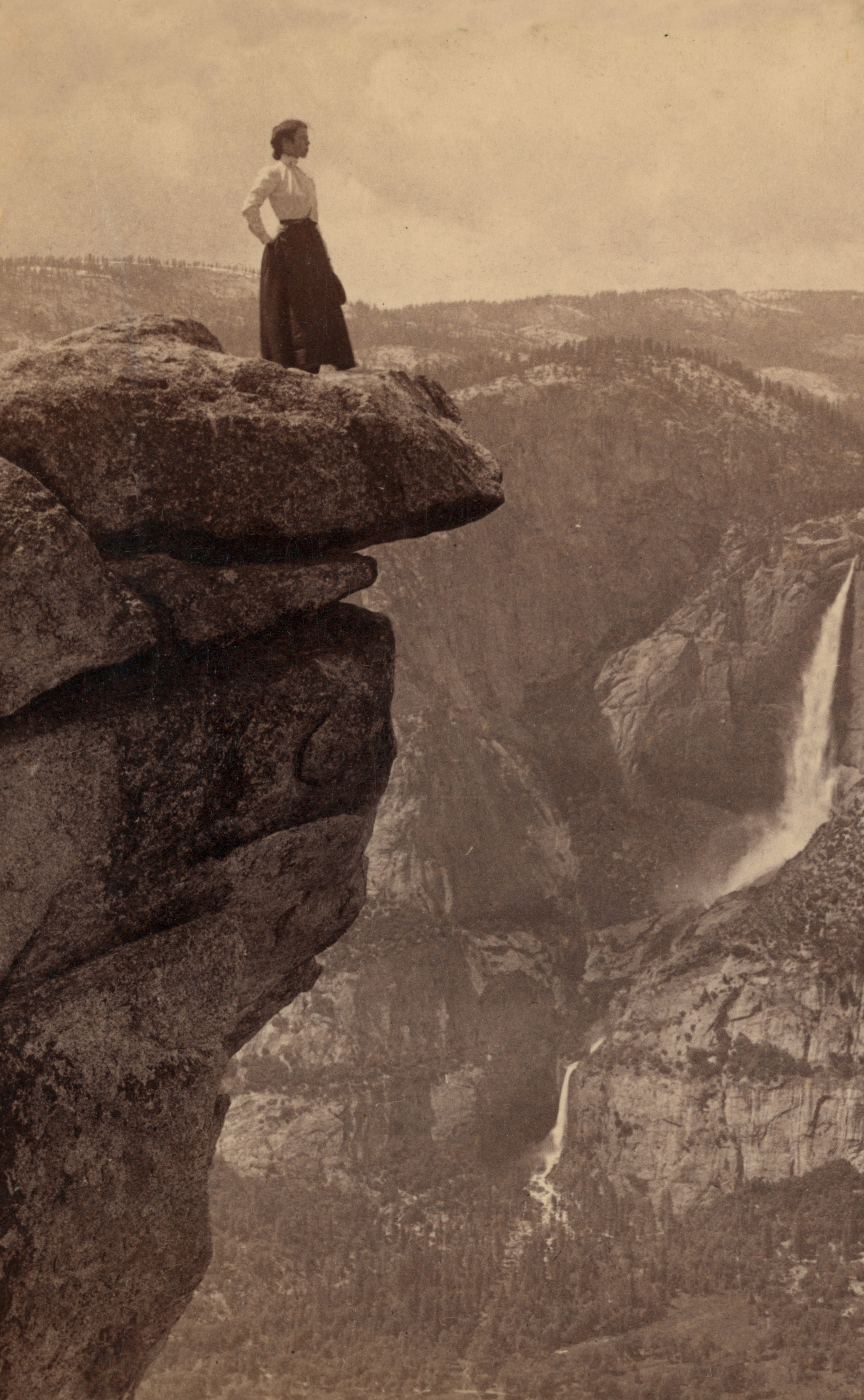
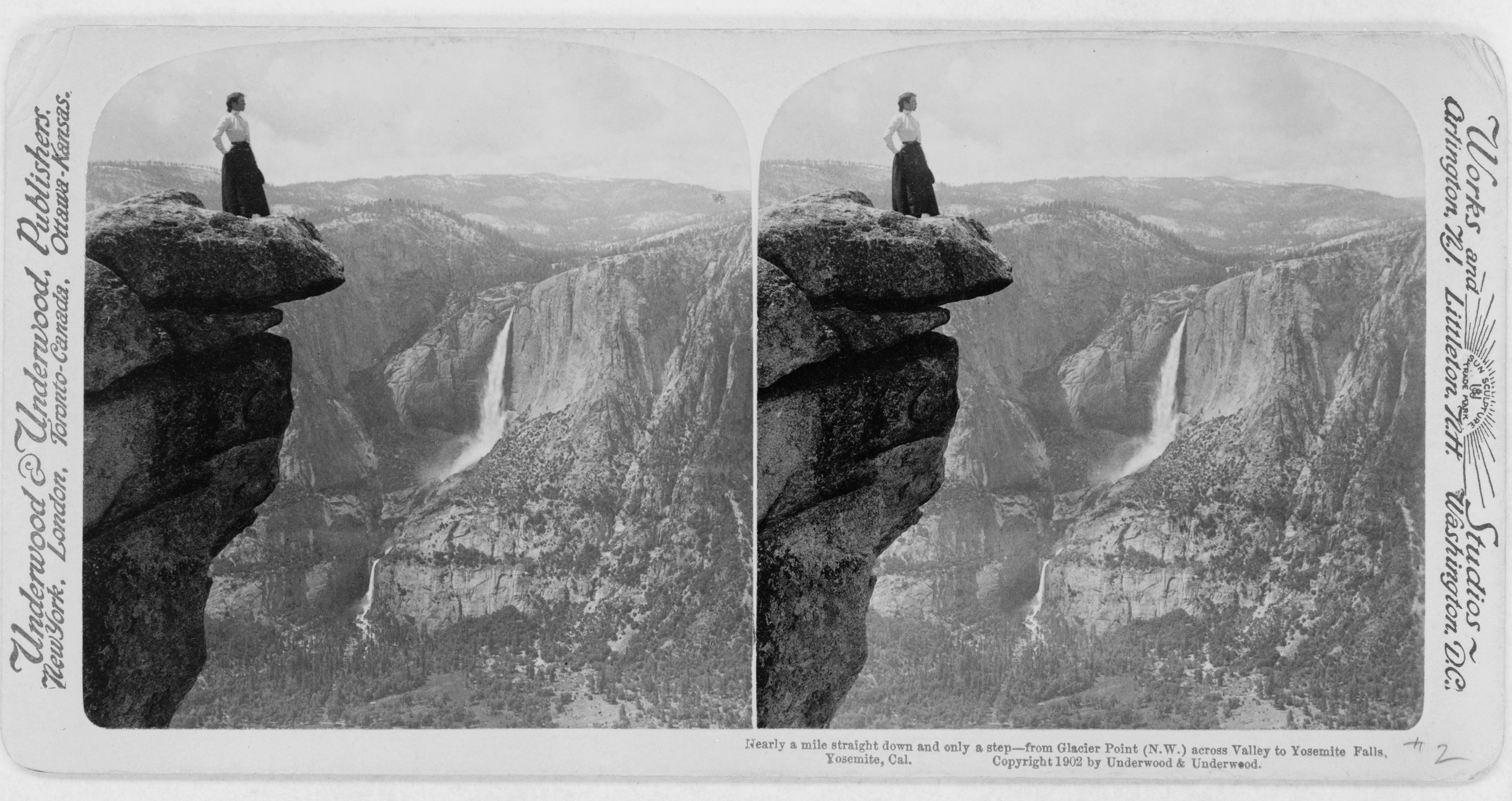
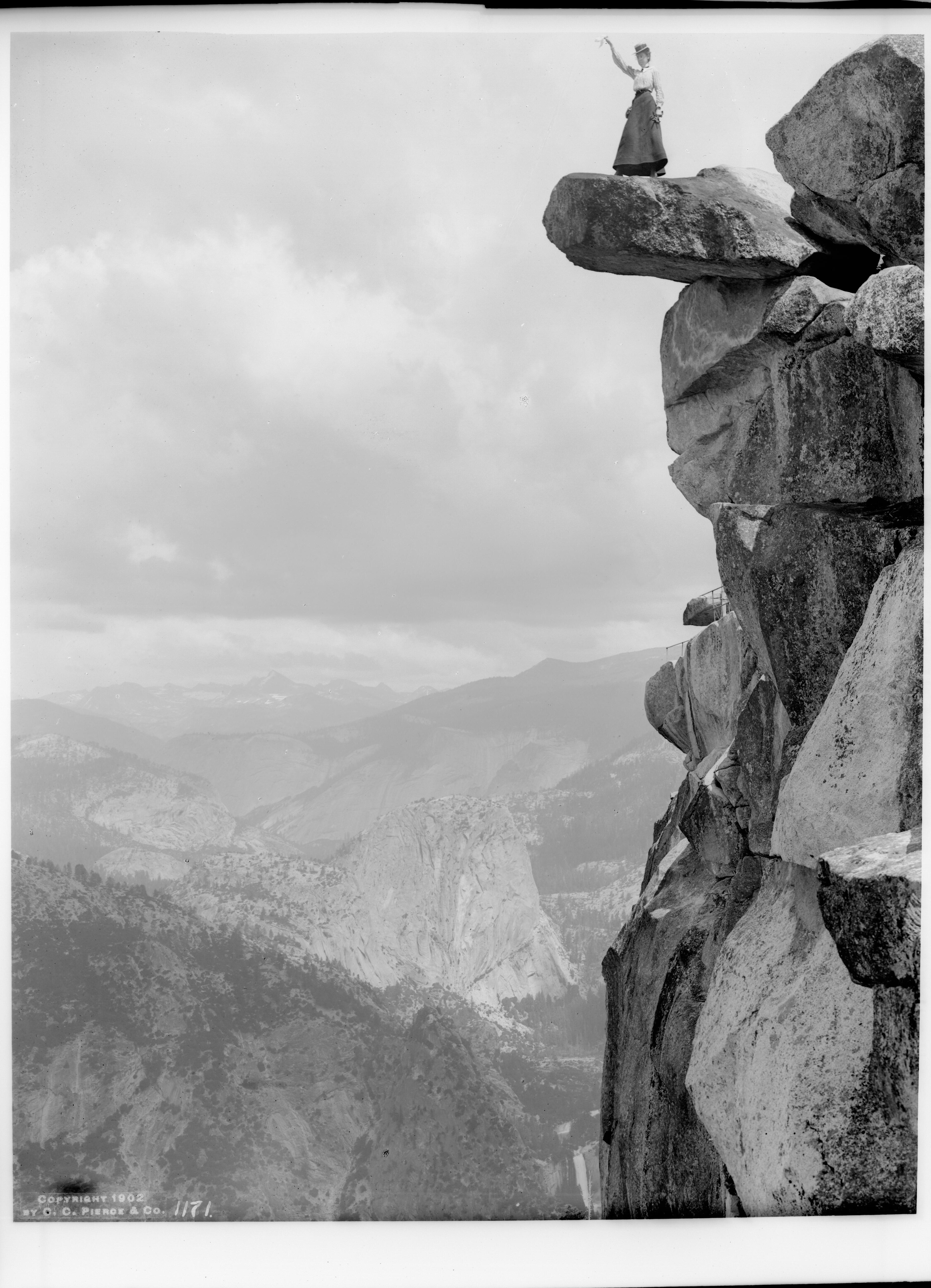
Nearly a mile straight down and only a step–from Glacier Point, Yosemite valley, ca. 1902 [detail]

Nearly a mile straight down and only a step–from Glacier Point (N.W.) across valley to Yosemite Falls, Yosemite, Cal.,ca. 1902. Underwood & Underwood. Half stereo card.

Original title: Nearly a mile straight down and only a step–from Glacier Point (N.W.) across valley to Yosemite Falls, Yosemite, Cal. [Description: Woman standing on cliff overlooking deep valley.]. Underwood & Underwood, publishers, New York, ca. 1902. Digital file from original photo : photographic print on stereo card : stereograph. [scanned half stereo] | src Library of Congress

Underwood & Underwood :: Woman standing on cliff overlooking deep valley, 1900-1910

B&W film copy negative from original stereo card | src Library of Congress

View of woman standing on an overhanging rock at Glacier Point with Yosemite Falls seen in the distance. | src ALMA repository

View original post

Women at Glacier Point · 1900s

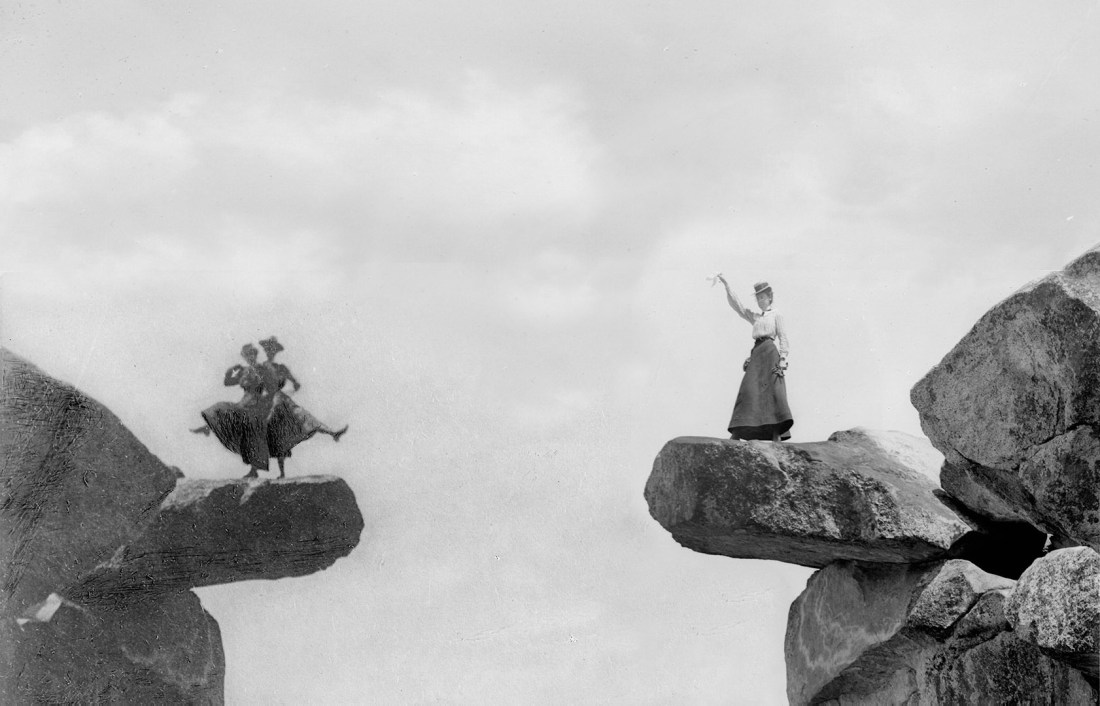
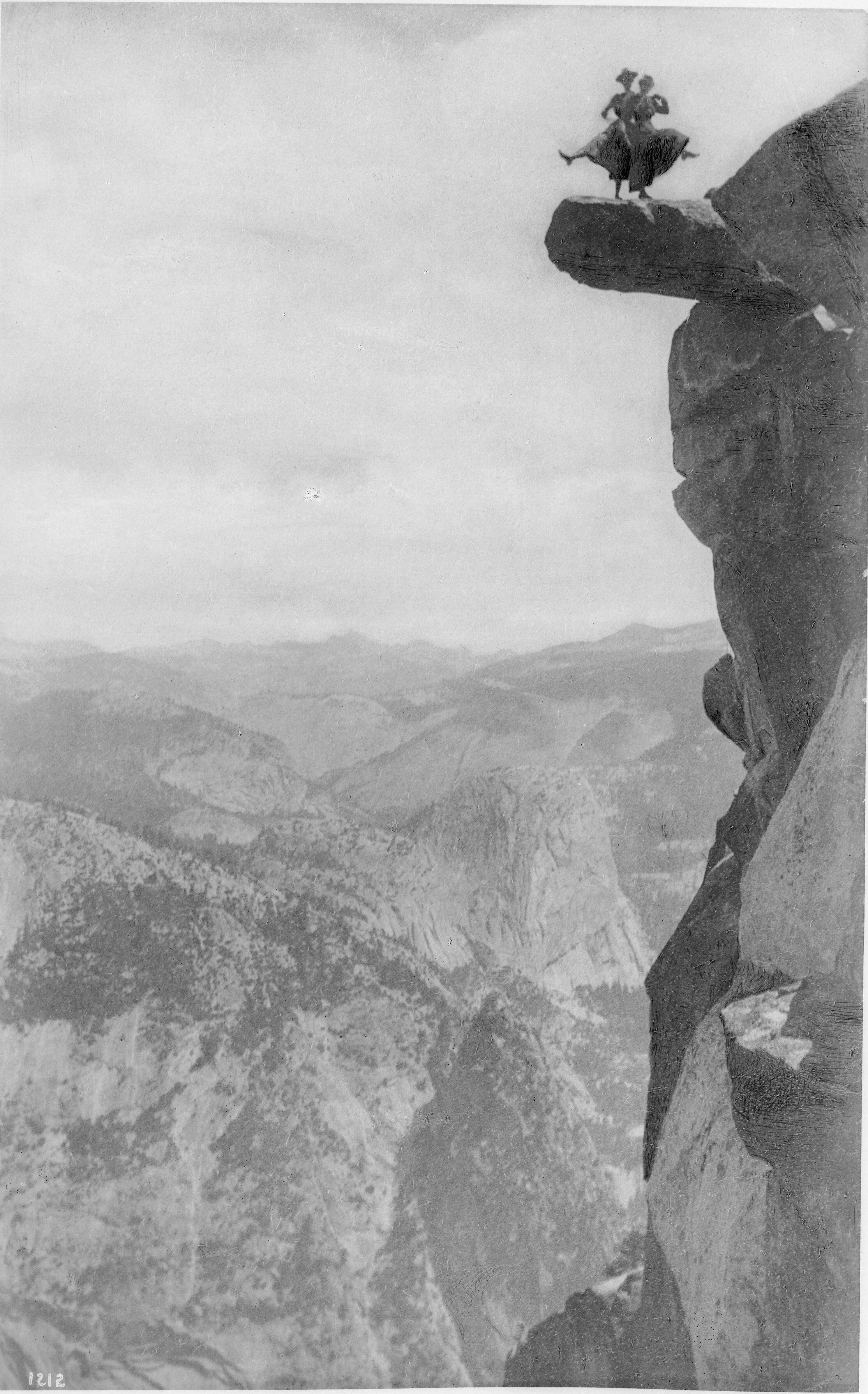
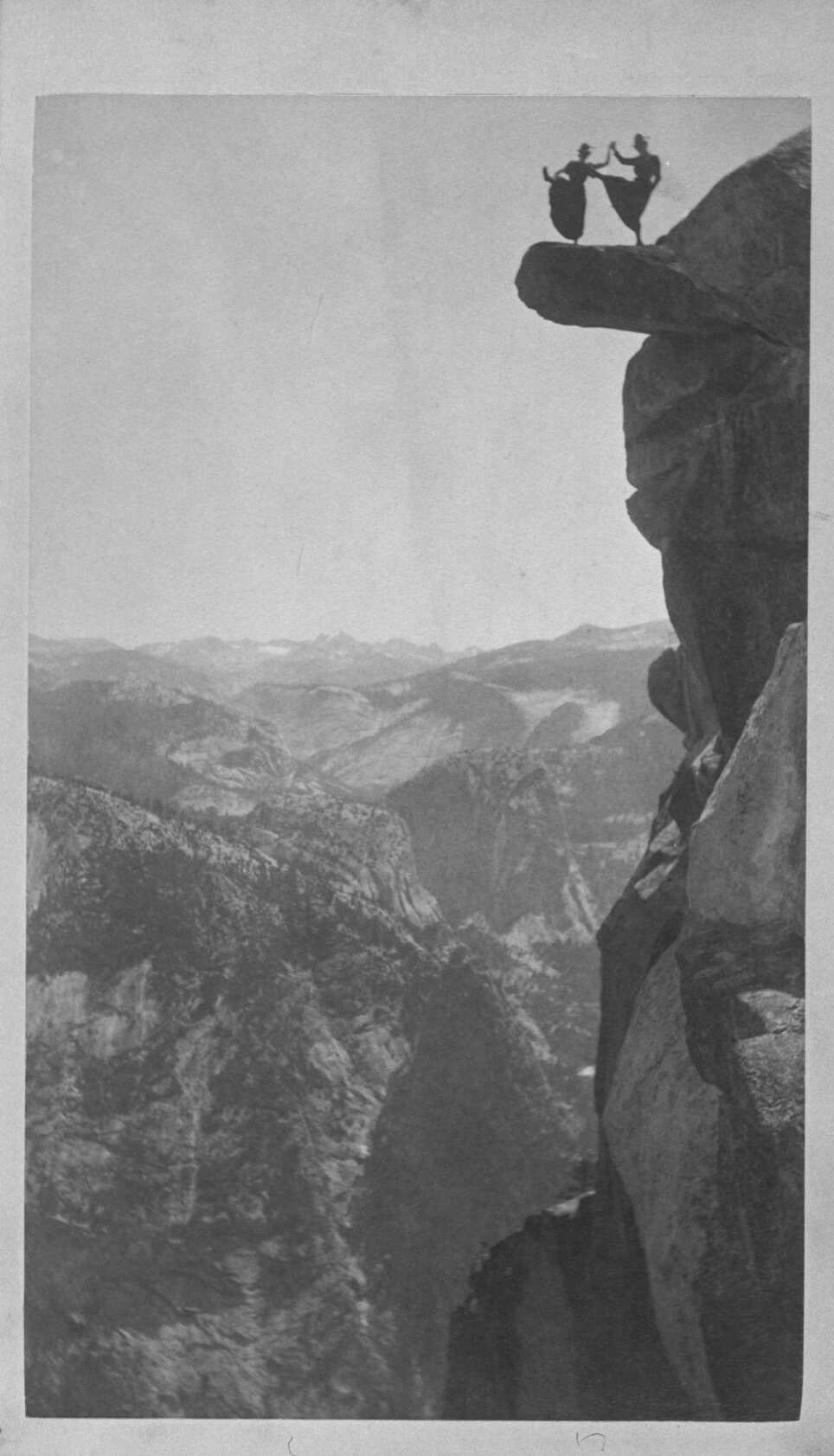
George Fiske (1835-1918) :: Two women doing a “skirt dance” on the precarious Glacier Point in Yosemite National Park, 1900-1902. Glass negative. | src USC Libraries
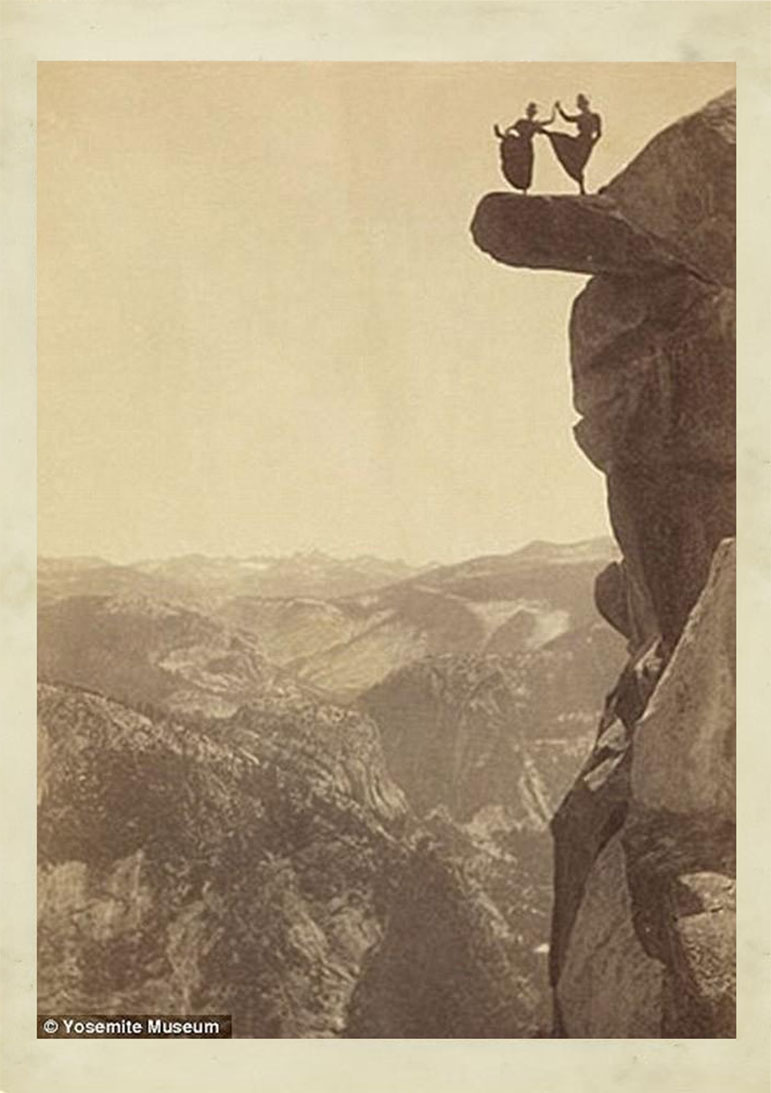
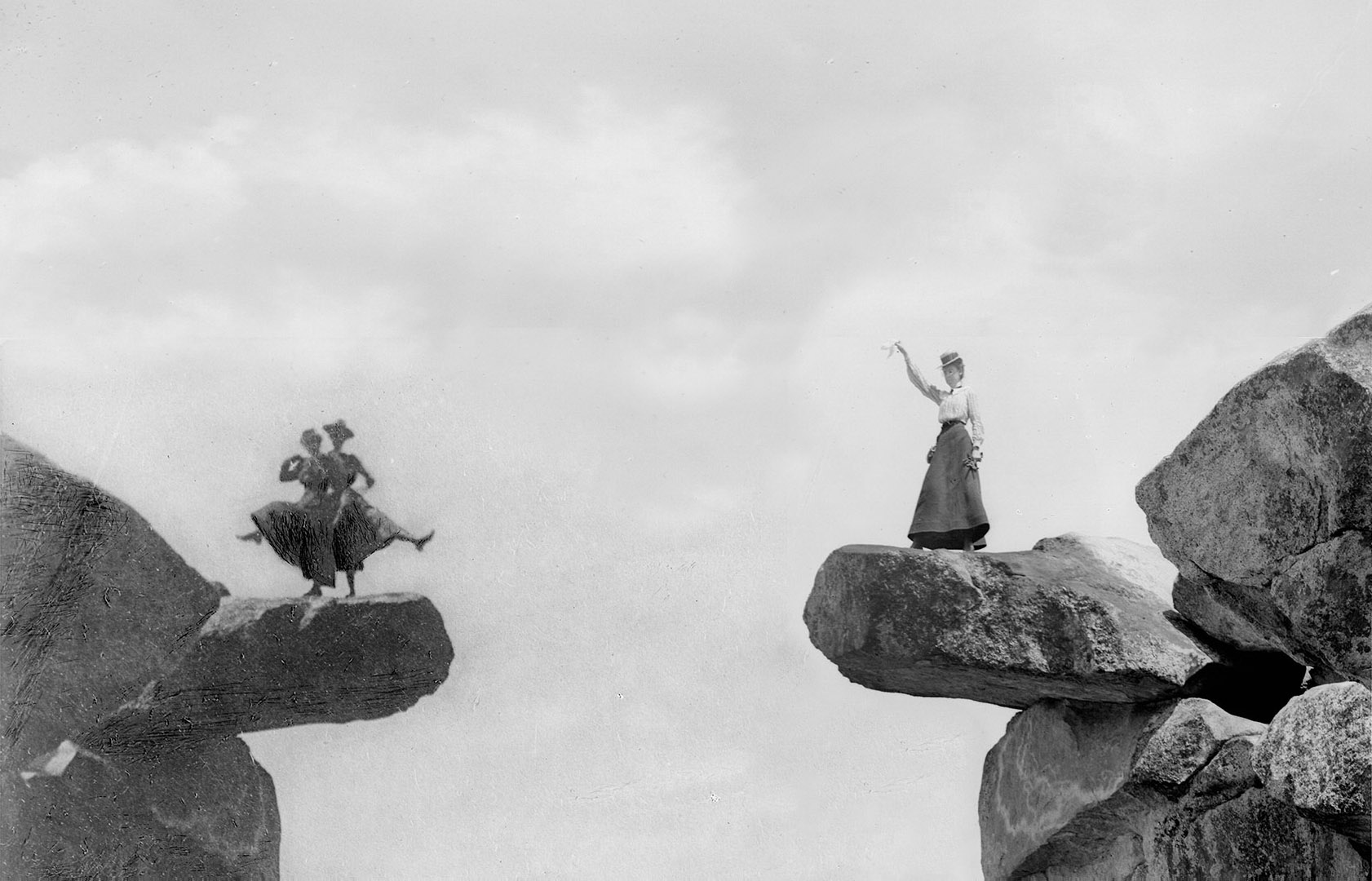
George Fiske (1835-1918) :: Kitty Tatch and Katherine Hazelston [waitresses in a nearby hotel, the Yosemite’s Sentinel] in their famous cliff-edge dance. Late 1890s. | src NPS
Charles C. Pierce (1861-1946) :: Two people on Glacier Point, three thousand two hundred feet above the Merced River in Yosemite Valley (Nr. 905), 1900-1910. | USC Libraries
Charles C. Pierce (1861-1946) :: Woman (Miss Loomis?) standing on the precarious Glacier Point in Yosemite National Park, 1900-1902 | USC Libraries
Kitty Tatch and Katherine Hazelstine or Hazelston, also nicknamed “Kitty,” nearly can-can themselves off Overhanging Rock in the late 1890s. The pair were waitresses in Yosemite’s Sentinel Hotel and apparently shared a cat-like indifference to stomach-churning drops. Their famous cliff-edge dance was captured by photographer George Fiske. | src San Francisco Gate
George Fiske (1835-1918) :: Two women standing out on the rock are holding hands and doing a high kick to the left. Albumen print mounted on grey/green board. View of Overhanging Rock at Glacier Point.
In ink on verso: Dancers on Overhanging Rock at Glacier Point’. Photographer’s stamp on center of back of mount “Geo. Fiske, Photo. Yosemite Valley, Cal.” | src NPS / YOSE 5252

Kitty Tatch was a maid and waitress at the Sentinel Hotel in the late 1890s and early 1900s. Dressed in long wide skirts identifying her clearly as a woman, she danced and did high kicks at Overhanging Rock, 3,000 feet above the Valley, on Glacier Point with her friend Katherine Hazelston as George Fiske photographed them. These pictures were later made into postcards, autographed by Tatch, and sold for years. / quoted from National Park Service > Women of Yosemite : The Adventurers

Photocomposite from images # 1 (Fiske) and # 3 (Pierce)

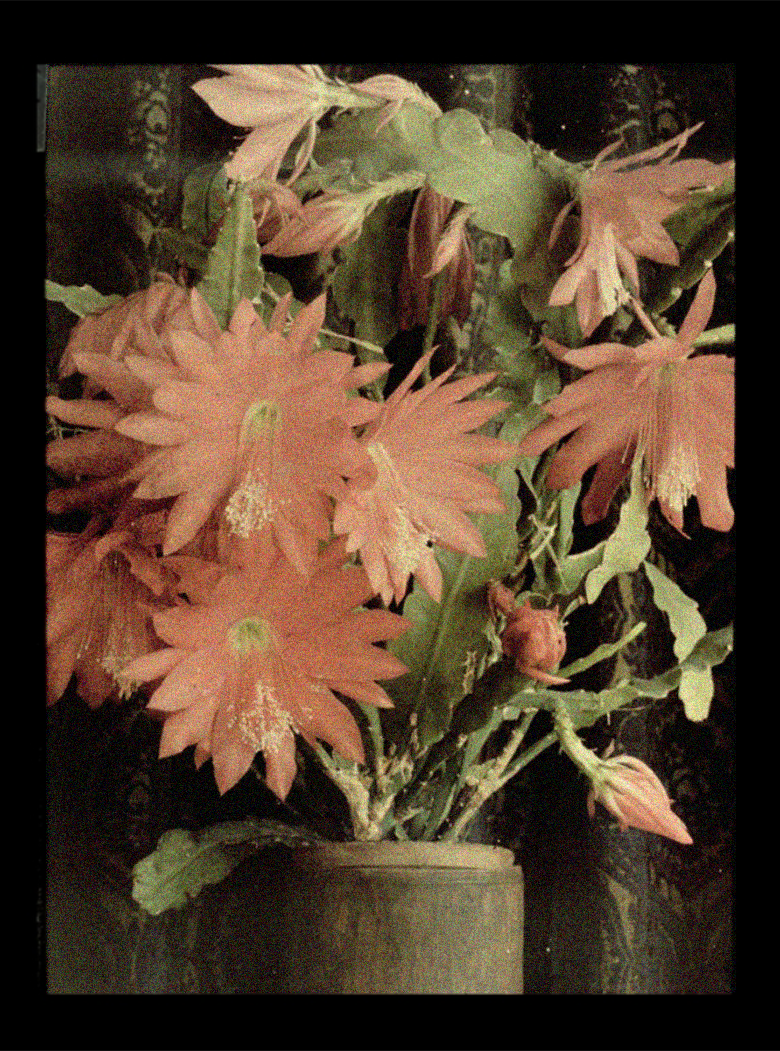
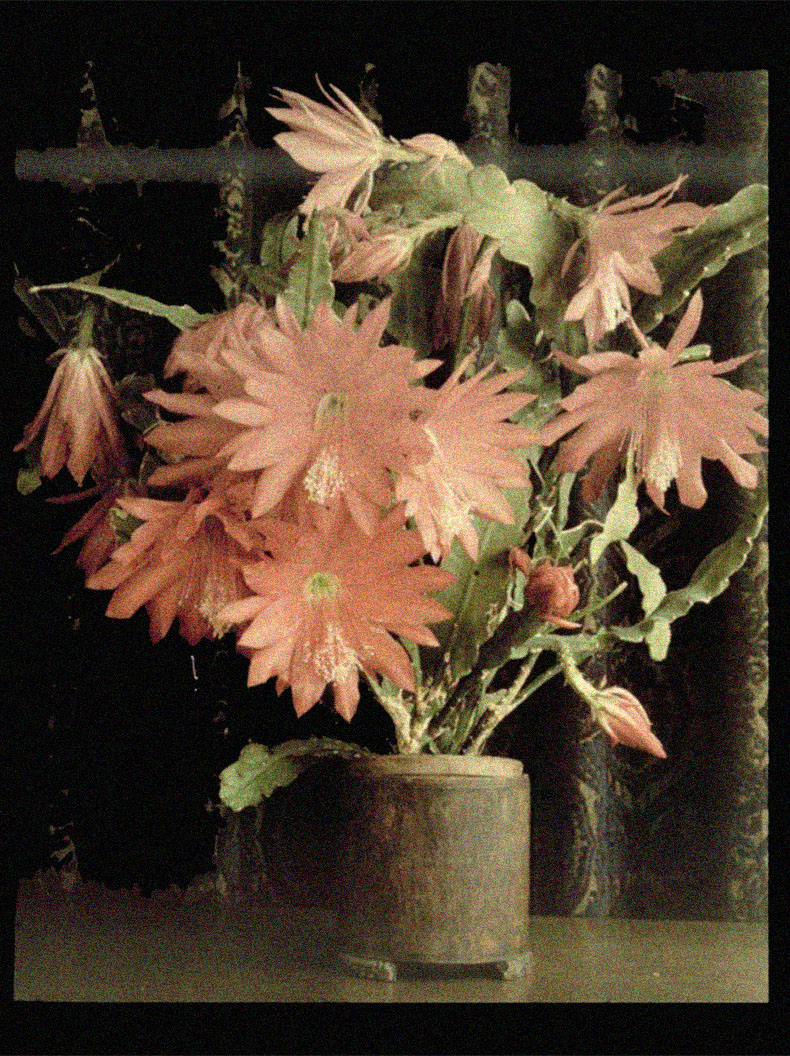
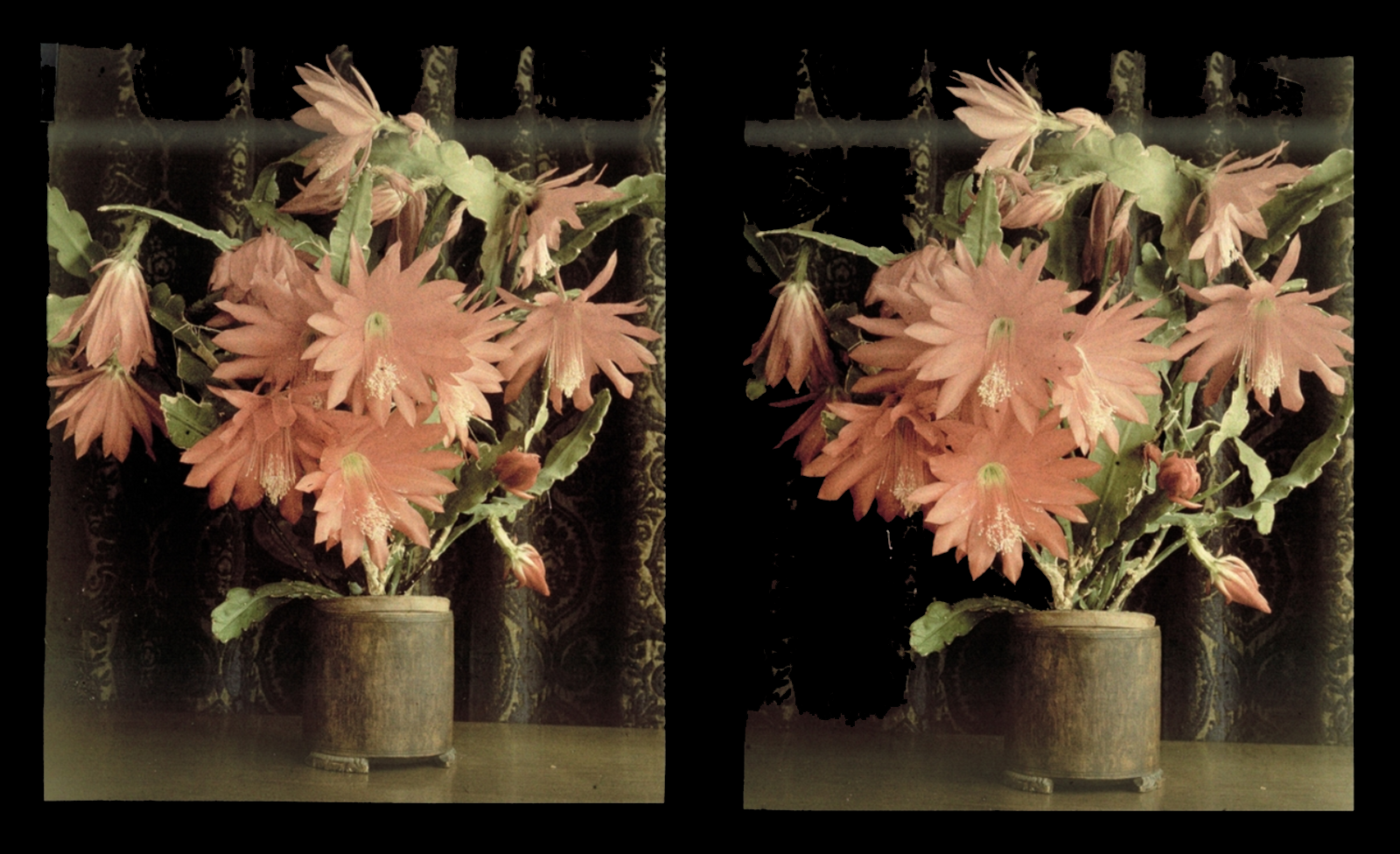
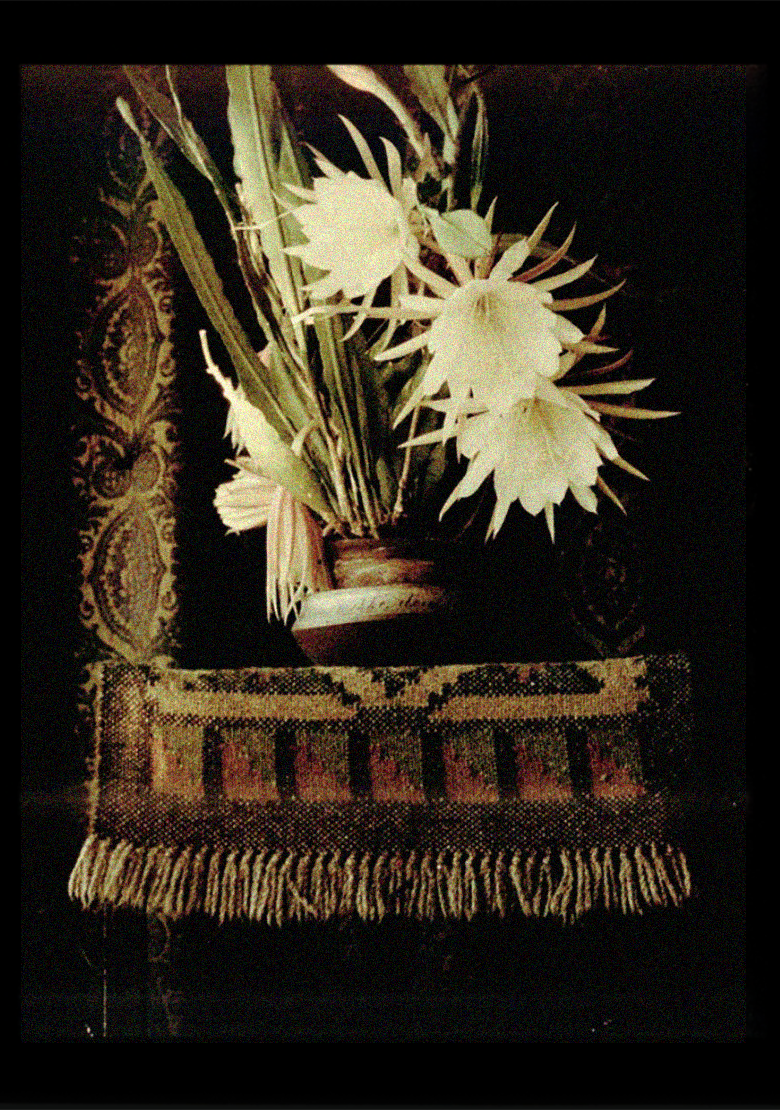
Blossoming cactus 1930s

Hans Grendahl (1877-1962) ~ Cactus flowers. Close-up, June, 1937. Autochrome. Stereo. | src Preus museum
Hans Grendahl (1877-1962) ~ Kaktusblomster. Nærbilde, June, 1937. Autochrome. Stereo. | src Preus museum
Hans Grendahl (1877-1962) ~ Blossoming cactus, July, 1934. Autochrome. Stereo photograph. | src Preus museum
Hans Grendahl (1877-1962) ~ Blomstrende kaktus, July, 1934. Autochrome. Stereo photograph. | src Preus museum
Hans Grendahl (1877-1962) ~ Blossoming cactus, July, 1937. Autochrome. Stereo photograph. | src Preus museum
Hans Grendahl (1877-1962) ~ Blomstrende kaktus, July, 1937. Autochrome. Stereo photograph. | src Preus museum

About Hans Grendahl (1877 – 1962)

Born in Rennebu. Son of farmer Ole Knudsen Grendahl and Ane Hansdatter, born Aas. He graduated in architecture with architect Solberg, Trondheim, in 1902, after which he went to Germany and studied architecture at the university in Karlsruhe. After completing his education, Grendahl was employed, among others in the company Jacob Digre in Ålesund, later he became an assistant teacher in building subjects, construction and freehand drawing at Trondhjem’s technical training institute. In 1916 he was employed as a teacher at NTH. In the 1920s and 30s took a number of photographs in color (Autochromes), i.a. interiors and exteriors of churches in Trøndelag, Gudbrandsdalen, Østerdalen, Møre and Romsdal and Telemark, as well as pictures from the Trøndelag exhibition in 1930 and the Drammen exhibition in the same year. The oldest color photo taken in his collection is from 1922. Grendahl left a unique archive of stereo images, about half of which are in colour, to his daughter Adelheide (Ada) Grue, in Stjørdal. The picture collection was bought by the Preus Fotomuseum in 1989 and digitalized in December 2021. It consists of 1017 photographs on glass plates in the format 90×140 mm. With a few exceptions, the images are stereo images.

quoted from Preus Fotomuseum

Hans Grendahl (1877-1957) ~ White cactus, July, 1935. Autochrome. Stereo photograph. | src Preus museum
Hans Grendahl (1877-1957) ~ Hvit kaktus, July, 1935. Autochrome. Stereo photograph. | src Preus museum

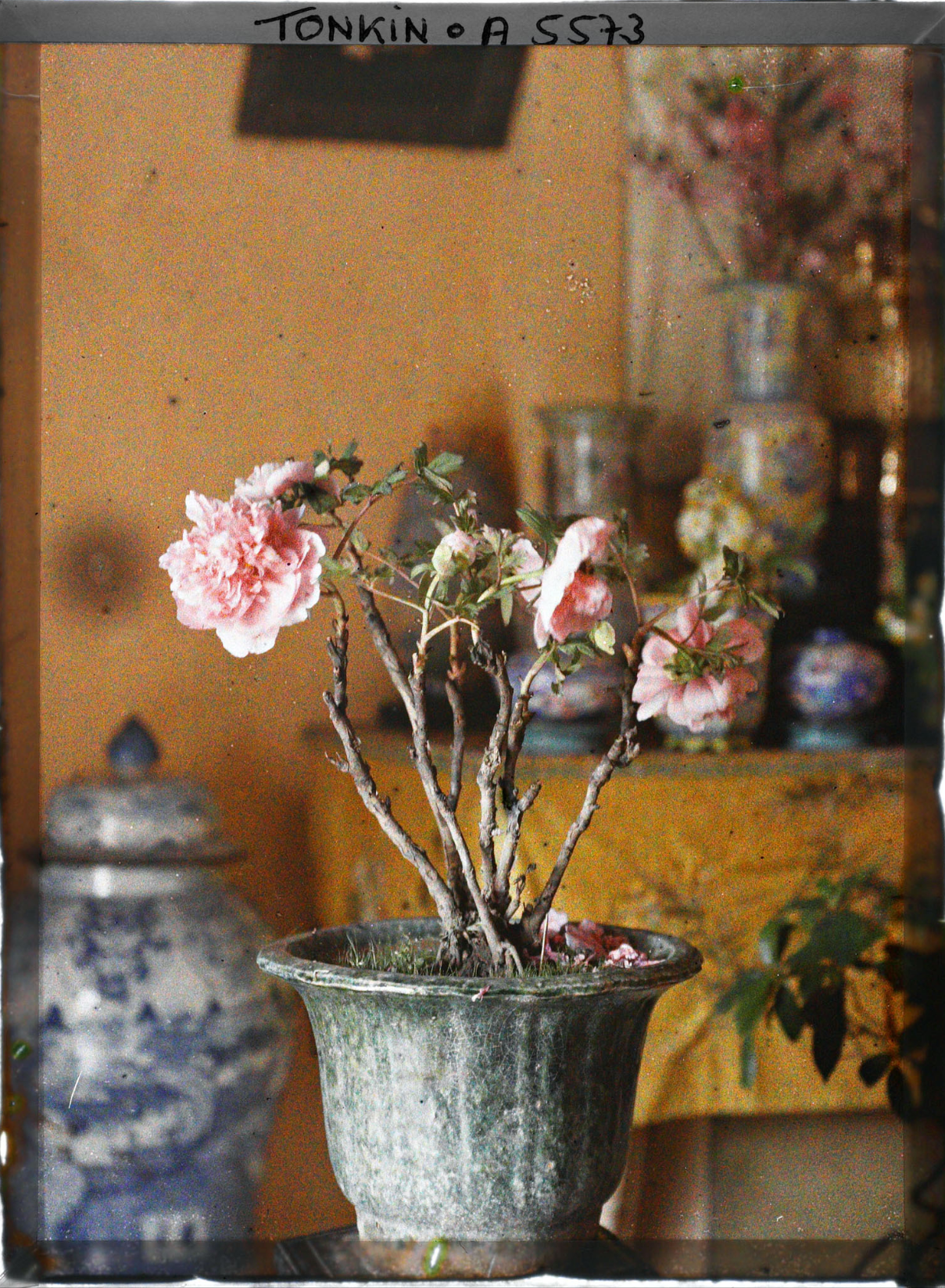
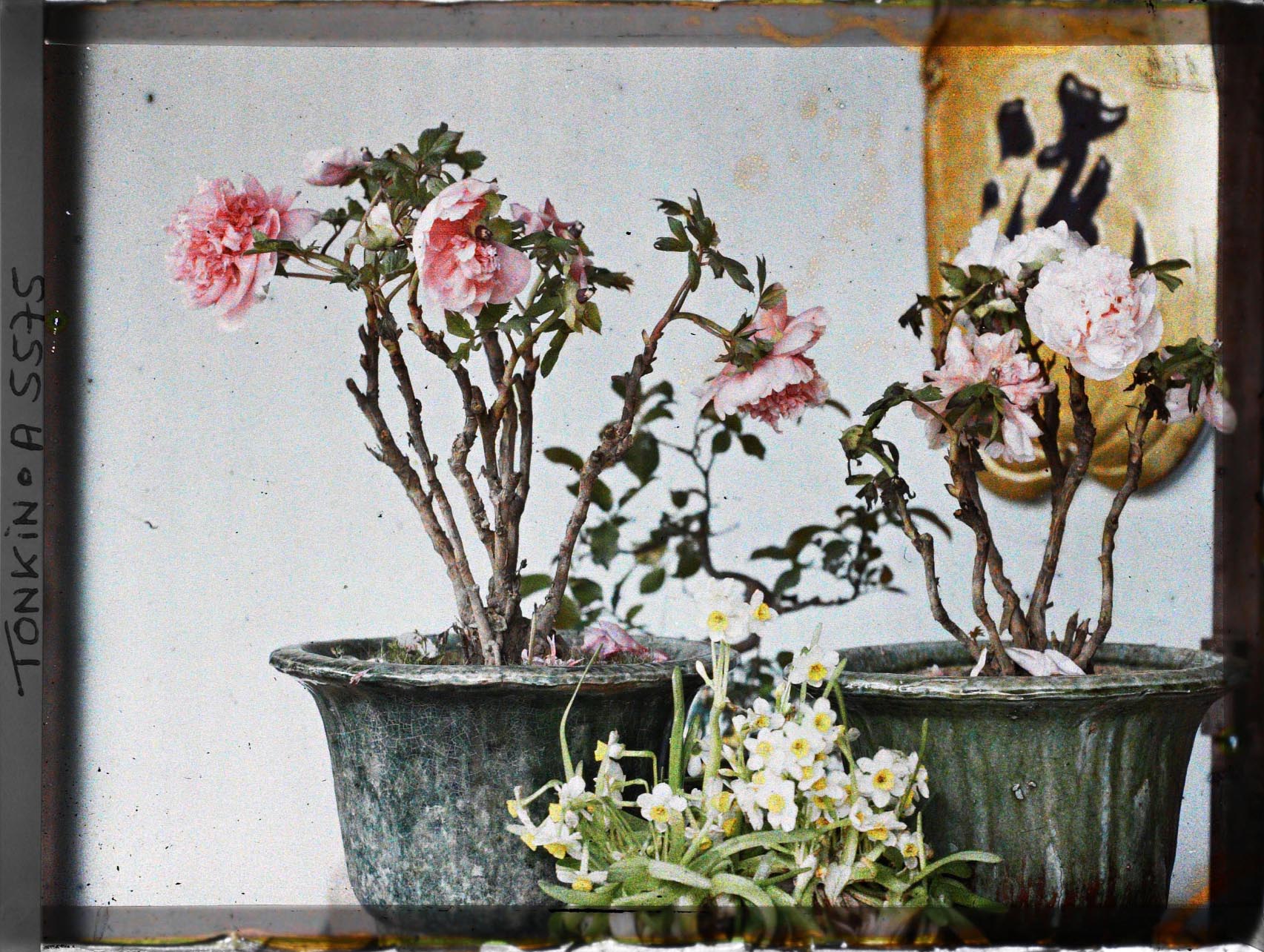
Chinese peony blooming 1915

Léon Busy ~ Une pivoine de Chine fleurissant le pied de l’autel des ancêtres à l’époque de la fête du Têt, Hà-dông, Tonkin, Indochine, février 1915. Autochrome Lumière. Archives de la Planète.

Three views of a Chinese peony blooming at the foot of the altar of the ancestors at the time of the Têt festival, Hà-dông, Tonkin, Indochina, February 1915. Mission : Léon Busy en Indochine

Léon Busy ~ Pivoines de Chine fleurissant le pied de l’autel des ancêtres à l’époque de la fête du Têt, Hà-dông, Tonkin, Indochine, février 1915. Autochrome Lumière. Archives de la Planète.
Léon Busy ~ Une pivoine de Chine fleurissant le pied de l’autel des ancêtres à l’époque de la fête du Têt, Hà-dông, Tonkin, Indochine, février 1915. Autochrome Lumière. Archives de la Planète.

all images from Musée départamental Albert Kahn

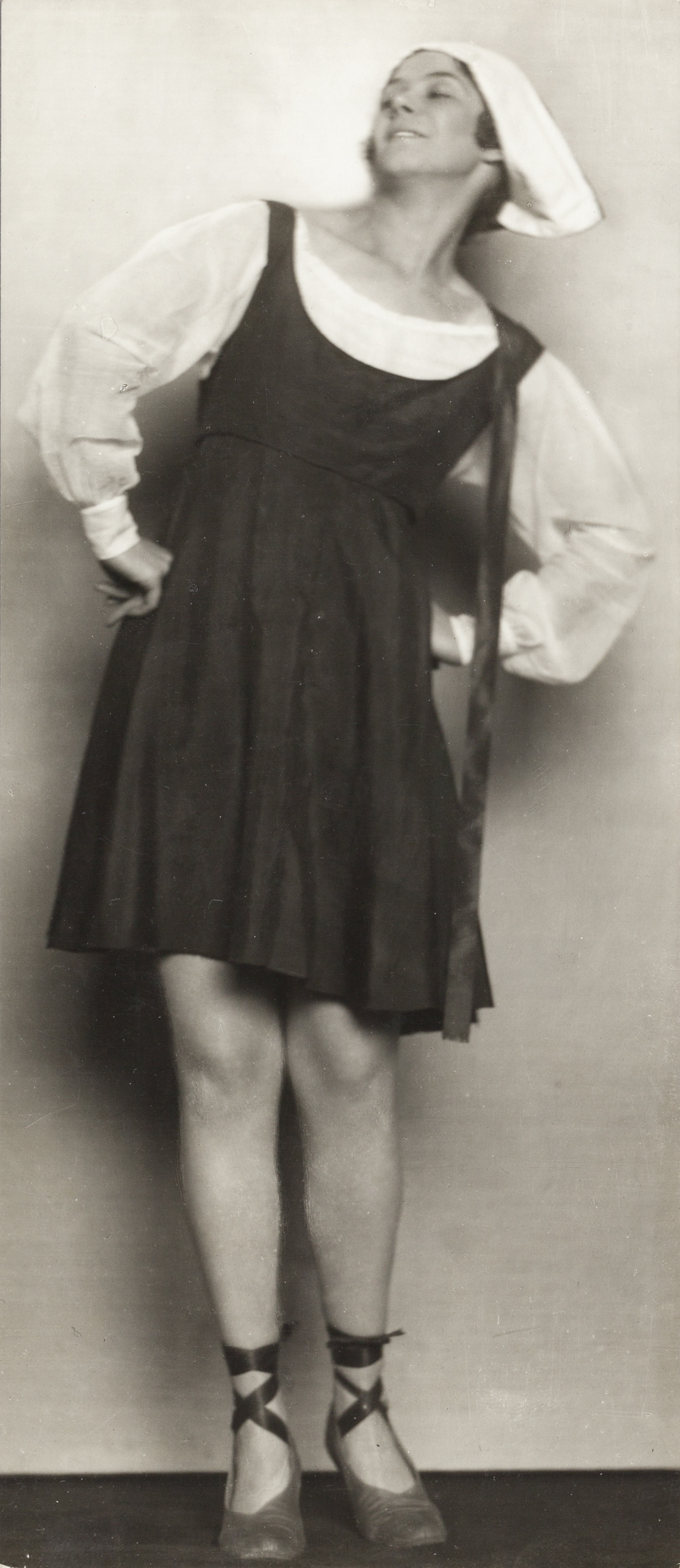
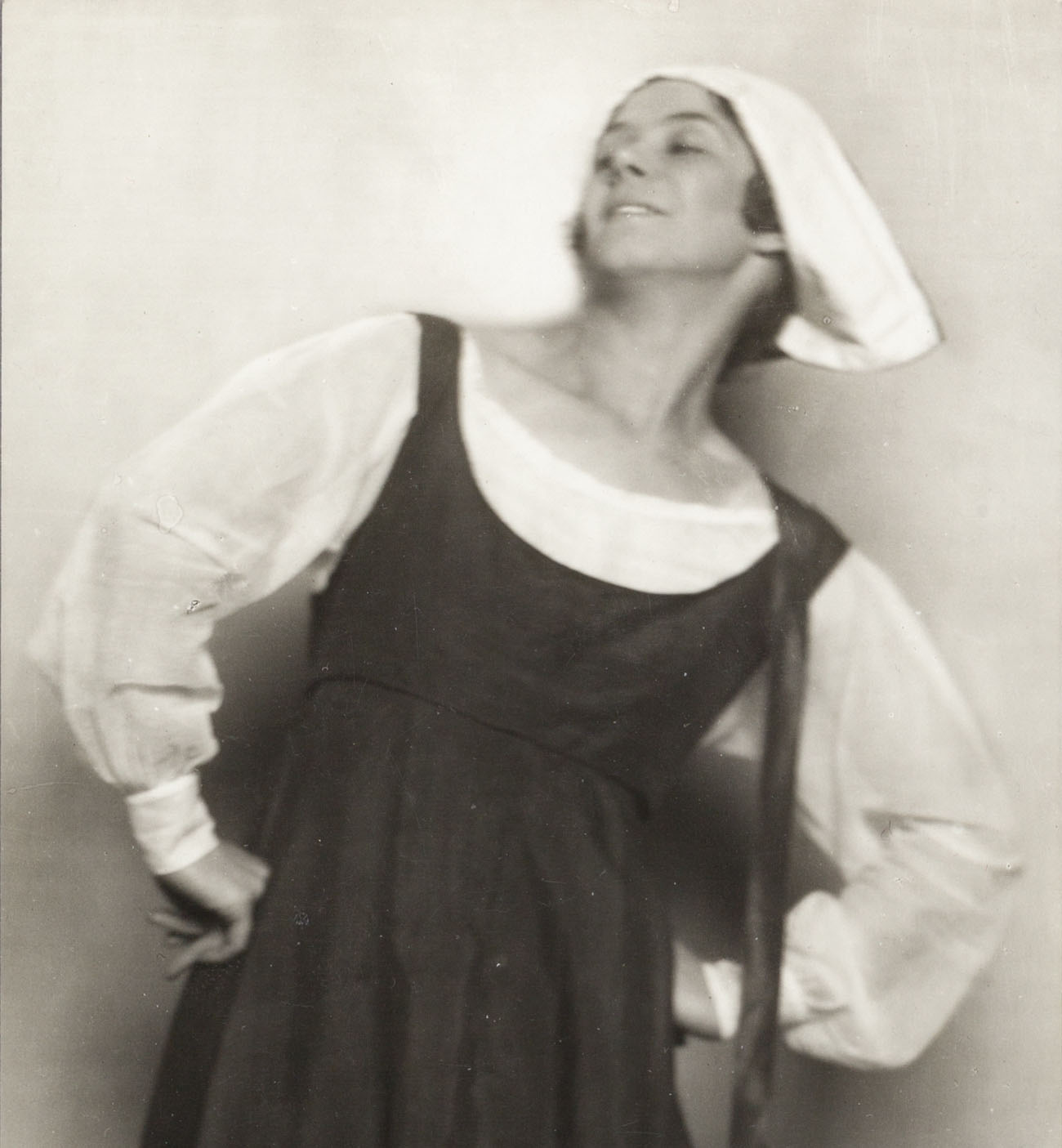
Johansson by Fleischmann

Trude Fleischmann (1895–1990) ~ Die Tänzerin Ronny Johansson, Wien, 1924. Vintage silver print on semi-matte paper.
src Ostlicht Foto Auktion Spring 2023

Photographer’s stamp with address at “Wien I. Ebendorferstraße 3”, her copyright stamp and her re-order stamp with handwritten negative no. “281” in ink, and handwritten title in pencil on the reverse [‘Die Tänzerin Ronny Johansson’]. Ronny Irene Johansson was born 1891 in Latvia, to Swedish and Scottish parents. Her father, a businessman in the shipping industry, sent Ronny to Russian and Swedish boarding schools. It was in Sweden that she established a professional dancing career, debuting in Weisbaden in 1916. After touring and performing throughout Europe, she moved to the USA in 1925 to pursue Modern dance. [quoted from source]

Trude Fleischmann (1895–1990) ~ The dancer Ronny Johansson, Vienna, 1924. Vintage silver print on semi-matte paper.
src Ostlicht Photo Auction Spring 2023

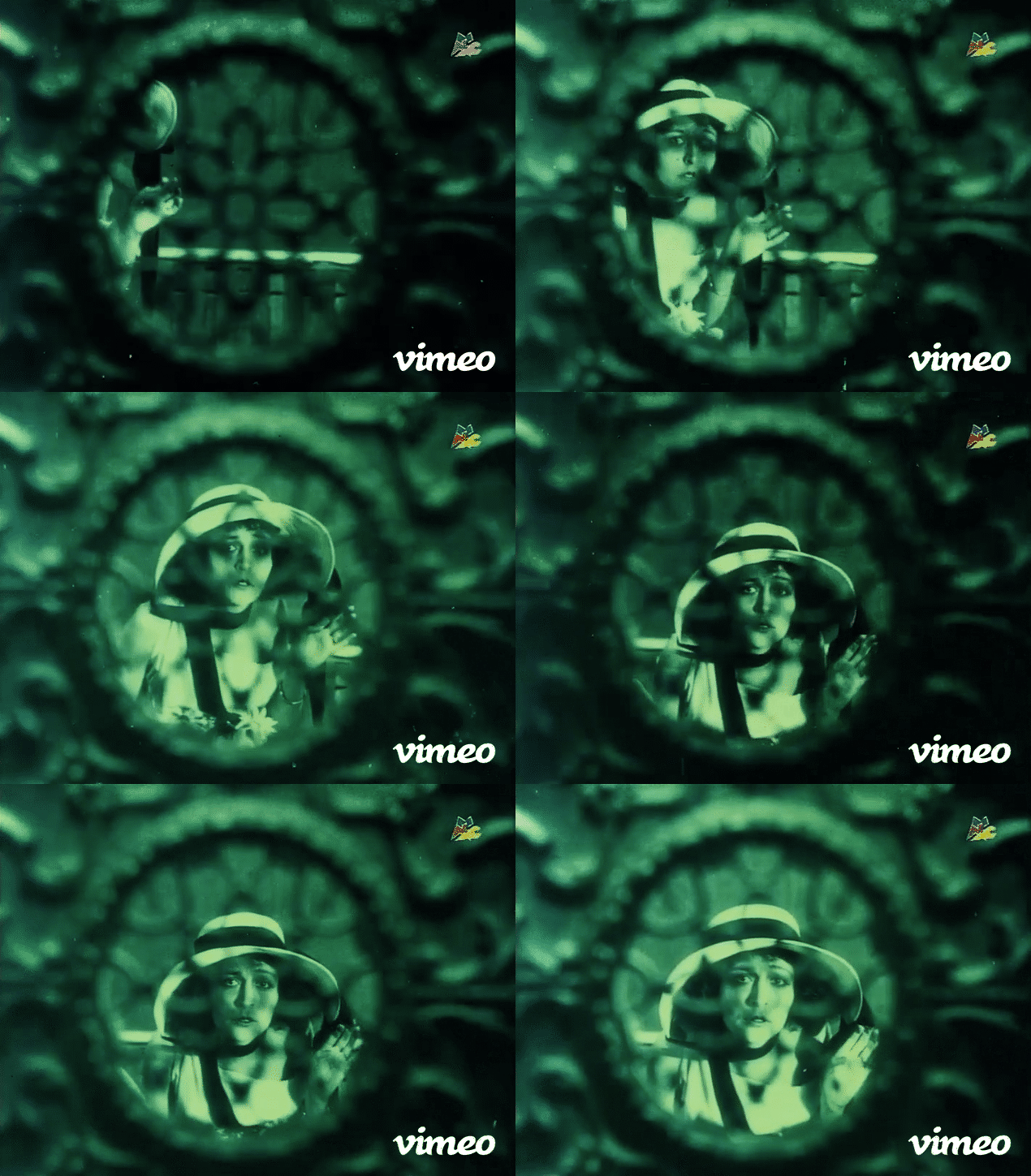
Footage of Roses · 1925

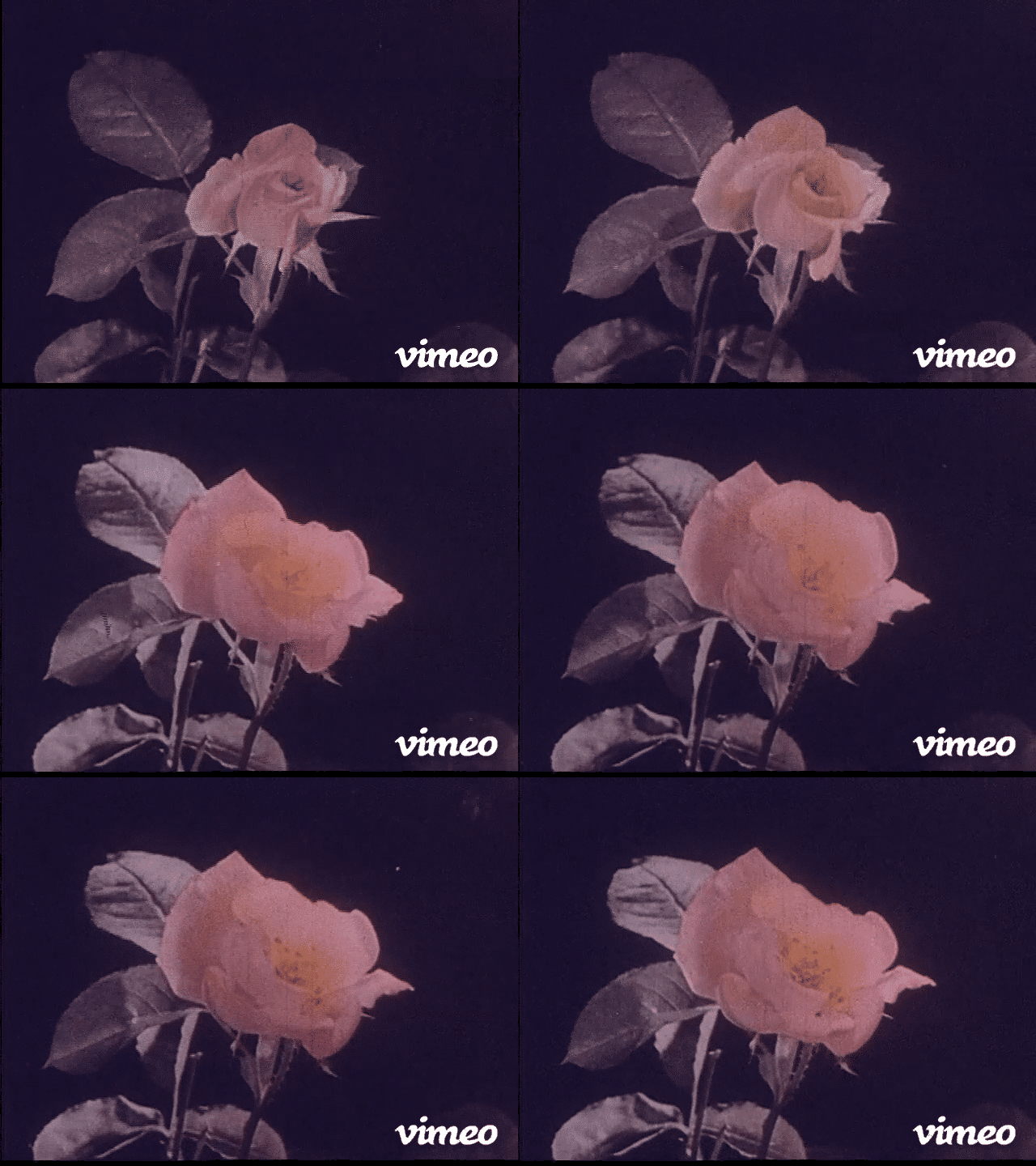
Arthur Edward Pillsbury ~ Footage of roses, 1925. | Pink rose blooming
Arthur Edward Pillsbury ~ Footage of roses, 1925. | src Prelinger Archives on internet archive
time-lapse study of a blooming pink rose, from an artificially colored film
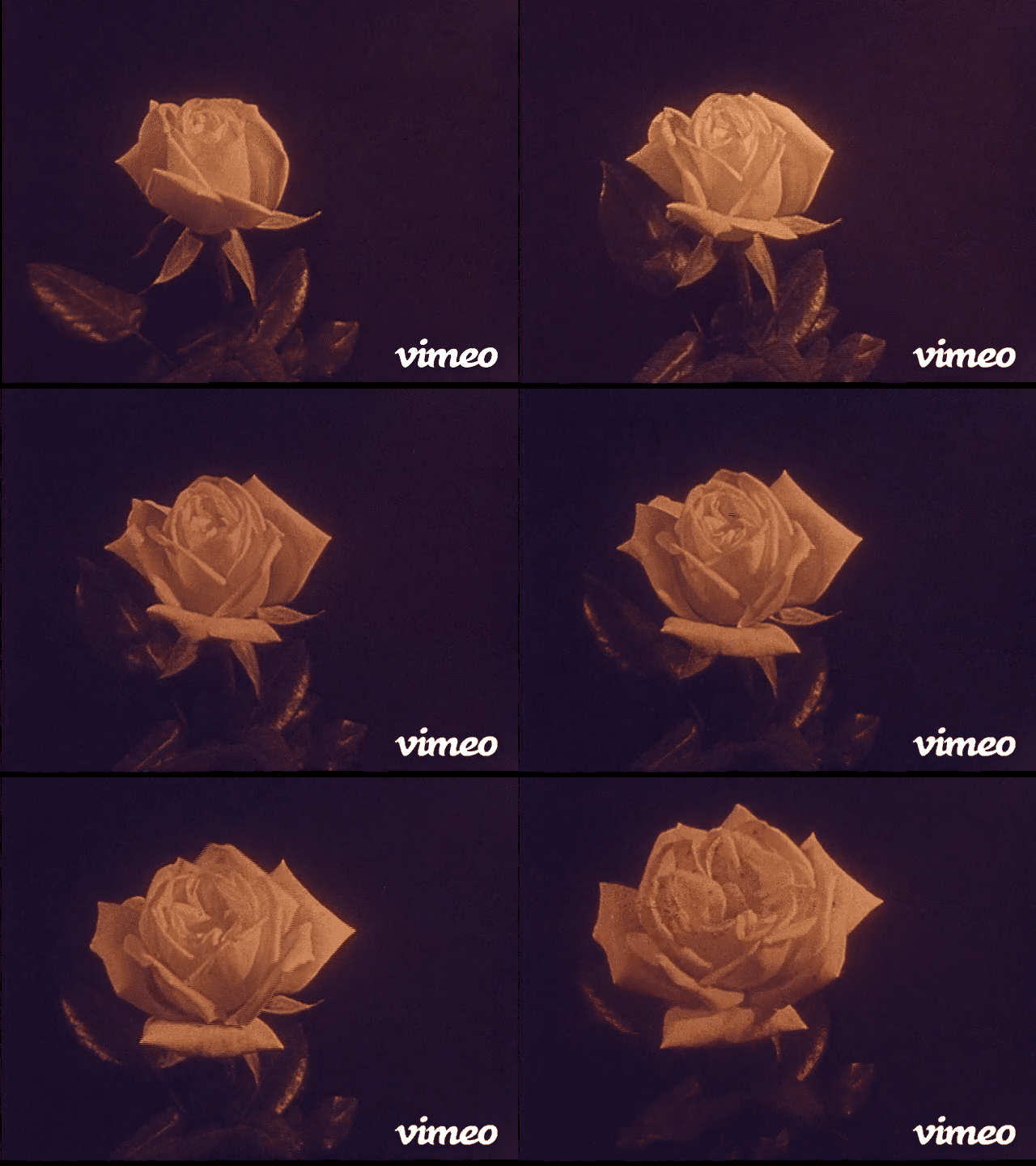
Arthur Edward Pillsbury ~ Footage of roses, 1925. Yellow rose blooming
Arthur Edward Pillsbury ~ Footage of roses, 1925. | src Prelinger Archives on internet archive
time-lapse study of a blooming yellow rose then beginning to wilt, from a film artificially colored
Arthur Edward Pillsbury ~ Footage of roses, 1925. | Three pink roses blooming
Arthur Edward Pillsbury ~ Footage of roses, 1925. | src Prelinger Archives on internet archive
time-lapse study of three blooming roses, from a film artificially colored
Arthur Edward Pillsbury ~ Footage of roses, 1925. | Wilting flower
Arthur Edward Pillsbury ~ Footage of roses, 1925. | Fruit
Arthur Edward Pillsbury ~ Footage of roses, 1925. | src Prelinger Archives on internet archive
time-lapse study of a wilting flower, from an artificially colored film

Hydrangea by Jaromir Funke

Jaromír Funke ~ Untitled (Hydrangea in blossom in pot), ca. 1920-24 [HGG2-summer 2019]
Jaromír Funke ~ Untitled (Hydrangea in blossom in pot), ca. 1920-24. Gelatin silver print; printed ca. 1920-24 | src Howard Greenberg Gallery : HGG2, Summer 2019

A very rare photograph in a rather pictorialist style among the modern, abstract production by Funke.

Jaromír Funke ~ Untitled (Hydrangea in blossom in pot), ca. 1920-24 [detail]
Jaromír Funke (1896–1945) ~ Untitled (Hydrangea in blossom in pot), ca. 1920-24 [detail]

Jaromír Funke (1896–1945) studied medicine, law and philosophy at Charles University in Prague but did not graduate. Instead he concentrated on becoming a professional freelance photographer. By 1922 he was a leader of the young opposition movement in photography and a founder of the Czech Society of Photography (1924) whose mission was to create photography that would  fulfil new social functions. In his work Funke managed to combine some of the leading trends in modernist European photography, uniting constructivism and functionalism with surrealism and social commentary, with traditional Czech aesthetics.  His interest in modernist ideas led him to make clearly focused studies of simple objects. As the decade progressed, he turned to the production of carefully arranged still lifes emphasizing abstract form and the play of light and shadow. During this time he also produced several important series of photographs, including two inspired by the images of Eugène Atget: Reflexy (Reflections, 1929) and as trvá (Time Persists, 1930-34).

Funke was also influential as a teacher, first at the School of Arts and Crafts, Bratislava (1931-34/35), which followed a Bauhaus-inspired curriculum, and then at the State School of Graphic Arts, Prague (1935-44). While in Bratislava, he became interested in social documentary photography and joined the leftist group Sociofoto, which was concerned with recording the living conditions of the poor. Throughout his career Funke published articles and critical reviews dealing with photography. From 1939-41 he worked with Josef Ehm to edit the magazine Fotografik obzor (Photographic Horizon).

quoted from HGG ~ Howard Greenberg Gallery / Jaromir Funke

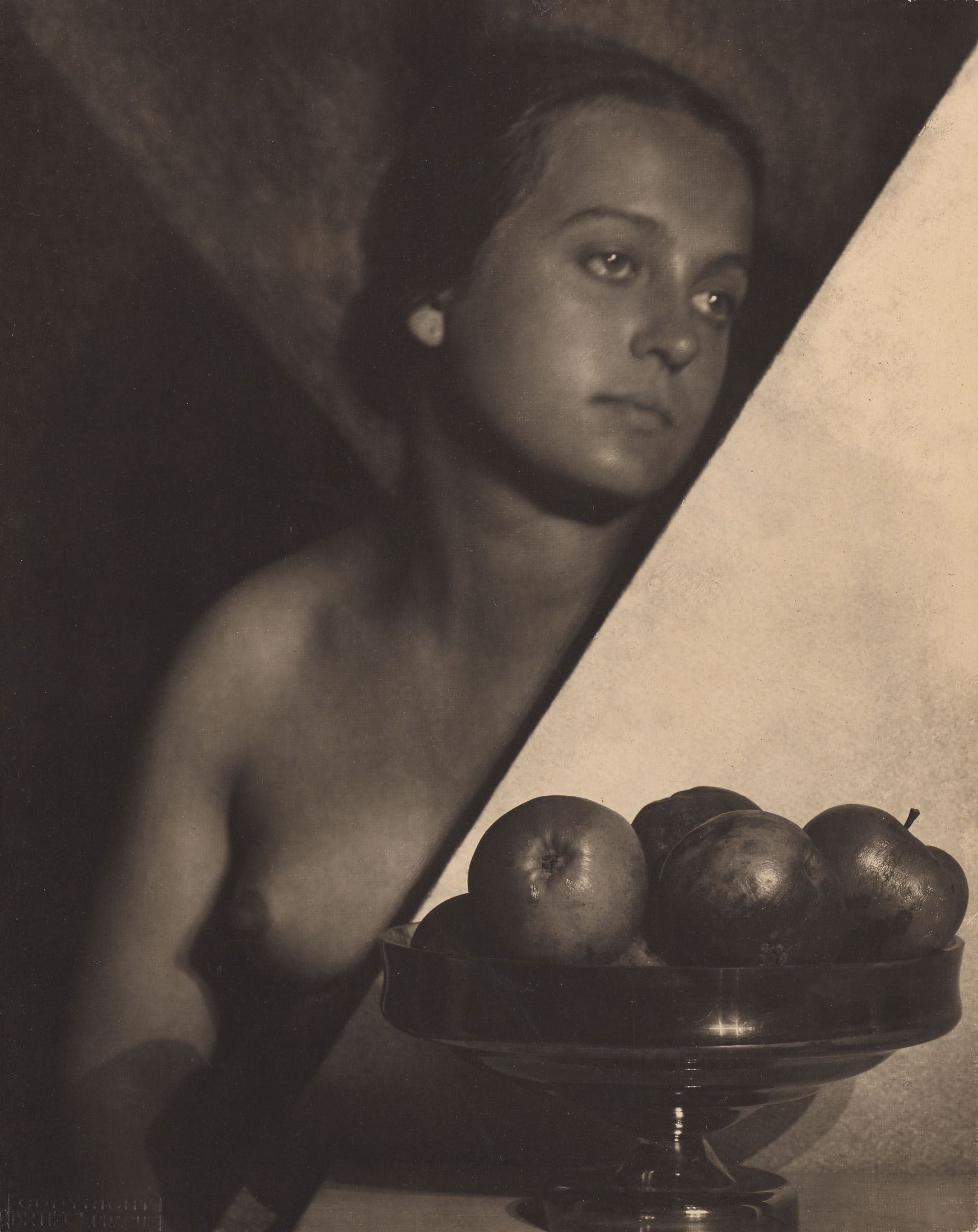
Nude with apples by Drtikol

František Drtikol (1883-1961) :: Untitled (Nude with Apples) (Akt mit Äpfeln), ca. 1925. Gelatin silver print. | src Grisebach Auktion 263 (2016) & LL/70693