

images that haunt us




Fratelli Alinari: A Photographic Tradition
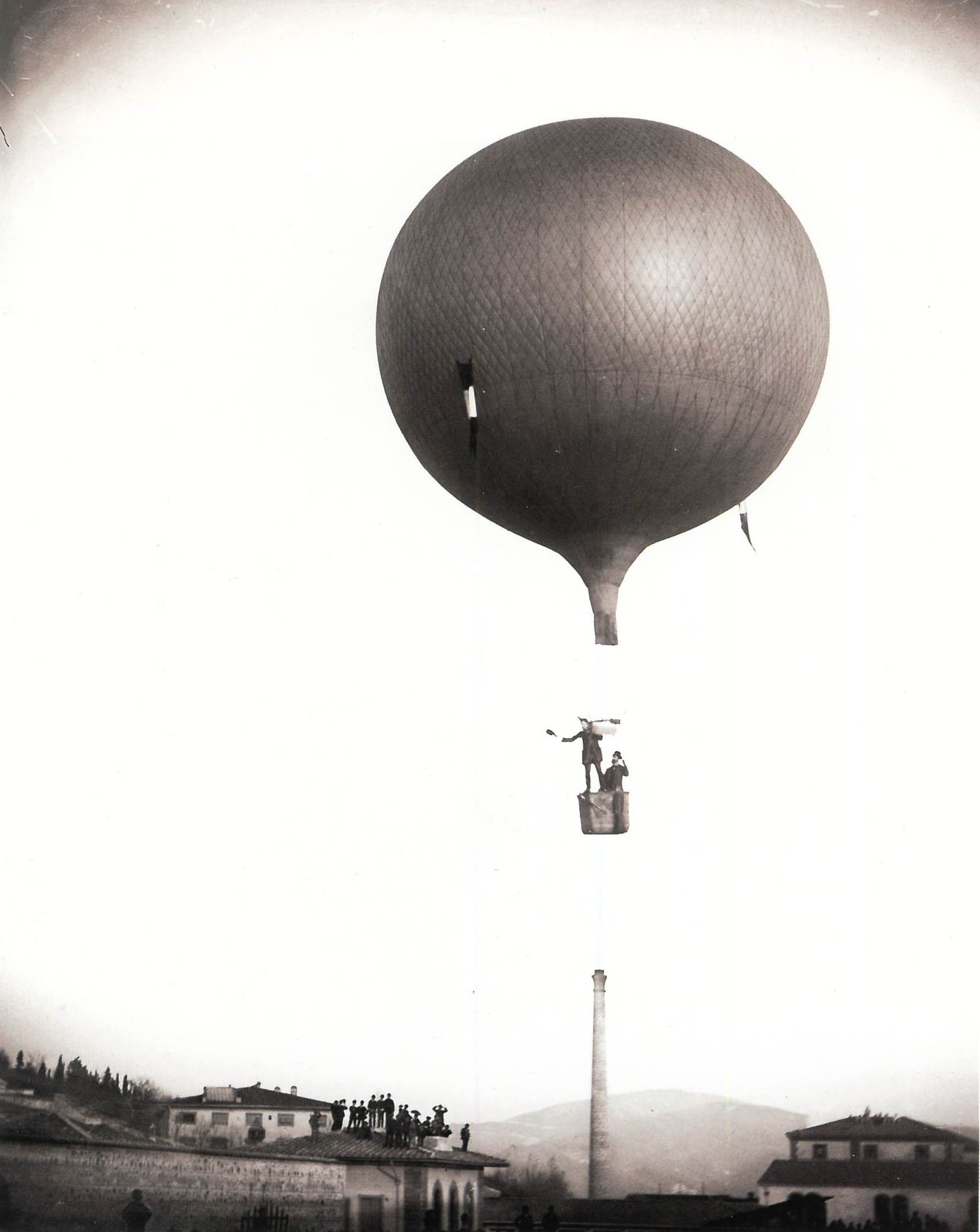
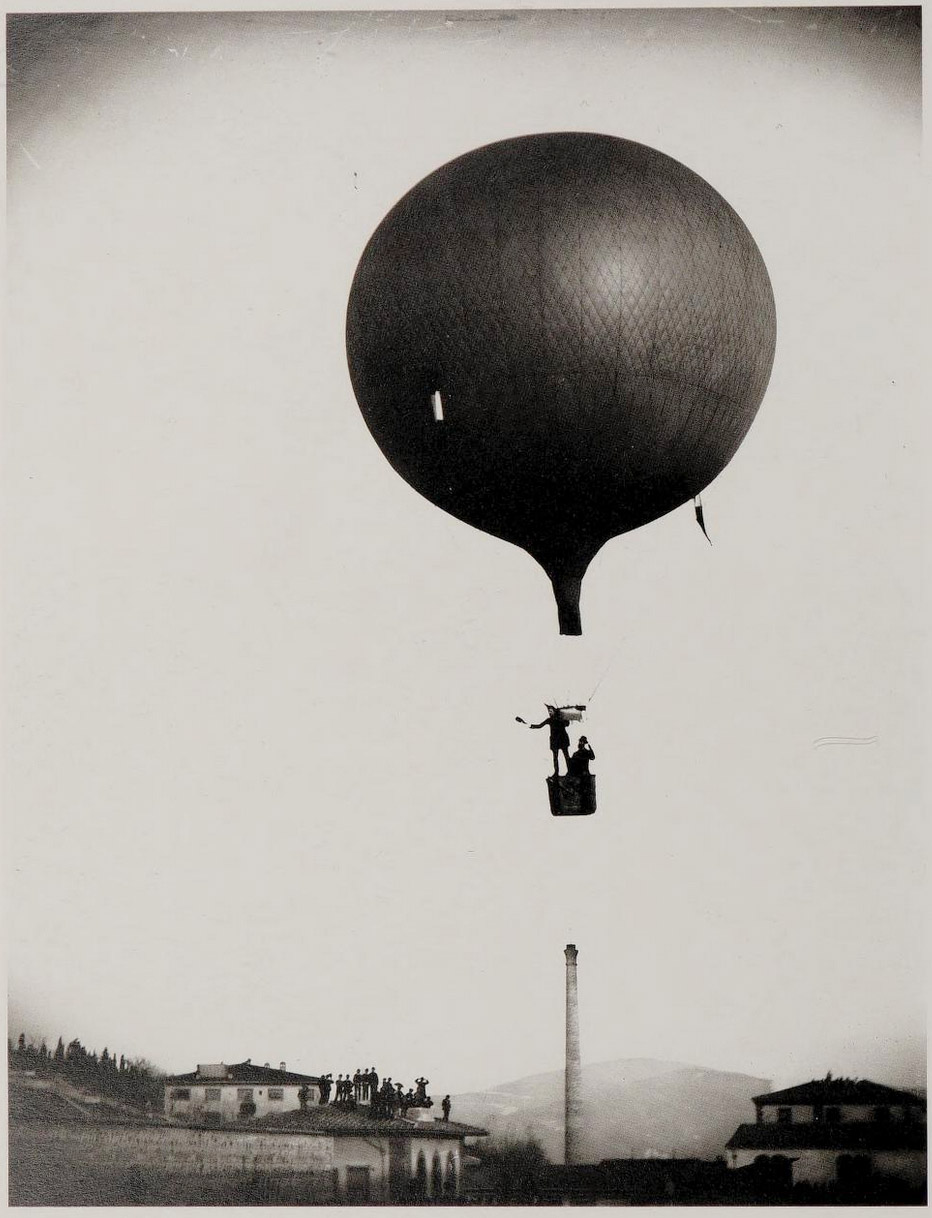
The exhibition celebrated 150 years of Fratelli Alinari, the renowned photographic studio that documented the changing cultural and social landscape of Italy from the mid-nineteenth century.
The firm was founded in Florence in 1854 by the brothers Leopoldo, Giuseppe and Romualdo Alinari at a time when standards of photography and techniques of reproduction were being revolutionised. It quickly established an eminent reputation through its iconic images of Tuscan towns and cities, and following unification – when Florence was briefly the capital of Italy – politicians, intellectuals and royalty all visited the studio to have their portraits taken. At the other end of the spectrum are their striking images of working class life and gritty street scenes.
These beautiful photographs featured in the exhibition vividly trace Italy’s relatively late transition from a rural economy to an industrialised nation, capturing a pivotal era in Italian history. | quoted from: Estorick Collection [x]

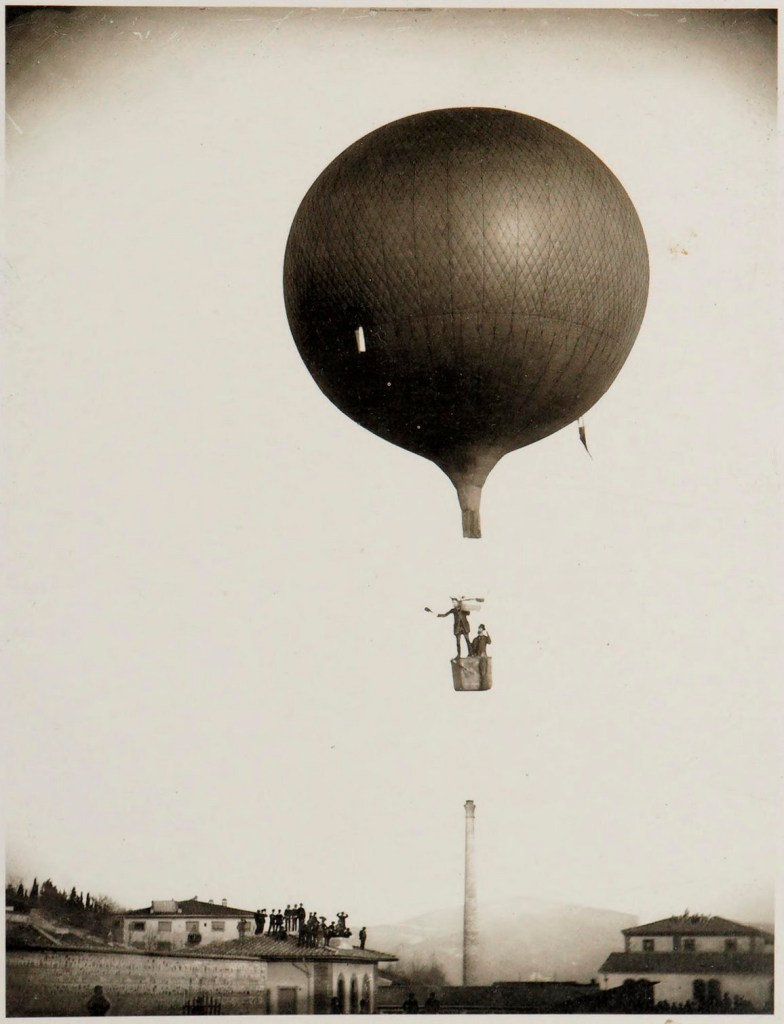


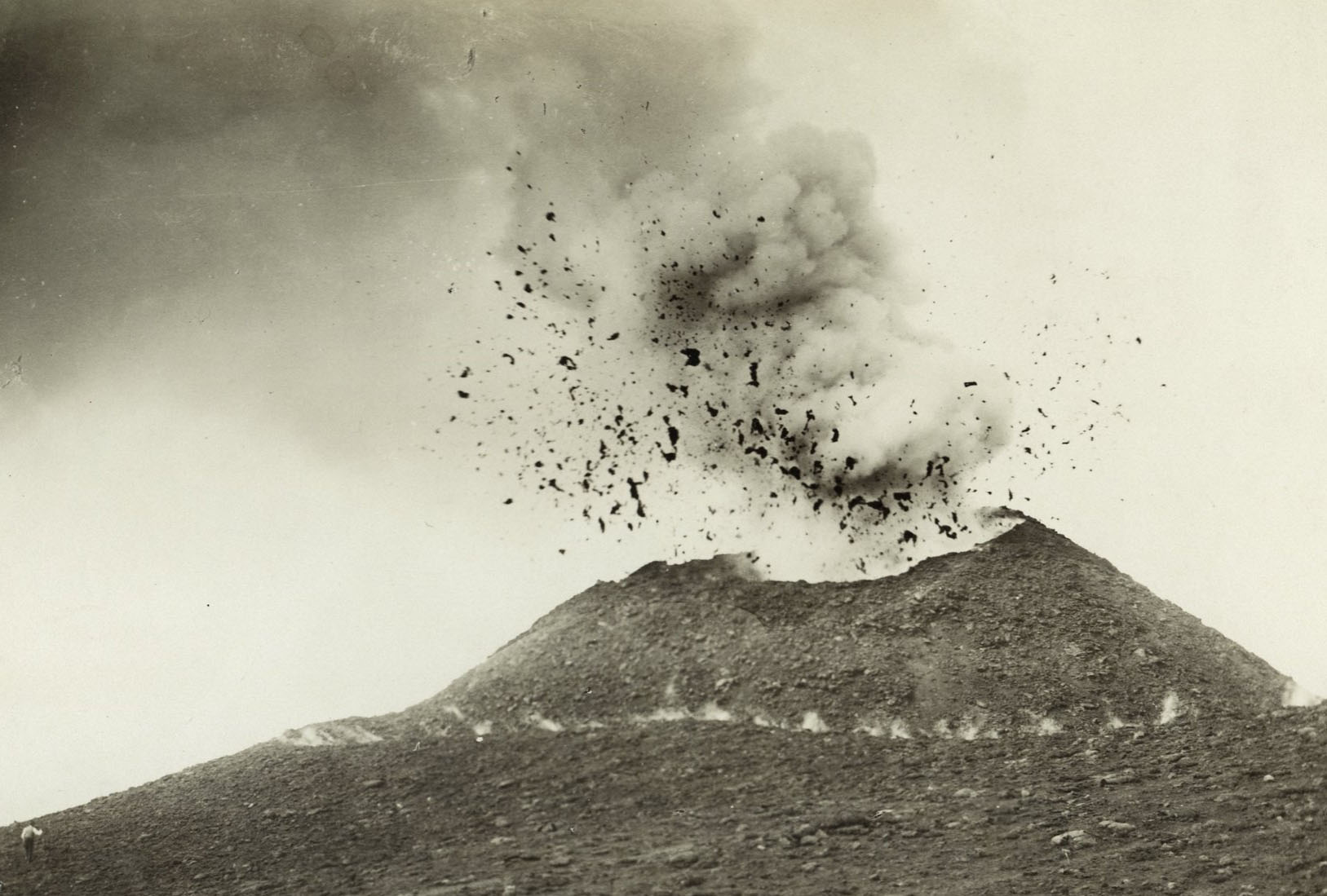
Notes; titled in the negative at bottom: “61. Il Vesuvio Cratere in eruzione 1895 / (Edizione Esposito).”

The Biederer Studio was founded and managed by the Czech born brothers Jacques Biederer (1887-1942) and Charles Biederer (1892-1942). The photographic studio was specialized in erotic and fetish photography. It was active in Paris in the period between the two world wars.


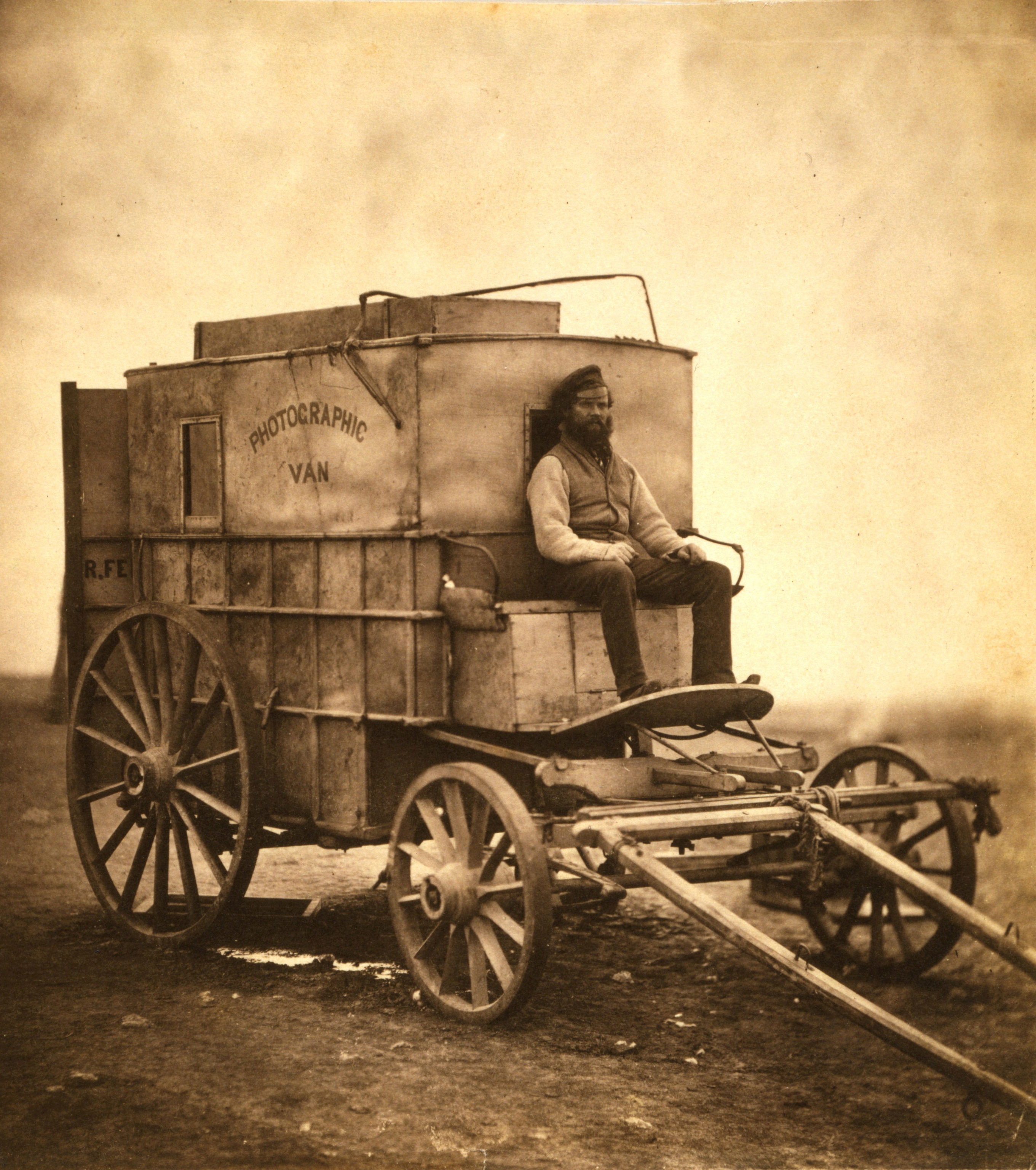
Roger Fenton’s Crimean War photographs represent one of the earliest systematic attempts to document a war through the medium of photography. Fenton, who spent fewer than four months in the Crimea (March 8 to June 26, 1855), produced 360 photographs under extremely trying conditions. While these photographs present a substantial documentary record of the participants and the landscape of the war, there are no actual combat scenes, nor are there any scenes of the devastating effects of war. | Quoted from Fenton’s Crimean War photographs [x] at the Library of Congress

William Agnew, of the publishing firm Thomas Agnew & Sons, must have proposed Fenton as the photographer for a commercial publishing venture to the Crimea sometime before a hurricane claimed the life of the official government photographer in the Crimea in November 1854, for during the fall of that year Fenton purchased a former wine merchant’s van and converted it to a mobile darkroom. He hired an assistant, and traveled the English countryside testing the suitability of the van. In February 1855 Fenton set sail for the Crimea aboard the Hecla, traveling under royal patronage and with the assistance of the British government.
While Fenton was in the Crimea he had ample opportunity to photograph the horrors of war. He had several friends and acquaintances, including his brother-in-law, Edmund Maynard, who were casualties of combat. But Fenton shied away from views that would have portrayed the war in a negative (or realistic) light for several reasons, among them, the limitations of photographic techniques available at the time (Fenton was actually using state-of-the-art processes, but lengthy exposure time prohibited scenes of action); inhospitable environmental conditions (extreme heat during the spring and summer months Fenton was in the Crimea); and political and commercial concerns (he had the support of the Royal family and the British government, and the financial backing of a publisher who hoped to issue sets of photos for sale).
Whether there was an explicit directive from the British government to refrain from photographing views that could be deemed detrimental to the government’s management of the war effort, perhaps in exchange for permission to travel and photograph in the war zone, or whether there was merely an implicit understanding between the government, the publisher, and the photographer is not known. Fenton photographed the leading figures of the allied armies, documented the care and quality of camp life of the British soldiers, as well as scenes in and around Balaklava, and on the plateau before Sevastopol, but refrained from images of combat or its aftermath. This tactic may have given him access to information and views that were otherwise off-limits to artists and war correspondents, like William Howard Russell, who were critical of the British government’s leadership and military officers’ handling of the war. In any case, while personally witnessing the horror of war, Fenton chose not to portray it.
Fenton made plans to photograph Sevastopol following the June 18th assault on the Malakoff and the Redan, the Russian’s primary defense works before the city. When the assault failed, he decided it was time to return to England. He sold the van, packed up his equipment, and by June 26th, ill with cholera, sailed out of the harbor at Balaklava. Fenton was, therefore, not present for the fall of Sevastopol (Sept. 9th) nor its subsequent destruction, which was recorded photographically by James Robertson. While Russia retained control of the Crimea, the Allied armies achieved their primary objective, the destruction of Russian naval power in the Black Sea.
Fenton’s Crimean War photographs offer a wonderful record of a moment in time. They are documentary in the sense that they constitute a reality in a way only intimated by painting or wood engraving. They might also be considered the first instance of the use of photography for the purposes of propaganda, although they do not seem to have been exploited to this end. Clearly they were intended to present a particular view of the British government’s conduct of the war. However, by the time they were exhibited Sevastopol had fallen and the tide of war had turned.
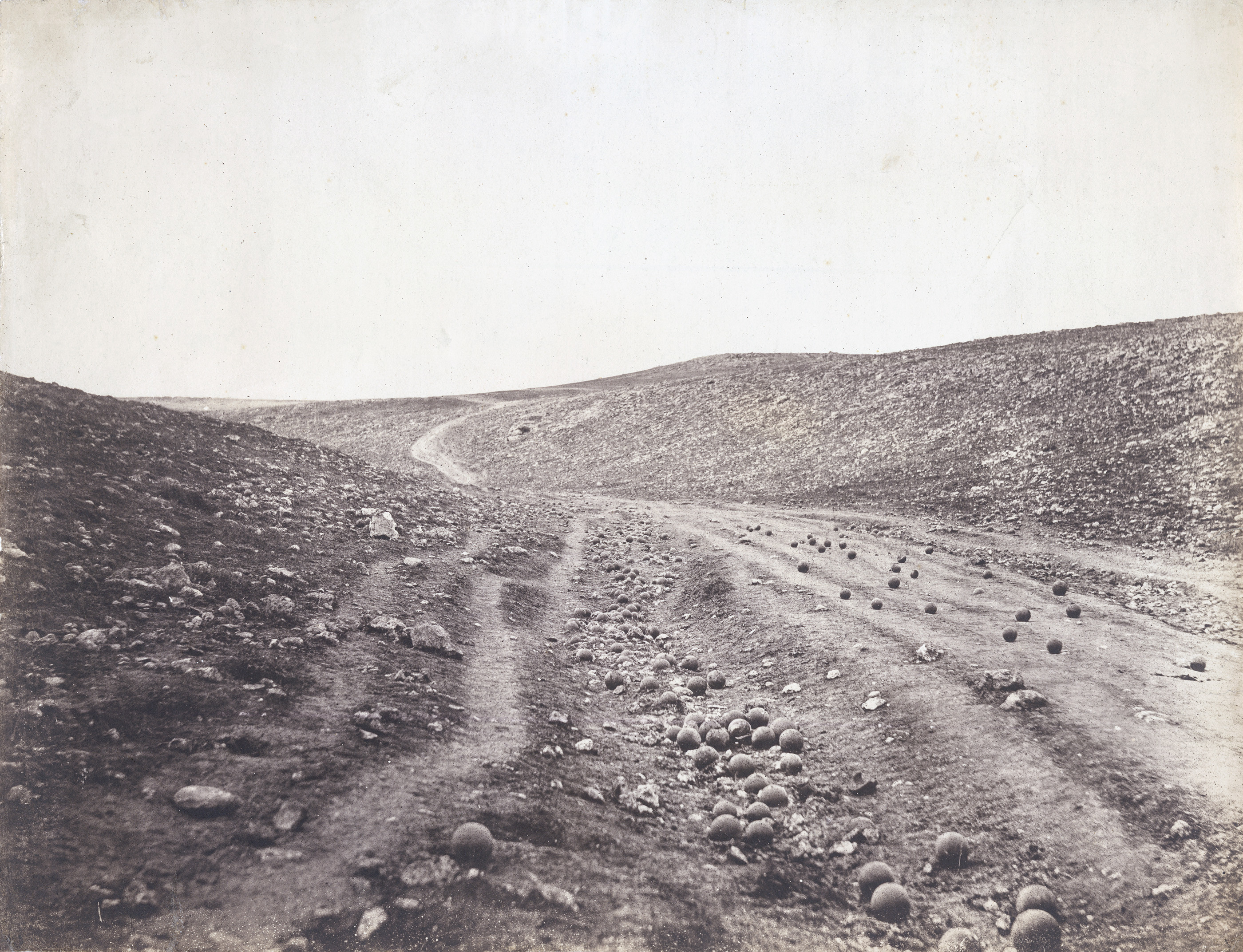
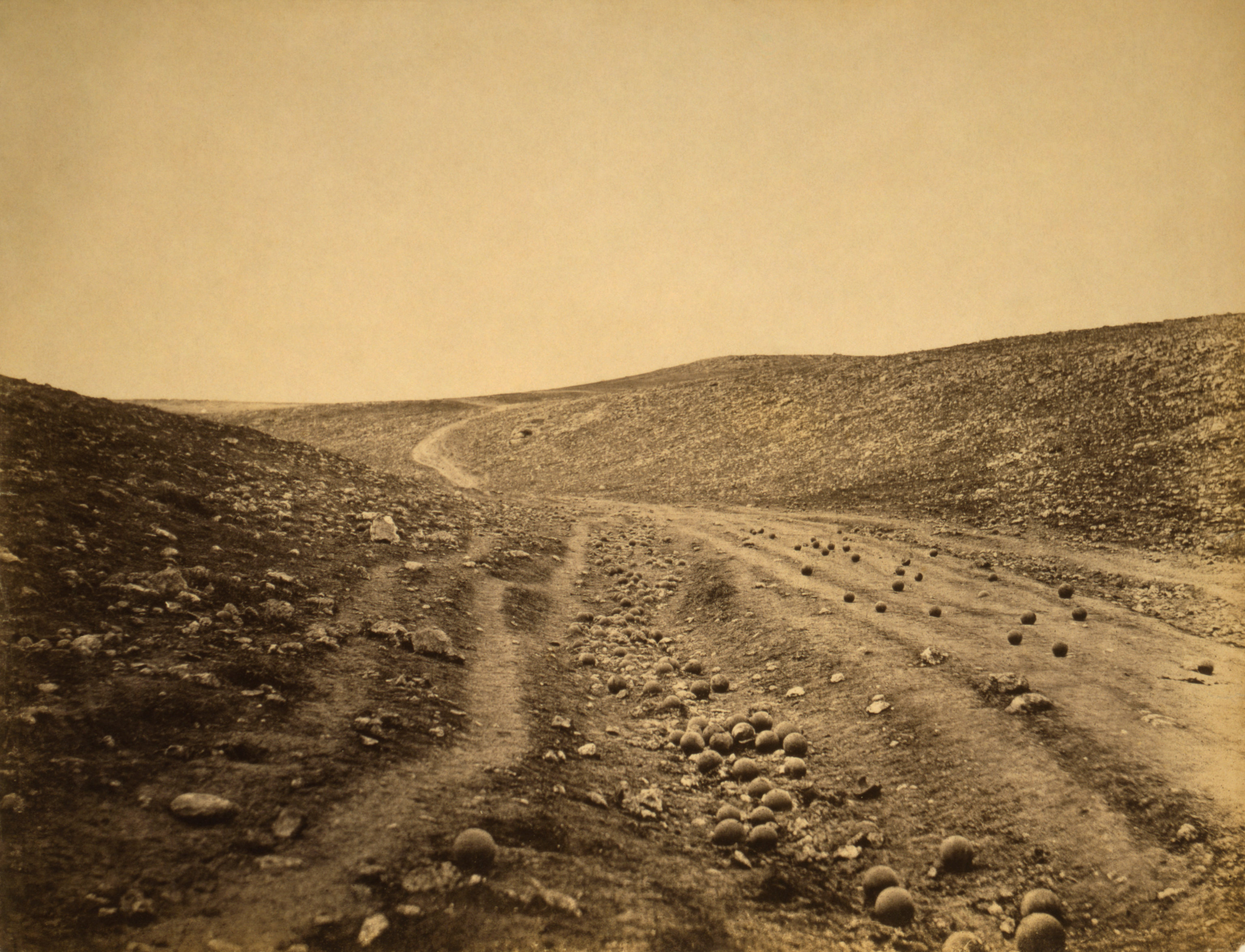
The Library of Congress purchased 263 of Fenton’s salted paper and albumen prints (…) including his most well-known photograph, “Valley of the Shadow of Death”. | Quoted from Fenton’s Crimean War photographs [x] at the Library of Congress

…in coming to a ravine called the valley of death, the sight passed all imagination: round shot and shell lay like a stream at the bottom of the hollow all the way down, you could not walk without treading upon them…
─ Roger Fenton
Fenton’s most famous photograph is also one of the most well-known images of war. Across a desolate and featureless landscape, not a single figure can be found. The landscape is inhabited only by cannonballs ─so plentiful that they first appear to be rocks─ that stand in for the human casualties on the battlefield. The sense of emptiness and unease is heightened by the visual uncertainty created by the changing scale of the road and the sloping sides of the ravine.
Borrowing from the Twenty-third Psalm of the Bible, the Valley of Death was named by British soldiers who came under constant shelling there. Fenton traveled to the dangerous ravine twice, and on his second visit he made two exposures. Fenton wrote that he had intended to move in closer at the site. But danger forced him to retreat back up the road, where he created this image.


The Mimosa paper label on the verso of the mount indicates that this photo was used as an advertisement to demonstrate Mimosa paper. Mimosa used the negatives of many well-known German photographers such as Hugo Erfurth, d’Ora and Yva to demonstrate the various photo paper qualities the firm produced.


 un regard oblique