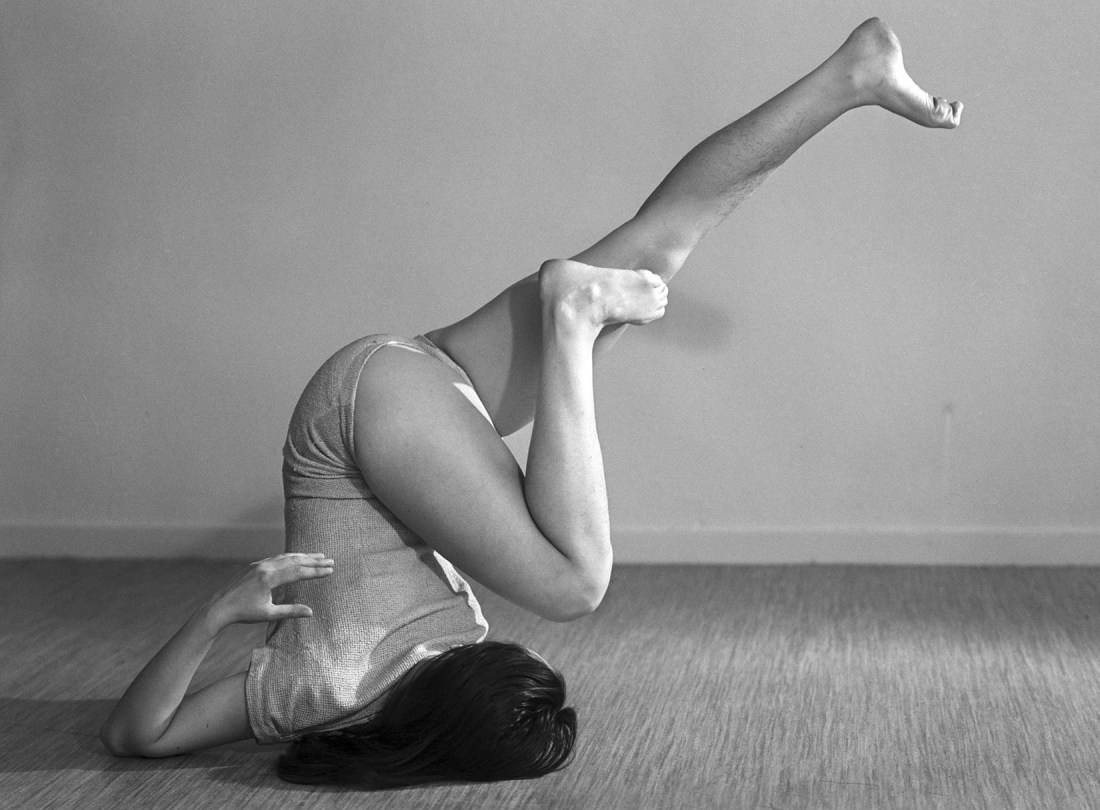
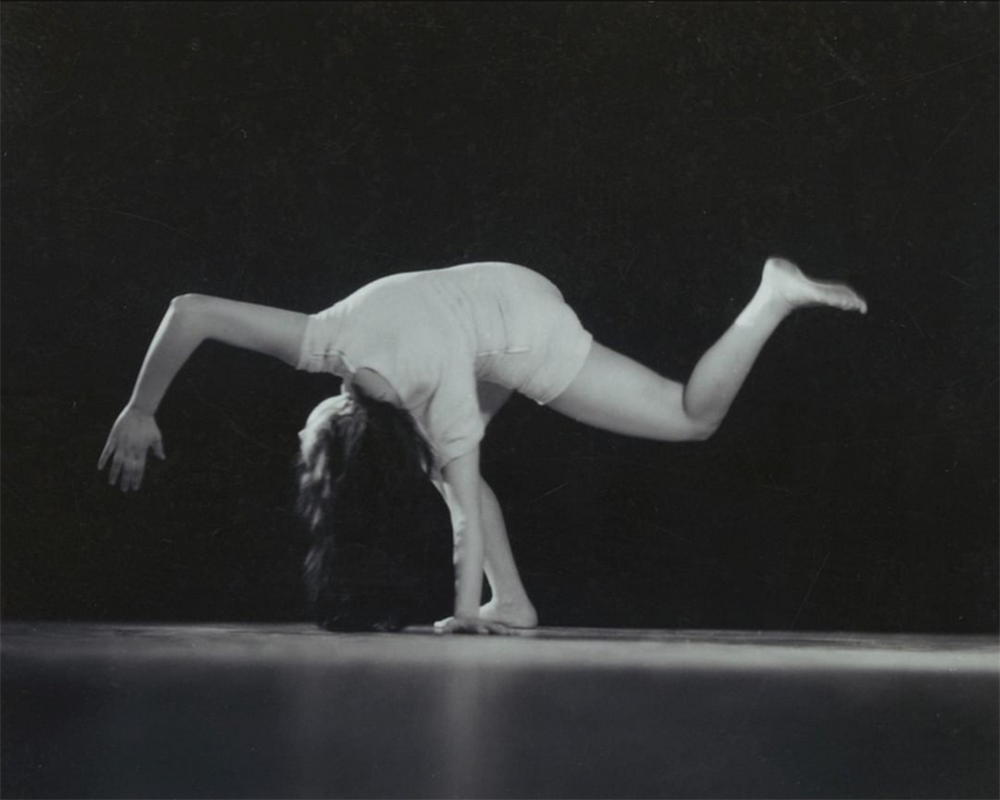
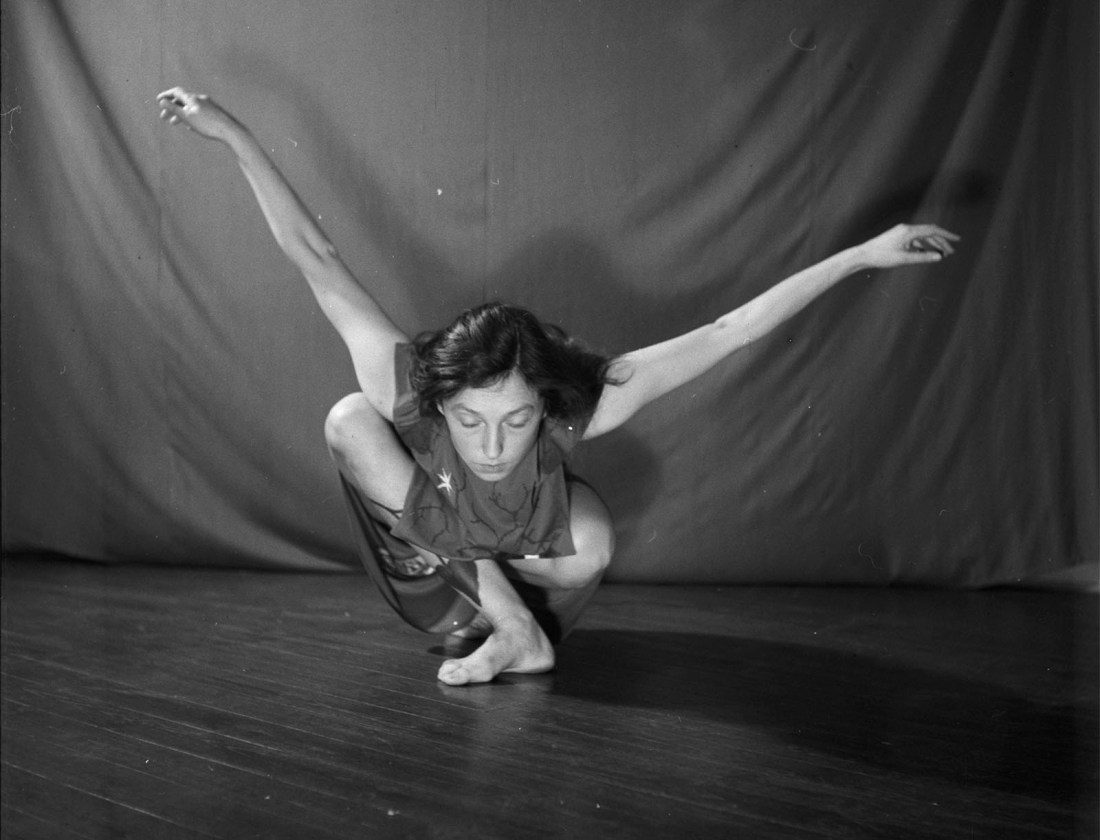
Sune Sundahl ~ Dansbild med Birgit Åkesson, 03.01.1949. Arkitektur- och designcentrum · Ark Des / ARKM.1988-111-05485-5Sune Sundahl ~ Dance picture with Birgit Åkesson, January 3, 1949. Center for Architecture and Design · Ark Des / ARKM.1988-111-05485-3
The images above are part of the exhibition: «Dansen har mycket gemensamt med arkitektur» / «Dance has a lot in common with architecture» (2013)
Arkitektur- och designcentrum / Center for Architecture and Design (Ark Des)
Both images above this line are uncredited in source: Dansmuseet (view post in this blog : Birgit Åkesson training), but we reckon that them could belong to the same photo-session with Sune Sundahl
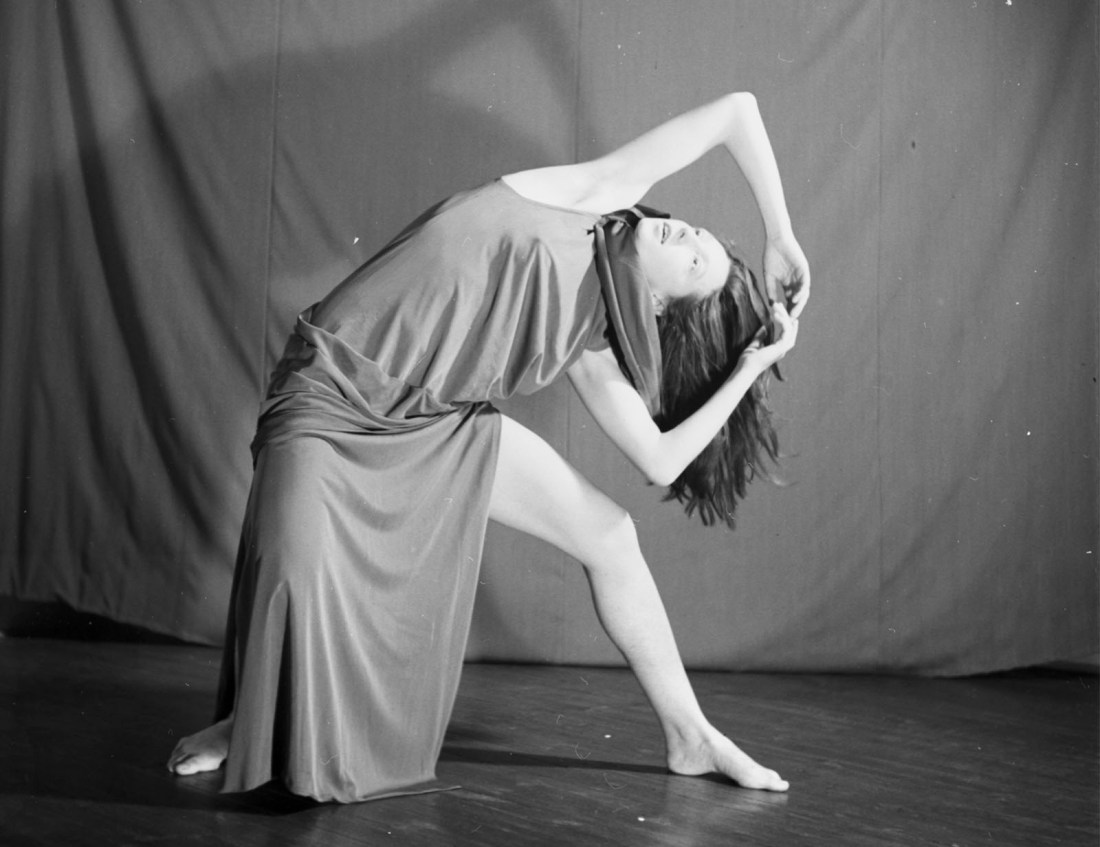
Sune Sundahl ~ Birgit Åkesson dances in a draping dress. Picture taken in studio. Architecture and Design Center Ark Des / ARKM.1988-111-02796Sune Sundahl ~ Birgit Åkesson dansar i draperande klänning. Bilden tagen i studio. Arkitektur- och designcentrum Ark Des / ARKM.1988-111-02799Sune Sundahl ~ Birgit Åkesson dances in a long draped dress. Picture taken in studio. Architecture and Design Center Ark Des / ARKM.1988-111-02795Sune Sundahl ~ Birgit Åkesson dances in a draping dress. Picture taken in studio. Architecture and Design Center Ark Des / ARKM.1988-111-02800-ASune Sundahl ~ Birgit Åkesson dansar i draperande klänning. Bilden tagen i studio. Arkitektur- och designcentrum Ark Des / ARKM.1988-111-02800-BSune Sundahl ~ Birgit Åkesson dances in a draped dress. Picture taken in studio. Architecture and Design Center Ark Des / ARKM.1988-111-02801
All the images in this post are from the exhibition: «Dansen har mycket gemensamt med arkitektur» (2013). Some of the images are dated 1939-1947 but most of them undated.
«Dance has a lot in common with architecture» (2013)
Movement, rhythm, space and body in dance have much in common with architecture. Spatiality can only be experienced with the body, in movement. There are several good reasons to pay attention to the connections between the room shape and people’s movements in the rooms. Whether dancing or walking around a building, there is both flow and embodiment. Perhaps it was precisely these common denominators that made Birgit Åkesson choose the architectural photographer Sune Sundahl to document her early choreographies?
Photographing movement is a big challenge, a movement in a frozen moment can easily turn into a rigid pose without context or dynamism. In Sundahl’s collection there are, among other things, pictures from Birgit Åkesson’s own performance Blue Evening from 1946. The title was probably taken from the blue-painted Konserthuset in Stockholm, designed by Ivar Tengbom 1924-26. Here, Birgit Åkesson experimented with movements without music, which was unique for the time. She also studied during her lifetime the dances of other cultures, including dances African dances from the south of the Sahara and the Butoh dance from Japan.
The dancer, choreographer and dance researcher Birgit Åkesson (1908-2001) taught the viewer to listen to the sound of movement in the silence. It was about holding a dialogue, where the rhythm carried the form that left invisible traces in the air. Birgit Åkesson started her dance career in the 1920s and 30s when she studied with the German-born choreographer Mary Wigman. It was from her that the Swedish dancer found the expressionist language, the free dance. Birgit Åkesson was one of the leading avant-garde artists in free dance.
Lenita Gärde, Center for Architecture and Design (quoted from ArkDes)
Sune Sundahl ~ Birgit Åkesson dansar i draperande klänning. Bilden tagen i studio. Arkitektur- och designcentrum Ark Des / ARKM.1988-111-02804Sune Sundahl ~ Birgit Åkesson dansar i draperande klänning. Bilden tagen i studio. Arkitektur- och designcentrum Ark Des / ARKM.1988-111-02805
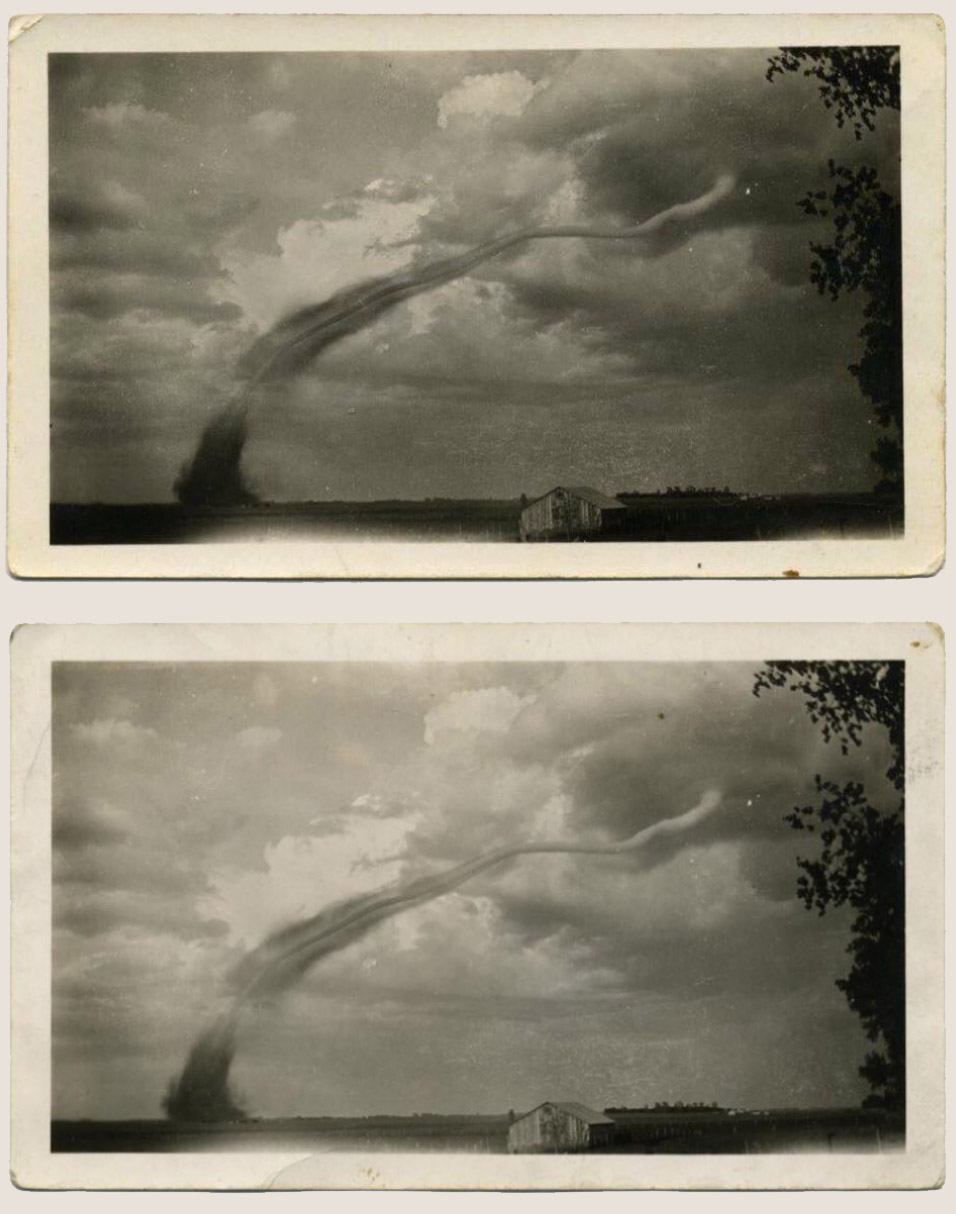
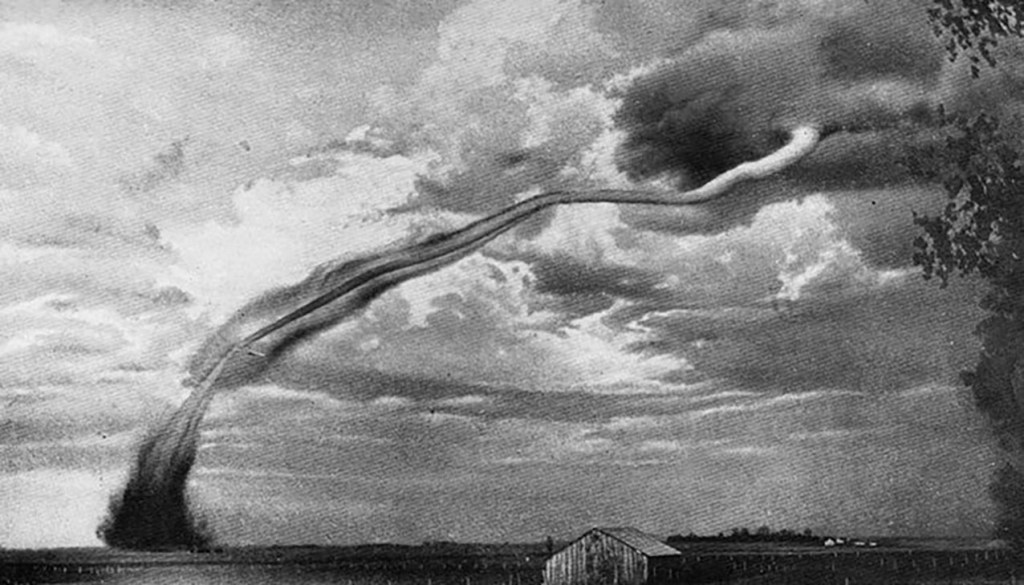
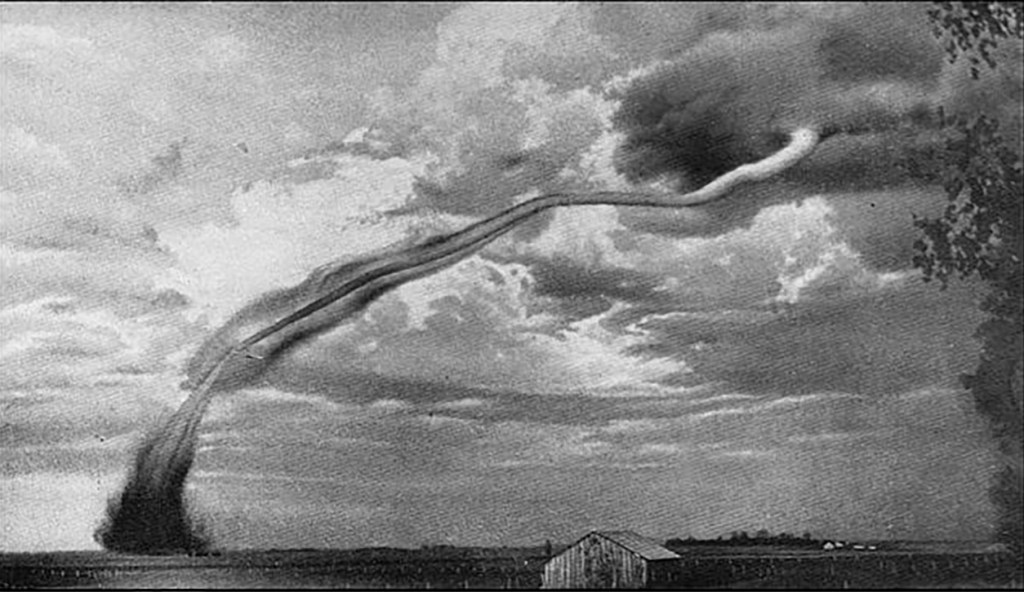
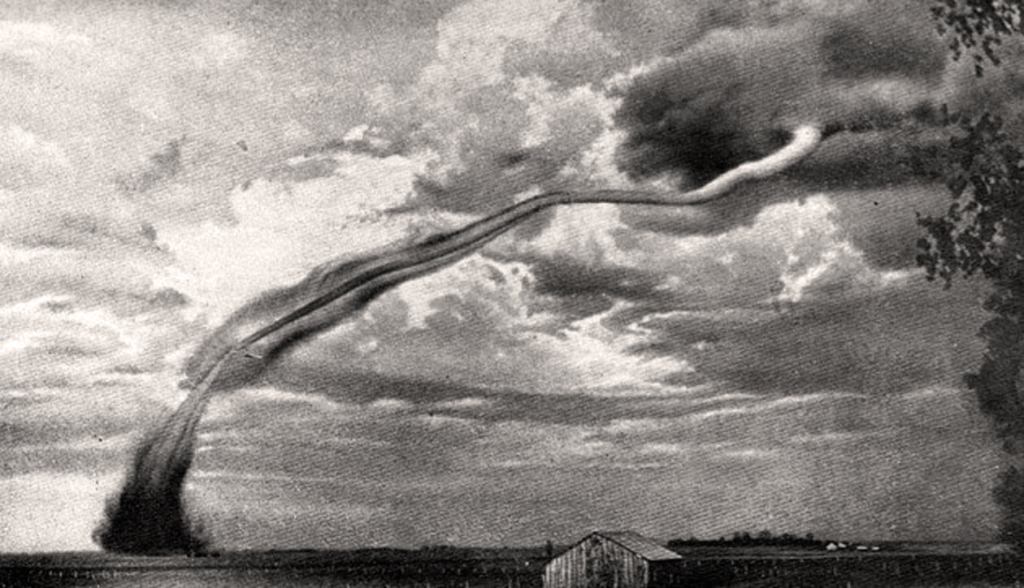
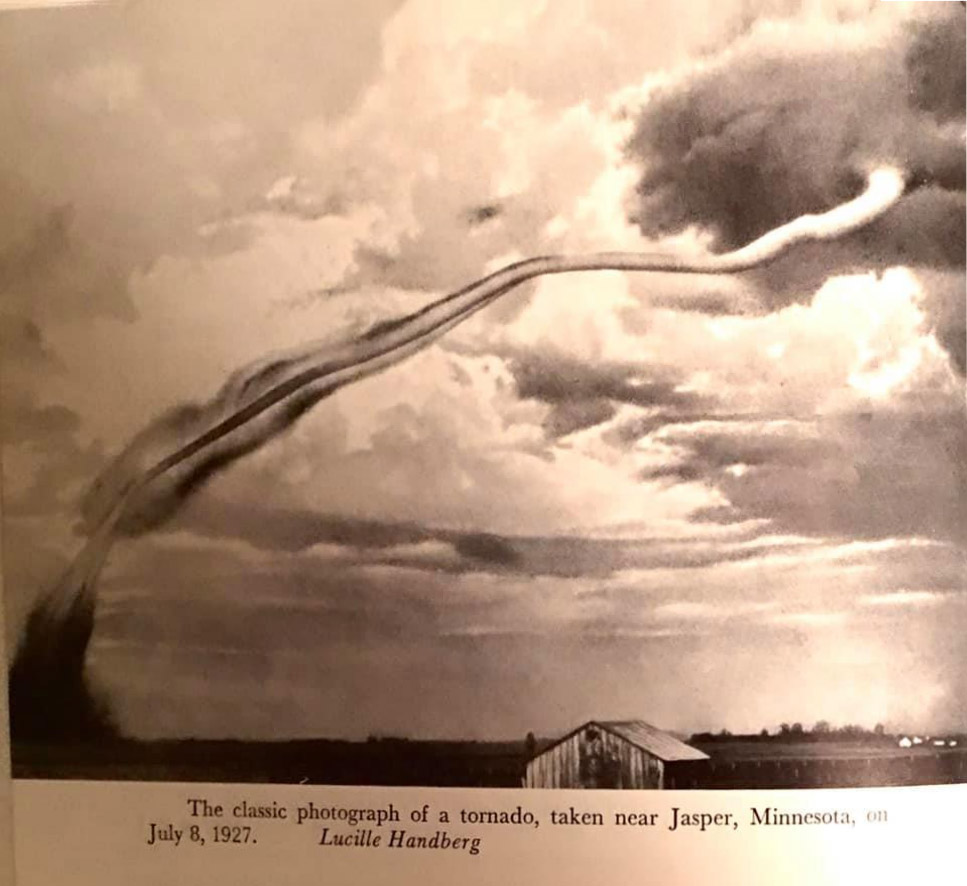
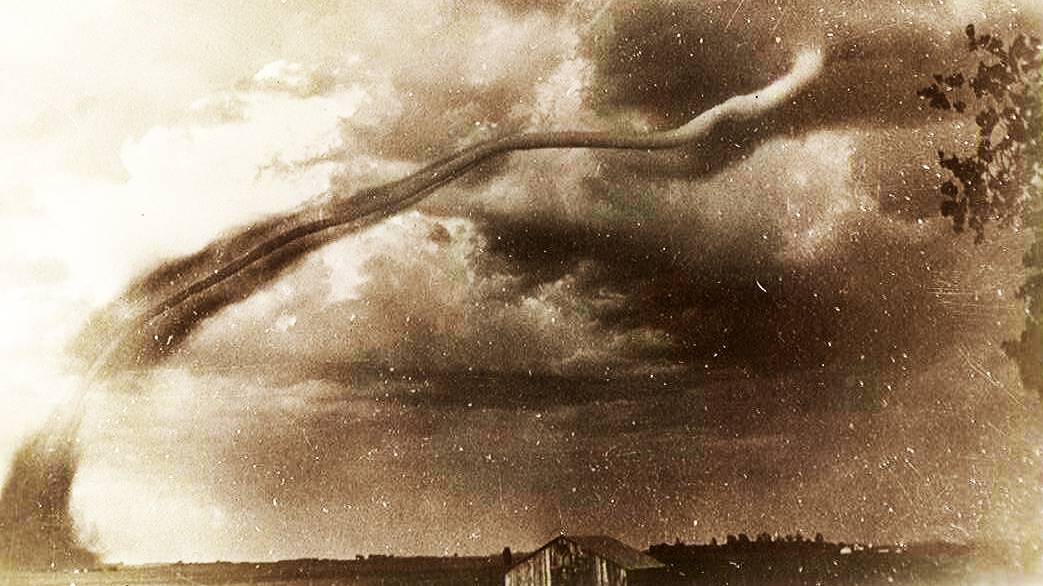
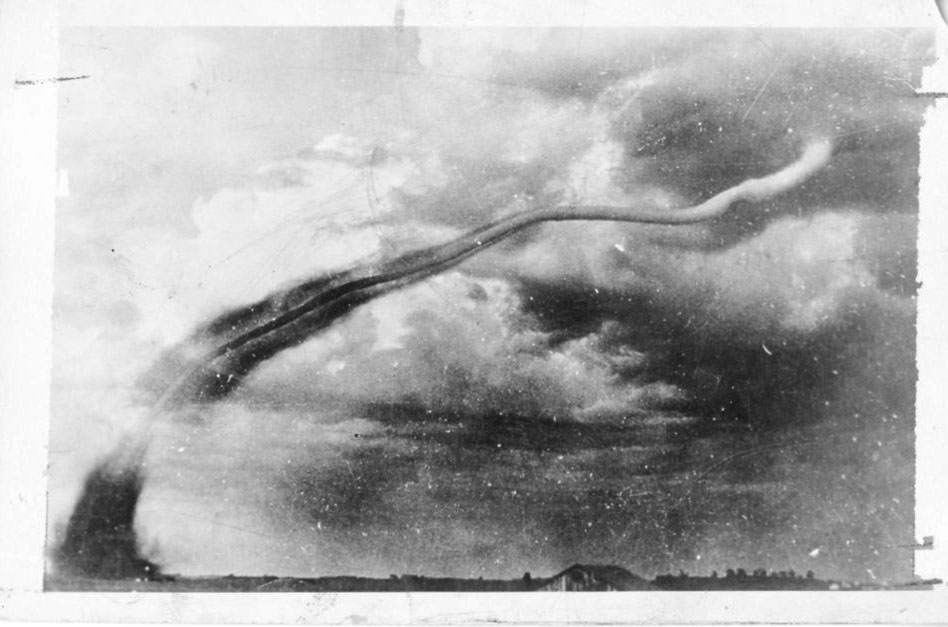
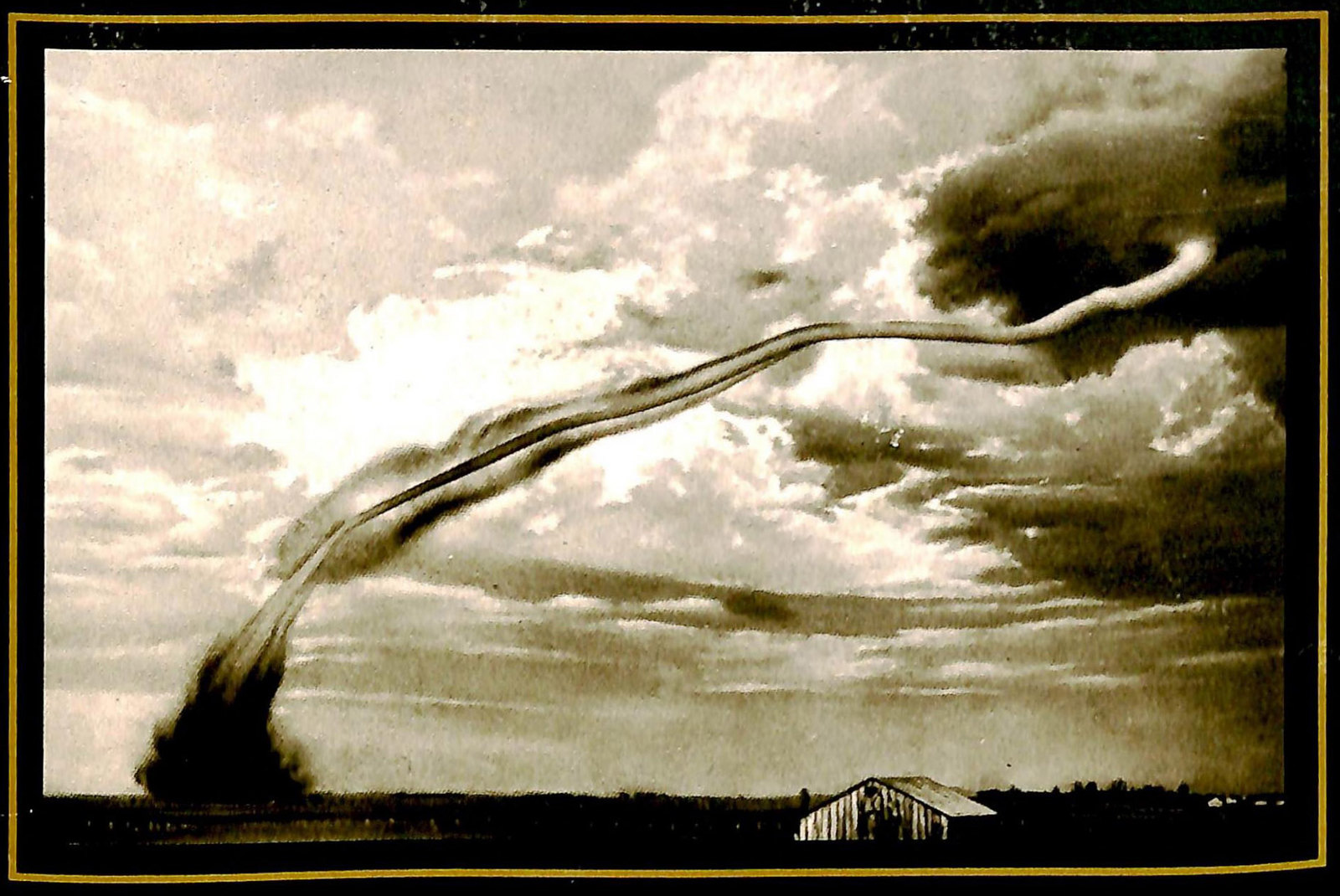
Tornado near Jasper, Minnesota, July 8, 1927 taken by 15 year old Lucille Handberg | src Billy Parrot Collection (view on Fb)
Two theories: the second tornado snapshot (on the bottom) had a Canedy’s Camera Shop 1927 date stamp on the verso. Canedy’s was in South Dakota and sold local souvenir snapshots (Bad Lands, Black Hills, etc…) between the 1920s – 1940s. It is also probable that when 15-year old Lucille Handberg took this photo her neighbor, who was an engineer, recognized its importance and sent copies to scientists around the country and these could be two of those. text adapted from source : Billy Parrot
Tornado near Jasper, Minnesota, July 8, 1927 taken by 15 year old Lucille HandbergTornado near Jasper, Minnesota, July 8, 1927 taken by 15 year old Lucille HandbergTornado near Jasper, Minnesota, July 8, 1927 taken by 15 year old Lucille Handberg
The images above this line are most probably scanned from newspapers of the time, we were not able to find the original source. The second image is from The Gallery of Natural Phenomena, where you can read more about the circumstances in which the photo was shot. [x]
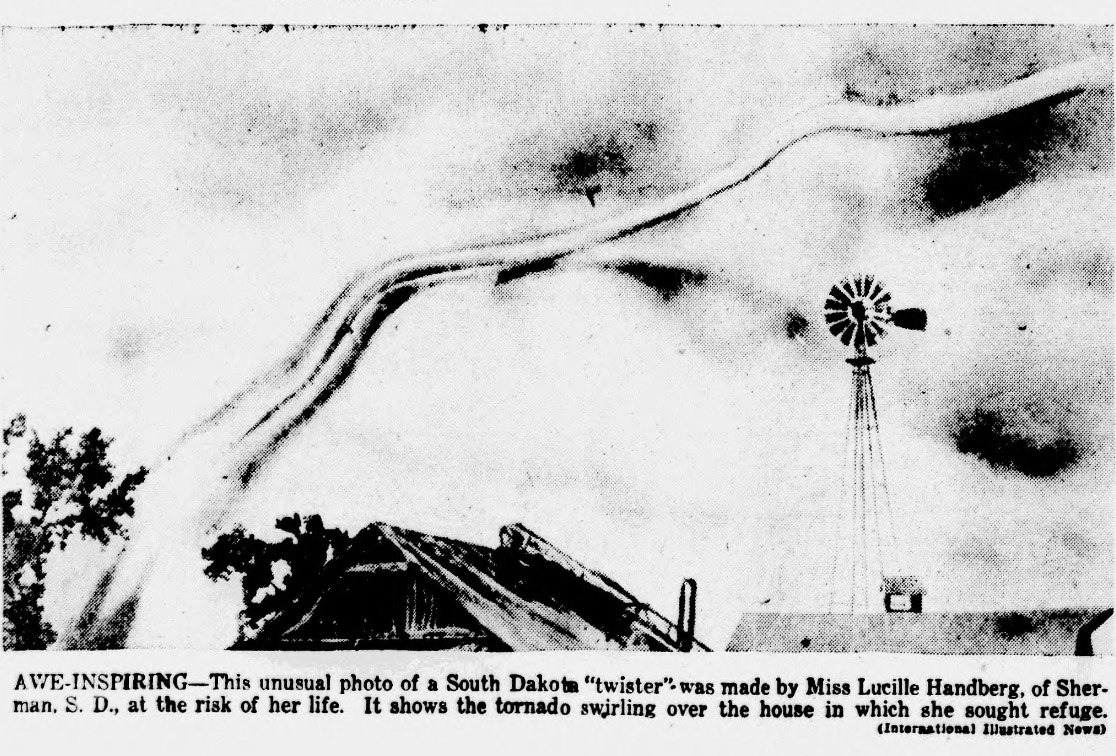
Only the image below can be reached on the Library of Congress.
AWE-INSPIRING – This unusual photo of a South Dakota “twister” was made by Miss by Lucille Handberg at the risk of her life. Published in New Britain Herald (New Britain, Conn.), August 6, 1928, page 14 | src Library of CongressThe classic photograph of a tornado taken near Jasper, Minnesota, on July 8, 1927 (Lucille Handberg) – Scan
Controversy arises : Jasper tornado of 1927 is, according to South Dakota Public Broadcasting (based on information from Siouxland Heritage Museums), the Sioux Falls tornado of 1932…
… view two images below.
The Deadly Sioux Falls Tornado of 1932. Siouxland Heritage Museums | src images of the PastThe Deadly Sioux Falls Tornado of 1932. Siouxland Heritage Museums | src South Dakota Public BroadcastingImage of the famous tornado used on the cover of book ‘The Breath of God’ by Swami Chetanananda [作者] (1988) | src amazonImage from the cover of book ‘The Breath of God’ by Swami Chetanananda, retrieved from internet archiveCover of book ‘The Breath of God’ by Swami Chetanananda, retrieved from internet archiveCover of Tinderbox, the seventh album by English rock band Siouxsie and the Banshees, released on 21 April, 1986Cover design of the album Stormbringer by Deep Purple (1974)Cover of Bitches Brew, a studio double album by jazz musician Miles Davis, released on 30 March, 1970
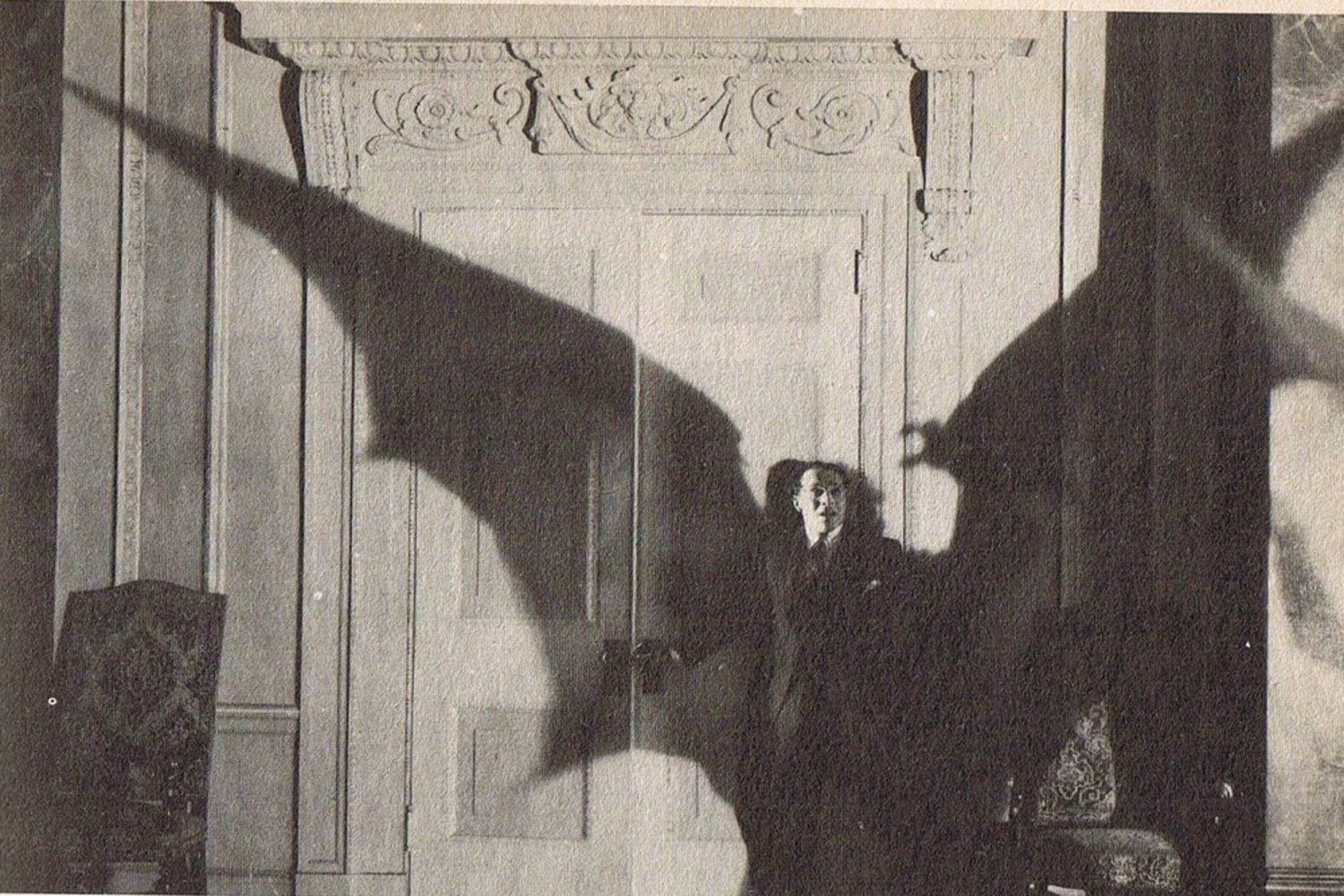
Film still from The Sorrows of Satan (D.W. Griffith, 1926), starring Adolphe Menjou, Carol Dempster, Ricardo Cortez and Lya de Putti The screenplay was based on the Victorian gothic novel by Marie Corelli (1895)
Watch the film on YouTube ~ link to this scene : here
Nevertheless, our favorite scene takes place a few minutes before during the night in Geoffrey’s ominous mansion. Geoffrey’s wife, an exotic Russian princess in exile (Lya de Putti) confess Prince Lucio that she married Geoffrey only to be near him (Satan). Geoffrey awakens and creeps down the stairs to find his wife throwing herself at Lucio’s feet. It’s a suspenseful sequence with shadowy shots of the mansion that looks menacing. Link to scene
Read the novel on Project Gutenberg : The Sorrows of Satan or, The Strange Experience of One Geoffrey Tempest, Millionaire, A Romance : eBook
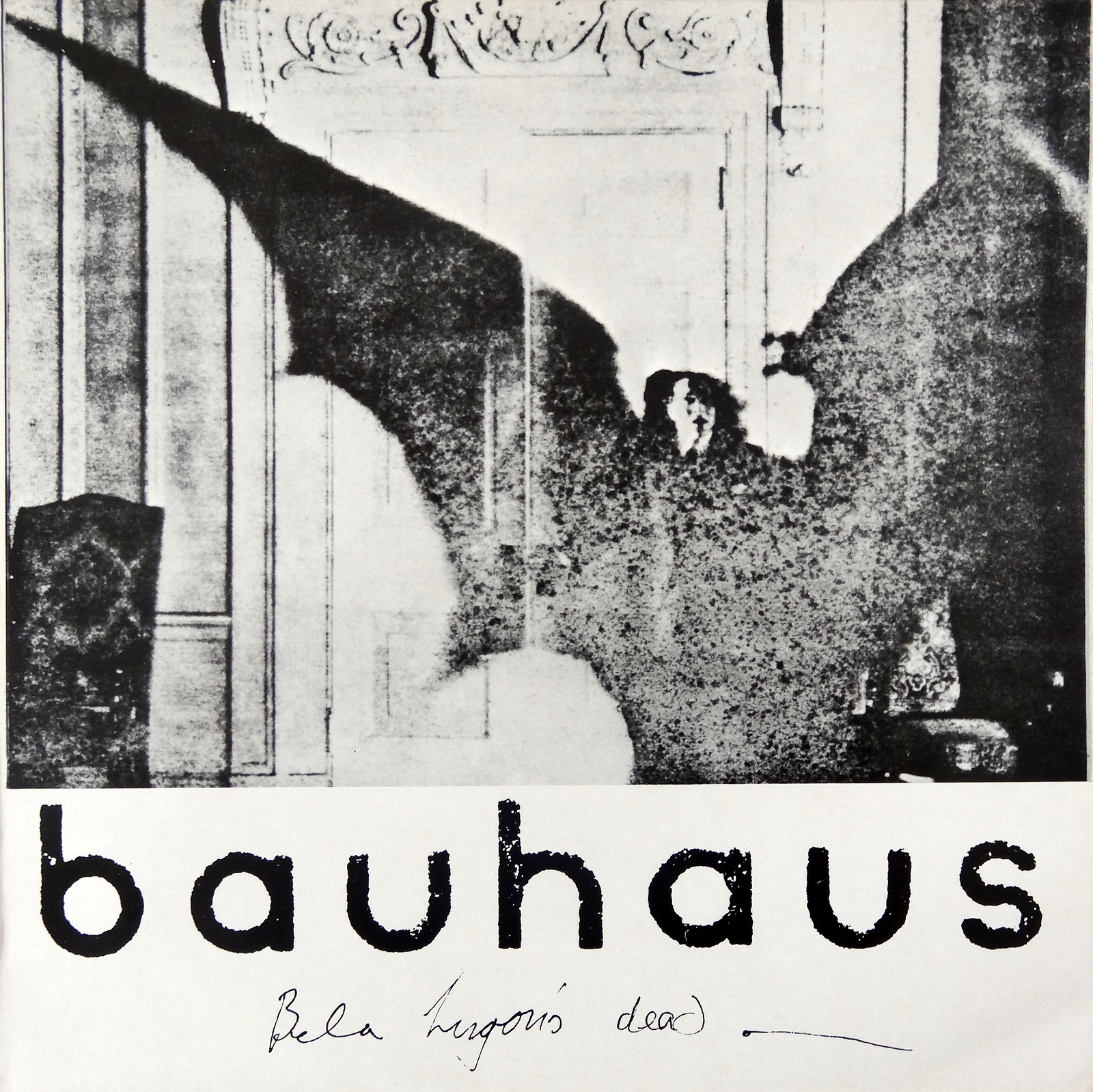
Cover design for Bela Lugosi’s Dead, the first single by the English post-punk band Bauhaus, released on 6 August 1979 It is often considered the first gothic rock record
Listen to «Bela Lugosi’s Dead» on Bauhaus Official YouTube channel
Sune Sundahl ~ Dansbild med Birgit Åkesson. Arkitektur- och designcentrum ARKM.1988-111-02954-6Sune Sundahl ~ Dansbild med Birgit Åkesson. Arkitektur- och designcentrum ARKM.1988-111-02954-1Sune Sundahl ~ Dansbild med Birgit Åkesson. Arkitektur- och designcentrum ARKM.1988-111-02954-2Sune Sundahl ~ Dansbild med Birgit Åkesson. Arkitektur- och designcentrum ARKM.1988-111-02954-3Sune Sundahl ~ Dansbild med Birgit Åkesson. Arkitektur- och designcentrum ARKM.1988-111-02954-4Sune Sundahl ~ Dansbild med Birgit Åkesson. Arkitektur- och designcentrum ARKM.1988-111-02954-5Sune Sundahl ~ Dansbild med Birgit Åkesson. Arkitektur- och designcentrum ARKM.1988-111-02954-7Sune Sundahl ~ Dansbild med Birgit Åkesson. Arkitektur- och designcentrum ARKM.1988-111-02857Sune Sundahl ~ Dansbild med Birgit Åkesson. Arkitektur- och designcentrum ARKM.1988-111-02954-8Sune Sundahl ~ Dansbild med Birgit Åkesson. Arkitektur- och designcentrum ARKM.1988-111-02954-9Sune Sundahl ~ Dansbild med Birgit Åkesson. Arkitektur- och designcentrum ARKM.1988-111-02954-10Sune Sundahl ~ Dansbild med Birgit Åkesson. Arkitektur- och designcentrum ARKM.1988-111-02954-11Sune Sundahl ~ Dansbild med Birgit Åkesson. Arkitektur- och designcentrum ARKM.1988-111-02954-12Sune Sundahl ~ Dansbild med Birgit Åkesson. Arkitektur- och designcentrum ARKM.1988-111-02954-13
All the images in this post are from the exhibition: «Dansen har mycket gemensamt med arkitektur» (2013). Some of the images are dated 1939-1947 and most of them undated.
«Dance has a lot in common with architecture» (2013)
Movement, rhythm, space and body in dance have much in common with architecture. Spatiality can only be experienced with the body, in movement. There are several good reasons to pay attention to the connections between the room shape and people’s movements in the rooms. Whether dancing or walking around a building, there is both flow and embodiment. Perhaps it was precisely these common denominators that made Birgit Åkesson choose the architectural photographer Sune Sundahl to document her early choreographies?
Photographing movement is a big challenge, a movement in a frozen moment can easily turn into a rigid pose without context or dynamism. In Sundahl’s collection there are, among other things, pictures from Birgit Åkesson’s own performance Blue Evening from 1946. The title was probably taken from the blue-painted Konserthuset in Stockholm, designed by Ivar Tengbom 1924-26. Here, Birgit Åkesson experimented with movements without music, which was unique for the time. She also studied during her lifetime the dances of other cultures, including dances south of the Sahara in Africa and the Butoh dance from Japan.
The dancer, choreographer and dance researcher Birgit Åkesson (1908-2001) taught the viewer to listen to the sound of movement in the silence. It was about holding a dialogue, where the rhythm carried the form that left invisible traces in the air. Birgit Åkesson started her dance career in the 1920s and 30s when she studied with the German-born choreographer Mary Wigman. It was from her that the Swedish dancer found the expressionist language, the free dance. Birgit Åkesson was one of the leading avant-garde artists in free dance.
Lenita Gärde, Center for Architecture and Design (quoted from ArkDes)
Sune Sundahl ~ Dansbild med Birgit Åkesson. Arkitektur- och designcentrum ARKM.1988-111-02856Sune Sundahl ~ Dansbild med Birgit Åkesson. Arkitektur- och designcentrum ARKM.1988-111-02954-14Sune Sundahl ~ Dansbild med Birgit Åkesson. Arkitektur- och designcentrum ARKM.1988-111-02954-15une Sundahl ~ Dansbild med Birgit Åkesson. Arkitektur- och designcentrum ARKM.1988-111-02859Sune Sundahl ~ Dansbild med Birgit Åkesson. Arkitektur- och designcentrum ARKM.1988-111-02954-17Sune Sundahl ~ Dansbild med Birgit Åkesson. Arkitektur- och designcentrum ARKM.1988-111-02954-18Sune Sundahl ~ Dansbild med Birgit Åkesson. Arkitektur- och designcentrum ARKM.1988-111-02954-19Sune Sundahl ~ Dansbild med Birgit Åkesson. Arkitektur- och designcentrum ARKM.1988-111-02954-20Sune Sundahl ~ Dansbild med Birgit Åkesson. Arkitektur- och designcentrum ARKM.1988-111-02954-21Sune Sundahl ~ Dansbild med Birgit Åkesson. Arkitektur- och designcentrum ARKM.1988-111-02954-22Sune Sundahl ~ Dansbild med Birgit Åkesson. Arkitektur- och designcentrum ARKM.1988-111-02954-23Sune Sundahl ~ Dansbild med Birgit Åkesson. Arkitektur- och designcentrum ARKM.1988-111-02863Sune Sundahl ~ Dansaren Birgit Åkesson med kollegor under matrasten. ARKM.1988-111-02954-24
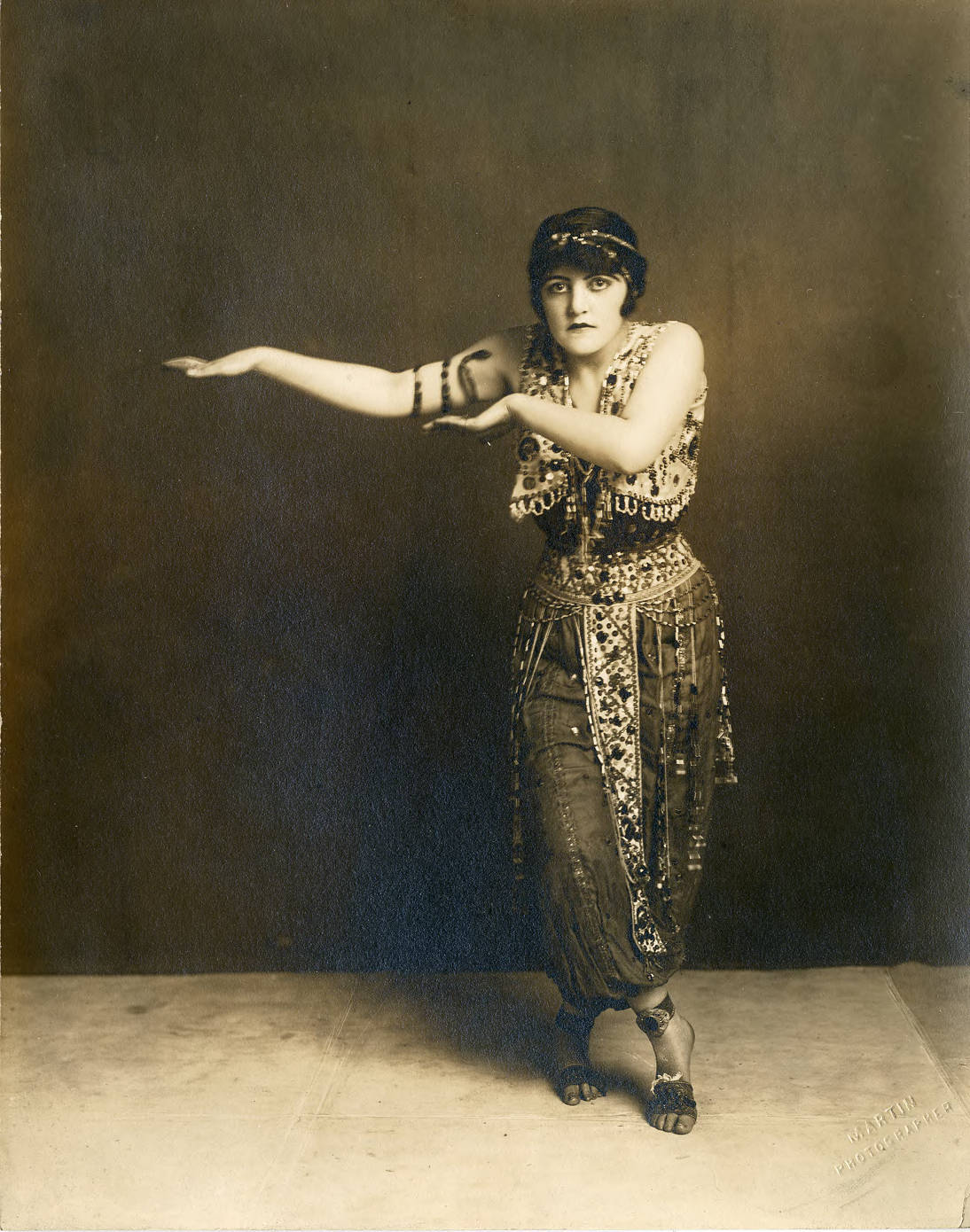
Princess of Kama, vaudeville entertainer by Martin (photographer), 1914. The J. Willis Sayre Collection of Theatrical Photographs, University of Washington (4690)
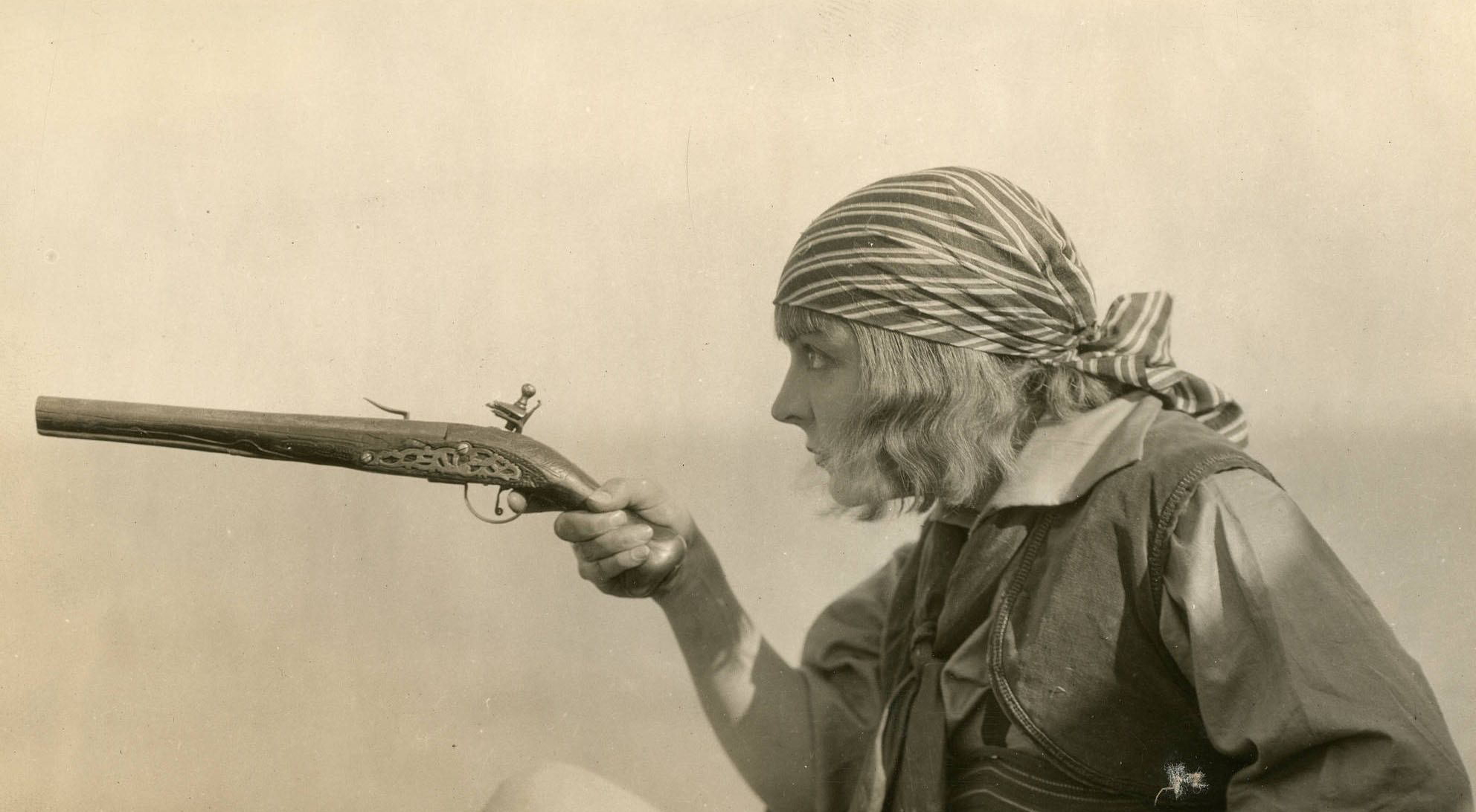
Enid Bennett, from the American comedy film Strangers of the Night (Fred Niblo, 1923). The J. Willis Sayre Collection of Theatrical Photographs, University of Washington (5074)Enid Bennett (as Poppy Faire), from the American comedy film Strangers of the Night (Fred Niblo, 1923). [detail]
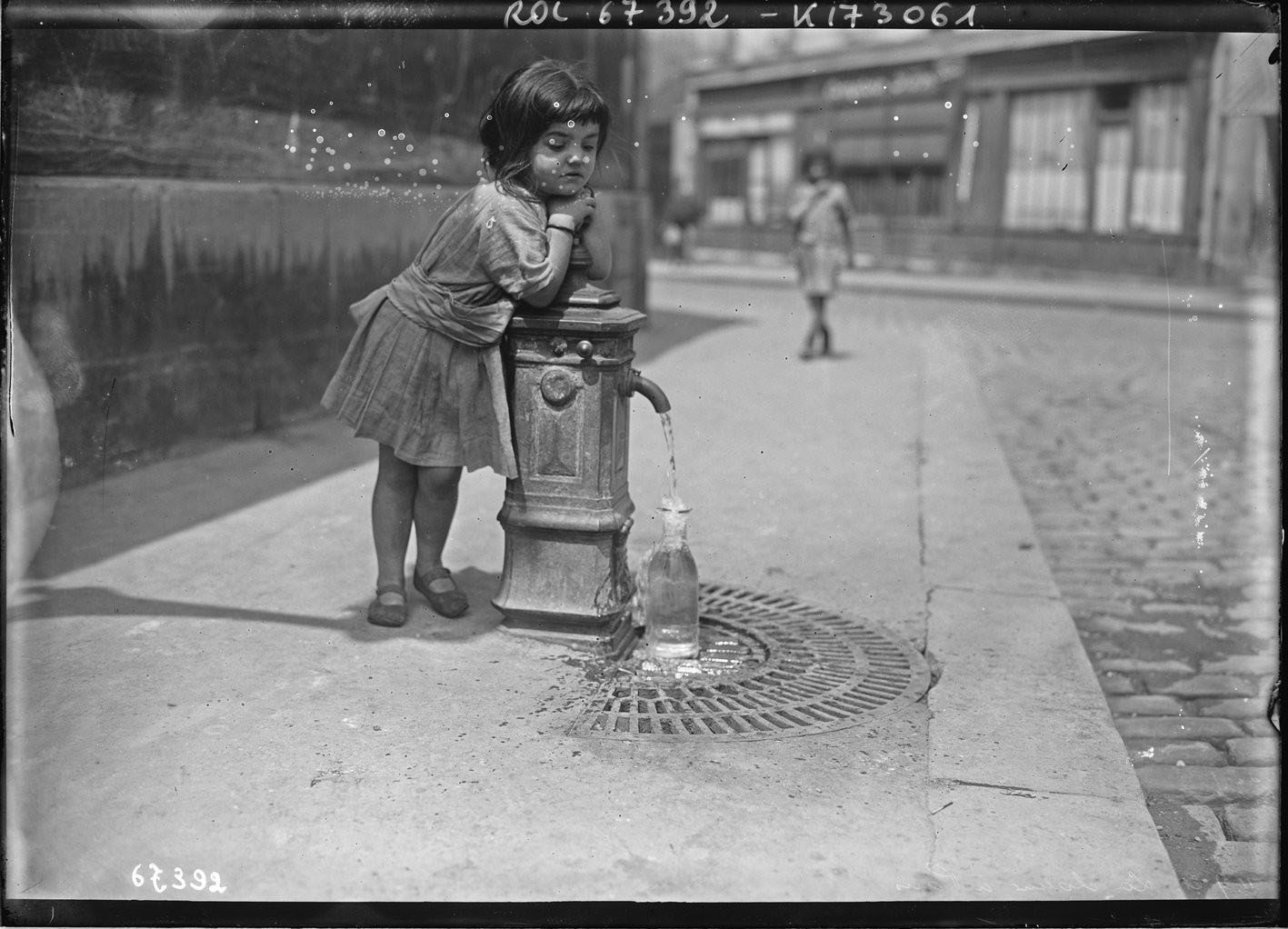
Agence Rol ~ La chaleur à Paris [fillette prenant de l’eau à une borne-fontaine], 1921 [detail]Agence Rol ~ Heat in Paris [girl taking water from a standpipe] [press photography], 11.07.1921La chaleur à Paris [fillette prenant de l’eau à une borne-fontaine] · [photographie de presse] · [Agence Rol 11-7-21] | src BnF
Pierre Louÿs (1870-1925) ~ [Untitled nude, back to camera, leaning right] Collection érotique de Michel Simon | src Ader
La sensualità è uno degli aspetti più indagati dall’arte e più presenti fra le sale dei musei. Lo scopriremo grazie a B-Side – Il lato nascosto dell’arte, viaggio intrapreso da Caroline Pochon e Allan Rothschild attraverso la storia della rappresentazione del fondoschiena, oggetto proibito del desiderio su cui si sono concentrati gli sguardi di molti artisti. (src Artribune)
Photograph by Pierre Louÿs; from : B-Side – Il lato nascosto dell’arte : da Courbet ai migliori “lati b” mai dipinti e scolpiti | Artribune also in : La face cachée des fesses, documentaire de Caroline Pochon et Allan Rothschild
La face cachée des fesses, documentaire diffusé sur Arte évoquera plus particulièrement les fantasmes et les tabous que suscitent nos postérieurs en s’appuyant sur ses différentes représentations à travers les siècles. Le film de Caroline Pochon et Allan Rothschild, deux passionnés d’histoire de l’art, proposera une étude des mœurs centrée sur les fesses et tentera d’expliquer les fantasmes collectifs au sujet de notre arrière-train. (link to source)
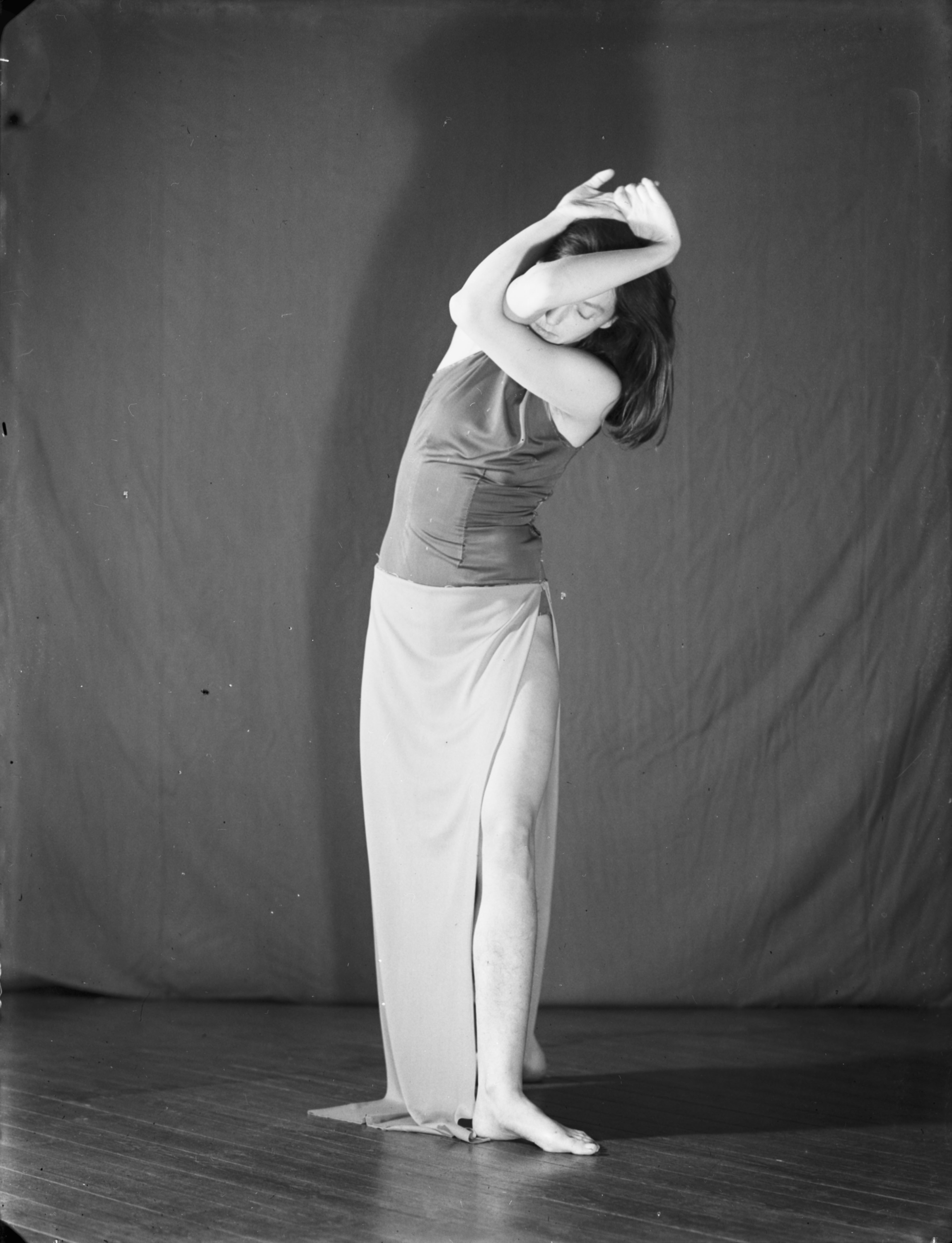
Sune Sundahl (1921-2007) ~ Dancer Birgit Akesson. Arkitektur- och designcentrum ARKM.1988-111-02858Sune Sundahl (1921-2007) ~ Dancer Birgit Akesson. Arkitektur- och designcentrum ARKM.1988-111-02855Sune Sundahl ~ Dansbild med Birgit Åkesson. Arkitektur- och designcentrum ARKM.1988-111-02798Sune Sundahl ~ Dansbild med Birgit Åkesson. Arkitektur- och designcentrum ARKM.1988-111-02860Sune Sundahl (1921-2007) ~ Dancer Birgit Akesson. Arkitektur- och designcentrum ARKM.1988-111-02794Sune Sundahl (1921-2007) ~ Dancer Birgit Akesson. Arkitektur- och designcentrum ARKM.1988-111-02797Sune Sundahl (1921-2007) ~ Dancer Birgit Akesson. Arkitektur- och designcentrum ARKM.1988-111-02802Sune Sundahl (1921-2007) ~ Dancer Birgit Akesson. Arkitektur- och designcentrum ARKM.1988-111-02803Sune Sundahl (1921-2007) ~ Dancer Birgit Akesson. Arkitektur- och designcentrum ARKM.1988-111-02861Sune Sundahl (1921-2007) ~ Dancer Birgit Akesson. Arkitektur- och designcentrum ARKM.1988-111-02862Sune Sundahl ~ Dansbild med Birgit Åkesson. Arkitektur- och designcentrum ARKM.1988-111-02865
All the images in this post are from the exhibition: «Dansen har mycket gemensamt med arkitektur» (2013). Some of the images are dated 1939-1947 and most of them undated.
«Dance has a lot in common with architecture» (2013)
Movement, rhythm, space and body in dance have much in common with architecture. Spatiality can only be experienced with the body, in movement. There are several good reasons to pay attention to the connections between the room shape and people’s movements in the rooms. Whether dancing or walking around a building, there is both flow and embodiment. Perhaps it was precisely these common denominators that made Birgit Åkesson choose the architectural photographer Sune Sundahl to document her early choreographies?
Photographing movement is a big challenge, a movement in a frozen moment can easily turn into a rigid pose without context or dynamism. In Sundahl’s collection there are, among other things, pictures from Birgit Åkesson’s own performance Blue Evening from 1946. The title was probably taken from the blue-painted Konserthuset in Stockholm, designed by Ivar Tengbom 1924-26. Here, Birgit Åkesson experimented with movements without music, which was unique for the time. She also studied during her lifetime the dances of other cultures, including dances south of the Sahara in Africa and the Butoh dance from Japan.
The dancer, choreographer and dance researcher Birgit Åkesson (1908-2001) taught the viewer to listen to the sound of movement in the silence. It was about holding a dialogue, where the rhythm carried the form that left invisible traces in the air. Birgit Åkesson started her dance career in the 1920s and 30s when she studied with the German-born choreographer Mary Wigman. It was from her that the Swedish dancer found the expressionist language, the free dance. Birgit Åkesson was one of the leading avant-garde artists in free dance.
Lenita Gärde, Center for Architecture and Design (quoted from ArkDes)


















 un regard oblique