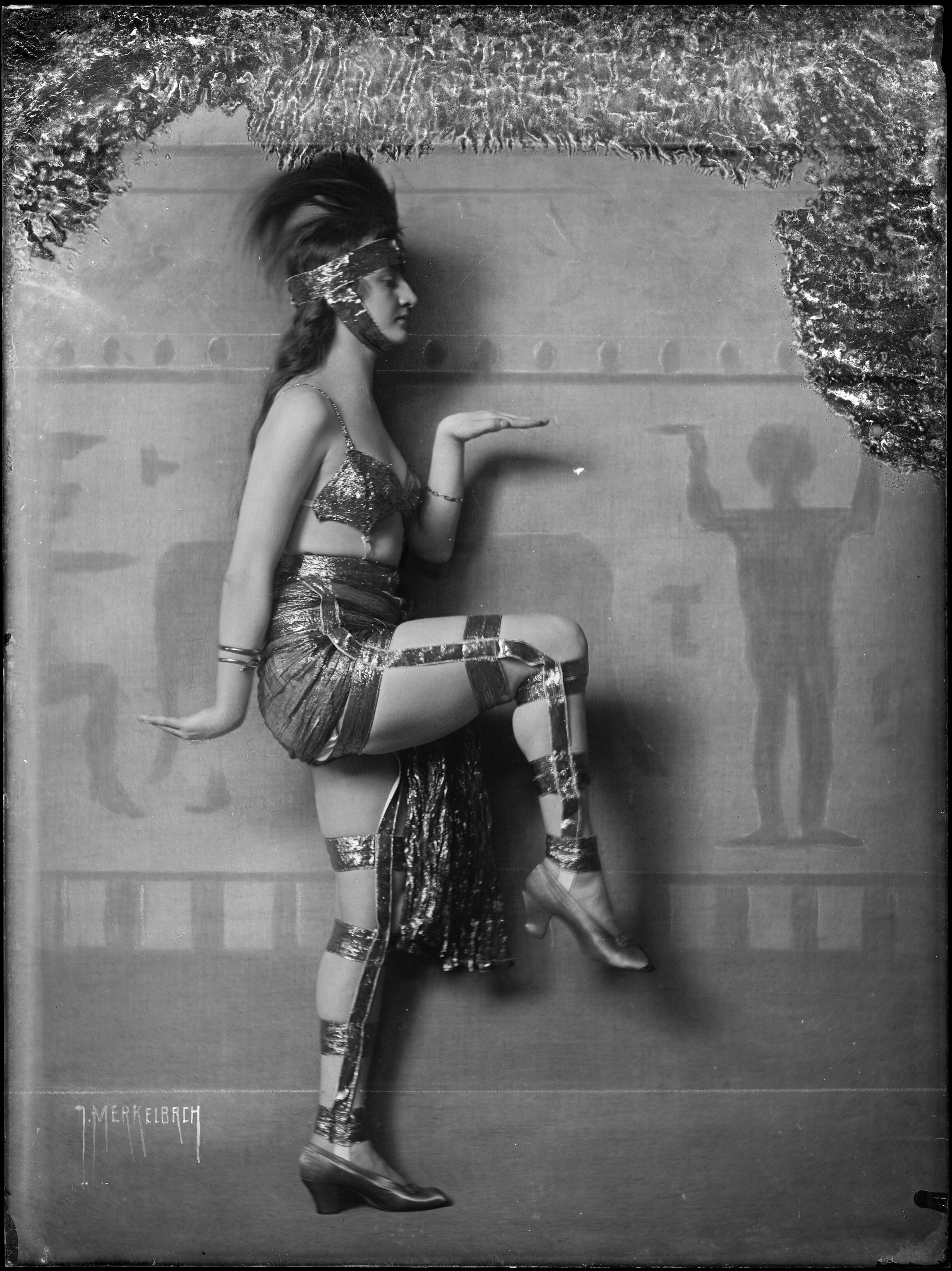
Berber by Kallmus · 1922

Atelier Madame d’Ora :: Anita Berber in ihres Tanzstücks “Kokain”. Die Tänze des Lasters, des Grauens und der Ekstase, Wien, 1922. Photoinstitut Bonartes | src Der Standard

Photoinstitut Bonartes: Ausstellungsdauer: 25.08.2023 – 17.11.2023

Tänze des Lasters, des Grauens und der Ekstase. Anita Berber in Wien 1922

Im November 1922, inmitten der Wirtschaftskrise, kennt Wien nur ein Gesprächsthema: Anita Berber und ihre Tänze des Lasters, des Grauens und der Ekstase. Zusammen mit ihrem Partner Sebastian Droste bringt sie Tabuthemen wie Drogenmissbrauch, Suizid und homosexuelles Begehren auf die Bühne. Um das skandalumwitterte Programm zu bewerben, tritt das Duo vor die Kamera Madame d’Oras. Seit Jahren schon arbeitet Berber mit der Wiener Porträtfotografin an der Inszenierung ihres raffinierten Spiels aus kalkuliertem Schock und Tanzkunst. Diese düster-dramatischen Fotografien illustrieren nicht nur zahlreiche Zeitungsartikel, sondern auch Berbers einzige Publikation. Darin gibt sie Einblick in ihre Gedankenwelt, kritisiert die Hysterie um ihre Person und befeuert sie zugleich aufs Neue.

link zu Ausstellung
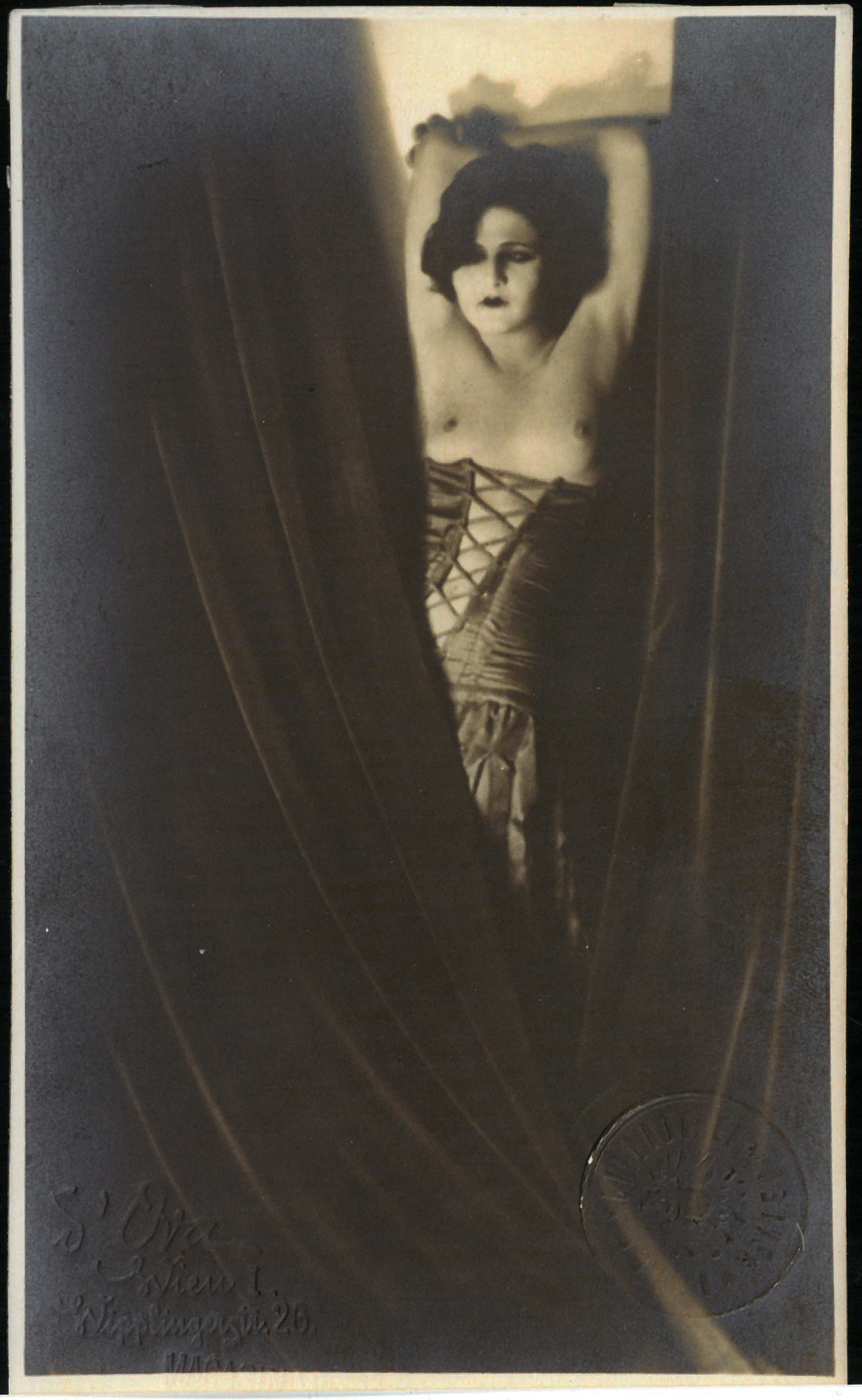
 Atelier dOra :: Anita Berber in Cocaine. Dances of Vice, Horror and Ecstasy, Vienna, 1922. | src Kulturpool FS_PE268437

New exhibition at Photoinstitut Bonartes:

Dances of Vice, Horror and Ecstasy. Anita Berber in Vienna 1922

In November 1922, in the midst of the economic crisis, Vienna only had one topic of conversation: Anita Berber and her dances of vice, horror and ecstasy. Together with her partner Sebastian Droste, she brings taboo topics such as drug abuse, suicide and homosexual desire to the stage. In order to promote the scandalous program, the duo appears in front of Madame d’Ora’s camera. Berber has been working with the Viennese portrait photographer for years on staging her sophisticated game of calculated shock and dance art. These darkly dramatic photographs not only illustrate numerous newspaper articles, but also Berber’s only publication. In it she gives insight into her world of thoughts, criticizes the hysteria surrounding her and at the same time fuels it anew.

link to the exhibition
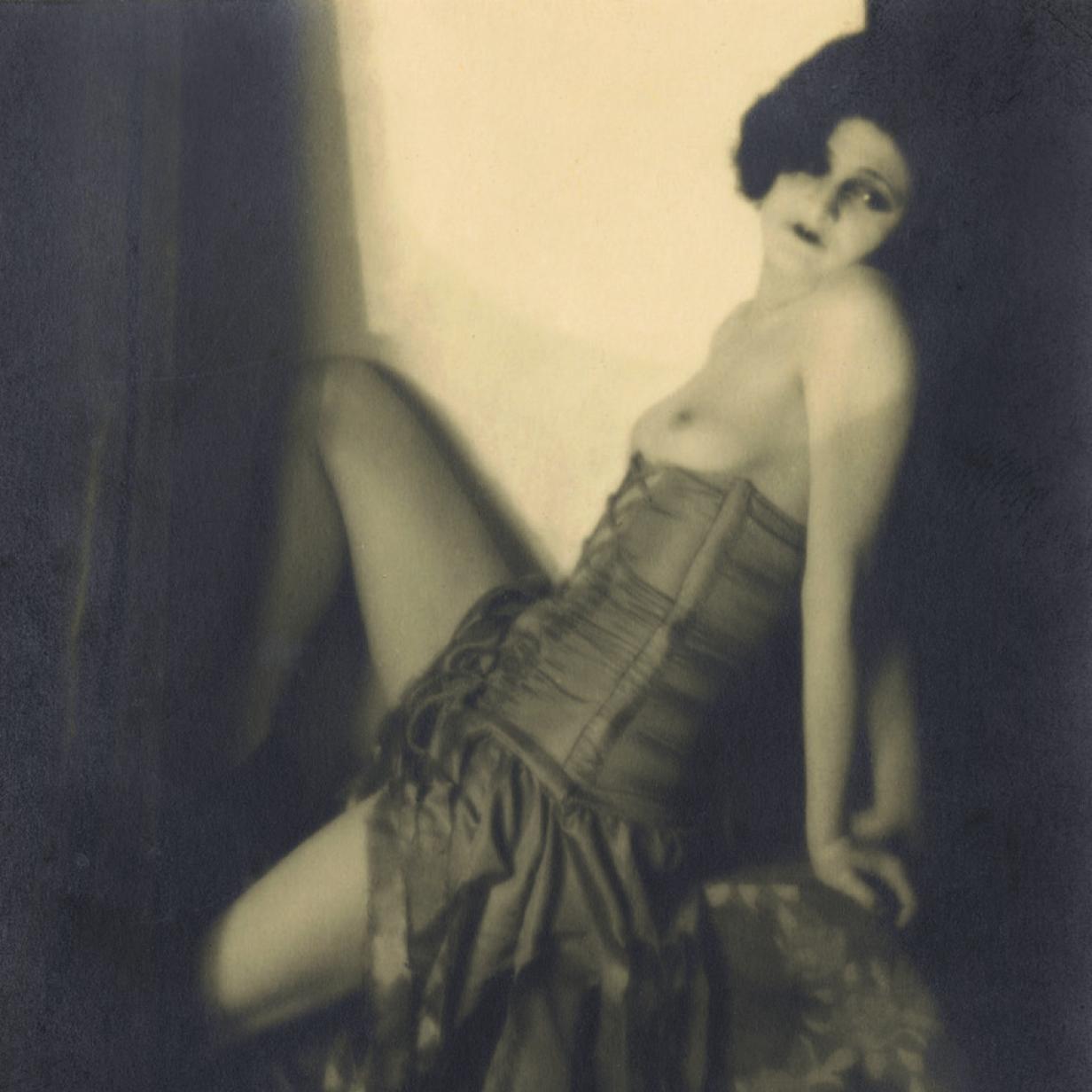
Tänze des Lasters, des Grauens und der Ekstase. Anita Berber in Wien 1922 – Photoinstitut Bonartes via Kurier.at

Ausstellung über Anita Berber: Provokation einer Exzentrikerin mit Erotik und Ekstase

„Tänze des Lasters, des Grauens und der Ekstase“ brachte sie ab November 1922 auf die Wiener Bühnen: Anita Berber war für Monate ein Aufreger im Nachtleben der Stadt mit ihren trotz Hyperinflation stets restlos ausverkauften Auftritten im Wiener Konzerthaus. | src Kurier.at

Exhibition about Anita Berber: provocation of an eccentric with eroticism and ecstasy

She brought “Dances of Vice, Horror and Ecstasy” to the Viennese stages from November 1922: Anita Berber was a sensation in the city’s nightlife for months with her performances in the Vienna Konzerthaus, which was always completely sold out despite the hyperinflation. | src Kurier.at
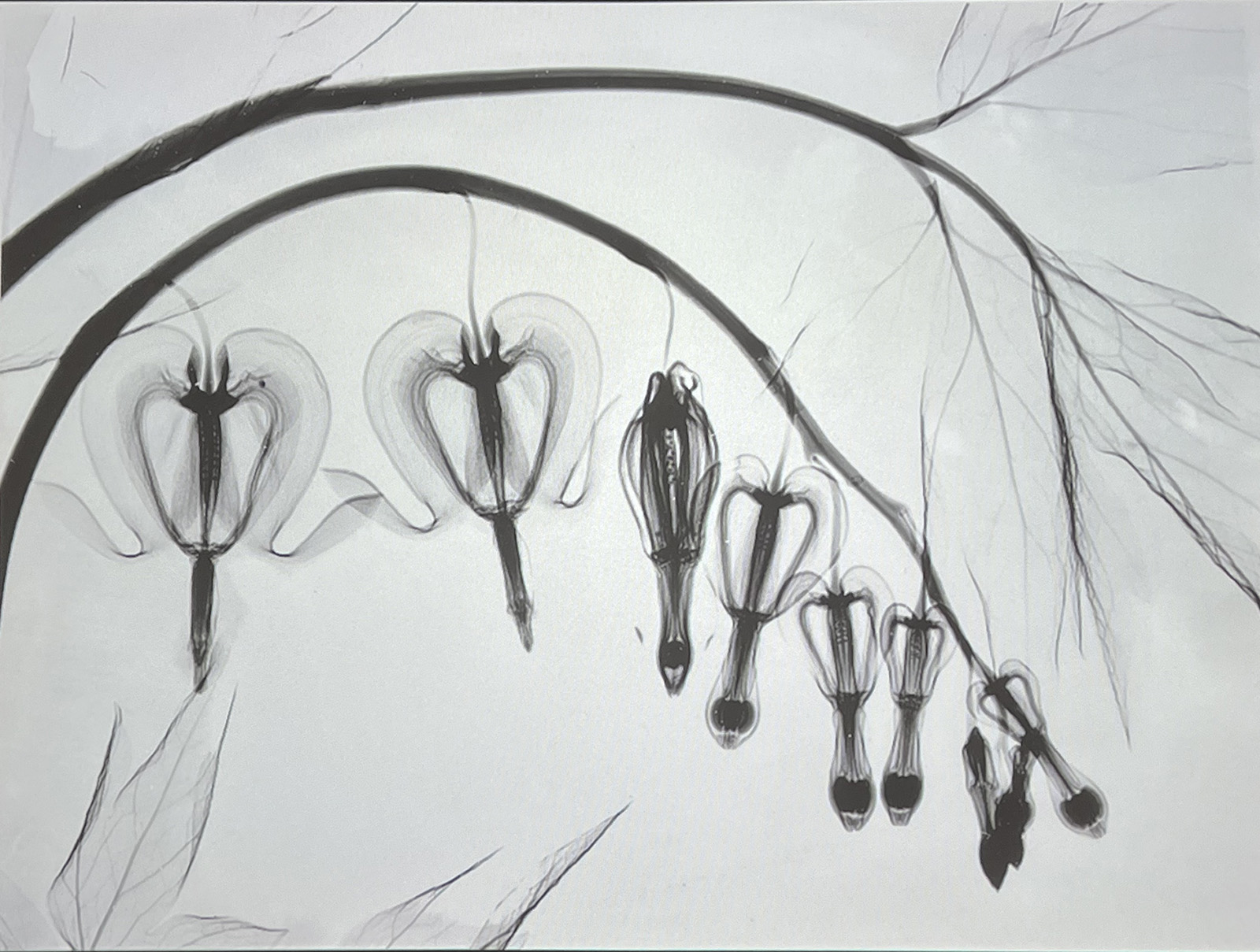
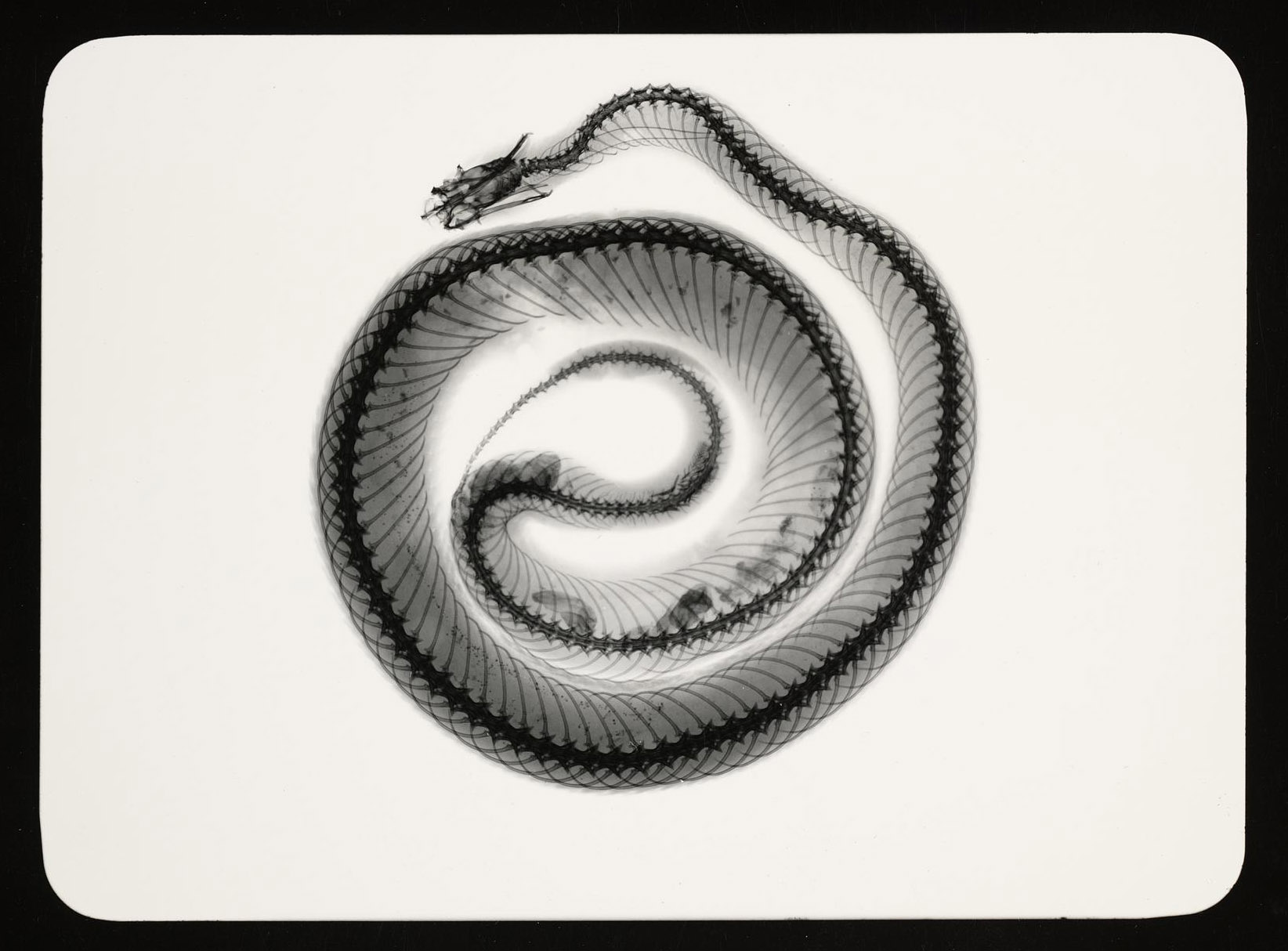
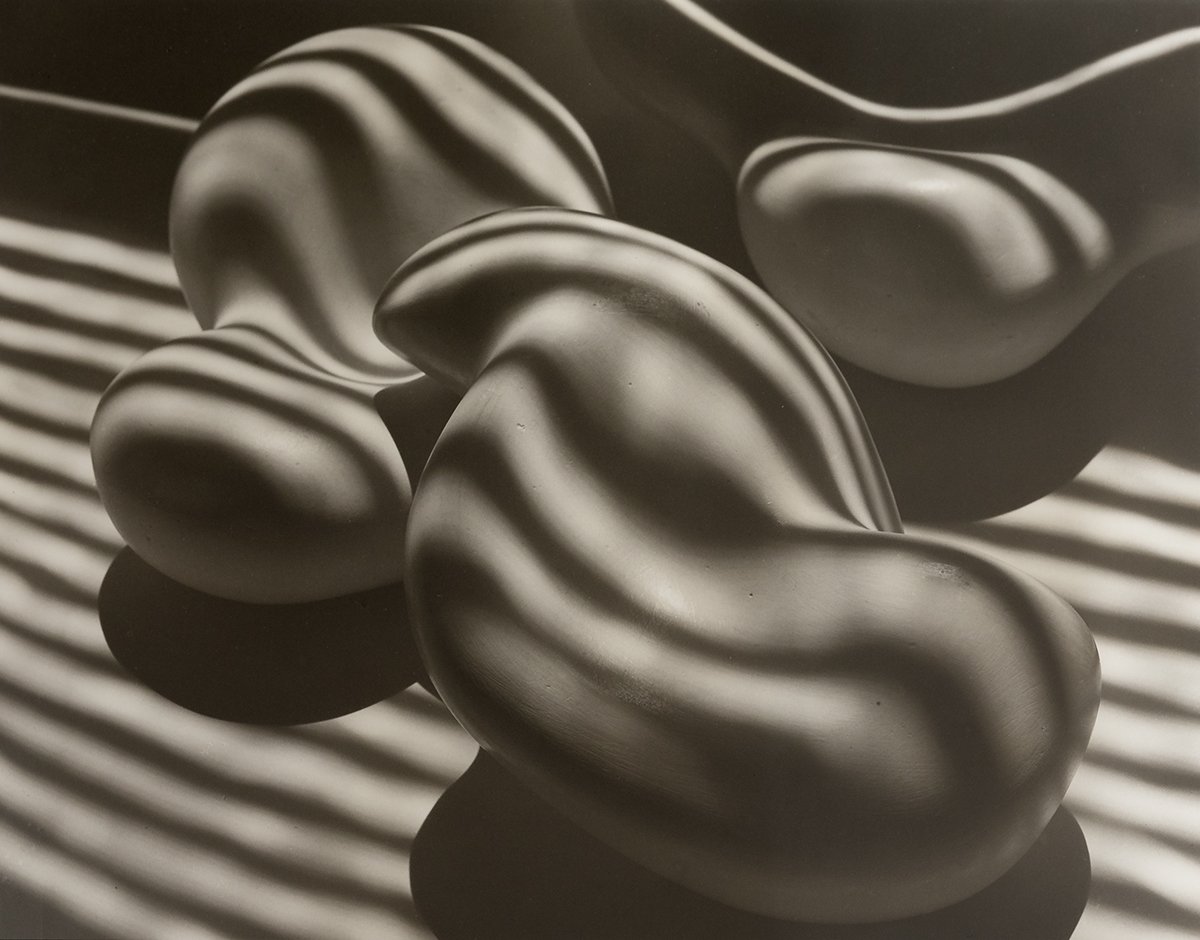
Hilja Raviniemi radiographs

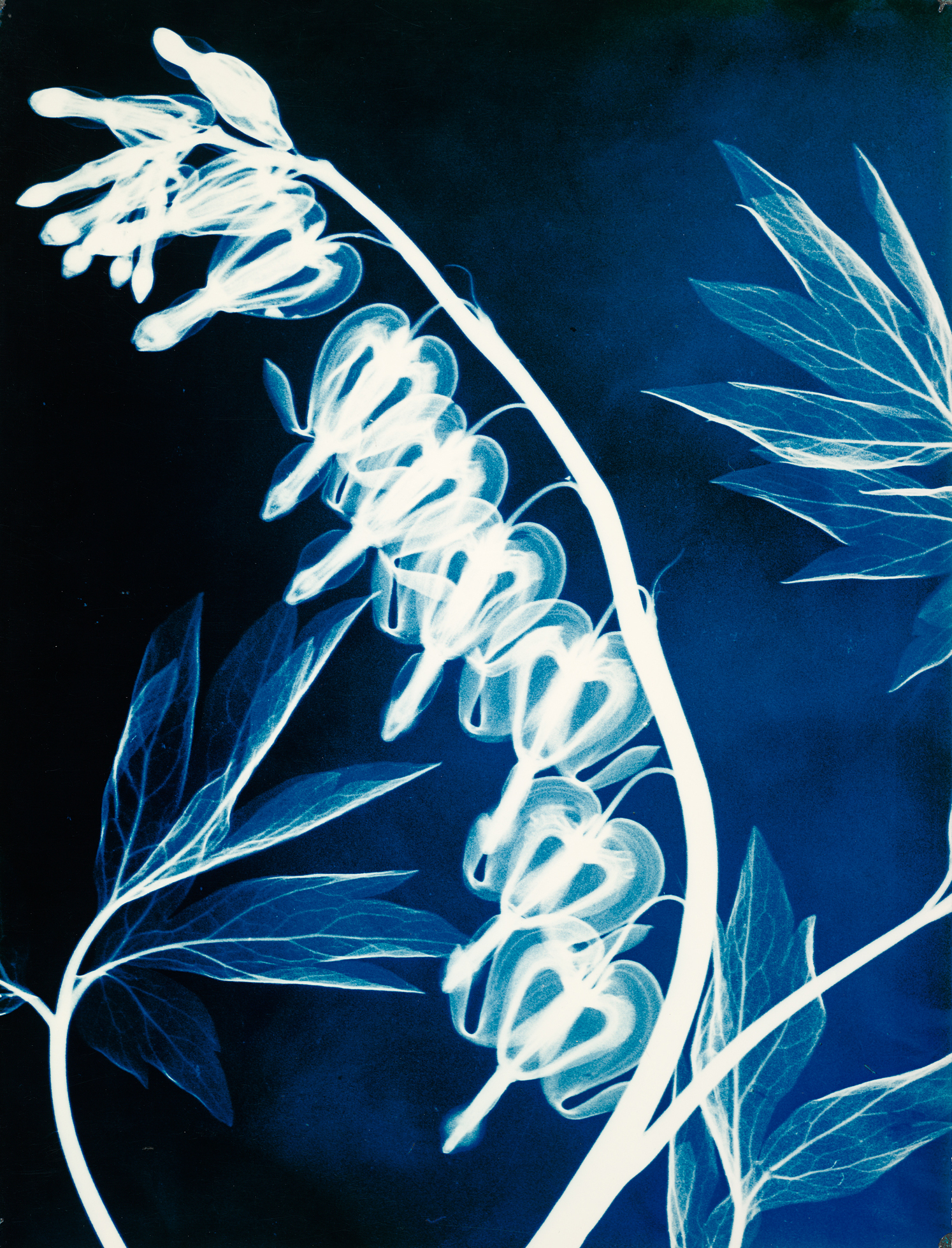
Hilja Raviniemi ~ Untitled (Flowers), 1960s. Collection of the Finnish Museum of Fine Arts | src Valokuvamuseo · IG
Hilja Raviniemi ~ Shell design, 1970. Suomen valokuvataiteen museon kokoelma. | src Fall 2023 exhibition

Hilja Raviniemi (née Nieminen, 1915–1973) dedicated her life to art photography at a time when it was still a niche phenomenon in Finland. The art photography scenes consisted of amateur photographers’ clubs’ regional and international exhibitions.  Letters from international exhibitions addressed to “Mr. Hilja Raviniemi” show that photographers were assumed to be men. Hard work helped “Hili” rise to the top of the male-dominated world of amateur photographers’ clubs. She was the first woman to become chair of the Association of Finnish Camera Clubs, and she was awarded the international honEFIAP title, which was only allowed to be simultaneously carried by a select few photographers in the world.

After her more traditional early work, Raviniemi explored the infinite creative possibilities offered by the darkroom, especially in the 1960s. Her recognizable blue era, which differed from the stark black-and-white art photography of the time, began in the late 1960s. Chemist by profession, Raviniemi was an ingenious artist in the darkroom. In addition to blue-tinted prints, she also created completely abstract photographic artworks using different techniques. Raviniemi’s workplace at the University of Helsinki photography department laboratory also allowed her to make the first artistic radiographic images in Finland. Hundreds of Raviniemi’s radiographic works have been preserved and make up an exceptional ensemble of works in the history of Finnish art photography. In the current exhibition, carefully constructed exhibition prints are accompanied by experimental material that grants us a glimpse of Raviniemi’s curious personality and sense of humor, along with eccentric pictures of cats.   

Hilja’s husband, chemist Eero Raviniemi (1911–1996) was also an accomplished photographer and pioneer of color photography in Finland. After Eero’s death, the Raviniemi family’s photography collection was donated to the Finnish Museum of Photography.

quoted from: Hilja Raviniemi: Sinisen kosketus (A Touch of Blue). Fall 2023 exhibition at the Finnish Museum of Photography (link)

Hilja Raviniemi ~ Untitled (X-ray of flowers), 1960s. © Suomen valokuvataiteen museo | src own scan
Hilja Raviniemi ~ Röntgenkuvattu käärme, 1960-luku, hopeagelatiinivedos | X-rayed snake, 1960s, silver gelatin print
src Suomen valokuvataiteen museo ~ Finnish Museum of Photography.

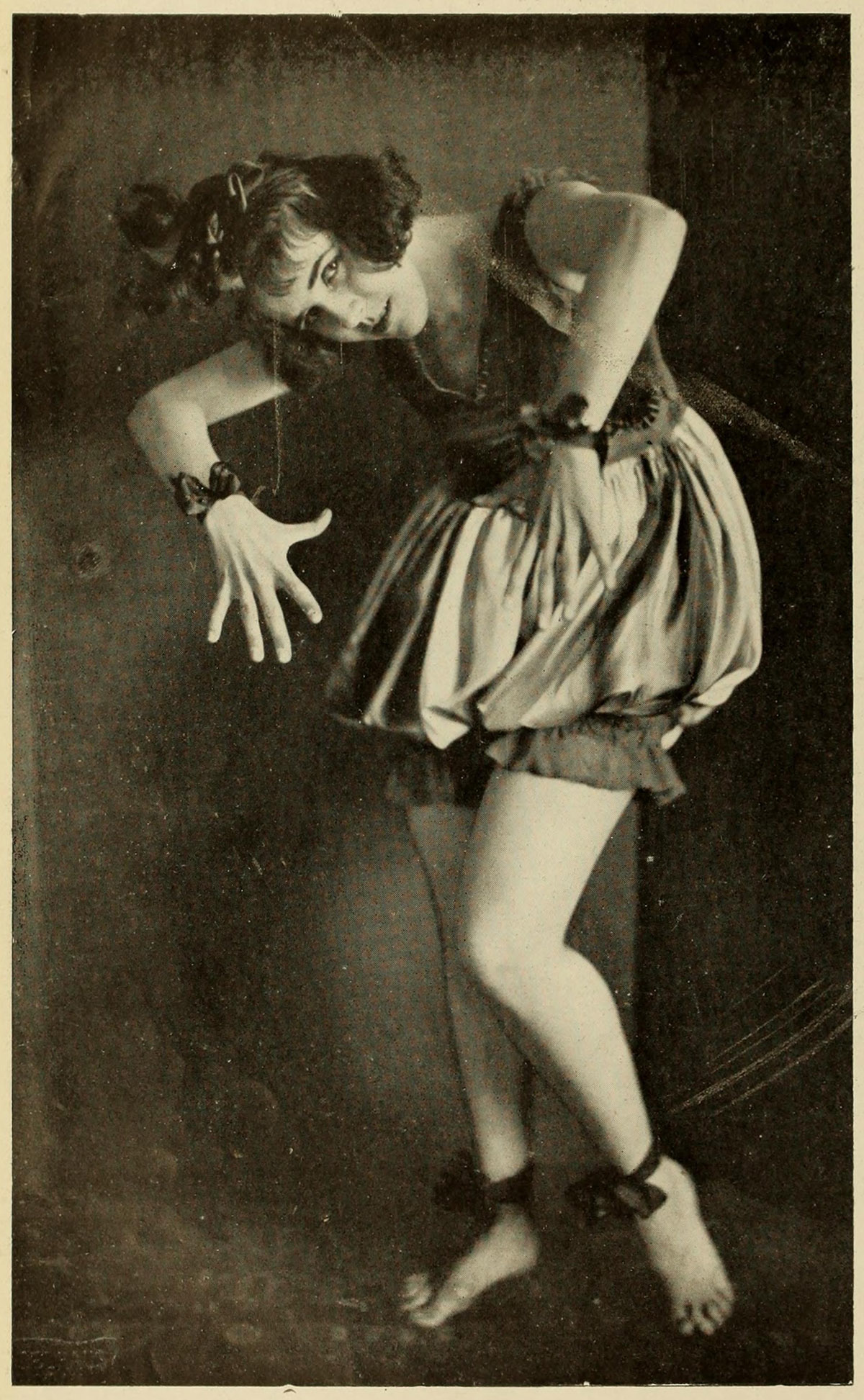
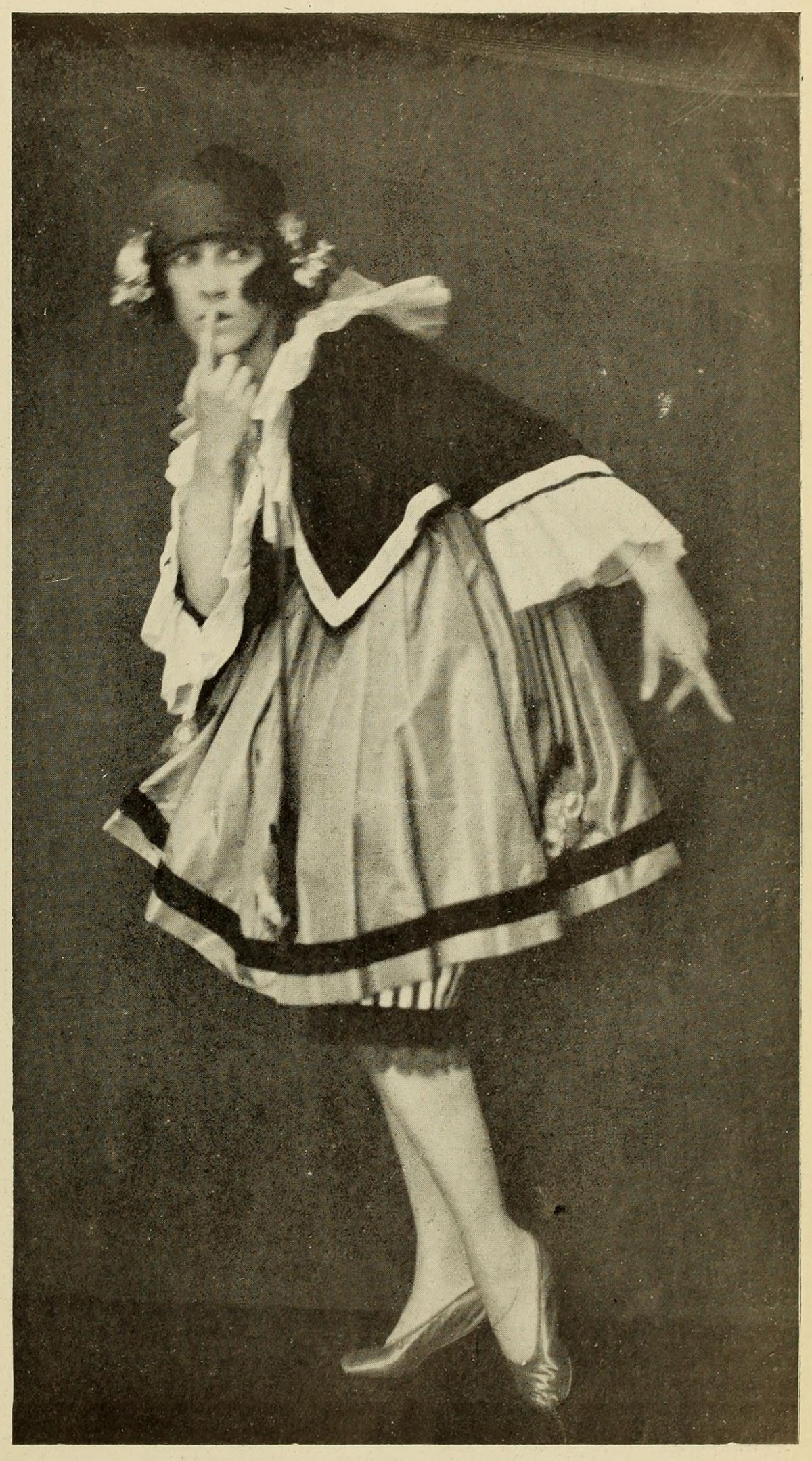
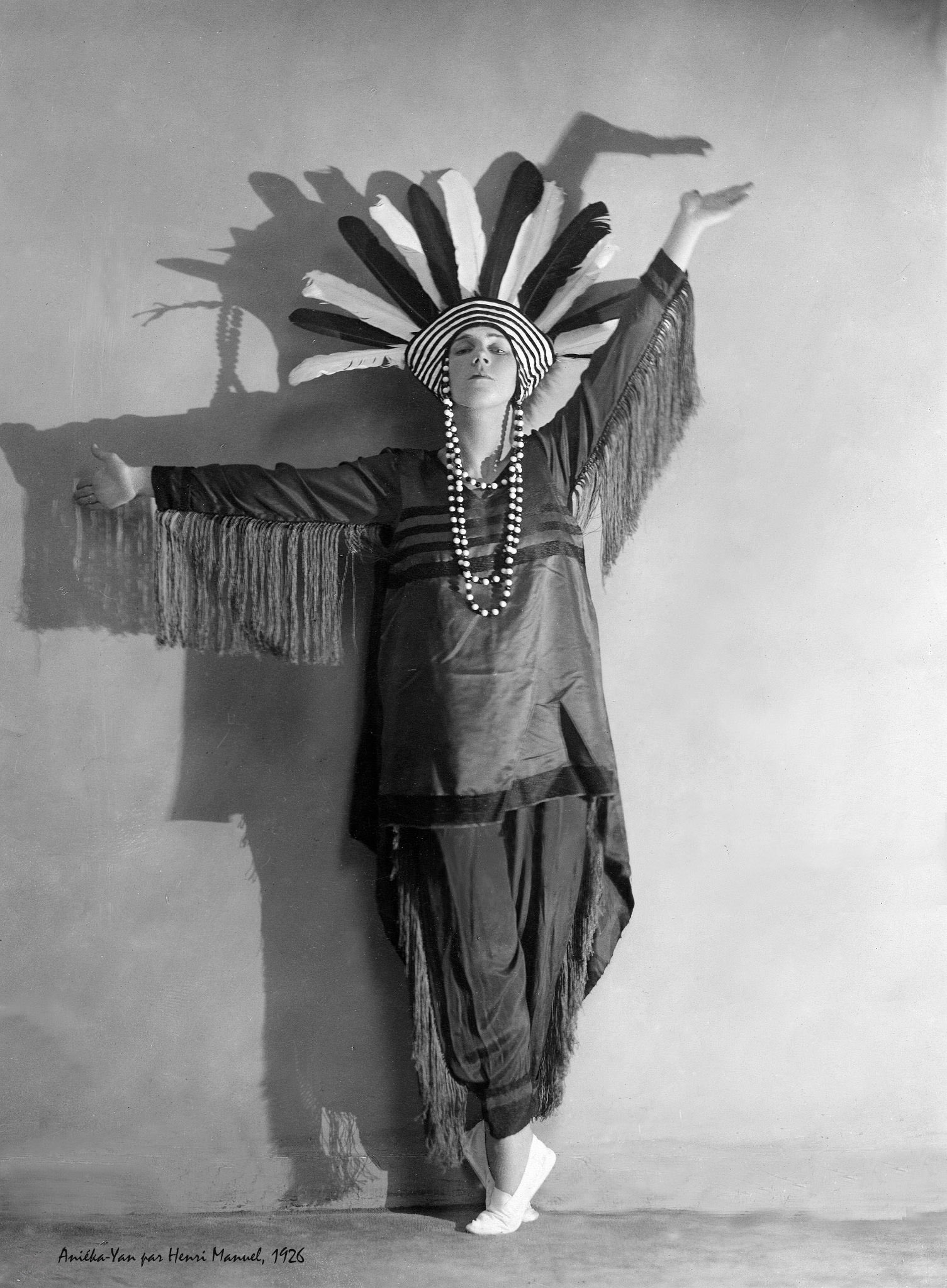
The dancer Aniéka Yan · 1920s

Role portrait of the dancer Aniéka Yan. Published in Cinéa magazine, May 1921
Henri Manuel ~ Dancer Anika Yan. Portrait of the dancer Anika Yan (Aniéka Yan), 1926 | src getty images

Daisies · Sedmikrásky · 1966

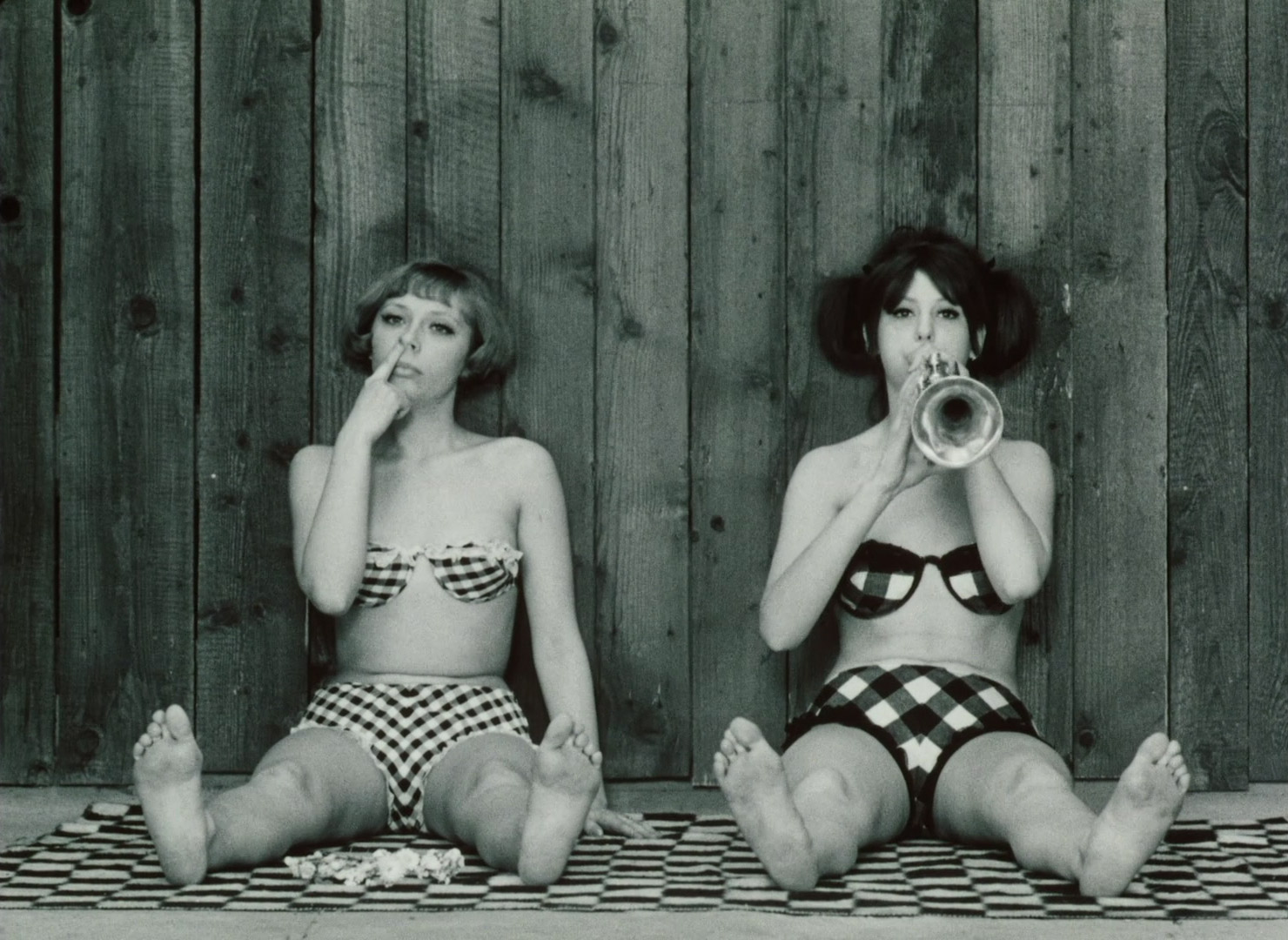
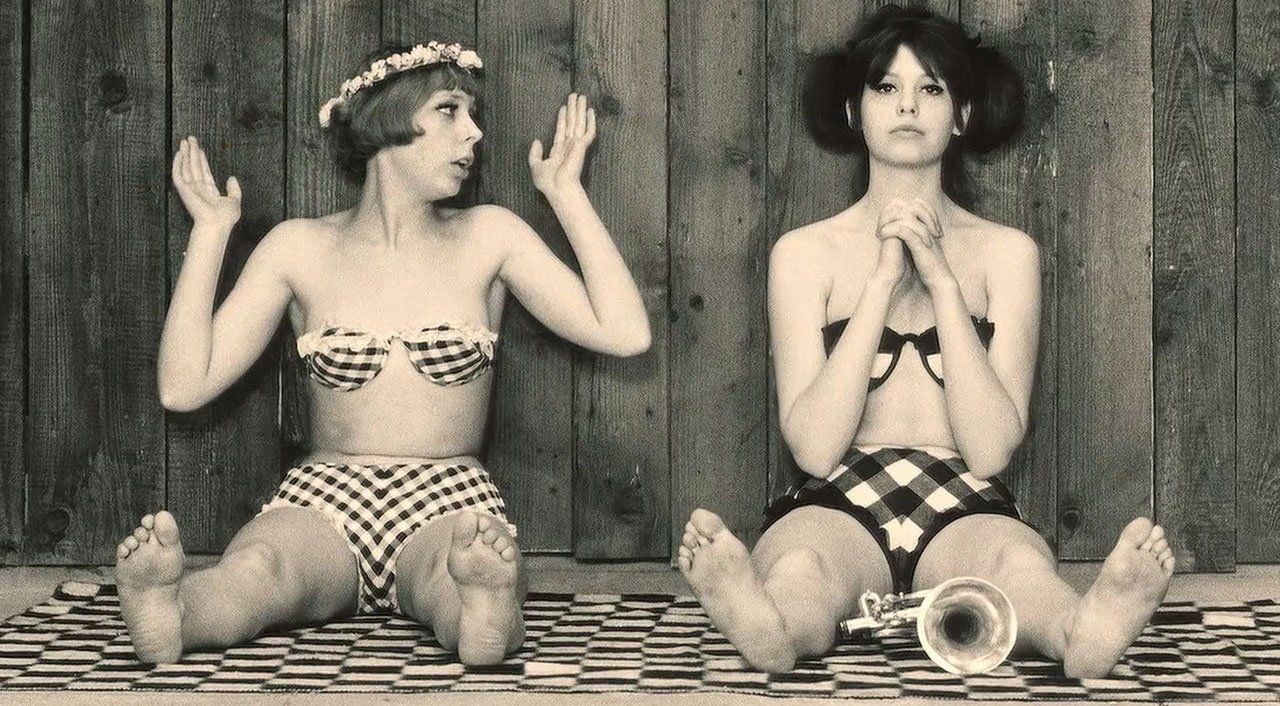
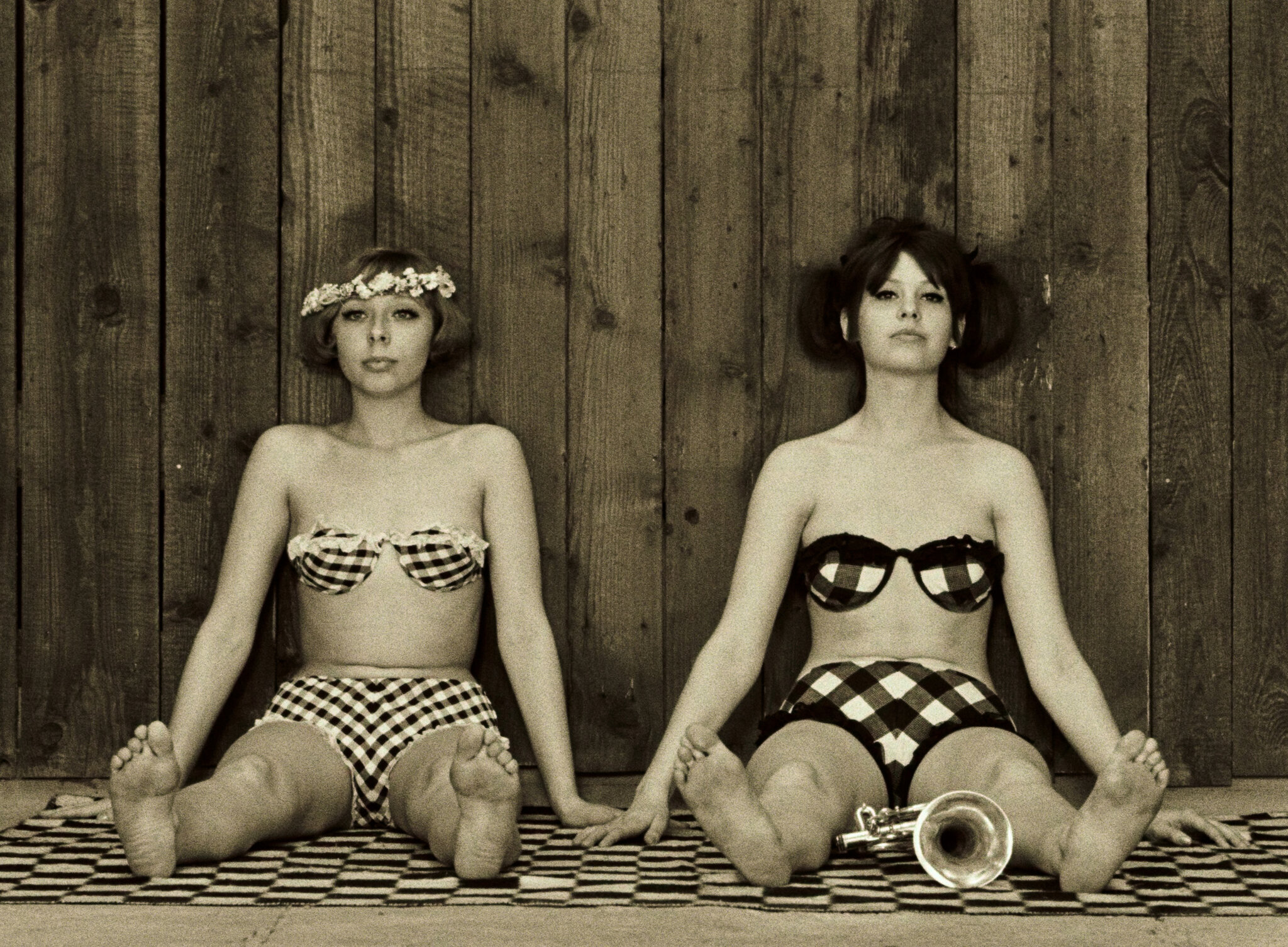
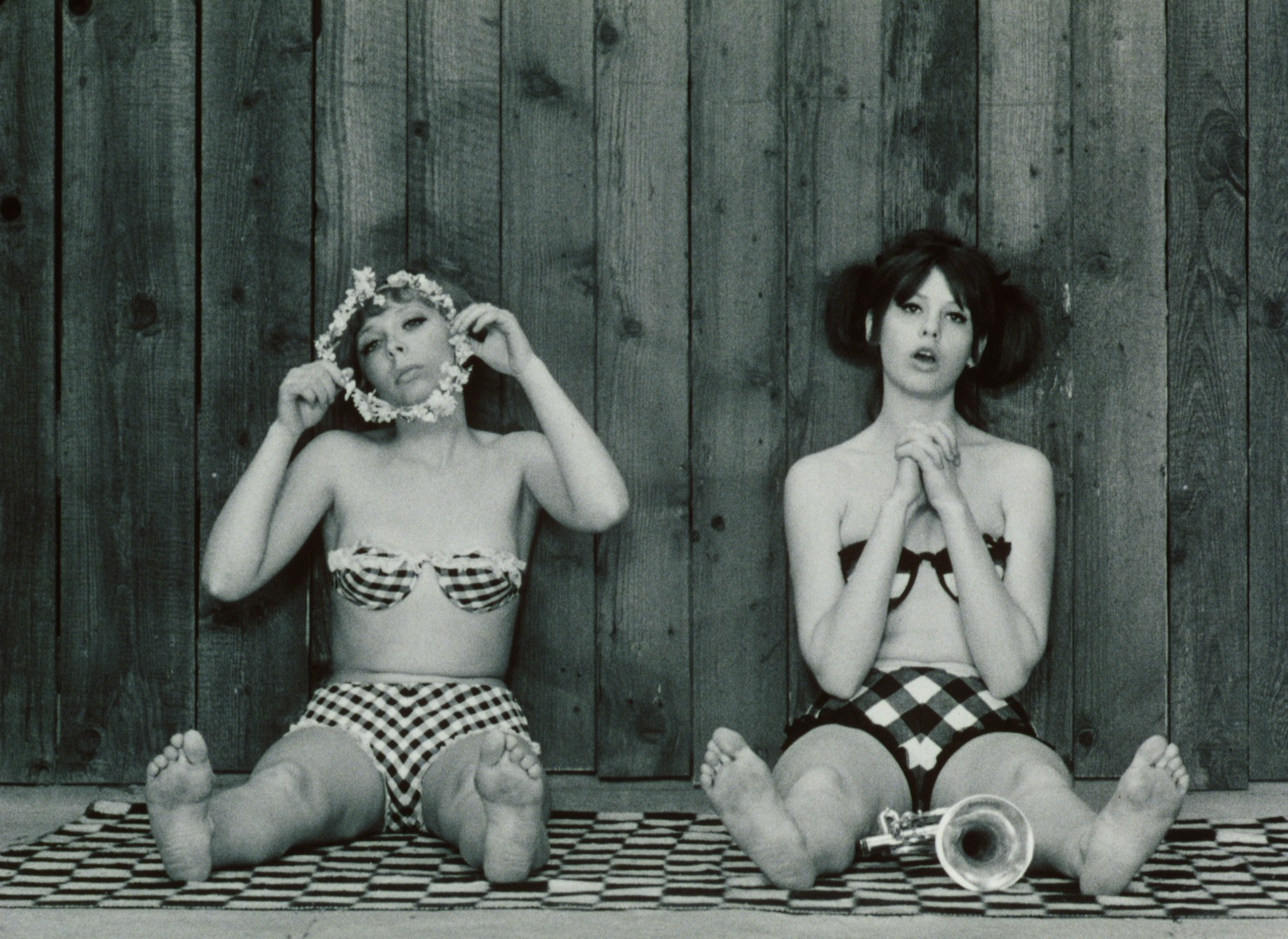
Daisies (Czech: Sedmikrásky, 1966) · First scene

Daisies (Czech: Sedmikrásky) is a 1966 Czechoslovakian Surrealist dramatic comedy written and directed by Věra Chytilová regarded as a milestone of the Czechoslovak New Wave movement.

Originally planned as a satire of bourgeois decadence, the movie targets those attached to rules and was referred to by Chytilová as “a necrologue about a negative way of life”. Daisies also inverts the stereotypical ideas of women and redraws them to the heroines’ advantage. The film is considered critical of authoritarianism, communism and patriarchy, and it was banned from theaters or export in the Czechoslovak Socialist Republic. [quoted from Wikipedia entry]

These film stills are the first scene; those show Marie I and Marie II sitting in bathing suits. Creaking sounds accompany their movements and their conversation is robotic. They decide that, since the whole world is spoiled (or bad), they will be spoiled as well. [quoted from wikipedia]

Ivana Karbanová (Marie II, the blonde) and Jitka Cerhová (Marie I, the brunette) in Daisies / Sedmikrásky [Věra Chytilová, 1966]

Sunbathing at an outdoor pool, Marie I (brunette) and Marie II (blonde) come to the conclusion that the world is spoiled. It’s a short leap to deciding they are spoiled too, but “so what?”. From that moment on, they run riot. | src Berlinale 2023

“Everything’s gone bad in this world… so…” (Marie 1) “we’re going… bad… as well” (Marie 2)

This first scene can be watched in Youtube with English subtitles

A trailer of the film can be watched at IMdB

Other sites with information or analysis on this film are listed below:

Deutsche Kinemathek (x)

The Criterion collection (1) and (2)

European East Film Bulletin : EEFB-1 and eefb-2

Filmovy Prehled

Film Inquiry

Desire and Eroticism in Dictatorial Times (link to pdf)

Vintage bathers

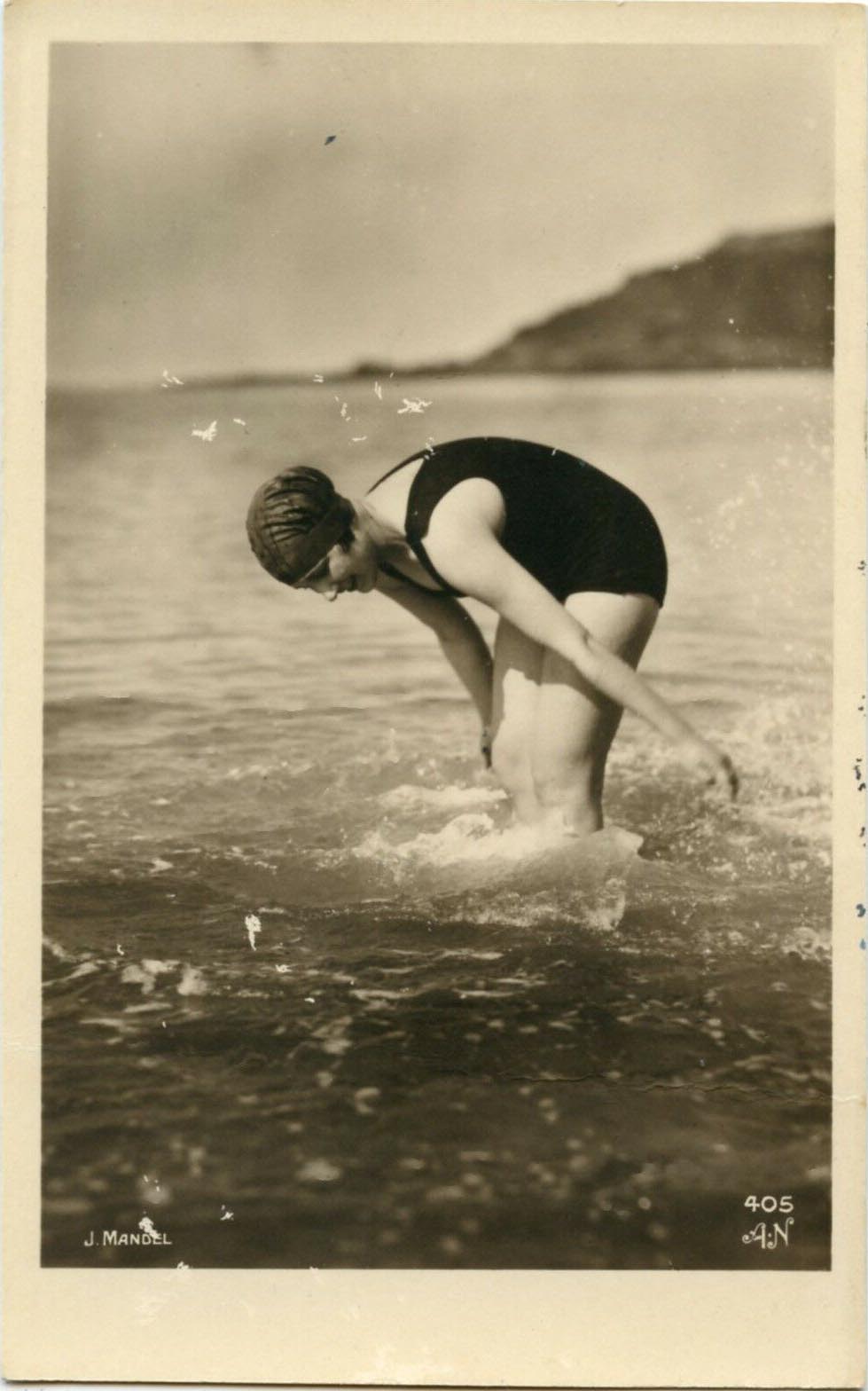
J. Mandel ~ Jolie Baigneuse. French vintage postcard. Alfred Noyer stamp, numbered 405. | src eBay
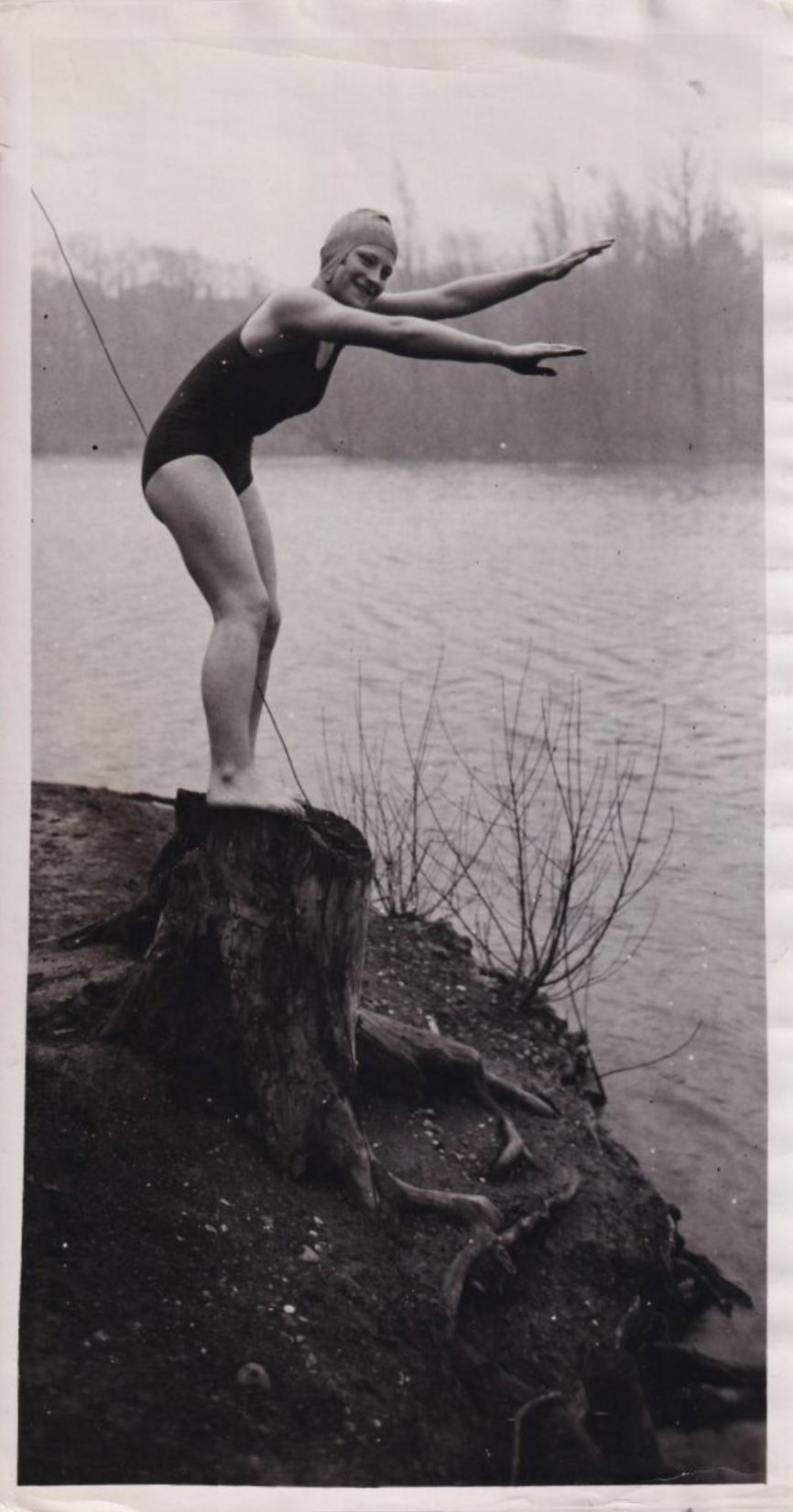
Bather / swimmer training for the Olympic games in the lake in the Arboretum park, Los Angeles, 1932
General Picture News. January 5th, 1932 | src Drouot ~ Photographies de Presse

Aristocratic hand · 1870s-1890s

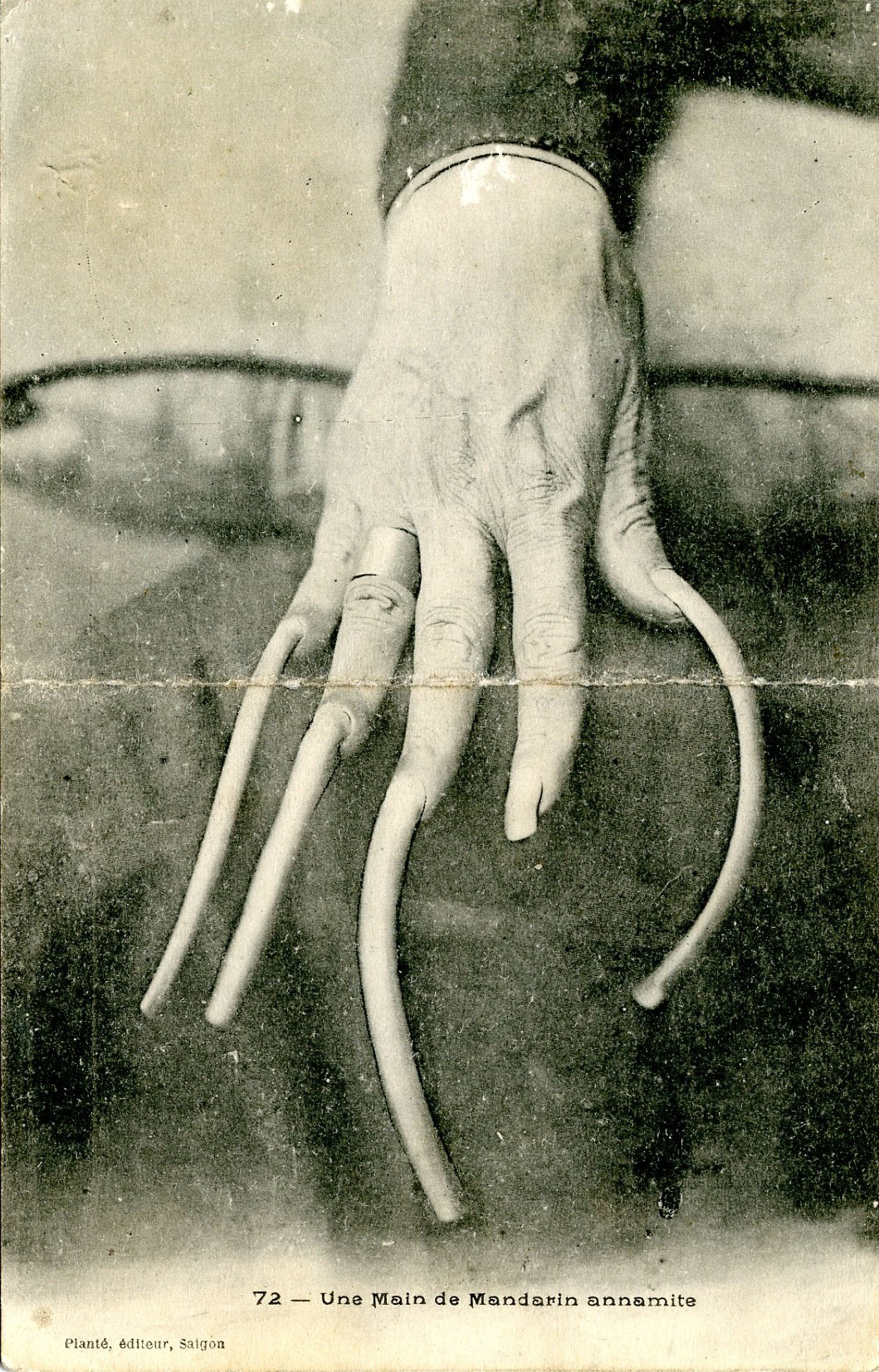
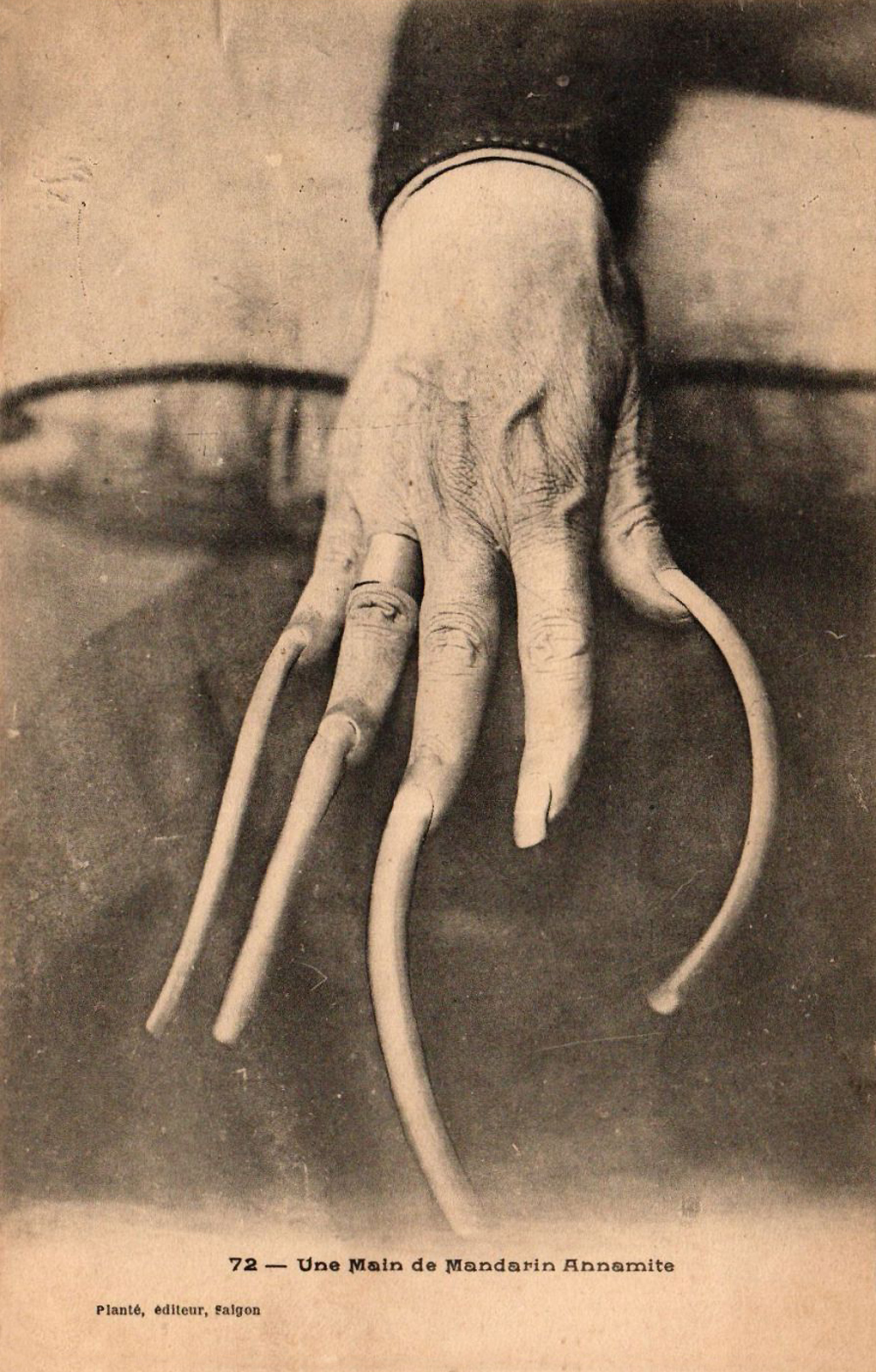
Une Main de Mandarin annamite, ca. 1890 (nr. 72). Planté éditeur (Saigon)
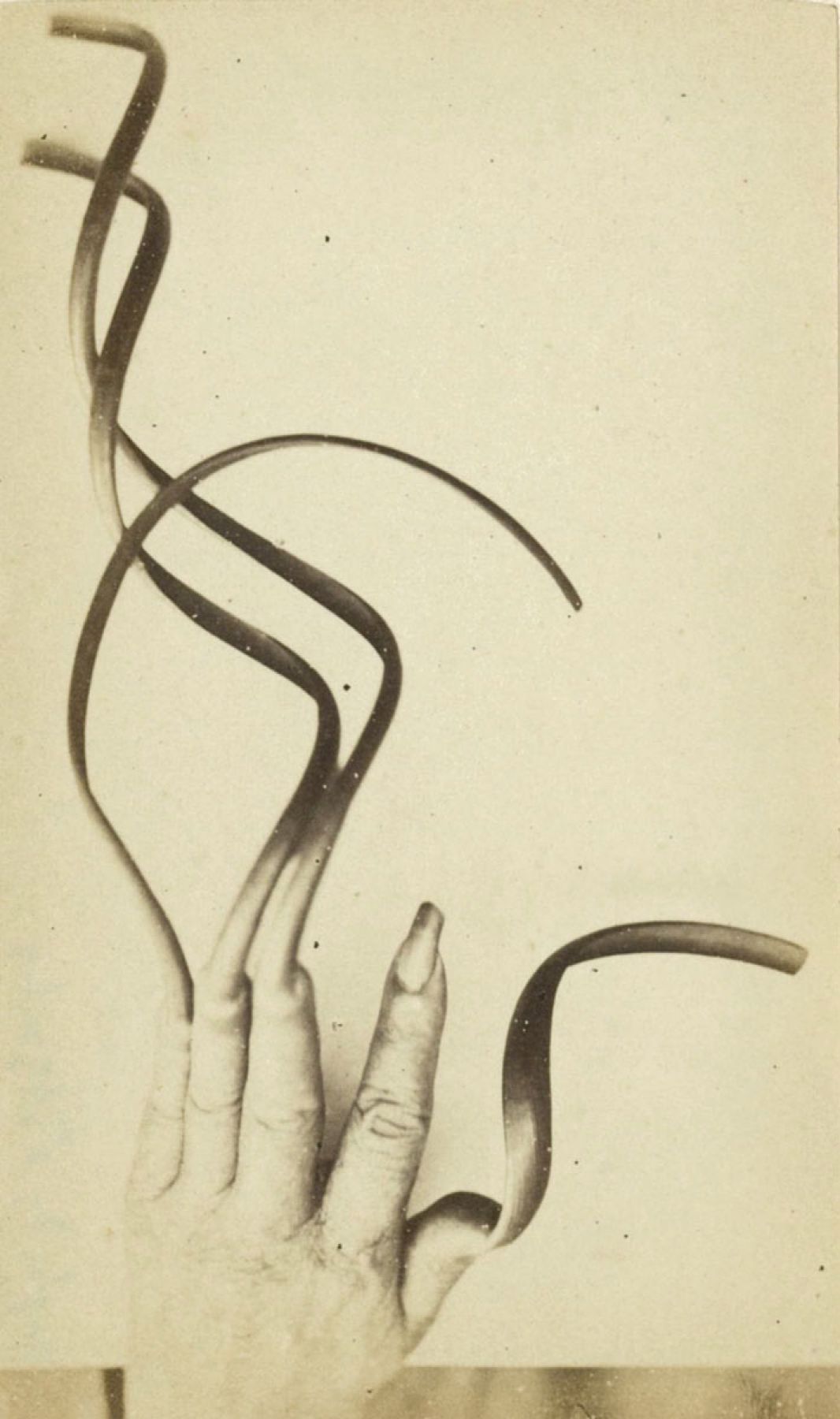
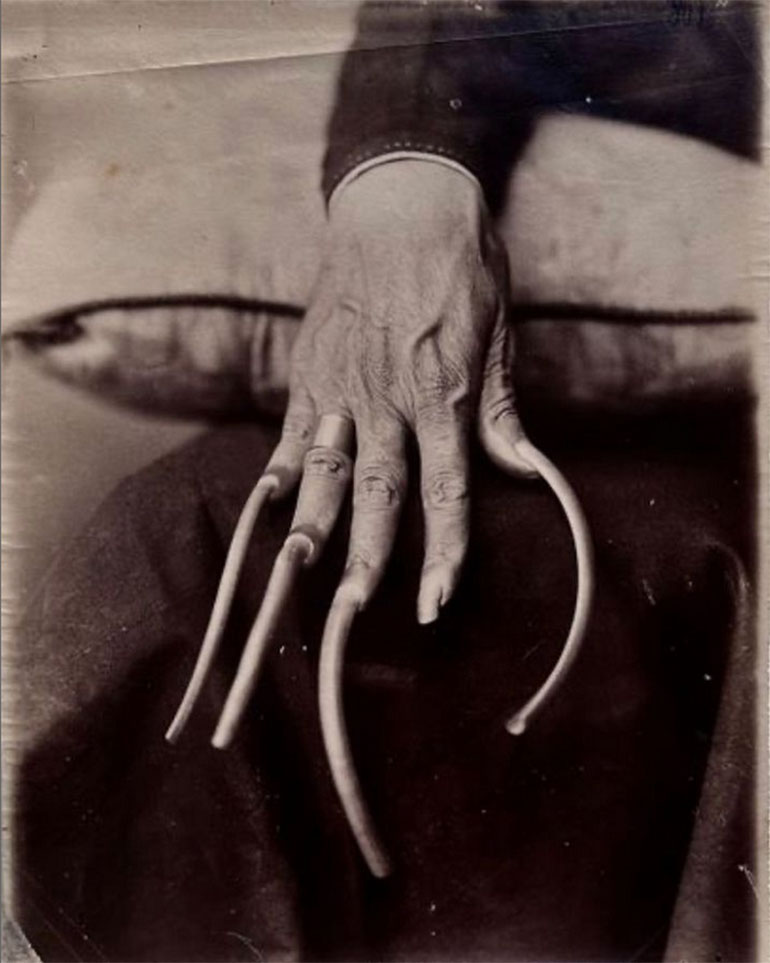
Émile Gsell ~ Main d’Annamite, Annam, Cochinchina, ca. 1870, woodburytype. (alternative caption)
Unghie aristocratiche di un mandarino annamita, Indochina, ca. 1870. | src Collezione Molinario
72 – Une main de Mandarin Annamite. Planté, éditeur, Saigon
Ongles aristocratiques d’une main d’un mandarin annamite, Indochine, ca. 1890. Tirage albuminé. | src Yann Le Mouel · IG
Attributed to Emile Gsell on annona.de

Drtikol · Composition w circle

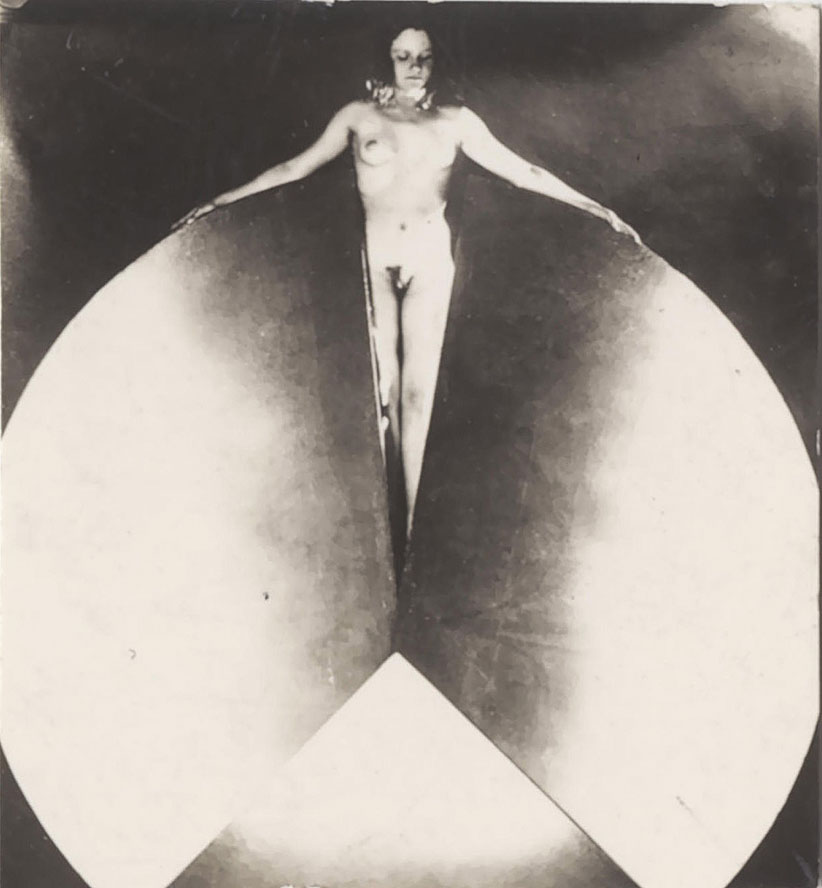
František Drtikol (1883 – 1961) ~ Untitled [Female nude with circular and triangular structures], 1924. Gelatin silver print. | src Christie’s
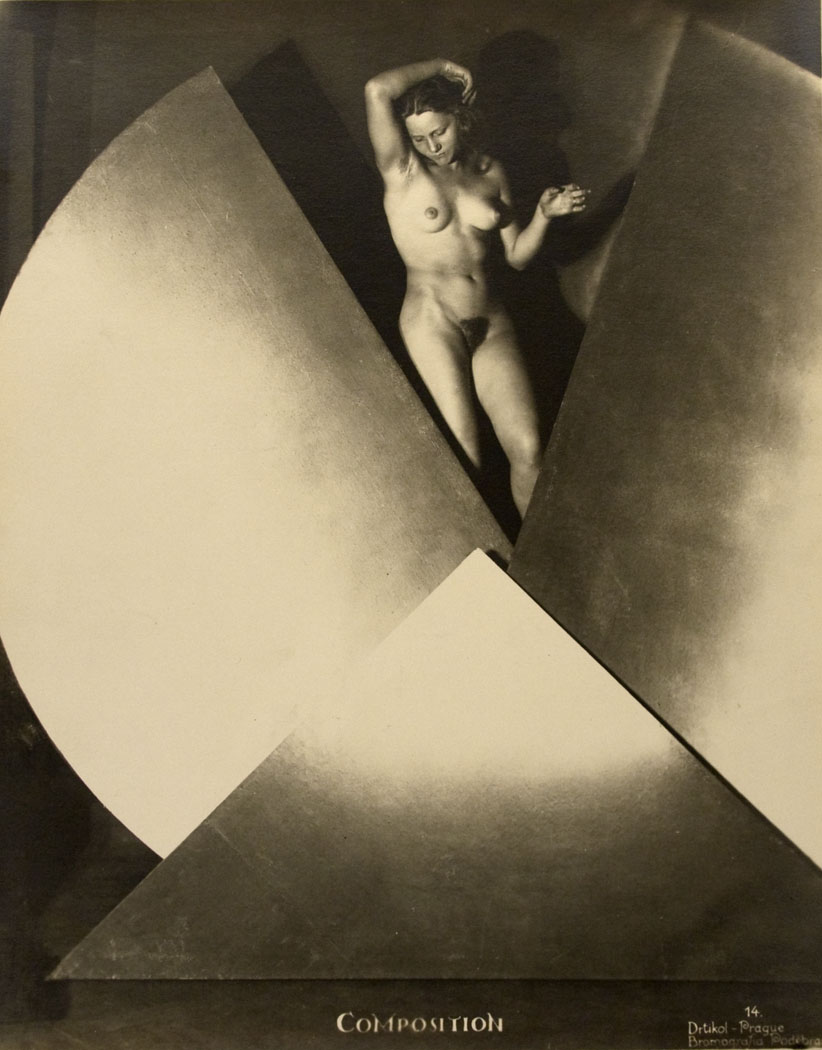
František Drtikol (1883 – 1961) ~ Composition # 14, 1925. Stamp of Bromografia Podebrady. | src The Baruch foundation

Merkelbach · Johanna Wittrock

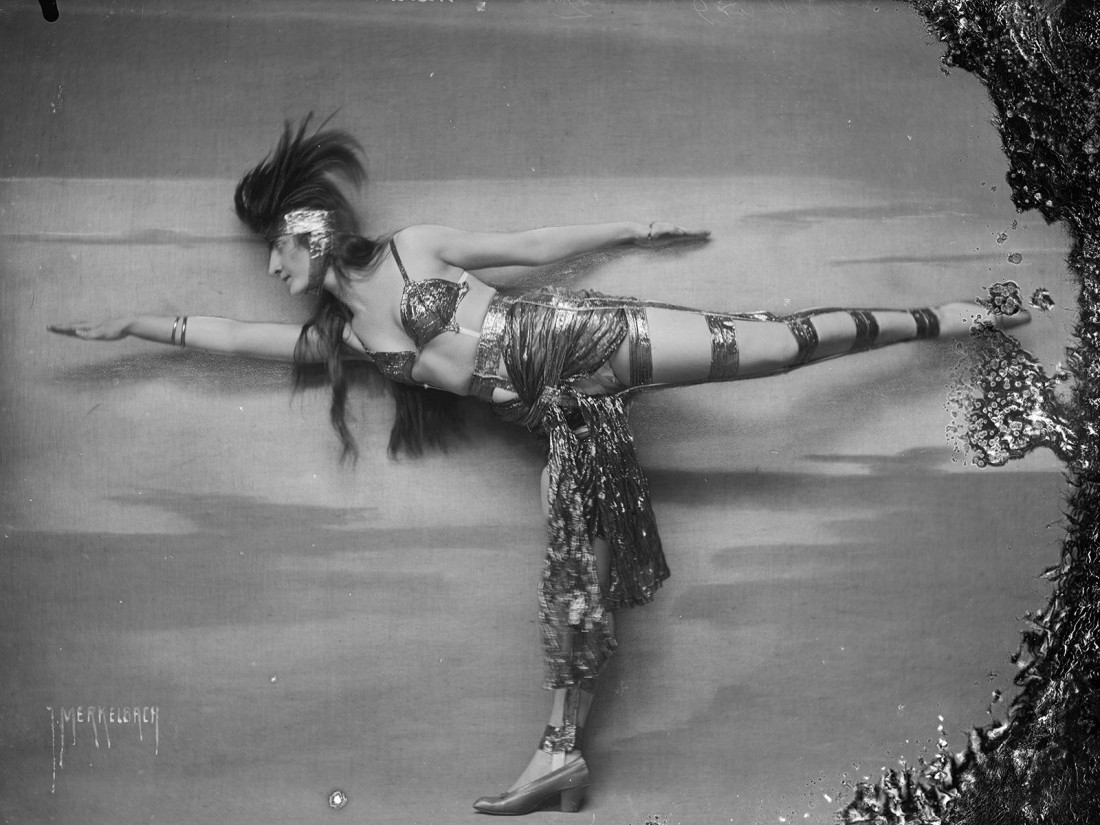
Atelier Jacob Merkelbach ~ Danseres Johanna Wittrock, 1895 | src Stadsarchief Amsterdam Beeldbank