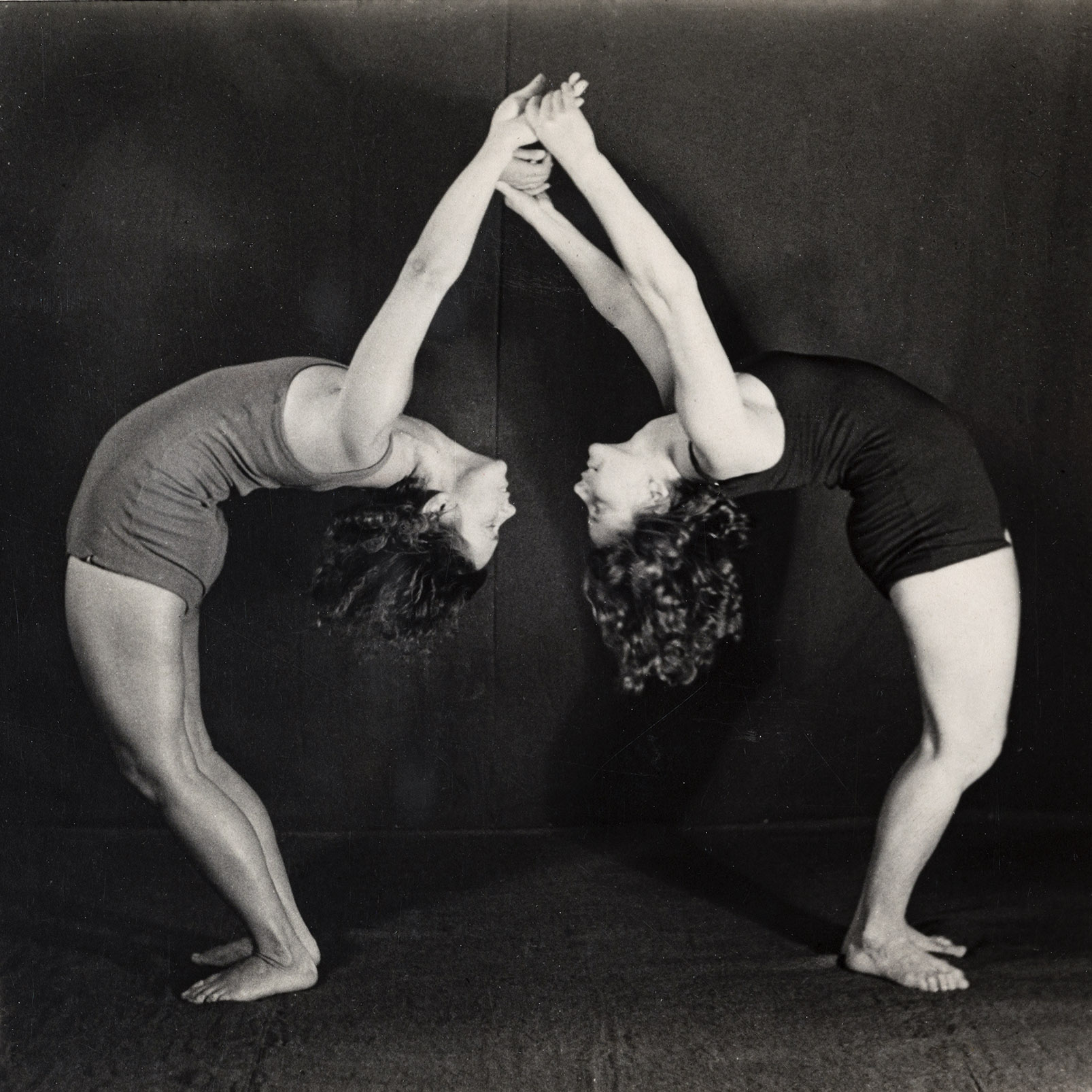
Gymnastics photo from book “Soita sinä, me voimistelemme” | src Museovirasto
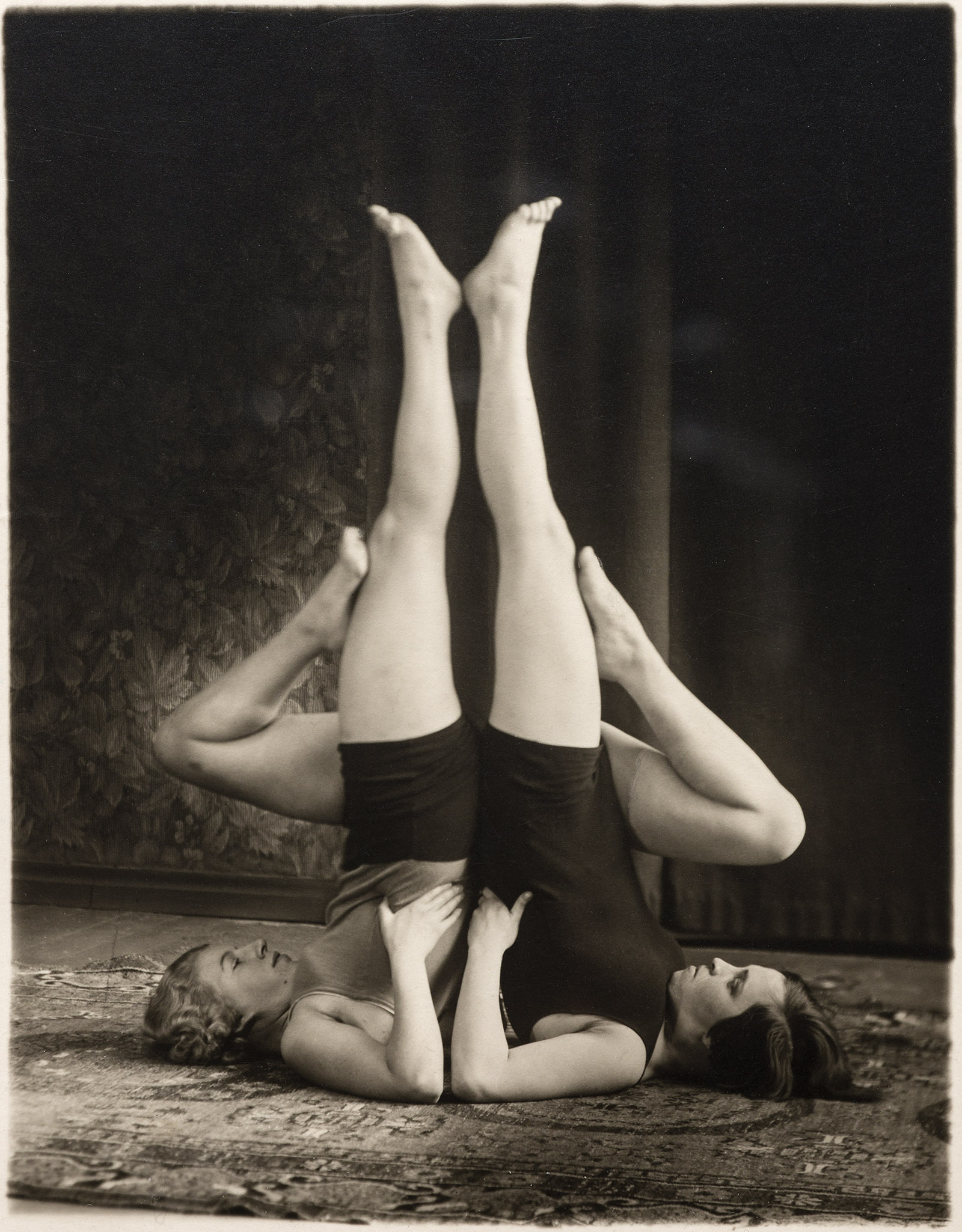
In : Suomen Kuvalehti 1930 nr. 21, 956 | src Museovirasto

images that haunt us








Affiche Delftsche Slaolie (1894)
This poster was commissioned by the Nederlandsche Oliefabriek, an oil manufacturer in Delft. Two women with wavy hair and billowing draperies occupy most of the composition. One of them is dressing a salad.
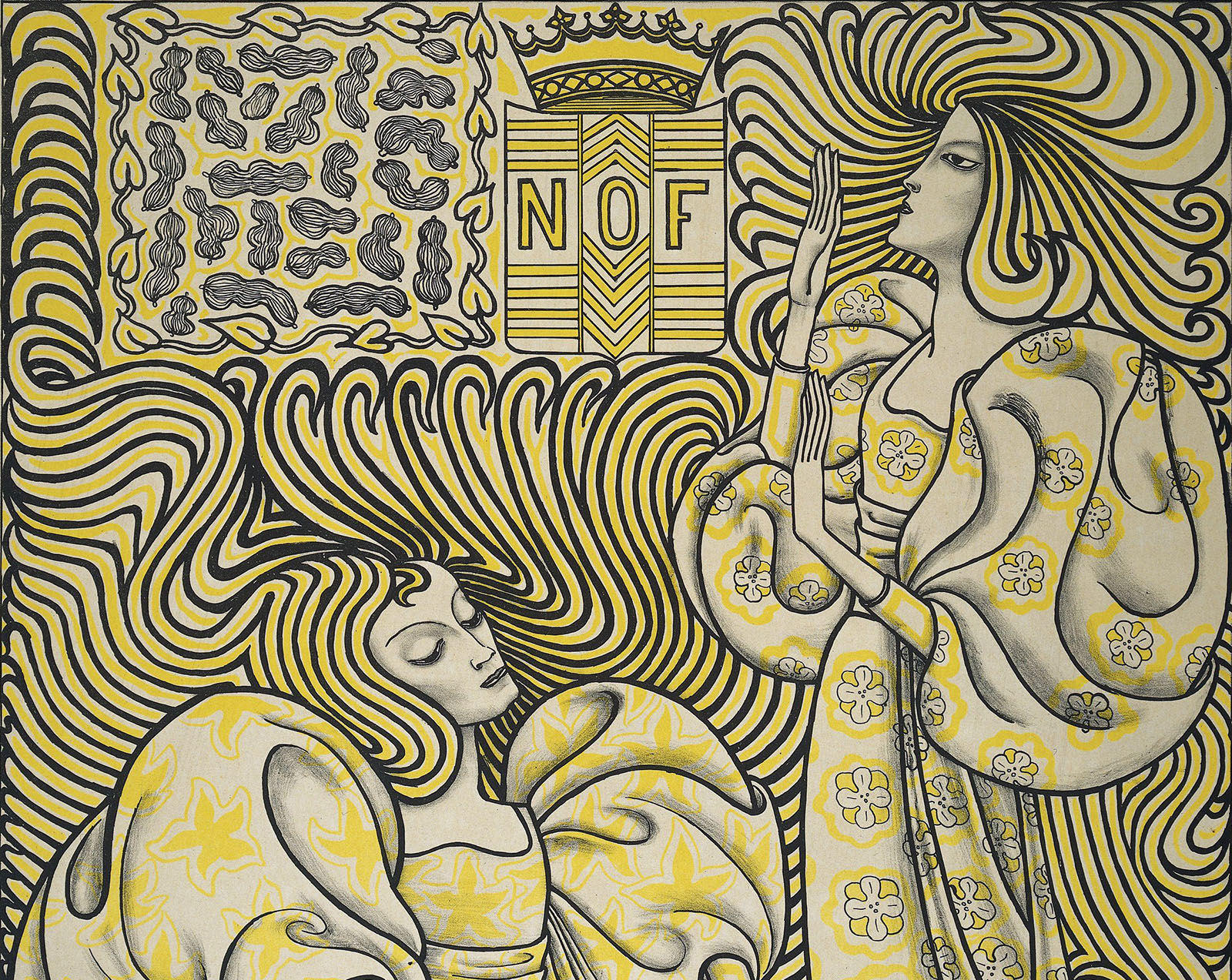
The inscription on top Delftsche Slaolie makes it clear that the advert concerns salad oil, as do the bottles of salad oil on either side of the text. Below it is the crowned coat of arms of the factory (N O F), with a decorative area with peanuts on the left. The majority of the poster is taken up by the two graceful female figures with long hair and billowing draperies. One sits and is dressing a lettuce salad in a large container; the other has her gaze and hands raised. The women with their emphatic contours draw attention away from the actual advertisement, namely for the salad oil. The wavy, rhythmic interplay of lines with which the women’s hair fills the picture surface made such an impression that it became an icon and lent Dutch Art Nouveau its nickname, slaoliestijl, the ‘salad oil style’. | text adapted from Rijksmuseum [x]


Jan Toorop (1858–1928) was born on the island of Java in the Dutch East Indies, Toorop settled in the Netherlands at the age of eleven. After studying art at the Rijksakademie in Amsterdam, he’d spend his time between The Hague, Brussels, England (where his wife was from), and, after 1890, the Dutch seaside town of Katwijk aan Zee. It was during this time that he developed his distinctive style: highly stylized figures, embedded in complex curvilinear designs, with his dynamic line showing influence from his Javanese roots. While perhaps most famous for turning these techniques to his exquisite poster designs, Toorop also produced a substantial body of work far removed from the anodyne demands of the advertising industry, beautiful but haunting works dealing with darker subjects such as loss of faith and death (that you can find in this other post). | text adapted from Public Domain review

Autumn (Wordsworth)
Wild is the music of Autumnal winds / Amongst the faded woods.

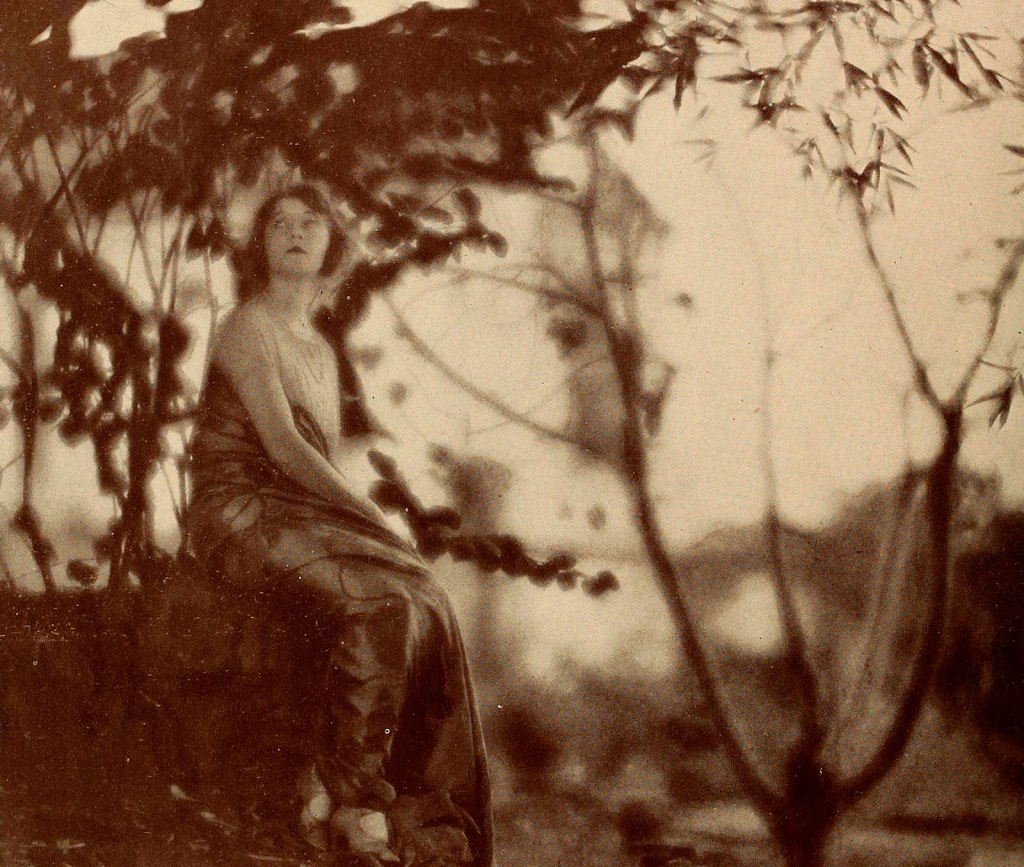

In the last years of his life, Janis Rozentāls repeatedly returned to the composition with the figures of a princess and monkey. The first of the painting was exhibited in 1913 at the 3rd Baltic Artists Union exhibition and at the international art show in Munich where the Leipzig publisher Velhagen & Klasing acquired reproduction rights ensuring wide popularity for the work. The symbolic content of the decoratively resplendent Art Nouveau composition has been interpreted as an allegory of the relationship between artist and society reflecting the power of money over the artist; on other occasions, the princess is seen as “great, beautiful art” but the monkey as the artist bound by golden chains – its servant and plaything. [quoted from Latvijas Nacionālā bibliotēka (link)]
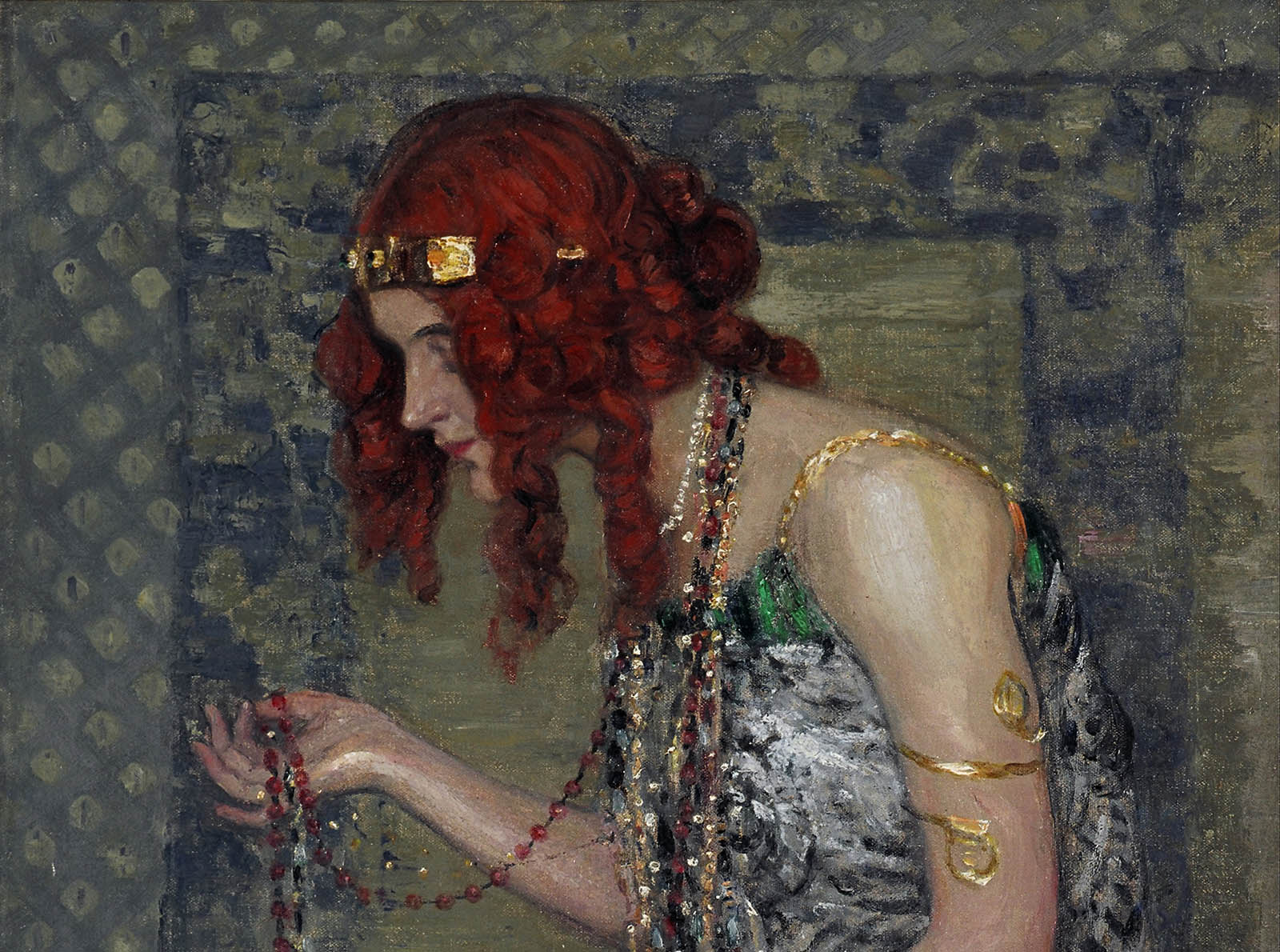

Some stamped on the reverse and / or on the recto with the photographer’s signature of S. Enkelmann (partially on Agfa Brovira photo paper) and Foto-Schreyer Berlin. (JVV)
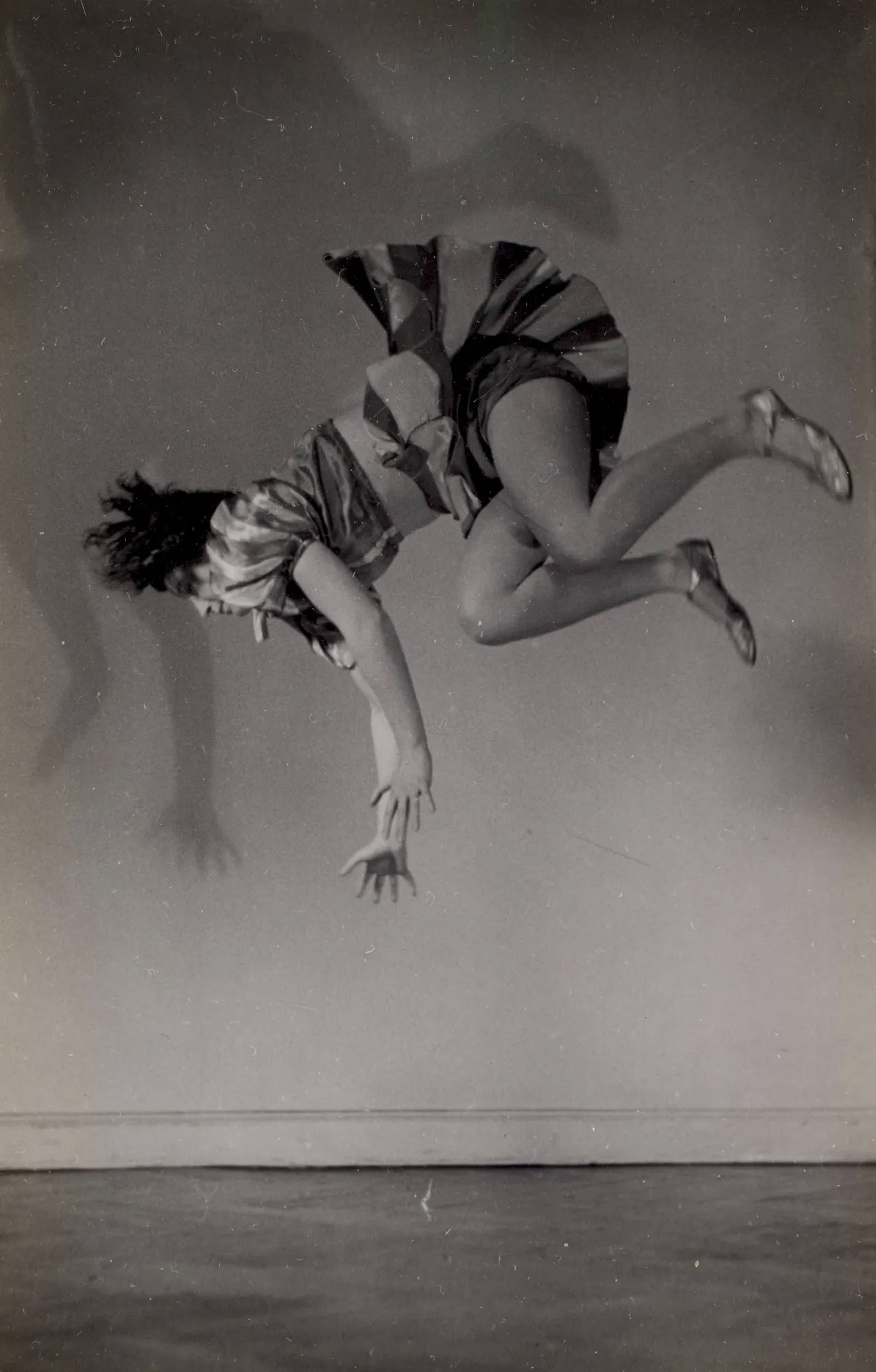
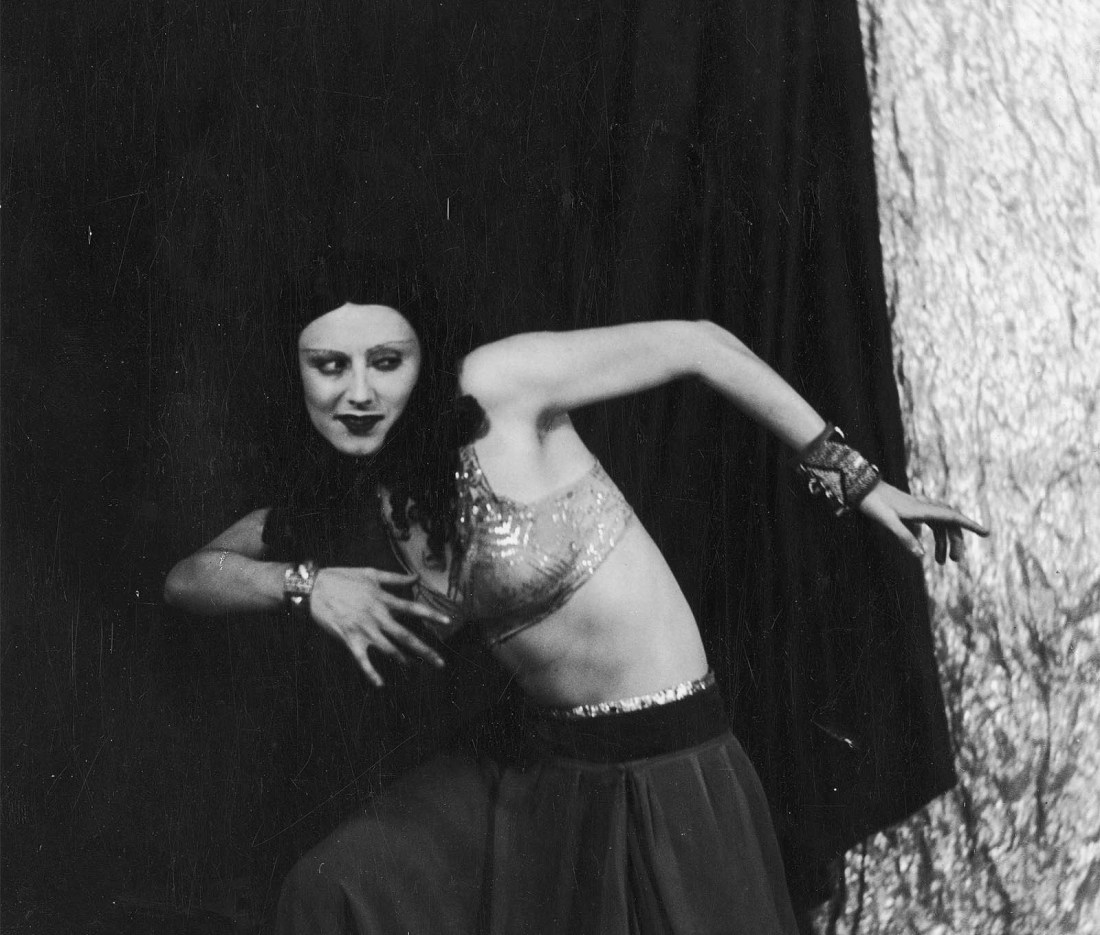


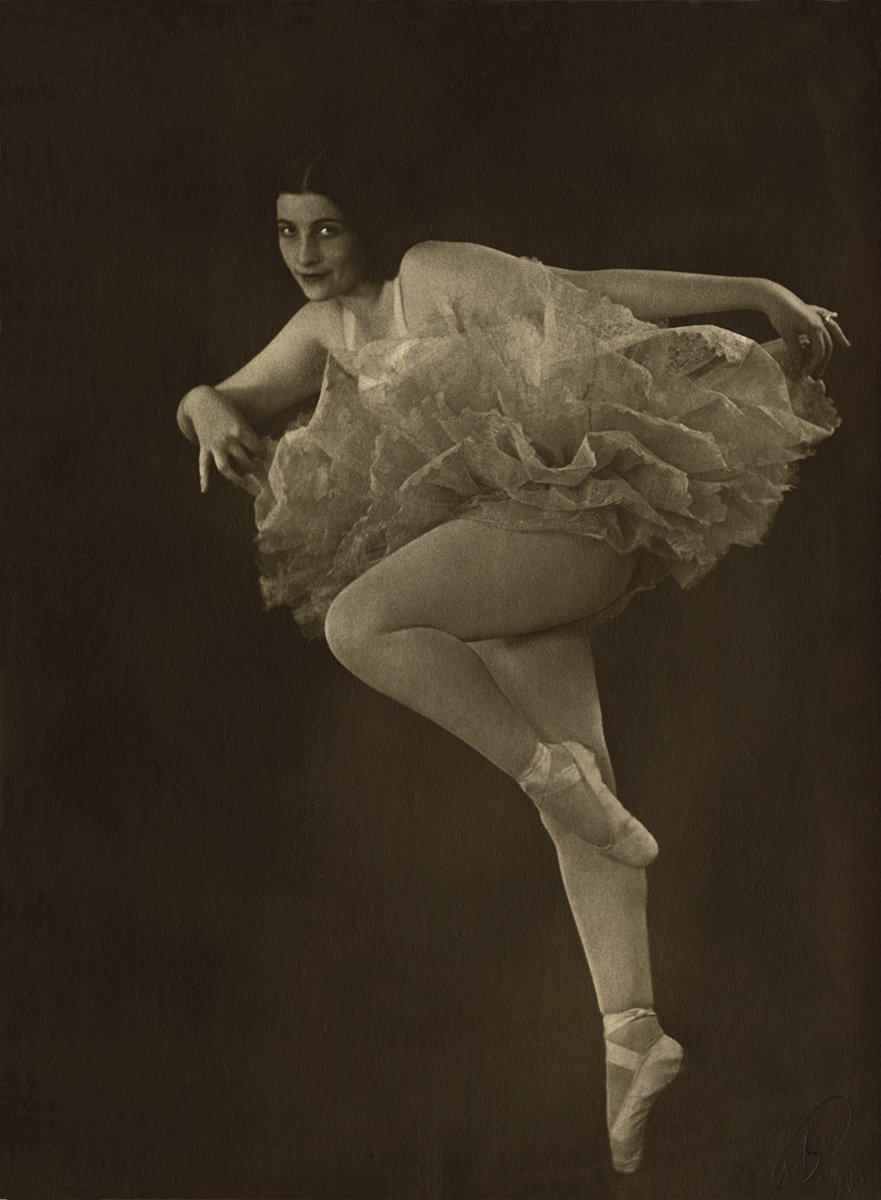
(*) The archives of the Narodowe Archiwum Cyfrowe, host two identical photographs [as the one above here] of Ruth Sorel Abramowitsch, one is captioned as performing the dance Matka and the other as Salome [respective reference id numbers are 3105/616/15 and 3105/616/16]. Both images are part of the same batch, corresponding to the First International Artistic Solo Dance Competition in Warsaw (June, 1933)
source of all images in this post : Narodowe Archiwum Cyfrowe


 un regard oblique