Watkins: design and modernity

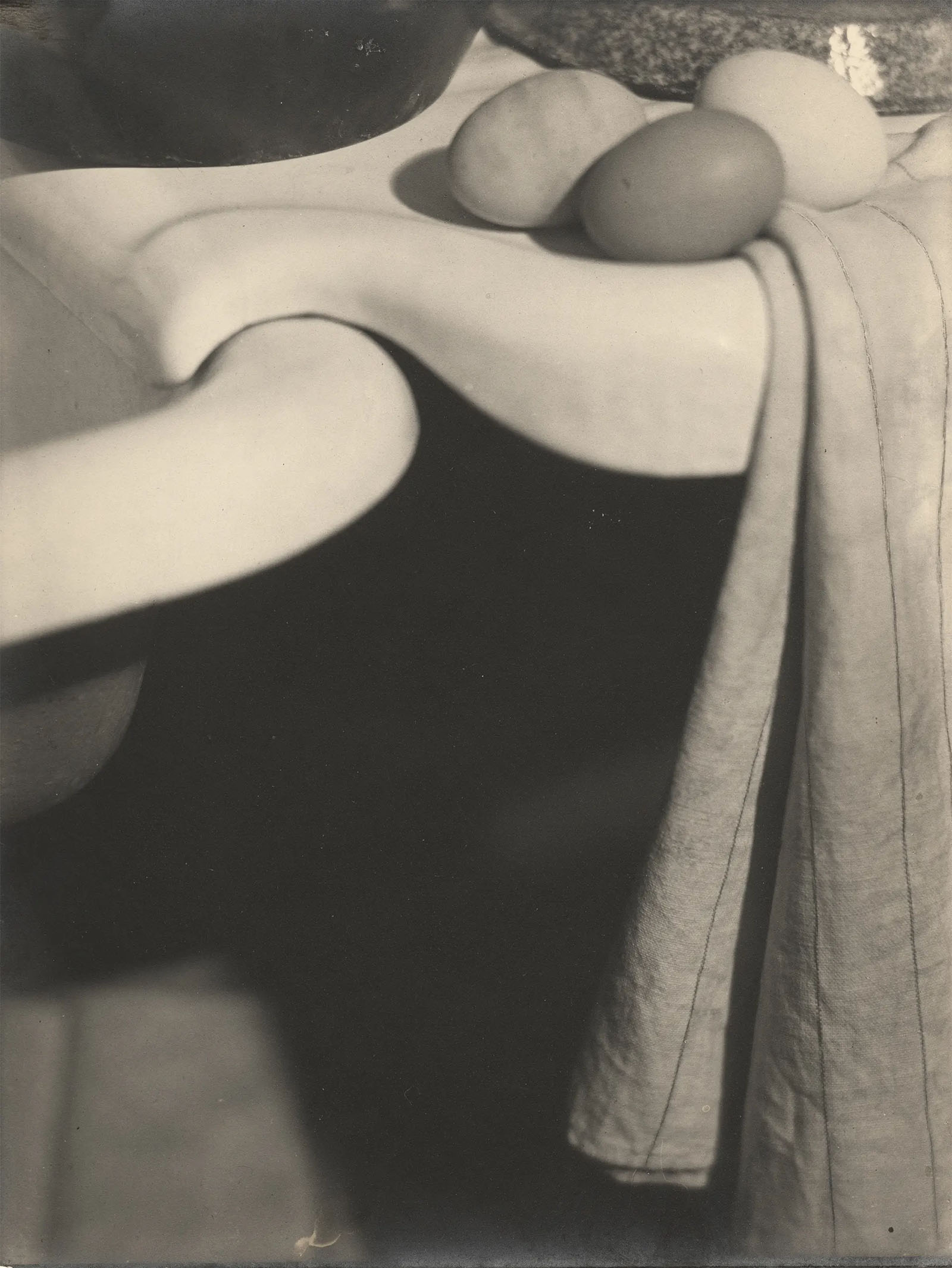
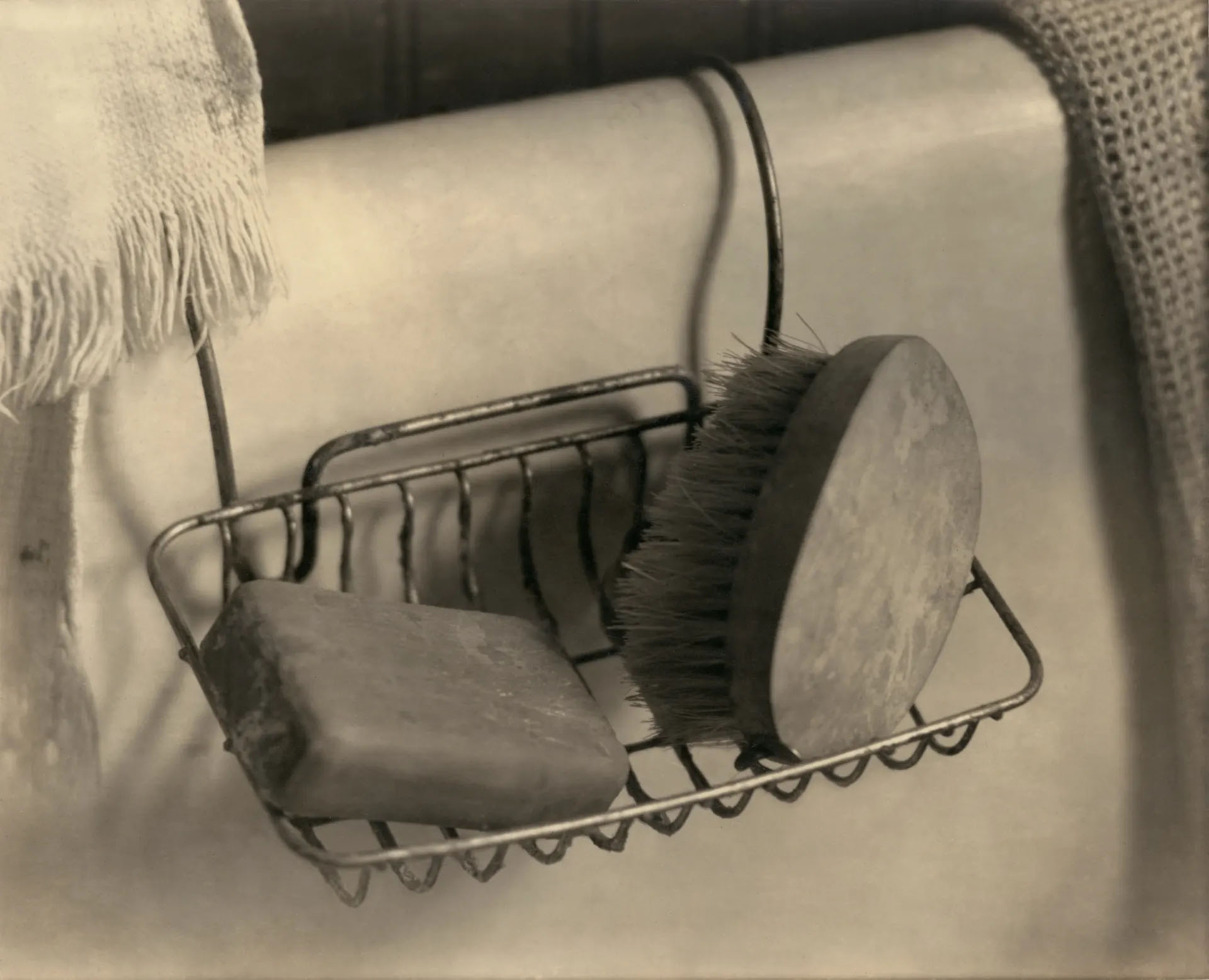
Margaret Watkins (1884-1969) ~ Still Life – Bathtub, New York, 1919 | src The Revolutionary Gaze at The Guardian
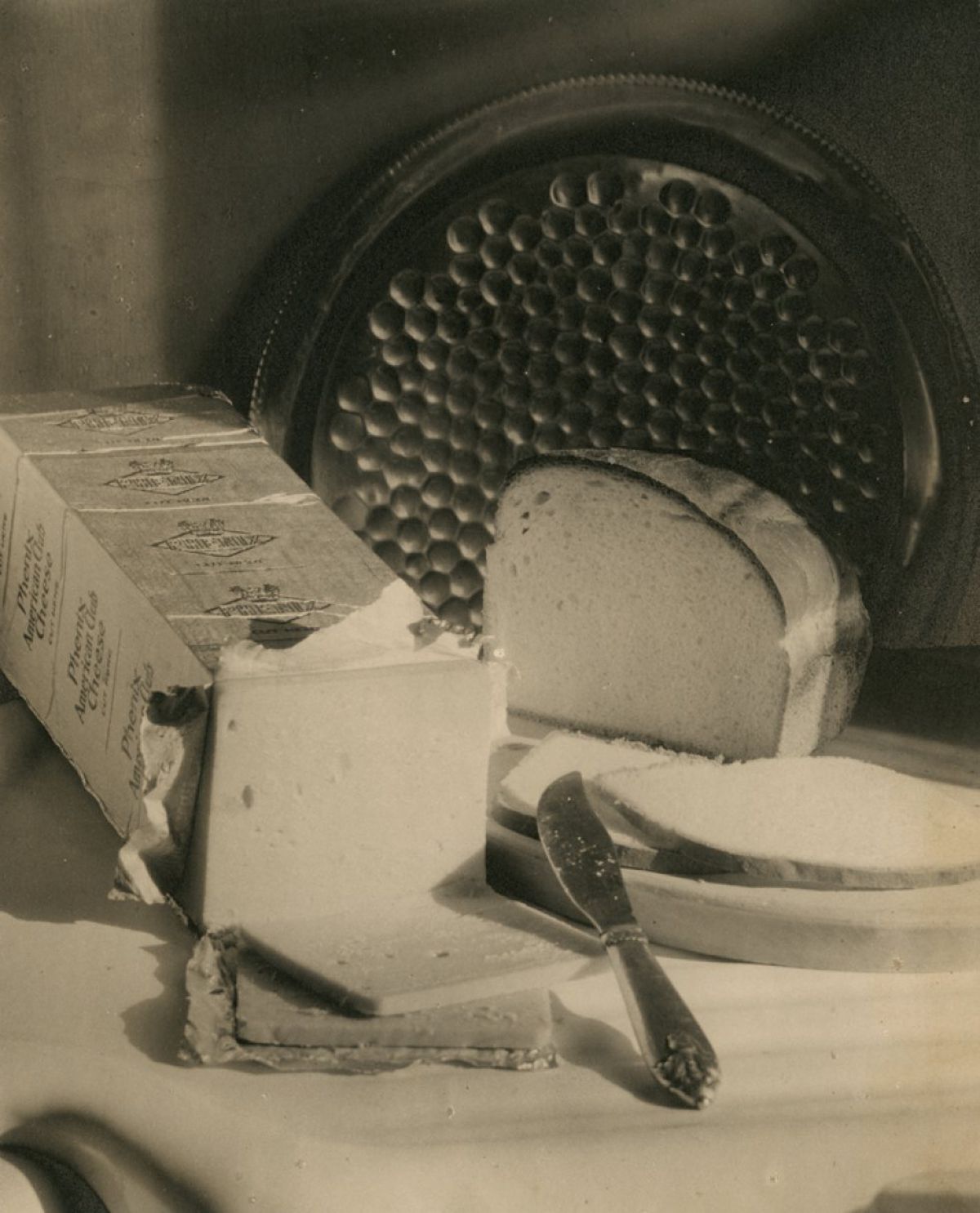
Margaret Watkins (1884-1969) ~ ‘Phenix Cheese’, 1924 | src El País Cultura
Margaret Watkins (1884-1969) ~ Lamp and Mirror, 1924 | src El País Cultura

Watkins was likely influenced by Arthur Wesley Dow, a Columbia University professor of fine arts who was closely associated with the White school. Dow wrote about the beauty of compositions that use curved and straight lines, and alternating light and dark masses. Dow also promoted the ideas of Ernest F. Fenollosa, who believed that music was the key to the other fine arts since its essence was “pure beauty.” Watkins herself used music as a metaphor for visual patterning in an essay about the emergence of advertising photography out of painting: “Weird and surprising things were put upon canvas; stark mechanical objects revealed an unguessed dignity; commonplace articles showed curves and angles which could be repeated with the varying pattern of a fugue.” / Quoted from: Margaret Watkins: Of Sight and Sound (National Gallery of Canada)
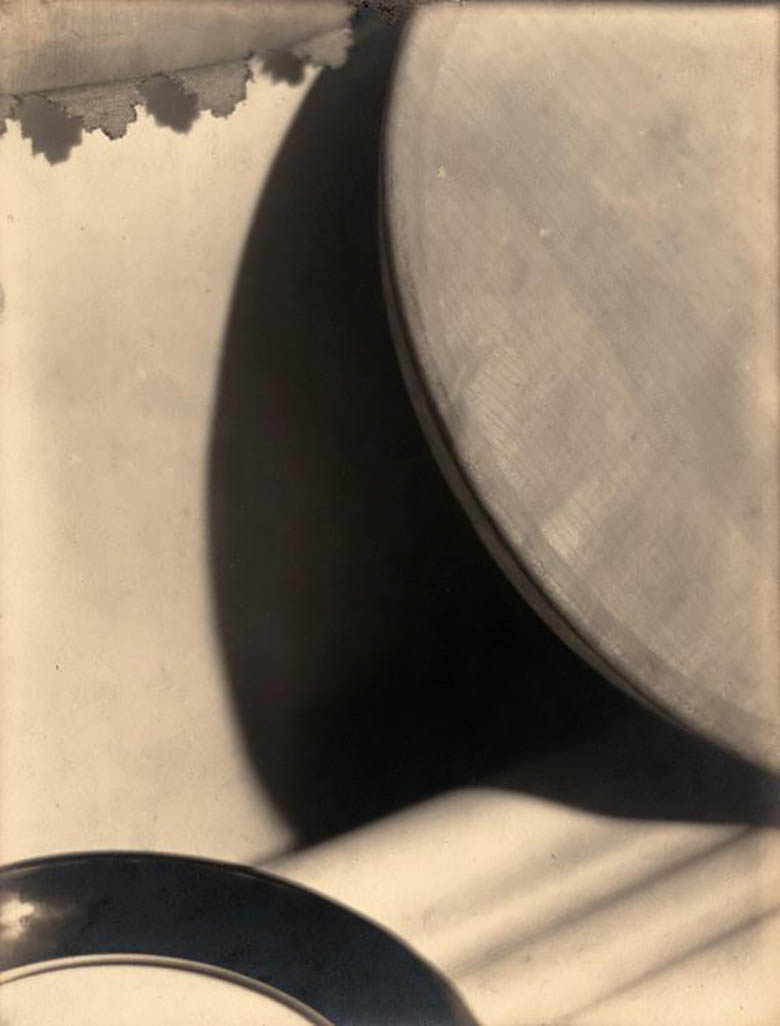
Margaret Watkins (1884-1969) ~ Design – Curves, 1919 | src The Nelson-Atkins Museum of Art

Margaret Watkins was a student at The Clarence H. White School of Photography in New York City.  The school emphasized the principles of design that were common to all modes of artistic expression.  This aesthetic, as seen here, resulted in works that merge realism and abstraction. Watkins received particular praise for her artistic transformation of the most common things: in this instance, the contents of her kitchen sink. / Quoted from The Nelson-Atkins Museum (x)
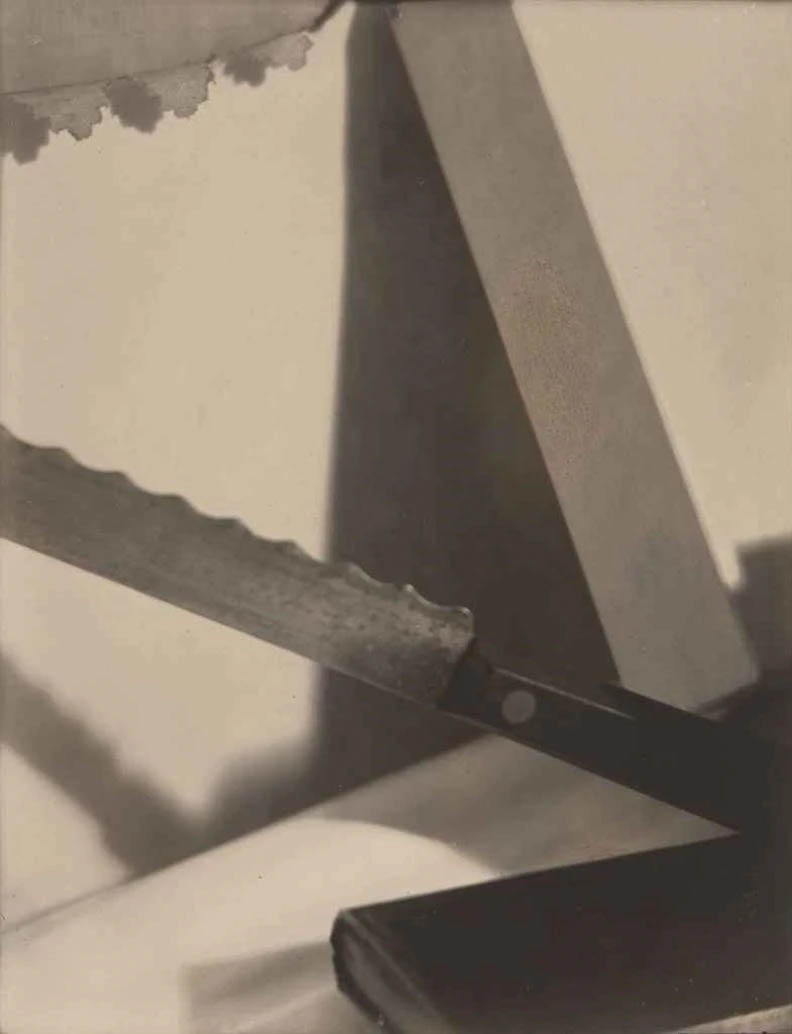
Margaret Watkins (1884-1969) ~ Design – Angles, 1919 | src MutualArt
Margaret Watkins (1884-1969) ~ Domestic Symphony, (1919), palladium print | src Of Sight and Sound at NGC

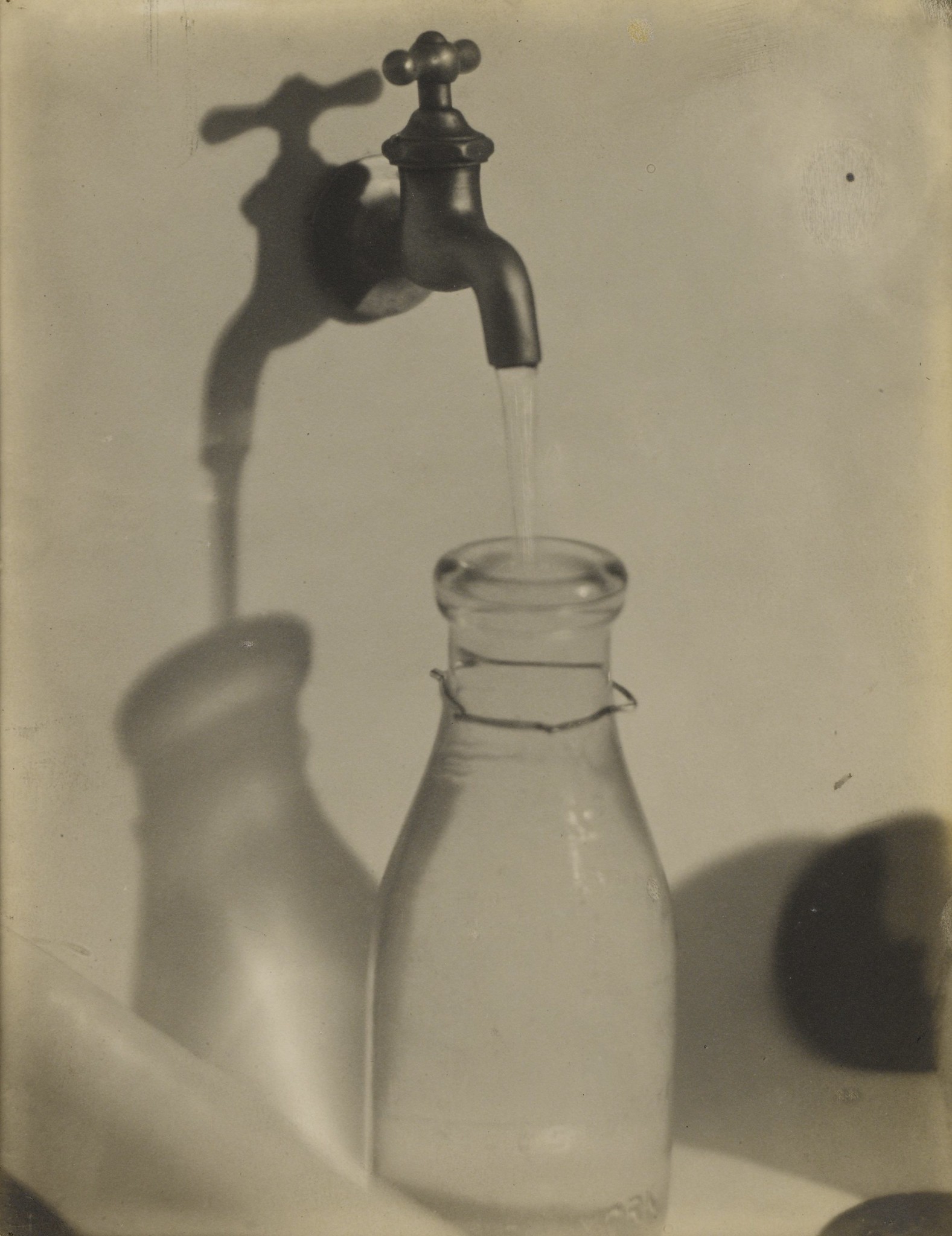
In 1919 Watkins made her first ground-breaking domestic still lifes, taking as her subject such mundane scenes as a kitchen sink and bathroom fixture. In Domestic Symphony, the graceful curve of the porcelain recalls the fern-like scroll of a violin. Again, the composition is striking: the lower three-quarters of the image is in darkness, anchoring the forms and volumes in the upper portion. / Quoted from: Margaret Watkins: Of Sight and Sound (National Gallery of Canada)

Watkins’ Domestic Symphonies

Margaret Watkins (1884-1969) ~ The Kitchen Sink, New York, 1919. | src Artland magazine
Margaret Watkins (1884-1969) ~ Untitled (Milk bottle in sink), 1923. Platinum / palladium print | src Sotheby’s
Margaret Watkins (1884-1969) ~ The Kitchen Sink, 1919. From Domestic Symphonies (2014) at M(M)A

Watkins was likely influenced by Arthur Wesley Dow, a Columbia University professor of fine arts who was closely associated with the White school. Dow wrote about the beauty of compositions that use curved and straight lines, and alternating light and dark masses. Dow also promoted the ideas of Ernest F. Fenollosa, who believed that music was the key to the other fine arts since its essence was “pure beauty.” Watkins herself used music as a metaphor for visual patterning in an essay about the emergence of advertising photography out of painting: “Weird and surprising things were put upon canvas; stark mechanical objects revealed an unguessed dignity; commonplace articles showed curves and angles which could be repeated with the varying pattern of a fugue.”

Margaret Watkins (1884-1969) ~ Domestic Symphony, New York, 1919 | src The Guardian

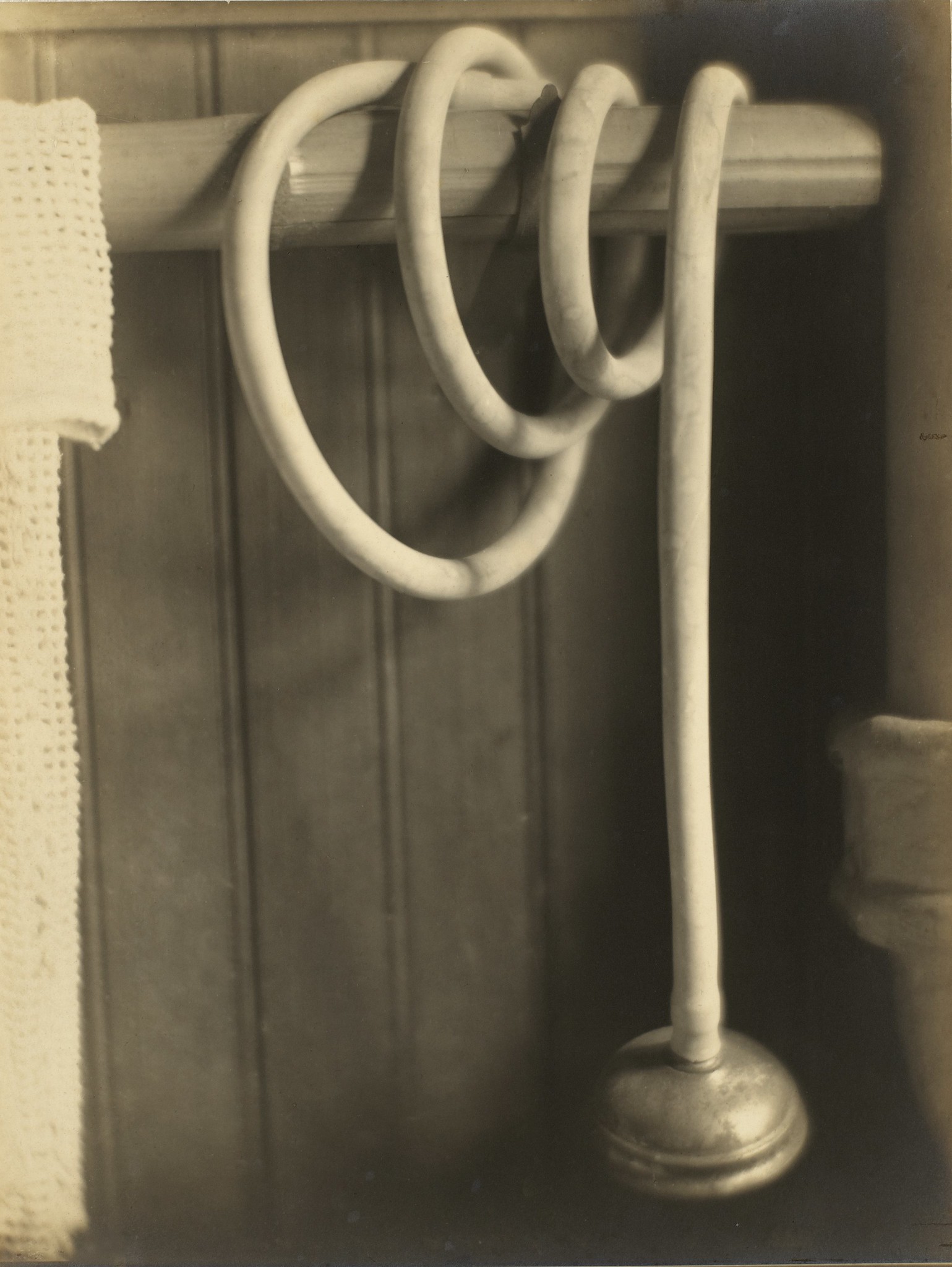
In 1919 Watkins made her first ground-breaking domestic still lifes, taking as her subject such mundane scenes as a kitchen sink and bathroom fixture. In Domestic Symphony, the graceful curve of the porcelain recalls the fern-like scroll of a violin. Again, the composition is striking: the lower three-quarters of the image is in darkness, anchoring the forms and volumes in the upper portion. Still Life — Shower Hose (1919) shows a rubber hose rhythmically looped around a towel rack.

Quoted from: Margaret Watkins: Of Sight and Sound (National Gallery of Canada)

Margaret Watkins (1884-1969) ~ Still Life – Shower Hose (1919); gelatin silver print. | src National Gallery of Canada
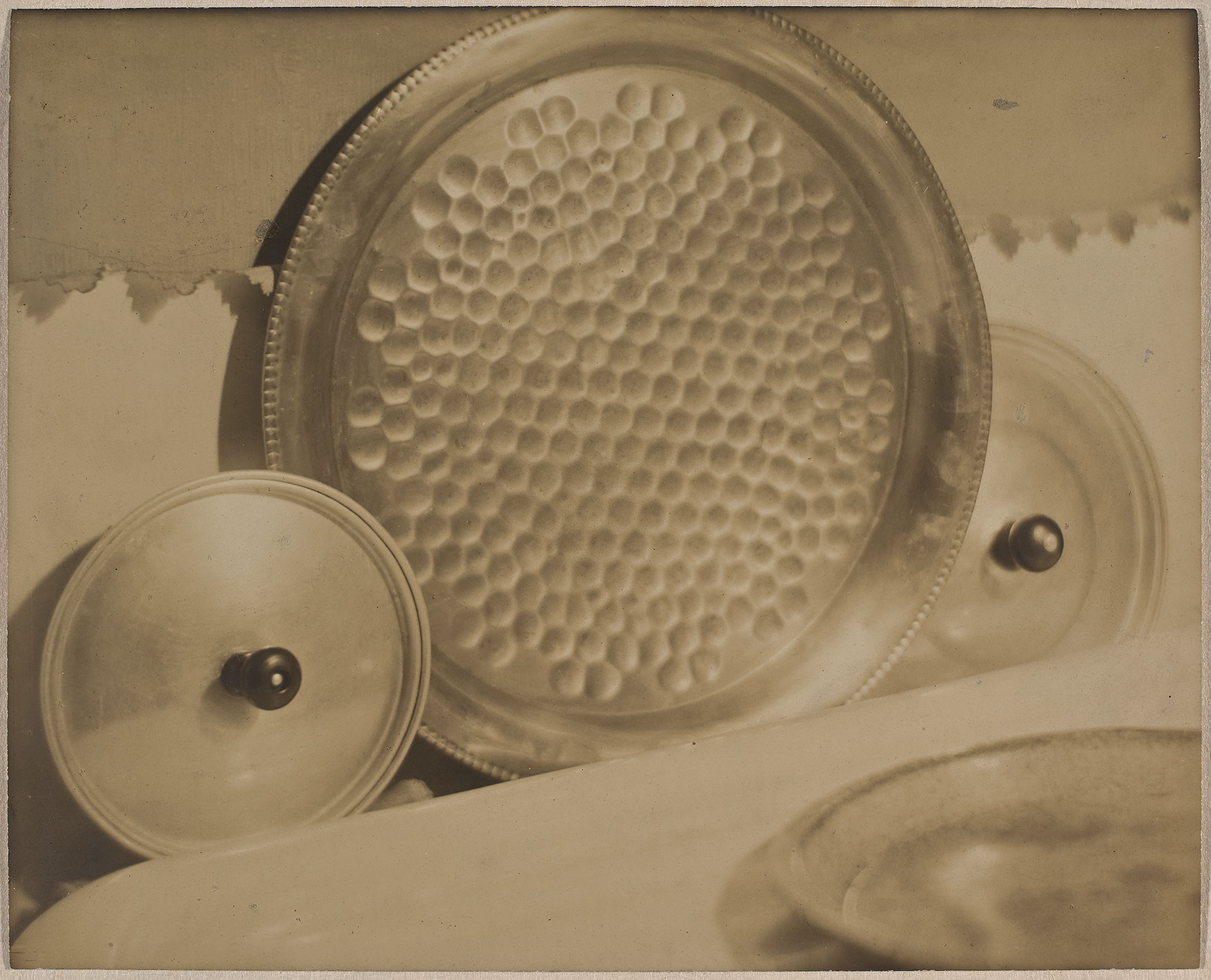
Margaret Watkins (1884-1969) ~ Pan Lids, 1919; gelatin silver print. | src National Gallery of Canada
Margaret Watkins (1884-1969) ~ Domestic Symphony, (1919), palladium print | src Of Sight and Sound at NGC

Lillebil Ibsen by Bassano

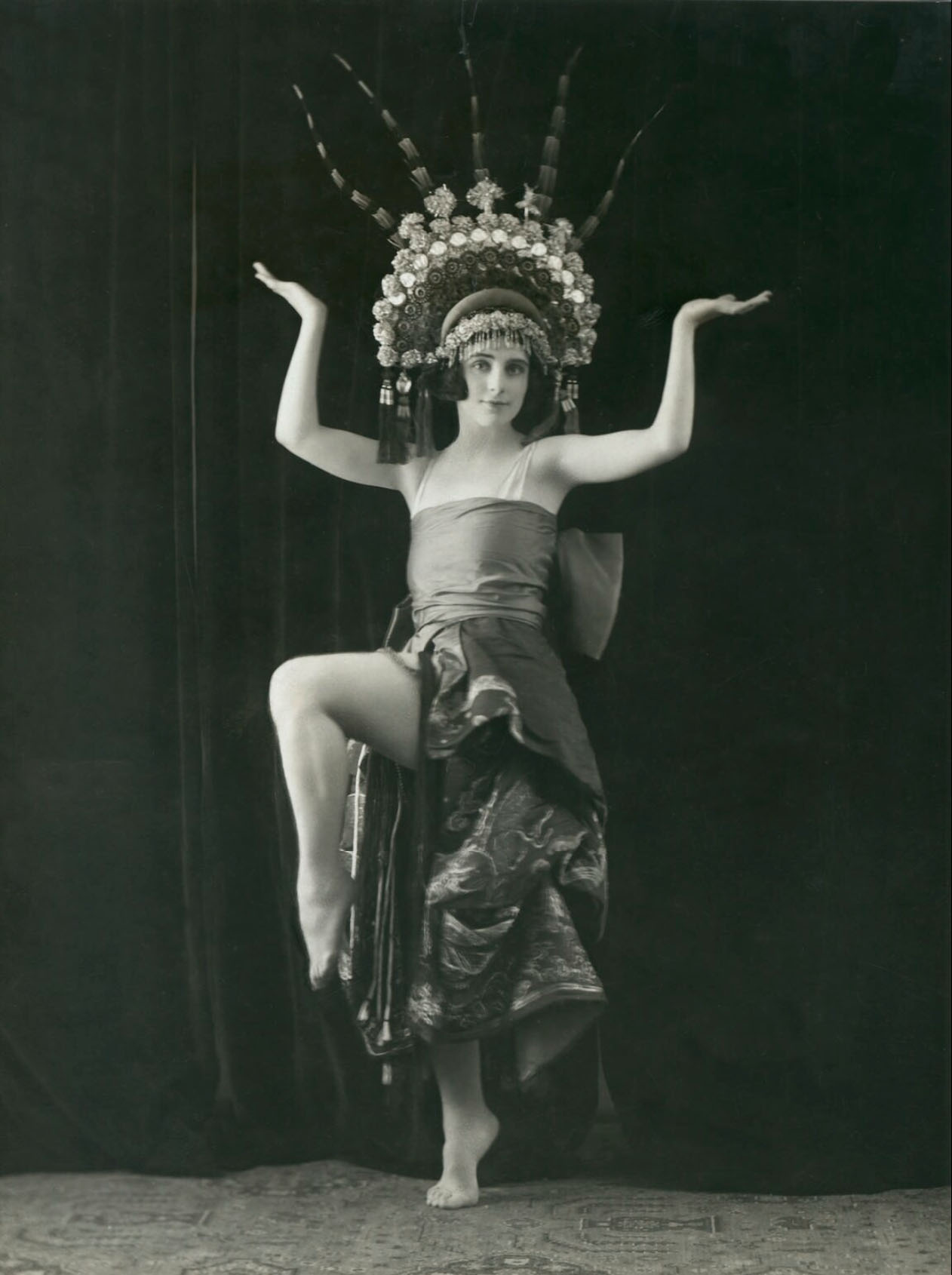
Bassano Ltd. ~ Lillebil Ibsen (née Sofie Parelius Krohn), 22 Sept 1920. Glass negative. | src NPG London

The Norwegian actress Sofie Parelius Krohn began her career as a dancer in 1911 at the Norwegian National Theatre. She trained with her mother, who was a choreographer and ballet teacher, and for a time with Michel Fokine. She took leading roles in Max Reinhardt’s productions in Berlin, including Prima Ballerina and Sumurun. Married to Tancred Ibsen, film director and screenwriter and grandson of Henrik Ibsen, she later became one of Norway’s most distinguished stage actresses, appearing in many works by Shaw, Wilde, Shakespeare and Ibsen.

Bassano Ltd. ~ Lillebil Ibsen (née Sofie Parelius Krohn), 22 Sept 1920. Glass negative. | src NPG London
Bassano Ltd. ~ Lillebil Ibsen (née Sofie Parelius Krohn), 22 Sept 1920. Bromide print. | src NPG London

Gunhild Englund portraits

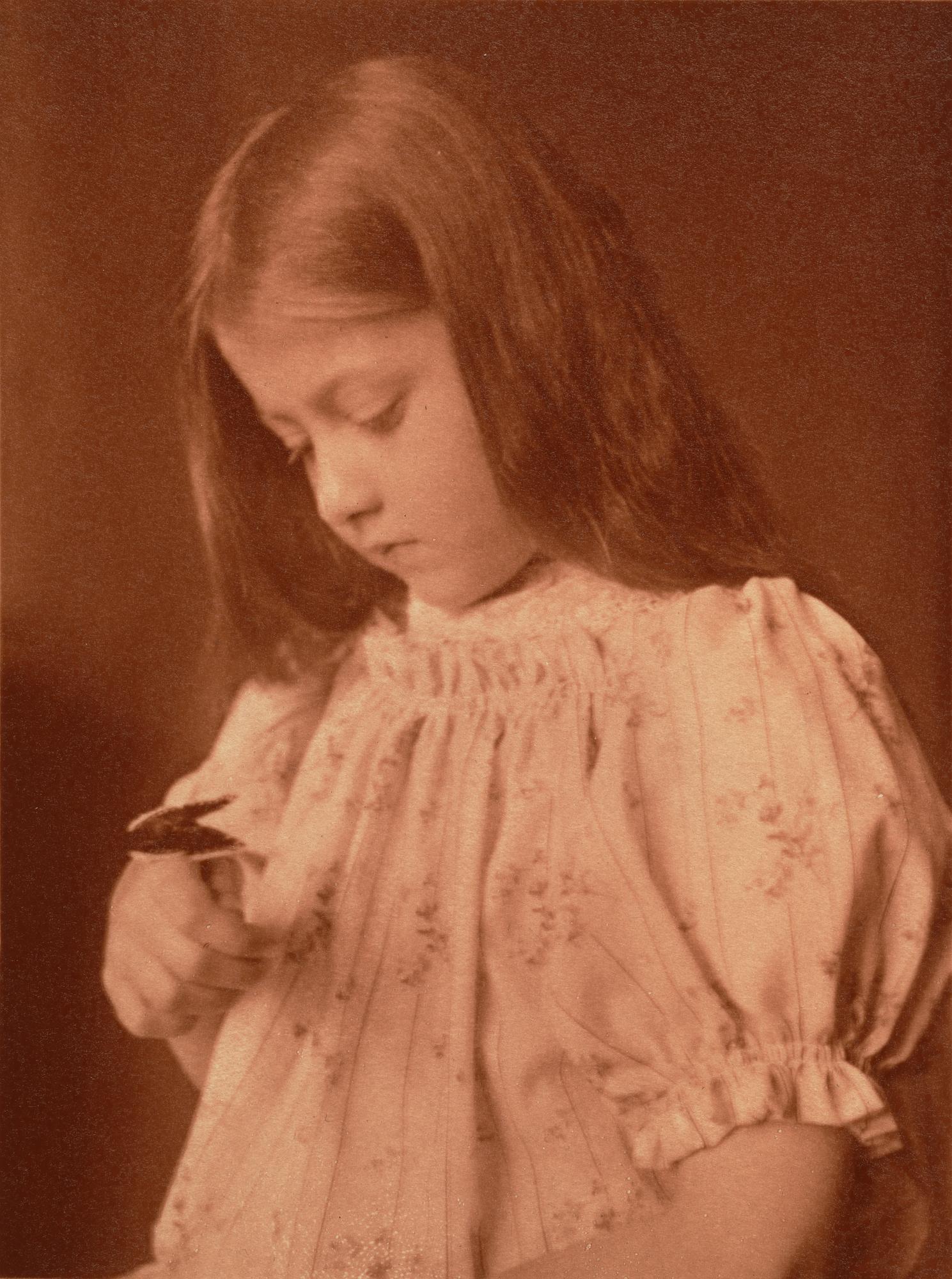
Pictorialist portrait of Fritz Englund’s daughter ─ Gunhild Englund ─ with a kitten, 1902 | src The Finnish Museum of Photography
Fritz Englund (1870–1950) ~ Gunhild, 1903. Suomen valokuvataiteen museon kokoelma. Scan from Piktorialismi, published by the Finnish Museum of Photography & Parus (Front cover & page 78)

Agniel performs physical exercises

Marguerite Agniel performing physical exercises. Process print after photographs by Edwin F. Townsend, 15 February 1930
Marguerite Agniel performing physical exercises. Photographs by Edwin F. Townsend, 15 February 1930
Good Form in Figures : Exercise V – Exercise VI (1930) | src Wellcome collection

The dance of The Jungle Book

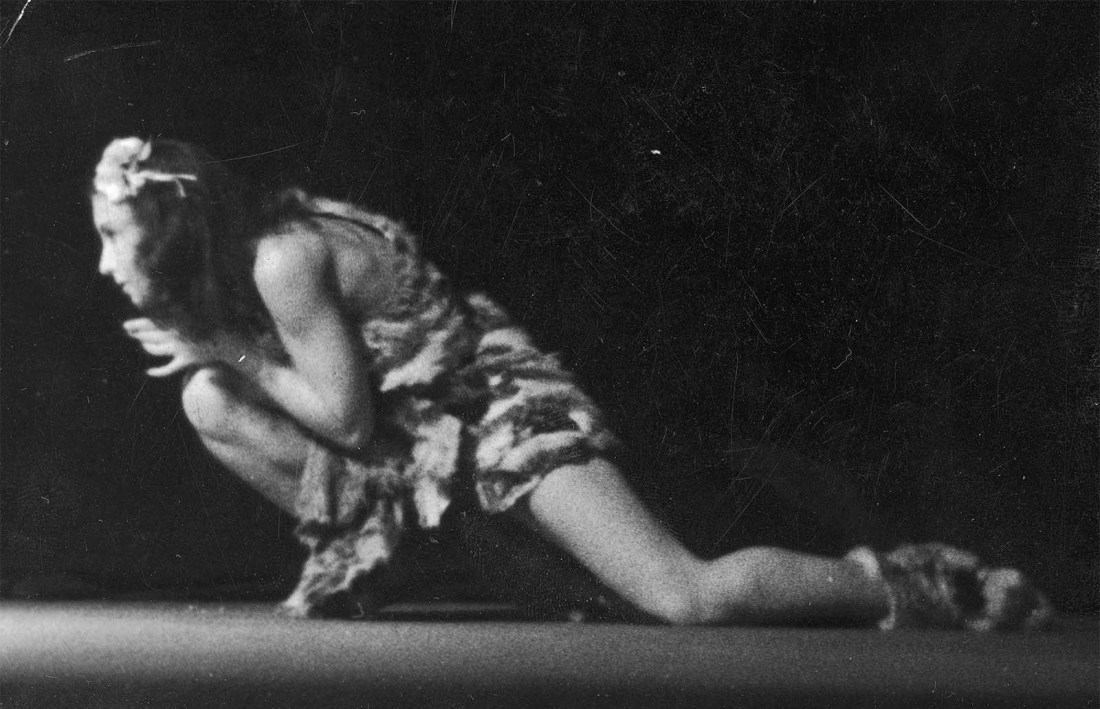
The dancer Ziuta Buczyńska in the dance The Jungle Book. Situational photograph taken in an atelier, 1937 | src National Archives of Poland
The dancer Ziuta Buczyńska in the dance The Jungle Book. Situational photograph taken in an atelier, 1937 | src Narodowe Archiwum Cyfrowe
The dancer Ziuta Buczyńska in the dance The Jungle Book. Situational photograph taken in an atelier, 1937 | src Polish National Archives

Laura Gilpin · Iris · 1926

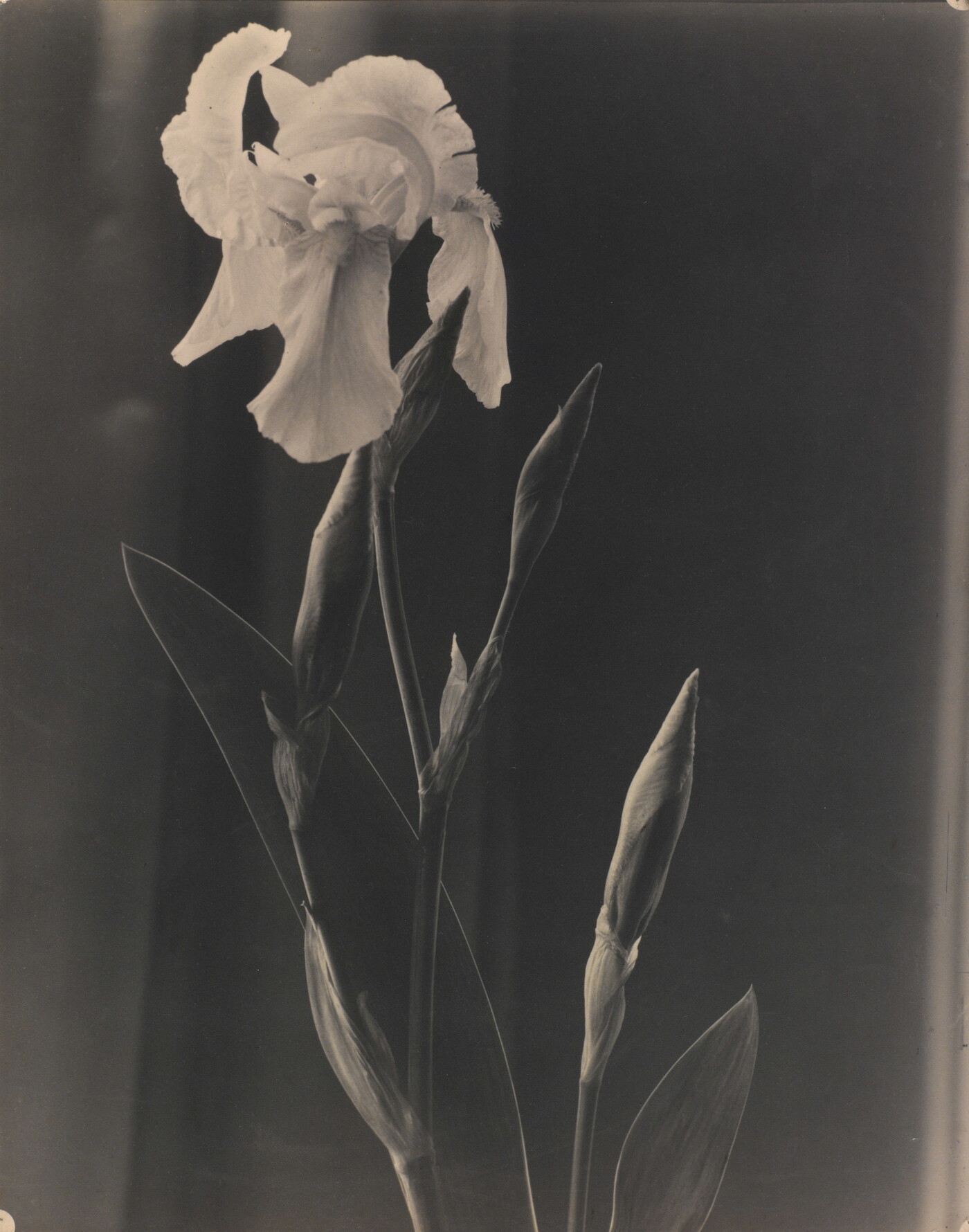
Laura Gilpin (1891-1979) ~ White Iris [Colorado Springs, Colorado]; May 7, 1926. Hand-coated platinum print. | src Amon Carter Museum P1979.141.27
Laura Gilpin (1891-1979) ~ White Iris [Colorado Springs, Colorado]; May 7, 1926. Gelatin silver print. | src Amon Carter Museum P1979.141.23
Laura Gilpin (1891-1979) ~ [Iris]; 1920’s-1960’s. Platinum print. | src Amon Carter Museum of American Art (P1979.141.47)
Laura Gilpin (1891-1979) ~ White Iris [Colorado Springs, Colorado]; May 7, 1926. Handcoated platinum print. | src Amon Carter Museum of American Art P1979.141.24

La suma · Borges & Cordier

‘Chemigram 15.9.91 ‘from La Suma of Jorge Luis Borges”, chemigram by Pierre Cordier, 1991 Belgium. Museum no. E.330-2018 | src V&A museum

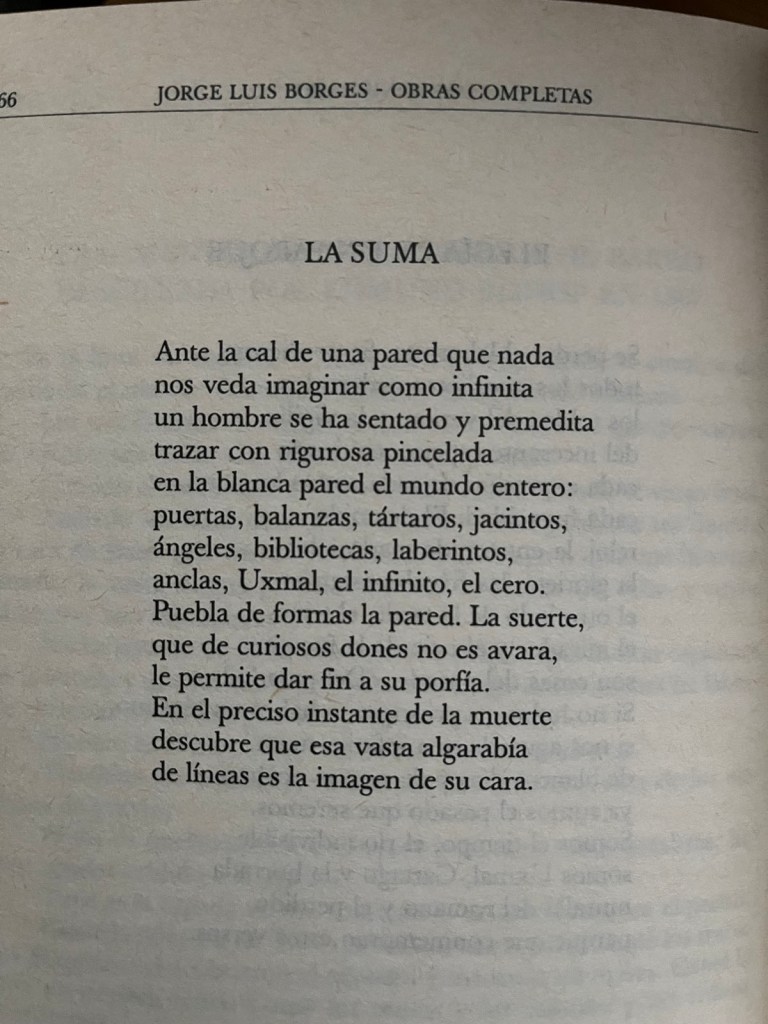
Ante la cal de una pared que nada
nos veda imaginar como infinita
un hombre se ha sentado y premedita
trazar con rigurosa pincelada
en la blanca pared el mundo entero:
puertas, balanzas, tártaros, jacintos,
ángeles, bibliotecas, laberintos,
anclas, Uxmal, el infinito, el cero.
Puebla de formas la pared. La suerte,
que de curiosos dones no es avara,
le permite dar fin a su porfía.
En el preciso instante de la muerte
descubre que esa vasta algarabía
de líneas es la imagen de su cara.

Jorge Luis Borges : La suma, Obras completas

Jorge Luis Borges : La suma, From : Obras completas. Emecé Editores, 1996
Chemigram 20.3.92 from ‘La Suma of Jorge Luis Borges’, chemigram by Pierre Cordier, 1992, Belgium. Museum no. E.859-2010 | src V&A museum

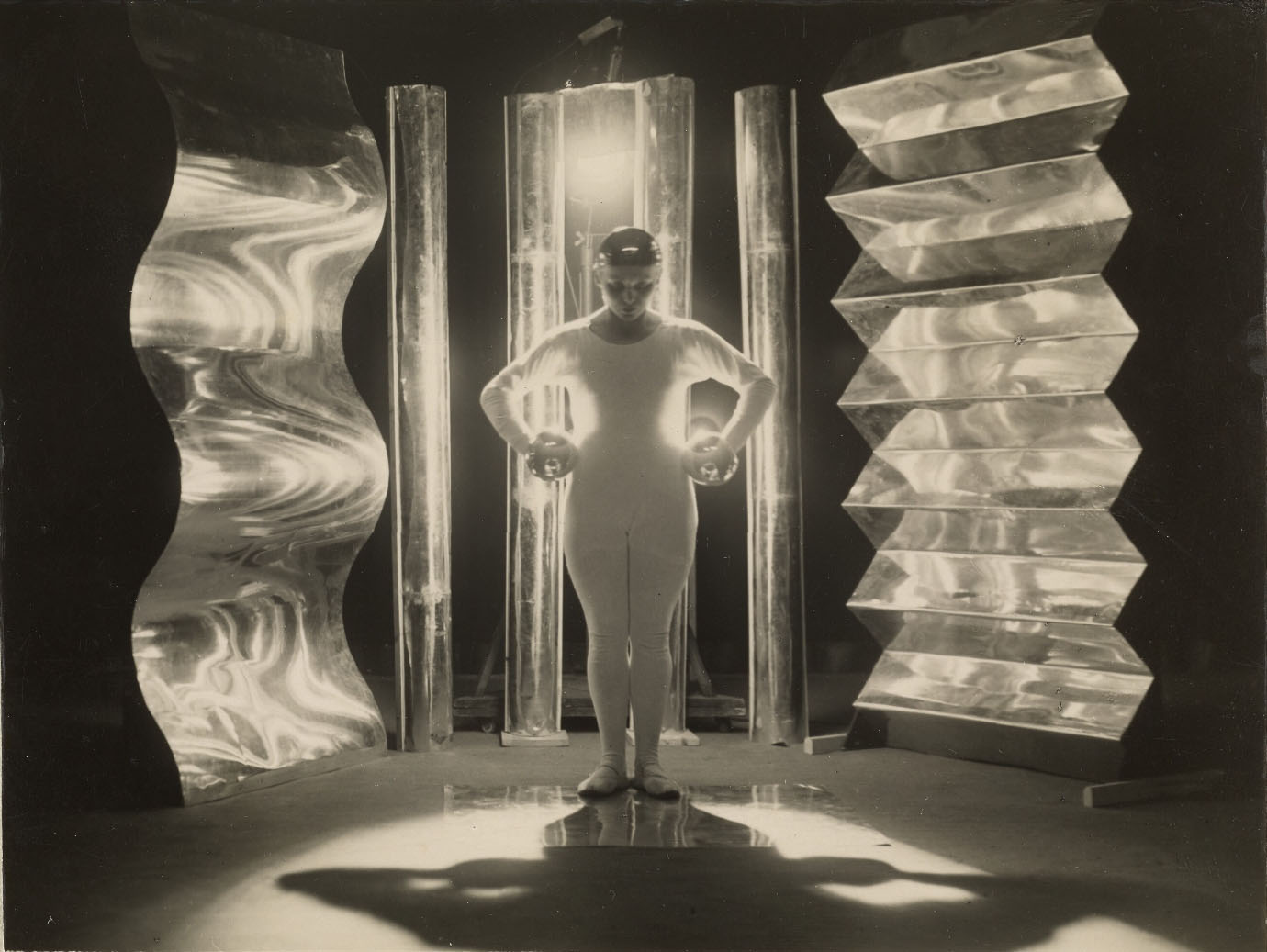
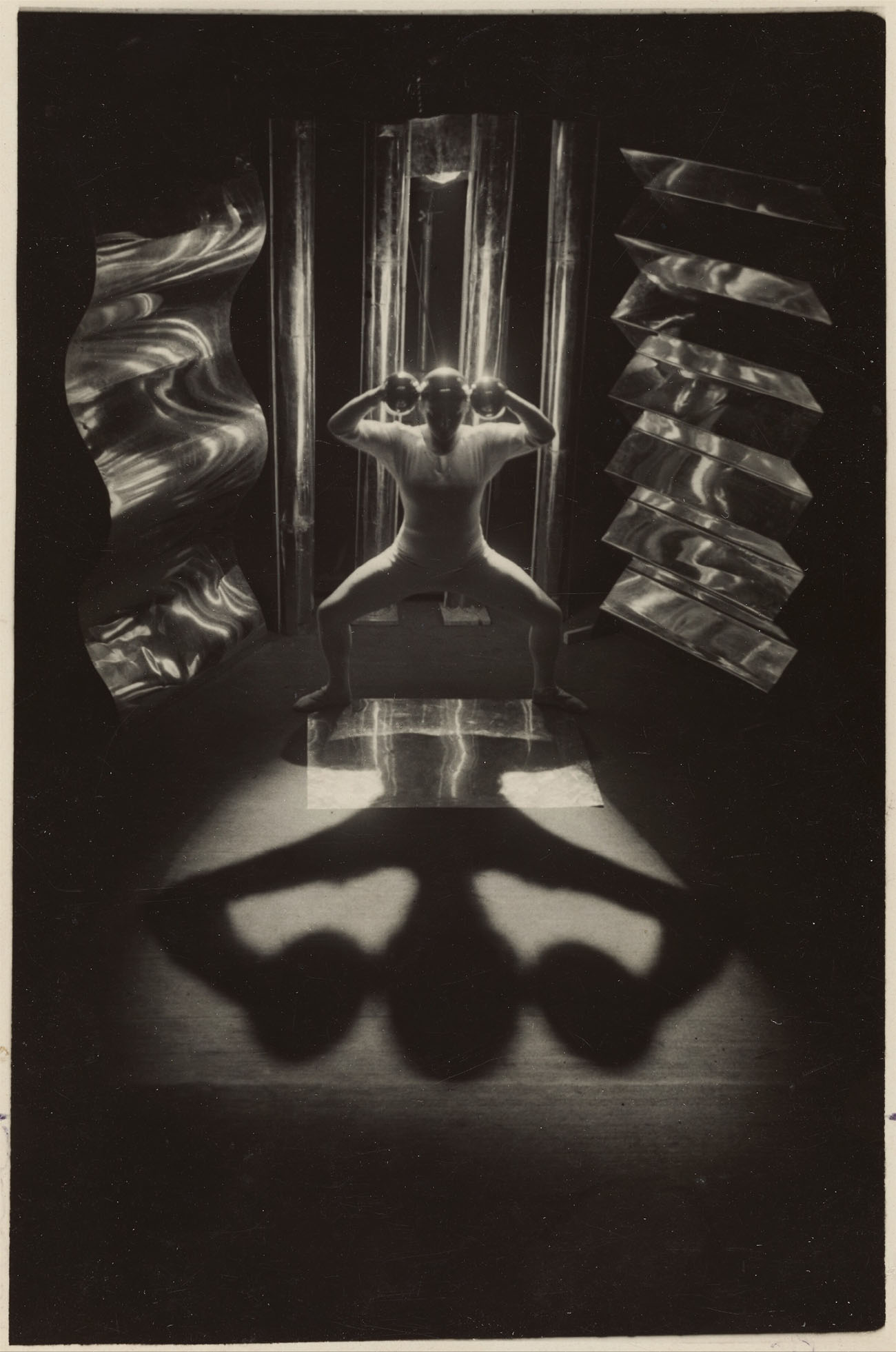
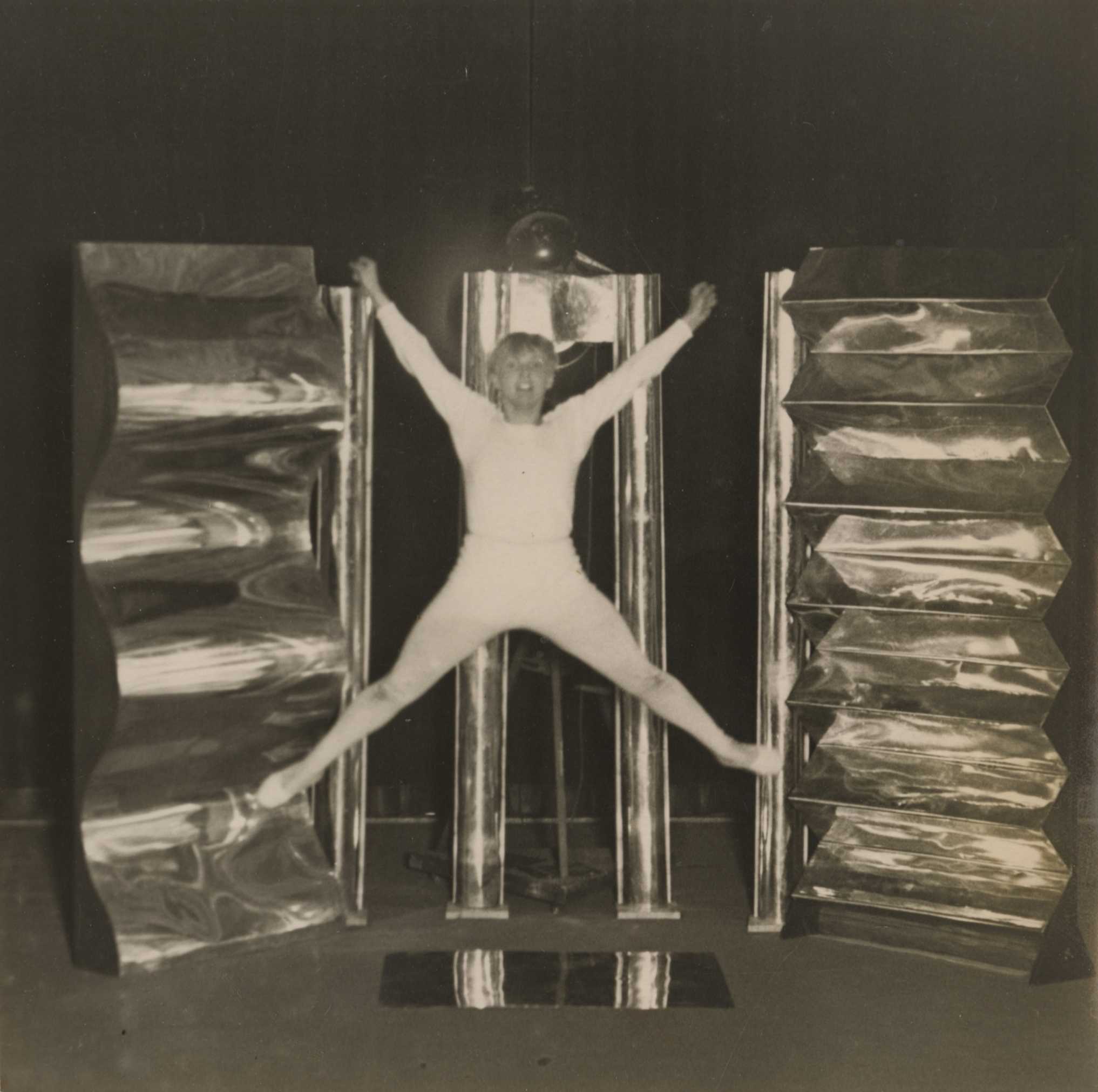
Karla Grosch · Metal dance

T. Lux Feininger (1910 – 2011) ~ [Metalltanz], Bauhaus Dessau, about 1928-1929 | src getty.edu

Karla Grosch’s performance of Metalltanz, or “Dance in Metal,” exploited the reflective properties of polished metal. The avant-garde performances produced by Oskar Schlemmer’s Stage Workshop at the Bauhaus School are seen today as significant forerunners of modern performance art and multimedia theater.

The photographer T. Lux Feininger studied at the Bauhaus with Schlemmer, under whose direction theater and dance became popular and important aspects of the German school’s program. [text from getty.edu]

T. Lux Feininger (1910 – 2011) ~ [Metalltanz]. Dance in Metal, by Oskar Schlemmer, performed by Karla Grosch, Dessau, ca. 1928-1929 | src Getty museum
T. Lux Feininger ~ Untitled (Bauhaus Stage; Dance in Metal by Oskar Schlemmer, performed by Karla Grosch), ca. 1928 | src Kicken Galerie Berlin at Art Basel 2019

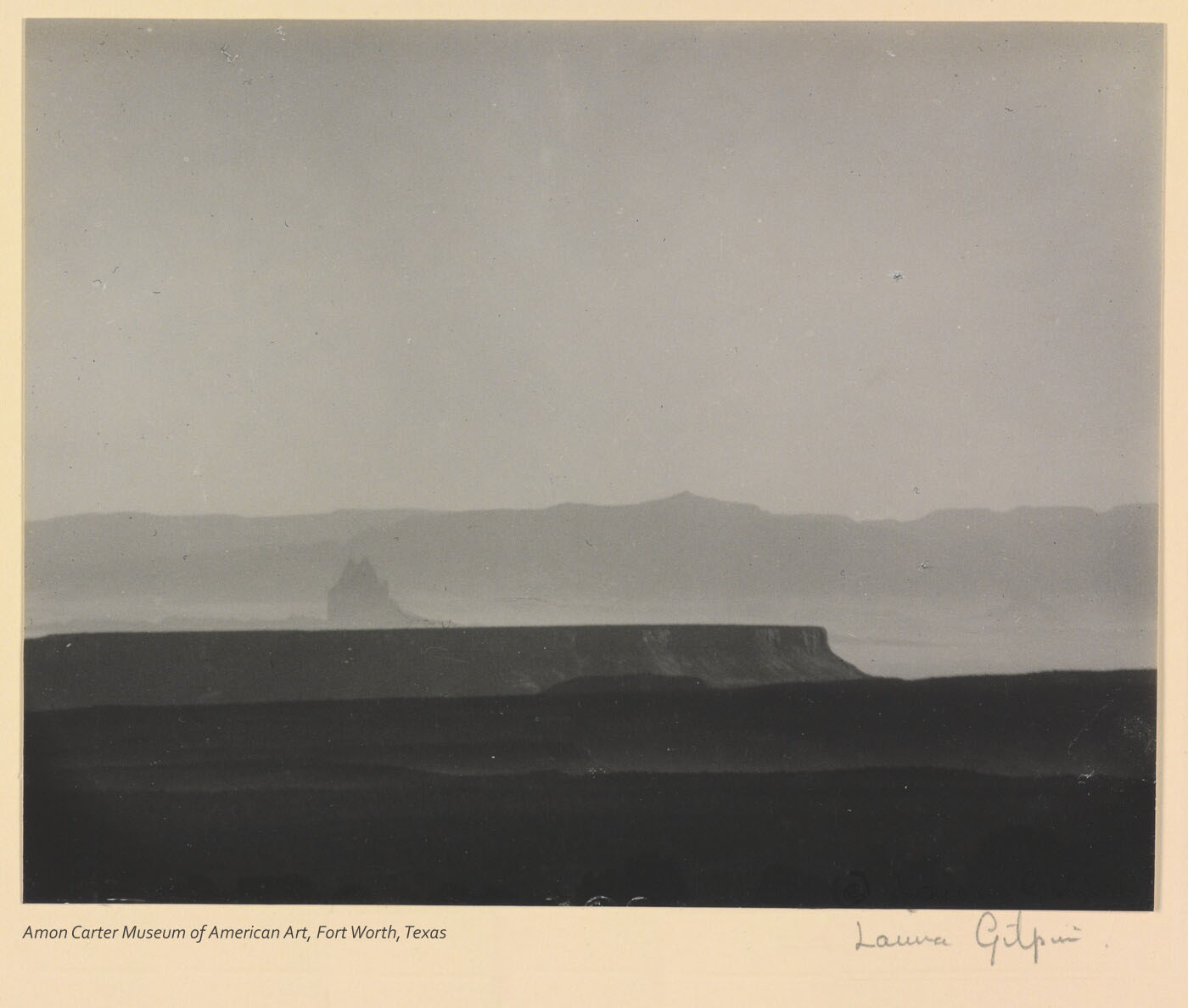
Desert Shiprock · Gilpin · 1925

Laura Gilpin (1891-1979) ~ Shiprock from Mesa Verde [Mesa Verde National Park, Colorado]; Sept. 1925. Gelatin silver print. | src Amon Carter Museum of American Art
Laura Gilpin (1891-1979) ~ Phantom Ship of the Desert Shiprock from Mesa Verde; Sept. 1925. Gelatin silver print. | src Amon Carter Museum of American Art