src Museum of New Zealand /Te Papa Tongarewa
images that haunt us
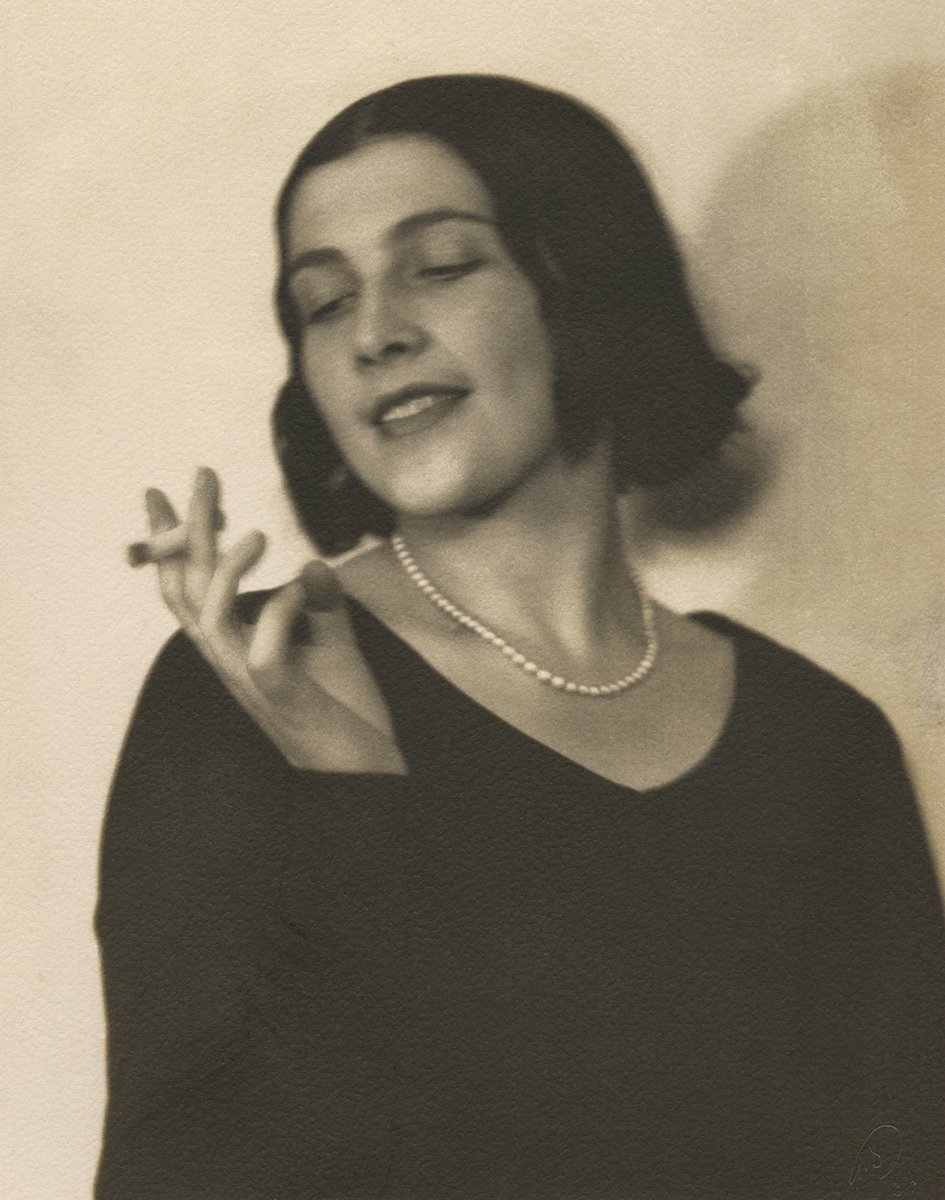
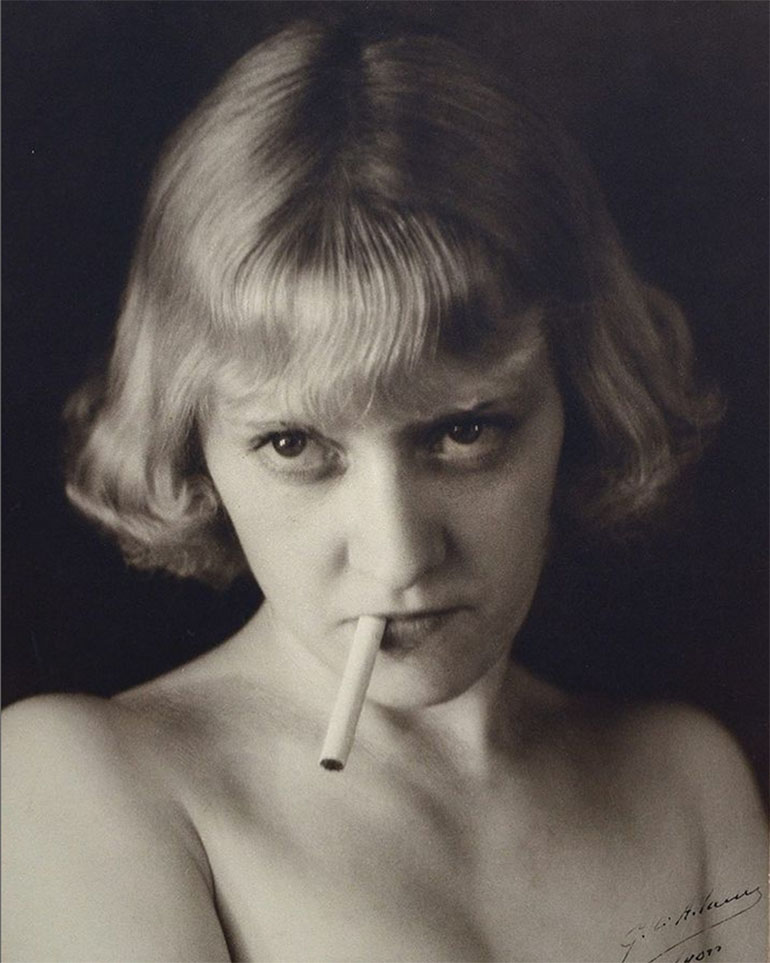


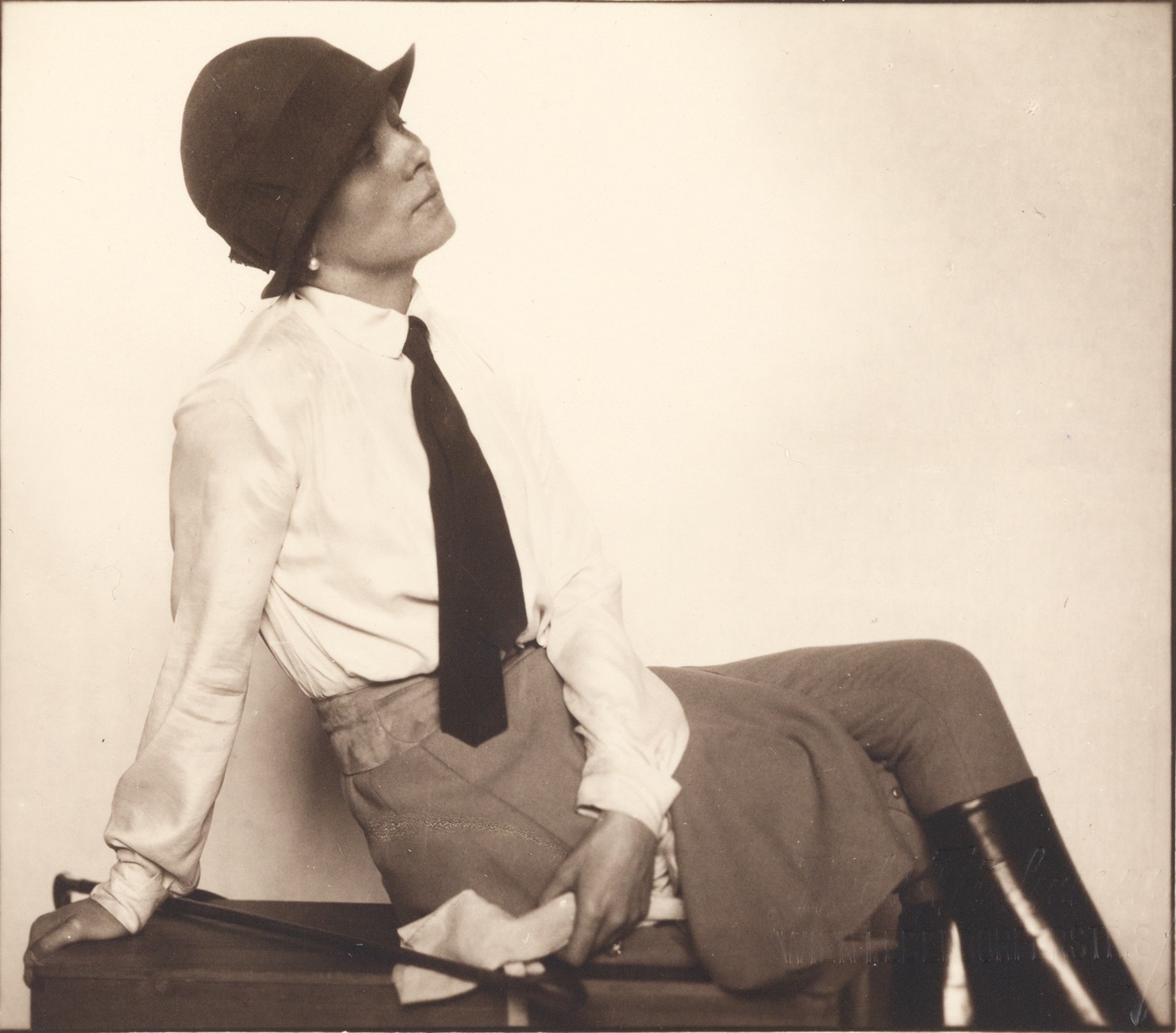


Bee Jackson (1903–1933) was best known for dancing the Charleston, performed on Broadway, in the Ziegfeld Follies and in London, Vienna, and Paris. Tragically she died following an appendicitis operation at the age of 30.
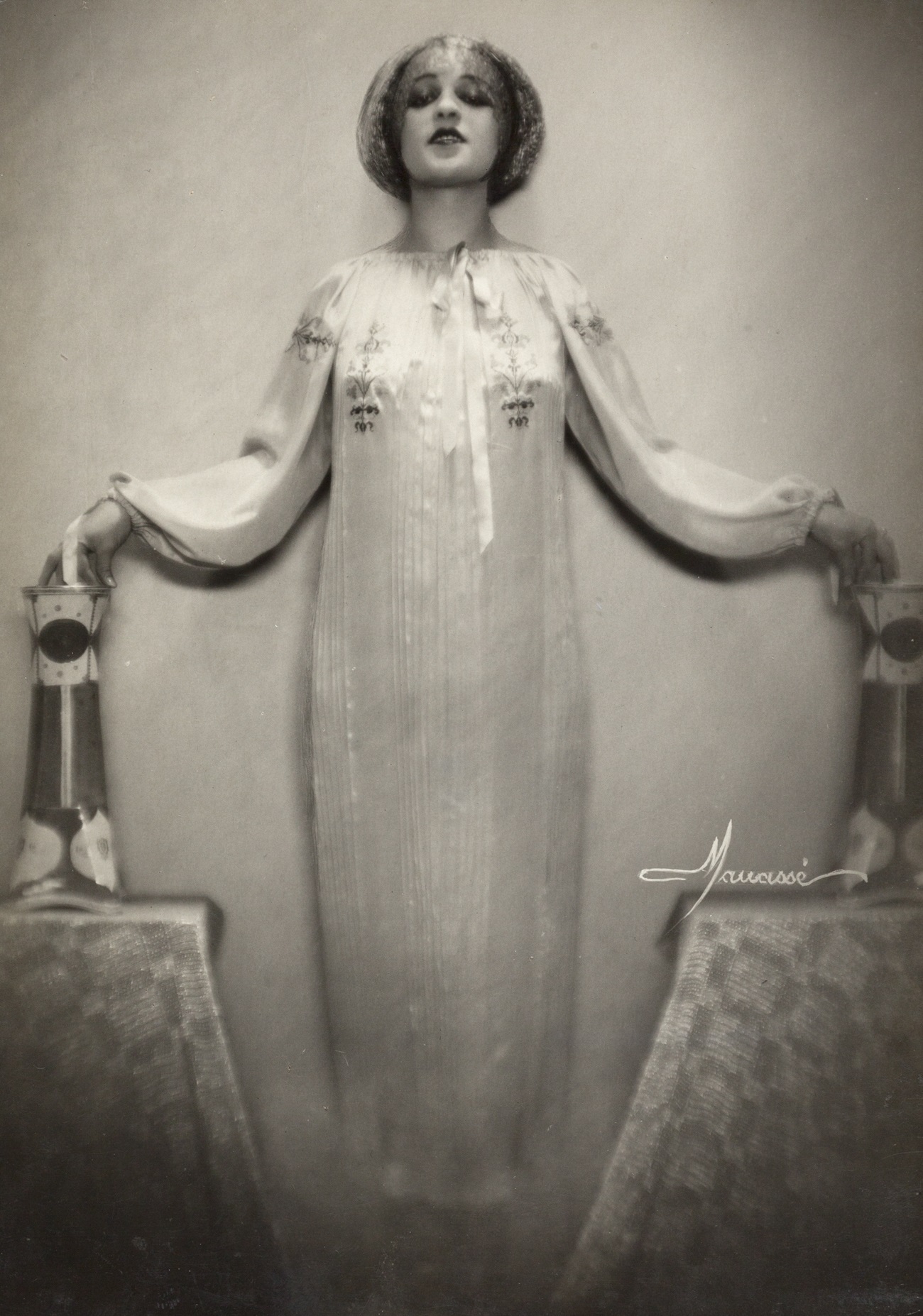
Studio’s signature “Manassé” in both negatives, “Foto-Salon ‘Manassé'” copyright stamp in red ink, “Wiener Foto-Kurier” agency stamp on the reverse.

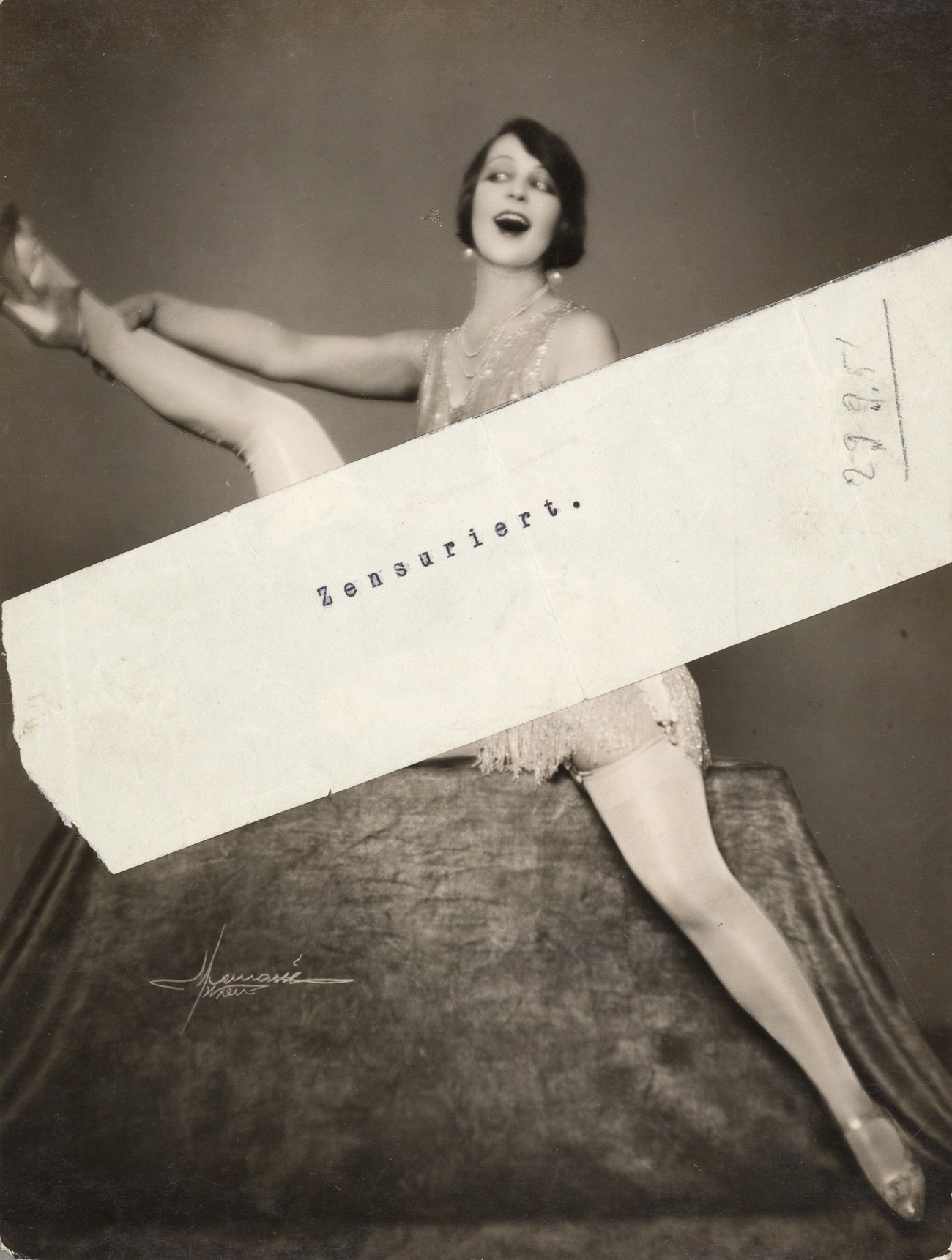
Studio’s signature “Manassé Wien” in the negative, with a vintage paper label with typewritten mention “Zensuriert”. “Foto-Salon ‘Manassé'” copyright stamp, “Wiener Foto-Kurier” agency stamp as well as “Ag. Schostal” agency label, and annotated “Studie” in pencil on the reverse.

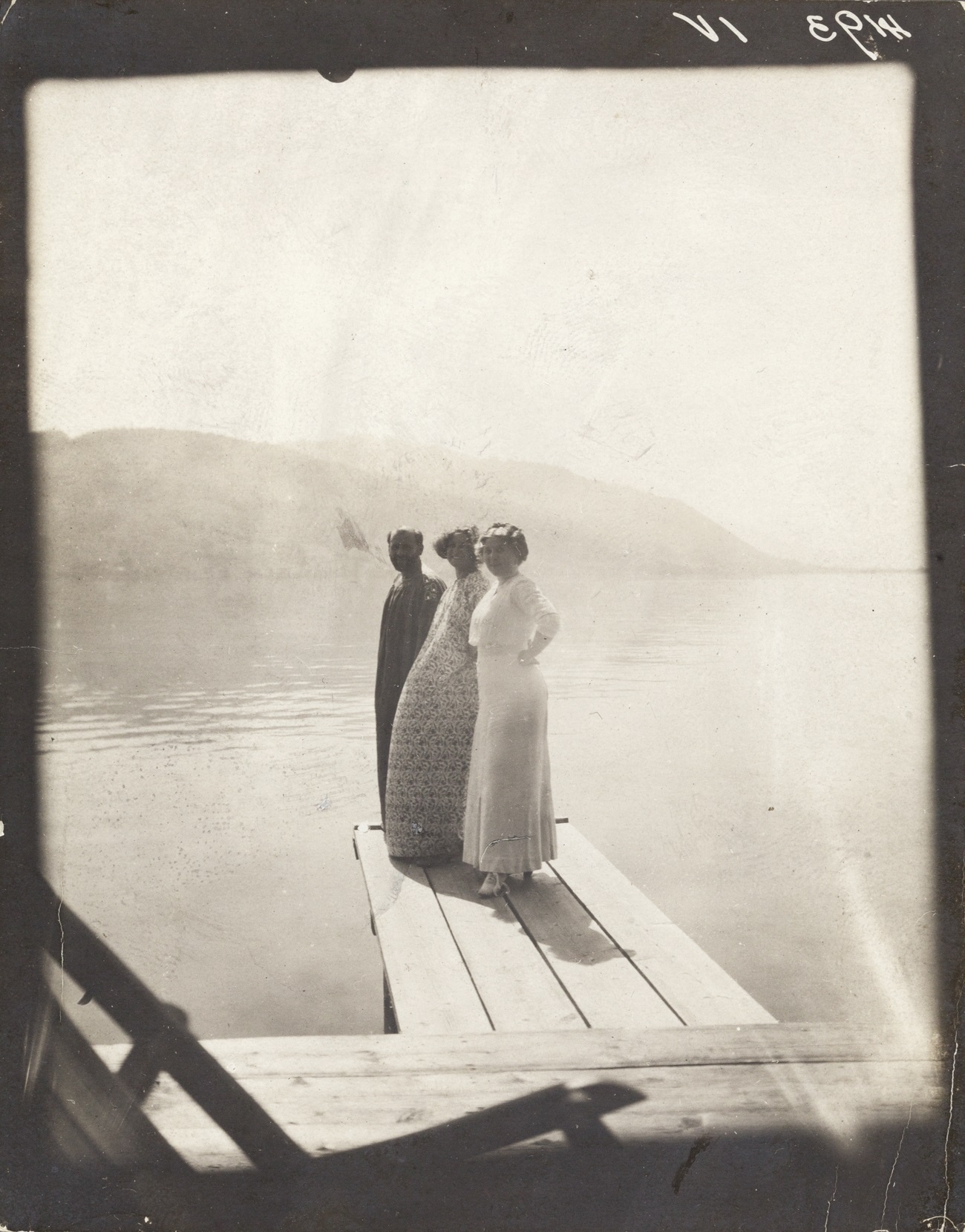
Emilie Flöge spent many summers with Gustav Klimt at Lake Attersee from the 1890s on. Her sisters Pauline and Helene, with whom she opened the “Schwestern Flöge” fashion salon at Mariahilfer Strasse 1b in 1904, were often also part of the party. The salon, designed by Josef Hoffmann as a “Gesamtkunstwerk”, employed up to 80 seamstresses at the time of its greatest success and catered to the upper bourgeoisie. Helene Flöge was married to Ernst Klimt, the younger brother of Gustav Klimt, with whom he worked in a studio partnership.
This private photograph is captivating because of the contrast between the different silhouettes of the three figures, which reveals the emancipatory radicalism of the reform dress – in contrast to the usual dresses worn over a corset. Implicitly, as one might say, this also “quotes” the design element of repeated curved lines, as found in many of Gustav Klimt’s compositions. This is the only known print of this photograph [Negative number “4/93 IV” in the upper margin, handwritten annotated “Gustav Klimt Emilie Helene” in ink on the reverse.] | src Ostlicht

Photographer’s copyright stamp with handwritten number “4949” in pencil, annotation “Tanzgruppe Trude Goodwin” and handwritten numbers in pencil on the reverse.

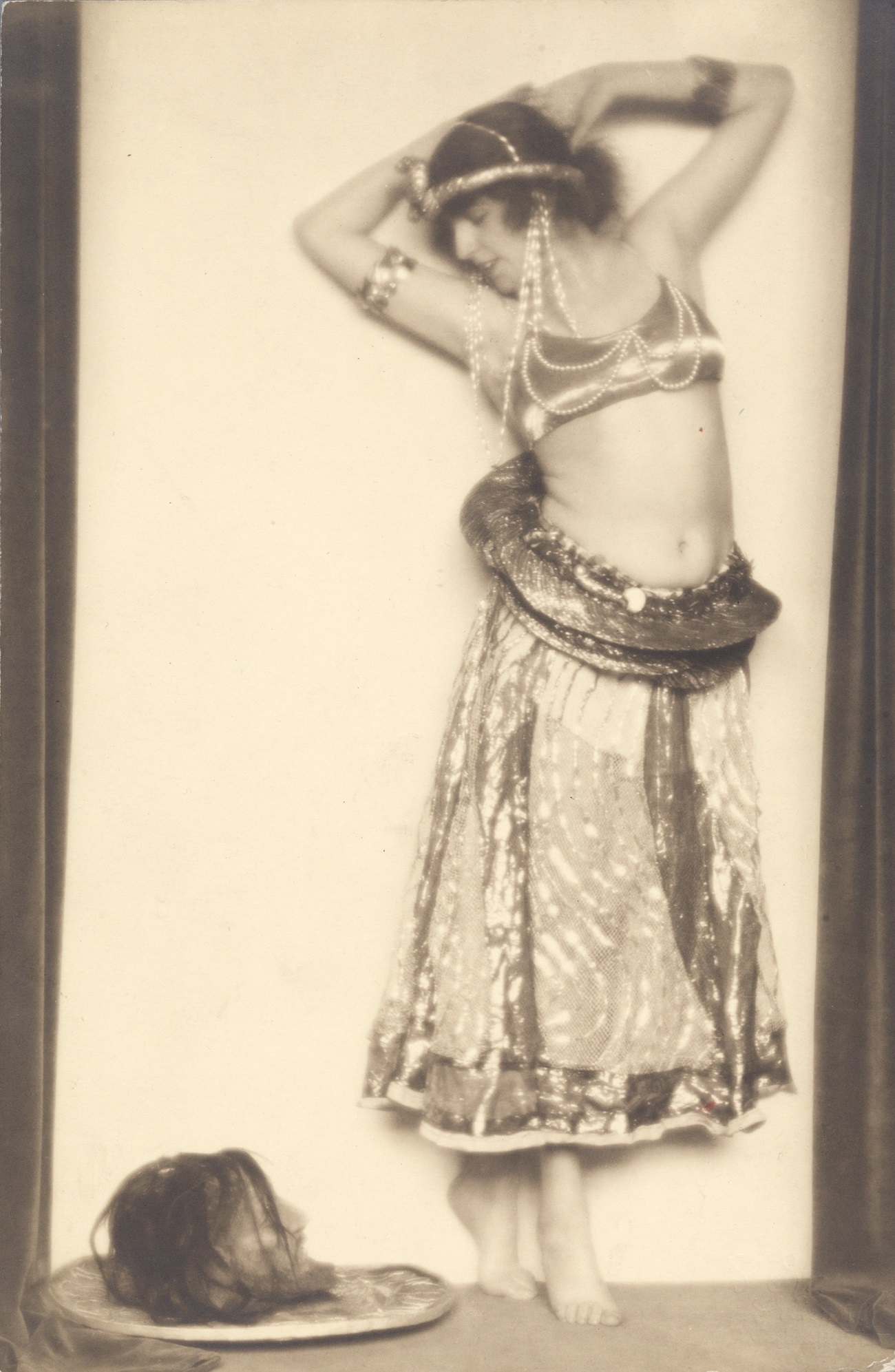
On verso: “Wiener Foto-Kurier” agency stamp, label with text: “Hedy Pfundmayer (sic), Primaballerina de l’opera a Vienne comme ‘Salome'”. Also, several annotations in pencil on the reverse, as: “Berhümte Solo Tänzerin […] die Tänzerin Pfundmaier (sic)”.



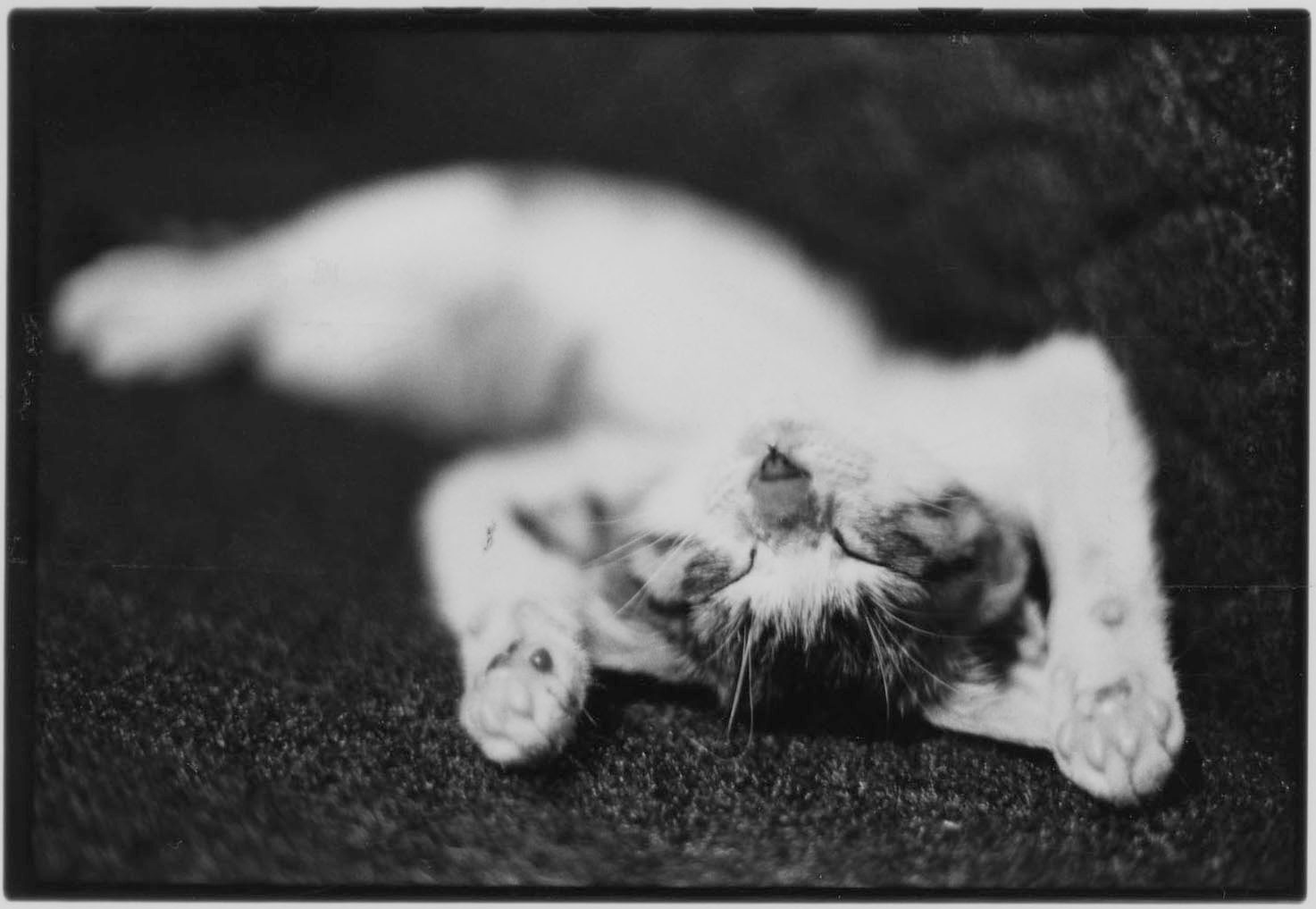
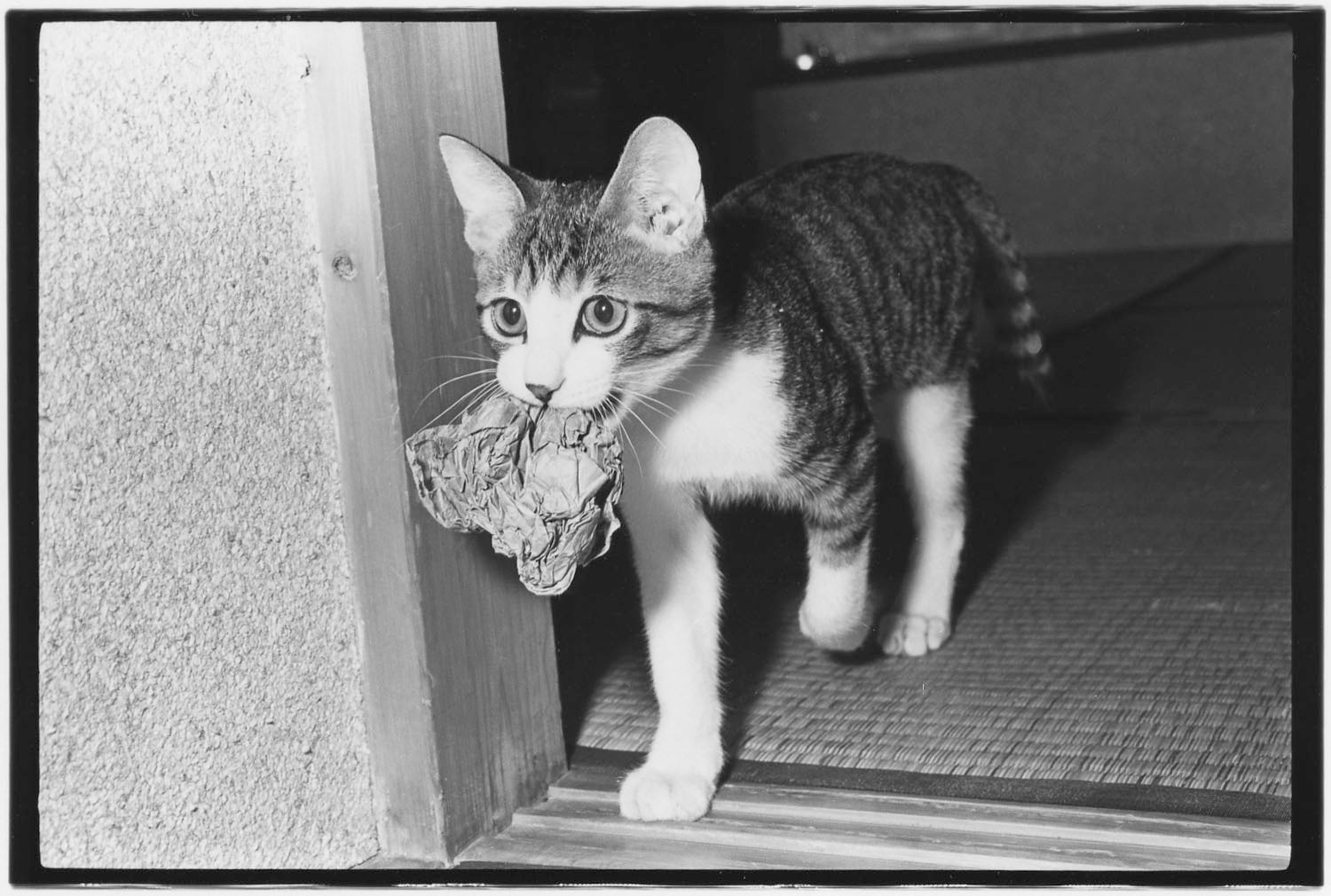
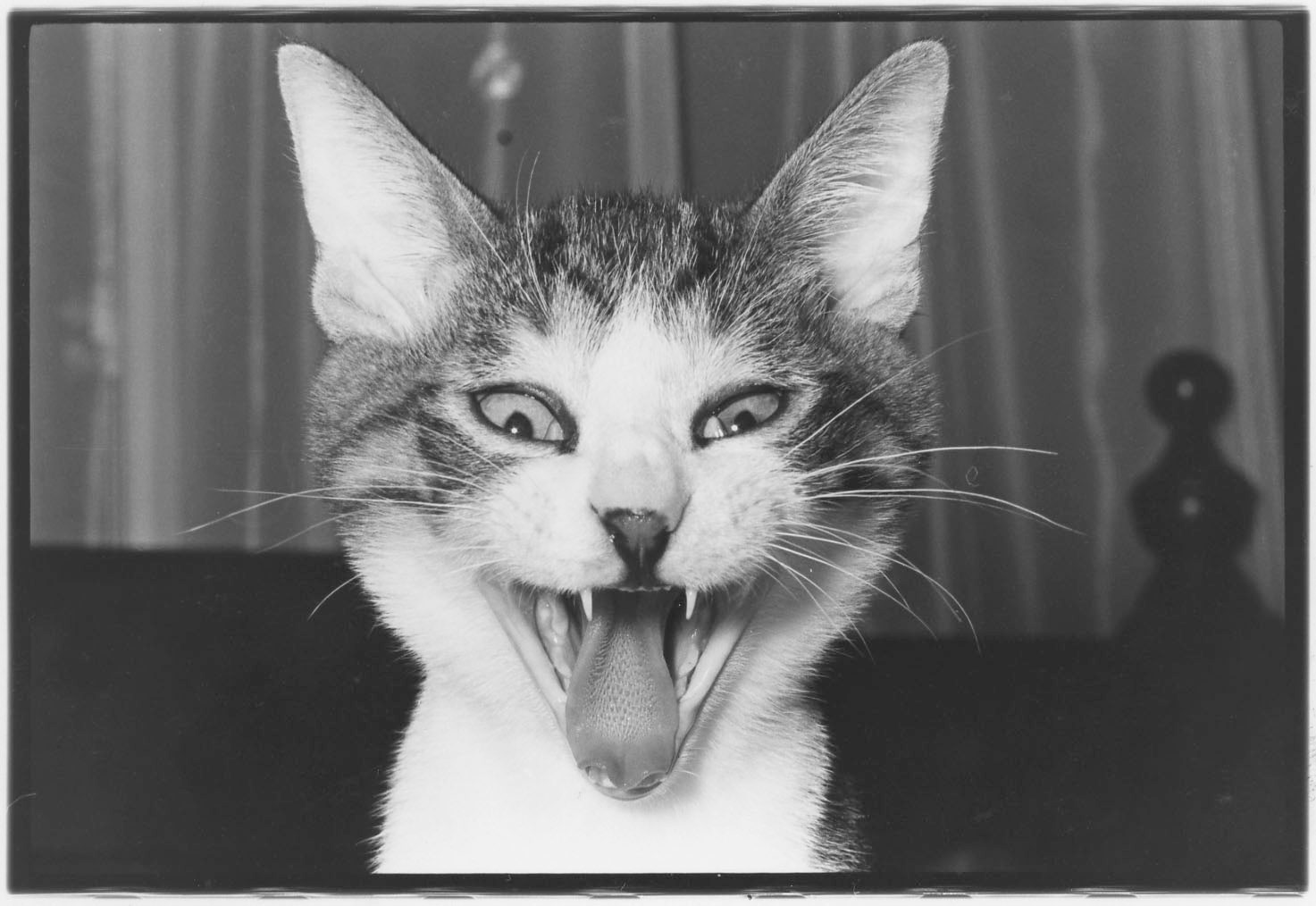
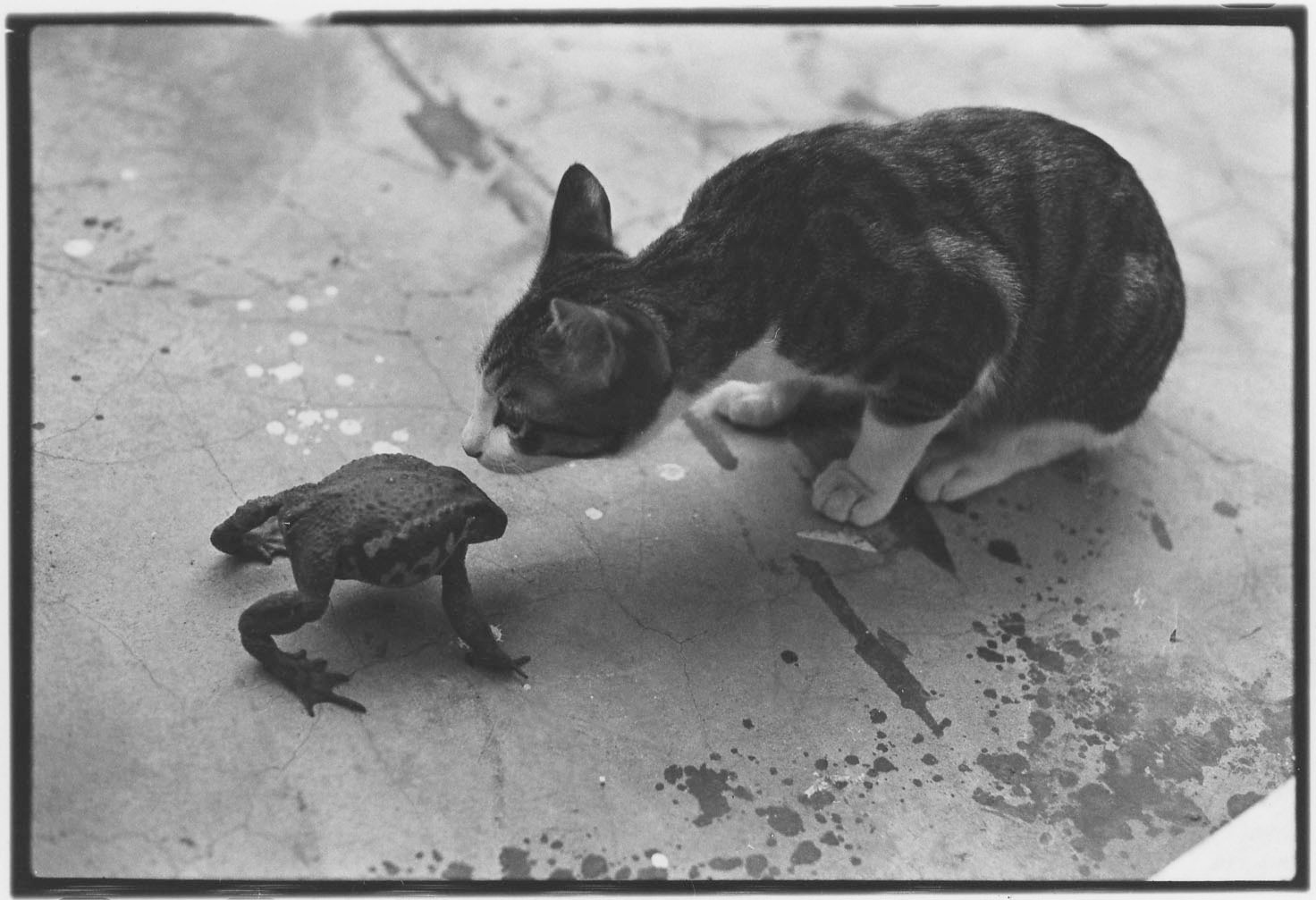
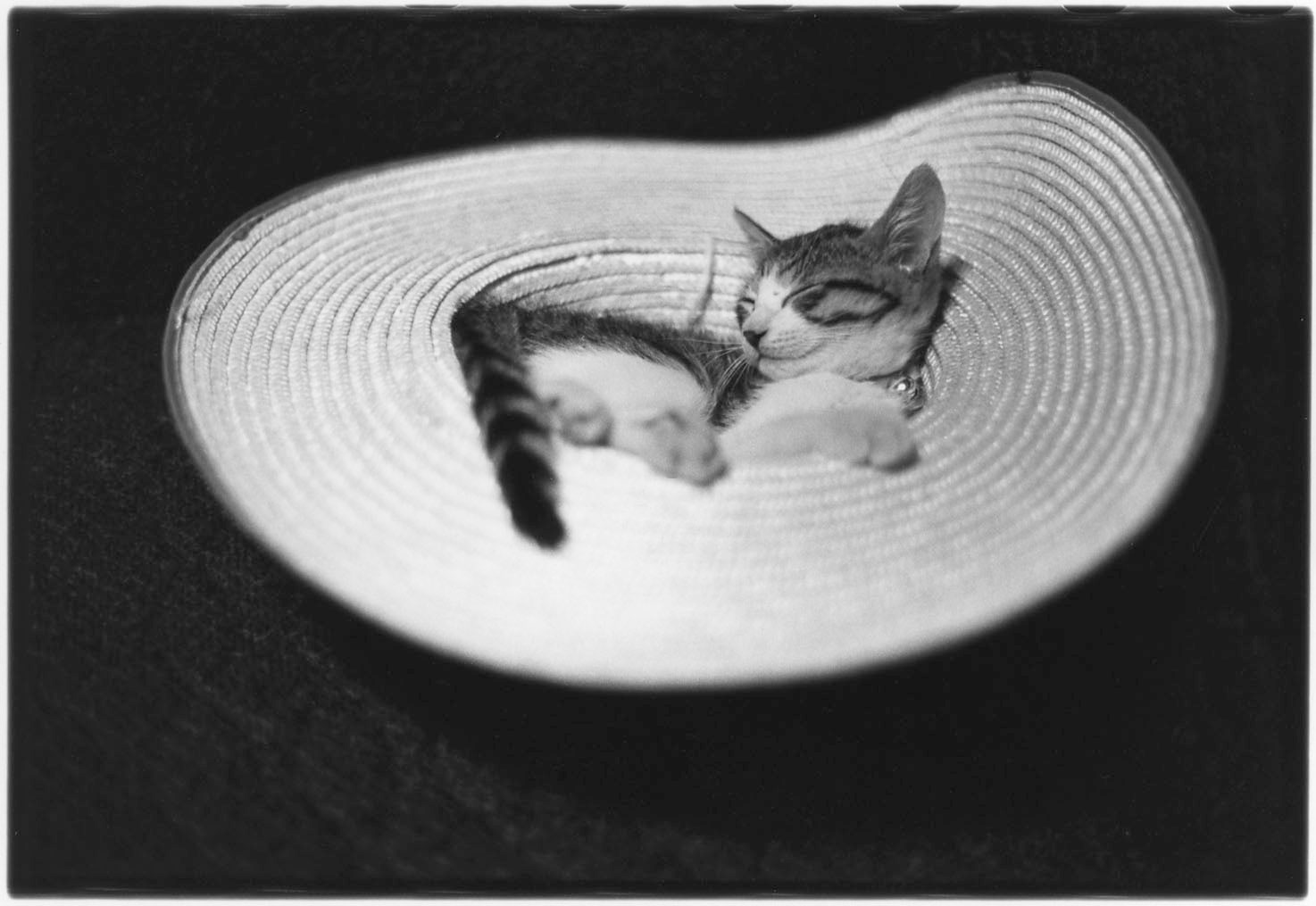
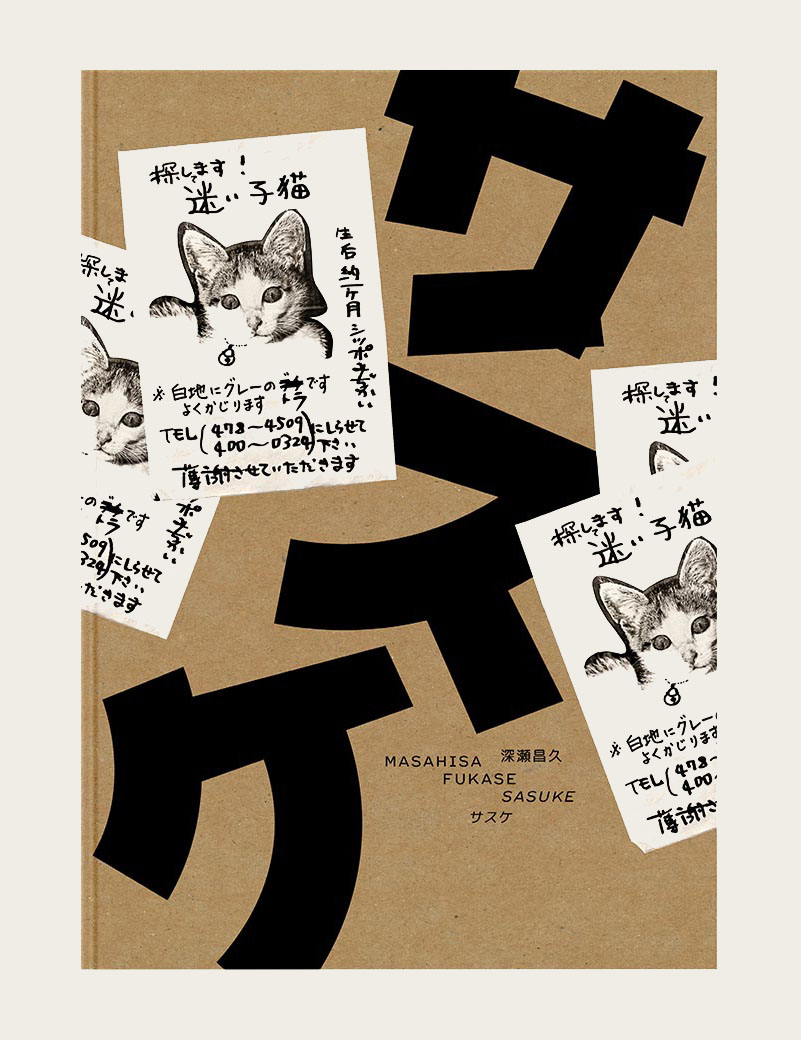
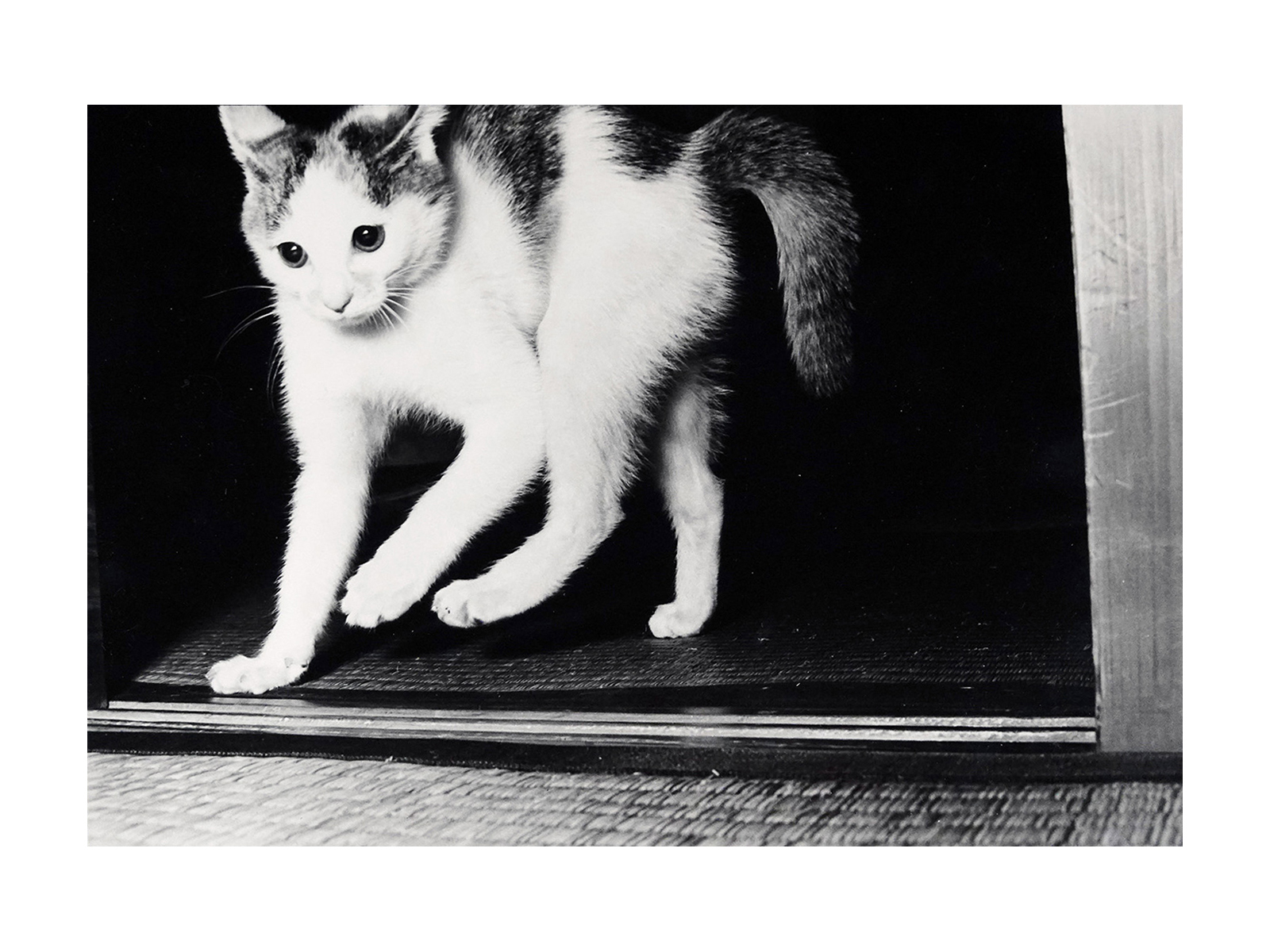
In 1977, Fukase turned his lenses on his new companion Sasuke. Growing up with felines, he decides with the arrival of this new cat in his life that it would become a photographic subject in his own right, fascinated by this creature full of life named after a legendary ninja. Sasuke disappears after ten days and the photographer sticks hundreds of small posters in his neighborhood.
A person brings back his cat, yet it is not Sasuke but never mind he welcomes this new cat with as much affection. One year later, he takes a second cat named Momoe, entering the frame as well and he will never get tired of photographing their games. They become for the Japanese photographer a boundless experimental field leading to an extraordinary body of work in its technical and visual inventiveness.
As often in his work, this series shows a form of projection of the photographer into his subject. The cat, a faithful companion who never leaves him, takes the place of his wife, eternal heartache, later represented by the iconic fleeing crows.
A new book, Sasuke, is dedicated to Masahisa Fukase’s emblematic series on his two cats: Sasuke and Momoe, combining unpublished and iconic images. | Juxtapoz magazine
 un regard oblique