Sch von Friedrich Seidenstücker

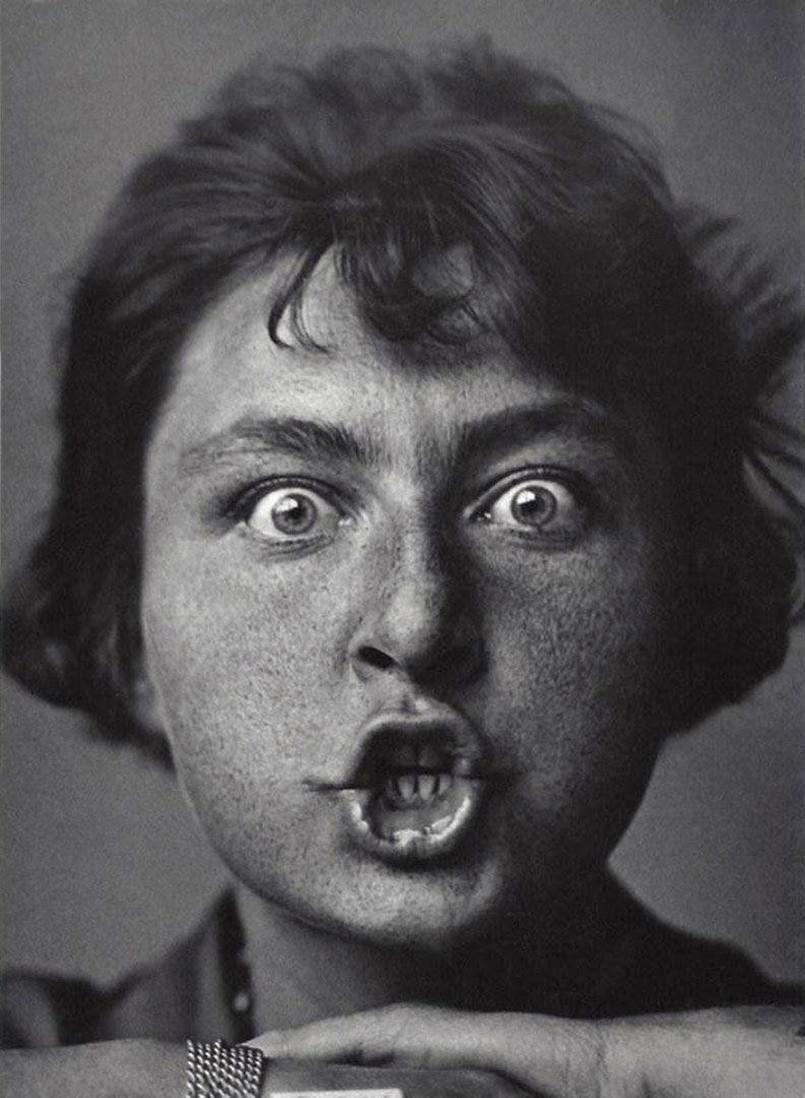
Friedrich Seidenstücker (1882-1966) ~ Ohne Titel (Sch), 1930 | src Käthe Kollwitz Museum Köln [X]

Friedrich Seidenstücker : Life in the city | The Ann and Jürgen Wilde Foundation

Pinakothek der Moderne | 26.05.2023 — 24.09.2023

Friedrich Seidenstücker (1882–1966) was one of the foremost chroniclers of everyday life in Berlin at the time of the Weimar Republic. His atmospheric works recount casual incidents and events, lighthearted Sunday pleasures and the burdens of the working day, children’s street games and bustling crowds at stations and the zoo. Seidenstücker casts the people and the life of the German metropolis in an impish, even humorous light. (text from PderM)

Even though Seidenstücker is regarded as a typical Berlin photographer, he is also known far beyond the city limits – not least because he paid outstanding attention to one aspect in particular: his pictures reveal a sense of humour which is rarely found in photography. Friedrich Seidenstücker’s oeuvre evolved from this approach: founded in optimism, but never drawing a veil over the appalling conditions, harshness, poverty and misery of his age. (text from Berlinische Galerie BG)
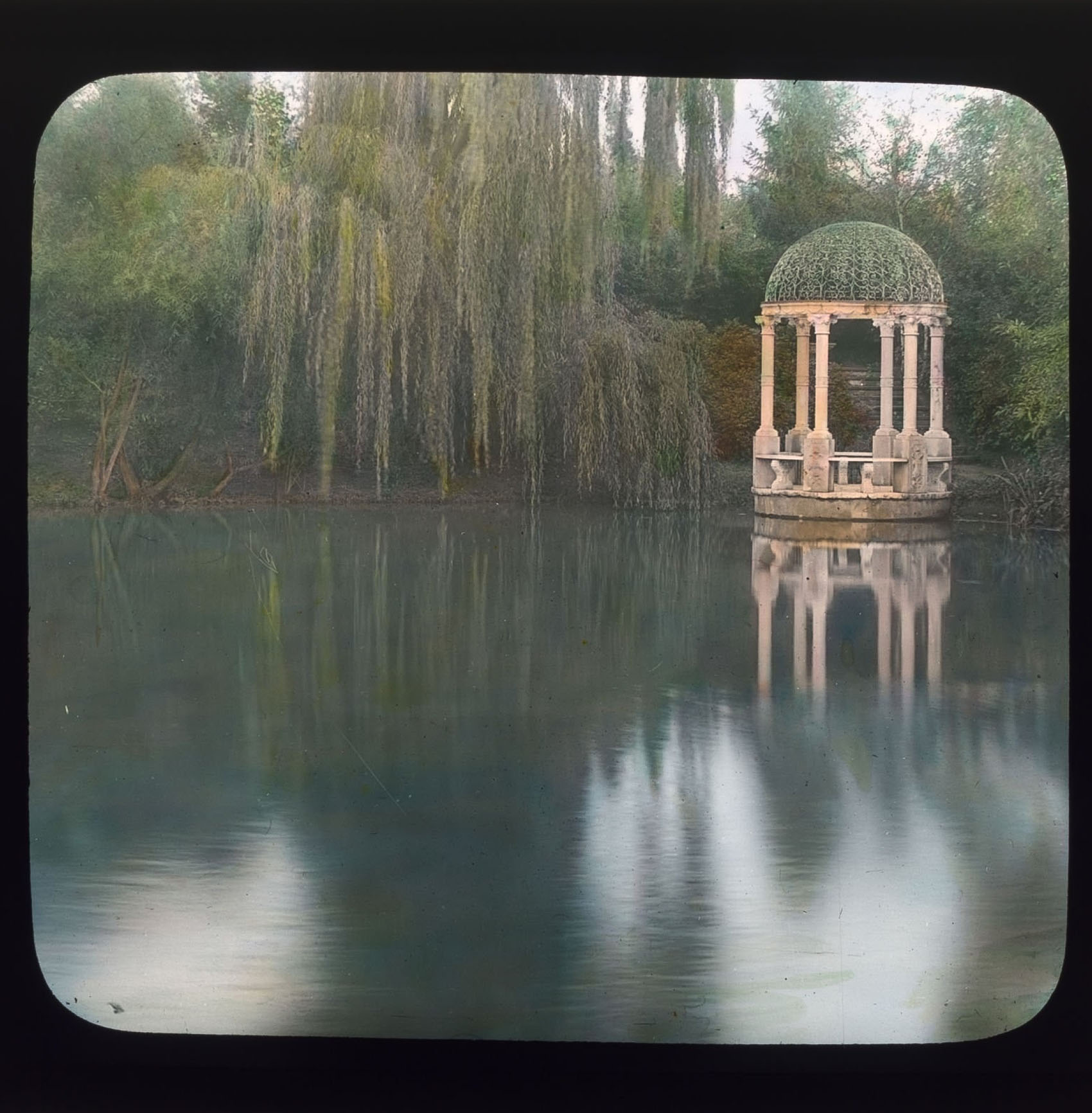
Johnston lantern slides of gardens

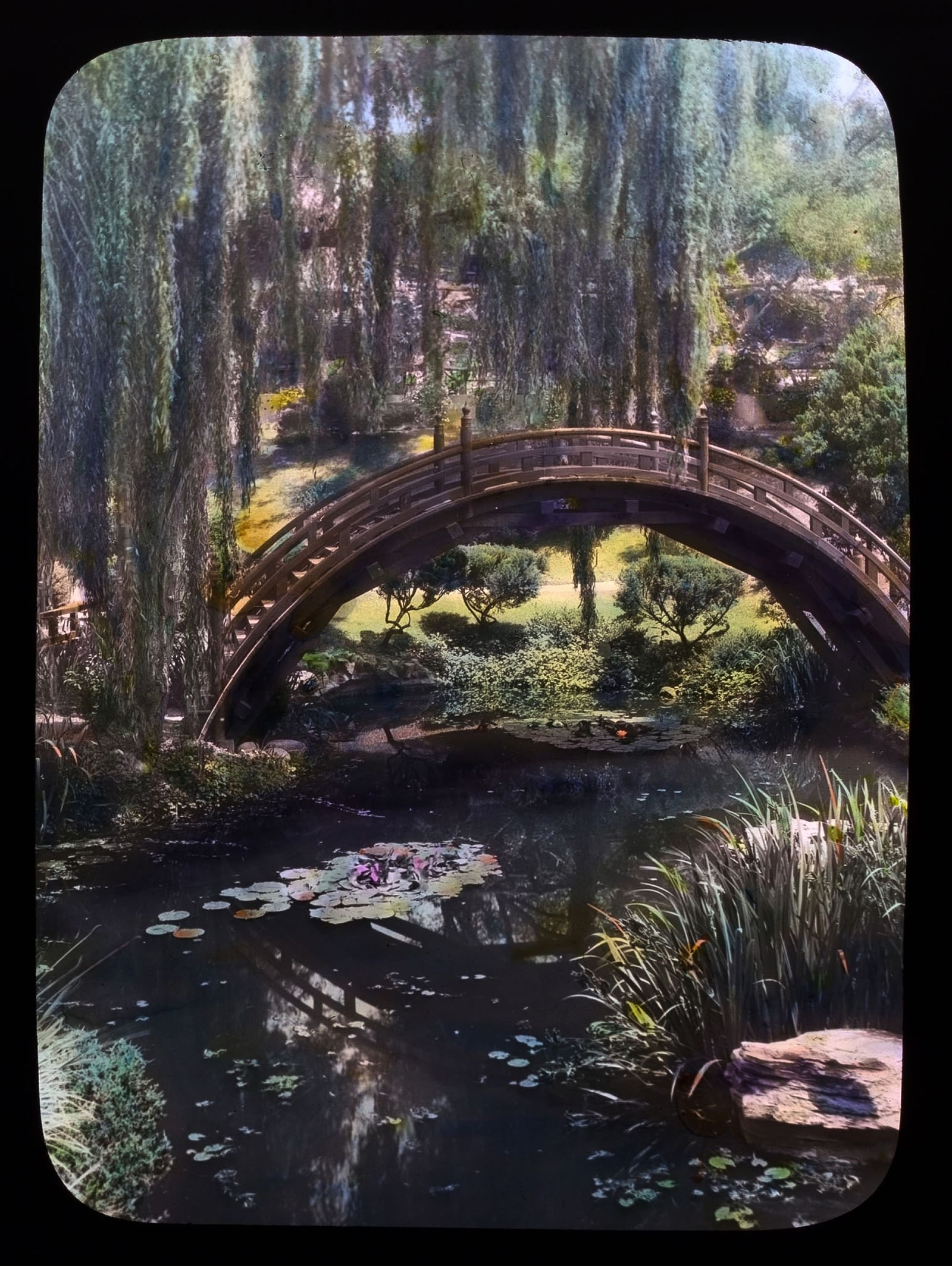
Frances Benjamin Johnston (1864-1952) ~ the Drum bridge in the Japanese garden at Henry Edwards Huntington house, San Marino, California, 1923. Glass lantern slide (hand coloured) | src getty images
Frances Benjamin Johnston (1864-1952) ~ Drumthwacket, Moses Taylor Pyne House, Princeton, New Jersey, 1911 [official residence of the governor of New Jersey]. Glass lantern slide | src getty images

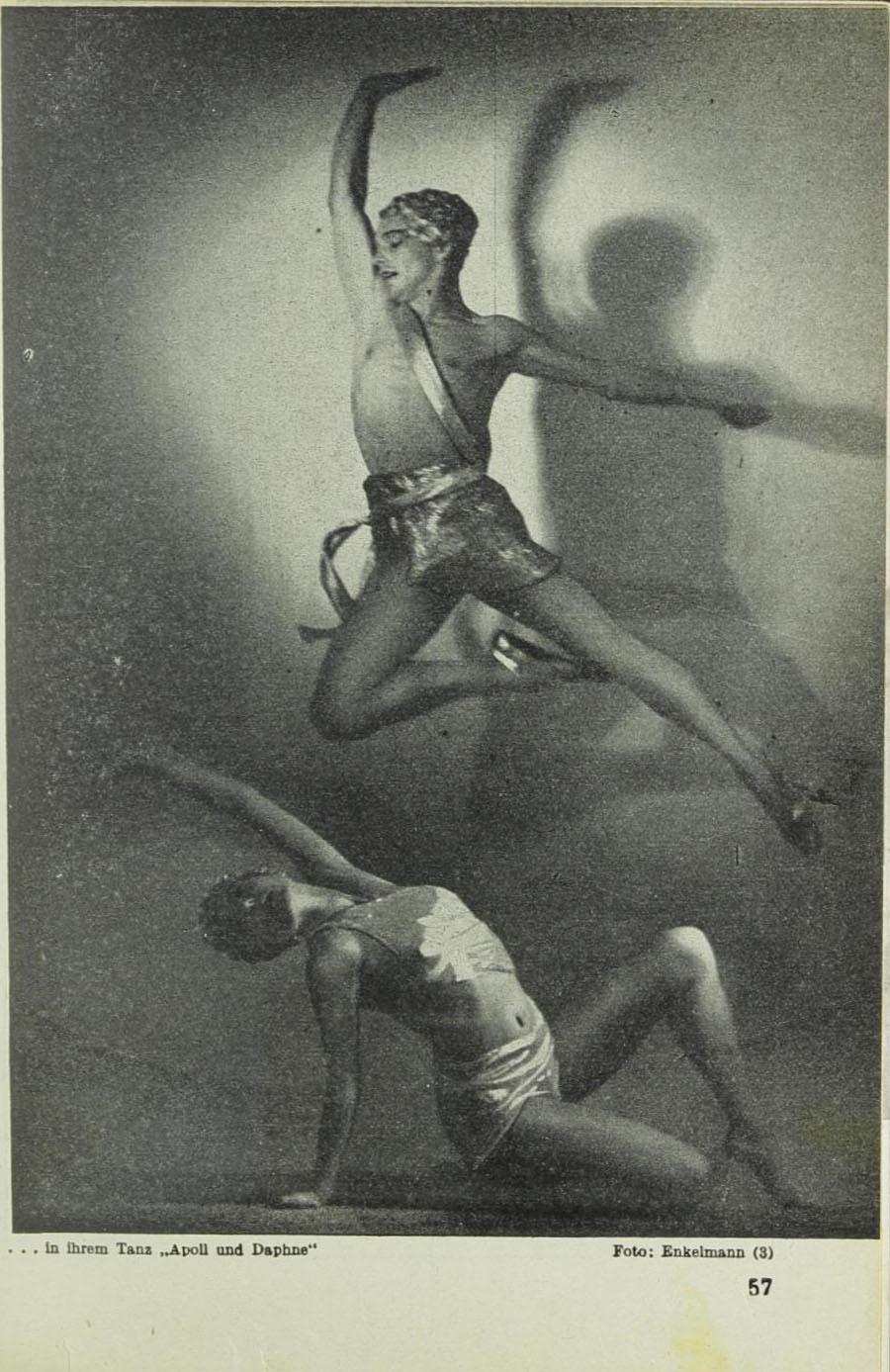
Apoll und Daphne · 1938

Siegfried Enkelman ~ Diasy Spies und Werner Stammer in ihrem Tanz ‘Apoll und Daphne’. Das Kleine Magazin B14 H14 (1938)
Siegfried Enkelman ~ Diasy Spies, Werner Stammer, Meistertänzer am Deutschen Opernhaus, Berlin in ihrem Tanz ‘Apoll und Daphne’. Das Kleine Magazin B14 H14 (1938)

De Kleine Komedie 1963

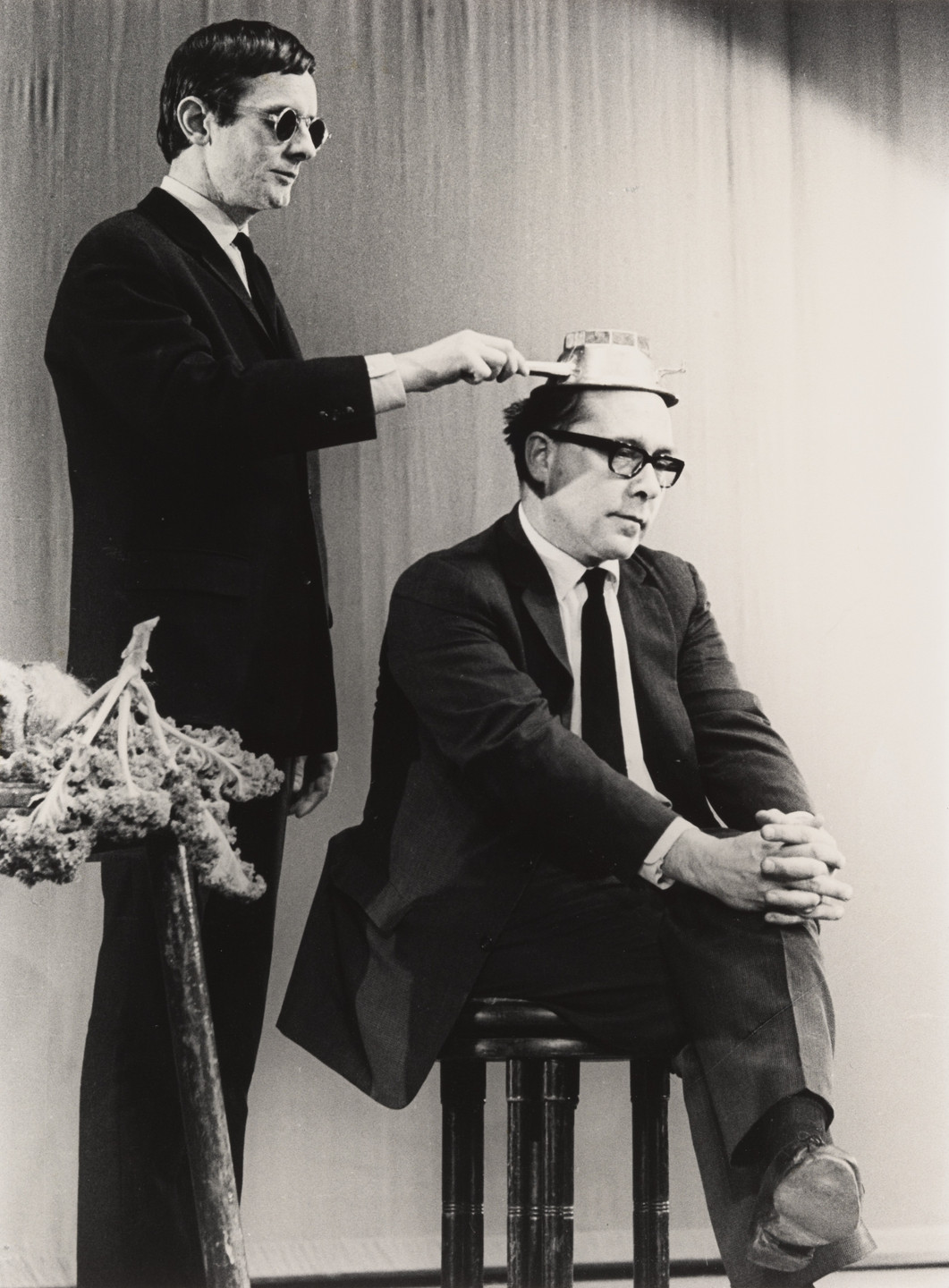
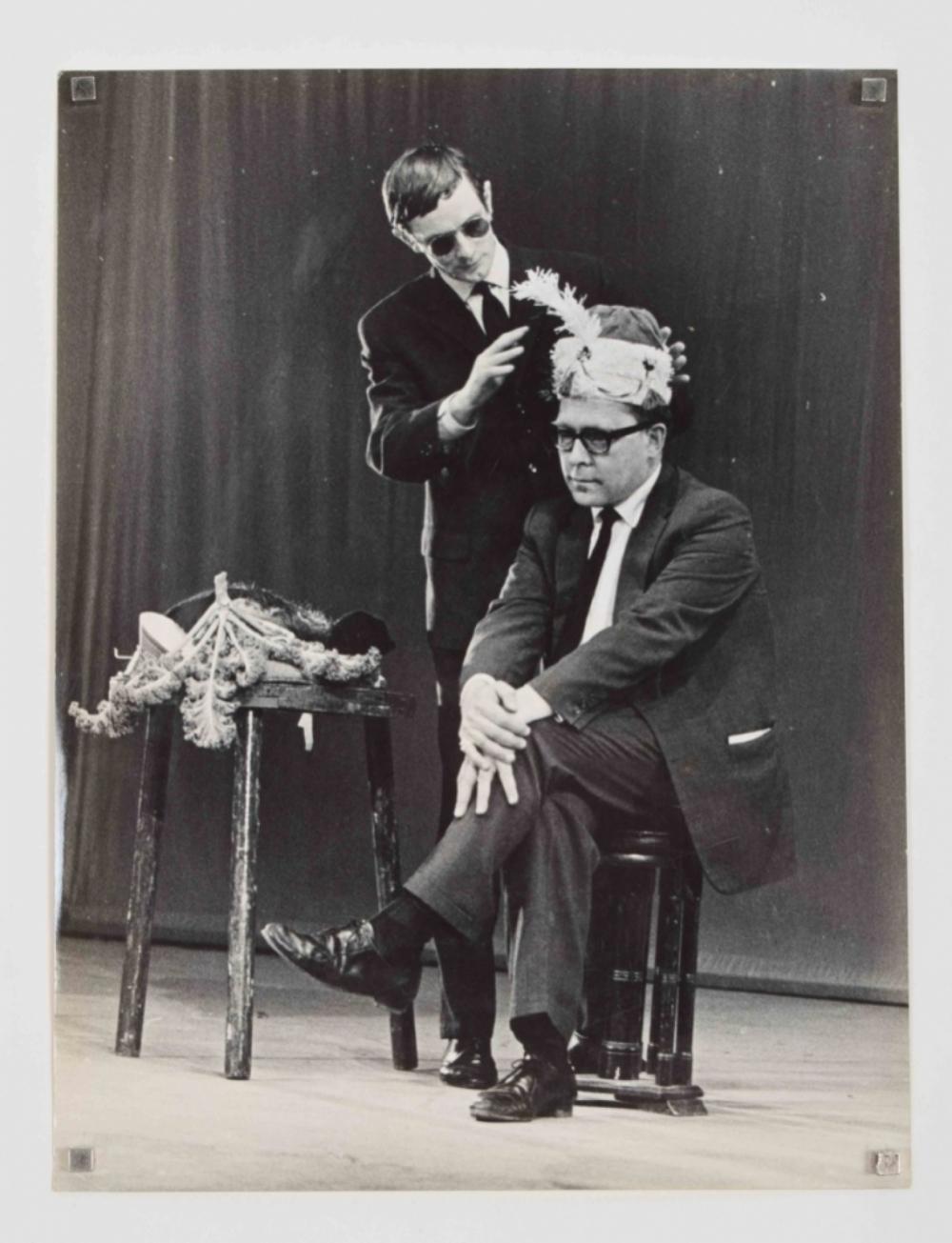
Fluxus artist Robert Filliou ~ 13 Ways to Use Emmett Williams’ Skull, performed during Internationaal Programma /Nieuwste Muziek/Nieuwste Theater/Nieuwste Literatuur, De Kleine Komedie, Amsterdam, December 18, 1963 | src MoMA
Fluxus artist Robert Filliou ~ Thirteen Ways to Use Emmett Williams’ Skull, 1963
Image featuring De Ridder’s (sic) Thirteen Ways to use Emmet Williams Head at the International Programme Newest Music – Newest Theatre – Newest Literature. Amsterdam, December 18 1963 | src Zwiggelaar Auctions
Designer Unidentified Program for Internationaal Programma Nieuwste Muziek, Nieuwste Theater,
Nieuwste Literatuur, De Kleine Komedie,
Amsterdam, December 18, 1963 | src MoMA
Willem de Ridder ~ Laughing, performed during Internationaal Programma/Niewste Muziek-Nieuwste
Theater/Nieuwste Literatuur
, De Kleine Komedie, Amsterdam, December 18, 1963 | src MoMA

Toni Schneiders · on sealife

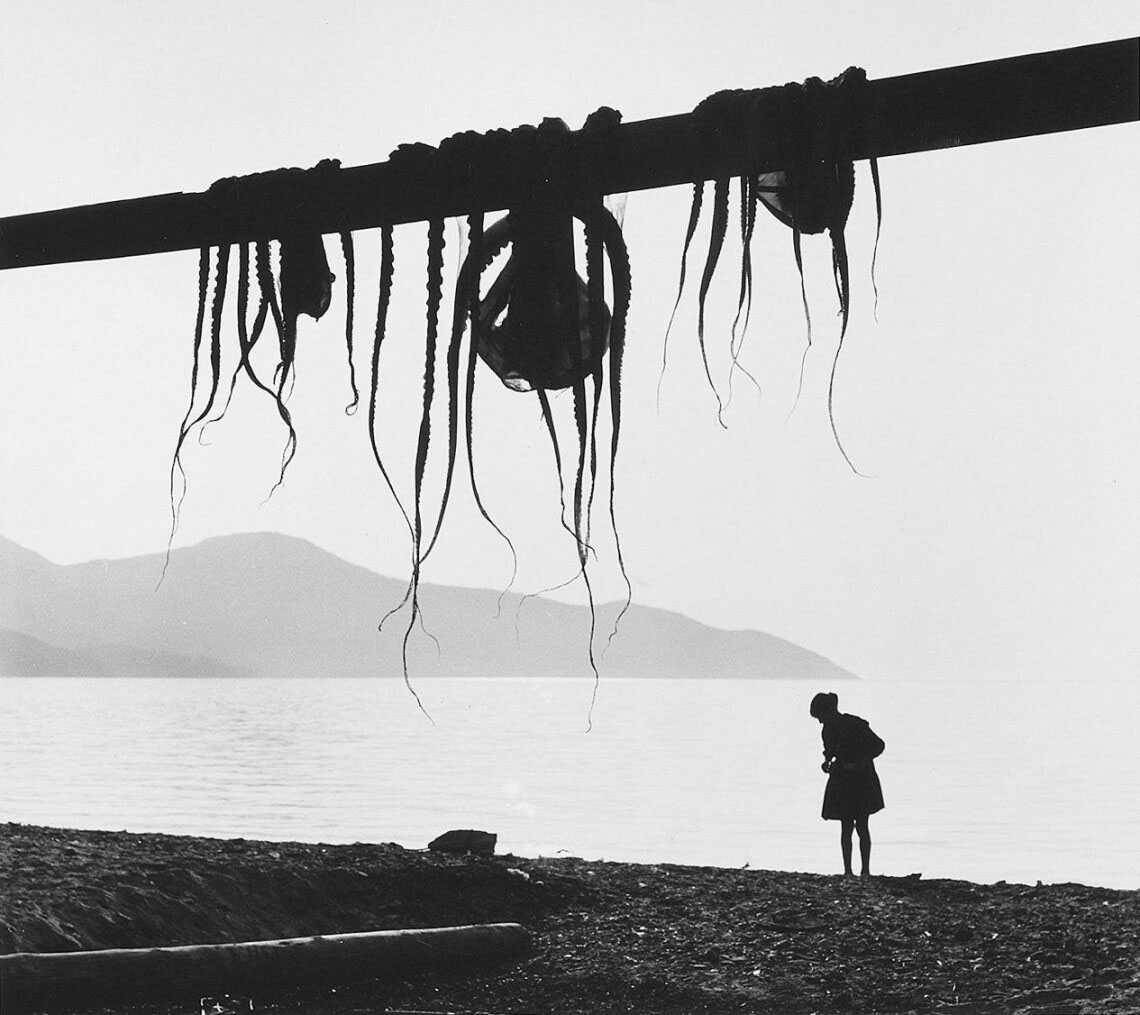
Toni Schneiders ~ Am Strand von Limena (On Limenas beach), Thassos, Mai 1961 | src Stiftung F.C. Gundlach ~ Schneiders archive

Toni Schneiders (1920-2006) is one of the great German photographers of the 20th century. With his formal, pictorial ambitions and his exciting motifs, he made a significant contribution to the renewal of photography after 1945. In 1949, he was a founding member of the fotoform group, which freed itself from the propaganda photography of the Nazi era through its artistic rigour and also set itself apart from the pleasing post-war photography, thus gaining international recognition.

Toni Schneiders’ photographs are characterized by formal rigour, virtuoso lighting and concentration on the essential pictorial elements [accentuating image details and emphasizing surface and line, including contour and structure]. But they are also permeated by the artist’s great interest in his subject, whom he depicts sometimes melancholically, sometimes poetically and sometimes cheerfully, but always with great empathy. In this way, Toni Schneiders succeeded in combining the rigour of fotoform, which was based on the New Objectivity of the 1920s, with his very personal, sometimes even humorous point of view. His photographs were published in more than 200 illustrated books.

The interplay of humanity, depth of content and formal rigour reflected in his work makes his works unique and a pleasure for the inclined viewer.

Text adapted from Stiftung F.C. Gundlach / Toni Schneiders bio

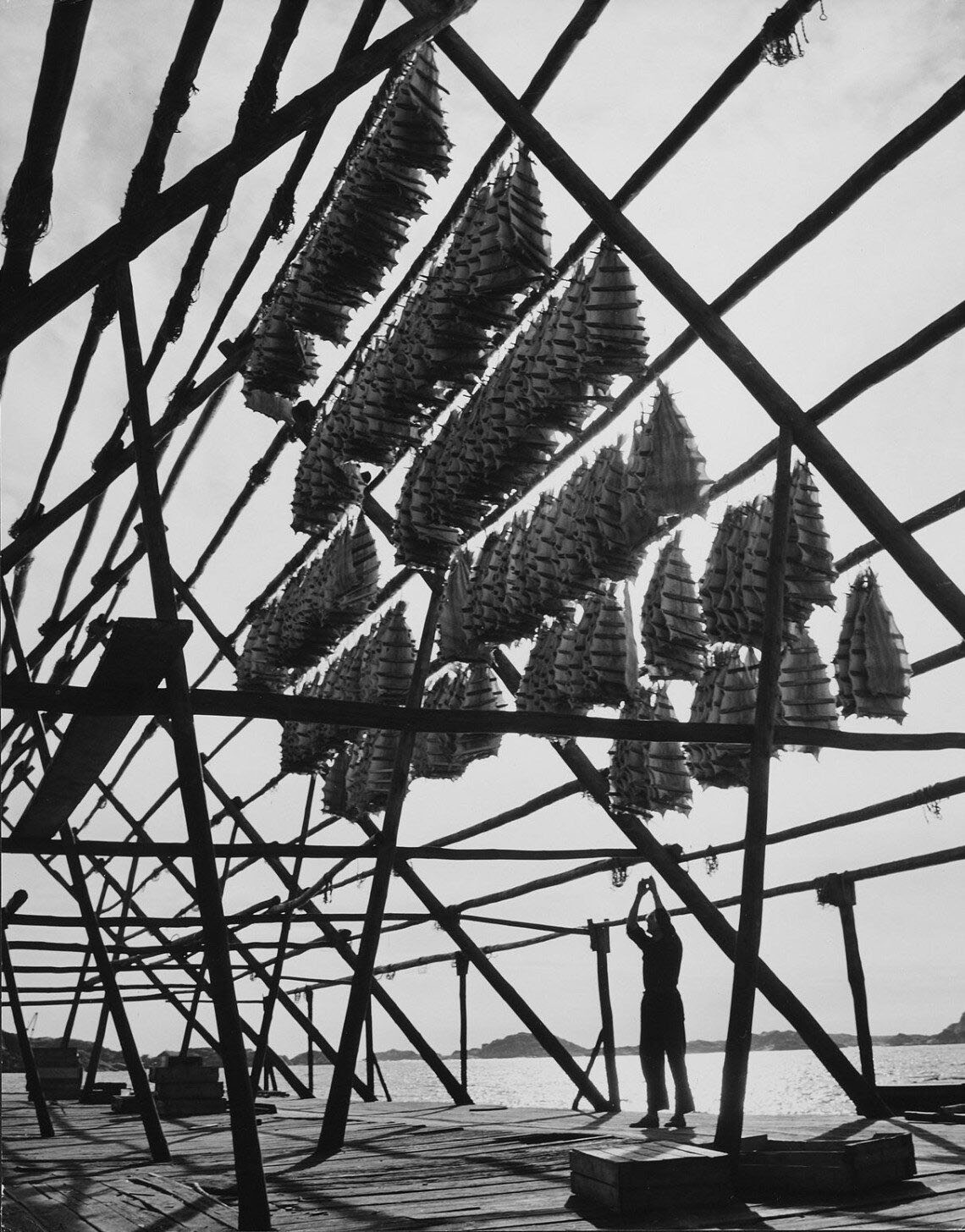
Toni Schneiders ~ Klippfisch (Rockfish). Bohuslän, Schweden, Aug. 1958 | src Stiftung F.C. Gundlach ~ Toni Schneiders archive
Toni Schneiders ~ Fischmarkt in Sesimbra, Portugal, 04-1968 | src Stiftung F.C. Gundlach ~ Toni Schneiders archiv
Toni Schneiders ~ Fishmarket in Sesimbra, Portugal, 04-1968 | src Stiftung F.C. Gundlach ~ Toni Schneiders archiv

Kolliner Cirul und Pfundmayr

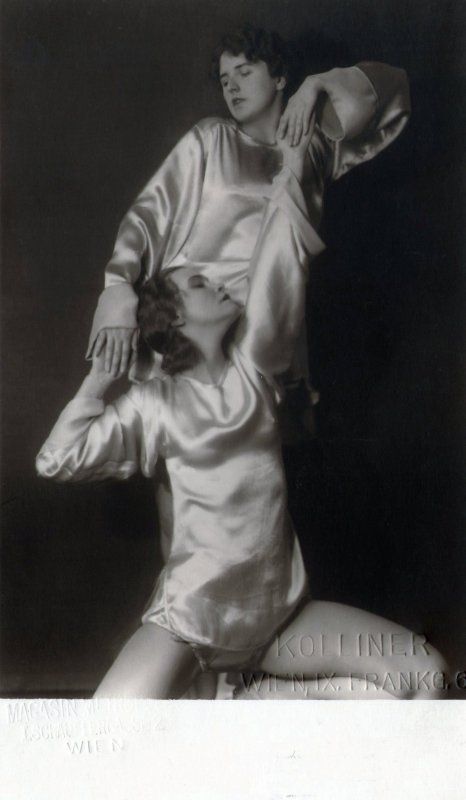
Grete Kolliner (1892-1933) ~ Die Tänzerinnen Hedi Pfundmayr und Mira Cirul, Wien, um 1925 | src Wien Museum
Grete Kolliner (1892-1933) ~ The dancers Mila Cirul and Hedy Pfundmayr, 1920s | src skyrock

femme et chat · deux intimes

Deux intimes (fig. 4). Young woman playing with her cat. France, ca. 1900. Half of a stereographic card. RV-443542 © Roger Viollet | src getty images
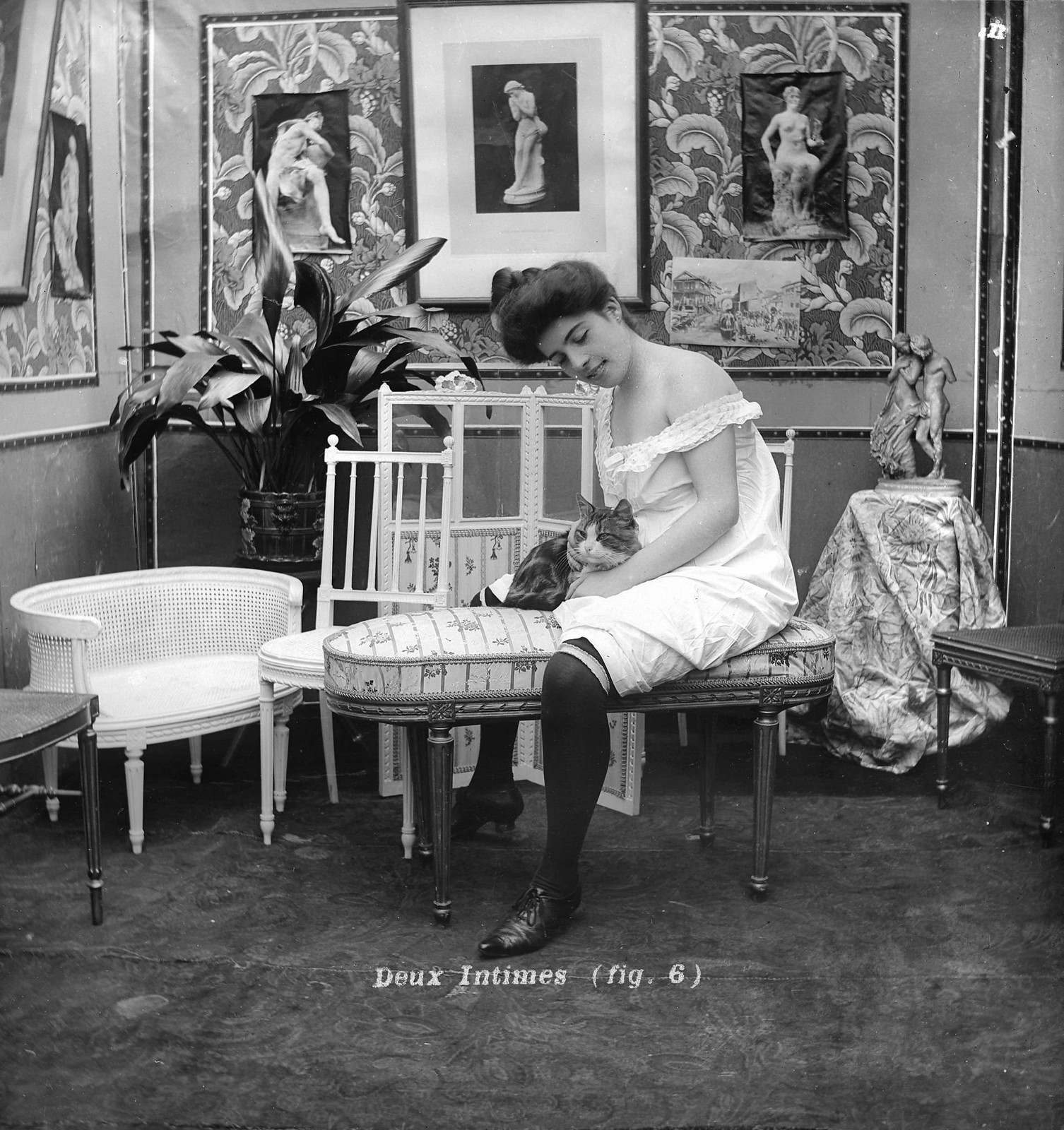
Deux intimes (fig. 6). Young woman playing with her cat. France, ca. 1900. Half of a stereographic card. RV-443540 © Roger Viollet | src getty images
Portraits mondains (94). Young woman playing with her cat owing a mirror. France, ca. 1900. Half of a stereographic card. RV-443543 © Roger Viollet | src getty images
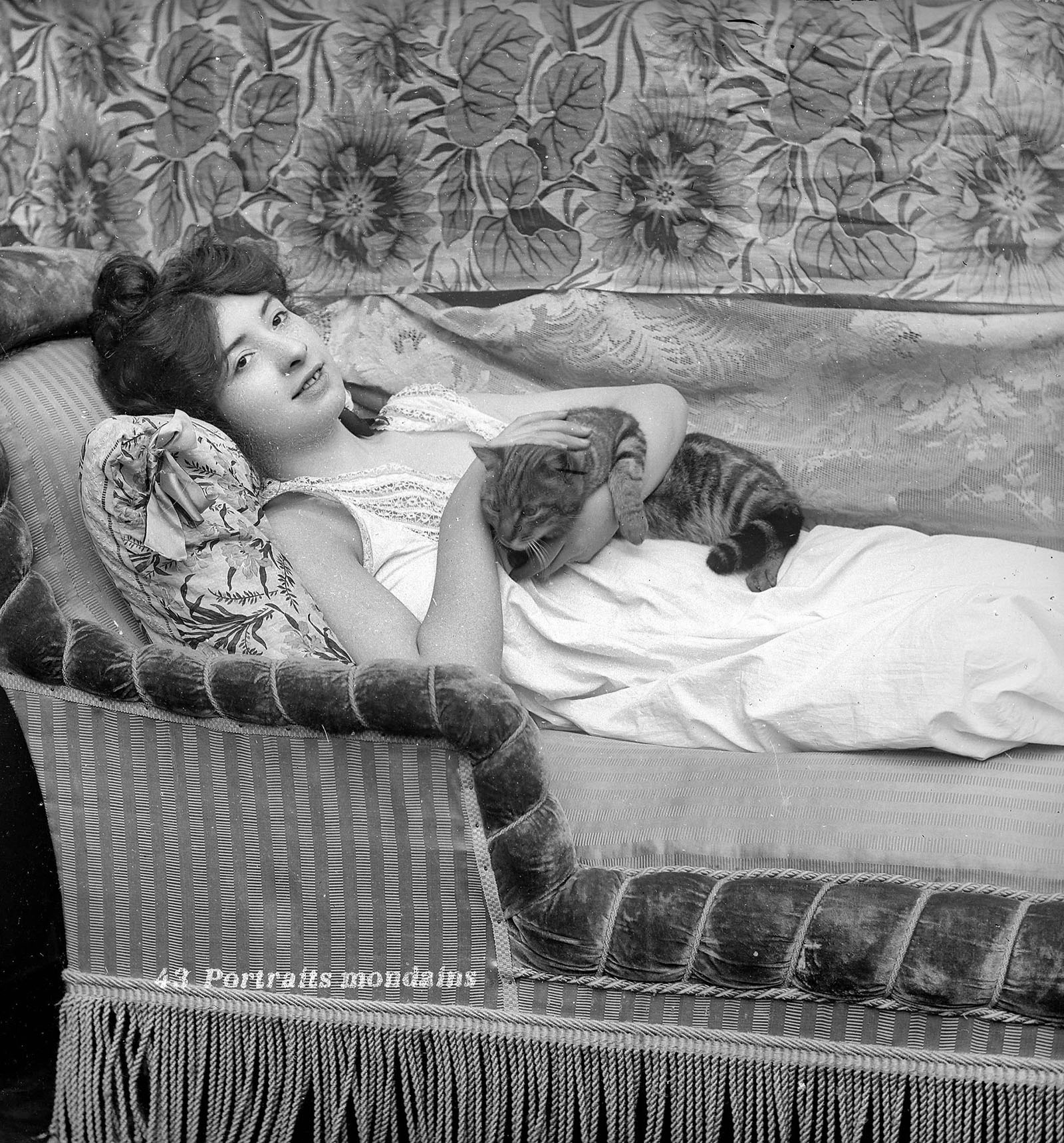
Portraits mondains (43). Young woman stroking her cat in a sofa. France, ca. 1900. Half of a stereographic card. RV-443536 © Roger Viollet | src getty images