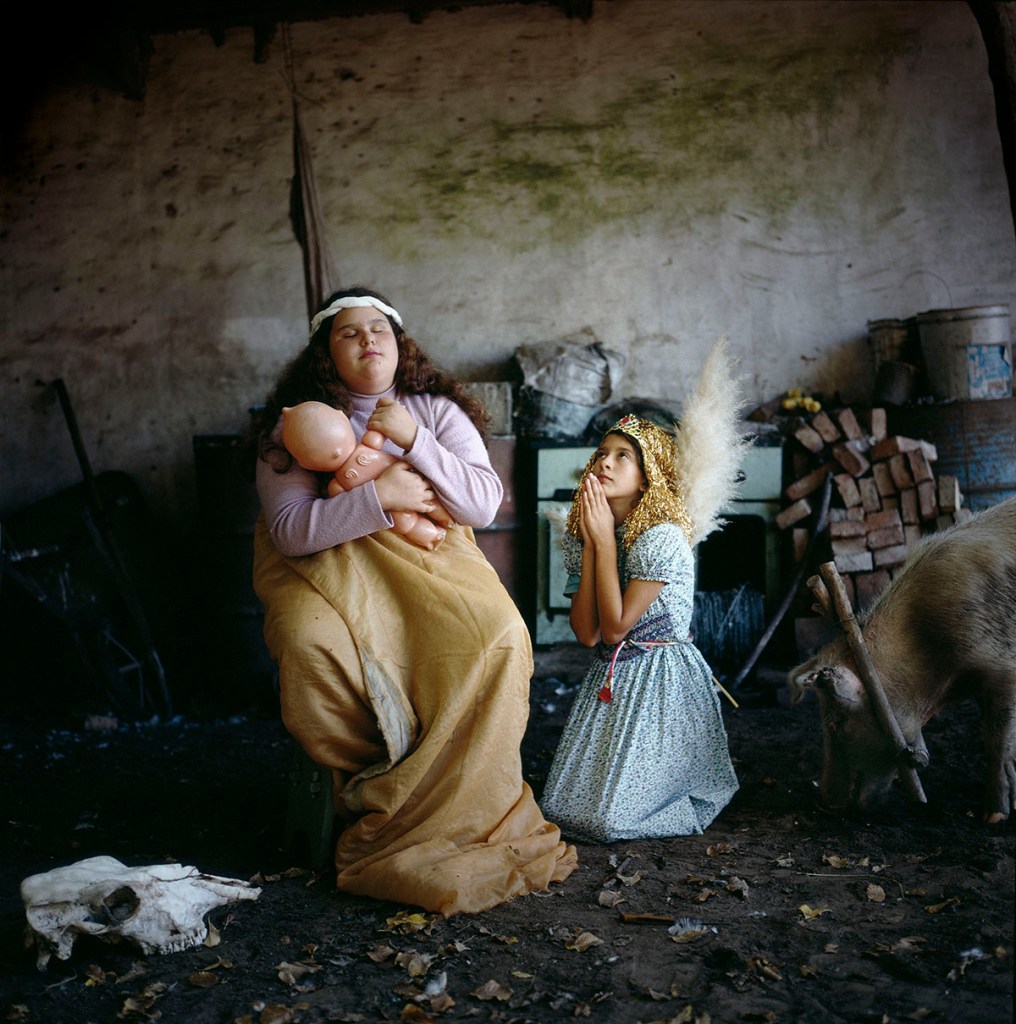
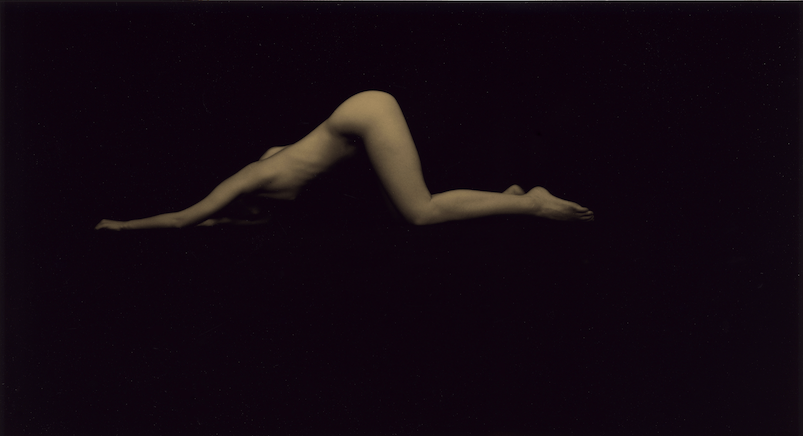
La Virgen (The Madonna), 2001
images that haunt us

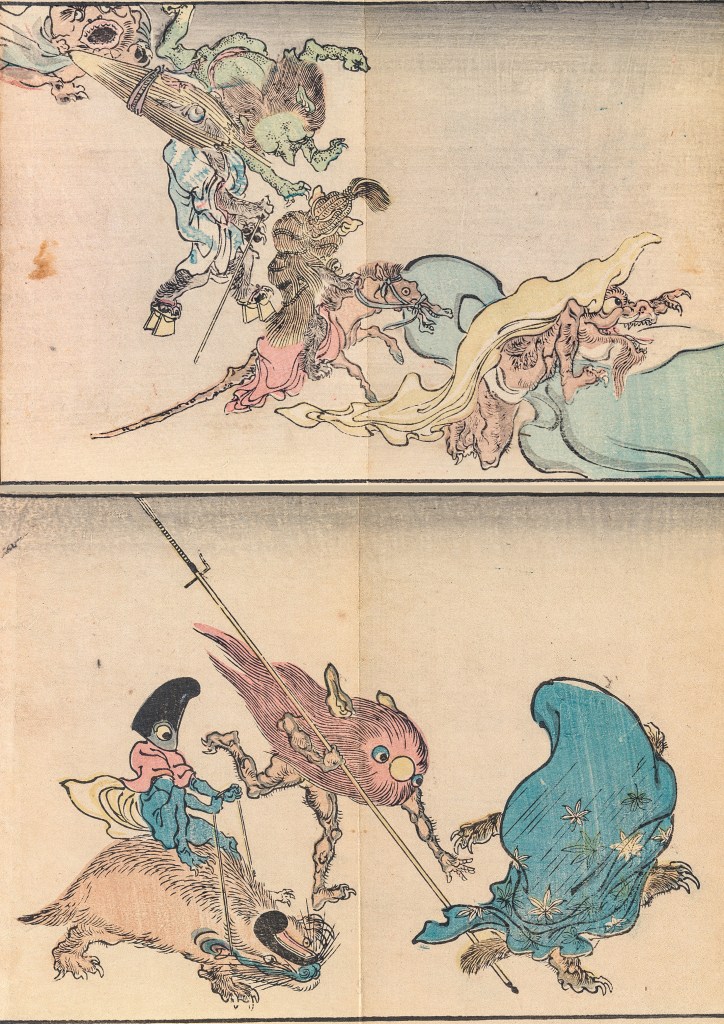


Kyōsai’s Hyakki gadan features many, or “one hundred,” ghosts (yōkai 妖怪) and monsters (bakemono 化け物). The yōkai are a class of supernatural monsters, spirits and demons in Japanese folklore. In addition to the folklore in Kyōsai’s Hyakki Gadan the history of the narrative is also an important element to Kyōsai’s work. This popular topic has many precedents, including the many illustrated books by Toriyama Sekien from the eightteenth century, with one of the earliest extant examples the painting by Tosa Mitsunobu from the 1500s.
The topic of these spectral figures was also part of the tradition of telling ghost stories, particularly enjoyed during the summer months. On some occasions, people would gather at dusk and tell ghost stories to each other, extinguishing a candle after each story would be completed. As each candle was blown out, it was thought that a yōkai would appear in the room. This is illustrated in Hyakki Gadan in the image where a man dressed in black is telling a scary tale to a group of people . Soon after the book shows a parade of yōkai and bakemono entering, shown moving across the page from the right to the left. At the end, the monsters run from the rising sun back to the underworld. For Kyōsai, the story is clearly about these monsters and the relationship they have with people. There is little to no background in the images. Thus, it pulls the reader into the “floating world.” This is a dream space, a place for stories, and a lack of background is disorienting yet places the reader into the appropriate space for the story to take place. This place is somewhere in the world of dreams, and the light at the end seems to wake the reader out of this world. (source of text: University of Pennsylvania Libraries)


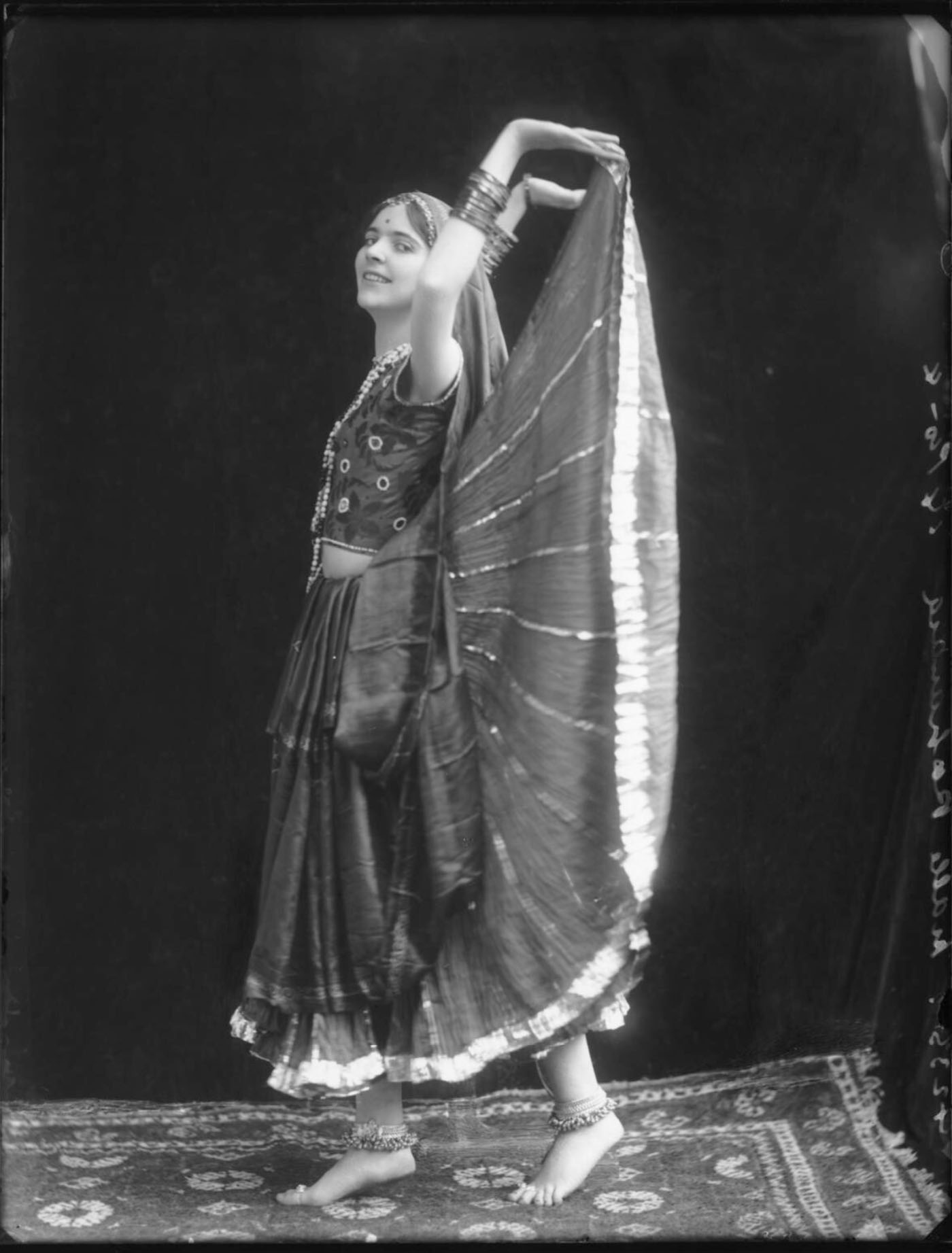
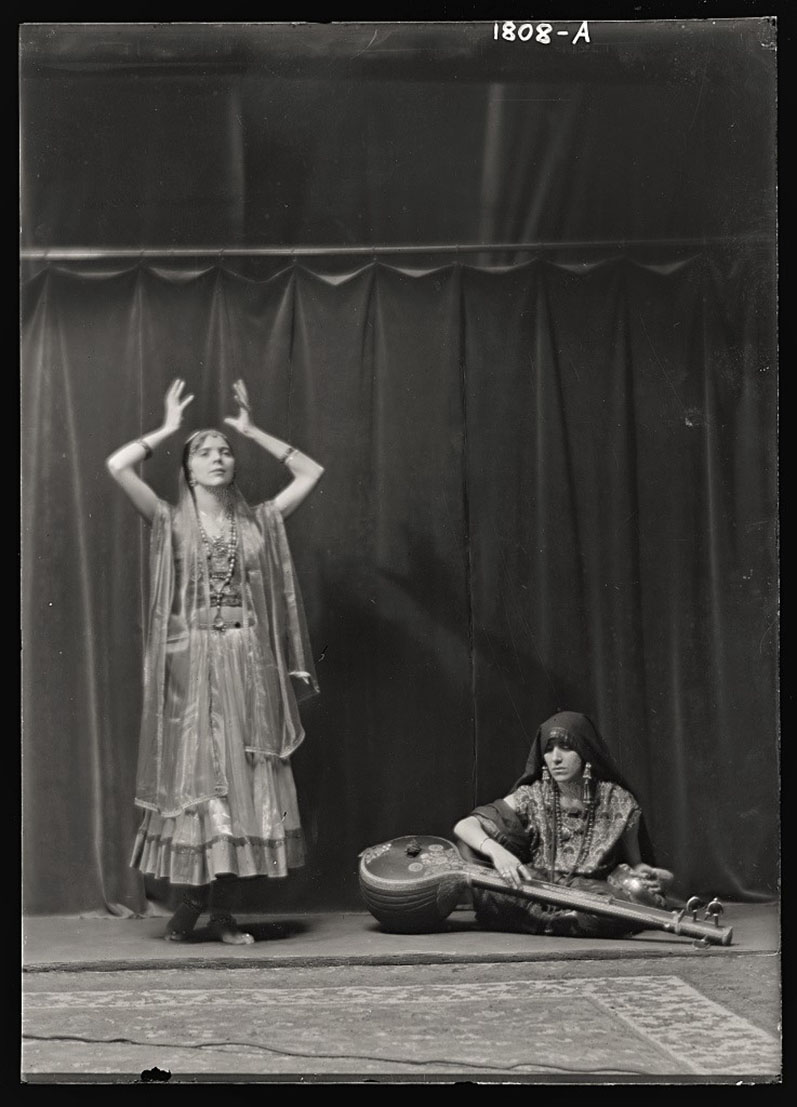
Olive Craddock, an Anglo-Indian born in 1892 in Kolkata, was known for taking the ‘central-Indian’ and ‘oriental’ style of dancing across the world. Born to a British mother and Anglo-Indian father, she was only 17-years-old when she left for Britain to dance professionally. Along with Ruth St. Denis, Craddock is credited for incorporating the ‘Indian dance’ in the world of Western theater.
In 1926, the reviewer Alma Talley wrote in The Dance magazine: ‘Roshanara has brought to the Western World the spirit of Central India as no one else has ever been able to bring… India’s dances were a part of her soul. She devoted her life to perfecting them, as an artist in water colours gives years of study to making his art as nearly perfect as perfection is humanly possible.’ Craddock adopted the name ‘Roshanara’ in 1909, as she left India, after the Mughal princess and Shahjahan’s daughter, which meant ‘Light-Adorning’. This would go on to be her stage name. In 1911, Craddock (now Roshanara) studied under Carmen Tórtola Valencia, the Spanish dancer and choreographer. She also danced with American actress and dancer Loïe Fuller’s company and shortly after, performed in the play Kismet directed by Australian actor and writer Oscar Asche at the Garrick Theater in London. She also starred five times as Zobeide in Schéhérazade for the Ballets Russes at Covent Garden, London.