Marion Morgan dancers by Genthe

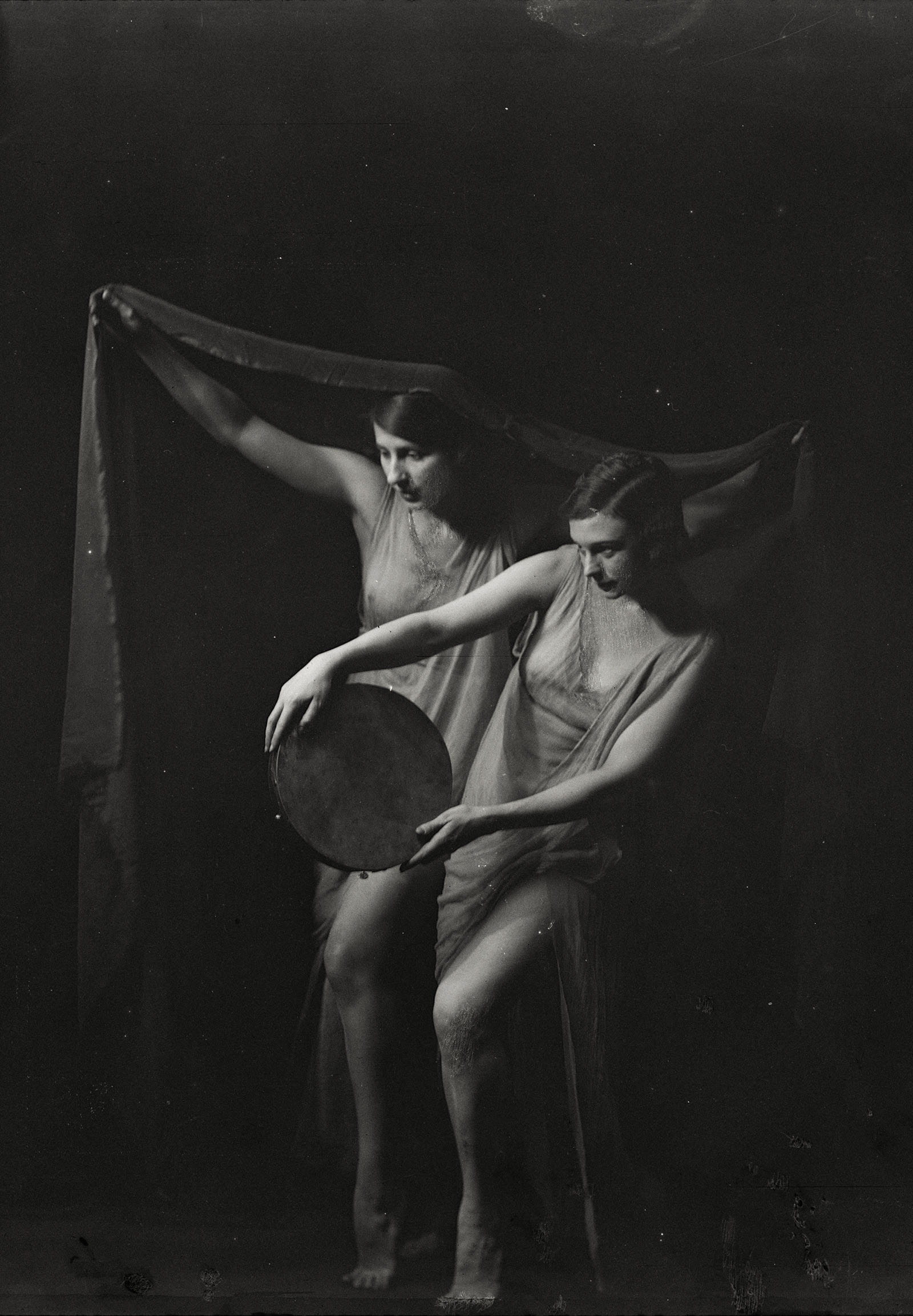
Arnold Genthe (1869-1942) ~ Marion Morgan dancers, 1914-1927. Nitrate negative (detail)
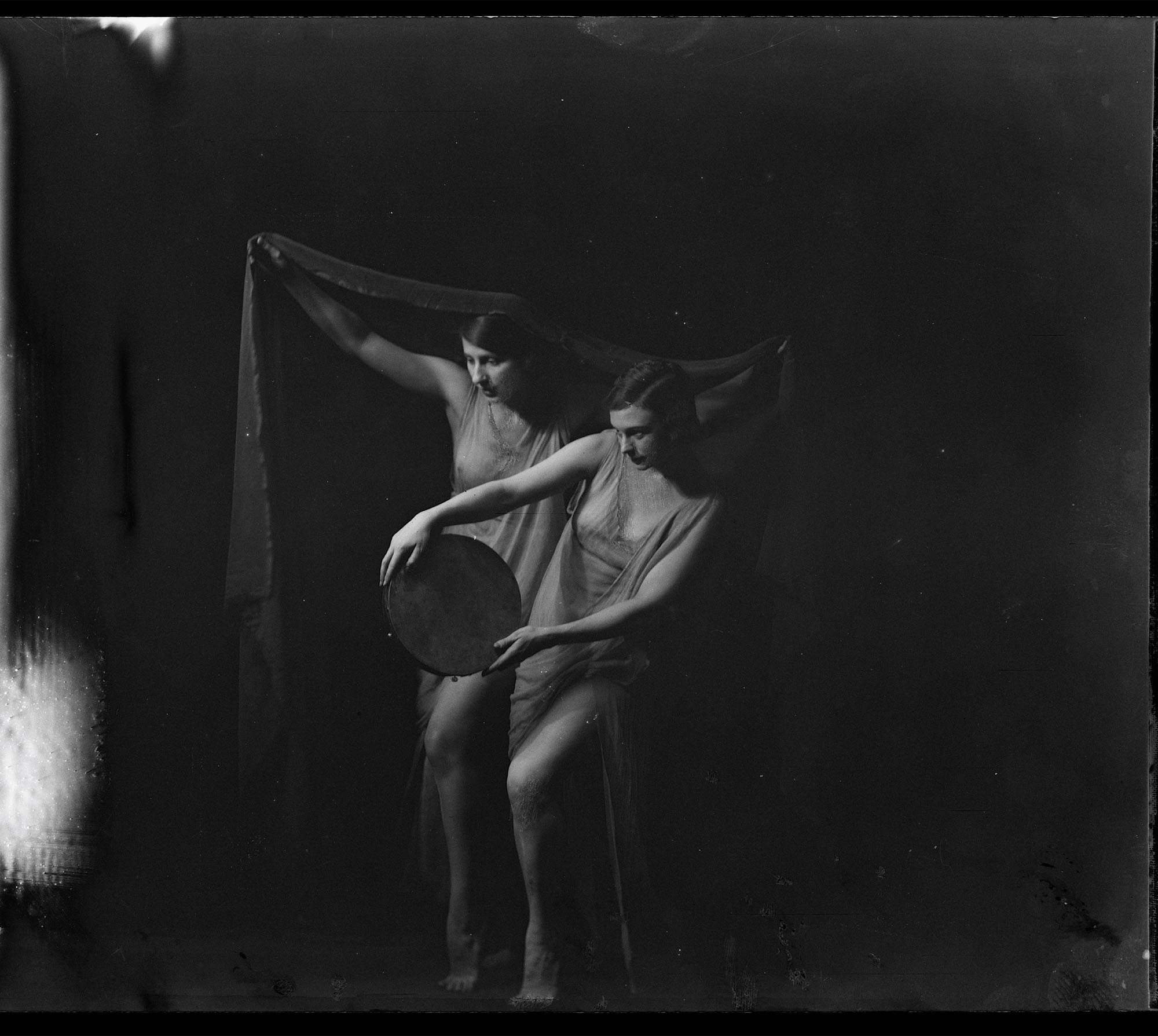
Arnold Genthe (1869-1942) ~ Marion Morgan dancers, 1914-1927. Nitrate negative | src Library of Congress
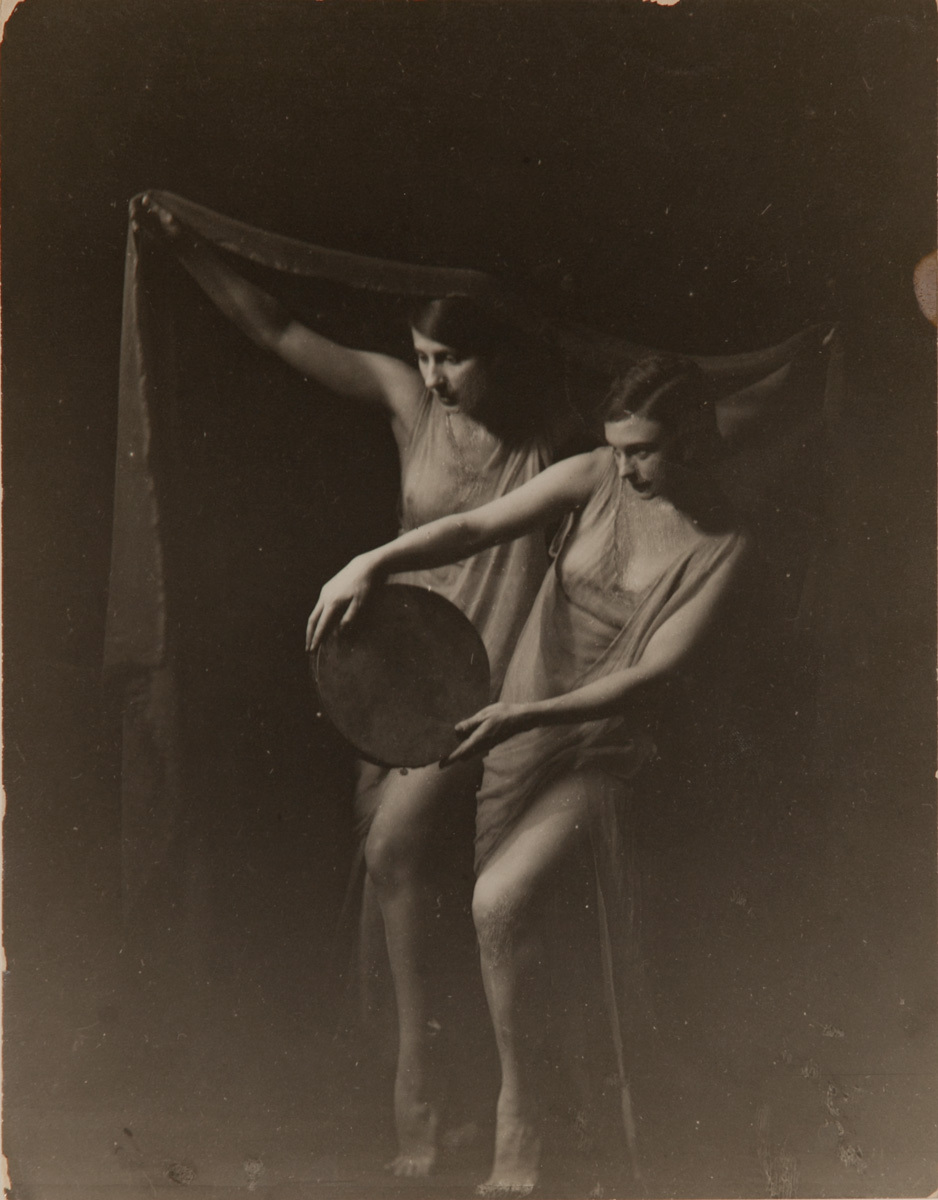
Arnold Genthe (1869-1942) ~ Marion Morgan dancers [from out of the shadows], 1920s | src david pollack

Tea-time by Gertrude Käsebier

Gertrude Käsebier (1852-1934) ~ [The Artist’s Daughter, Hermine, and her Children at Tea]; Waban, Massachusetts, 1910. Platinum print. | src Getty museum
Gertrude Käsebier ~ A group of two women, one boy, and three young girls having tea outdoors, ca. 1905. One of the girls attends to a kitten with a bowl of milk. (George Eastman Museum via getty images)

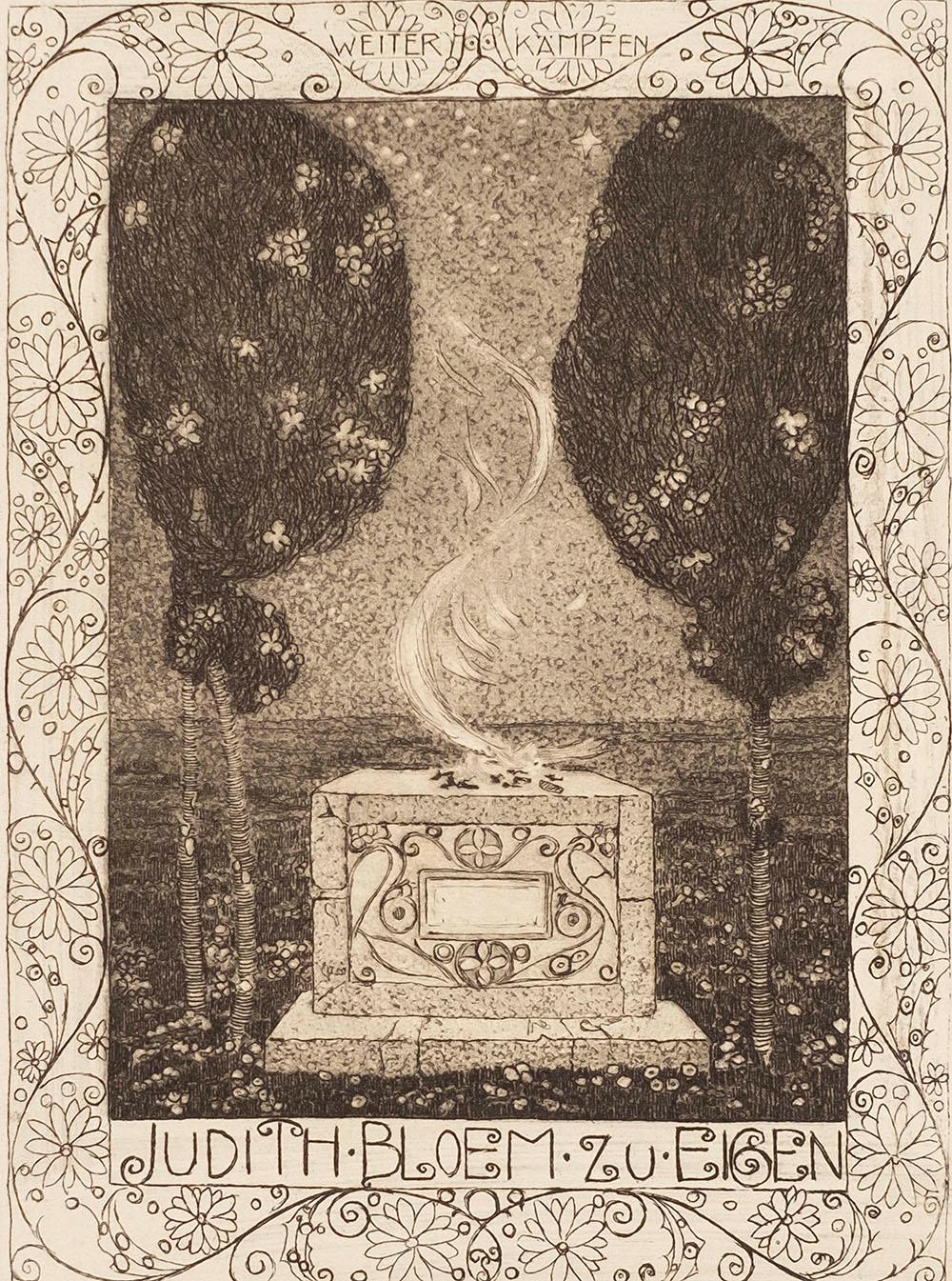
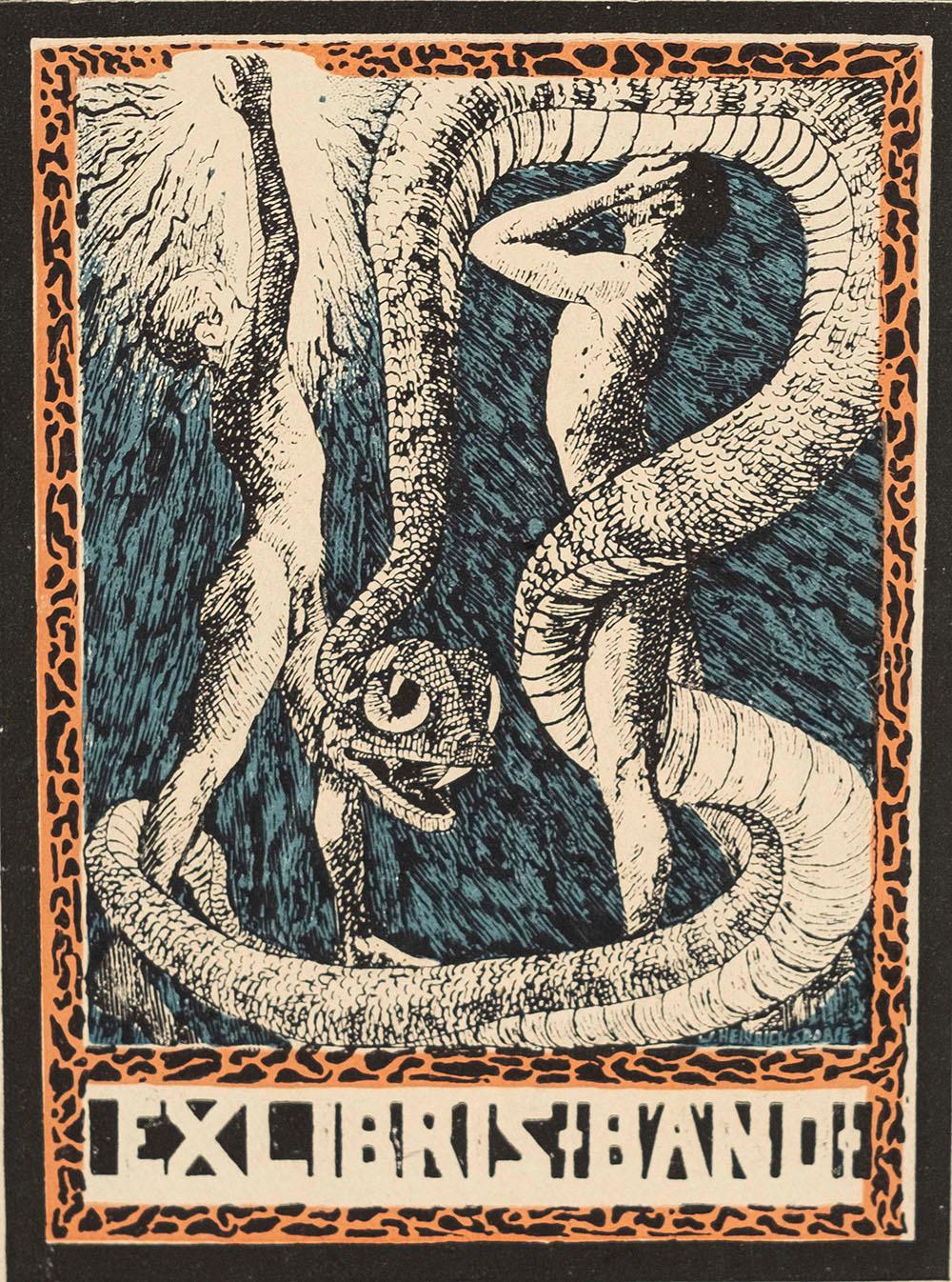
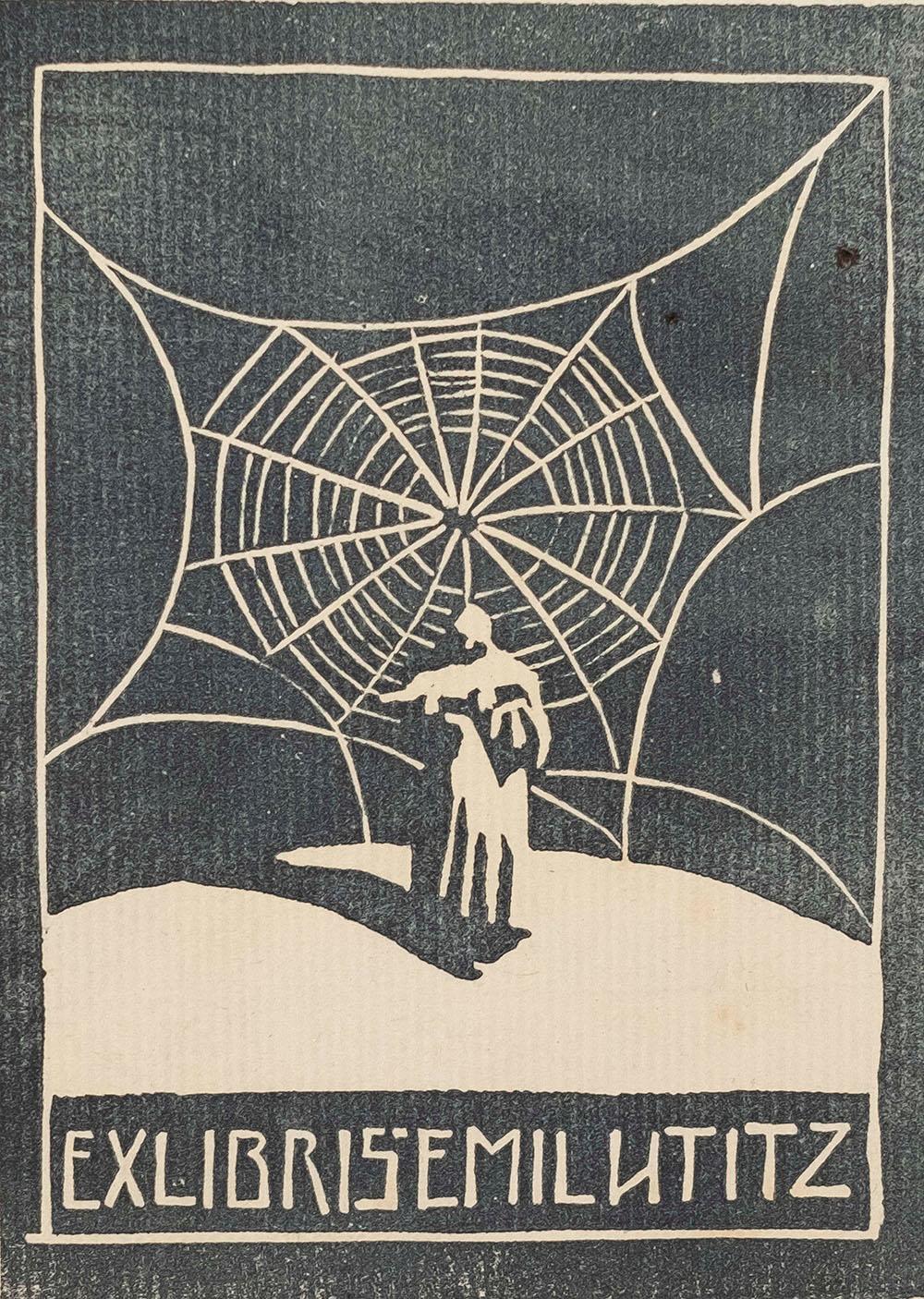
Ex-libris

Exlibris / weiter kampfen / Judith Bloem zu Eigen | src Schneider-Henn (link to pdf)
W. Heinrichsdorf ~ Exlibris, Motivsammlung: Die Schlange | src Schneider-Henn (link to pdf)
Exlibris / emilhtitz | src Schneider-Henn (link to pdf)
Ex-libris / Karl Sievert | src Schneider-Henn (link to pdf)

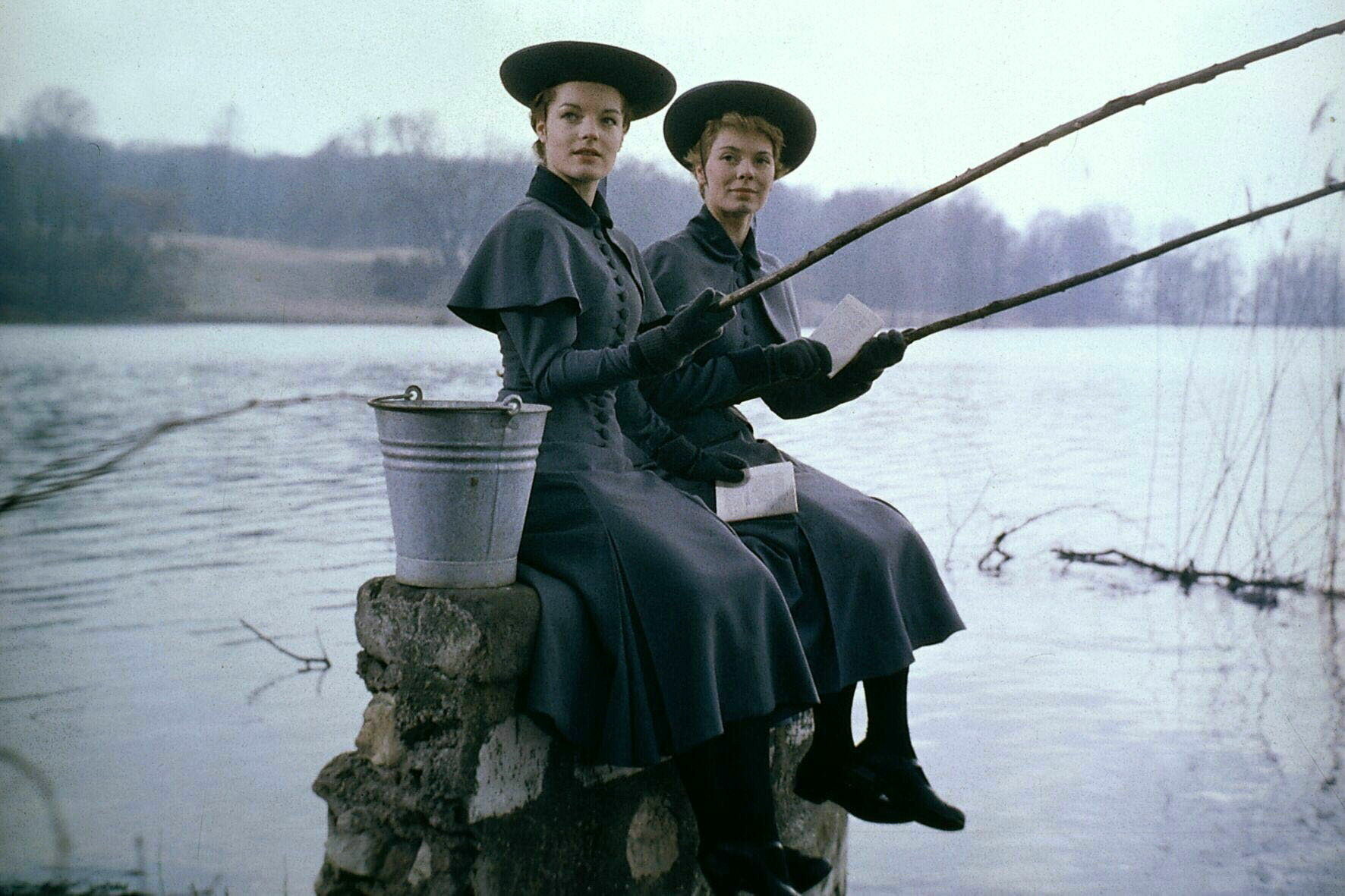
Mädchen in Uniform · 1958

Manuela von Meinhardis (Romy Schneider) genießt die Ruhe beim Angeln mit ihrer Klassenkameradin Johanna (Paulette Dubost). Ein seltener Spaß abseits vom strengen Mädchenstift (1958) | src getty images

Manuela von Meinhardis (Romy Schneider) enjoys the peace and quietness while fishing with her classmate Johanna (Paulette Dubost). A rare fun away from the strict girls’ school. Scene from Mädchen in Uniform, directed by Geza von Radvanyi (Germany / France, 1958). Produced by: Central Cinema Company Film (CCC)
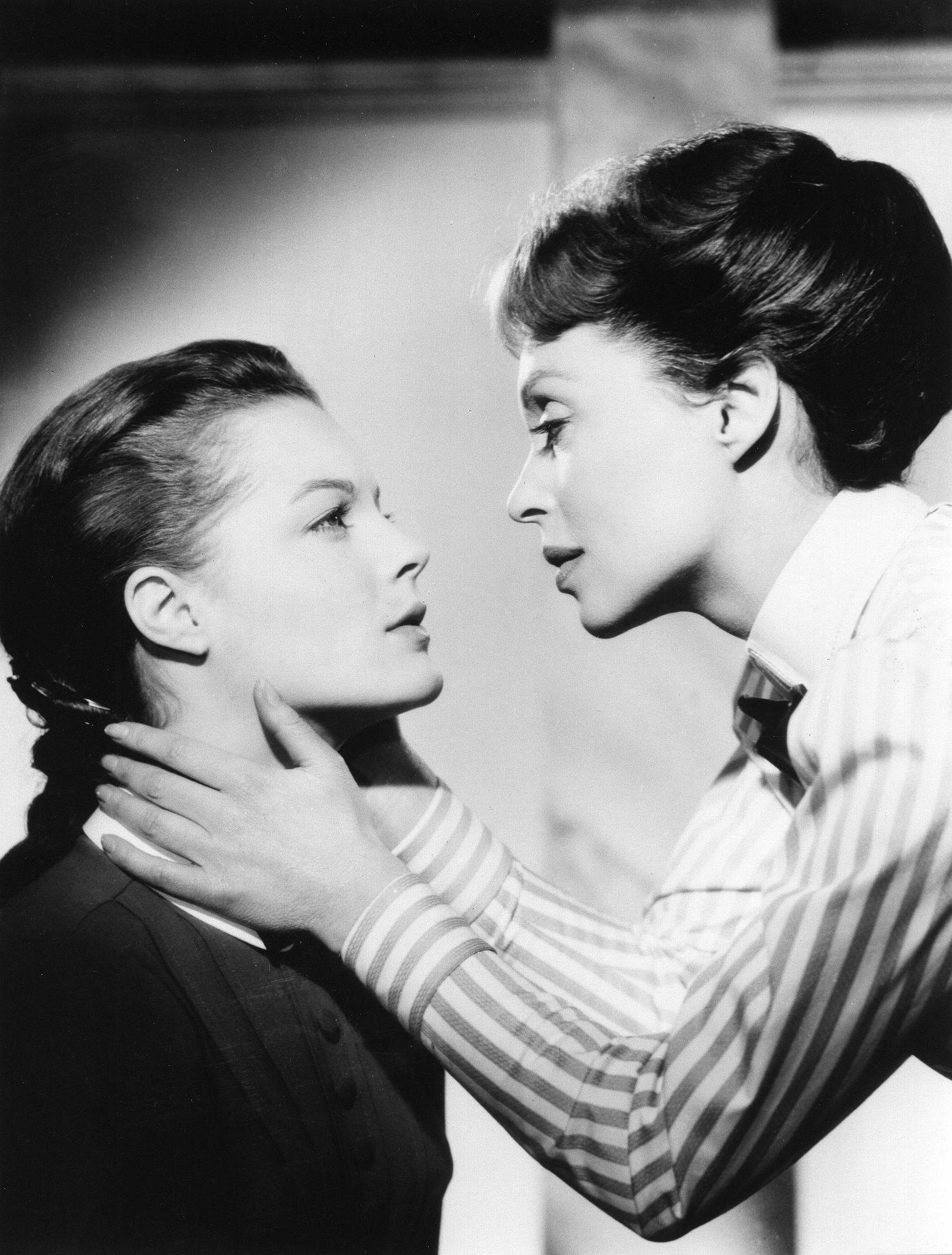
Romy Schneider with Lilly Palmer. Scene from the movie ‘Mädchen in Uniform’; directed by Geza von Radvanyi (Germany / France, 1958). Produced by Central Cinema Company Film | src getty images

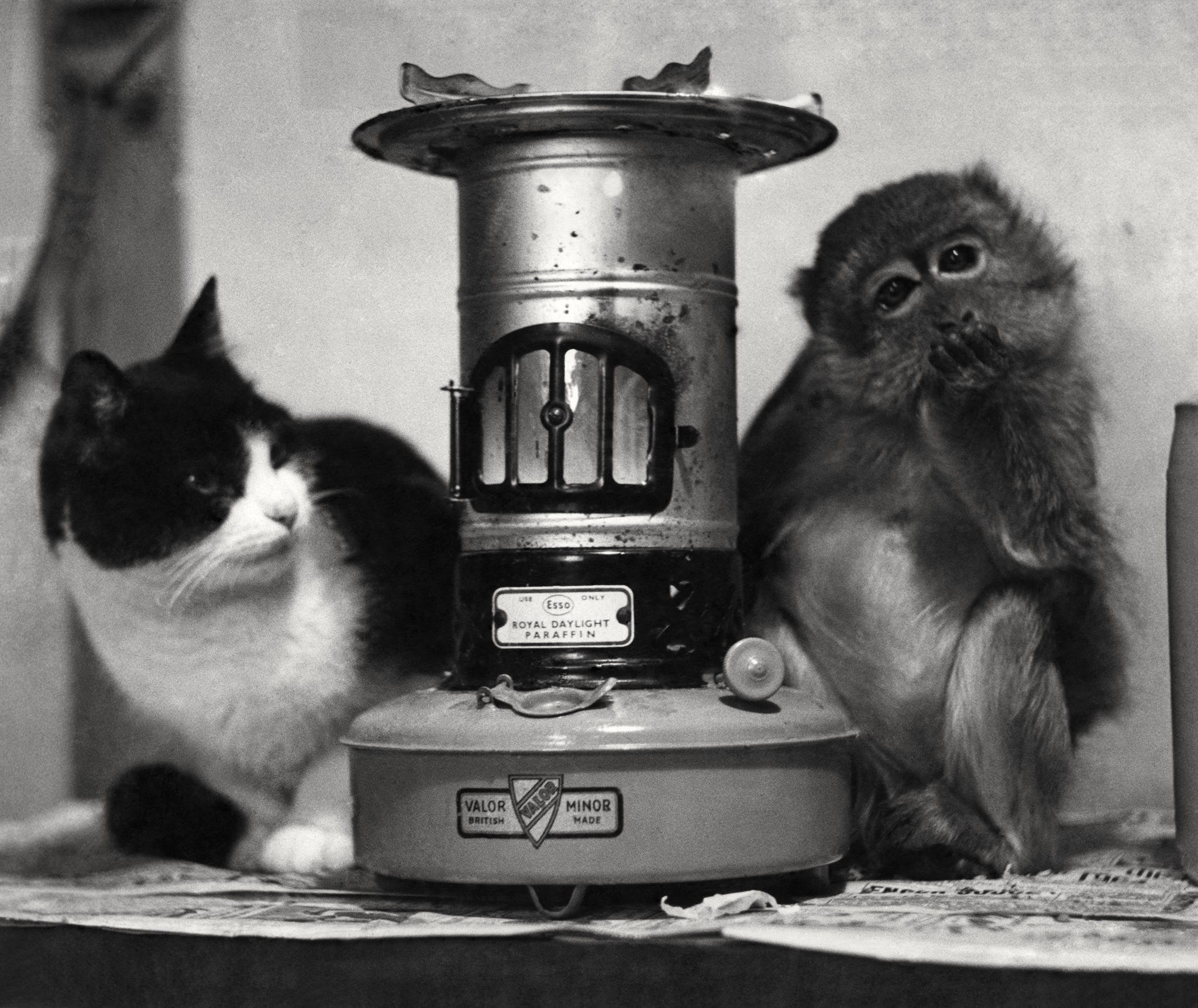
Colleagues keeping warm 1951

Pet Indian monkey named Josephine with its colleague Peter the cat, November 1951 | src getty images

Original caption on source: Miss Maria Chaliter, of Lowfield Heath, Crawley, Sussex, has advertised for a home for her 14 year old pet, an Indian monkey named Josephine. The owner has little time to devote to Josephine new she works on the land. During the day the monkey sits between a hot water bottle and paraffin stove to keep warm, with its colleague, Peter the cat. These pictures show the scene in the kitchen of Miss Chaliter’s home today with Josephine endeavouring to keep warm. November 1951.
Autochromes de Acillona

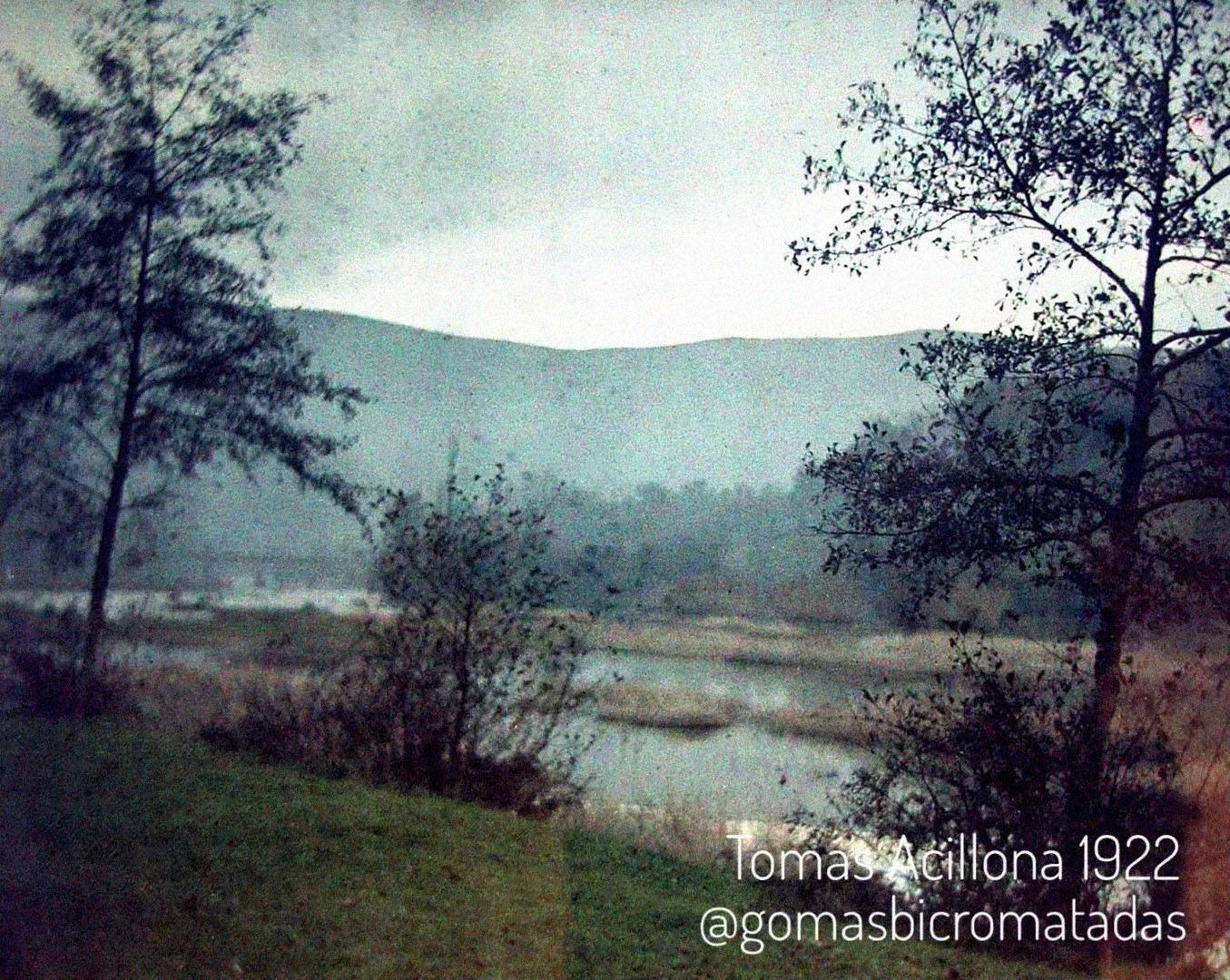
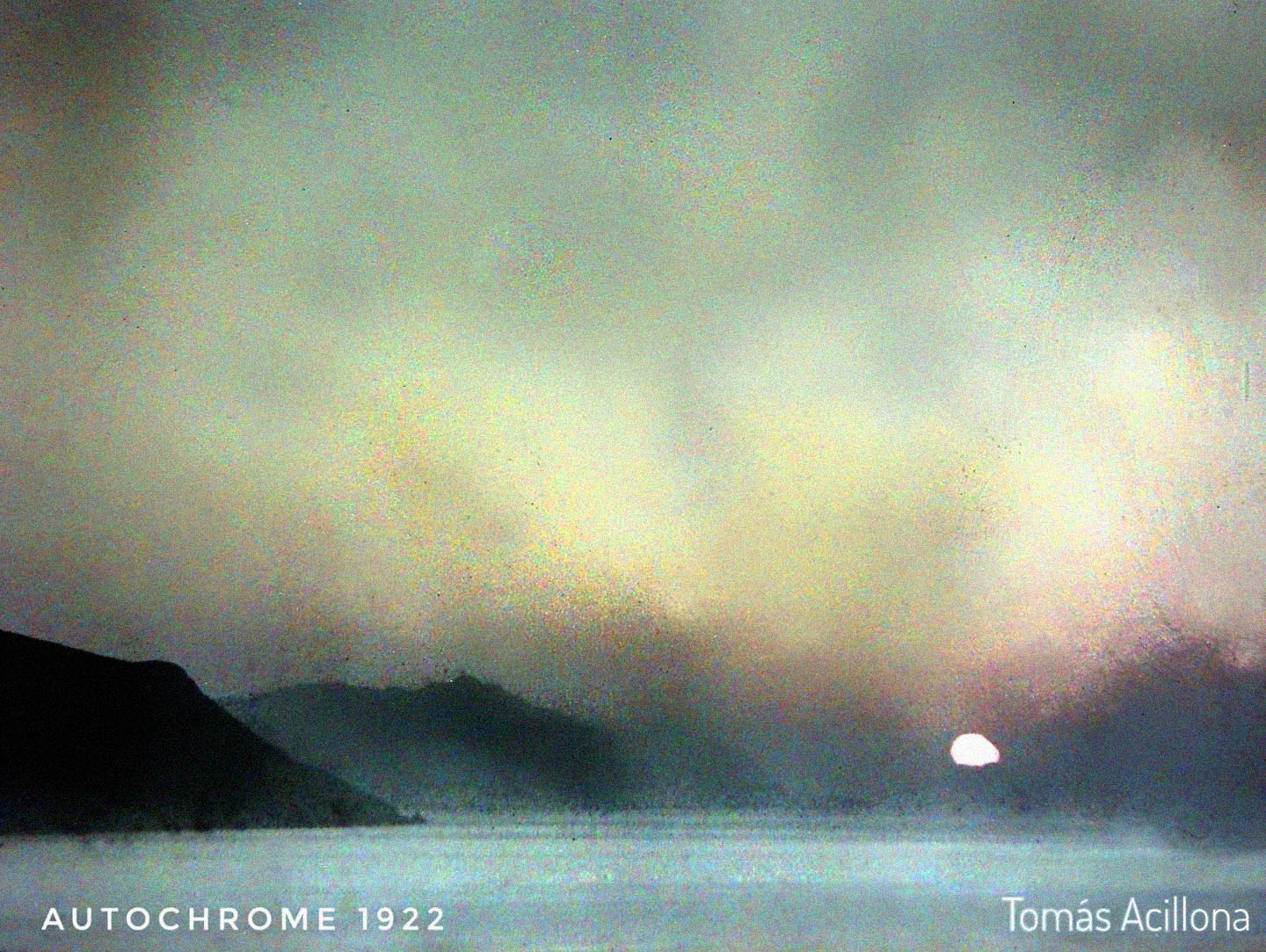
Tomás Acillona (1893 – 1957) ~ Sin título, 1922. Autochrome | src gomas-bicromatadas on IG
Tomás Acillona (1893 – 1957) ~ Puesta de sol en la Playa de Arrigunaga, 1922. Autochrome | src gomas-bicromatadas IG
Tomás Acillona (1893 – 1957) ~ Sin título, 1922. Autochrome | src gomas-bicromatadas on IG

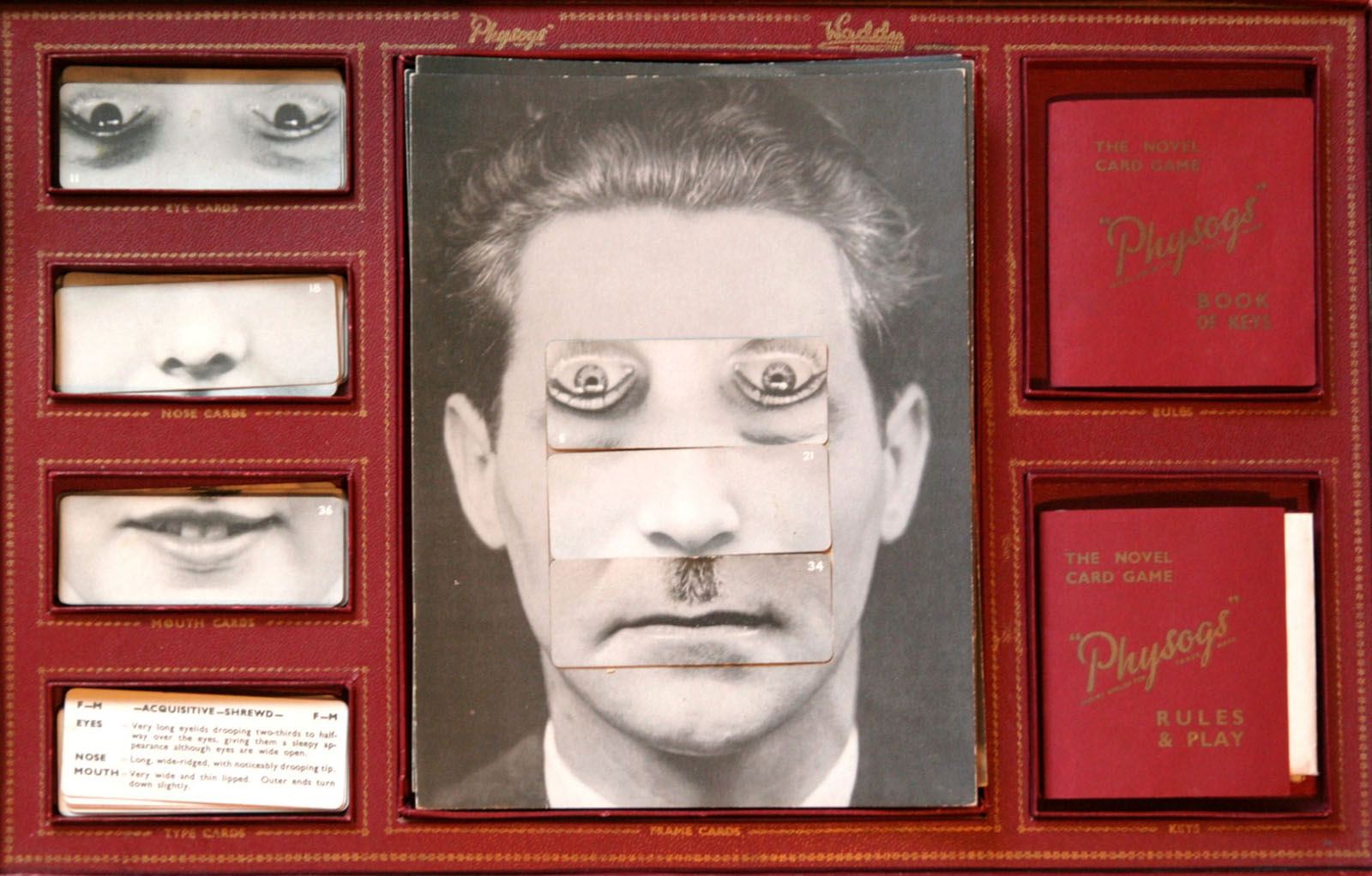
Physogs card game · 1940s

Physogs, the Novel Card Game (1940s) · original storage for the game

Physogs or having fun with a very sexist, misogynist and racist game; not surprising at all from a game based on a “science” like physiognomy.
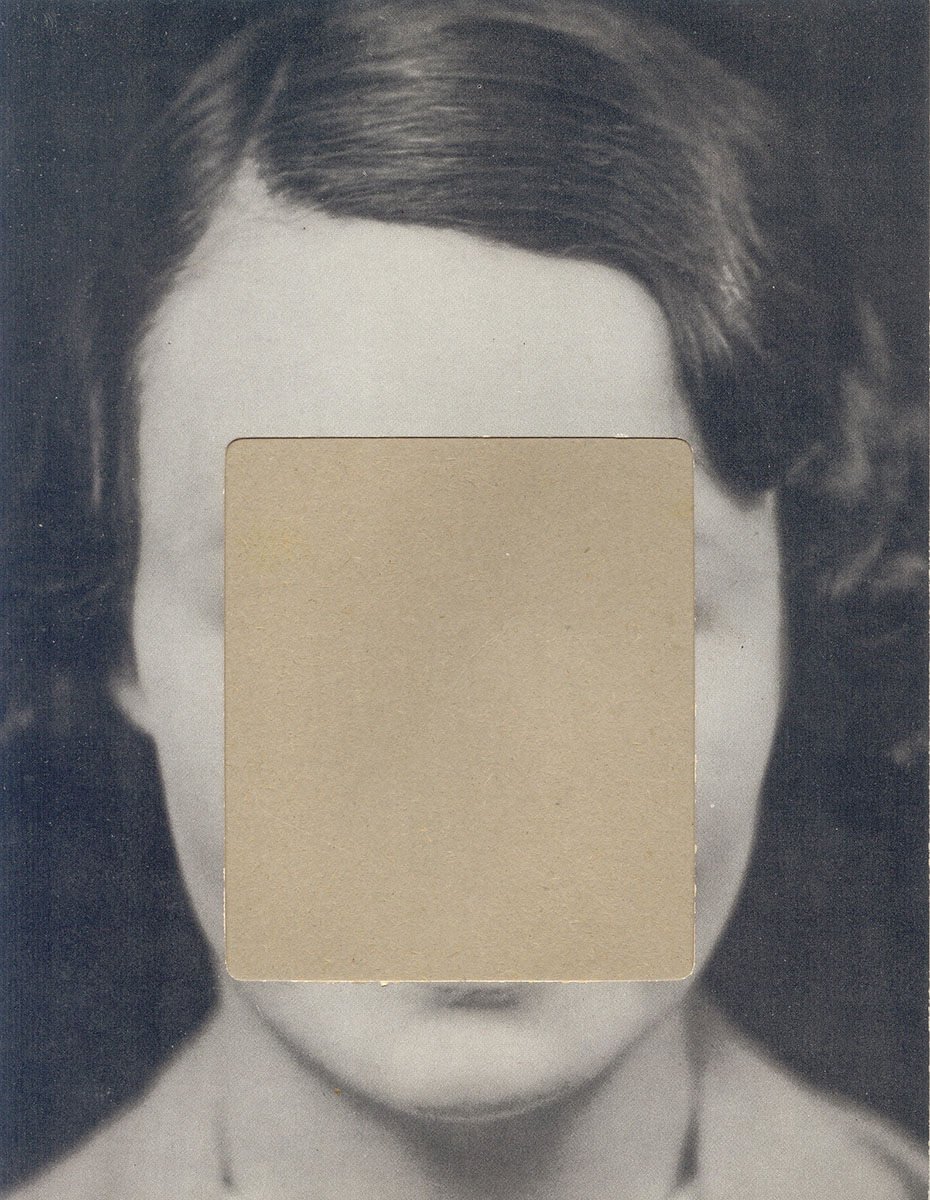
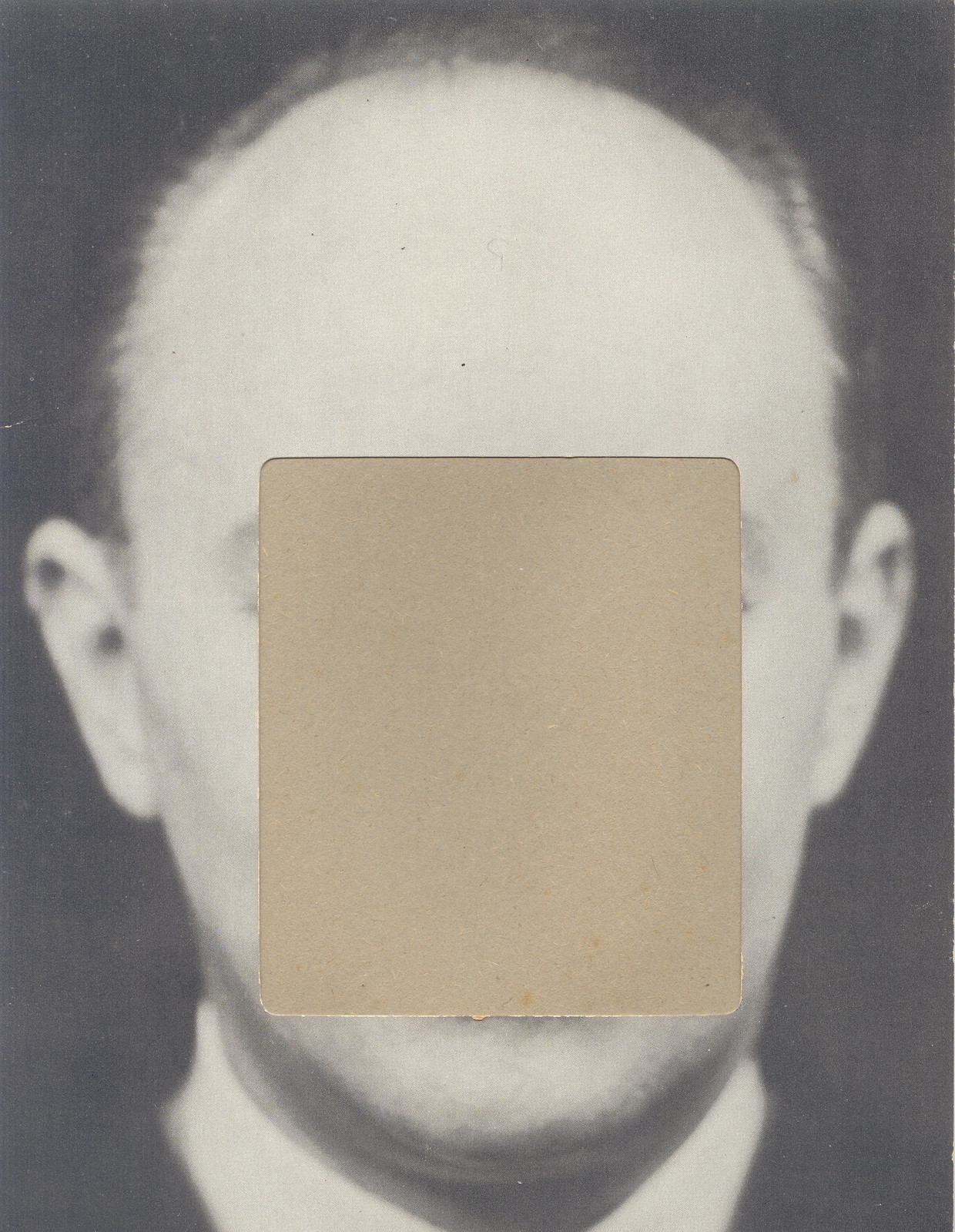
Physogs, the Novel Card Game (1940s) · Face / frame card (1 of 4)

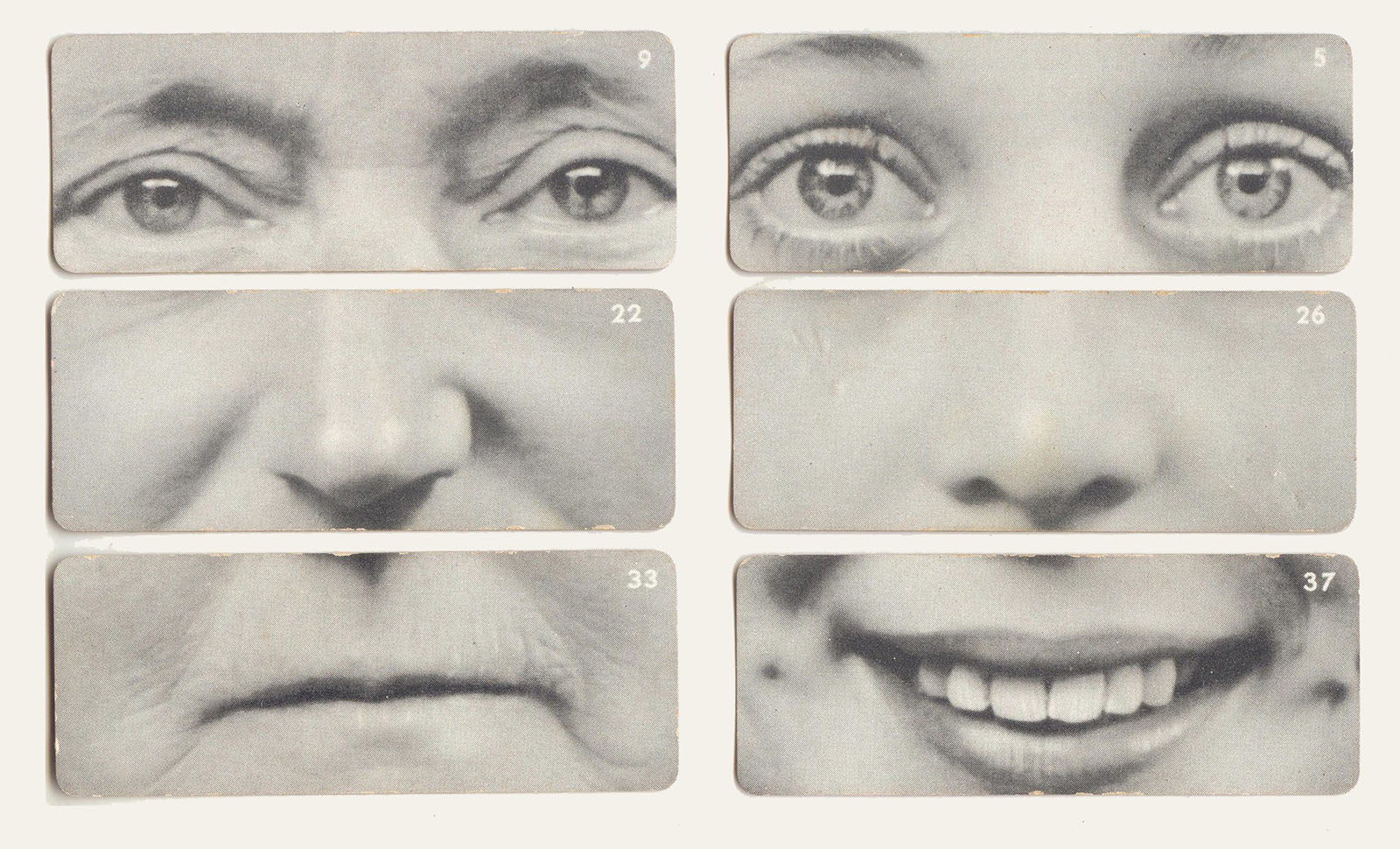
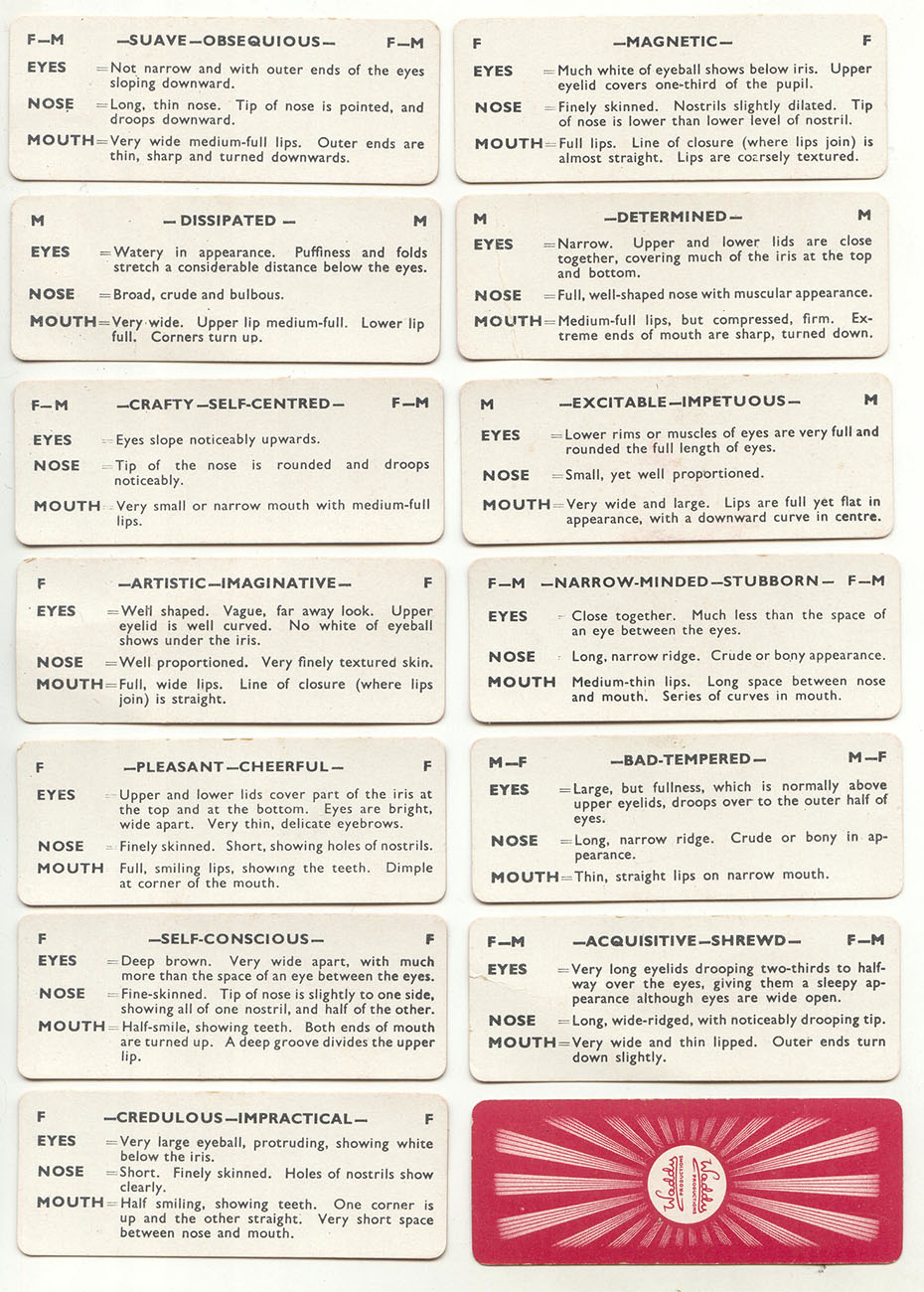
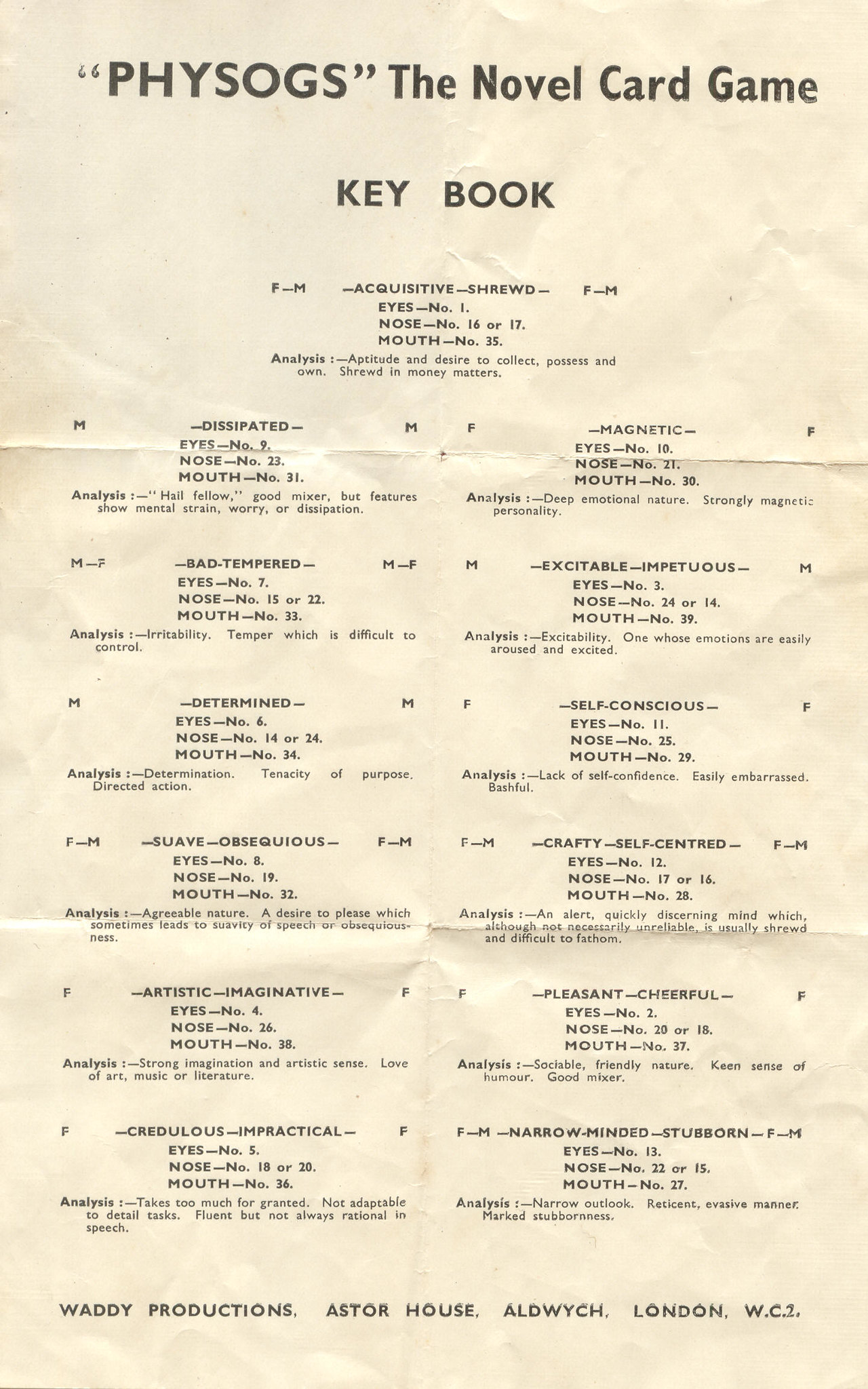
Physogs, a British game from the 1940s, is a popularized version of physiognomy, the art of judging human character from facial features. Based on sociologist Jacques Penry’s How to Judge Character from the Face (1939), the game consists of fifty-six printed cards and a key book describing thirteen distinct “facial-character types”: acquisitive-shrewd, dissipated, bad-tempered, determined, suave-obsequious, artistic-imaginative, credulous-impractical, magnetic, excitable-impetuous, self-conscious, crafty-self-centered, pleasant-cheerful, and narrow-minded-stubborn. There are four sets of playing cards: eye cards, nose cards, mouth cards, and type cards. (quoted from The Huntington Digital Library)

Physogs, the Novel Card Game (1940s)
Physogs, the Novel Card Game (1940s) · Key book
Physogs, the Novel Card Game (1940s) · Playing cards (eyes – nose – mouth) (6 of 52)
Physogs, the Novel Card Game (1940s) · Playing cards verso and reverse
Physogs, the Novel Card Game (1940s) · Playing cards (6 of 52)
Physogs, the Novel Card Game (1940s) · Rules / instructions
Physogs, the Novel Card Game (1940s) · Playing cards (6 of 52)
Physogs, the Novel Card Game (1940s) · Type cards (13)
Physogs, the Novel Card Game (1940s) · Frame card (2)
Physogs, the Novel Card Game (1940s) · Frame card (3)
Physogs, the Novel Card Game (1940s) · Frame card (4)

All cards and different compositions of ‘faces’ are available in high resolution at the Huntington Digital Library (link)
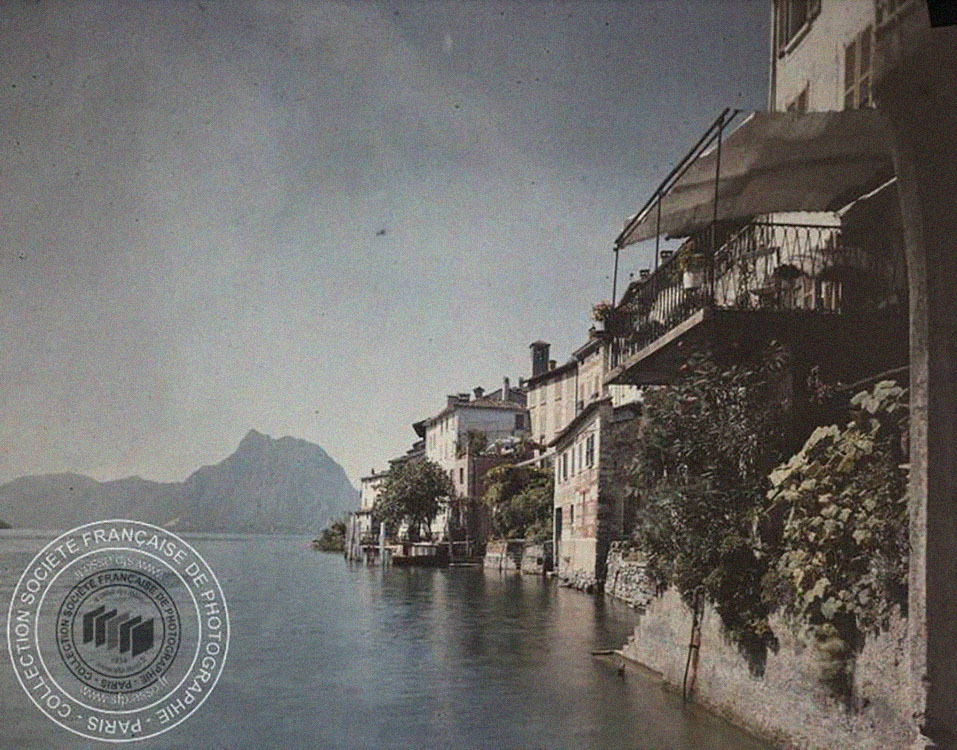
Au bord du lac de Lugano 1912

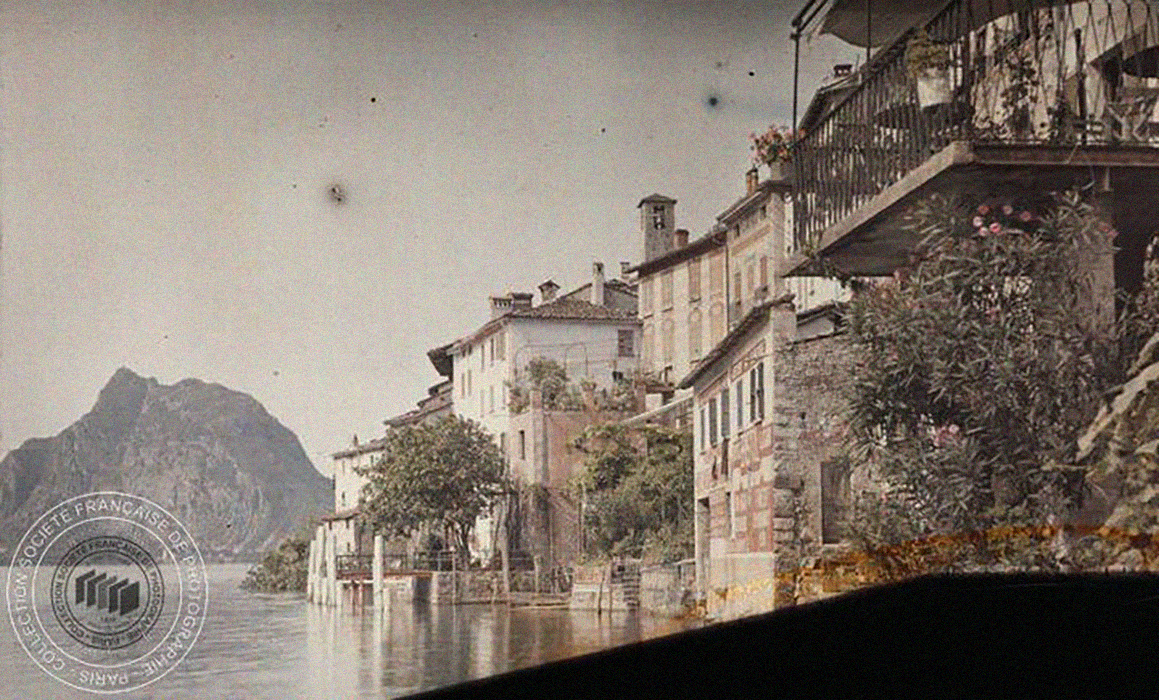
Louise Deglane (1868-1936) ~ Gandria [Maisons au bord du lac de Lugano, montagnes, Tessin, Suisse], 1912. Autochrome | src SFP
Louise Deglane ~ Gandria [Maisons au bord du lac de Lugano, Suisse], 1912. Plaque de verre Autochrome | src SFP
Louise Deglane ~ Gandria [Maisons au bord du lac de Lugano, montagnes, Suisse], 1912. Plaque de verre Autochrome | src SFP
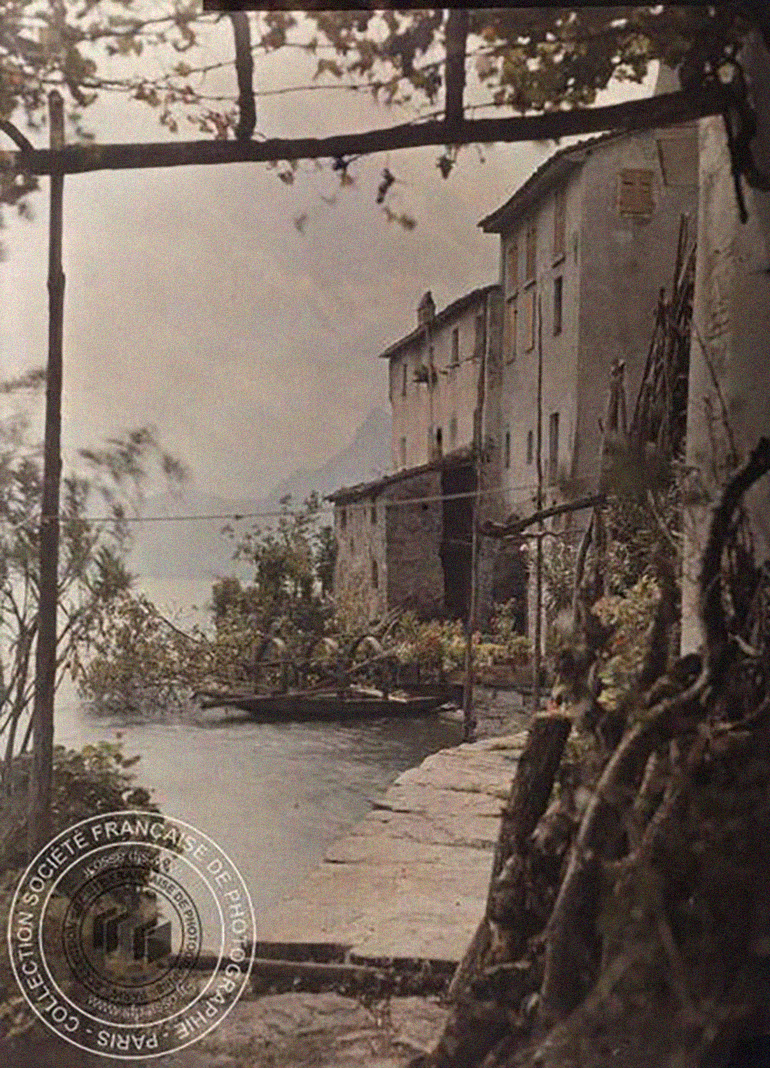
Louise Deglane ~ Gandria [Maisons au bord du lac de Lugano, barque, montagnes, pergola, Tessin, Suisse], 1912. Plaque de verre Autochrome | src SFP
Louise Deglane ~ Gandria [Maisons au bord du lac de Lugano, barque, montagnes, pergola, Tessin, Suisse], 1912. Plaque de verre Autochrome | src SFP & ODLP

Grete Wiesenthal role portraits

Franz Löwy ~ Grete Wiesenthal (1885-1970), full-figure portrait, dancing with a glass in hand, 1918. Die Dame 16/1918 | getty images
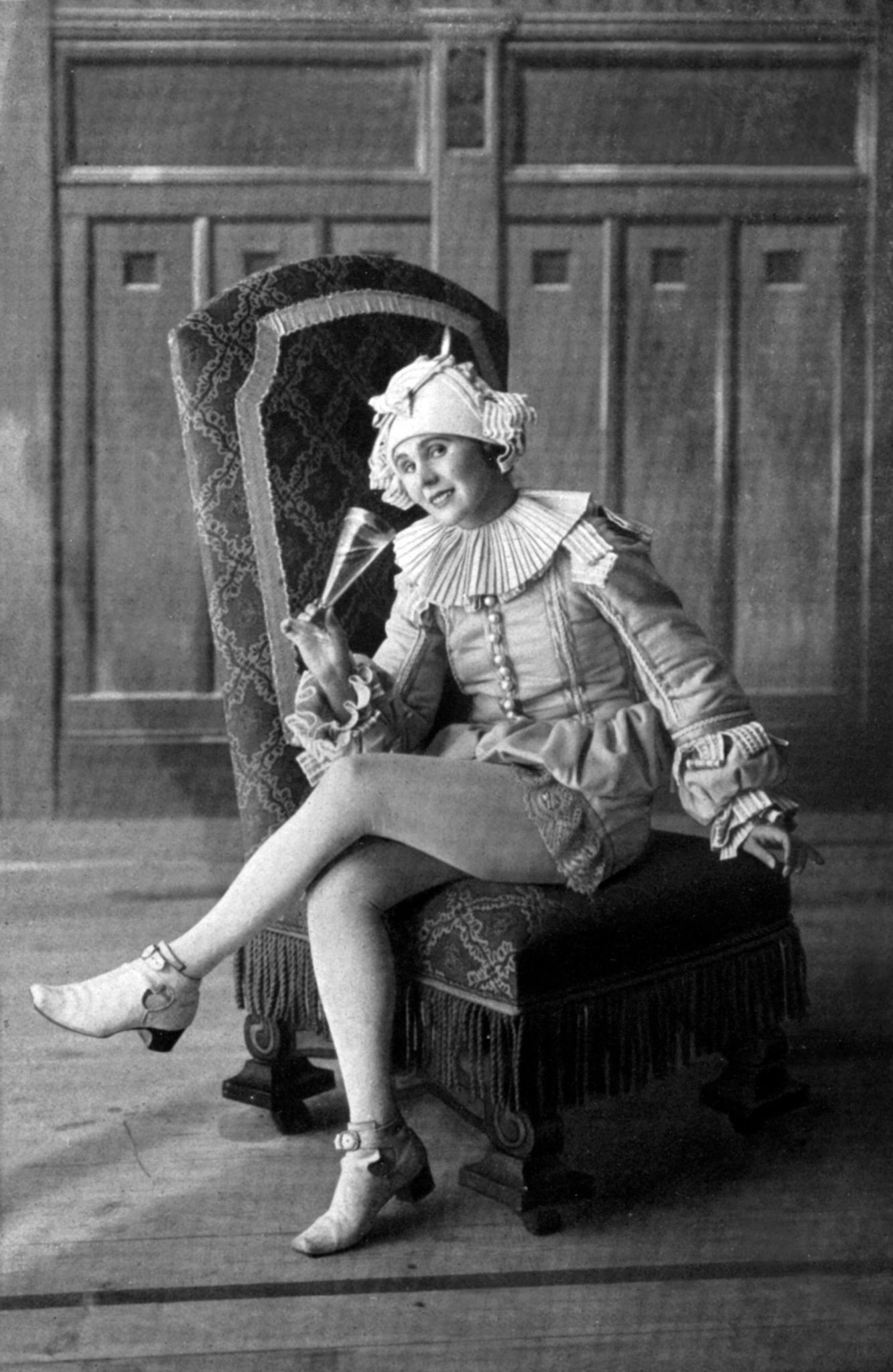
Grete Wiesenthal in the play The Bourgeois Gentleman by Molière in Stuttgartt, picture form magazine Le Théâtre September 1913