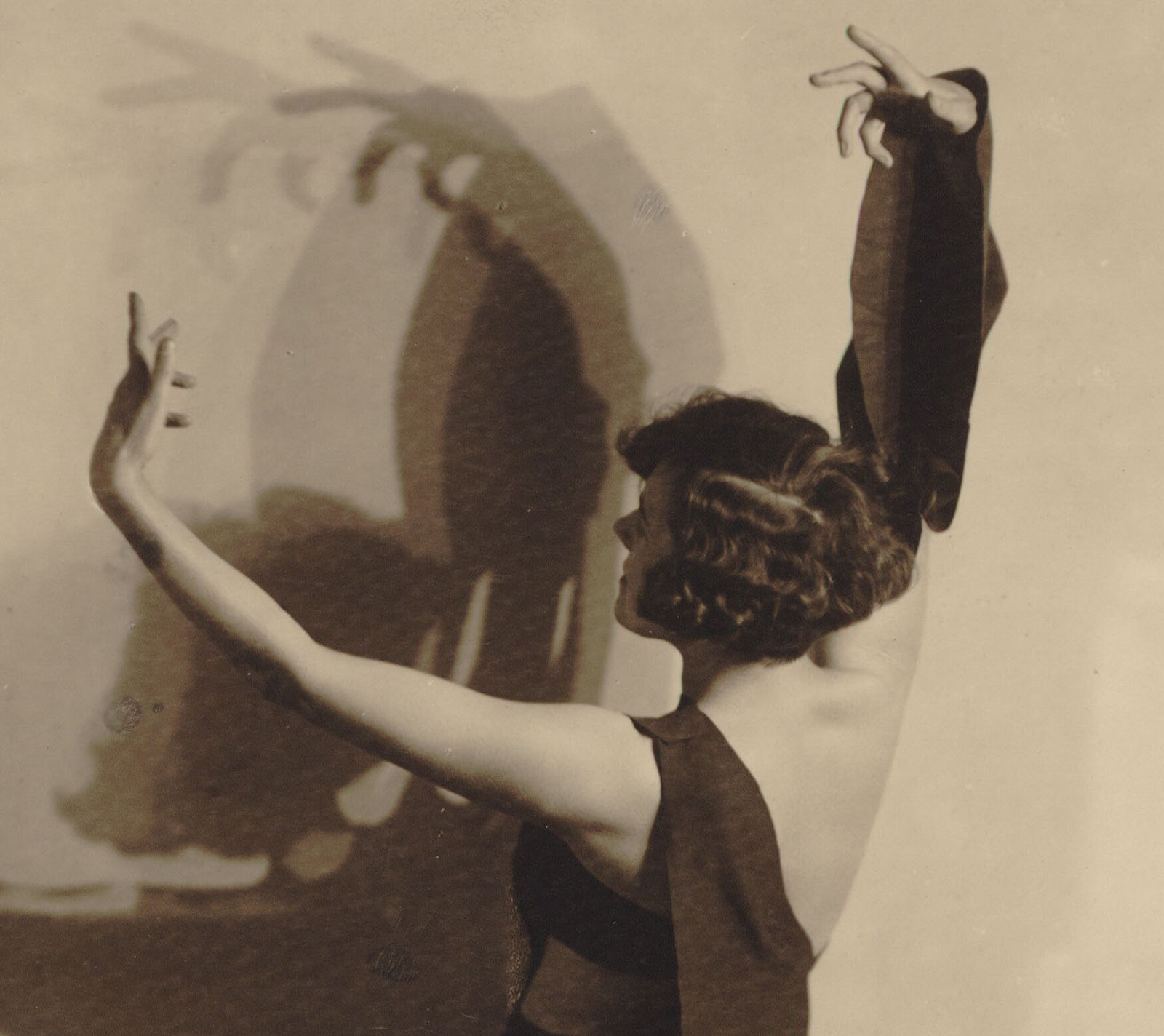
Gerd Neggo in Arabesque

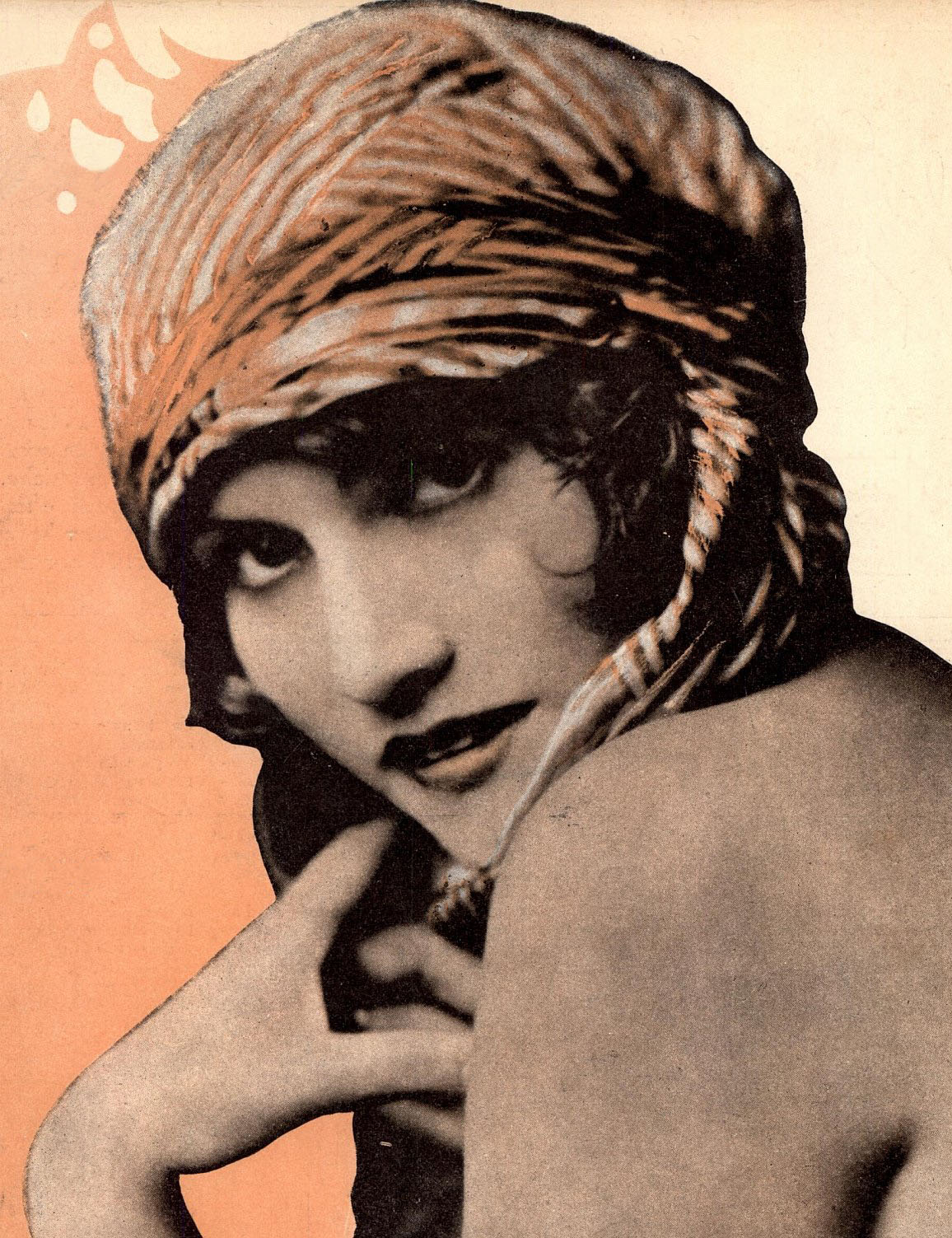
Estonian dancer Gerd Neggo in Arabesque, March 1928 | src BnF~Gallica
Gerd Neggo (1891-1974) in Arabesque, 17.III.1928 | src BnF~Gallica
Gerd Neggo, danseuse estonienne dans sa danse ‘L’Arabesque’ au Théâtre Vanemuine à Tartu le 17-III-1928; ph. K. Akel & Ko.

Gerd Neggo was born in Kuressaare, Estonia, in 1891. She studied the Émile Jaques Dalcroze methodology in Stockholm, then studied modern dance and mime under Rudolf von Laban in his dance studio in Hamburg.

After specializing in the art of modern dance, Neggo returned to Tallinn and established her own dance school in 1924. She started teaching students adopting Laban’s modern dance technique. She organized many solo and group dances, including pantomimes. She and her group held performances at the Estonian Drama Theatre.

In 1944, during the Soviet occupation of Estonia, she and her husband Paul Olak migrated to Sweden. Neggo died in Stockholm in 1974.
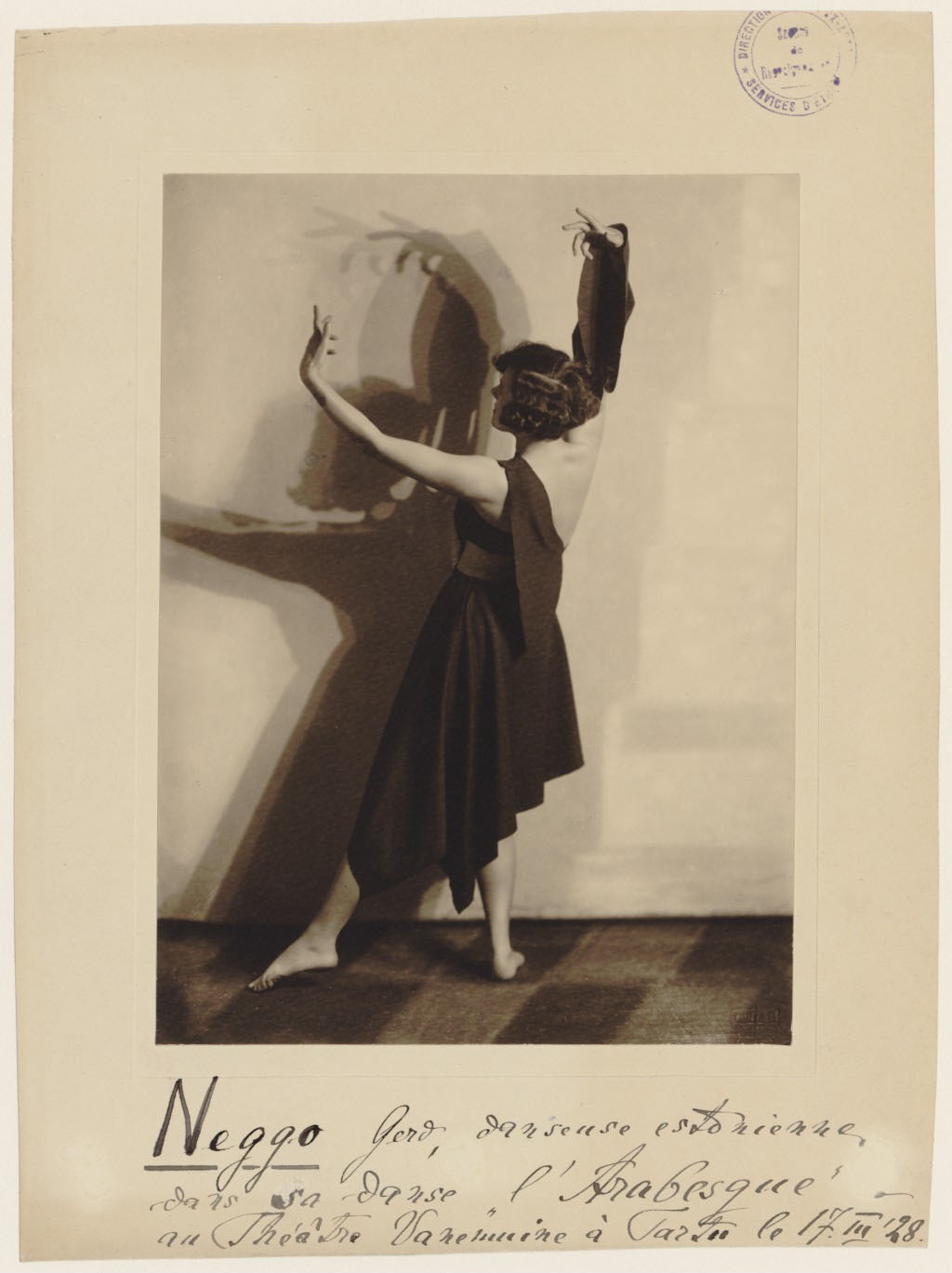
Estonian dancer Gerd Neggo in Arabesque at Vanemuine theater in Tartu, 17-III-1928; photo: K. Akel & Ko | src BnF~Gallica

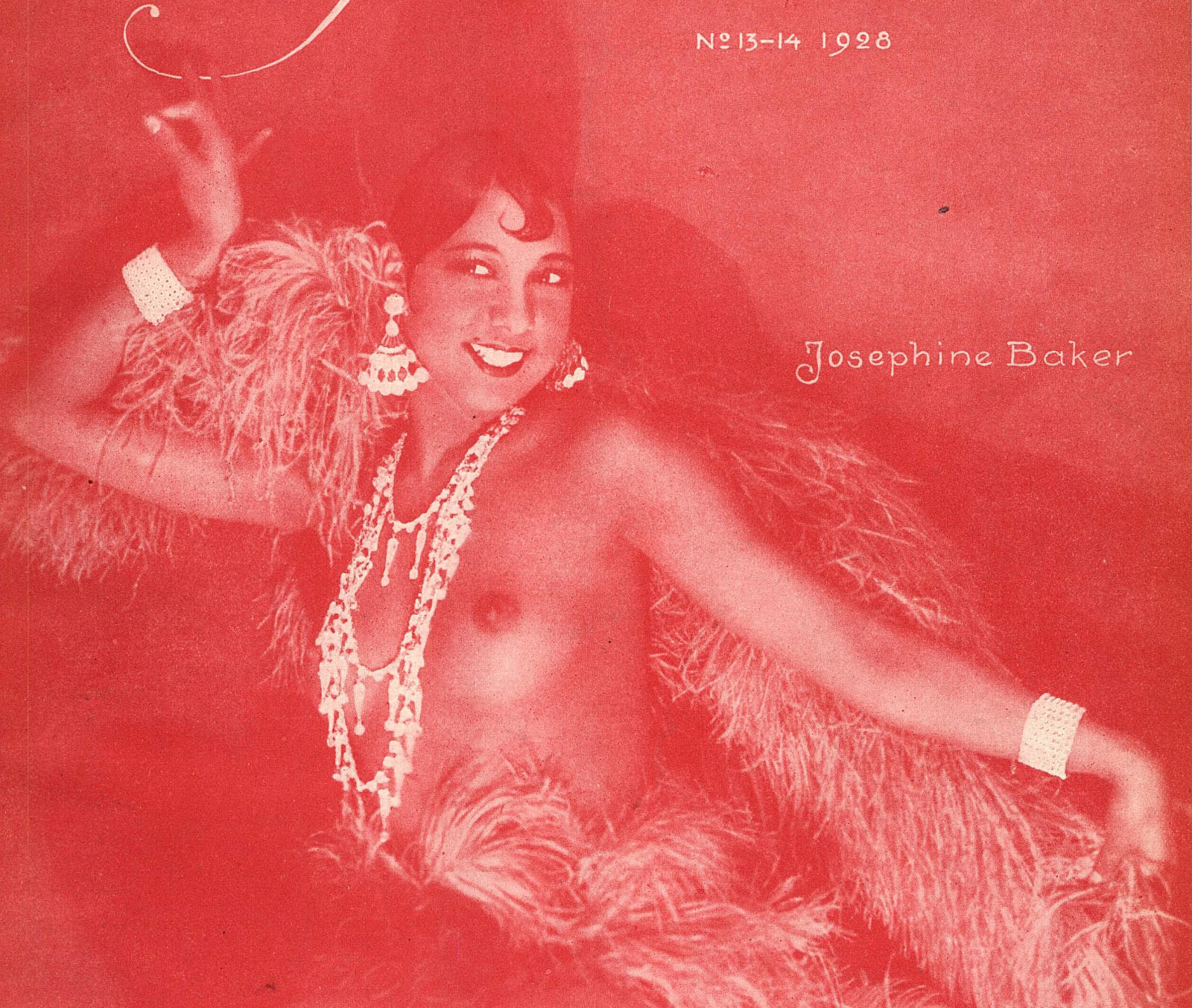
Scenen magazine covers 1928

Scenen Nr. 7, 1928 : Elly Holmberg, foto: Jan de Meyere (1927) | src Projekt Runeberg
Scenen Nr. 19, 1928 : Jenny Hasselquist (foto: Ekstrand) | src Projekt Runeberg
Scenen Nr. 13-14, 1928 : Josephine Baker | src Projekt Runeberg
Scenen Nr. 22, 1928 : Tora Teje (foto: Jaeger) | src Projekt Runeberg
Scenen Nr. 23-24, 1928. Julen 1928. Foto: Jaeger | src Projekt Runeberg
Detail of cover from : Scenen Nr. 13-14, 1928 : Josephine Baker

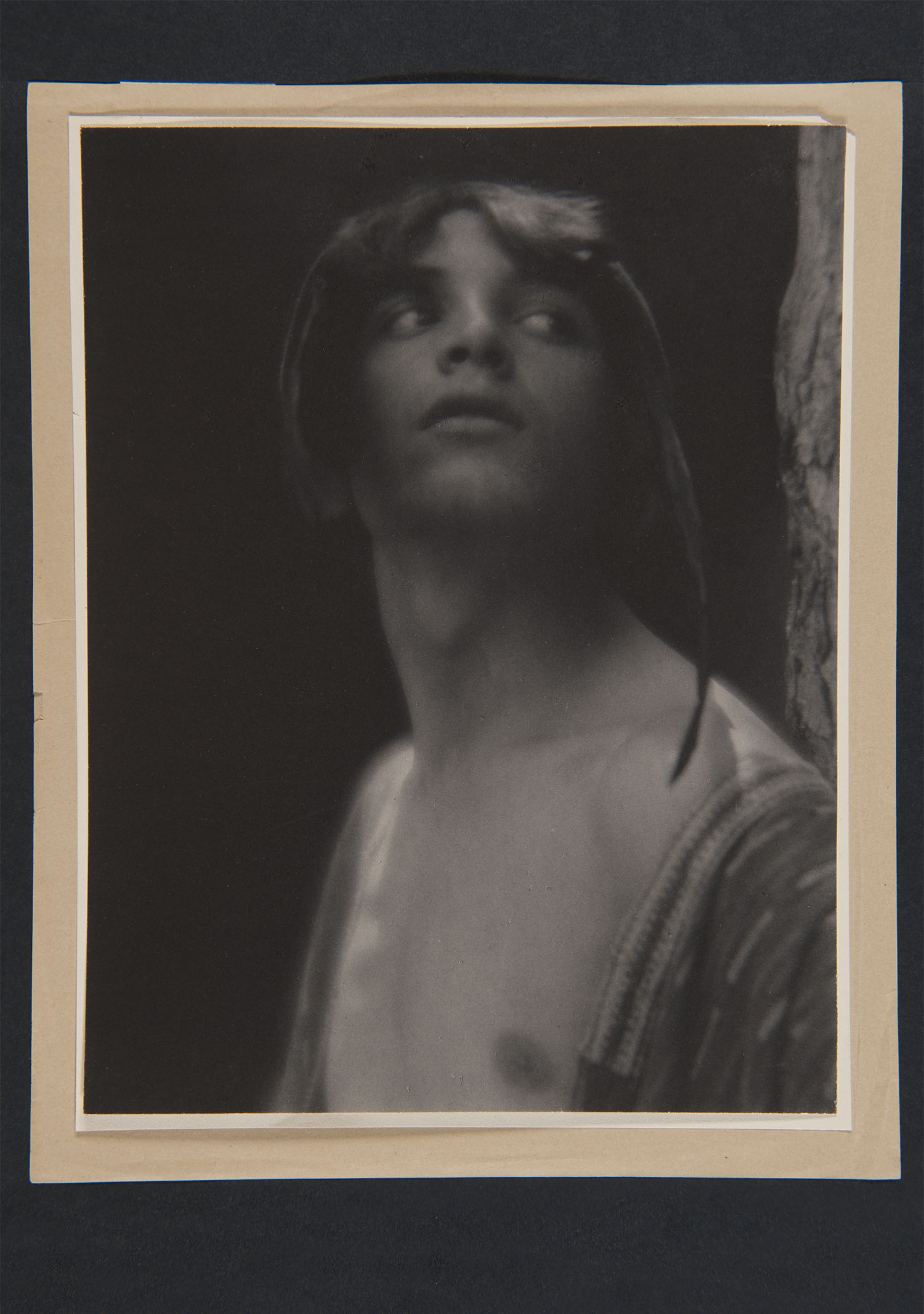
Youth in winged hat by Day

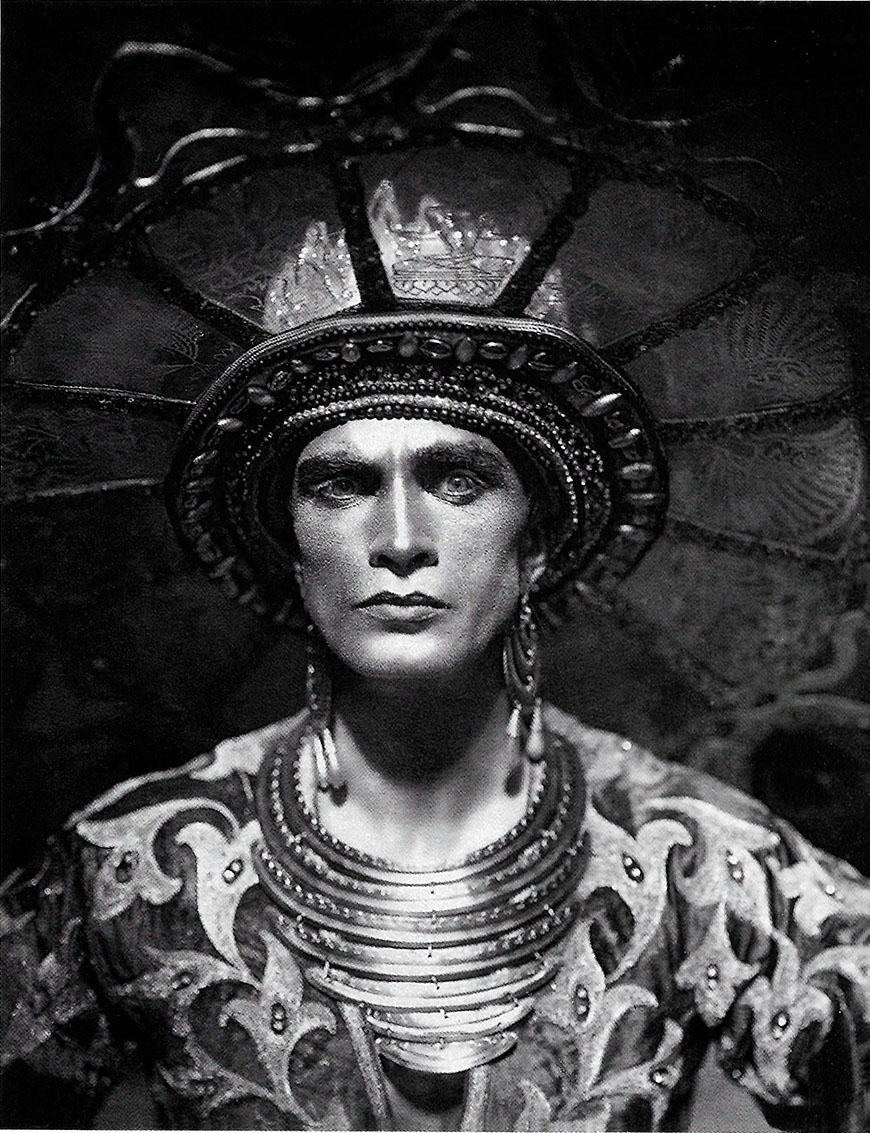
Fred Holland Day (1864-1933) ~ Youth in winged hat and robe, 1907. Platinum print | src Library of Congress
Fred Holland Day (1864-1933) ~ Youth in winged hat, cropped at the chest, 1907. Platinum print | src Library of Congress
Fred Holland Day (1864-1933) ~ Youth in winged hat and robe, 1907. Platinum print | src Library of Congress

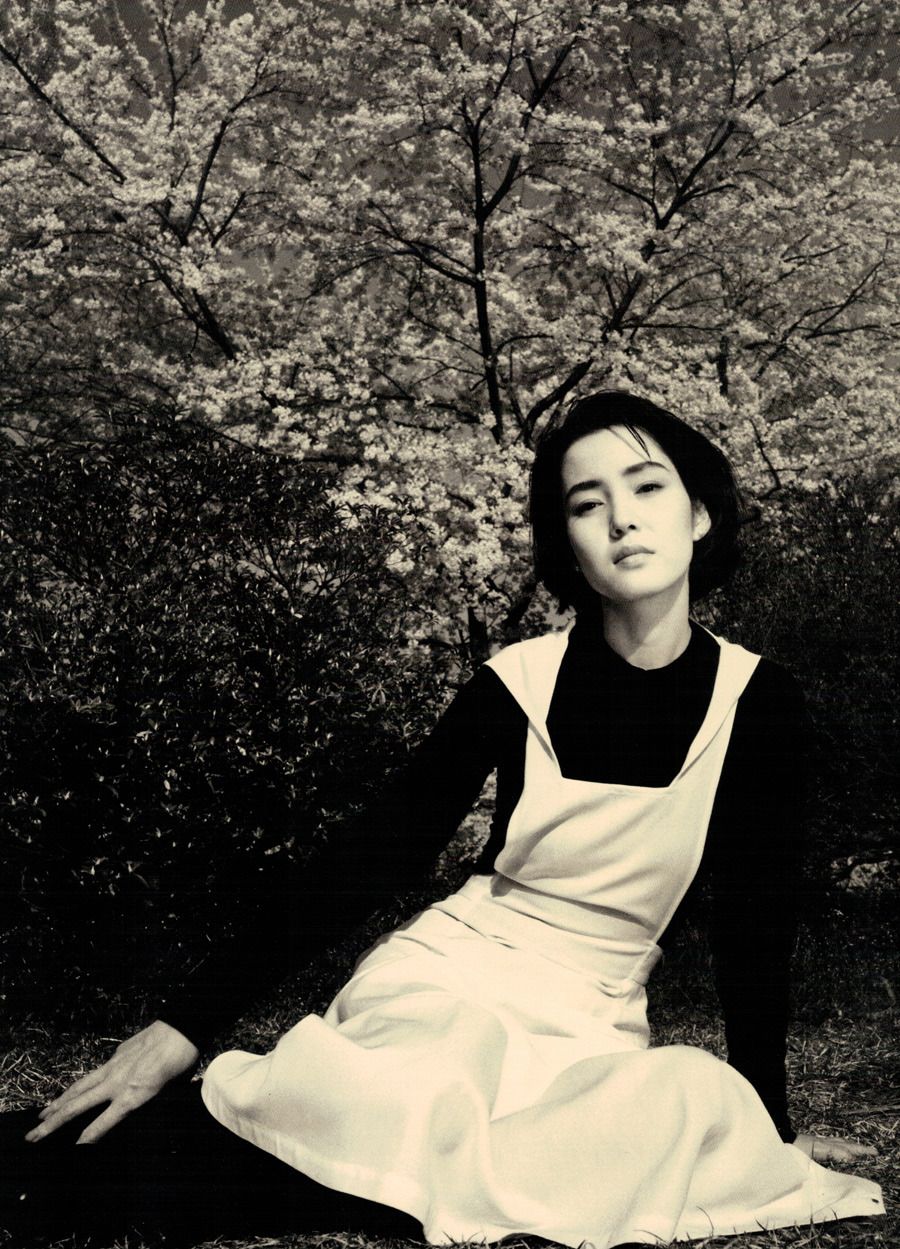
Kanako Higuchi by Shinoyama

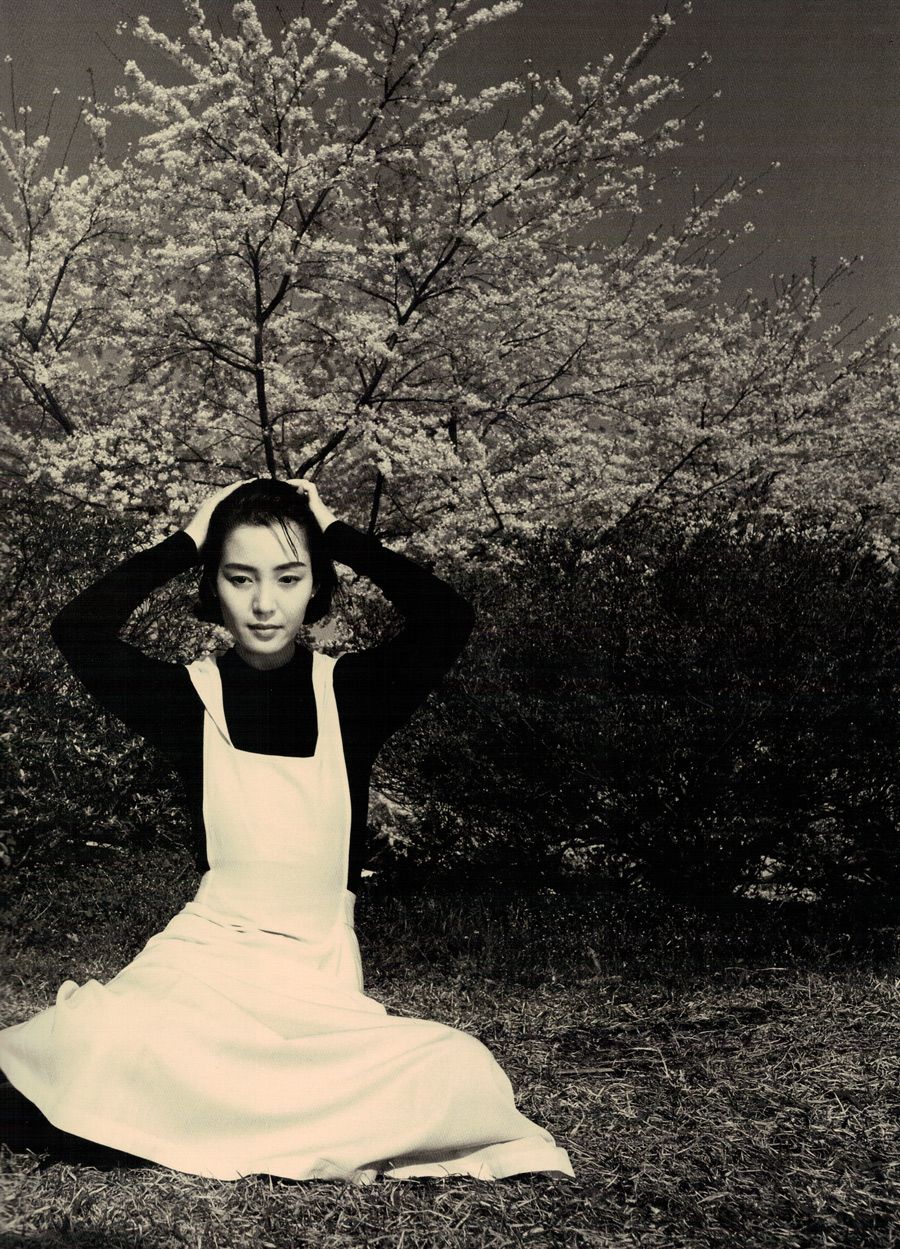
Kanako Higuchi. From ‘Accidents 1 / Water fruit’ by Kishin Shinoyama published by Asahi Press (1991)
Japanese actress Kanako Higuchi. From ‘Accidents 1 / Water fruit’ by Kishin Shinoyama published by Asahi Press (1991)
src setantabooks on IG and Ader
Kanako Higuchi. From ‘Accidents 1 / Water fruit’ by Kishin Shinoyama published by Asahi Press (1991)

Edle Nacktheit in China · 1928

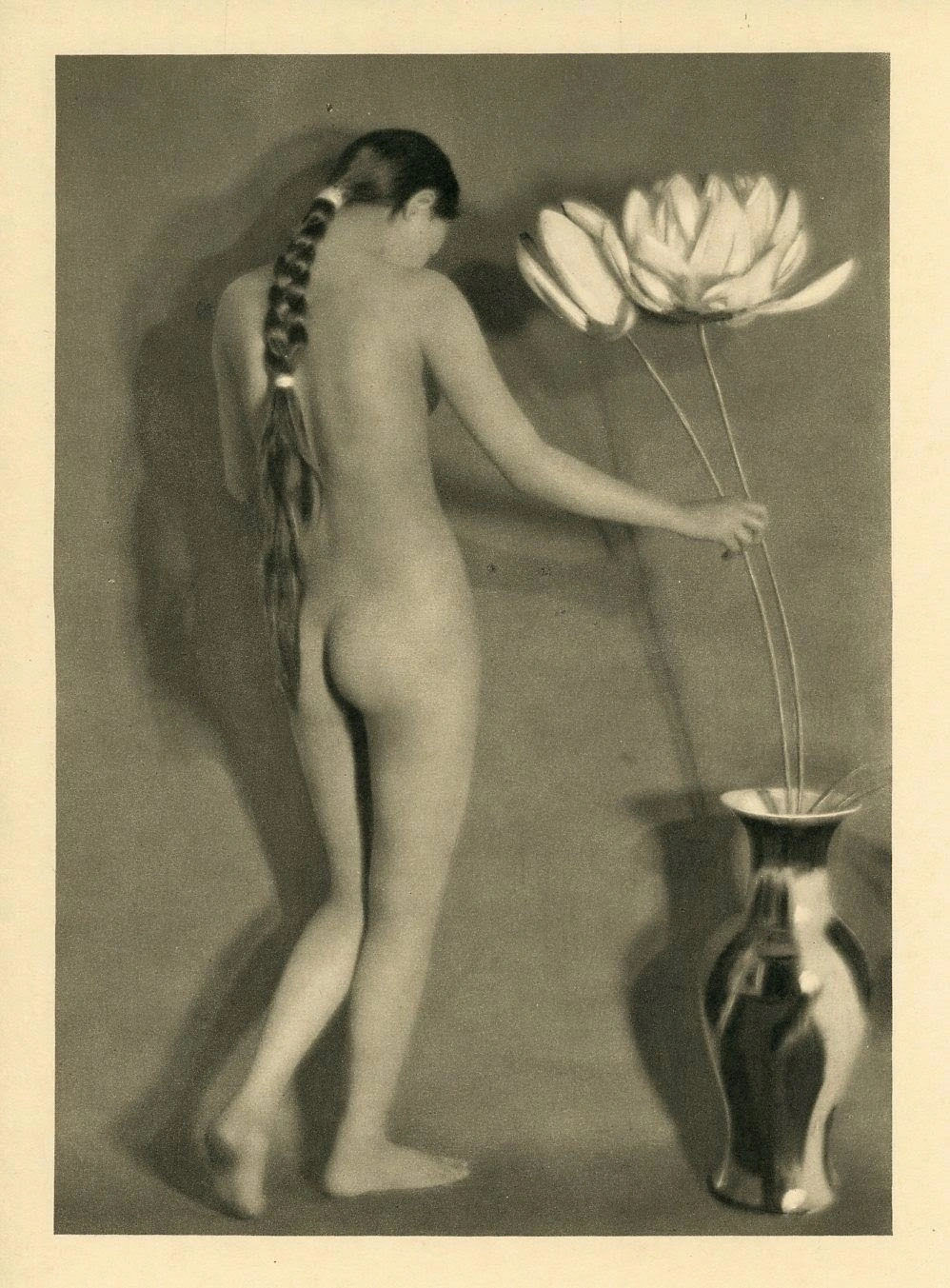
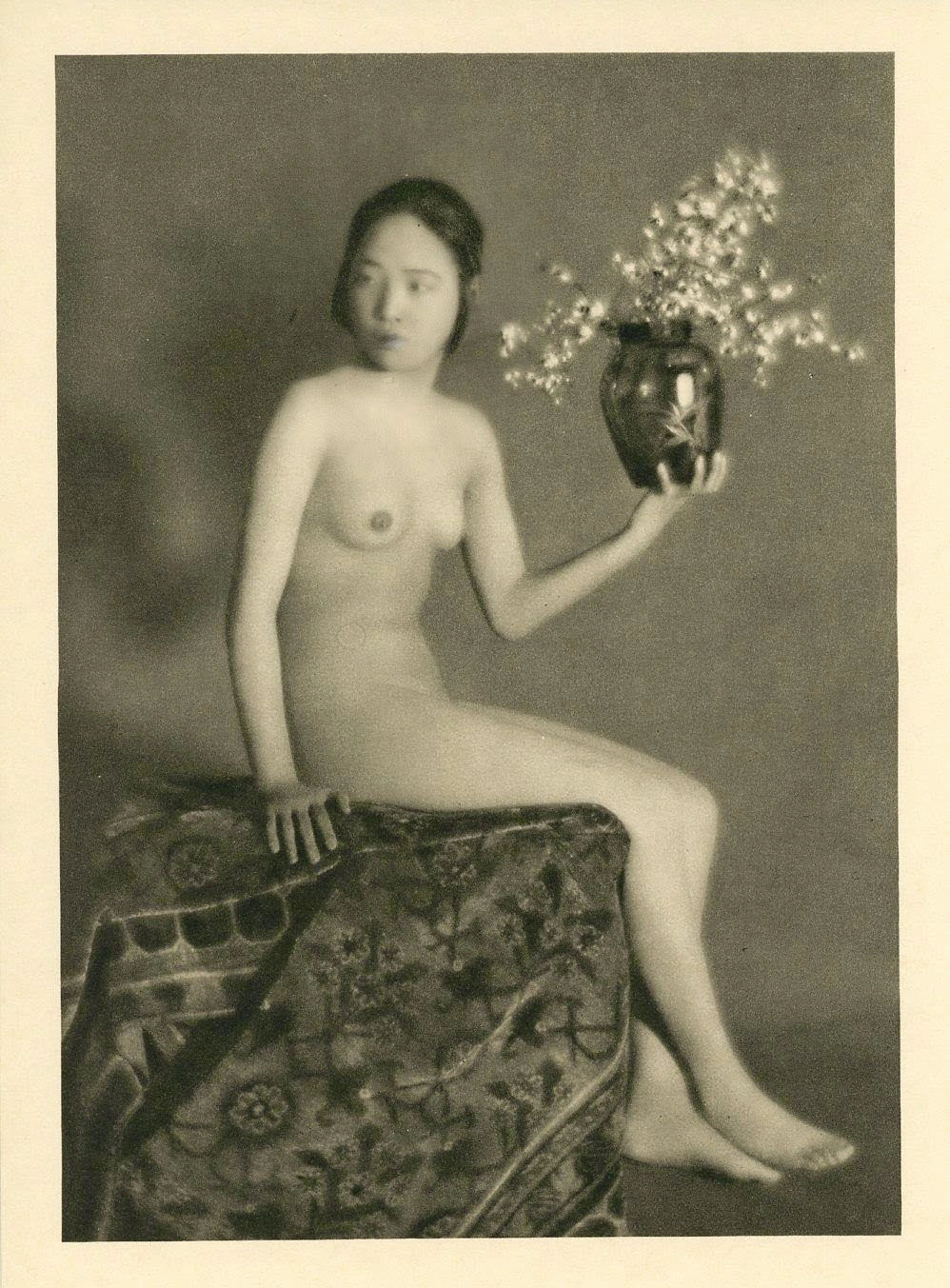
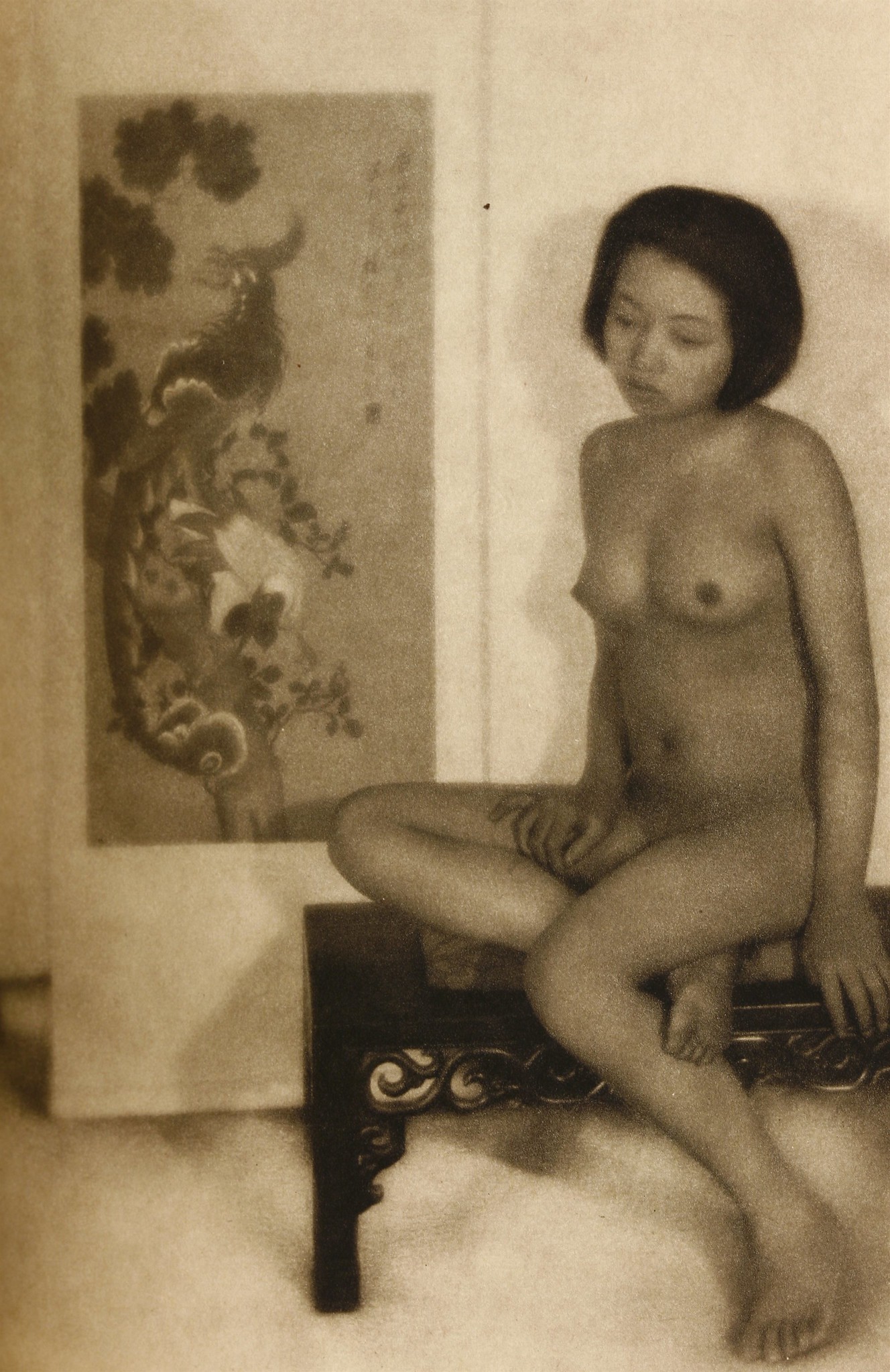
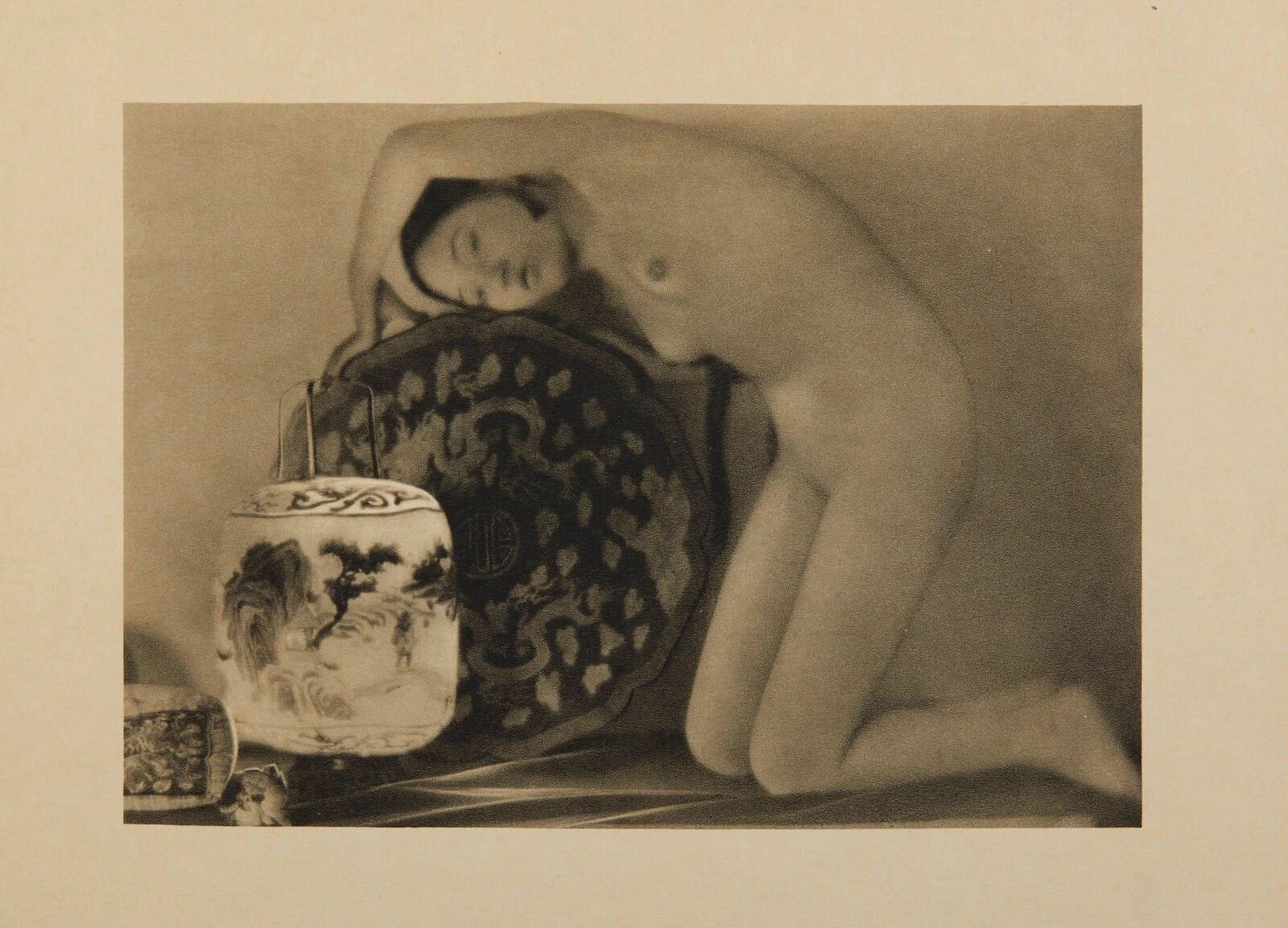
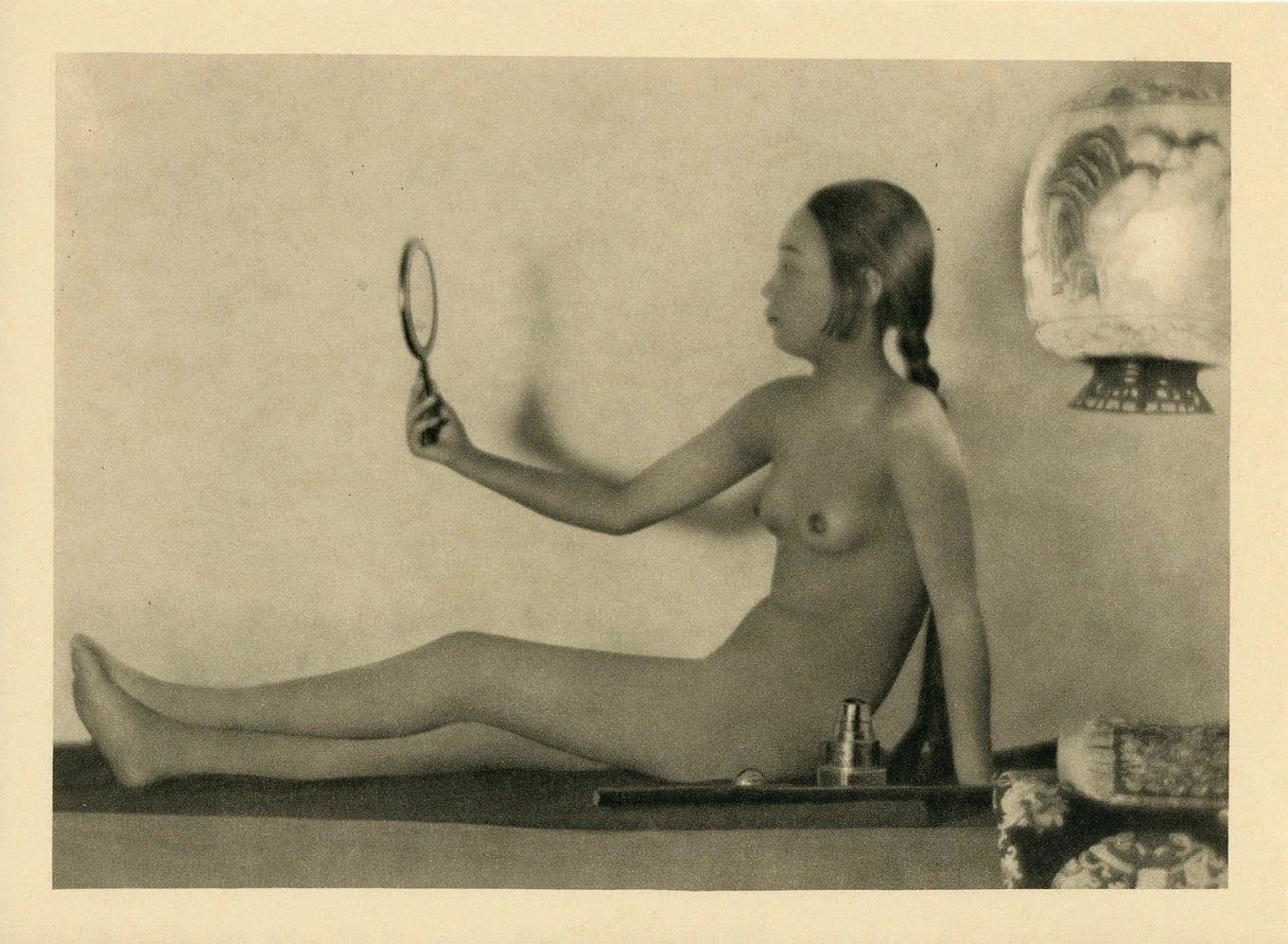
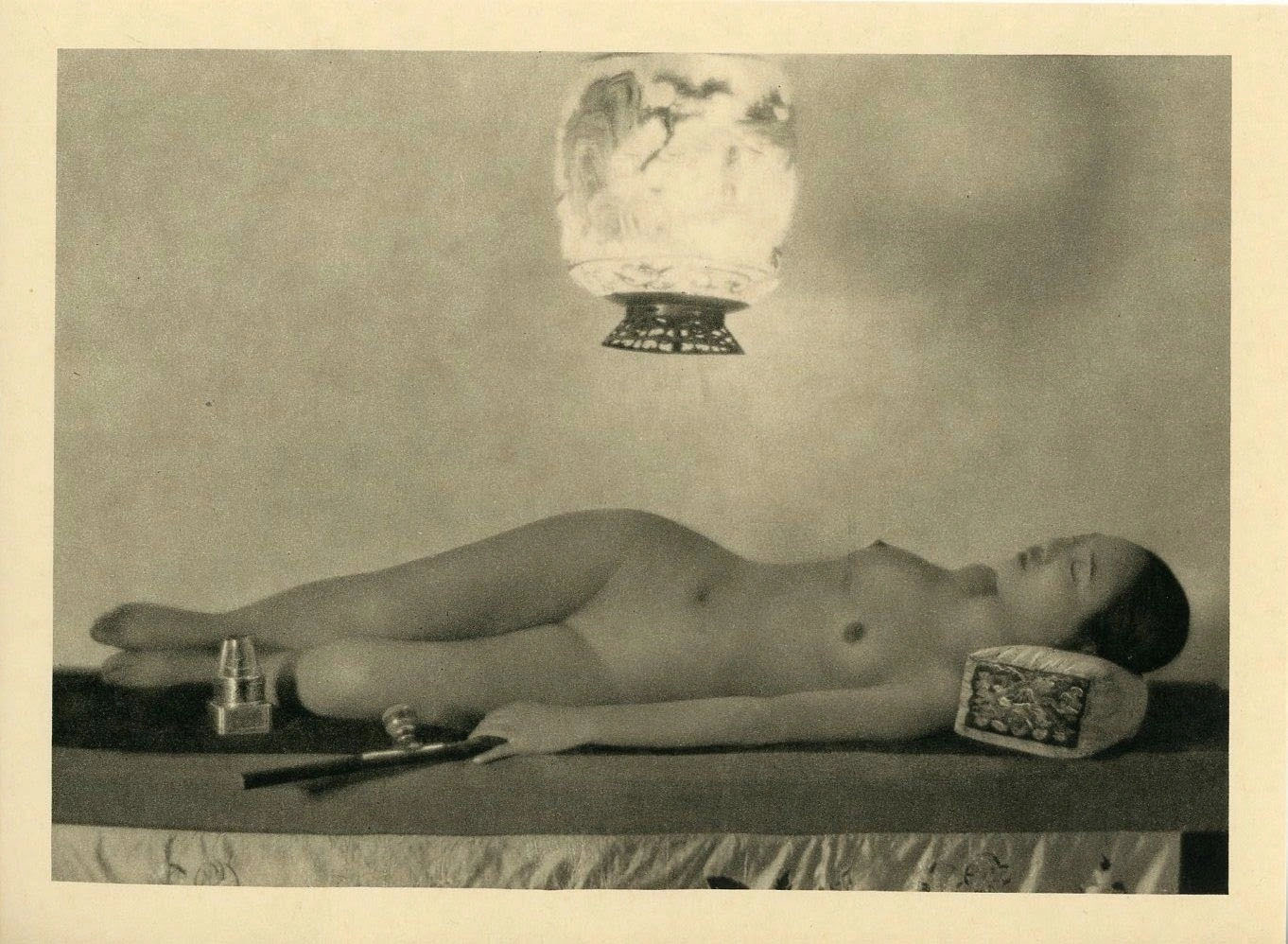
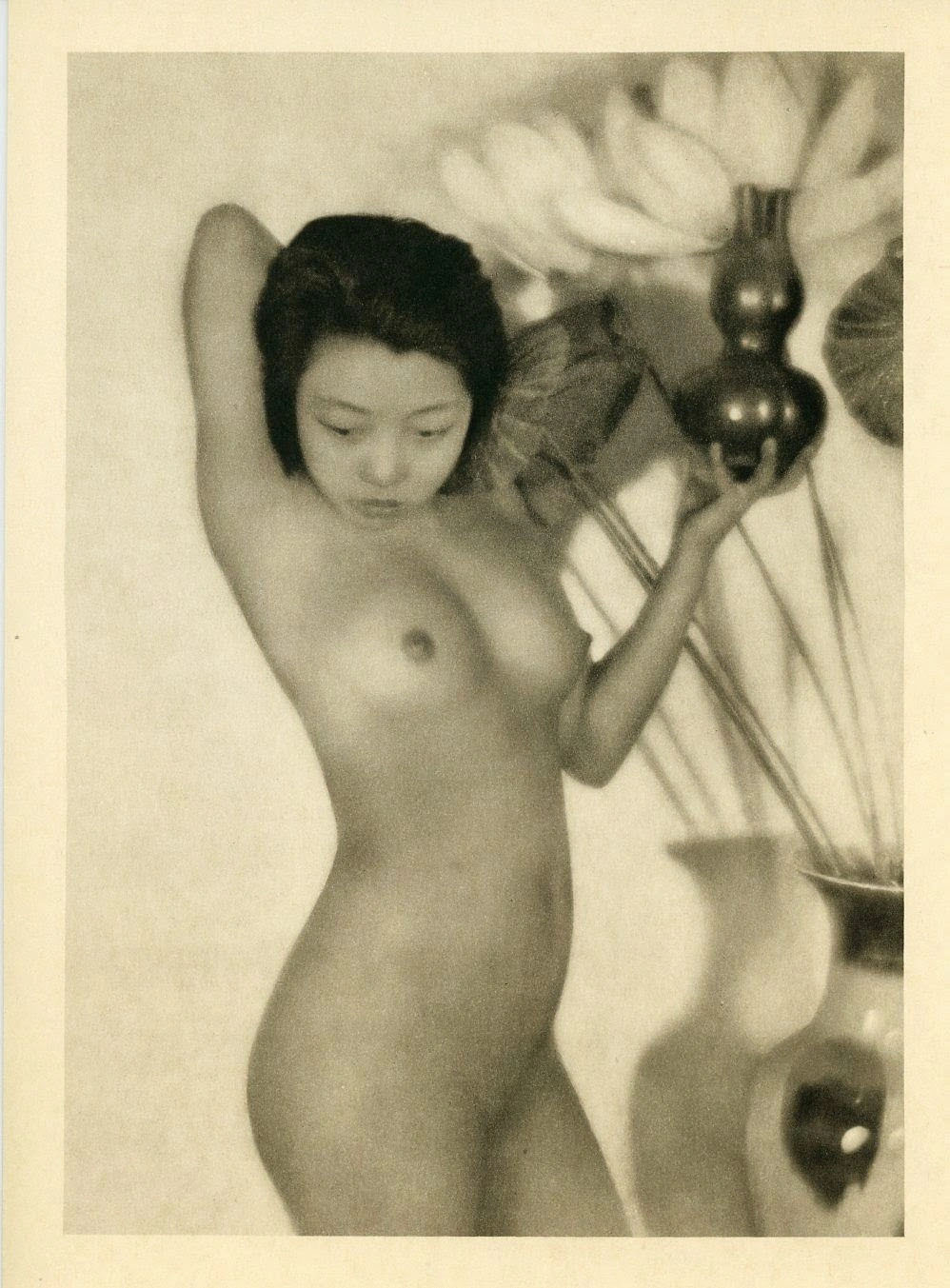
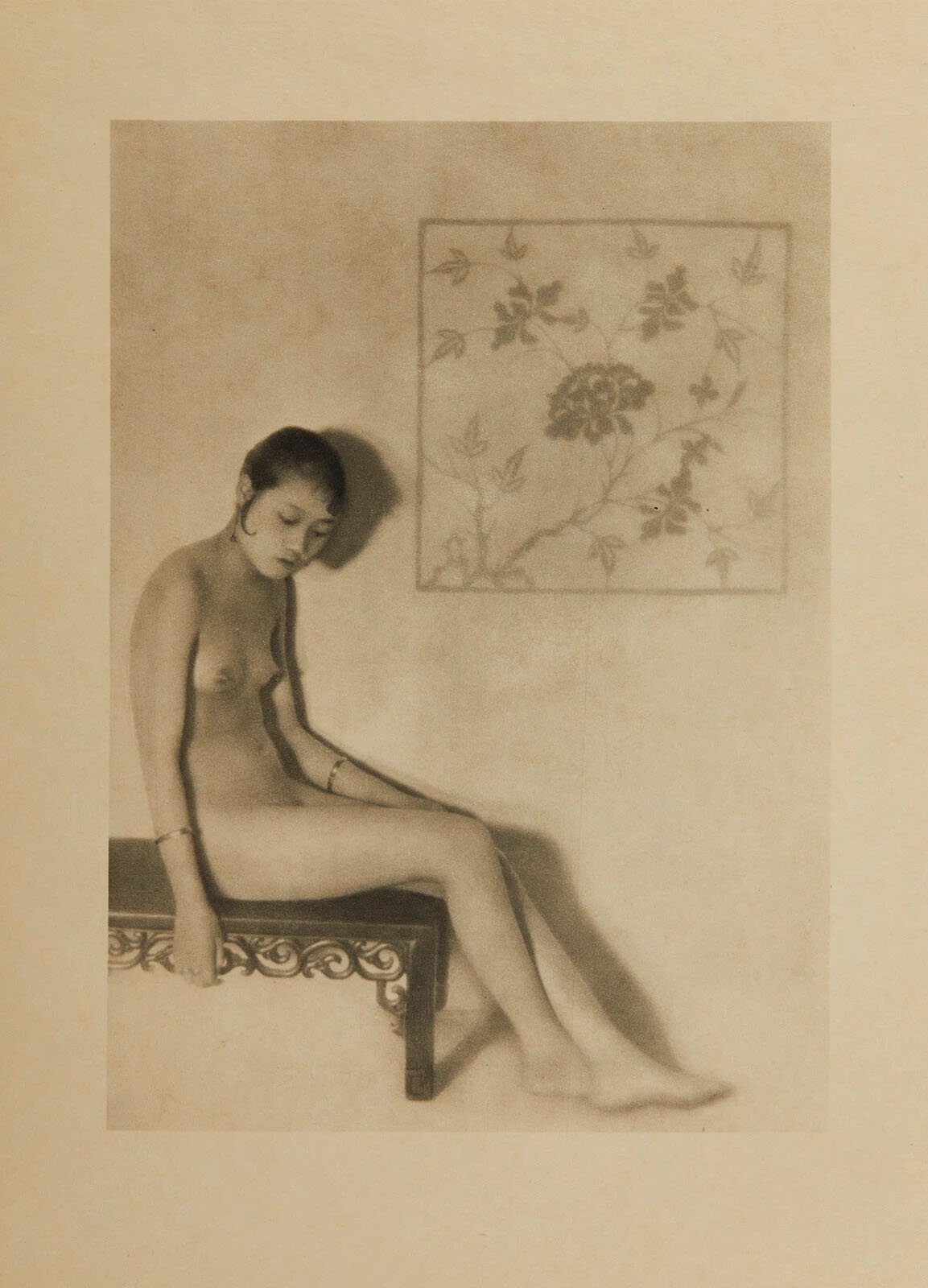
Heinz von Perckhammer ~ From “Edle Nacktheit in China /The culture of the Nude in China”. Eigenbrödler Verlag [Berlin, 1928]
Heinz von Perckhammer ~ From “The culture of the Nude in China”. Eigenbrödler Verlag [Berlin, 1928]
Heinz von Perckhammer ~ From “Edle Nacktheit in China”. Eigenbrödler Verlag [Berlin, 1928] 1st edition | src sworders
Heinz von Perckhammer ~ Heliogravür. Edle Nacktheit in China. Berlin. Eigenbrödler Verlag [1928] | src mutualArt
Heinz von Perckhammer ~ From “Edle Nacktheit in China /The culture of the Nude in China”. Eigenbrodler Verlag [Berlin, 1928]
Heinz von Perckhammer ~ From “Edle Nacktheit in China”. Berlin, Eigenbrödler-Verlag, (1928)
Heinz von Perckhammer ~ From “The culture of the Nude in China”. Eigenbrödler Verlag [Berlin, 1928]
Heinz von Perckhammer ~ Heliogravure from “Edle Nacktheit in China”. Eigenbrödler Verlag [Berlin, 1928] | src mutualArt
Heinz von Perckhammer ~ From “The culture of the Nude in China”. Berlin, Eigenbrödler-Verlag, (1928)
Heinz von Perckhammer ~ From “Edle Nacktheit in China”. Berlin, Eigenbrödler-Verlag, (1928) | src Abebooks
Heinz von Perckhammer ~ Akt. Edle Nacktheit in China. Berlin. Eigenbrödler Verlag [1928] | src Abebooks

Heinz von Perckhammer was born in Merano, Austria-Hungary (now Italy) in 1895. During the First World War he served aboard the SMS Kaiserin Elisabeth during the Siege of Tsingtao and between 1917 and 1919 was held as a prisoner of war. It was during this time when he was held captive that his interest in photography began. He apparently remained in China for much of the 1920s, and took these soft-focused and stylized photographs of women from Macao brothels.

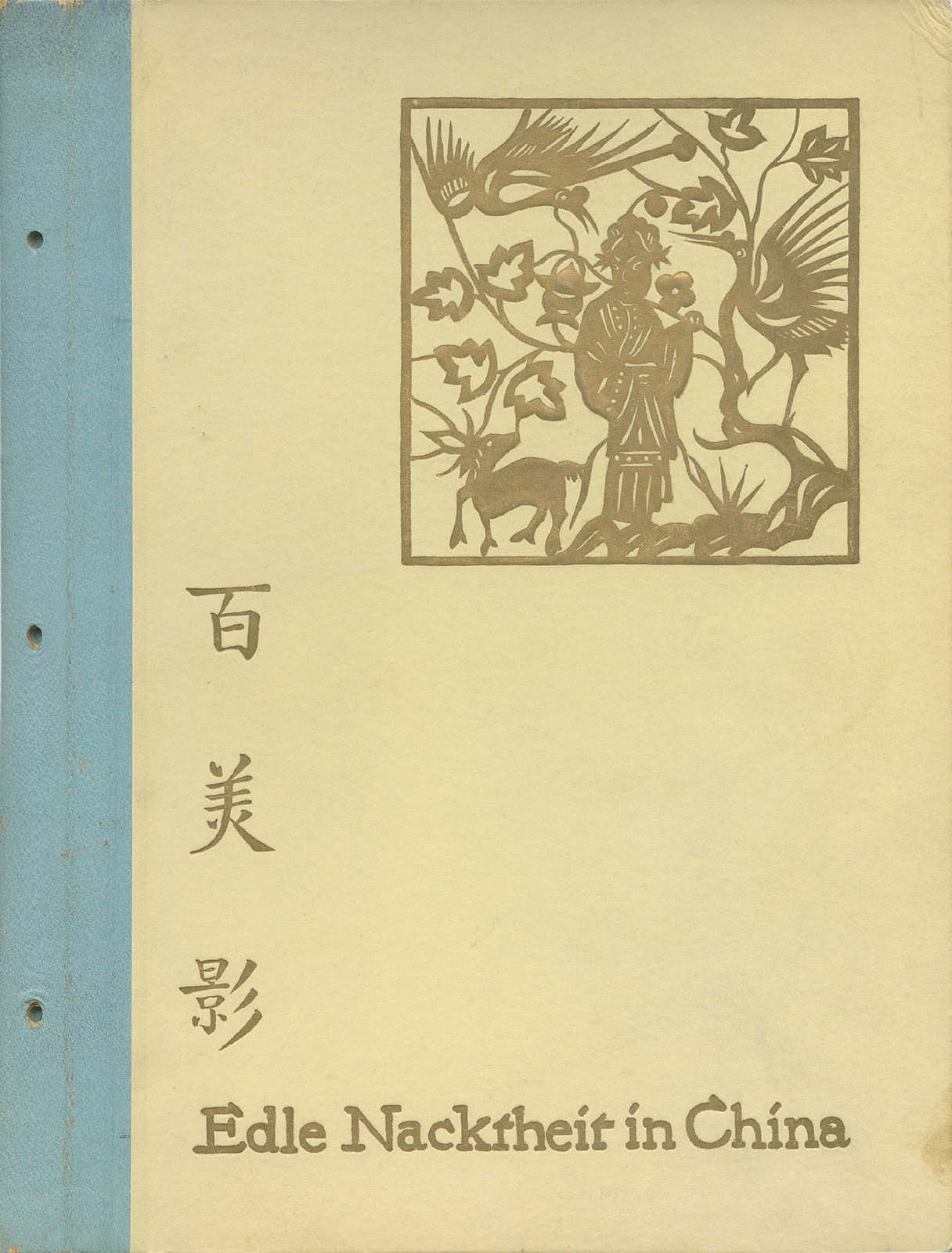
In the introduction to Edle Nacktheit in China he writes: ‘Pictures of nude women, setting aside the ugly caricatures of the “Spring pictures” of erotic scenes, simply do not exist in China. Therefore I believe, I have created something entirely new and of value.’ Edle Nacktheit in China was later banned by the Nazis as Degenerate art (Entartete Kunst) and appeared on the Liste des schädlichen und unerwünschten Schrifttums [List of harmful and undesirable writing].

Heinz von Perckhammer ~ front cover from Edle Nacktheit in China. Berlin. Eigenbrödler Verlag [1928] | src Abebooks

Kyoko Enami by Shinoyama

Kishin Shinoyama (篠山 紀信) ~ Japanese actress Kyoko Enami (江波 杏子 Enami Kyōko), 1968
Kishin Shinoyama (篠山 紀信 Shinoyama Kishin) ~ Japanese actress Kyoko Enami (江波 杏子 Enami Kyōko), 1968

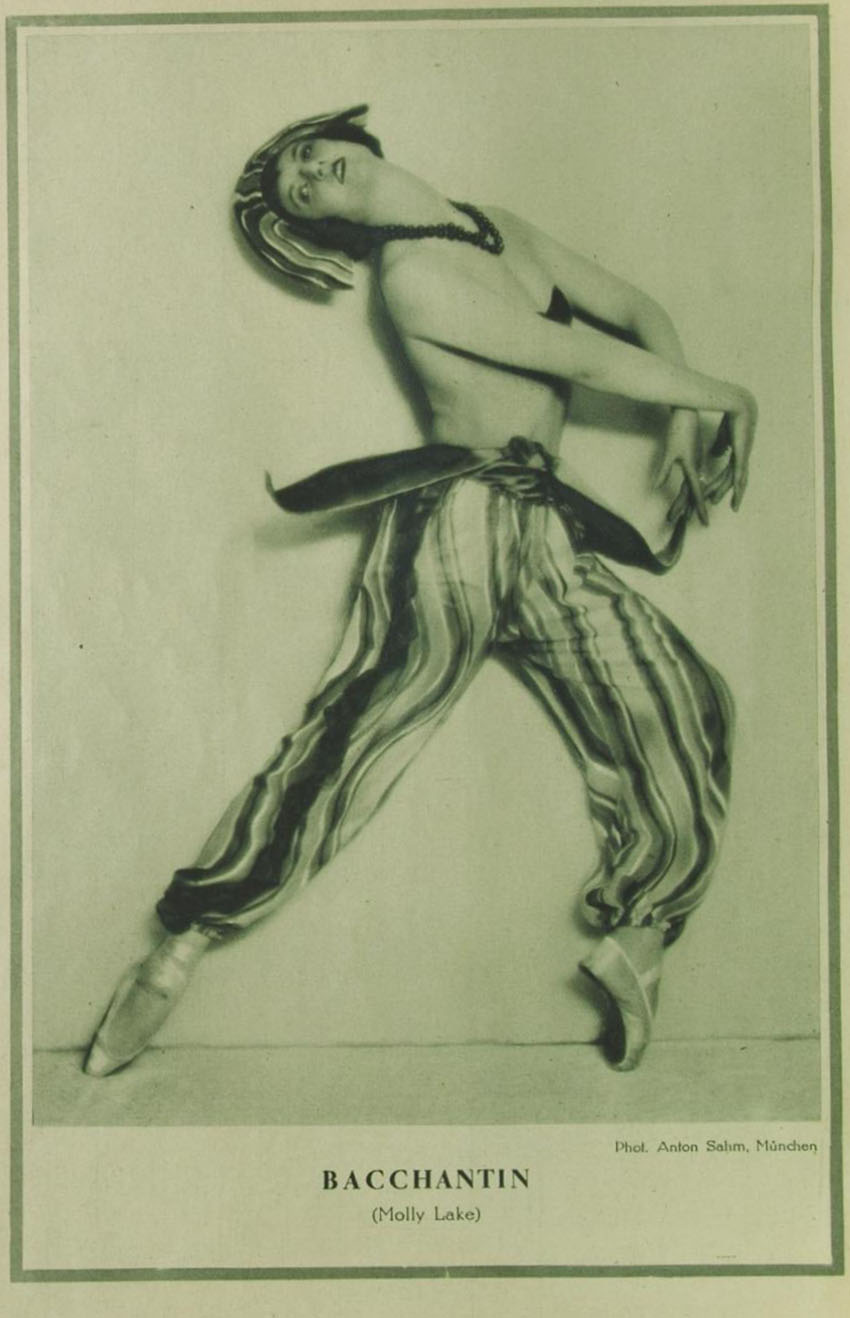
Molly Lake by Anton Sahm

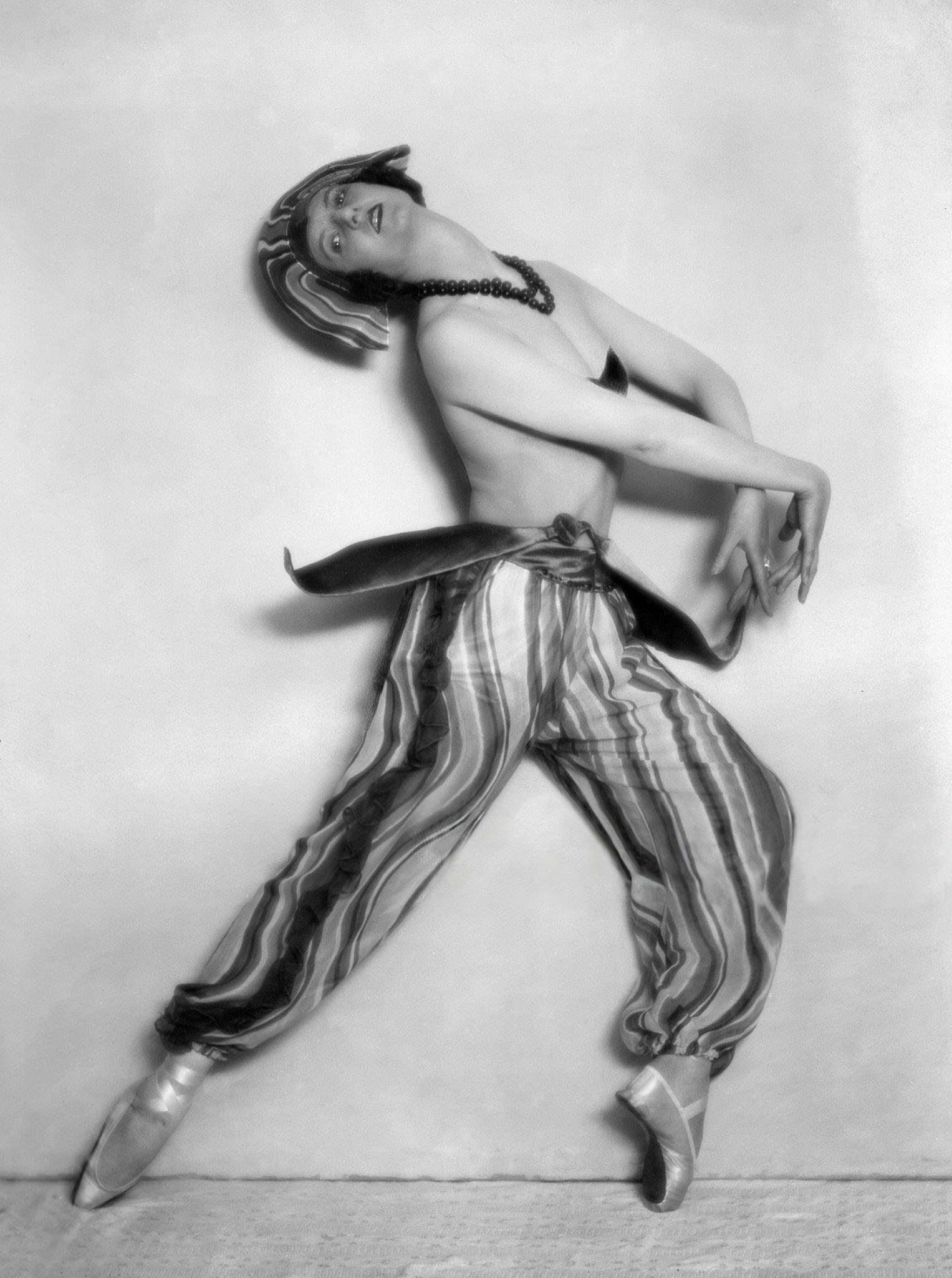
Anton Sahm ~ The dancer Molly Lake, ca. 1928 | src getty images
Anton Sahm ~ Bacchantin (Molly Lake). Scherl’s Magazin B.4 H.2 Februar 1928