Carnival. Dancer costumed as an Indian woman with beautiful feathers on the occasion of a carnival ball, 1923. [original: Carnaval. Danseres gekostumeerd als indiaanse vrouw met een prachtige verentooi ter gelegenheid van een carnavalsbal. 1923. Plaats onbekend. 1923] | src Het Geheugen ~ Fotocollectie Het Leven
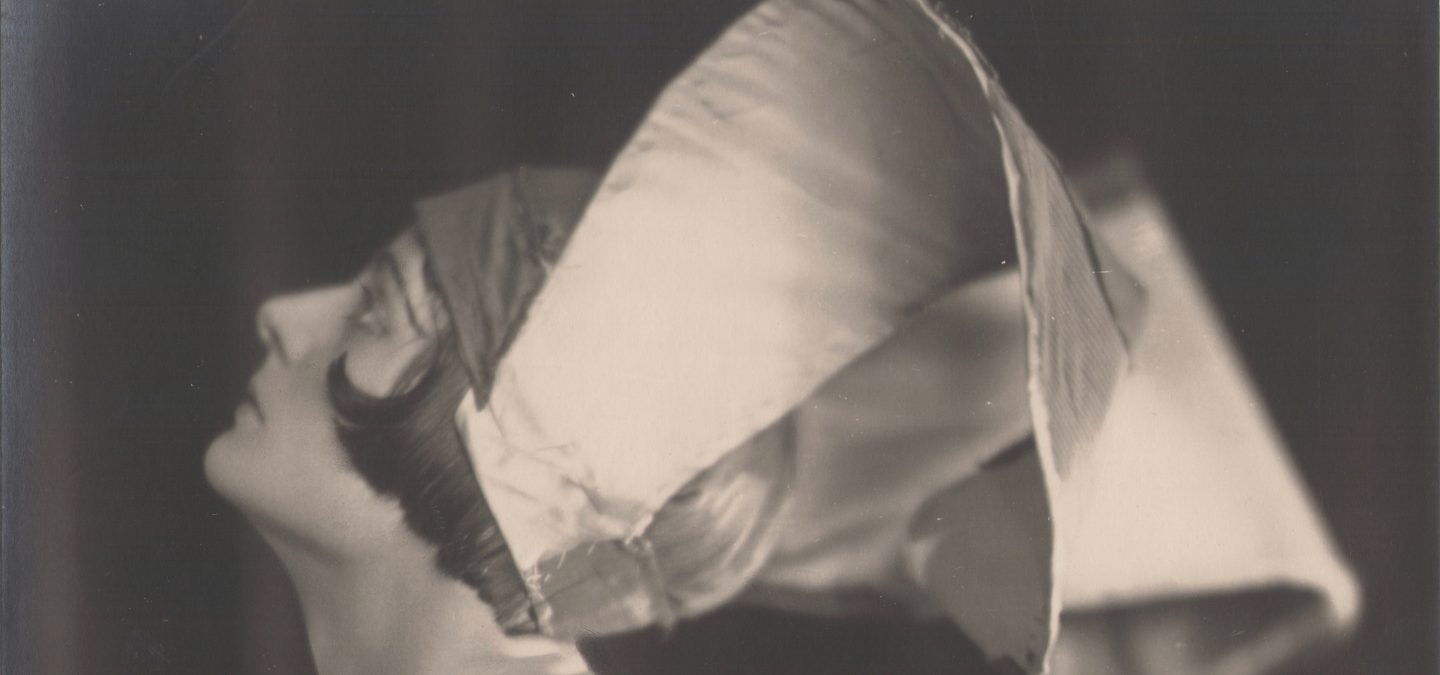
Anny Gerzer, German prima ballerina, circa 1921. [Photographer’s blindstamp is partially visible on bottom right: A·Stiffel] (Photo by Popperfoto) | src Getty Images
The Indian dancer Nyota Inyoka in her sacred dance, Theater des Champs Elysées, Paris, France, 1926. [Original: De Indische danseres Nyota Inoka die tallozen in geestdrift brengt met haar heilige dans, Theater des Champs Elysées te Parijs, Frankrijk, 1926.] | src Het Geheugen – Fotocollectie Het Leven
“The Caterpillar Dance” Helene Shelda a young Russian dancer who was inspired by the Hindus in British India, achieves great success in Paris, 1931. Original caption: Balletstukken op naam. “De Rupsdans” Helene Shelda een jonge Russische danseres die werd gëinspireerd door de Hindoe’s in Brits-Indië, oogst grote successen in Parijs, Frankrijk 1931. | src Het Geheugen – Fotocollectie Het Leven
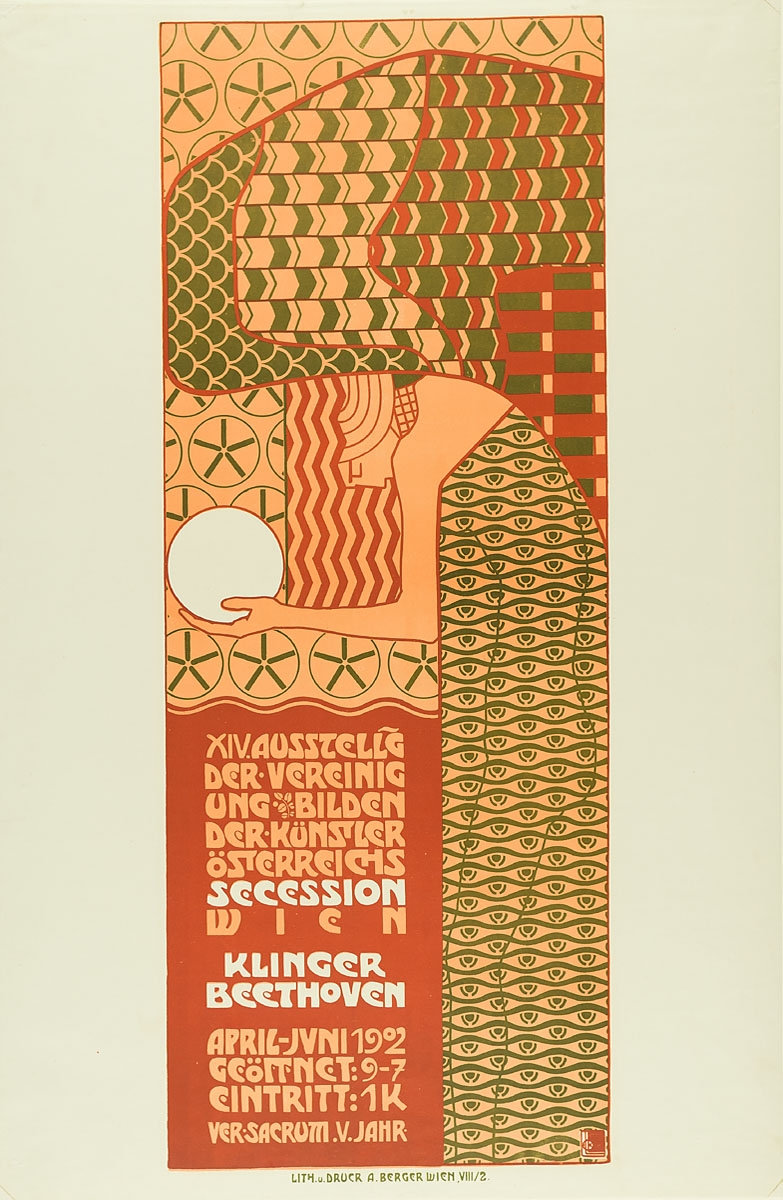
Alfred Roller (1864–1935) :: XIV. Ausstellung der Vereinigung bildender Künstler Österreichs – Secession Wien. Klinger – Beethoven. (1902) | src MK&G ~ Museum für Kunst und Gewerbe (Hamburg)
Oskar Kokoschka :: Shepherd, Stag and Fox (Hirt, Hirsch und Fuchs). Illustration for the shadow play The Speckled Egg (Das getupfte Ei) (plate 1) from the First Theater Program of Kabarett Fledermaus (Cabaret Fledermaus), 1907. Designed by Carl Otto Czeschka, this program exemplifies the then-current idea of the Gesamtkunstwerk, or total work of art. | src MoMA
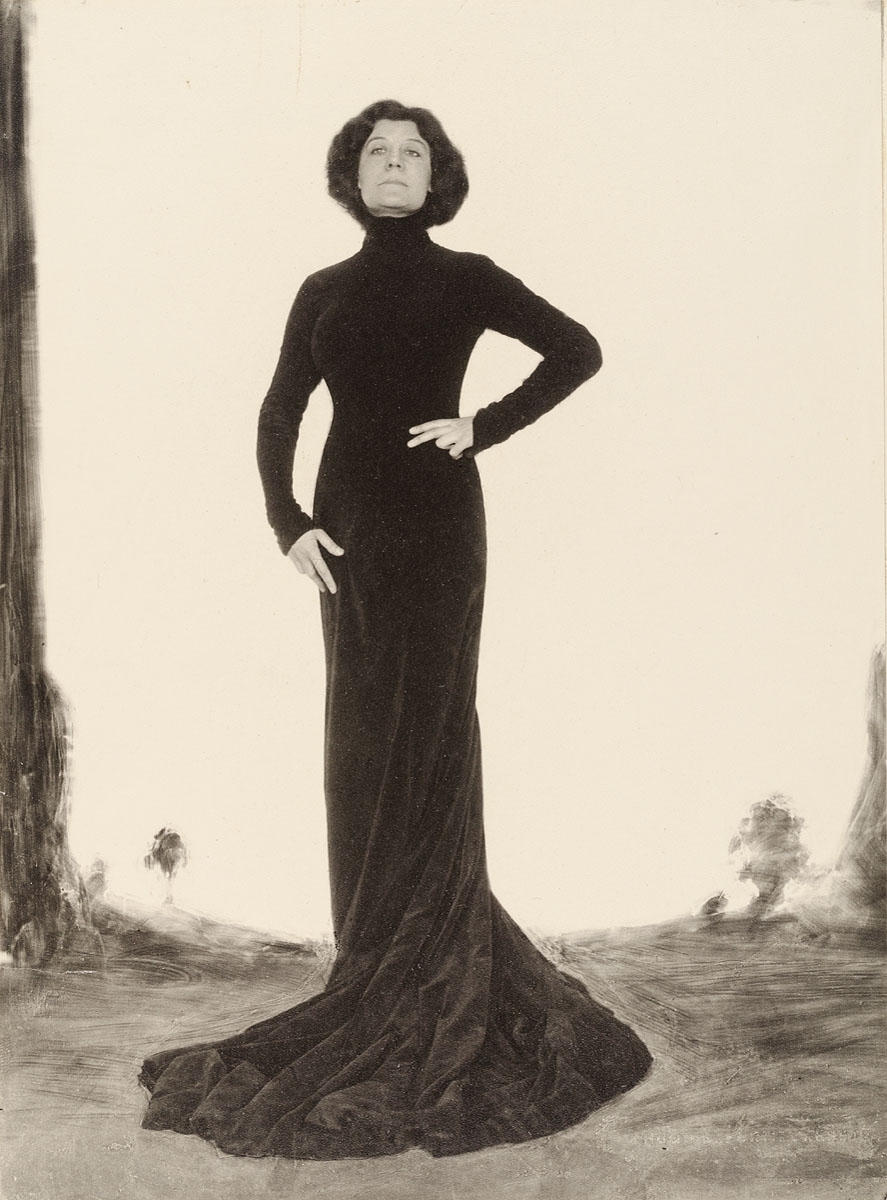
Thomas Theodor Heine :: Marya Delvard. Die 11 Scharfrichter. The Eleven Executioners was the first popular cabaret in Germany, and its subject matter was political humour. Marya Delvard used to sing underneath a single spotlight, creating a performance that was both chilling and enticing. This poster is from a 1902 performance. | src The Guardian