

images that haunt us
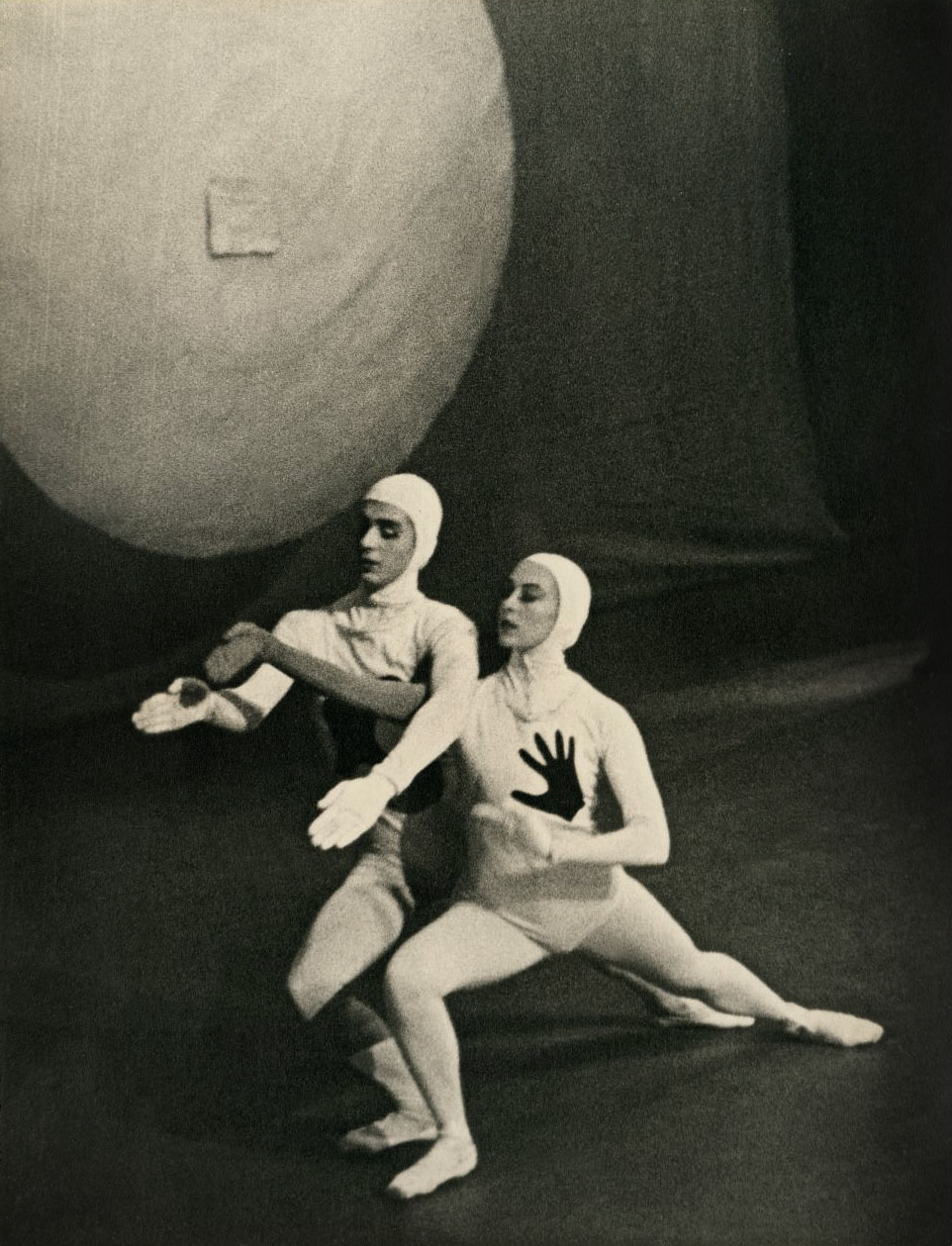
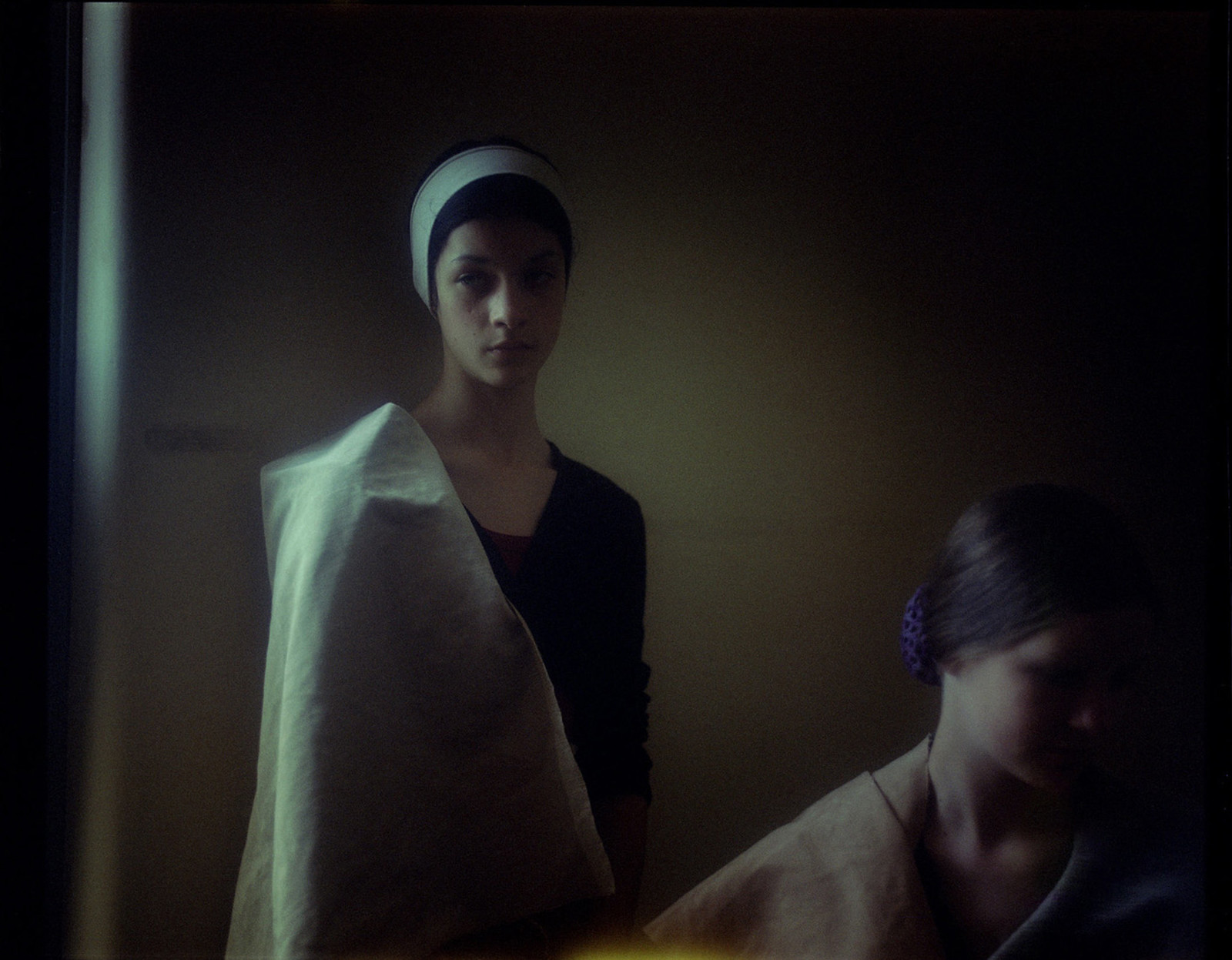
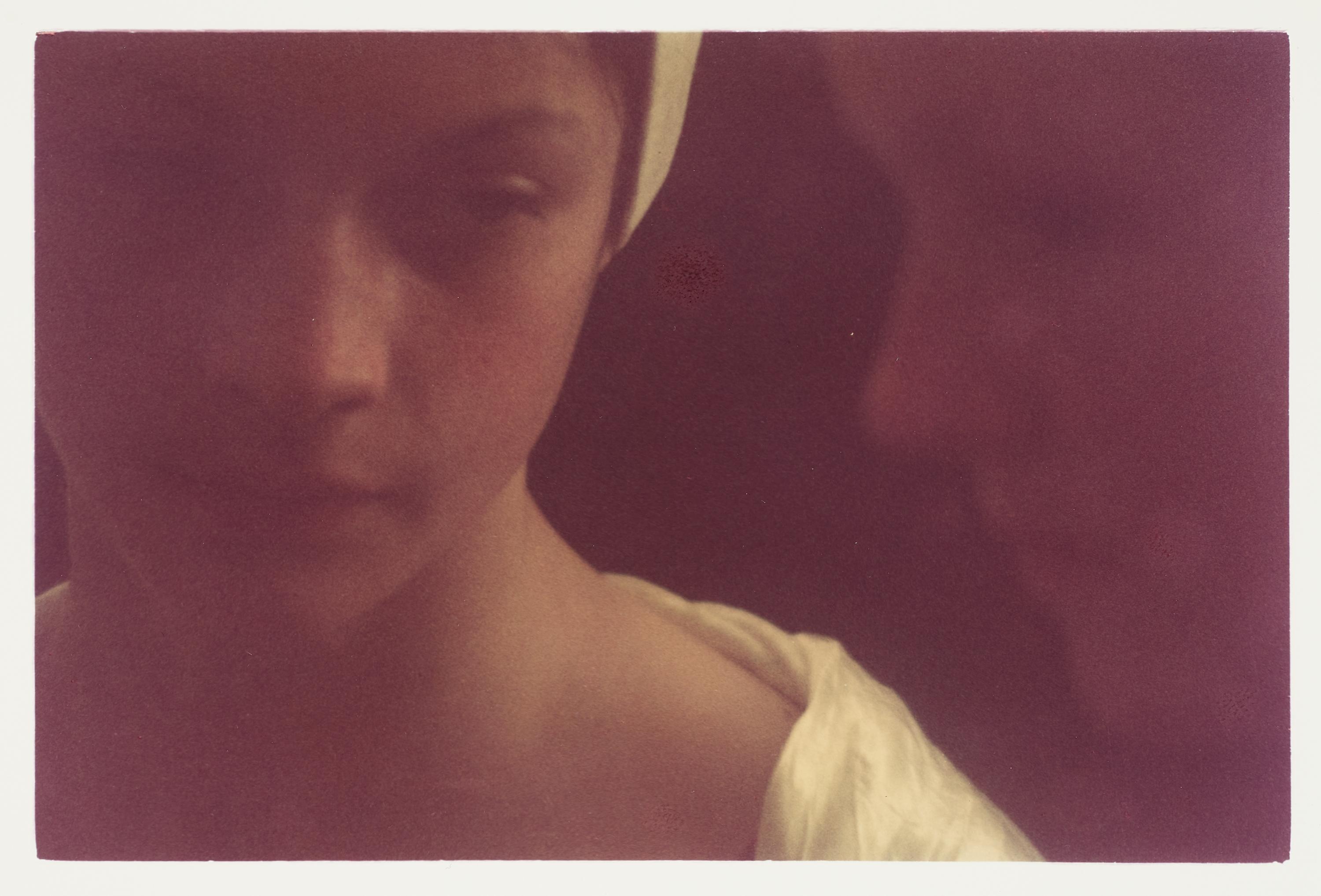
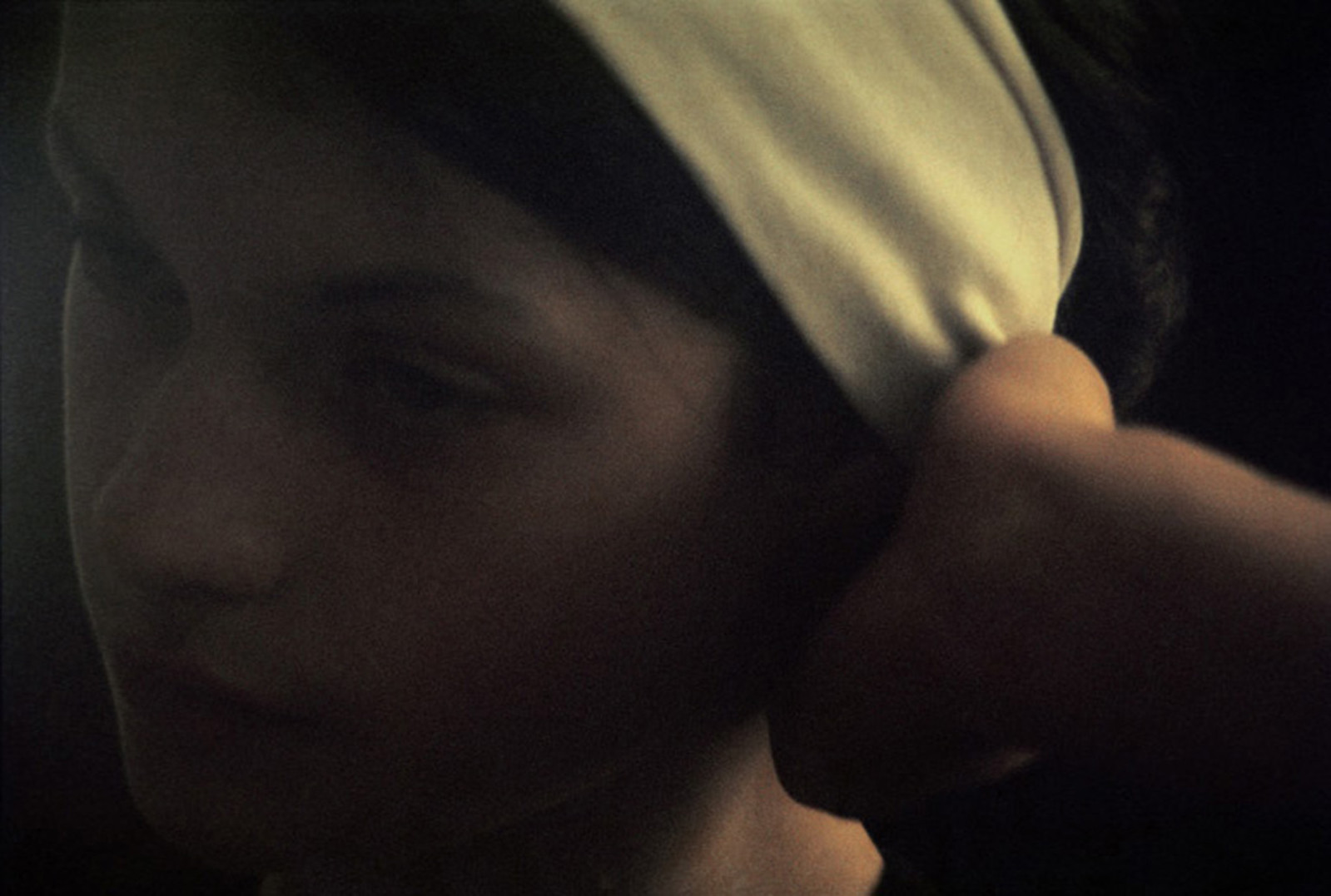
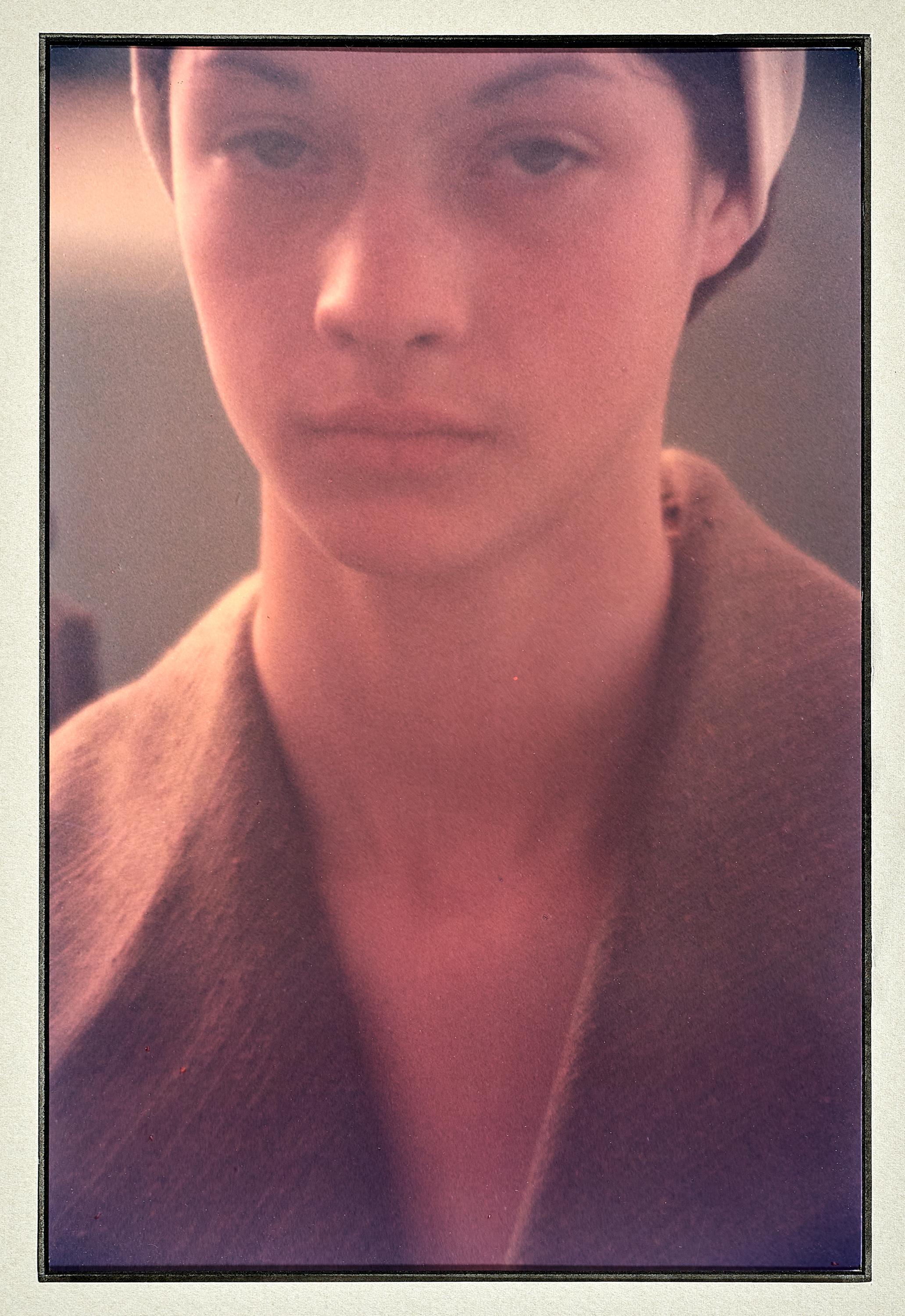
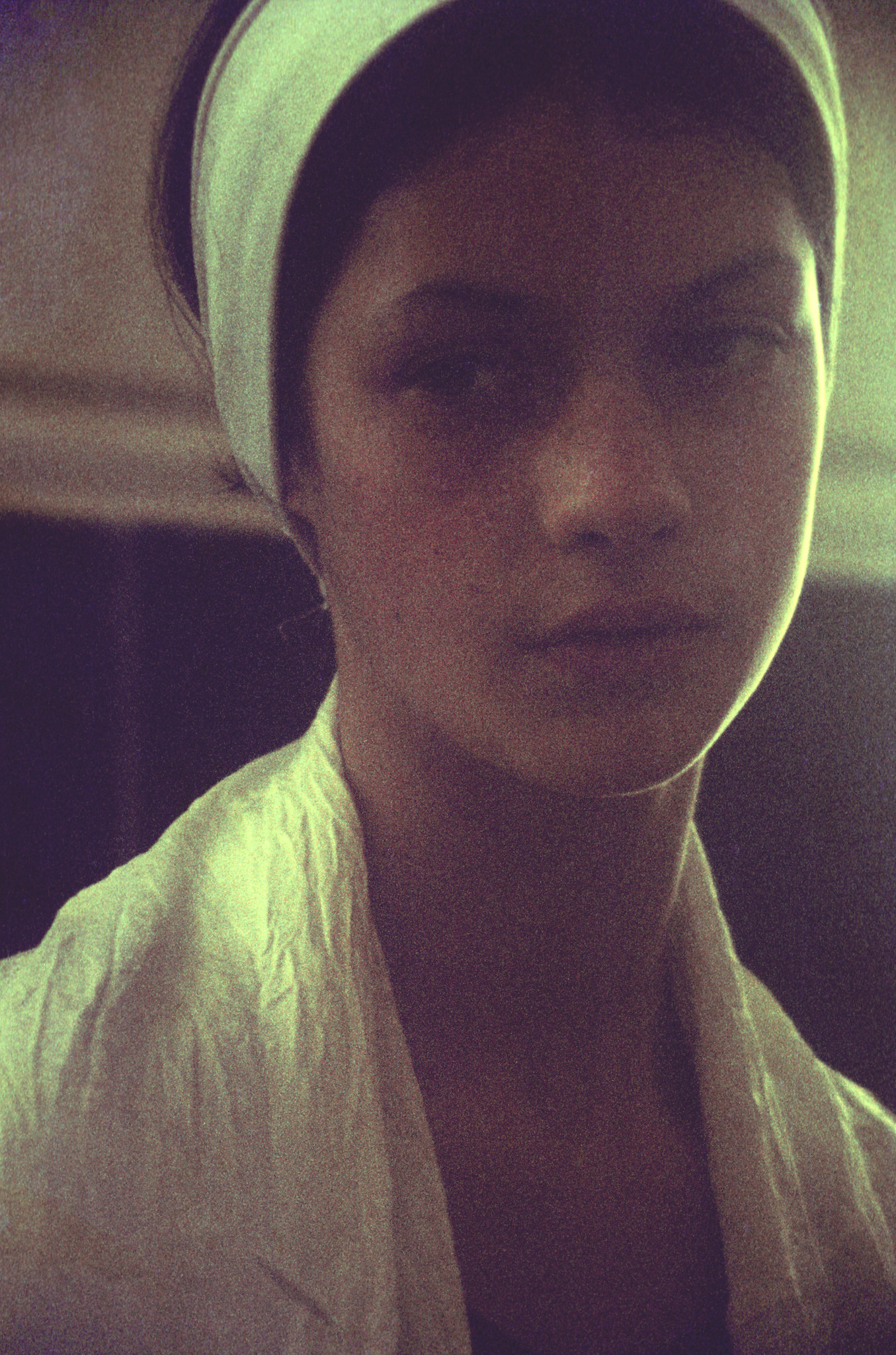

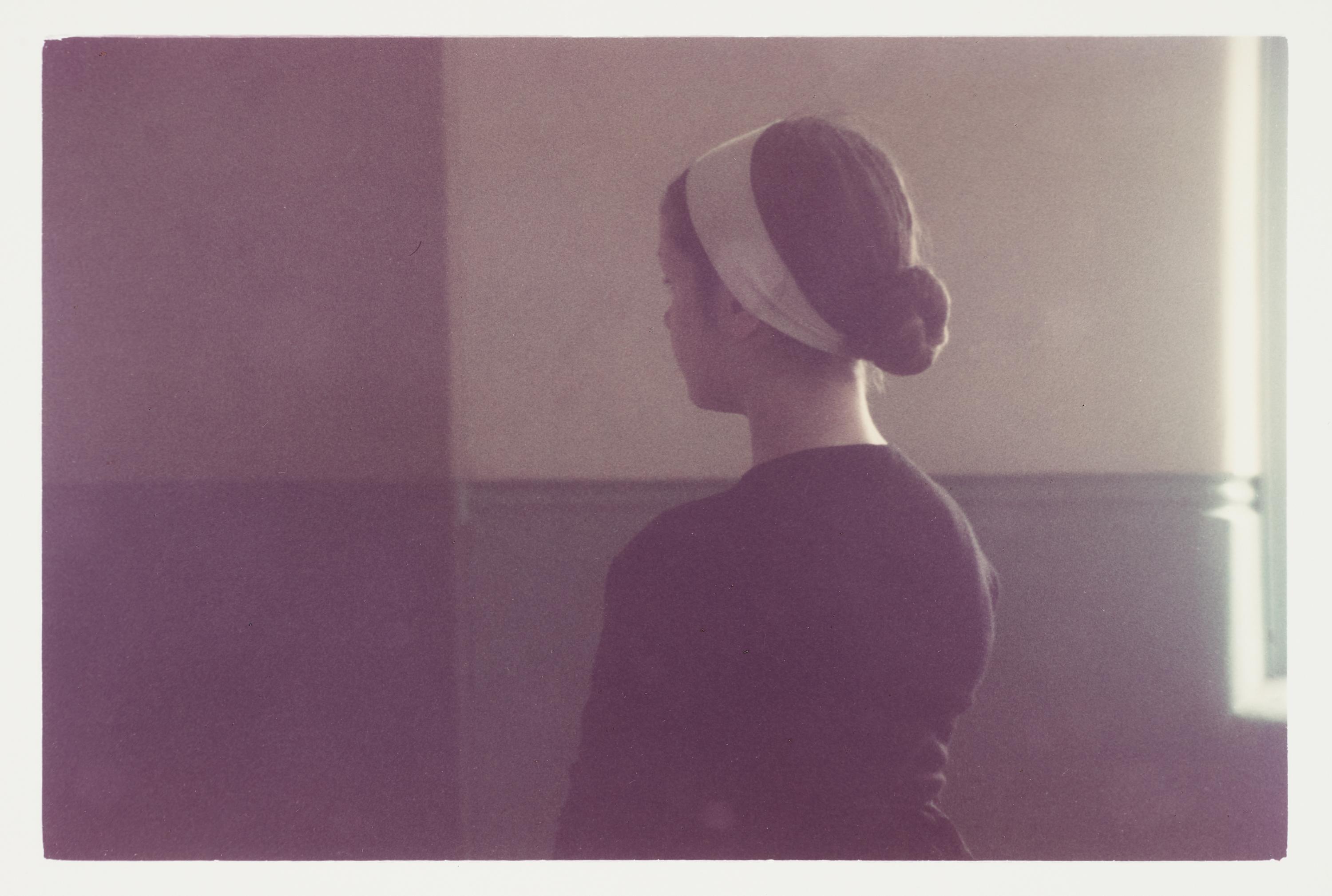
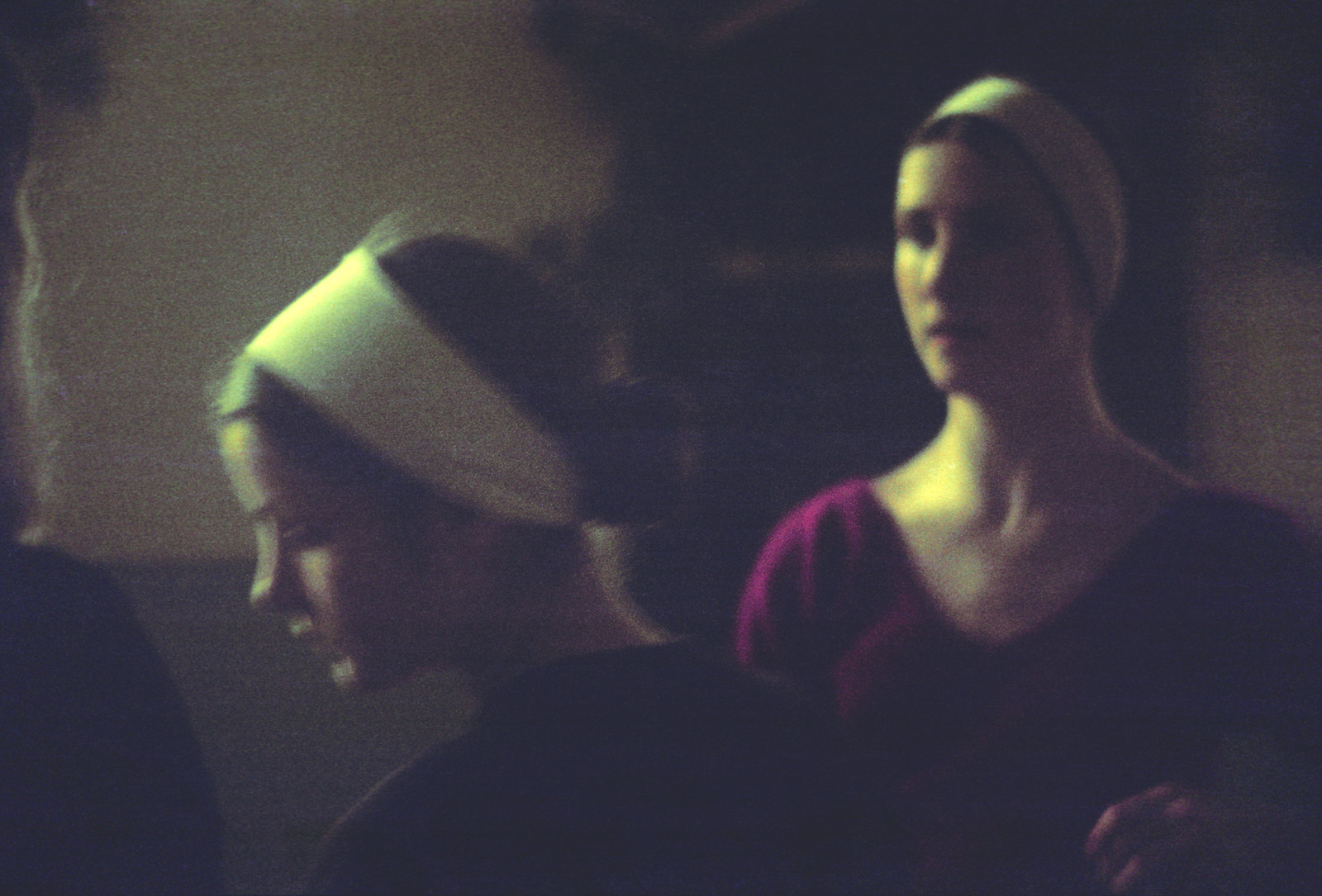
‘Untitled 1974’ was one of Bill Henson’s earliest photographic series. When photographing the ballerinas, he found himself fascinated by faces, ‘lost to the world, absorbed in the dance. So I photographed their faces rather than their bodies. I was drawn to the spirit of some person in a space.’ Bill Henson 2004
Sequences are an important part of Henson’s work, creating a dialogue between the images and enhancing both the meaning and effect. An image that is hard to discern singularly becomes more readable as part of a sequence, while at the same time the whole sequence seems to become more ethereal and requiring of an emotional response. AG of NSW
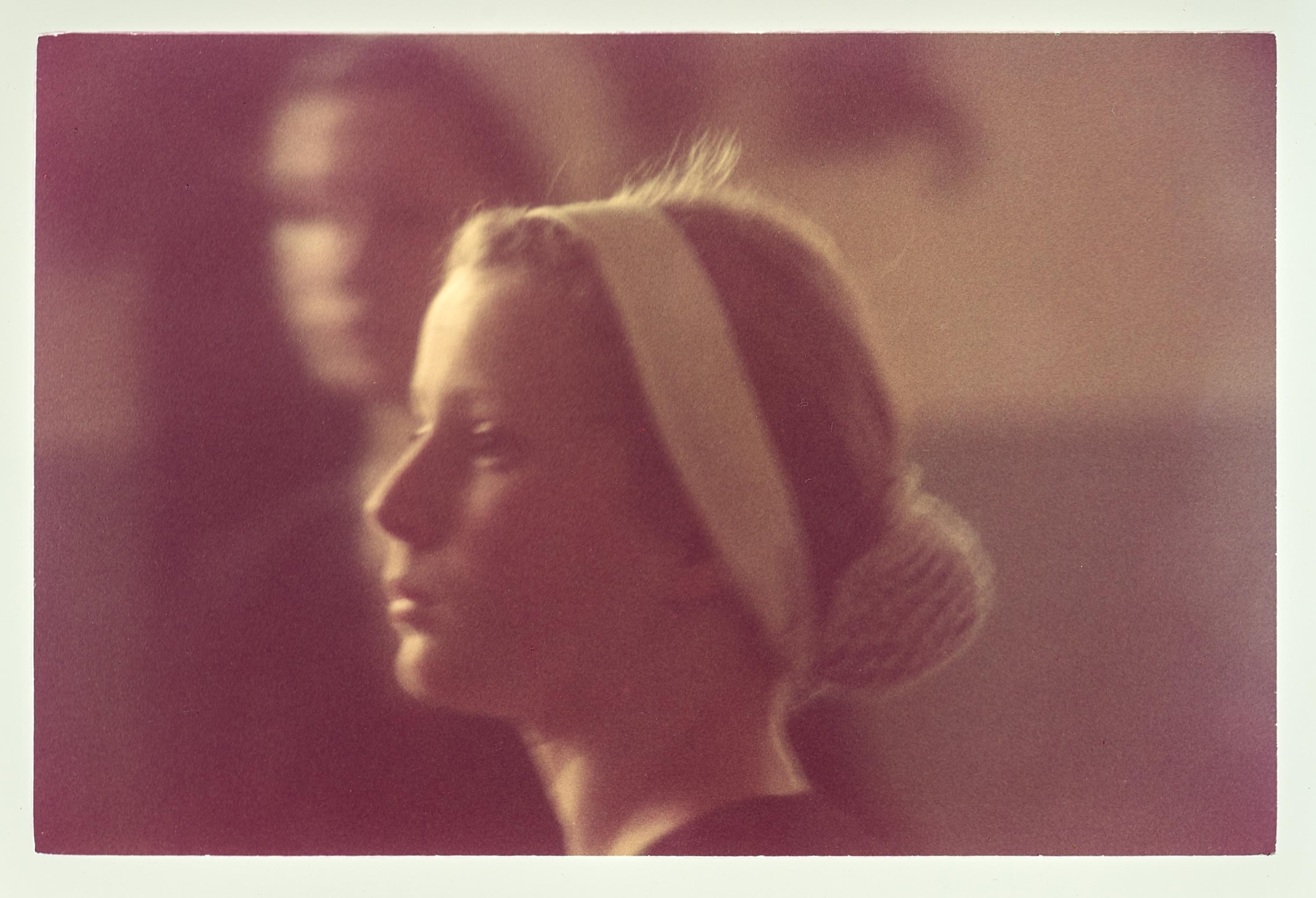
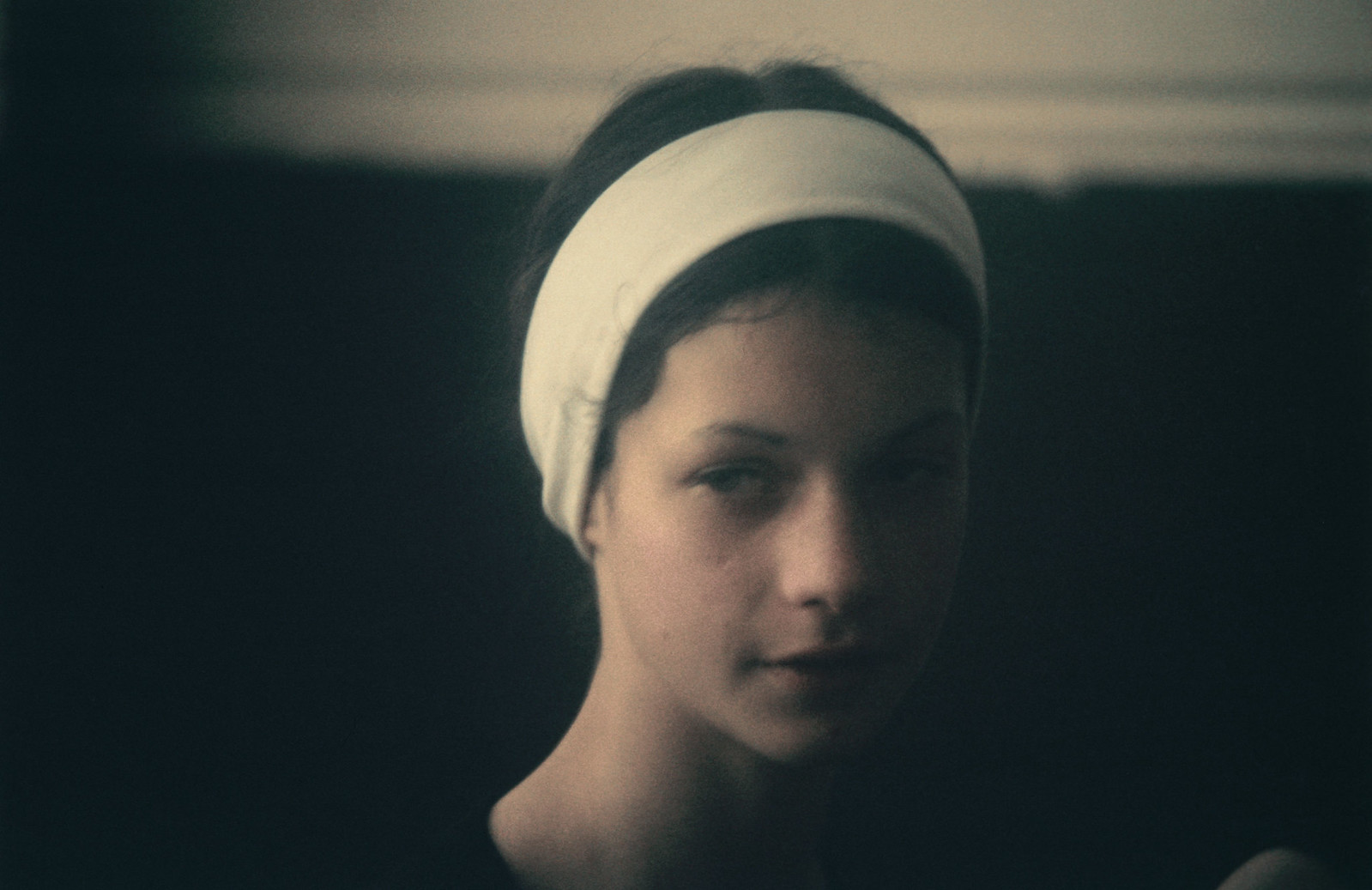







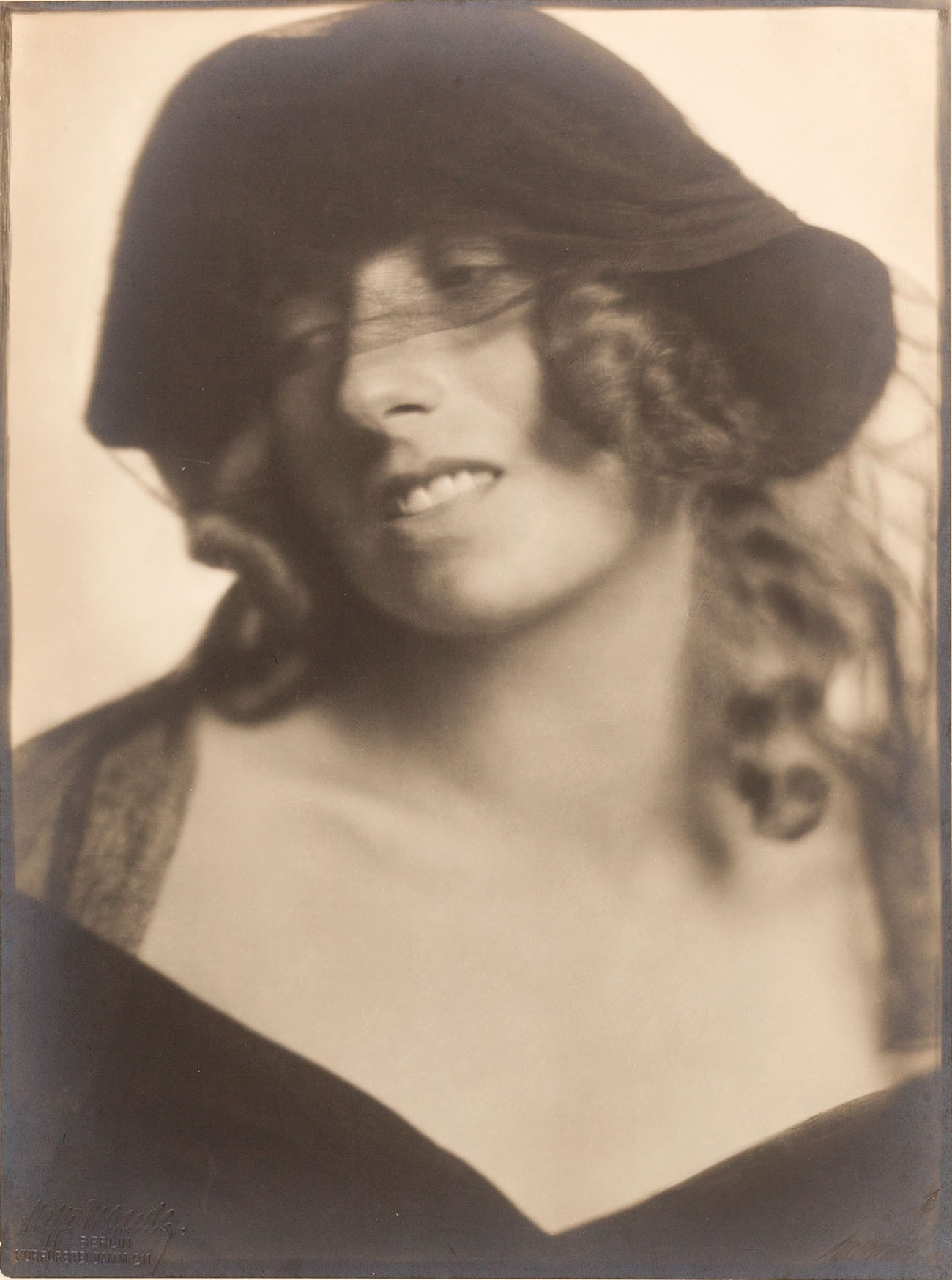
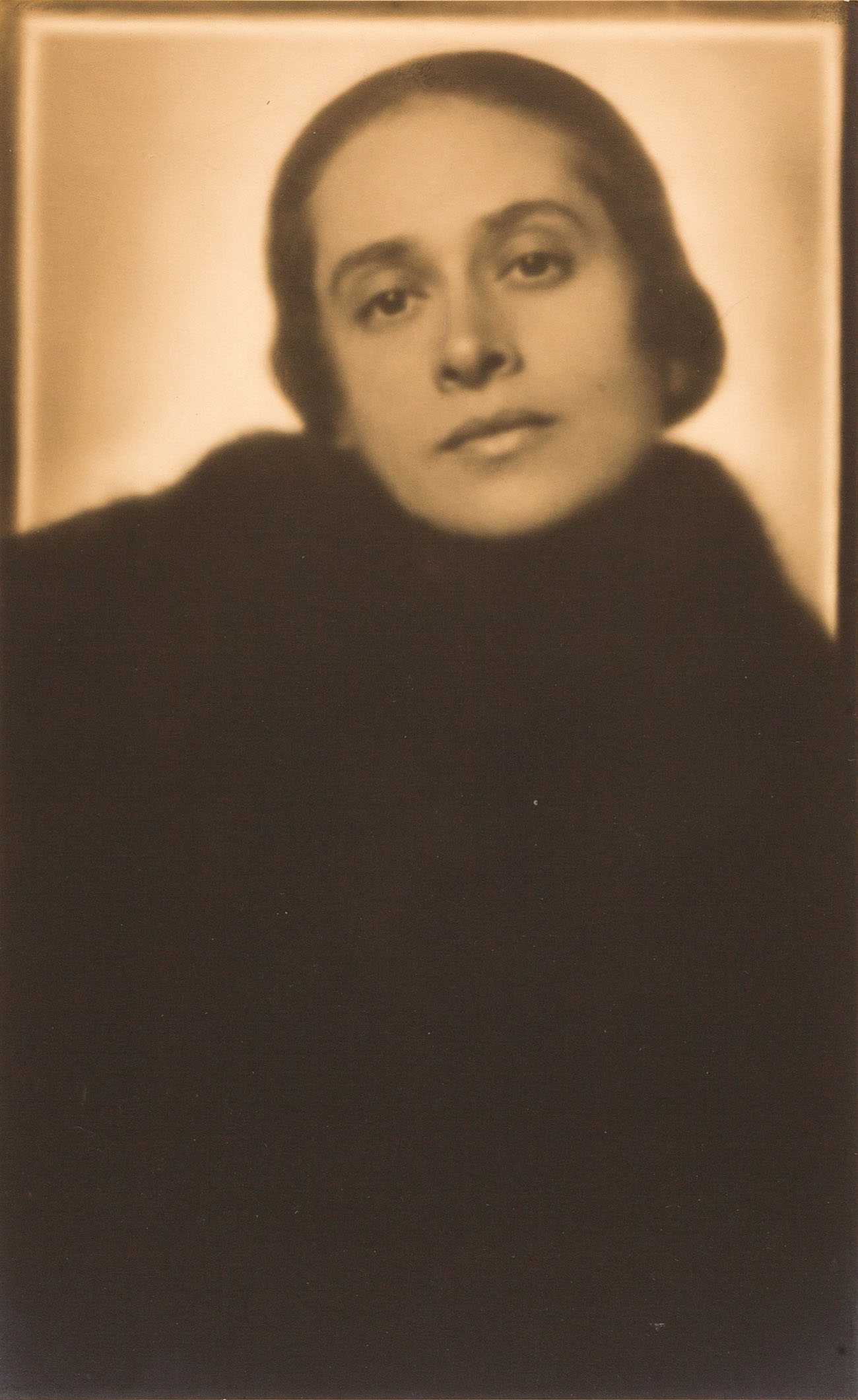
Rare portrait of the famous Viennese photographer, at whose studio Brandl worked. Fleischmann was what is now called a good networker and cultivated customer contacts like friendships with costume parties in her studio. The portrait most likely shows her dressed for such an occasion.

Seltenes Porträt der berühmten Wiener Fotografin, in deren Atelier Brandl arbeitete. Fleischmann war, wie man heute sagt, eine gute “Netzwerkerin”, die ihre Kundenkontakte und Freundschaften auch mit der Veranstaltung von Kostümfesten in ihrem Atelier pflegte. Es ist anzunehmen, dass sie dieses Porträt in einer Garderobe für einen solchen Anlass zeigt.

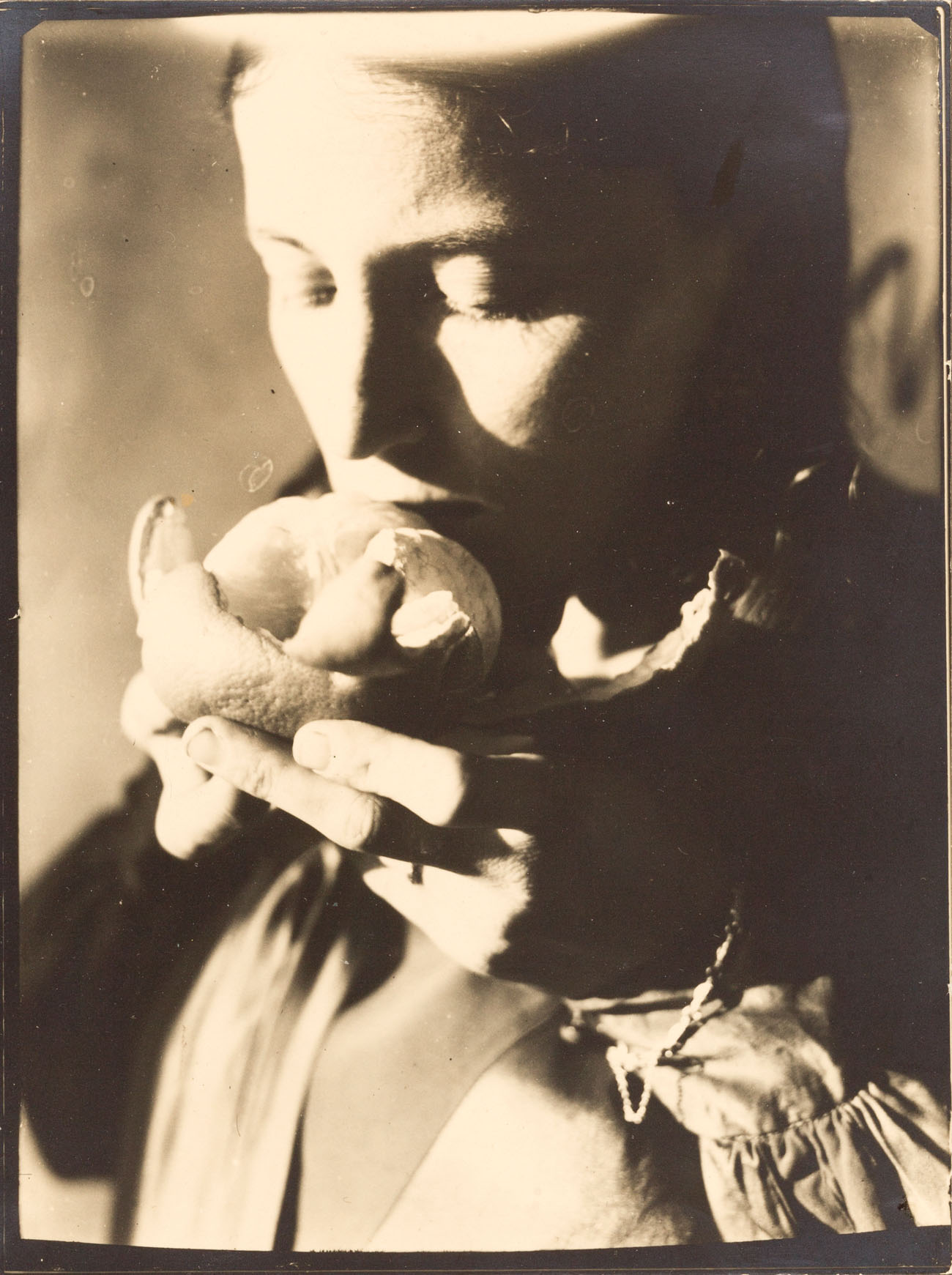
Trained in Munich by Defregger and Kaulbach, the Innsbruck artist enjoyed international success as a landscape painter from 1920 until his career ended with the Nazi takeover. He did not use photography for templates, but as a medium in its own right and experimented in many photographic genres and pictorial languages in his mostly very small-format prints; yet his astonishing photographic oeuvre did not receive attention until the 1980s. This photo features the artist’s second wife Barbara Hoyer (1907–1970), who posed for many of his staged photographs.

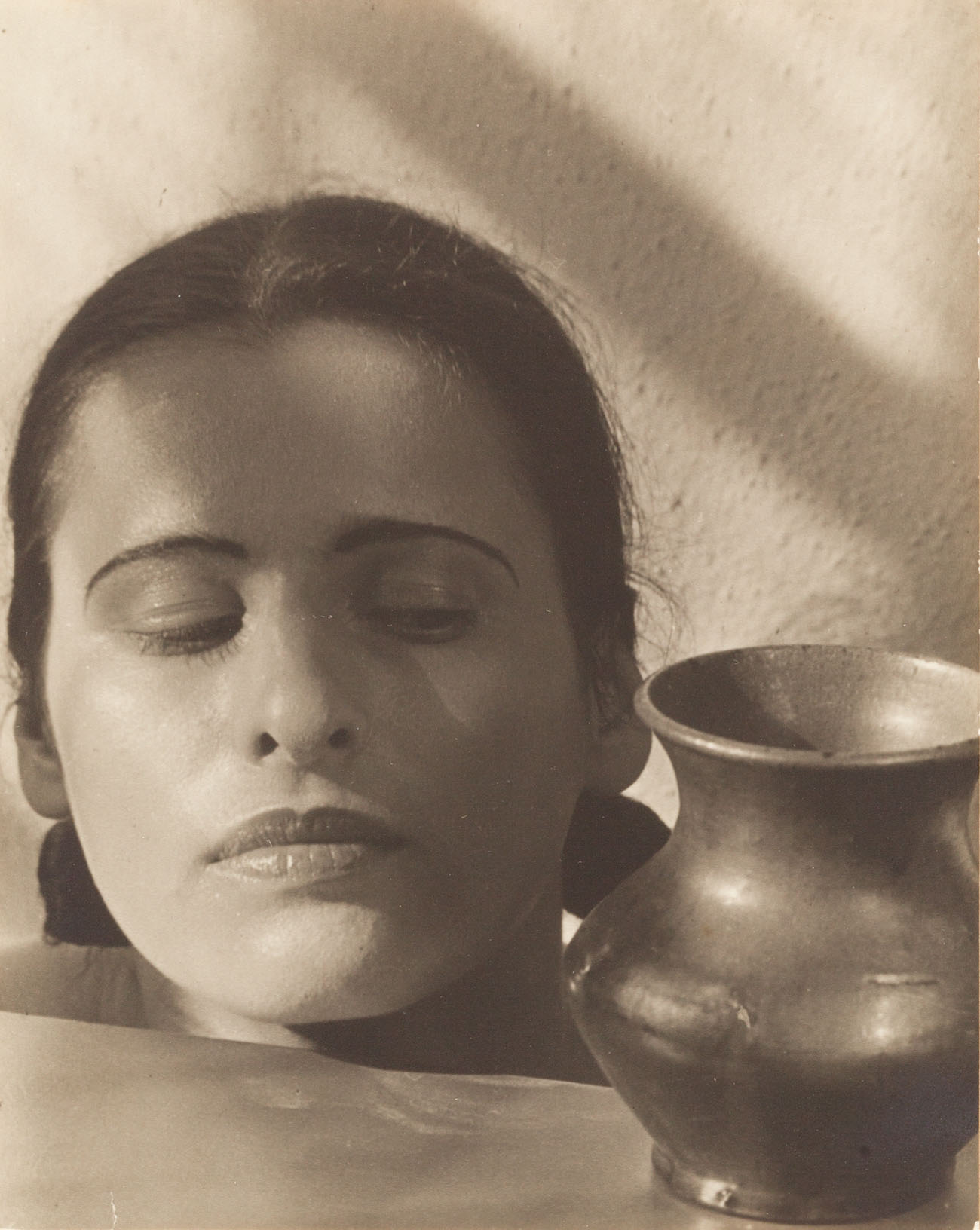
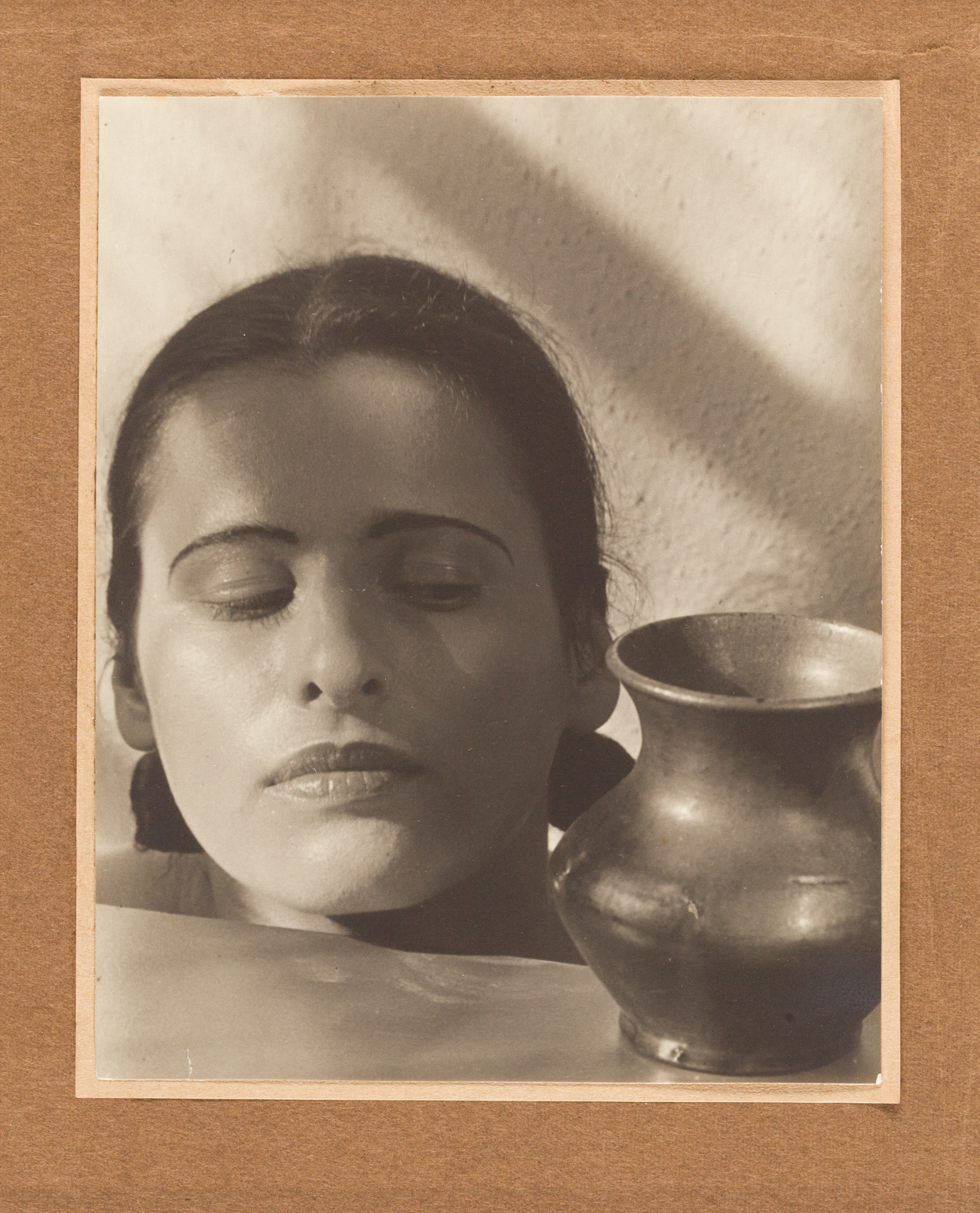
The Swiss cabinetmaker and talented amateur photographer Martin Imboden received important impulses in 1929 when he visited the legendary ‘FIFO’, the international exhibition of the German Werkbund. He accentuated his pictorial language, which was oriented towards the New Objectivity, with tight cropping and strong contrasts. During his most productive years as a photographer he lived in Vienna, where his photographs appeared in magazines such as ‘Der Kuckuck’ and ‘Die Bühne’. Despite favorable reactions, he did not want to make photography his profession and concentrated on selected photo projects as an amateur.


 un regard oblique