Dalí · Dream of Venus · 1939

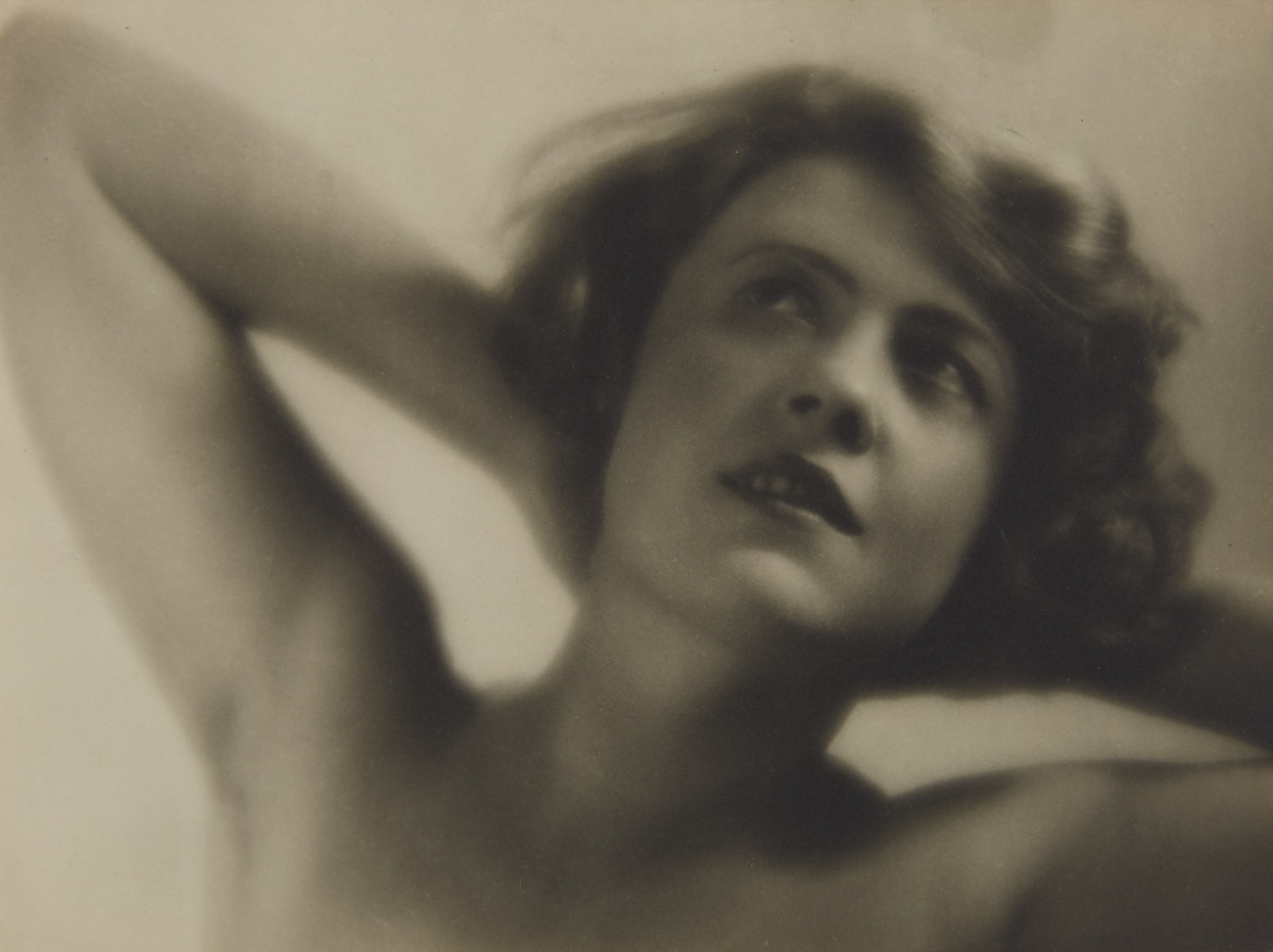
Horst P. Horst (1906–1999) ~ Costume design by Salvador Dali for ‘Dream of Venus’, 1939 | src Christie’s
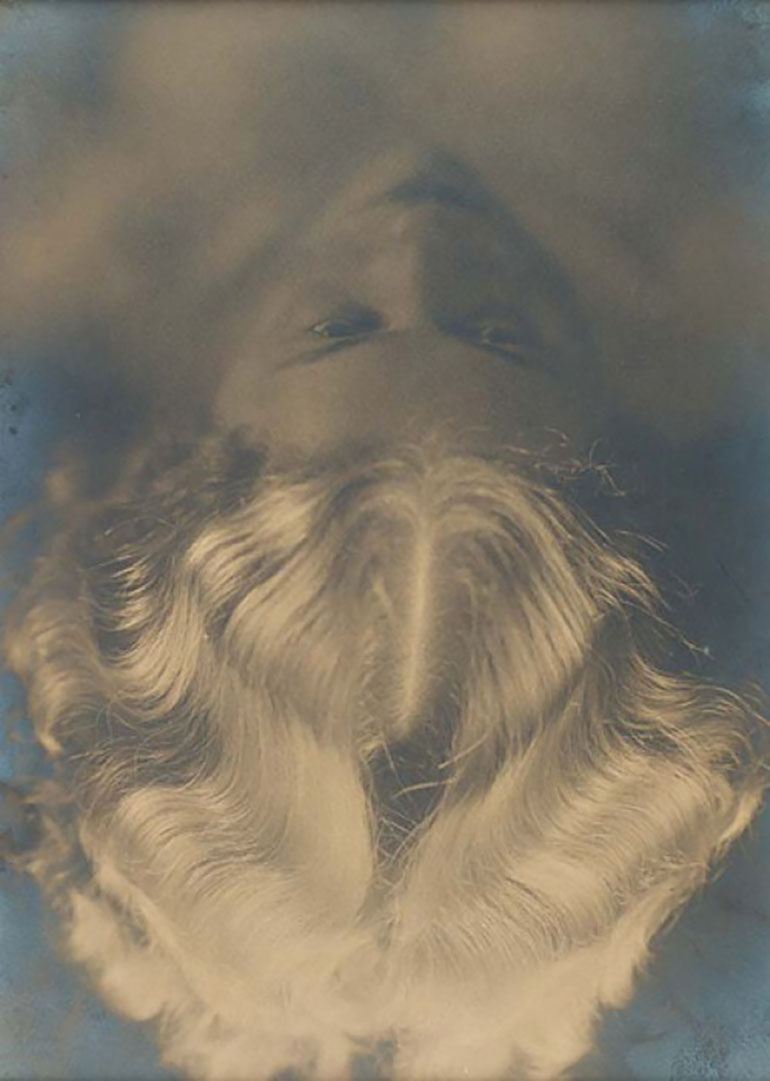
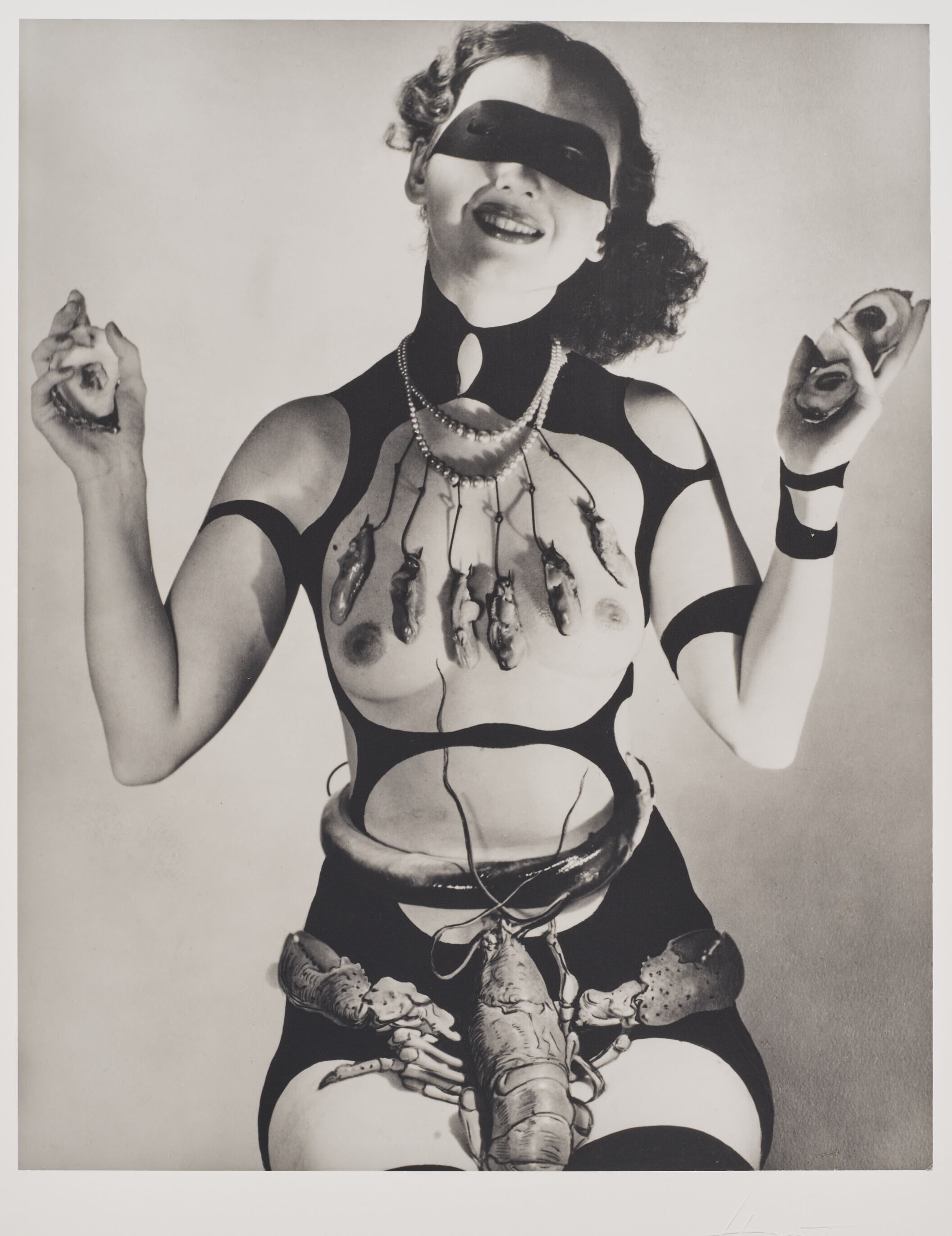
Horst P. Horst (1906–1999) ~ Costume design by Salvador Dalí for ‘Dream of Venus’ (Lobster # 1), 1939 | src Christie’s

In June 1939 Salvador Dalí designed a pavilion for the New York World’s Fair built by the architect Ian Woodner. The building was named Dream of Venus. 

The pavilion featured a spectacular facade full of protuberances, vaguely reminiscent of the Pedrera building by Antoni Gaudí. The main door was flanked by two pillars representing two female legs wearing stockings and high-heeled shoes. Through the openings of  the irregular façade, visitors could see reproductions of the Saint John the Baptist by Leonardo da Vinci and The Birth of Venus by Botticelli. The outer part of the building also had crutches, cacti, hedgehogs, etc. Inside, the pavilion offered visitors an aquatic dance show in two large swimming pools, with sirens and other items also designed by Dalí, some of them taking their inspiration from the work of Bracelli. Between the painter’s initial ideas and the final result of the project there arose major modifications, which led Dalí to complain about the Fair’s requirements  in a pamphlet entitled Declaration of the Independence of the Imagination and the Rights of Man to His Own Madness. […] [quoted from dali.org]
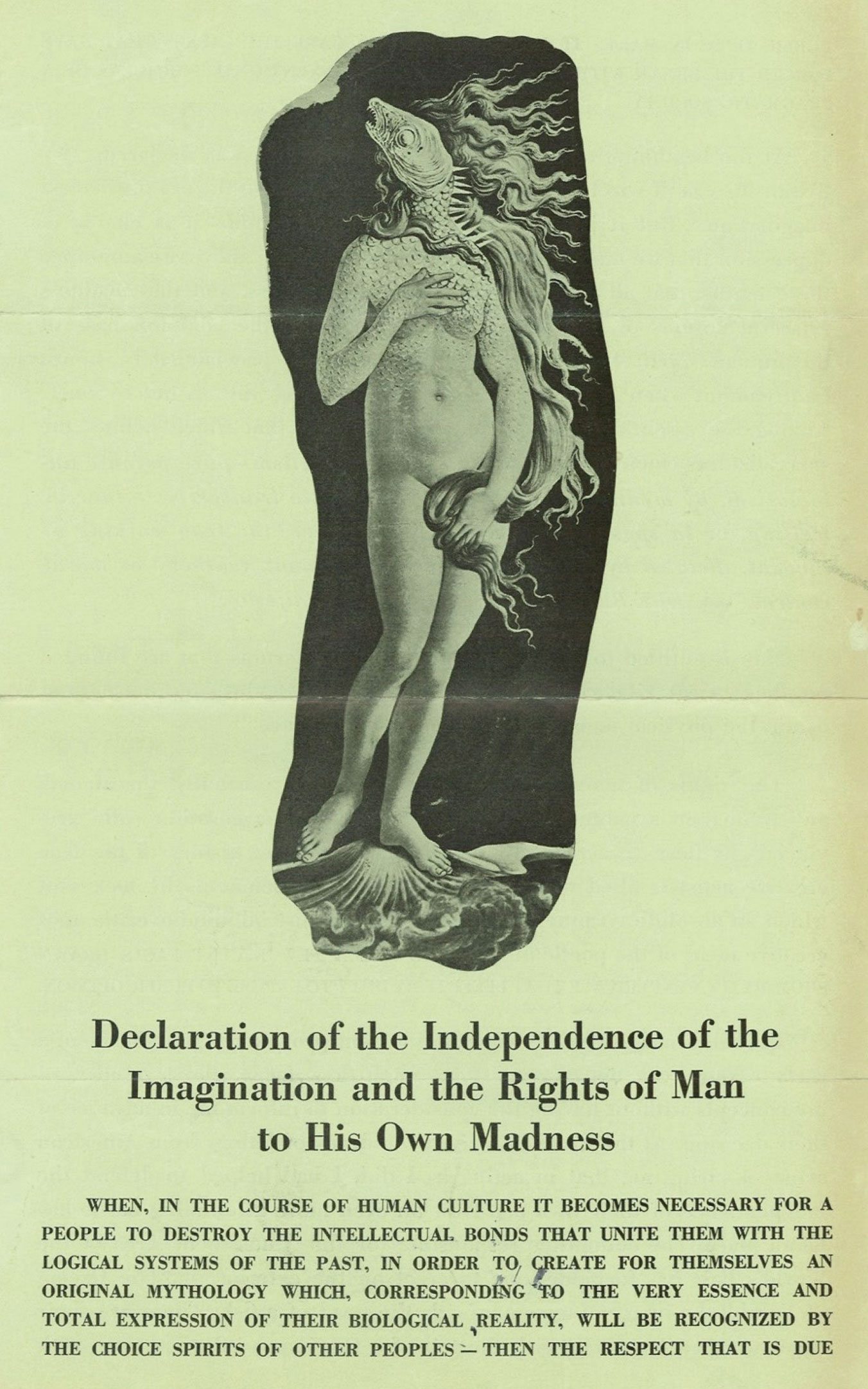
Salvador Dalí (1904 – 1989) ~ Declaration of the Independence of the Imagination and the Rights of Man to His Own Madness, 1939, ink on paper | src National Art Library; also AIC

Salvador Dalí wrote this declaration after his experience creating a pavilion for the 1939 New York World’s fair. The ‘Dream of Venus’ pavilion was a Surrealist undersea grotto where semi naked women performed in tanks playing piano and milking cows amongst other suitably surreal activities. The image on this pamphlet of Botticelli’s Venus with the head of a fish was Dalí’s original idea for the Pavilion’s entrance. However, the design was rejected by the Fair’s organizers who stated “‘A woman with the head of a fish is impossible” and replaced it with a simple reproduction of Venus. Believing that his artistic vision had been unacceptably compromised, Dalí responded by producing this pamphlet berating the Fair’s organizers and rallying against mediocrity in art by consensus. [quoted from V&A museum]

Julien Levy ~ Facade of the pavilion “Dream of Venus” conceived by Salvador Dalí for the New York World Fair (1939) | src AIC

[…] Despite the conflicts that derived from Dalí’s collaboration with the organizers of the Fair, his participation has to be rated as a highly important moment within the painter’s increasing approximation to mass culture, and his need to project his ideas beyond the strict circles of artistic culture. In this sense it may not be exaggerated to state that The Dream of Venus was a first version (though with features and a context of its own) of that other enormous “inhabitable” and “visitable” artistic object that was to be the Dalí Theatre-Museum of Figueres many years later. [quoted from dali.org]
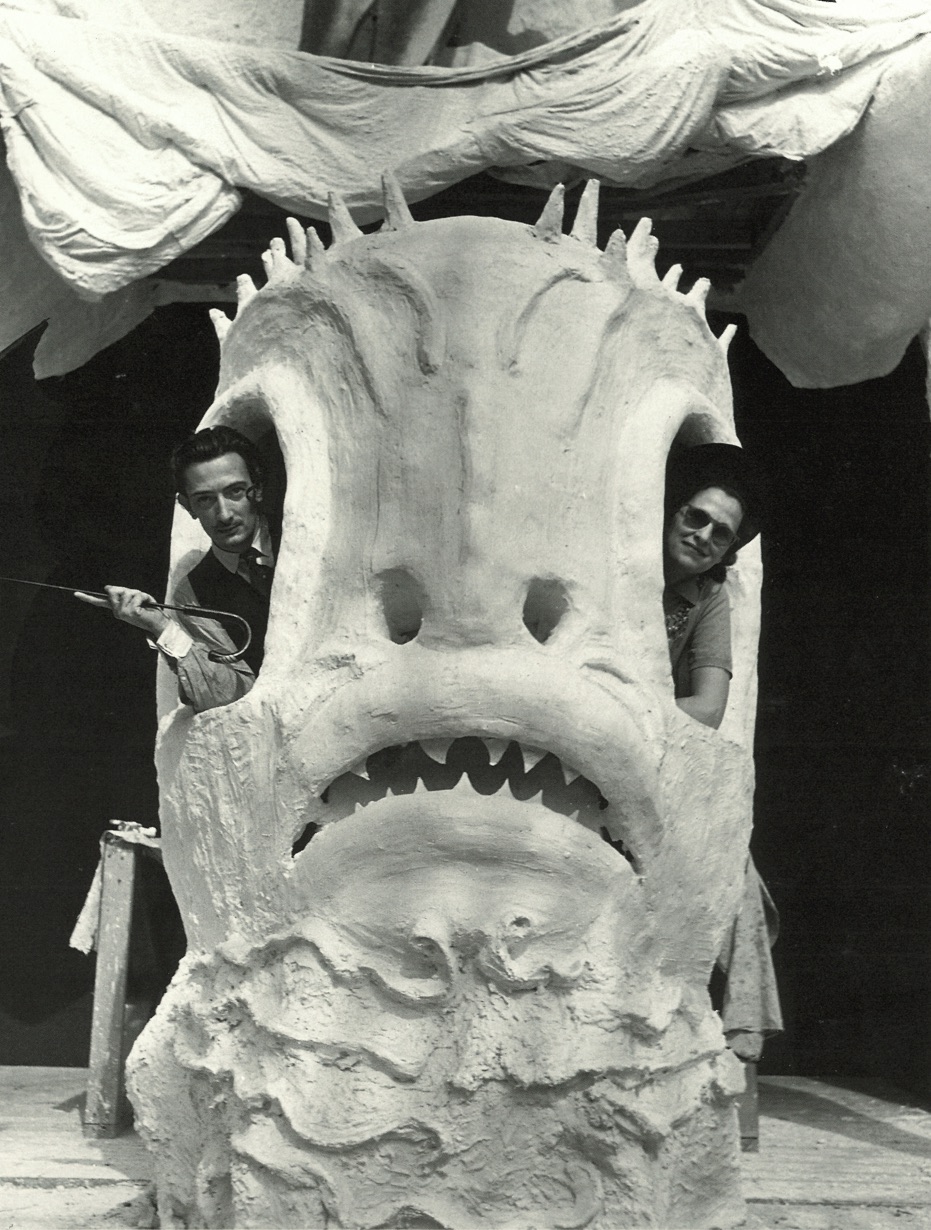
Gala and Dalí in the ticket booth of the pavilion “Dream of Venus” by Salvador Dalí for the New York World Fair (1939)
Entrance of the pavilion “Dream of Venus” conceived by Salvador Dalí for the New York World Fair (1939)

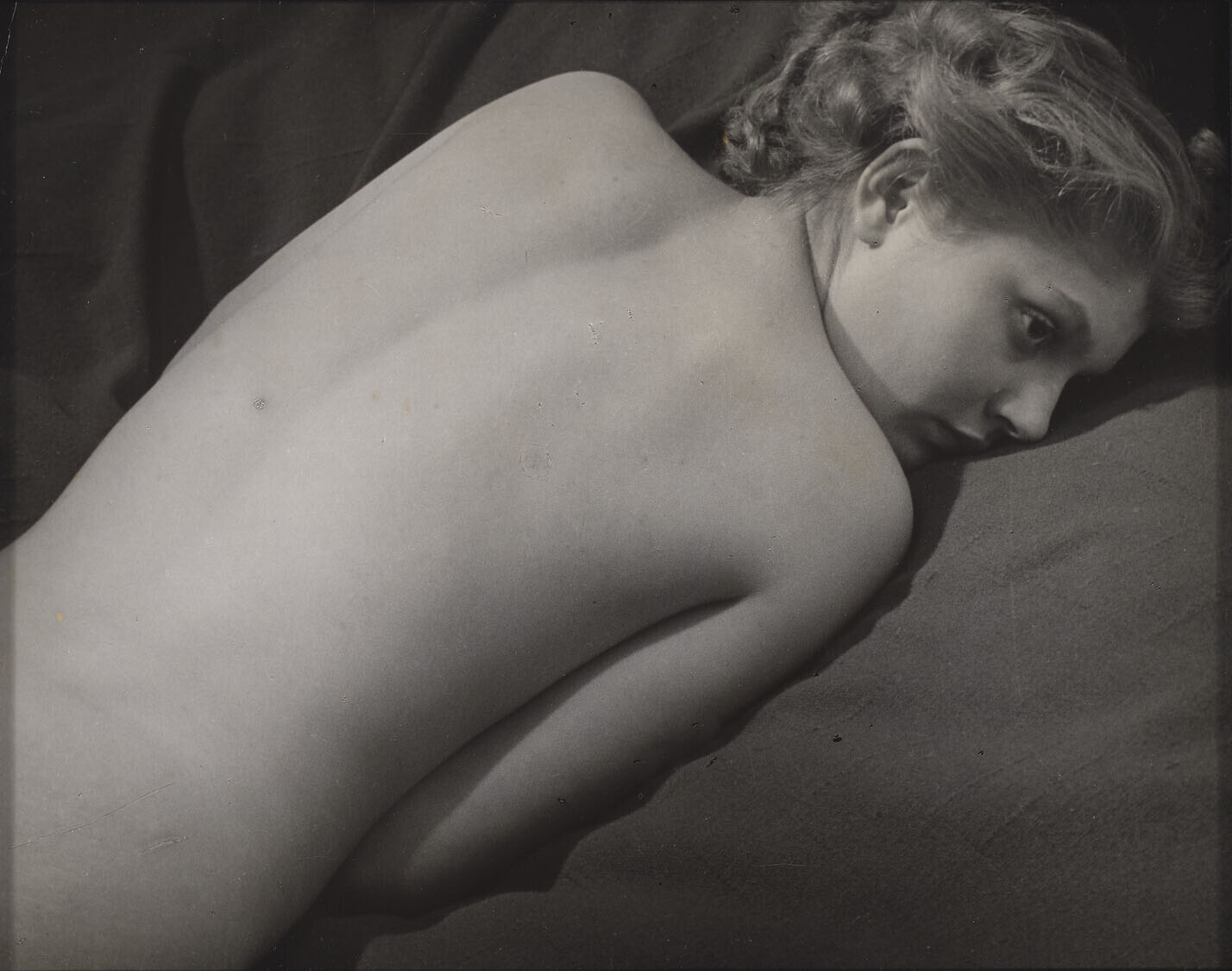
Brassaï · Nu de dos

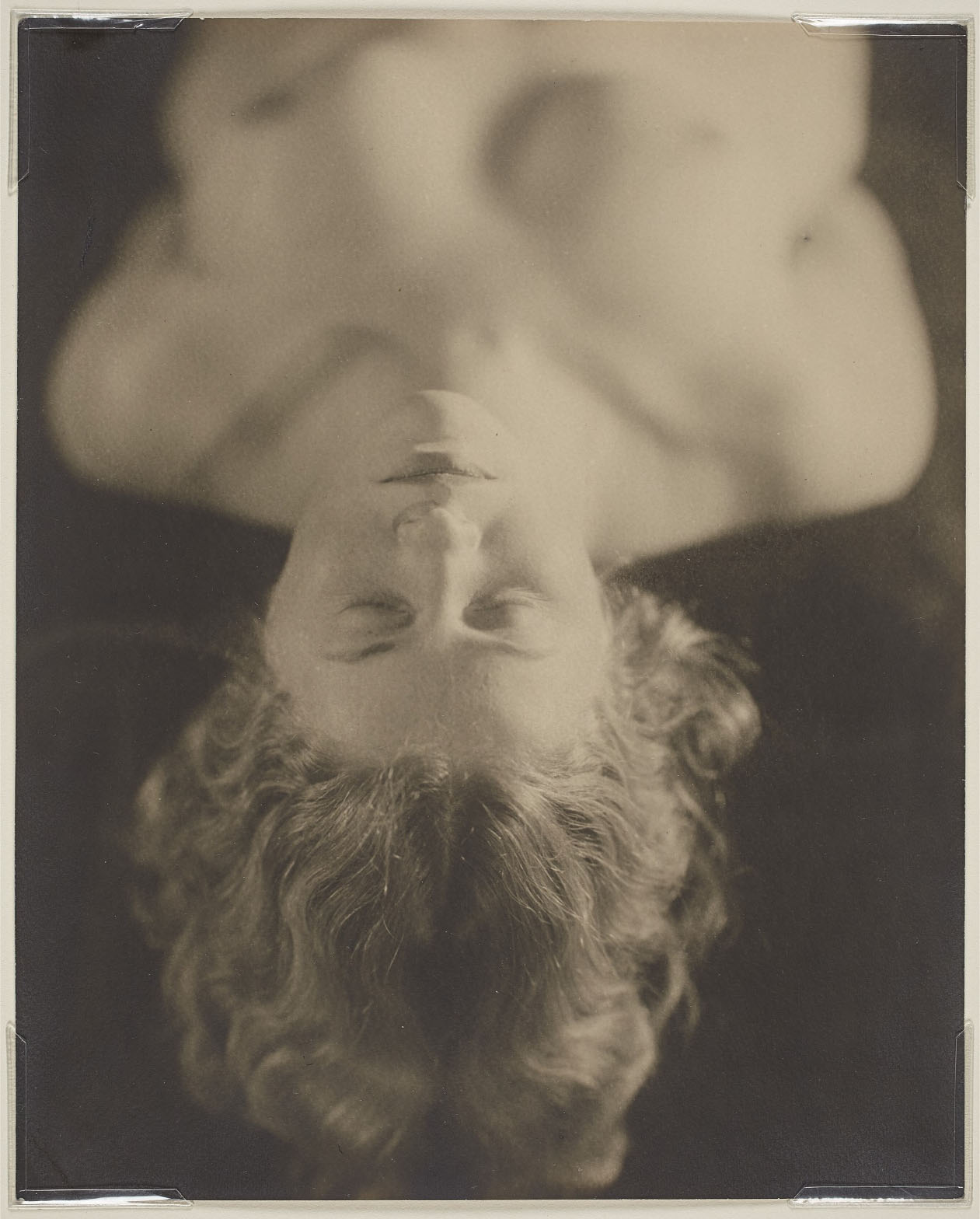
Brassaï (1899-1984) ~ Untitled, ca. 1930; ferrotyped gelatin silver print | src Christie’s
Brassaï (1899-1984) ~ Studio di nudo (undated on source); photogravure | src eBay

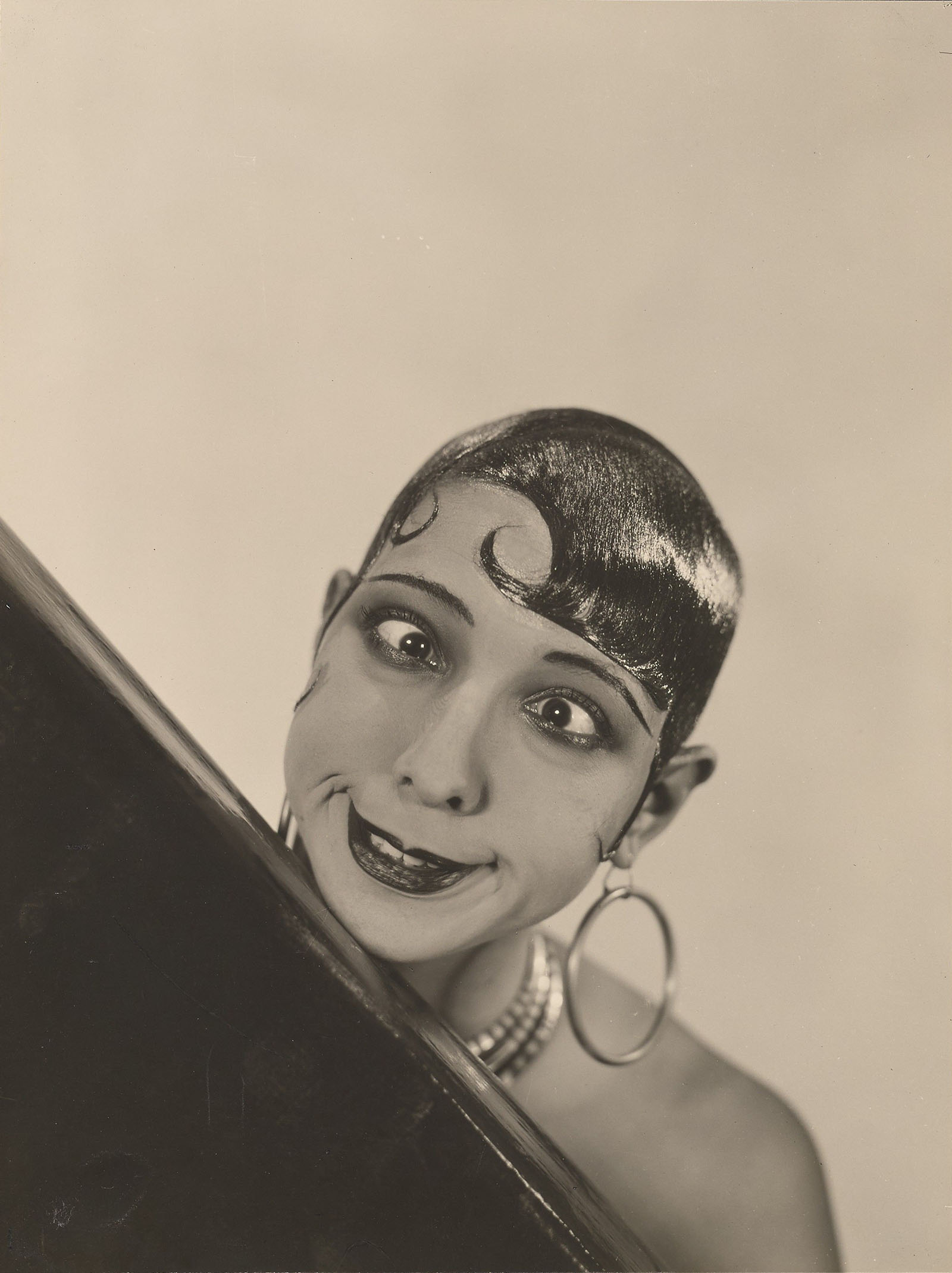
Baker by Hoyningen-Huene

George Hoyningen-Huene ~ Josephine Baker for Vogue Studio, 10 November 1927 | src Yale university library
George Hoyningen-Huene ~ Josephine Baker [in a wig by Antoine de Paris] for Vogue Studio, 10th November 1927 [detail]
George Hoyningen-Huene ~ Josephine Baker for Vogue Studio, November 1927 (full size) | src Yale university library
George Hoyningen-Huene ~ Josephine Baker for Vogue Studio, November 1927 | src Yale university library

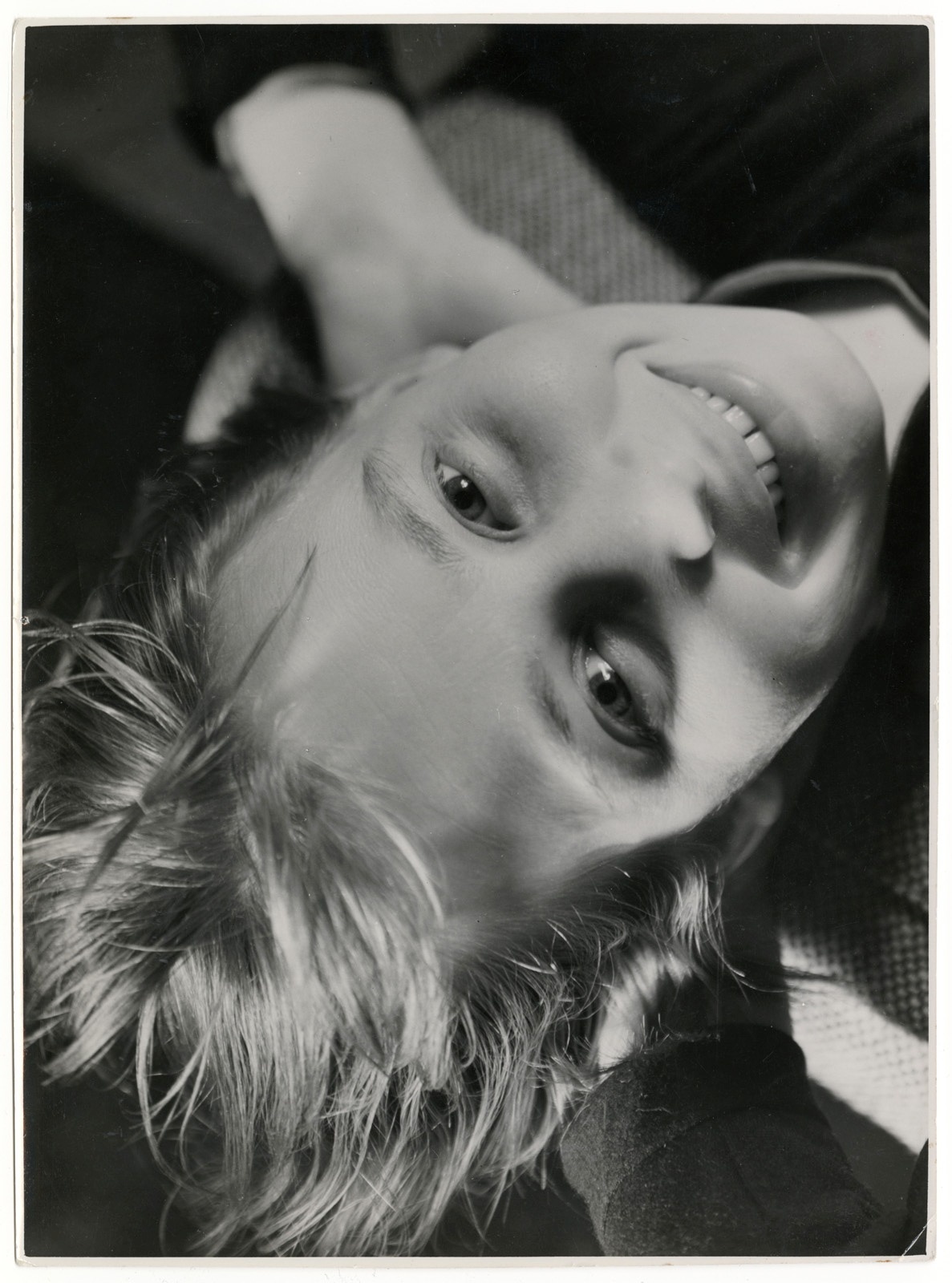
Karl Theodor Gremmler · portraits

Karl Theodor Gremmler (1904-1942) ~ Mädchenporträt, um 1935 | src Deutsche Fotothek
Karl Theodor Gremmler ~ Elisabeth Gremmler mit Blume, um 1936-1939 | src Deutsche Fotothek

Karl Theodor Gremmler came to photography as an autodidact in 1932. He had actually trained as an advertising salesman. After becoming self-employed as a photographer, he published regularly in magazines such as Die Form, Gebrauchsgraphik, Nordsee Magazin and Atlantis. Gremmler concentrated mainly on industrial and advertising photography. In 1936 he published his first photobook, Tagewerk und Feierabend der schaffenden deutschen Frau. In the following year, Gremmler had a solo exhibition at the Oldenburgisches Landesmuseum and Museum Folkwang in Essen. He was then appointed a member of the Gesellschaft Deutscher Lichtbildner (G.D.L.). In 1939, Hans A. Keune’s publishing house, which specialised in the fishing industry, published the illustrated book Männer am Netz. This worked marked the high point of Gremmler’s career. In 1938, he acquired the studio of commercial photographer Hein Gorny, located on Berlin’s Kurfürstendamm. This studio had once been home to Lotte Jacobi, who was forced to emigrate in 1935 because of her Jewish background. When Gorny’s emigration failed to protect his Jewish wife, Ruth Lessing, he and Gremmler entered into the studio partnership “Fotografie Gremmler-Gorny. Atelier für moderne Fotografie”. In 1940 Gremmler was called up for military service and trained as a tank gunner. During a troop transport to Russia in the following year, he had a fatal accident near Heydebreck in Upper Silesia (Kędzierzyn). Quoted from Städel Museum

Karl Theodor Gremmler ~ Porträt; Kopf einer Frau mit gestreiftem Pullover im Liegen, 1938-41 | src Deutsche Fotothek

Nudes by Jaroslav Fabinger

Jaroslav Fabinger (1899-1942) ~ Blonde, 1930-1939; warm-toned gelatin silver print | src AGO ~ Art Gallery of Ontario
Jaroslav Fabinger (1899-1942) ~ Untitled (nude with circle), ca. 1930 | src Howard Greenberg gallery exhibit 2016

The White Cat · Ballets Russes

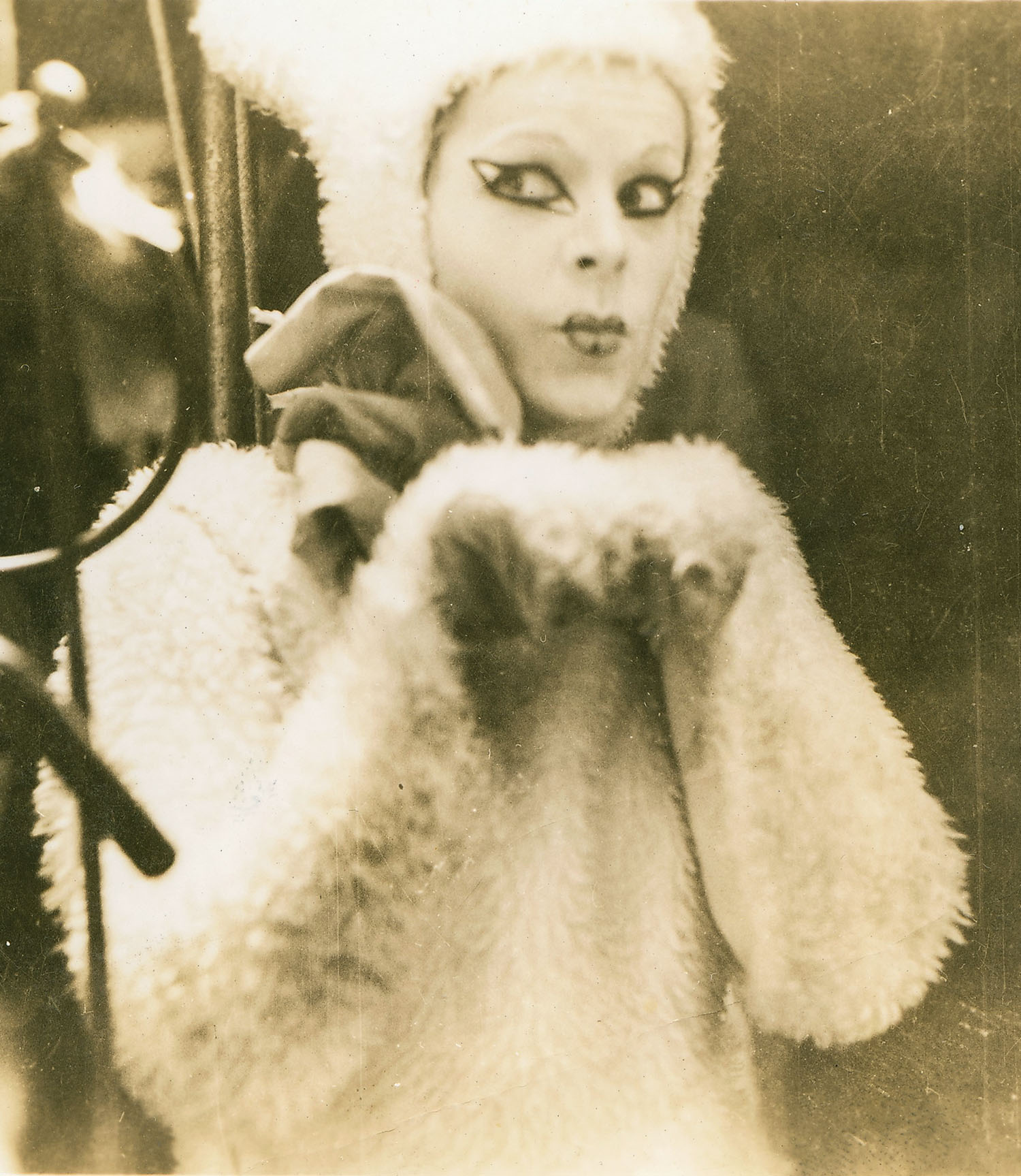
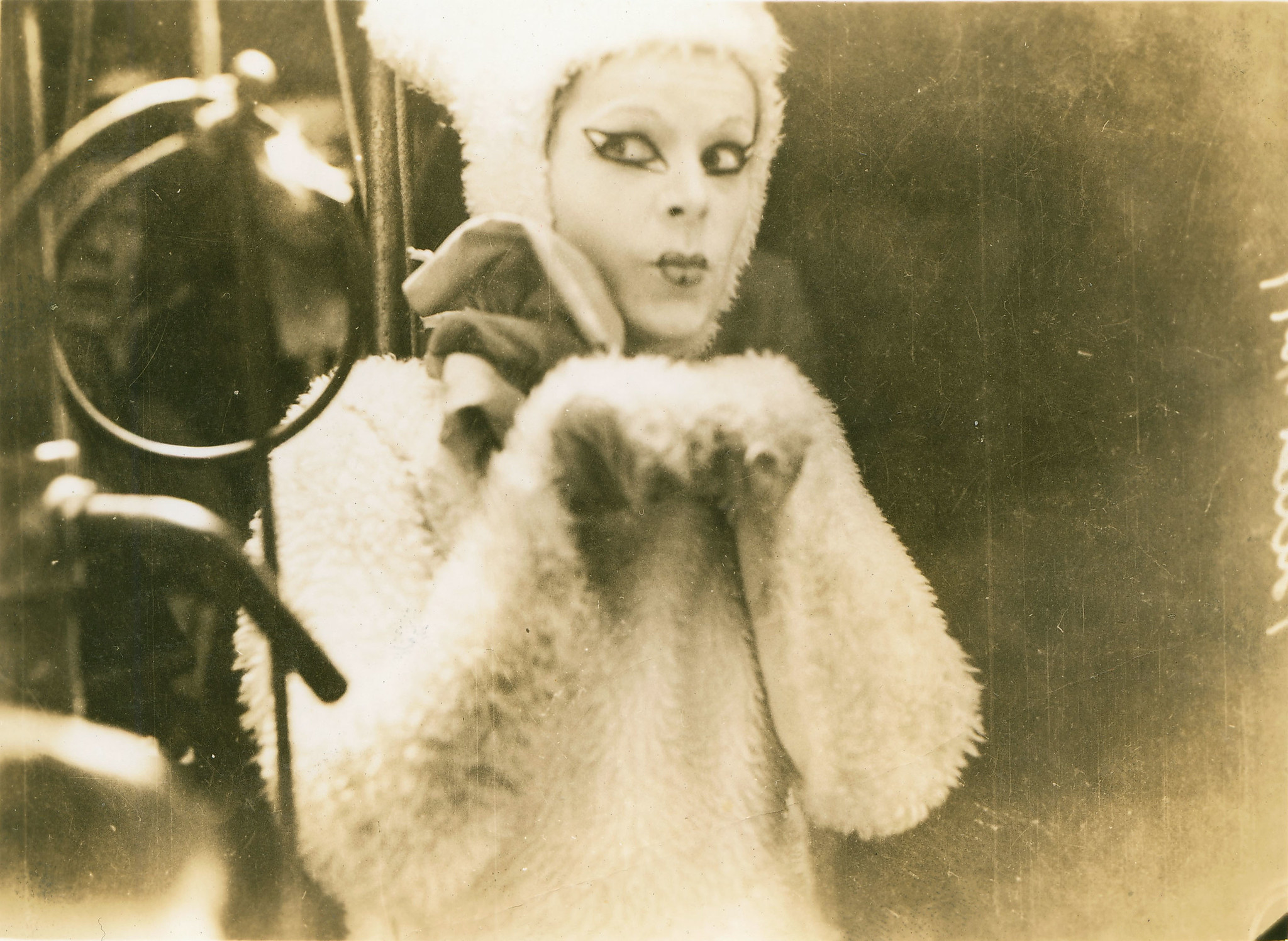
‘The White Cat’ in ‘Le Mariage d’Aurore’ (Aurora’s Wedding), Covent Garden Russian Ballet, 1938 (detail from original photograph) © Australian Performing Arts Collection, Arts Centre Melbourne

In 1936 Australian audiences witnessed firsthand the spectacle of the Ballets Russes, with the arrival of the Monte Carlo Russian Ballet. This company, lead by Colonel Wassily de Basil, was one of a number of Ballets Russes companies that were formed in the wake of the dissolution of Serge Diaghilev’s Ballet Russes following his death in 1929. This first tour concluded in 1937 and was followed by two more tours by de Basil’s Ballets Russes companies, the Covent Garden Russian Ballet in 1938-1939 and Original Ballet Russe in 1939-1940.

‘The White Cat’ in ‘Le Mariage d’Aurore’ (Aurora’s Wedding), Covent Garden Russian Ballet, 1938 © Australian Performing Arts Collection, Arts Centre Melbourne
‘The White Cat’ in ‘Le Mariage d’Aurore’, Covent Garden Russian Ballet, 1938 © Australian Performing Arts Collection
Image kindly provided by Arts Centre Melbourne | Wurundjeri Country