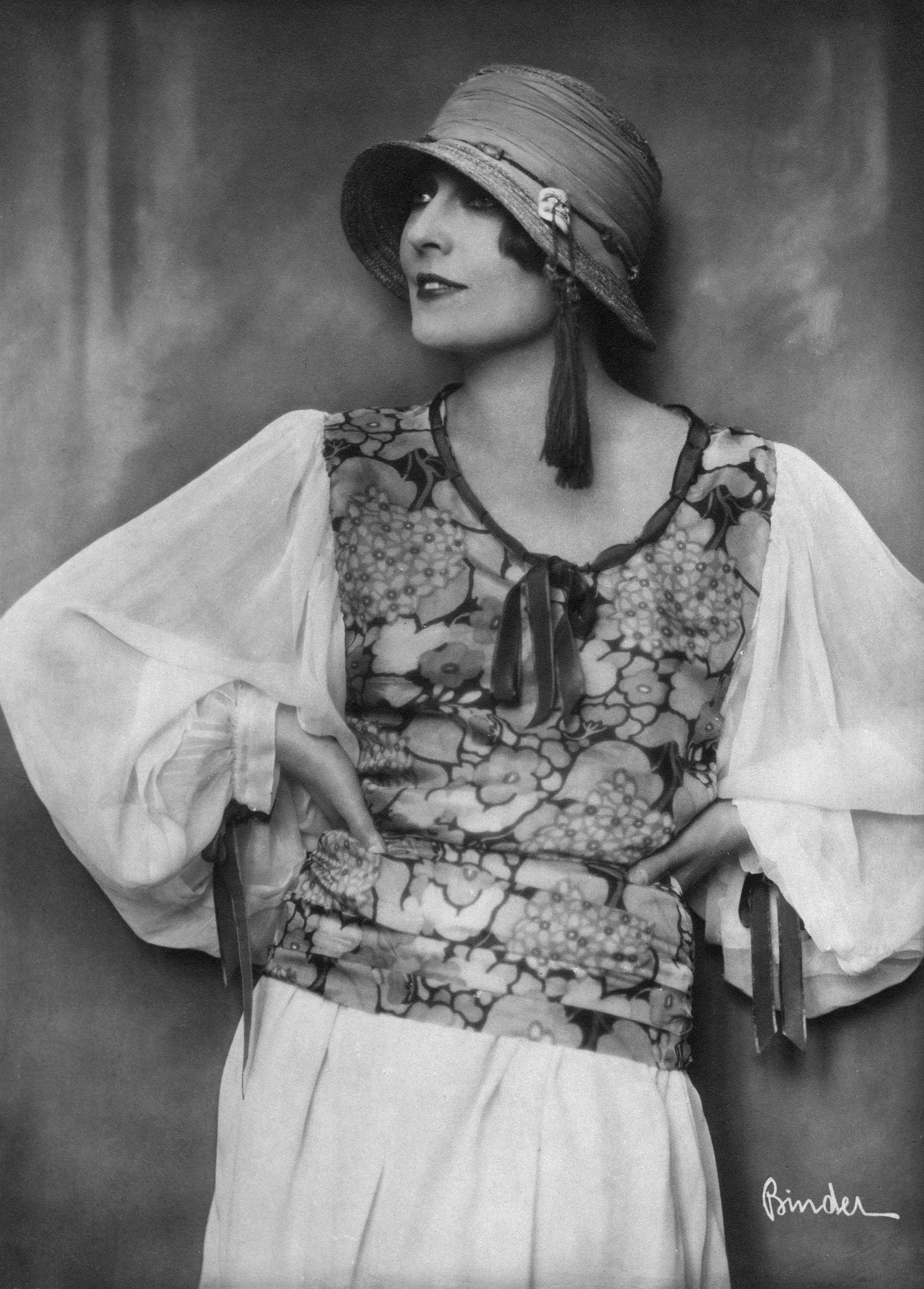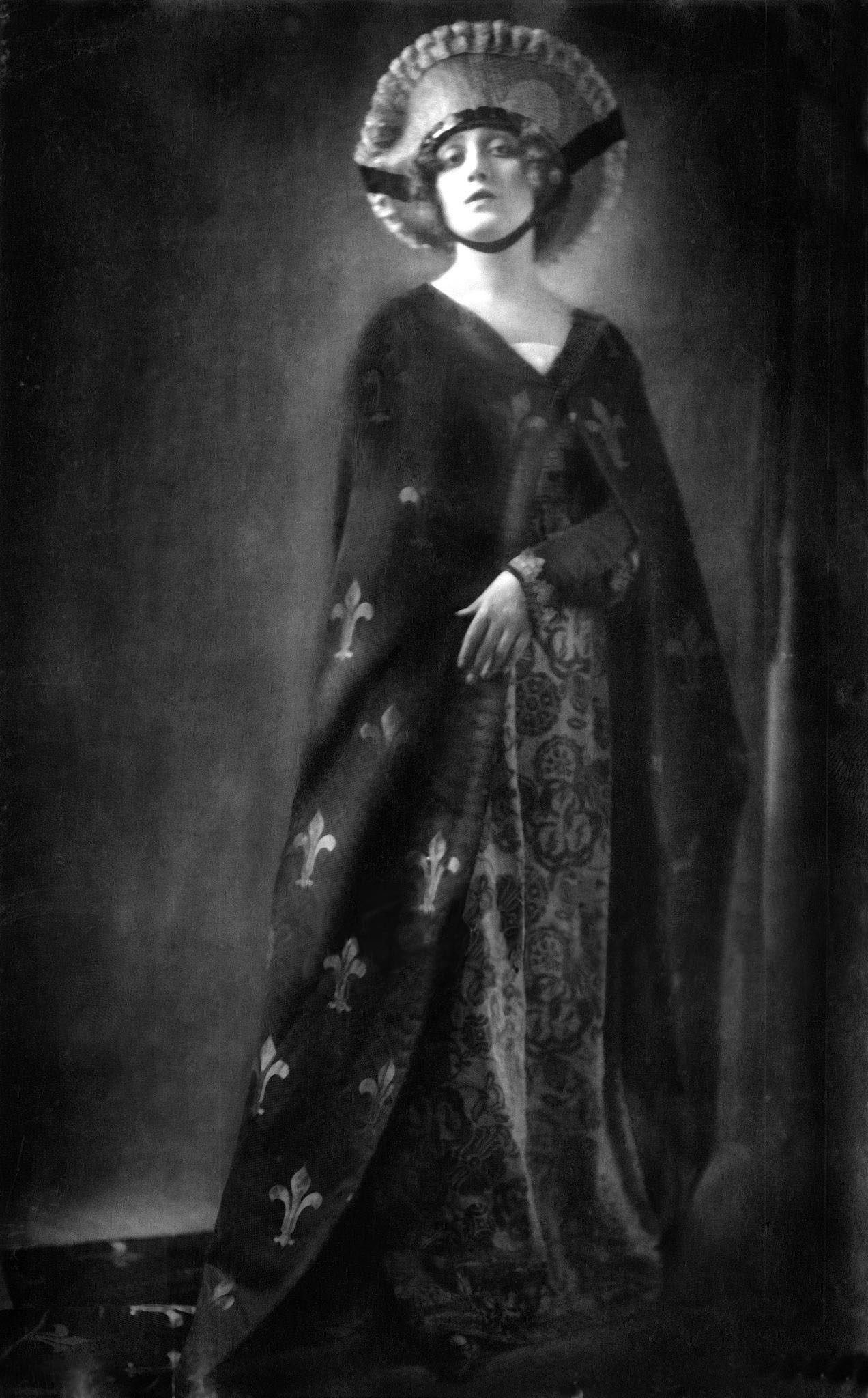
Maria Schreker by Frieda Riess

Frieda Riess (1890-1954) ~ Maria Schreker, née Binder, opera Singer, wife of the composer Franz Schreker. Portrait in the main role in the opera ‘Der Schatzgräber’ (The Treasure Hunter), 1923 | src getty images

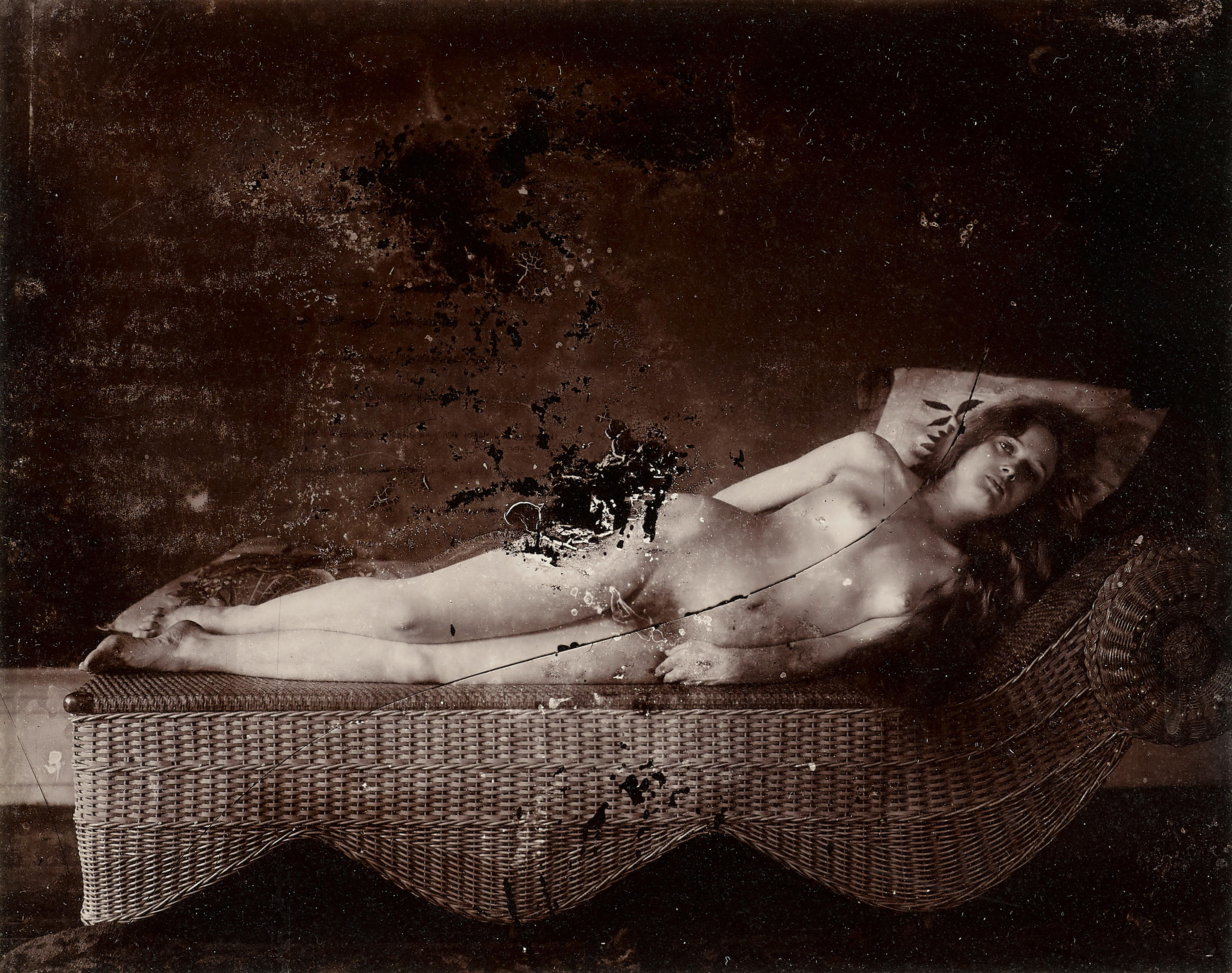
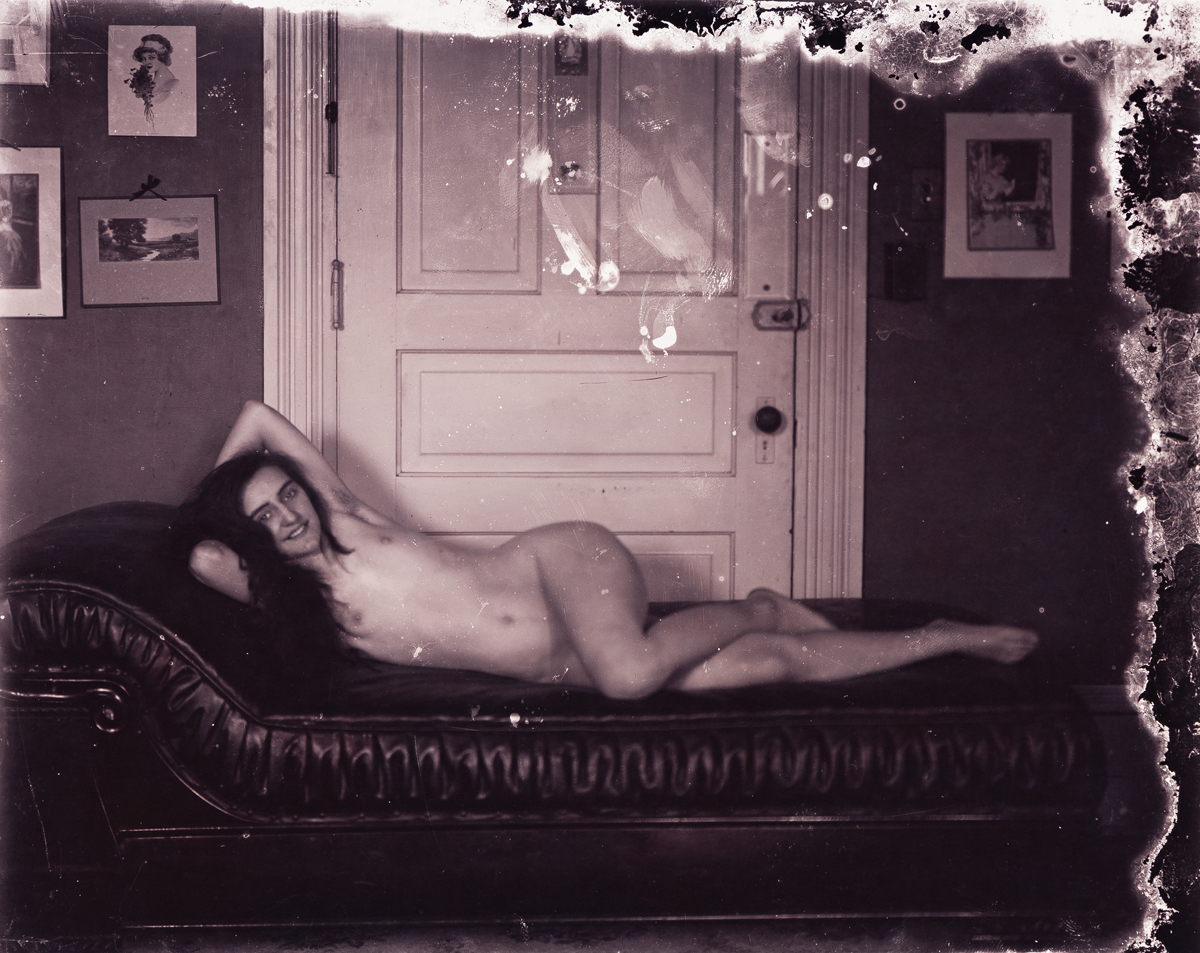
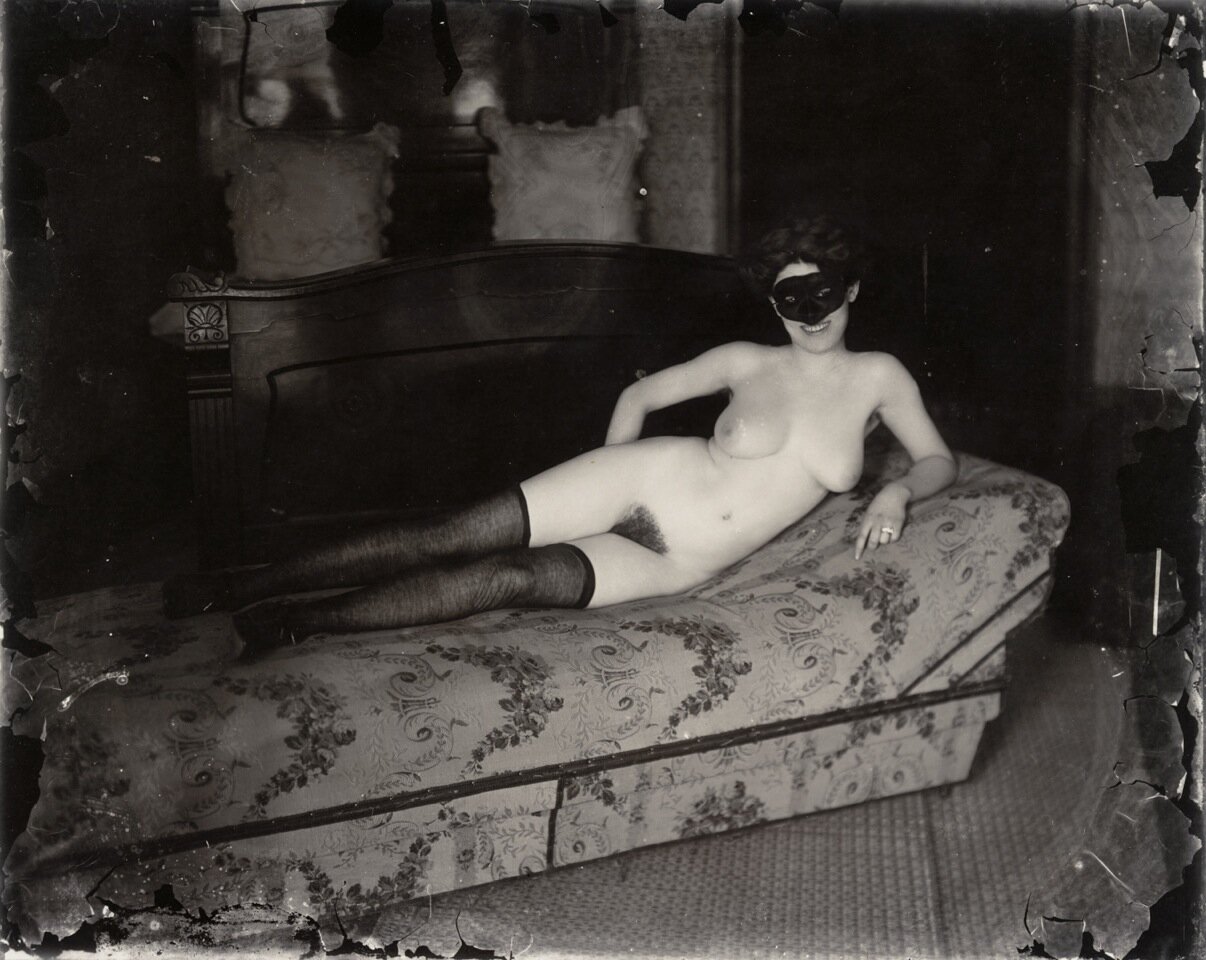
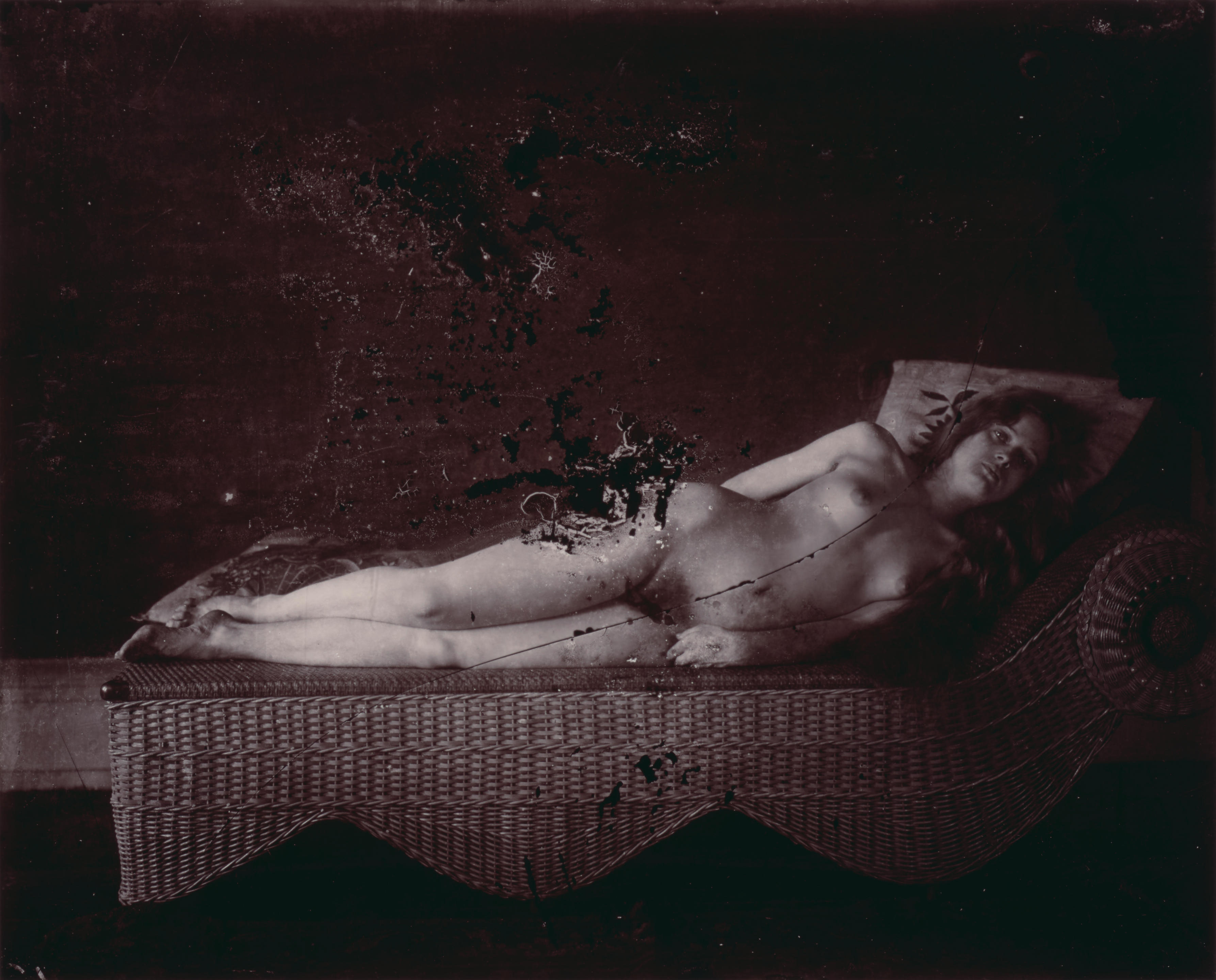
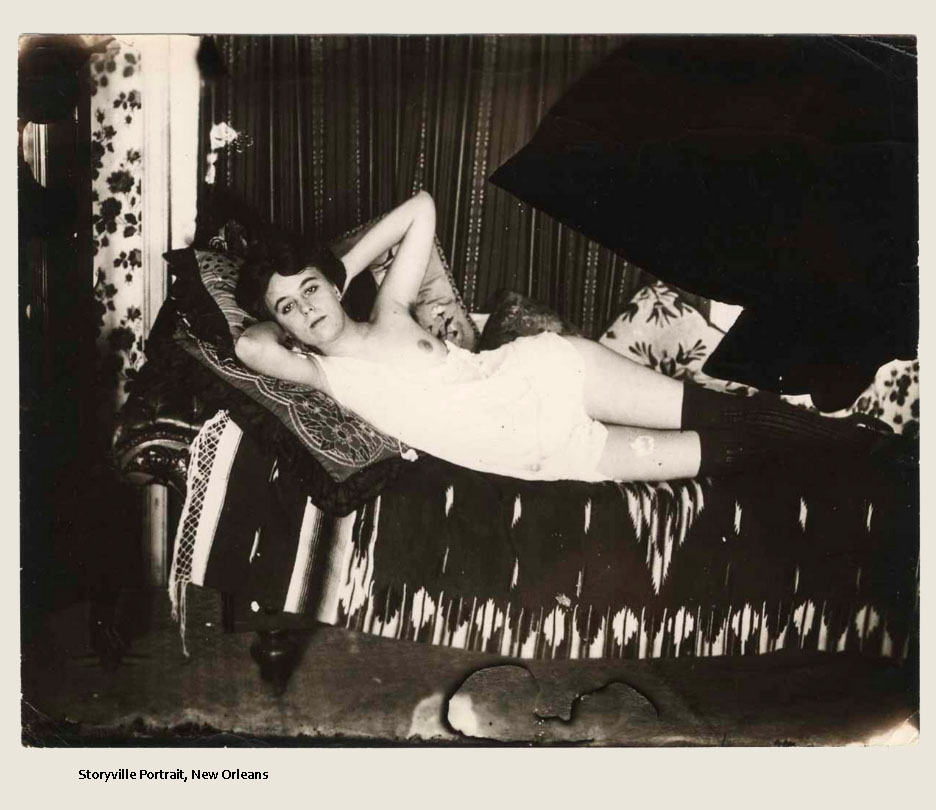
Bellocq · Storyville reclining nudes

E.J. Bellocq (1873-1949) ~ [Storyville Portraits], New Orleans, 1911-1913. Printing out paper, printed later by Lee Friedlander; Bellocq-Friedlander stamp on verso | src Bonhams
E.J. Bellocq (1873-1949) ~ Storyville portrait. Gold-toned printing-out paper print | src Swann galleries
E.J. Bellocq (1873-1949) ~ Storyville Portrait, ca. 1912, printing-out paper print, gold-toned, printed later by Lee Friedlander | src Deborah Bell photographs via ODLP
E.J. Bellocq (1873-1949) ~ [Storyville Portraits], New Orleans, 1911-1913. Printing out paper, printed later by Lee Friedlander; Bellocq-Friedlander stamp on verso | src Bonhams
Ernest Joseph Bellocq (1873-1949) ~ [Storyville Portraits], New Orleans, ca. 1912 | src ICP

Alvarez Bravo · El eclipse · Sheets

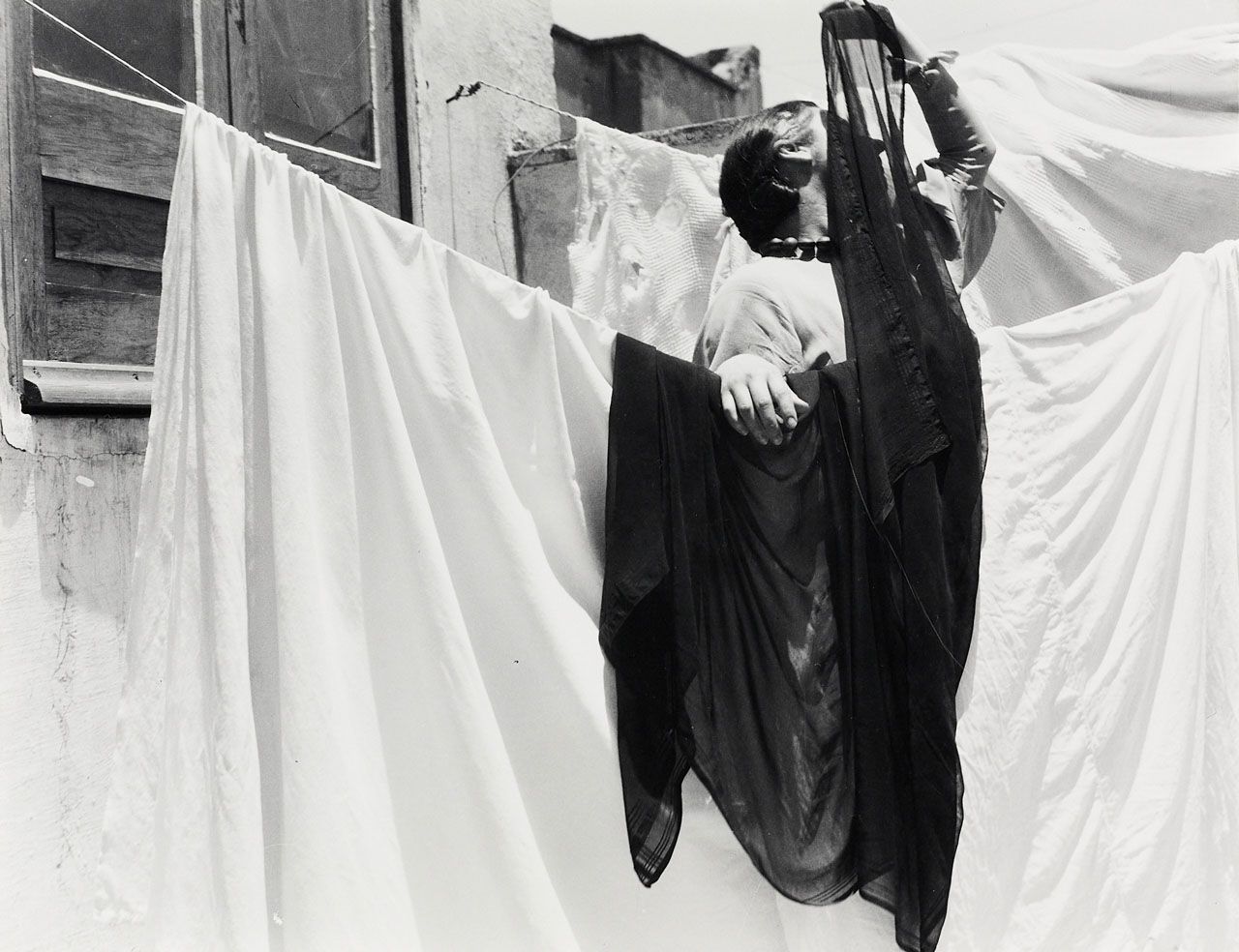
Manuel Álvarez Bravo (1902-2002) ~ El eclipse, 1933 | src Christie’s
Manuel Álvarez Bravo (1902-2002) ~ El eclipse (The Eclipse), 1933 | src Leitz

In El eclipse (1933), Álvarez Bravo achieved a dynamic geometry of crisscrossing diagonals. Standing on a shallow corner of a rooftop, a woman is partially concealed by sheets bleaching in the sun and by her dark rebozo, which she presumably holds in front of her face to look at an eclipse. His carefully composed images reveal his modern sense of aesthetics. | text Blanton Museum of Art Collections
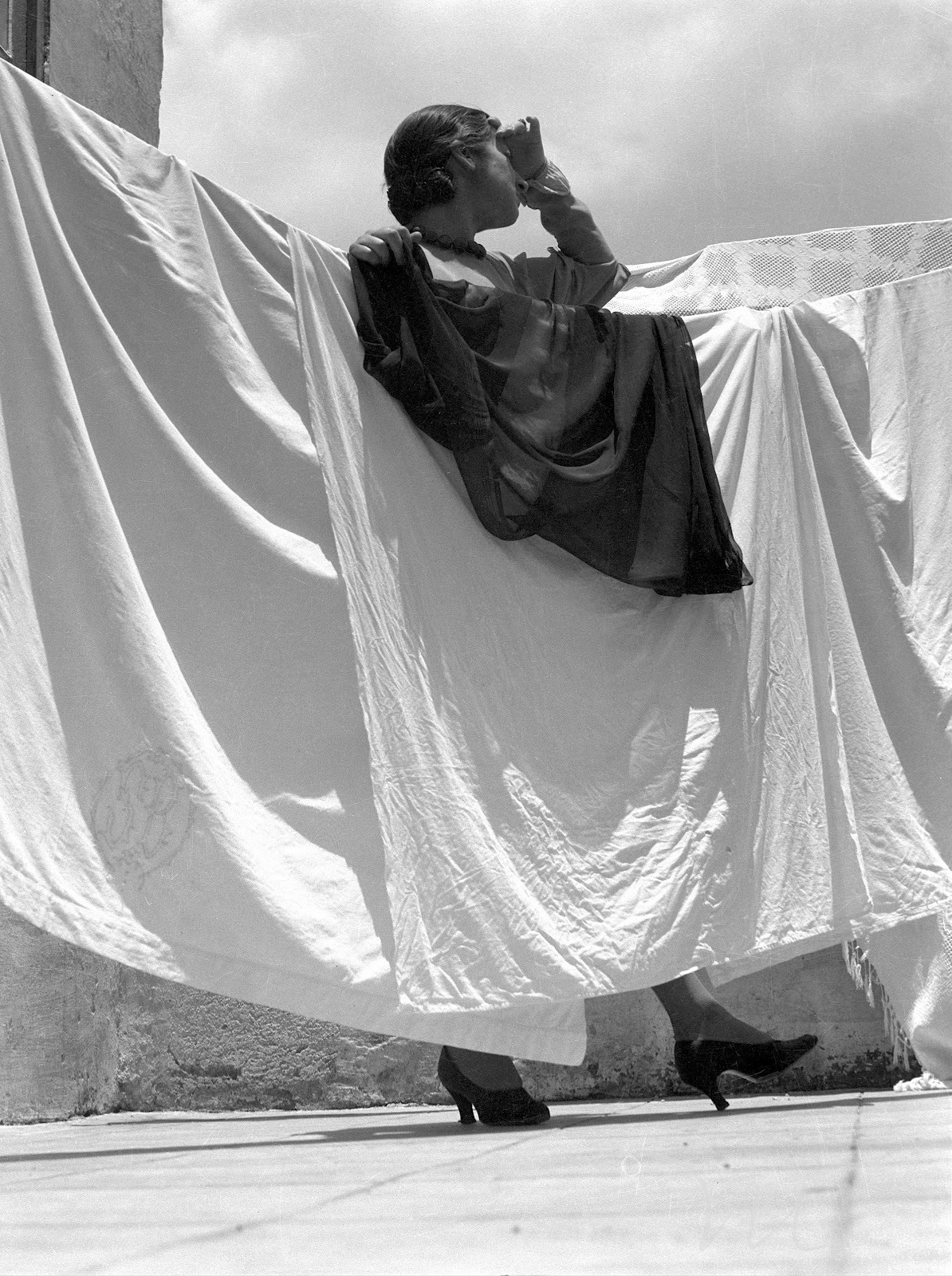
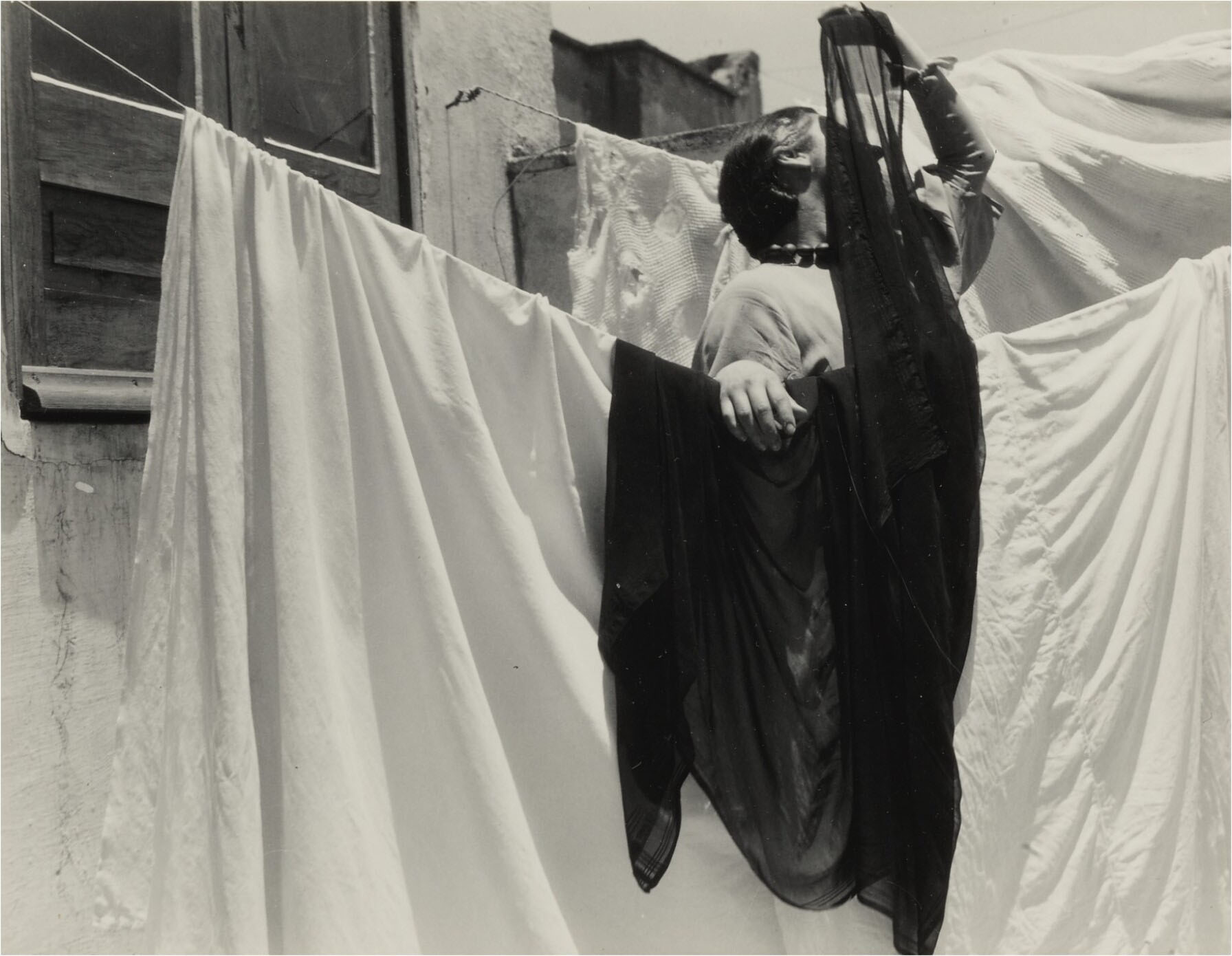
Manuel Álvarez Bravo (1902-2002) ~ El eclipse / Sábanas (Sheets), 1933 | src Nelson-Atkins museum & Manuel Alvarez Bravo
Manuel Álvarez Bravo (1902-2002) ~ El eclipse (The Eclipse), 1933. From ‘Fifteen Photographs by Manuel Álvarez Bravo’ (The Double Elephant Press Ltd., NY, 1974 | src Sotheby’s

mulating the pose of a Flamenco dancer, this woman dramatically turns her head sideways and upwards, while extending one arm high up in the air. Holding a black, sheer cloth over her face and shielding her eyes from the strong Mexican sun, she enacts Manuel Alvarez Bravo’s conception of an eclipse.
At the same time, light bounces off the hanging white sheets, saturating the off-center areas of the photograph.

Alvarez Bravo made many images of linens and clotheslines, exploring the interplay between draped fabric and angular architecture. Here, the addition of a figure, seemingly engaged in a performance, adds mystery and animation to an otherwise formal study. | text: Getty museum

Manuel Álvarez Bravo (1902-2002) ~ El eclipse / Sábanas (Sheets), 1933. From Fifteen Photographs by Manuel Álvarez Bravo, 1974
Manuel Álvarez Bravo (1902-2002) ~ El eclipse / Sábanas (Sheets), 1933 | src MoMA

Grit Hegesa by Atelier Binder

Atelier Binder ~ Grit Hegesa sitting cross-legged with cigarette holder. Die Dame 24/1921 | src getty images
Atelier Binder ~ Grit Hegesa modelling dress with wide sleeves and hat, 1921 | src getty images
Alexander Binder ~ Grit Hegesa. Vintage postcard 452/2 | src alamy
Atelier Binder ~ Portrait of the dancer Grit Hegesa, 1921 | src getty images
Atelier Binder ~ Grit Hegesa Schneidersitz mit Zigarettenspitze. In: Die Dame 24/1921 | src getty images

Morning Notebook · 1939

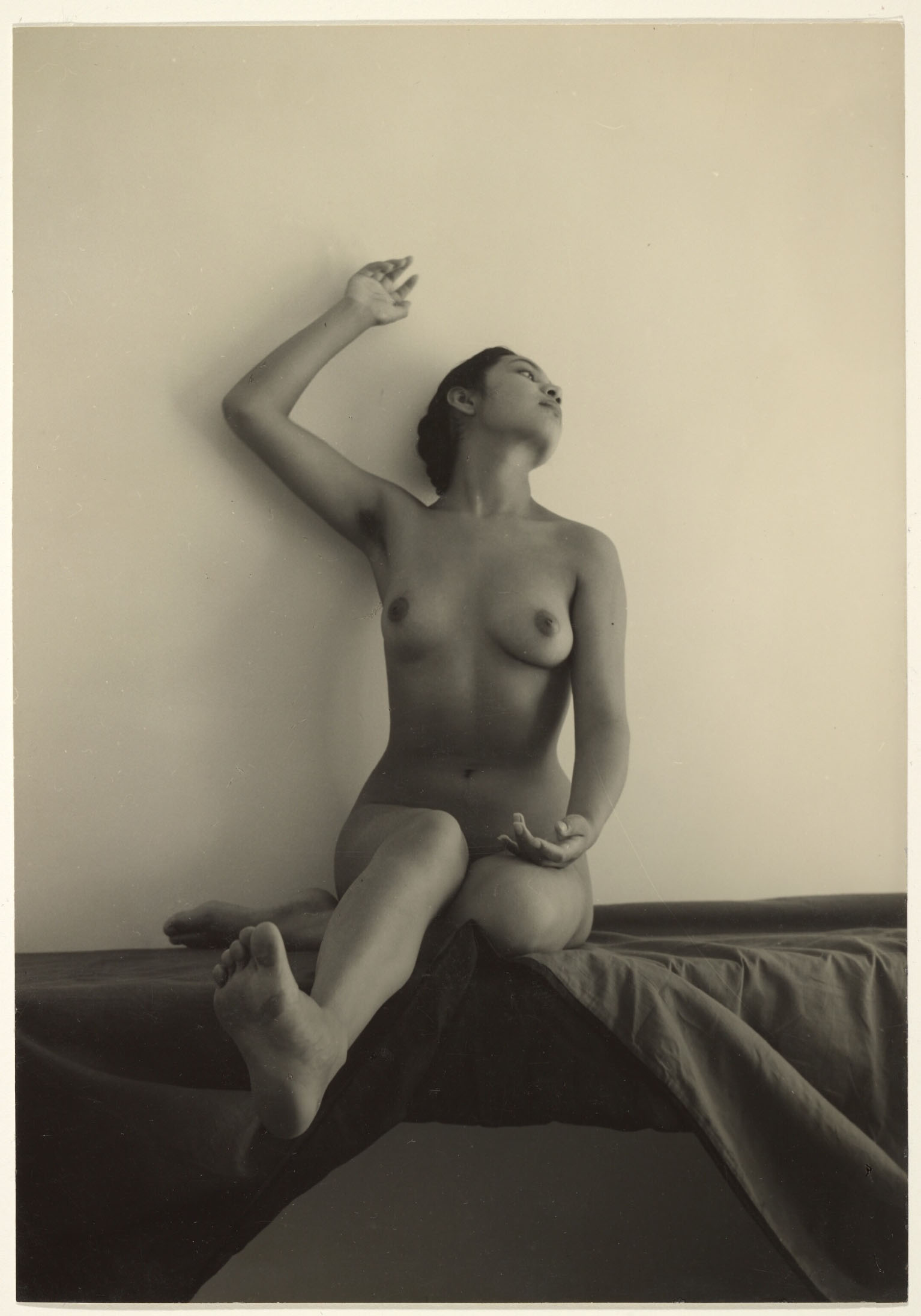
Manuel Álvarez Bravo (1902 – 2002) ~ Notebook of Tomorrow, 1939. From: Cuaderno de la mañana | src Getty Museum

Alvarez Bravo hired a young female model to pose for him while he was teaching photography at the Academia de San Carlos (Academy of San Carlos) in Mexico City in 1937. Over the course of the next few years he created a series of figure studies that are noteworthy for their simple yet powerful compositions. In this picture Alvarez Bravo positioned the young woman on a fabric covered table against a plain white wall. He achieved a balance between divergent elements–stasis and dynamism, tension and relaxation, and positive and negative space.

Manuel Álvarez Bravo (1902 – 2002) ~ Cuaderno de la mañana (Morning Notebook), 1939 (*) | src Getty Museum

Manuel Alvarez Bravo directed this model to pose with her head dramatically turned upward. The young woman’s unnatural posture encouraged the presumably male viewer to gaze freely at her eroticized form; her averted face denied her the opportunity to return and confirm the gaze. This pose belongs to an academic tradition of representing women as objects of desire.

Alvarez Bravo produced a series of nude photographs depicting this model. He called the series Morning Notebook, suggesting that the female body was a construction that could be documented and then read like words on a page. During this period, many Surrealist artists, whose work influenced Alvarez Bravo, used the female form in much the same way–for clearly visible consumption. (text quoted from Getty Museum)

(*) Secondary inscription on verso: “Cuaderno de la Mañana (Dicha Puerta)” and “# 8”
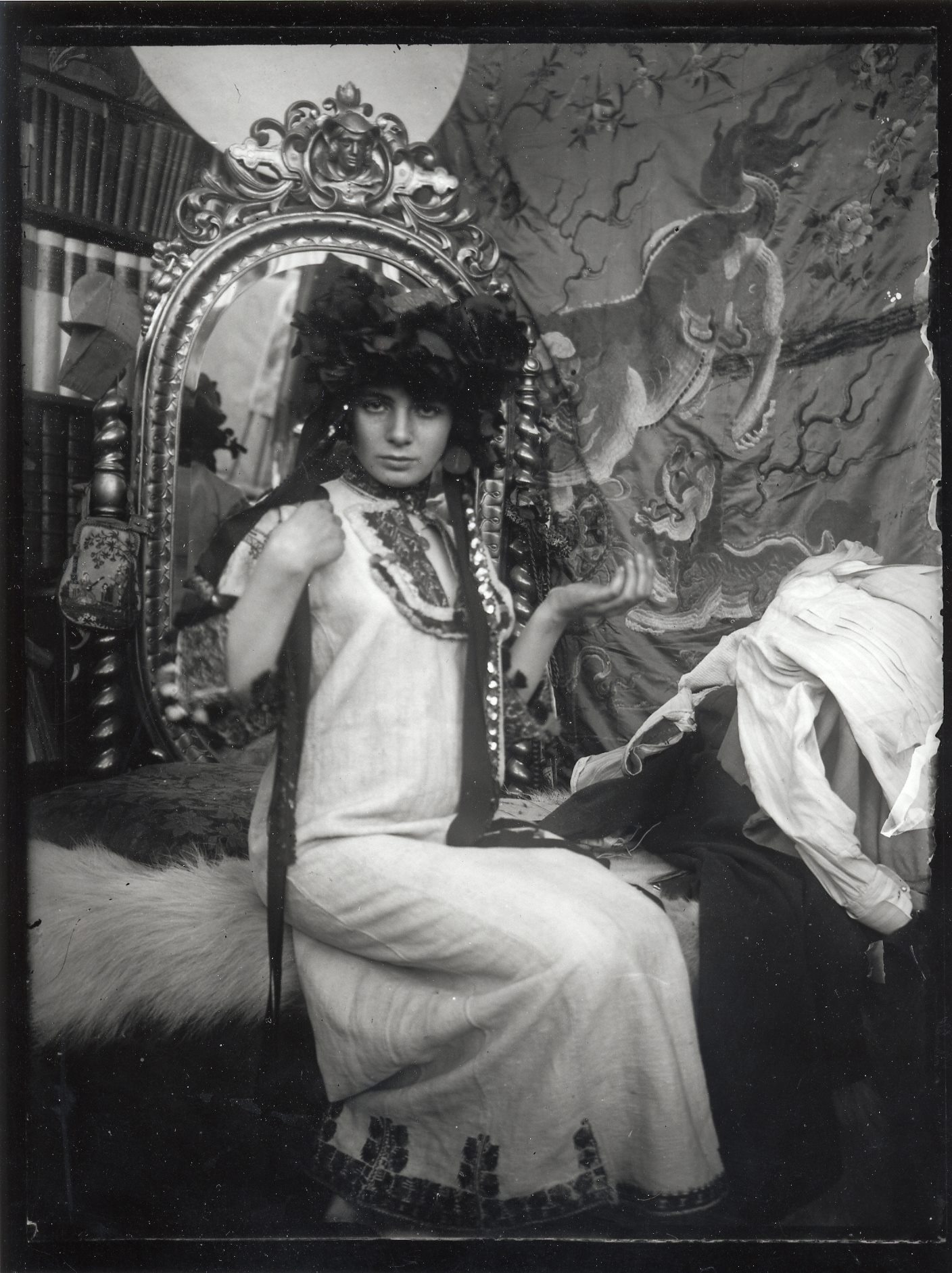
Mucha model in Bohemian dress

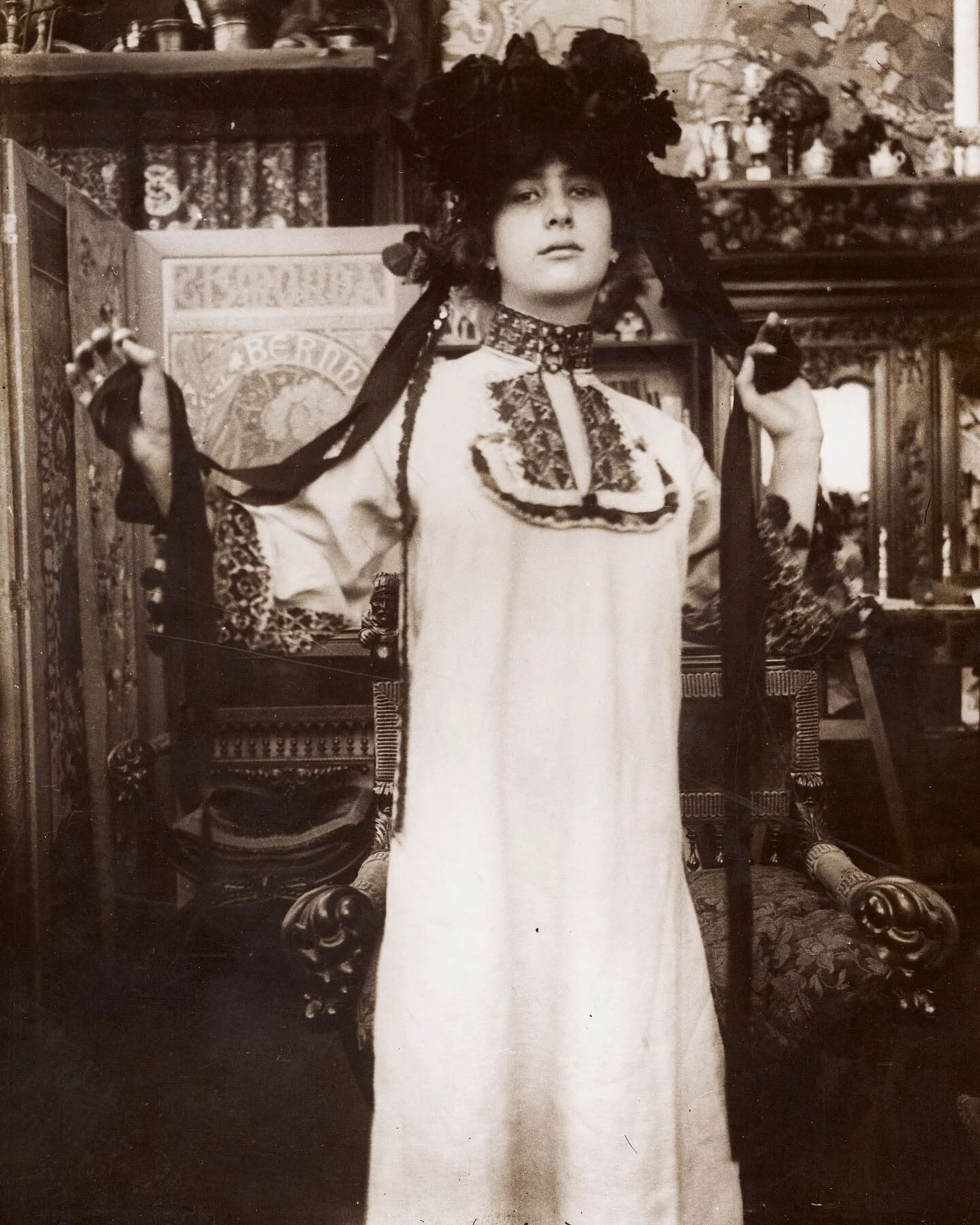
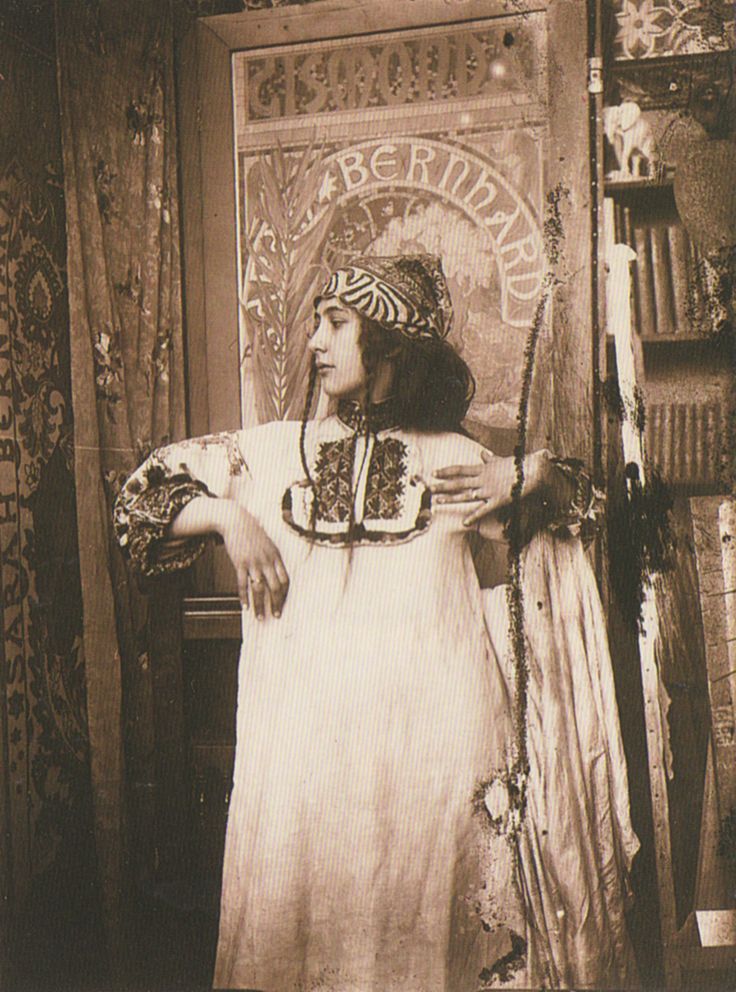
Alphonse Mucha (1860-1939) ~ A model in Mucha’s studio on the Rue du Val-de-Grâce, dressed in a traditional Bohemian folk costume, circa 1900 | src Mucha-Museum Prague
Alphonse Maria Mucha (1860-1939) ~ Model in a long white Bohemian folk robe and a hat with ribbons, Paris, 1899
Alphonse Mucha (1860-1939) ~ Model posing at Mucha’s studio on Rue du Val-de-Grâce, Paris, ca. 1901

Paris chairs in the ice, 1950

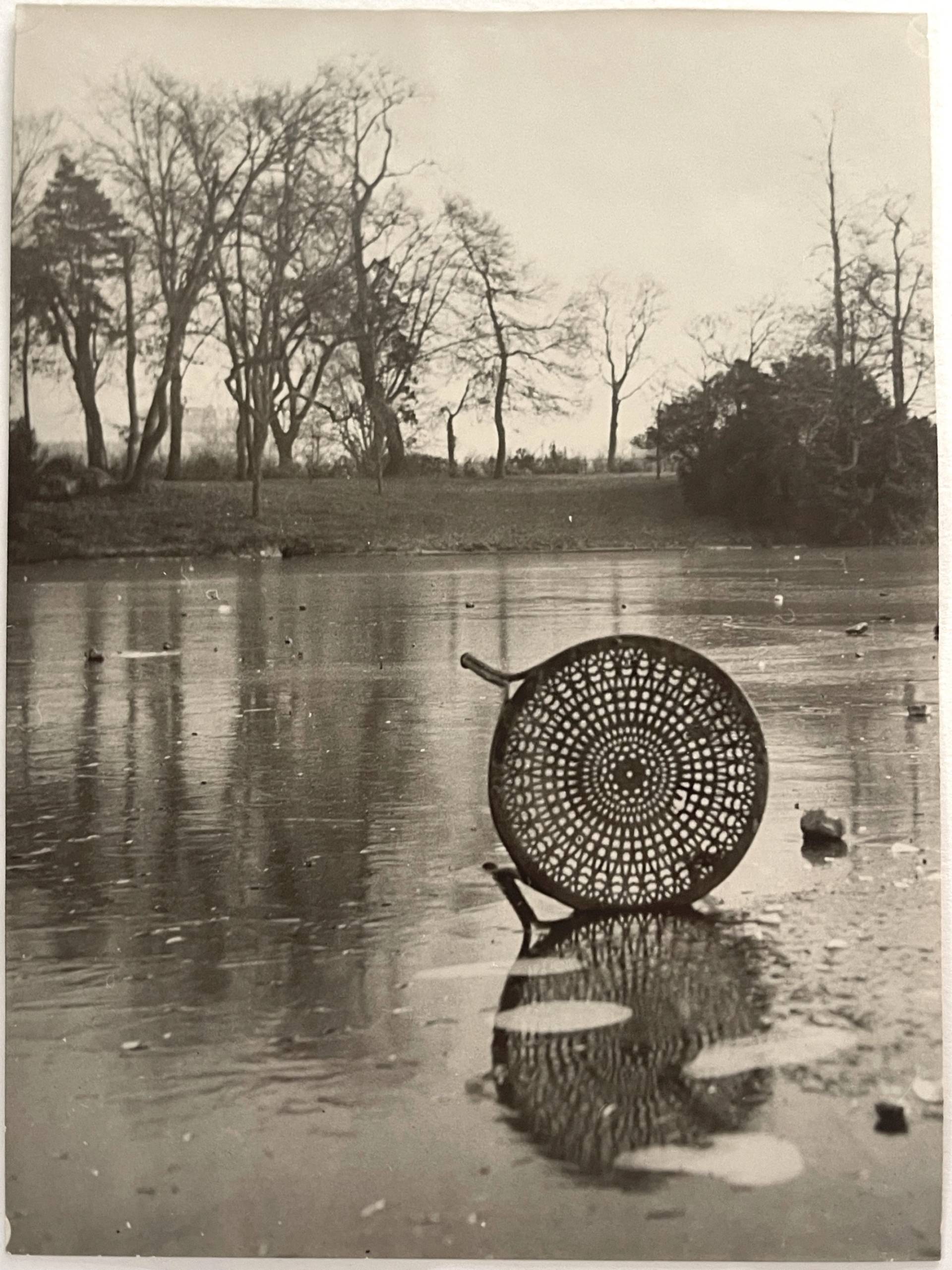
«Guido» ~ Chair during ice debacle, Paris, 1950. Vintage silver print | src Senigallia
«Guido» ~ Chaise pendant la débâcle de la glace, Paris, 1950. Tirage argentique d’époque | src Senigallia

We’d like to think it’s a tribute by a mysterious «Guido» to the master Kertész, even if in 1950 his photographs weren’t yet famous… Kertész arrived in Paris in 1925 and photographed the chairs at the Tuileries during his early years as an apprentice. He moved to New York in 1936. | text quoted from auction house Senigallia
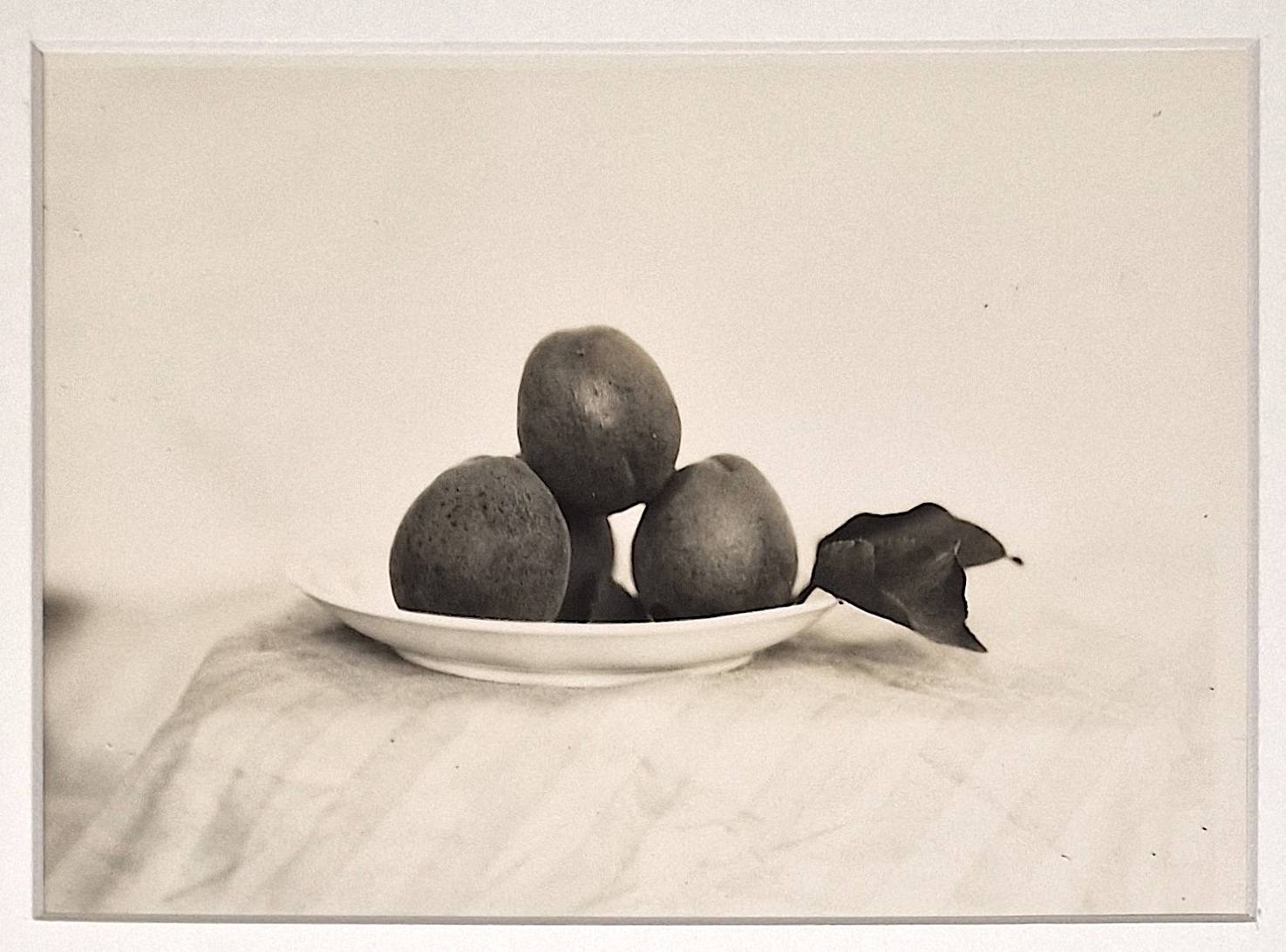
Still-life and flower studies ca. 1925

Ervin Kankowszky or Rudolf Balogh (attr. to) ~ Plums in a Plate, Hungary, ca. 1925. Vintage silver print with Kankowszky press agency stamp | src 150cent
Ervin Kankowszky or Rudolf Balogh (attr. to) ~ Three Flowers, Hungary, ca. 1925. Vintage silver print with Kankowszky press agency stamp | src Senigallia
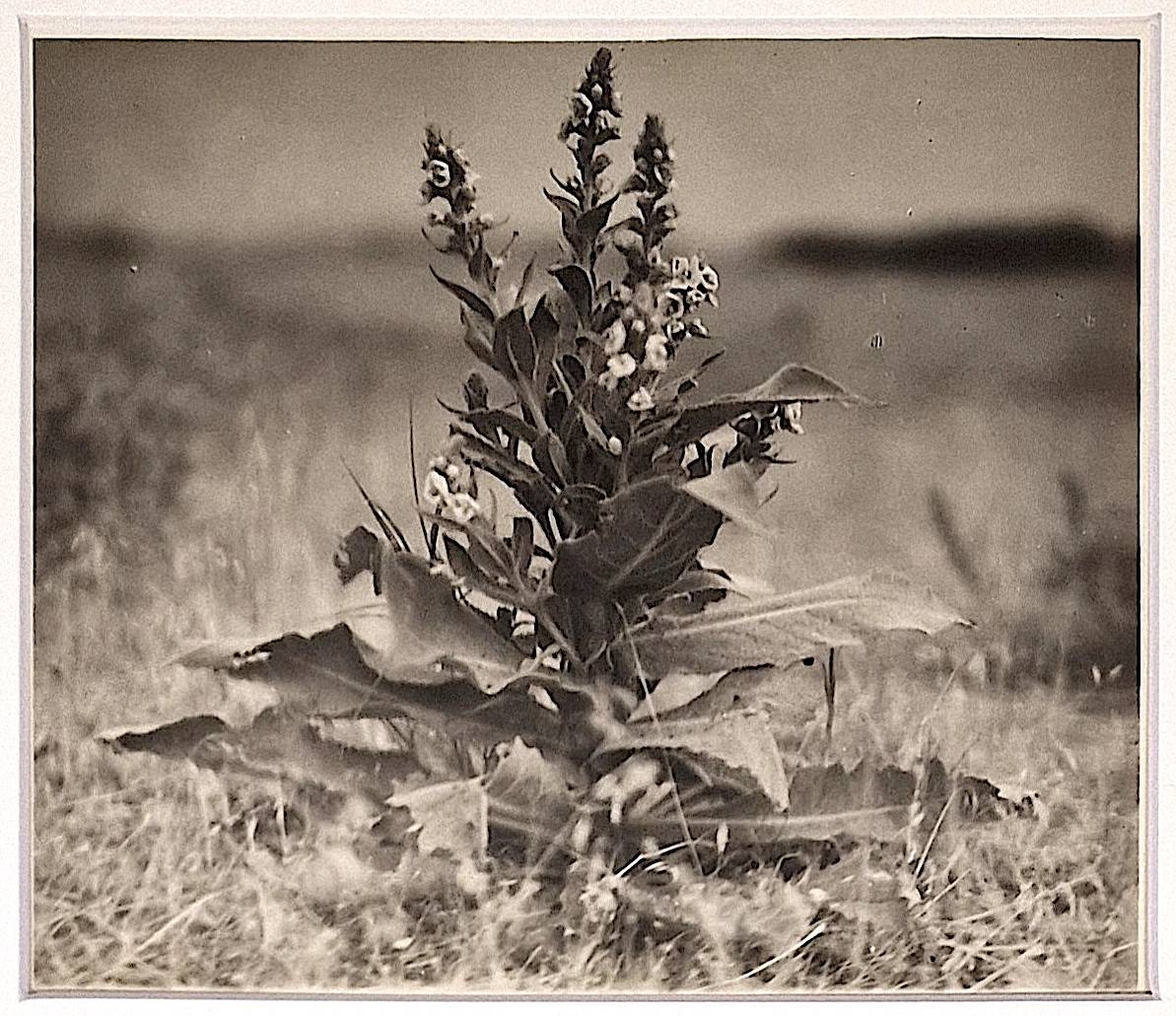
Ervin Kankowszky or Rudolf Balogh (attr. to) ~ Wild Plant Study Hungary, ca. 1925. Vintage silver print with Kankowszky press agency stamp | src Senigallia