Hagemeyer’s flowers (II)

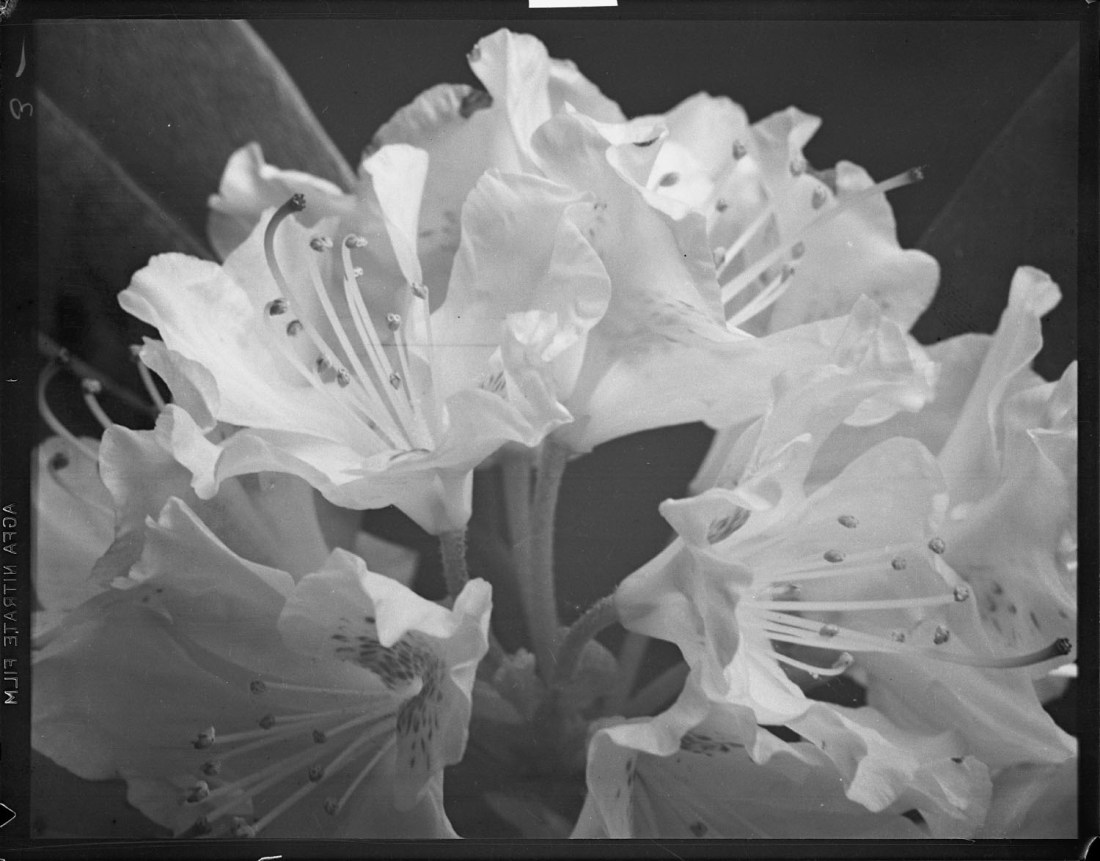
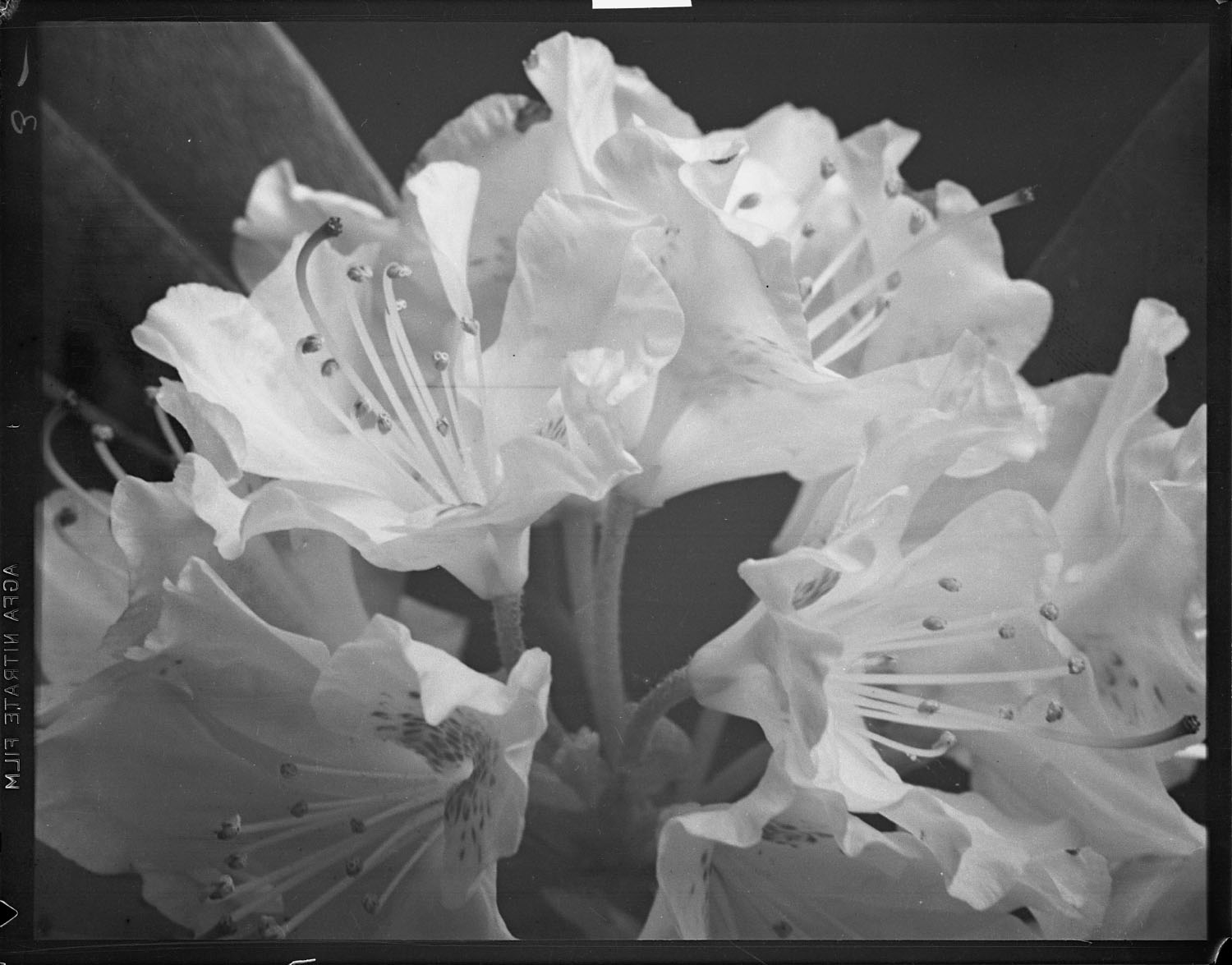
Johan Hagemeyer (1884-1962) :: [Flowers] [negative]; n.d. | src OAC · Callisphere

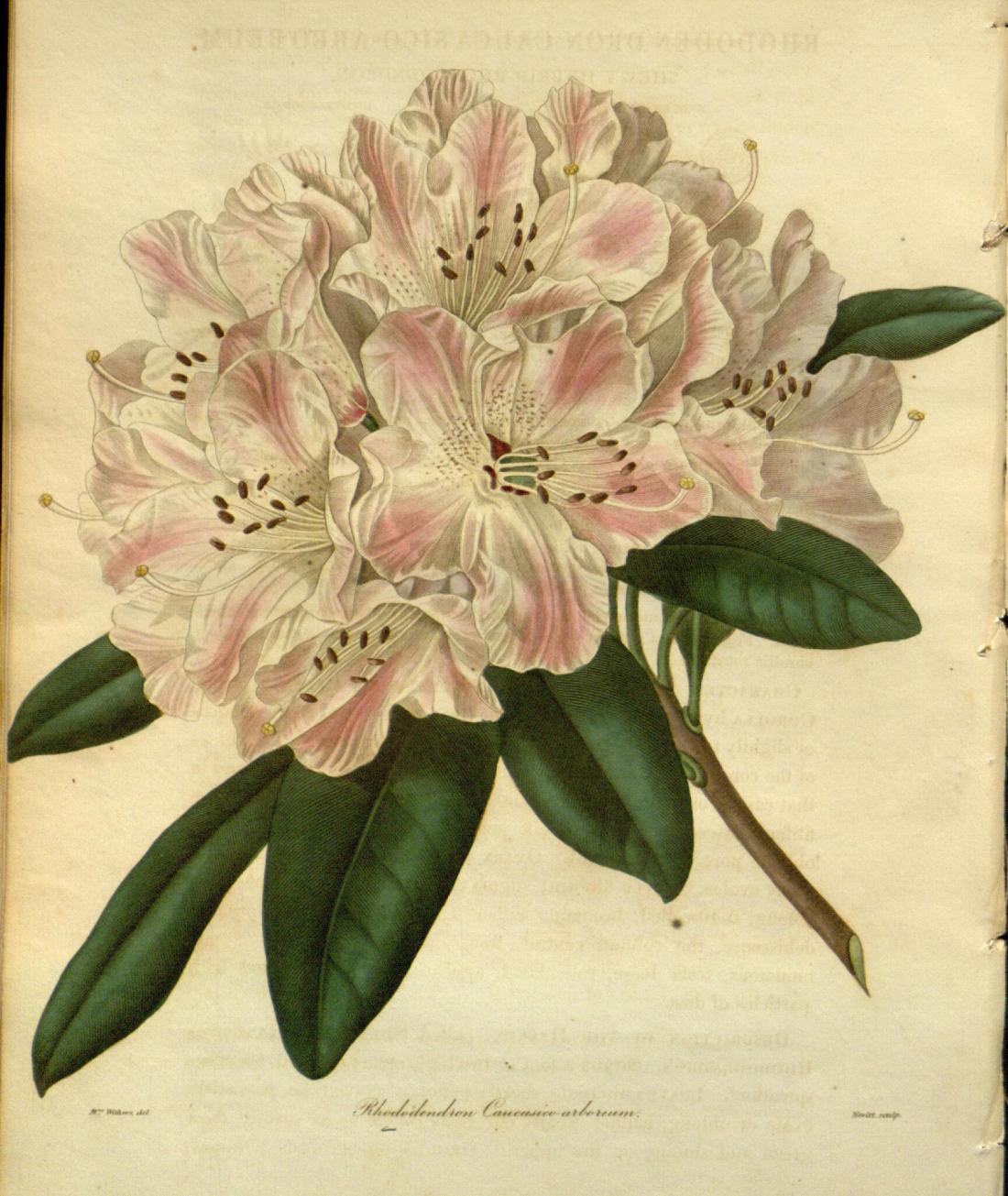
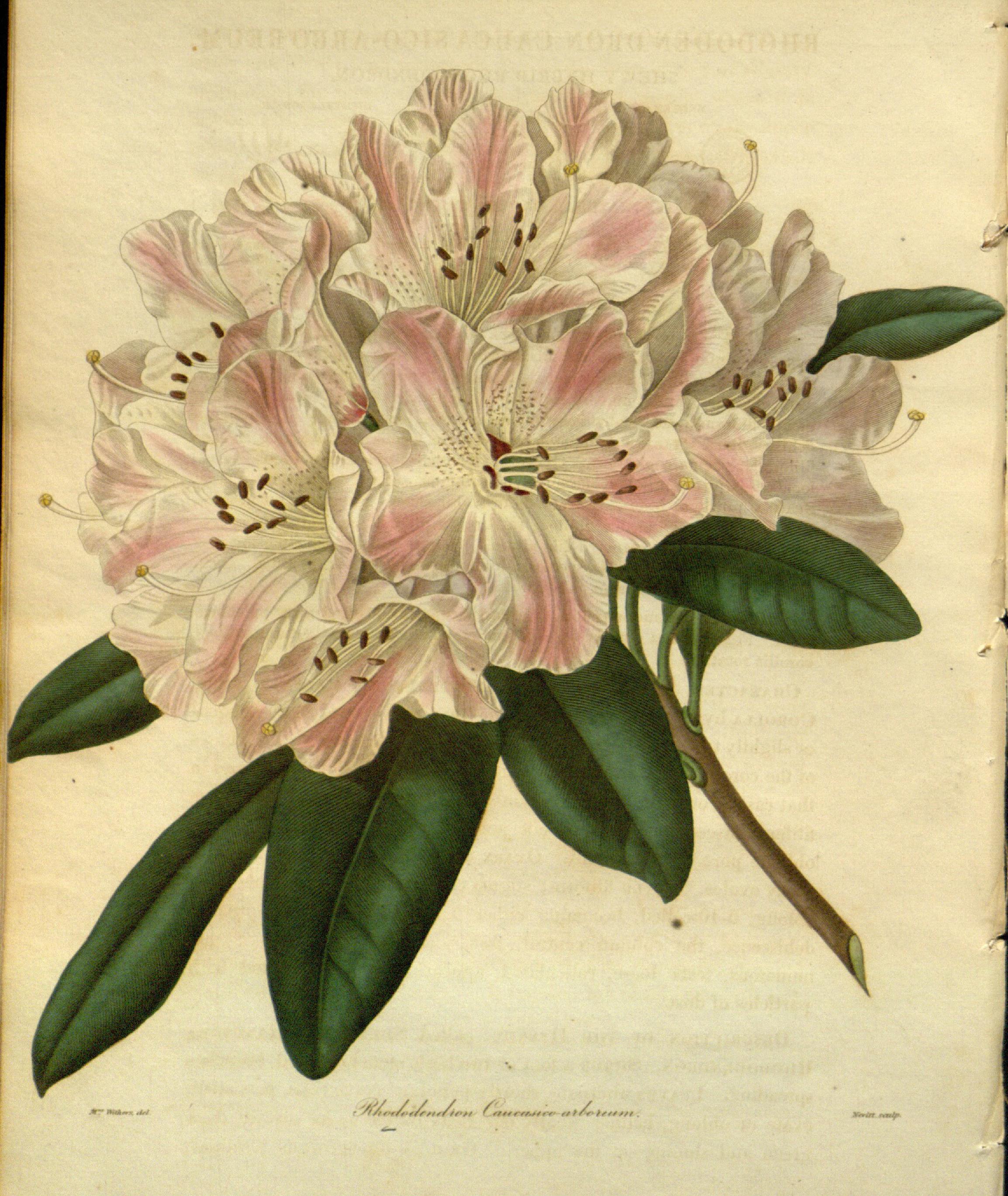
The Botanist, vol. 4, 1840

Protea Cynaroides. Artichoke-like flowered Protea. From: The Botanist, vol. 4, 1840.
Rhododendron Caucasico-Arboreum ~ Shewy Hybrid Rhododendron
The Botanist; containing accurately coloured figures of tender and hardy ornamental plants; with descriptions, scientific and popular; intended to convey both moral and intellectual gratification. Vol. 4, 1840. | src internet archive

Hagemeyer’s flowers (undated)

Johan Hagemeyer :: [Flower] [negative] [Sugarbush?], n.d. Copyright Owner: The Bancroft Library | src OAC
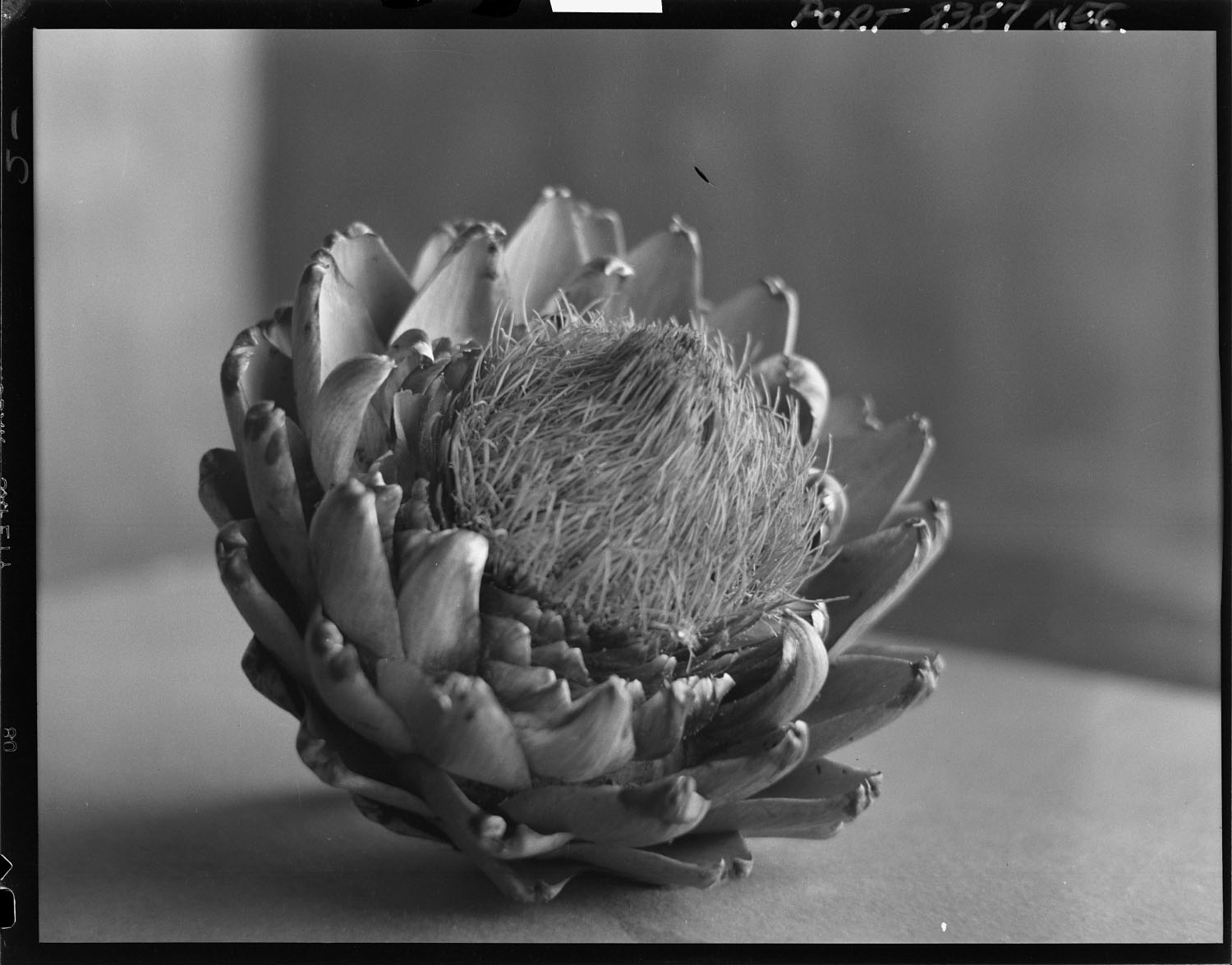
Johan Hagemeyer :: [Flowers] [negative] [Protea?], n.d. Copyright Owner: The Bancroft Library | src OAC
Johan Hagemeyer :: [Flowers] [negative], n.d. Copyright Owner: The Bancroft Library | src OAC · Callisphere

Maya Deren by A. Hammid (1940s)

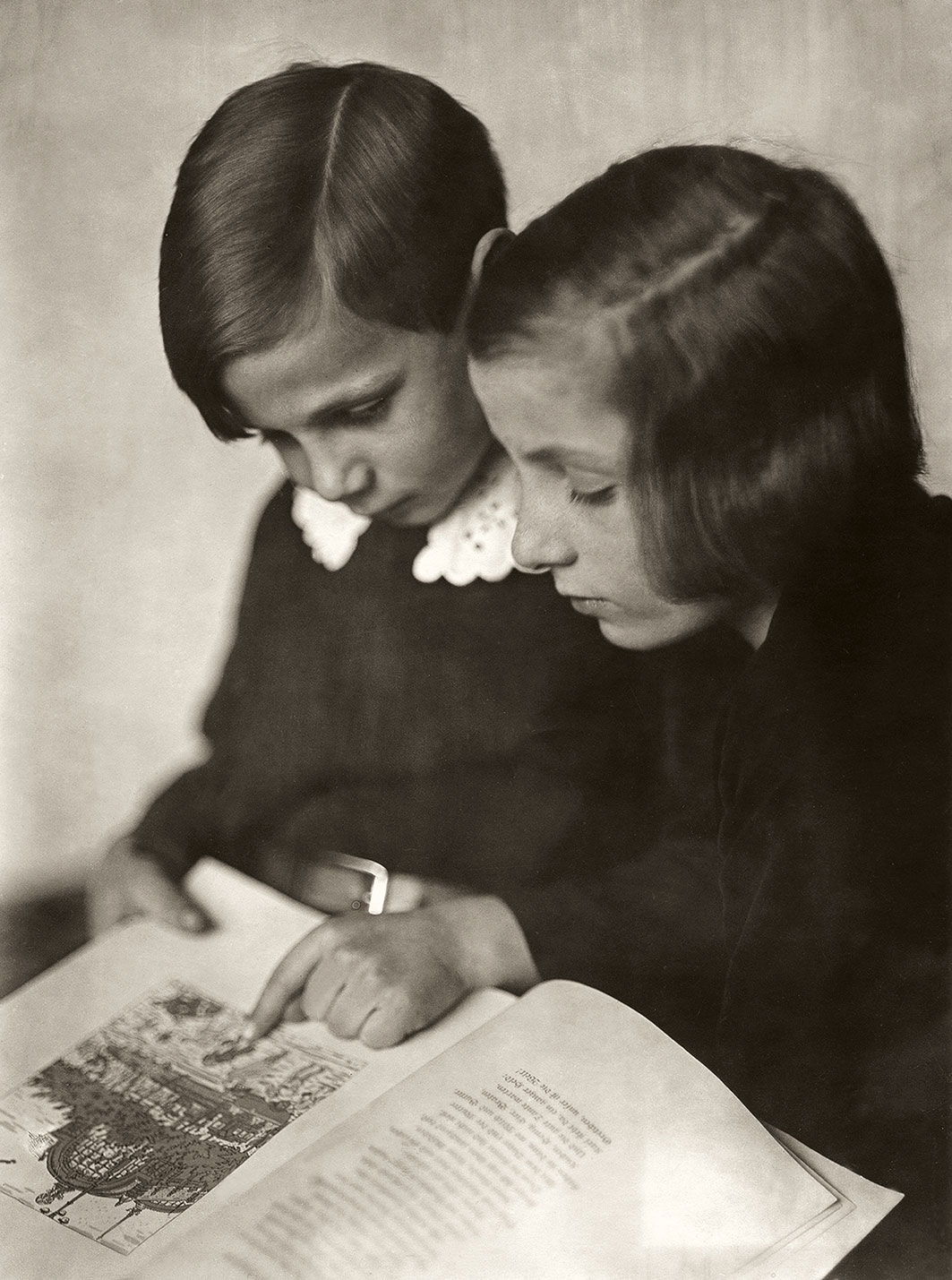
Alexander (Hammid) Hackenschmied :: Maya Deren, n.d. | src Flickr
Alexander Hackenschmied (1907 – 2004) :: Maya s vlajícími vlasy [Maya with hair fluttering], 1942, vintage gelatin silver print | sign. vzadu Alexander Hammid 1942 | src Prague Auctions
Alexander Hackenschmied (1907 – 2004) :: Hair, 1942.; gelatin silver print | sign. vzadu A. Hammid 1942. | src Prague auctions

Dialogues: 1860s-1920s-1940s

Eugène Cuvelier :: Près de la Caverne, Terrain Brûlé, early 1860s. Salted paper print from paper negative. | src The Met

“An atypical work for the naturalistically inclined Cuvelier, this highly Romantic image of two people sitting below the skeletons of burned pine trees and looking into the featureless distance like the contemplative figures in the paintings of Caspar David Friedrich, was no doubt a response to the startling sight of the charred landscape.” | quoted from The Met
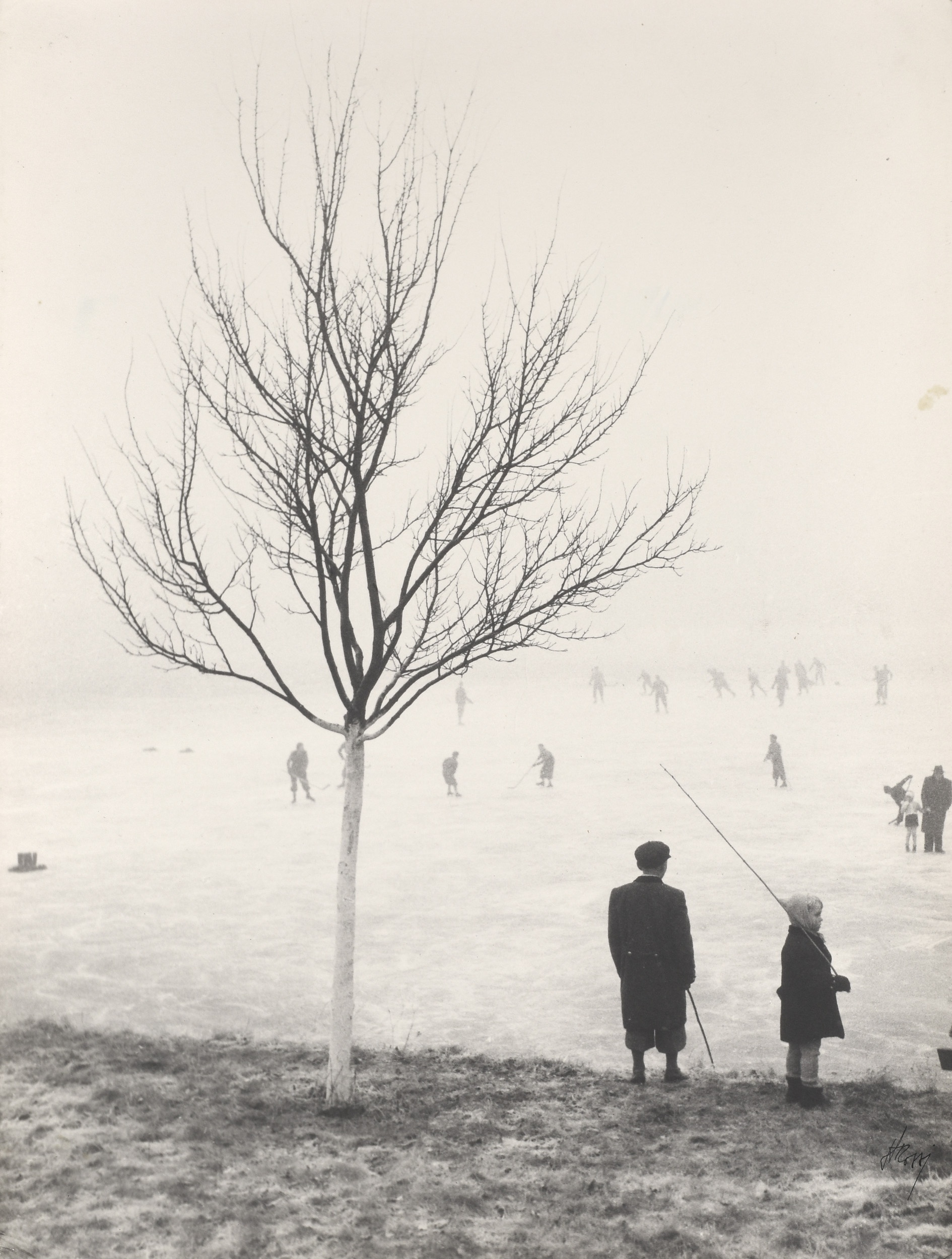
Adolf Rossi :: On a frozen lake, 1946. Vintage gelatin silver print | Sign. Adolf Rossi a Easter Cape International Salon of Photography. 6th C. P. A. International Salon 1965, Hong Kong | src Prague Auctions

“A heap of broken images, where the sun beats,
And the dead tree gives no shelter, the cricket no relief,
And the dry stone no sound of water. Only
There is shadow under this red rock,
(Come in under the shadow of this red rock),
And I will show you something different from either
Your shadow at morning striding behind you
Or your shadow at evening rising to meet you;
I will show you fear in a handful of dust.”
― T.S. Eliot, The Waste Land (1922)

“Winter kept us warm, covering
Earth in forgetful snow”
― T.S. Eliot, The Waste Land (1922)

Life is merely a fracas on an unmapped terrain, and the universe a geometry stricken with epilepsy. ― Emil Cioran, A Short History of Decay (1949)

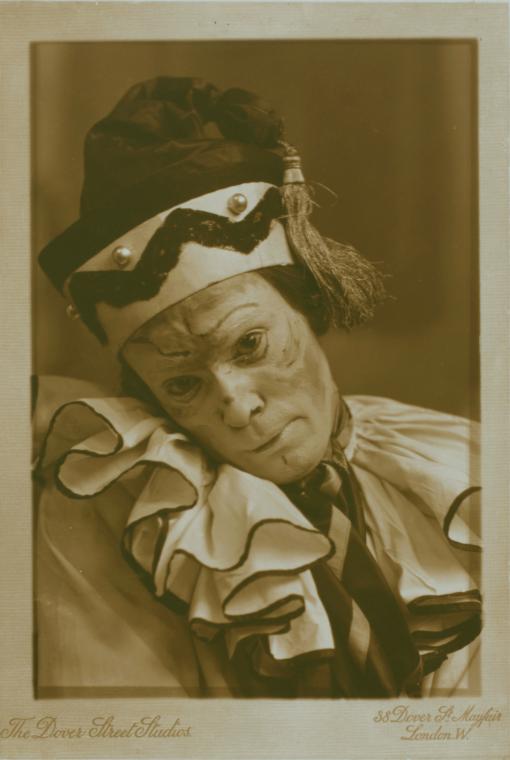
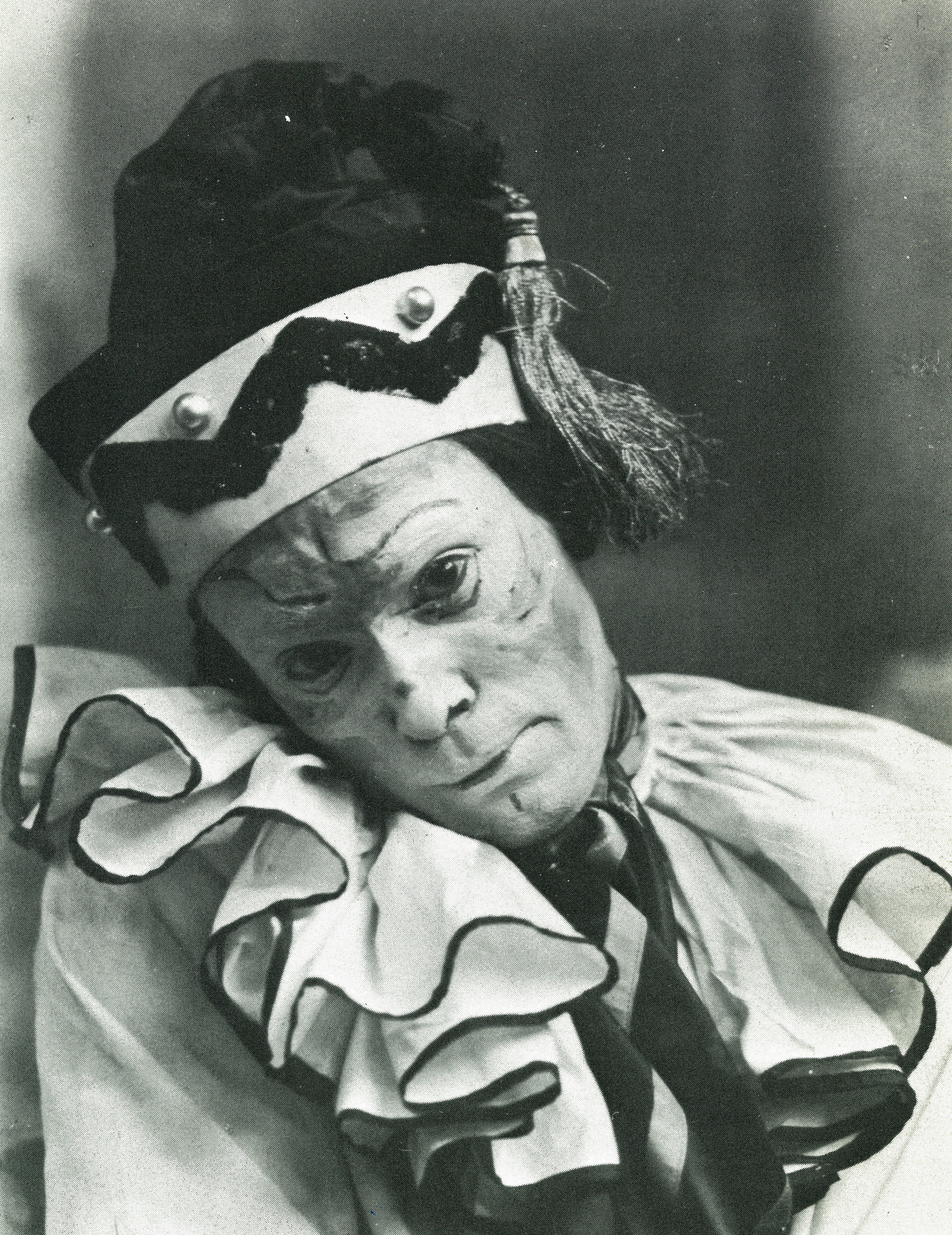
Vaslav Nijinsky as Petrushka, 1911

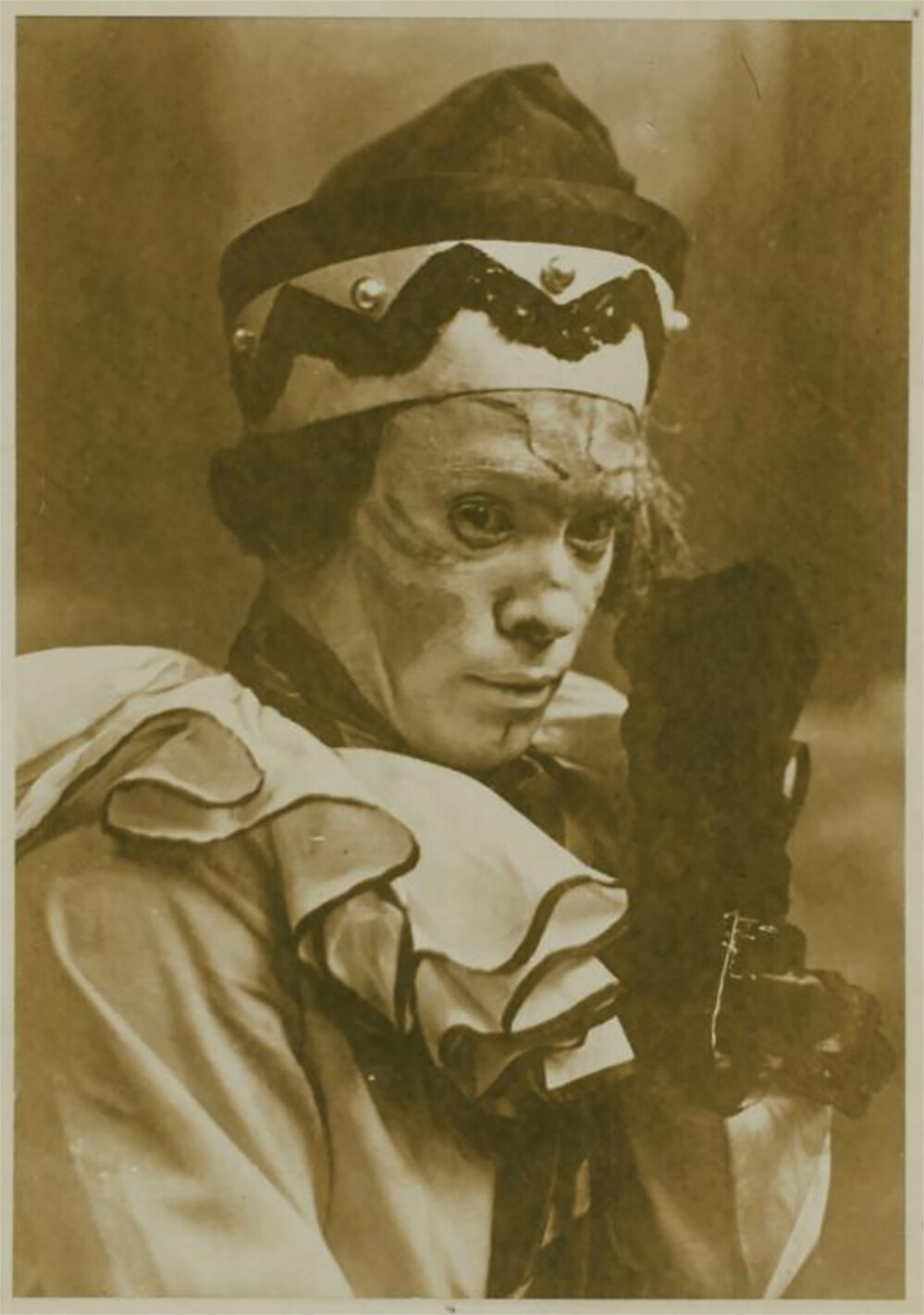
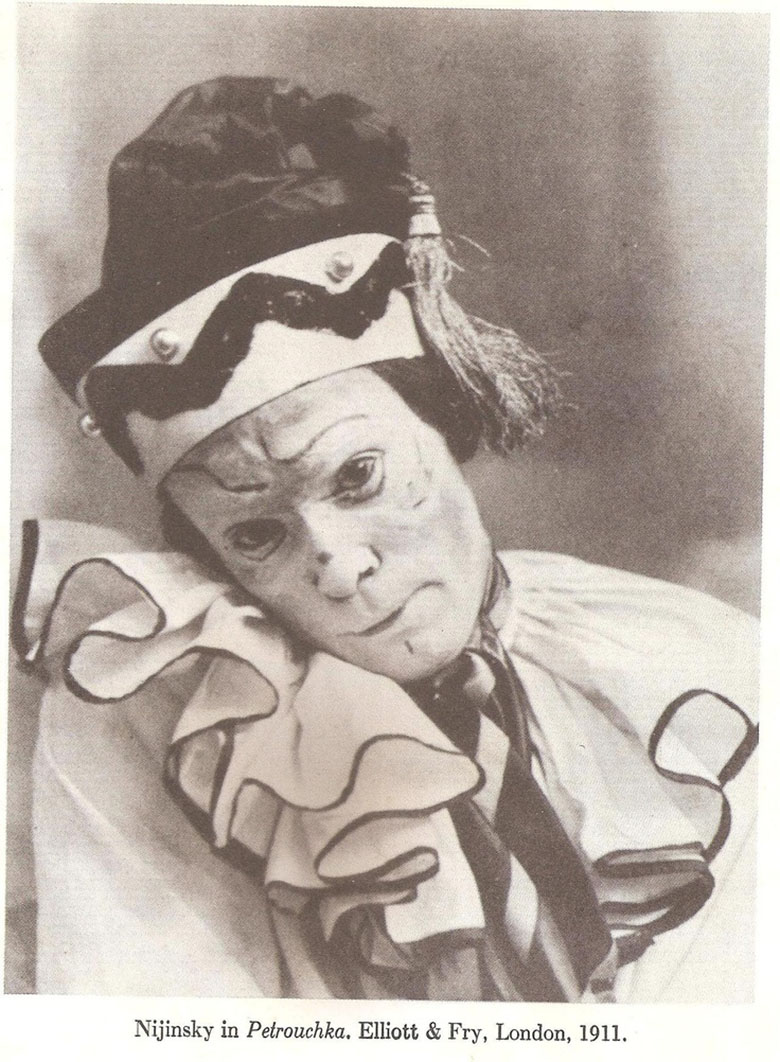
Photograph of Nijinsky in the title role of the ballet Petrouchka (Petrushka), 1911. [Mishkin N.Y.] | src Library of Congress
Elliott & Fry :: Vaslav Nijinsky as the Rag Doll ‘Petrouchka’ (1911). Petrushka [French: Petrouchka] premiered June 13, 1911 at the Theatre du Chatelet in Paris with costume and scenery design by Alexandre Benois, music by Igor Stravinsky and choreography by Michel Fokine. | src Leo Boudreau, visit his site for more info about Petrouchka and links to the ballet’s videos
Portrait of Vaslav Nijinsky in three-quarter profile, left fist clenched before him in the title role of Petrouchka (a rag doll), 1910-1911.
Petrouchka (Choreographic work: Michel Fokine); uncredited photographer on source | src NYPL
Dover Street Studios (Photographer) :: Nijinsky, London, 1910-1911. | src NYPL
Vaslav Nijinsky in Petrushka (1911) | src San Francisco Symphony : Stravinsky Exhibition

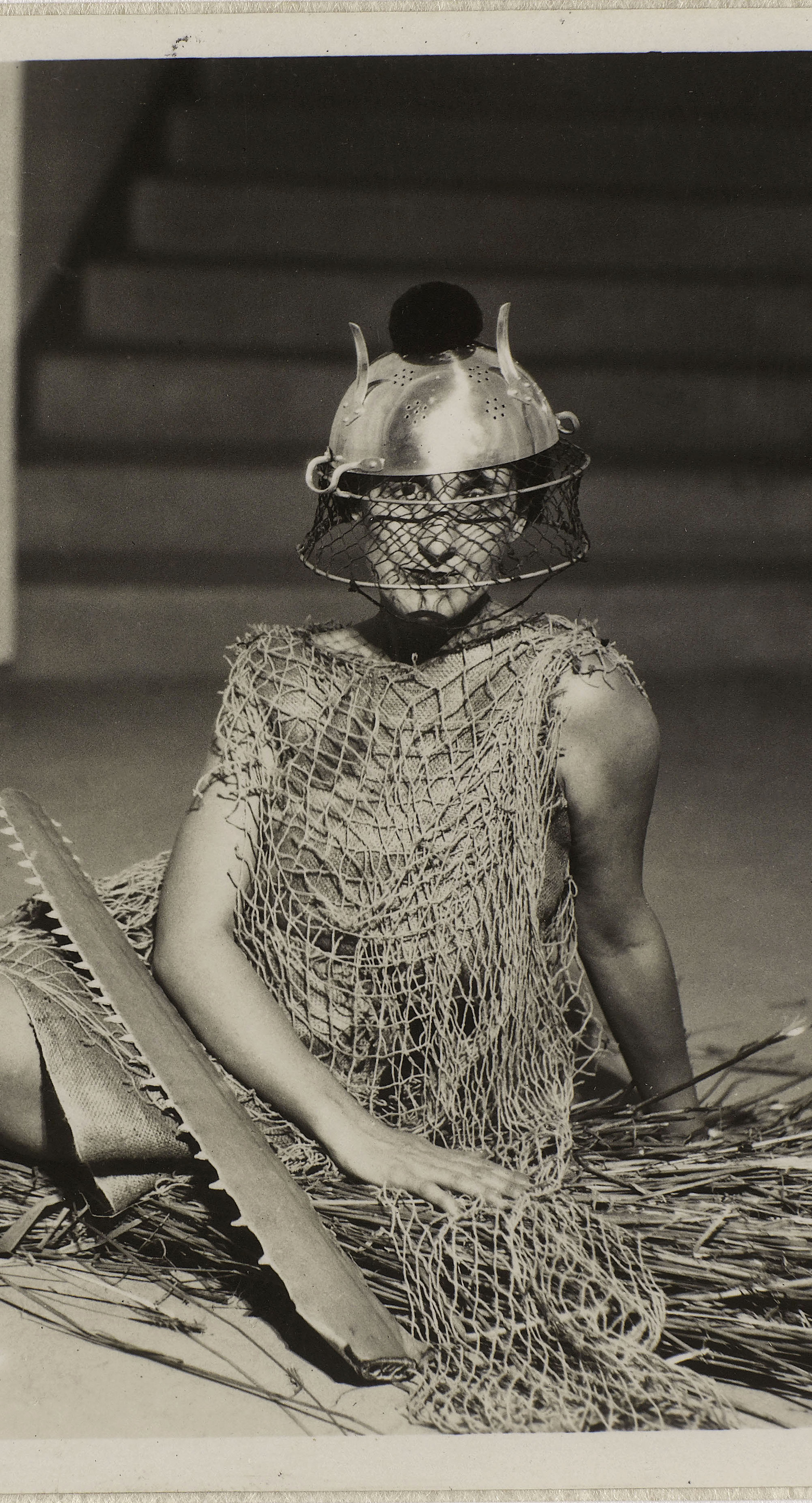
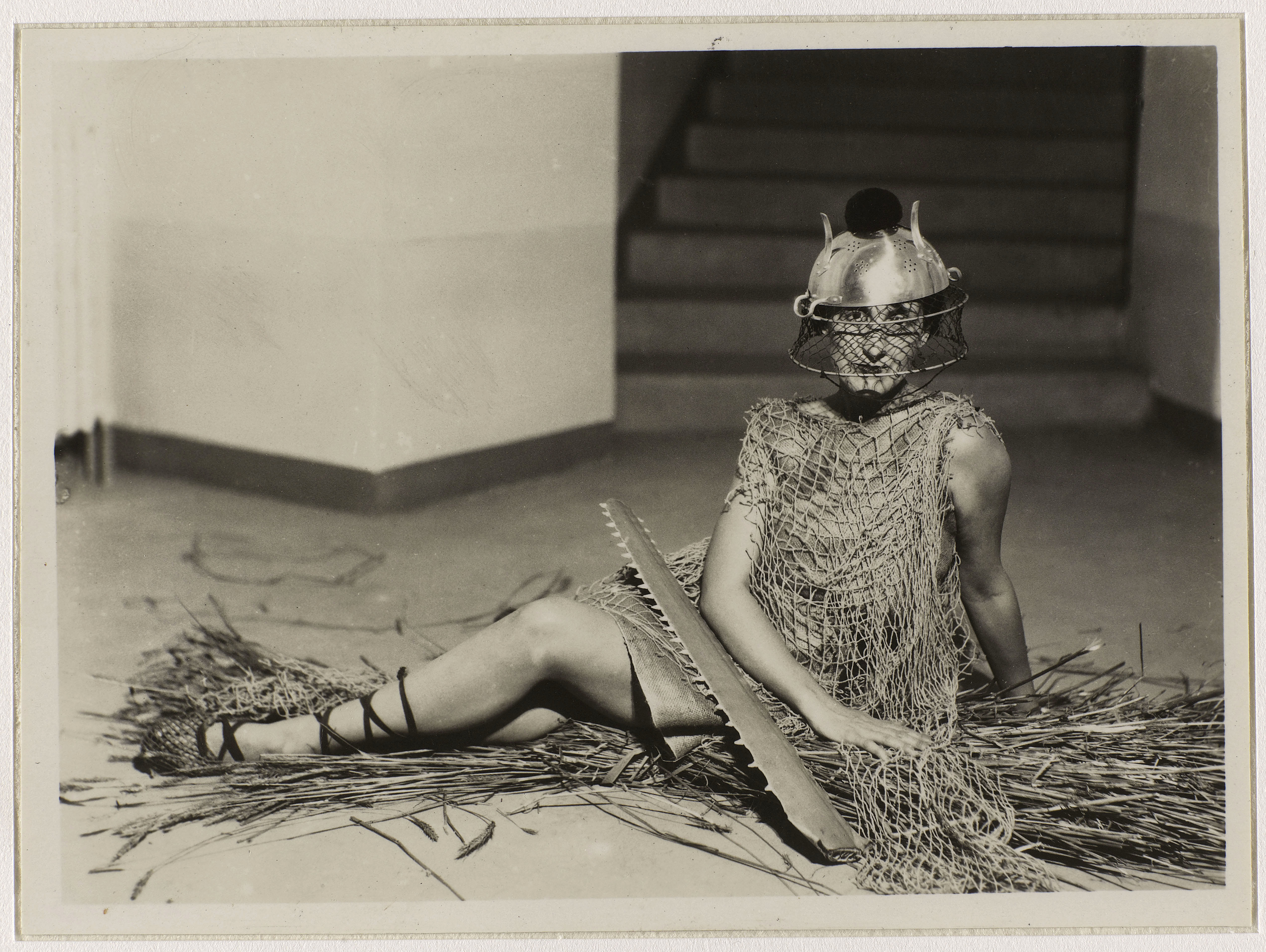
Bal au château des Noailles, 1929

Man Ray (Emmanuel Radnitzky) :: Bal au château des Noailles, vers 1929. Epreuve gélatino-argentique. | src l'œil de la photographie (detail)
Man Ray (Emmanuel Radnitzky) :: Bal au château des Noailles, vers 1929. Epreuve gélatino-argentique. | src l’œil de la photographie
Man Ray (Emmanuel Radnitzky) :: Bal au château des Noailles, vers 1929. Epreuve gélatino-argentique. | src l'œil de la photographie
Man Ray (Emmanuel Radnitzky) :: Bal au château des Noailles, vers 1929. [full image] | src l’œil de la photographie
Man Ray (Emmanuel Radnitzky) :: Bal au château des Noailles, vers 1929. Epreuve gélatino-argentique. | src Centre Pompidou

The Fifty faces of Juliet

Man Ray :: The Fifty faces of Juliet, 1941-1954. | src WO | MAN RAY. Le seduzioni della fotografia
Man Ray :: Juliet Browner, vers 1945. Négatif au gélatino bromure d’argent sur support souple. | src Centre Pompidou
Man Ray (Emmanuel Radnitzky) :: Juliet, vers 1950. Négatif gélatino-argentique sur support souple. | src Centre Pompidou