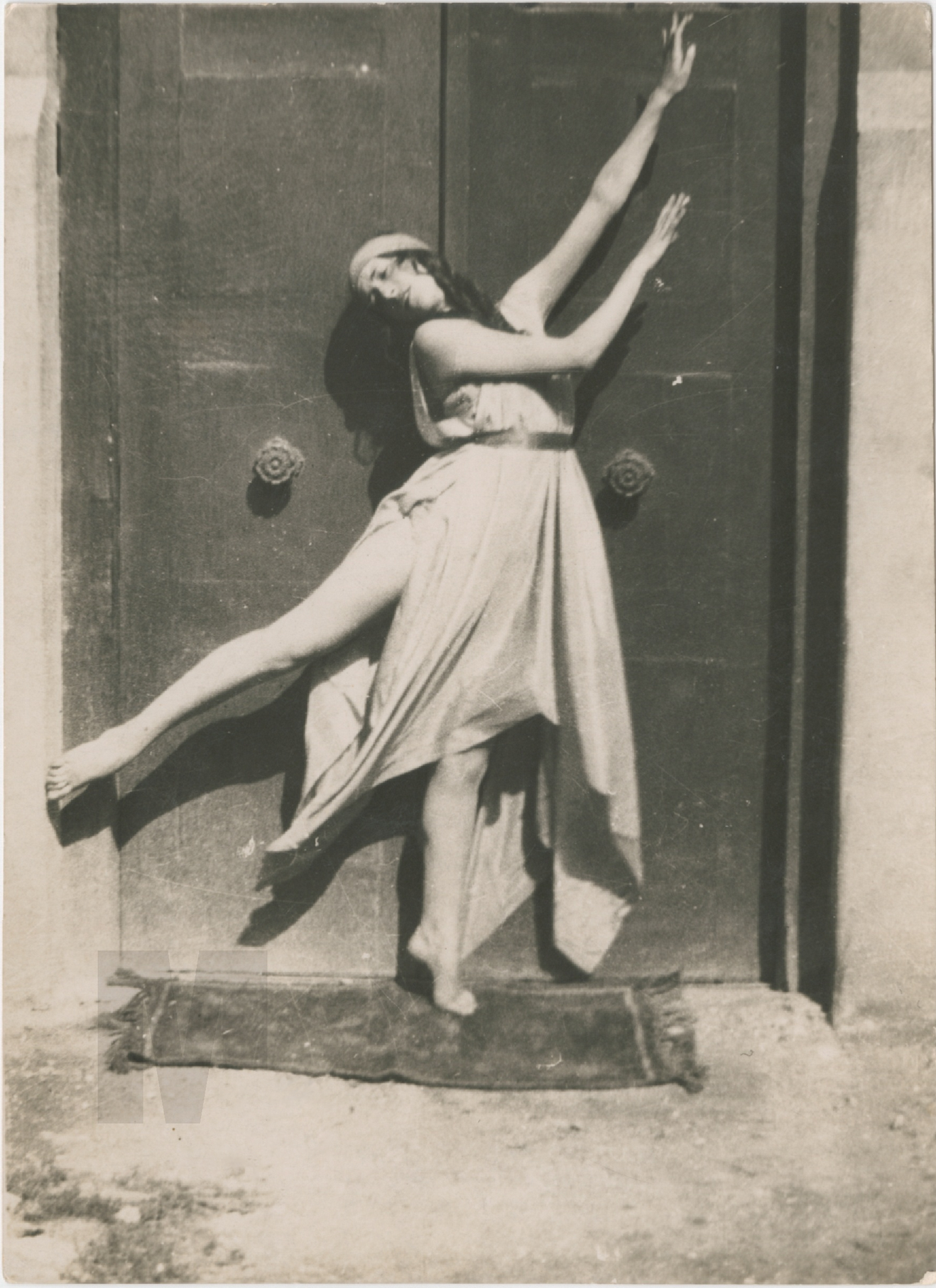
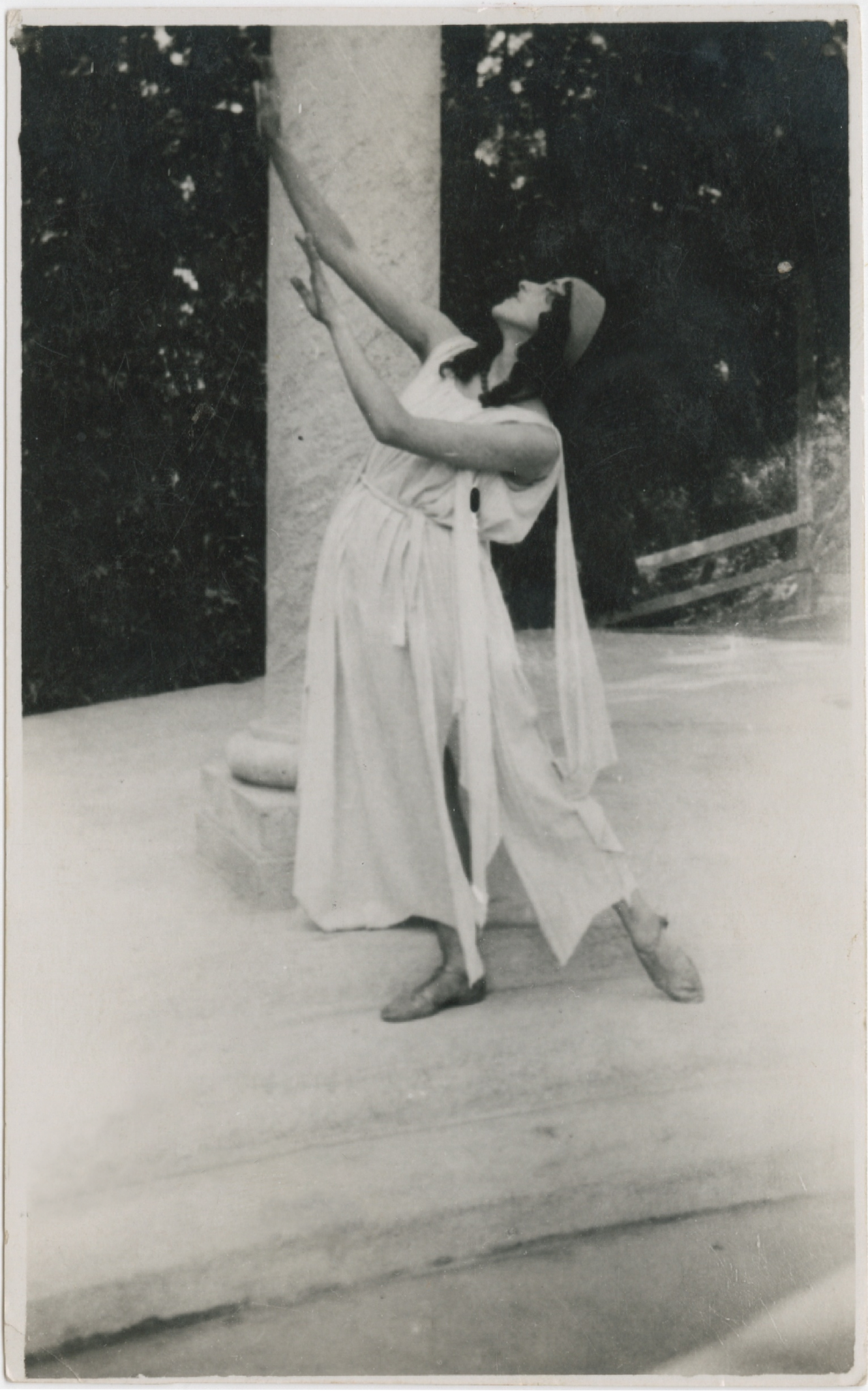
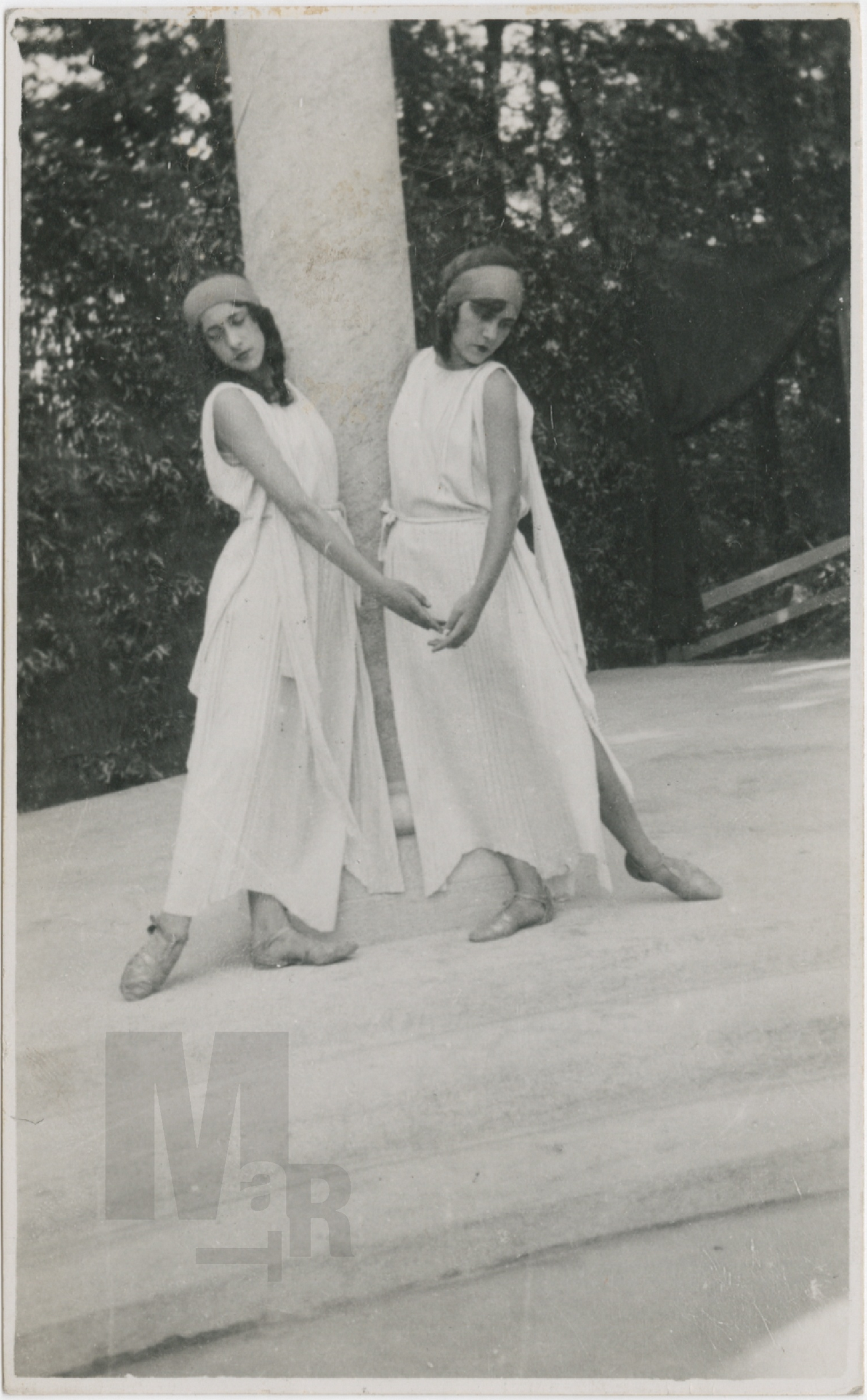
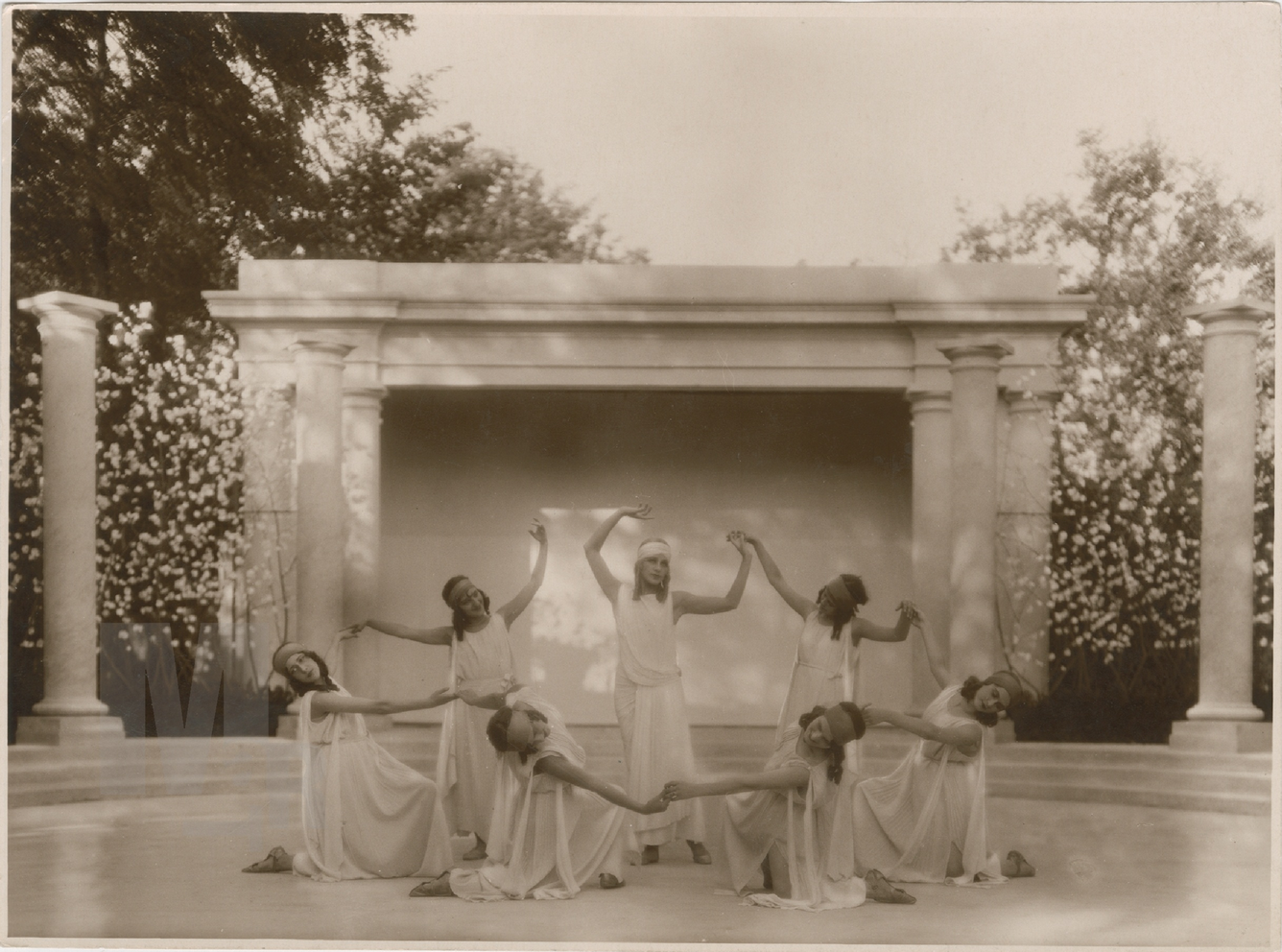
Giannina Censi con il costume di scena di Il mistero di Persefone Teatro Licinium di Erba, 1929. | src Fondo G. Censi ~ Mart (*)Giannina Censi con il costume di scena di Il mistero di Persefone Teatro Licinium di Erba, 1929. | src Fondo G. Censi ~ Mart (*)Giannina Censi con il costume di scena di Il mistero di Persefone Teatro Licinium di Erba, 1929. In verso nota ms. “Teatro Licinium. Erba” | src Fondo G. Censi ~ MartScena tratta da Il mistero di Persefone al Teatro Licinium di Erba, 1929. In verso nota ms. “Il Mistero di Persefone – Teatro Licinium. Erba”. | src Fondo G. Censi ~ Mart (**)Scena tratta da Il mistero di Persefone al Teatro Licinium di Erba, 1929 di Fot. Camuzzi. Milano. | src Fondo G. Censi ~ Mart (**)Scena tratta da Il mistero di Persefone al Teatro Licinium di Erba, 1929 di Fot. Camuzzi. Milano. | src Fondo G. Censi ~ Mart (**)
(*) Pubblicata in Vaccarino E., (a cura di) Giannina Censi: danzare il futurismo. Milano: Electa; Museo di arte moderna e contemporanea di Trento e Rovereto, 1998, p. 15
(**) Pubblicata in Vaccarino E., (a cura di) Giannina Censi: danzare il futurismo. Milano: Electa; Museo di arte moderna e contemporanea di Trento e Rovereto, 1998, p. 85
Man Ray (Emmanuel Radnitzky, dit) :: Juliet vers 1945. Centre PompidouMan Ray (Emmanuel Radnitzky, dit) :: Juliet, 1946. Centre PompidouMan Ray (Emmanuel Radnitzky) :: Juliet vers 1945. Centre PompidouMan Ray (Emmanuel Radnitzky) :: Juliet vers 1945. Centre PompidouMan Ray (Emmanuel Radnitzky, dit) :: Juliet vers 1950. Centre PompidouMan Ray (Emmanuel Radnitzky, dit) :: Juliet vers 1960. Centre Pompidou
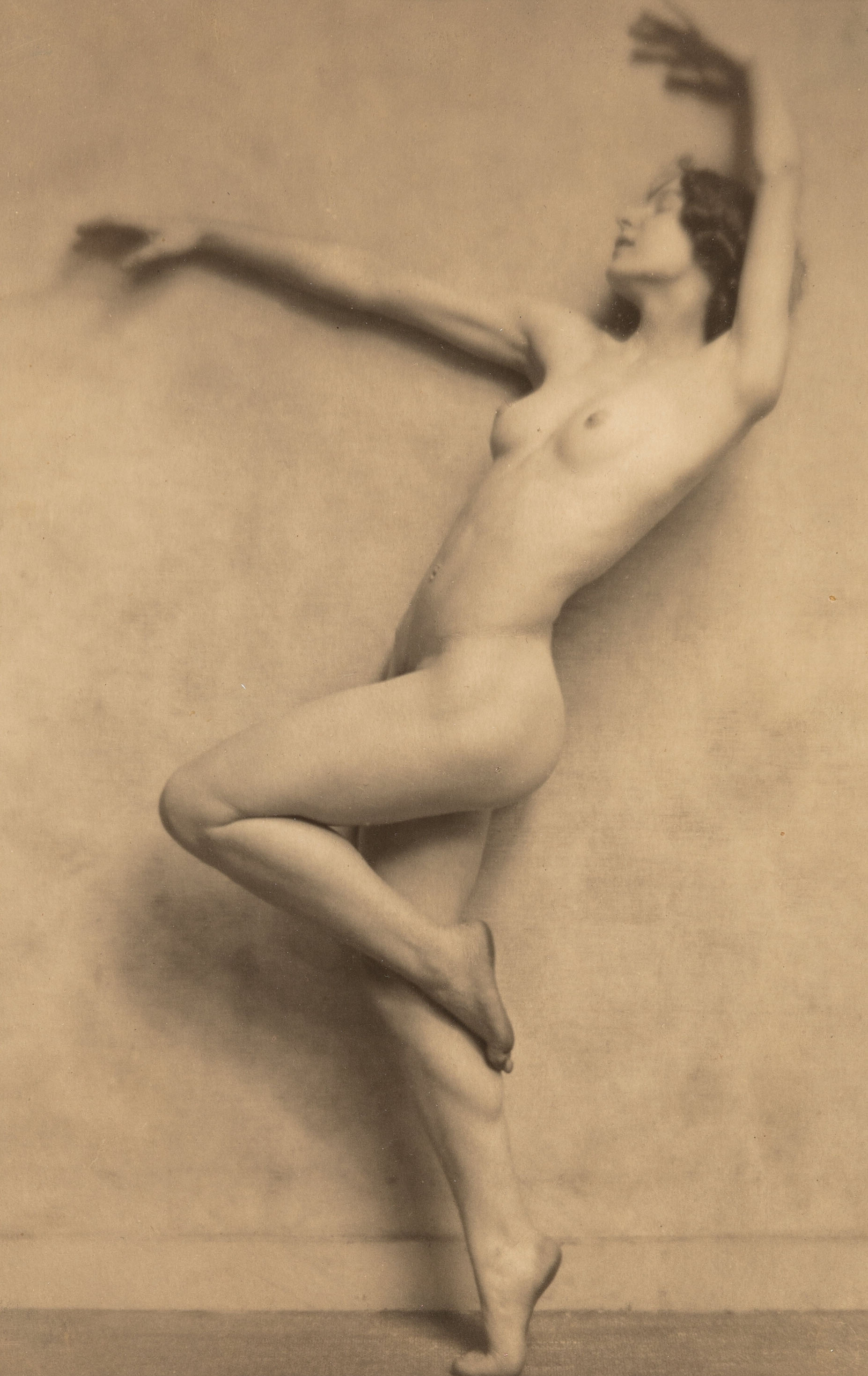
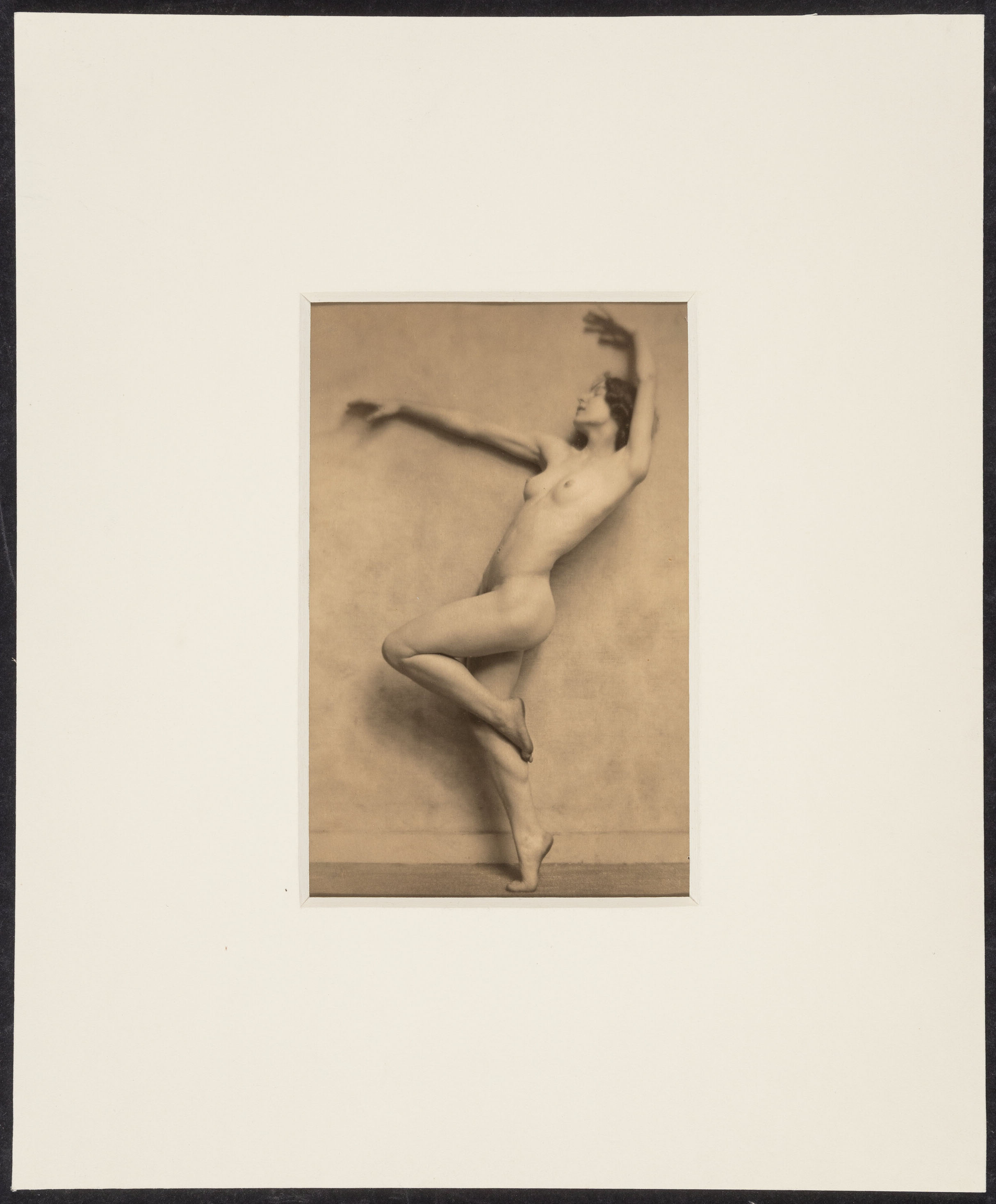
Karl Struss (1886-1981) :: Natacha Rambova, 1920s. [production still*]; Gelatin silver print. | src Amon Carter Museum of American ArtKarl Struss (1886-1981) :: Natacha Rambova, 1920s. [production still*]; Gelatin silver print. | src Amon Carter MuseumKarl Struss (1886-1981) :: Natacha Rambova, 1920s. [production still*]; Gelatin silver print. | src Amon Carter MuseumKarl Struss (1886-1981) :: Natacha Rambova, 1920s. [production still*]; Gelatin silver print. | src Amon Carter Museum
[*] production stills probably from the film Forbidden Fruit (Cecil B. DeMille, 1921). In the film Rambova (b. Winifred Shaughnessy), along with Mitchell Leisen, was the costume designer and Struss the cinematographer.
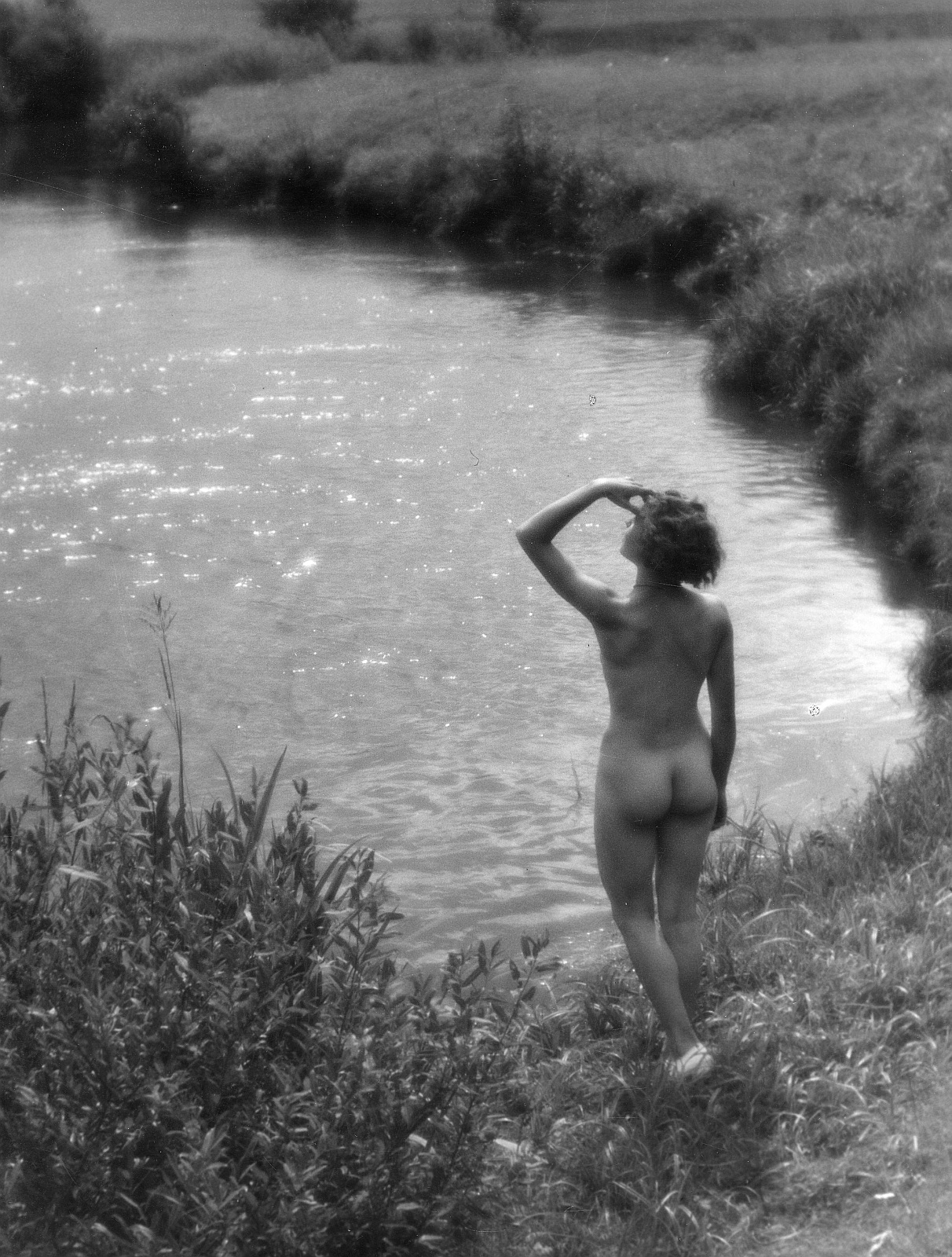
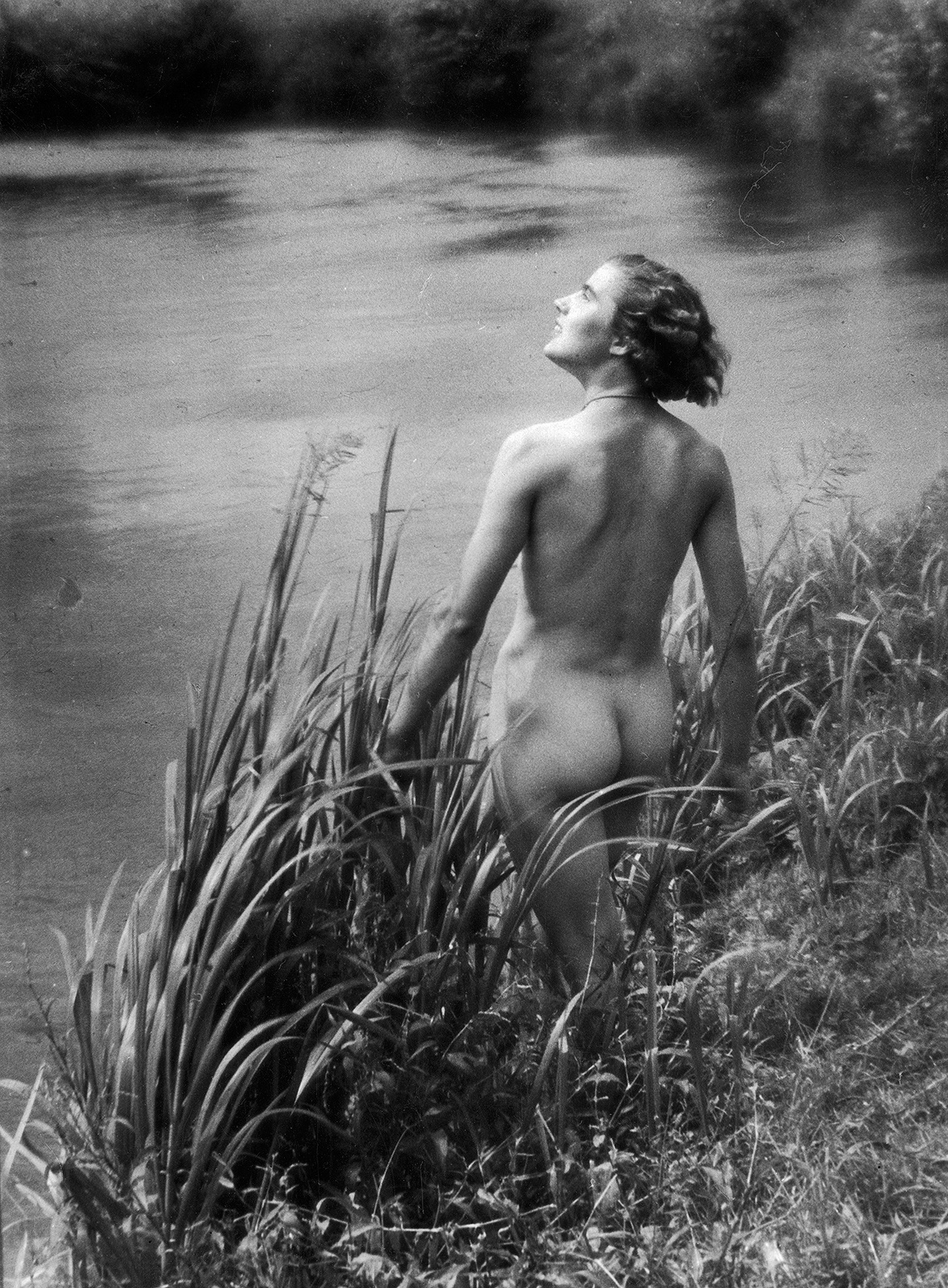
Lala Aufsberg :: Aktstudien. Weiblicher Rückenakt an einem Seeufer, 1934. | src Deutsche FotothekLala Aufsberg :: Frauenakt; weiblicher Akt, 1934. | Deutsche FotothekLala Aufsberg :: Weiblicher Rückenakt an einem Seeufer (female nude from back on a lake shore), 1934. | src Deutsche FotothekLala Aufsberg :: Frauenakt; weiblicher Akt, 1934. | src Deutsche Fotothek
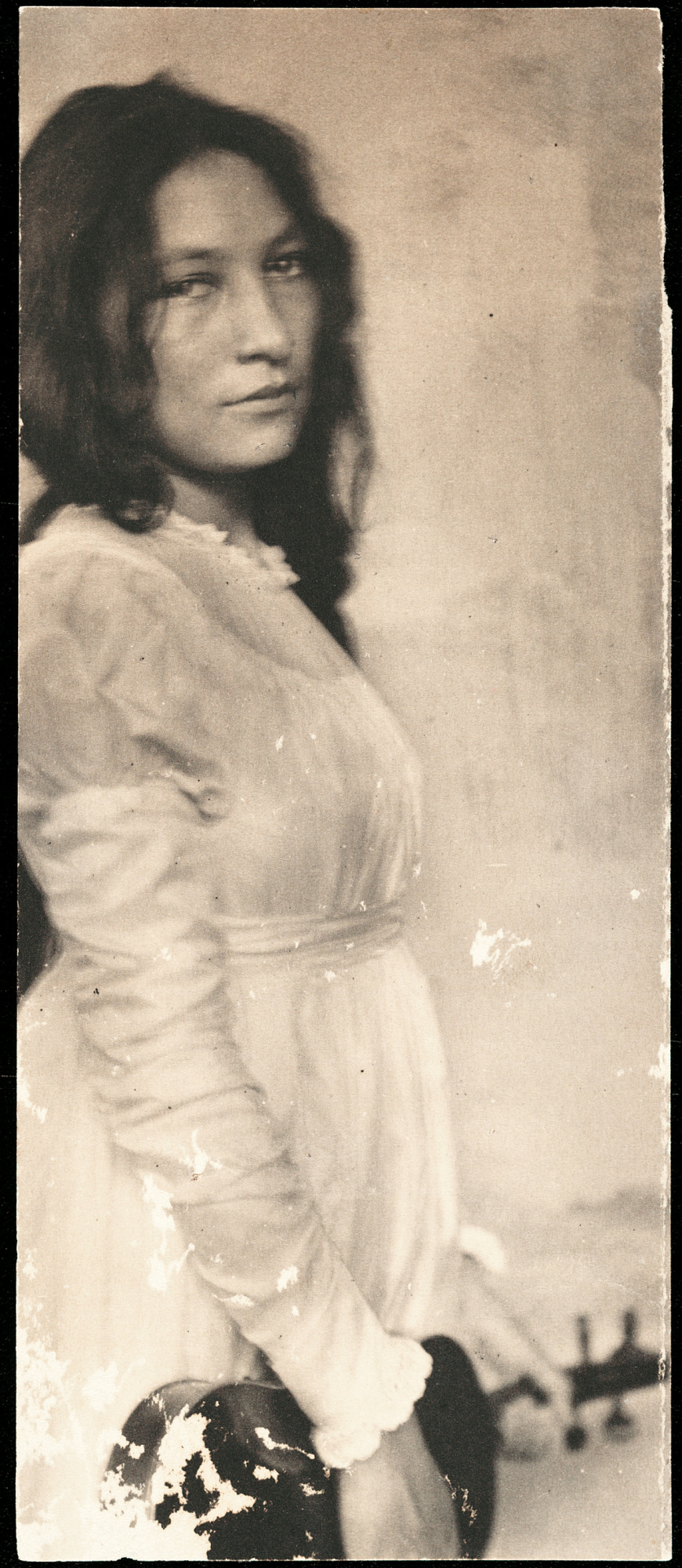
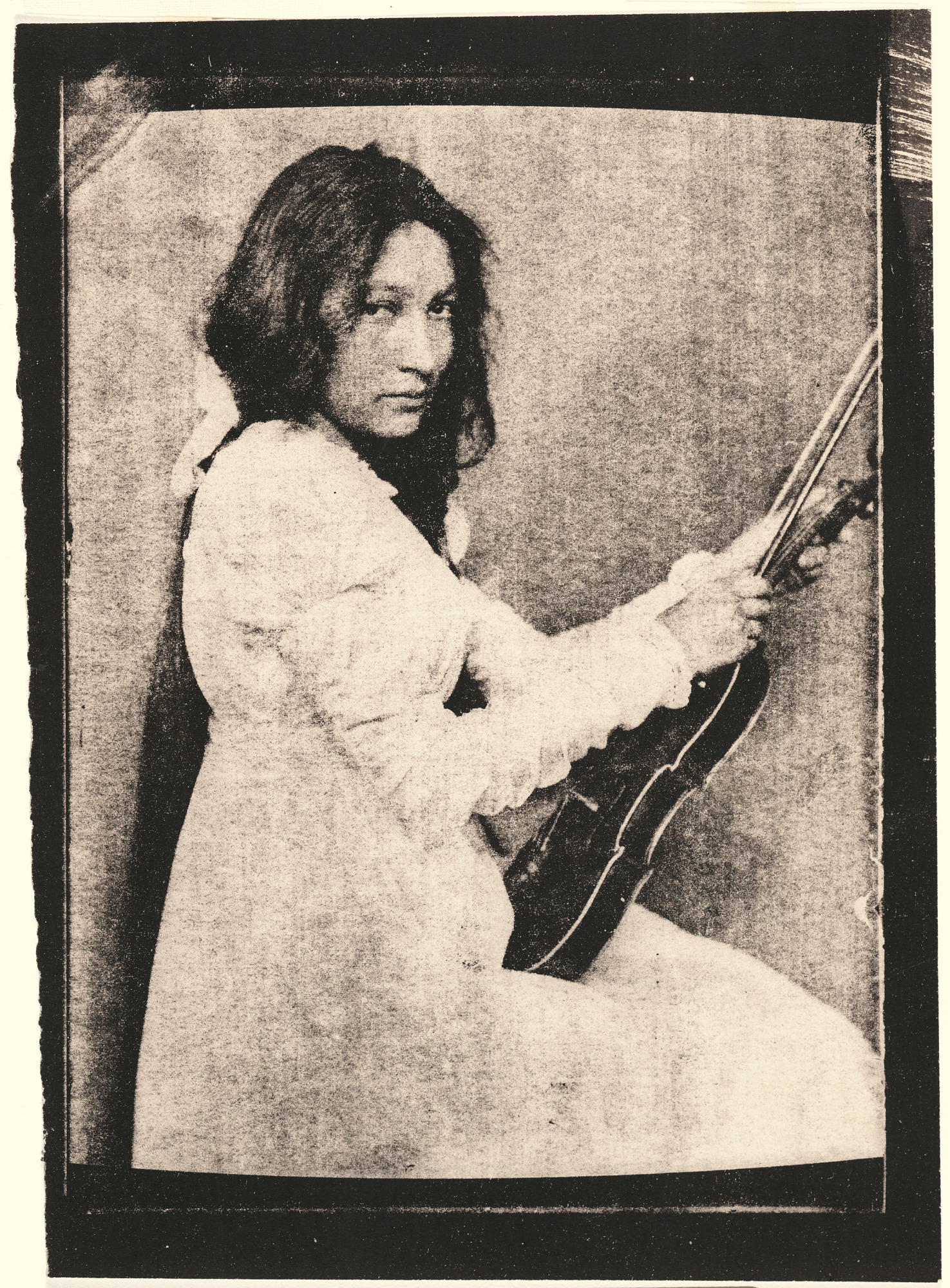
Gertrude Käsebier :: Zitkala-Sa (with violin), Sioux Indian and activist, ca. 1898. Platinum print. | src NMAH
In addition to photographing the Sioux performers sent by Buffalo Bill Cody to her studio, Käsebier was able to arrange a portrait session with Zitkala-Sa, “Red Bird,” also known as Gertrude Simmons (1876-1938), a Yankton Sioux woman of Native American and white ancestry. She was born on the Pine Ridge Reservation in South Dakota, like many of the Sioux traveling with the Wild West show. She was well educated at reservation schools, the Carlisle Indian School, Earlham College in Indiana, and the Boston Conservatory of Music. Zitkala Sa became an accomplished author, musician, composer, and dedicated worker for the reform of United States Indian policies.
Käsebier photographed Zitkala-Sa in tribal dress and western clothing, clearly identifying the two worlds in which this woman lived and worked. In many of the images, Zitkala Sa holds her violin or a book, further indicating her interests. Käsebier experimented with backdrops, including a Victorian floral print, and photographic printing. She used the painterly gum-bichromate process for several of these images, adding increased texture and softer tones to the photographs. (quoted from NMAH)
Gertrude Käsebier :: Zitkala-Sa (with violin), Sioux Indian and activist, ca. 1898. Platinum print. | src NMAHGertrude Käsebier :: Zitkala-Sa (with violin), Sioux Indian and activist, ca. 1898. Gum bichromate print. | src National Museum of American History, Smithsonian Institution


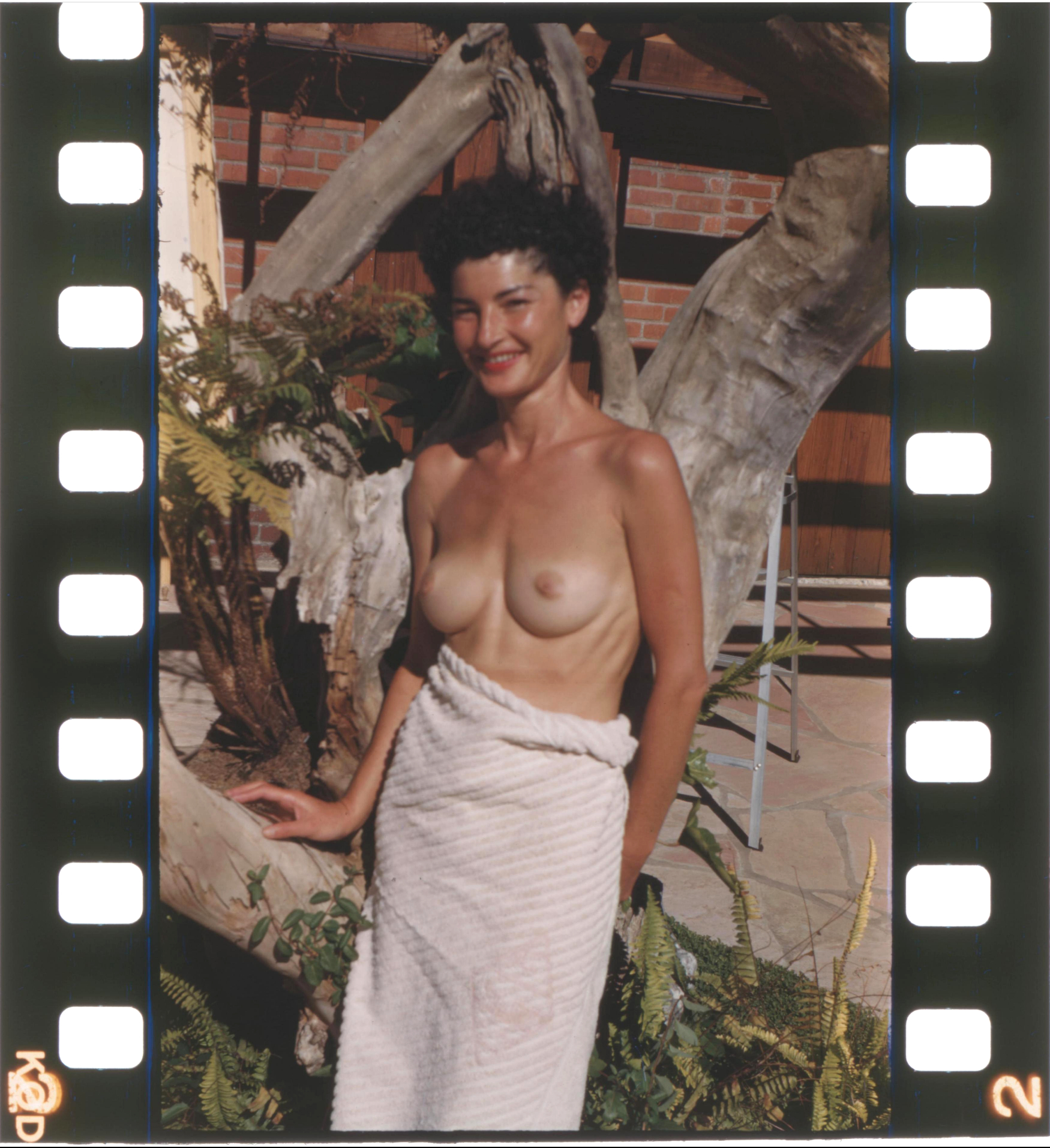
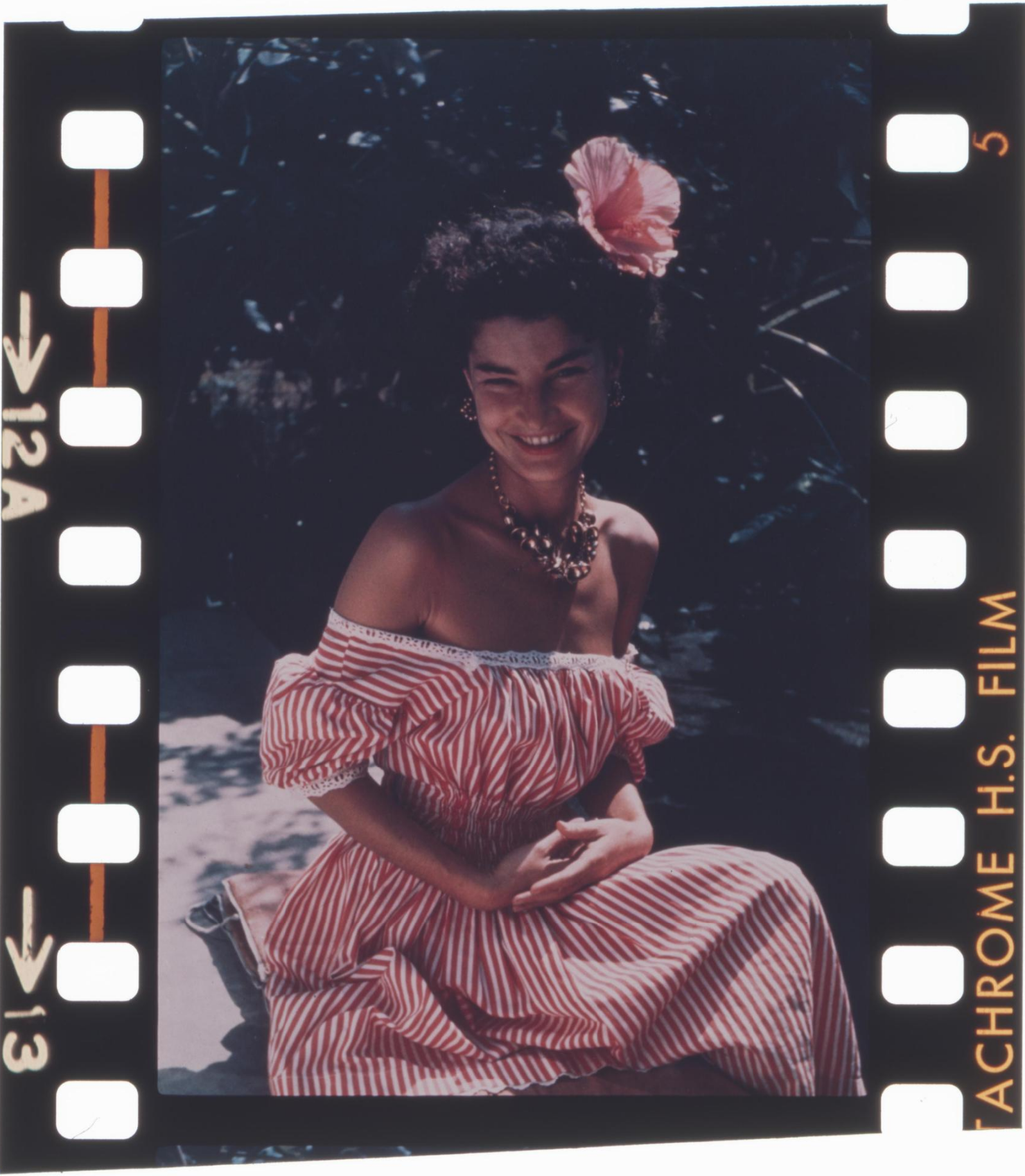
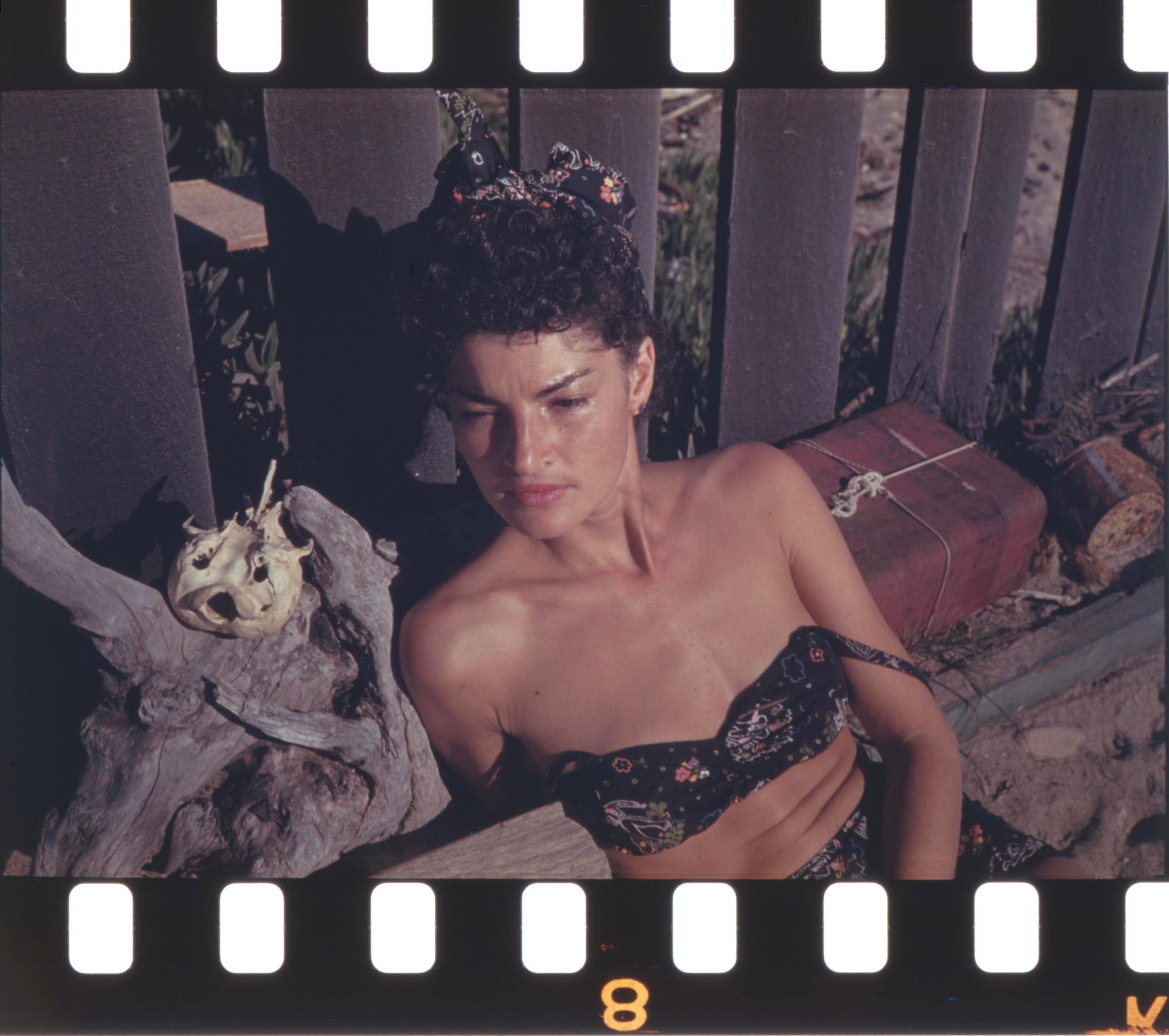

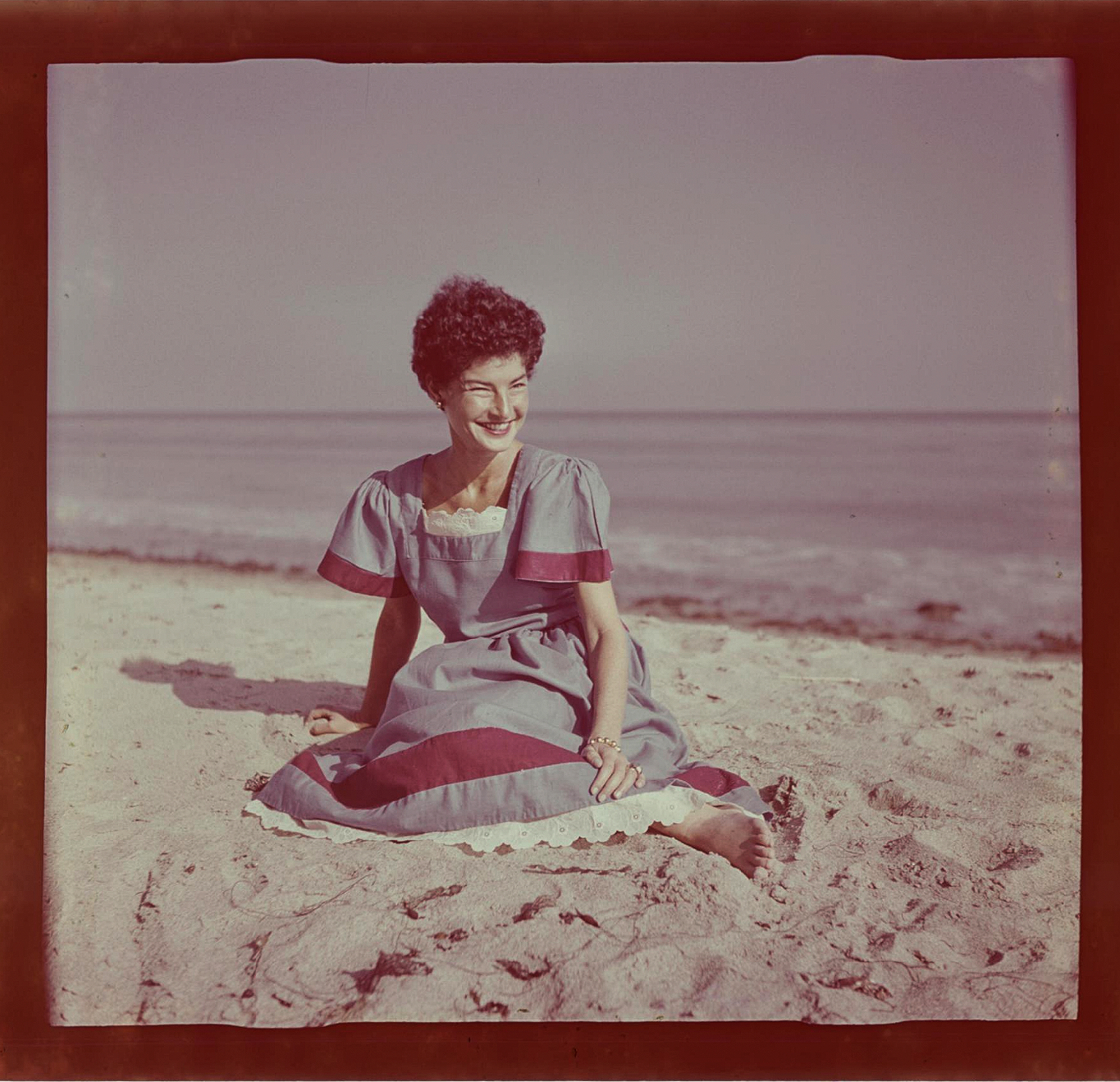
![Leopoldo Pomés :: Sense títol, 1975 [per a un anunci de ciment]. | src Ara Andorra](https://live.staticflickr.com/65535/52189031499_3b83c21972_o.jpg)


![Karl Struss (1886-1981) :: Natacha Rambova, 1920s. [production still]; Gelatin silver print. | src Amon Carter Museum](https://unregardoblique.com/wp-content/uploads/2022/07/karl-struss-1886-1981-natacha-rambova-1920s-src-amon-carter-museum-portrait-3.jpg)
![Karl Struss (1886-1981) :: Natacha Rambova, 1920s. [production still]; Gelatin silver print. | src Amon Carter Museum](https://live.staticflickr.com/65535/52143091634_19fb55e7d6_o.jpg)
![Karl Struss (1886-1981) :: Natacha Rambova, 1920s. [production still]; Gelatin silver print. | src Amon Carter Museum](https://live.staticflickr.com/65535/52143091614_15d6659744_o.jpg)
![Karl Struss (1886-1981) :: Natacha Rambova, 1920s. [production still]; Gelatin silver print. | src Amon Carter Museum](https://live.staticflickr.com/65535/52143091554_947b9d5c91_o.jpg)





 un regard oblique