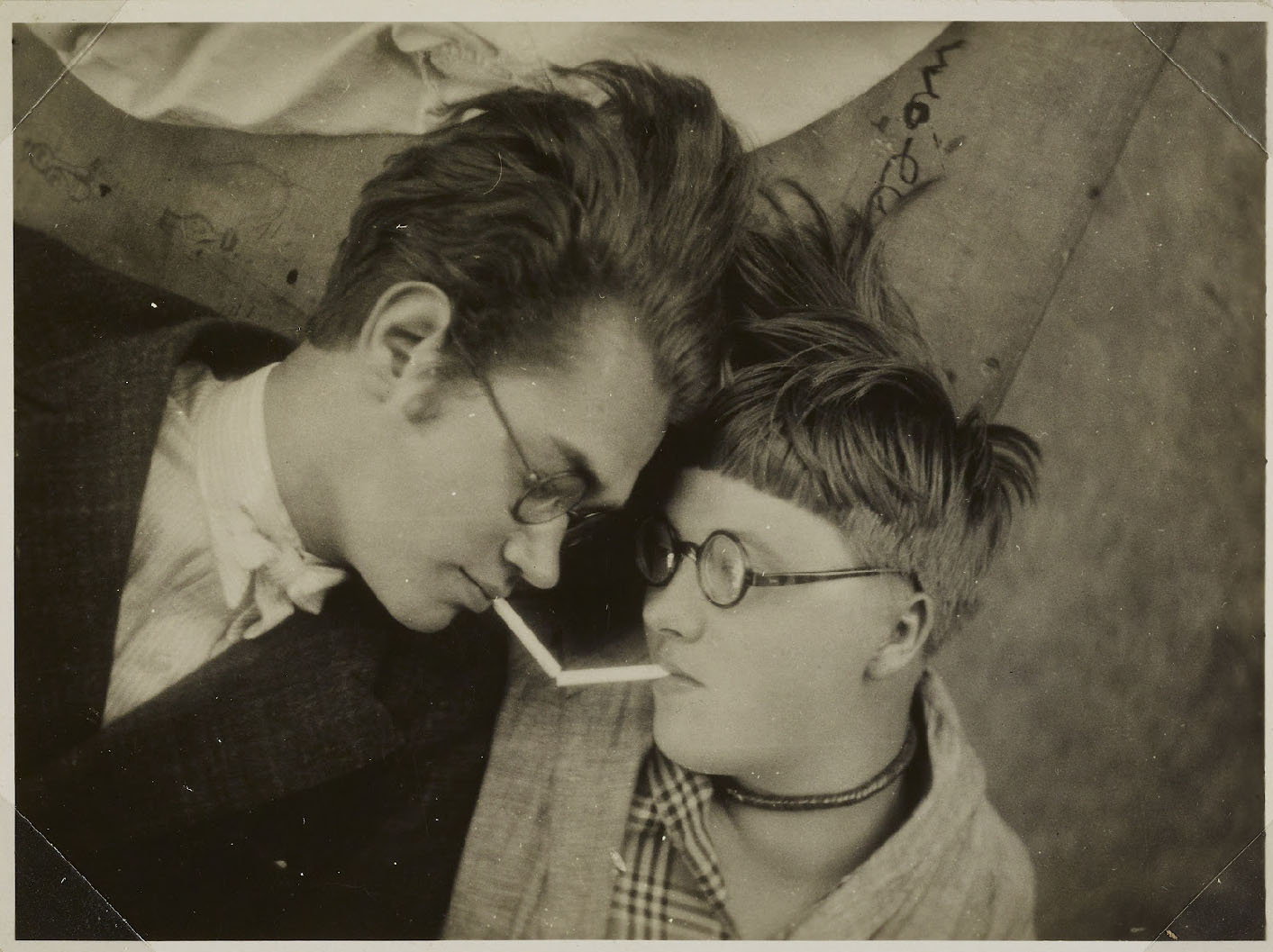
Bauhauslers, ca. 1929

Erich Krause :: Four intertwined people [Bauhauslers on the terrace of the Bauhaus canteen with Hermann “Sven” Gautel (top) and Hin Bredendieck (bottom)], ca. 1929. | src Bauhaus Dessau
Untitled (Portrait of Elsa Franke and Gerhard Kadow at the Bauhaus Dessau), 1929. | src Stiftung Bauhaus Dessau

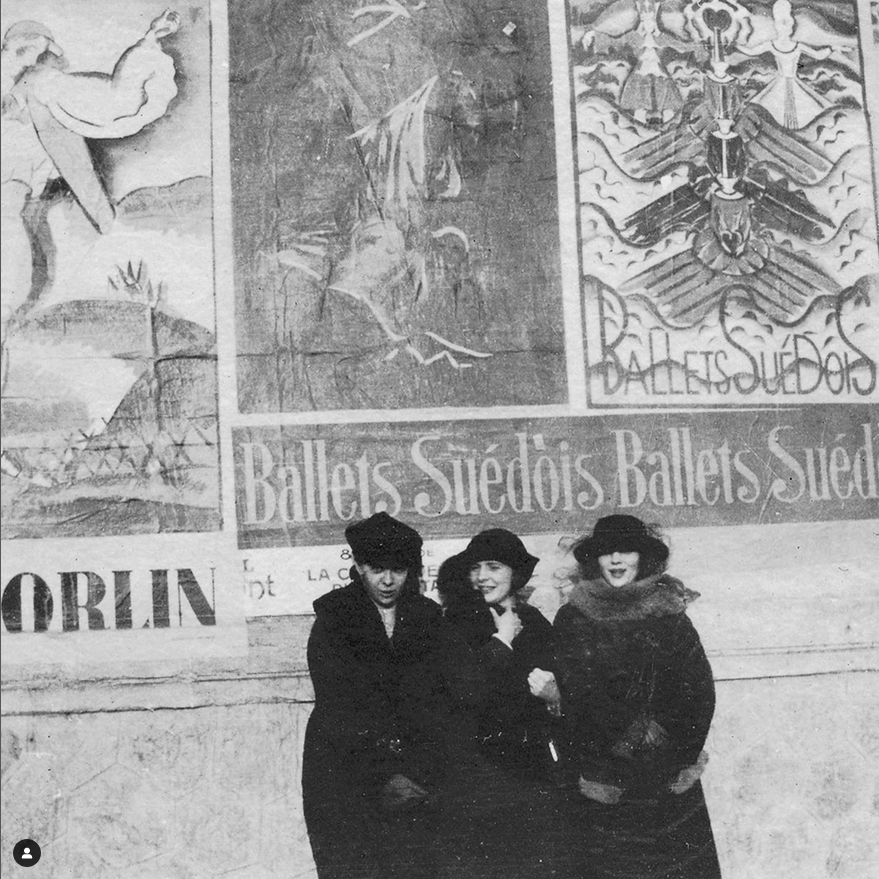
Carina Ari with two dancers, 1921

Dancer Carina Ari with two colleagues from the Swedish Ballet in the spring sun in front of (or actually under) four of the Swedish Ballet’s huge posters. The photo was probably taken during the company’s first tour in Spain in 1921. In the background are several of the Swedish Ballet’s color posters, drawn by Pierre Mourgue, Orsi and Eldsten. • src Dansmuseet’s Instagram
Various posters for the Svenska Baletten (Ballets Suédois), ca. 1920. | src Dansmuseet

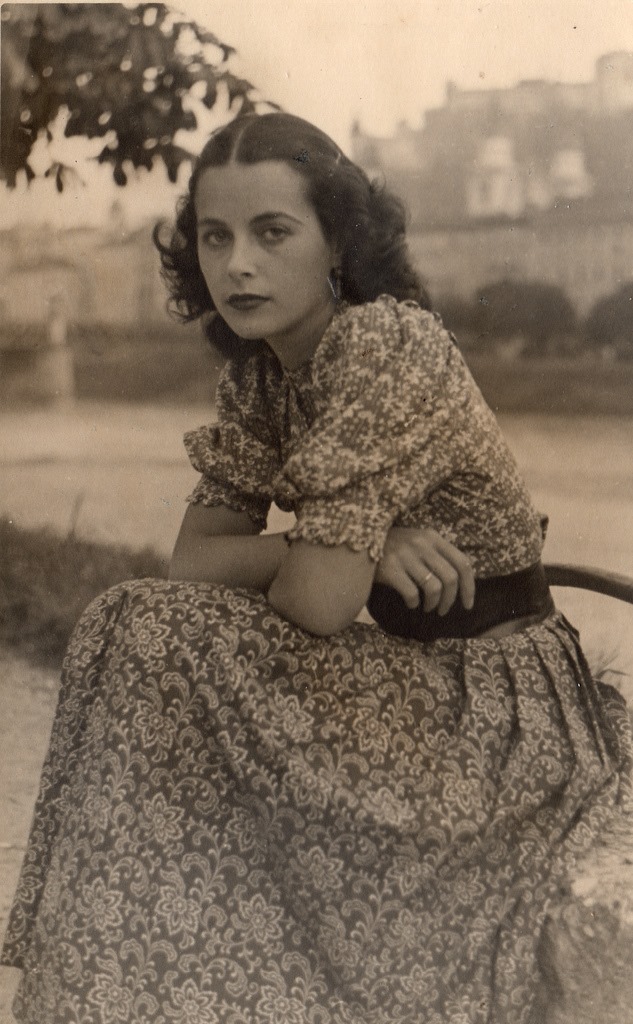
Hedwig Kiesler, ca. 1935

Hedwig Kiesler, Salzburg, around 1935 © Anthony Loder Archive. From “Lady Bluetooth. Hedy Lamarr” exhibition. | src Jüdisches Museum Wien on FB

Hedwig Kiesler, ca. 1932

Hedwig Kiesler on a summer holiday, Austria, around 1932 © Anthony Loder Archive. From “Lady Bluetooth. Hedy Lamarr” exhibition. | src Jüdisches Museum Wien on Twitter

Stella Kadmon, beach of Tel Aviv

Stella Kadmon on the beach of Tel Aviv, ca. 1940s © Theatermuseum Wien. Stella Kadmon was an enthusiastic pioneer of the cabaret stages in Vienna. At the age of 29 she founded Vienna’s first literary and political cabaret, “Lieber Augustin” in the cellar of Café Prückl. On March 9, 1938, the last performance at “Lieber Augustin” took place. Due to persecution and war, the troupe was scattered to the four winds, and not everyone survived. [read more] | src Jüdisches Museum Wien

Remedios Varo, 1950s

Retrato de Remedios Varo en la playa, 1950s. Colección Archivo de obra plástica, documental, bibliográfica y fotográfica de César Moro | src TEA ~ Tenerife espacio de las artes
Remedios Varo sobre una roca (México?), 1952. | src remedios varo official website

Cyanotype snapshots circa 1910

Cyanotype portrait of girl in the hay, around 1910. | src Graphic Atlas
Paper fibers are obvious under 30x magnification. The layer structure of a cyanotype consists of raw paper and image. Additional surface coatings (e.g., baryta) are not present.
Cyanotype portrait of two girls bathing in a river or stream of water, around 1910. | src Graphic Atlas

The cyan tone of these snapshot images is a product of the cyanotype process, which uses ferric ferrocyanide (Prussian Blue) to form an image. These prints are mounted back-to-back on a green piece of construction paper, suggesting the prints were likely in an album at one point.

Sir John Herschel invented the cyanotype process in 1842. The process was briefly used in the 1840s to make camera-less prints, or photograms, most notably for scientific purposes. The process experienced a resurgence in the late nineteenth and early twentieth centuries corresponding with the introduction of roll film. Both the cyanotype and roll film appealed to a new class of amateur photographers. The images shown here were made around 1910 with a roll film camera that shoots a 2 1/4 x 2 3/4 image. Cyanotype paper was commercially available and did not require any processing chemicals, only a thorough wash in water after exposure. | src Graphic Atlas