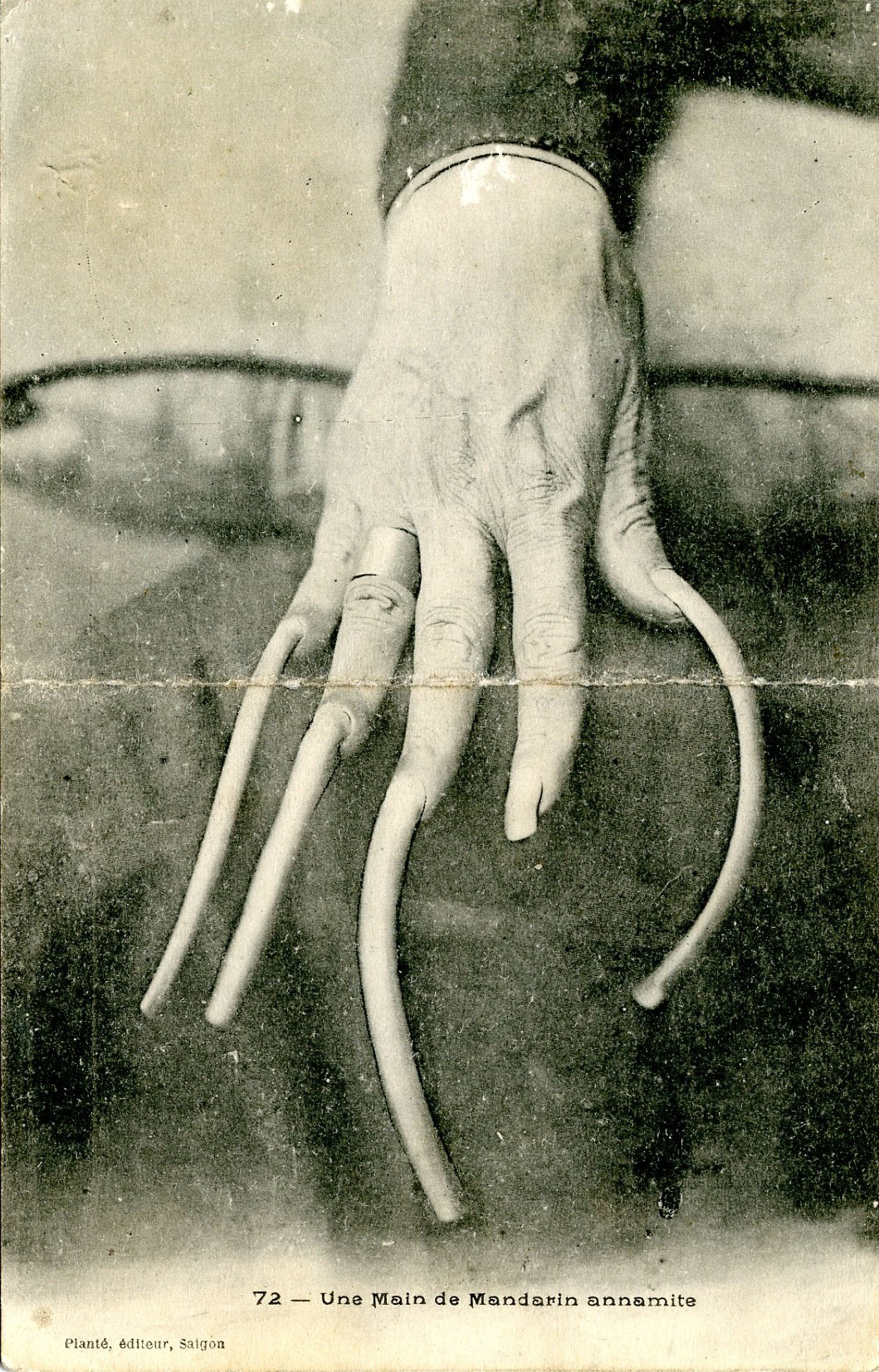
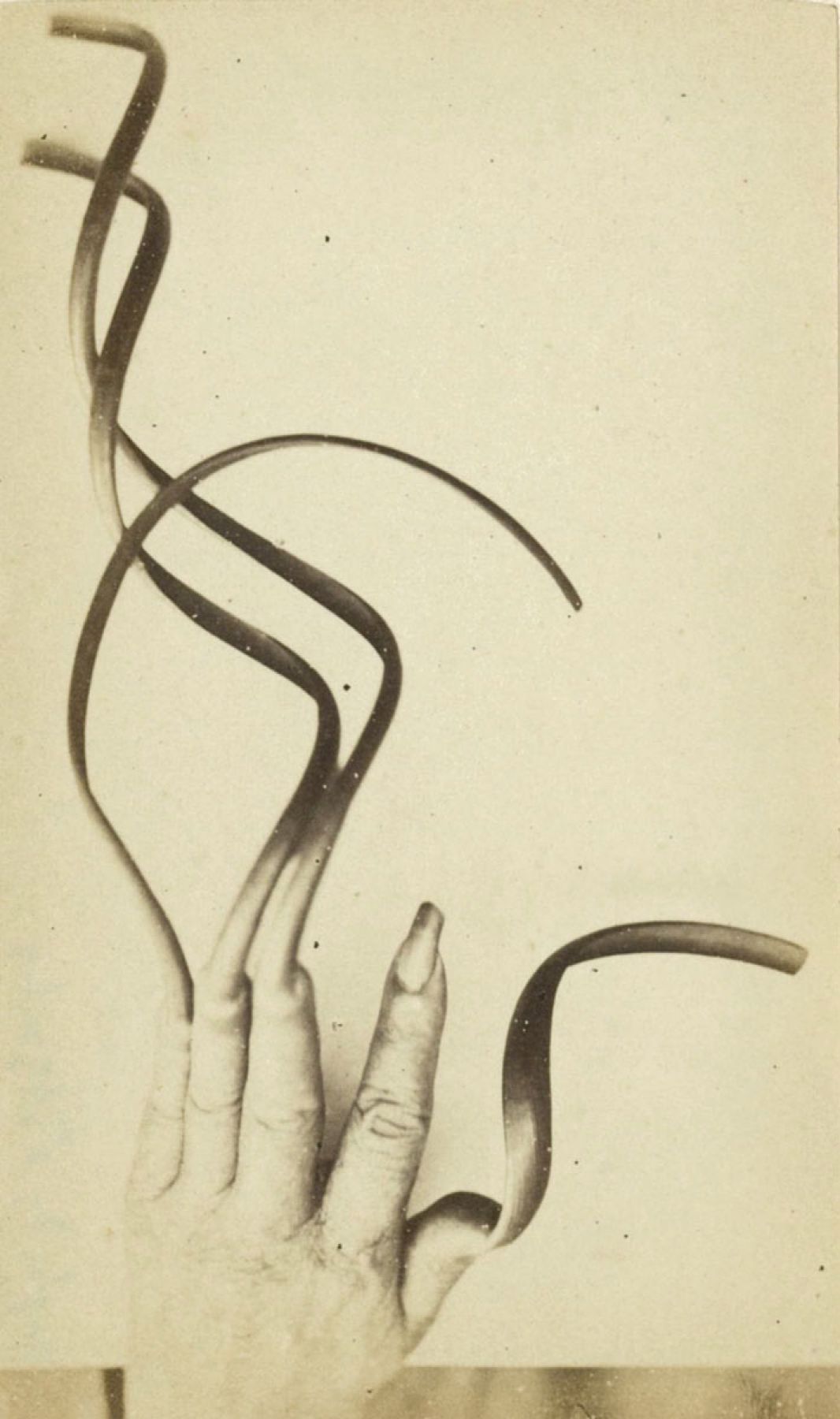
Unghie aristocratiche di un mandarino annamita, Indochina, ca. 1870. | src Collezione Molinario
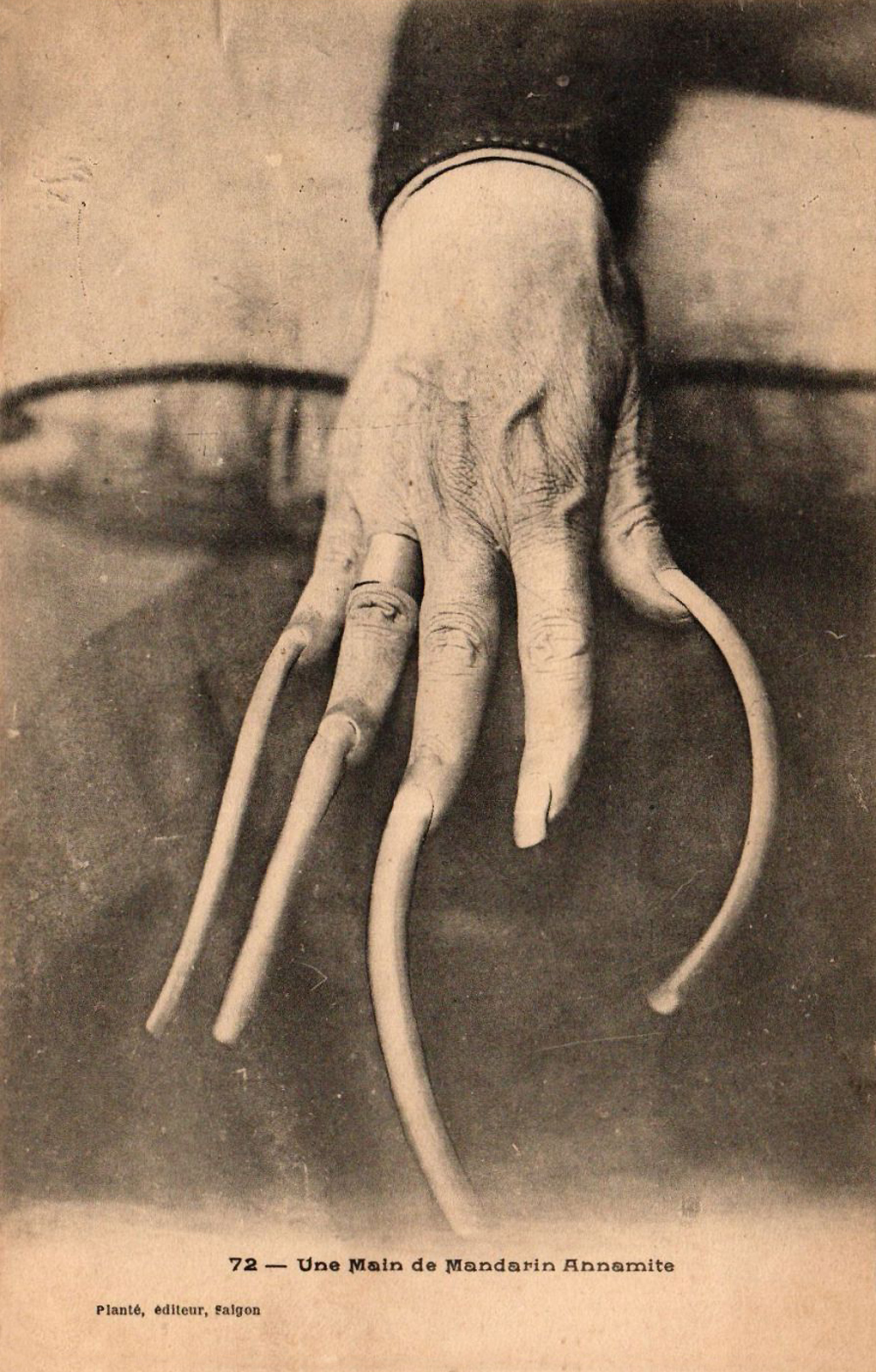
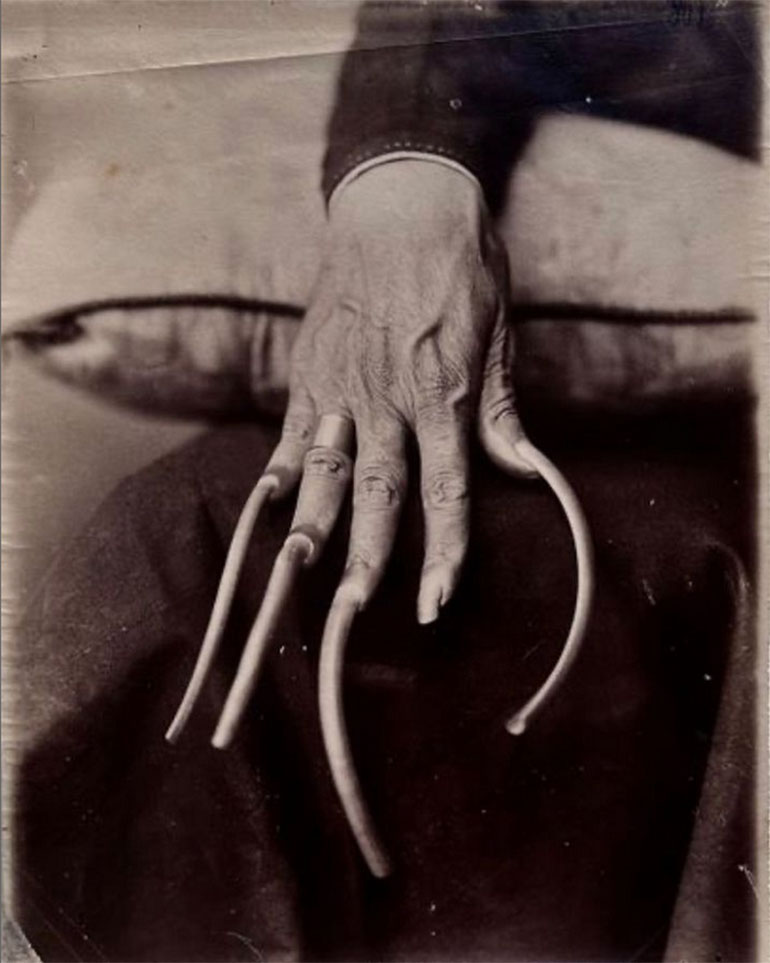
Attributed to Emile Gsell on annona.de
images that haunt us


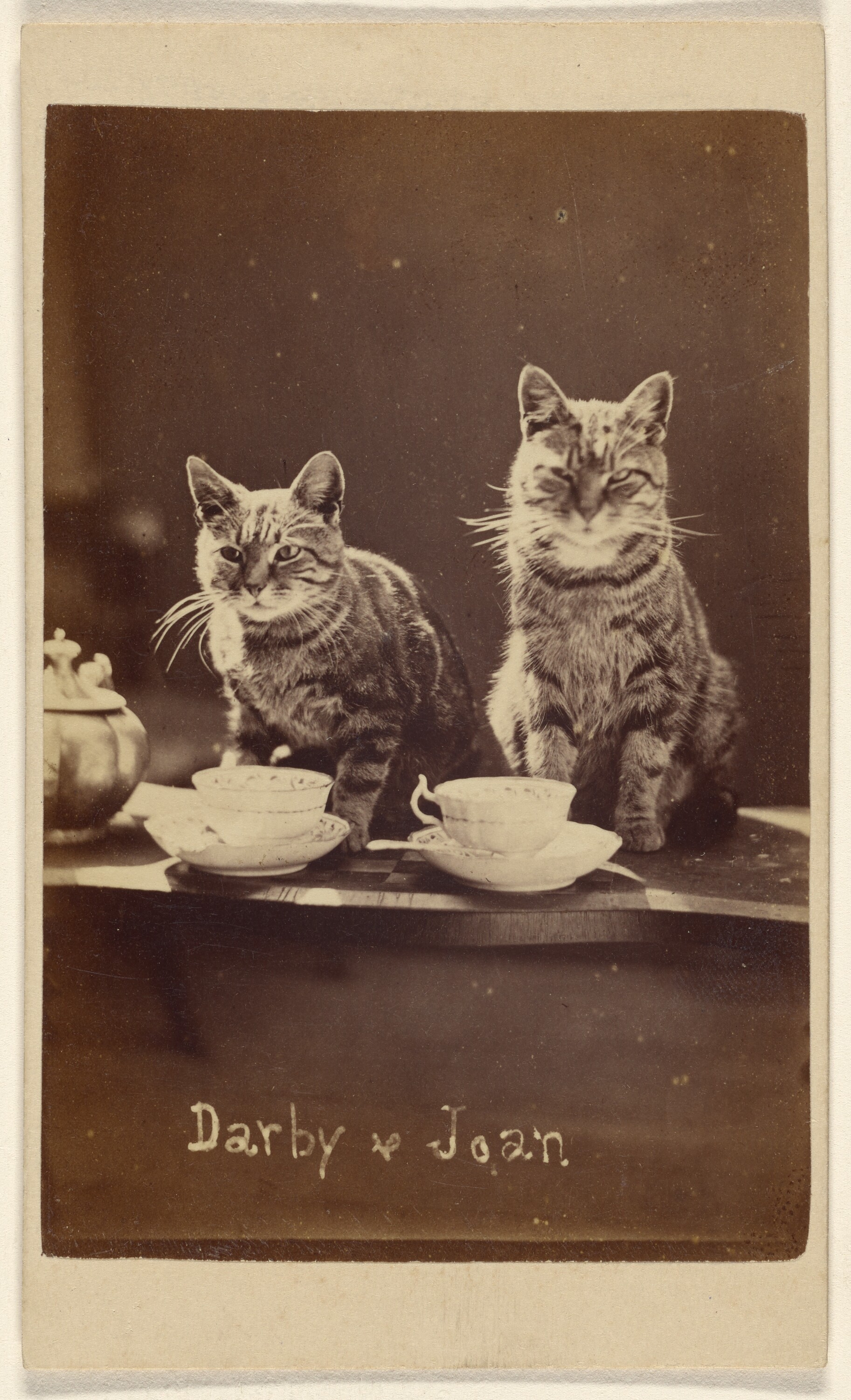
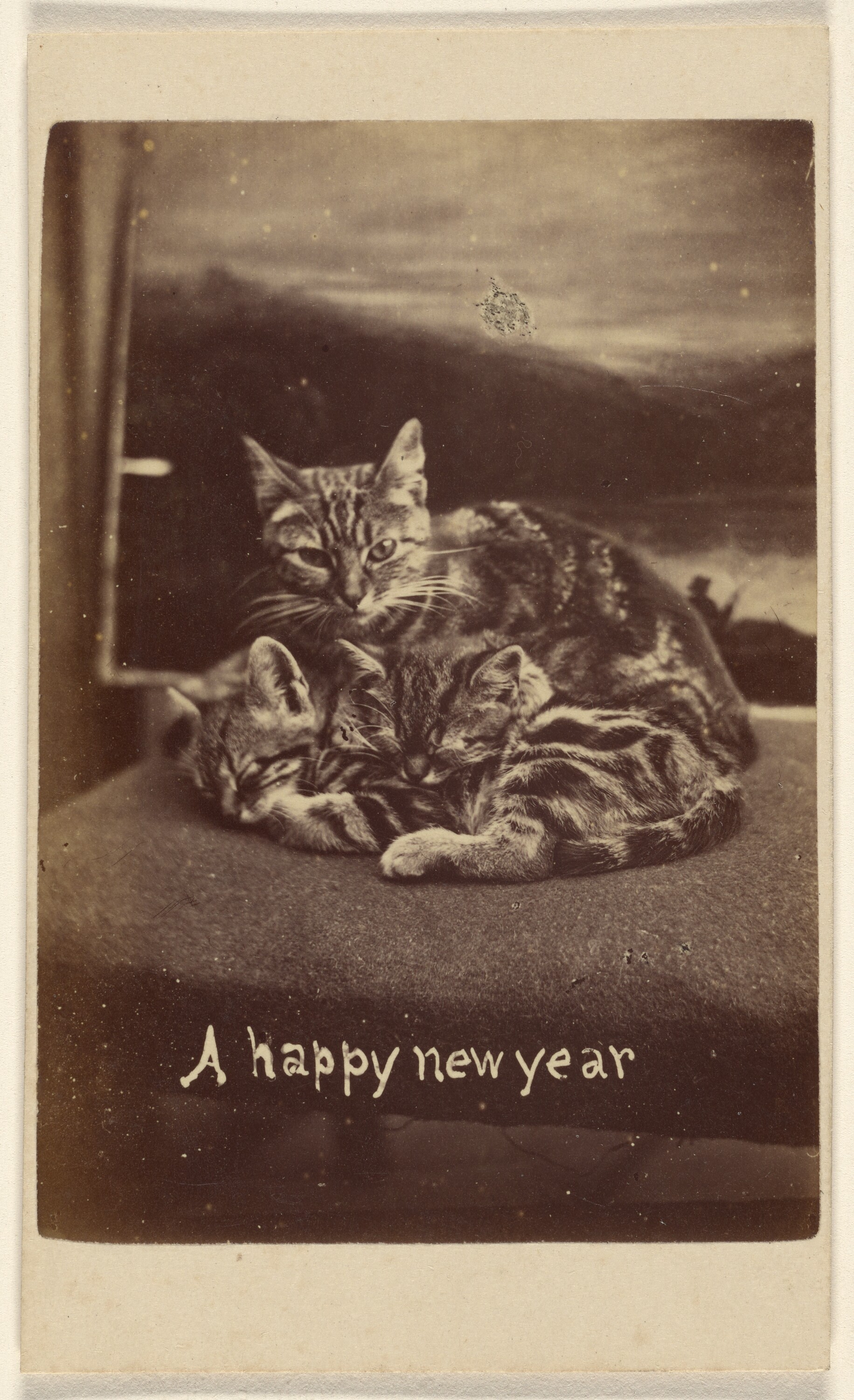
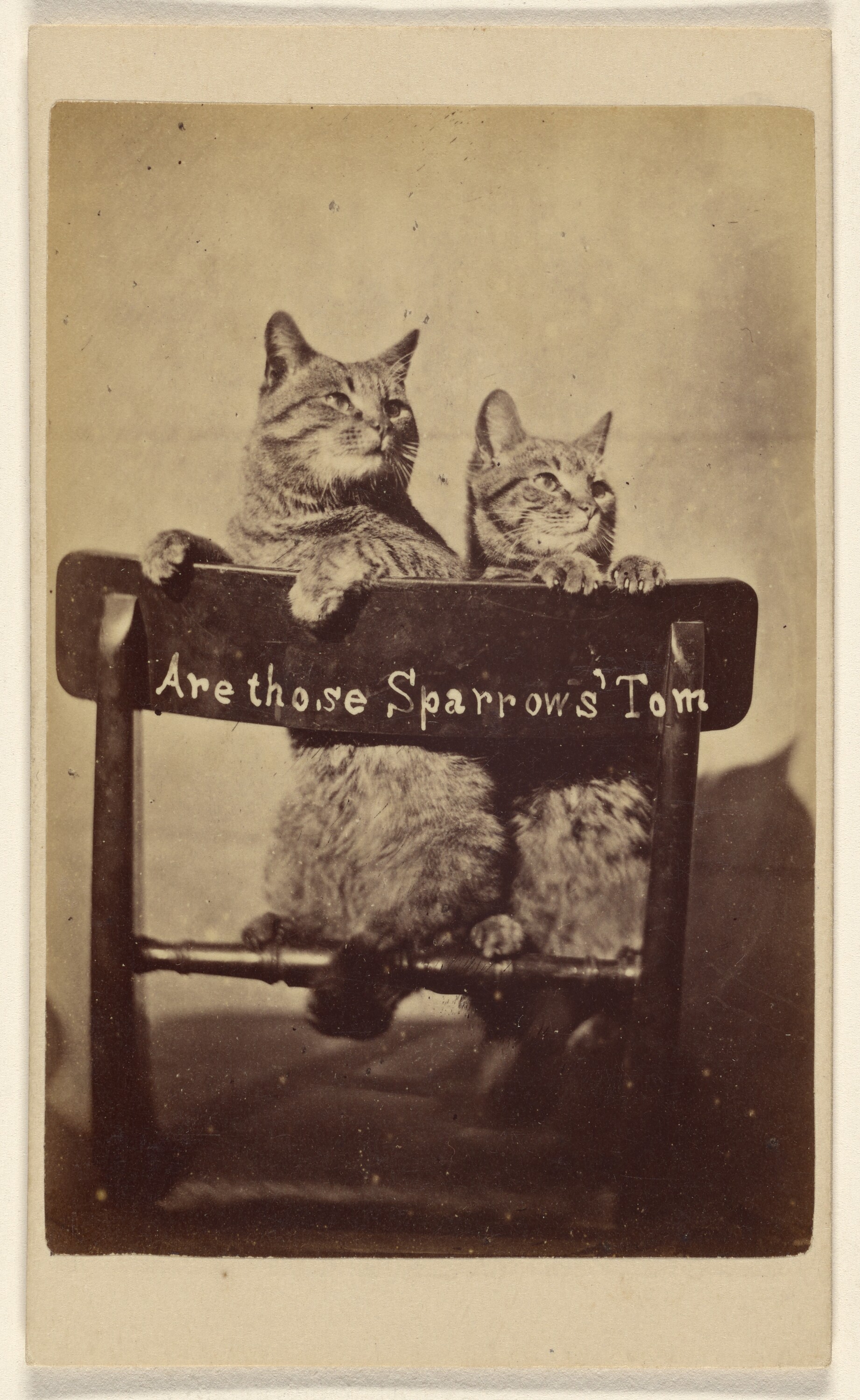
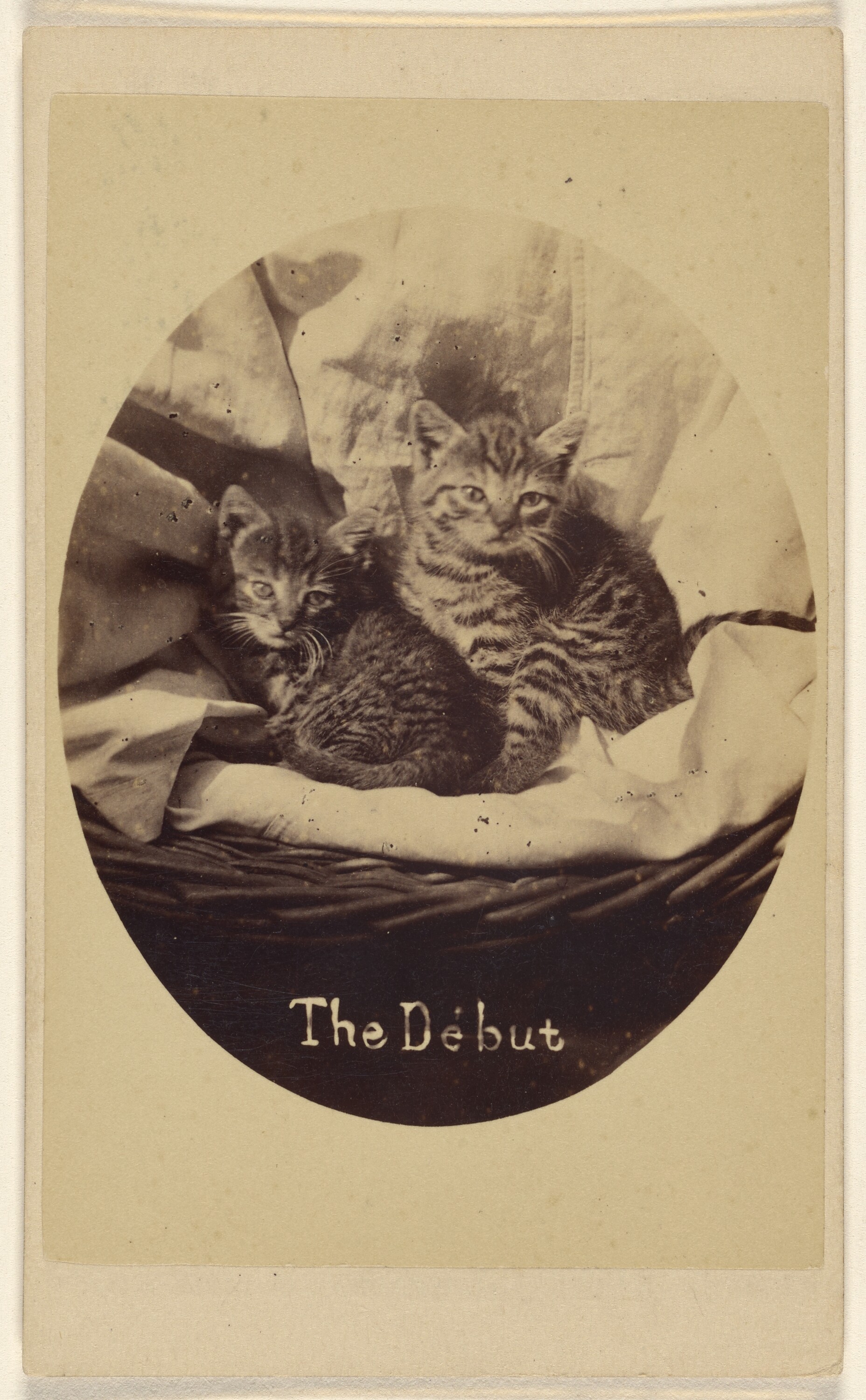

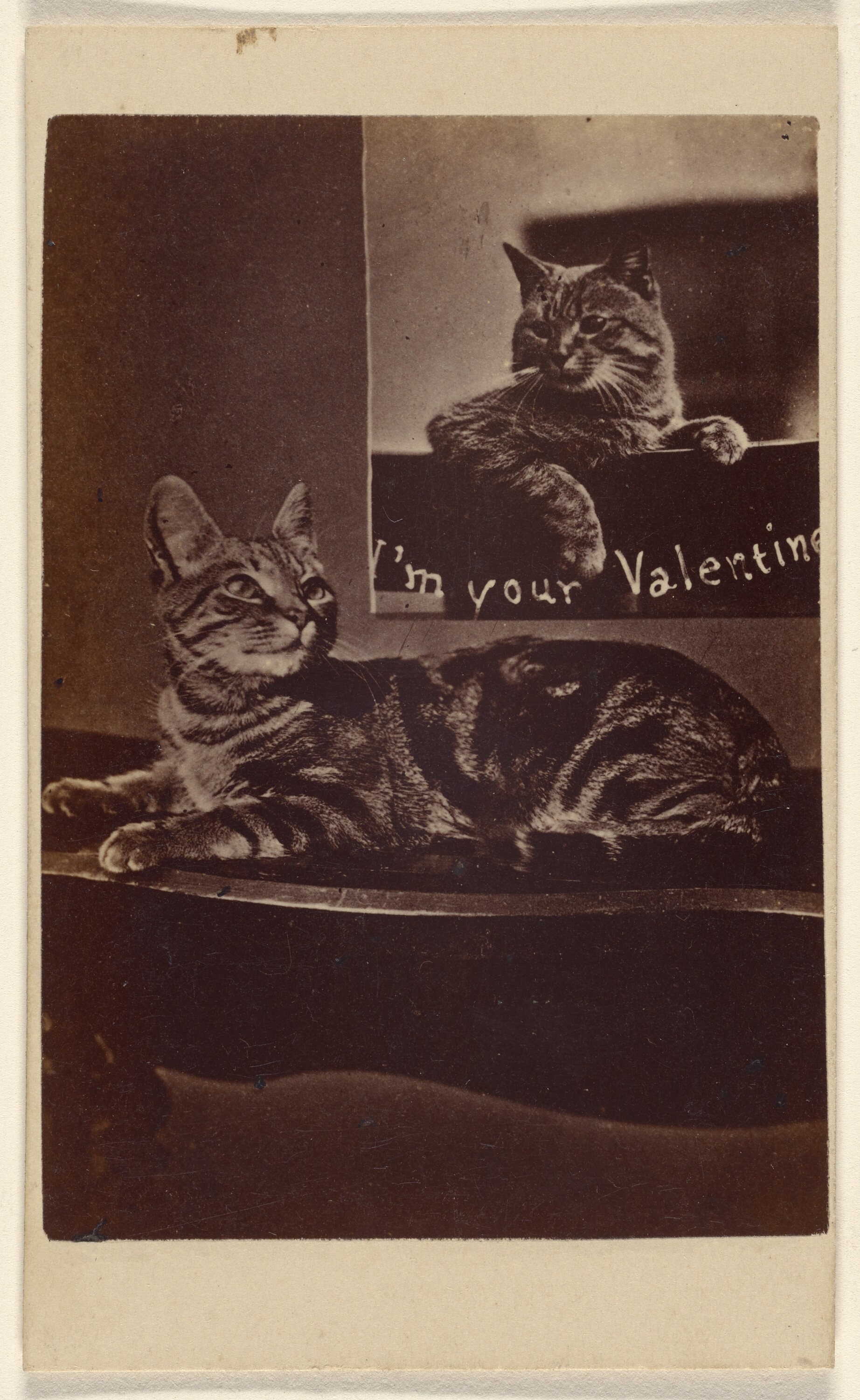
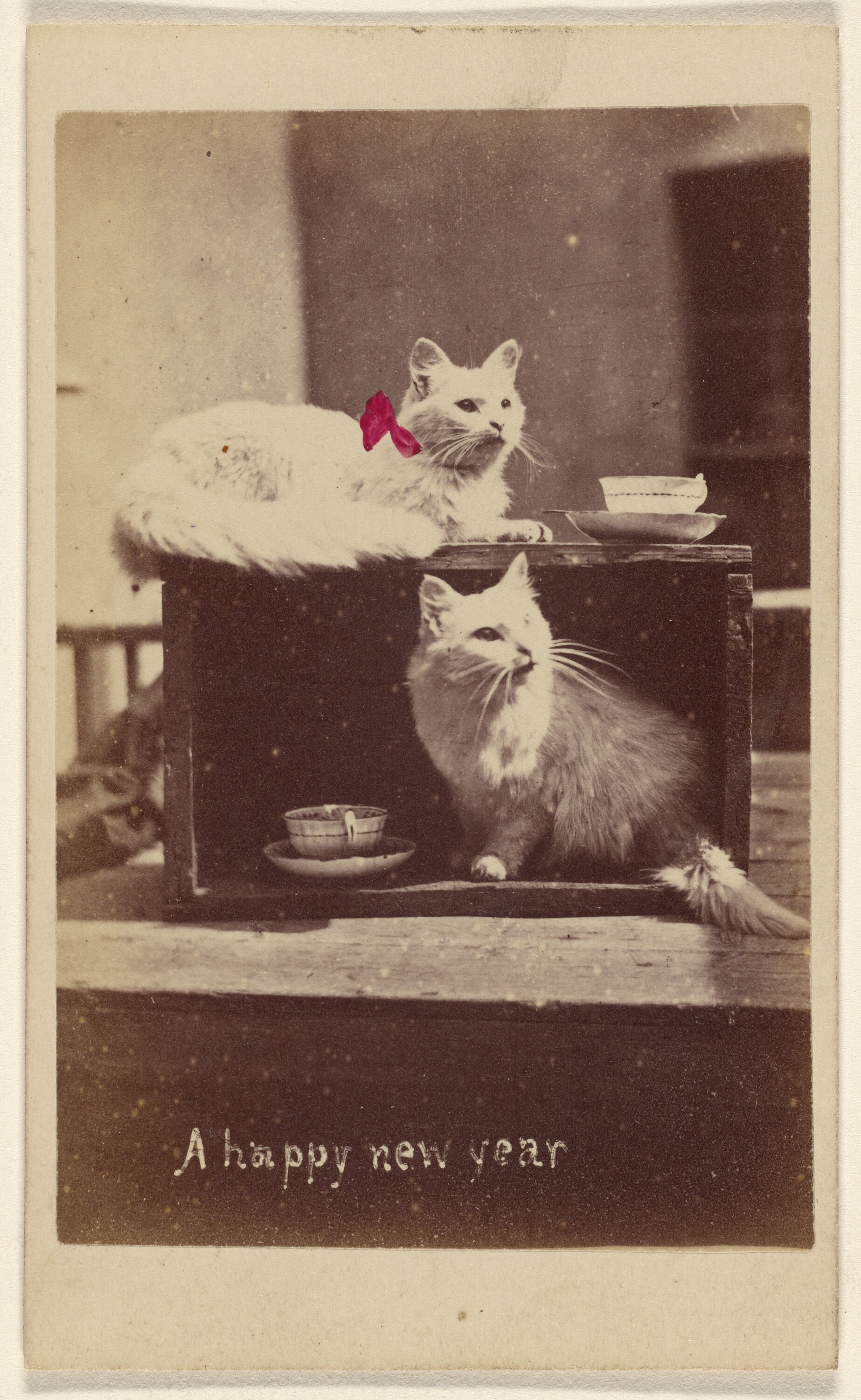

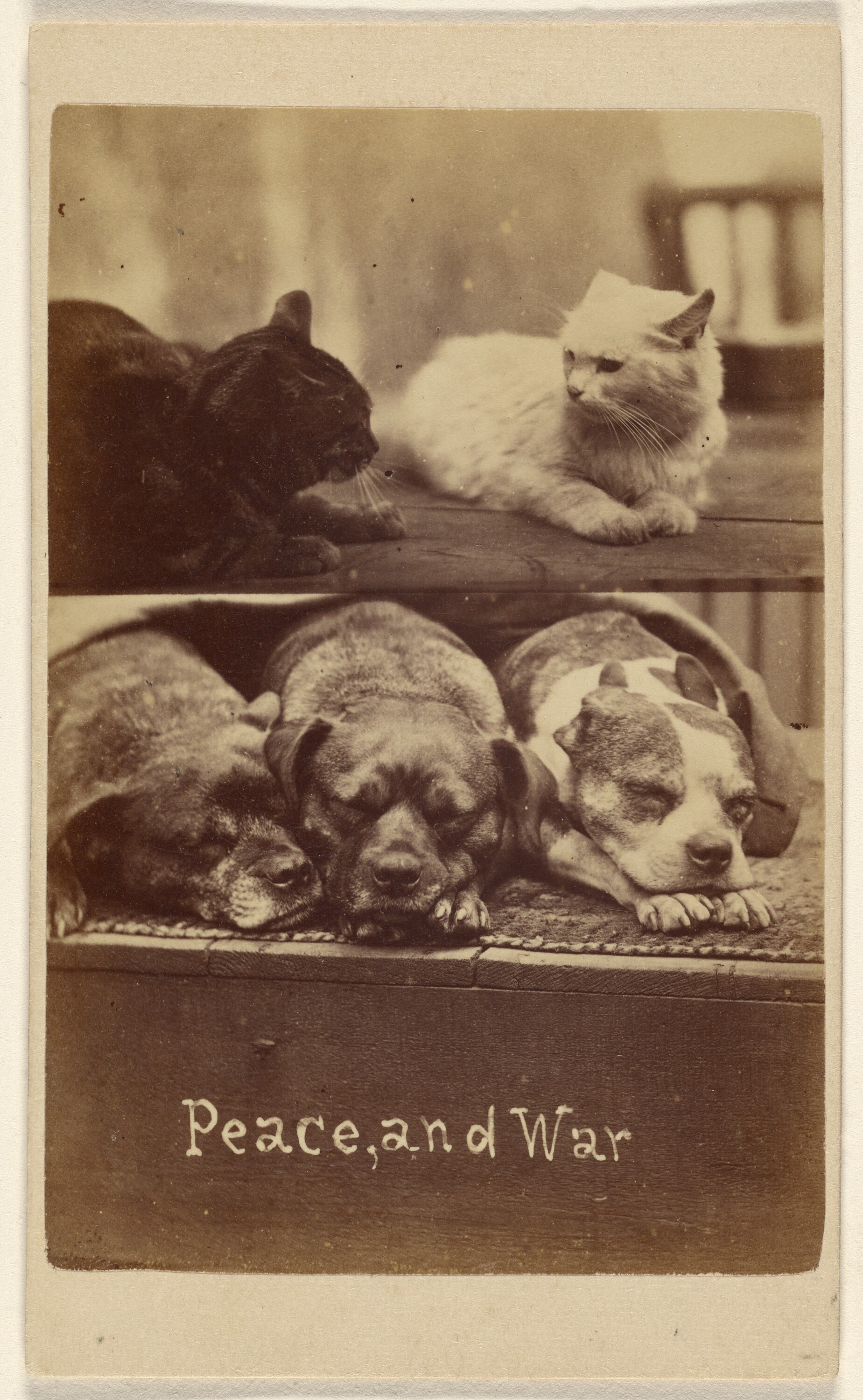

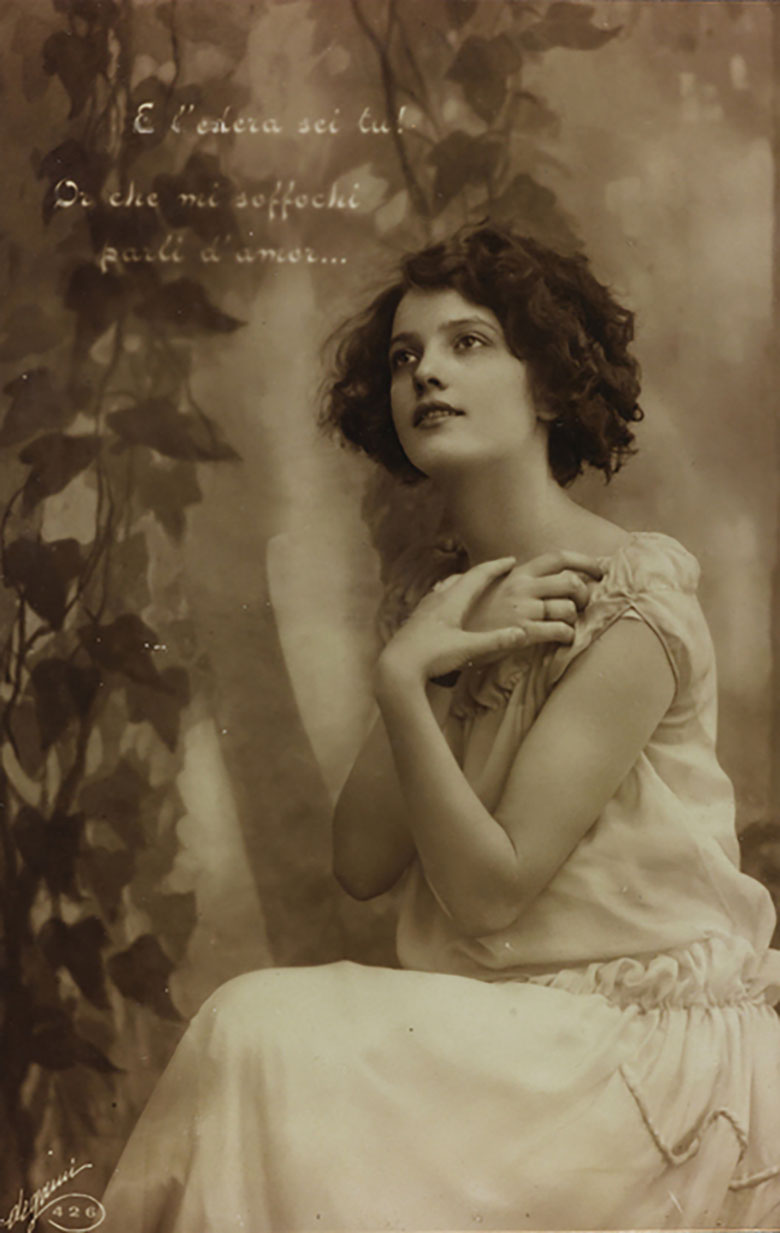

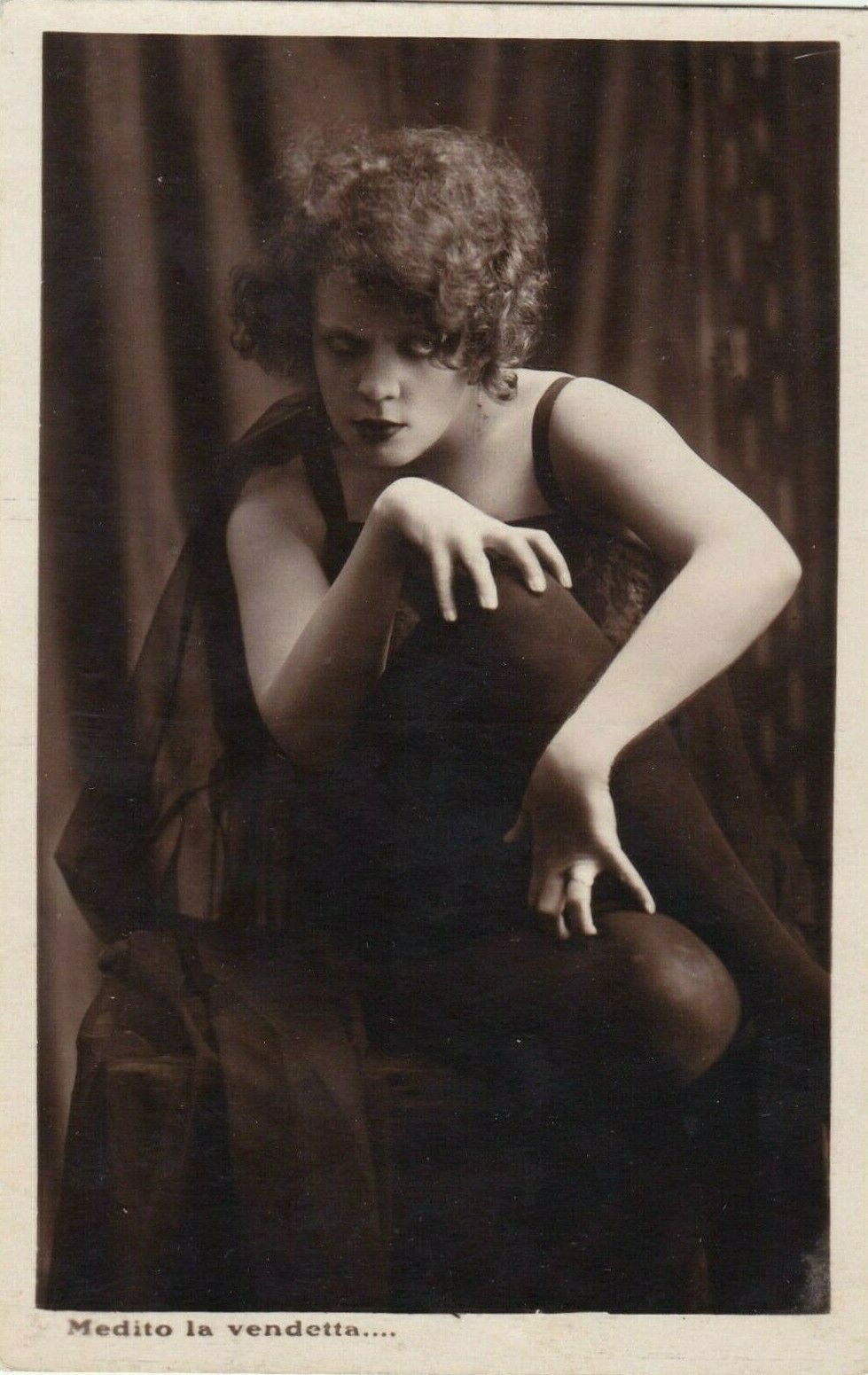
The Fondazione Alinari per la fotografia (Archivio Alinari) hosts four similar postcards, the captions are as follows:
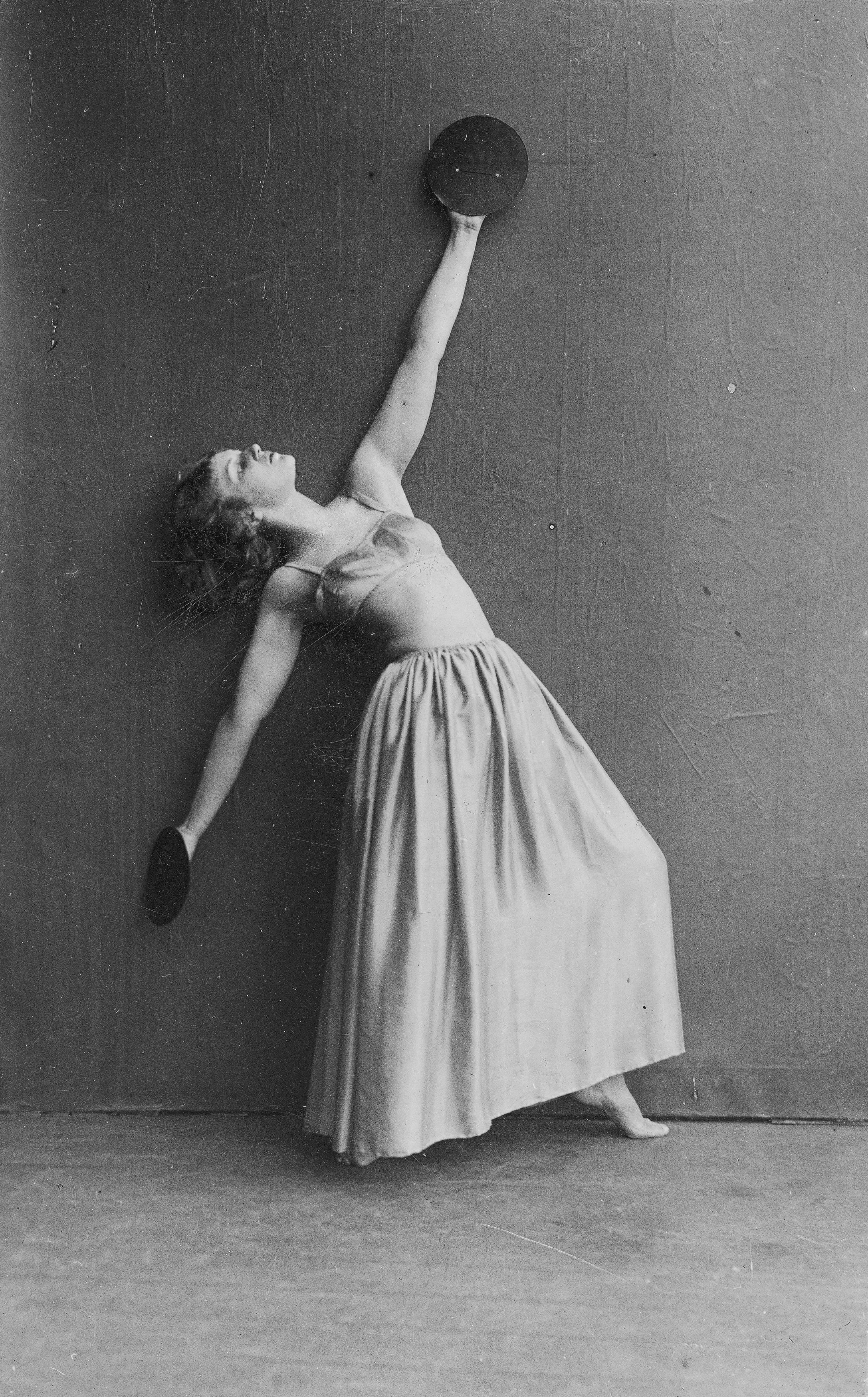
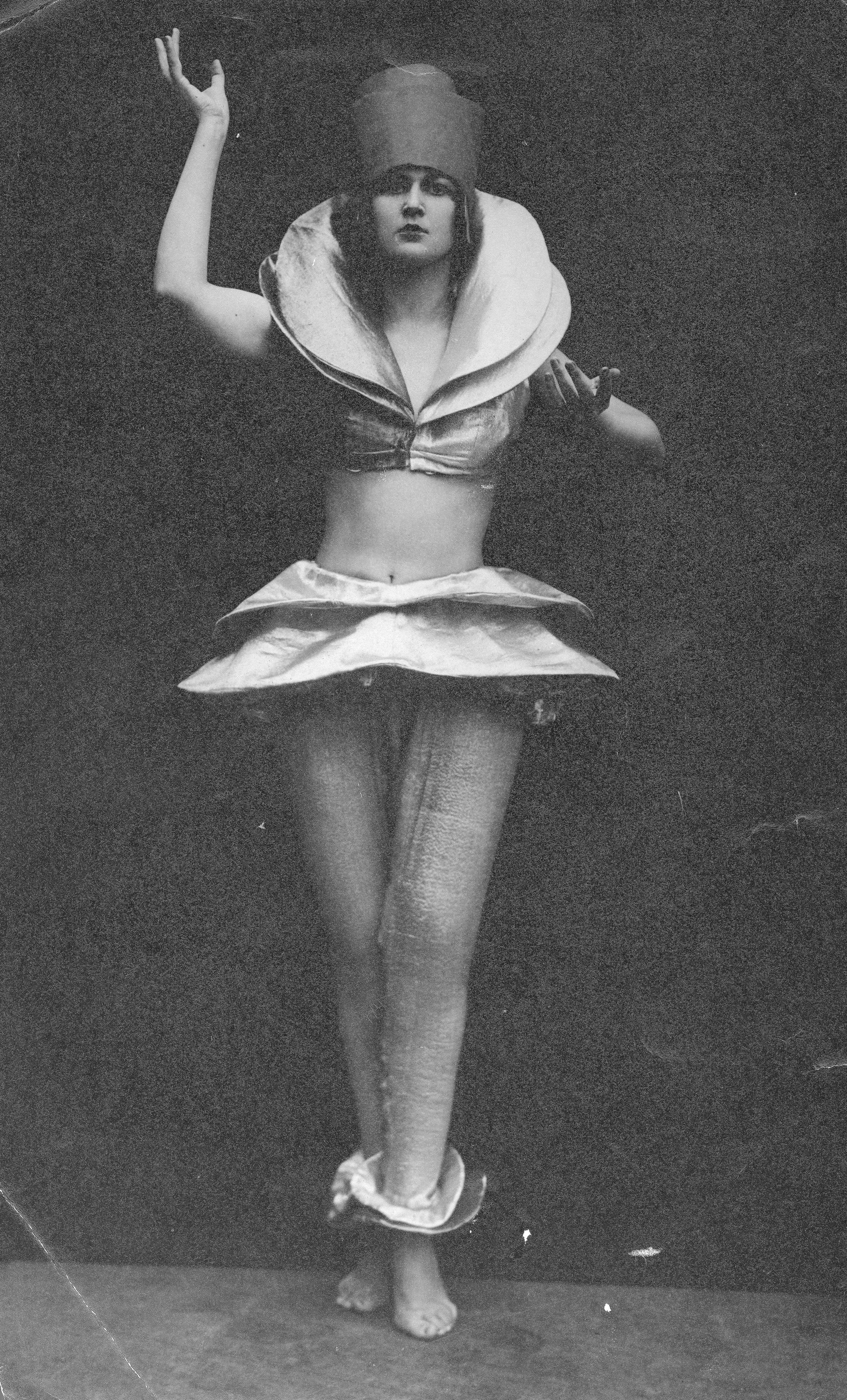
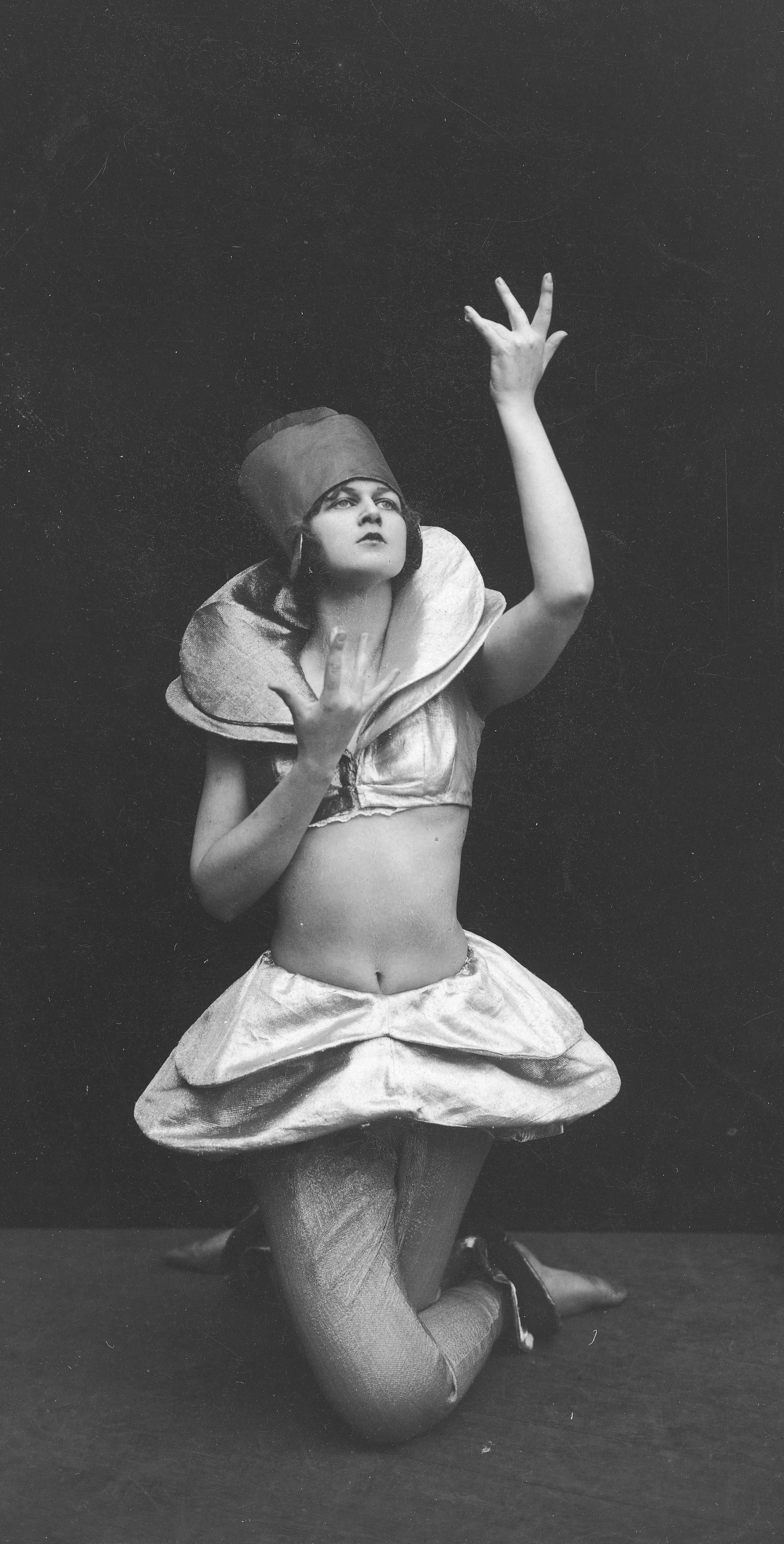
All images above this line are, according to source, in Public domain: Narodowe Archiwum Cyfrowe

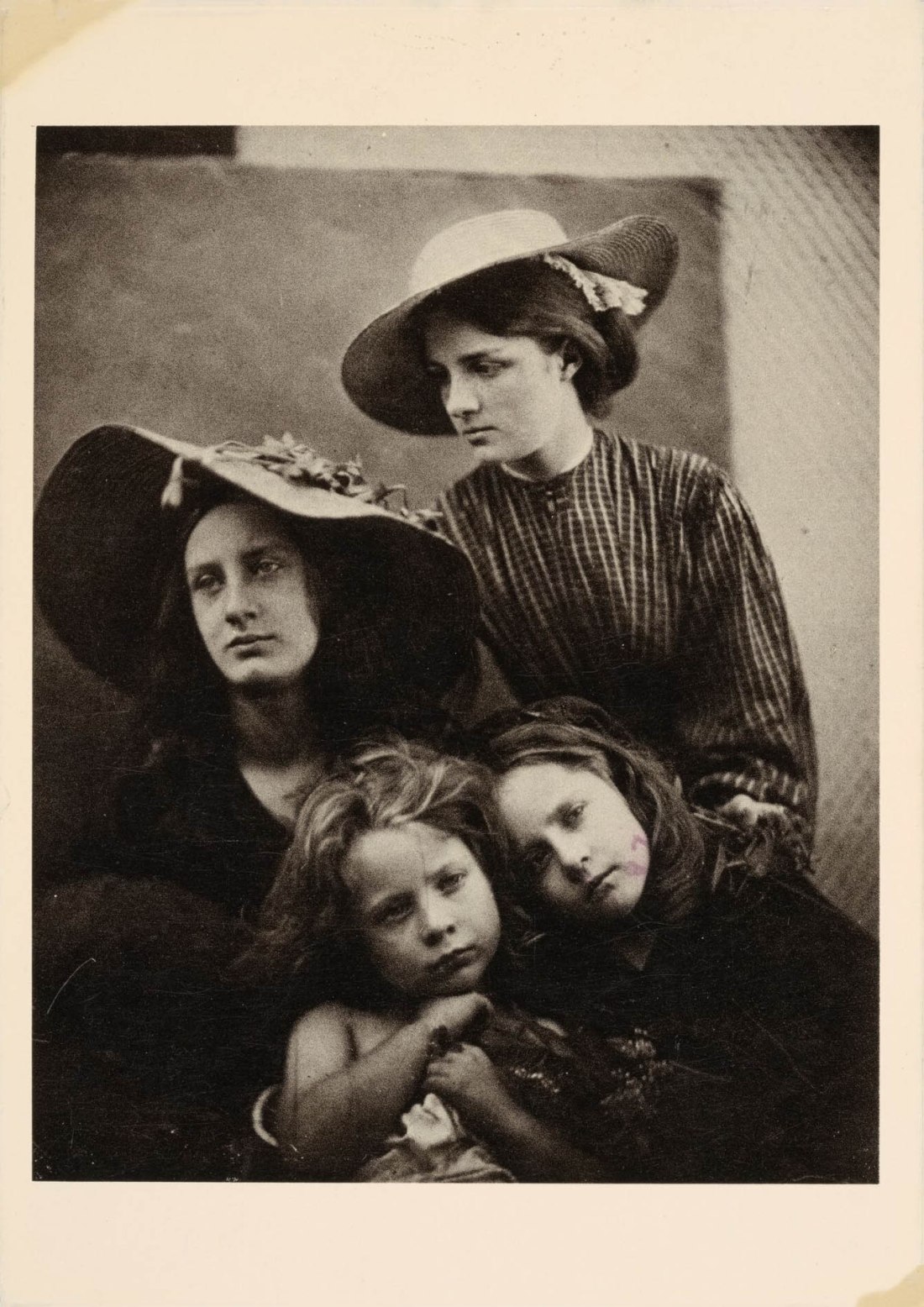
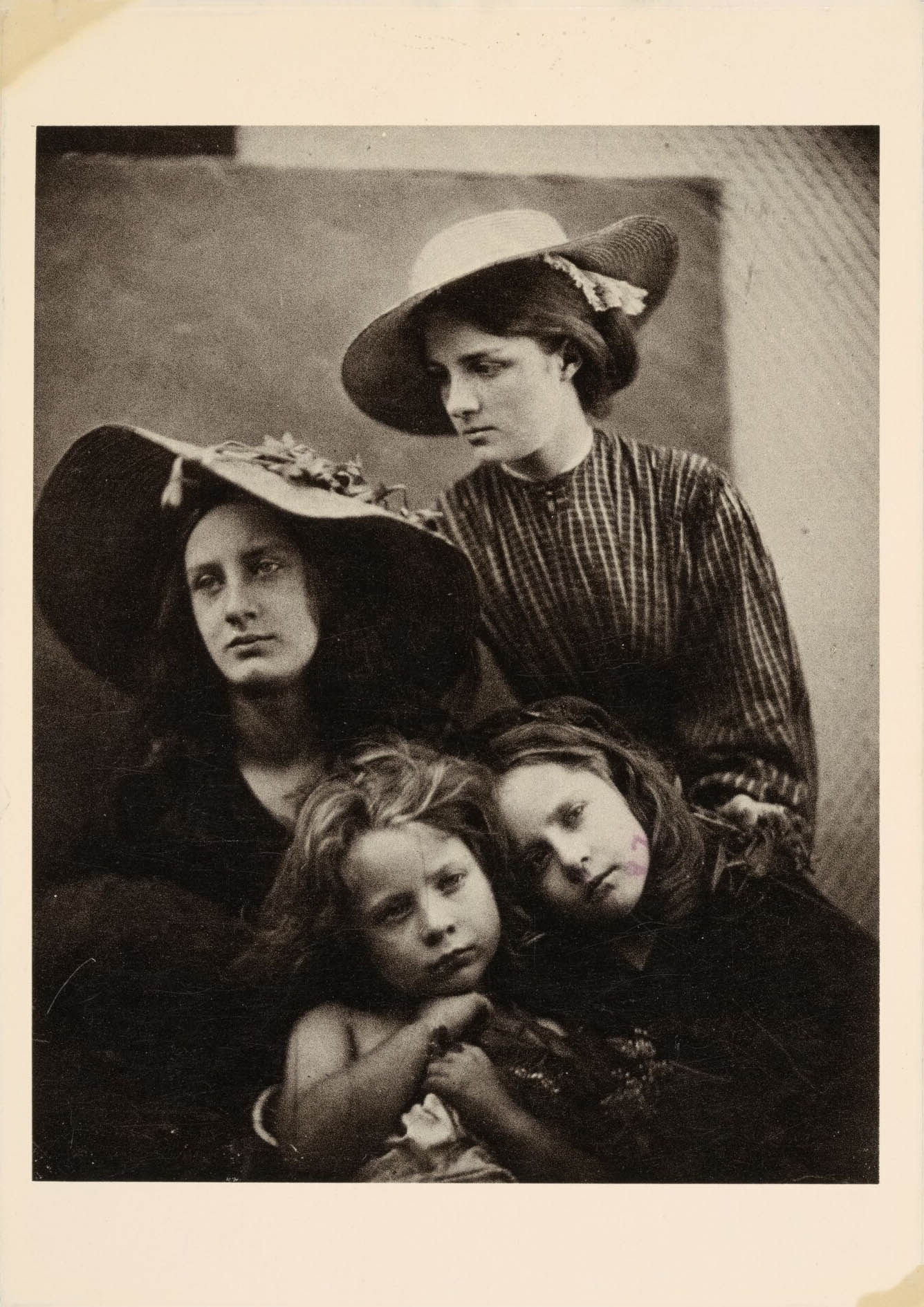
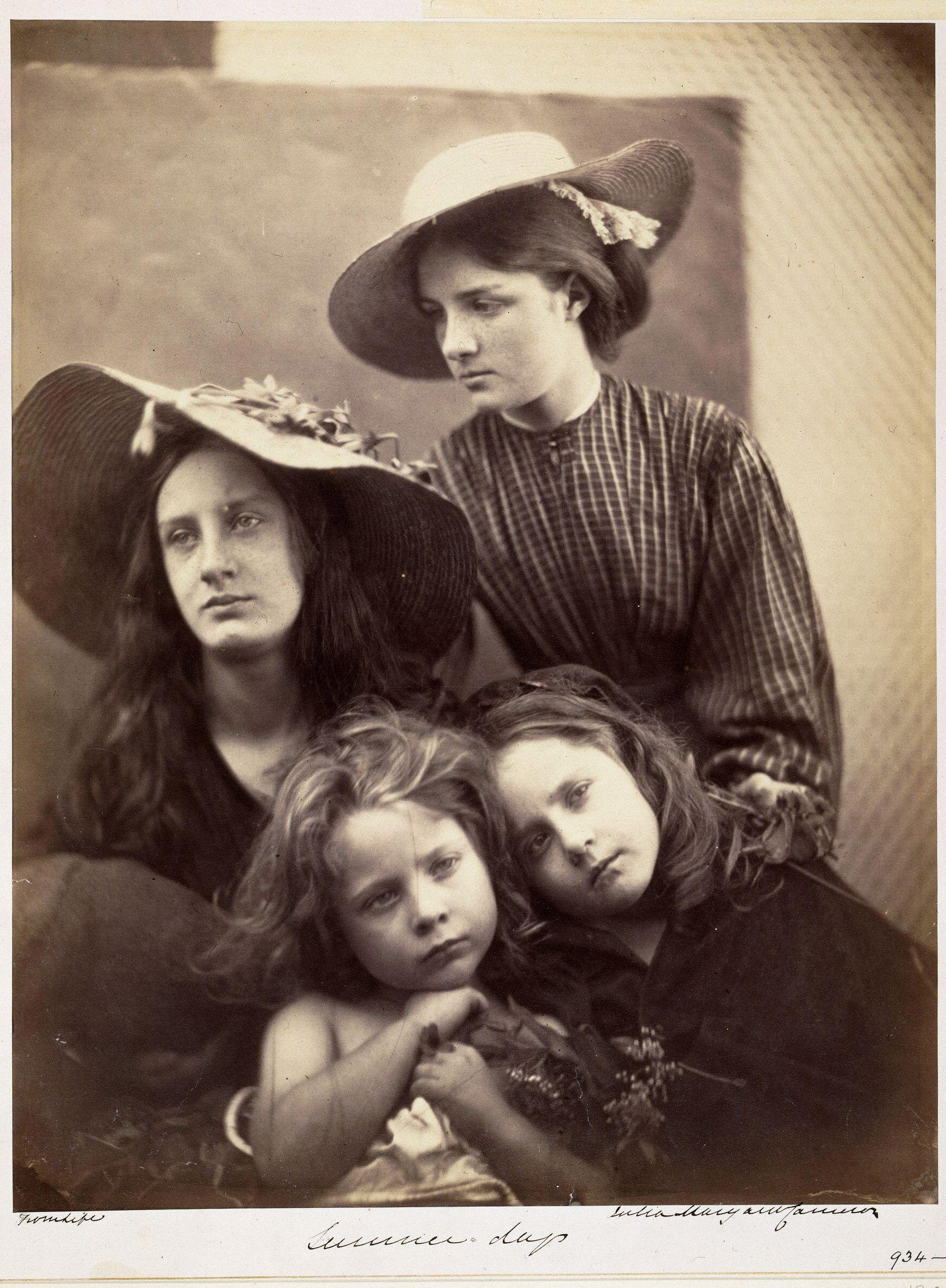
In late 1865, Julia Margaret Cameron began using a larger camera. It held a 15 x 12 inch glass negative, rather than the 12 x 10 inch negative of her first camera. Early the next year she wrote to Henry Cole with great enthusiasm – but little modesty – about the new turn she had taken in her work.
Cameron initiated a series of large-scale, closeup heads that fulfilled her photographic vision. She saw them as a rejection of ‘mere conventional topographic photography – map-making and skeleton rendering of feature and form’ in favour of a less precise but more emotionally penetrating form of portraiture. Cameron also continued to make narrative and allegorical tableaux, which were larger and bolder than her previous efforts.
Cameron’s ability to capture large groups improved with experience as well as with the use of her new, larger lens. Her friend and photographic advisor, the scientist Sir John Herschel, wrote that this picture was ‘very beautiful, and the grouping perfect.’ quoted from V&A
 un regard oblique