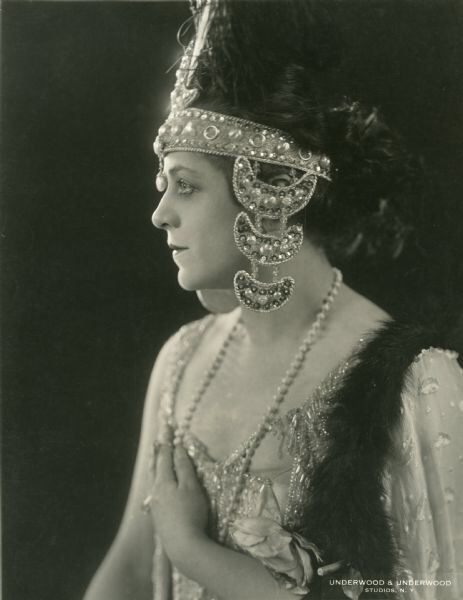
Actress Valeska Suratt, ca. 1916

Underwood & Underwood :: Waist-up publicity still of Valeska Suratt wearing a jeweled headdress, ca. 1916. A stamp on the back of the print reads: ‘William Fox presents Valeska Suratt in photo plays supreme released through Fox Film Corp. | src Wisconsin Historical Society

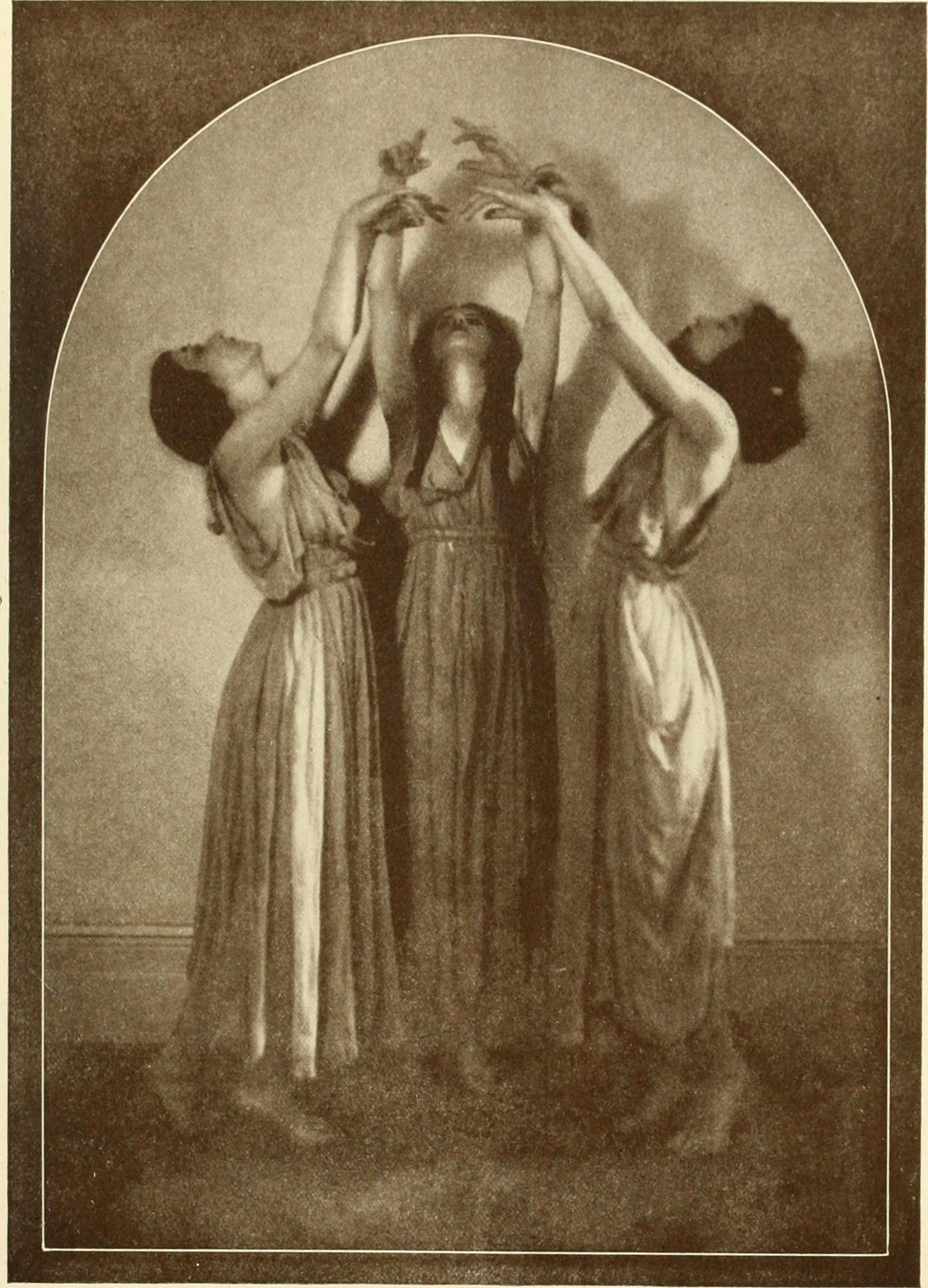
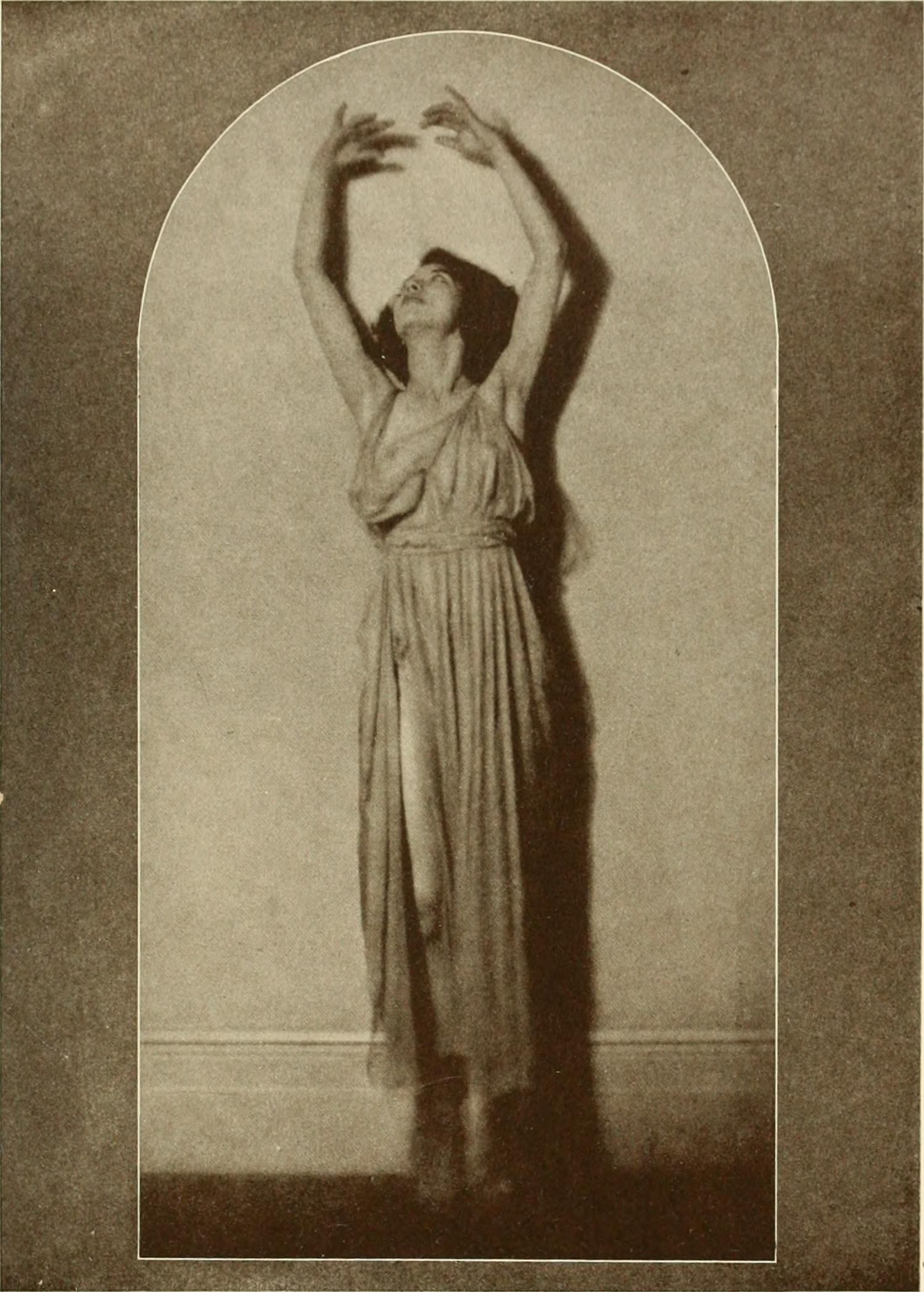
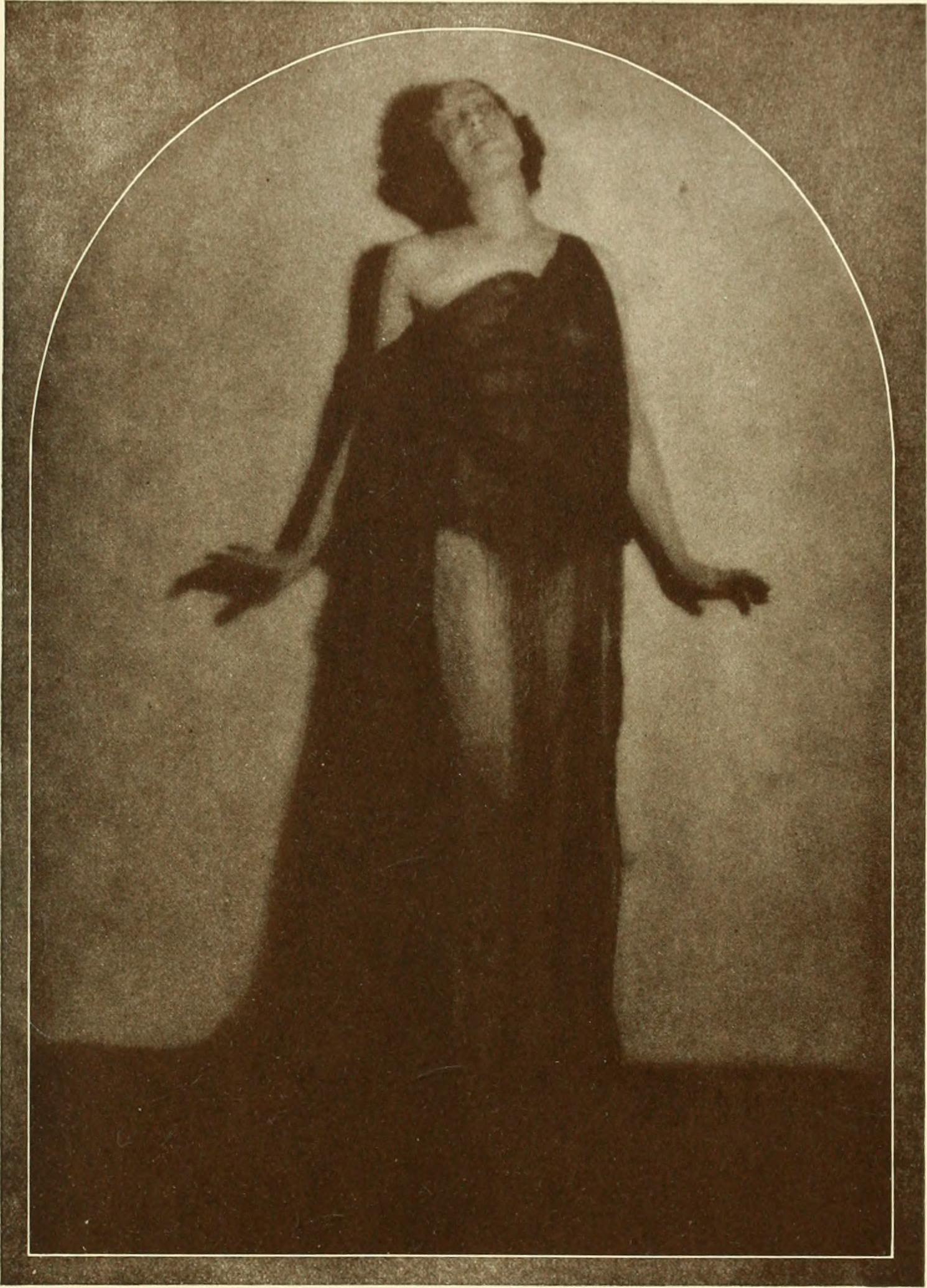
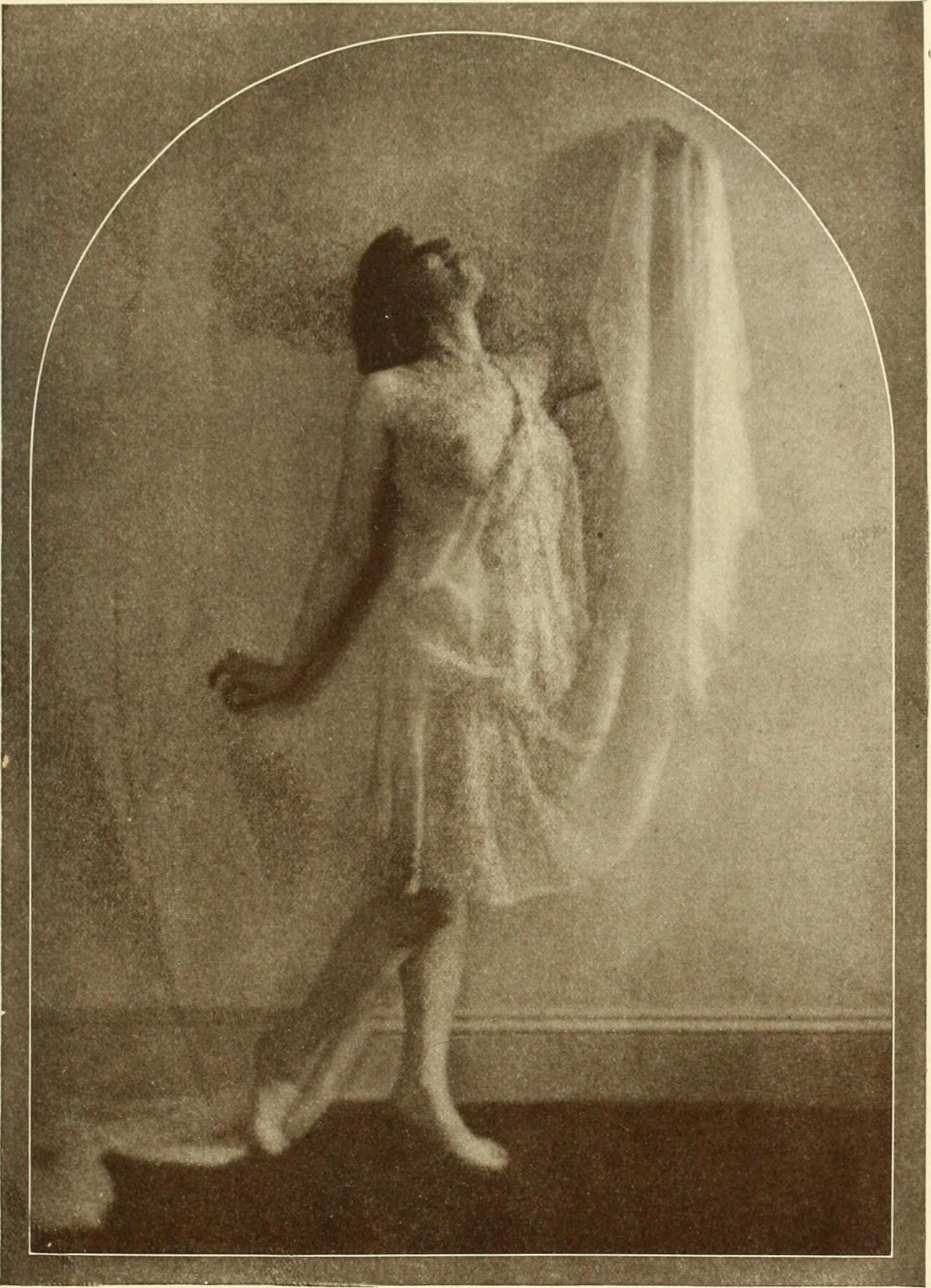
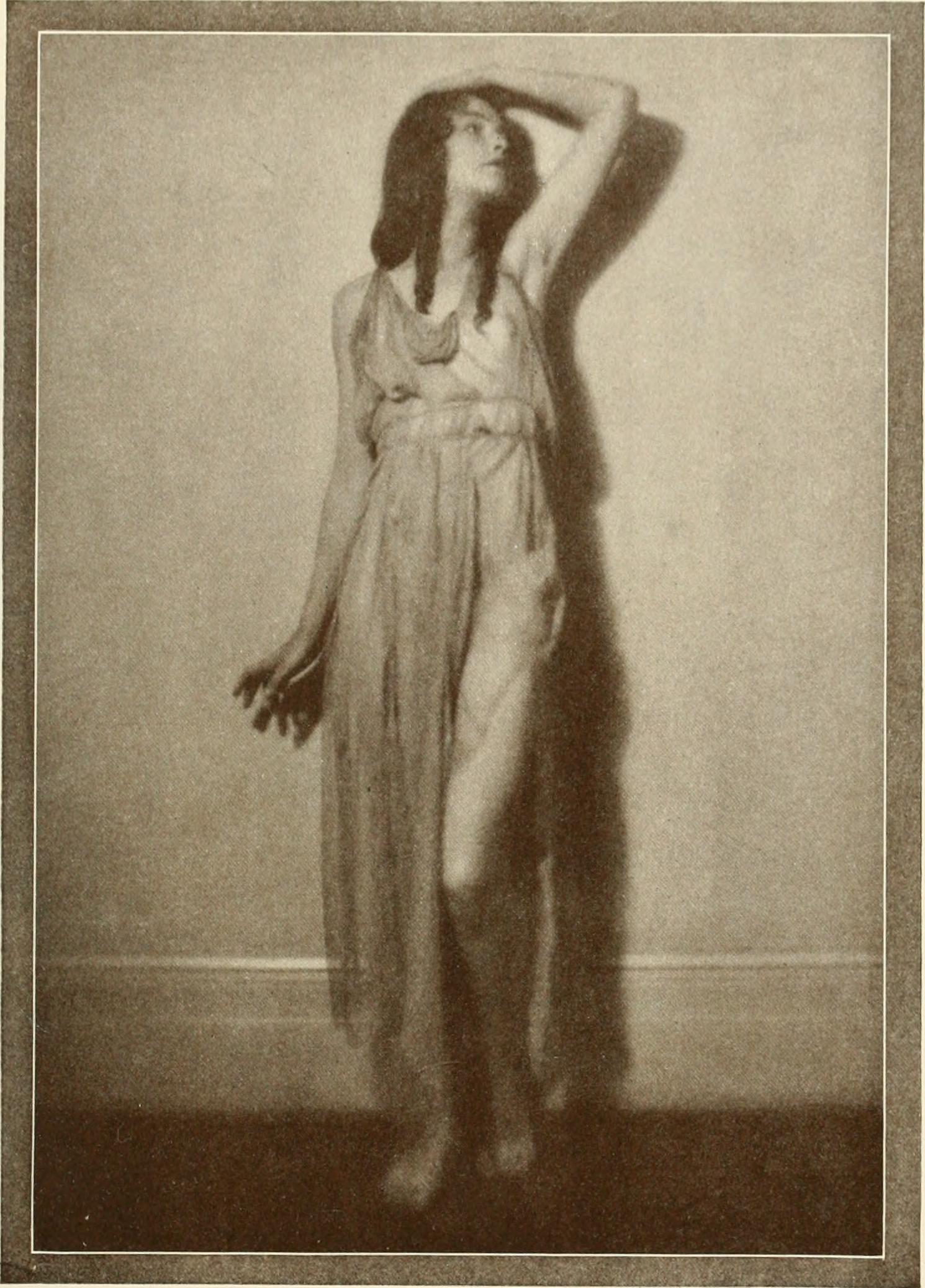
Dancing with Helen Moller, 1918

“Unfolding, as though giving or about to receive — an idea of petals opening to exchange the flower’s perfume for the warmth of the sun’s rays.” From ‘Dancing with Helen Moller’, 1918. Page 26. University of California Libraries. | src internet archive
“A gentle and pleasantly expectant expression of aspiration — the lines of the entire body, arms, neck and head, having an upward tendency.” From ‘Dancing with Helen Moller’, 1918. Page 94. University of California Libraries. | src internet archive
“An expression of pleasurable relaxation pervading the entire body— a complete reaction to influences that are pervasive in their sweetness and charm.” From ‘Dancing with Helen Moller’, 1918. Page 94. University of California Libraries. | src internet archive
“The graceful management of draperies is an important requisite in Greek dancing. When the robe is voluminous, as in this instance, its manipulation demands considerable skill.” From ‘Dancing with Helen Moller’, 1918. Page 44. University of California Libraries. | src internet archive
“Classic perfection of repose, with one limb bearing the body’s weight while the other, with the knee flexed, preserves balance, is one of the Greek dancer’s earliest achievements.” From ‘Dancing with Helen Moller’, 1918. Page 44. University of California Libraries. | src internet archive
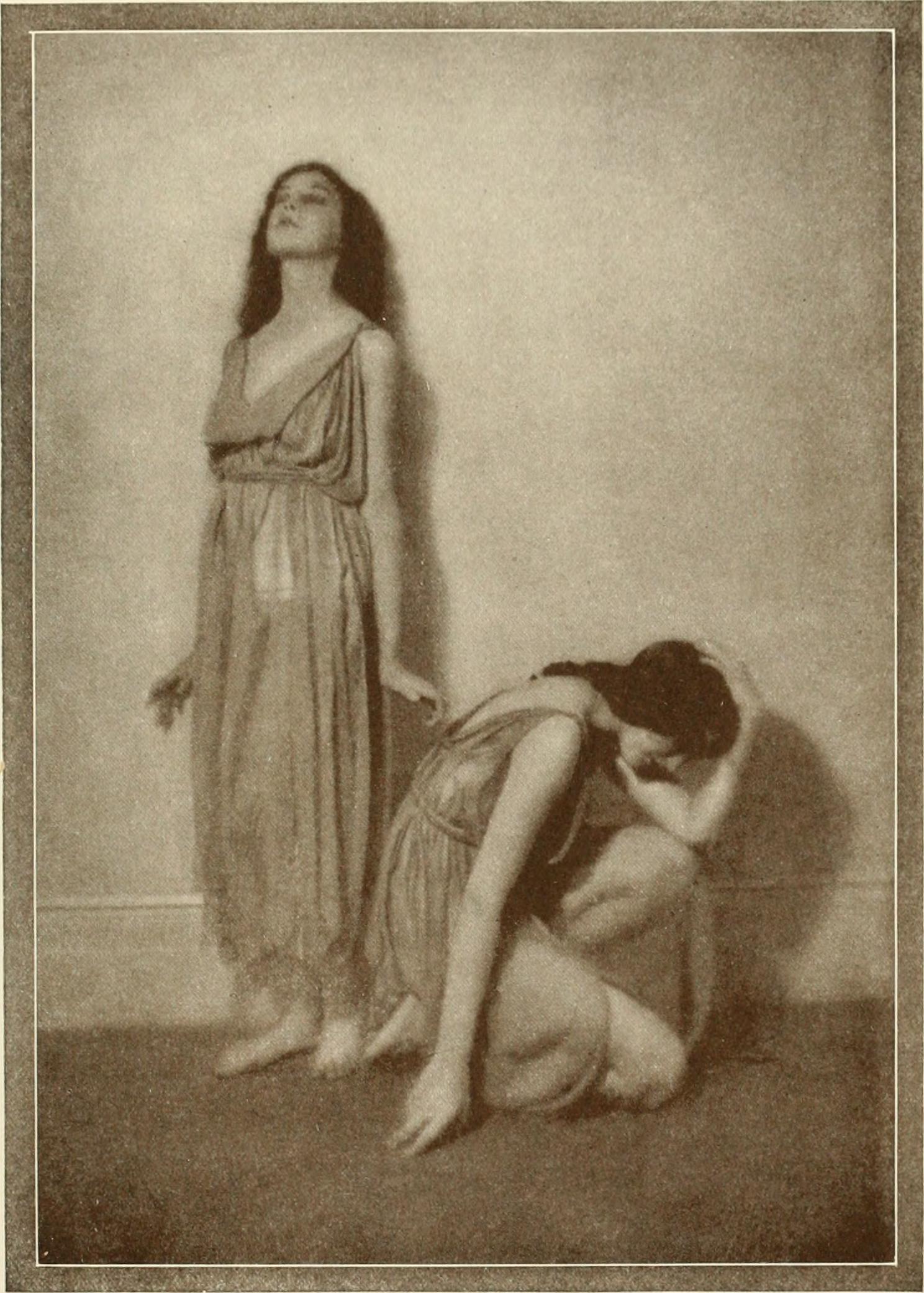
“Different individual reactions to the same sense of calamity -one erect as though petrified, the other crushed by despair; neither imitative, but each creative.”
Helen Moller and Curtis Dunham :: From ‘Dancing with Helen Moller; her own statement of her philosophy and practice and teaching formed upon the classic Greek model, and adapted to meet the aesthetic and hygienic needs of to-day’, 1918. Page 40. University of California Libraries. | src internet archive

ACKNOWLEDGMENT: Many of the photographs reproduced in this book were taken by the author herself. For the privilege of reproducing other fine examples of the photographer’s art, she desires to express her grateful acknowledgments to Moody, to Maurice Goldberg, to Charles Albin and to Underwood and Underwood; also to Arnold Genthe for the plate on Page 36; and to Jeremiah Crowley for his admirable arrangement of the entire series of illustrative art plates. [quoted from source]

Désirée Lubovska · ca. 1915

Underwood & Underwood :: Portrait of ‘Russian’ dancer Désirée Lubowska [aka Mme Lubowska or Lubovska], full-length portrait, standing, left profile, in Cleopatra costume, 9 September 1915. (Désirée Lubovska was not actually Russian. It was the stage name of American born dancer Winniefred Foote). | src Library of Congress
White Studio (NY) :: Portrait of ‘Russian’ dancer Désirée Lubowska [aka Mme Lubowska or Lubovska], full-length portrait, standing, right profile, in Cleopatra costume, 1915. | src Les sources d’une île

Desiree Lubovska, also Desiree Lubowska, was the professional name of American dancer Winniefred Foote (1893 – 1974). Foote was born in Minnesota. She changed her name, adopted an accent in her speech, and created a backstory of dancing in Russia; she also said that she studied Egyptian art at the British Museum. She went on a diet and fitness regimen in pursuit of a more angular physique, and her dances reflect this focus. ‘I finally felt I was one of them, a reincarnated spirit of the Nile’; she said in a 1921 interview.

Text adapted from the Wikipedia entry (in English)

Ballet dancer Desiree Loubovska / Lubovska. Egyptian dance of mourning taken from tombs of Egypt. Press photo by White Studios (1916) | src Worthpoint ~ Worthopedia

The text “Egyptian dance of mourning taken from tombs of Egypt” can be read on the verso of the photograph, written in pencil amongst the stamps of press agencies.
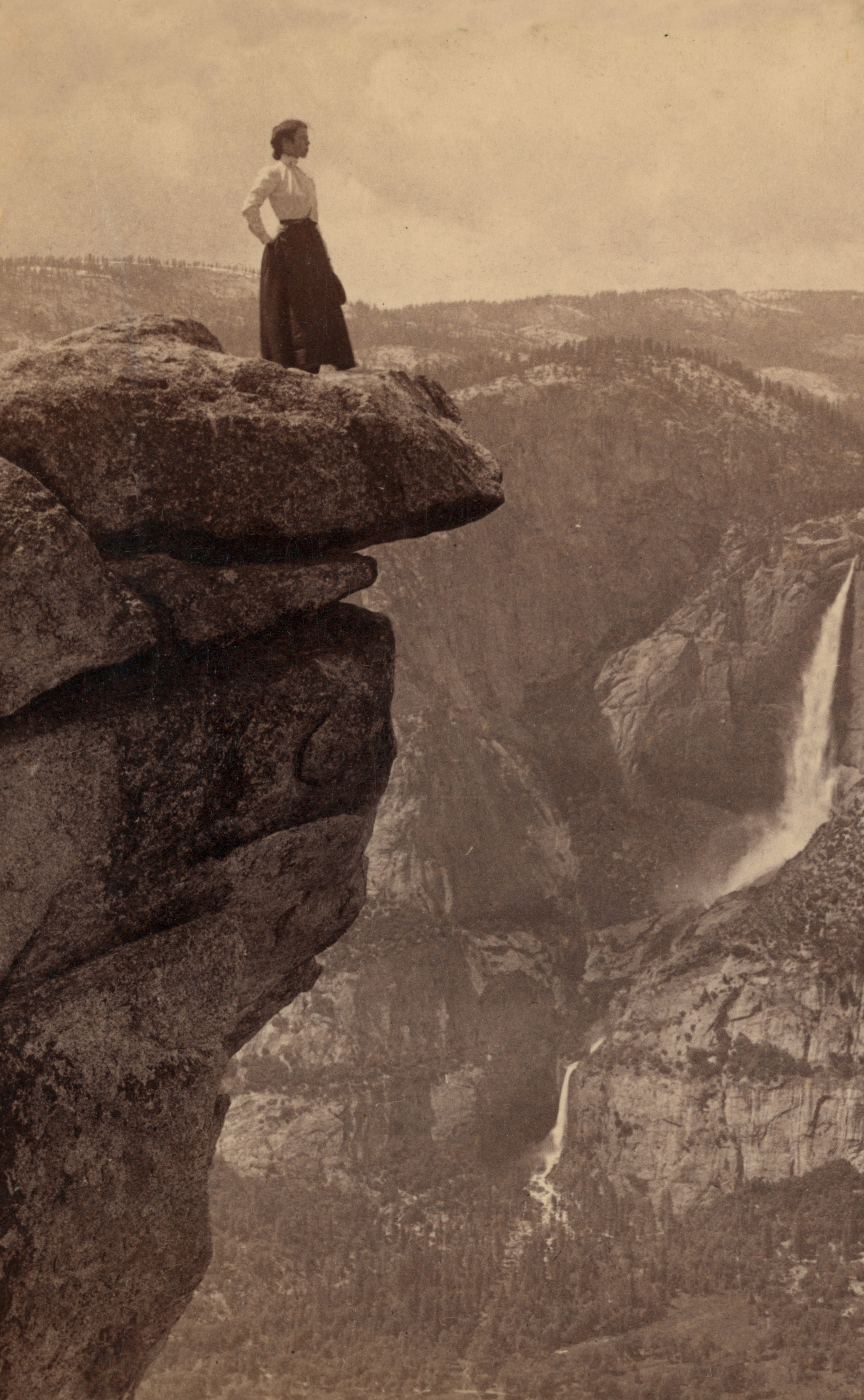
Woman standing on cliff, 1902

Nearly a mile straight down and only a step–from Glacier Point, Yosemite valley, ca. 1902 [detail]
Nearly a mile straight down and only a step–from Glacier Point (N.W.) across valley to Yosemite Falls, Yosemite, Cal.,ca. 1902. Underwood & Underwood. Half stereo card.

Original title: Nearly a mile straight down and only a step–from Glacier Point (N.W.) across valley to Yosemite Falls, Yosemite, Cal. [Description: Woman standing on cliff overlooking deep valley.]. Underwood & Underwood, publishers, New York, ca. 1902. Digital file from original photo : photographic print on stereo card : stereograph. [scanned half stereo] | src Library of Congress
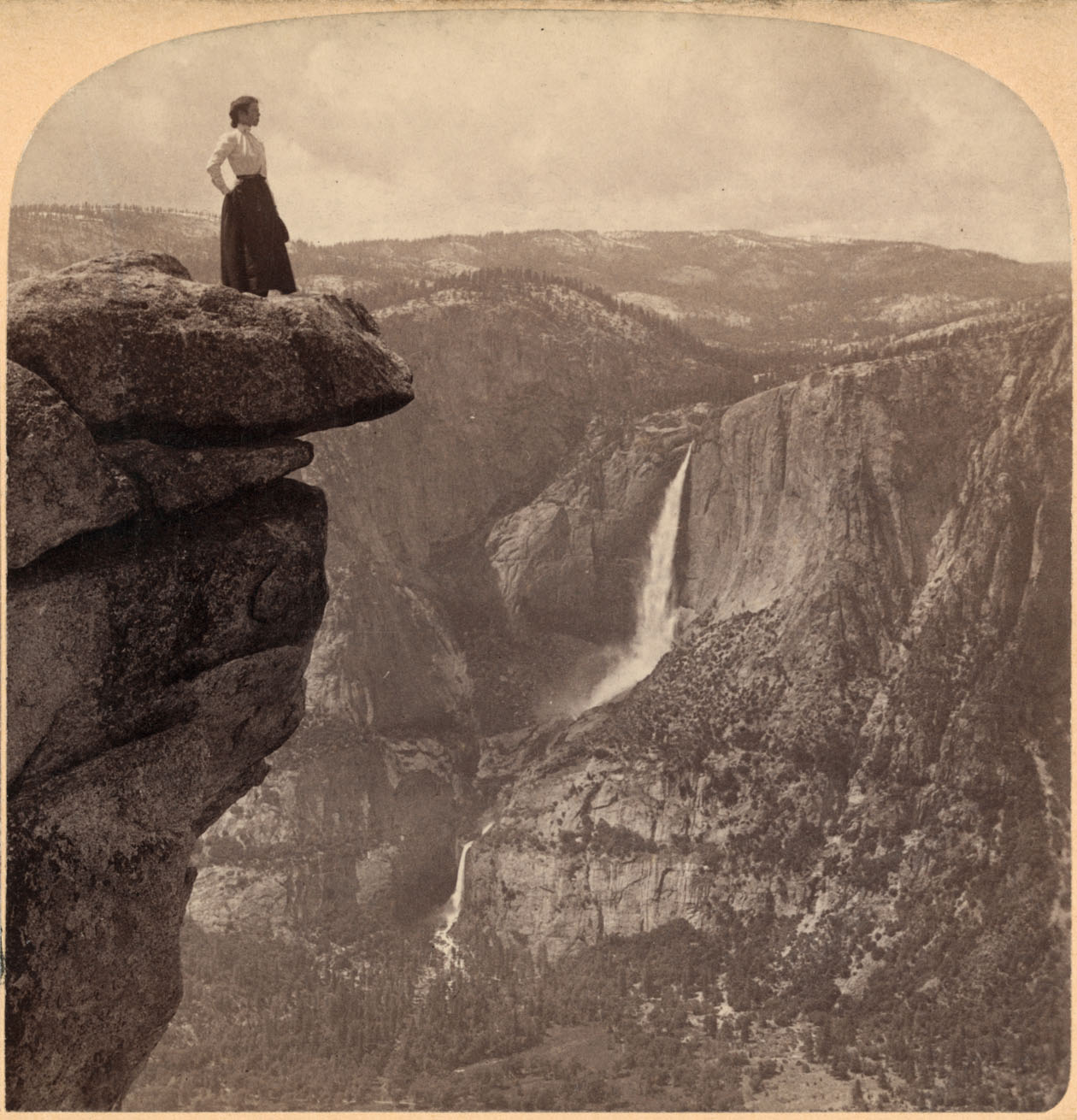
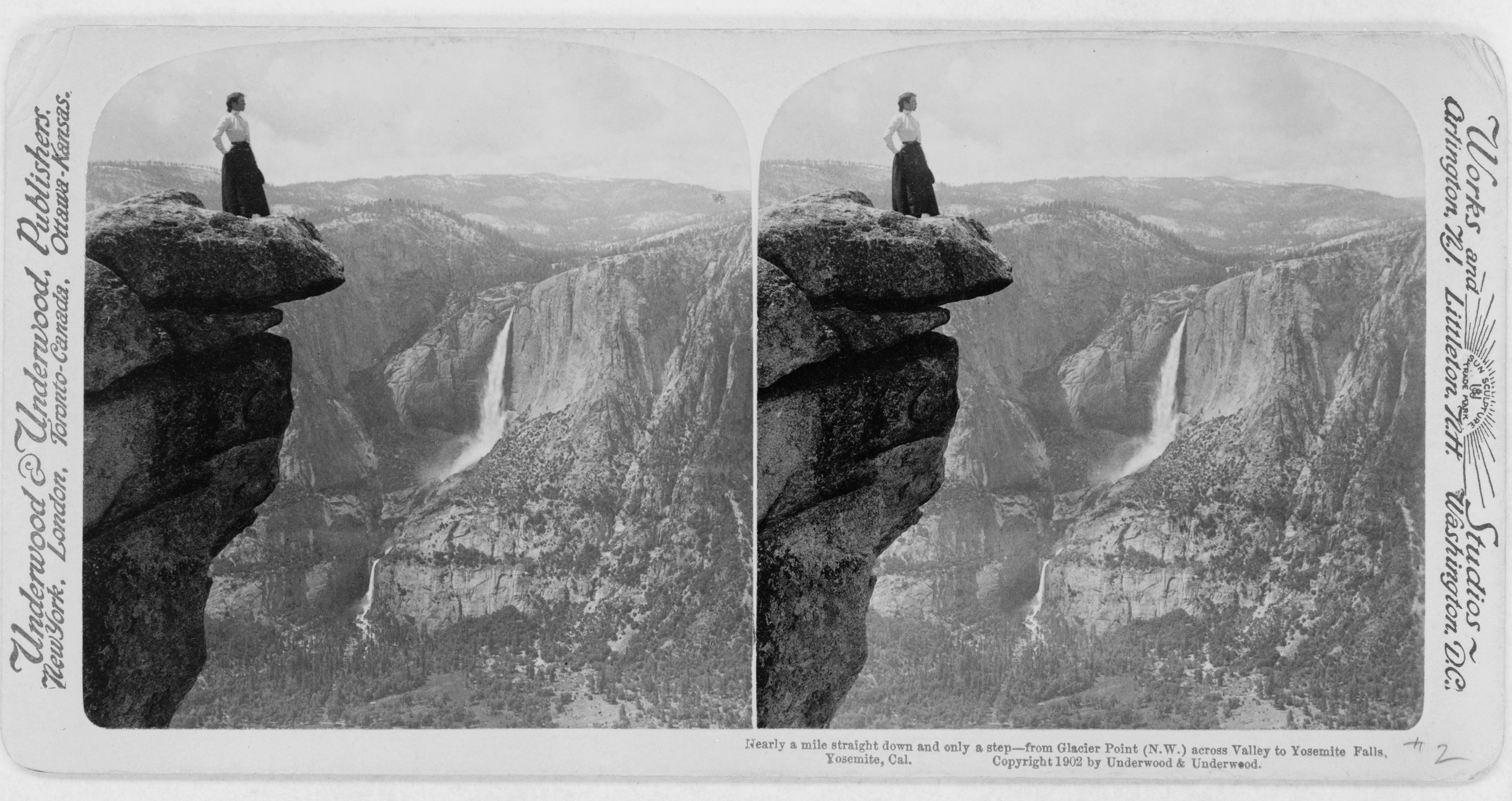
Underwood & Underwood :: Woman standing on cliff overlooking deep valley, 1900-1910
B&W film copy negative from original stereo card | src Library of Congress
View of woman standing on an overhanging rock at Glacier Point with Yosemite Falls seen in the distance. | src ALMA repository

Kyaitteyo Pagoda, ca. 1900

Underwood & Underwood ~ Kyaitteyo Pagoda, miraculously balanced by a hair of Buddha, on Kelasa hills, near Kyaikto in Mon State, Burma (Myanmar), ca. 1900

Stereoscopic pair of photographs [50 (9059)] from a collection of 36 stereoscopic views of Burma, one of a series of “stereoscopic tours” of foreign countries published as part of the Underwood Travel Library. This is a general view of the “Golden Rock” pagoda, a stupa built on top of a massive boulder resting precariously on a hillside 20 km (12 miles) away from Kyaikto. | src British Library; also on wikimedia commons

Underwood & Underwood ~ Kyaitteyo Pagoda, miraculously balanced by a hair of Buddha, on Kelasa hills, near Kyaikto in Mon State, Burma (Myanmar), ca. 1900