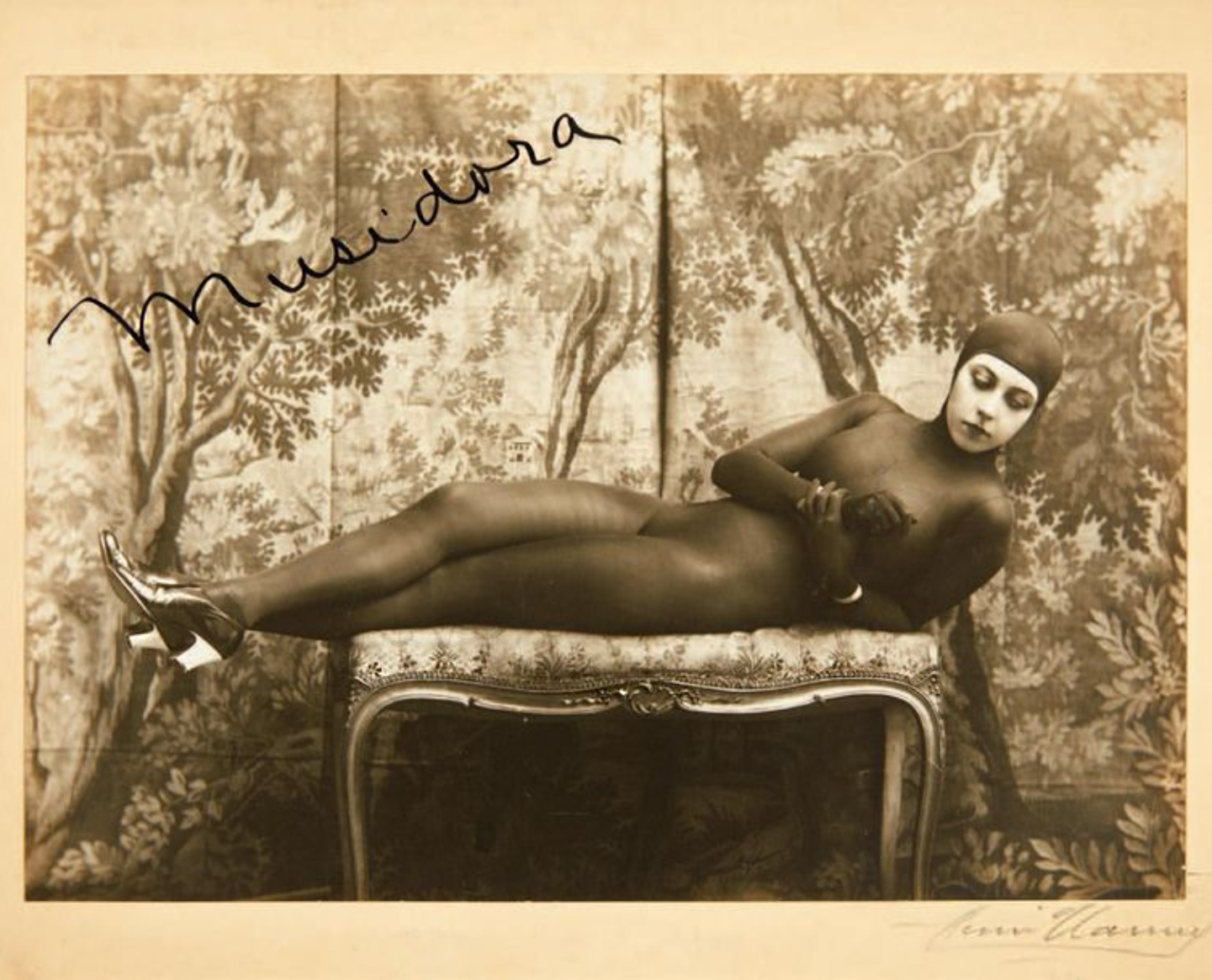
Musidora par Henri Manuel

Henri Manuel ~ Photographie de Musidora allongée, tirage original monté sur carton avec cachet et signature du photographe et grande signature autographe de Musidora sur l’épreuve. | src La Gazette Drouot

Published in: Revue Variétés: Le Surréalisme en 1929. Bruxelles, juin 1929. Famous special issue of the Brussels magazine Variétés devoted to Surrealism in 1929 by André Breton and Louis Aragon.
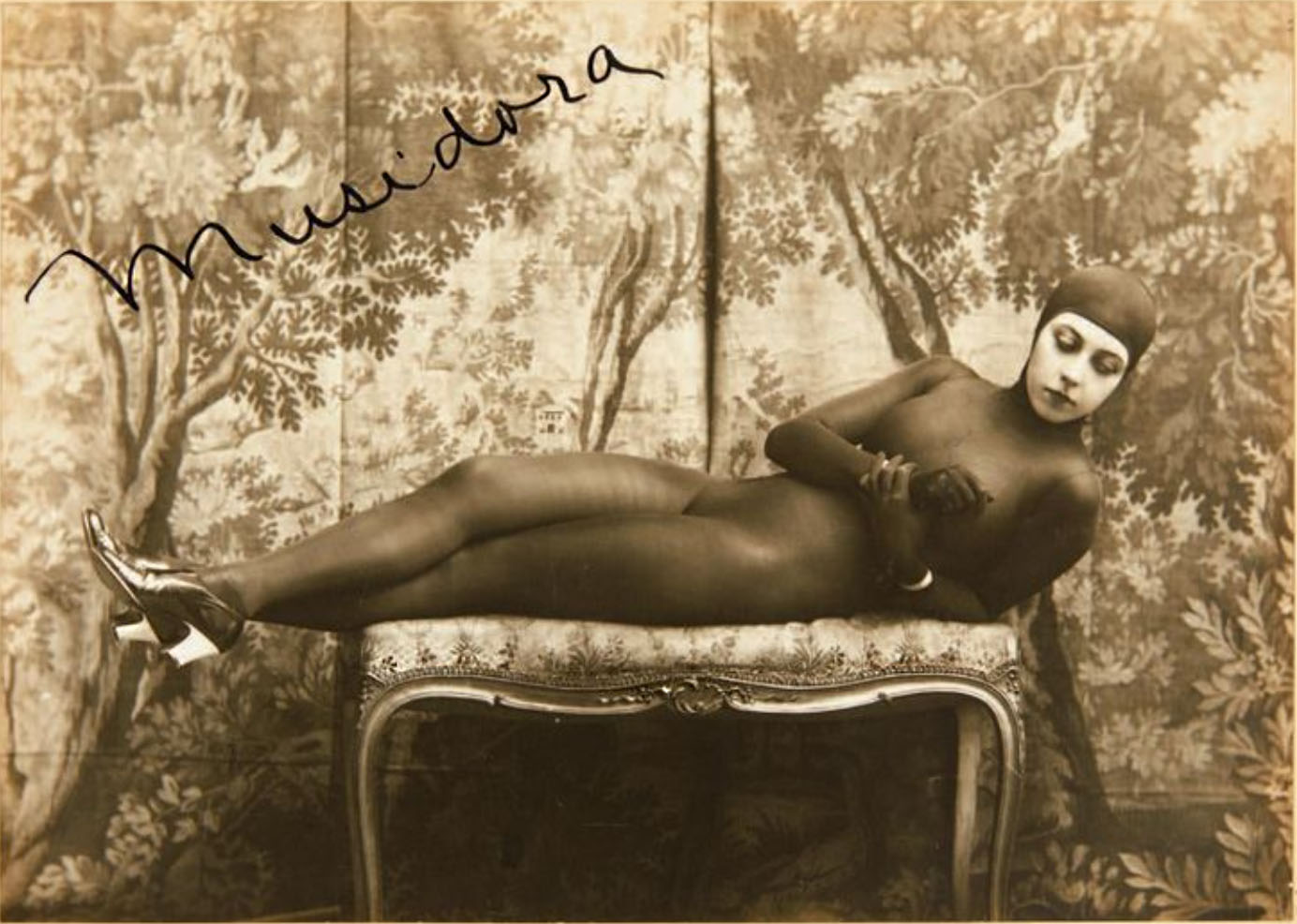
Henri Manuel ~ Photograph of Musidora lying down, original print mounted on cardboard with stamp and signature of the photographer and large autograph signature of Musidora on the print. Not dated, probably around 1916.

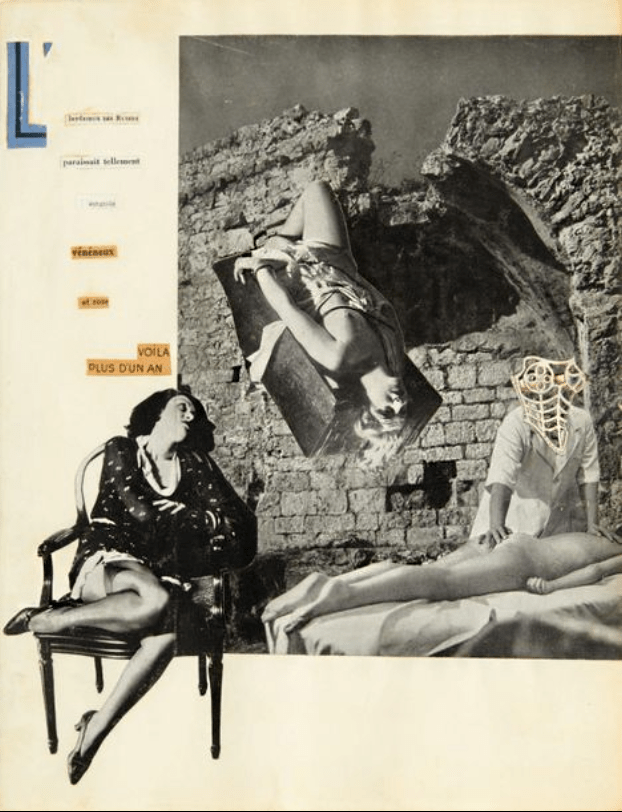
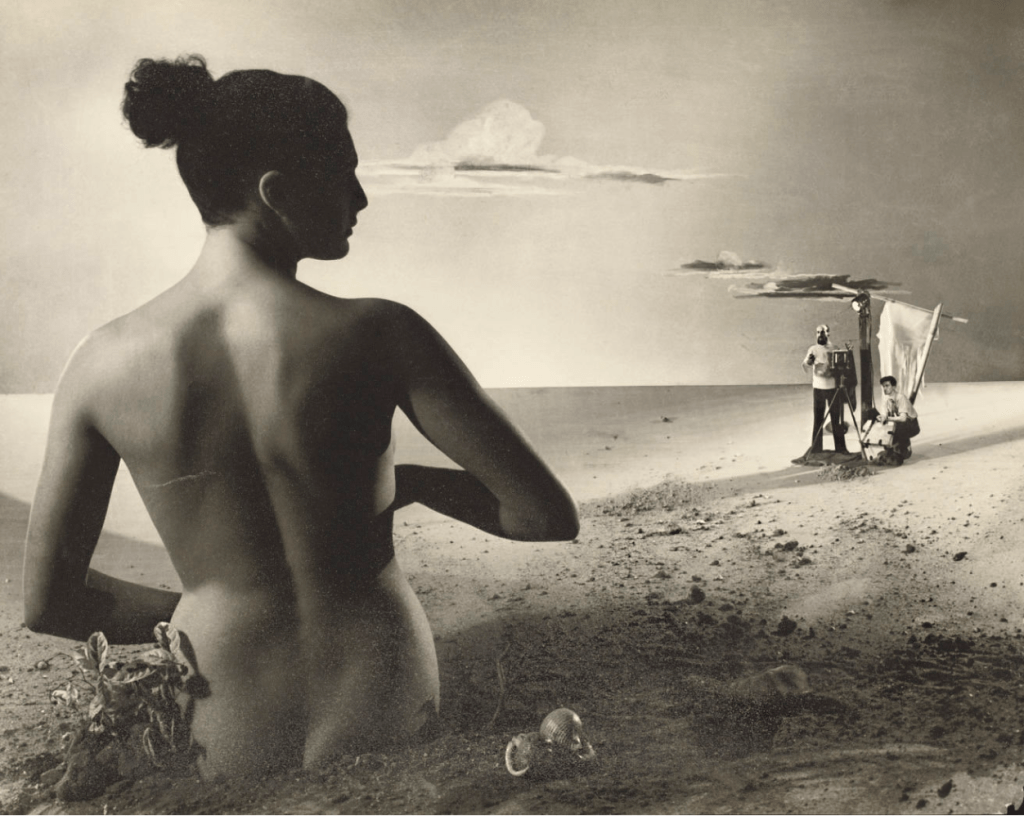
L’intérieur des ruines paraissait tellement déshabillé…, 1936

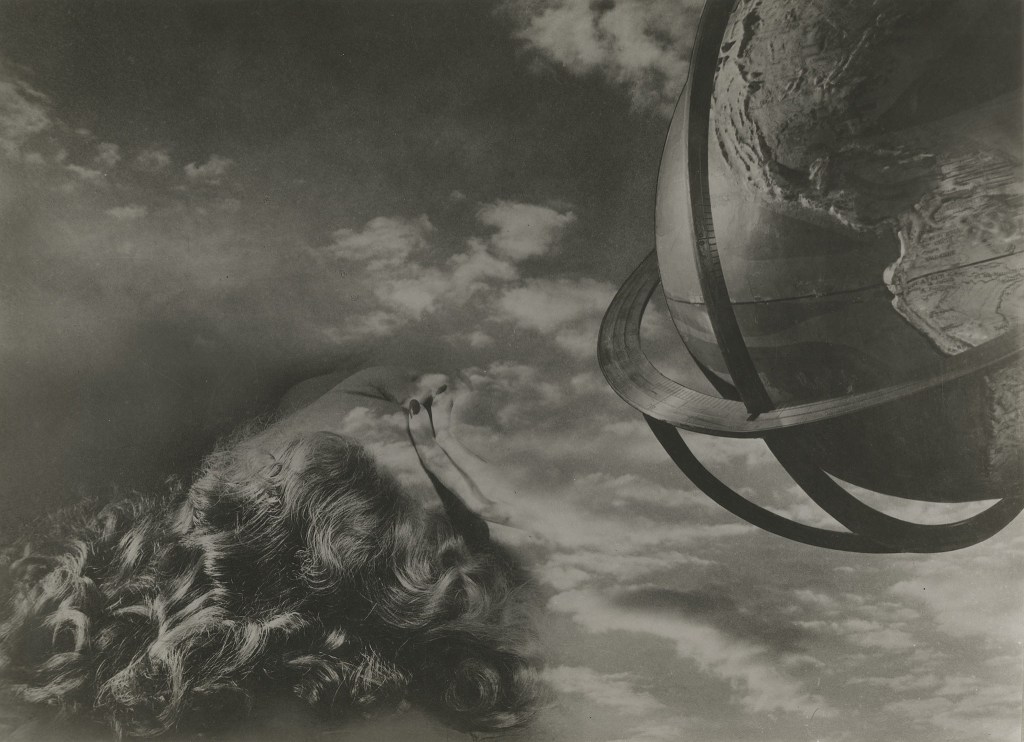
Georges Hugnet :: L’intérieur des ruines paraissait tellement déshabillé… Sans lieu ni date [1936]. Collage photographique original sur papier. Collage original: il a été reproduit dans La Septième face du dé (1936). Fameux livre illustré de vingt collages à pleine page. Expo: The Dada & Surrealist word image (1989), avec étiquette du Los Angeles County Museum. Exposition présentée ensuite au Wadsworth Antheneum et à la Schirnkunsthalle. Étiquette de l’exposition Le Poète en tant qu’artiste. | src Drouot

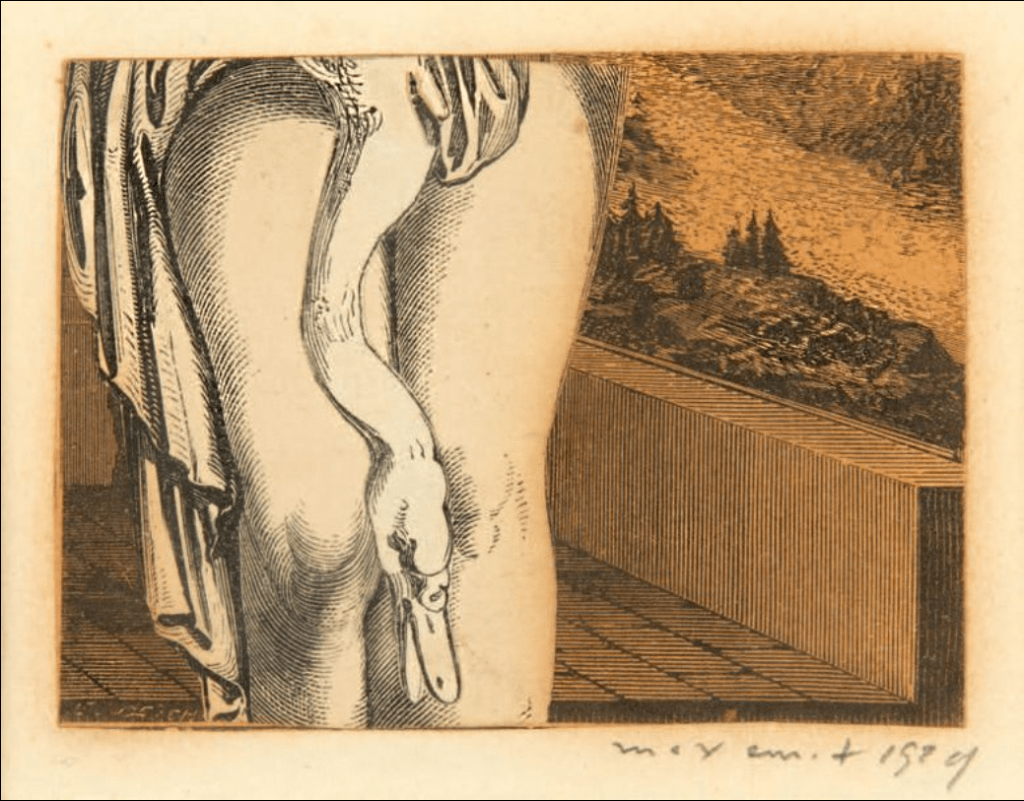
La cathédrale aux œufs

Man Ray (Emmanuel Radnitzky) :: La cathédrale aux œufs. Gravure et aquatinte originale sur papier Japon. Signée par l’artiste à la mine de plomb. Informations extraite de l’ouvrage “Electro-Magie”, Edition Georges Visat, Paris, 1969. | src Drouot digital

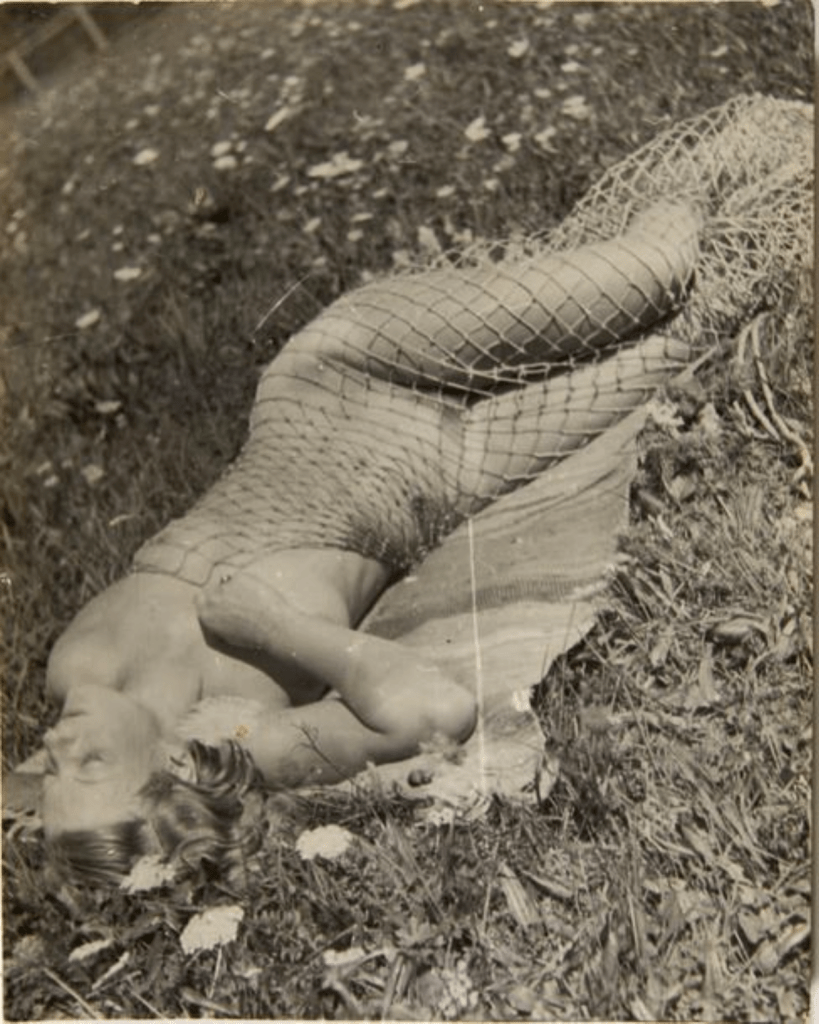
Lee Miller in a fishing net, ca. 1935

Man Ray :: Portrait de Lee Miller. Sans lieu ni date, vers 1935. Ravissant portrait de Lee Miller nue, allongée dans l’herbe, le corps recouvert d’un filet de pêche. | Lovely portrait of Lee Miller naked, lying in the grass, her body covered with a fishing net. Geneviève & Jean-Paul Kahn Library. La photographie a été reproduite dans le Dictionnaire abrégé du Surréalisme (Galerie des Beaux-Arts, 1938) dans la section La Femme surréaliste. | src La Gazette Drouot + Drouot Digital

Antonin Artaud et Cécile Brusson

Antonin Artaud en moine avec Cécile Brusson. Sans lieu ni date [Paris, Studio Forest, 1930].
Photographie originale avec annotations de la main d’Artaud au crayon au verso.
Fameuse photographie d’Antonin Artaud en moine, genou à terre, qu’une femme – Cécile Brusson – paraît vouloir contenir. | src La Gazette Drouot

Hannah Höch collages

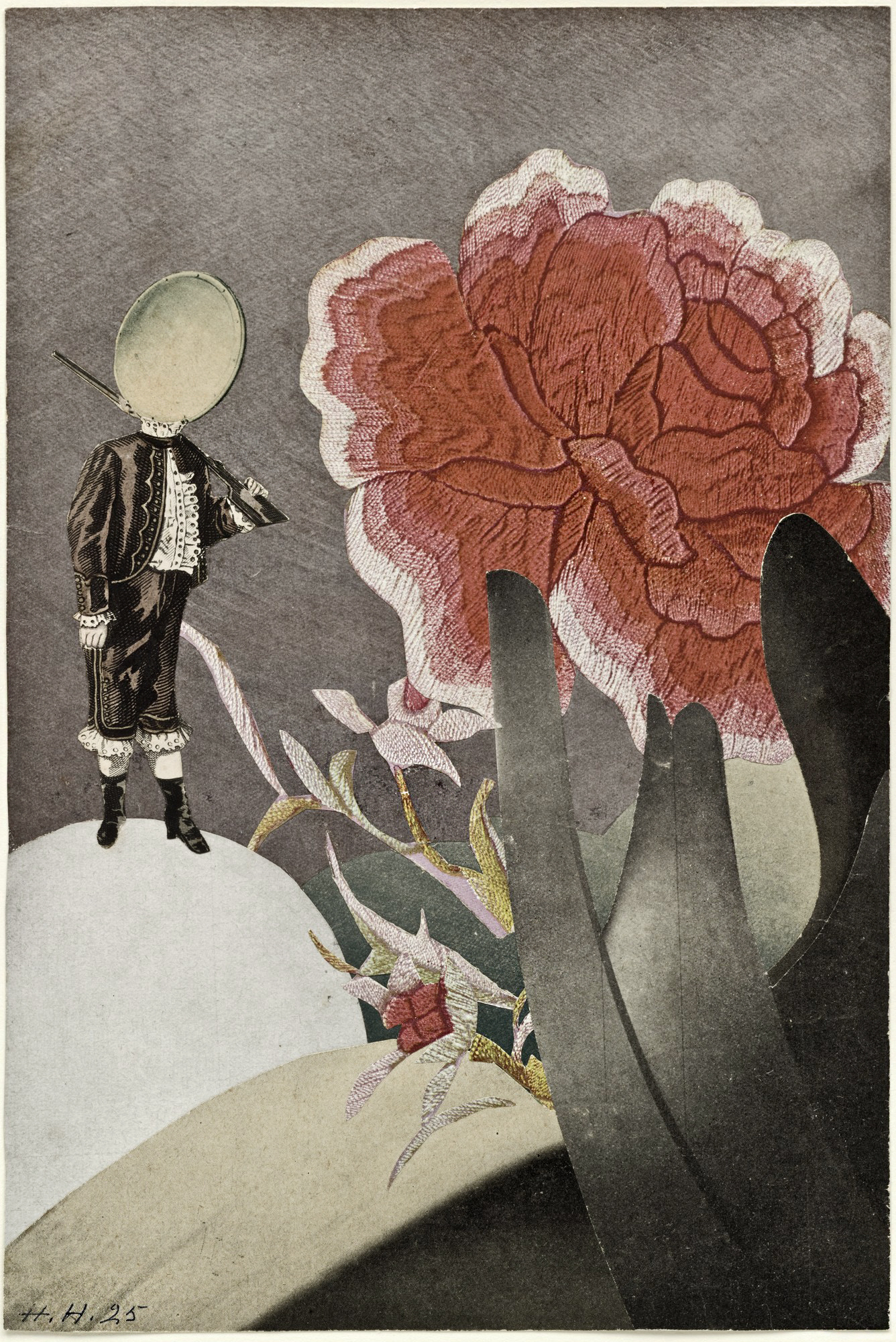
Hannah Höch :: Fremde Schönheit [Strange beauty], Berlin, ca. 1929, original photographic collage on coloured paper signed H.H. (The Geneviève & Jean-Paul Kahn Library). | src la gazette drouot
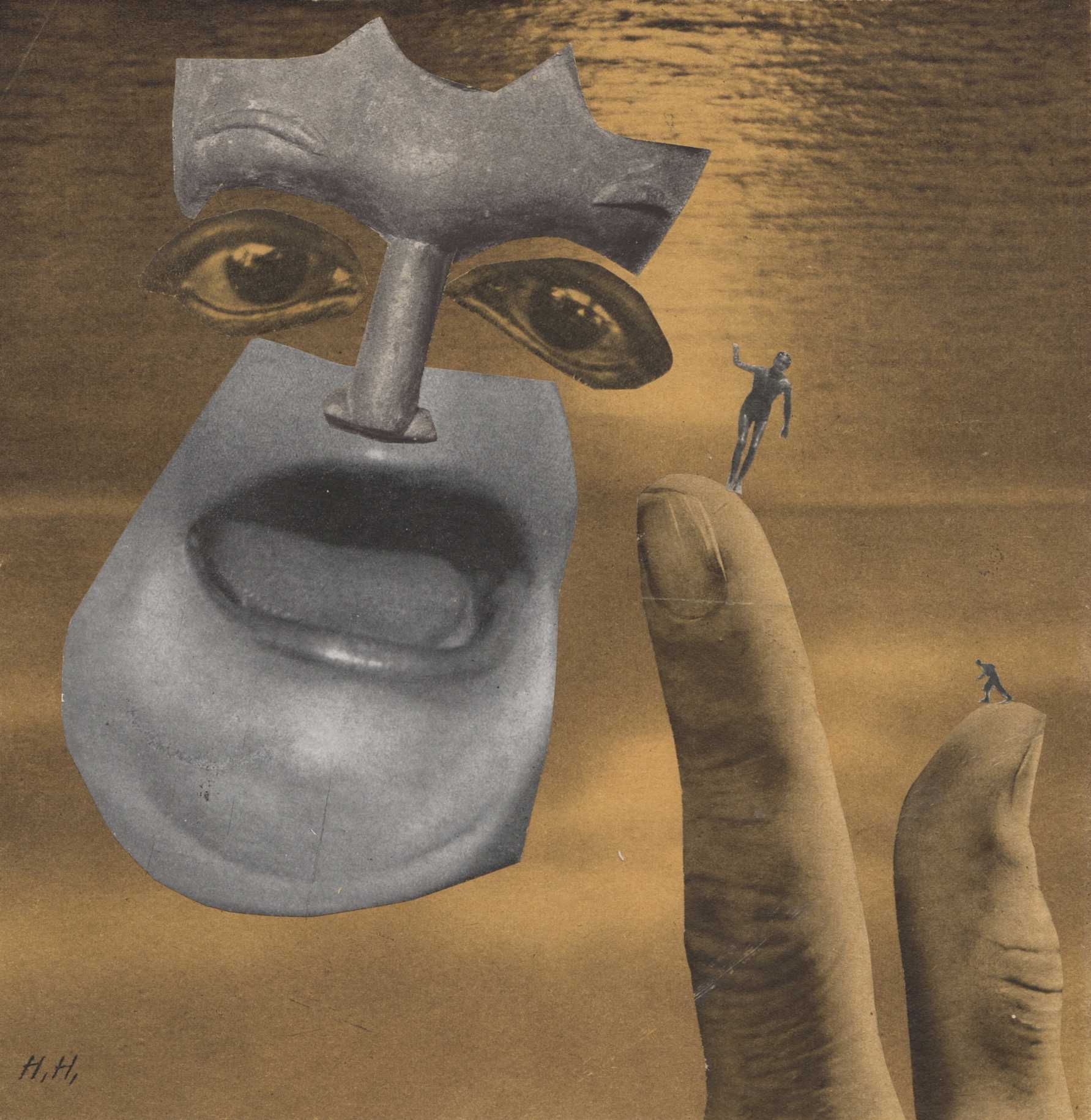
Hannah Höch :: Über dem Wasser | Over the Water, 1943-1946. Collage of paper and offset prints on cardboard. From: Sheroes of Photography exhibition. © VG Bild-Kunst, Bonn. | src Galerie Kicken Berlin
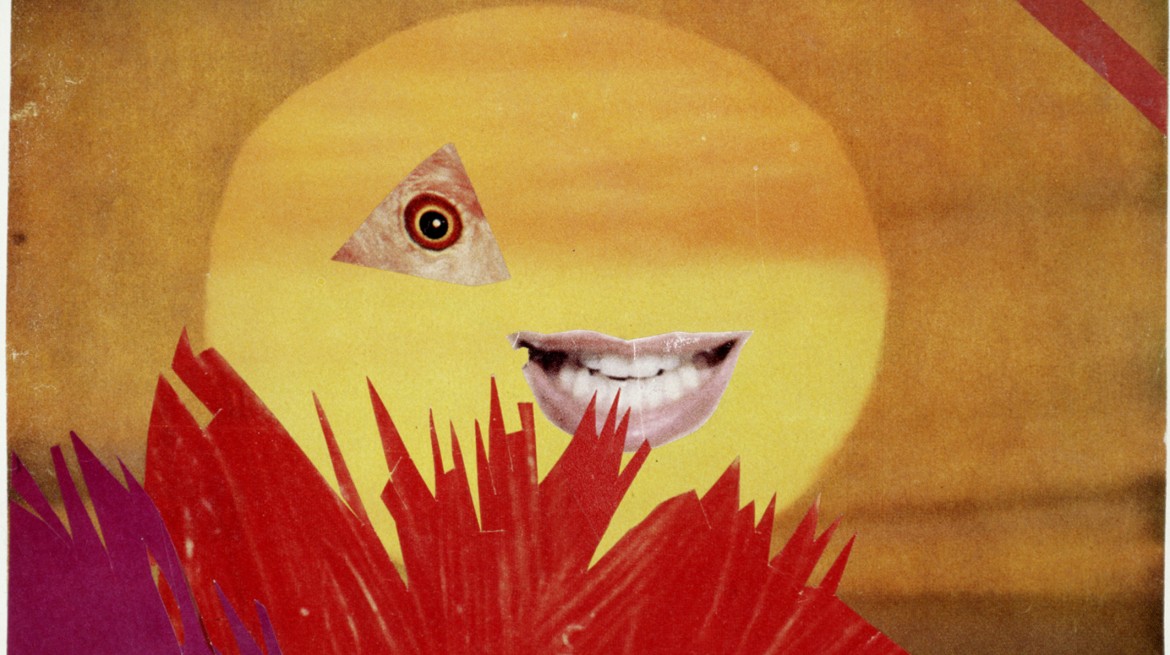
Hannah Höch :: Kleine Sonne (Little Sun), 1969, Collage, 16.3 × 24.2 cm, Landesbank Berlin AG. | src Whitechapel Gallery

Hannah Höch was an artistic and cultural pioneer. A member of Berlin’s Dada movement in the 1920s, she was a driving force in the development of 20th century collage. Splicing together images taken from fashion magazines and illustrated journals, she created a humorous and moving commentary on society during a time of tremendous social change. Höch was admired by contemporaries such as George Grosz, Theo van Doesburg and Kurt Schwitters, yet was often overlooked by traditional art history. As the first major exhibition of her work in Britain, the show puts this inspiring figure in the spotlight.

The exhibition examines Höch’s extraordinary career from the 1910s to the 1970s. Starting with early works influenced by her time working in the fashion industry, it includes key photomontages such as High Finance (1923) which critiques the relationship between bankers and the army at the height of the economic crisis in Europe.

A determined believer in artistic freedom, Höch questioned conventional concepts of relationships, beauty and the making of art. Höch’s collages explore the concept of the ‘New Woman’ in Germany following World War I and capture the style of the 1920s avant-garde theatre. The important series ‘From an Ethnographic Museum’ combines images of female bodies with traditional masks and objects, questioning traditional gender and racial stereotypes.

Astute and funny, the exhibition reveals how Höch established collage as a key medium for satire whilst being a master of its poetic beauty. | quoted from Whitechapel Gallery