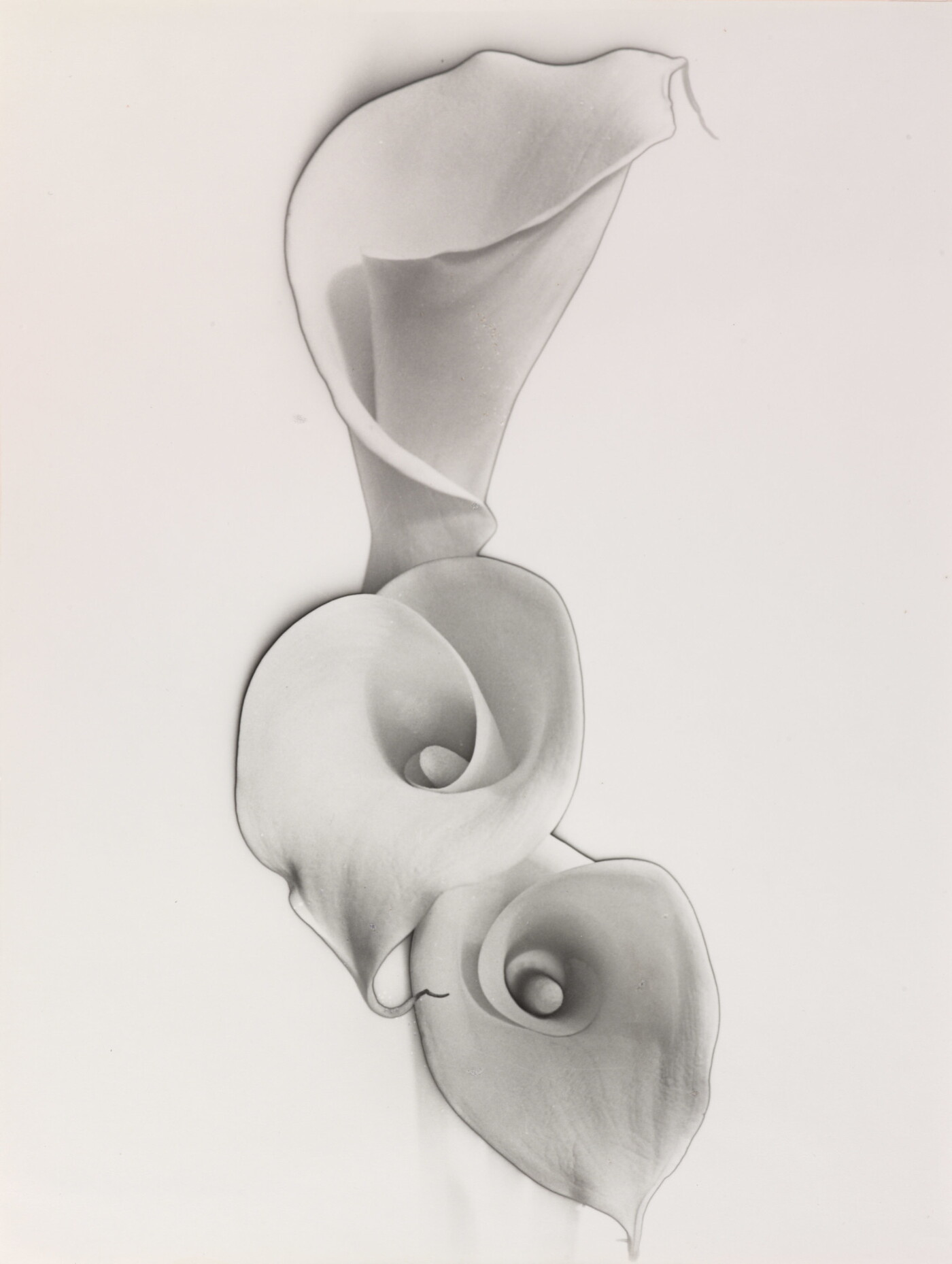
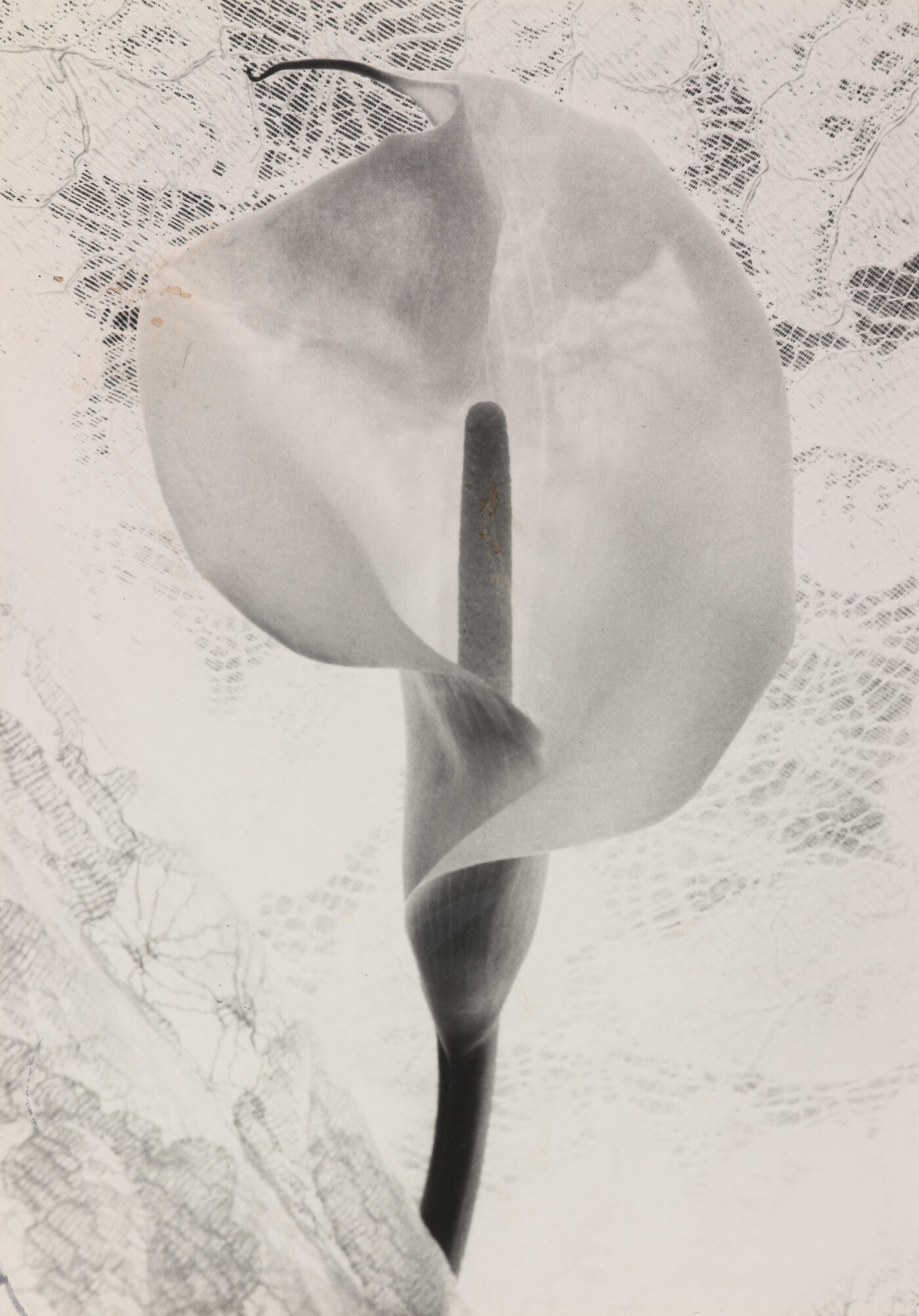
images that haunt us

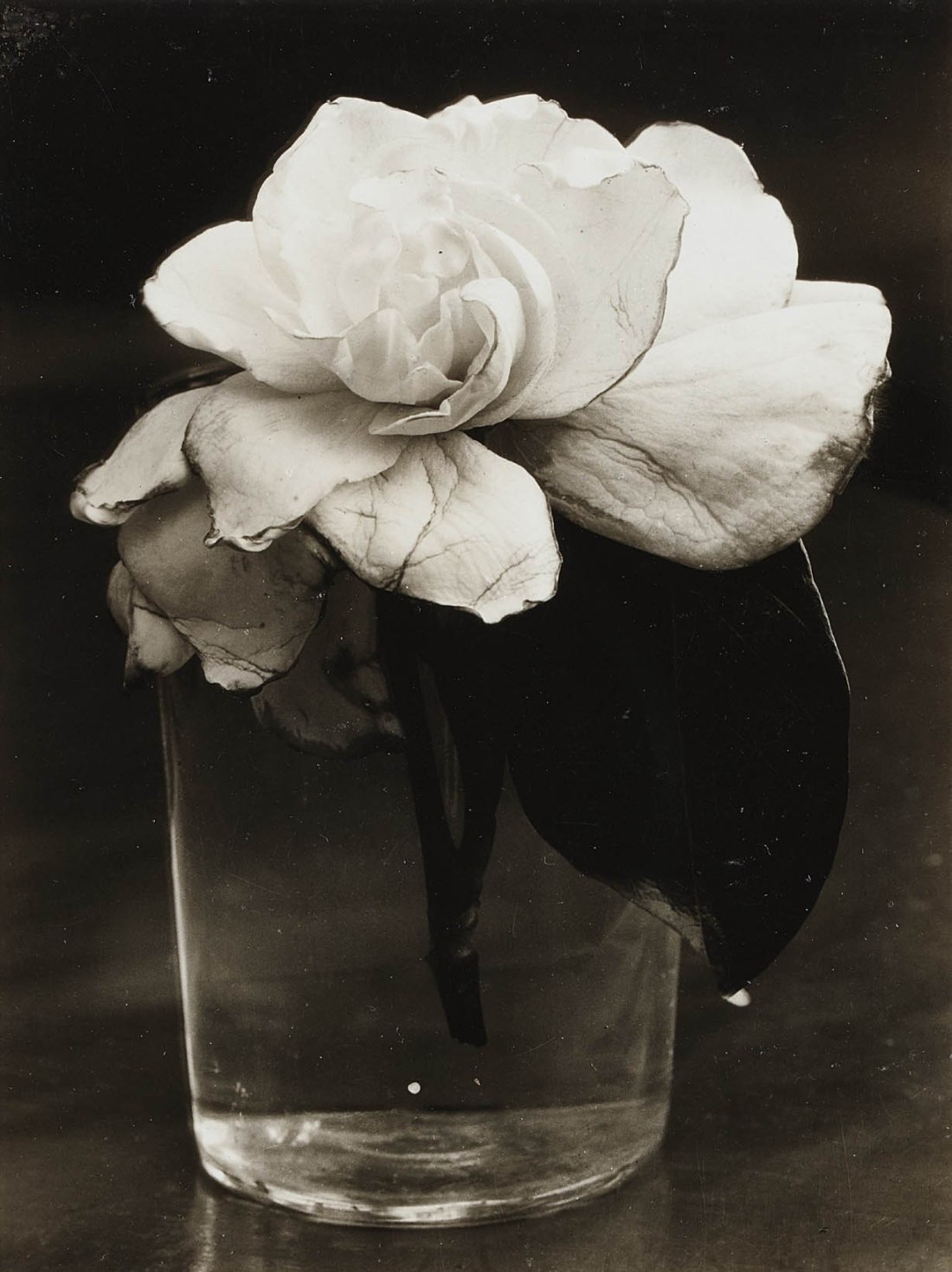
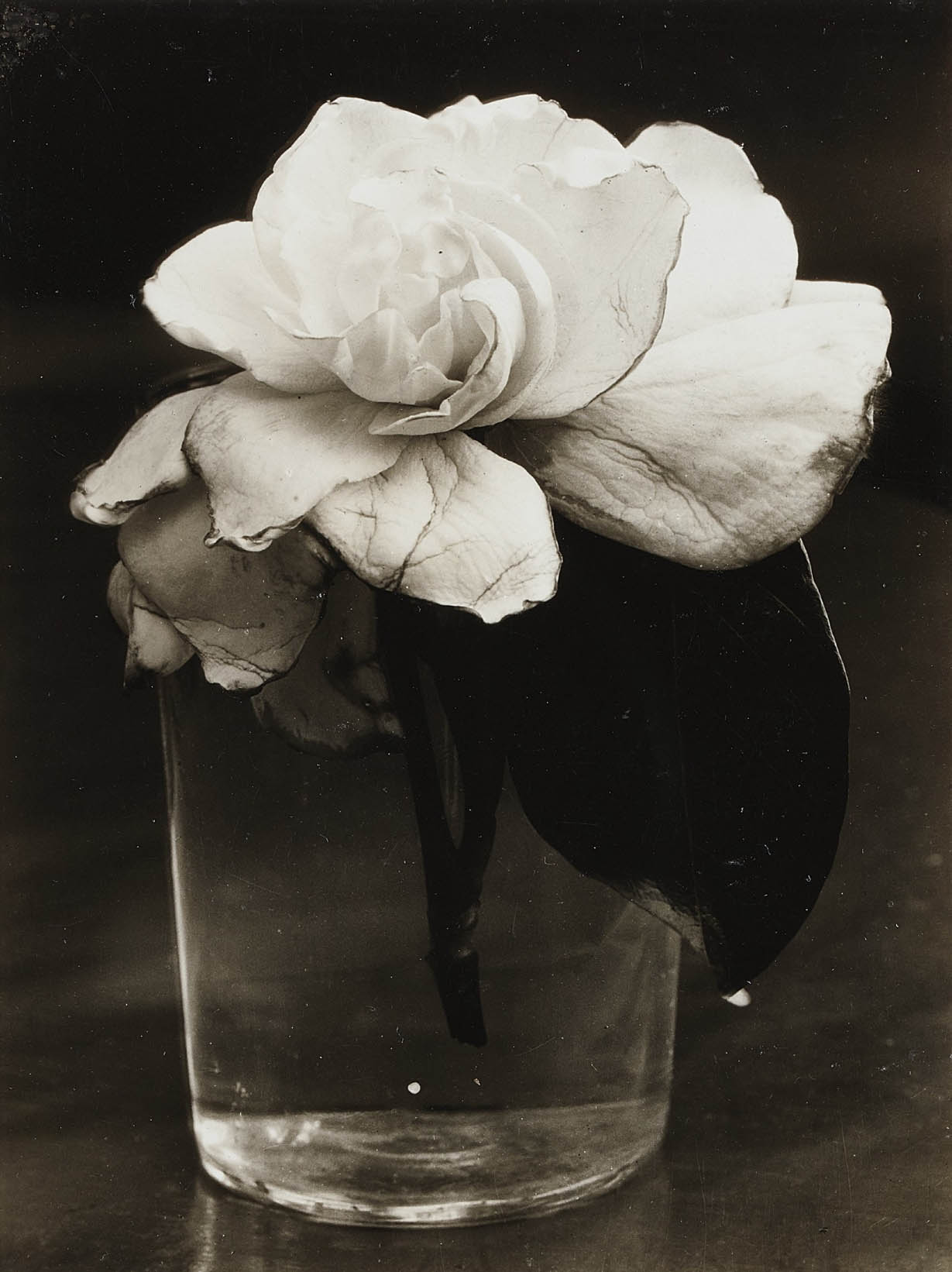


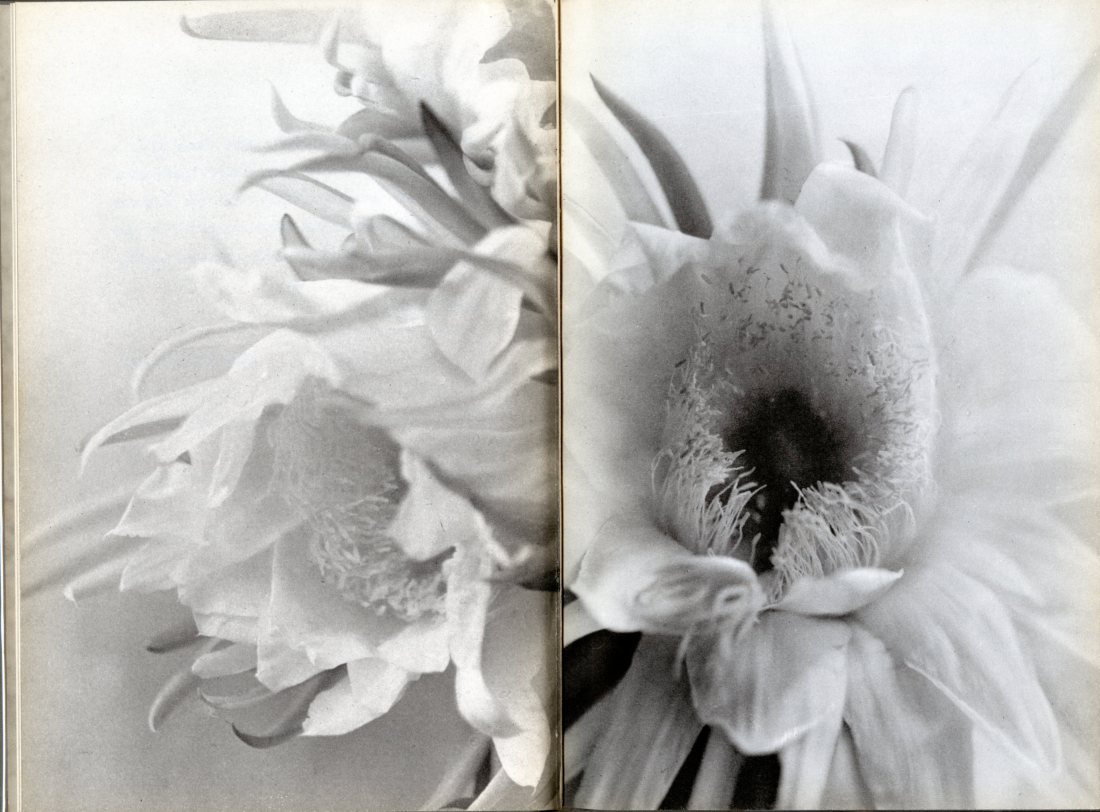
“It’s only once in a blue moon that days like these can happen but, when they do, they add a new dimension to the years that follow.” – Opening text of In a blue moon by Nell Dorr.
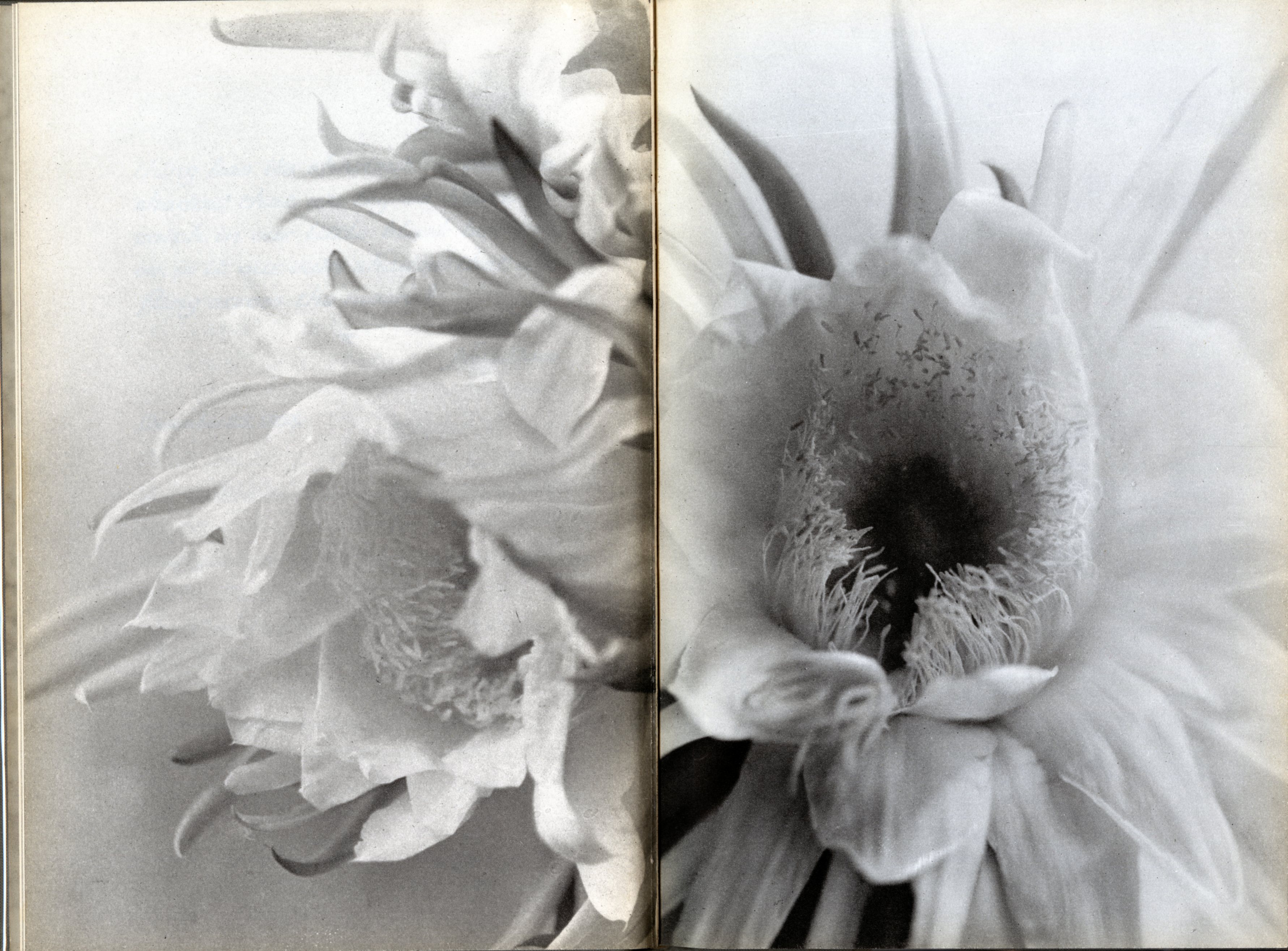
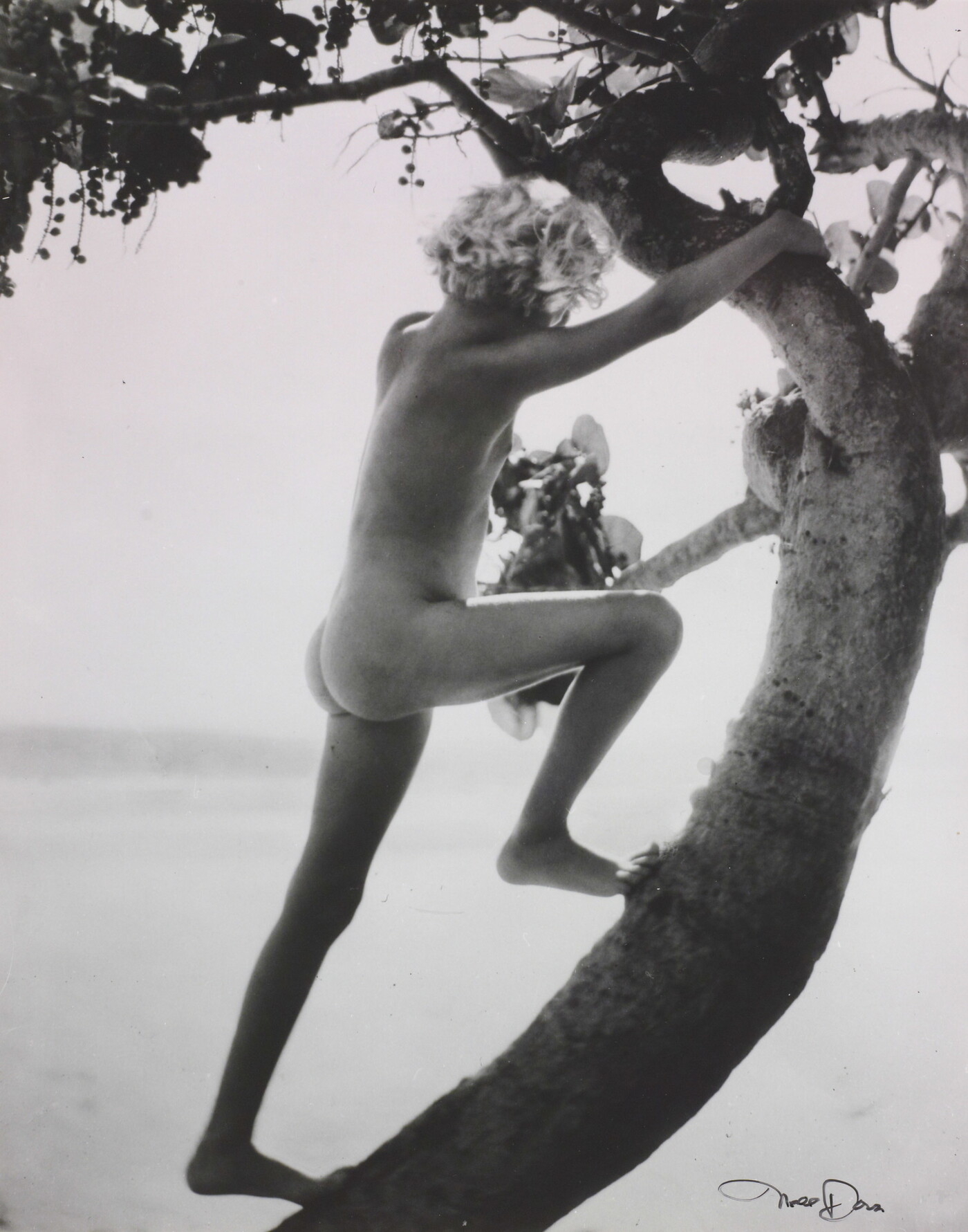
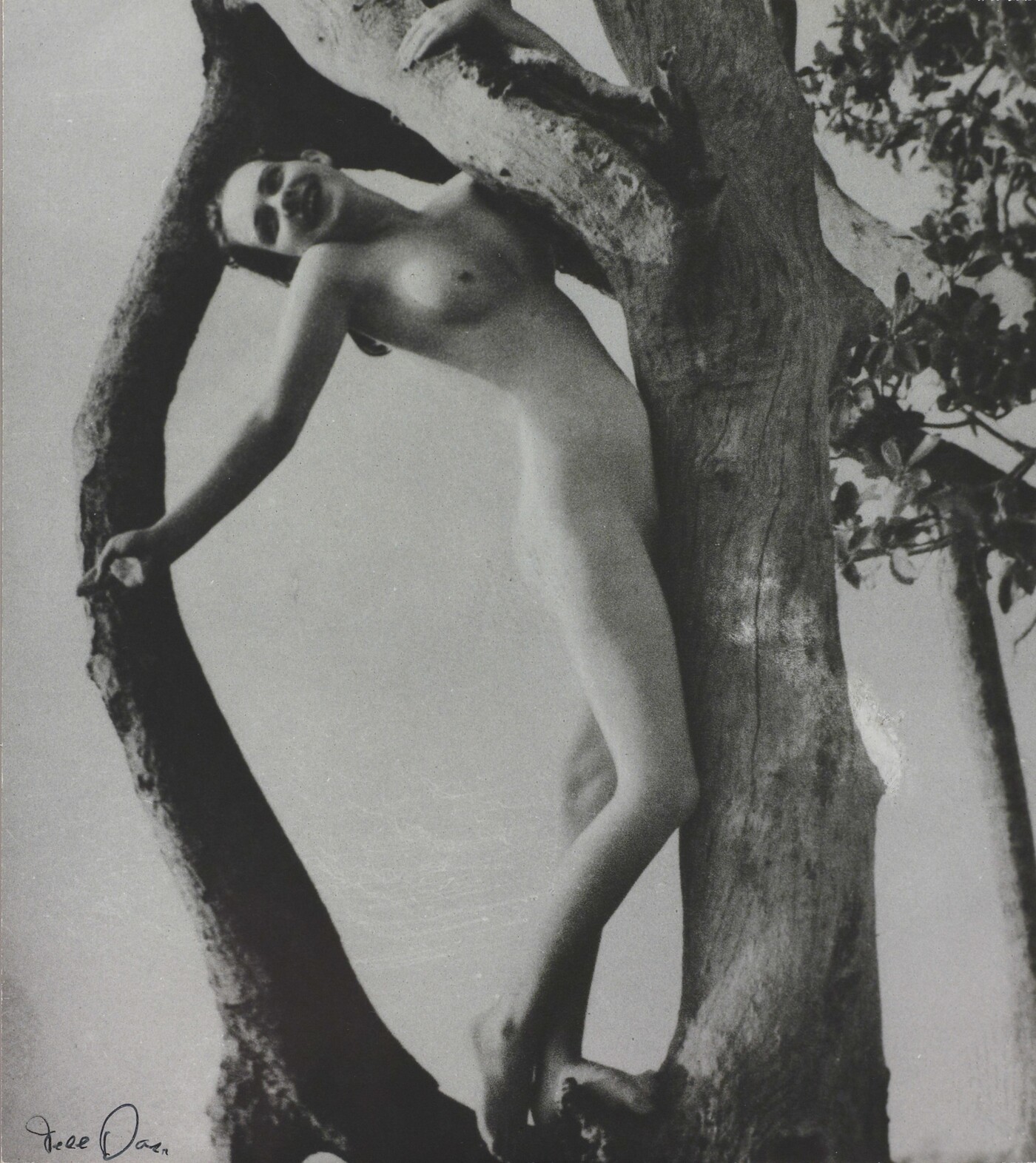
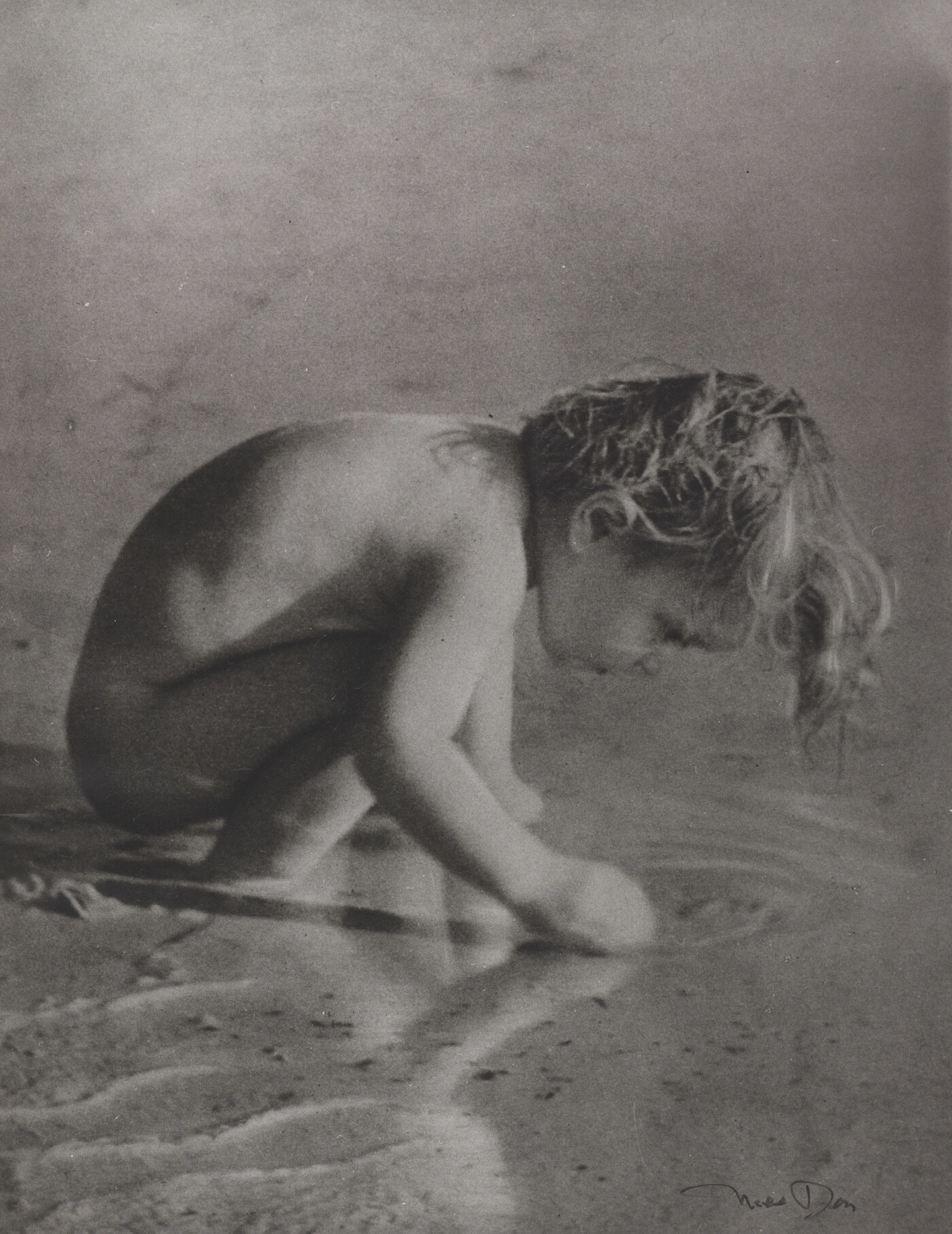
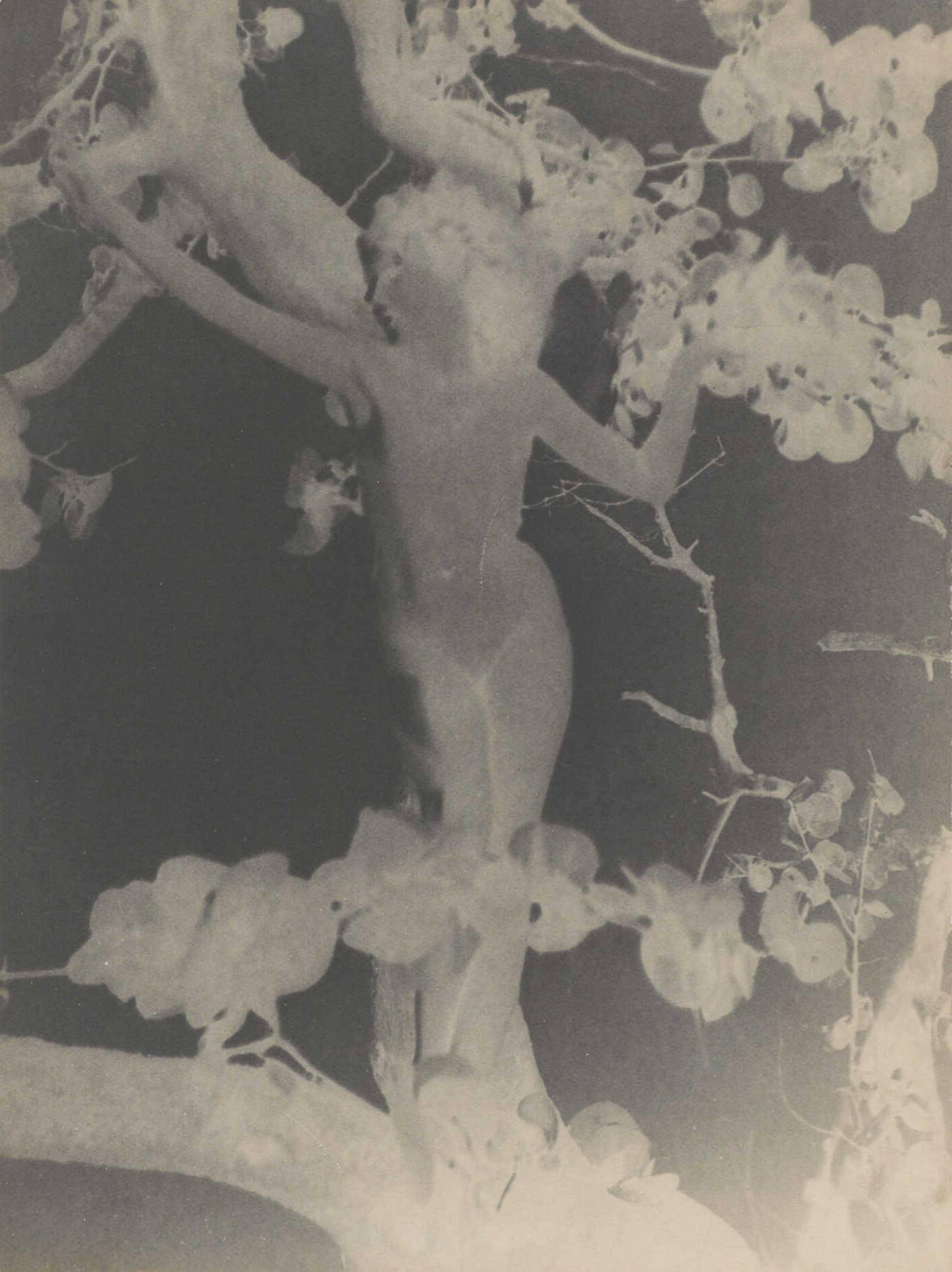
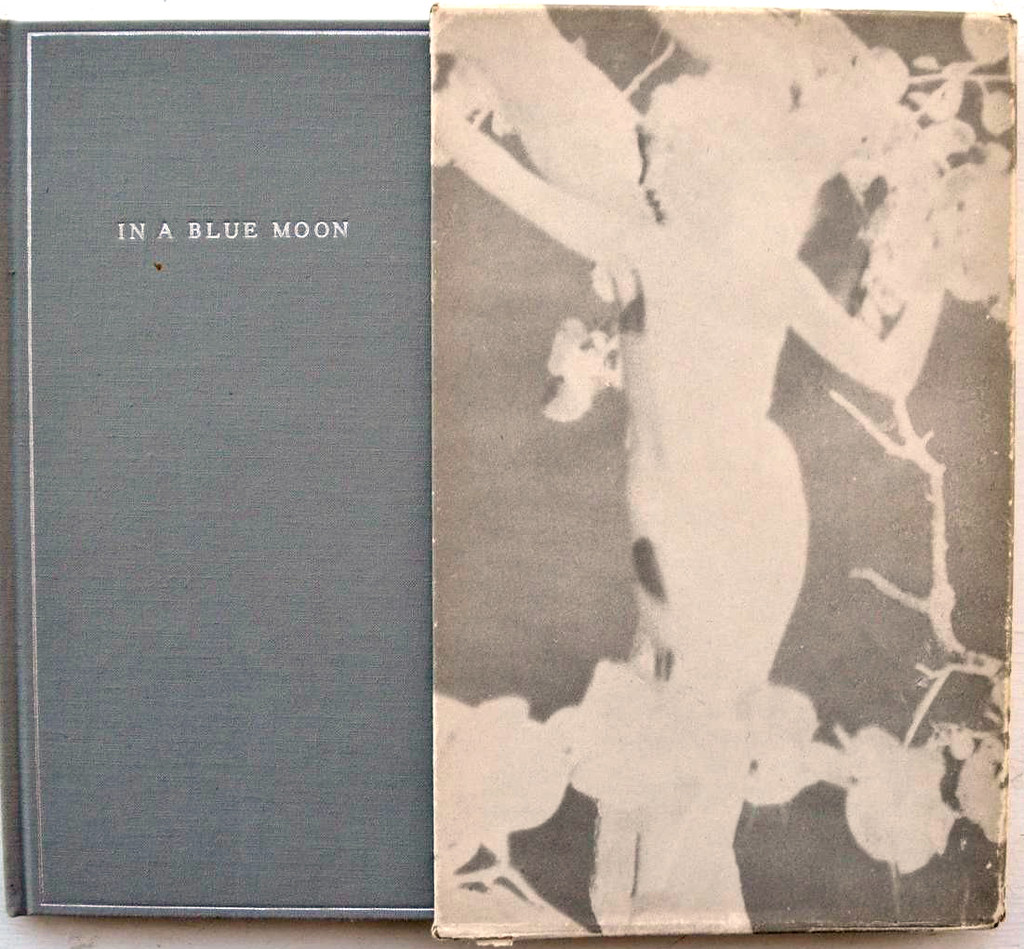
In a Blue Moon, a small hardcover made up of many of the same images from Mangroves (*) but printed in photogravure. Lettering by George A. DuBerg.
(*) Mangroves, a softbound portfolio of her photographs was self-published in a limited edition, under her first married name, Nell Koons. It comprises two of her poems and fifteen tipped-in halftones of flowers and nude girls and women, often perched in trees.
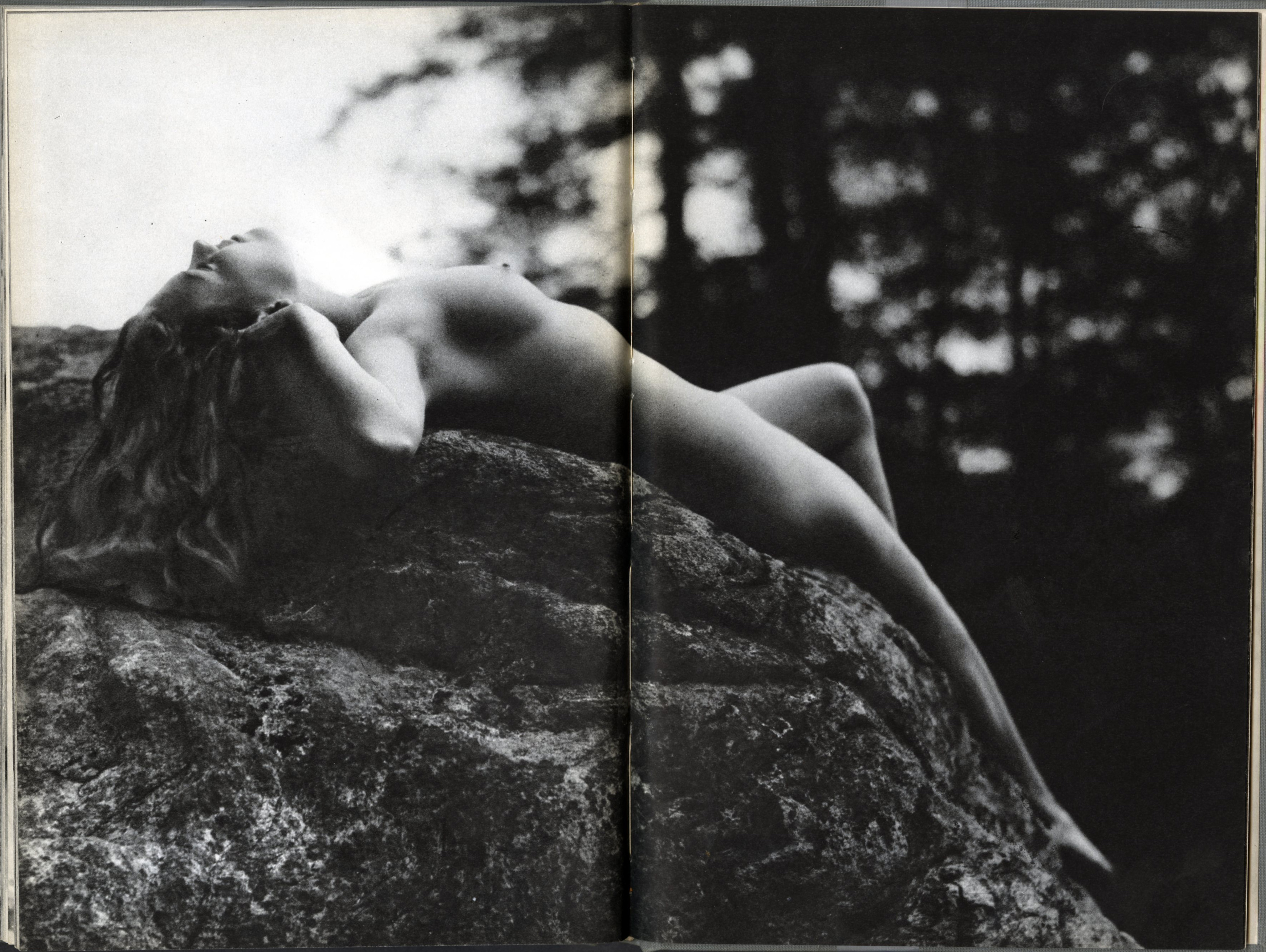
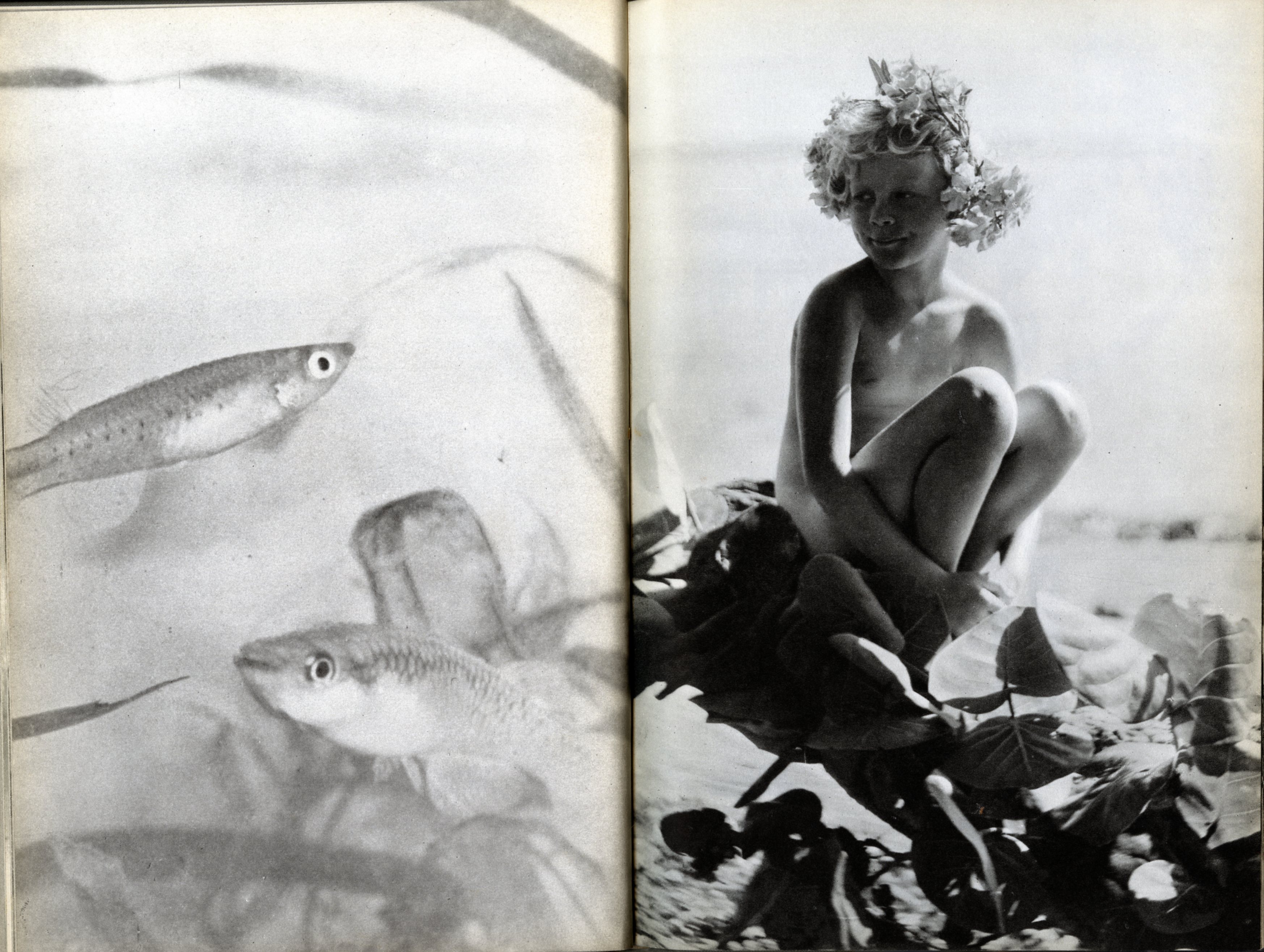

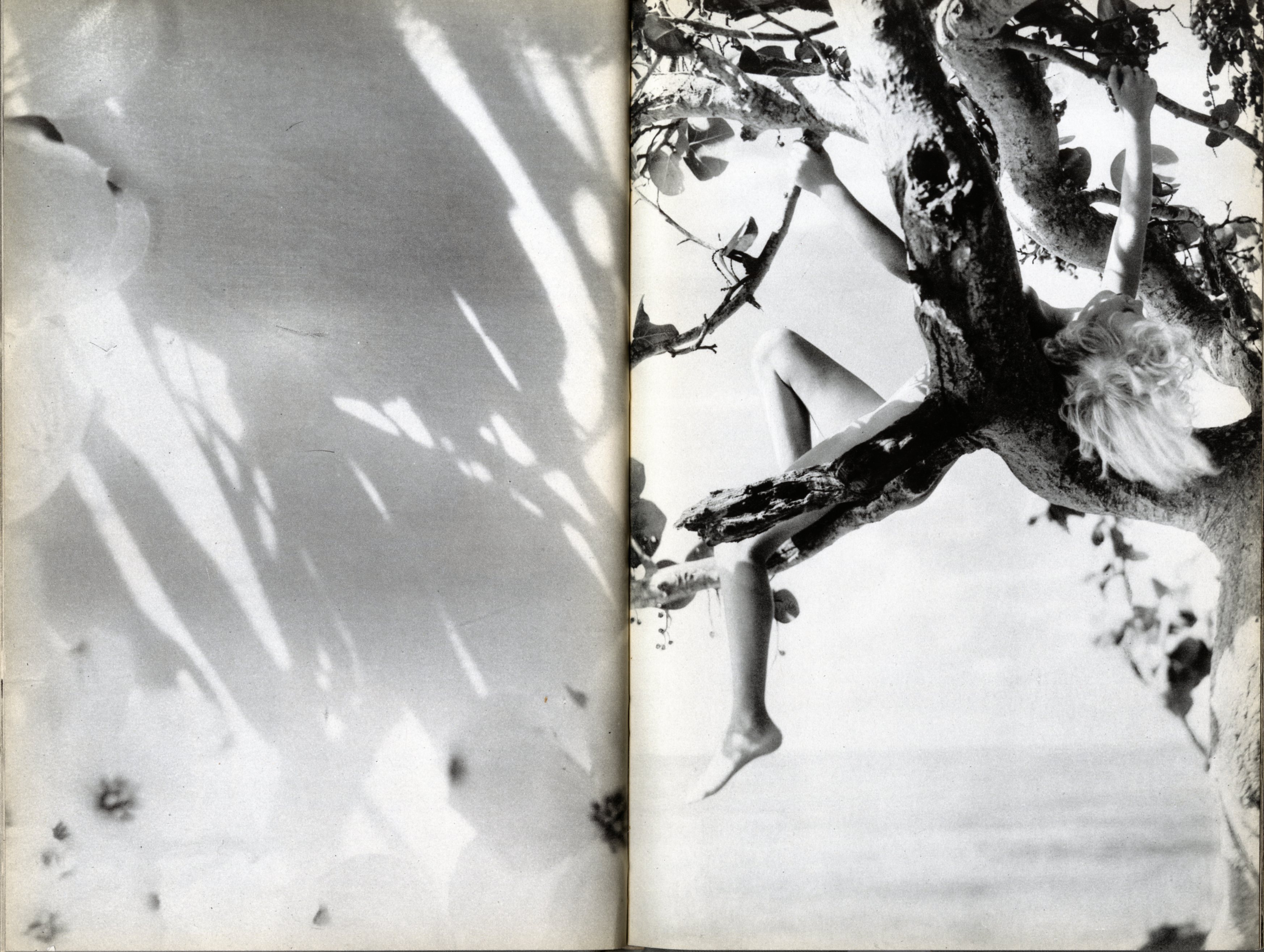
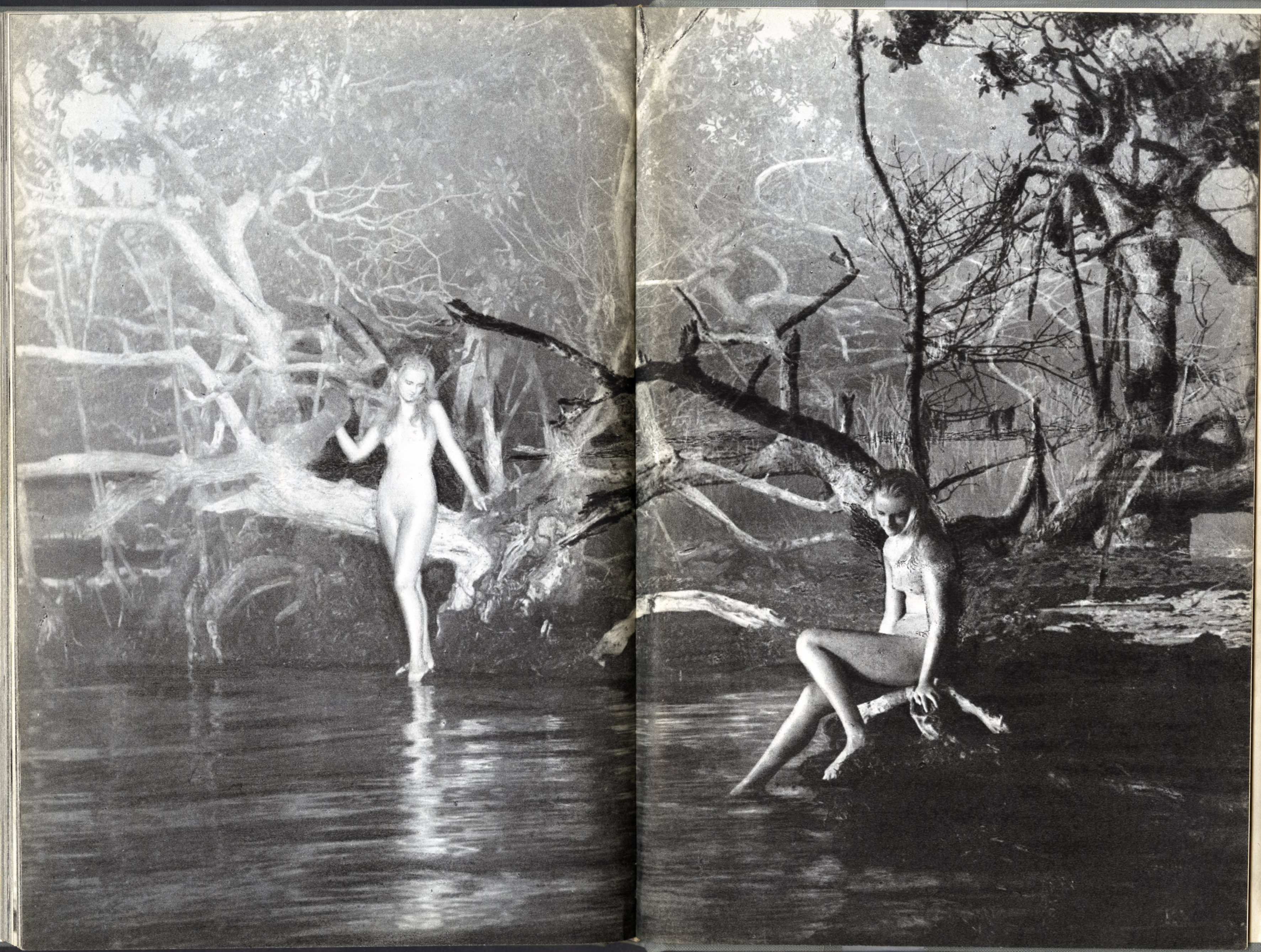
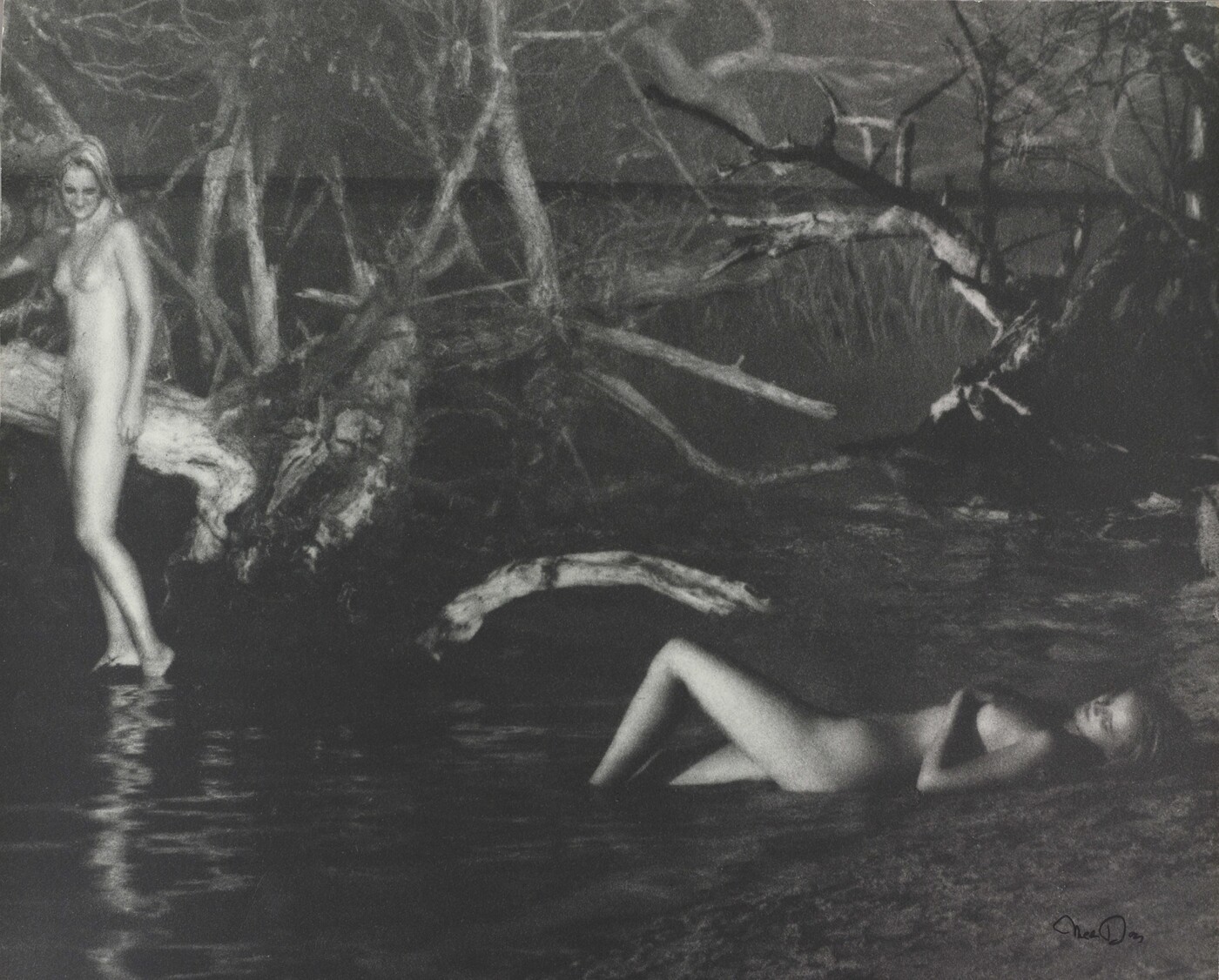
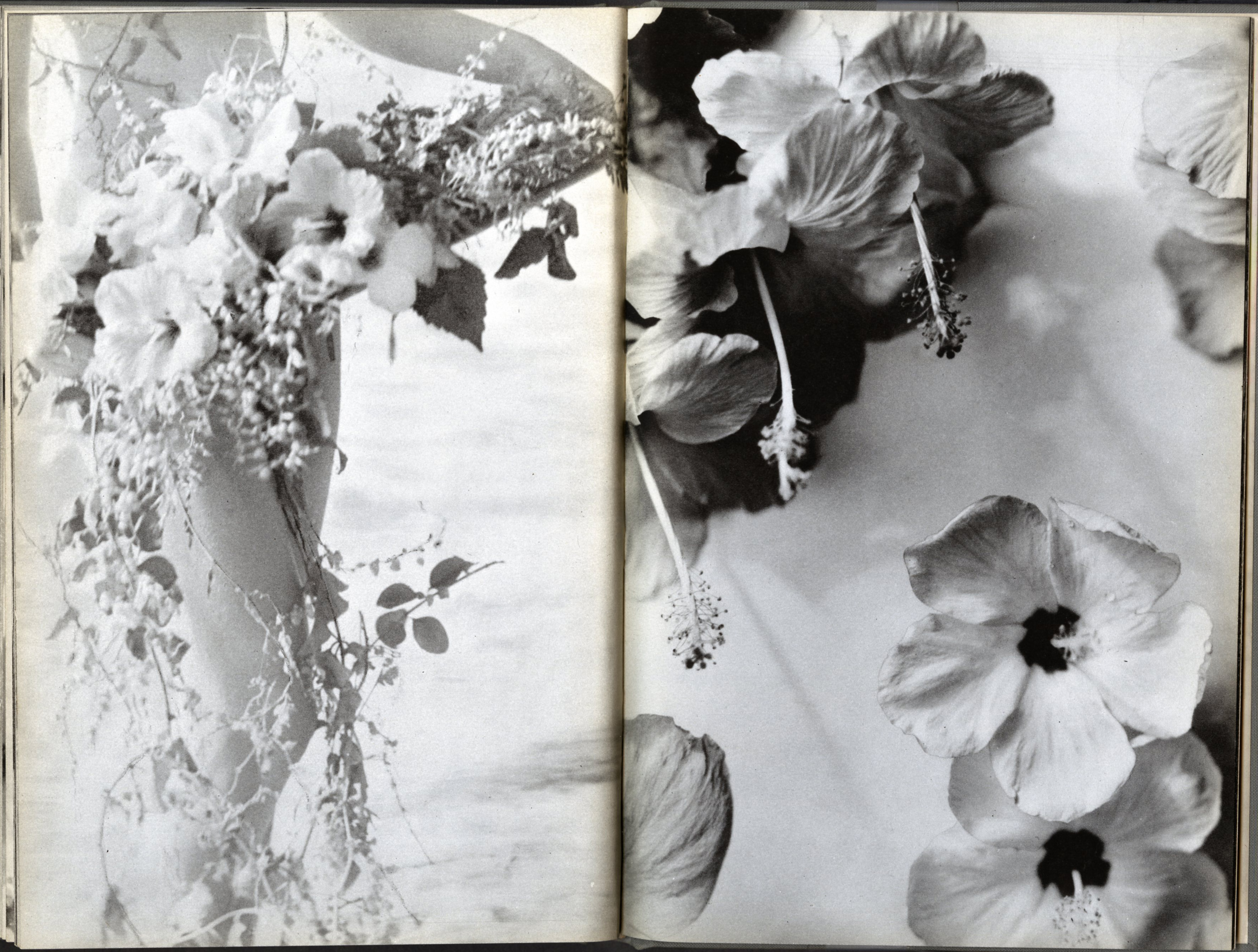

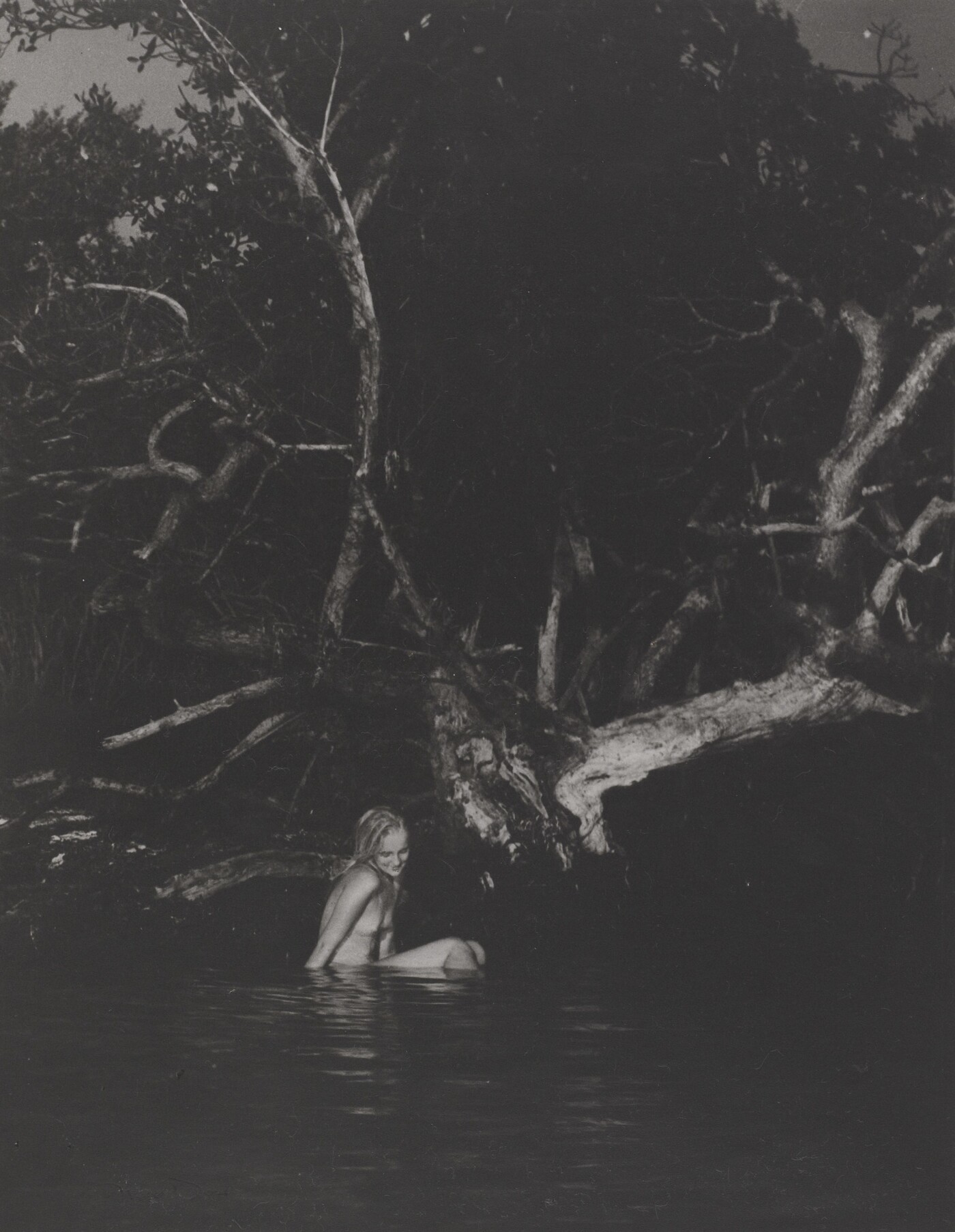
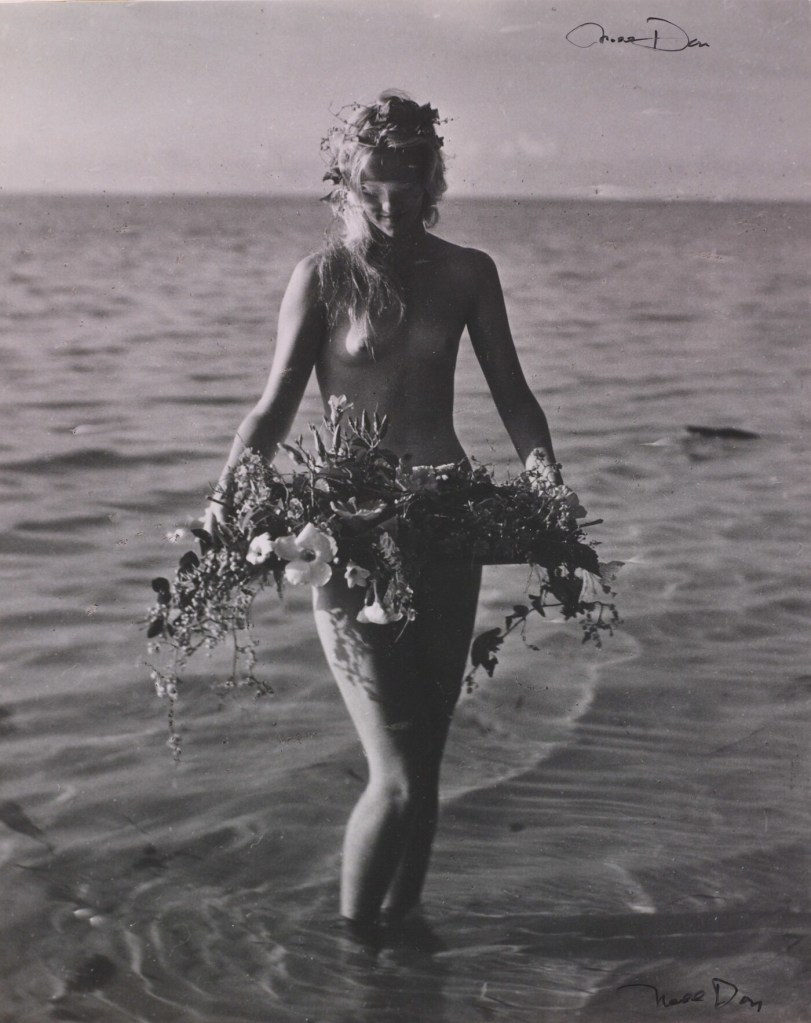
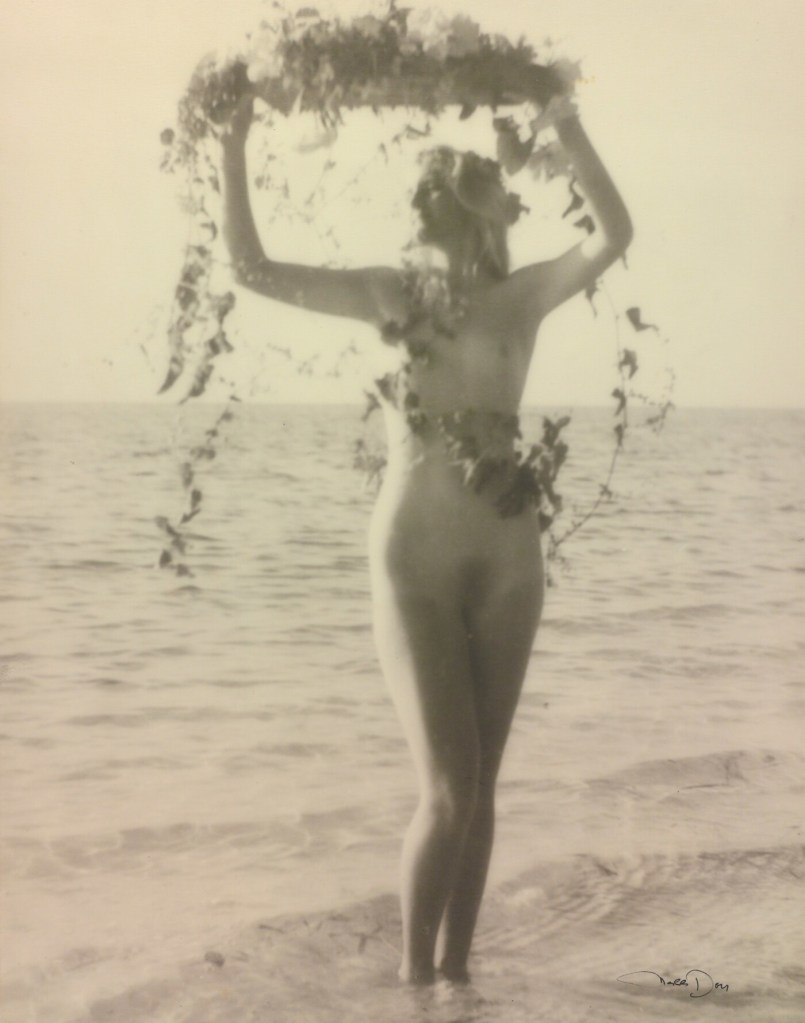
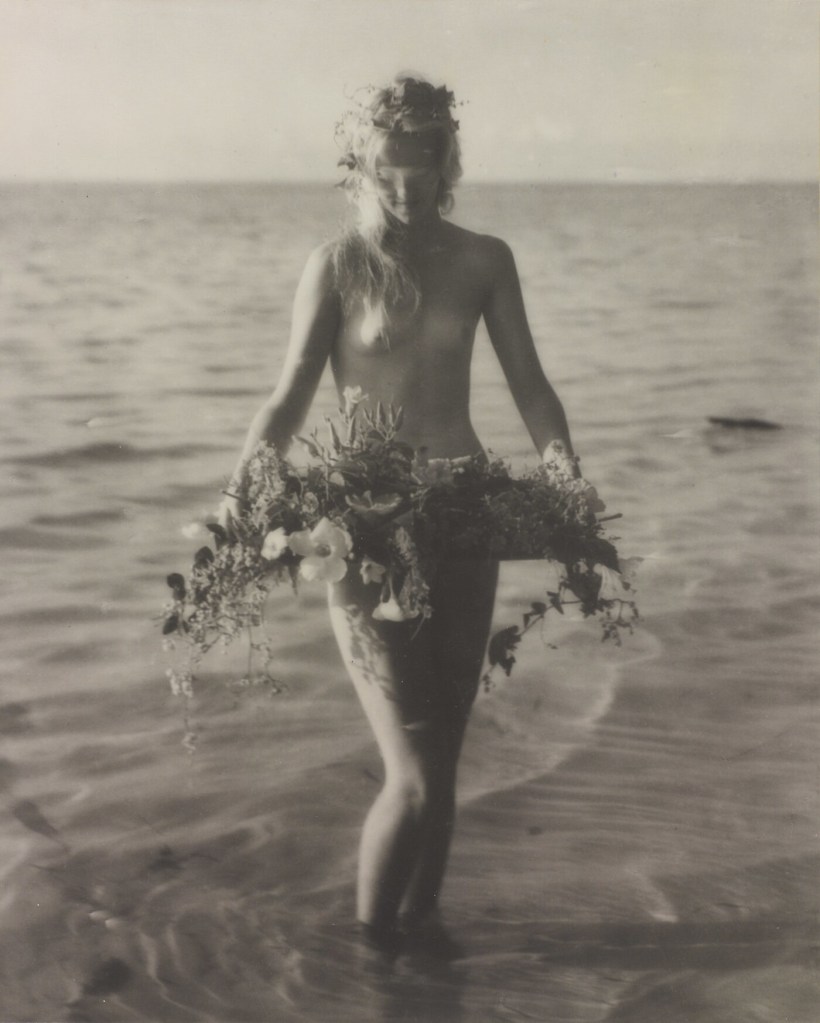
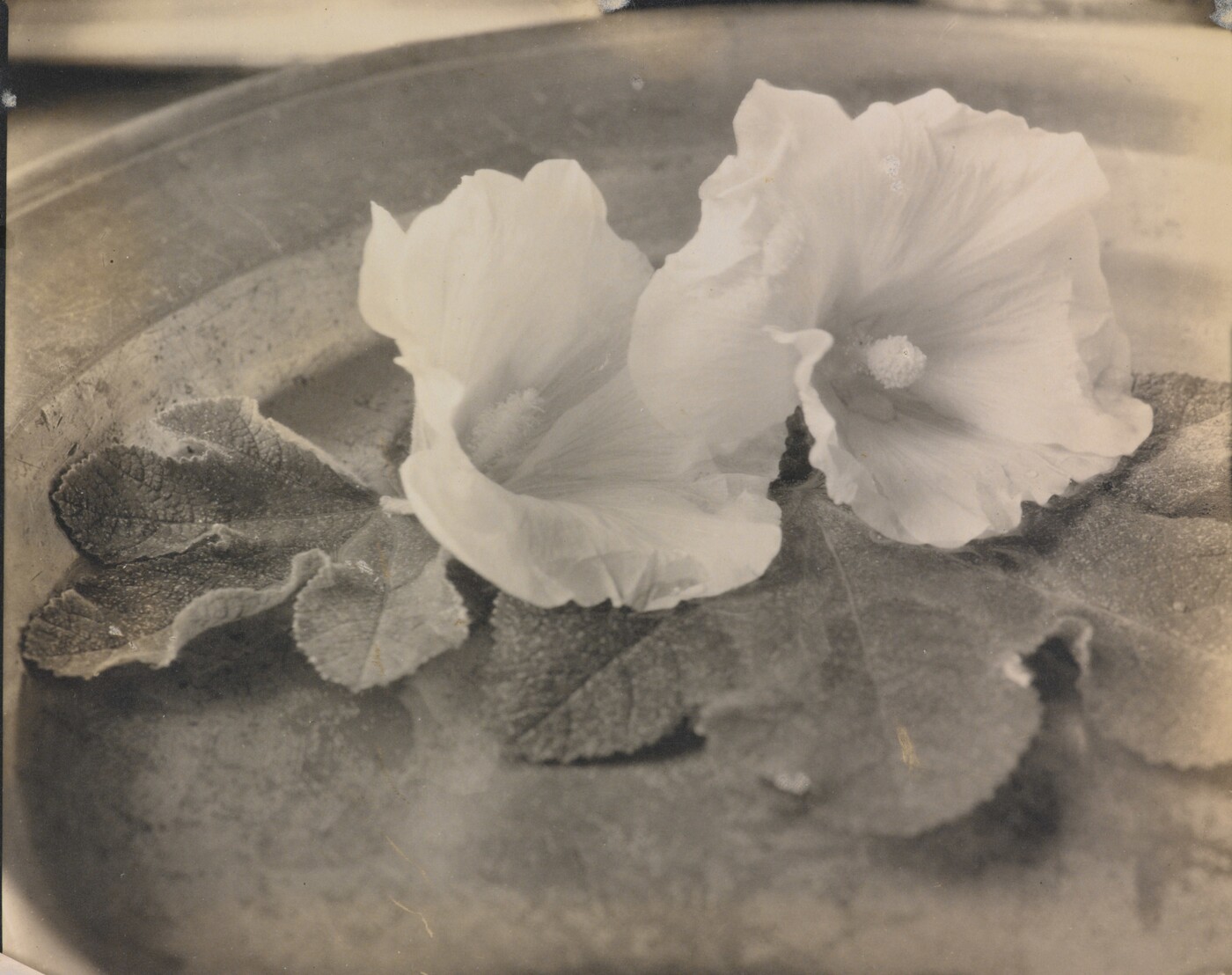
In a blue moon combines dream-like images of nude women with close-up and abstracted images of flowers. The narrative of this photo-novella is the transition into adulthood. The effect of this book is that something that has so much potential to be lame – pictures of girls, pictures of flowers, girls and flowers and girls with flowers in their hair – actually comes across as being quite profound and unashamedly beautiful. Nell Dorr photographed with a Rollei camera only ever using available natural light. The simplicity of her approach did not necessarily mean simplicity in the results that she achieved. Her imagery is filled with amazing abstract constructions and her portraits have an almost primal quality. Her photographs are the autobiographical work of a strong and sensitive woman who created an internal place where beauty and truth could still flourish. [quoted from an article by Matthew Carson (Head Librarian & Archivist at the International Center of Photography) on Monsters & Madonnas]


content sources:
ICP · International Center of Photography
Monsters & Madonnas (ICP blog)



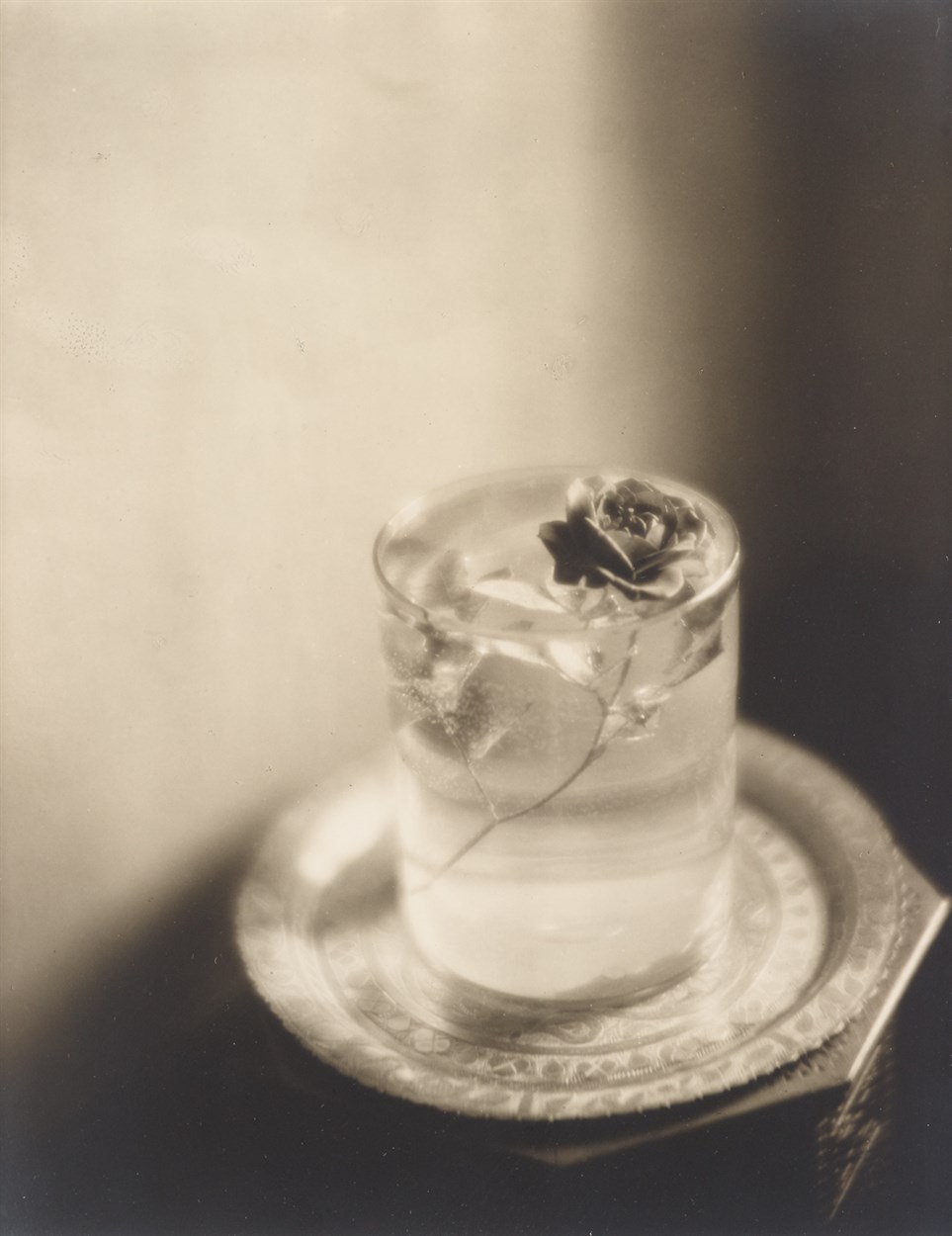
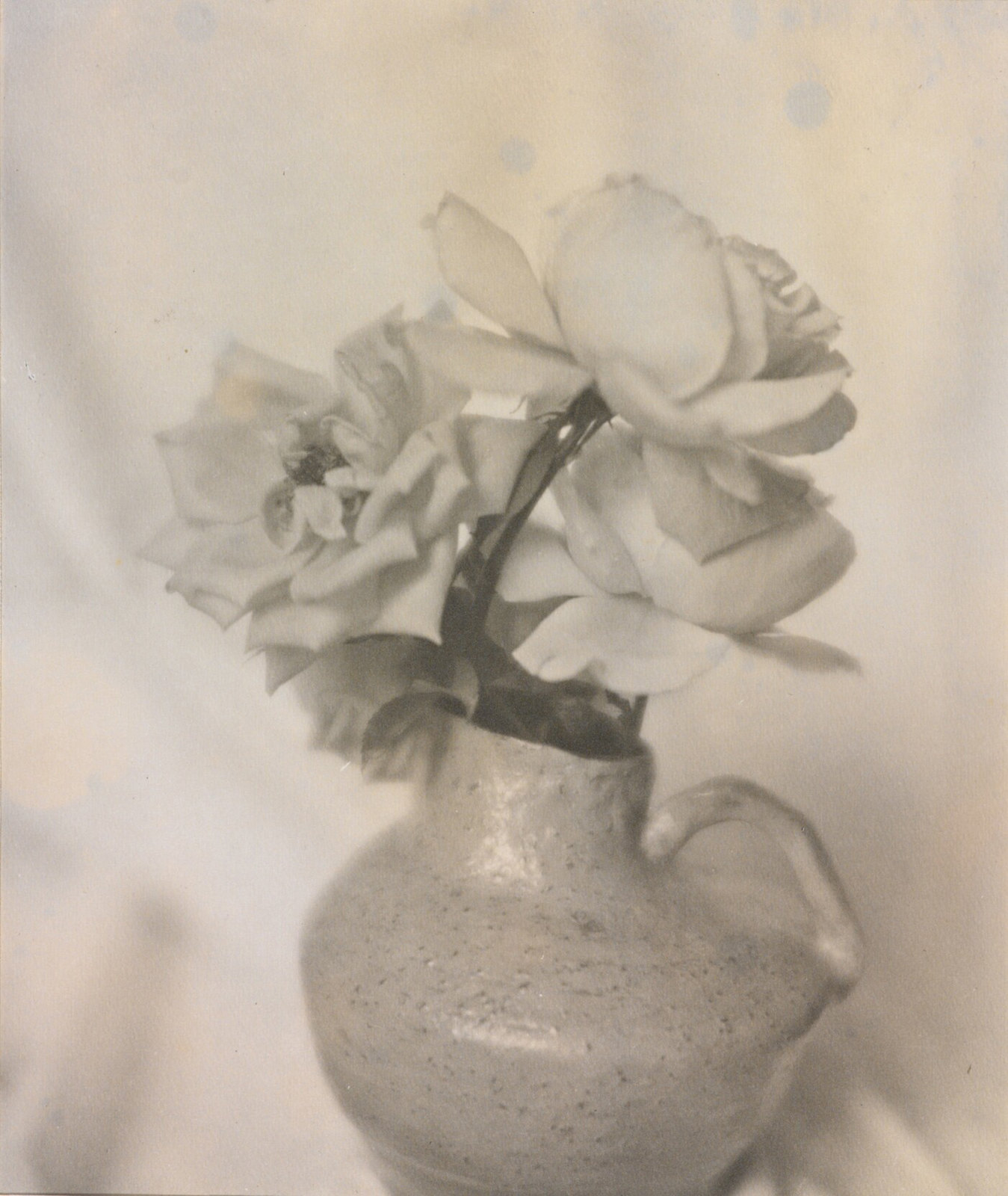
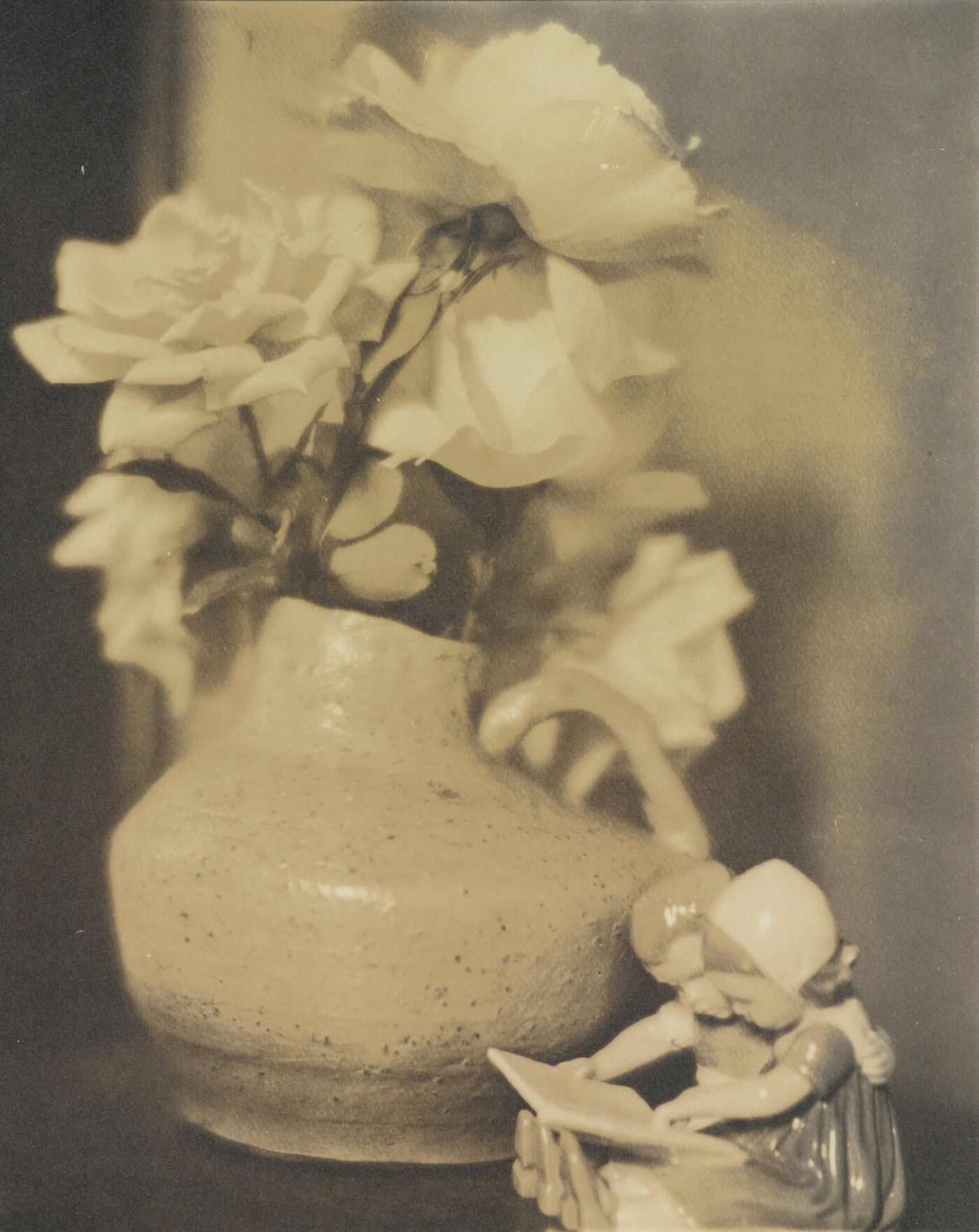
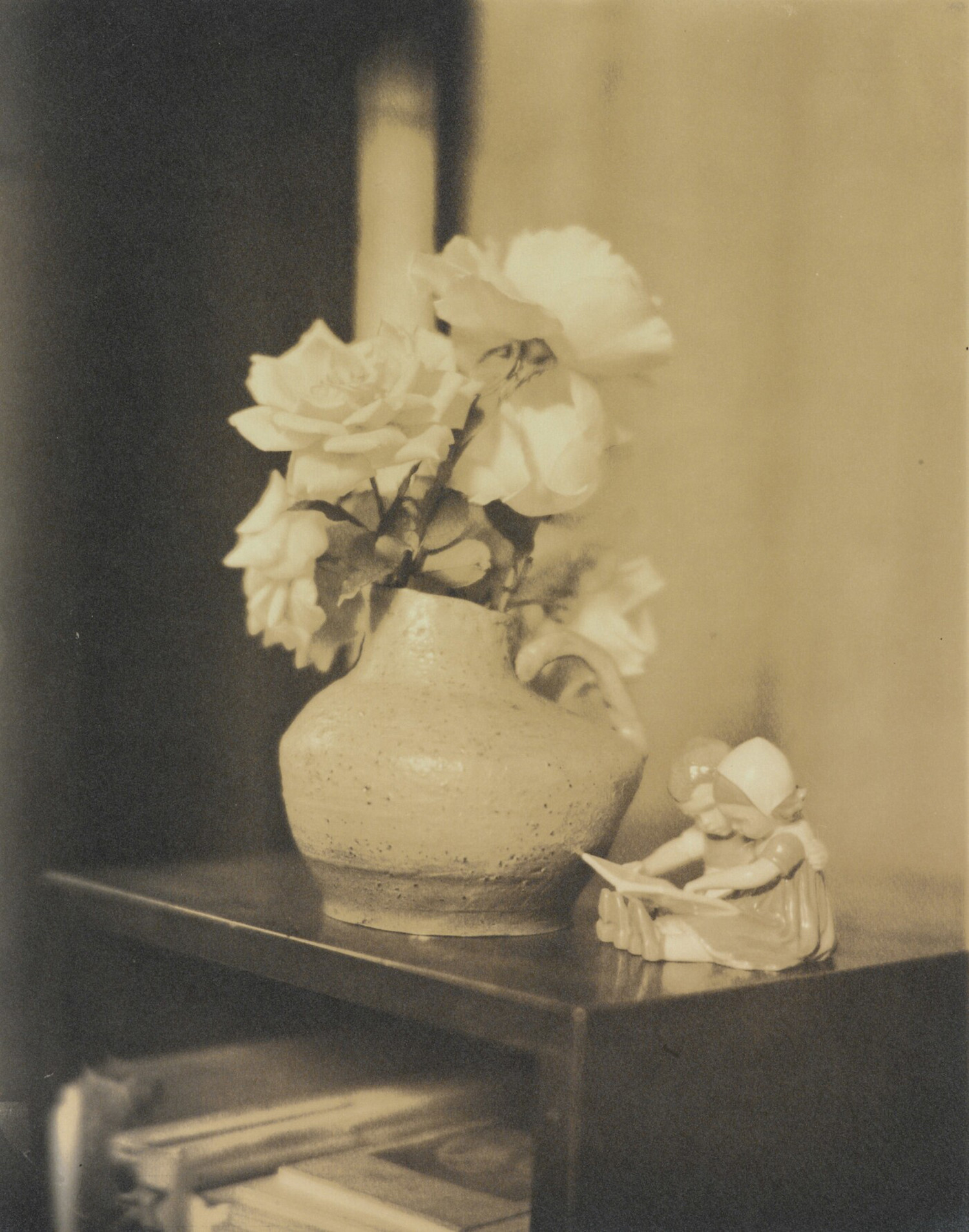




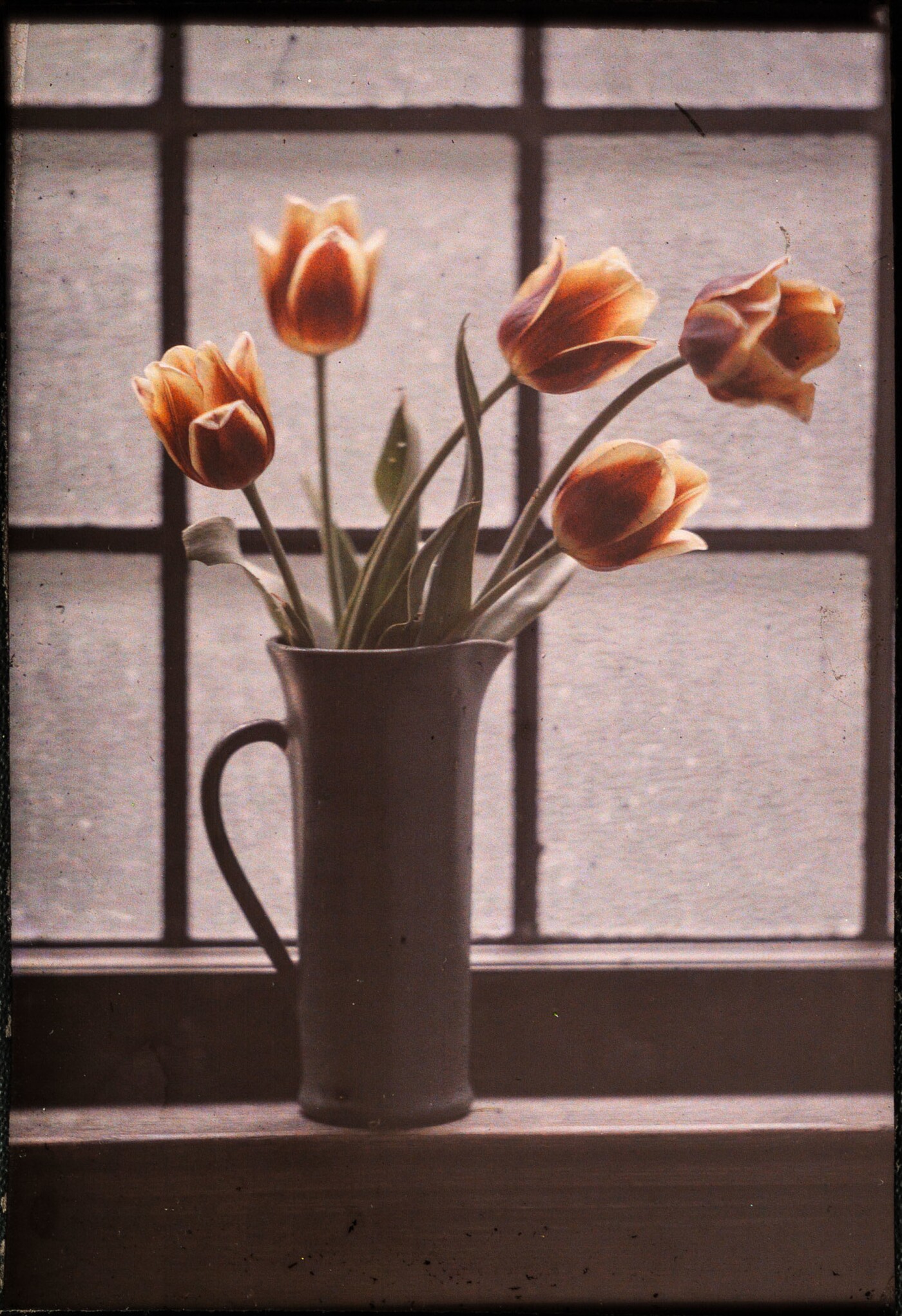

(*) Additive Color Screen Plate or Screen Plate were known commonly by the product name: Autochrome, Filmcolor, Lumicolor, Alticolor. Used mainly between 1907 and 1935. Initially it has a glass support; later products on film supports. This process was the first fully practical single-plate color process. The Autochrome plate or Screen plate could record both saturated and subtle colors with fidelity, and since the screen and the image were combined, there were no registration problems. Nonetheless, it had its drawbacks: the exposure times were long, and the processed plates were very dense, transmitting only less than the 10% of the light reaching them.
The result is a soft, subdued, dreamy colored image. And grainy. Although the starch grain filters were microscopically small their random distribution meant that inevitably there would be clumping of grains of the same color.
 un regard oblique