Watkins: design and modernity

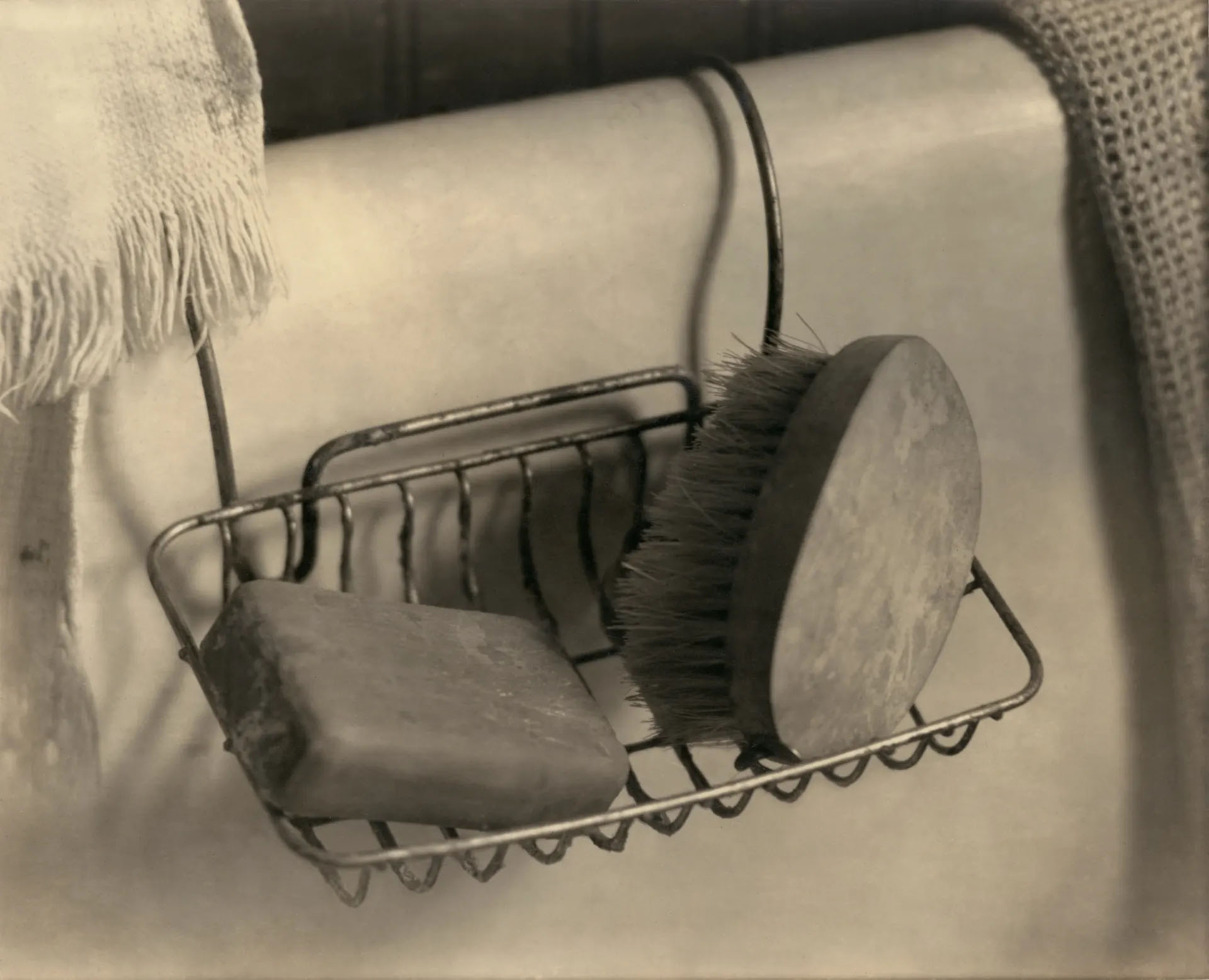
Margaret Watkins (1884-1969) ~ Still Life – Bathtub, New York, 1919 | src The Revolutionary Gaze at The Guardian
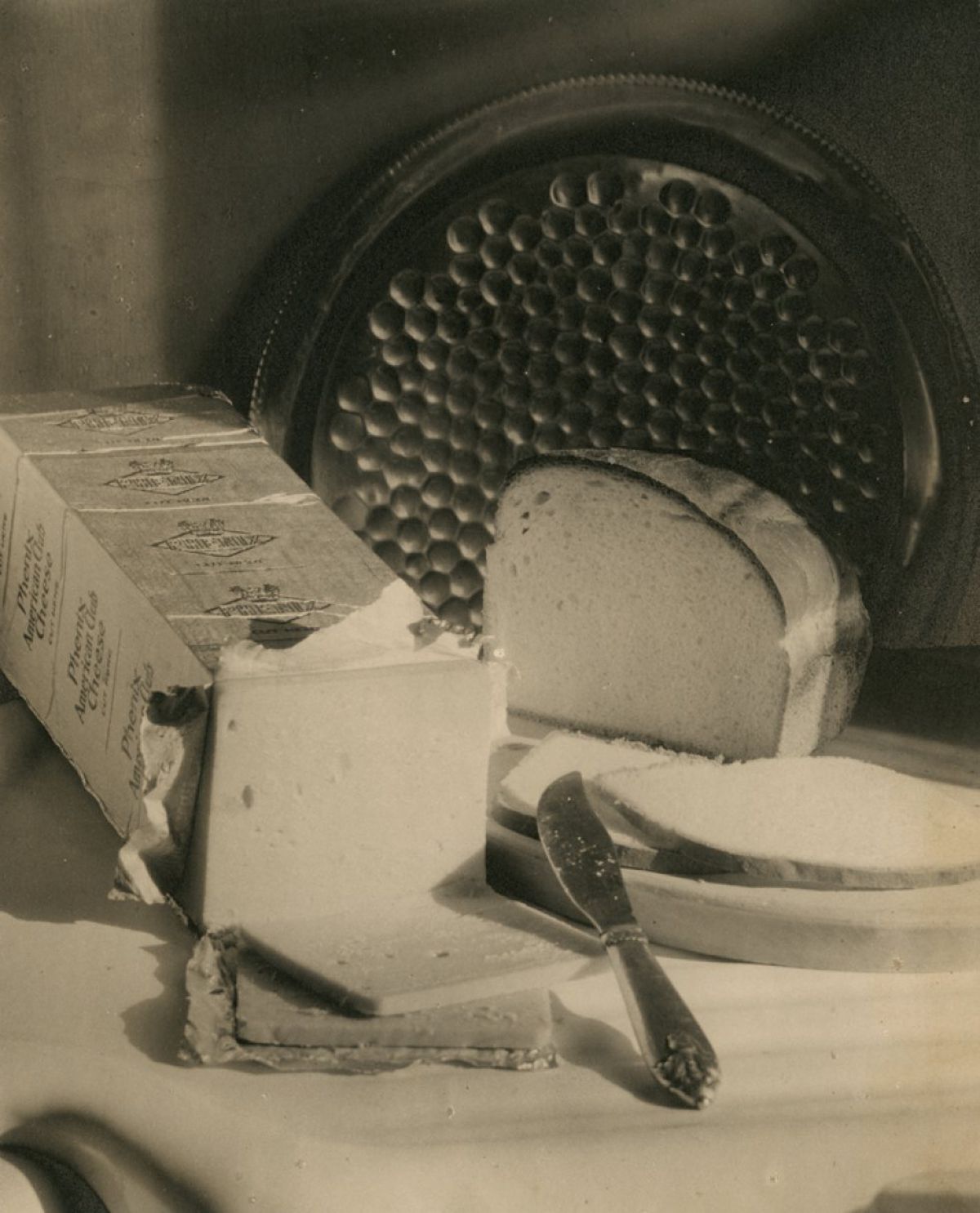
Margaret Watkins (1884-1969) ~ ‘Phenix Cheese’, 1924 | src El País Cultura
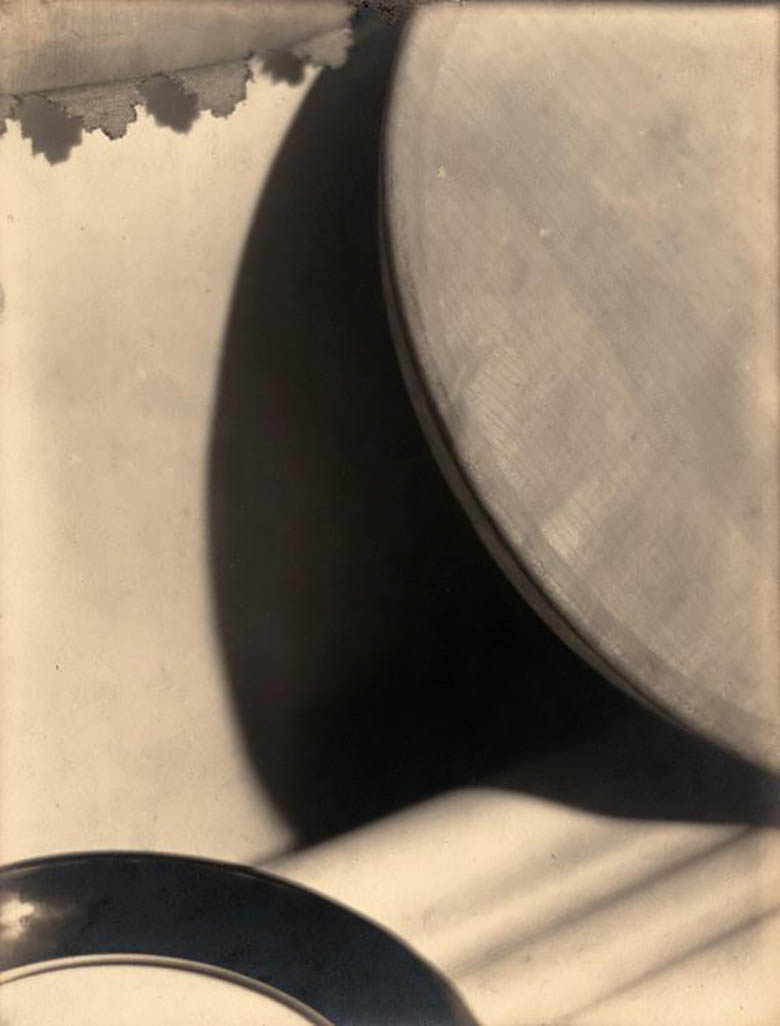
Margaret Watkins (1884-1969) ~ Lamp and Mirror, 1924 | src El País Cultura

Watkins was likely influenced by Arthur Wesley Dow, a Columbia University professor of fine arts who was closely associated with the White school. Dow wrote about the beauty of compositions that use curved and straight lines, and alternating light and dark masses. Dow also promoted the ideas of Ernest F. Fenollosa, who believed that music was the key to the other fine arts since its essence was “pure beauty.” Watkins herself used music as a metaphor for visual patterning in an essay about the emergence of advertising photography out of painting: “Weird and surprising things were put upon canvas; stark mechanical objects revealed an unguessed dignity; commonplace articles showed curves and angles which could be repeated with the varying pattern of a fugue.” / Quoted from: Margaret Watkins: Of Sight and Sound (National Gallery of Canada)
Margaret Watkins (1884-1969) ~ Design – Curves, 1919 | src The Nelson-Atkins Museum of Art

Margaret Watkins was a student at The Clarence H. White School of Photography in New York City.  The school emphasized the principles of design that were common to all modes of artistic expression.  This aesthetic, as seen here, resulted in works that merge realism and abstraction. Watkins received particular praise for her artistic transformation of the most common things: in this instance, the contents of her kitchen sink. / Quoted from The Nelson-Atkins Museum (x)
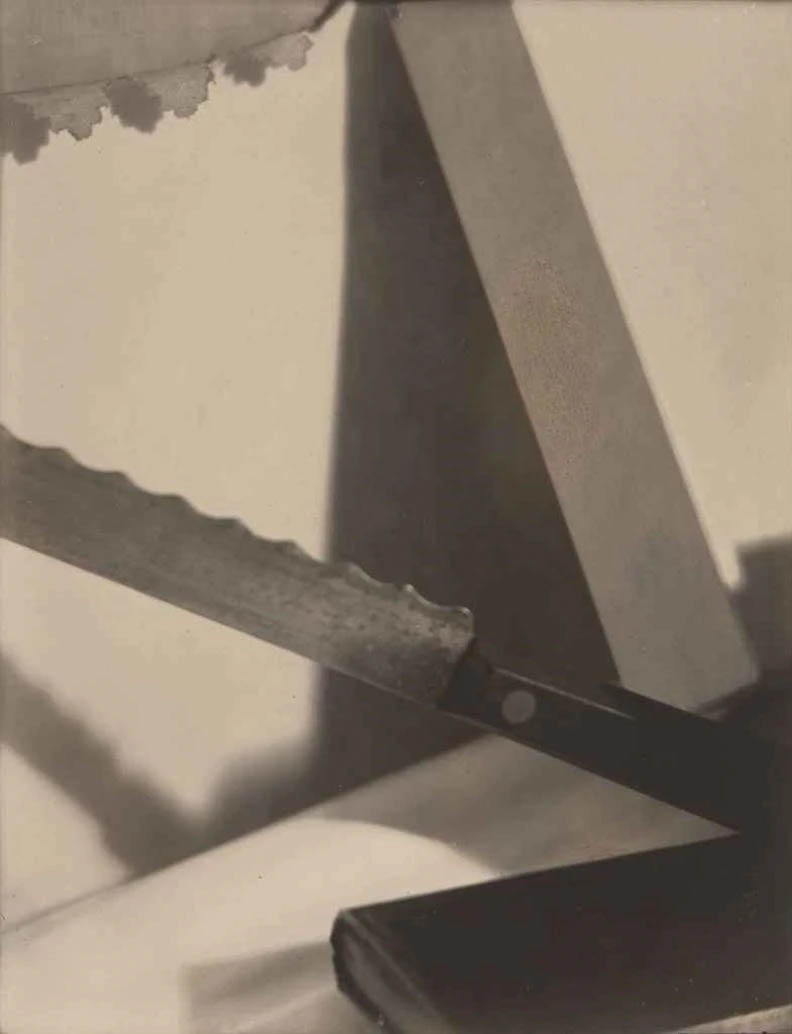
Margaret Watkins (1884-1969) ~ Design – Angles, 1919 | src MutualArt
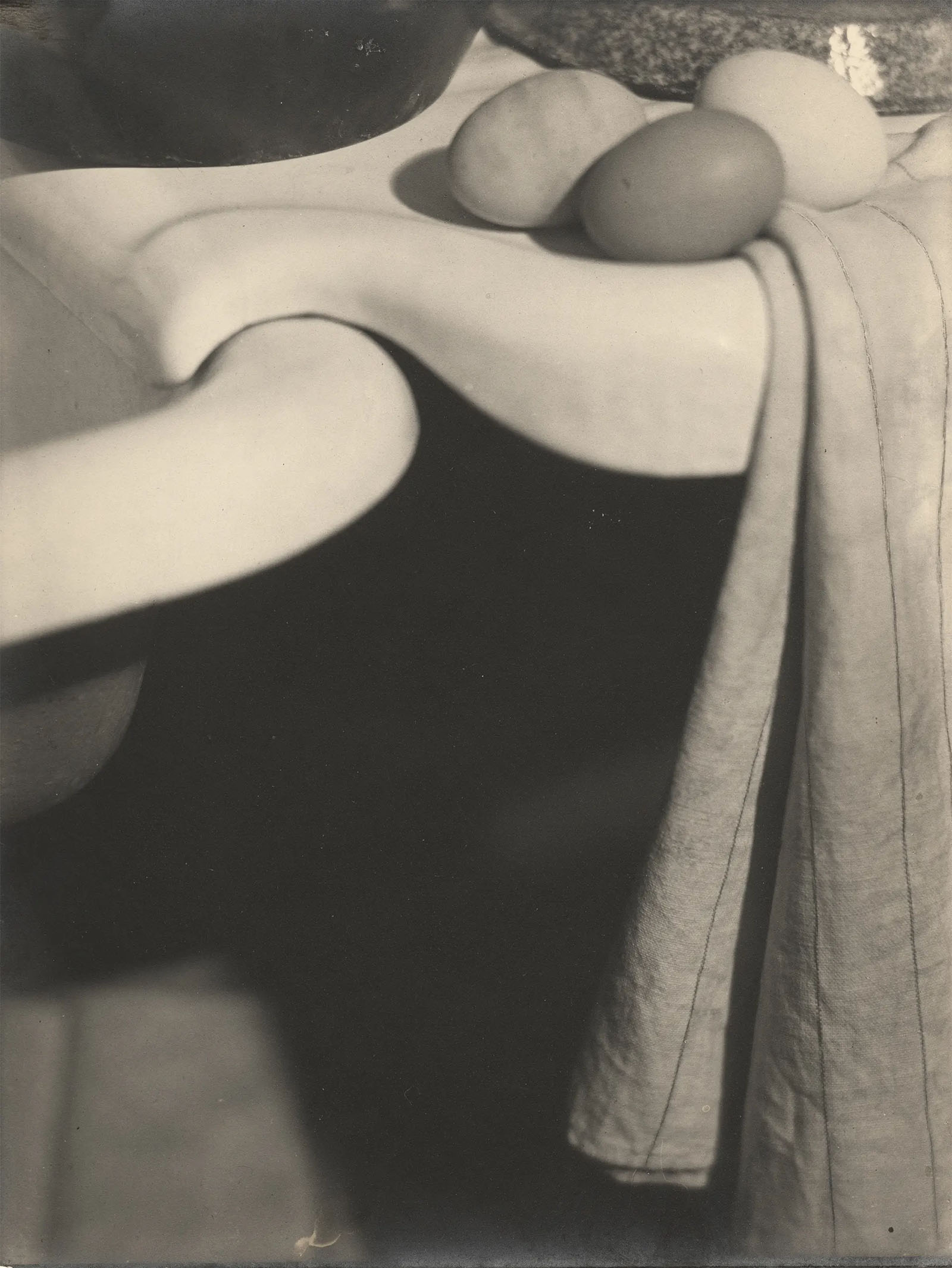
Margaret Watkins (1884-1969) ~ Domestic Symphony, (1919), palladium print | src Of Sight and Sound at NGC

In 1919 Watkins made her first ground-breaking domestic still lifes, taking as her subject such mundane scenes as a kitchen sink and bathroom fixture. In Domestic Symphony, the graceful curve of the porcelain recalls the fern-like scroll of a violin. Again, the composition is striking: the lower three-quarters of the image is in darkness, anchoring the forms and volumes in the upper portion. / Quoted from: Margaret Watkins: Of Sight and Sound (National Gallery of Canada)

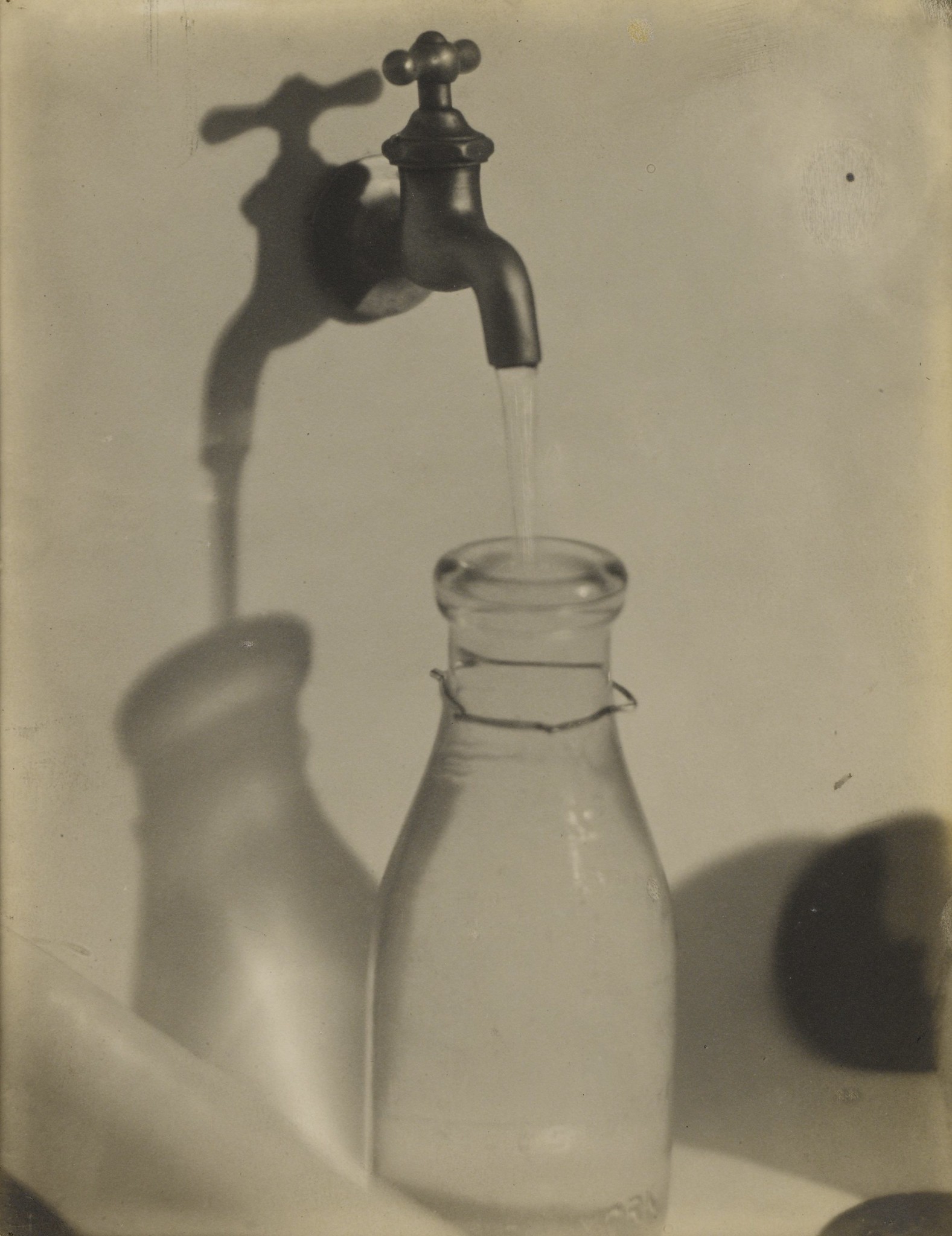
Watkins’ Domestic Symphonies

Margaret Watkins (1884-1969) ~ The Kitchen Sink, New York, 1919. | src Artland magazine
Margaret Watkins (1884-1969) ~ Untitled (Milk bottle in sink), 1923. Platinum / palladium print | src Sotheby’s
Margaret Watkins (1884-1969) ~ The Kitchen Sink, 1919. From Domestic Symphonies (2014) at M(M)A

Watkins was likely influenced by Arthur Wesley Dow, a Columbia University professor of fine arts who was closely associated with the White school. Dow wrote about the beauty of compositions that use curved and straight lines, and alternating light and dark masses. Dow also promoted the ideas of Ernest F. Fenollosa, who believed that music was the key to the other fine arts since its essence was “pure beauty.” Watkins herself used music as a metaphor for visual patterning in an essay about the emergence of advertising photography out of painting: “Weird and surprising things were put upon canvas; stark mechanical objects revealed an unguessed dignity; commonplace articles showed curves and angles which could be repeated with the varying pattern of a fugue.”

Margaret Watkins (1884-1969) ~ Domestic Symphony, New York, 1919 | src The Guardian

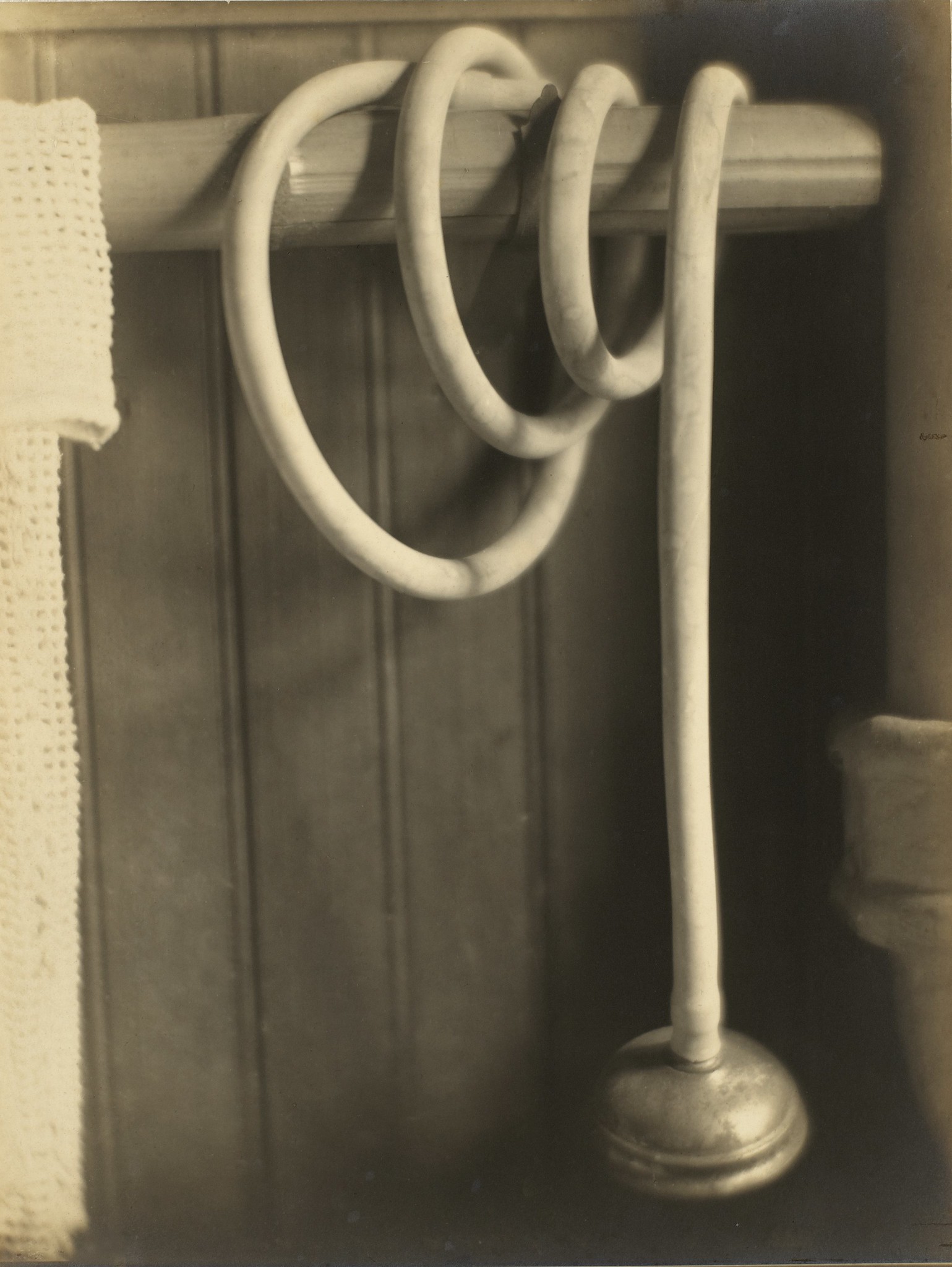
In 1919 Watkins made her first ground-breaking domestic still lifes, taking as her subject such mundane scenes as a kitchen sink and bathroom fixture. In Domestic Symphony, the graceful curve of the porcelain recalls the fern-like scroll of a violin. Again, the composition is striking: the lower three-quarters of the image is in darkness, anchoring the forms and volumes in the upper portion. Still Life — Shower Hose (1919) shows a rubber hose rhythmically looped around a towel rack.

Quoted from: Margaret Watkins: Of Sight and Sound (National Gallery of Canada)

Margaret Watkins (1884-1969) ~ Still Life – Shower Hose (1919); gelatin silver print. | src National Gallery of Canada
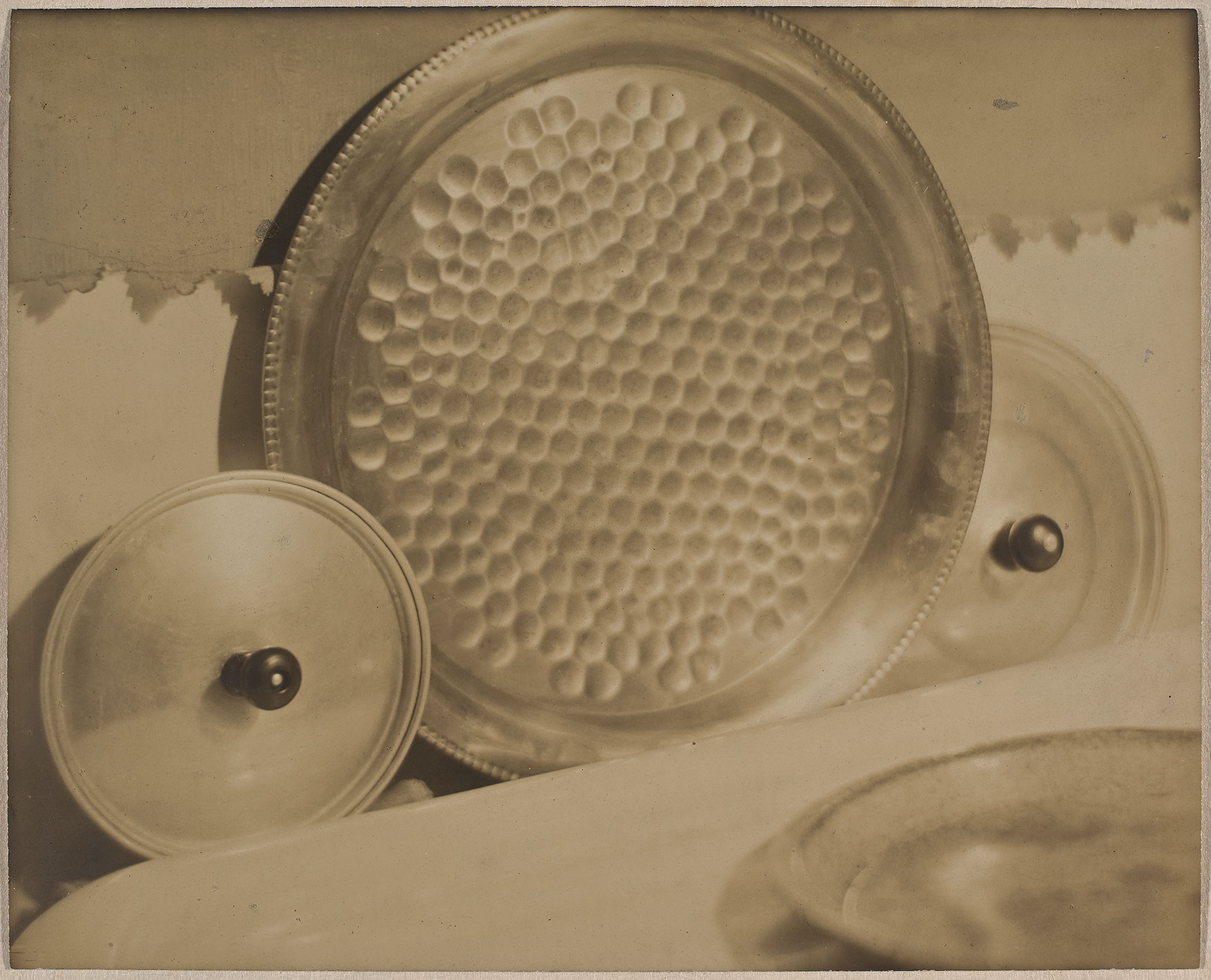
Margaret Watkins (1884-1969) ~ Pan Lids, 1919; gelatin silver print. | src National Gallery of Canada
Margaret Watkins (1884-1969) ~ Domestic Symphony, (1919), palladium print | src Of Sight and Sound at NGC

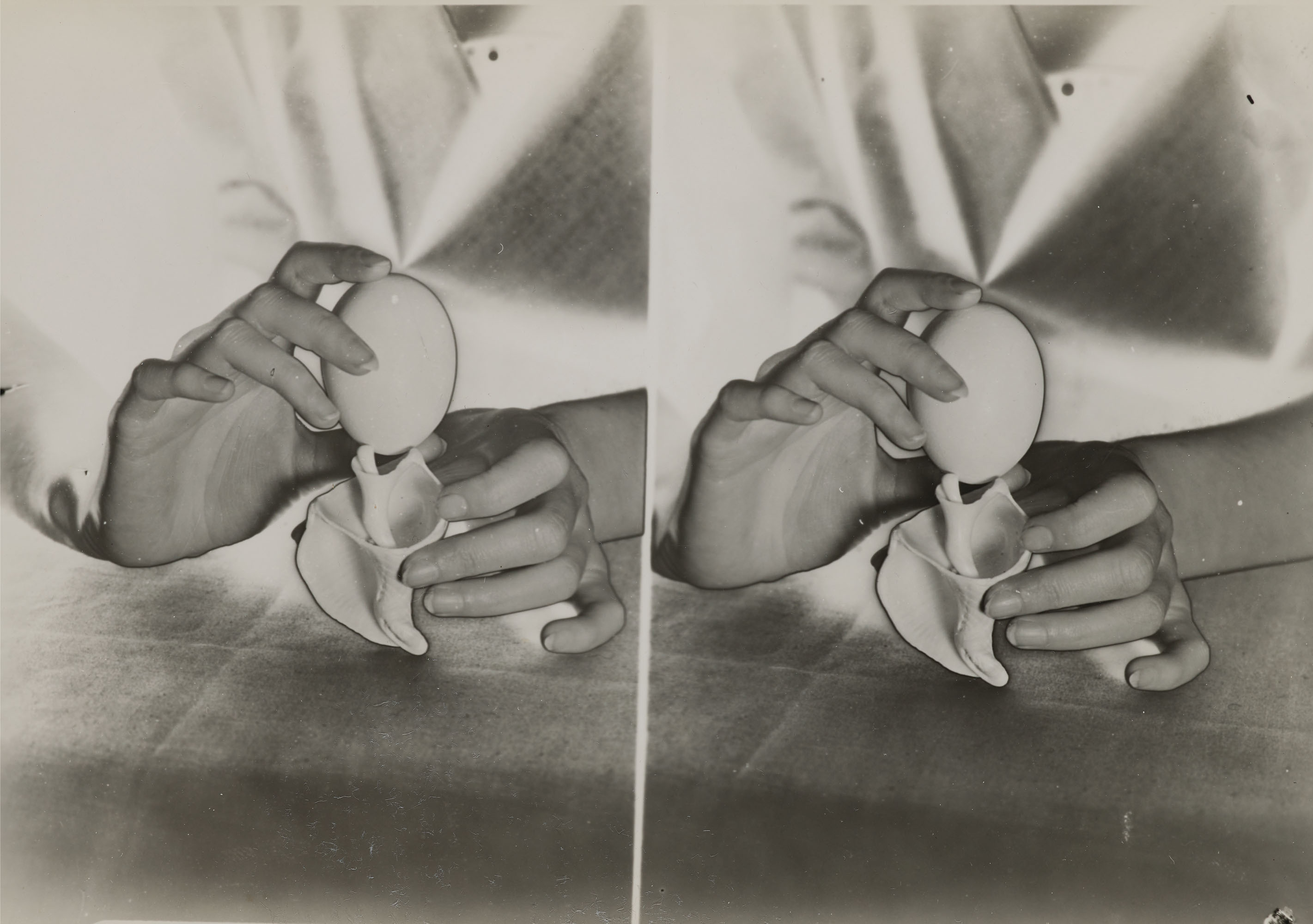
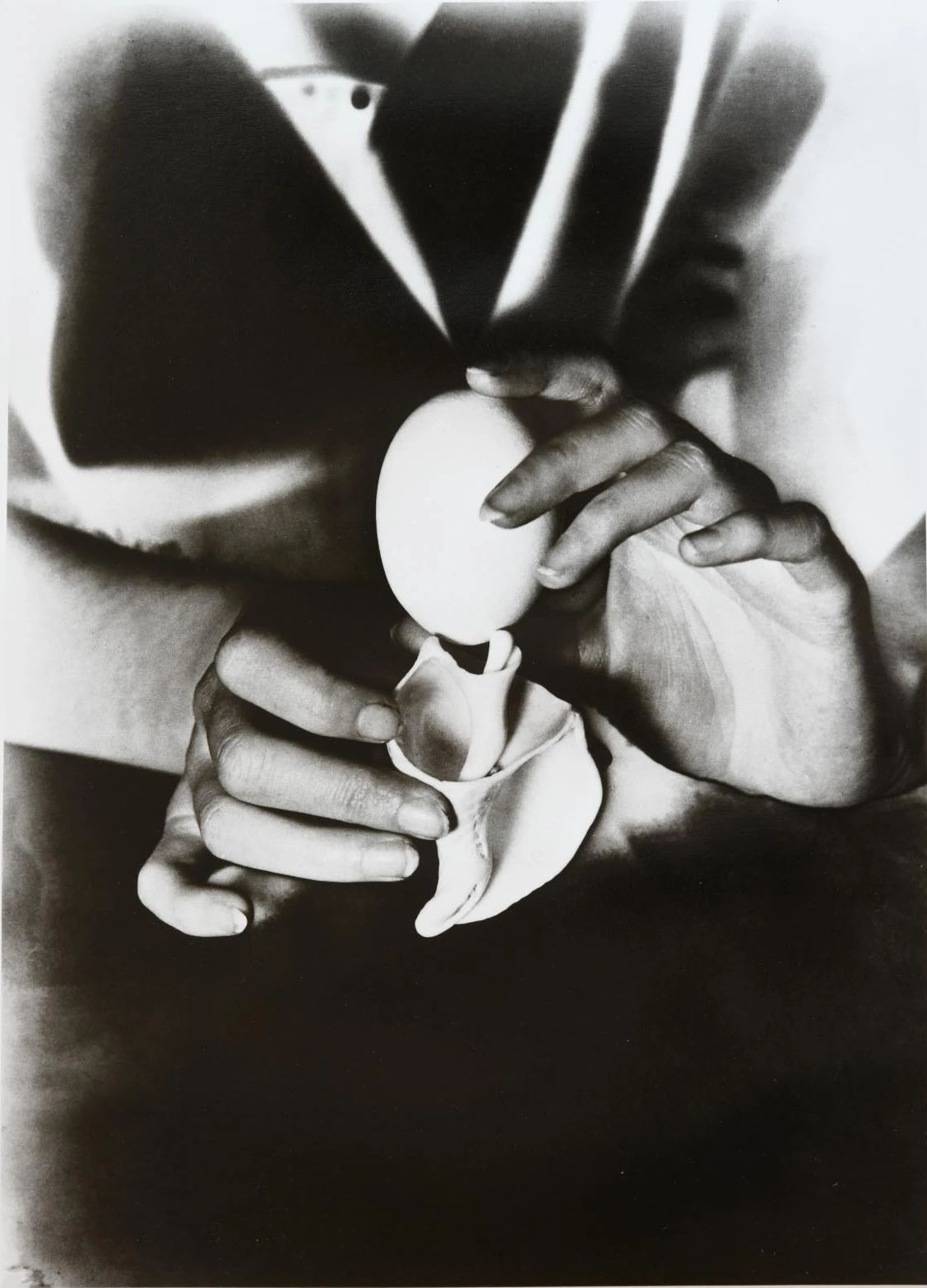
Egg and Shell by Man Ray

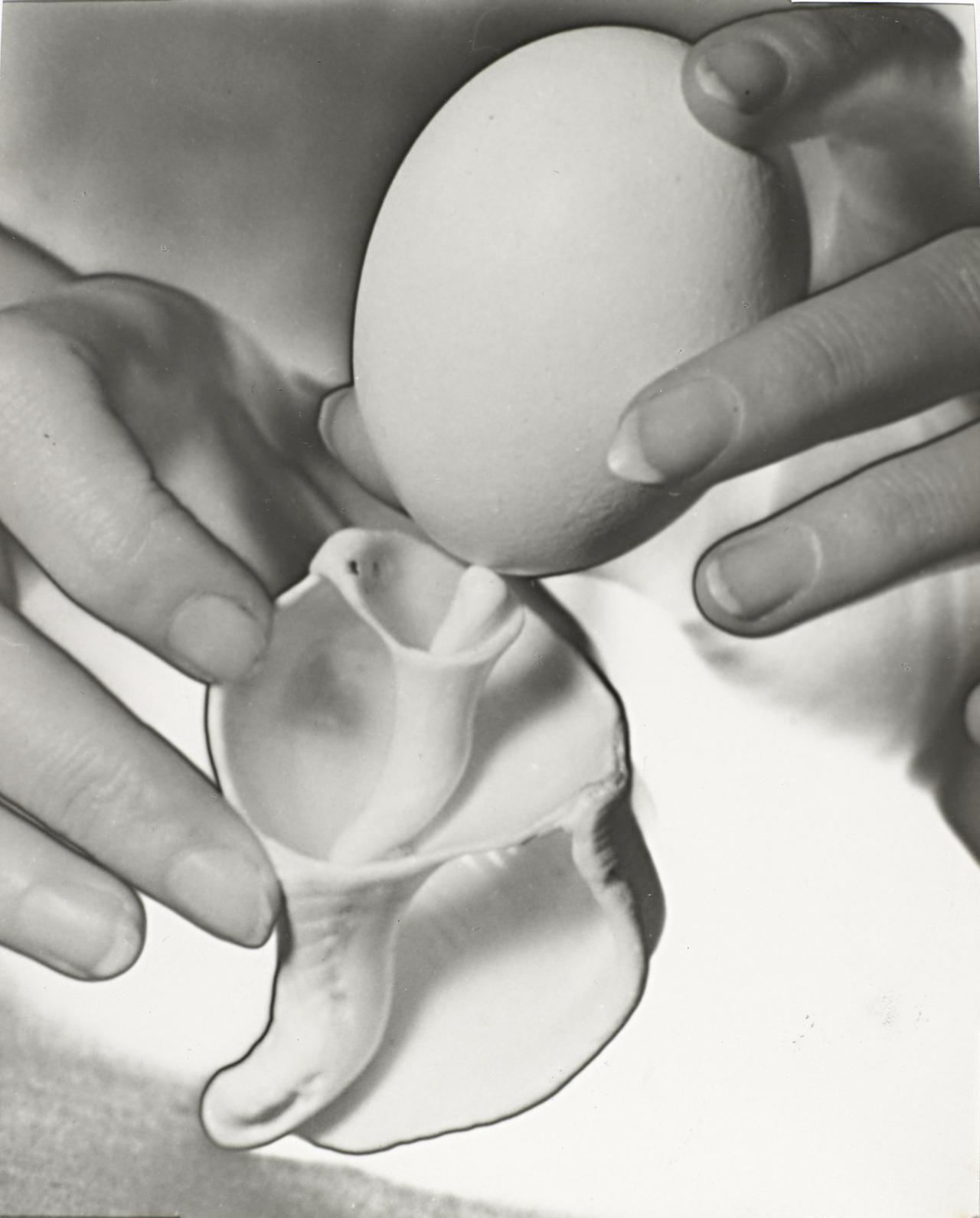
Man Ray (1890-1976) ~ The egg and the shell (L’œuf et le coquillage), 1931 | src NGV ~ National Gallery of Victoria
Man Ray (1890-1976) ~ Sans titre, ca. 1930. Solarized gelatin silver print, annotated ‘462’ in pencil (verso). Man Ray et les Surréalistes | src Christie’s auction 19833 03/2021
Man Ray (1890-1976) ~ The egg and the shell, 1931

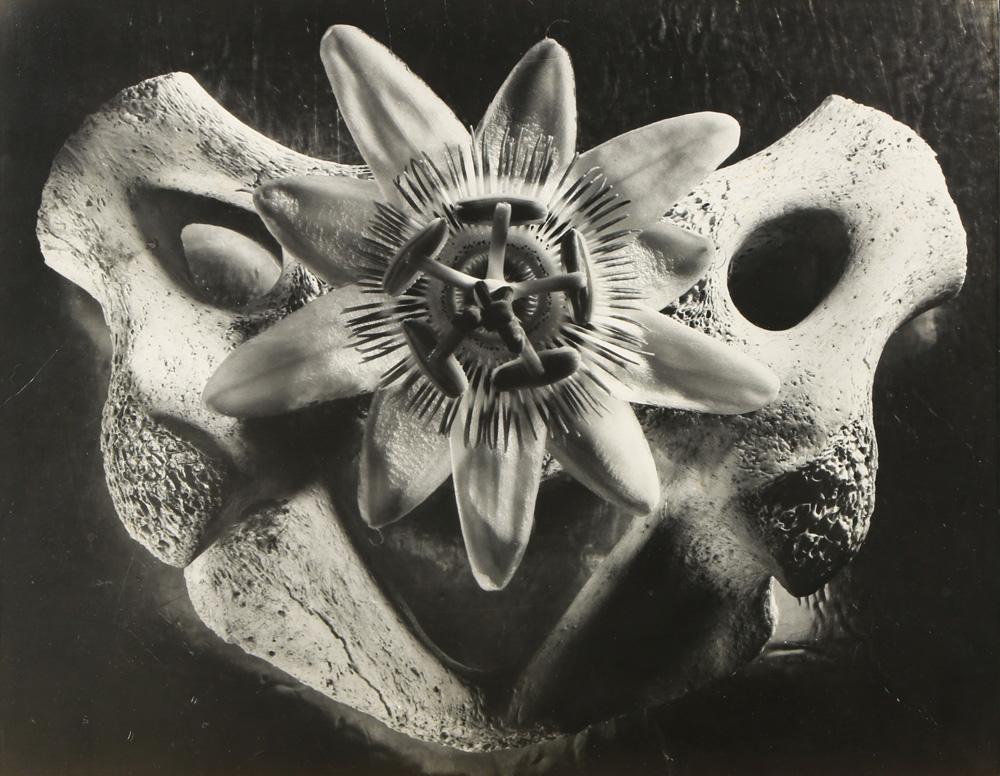
Bone and Passion Flower, 1957

Ruth Bernhard (1905–2006) ~ Bone and Passion Flower, 1957. Toned gelatin silver print. | src Princeton University Art Museum
Ruth Bernhard (1905–2006) ~ Bone and Passion Flower, 1957. Gelatin silver print. | src Princeton University Art Museum

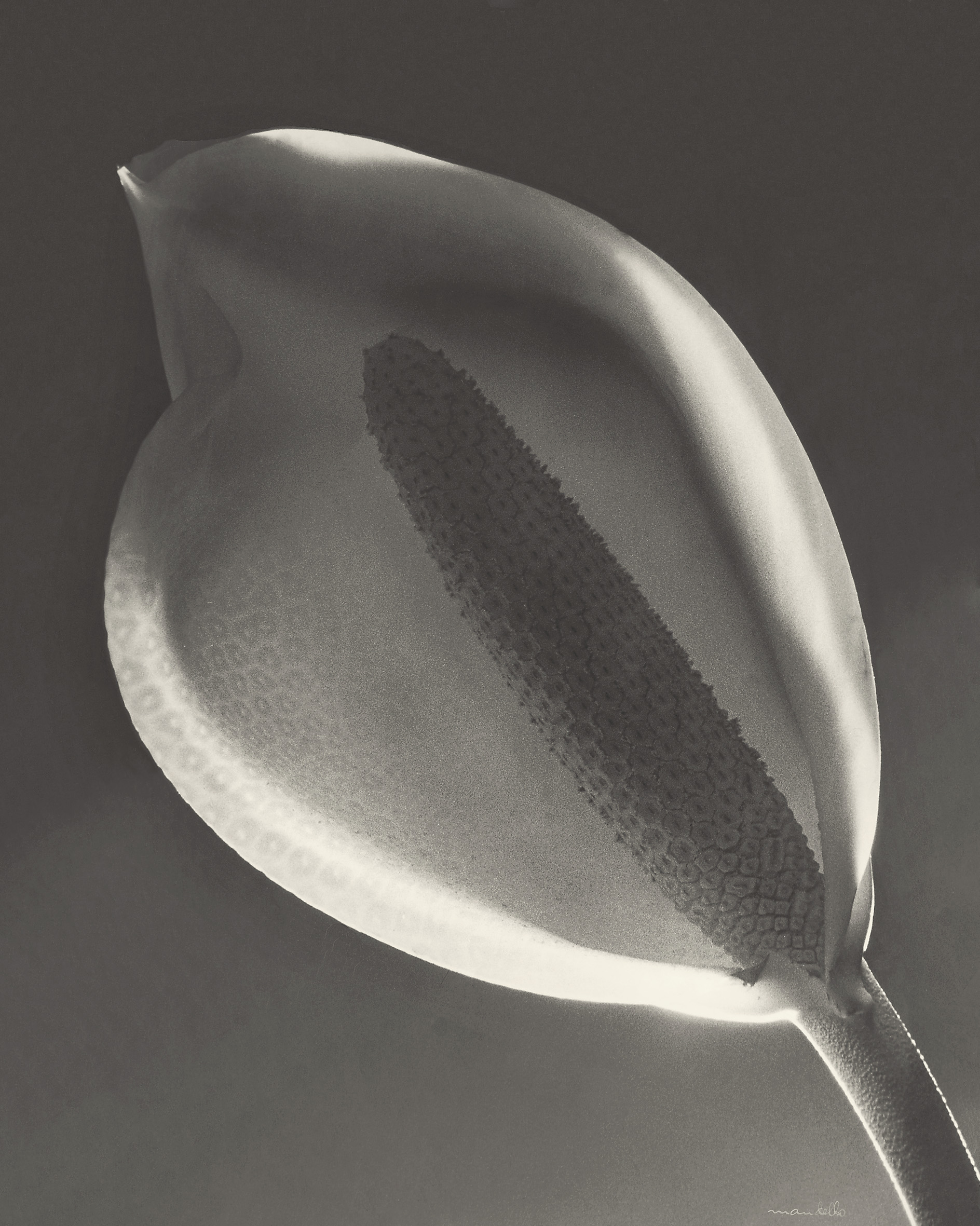
Jeanne Mandello · Still-lifes

Jeanne Mandello :: Cala (Solarization), Montevideo, 1943 | src Jewish Women’s Archive [JWA]
Jeanne Mandello :: Fotograma (Photogram), Montevideo, 1950 | src Jewish Women’s Archive [JWA]
Jeanne Mandello :: Bodegón (Still-life); solarization. | src Destiny Emigration at Das verborgene Museum

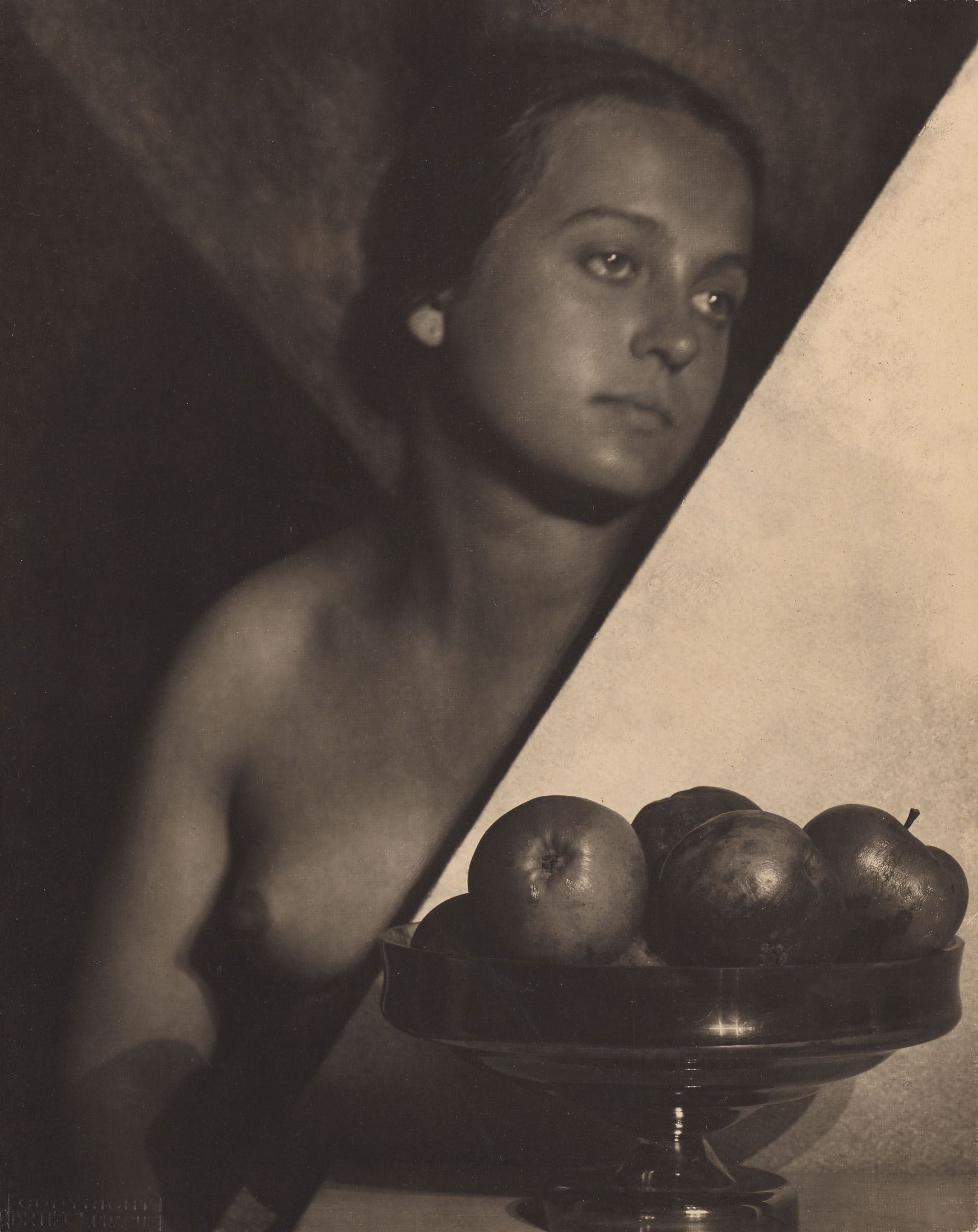
Nude with apples by Drtikol

František Drtikol (1883-1961) :: Untitled (Nude with Apples) (Akt mit Äpfeln), ca. 1925. Gelatin silver print. | src Grisebach Auktion 263 (2016) & LL/70693

Still-lifes by Lumiere Brothers

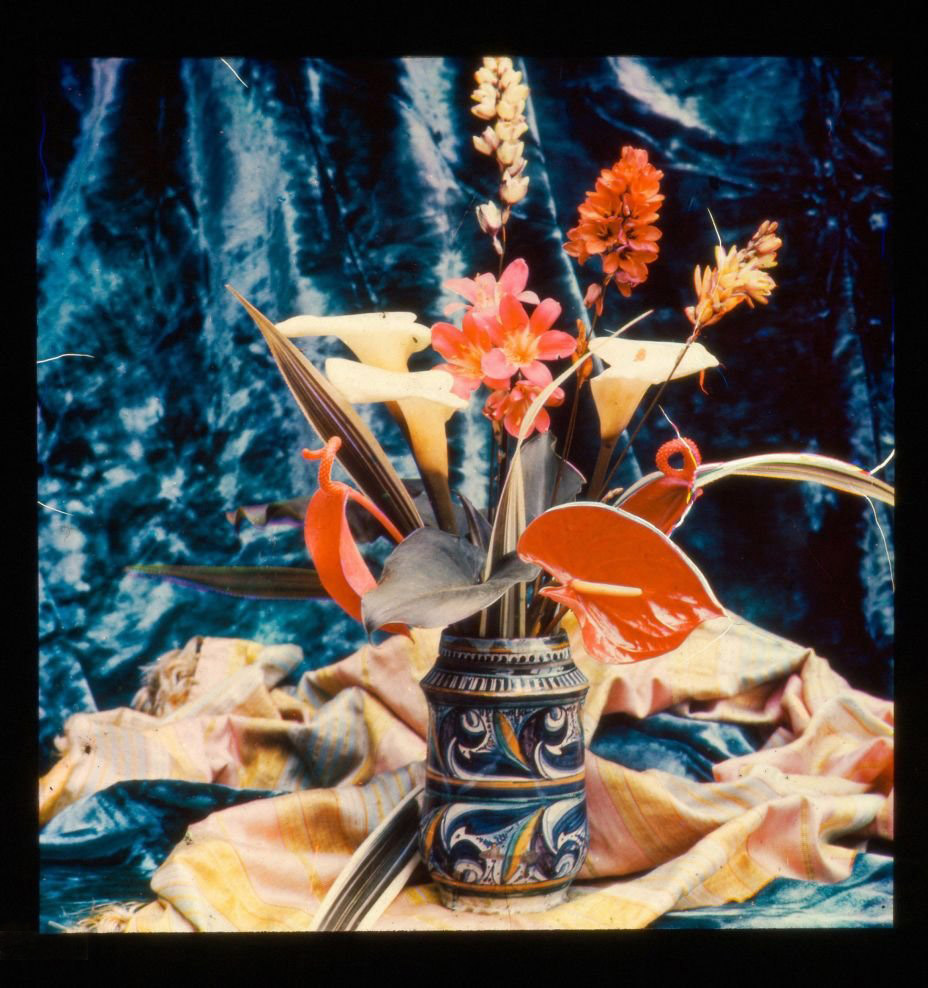
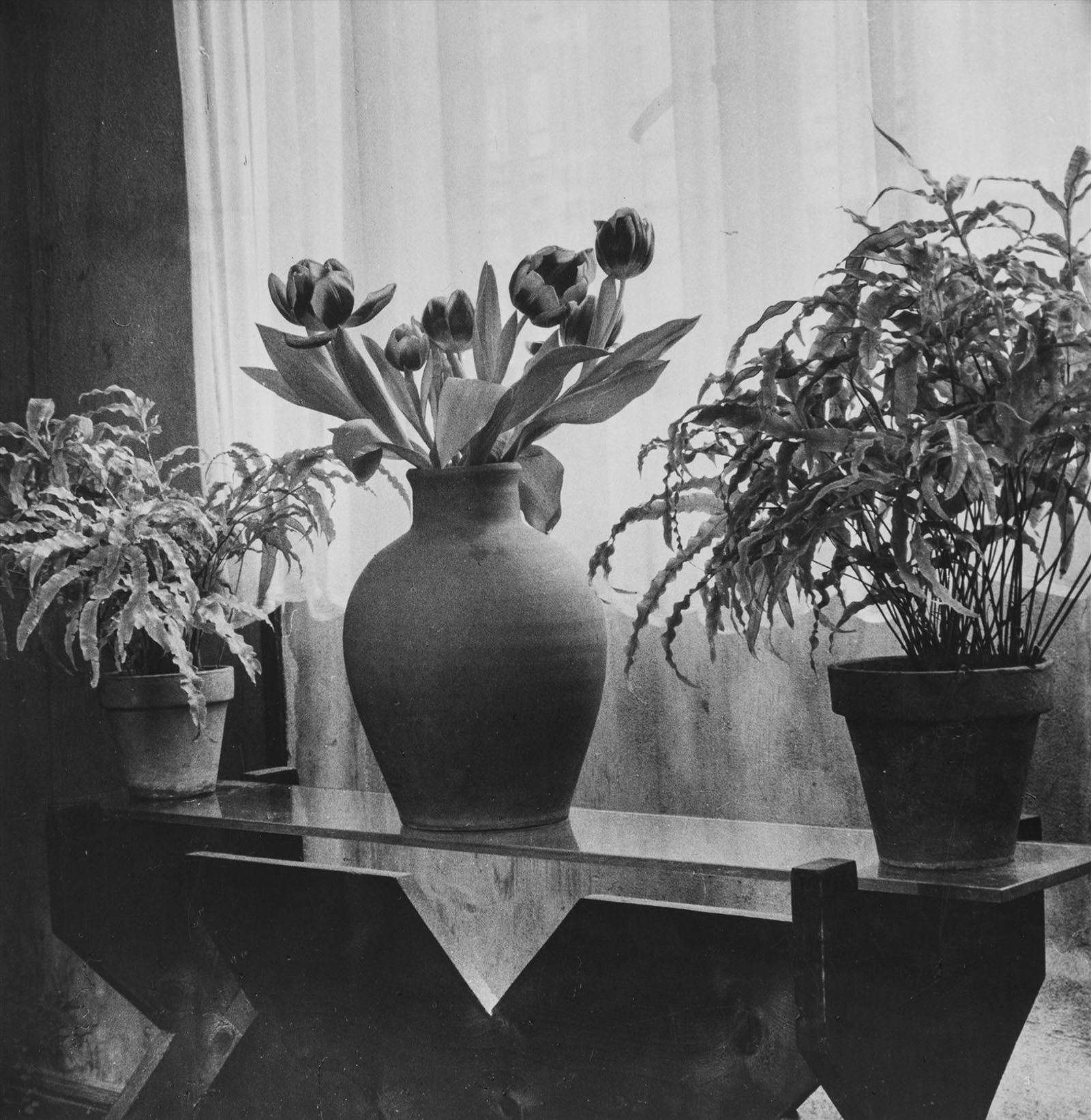
Auguste-Marie-Louis-Nicolas Lumière and Louis-Jean Lumière ~ Tulips, 1896-1903. Trichromie. Transparency. | src Getty Images
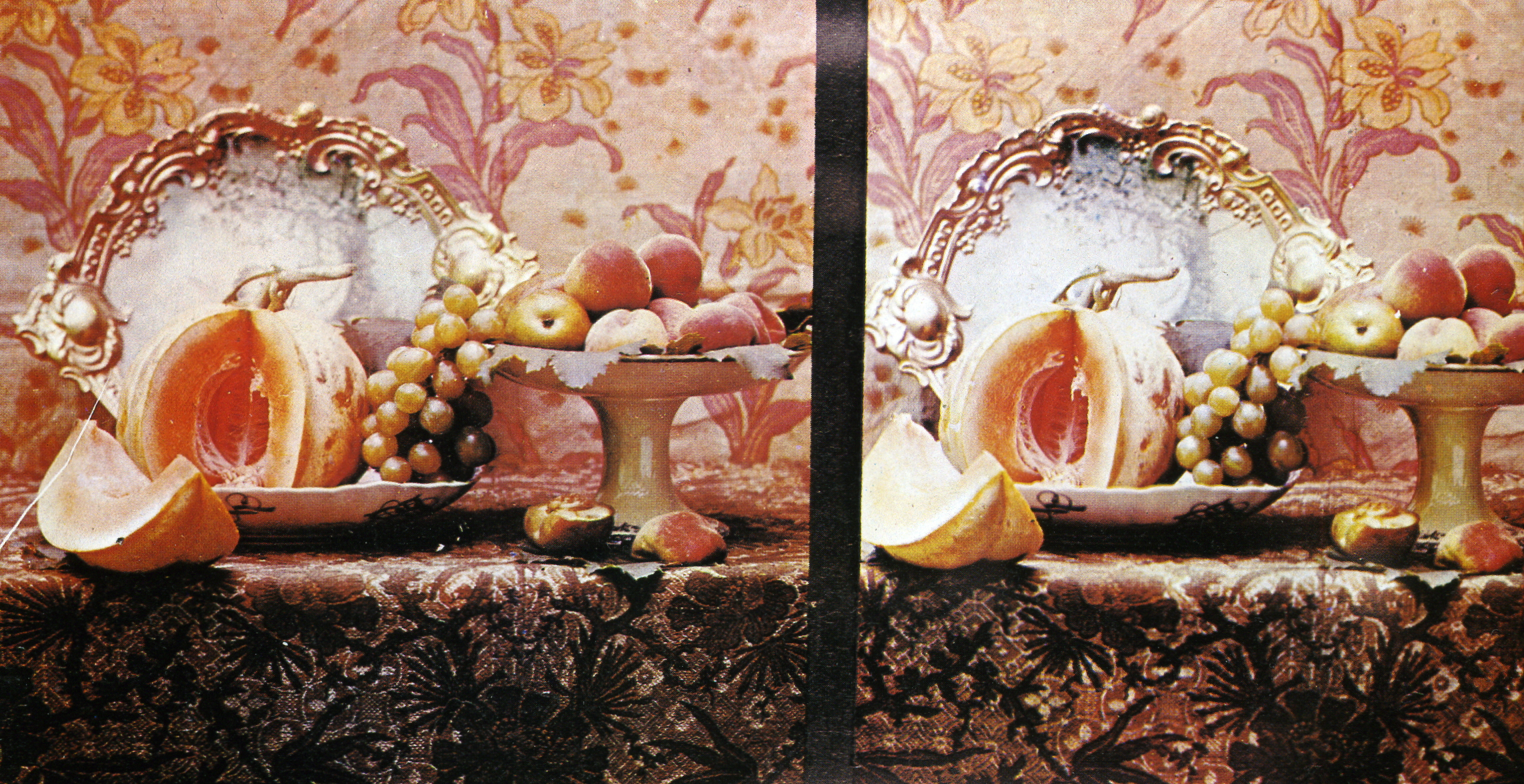
Auguste et Louis Lumière ~ Nature morte, stéréo à la gomme bichromatée sur verre. 1899-1900
Auguste et Louis Lumière ~ Nature morte, stéréo à la gomme bichromatée sur verre. 1899-1900 (Full stereo view)
Auguste-Marie-Louis-Nicolas Lumière and Louis-Jean Lumière ~ Still Life of Flowers in a Stein, 1896-1903. Trichromie. Transparency. | src Getty Images

Narcissus by Laura Gilpin

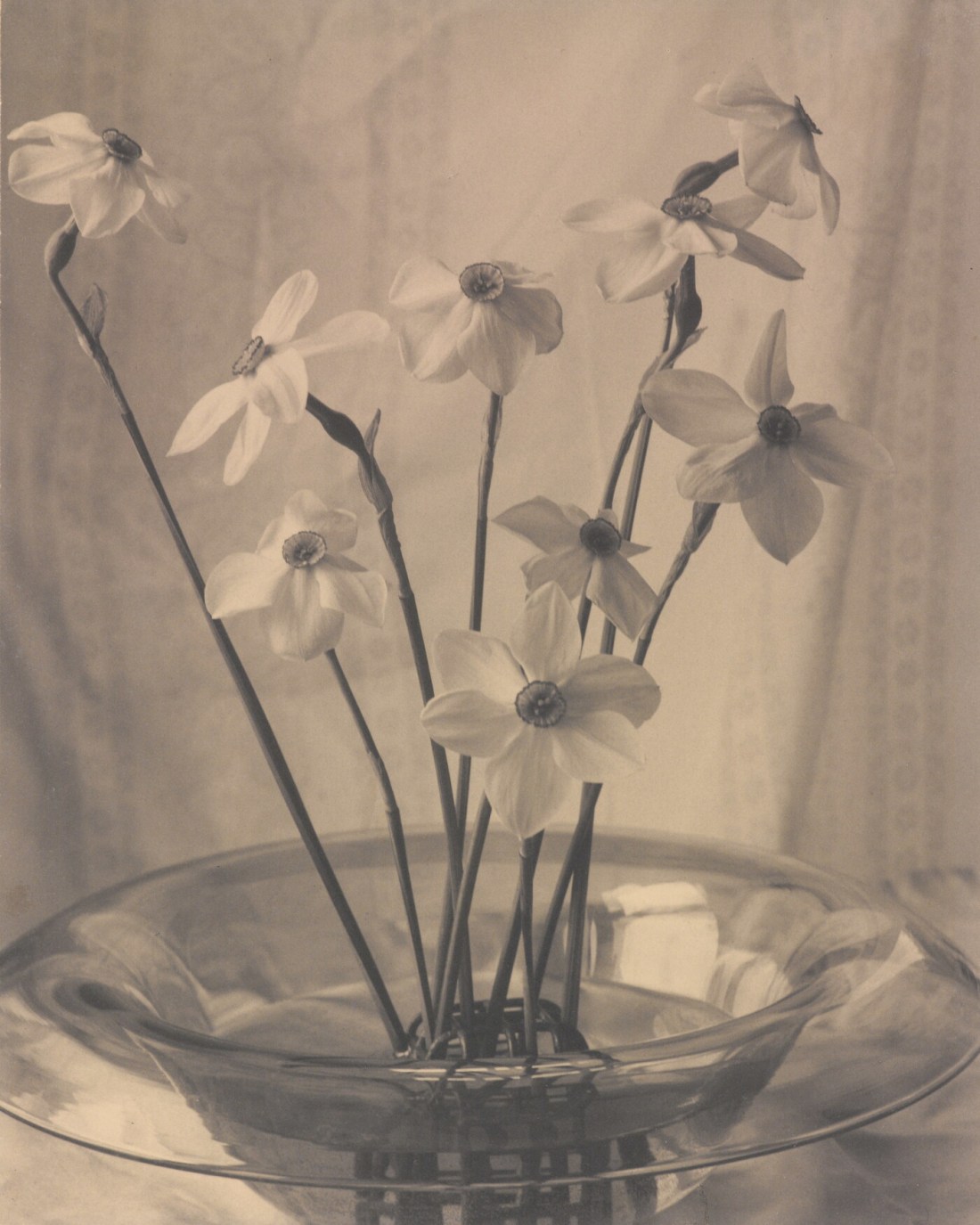
LAURA GILPIN (1891–1979) Narcissus, 1926 platinum print, mounted on card signed and dated in pencil Christies
Laura Gilpin (1891–1979) :: Narcissus, 1926; platinum print, mounted on card signed and dated in pencil. | src Christie’s
Laura Gilpin (American, 1891-1979) :: Narcisus, 1928. Platinum print. | src Bonhams
Print, Verso: 
u.l. to c.r. in ink: Narcissus \ 1926 [sic] \ Exhibited \ Brooklyn Institute of Arts & Sciences \ Oct. 1922 [sic] \ Photographic Society of Philadelphia \ Chicago Camera Club. 1929 (Feb) \ Omaha Camera Club \ Photo Pictorialists of Milwauke [sic] 1929 \ California Camera Club May 1929 \ Camera Club of New York. Dec 1-15 1928 \ Hon. Mention 8th Annual Competition American Photography
Laura Gilpin (1891-1979) :: Narcissus; 1928. Platinum print. | src Amon Carter Museum of American Art

On verso of the Amon Carter Museum version (above this), there are a list of exhibitions and awards : Print, Verso:
u.l. to c.r. in ink: Narcissus \ 1926 [sic] \ Exhibited \ Brooklyn Institute of Arts & Sciences \ Oct. 1922 [sic] \ Photographic Society of Philadelphia \ Chicago Camera Club. 1929 (Feb) \ Omaha Camera Club \ Photo Pictorialists of Milwauke [sic] 1929 \ California Camera Club May 1929 \ Camera Club of New York. Dec 1-15 1928 \ Hon. Mention 8th Annual Competition American Photography

Also, this additional information: u.c. on paper label: [printed]: A PHOTOGRAPH BY \ LAURA GILPIN \ SANTA FE, NEW MEXICO \ [typed]: A PLATINUM PRINT \ NARCISSUS \ 1928

Charles Jones’ Beans

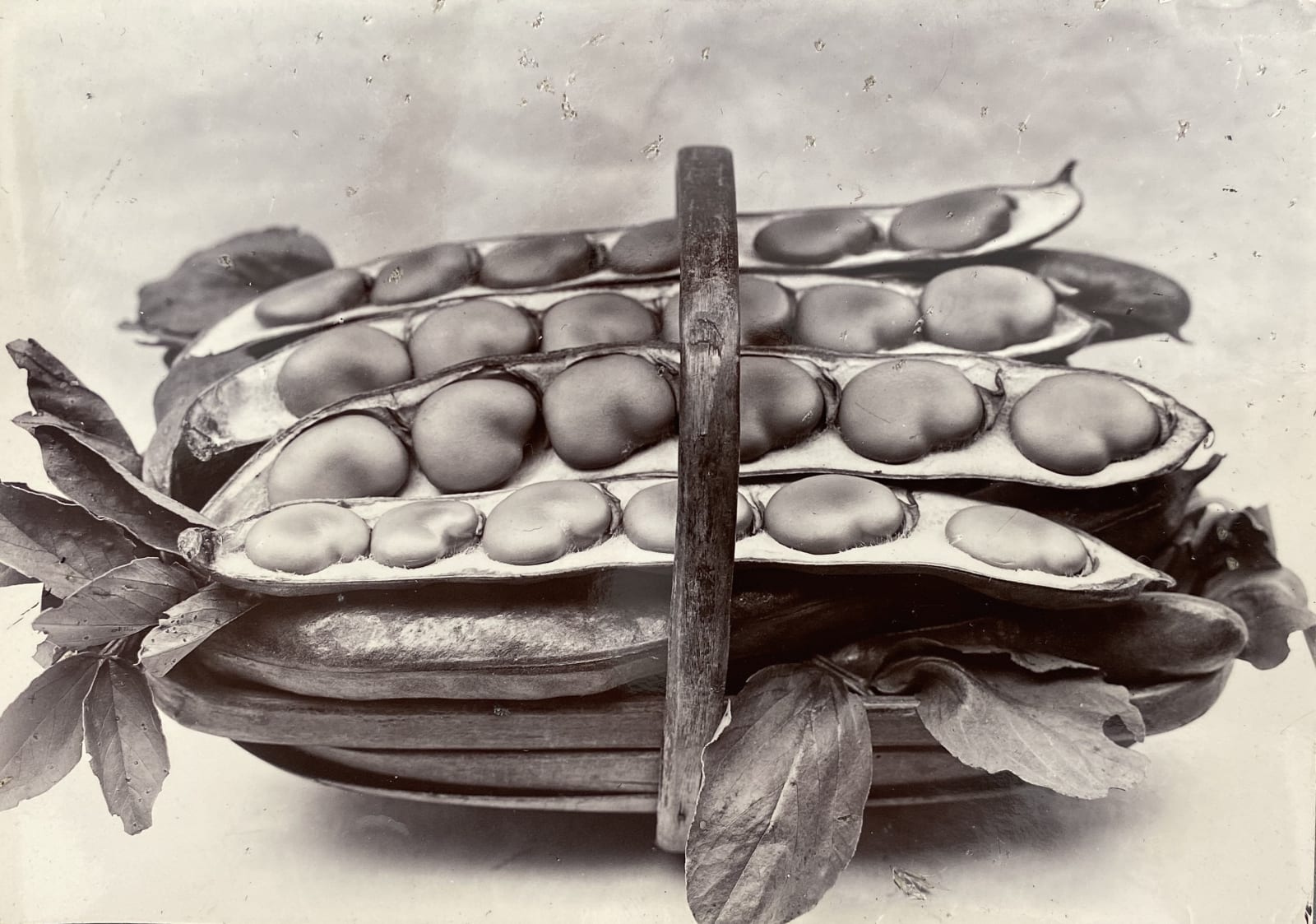
Charles Jones :: Beans in a Basket, ca. 1900. Vintage gold-toned gelatin silver print. | src Michael Hoppen Gallery
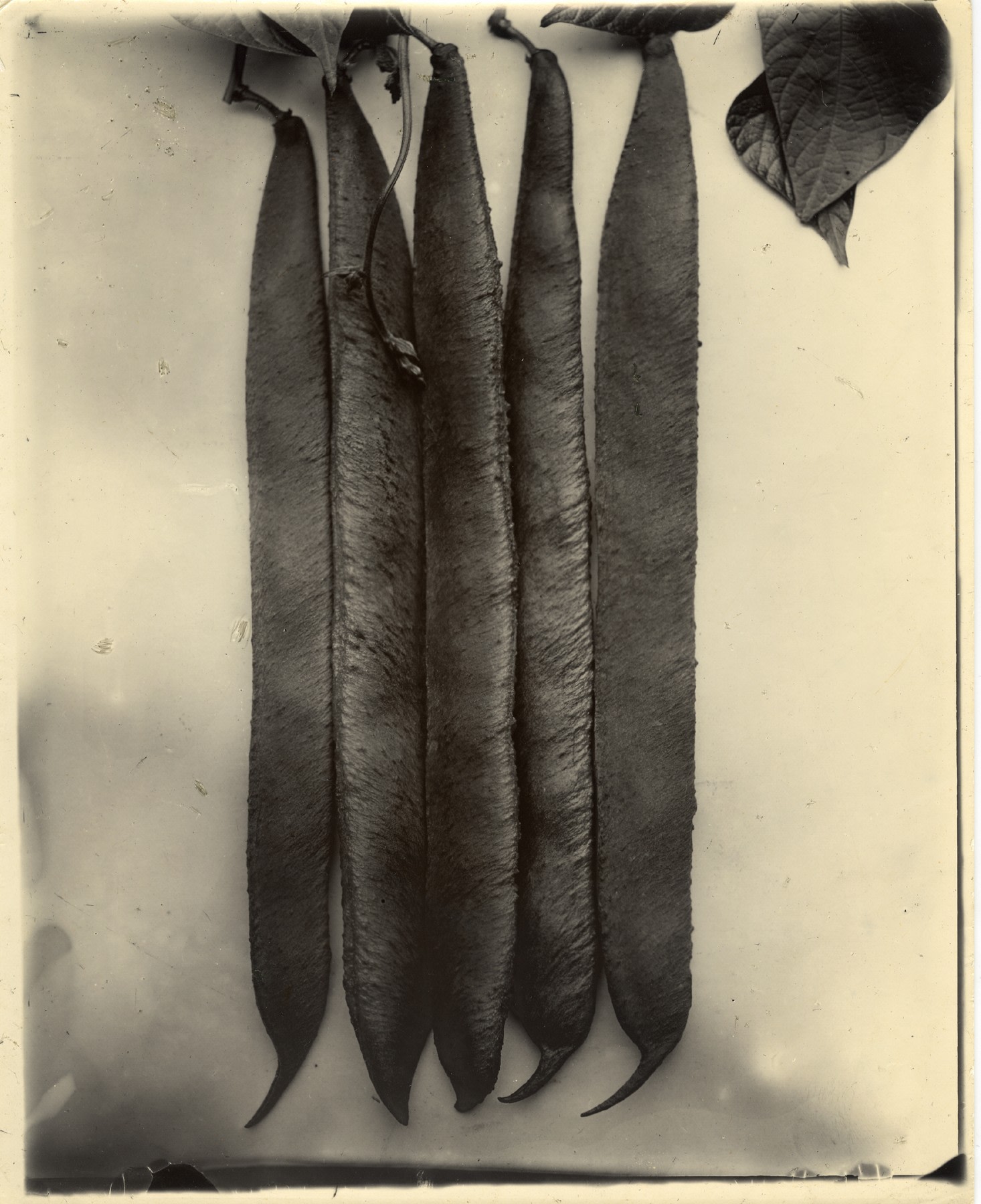
Charles Jones :: Bean Longpod, ca. 1900. Gold toned gelatin silver print. | src Howard Greenberg Gallery

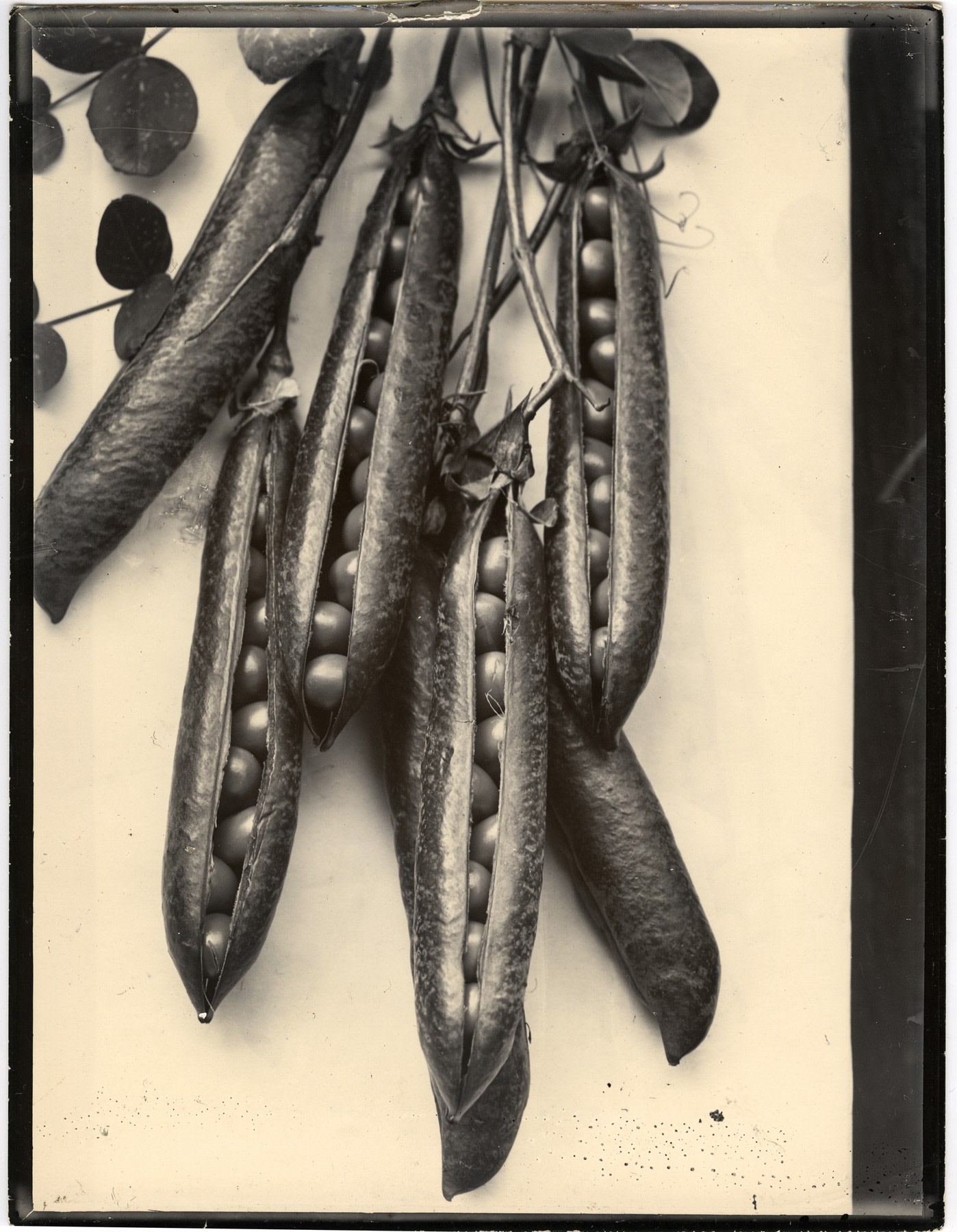
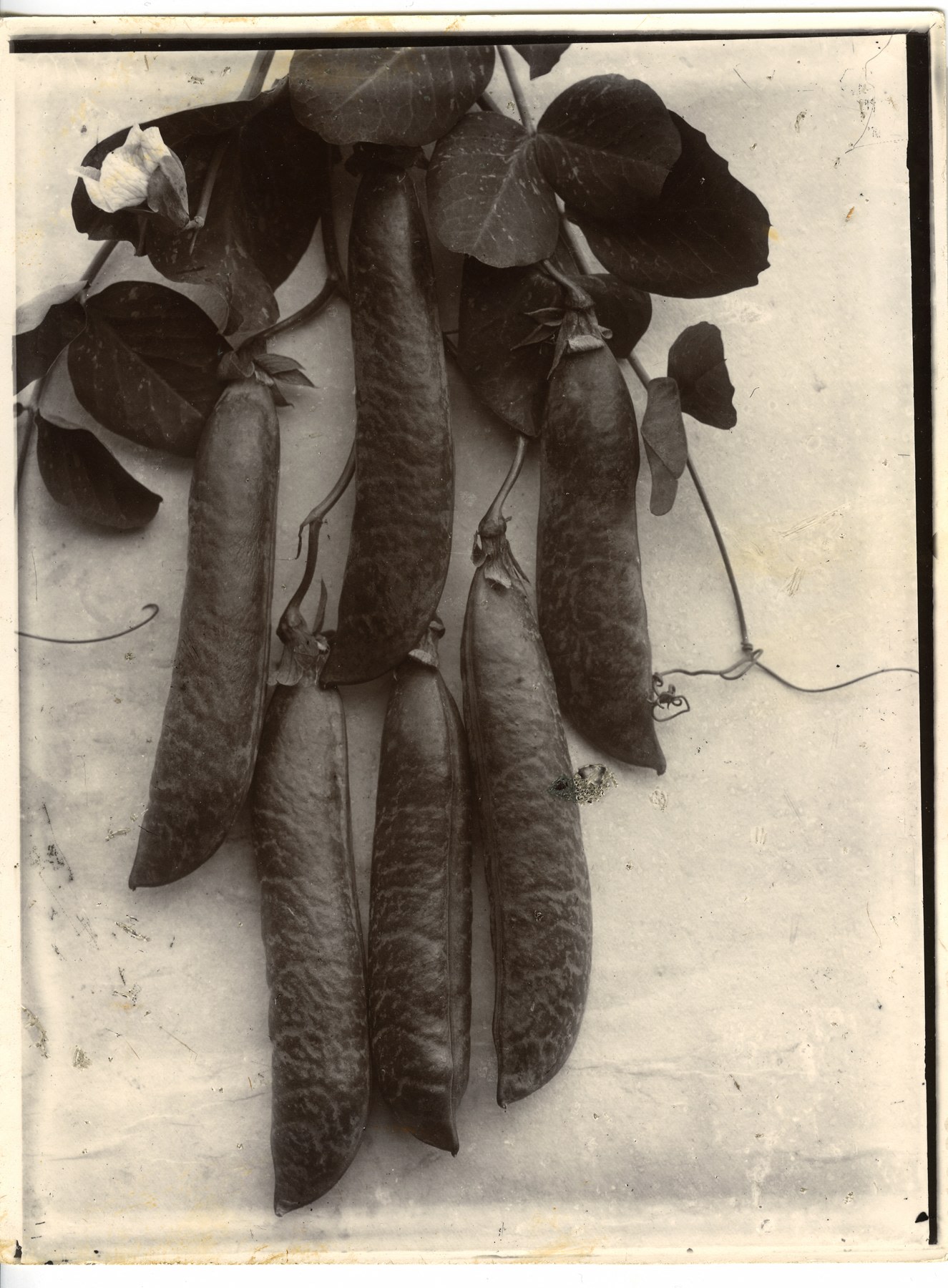
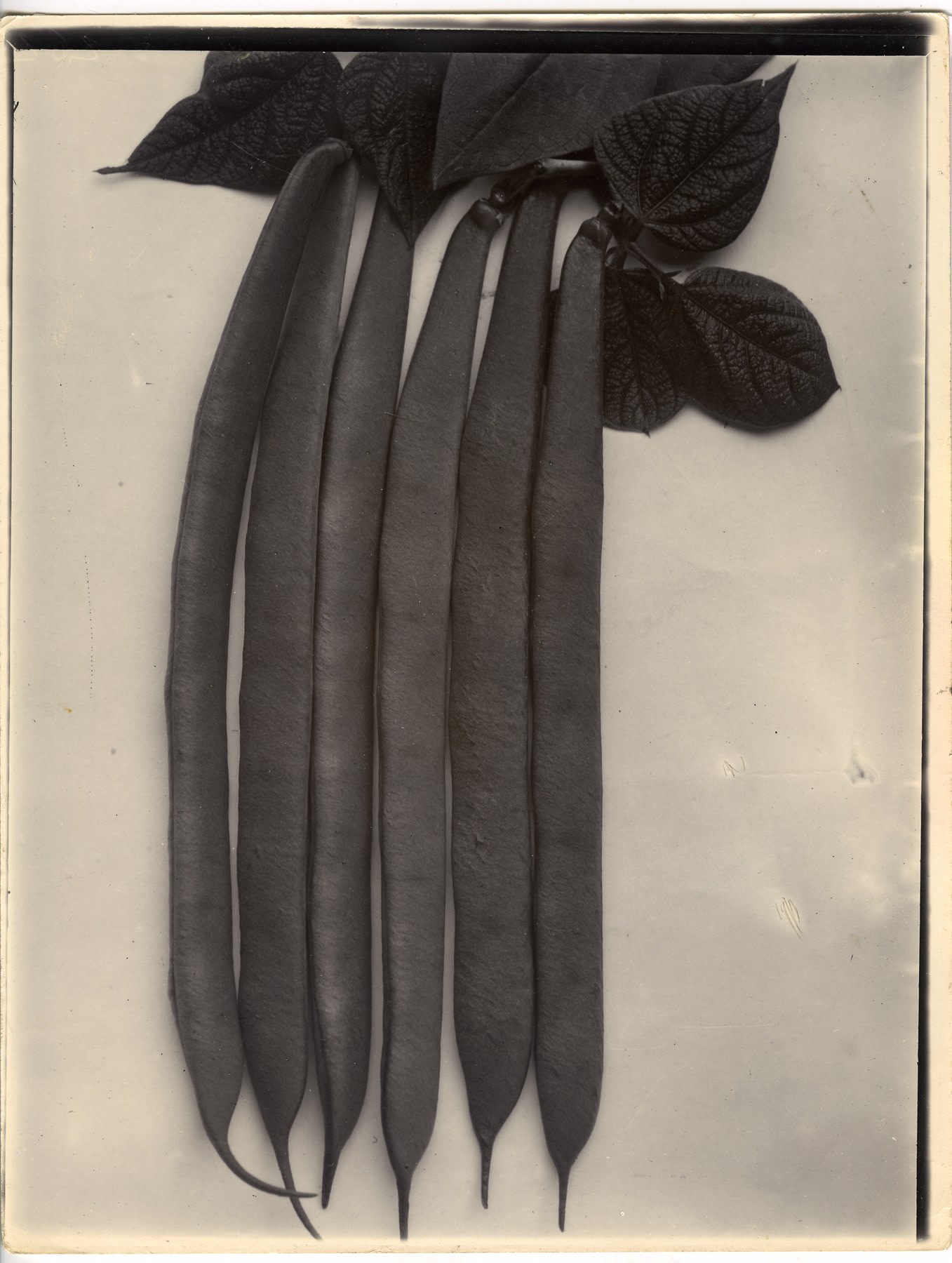
Charles Jones was an English gardener and plantsman, who worked on private estates in the 1890s. As if they were carefully crafted objects, he diligently photographed the vegetables, fruit and flowers he grew. In the era of the supermarket, they appear as a eulogy to a lost time of intimacy between producer and product, the simplicity of the forms paralleling a seemingly less complex age. Although his work wasn’t discovered until 1984 (in Bermondsey market by Sean Sexton), his life’s work is now considered to be on a par with the spare, modernist photographs of Karl Blossfeldt’s flowers and Edward Weston’s vegetables. All his negatives would have been glass and each gold toned print would have taken many hours to complete, the prints are beautiful and unique and show an adept hand in what was a very complex ‘hobby’. His work is in public institutions worldwide. [quoted from Michael Hoppen Gallery]

Charles Jones :: Bean Runner, ca. 1900. Gold toned gelatin silver print. | src Howard Greenberg Gallery
Charles Jones :: Pea Rival, ca. 1900. Gold toned gelatin silver print. | src Howard Greenberg Gallery
Charles Jones :: Pea Quite Content, ca. 1900. Gold toned gelatin silver print. | src Howard Greenberg Gallery
Charles Jones :: Pea Early Giant, ca. 1900. Gold toned gelatin silver print. | src Howard Greenberg Gallery

Howard Greenberg Gallery is pleased to announce an exhibition of still life photographs by British born Charles Jones. Viewed as a proto-Modernist and outsider artist, Jones, a humble English gardener and photographer working at the turn of the 20th century, is one of art’s most mysterious and recent discoveries. Jones’ work came to light in 1981, when discovered in a trunk at an antiques market in London. The only clue to the identity of the photographer were the initials “C.J.” or sometimes the signature “Charles Jones” that was scrawled on the backs of the prints along with fastidious notations giving the precise name of each of the subjects. But the story of the photographer remained unknown until a woman, seeing the photographs on BBC television, identified them as the work of her grandfather, a gardener who worked at several private estates between the years 1894 and 1910. [quoted from HGG]

Charles Jones :: Dwarf Bean, Sutton’s Masterpiece, ca. 1900. Gold toned gelatin silver print. | src Howard Greenberg Gallery