Category: science, enthomology, astronomy, geology
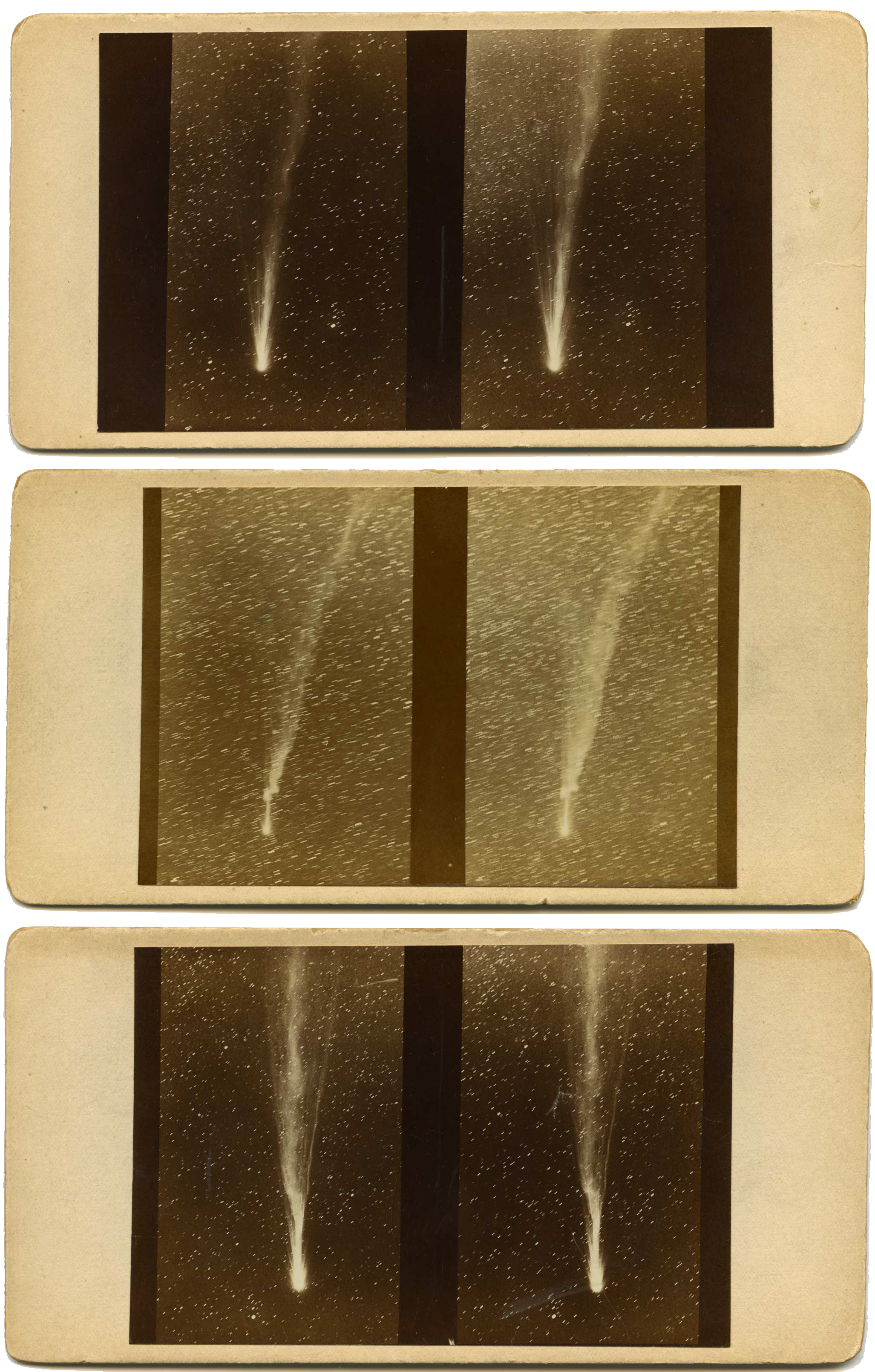
Morehouse’s Comet, 1908


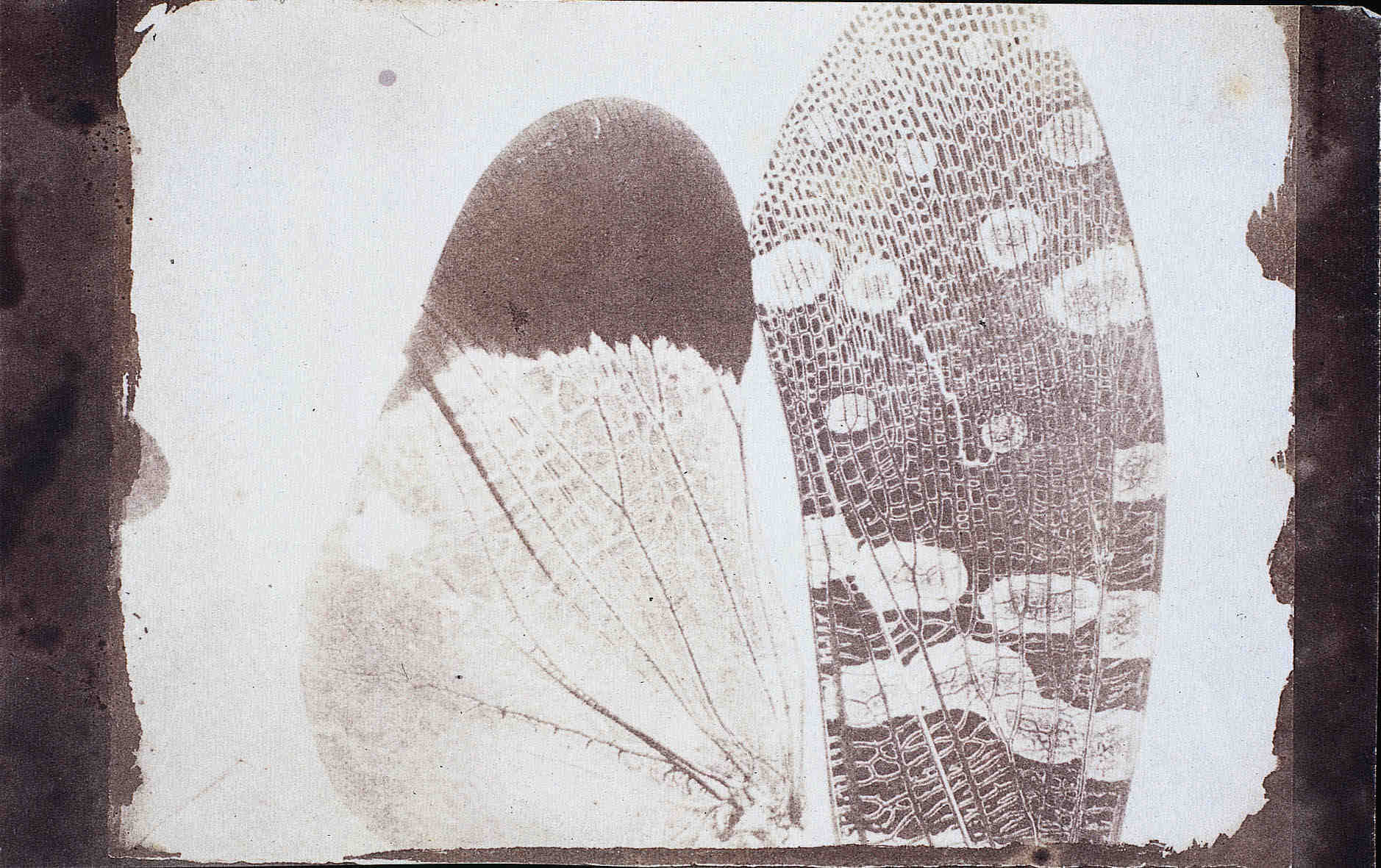
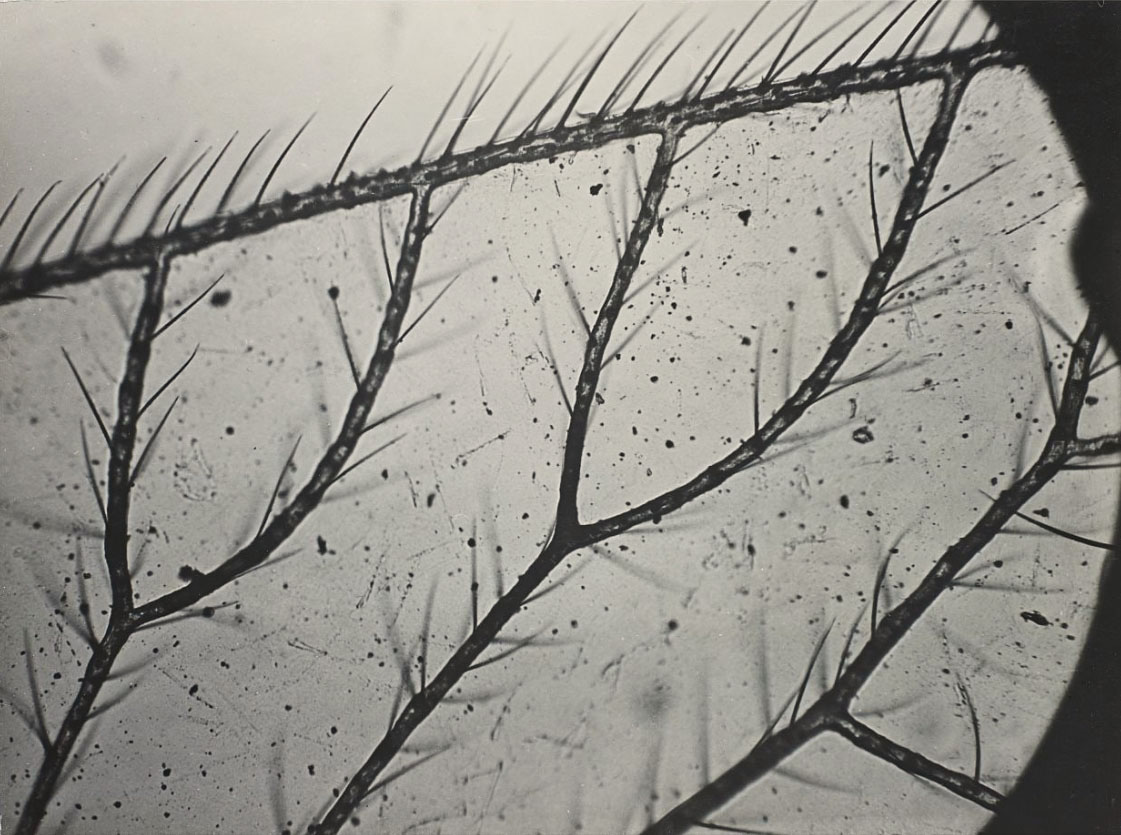
Insect wings, 1840-1860
Wrack (seaweed), 1839
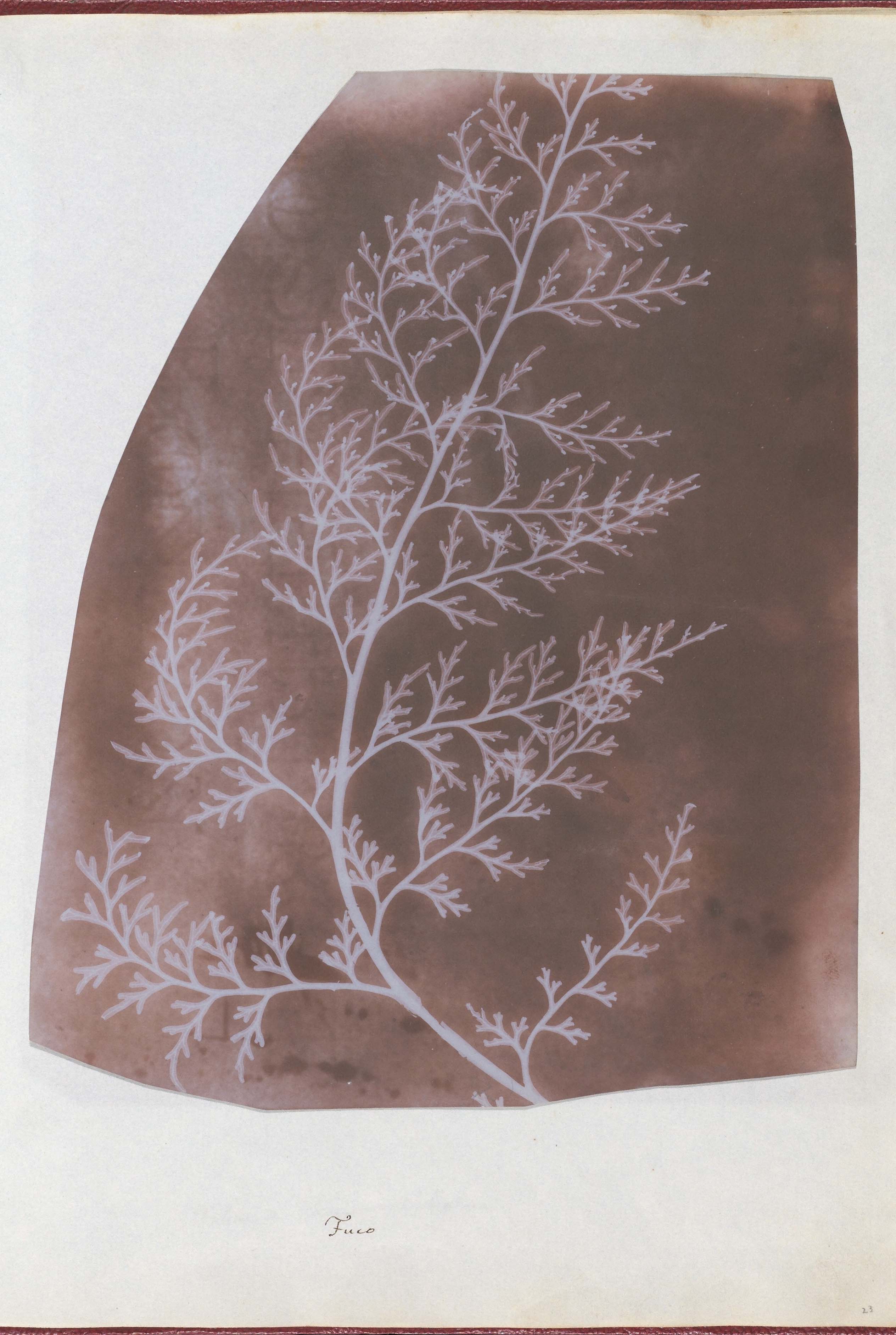
This evanescent trace of a biological specimen, among the rarest of photographs, was made by William Henry Fox Talbot just months after he first presented his invention, photography—or “photogenic drawing,” as he called it—to the public. Talbot’s earliest images were made without a camera; here a piece of slightly translucent seaweed was laid directly onto a sheet of photosensitized paper, blocking the rays of the sun from the portions it covered and leaving a light impression of its form.
Plants were often the subject of Talbot’s early photographs, for he was a serious amateur botanist and envisioned the accurate recording of specimens as an important application of his invention. The “Album di disegni fotogenici,” in which this print appears, contains thirty-six images sent by Talbot to the Italian botanist Antonio Bertoloni in 1839–40. It was the first important photographic work purchased by the Metropolitan Museum. [quoted from source]
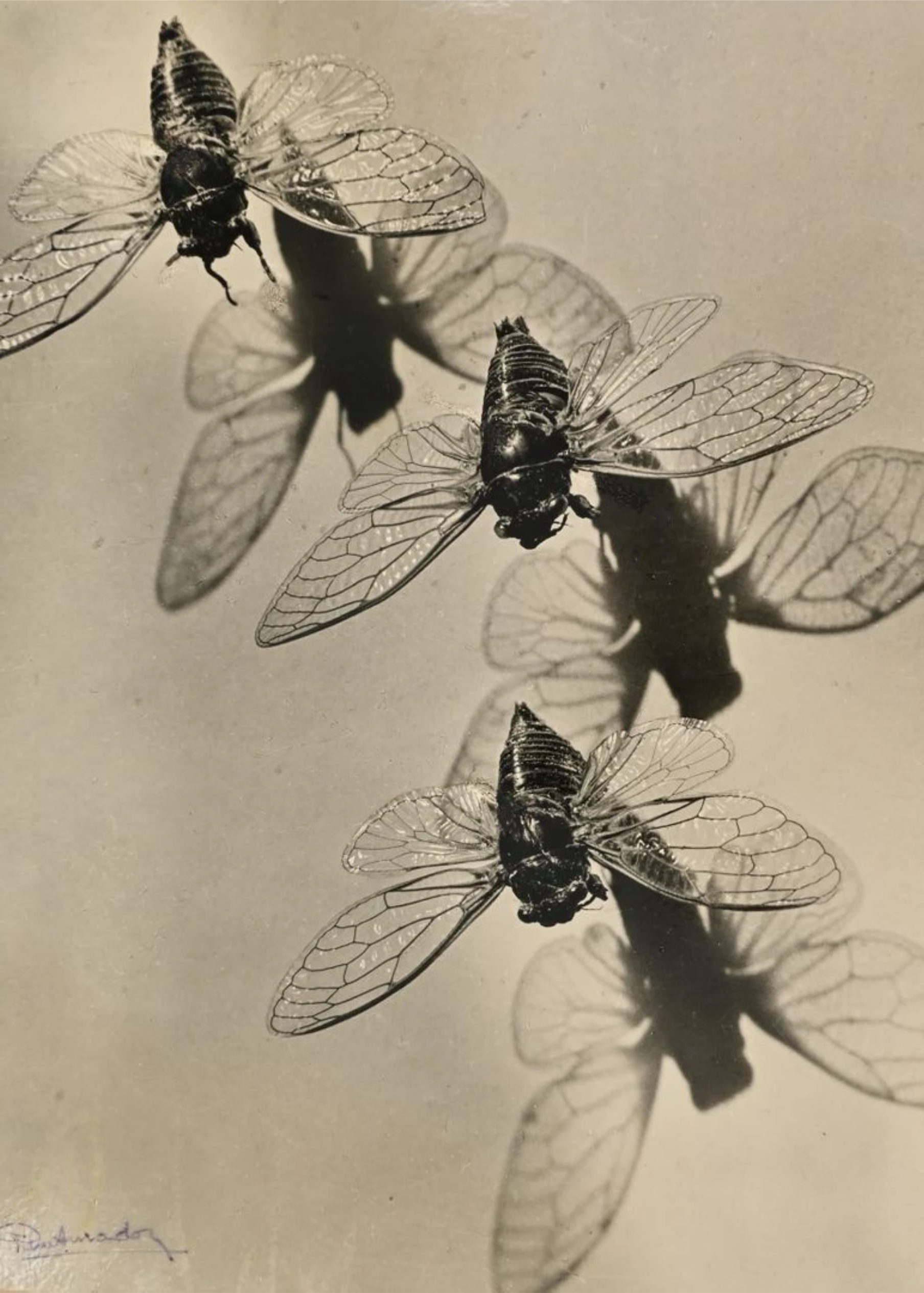
Imre Kinszki · insect wings

Greatly influenced by the modernism of photography and its protagonists such as Brassai and László Moholy-Nagy Kinszki was an important spokesman and a committed representative of the ‘Neues Sehen’ [New Vision] movement in Hungary during the 1920s. He was particularly interested in macro photography for which he developed a special camera, the ‘Kinsecta’. Despite good contacts to countrymen abroad Kinszki didn’t succeed in leaving the country and he fell a victim of the Nazi regime due to his Jewish origin. (cf. also Károly Kincses (ed.), Photographes. Made in Hungary, Milan 1998, pp. 167)
Solenoid therapy in 1902


All images retrieved from: A system of instruction in X-ray methods and medical uses of light, hot-air, vibration and high-frequency currents : a pictorial system of teaching by clinical instruction plates with explanatory text : a series of photographic clinics in standard uses of scientific therapeutic apparatus for surgical and medical practitioners : prepared especially for the post-graduate home study of surgeons, general physicians, dentists, dermatologists and specialists in the treatment of chronic diseases, and sanitarium practice (New York, 1902) by S. H. (Samuel Howard) Monell
Topics: Vibration, X-rays, Diagnosis, Radioscopic, Thermotherapy, Electrotherapeutics, X-Ray Therapy, Vibration, Diagnosis
source internet archive (Harvard Medical Library)


 un regard oblique