images that haunt us
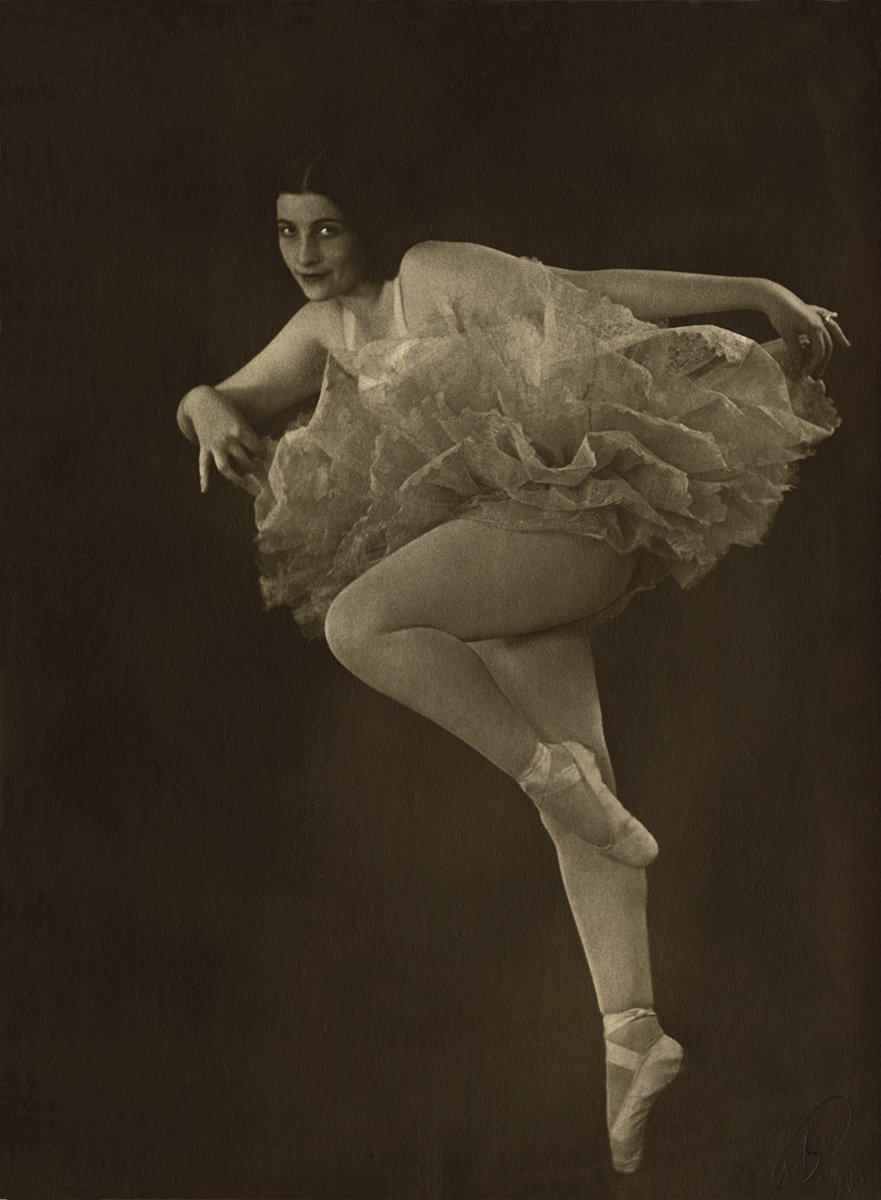


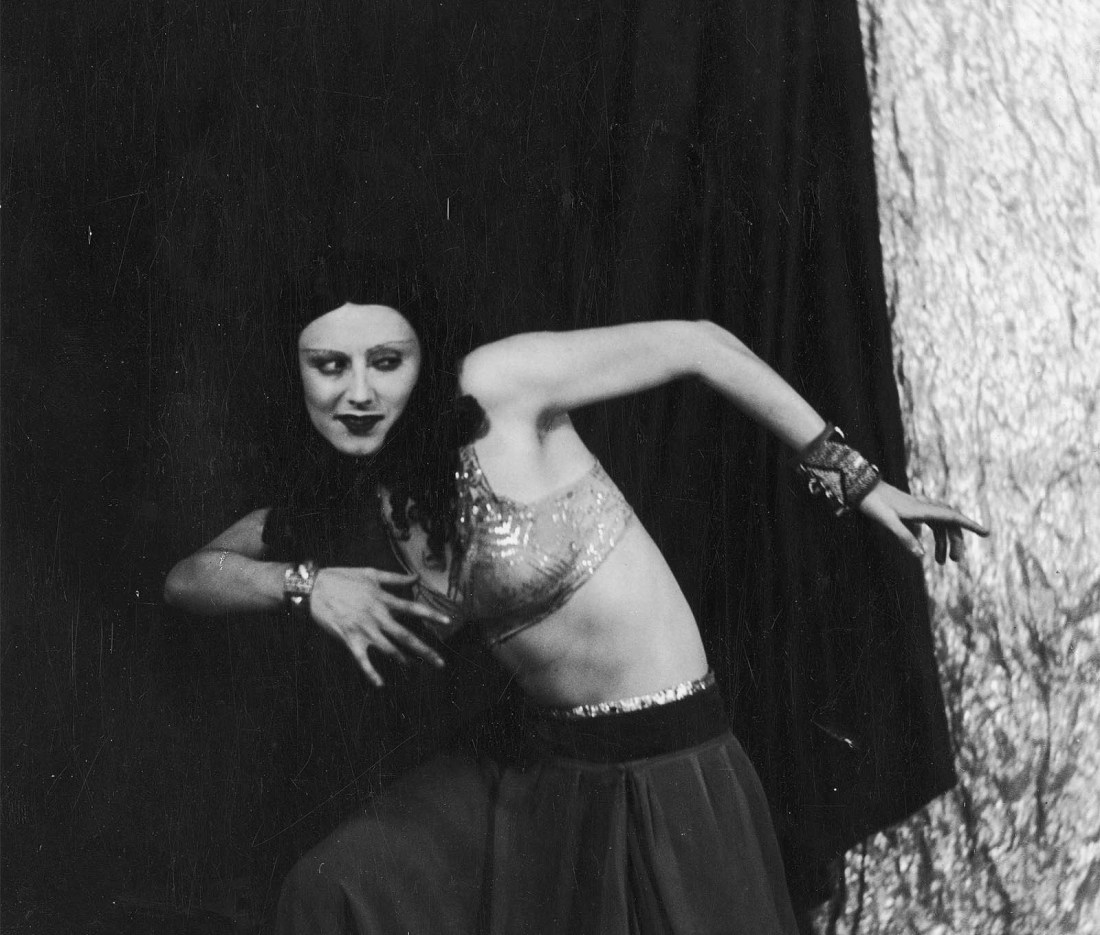


(*) The archives of the Narodowe Archiwum Cyfrowe, host two identical photographs [as the one above here] of Ruth Sorel Abramowitsch, one is captioned as performing the dance Matka and the other as Salome [respective reference id numbers are 3105/616/15 and 3105/616/16]. Both images are part of the same batch, corresponding to the First International Artistic Solo Dance Competition in Warsaw (June, 1933)
source of all images in this post : Narodowe Archiwum Cyfrowe


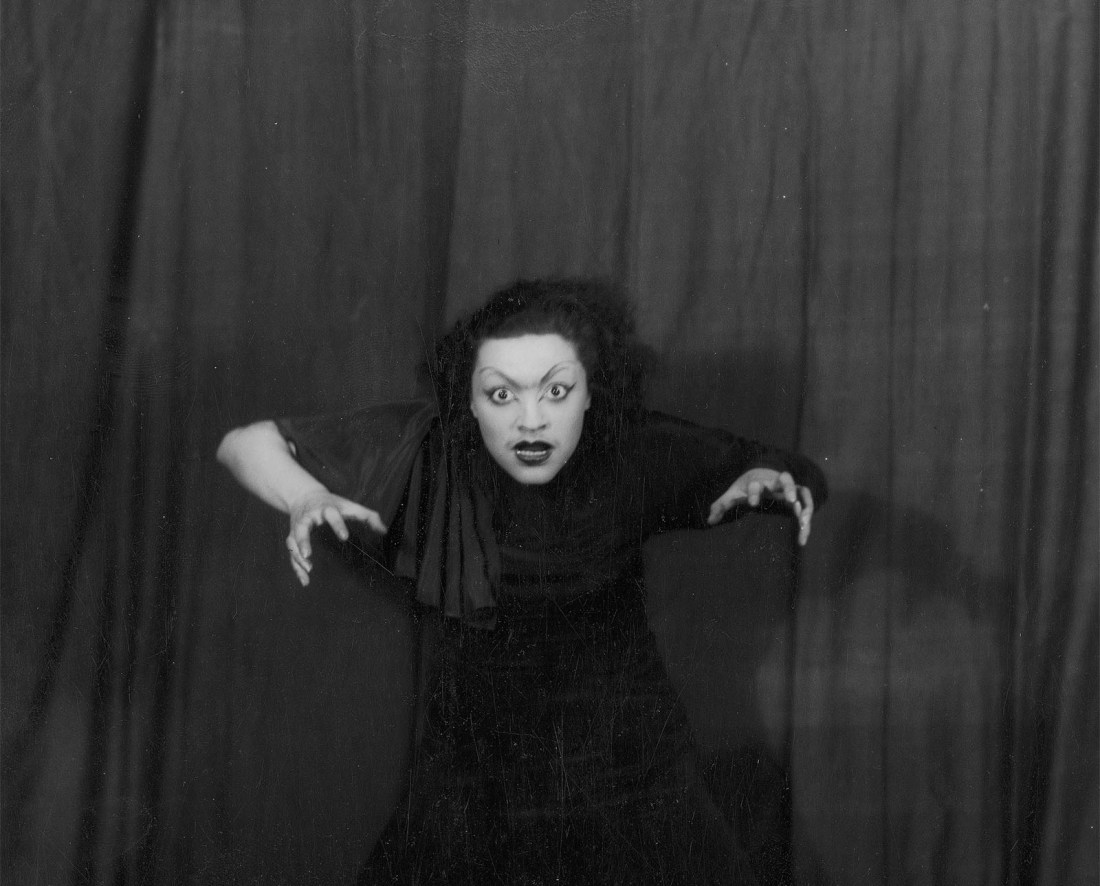


source of both images : Narodowe Archiwum Cyfrowe
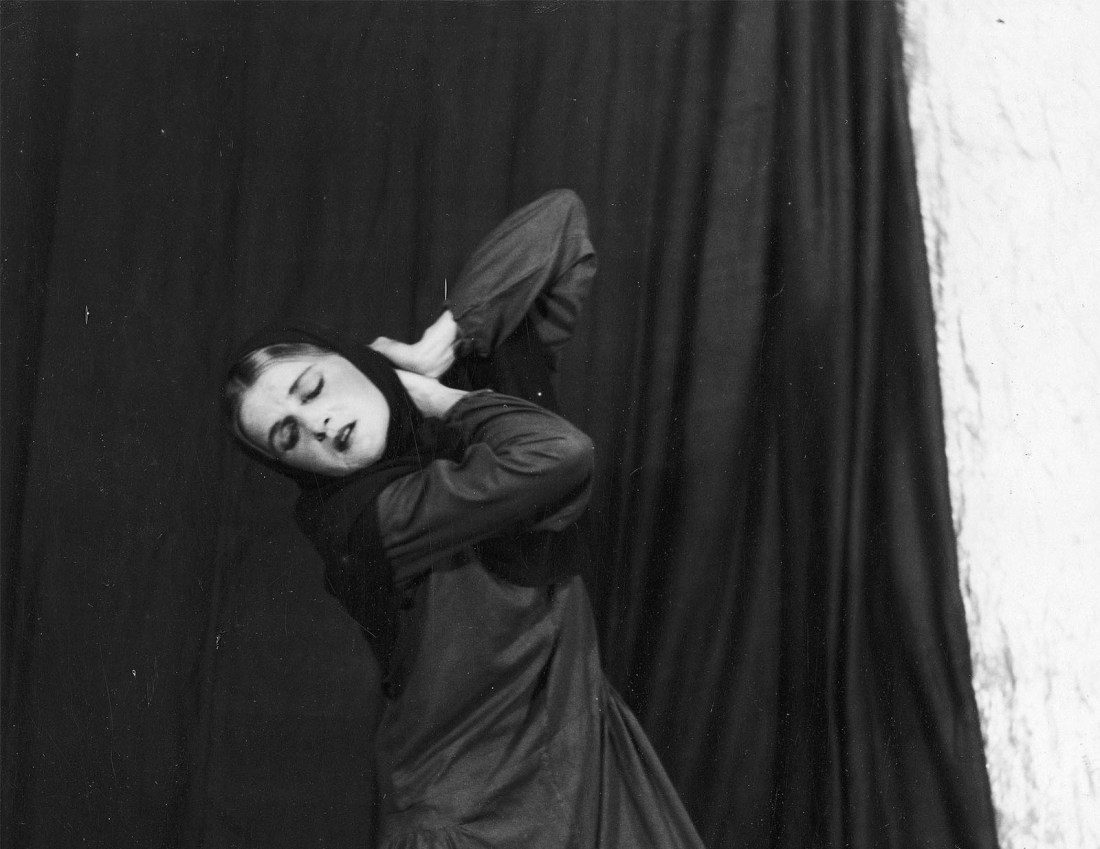


source of both images : Narodowe Archiwum Cyfrowe

Photoinstitut Bonartes: Ausstellungsdauer: 25.08.2023 – 17.11.2023
Tänze des Lasters, des Grauens und der Ekstase. Anita Berber in Wien 1922
Im November 1922, inmitten der Wirtschaftskrise, kennt Wien nur ein Gesprächsthema: Anita Berber und ihre Tänze des Lasters, des Grauens und der Ekstase. Zusammen mit ihrem Partner Sebastian Droste bringt sie Tabuthemen wie Drogenmissbrauch, Suizid und homosexuelles Begehren auf die Bühne. Um das skandalumwitterte Programm zu bewerben, tritt das Duo vor die Kamera Madame d’Oras. Seit Jahren schon arbeitet Berber mit der Wiener Porträtfotografin an der Inszenierung ihres raffinierten Spiels aus kalkuliertem Schock und Tanzkunst. Diese düster-dramatischen Fotografien illustrieren nicht nur zahlreiche Zeitungsartikel, sondern auch Berbers einzige Publikation. Darin gibt sie Einblick in ihre Gedankenwelt, kritisiert die Hysterie um ihre Person und befeuert sie zugleich aufs Neue.
link zu Ausstellung
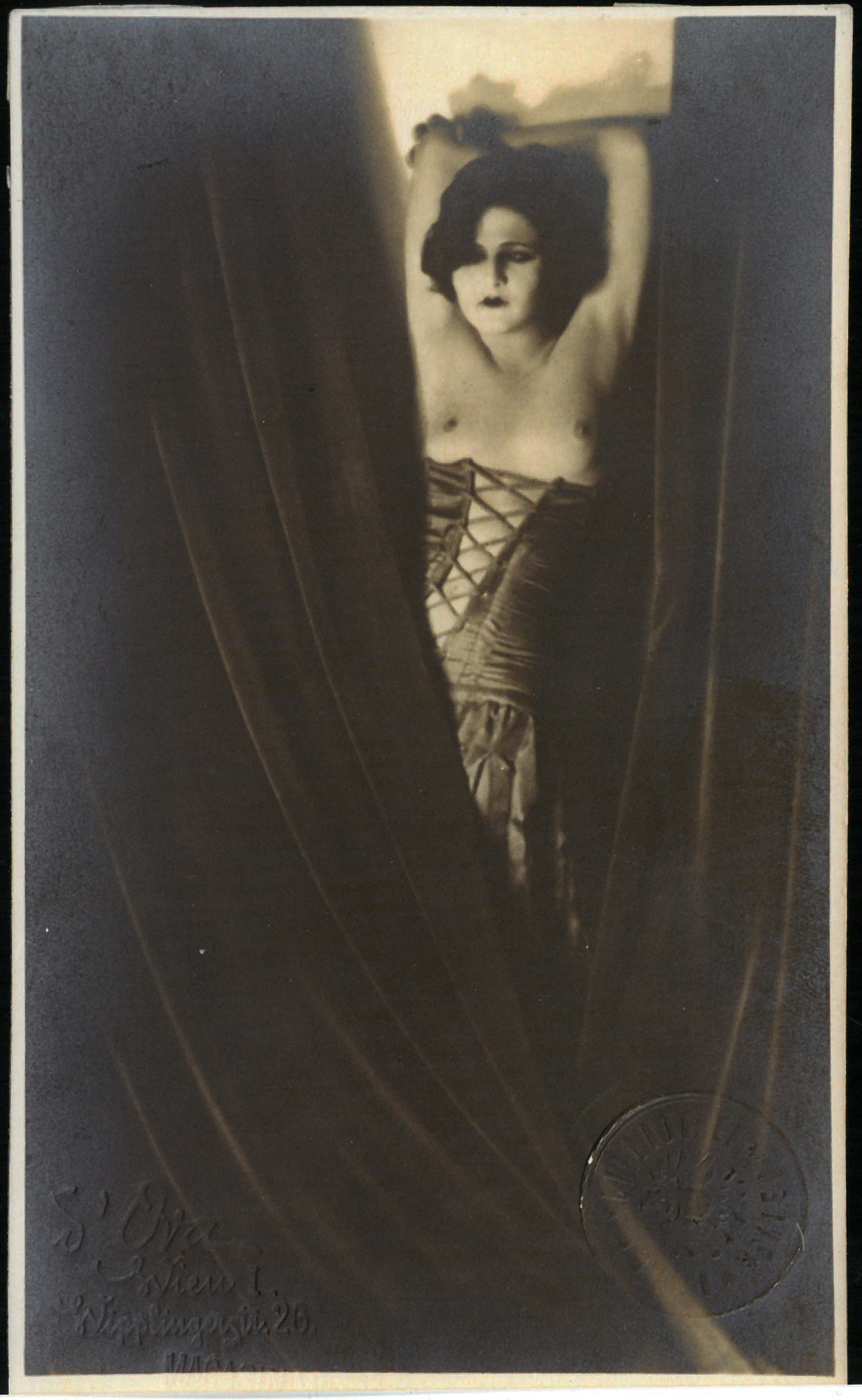
New exhibition at Photoinstitut Bonartes:
Dances of Vice, Horror and Ecstasy. Anita Berber in Vienna 1922
In November 1922, in the midst of the economic crisis, Vienna only had one topic of conversation: Anita Berber and her dances of vice, horror and ecstasy. Together with her partner Sebastian Droste, she brings taboo topics such as drug abuse, suicide and homosexual desire to the stage. In order to promote the scandalous program, the duo appears in front of Madame d’Ora’s camera. Berber has been working with the Viennese portrait photographer for years on staging her sophisticated game of calculated shock and dance art. These darkly dramatic photographs not only illustrate numerous newspaper articles, but also Berber’s only publication. In it she gives insight into her world of thoughts, criticizes the hysteria surrounding her and at the same time fuels it anew.
link to the exhibition
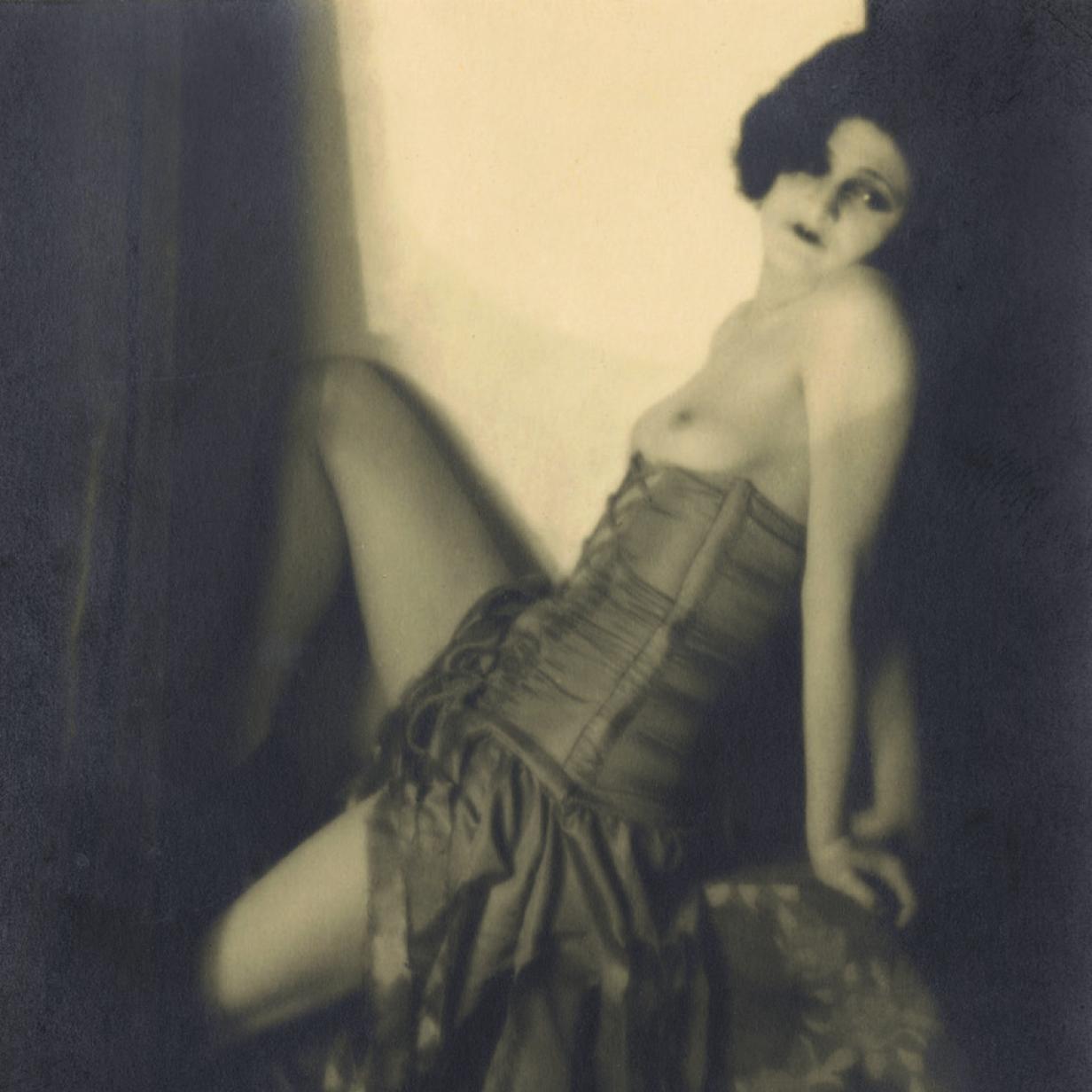
Ausstellung über Anita Berber: Provokation einer Exzentrikerin mit Erotik und Ekstase
„Tänze des Lasters, des Grauens und der Ekstase“ brachte sie ab November 1922 auf die Wiener Bühnen: Anita Berber war für Monate ein Aufreger im Nachtleben der Stadt mit ihren trotz Hyperinflation stets restlos ausverkauften Auftritten im Wiener Konzerthaus. | src Kurier.at
Exhibition about Anita Berber: provocation of an eccentric with eroticism and ecstasy
She brought “Dances of Vice, Horror and Ecstasy” to the Viennese stages from November 1922: Anita Berber was a sensation in the city’s nightlife for months with her performances in the Vienna Konzerthaus, which was always completely sold out despite the hyperinflation. | src Kurier.at
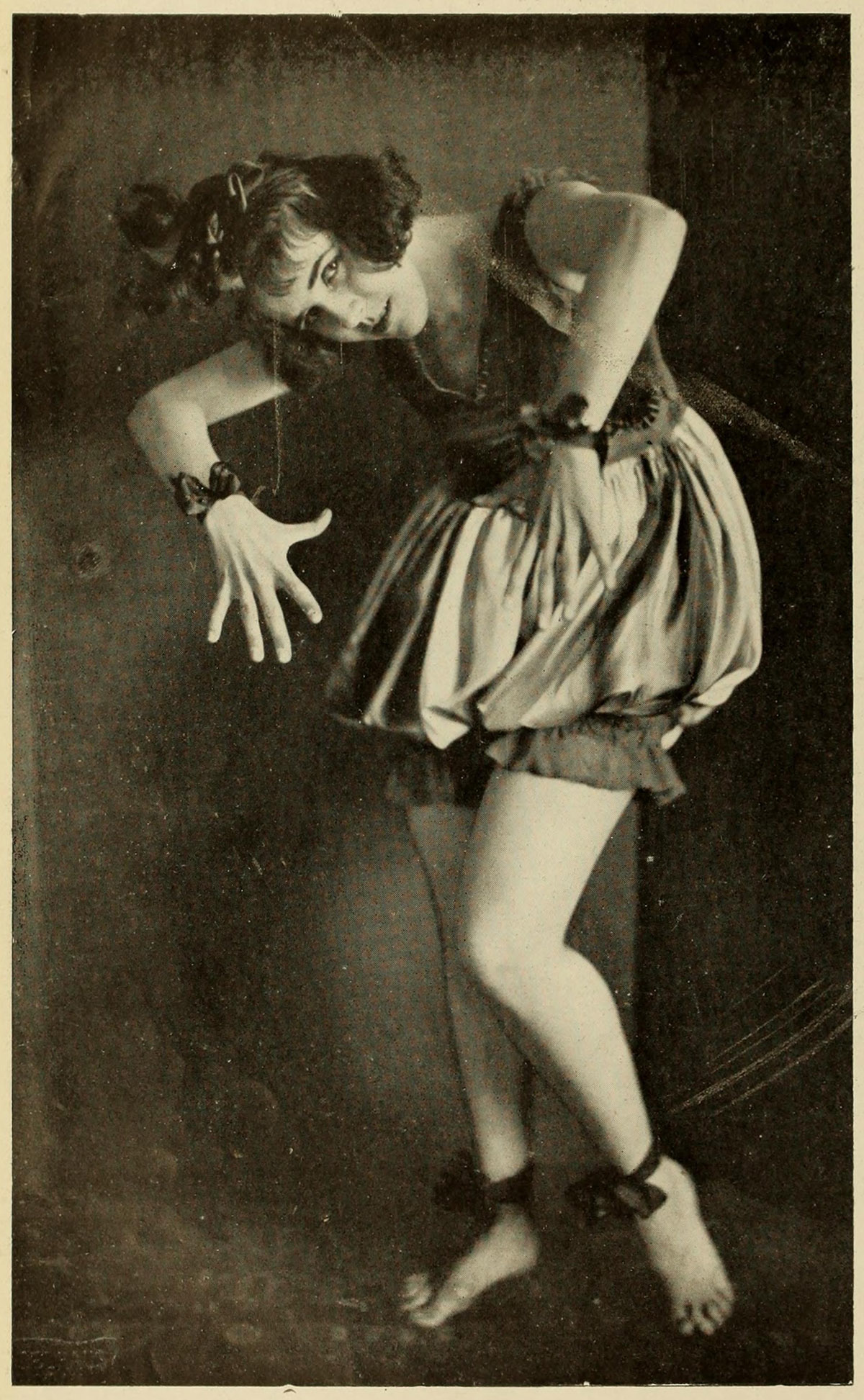

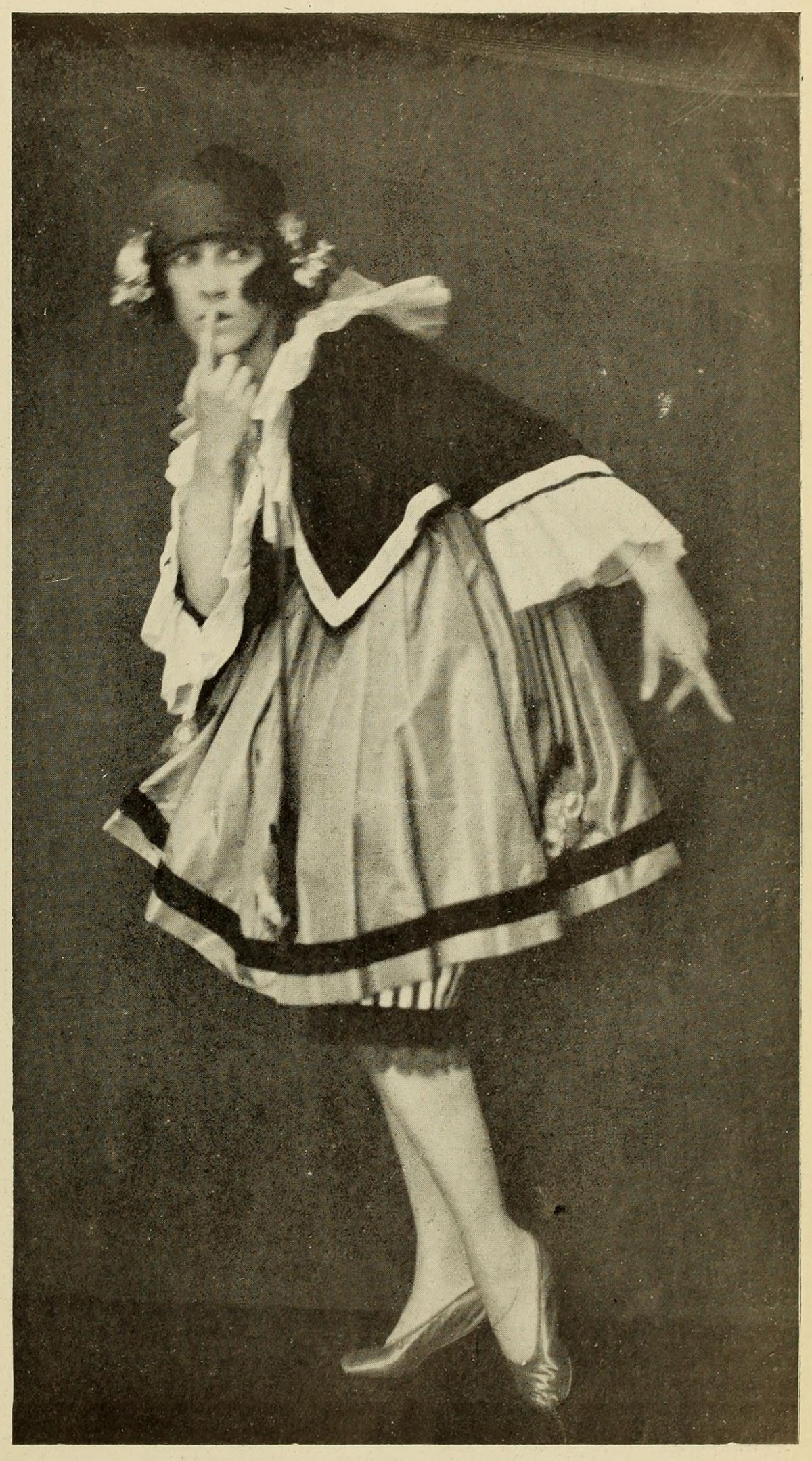


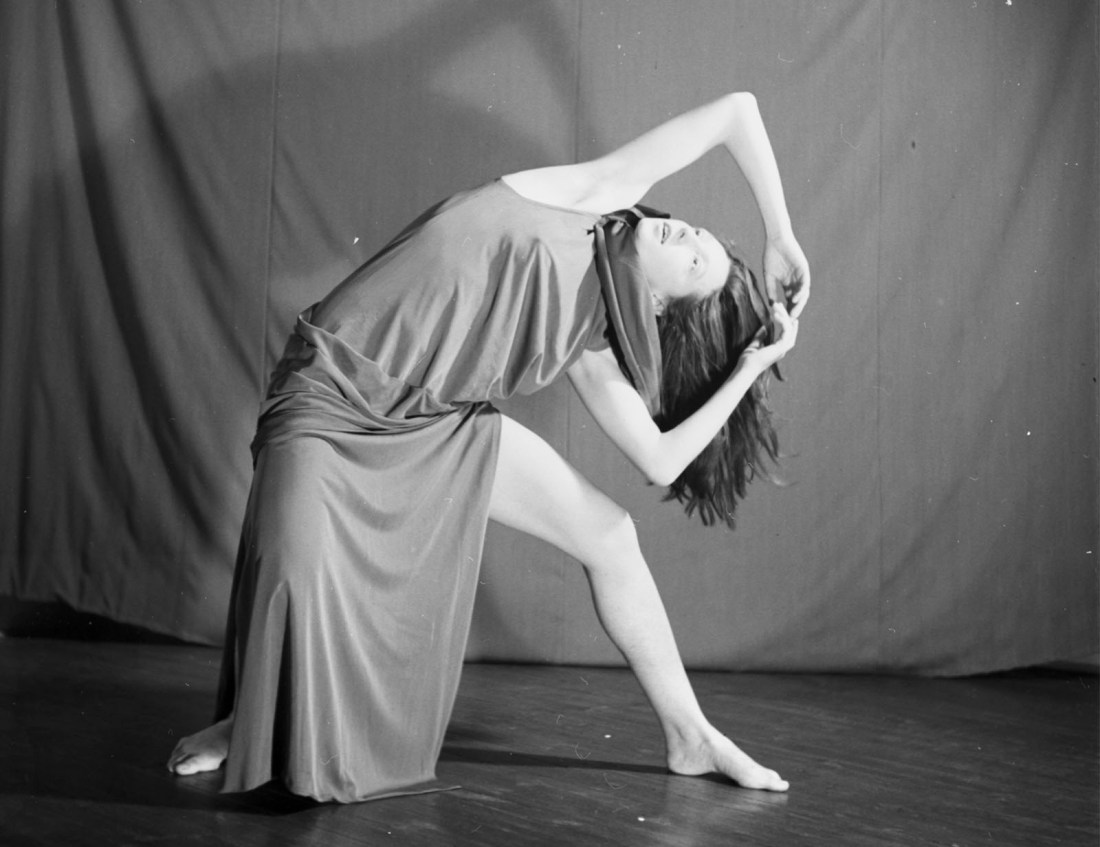


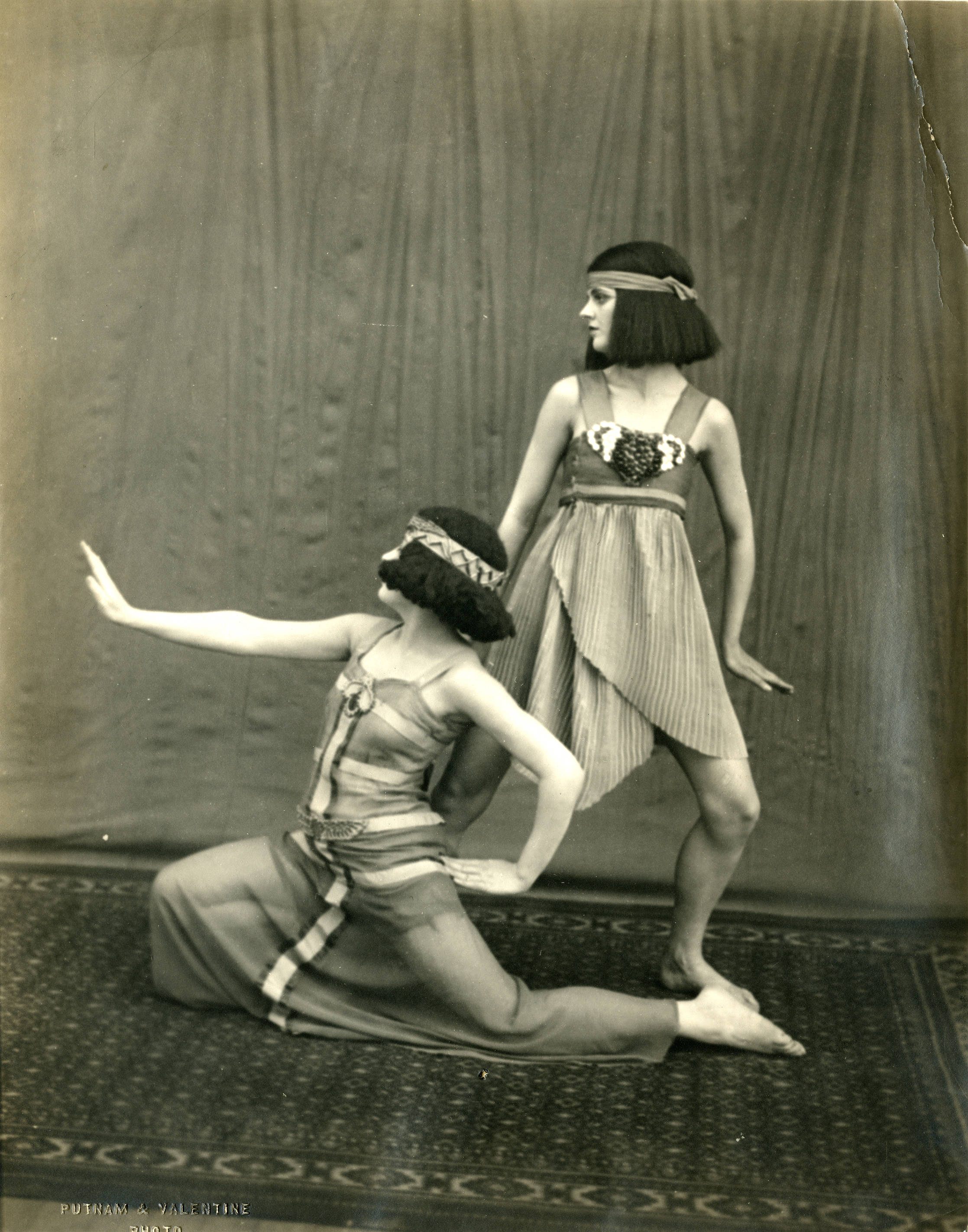
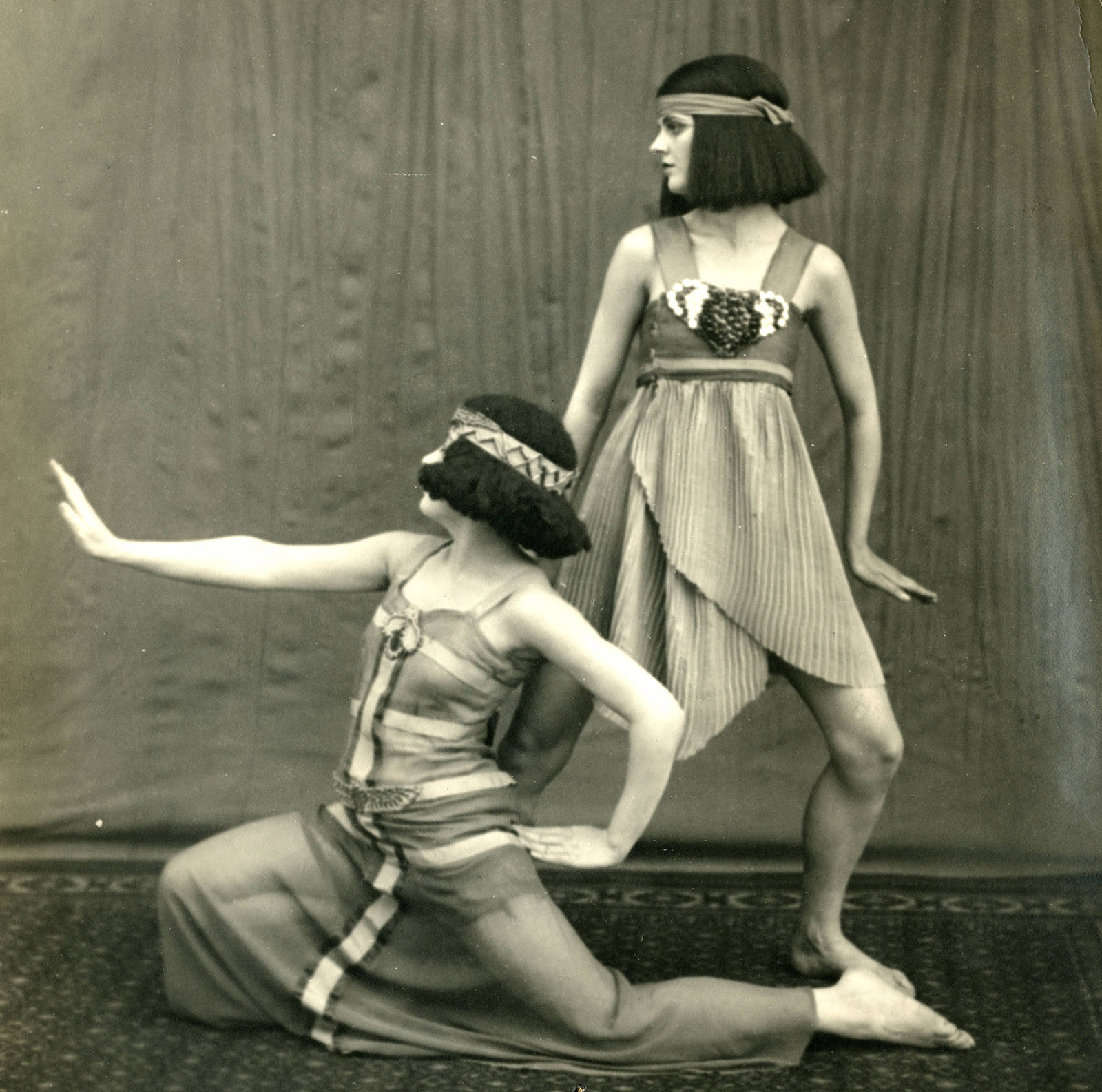
All the images in this post are from the exhibition: «Dansen har mycket gemensamt med arkitektur» (2013). Some of the images are dated 1939-1947 but most of them undated.
«Dance has a lot in common with architecture» (2013)
Movement, rhythm, space and body in dance have much in common with architecture. Spatiality can only be experienced with the body, in movement. There are several good reasons to pay attention to the connections between the room shape and people’s movements in the rooms. Whether dancing or walking around a building, there is both flow and embodiment. Perhaps it was precisely these common denominators that made Birgit Åkesson choose the architectural photographer Sune Sundahl to document her early choreographies?
Photographing movement is a big challenge, a movement in a frozen moment can easily turn into a rigid pose without context or dynamism. In Sundahl’s collection there are, among other things, pictures from Birgit Åkesson’s own performance Blue Evening from 1946. The title was probably taken from the blue-painted Konserthuset in Stockholm, designed by Ivar Tengbom 1924-26. Here, Birgit Åkesson experimented with movements without music, which was unique for the time. She also studied during her lifetime the dances of other cultures, including dances African dances from the south of the Sahara and the Butoh dance from Japan.
The dancer, choreographer and dance researcher Birgit Åkesson (1908-2001) taught the viewer to listen to the sound of movement in the silence. It was about holding a dialogue, where the rhythm carried the form that left invisible traces in the air. Birgit Åkesson started her dance career in the 1920s and 30s when she studied with the German-born choreographer Mary Wigman. It was from her that the Swedish dancer found the expressionist language, the free dance. Birgit Åkesson was one of the leading avant-garde artists in free dance.
Lenita Gärde, Center for Architecture and Design (quoted from ArkDes)


 un regard oblique