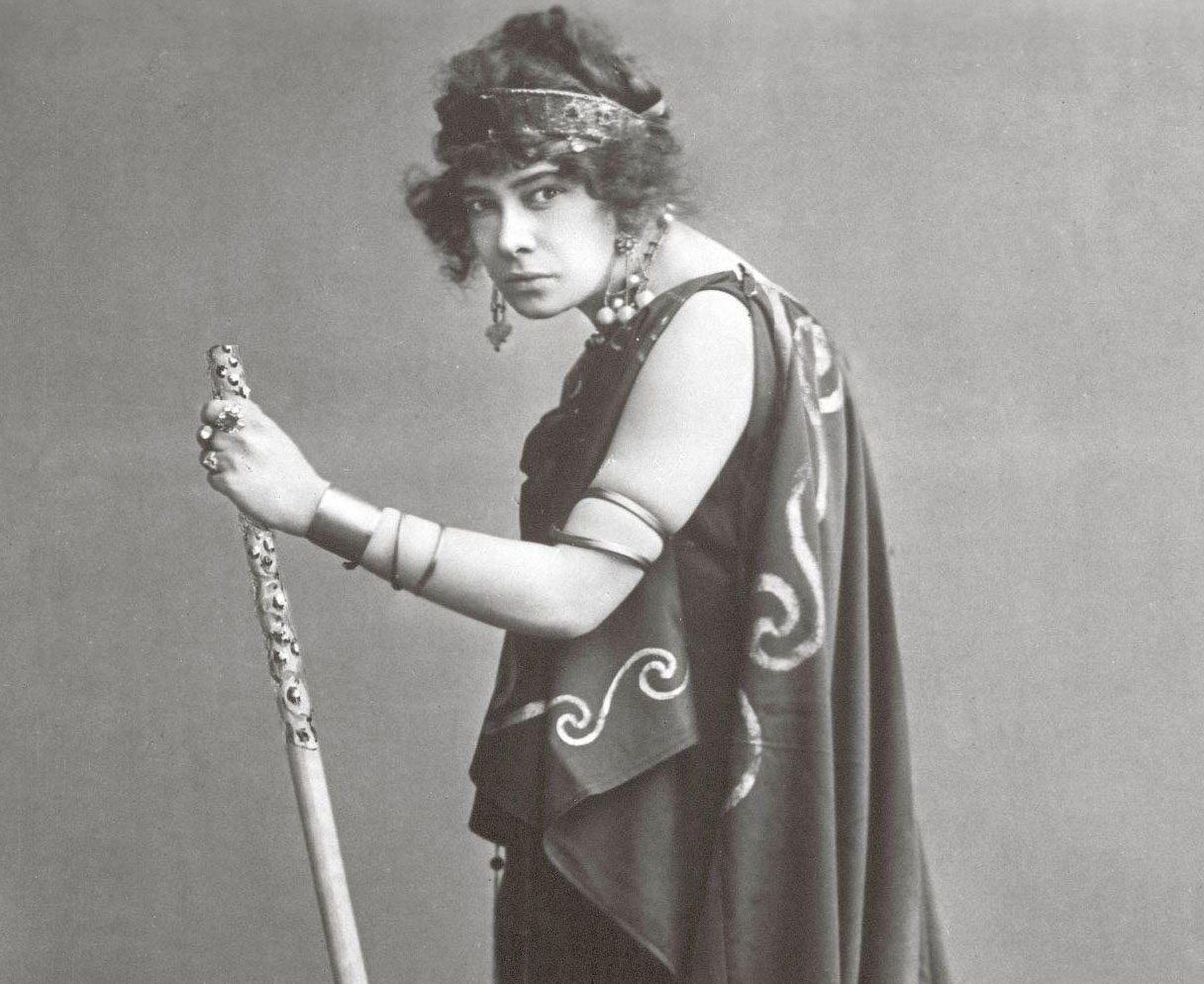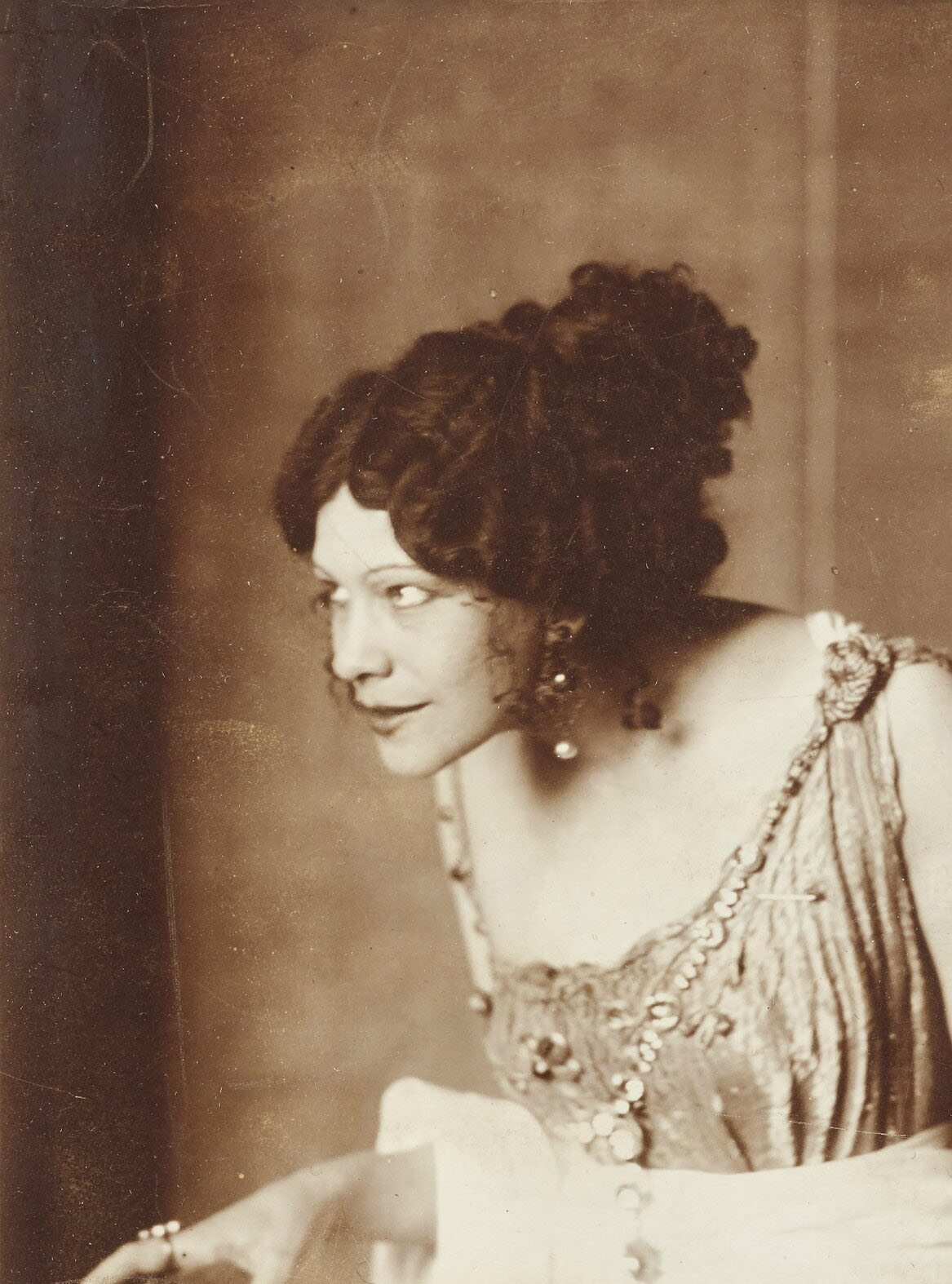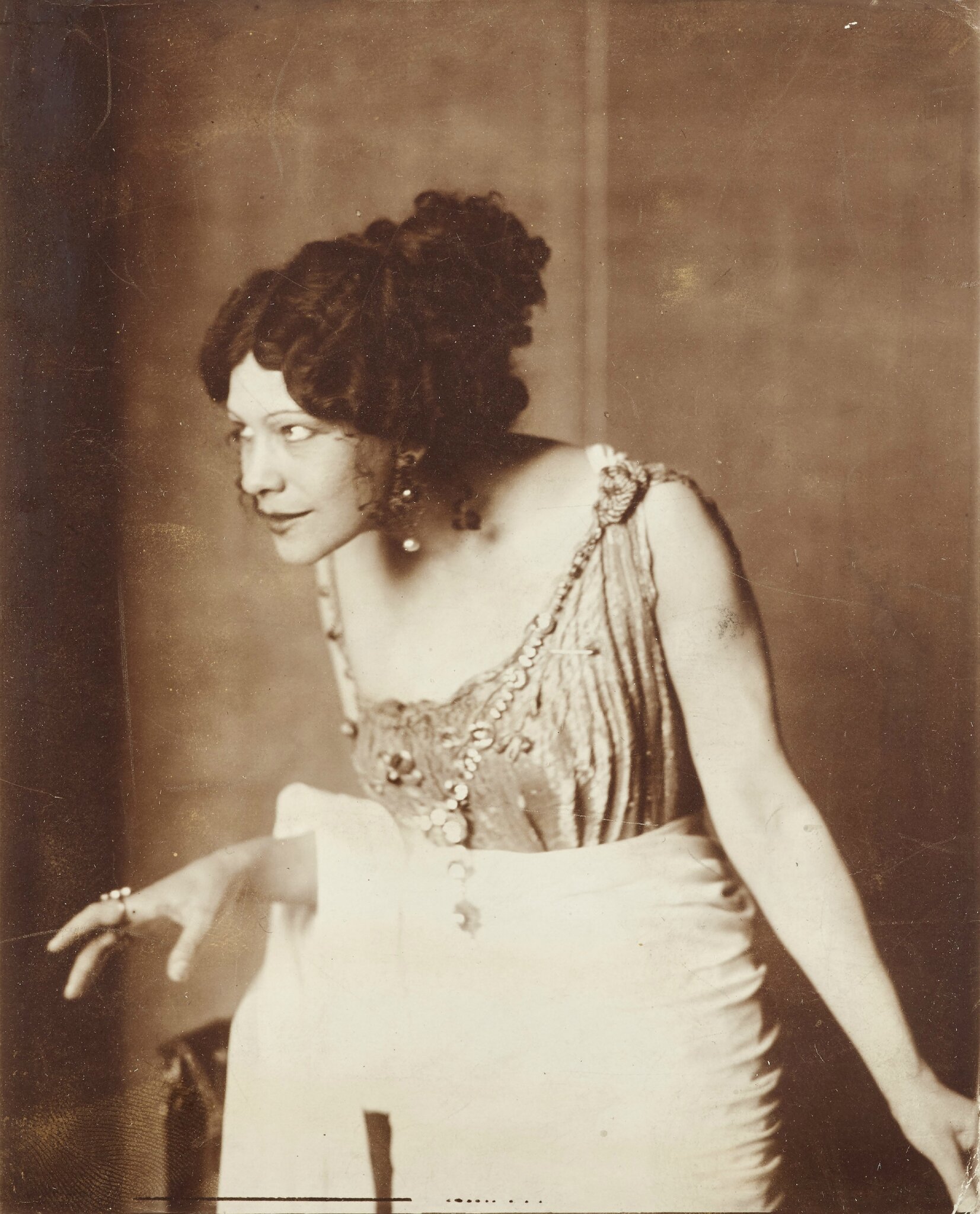
Tilla Durieux als Delila

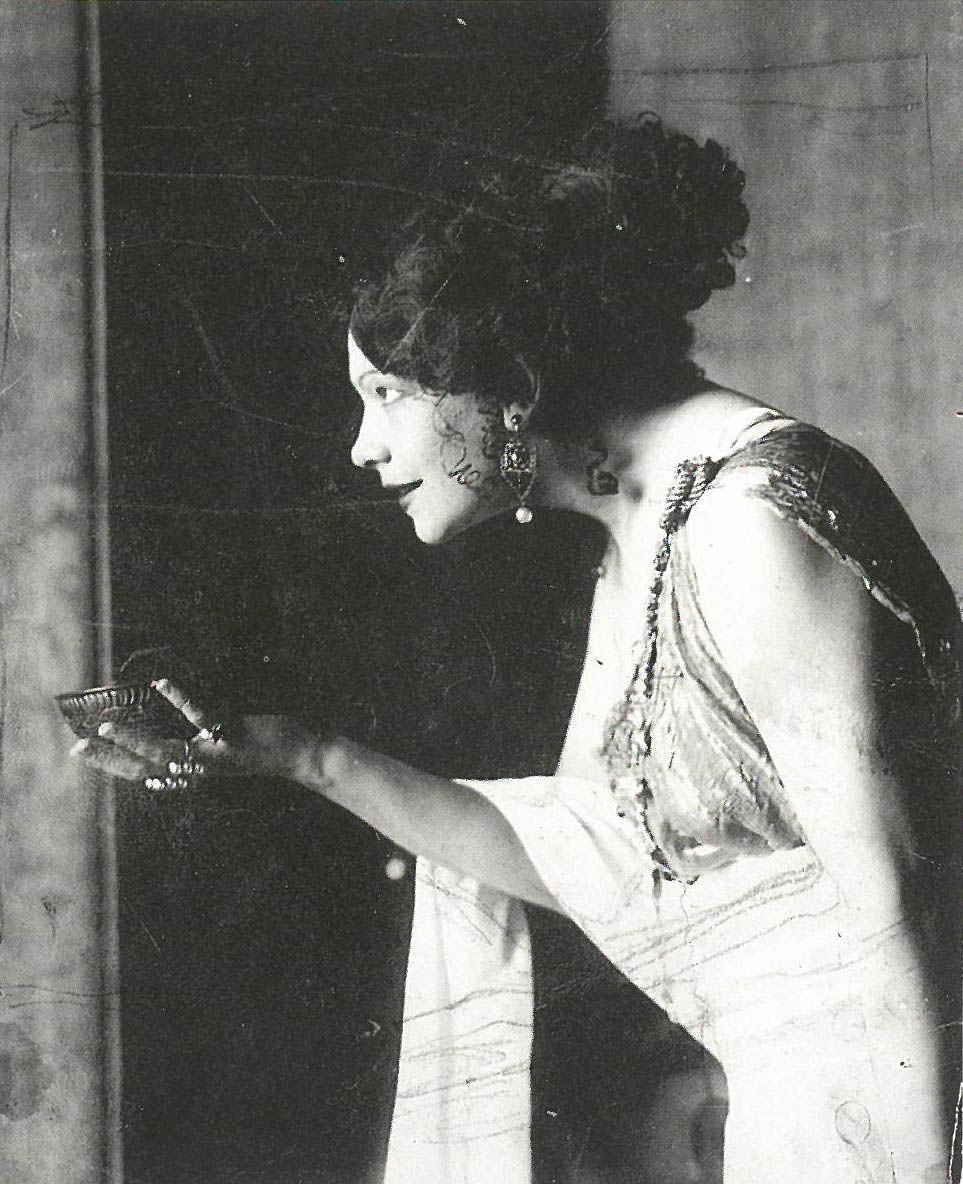
Becker und Maß :: Tilla Durieux als Delila in “Simson” von Frank Wedekind. | Tilla Durieux as Delilah in “Samson” by Frank Wedekind. Published in Die Bühne, Heft 3, 1924. | src ÖNB
Tilla Durieux (1880-1971) Ganzkörperaufnahme, als ‘Delila’ in dem Stück ‘Simson’ von Frank Wedekind, 1914 | src Getty Images
Tilla Durieux (1880-1971), Ganzkörperaufnahme, als ‘Delila’ in dem Stück ‘Simson’ von Frank Wedekind, 1914. Aufnahme: Becker & Maaß src Getty Images

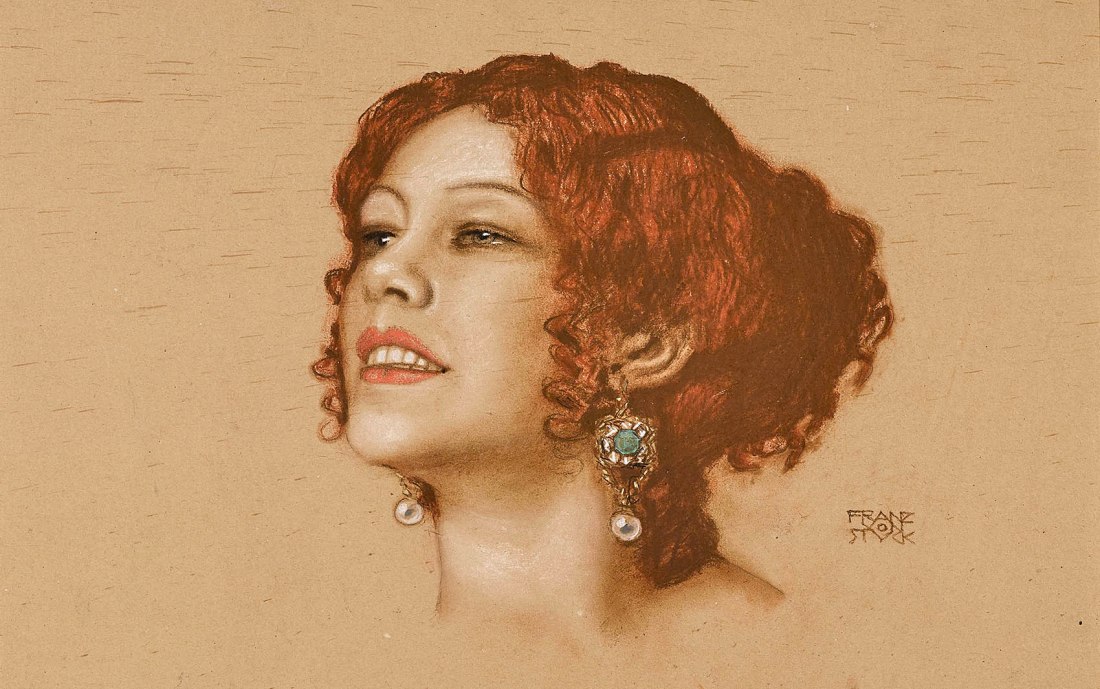
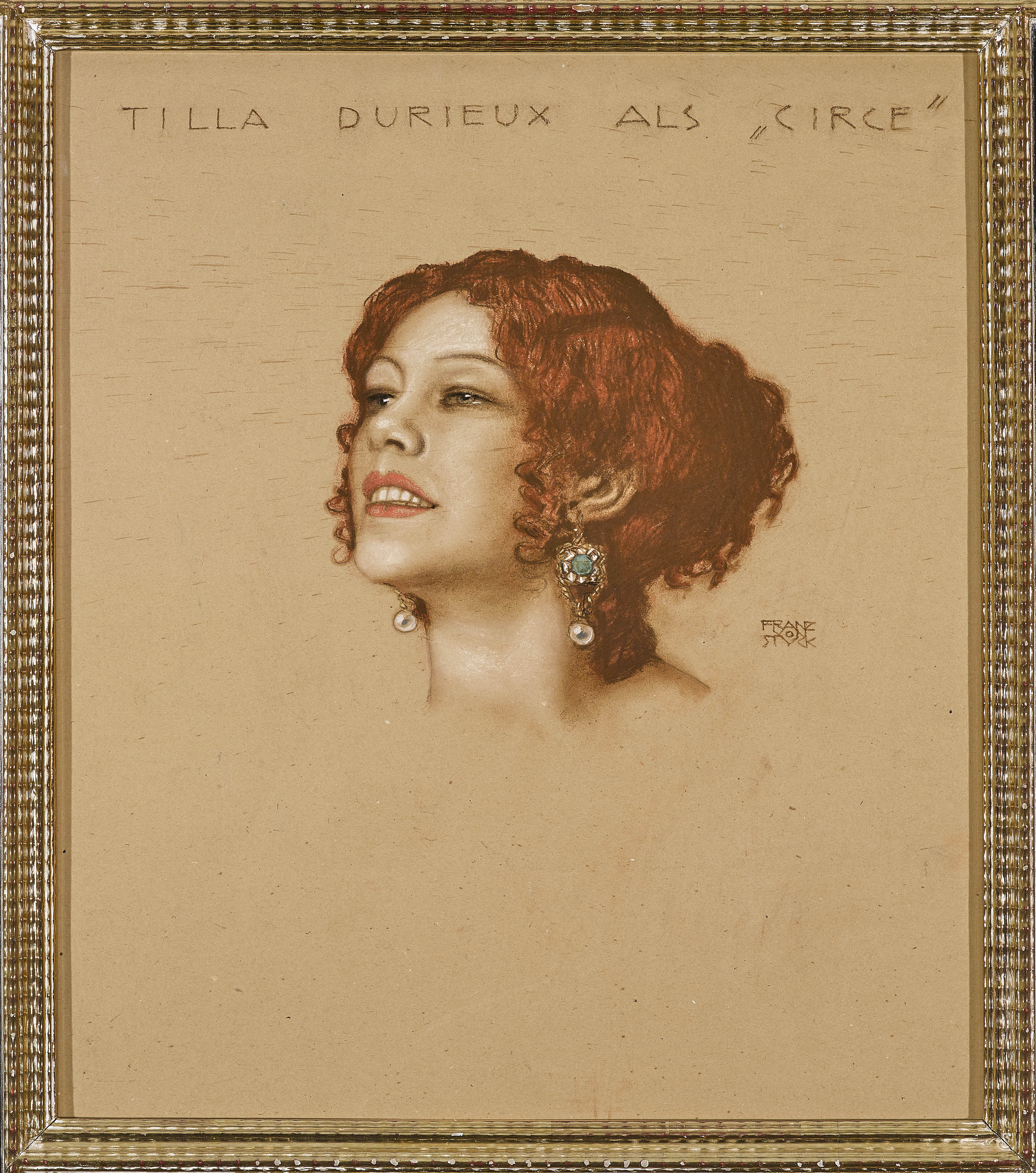
Tilla Durieux als Circe, ca. 1912

Circe, Durieux, Stuck, Münchner secession, 1910s
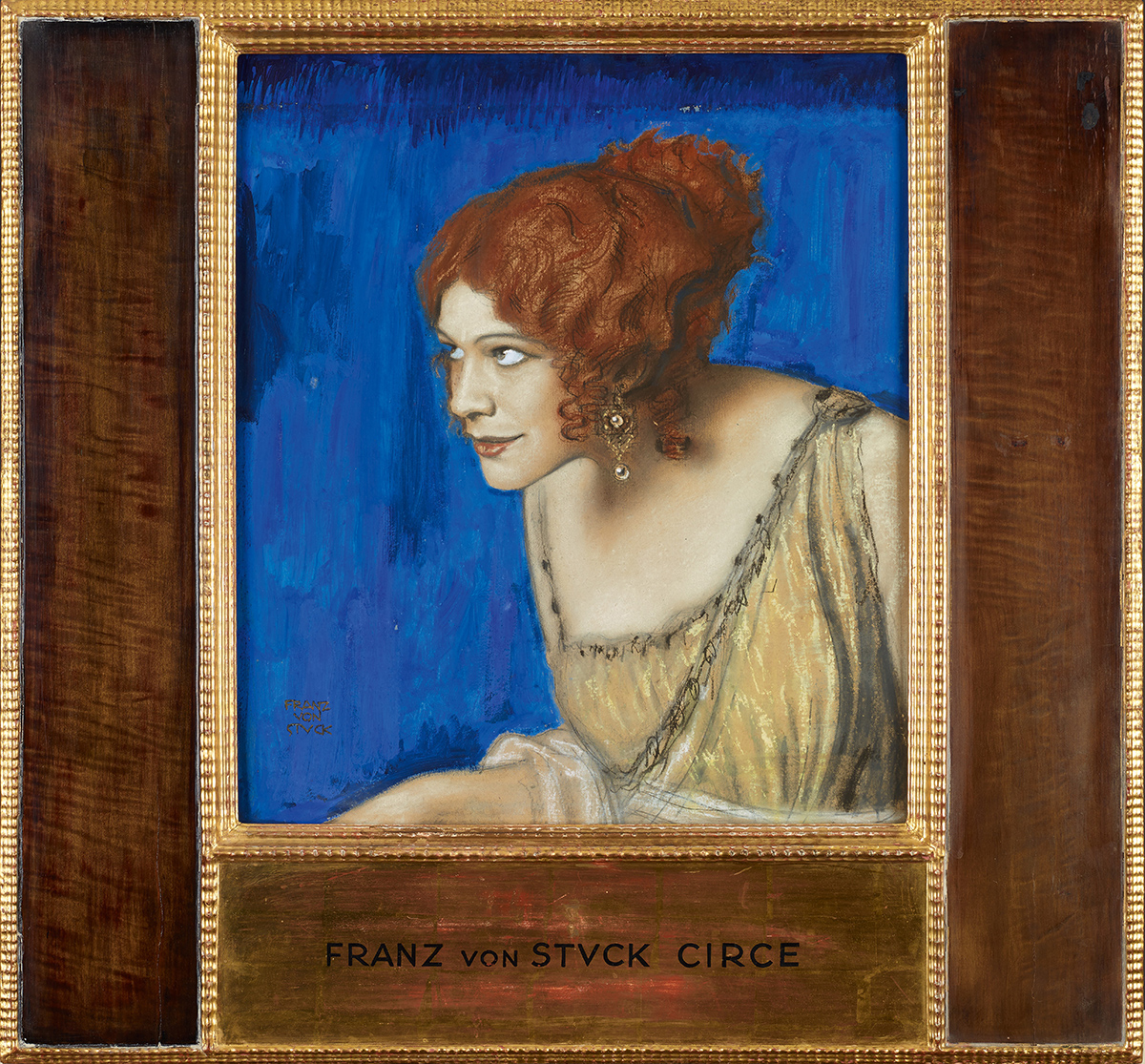
Franz von Stuck :: Tilla Durieux als Circe, um 1912-1913. Pastell über Bleistift auf bräunlichem Malkarton (Pastel over pencil on brownish cardboard). | src kunkel fine art.de
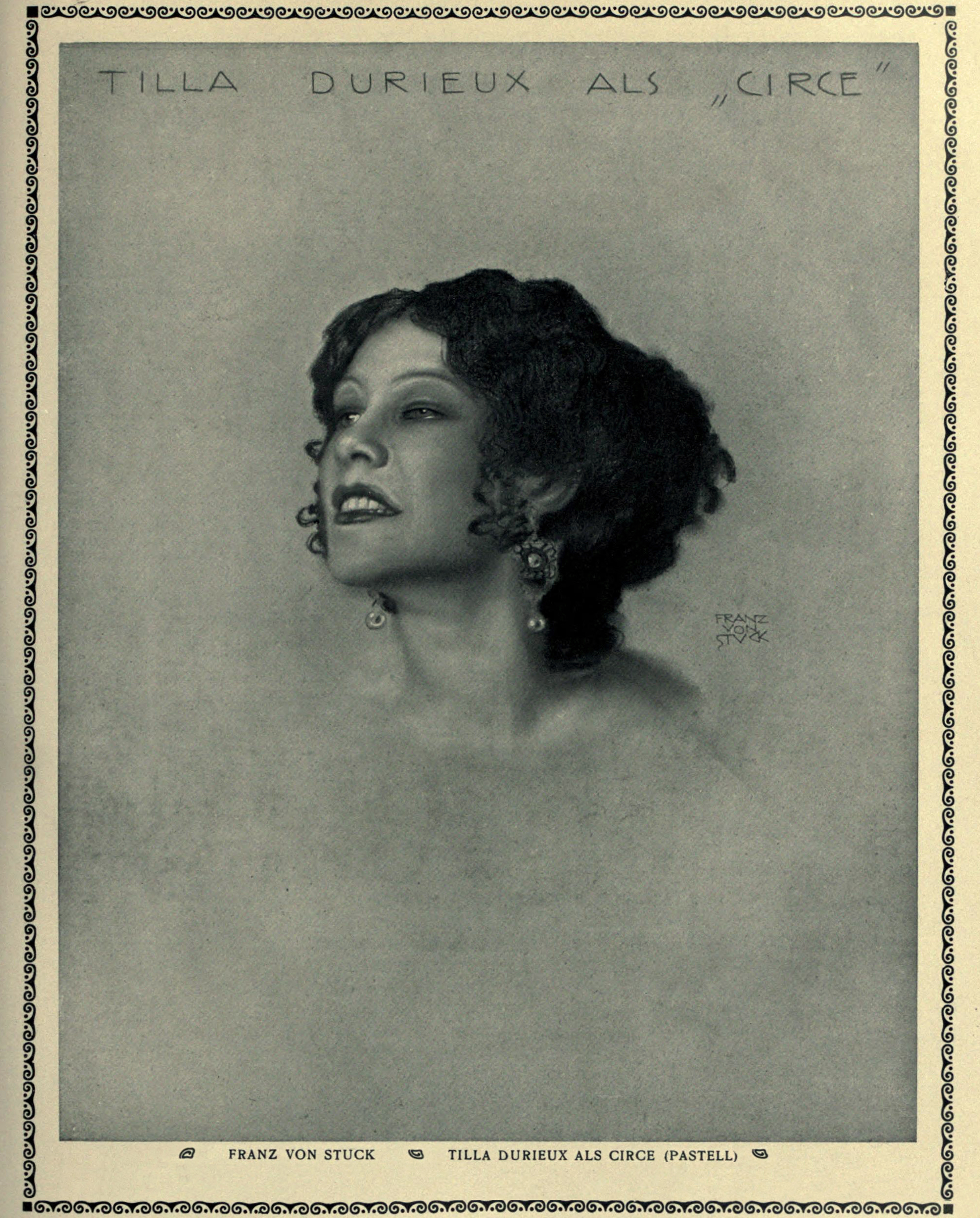
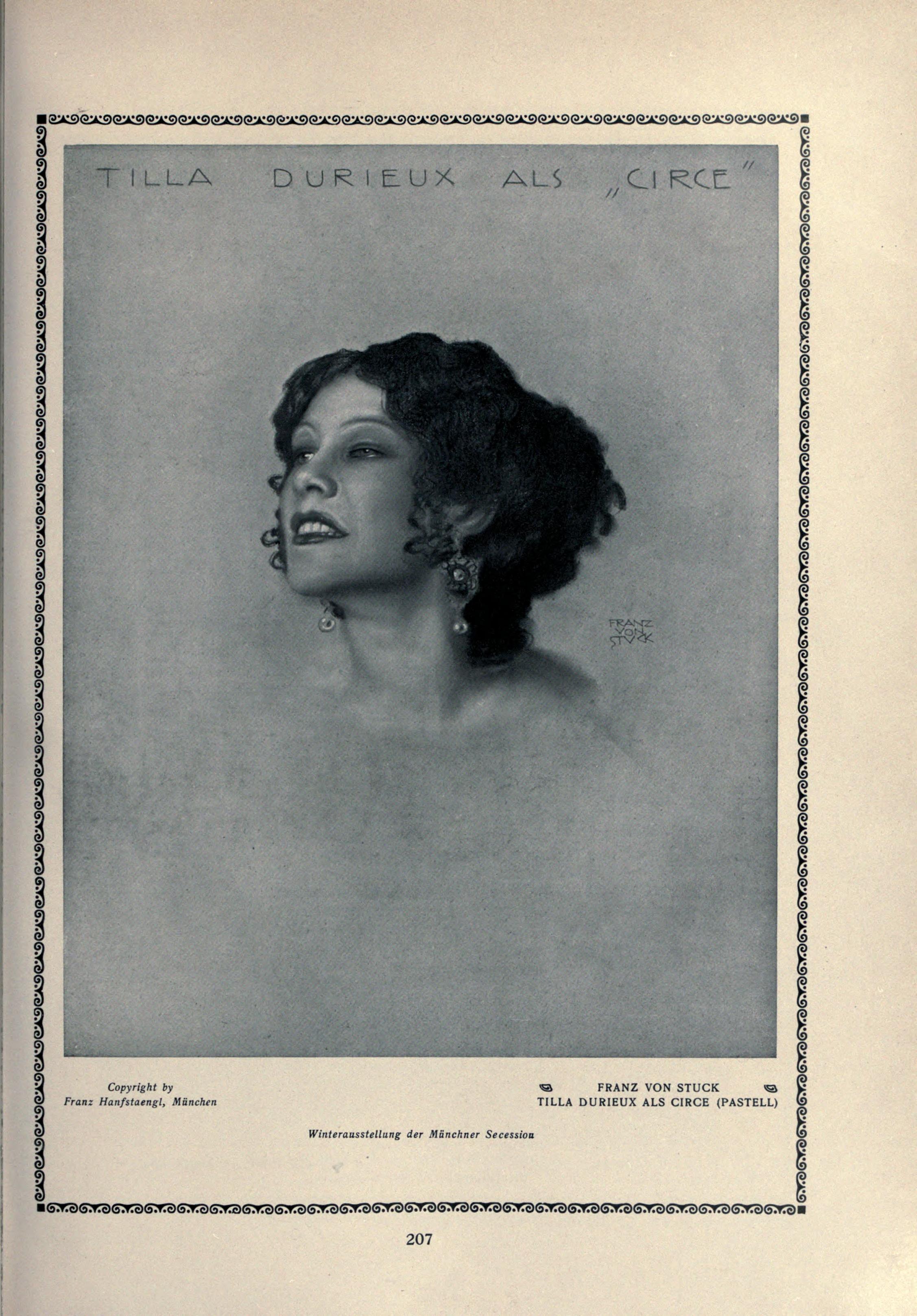
Franz von Stuck :: Tilla Durieux als Circe (close up, detail). Winterausstellung der Münchner Secession (Winter exhibition of the Munich Secession). | src Die Kunst: Monatsheft für freie und angewandte Kunst. XXIX Jahrgang. (1914) at internet archive
Franz von Stuck :: Tilla Durieux als Circe, 1912. Private coll. | src Leopold Museum, Wien
Franz von Stuck :: Tilla Durieux als Circe. Winterausstellung der Münchner Secession (Winter exhibition of the Munich Secession). | src Die Kunst: Monatsheft für freie und angewandte Kunst. XXIX Jahrgang. (1914) at internet archive
Franz von Stuck :: Tilla Durieux als Circe, um 1912-1913. Pastell über Bleistift auf bräunlichem Malkarton (Pastel over pencil on brownish cardboard). | src kunkel fine art.de
Franz von Stuck :: Tilla Durieux als Circe. Winterausstellung der Münchner Secession (Winter exhibition of the Munich Secession). | src Die Kunst: Monatsheft für freie und angewandte Kunst. XXIX Jahrgang. (1914) at internet archive FULL PAGE
Franz von Stuck :: Tilla Durieux als Circe. Winterausstellung der Münchner Secession (Winter exhibition of the Munich Secession). | src Die Kunst: Monatsheft für freie und angewandte Kunst. XXIX Jahrgang. (1914) at internet archive [full page]

Tilla Durieux as Clytemnestra

Zander & Labisch ~ Tilla Durieux in her role as Clytemnestra, 1904. Vintage collodion paper print. Photographers’ name and year in the negative in lower right corner | src Bassenge Auktion 121
Zander & Labisch ~ Tilla Durieux als Clytemnestra [detail]
Tilla Durieux, German actress. Photography.1914. [Tilla Durieux, deutsche Schauspielerin. Fotographie. 1914.] Vielleicht : Becker & Maaß (?)
Tilla Durieux, actress. Full length portrait / Tilla Durieux, Schauspielerin, Ganzkörperaufnahme, 1914 (sic) / getty images

Tilla Durieux in Josephslegende

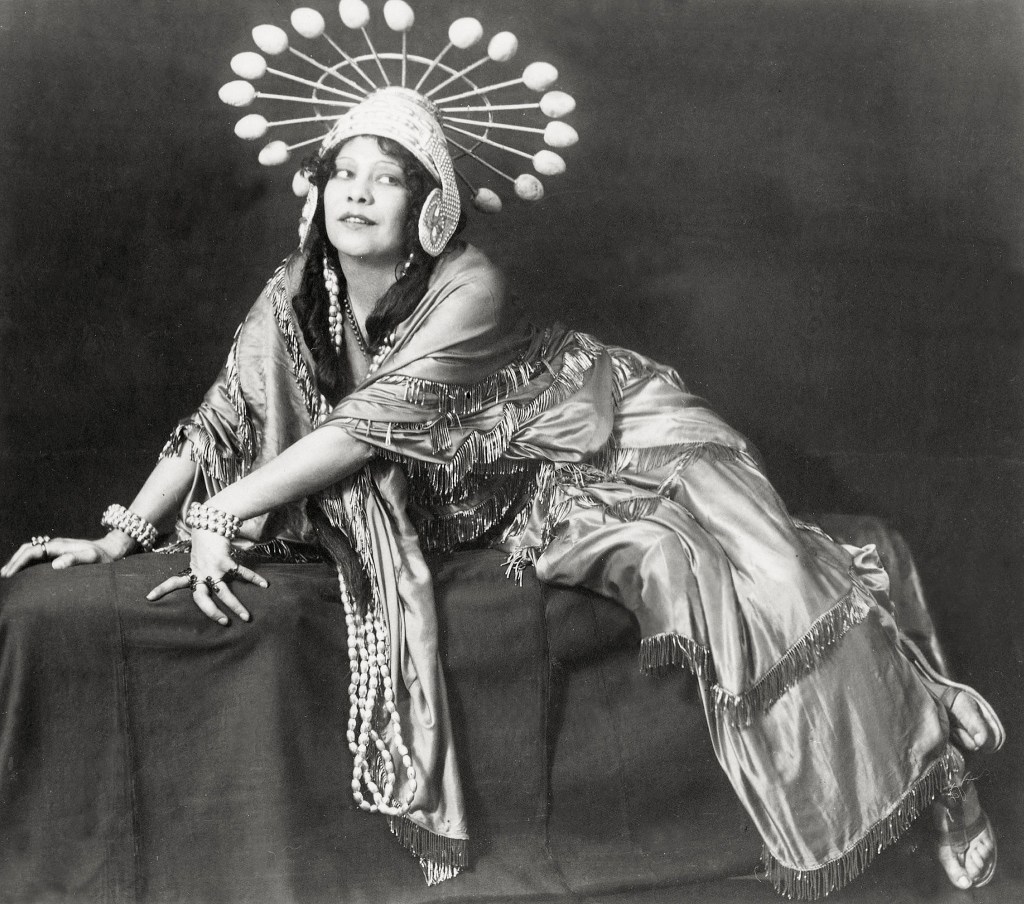
Tilla Durieux, (1880-1971, Eigentlich Ottilie Godeffroy), Ganzkörperaufnahme, in "Josephslegende", 1921. Foto: Atelier Becker & Maaß; veroeffentlicht: die Dame 13/1921
Atelier Becker & Maaß ~ Tilla Durieux, [b. Ottilie Godeffroy], Ganzkörperaufnahme, in Josephslegende, 1921. Die Dame 13/1921
Atelier Becker & Maaß ~ Tilla Durieux, [née Ottilie Godeffroy] in Josephslegende, 1921. Die Dame 13/1921 | src getty images

Tilla Durieux als Circe

sin and secession
Franz or Mary von Stuck :: Study of Tilla Durieux as Circe, ca. 1912. © Belvedere, Vienna | DETAIL
Franz or Mary von Stuck ~ Study of Tilla Durieux as Circe, ca. 1912. © Belvedere, Vienna | Detail
Franz von Stuck :: Tilla Durieux as Circe, cf. 1913 © Belvedere, Vienna. From : Franz von Stuck, in mostra a Vienna il peccato e la Secessione
Franz von Stuck ~ Tilla Durieux as Circe, cf. 1913 © Belvedere, Vienna. From : Franz von Stuck, in mostra a Vienna il peccato e la Secessione
Tilla Durieux as Circe, ca. 1912
Franz or Mary von Stuck :: Study of Tilla Durieux as Circe, ca. 1912. © Belvedere, Vienna
Franz or Mary von Stuck ~ Study of Tilla Durieux as Circe, cf. 1912. © Belvedere, Vienna | src Sin and SecessionAlain.R.Truong
Franz von Stuck :: Tilla Durieux as Circe, cf. 1913 © Belvedere, Vienna. From : Franz von Stuck, in mostra a Vienna il peccato e la Secessione
Franz von Stuck ~ Tilla Durieux as Circe, cf. 1913 © Belvedere, Vienna. From : Franz von Stuck, in mostra a Vienna il peccato e la Secessione

Tilla Durieux als Circe, um 1912

Franz von Stuck :: Study of Tilla Durieux as Circe, ca. 1913. Oil on wood. | Tilla Durieux als Circe, um 1913 © Staatliche Museen zu Berlin, Nationalgalerie - Leihgabe der Bundesrepublik Deutschland, also (on loan) at Leopold Museum, Wien
Franz von Stuck :: Study of Tilla Durieux as Circe, ca. 1913. Oil on wood. | Tilla Durieux als Circe, um 1913 © Staatliche Museen zu Berlin, Nationalgalerie – Leihgabe der Bundesrepublik Deutschland, also (on loan) at Leopold Museum, Wien
Fotografie von Franz oder Mary von Stuck, die Tilla Durieux in der Rolle der Circe zeigt. Das Foto diente als Vorlage für das Gemälde “Tilla Durieux als Circe”, ca. 1912. © Sammlung Museum Villa Stuck via wikimedia
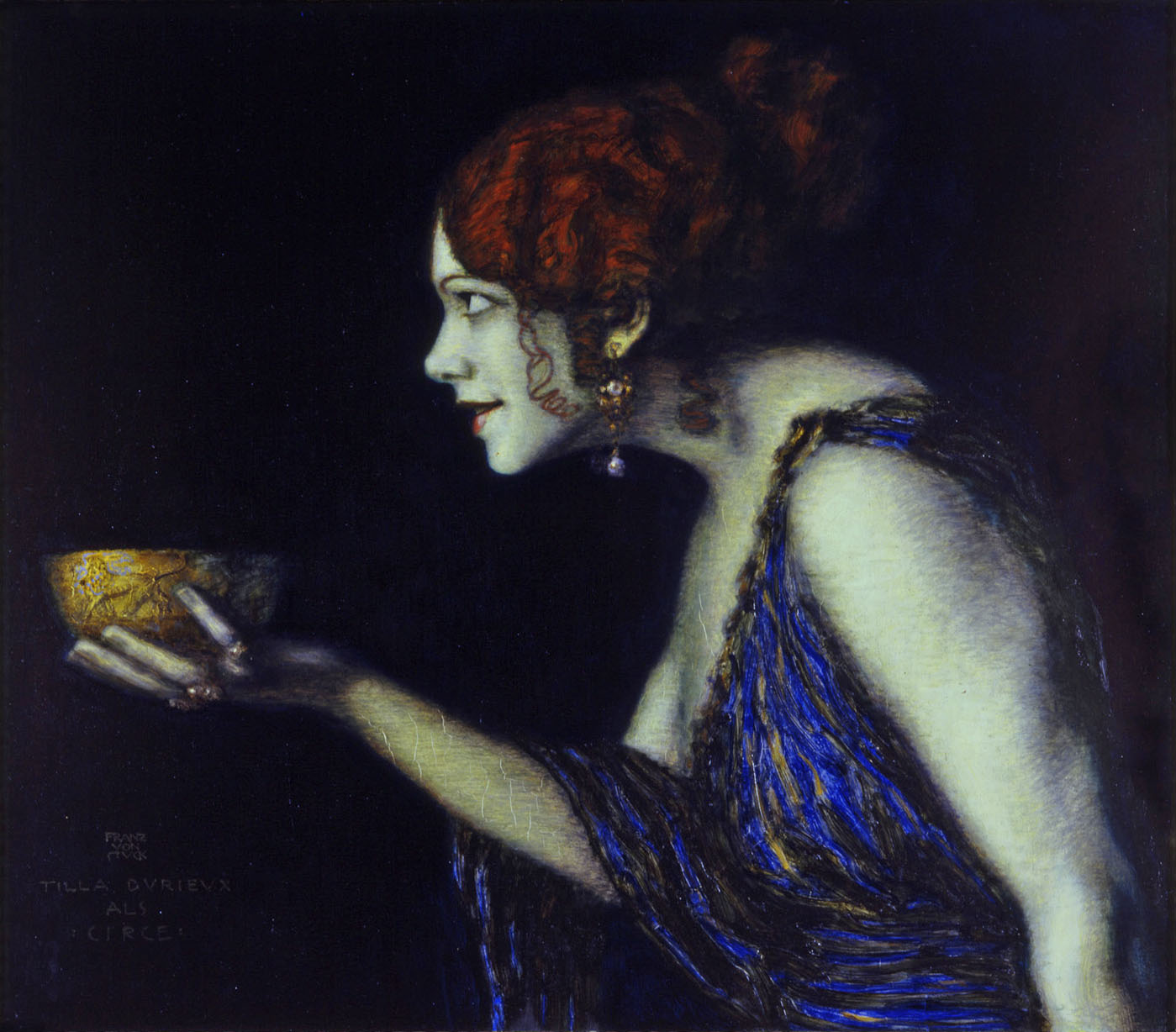
Franz von Stuck :: Tilla Durieux as Circe, circa 1913. Oil on wood. | Staatliche Museen zu Berlin

Als Schauspielerin wurde die in Wien als Ottilie Godefroy geborene Tilla Durieux (1880–1971) ab 1903 an der Bühne von Max Reinhardt in Berlin berühmt. Sie ist vielfach dargestellt worden, allein drei Künstler widmeten sich dieser Aufgabe im Jahre 1912: Ernst Barlach modellierte auf Wunsch von Paul Cassirer, dem zweiten Ehemann Durieux’, eine Büste, die noch im selben Jahr in Porzellan und in Bronze gegossen wurde. Ebenfalls 1912 stellten Hugo Lederer und Stuck sie in der Rolle der Circe aus dem gleichnamigen Stück von Pedro Calderón dar, mit der sie im Münchner Künstlertheater großen Erfolg hatte. Lederer schuf eine Statue. Stuck ließ die Schauspielerin, entsprechend einer häufig von ihm angewandten Arbeitsweise, in seinem Atelier fotografieren, in für das geplante Bild effektvollen Posen. Eine dieser fotografischen Studien (Nachlass Franz von Stuck, Nr. 47 A, Museum Villa Stuck, München) diente dem Gemälde als direkte Vorlage. Im Bild hebt sich Tilla Durieux als Circe in scharfem Profil vom dunklen Grund ab. Gleichermaßen schön und gefährlich, mit lauernd-lockendem Blick reicht sie ihrem imaginären Gegenüber eine goldene Weinschale. Else Lasker- Schüler dichtete: „Barlach formte den Kopf / In bläulich Porzellan, / Als Kleopatra malte sie Slevogt. / Senken sich ihre witternden Vogelaugen, / Dann schwankt die Bühne vor Todesbeben: / Alkestis“ (Der Querschnitt, 2. Jg. [1922], Weihnachtsheft, S. 179). Die suggestive Darstellung suchte Stuck mit einem eigens entworfenen Rahmen noch zu verstärken. | Angelika Wesenberg für Staatliche Museen zu Berlin

SEE ALSO: Malerei und Photographie im Dialog von 1840 bis heute. Ausstellung im Rahmen der Junifestwochen, Zürich, Kunsthaus Zürich, 13.05.1977-24.07.1977

Franz von Stuck :: Tilla Durieux als Circe, um 1913. Bild. Öl auf Holz. | Staatliche Museen zu Berlin

Tilla Durieux (1880-1971), born Ottilie Godefroy in Vienna, became famous as an actress from 1903 on the stage of Max Reinhardt in Berlin. She has been depicted many times, with three artists dedicated to this task in 1912: Ernst Barlach modeled a bust at the request of Paul Cassirer, Durieux’s second husband, which was cast in porcelain and bronze that same year. Also in 1912, Hugo Lederer and Stuck presented her in the role of Circe from the play of the same name by Pedro Calderón, with which she had great success at the Munich Art Theater. Lederer created a statue. Stuck had the actress photographed in his studio, in accordance with a working method he often used, in effective poses for the planned picture. One of these photographic studies (Franz von Stuck estate, no. 47 A, Museum Villa Stuck, Munich) served as a direct template for the painting. In the picture, Tilla Durieux as Circe stands out in sharp profile against the dark background. Equally beautiful and dangerous, with a lurking, alluring look, she hands her imaginary counterpart a golden wine bowl. | From Staatliche Museen zu Berlin
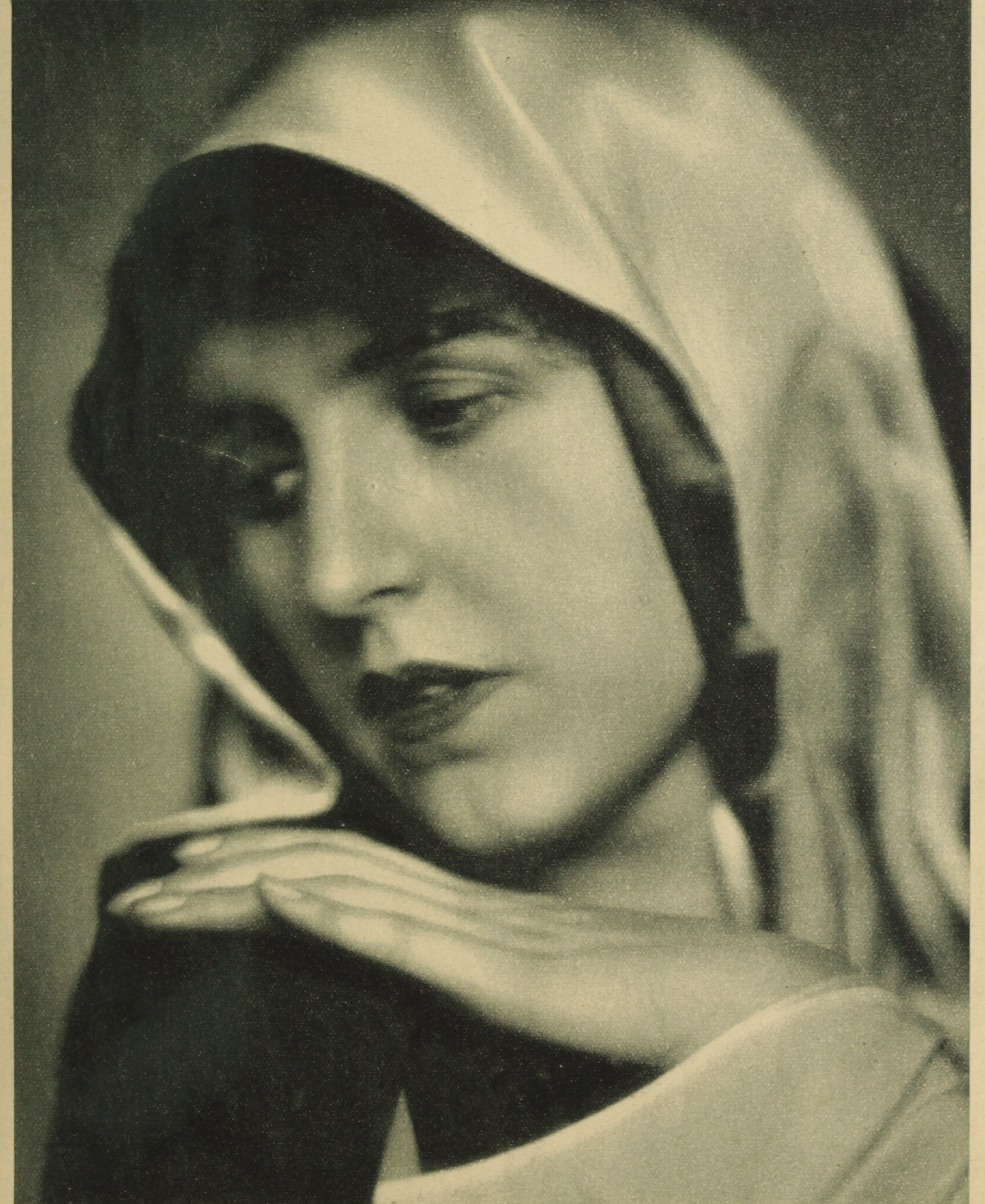
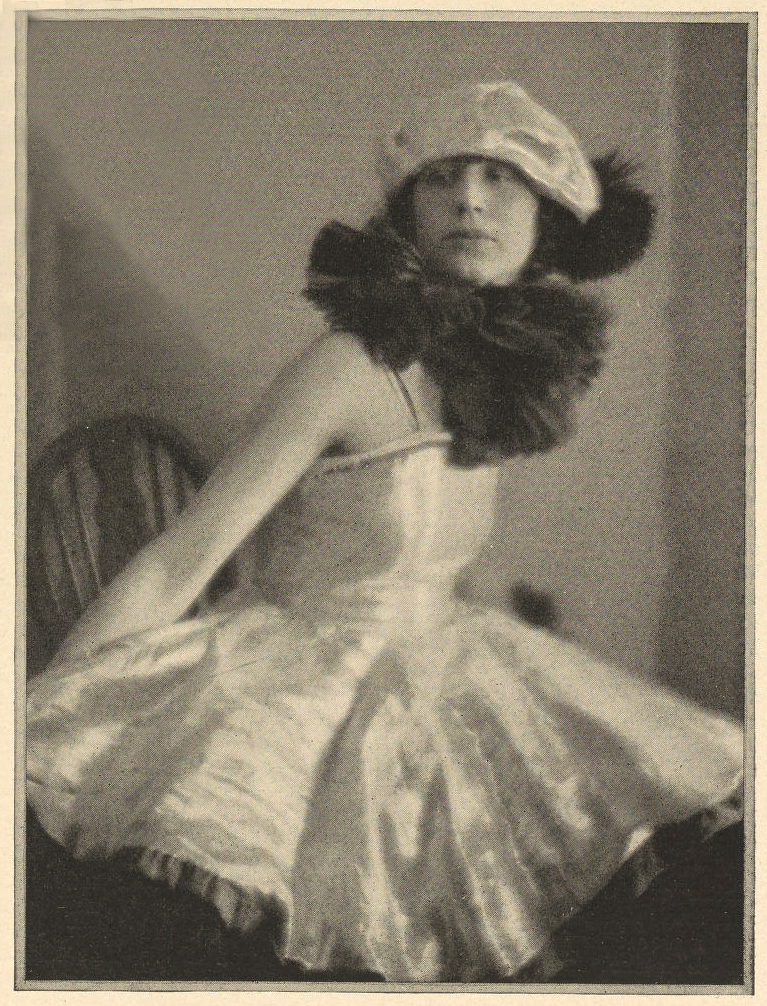
Pfundmayr in Mädchen aus Palästina

Rudolf Koppitz (1884-1936) ~ Tänzerin Hedy Pfundmayr in ihrem Tanz «Mädchen aus Palästina». Die Bühne, Februar 1929 H. 223

Vaudeville dancer Ann Linn, 1922

Clara E. Sipprell :: Ann Linn dancing now in vaudeville with Lou Lockett. Shadowland, April 1922 issue. | src archive.org

Alexander Rumnev, ca. 1920

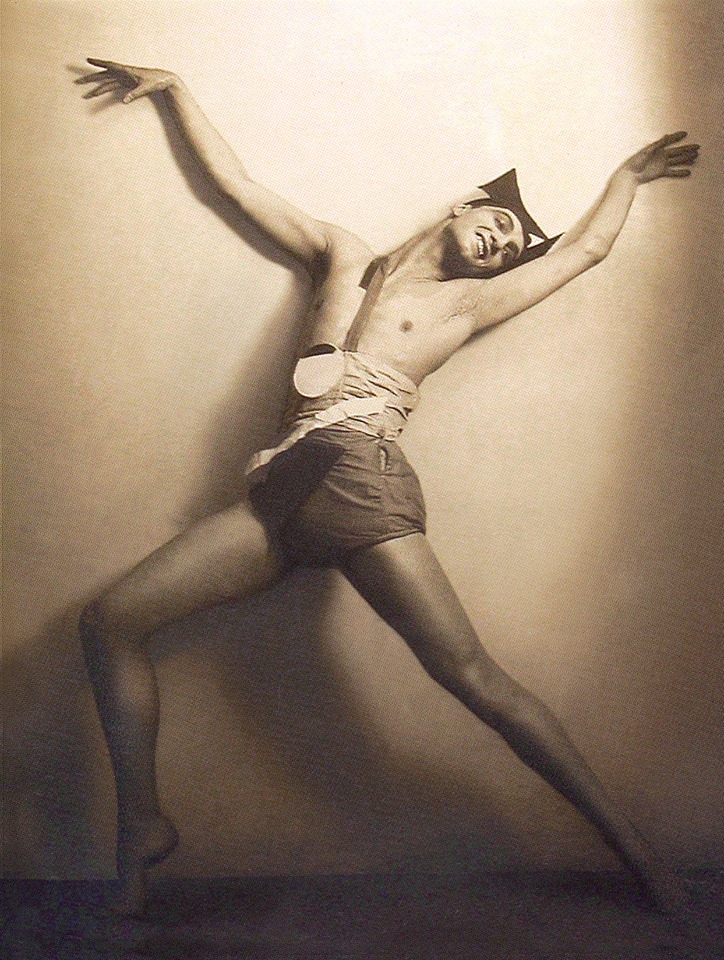
Nikolai Ivanovich Svishtov (pseudonym Paola) :: Dancer, Moscow, 1920. (maybe Aleksander Rumnev, Soviet dancer and actor of the Kamerny Thatre) | src Masterpieces of Soviet Photography (2018)
Nikolai Ivanovich Svishtov (pseudonym Paola) :: Aleksander Rumnev, Soviet dancer and  actor of the Kamerny Theater. Negative medium format, gelatin silver print w/ chemical toning. The picture was probably taken as part of the program “The Art of Movement” (GAKhN, 1924-1927) or earlier (late 1910s). | sources: RGALI collection and Isadora Duncan; the Russian years
Nikolai Ivanovich Svishtov (pseudonym Paola) :: Aleksander Rumnev, Soviet dancer and  actor of the Kamerny Theater. Negative medium format, gelatin silver print w/ chemical toning. The pictures were probably taken as part of the program “The Art of Movement” (GAKhN, 1924-1927) or earlier (late 1910s). | sources: RGALI collection and Isadora Duncan; the Russian years

Why little Sasha start dancing? (text updated 2020)

Soviet dance pioneer Aleksandr Aleksandrovich Ziakin (1899-1965), known as Rumnev or Alexander Rumnev, took his pseudonym from the family estate: Rumnia.

Rumnev started dancing after Duncan’s show in 1905. Little Sasha Zyakin (Rumnev) had not seen Duncan’s performance in Moscow in 1905 (he only heard his parents talk about it), the boy «stripped himself of all his clothes, wrapped into a sheet and attempted to reproduce her dance in front of the mirror».

From an early age, Aleksandr Rumnev (1899-1965) dreamt of dancing, yet he could do it only after graduating from high school. In 1918 he took up ballet classes, and a friend brought him to Liudmila Alekseeva’s studio. For the talented student, Alekseeva choreographed several dances to the music by Rakhmaninov and a dance of the ocean wave to the etude by Carl Czerny. Tall, slim and flexible, Rumnev was a born dancer, and within a year he had already founded his own company. He also performed with other companies including Lev Lukin’s Free Ballet (see below). The art critic Aleksey Sidorov found him «stunning»; he believed that «even the West» could be proud of such dancer.
During the Civil War private dance studios experienced hard times for the shortage of rooms with heating. As a matter of survival, Rumnev suggested to create an umbrella-studio, A Search in Dance. The space was provided by Alekseeva, there Rumnev taught dance and pantomime, and other dancers gave classes of gymnastics, modern dance, rhythmical gymnastics, «expression» and «musicality». Yet in winter it was so cold that, sprayed with water to prevent sliding, wooden floor was quickly covered with ice.

In 1920 Rumnev joined the Chamber Theatre (Kamernyi Teatr) as a pantomime actor and teacher. He also choreographed his own «grotesque» dances commenting that «this was a tragic grotesque». One of his solos, The Last Romantic, to music by Scriabin, was about a «contemporary Don Quixote». Yet, for the new proletarian culture, Rumnev was «too refined, he moved too elegantly, waving with aristocratic narrow hands, striking with broken movement of long arms and legs». Critics found him old-fashioned and ‘decadent’. He was also gay which became criminalized under Stalin. In 1933 Rumnev fled Moscow. Several years later he was arrested in the provinces and served a prison sentence. In 1962 he finally succeeded in founding the Experimental Theatre for Pantomime, the genre he had been committed to from the beginning. Sadly, Rumnev died two years later, and his theatre did not survive his death.

quoted from Irina Sirotkina: The Revolutionary Body, or Was There Modern Dance in Russia?

Margo Lion dressed as a poodle

Freiherr Wolff von Gudenberg :: Actress and cabaret artist Margo Lion dressed as a poodle in the play ‘Es liegt in der Luft’ (‘It’s in the air’, music by Mischa Spoliansky, text by Marcellus Schiffer), theater ‘Komödie am Kurfürstendamm’, Berlin, 1928. Published in Berliner Illustrirte Zeitung (BIZ) 22/1928. | src Getty Images