Dancing cacti by Grete Kolliner

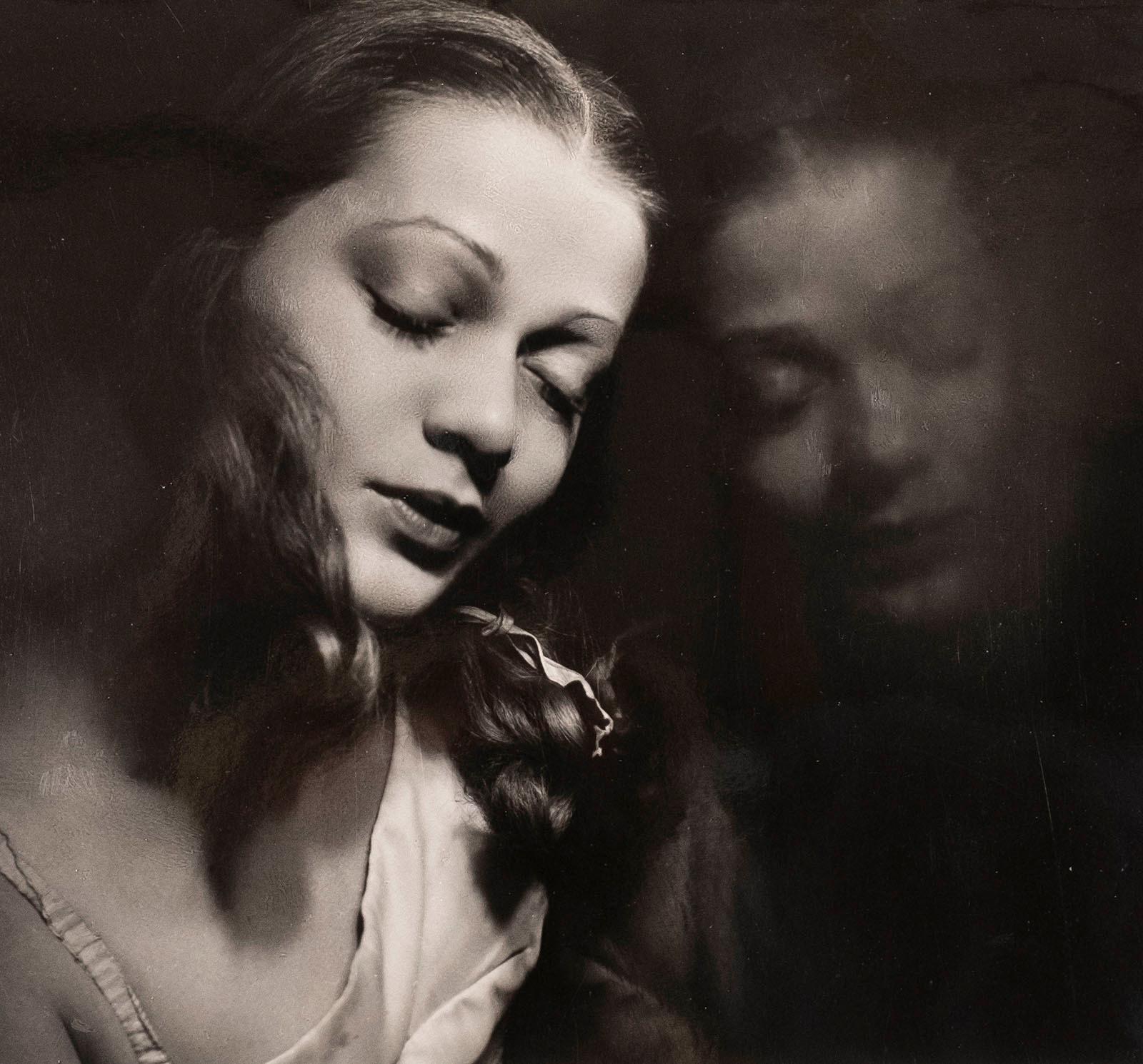
Grete Kolliner (1892-1933) ~ Manon Chaufour und Otto Werberg als Tanzkakteen, um 1931 (detail)
Grete Kolliner (1892-1933) ~ Manon Chaufour und Otto Werberg als Tanzkakteen, um 1931 | src Dorotheum
Atelier Kolliner ~ Manon Chaufour & Otto Werberg als Tanzkakteen (dancing cacti), um 1931 | src Dorotheum
Proveniennz: Aus dem Nachlass Hedi (Hedy) Pfundmayr

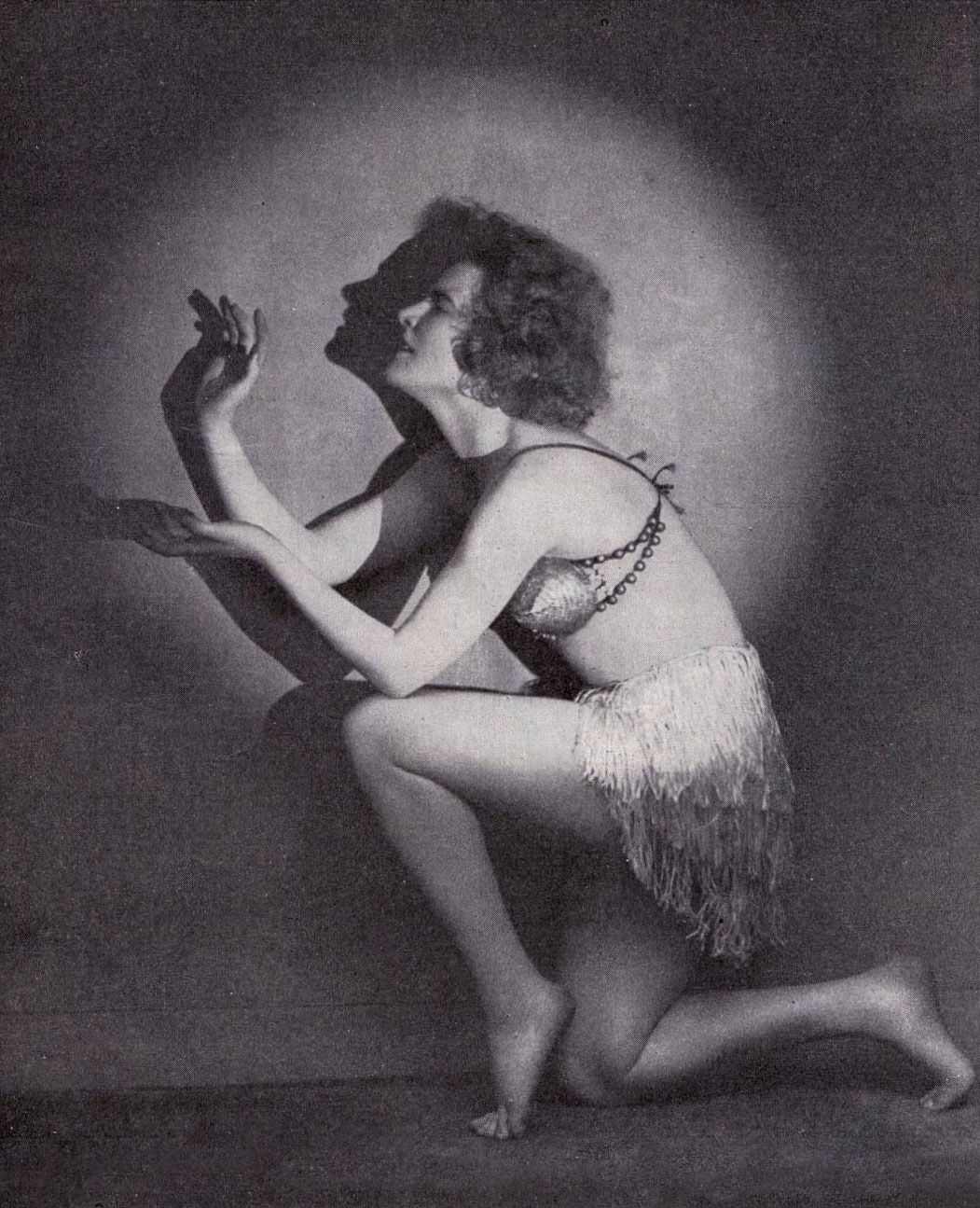
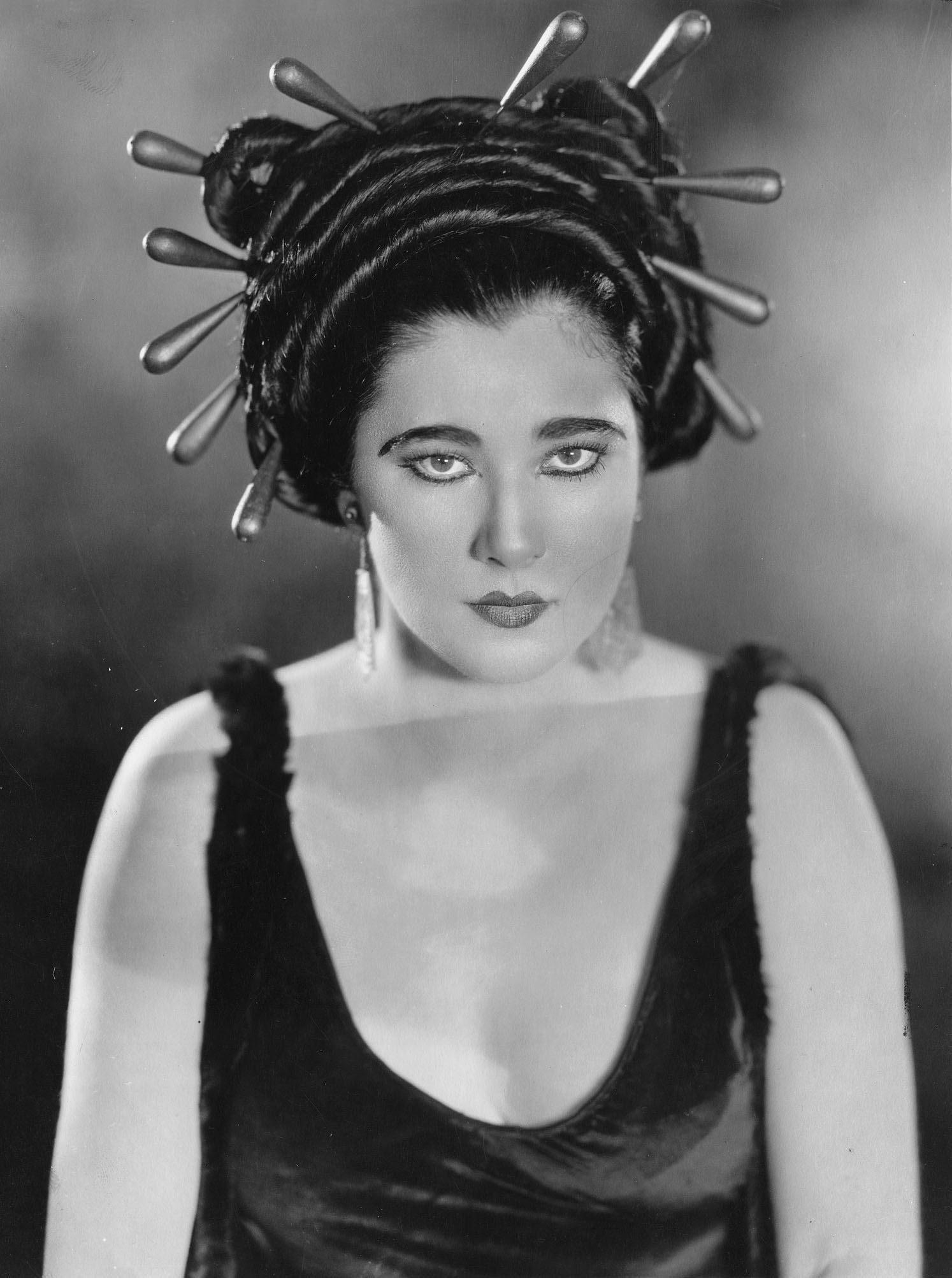
Ella Ilbak in Scenen 1928

Ella Ilbak. Scenen 4/1928, 15 Februari 1928
Ella Ilbak. Scenen 4/1928, 15 Februari 1928 | src Runeberg project

Ophelia by Rosemarie Clausen

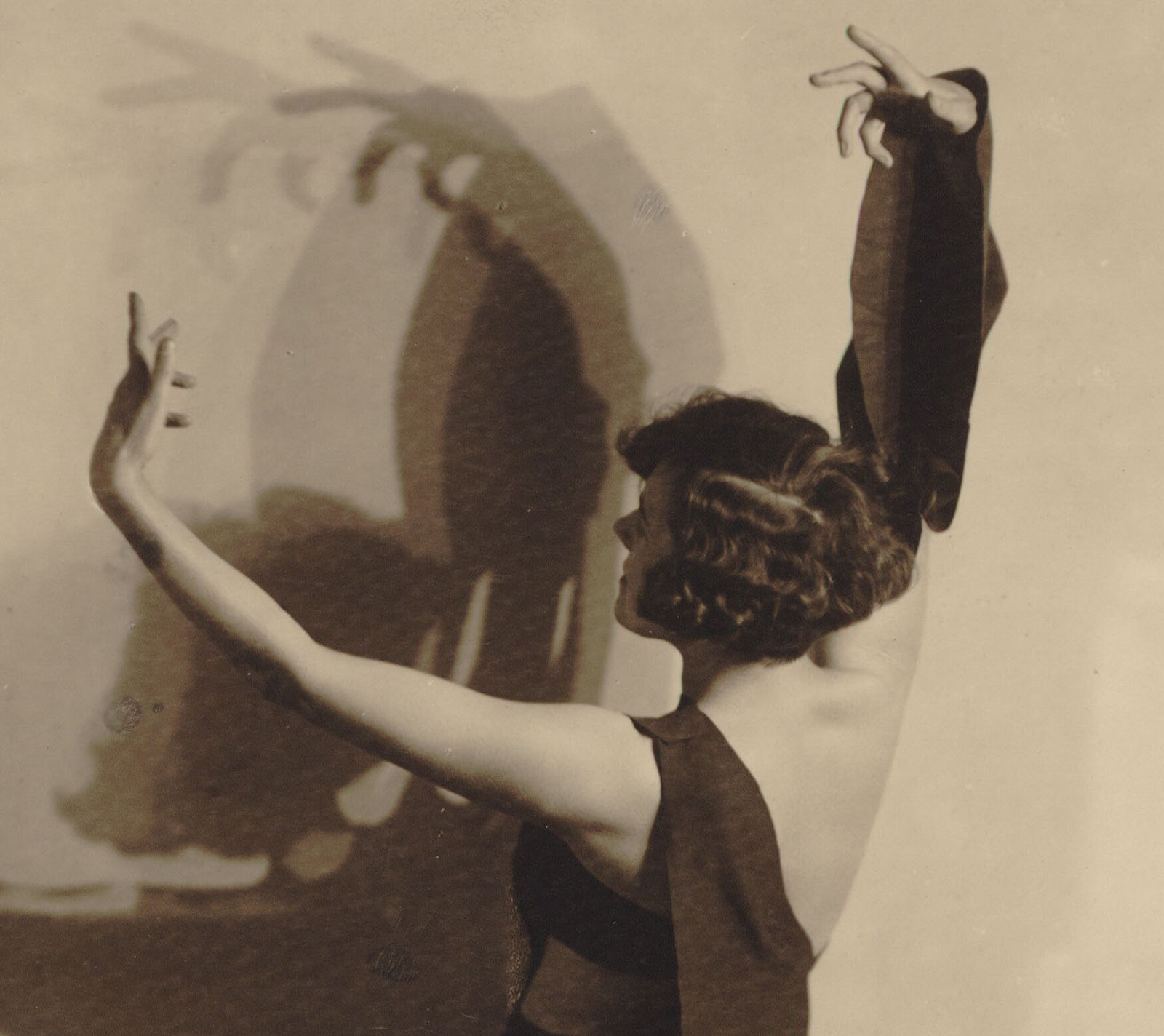
Rosemarie Clausen (1907-1990) ~ Tänzerin Natascha Trofimowa (als Ophelia im Hamlet-Ballett), um 1951 | src Schneider-Henn
(link to pdf)

Verso Studiostempel, auf kartonierte Unterlage geheftet, dort signiert, verso Studiostempel wiederholt, handschriftlich bezeichnet: »…tanzte die ›Ophelia‹ im Hamlet-Ballett Staatsoper Hamburg, Regie Helga Swedlund« (quoted from pdf / page 101)
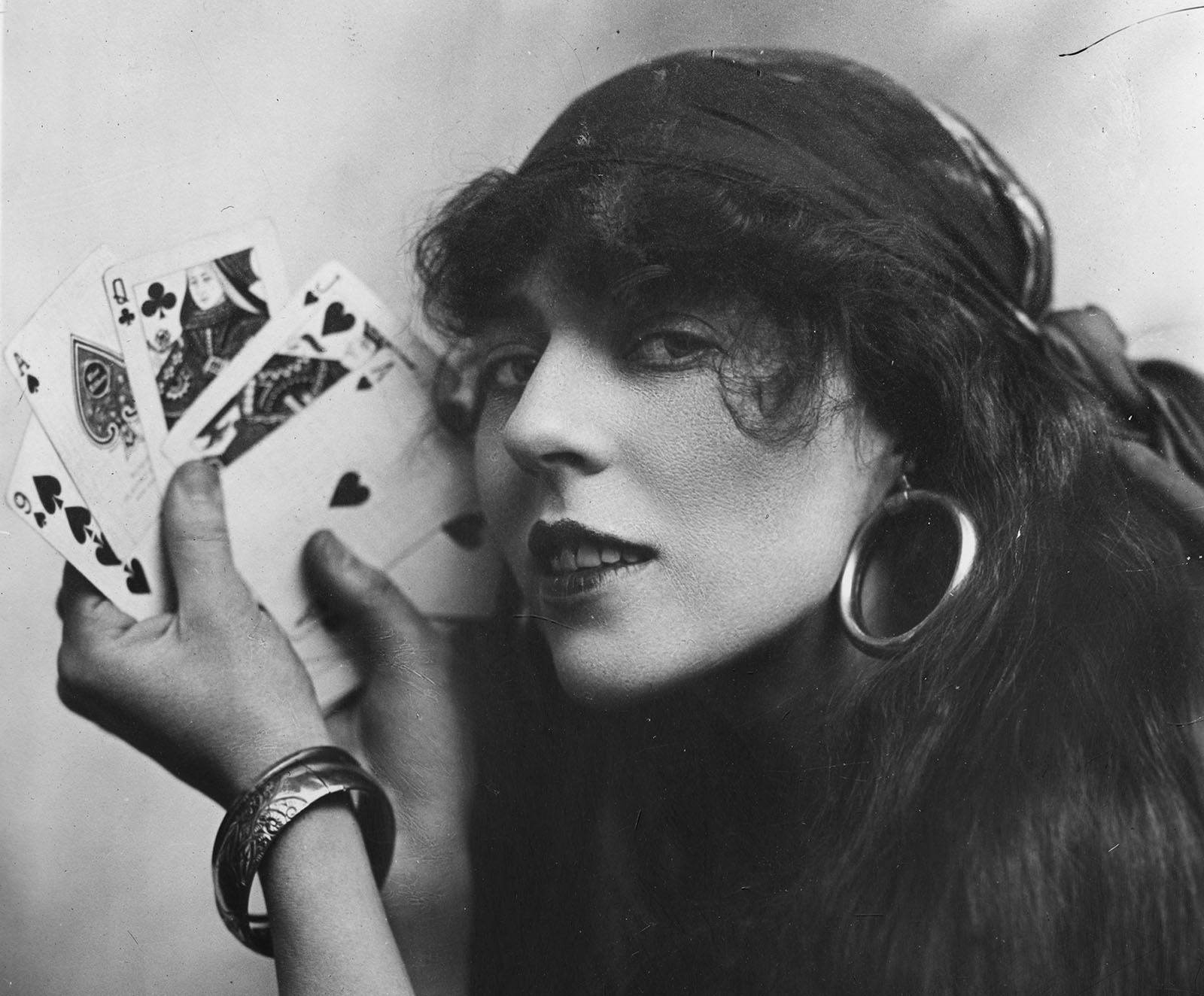
Dancers (1914) by Ruth Hollick

Ruth Hollick ~ [Miss Sugden]; 1914. (Four girls dancing, wearing Grecian costume) | src SLV · State Library of Victoria
Ruth Hollick ~ [Miss Sugden]; 1914. (Four girls weeping, wearing Grecian costumes) Glass negative | src SLV
Ruth Hollick ~ [Miss Sugden]; 1914. (Three girls, wearing Grecian costume, with pan pipes) | src SLV · State Library of Victoria

Roshanara by Hori · 1921-1922

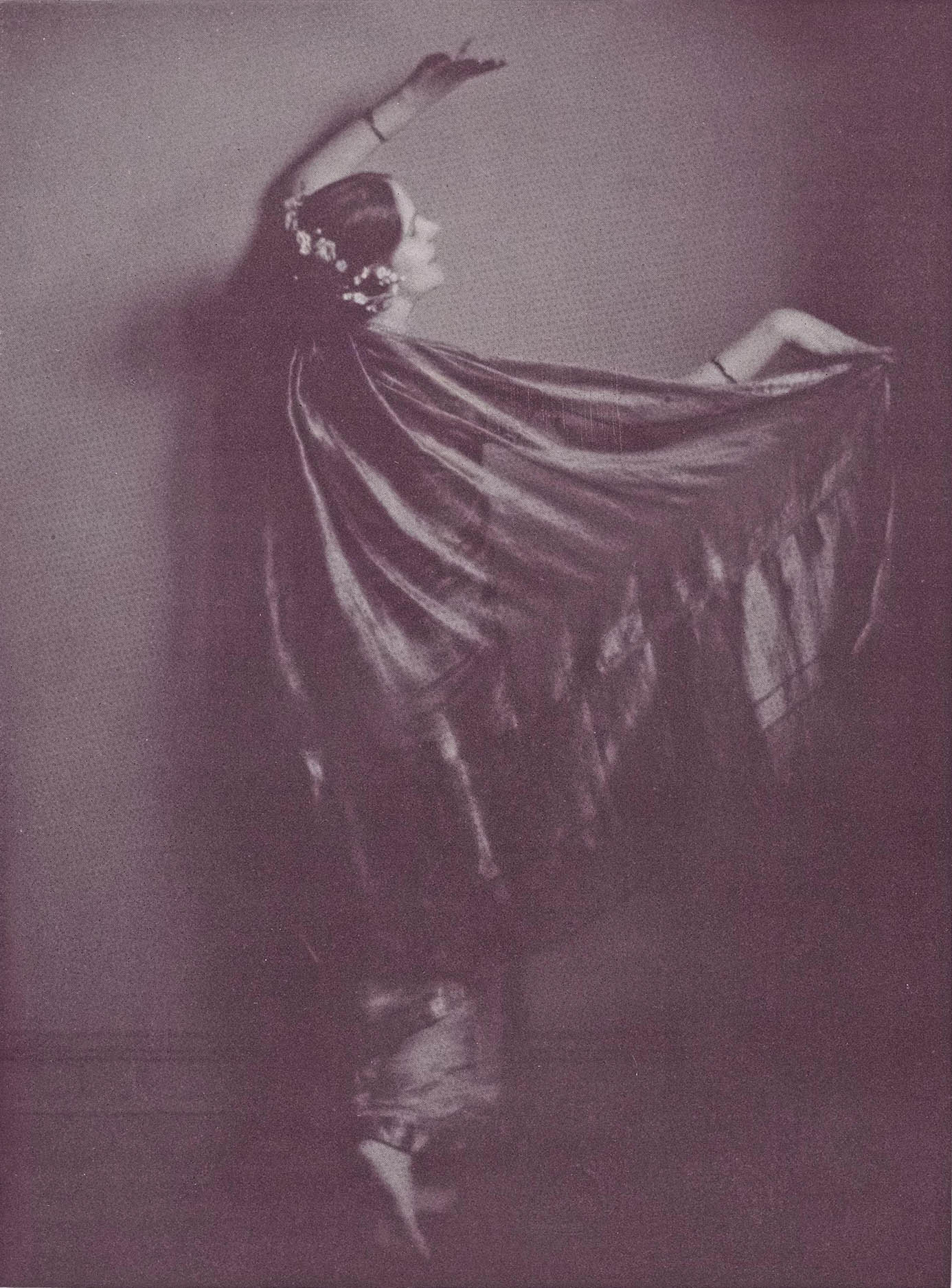
Ichiro E. Hori ~ Roshanara. Shadowland magazine, October 1921 | src internet archive

Caption reads : Roshanara / The gifted British dancer whose work vibrates with the mysticism and color of India and Burma

Ichiro E. Hori ~ Roshanara. Shadowland magazine, October 1921 | Full Page
Ichiro E. Hori ~ Roshanara. A new camera study. Shadowland magazine, January 1922 | src internet archive

Caption reads : Roshanara / A new camera study of the brilliant young interpreter of native Burmese and Indian dances

Ichiro E. Hori ~ Roshanara. Shadowland magazine, January 1922. Full page | src internet archive

Ballet dancer by de Meyer

Baron Adolph de Meyer (1868–1946) ~ Ballet dancer, ca. 1910–1920 | src Christie’s
Baron Adolph de Meyer (1868–1946) ~ Ballet dancer, ca. 1910–1920 (detail)
Baron Adolph de Meyer (1868–1946) ~ Ballet dancers & other portraits, ca. 1910–1920 | src Christie’s
Baron Adolph de Meyer (1868–1946) ~ Ballet dancer, ca. 1910–1920 | src Christie’s
Baron Adolph de Meyer (1868–1946) ~ Ballet dancer, ca. 1910–1920 (detail)
Baron Adolph de Meyer (1868–1946) ~ Ballet dancers & other portraits, ca. 1910–1920 | src Christie’s

Gerd Neggo in Arabesque

Estonian dancer Gerd Neggo in Arabesque, March 1928 | src BnF~Gallica
Gerd Neggo (1891-1974) in Arabesque, 17.III.1928 | src BnF~Gallica
Gerd Neggo, danseuse estonienne dans sa danse ‘L’Arabesque’ au Théâtre Vanemuine à Tartu le 17-III-1928; ph. K. Akel & Ko.

Gerd Neggo was born in Kuressaare, Estonia, in 1891. She studied the Émile Jaques Dalcroze methodology in Stockholm, then studied modern dance and mime under Rudolf von Laban in his dance studio in Hamburg.

After specializing in the art of modern dance, Neggo returned to Tallinn and established her own dance school in 1924. She started teaching students adopting Laban’s modern dance technique. She organized many solo and group dances, including pantomimes. She and her group held performances at the Estonian Drama Theatre.

In 1944, during the Soviet occupation of Estonia, she and her husband Paul Olak migrated to Sweden. Neggo died in Stockholm in 1974.
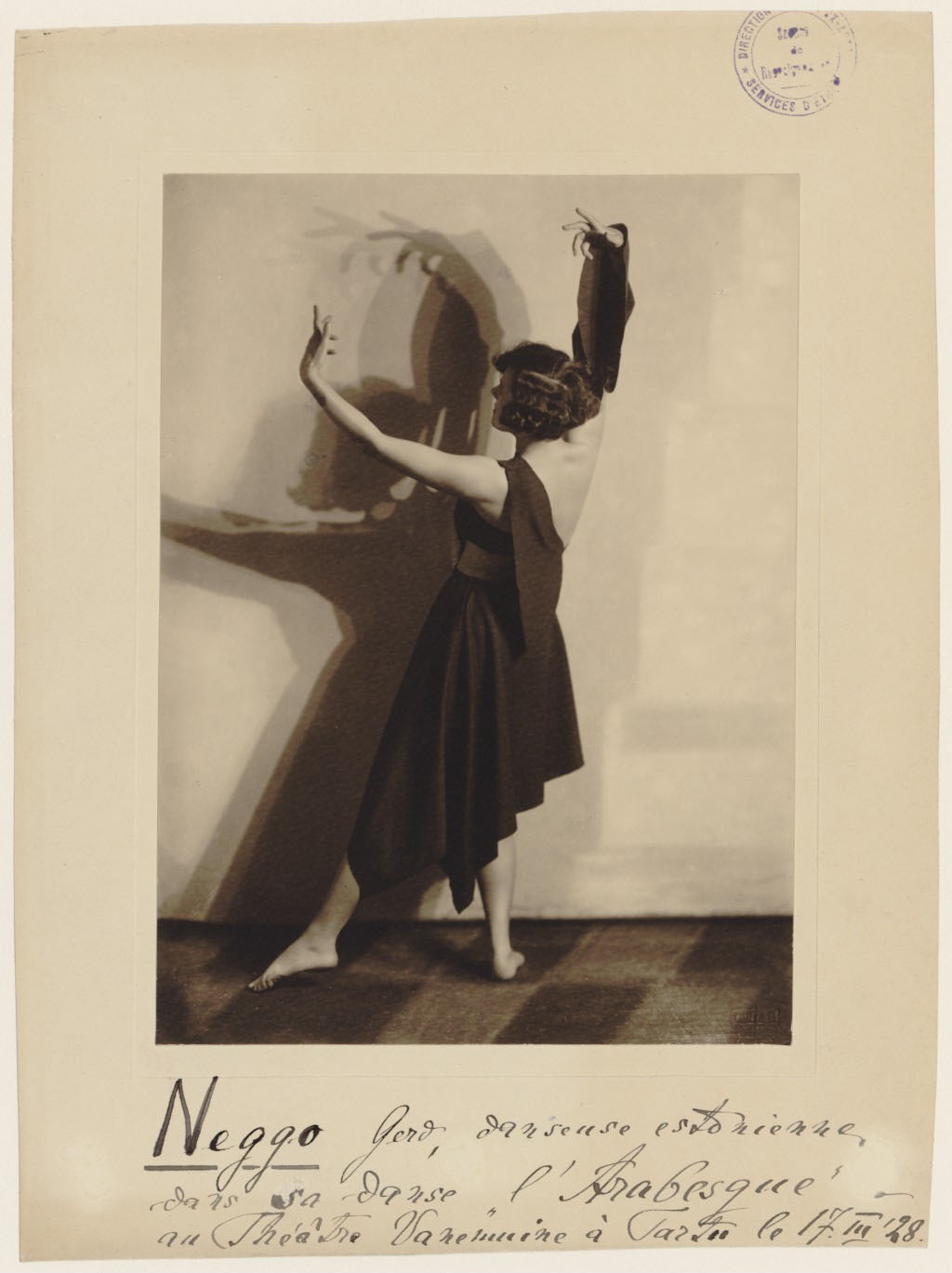
Estonian dancer Gerd Neggo in Arabesque at Vanemuine theater in Tartu, 17-III-1928; photo: K. Akel & Ko | src BnF~Gallica