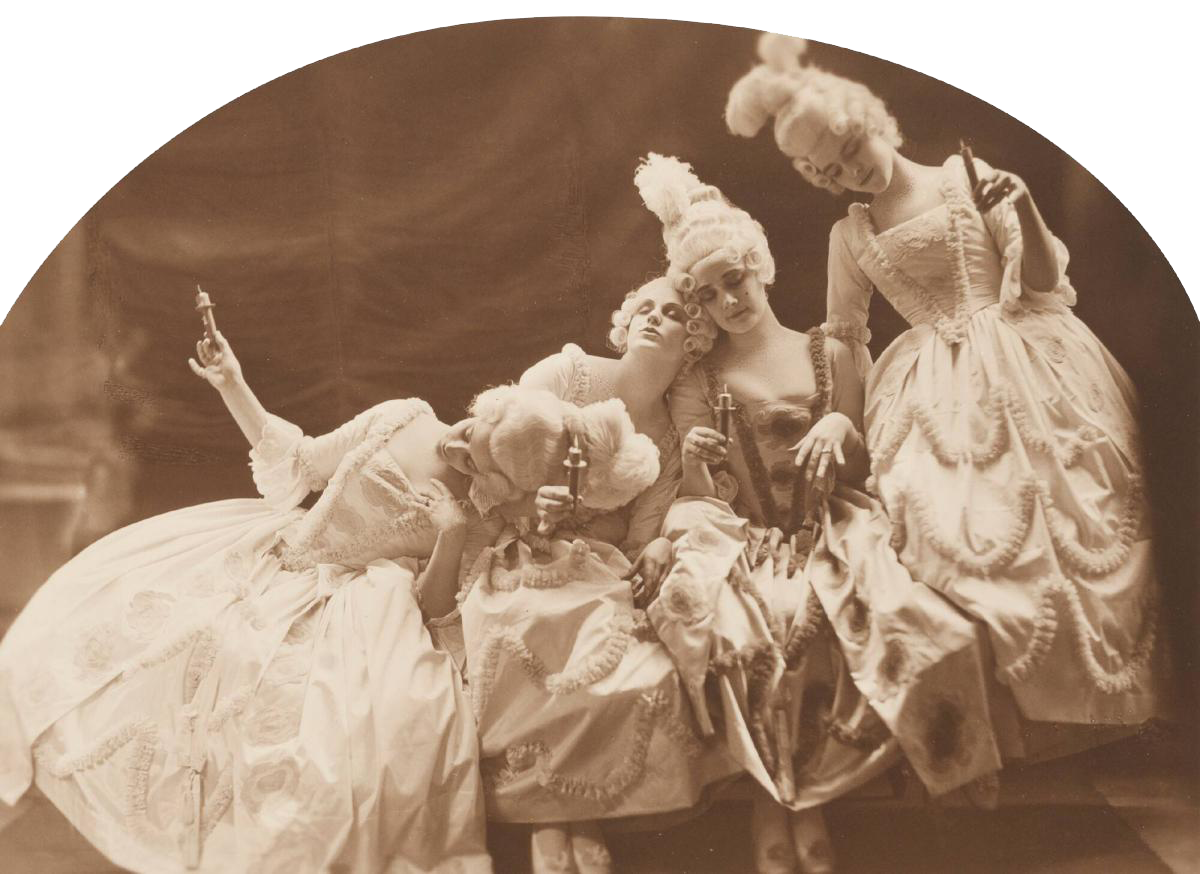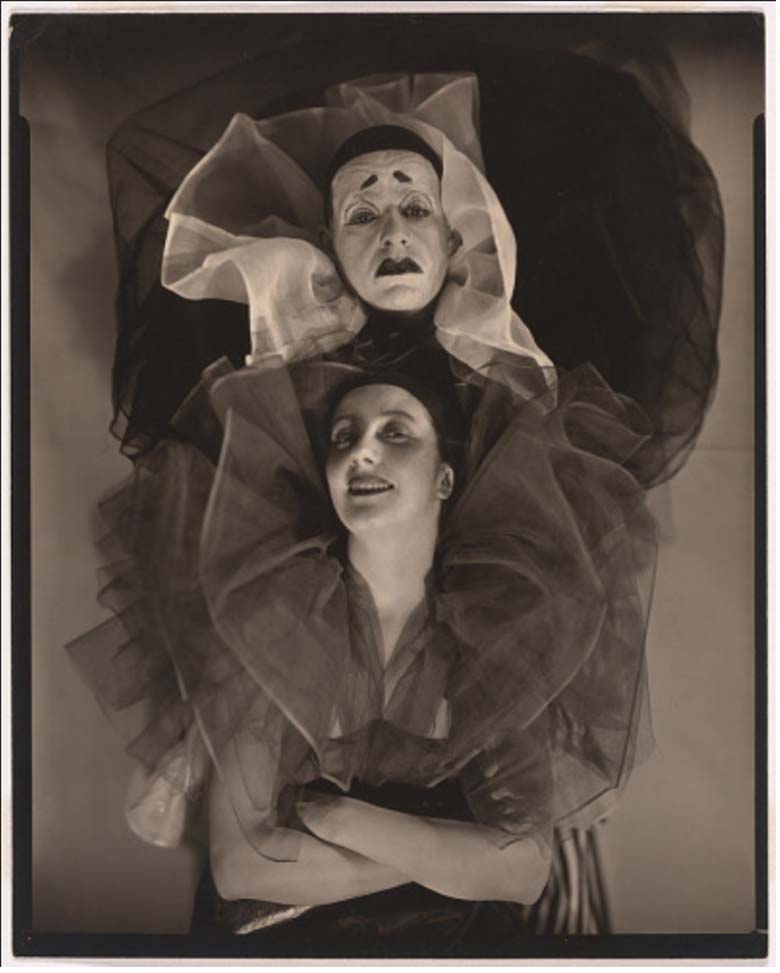
Alfred Lunt and Lynn Fontanne

Edward Jean Steichen :: Alfred Lunt and Lynn Fontanne, 1925. Gelatin silver print. Vanity Fair. | src National Portrait Gallery, Smithsonian Institution

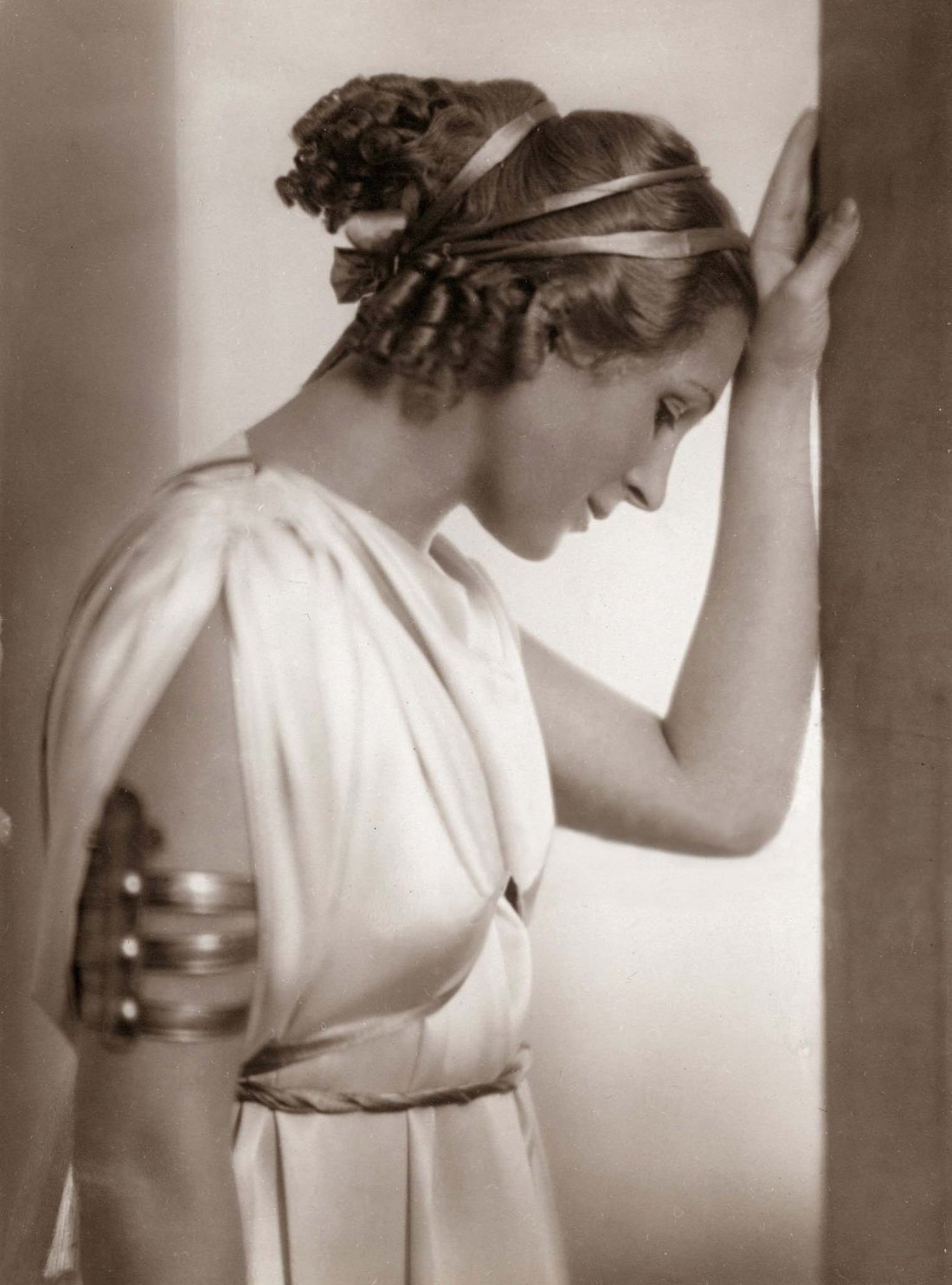
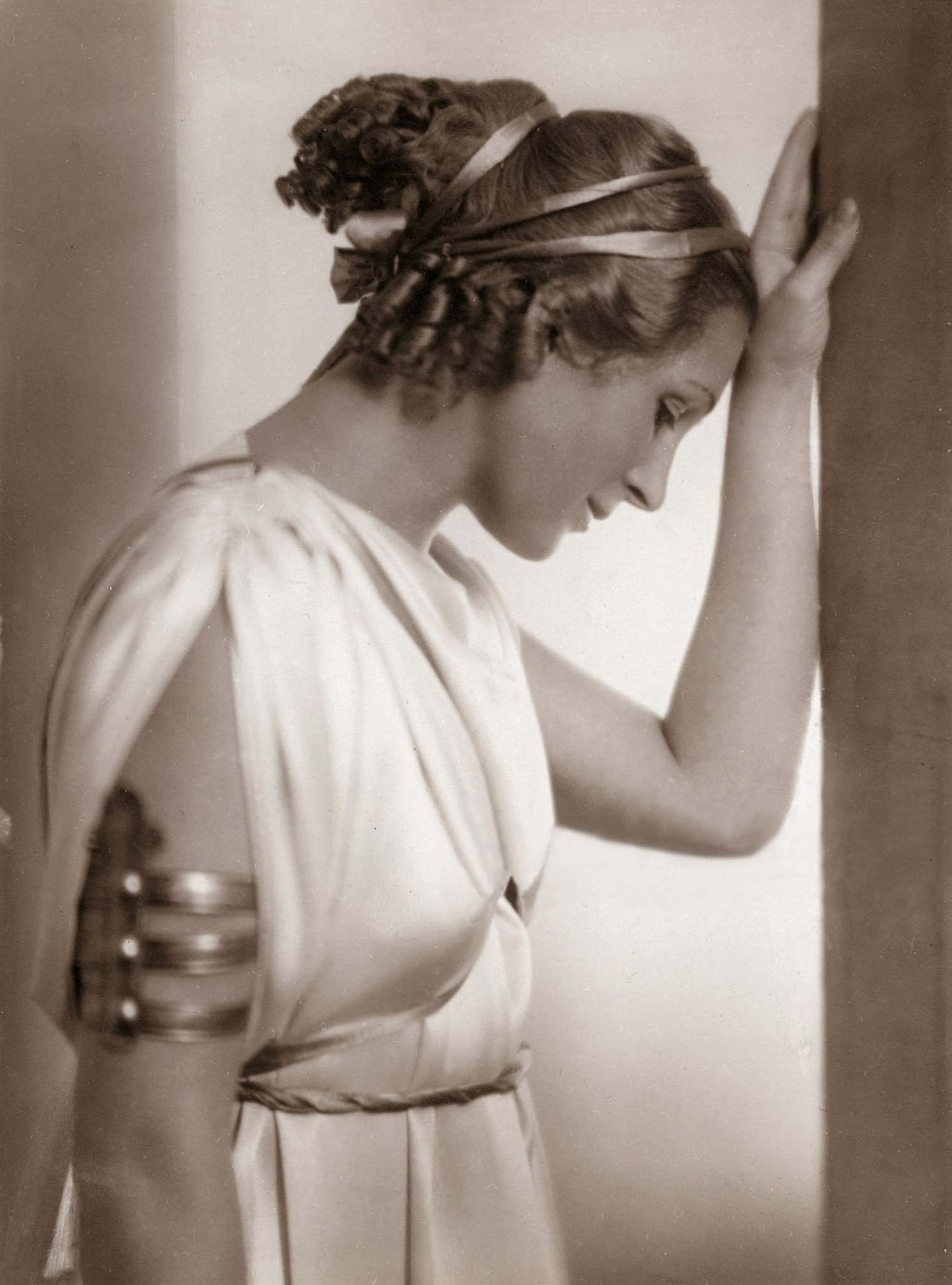
Nora Gregor as Thaisa by Setzer

Franz Xaver Setzer :: Austrian actress Nora Gregor as Thaisa in 'Pericles, Prince of Tyre' by William Shakespeare. Burgtheater, Vienna. First night 16th October 1937. | src Getty Images
Franz Xaver Setzer :: Austrian actress Nora Gregor as Thaisa in 'Pericles, Prince of Tyre' by William Shakespeare. Burgtheater, Vienna. First night 16th October 1937.  | src Getty Images
Franz Xaver Setzer :: Austrian actress Nora Gregor as Thaisa in ‘Pericles, Prince of Tyre’ by William Shakespeare. Burgtheater, Vienna. First night 16th October 1937. | src Getty Images

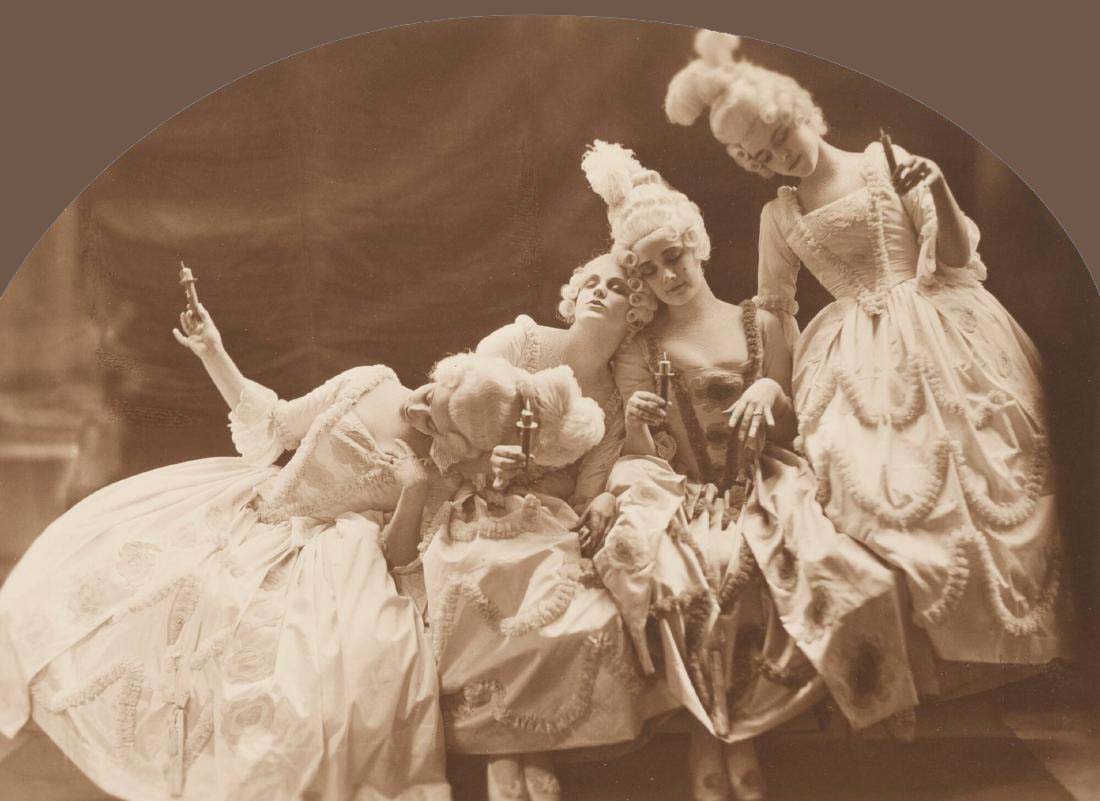
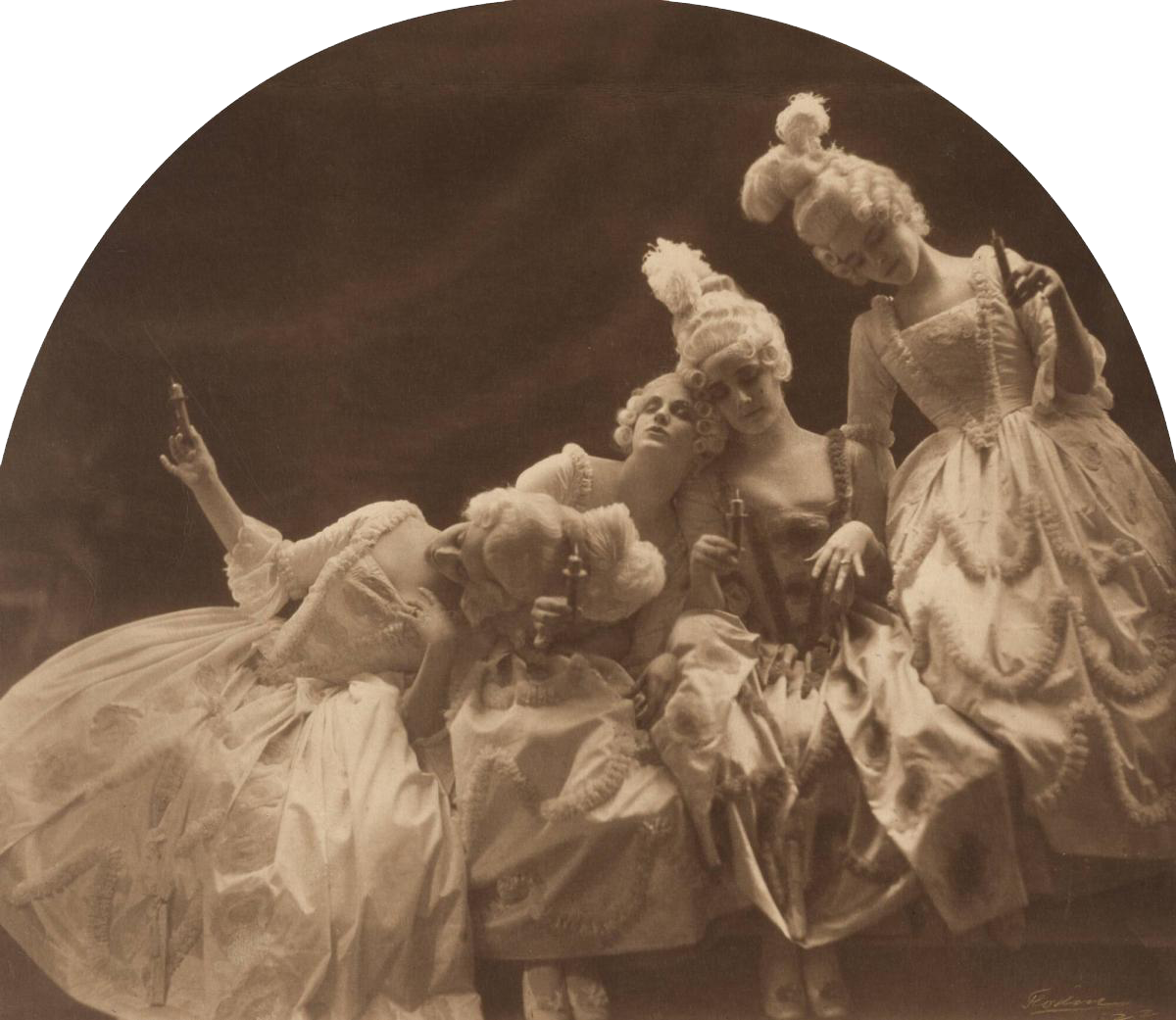
Rokoko by Ferdinand Flodin

Ferdinand Flodin (1863-1935) :: Titel saknas, u.å. | Untitled, nd | src Moderna Museet
Ferdinand Flodin (1863-1935) :: Titel saknas, u.å. | Untitled, nd | src Moderna Museet ~ Helmer Bäckströms fotografisamling
Ferdinand Flodin (1863-1935) :: Rokoko, 1922. Pigment print mounted on board. | src Moderna Museet ~ Helmer Bäckströms fotografisamling
Ferdinand Flodin (1863-1935) :: Titel saknas, u.å. | Untitled, nd | src Moderna Museet ~ Helmer Bäckströms fotografisamling

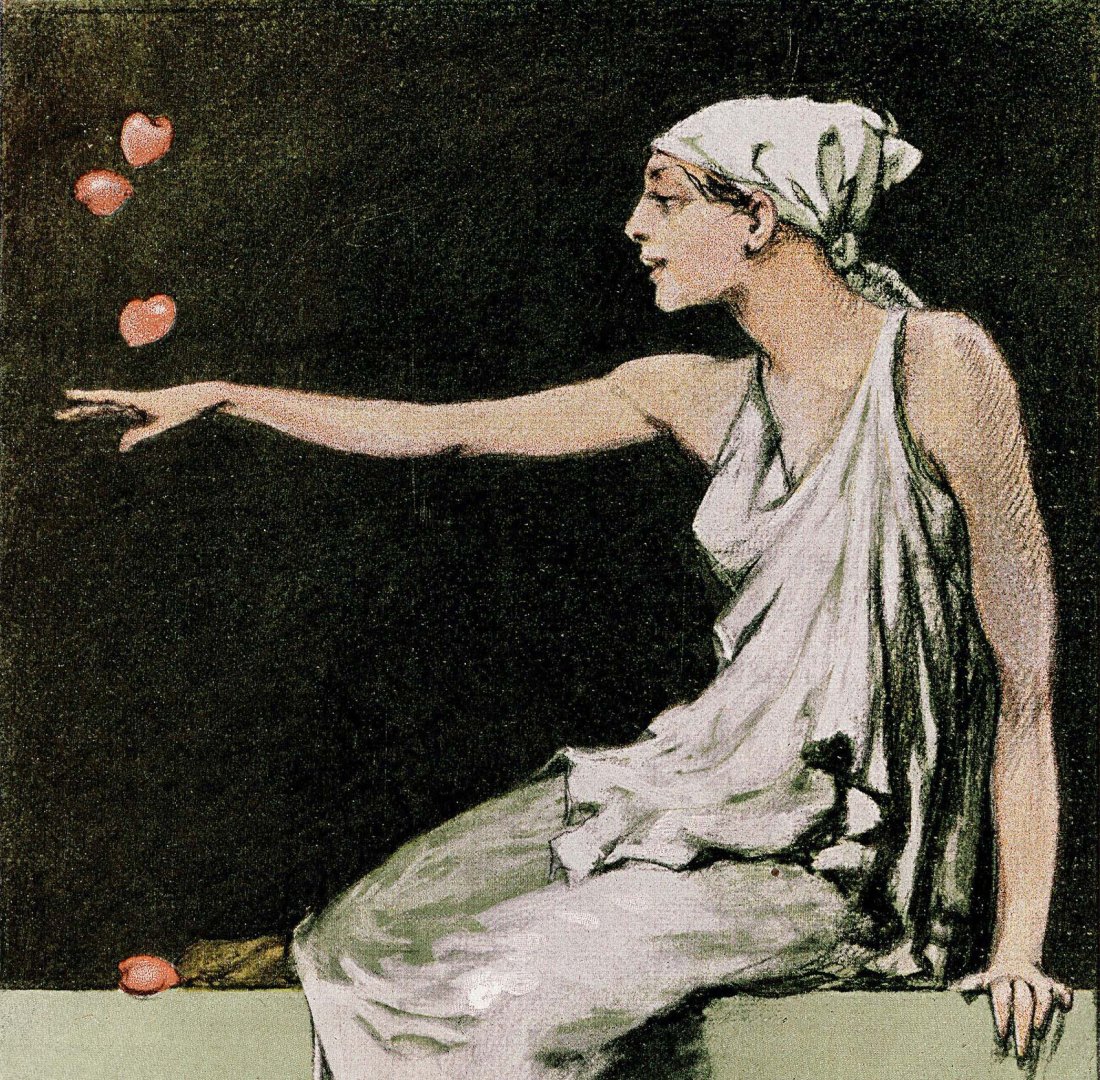
Die Gauklerin ~ The Juggler

Die Gauklerin ~ The Juggler (Hoffmann von Vestenhof). Jugend Magazin, 1898. Nr. 38. | src Universitätsbibliothek Heidelberg
Die Gauklerin ~ The Juggler (Hoffmann von Vestenhof). Published in Jugend magazine, 1898, Nr. 38 | src Heidelberg Univ. Library
Die Gauklerin ~ The Juggler (by Hoffmann von Vestenhof). Published in Jugend magazine, 1898, Nr. 38 [Detail]
Die Gauklerin ~ The Juggler (Hoffmann von Vestenhof). Jugend Magazin, 1898. Nr. 38. | src Universitätsbibliothek Heidelberg

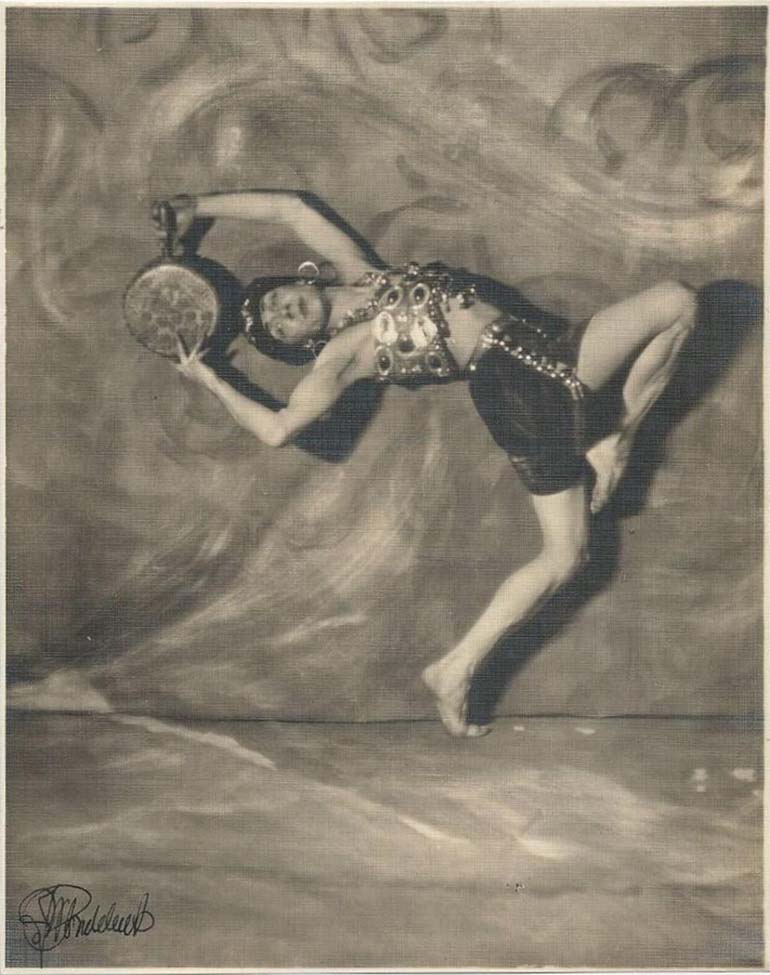
Ballet dancer Serge Oukrainsky

James Wallace Pondelicek :: "Serge Oukrainsky in Algerian Dance (Grieg). The only barefoot toe dancer and greatest Oriental dancer of the Chicago Opera and head of the Pavley-Oukrainsky Ballet" (title devised from caption on photograph's verso). | Worthpoint
James Wallace Pondelicek :: “Serge Oukrainsky in Algerian Dance (Grieg). The only barefoot toe dancer and greatest Oriental dancer of the Chicago Opera and head of the Pavley-Oukrainsky Ballet” (title devised from caption on photograph’s verso). | Worthpoint

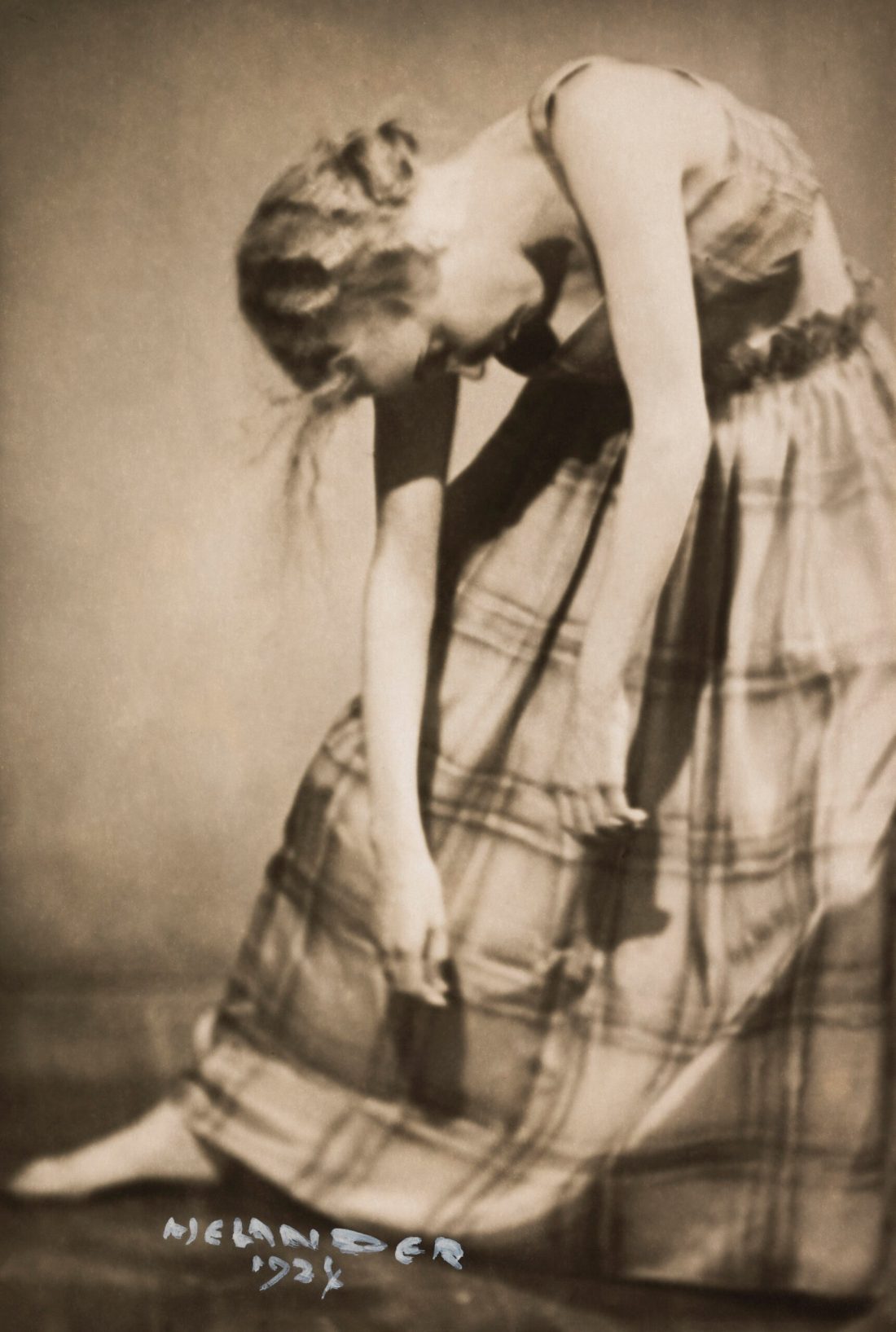
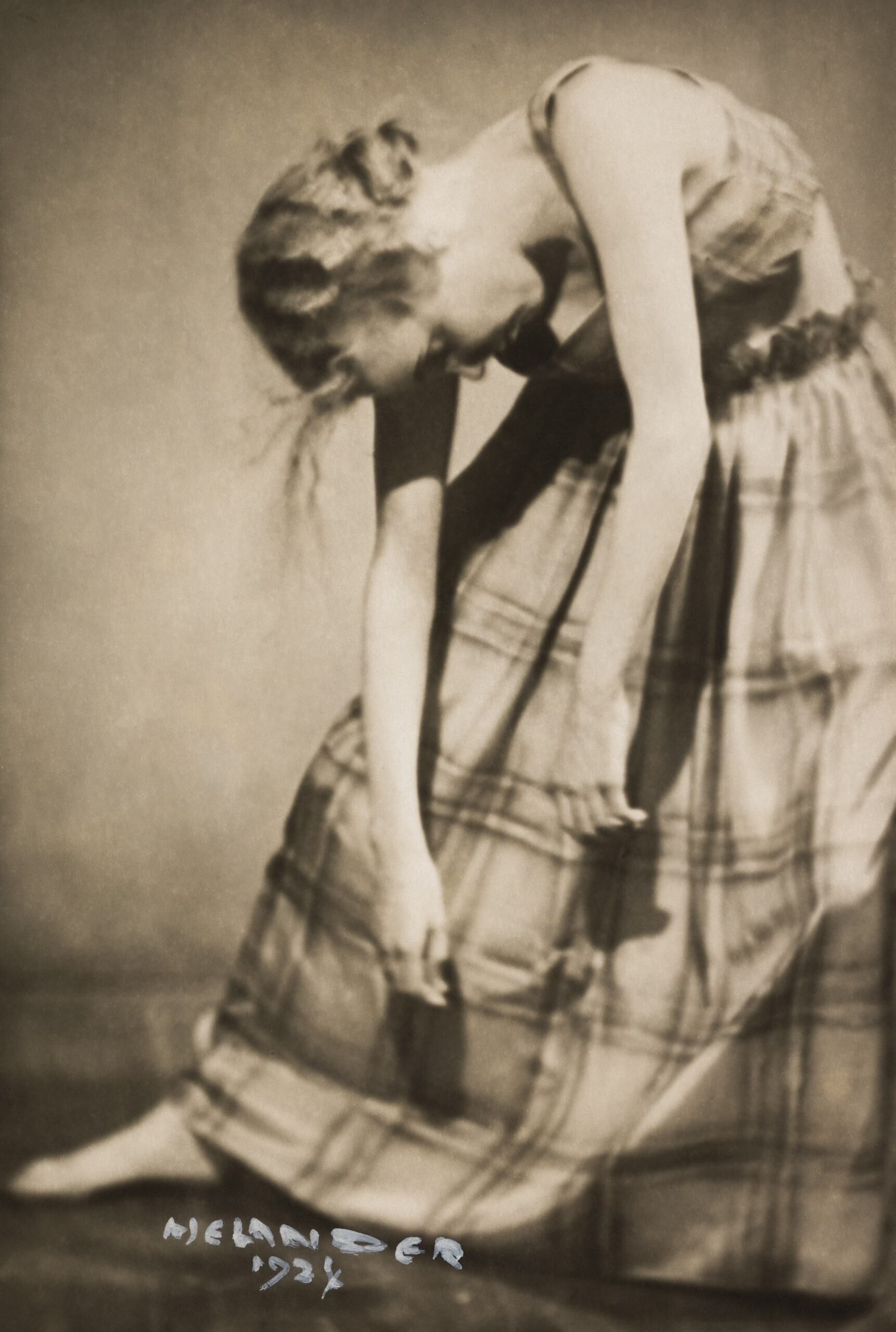
Martta Bröyer, 1927

Studio Helander (Ivar Helander) :: Tanssija Martta Bröyer (1897–1979), 1927. | Poem - Vision - Intoxication
#studio helander#women artists#1920s#women in the arts#martta broyer#martta bröyer#dancer#danseuse#Tänzerin#bailarina#bending over forward#bending over#dismay#helander#ivar helander#broyerism#dance poetry#poetic dance#dance poem#Ivar Helander
Studio Helander (Ivar Helander) :: Tanssija Martta Bröyer (1897–1979), 1927. | Poem – Vision – Intoxication

Bröyer, one of the pioneers of modern dance in Finland, created her own controversial style, bröyerism, or Bröyer-style in the 1920s and 1930s, in which dance was accompanied only by poetry recitation, an art form that, in it’s time, had a conflicted reception.
From: Poem – Vision – Flush: A dancedramatic series & Poem – Vision – Intoxication: A dance drama series in which poems used by Bröyer meet contemporary poetry and influences from her movement language are integrated into contemporary dance. Venues: Helsinki City Museum and Burgher’s House Museum

Vera Sabina in Sylphide, 1927

Ritratto fotografico della ballerina Vera Savina (Vera Clark) in costume di scena per il balletto Sylphide, 1927. | src Libreria antiquaria Gonelli

Al verso della fotografia timbri della ‘Casa d’Arte Bragaglia’ e della ‘Rivista Popolo d’Italia’, insieme ad una annotazione manoscritta, parzialmente errata, nella quale si legge il nome della Savina.

La celebre ballerina inglese (Vera Clark, in arte Savina) lavorò a Mosca nel corpo di ballo dei Ballets Russes di Diaghilev e sposò Léonide Massine (Myasin), altro grande coreografo russo. È ripresa seduta nell’atto in indossare una scarpetta. L’acconciatura, il costume di scena, il gioiello ed il bracciolo della sedia corrispondono esattamente a quelli con cui la ritrasse il pittore scozzese Herbert James Gunn nel quadro ‘Sylphide‘ (1927 – collezione privata).

On the back of the photograph, stamps of the ‘Casa d’Arte Bragaglia’ and ‘Rivista Popolo d’Italia’, together with a handwritten annotation, partially incorrect, in which the name of Savina can be read.

The famous English dancer (Vera Clark, aka Savina) worked in Moscow in the ballet troupe of Diaghilev’s Ballets Russes and married Léonide Massine (Myasin), another great Russian choreographer. She is shown sitting in the act of wearing a shoe. The hairstyle, the stage costume, the jewel and the armrest of the chair correspond exactly to those with which the Scottish painter Herbert James Gunn portrayed her in the painting ‘Sylphide‘ (1927 – private collection).
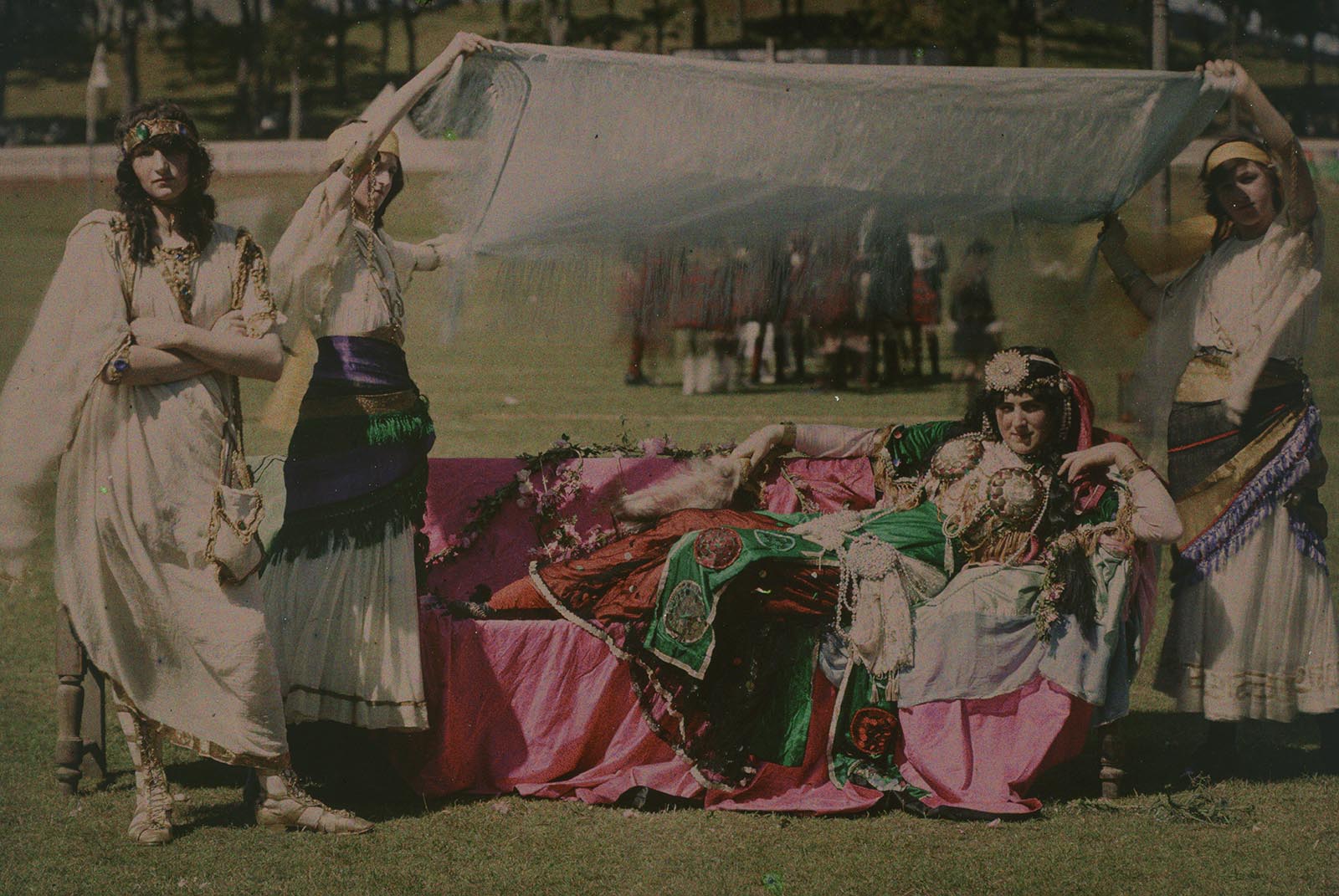
Cleopatra in Auckland, 1914

Robert Walrond :: "Cleopatra" in Domain cricket ground, Auckland, 1914. Autochrome. | Te Papa Tongarewa
Robert Walrond :: “Cleopatra” in Domain cricket ground, Auckland, 1914. Autochrome. | Te Papa Tongarewa

When the autochrome — the Lumière brothers’ new colour photographic process — reached New Zealand in 1907, it was eagerly adopted by those who could afford to use it. Among them was Auckland photographer Robert Walrond, whose ‘Cleopatra’ in Domain cricket ground is among a small number of superb early colour photographs in Te Papa’s collection. The combined effect of the sun and wind on the women’s costumes and in the fluttering appearance of the silk scarf held above the Cleopatra character is stunning. The tableau is interrupted but undiminished by what appears to be a pipe band in uniform in the background. The women were very likely part of what was described by the New Zealand Herald as a ‘fine’ performance of Luigi Mancinelli’s Cleopatra (a musical setting of the play by Pietro Cossa), associated with the Auckland Exhibition of 1913–14 held in the Domain.

The story of Cleopatra — with a particular focus on her love life and tragic death — was an exotic but respectable theme for theatre and dress-up events for women at the time. The Cleopatra myth and look were popularised by international performers such as the frequently-photographed Sarah Bernhardt in France and by numerous stage productions and films from the late nineteenth century onwards. With the advent of photography, part of performing the role became having a portrait made while in costume. The arrival of the autochrome was greeted with excitement and anticipation because rich colours could now be captured and the elaborate style of the costumes enhanced.

Much was made of the impact the autochrome would have on art and the role of photography within it. However, one of the disadvantages of the process was that it involved a unique one-off image on a glass plate: this required projection to be viewed and couldn’t be exhibited. So despite the original excitement for the method, it slipped out of sight once new developments arrived that fixed colour printing on a paper format. Walrond’s set of autochromes held by Te Papa are one of only a few larger bodies of work by New Zealand practitioners of this process.

Lissa Mitchell – This essay originally appeared in New Zealand Art at Te Papa (Te Papa Press, 2018)

Robert Walrond :: "Cleopatra", 1914. Additive colour process. | Museum of New Zealand - Te Papa Tongarewa
Robert Walrond :: “Cleopatra”, 1914. Autochrome, additive colour process. | Museum of New Zealand – Te Papa Tongarewa

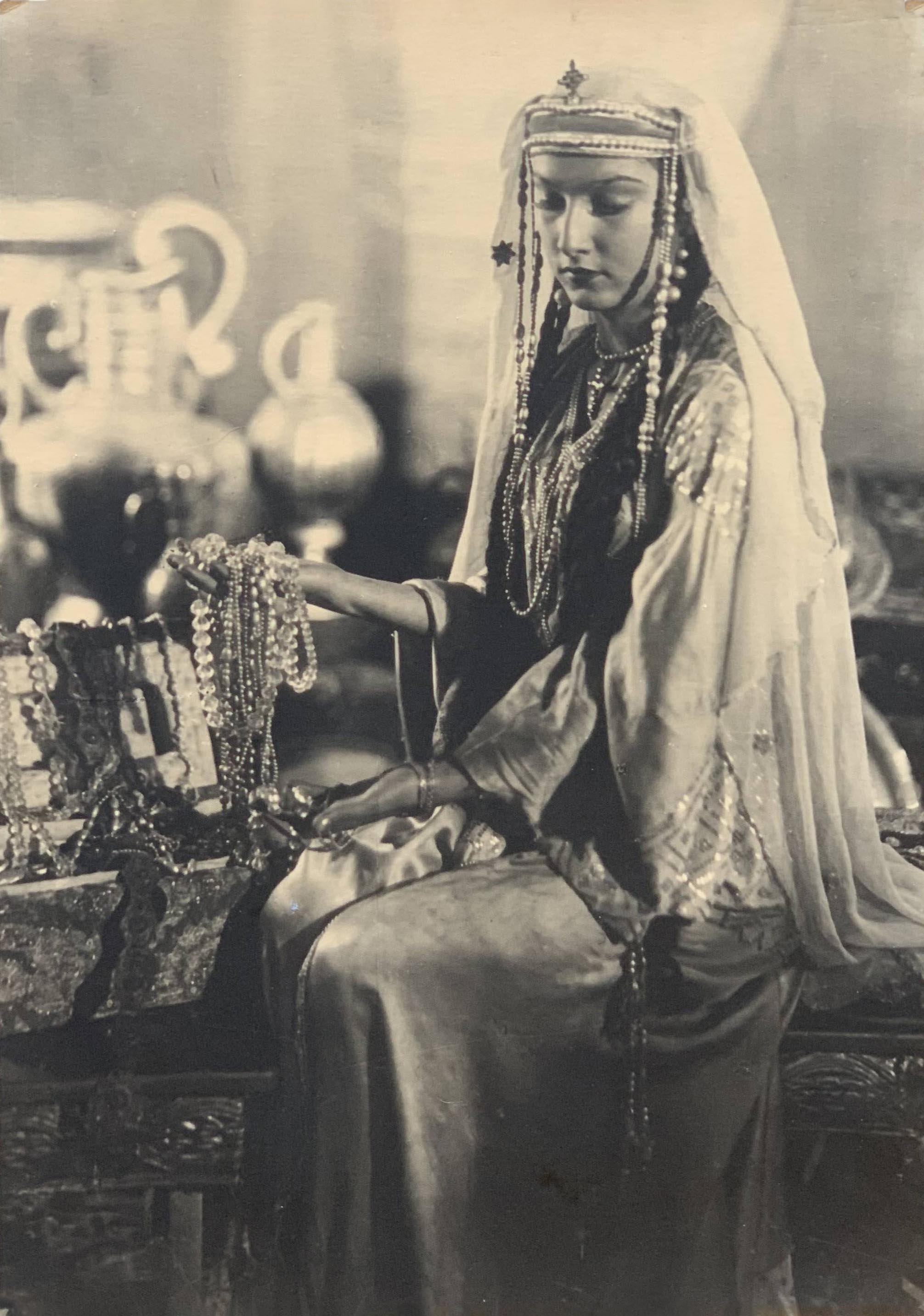
Movie actress by Nappelbaum

Moisei Solomonovich Nappelbaum (1869-1958) :: Movie actress, 1940s. Gelatin silver print. Inscribed on the reverse. А stamp of the Directorates of international photo exhibitions on the reverse. Borodulin Coll. | src Hermitage Fine Art