Josefina Oliver · cross-dressing

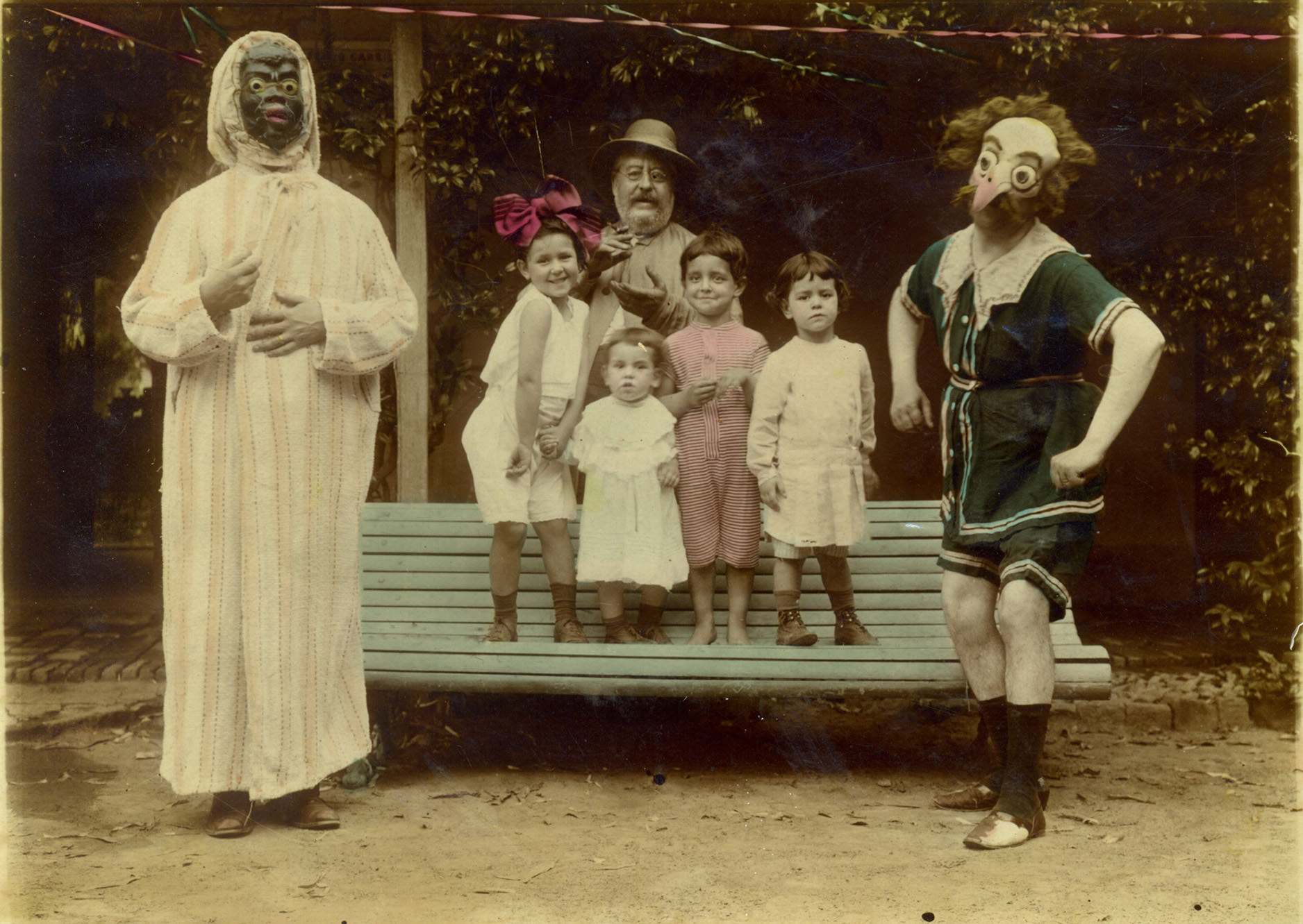
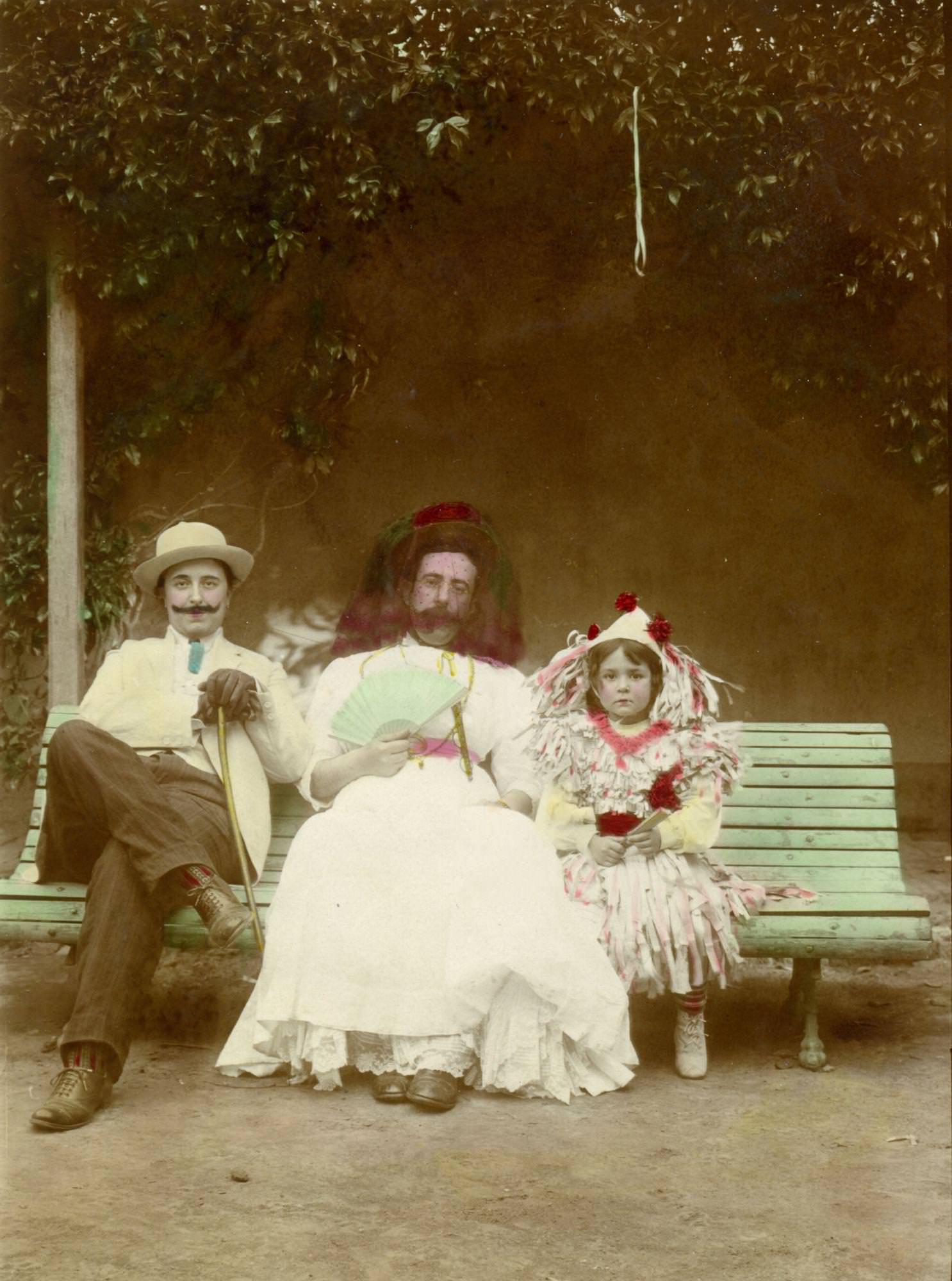
Oliver family. Carnival at chacra Santa Ana. Pepe Salas with Josefina’s bathing suit, San Vicente, Buenos Aires, Argentina, February 1910. Photograph hand colored by Josefina Oliver | src YO Josefina Oliver
Siblings García Oliver, San Vicente, Buenos Aires, Argentina, 1909. Photograph hand colored by Josefina Oliver | src Josefina Oliver
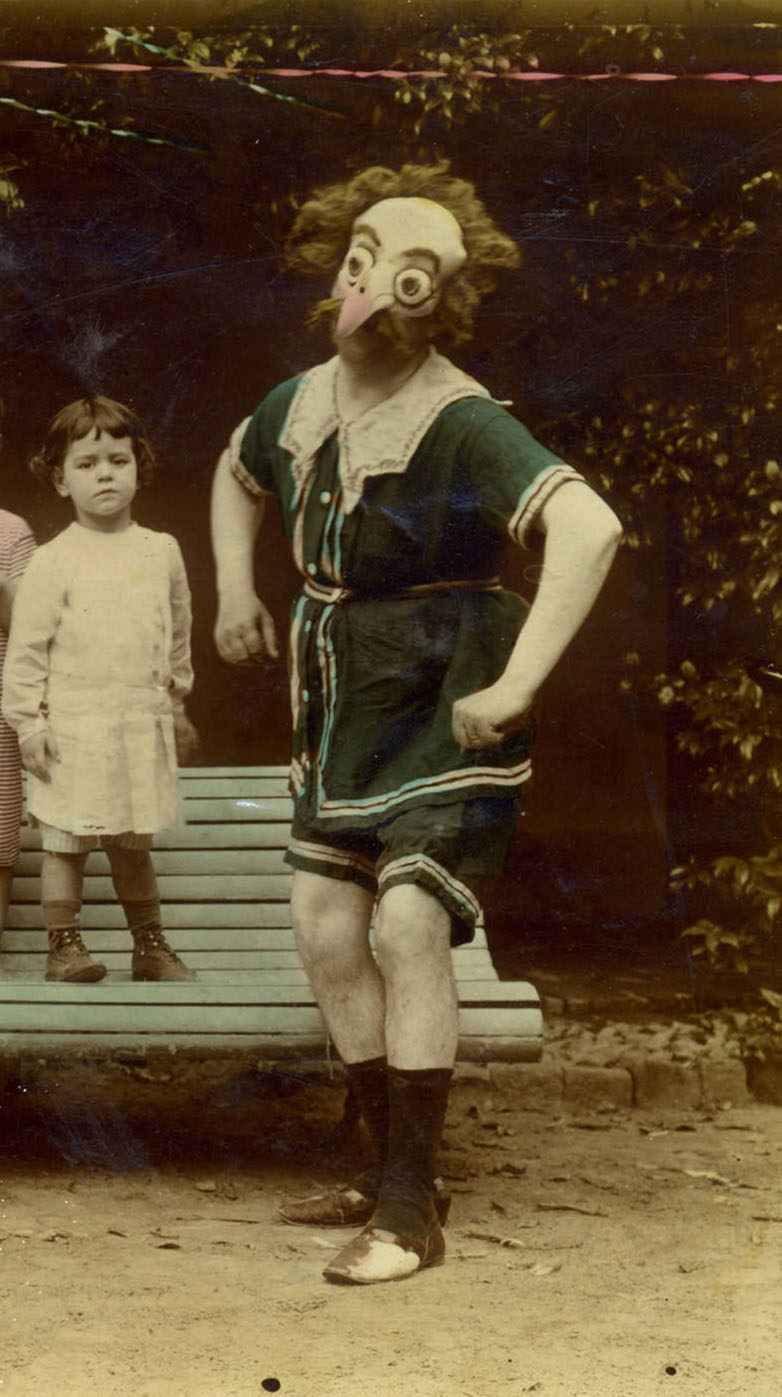
Carnival. Pepe Salas with Josefina’s bathing suit, San Vicente, Buenos Aires, Argentina, February 1910 [Detail]
Josefina Oliver and Pepe Salas cross dressed with niece, San Vicente, March 1908. Hand colored photograph by Josefina Oliver | src YO Josefina Oliver

‘(…) Sunday 8th- Very nice day. Carnival’s burial. (…) Pepe went hunting and I dressed up as a man having a succès d’estime. Pepe came a little later and I decked him out with a dress of mine, Porota wore her paper suit and after dressing up granddaddy ridiculously, we devoted ourselves to perpetuate the memory of our joke through photography. As the audience, all the people from the kitchen, Luis, his wife, his children and even the workman celebrating the scene (…)’. Diary 4, p. 257 and 258, March 1908

Postcard sent by Josefina to her sister Catalina, with her cross-dressed self-portrait, saying that it is a friend of Pepe, her husband.
Nephews García Oliver cross-dressed, San Vicente, February 1910. Photograph hand colored by Josefina Oliver | src Josefina Oliver
«Con los trajes trocados la Nena y Pedrito», San Vicente, February 1910
Hand colored photograph by Josefina Oliver | src YO Josefina Oliver

Josefina Oliver (1875-1956) began as a vocational photographer among her friends in 1897. Two years later, she takes the first one of her one hundred self-portraits and photographs her friends and relatives, houses’ interiors and landscapes in the family farm in San Vicente. Josefina, a common porteña, was almost invisible. Author of a luminous ouvre, hidden until 2006, as a consequence of a society that disregarded women’s inner self.

Josefina Oliver reflects this reality in her artistic work so far composed by 20 volumes of a personal diary, more than 2700 photographs, collages and postcards. Plenty of her shots are conceived with scenographies; she always develops them and paints the best copies with bright colors. She makes up twelve albums, four of them are wonderful and only have illuminated photographs. At the same time, a transversal humor appears behind her multiform ouvre.

quoted from Josefina Oliver

Anaïs Nin through the years

Anaïs Nin (1903-1977) in the snow wearing wool cap, 1911 | src The Anais Nin Trust
Anaïs Nin (1903-1977) in white dress (studio photograph with studio stamp), Barcelona 1910 | src The Anais Nin Trust
Anaïs Nin (1903-1977) wearing a jacket and a beret, 1915 | src The Anais Nin Trust
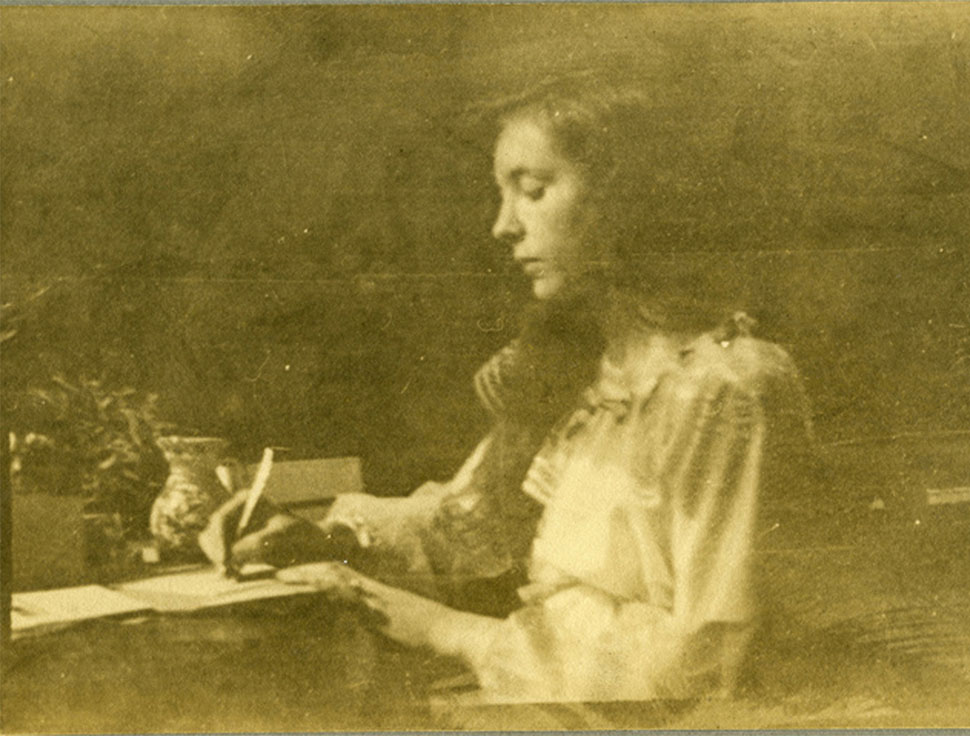
Anaïs Nin (1903-1977) sitting at a desk, writing, 1914 | src The Anais Nin Trust
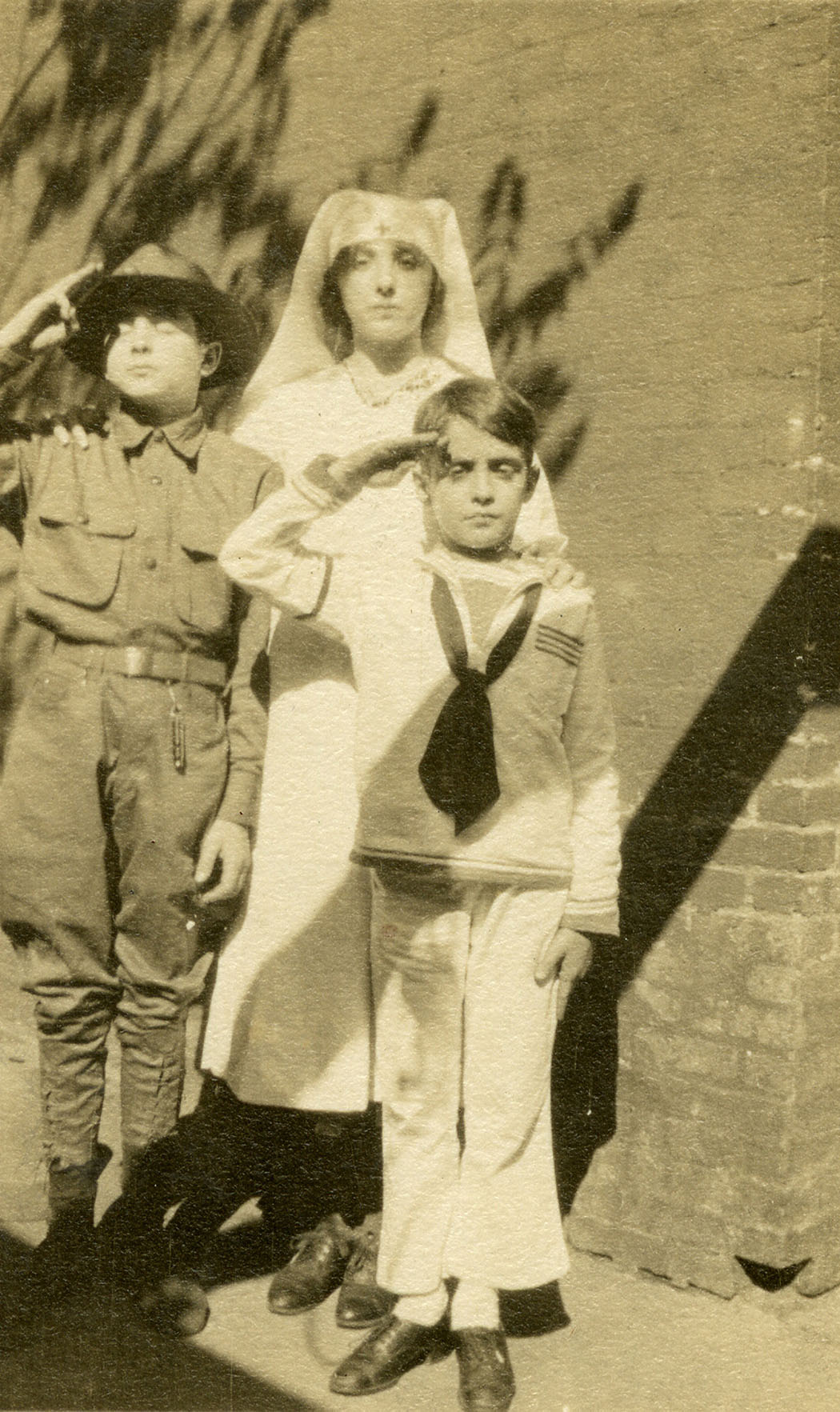
Anaïs and her two brothers, Thorvald and Joaquín Nin, 1913 | src The Anais Nin Trust
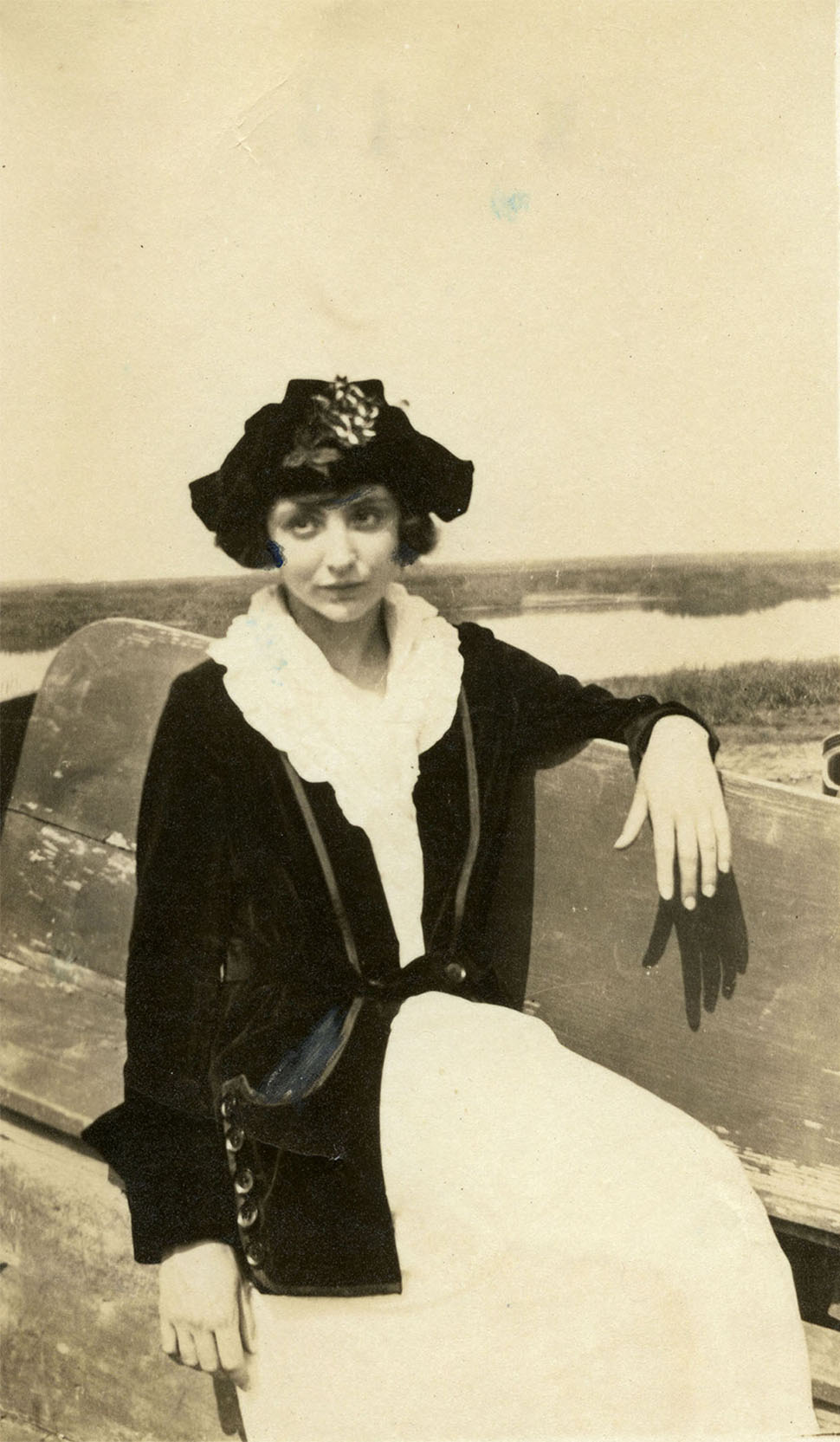
Anaïs Nin (1903-1977) sitting on bench wearing hat, 1919 | src The Anais Nin Trust
Anaïs Nin (1903-1977) wearing hat adorned with flowers, studio portrait, ca. 1920 | src The Anais Nin Trust

Baker by Hoyningen-Huene

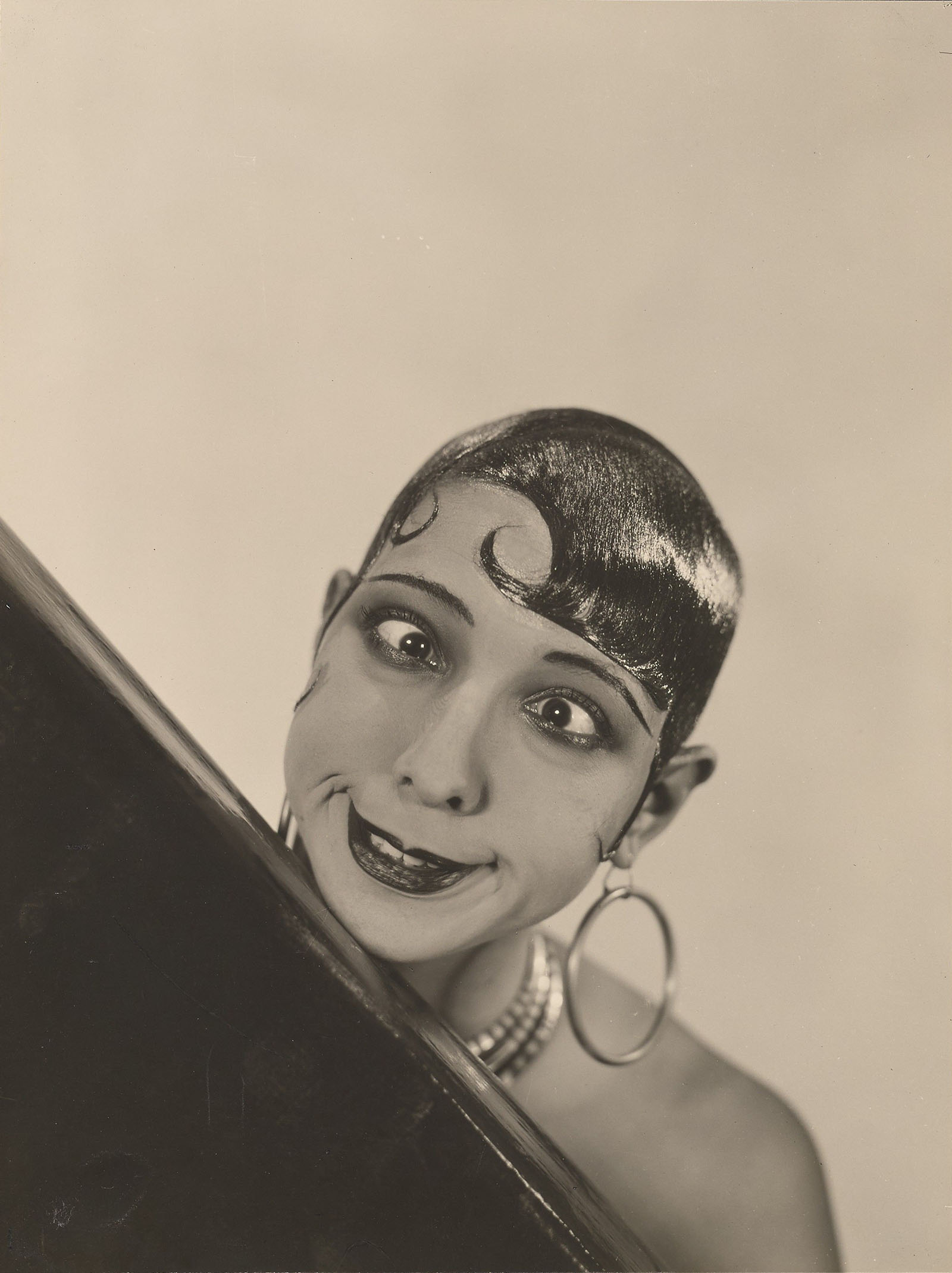
George Hoyningen-Huene ~ Josephine Baker for Vogue Studio, 10 November 1927 | src Yale university library
George Hoyningen-Huene ~ Josephine Baker [in a wig by Antoine de Paris] for Vogue Studio, 10th November 1927 [detail]
George Hoyningen-Huene ~ Josephine Baker for Vogue Studio, November 1927 (full size) | src Yale university library
George Hoyningen-Huene ~ Josephine Baker for Vogue Studio, November 1927 | src Yale university library

Karl Theodor Gremmler · portraits

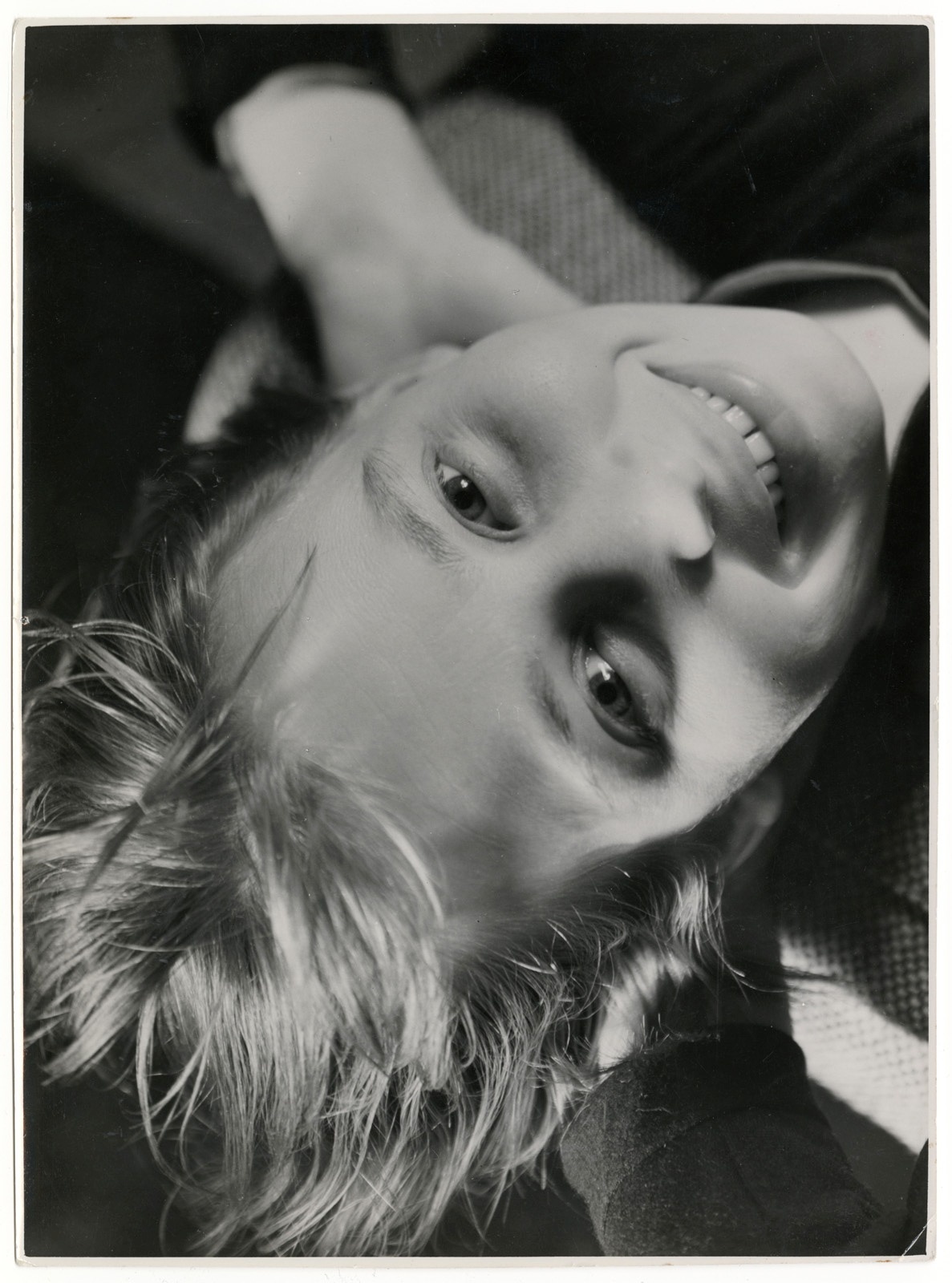
Karl Theodor Gremmler (1904-1942) ~ Mädchenporträt, um 1935 | src Deutsche Fotothek
Karl Theodor Gremmler ~ Elisabeth Gremmler mit Blume, um 1936-1939 | src Deutsche Fotothek

Karl Theodor Gremmler came to photography as an autodidact in 1932. He had actually trained as an advertising salesman. After becoming self-employed as a photographer, he published regularly in magazines such as Die Form, Gebrauchsgraphik, Nordsee Magazin and Atlantis. Gremmler concentrated mainly on industrial and advertising photography. In 1936 he published his first photobook, Tagewerk und Feierabend der schaffenden deutschen Frau. In the following year, Gremmler had a solo exhibition at the Oldenburgisches Landesmuseum and Museum Folkwang in Essen. He was then appointed a member of the Gesellschaft Deutscher Lichtbildner (G.D.L.). In 1939, Hans A. Keune’s publishing house, which specialised in the fishing industry, published the illustrated book Männer am Netz. This worked marked the high point of Gremmler’s career. In 1938, he acquired the studio of commercial photographer Hein Gorny, located on Berlin’s Kurfürstendamm. This studio had once been home to Lotte Jacobi, who was forced to emigrate in 1935 because of her Jewish background. When Gorny’s emigration failed to protect his Jewish wife, Ruth Lessing, he and Gremmler entered into the studio partnership “Fotografie Gremmler-Gorny. Atelier für moderne Fotografie”. In 1940 Gremmler was called up for military service and trained as a tank gunner. During a troop transport to Russia in the following year, he had a fatal accident near Heydebreck in Upper Silesia (Kędzierzyn). Quoted from Städel Museum

Karl Theodor Gremmler ~ Porträt; Kopf einer Frau mit gestreiftem Pullover im Liegen, 1938-41 | src Deutsche Fotothek
The White Cat · Ballets Russes

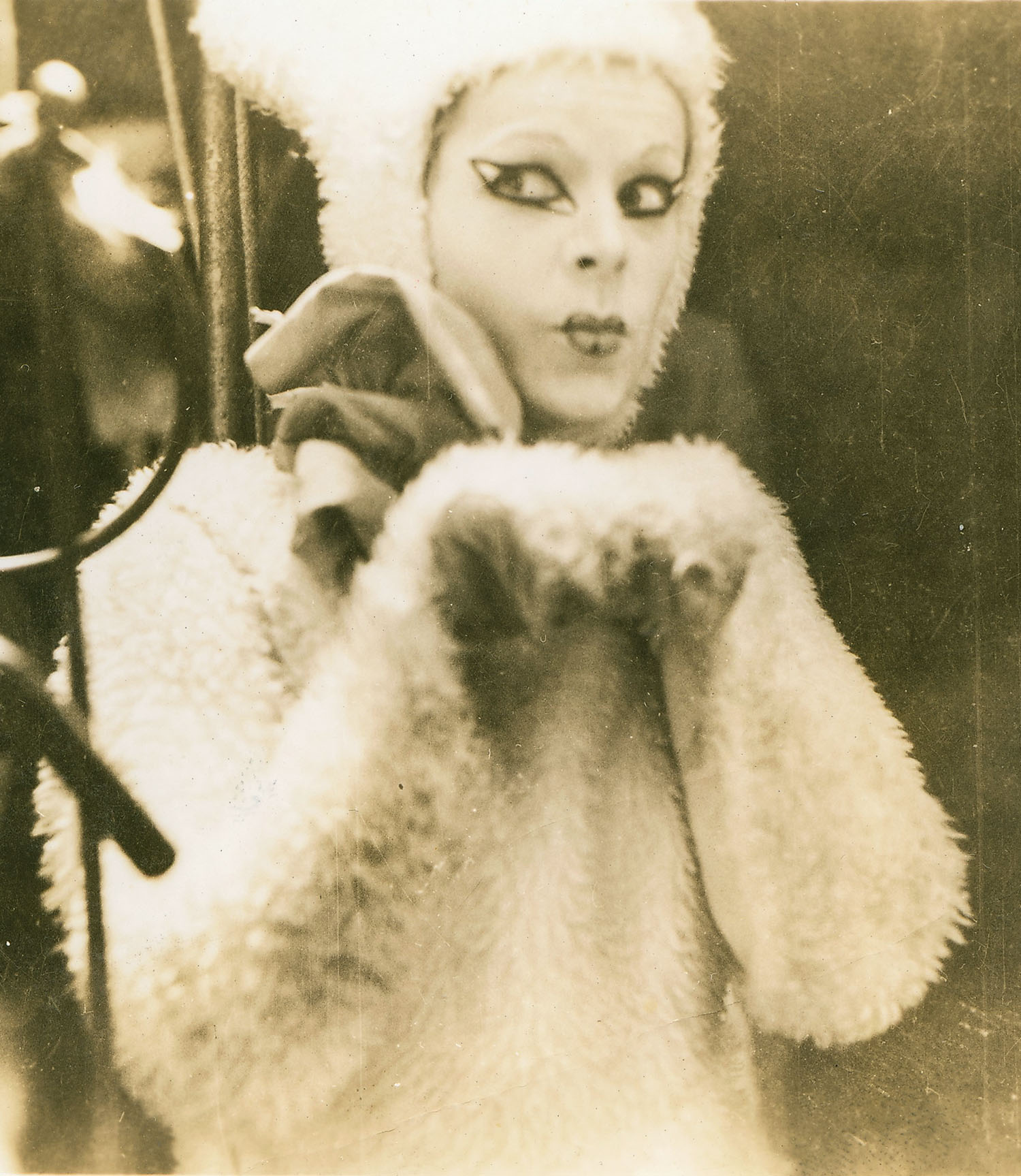
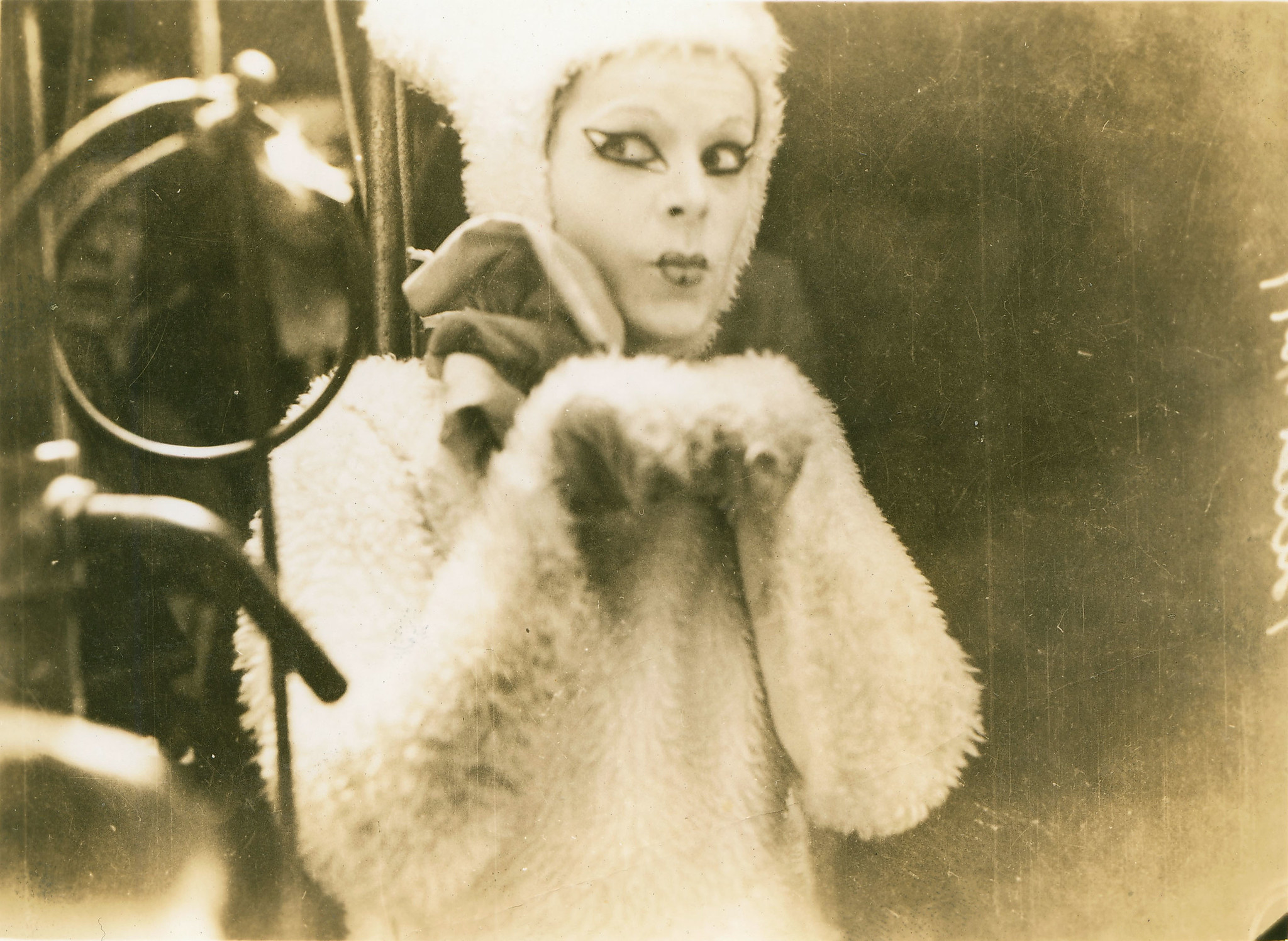
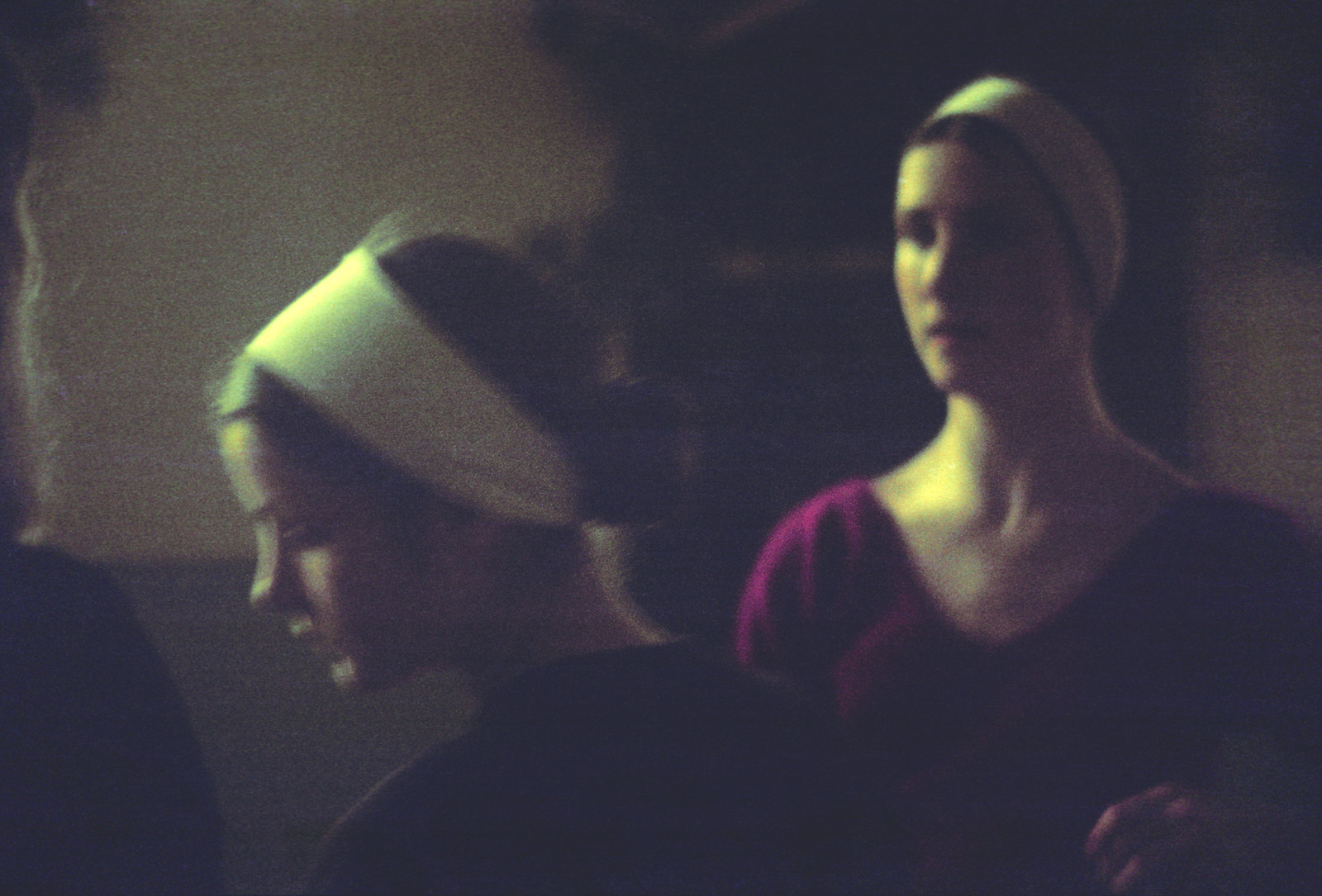
‘The White Cat’ in ‘Le Mariage d’Aurore’ (Aurora’s Wedding), Covent Garden Russian Ballet, 1938 (detail from original photograph) © Australian Performing Arts Collection, Arts Centre Melbourne

In 1936 Australian audiences witnessed firsthand the spectacle of the Ballets Russes, with the arrival of the Monte Carlo Russian Ballet. This company, lead by Colonel Wassily de Basil, was one of a number of Ballets Russes companies that were formed in the wake of the dissolution of Serge Diaghilev’s Ballet Russes following his death in 1929. This first tour concluded in 1937 and was followed by two more tours by de Basil’s Ballets Russes companies, the Covent Garden Russian Ballet in 1938-1939 and Original Ballet Russe in 1939-1940.

‘The White Cat’ in ‘Le Mariage d’Aurore’ (Aurora’s Wedding), Covent Garden Russian Ballet, 1938 © Australian Performing Arts Collection, Arts Centre Melbourne
‘The White Cat’ in ‘Le Mariage d’Aurore’, Covent Garden Russian Ballet, 1938 © Australian Performing Arts Collection
Image kindly provided by Arts Centre Melbourne | Wurundjeri Country

Girl in meadow by Sarra

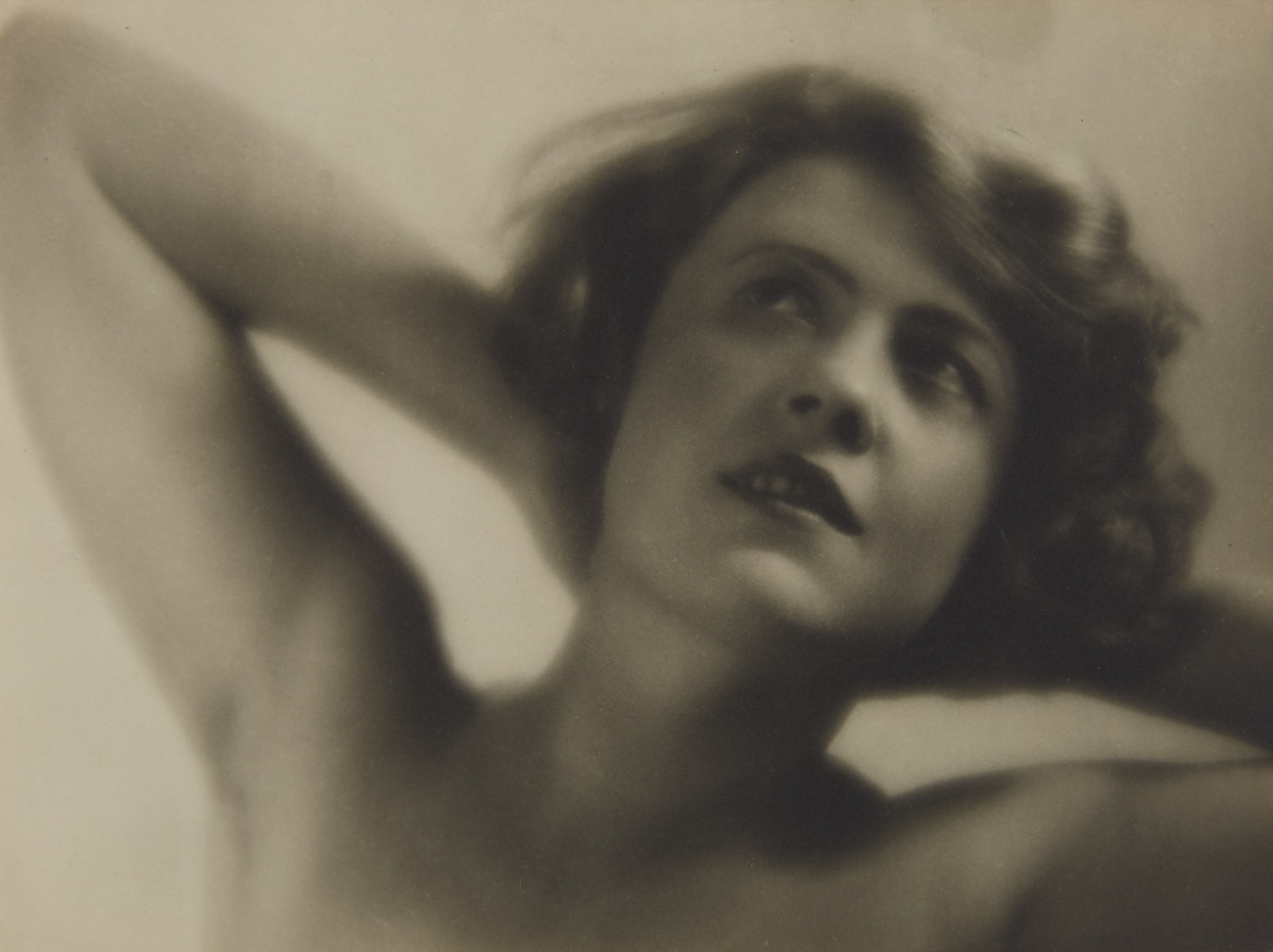
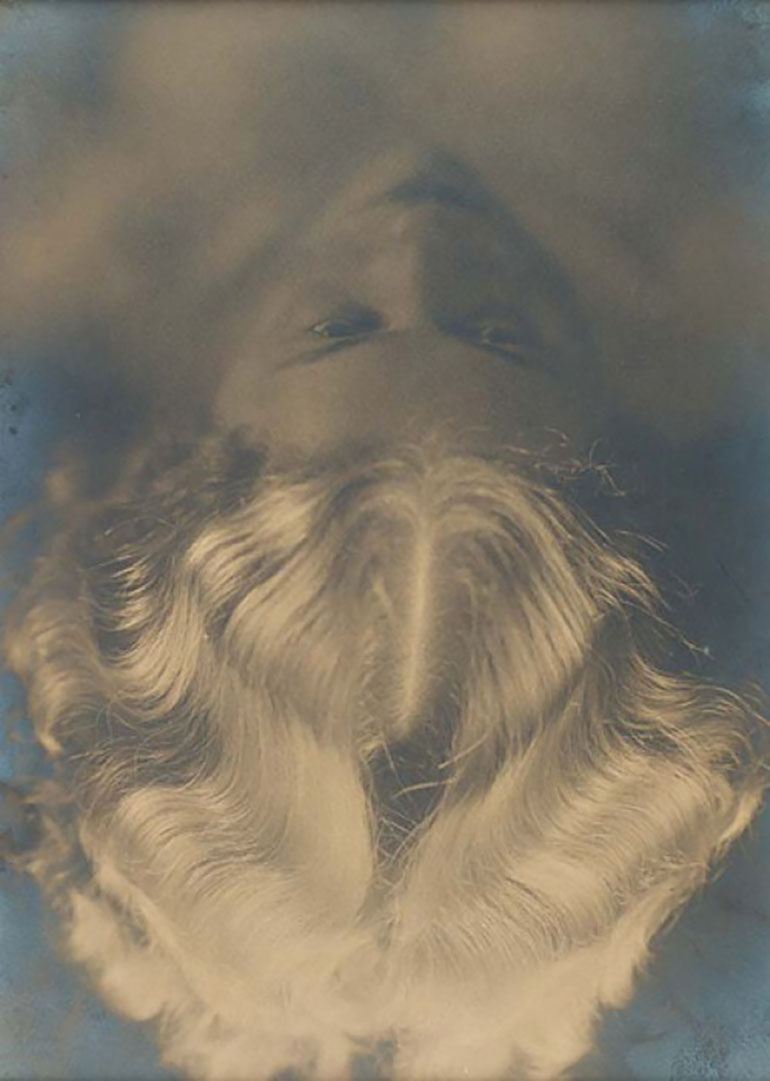
Valentino Sarra (Italian, 1903-1982) ~ Girl in Meadow, 1930. Gelatin silver print | src heritage auctions
Valentino Sarra (Italian-American, 1903-1982) ~ Girl in Meadow, 1930. Gelatin silver print | src heritage auctions

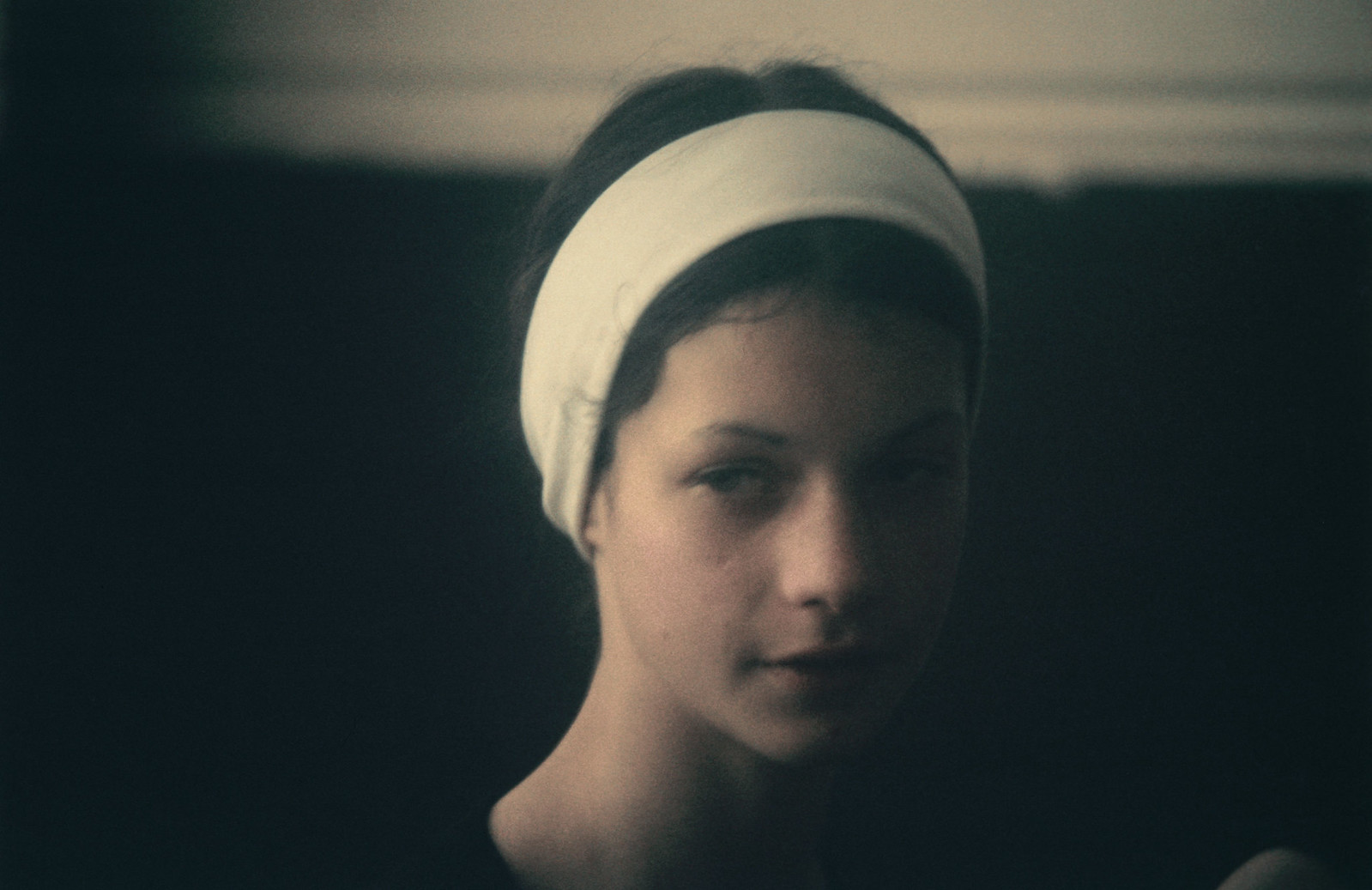
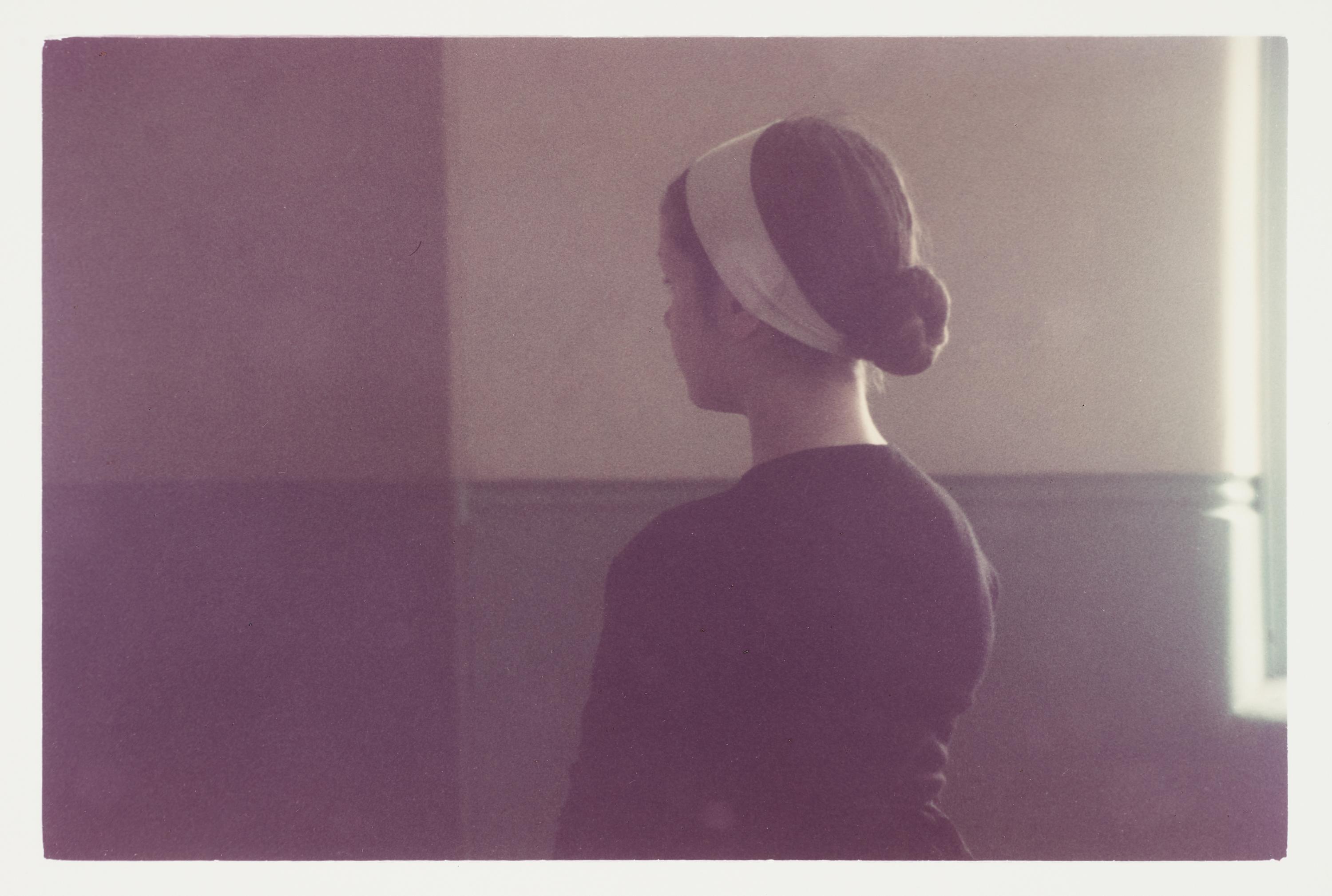
Bill Henson · Untitled 1974

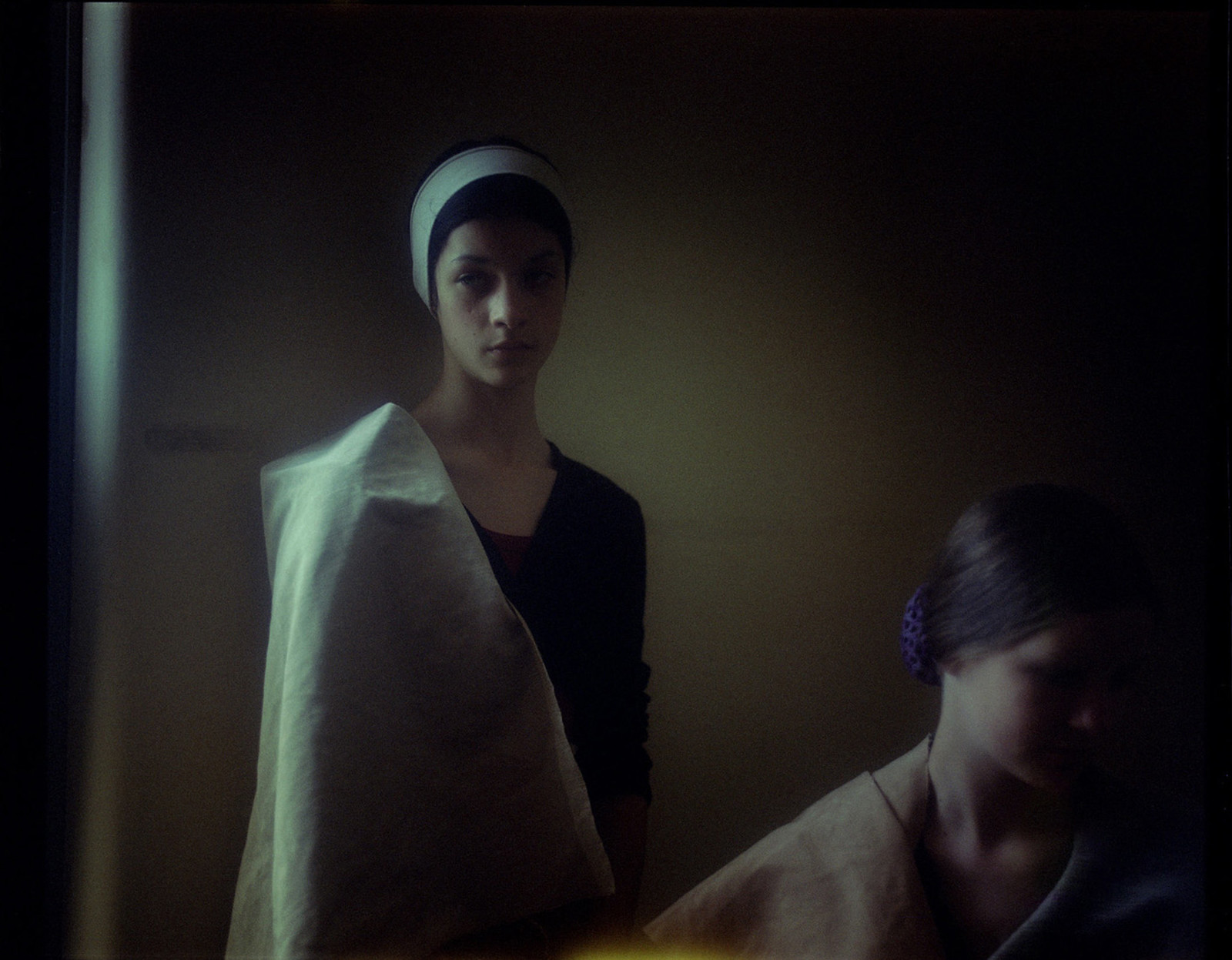
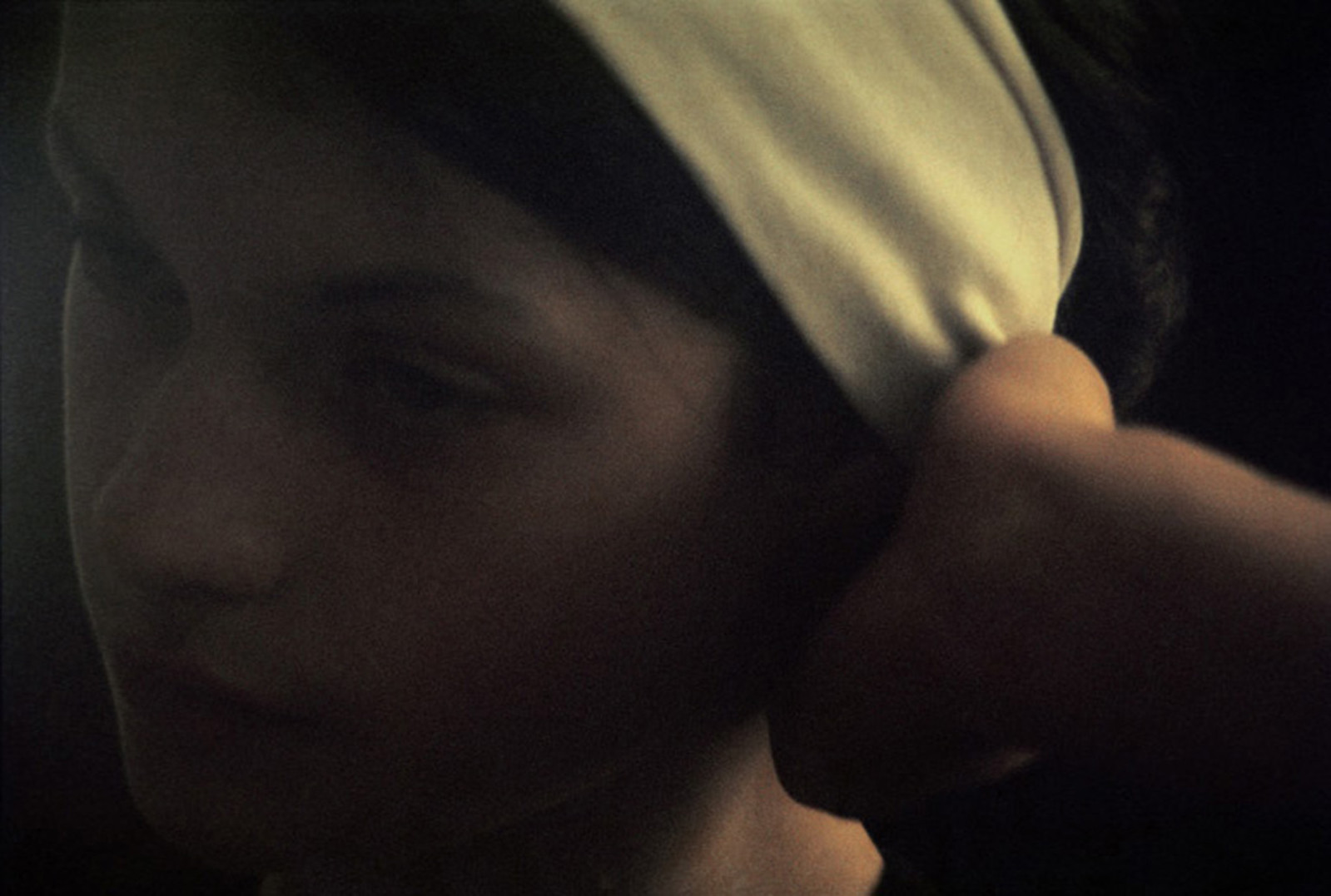
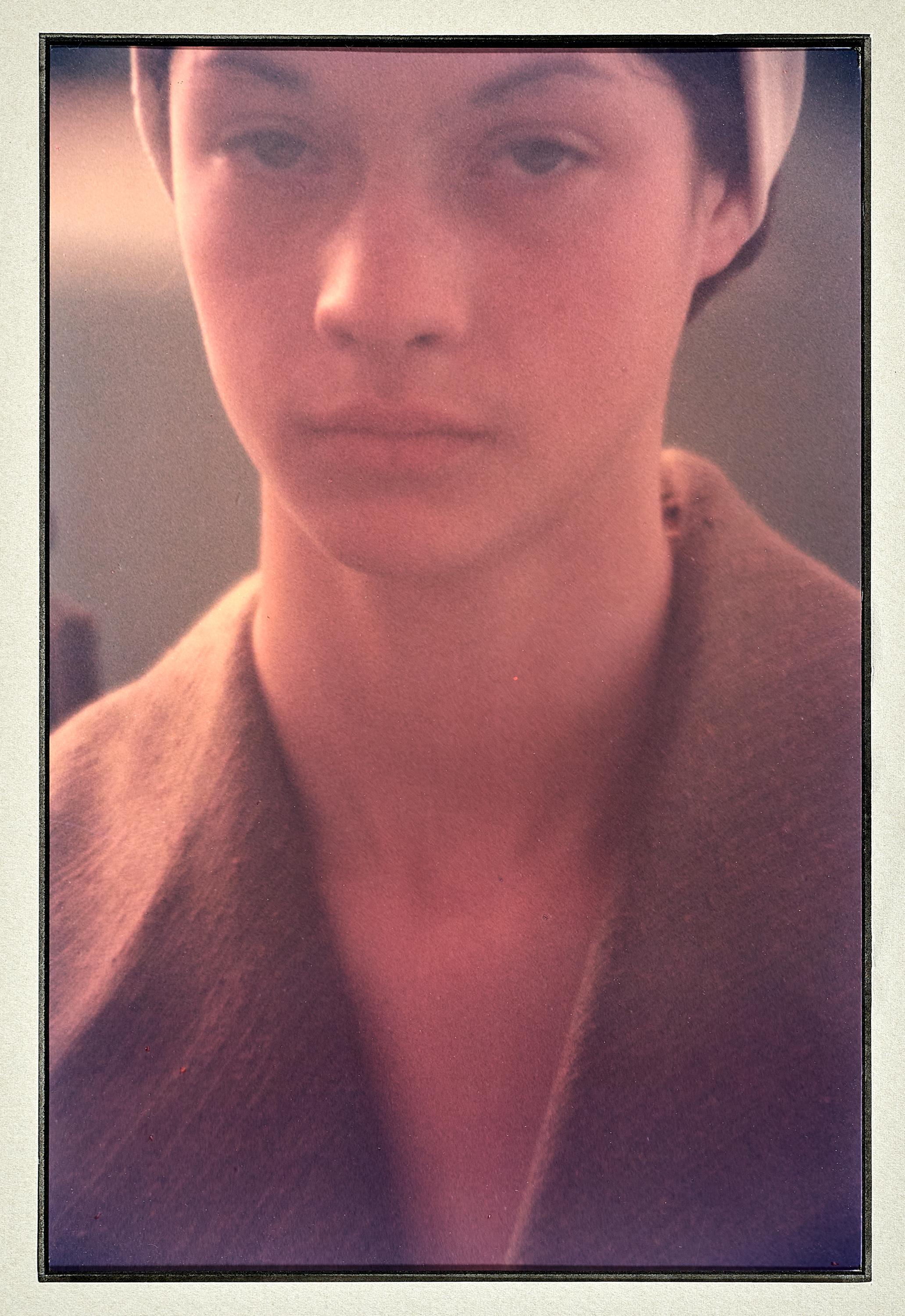
Bill Henson ~ Untitled # 78, 1974 | src Tolarno Galleries
Bill Henson ~ Untitled # 72, 1974 | Art gallery of NSW
Bill Henson ~ Untitled # 73, 1974 | src Tolarno Galleries
Bill Henson ~ Untitled # 66, 1974 | src Art gallery of New South Wales
Bill Henson ~ Untitled # 65, 1974 | src Tolarno Galleries
Bill Henson ~ Untitled # 67, 1974 | src Tolarno Galleries

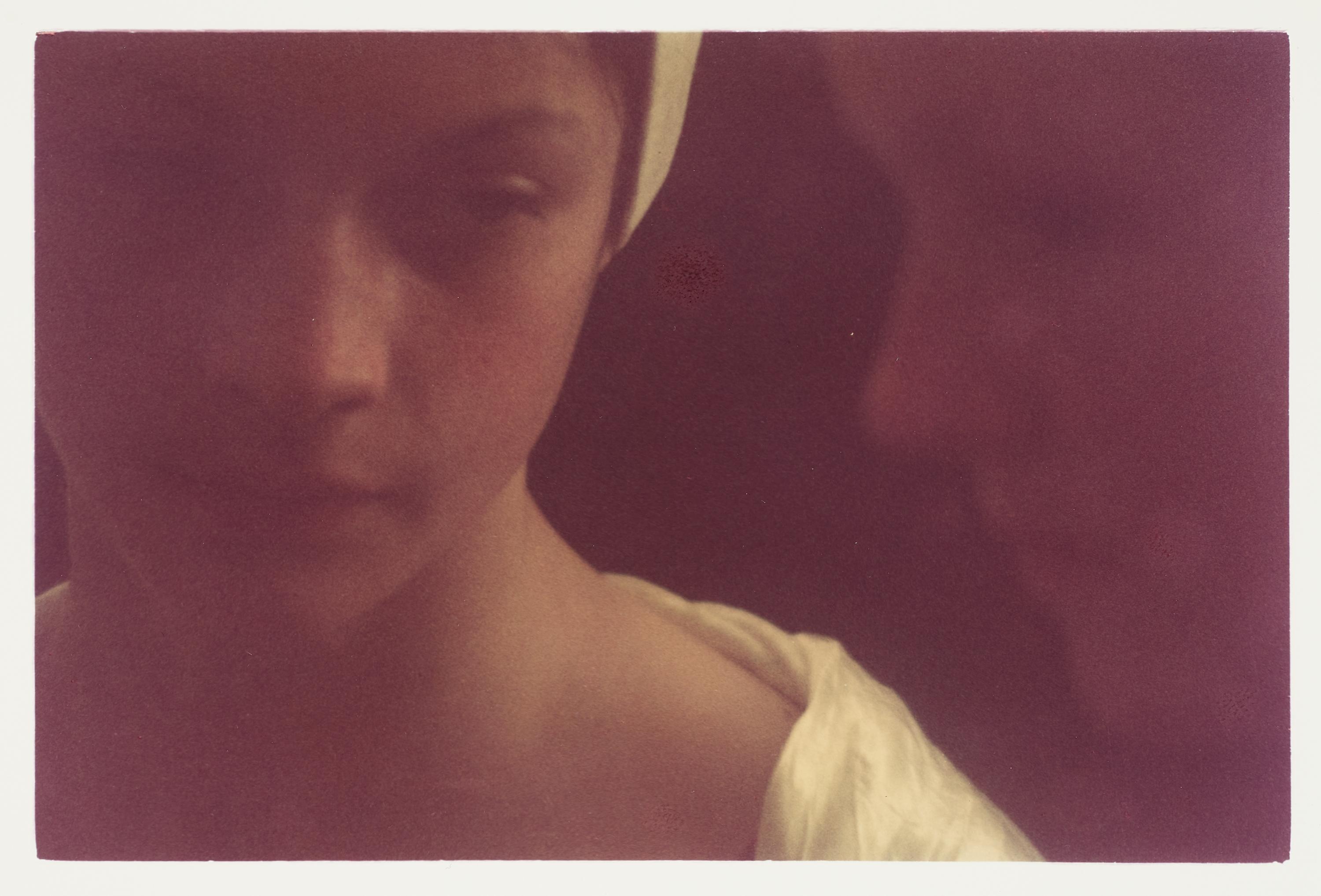
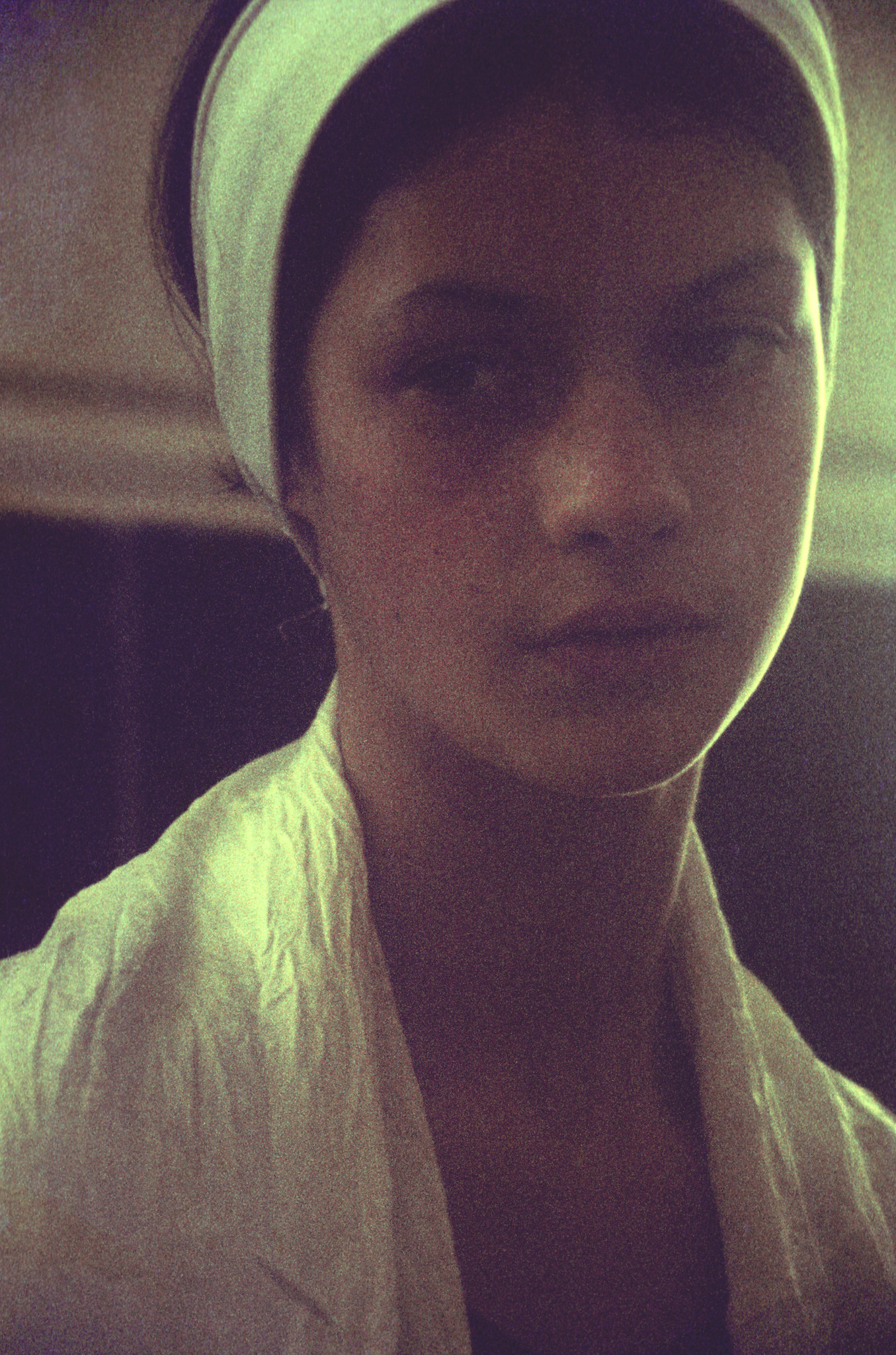
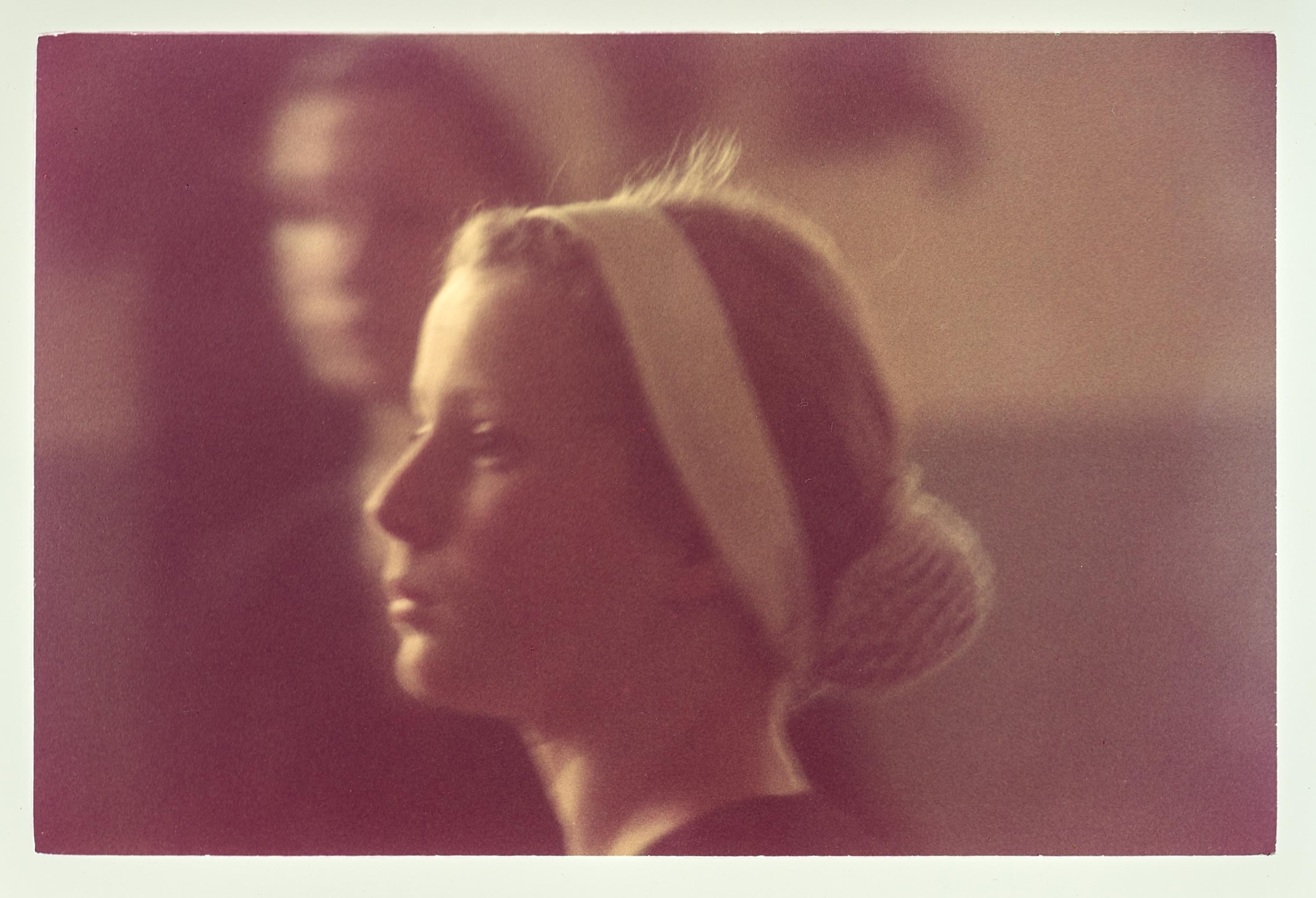
‘Untitled 1974’ was one of Bill Henson’s earliest photographic series. When photographing the ballerinas, he found himself fascinated by faces, ‘lost to the world, absorbed in the dance. So I photographed their faces rather than their bodies. I was drawn to the spirit of some person in a space.’ Bill Henson 2004

Sequences are an important part of Henson’s work, creating a dialogue between the images and enhancing both the meaning and effect. An image that is hard to discern singularly becomes more readable as part of a sequence, while at the same time the whole sequence seems to become more ethereal and requiring of an emotional response. AG of NSW

Bill Henson ~ Untitled # 54, 1974
Bill Henson ~ Untitled # 55, 1974
Bill Henson ~ Untitled # 54, 1974 | src Tolarno Galleries
Bill Henson ~ Untitled # 52, 1974 | src Tolarno Galleries
Bill Henson ~ Untitled, 1974
Bill Henson ~ Untitled, 1974 | Art gallery of NSW
Bill Henson ~ Untitled # 31, 1974. Type C photograph | src Tolarno Galleries