I am in training don’t kiss me

claude cahun, marcel moore
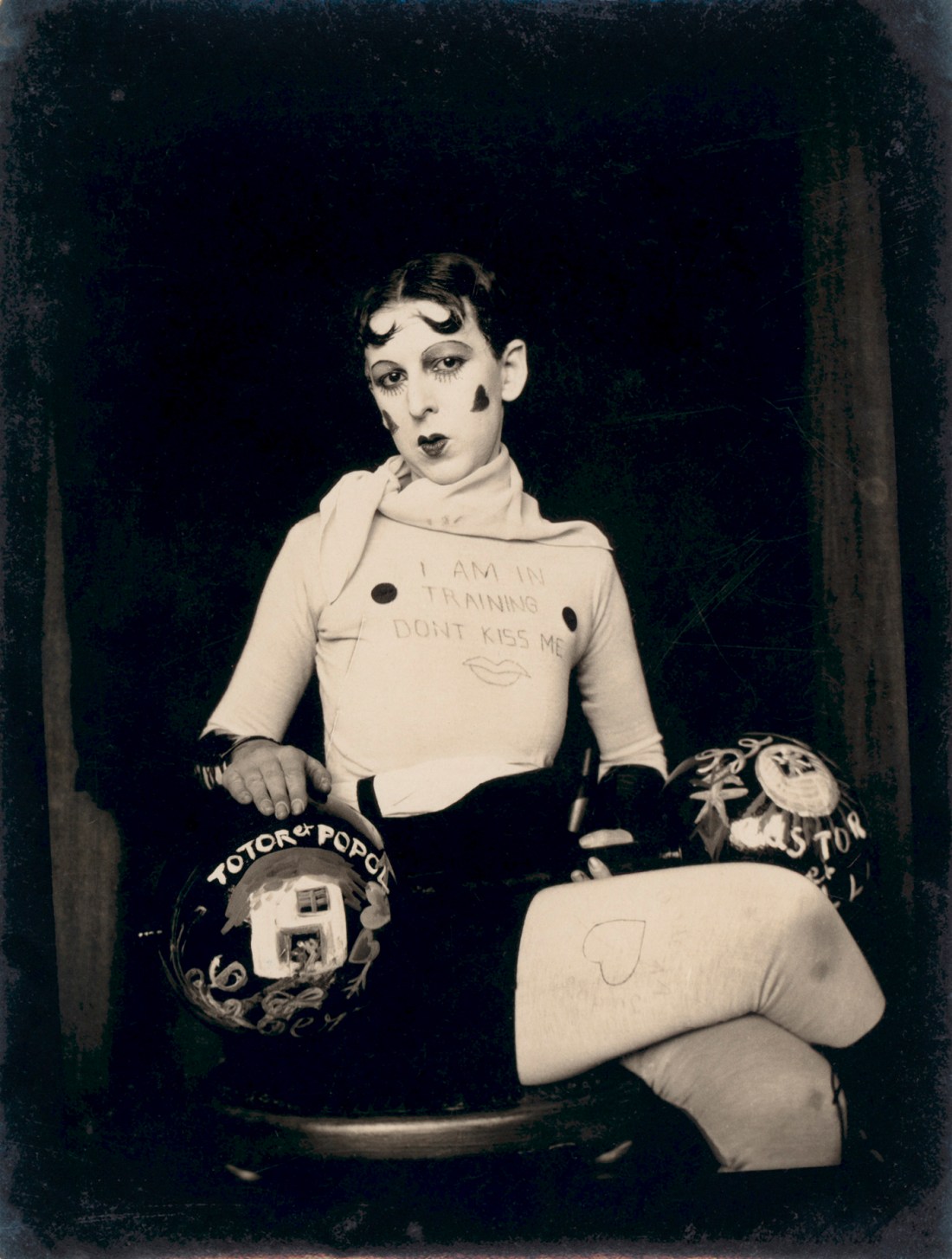
Claude Cahun and Marcel Moore  :: Untitled. "I am in training don't kiss me", 1927-1929. | src SF • MoMA
Claude Cahun and Marcel Moore :: Untitled. “I am in training don’t kiss me”, 1927-1929. | src SF • MoMA

“Les autoportraits ont beaucoup contribué à la reconnaissance puis à l’engouement posthumes dont l’œuvre de Claude Cahun [et marcel Moore] fut l’objet. Dans un décor généralement réduit au minimum (un fond de mur, de tissu, un coin de jardin, l’angle d’une porte), avec peu d’accessoire, mais choisis pour leur qualité symbolique (…), Claude Cahun va multiplier les poses, les travestissements, les rôles, les mises à nu, pour aboutir à une sorte de chorégraphie immobile de mouvement sériel, où transparaît  son attention pour la danse, la danse qui semble combiner et sublimer tous les genres. Elle ne se borne pas à questionner une identité problématique, elle la force, elle la produit. L’appareil photographique est véritablement placé dans la position d’un « miroir magique », que l’on scrute et interpelle, d’un instrument qui, paradoxalement, doit induire une transformation.”

(Catalogue exposition Claude Cahun, Jeu de Paume, Paris, Hazan, 2011, p. 64)
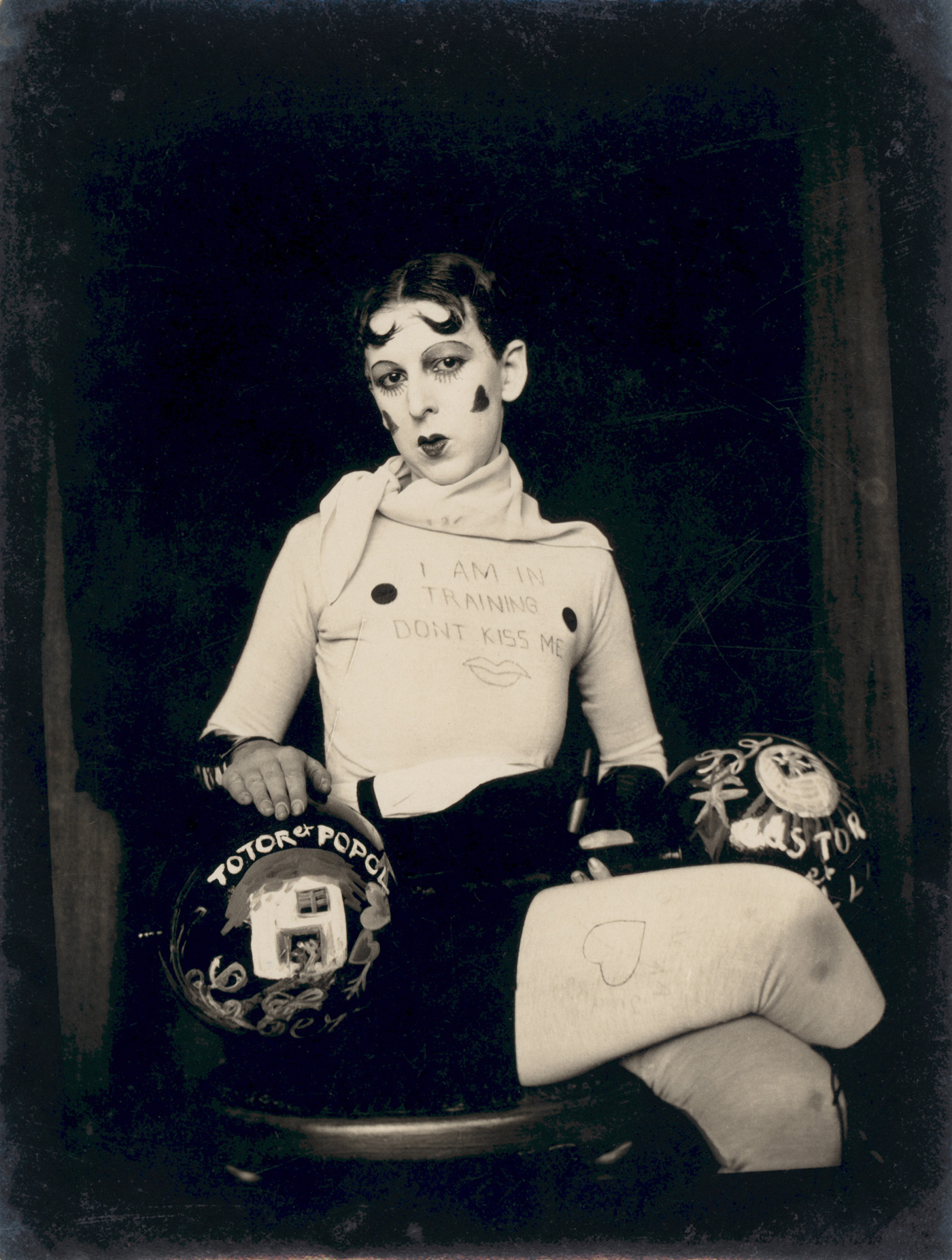
Claude Cahun and Marcel Moore :: Untitled. "I am in training don't kiss me", ca. 1927. | src Jersey Heritage Collection
Claude Cahun and Marcel Moore :: Untitled. “I am in training don’t kiss me”, ca. 1927. | src Jersey Heritage Collection

“The Self-portraits have contributed a great deal to the recognition and then to the posthumous enthusiasm for Claude Cahun’s [and Marcel Moore’s] work. In a decor generally kept to a minimum (a wall background, fabric, a corner of the garden, the angle of a door), with few accessories, chosen for their symbolic quality (…), Claude Cahun will multiply the poses, the disguises, the roles, the stripping, to end up with a kind of motionless choreography of serial movements, where the emphasis on dance shines through, the dance that seems to combine and sublimate all genres. They do not limit themselves to questioning a problematic identity, they force it, they produce it. The camera is truly placed in the position of a « miroir magique », which one scrutinizes and questions, an instrument which, paradoxically, must induce a transformation.” (*)

(Catalogue of the exposition Claude Cahun at Jeu de Paume, Paris, Hazan, 2011, p. 64)

(*) The modification of pronouns is completely our choice

Claude Cahun et Marcel Moore :: Autoportrait, vers 1927. Tirage argentique d'époque. Monté sous passe-partout. | src Sotheby’s
Claude Cahun et Marcel Moore :: Autoportrait, vers 1927. Tirage argentique d’époque. Monté sous passe-partout. | src Sotheby’s

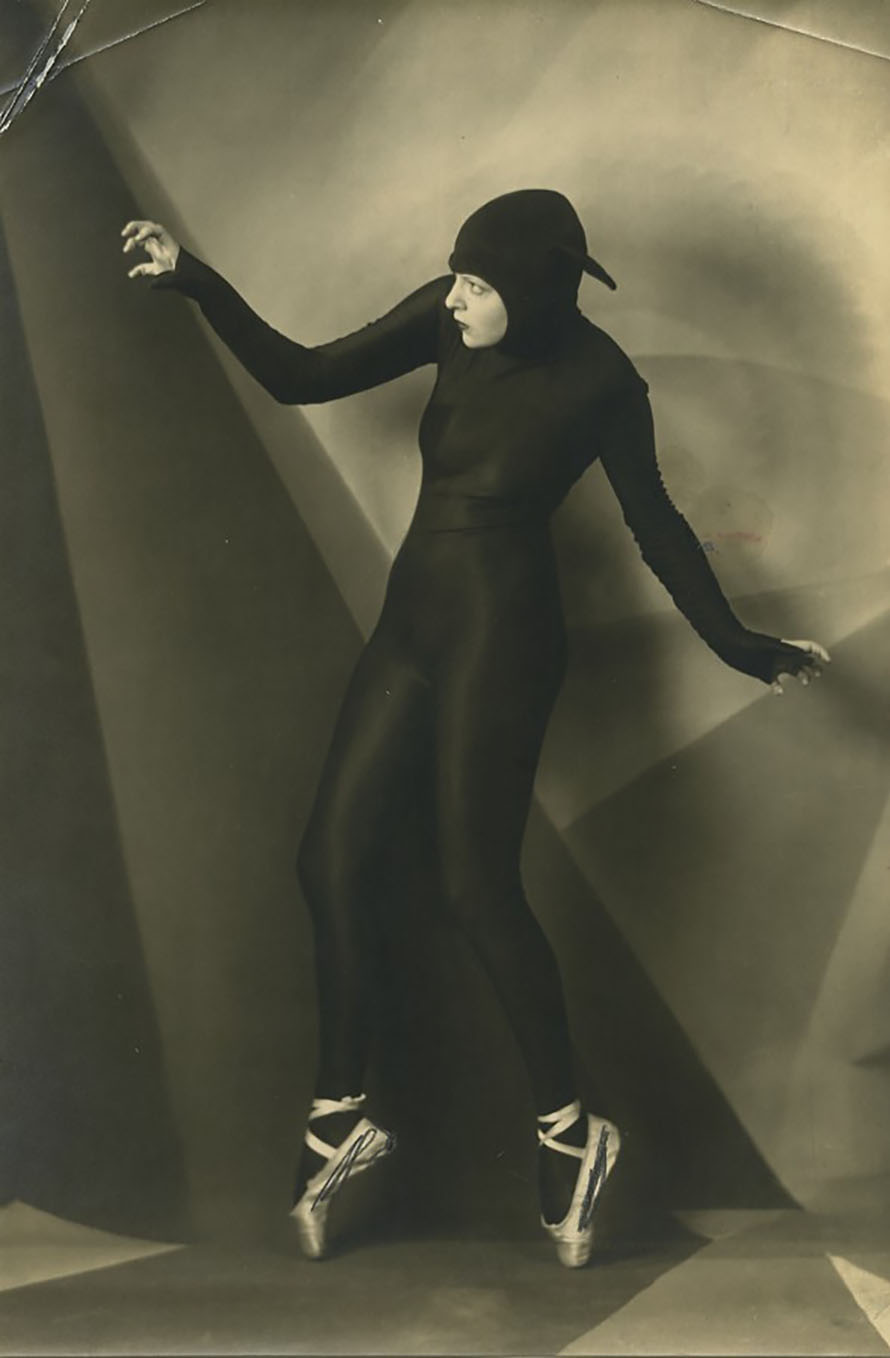
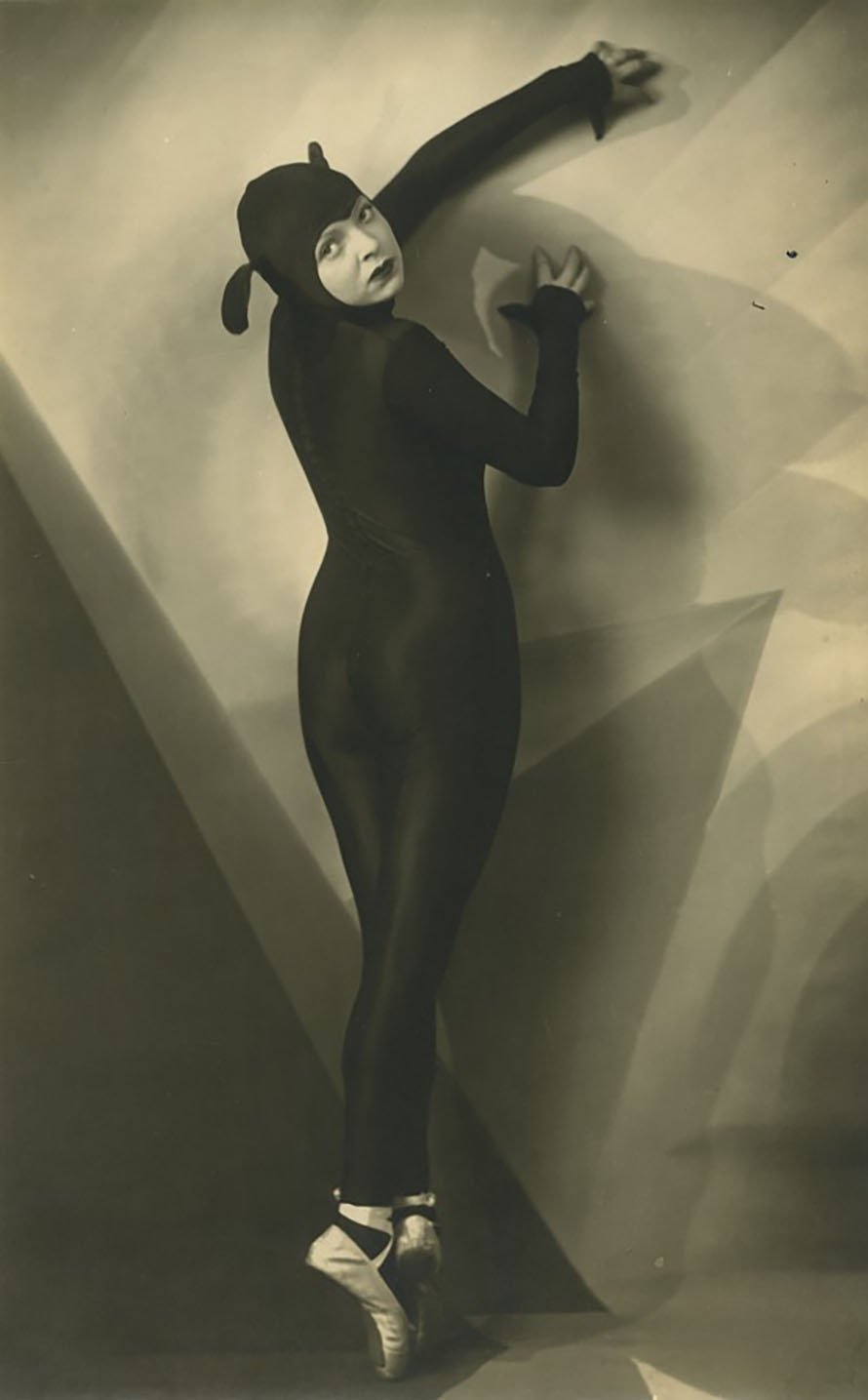
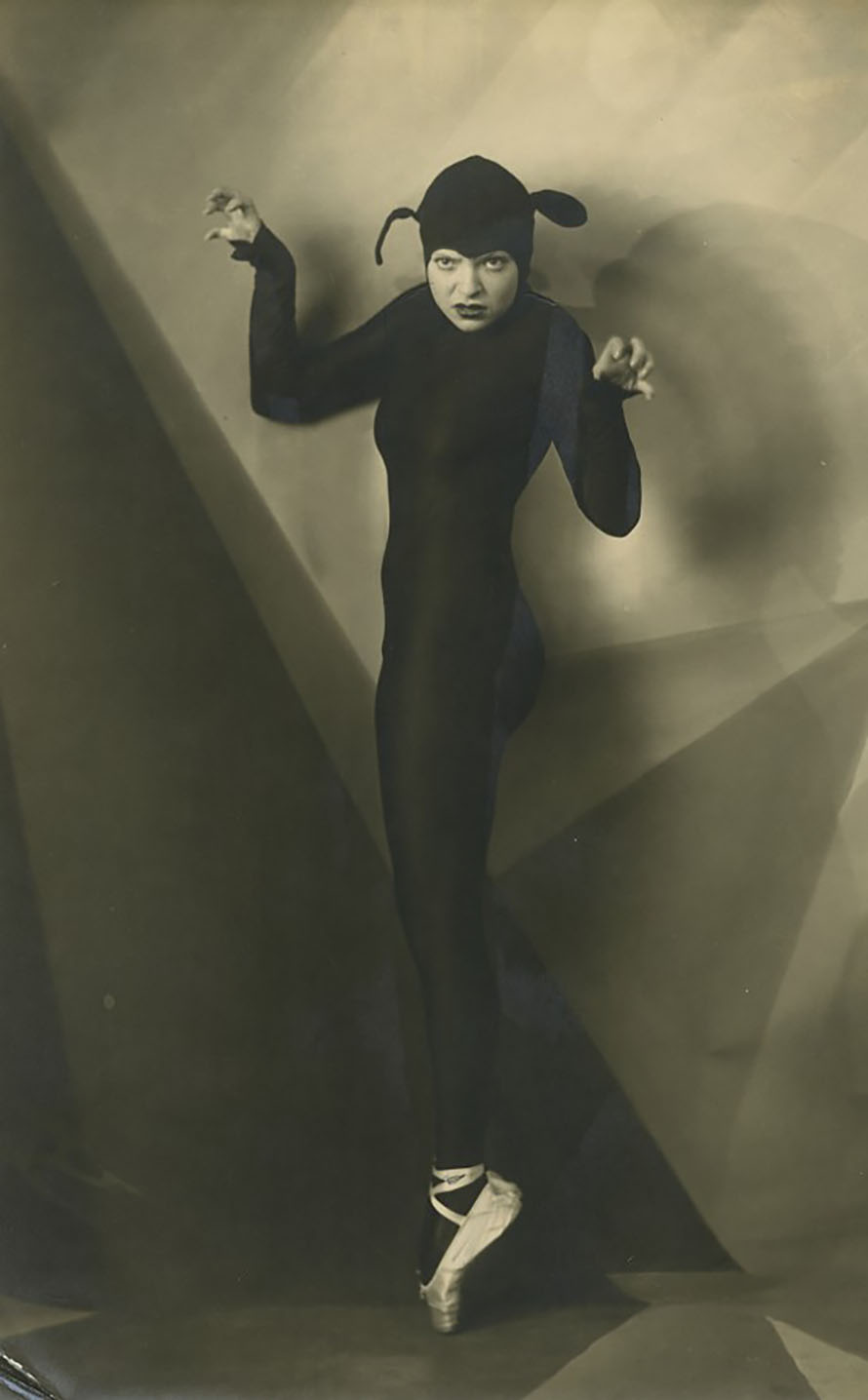
Jako-Mica in catsuit 1940s

Jacqueline Jako-Mica (Nicole Chaumot), dancer at Casino de Paris, ca. 1940s
Anonymous Studio Photos.
Jacqueline Jako-Mica (Nicole Chaumot), dancer at Casino de Paris in the Troops of Carla Conté, circa 1940s
sources Zvab and Abebooks

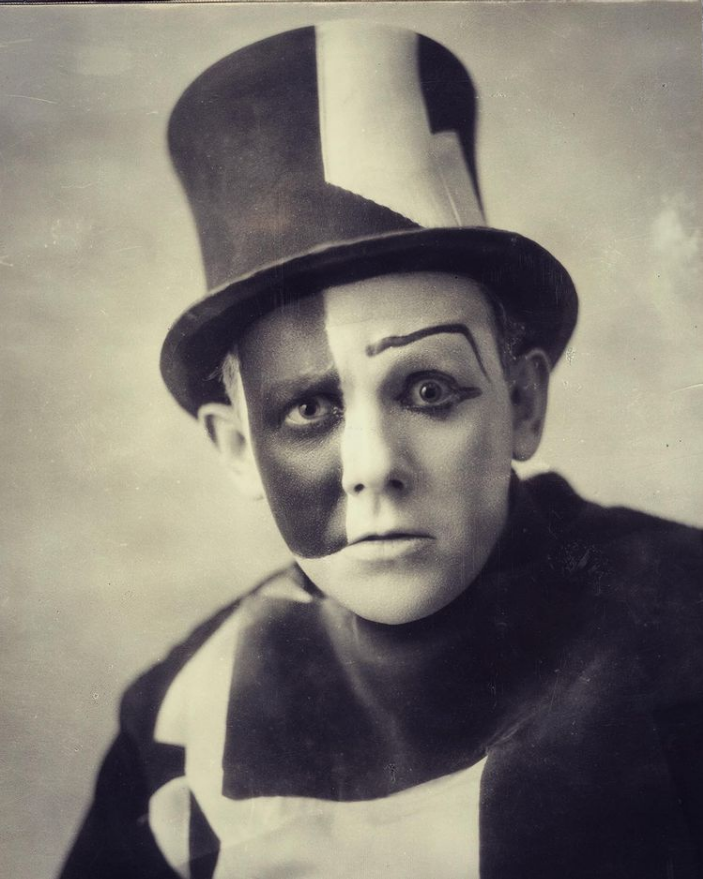
Jean Börlin (1920s) by Isabey

Jean Börlin i Skating Rink, Svenska Baletten, foto: Studio Isabey, Paris, 1922. | src Dansmuseet on IG
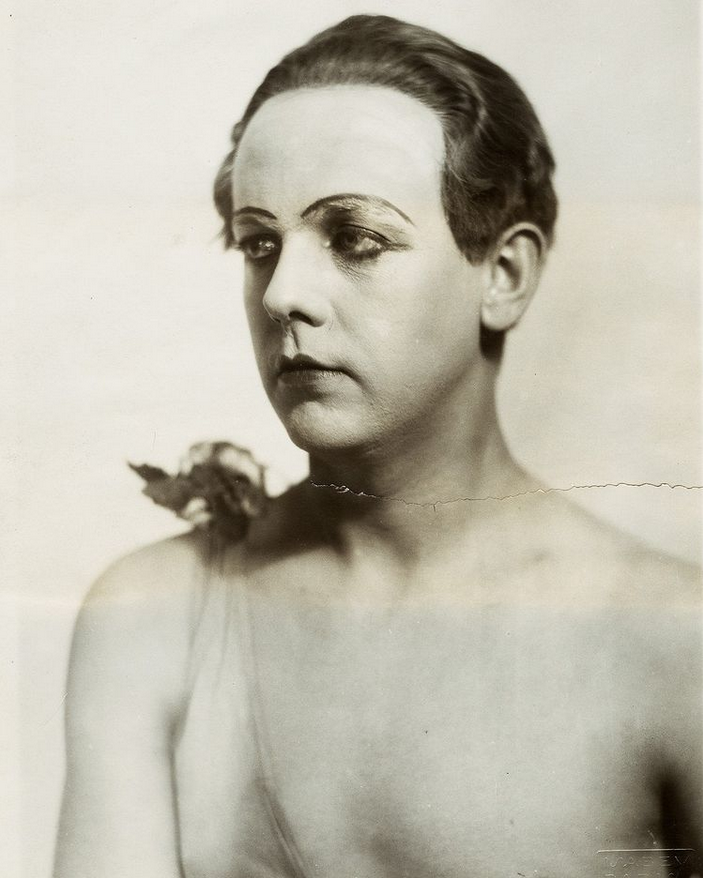
Jean Börlin i Fågelhandlaren av Svenska Baletten, foto Studio Isabey, Paris, 1923
Jean Börlin i Fågelhandlaren av Svenska Baletten, foto: Studio Isabey, Paris, 1923 | src Dansmuseet on IG
Jean Börlin i Det sällsamma tornerspelet av Svenska Baletten (Börlin in The Strange Tournament by the Swedish Ballet), foto: Studio Isabey, Paris, 1924 | src Dansmuseet • IG

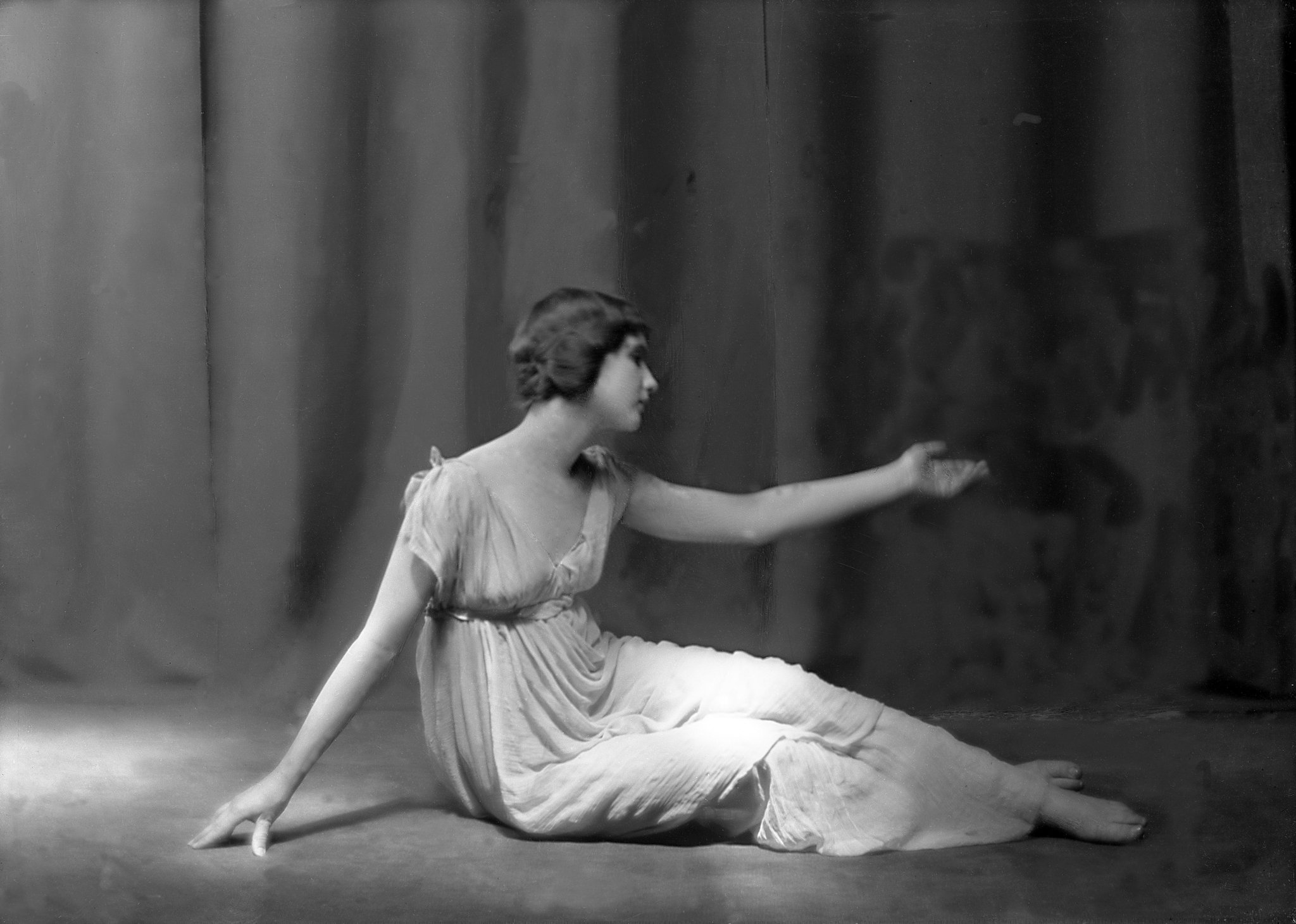
Elizabeth Delmore by Sasha

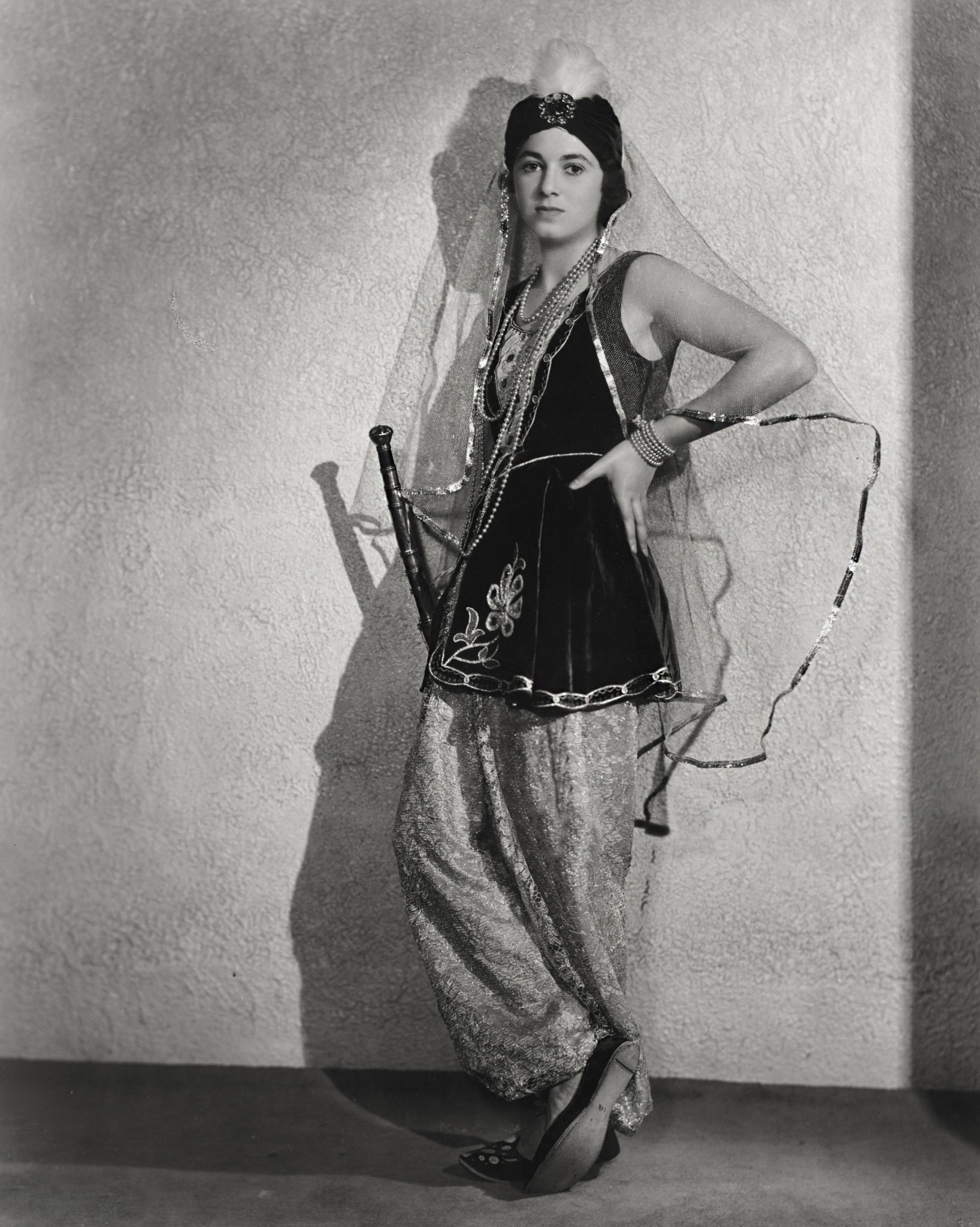
Sasha :: Elizabeth Delmore, in a costume full of eastern promise including turban, prepares to play one of the Court Ladies in a production of Omar Khayyam’s poem The Persian Garden, 30th June 1936. (Photo by Sasha / Alexander Stewart) | src Getty Images

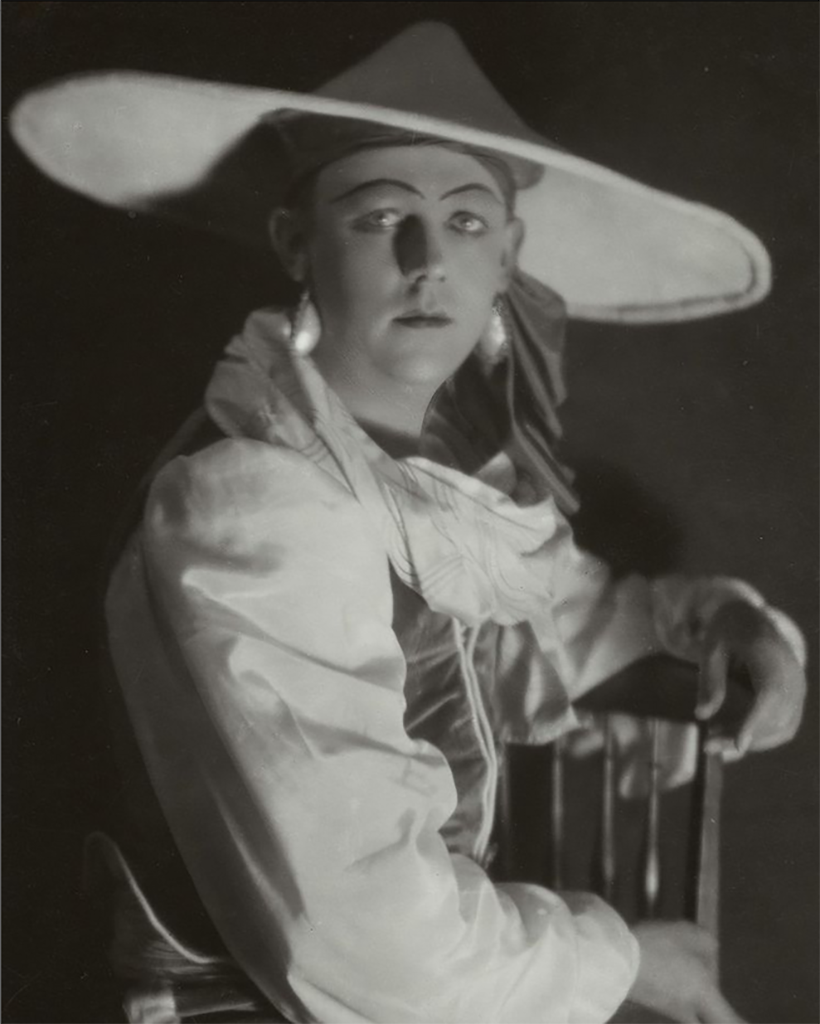
Der König rief seinen Tambour

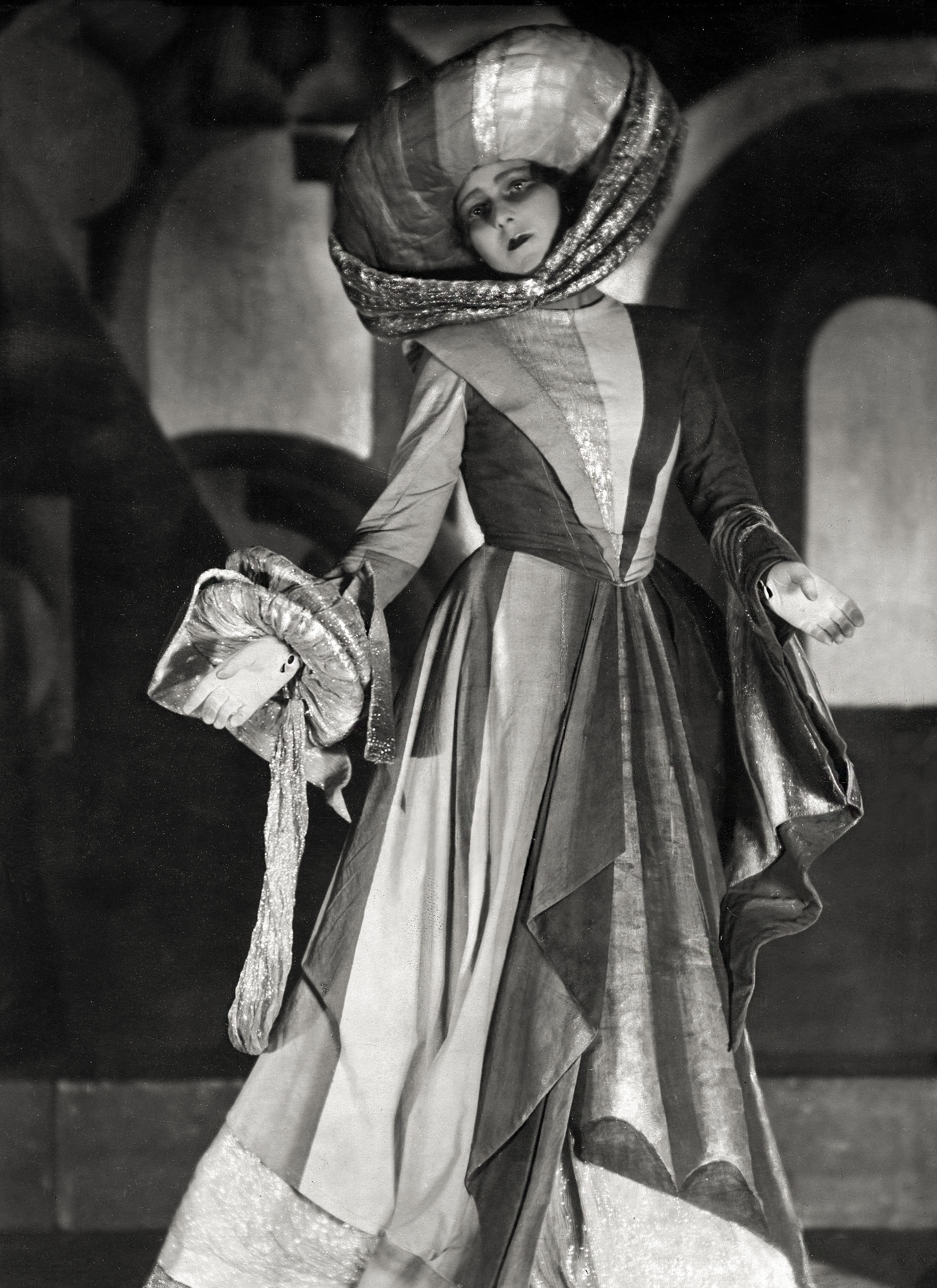
Karl Schenker :: E. Awach in the cabaret “Der König rief seinen Tambour” (The King Called His Tambour Player), a performance by the Yushny Theater in Berlin. Published in ‘Die Dame’ 15/1922 + ‘A.V.’ 19/22. (Photo by Karl Schenker) | src Getty Images

Trude Hesterberg in Wilde Bühne

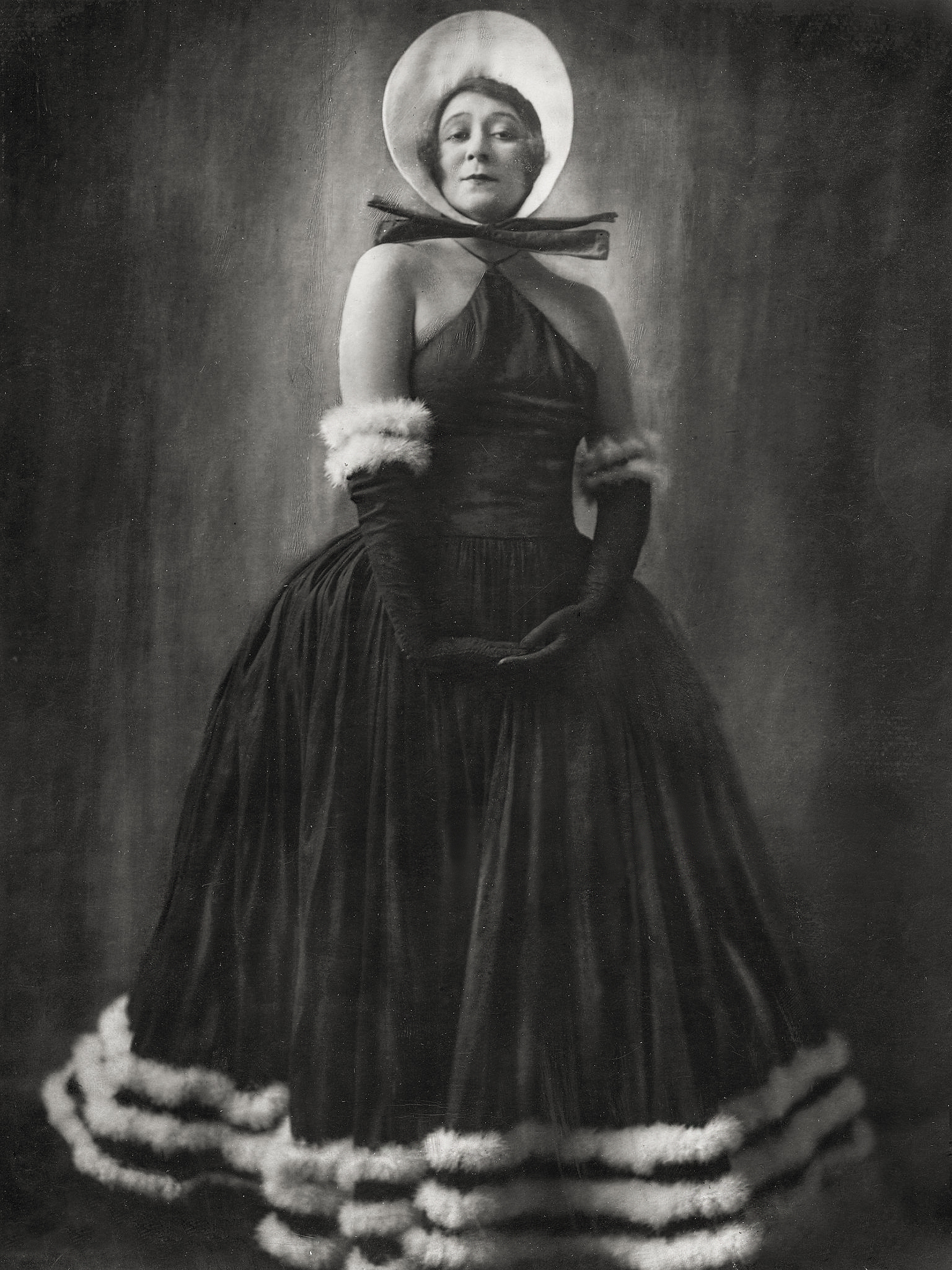
Frieda G. Riess :: Actress and singer Trude Hesterberg (1892-1967). Portrait in the cabaret ‘Wilde Bühne’, dressed in a long dress, 1922. | src Getty Images

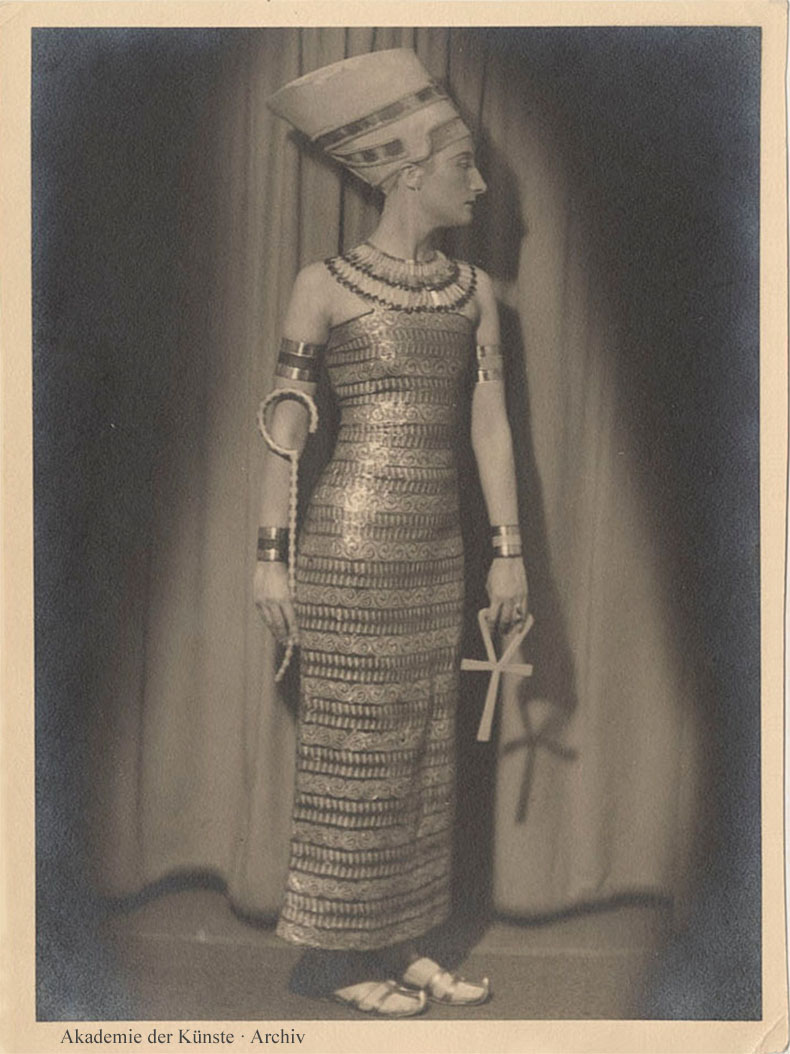
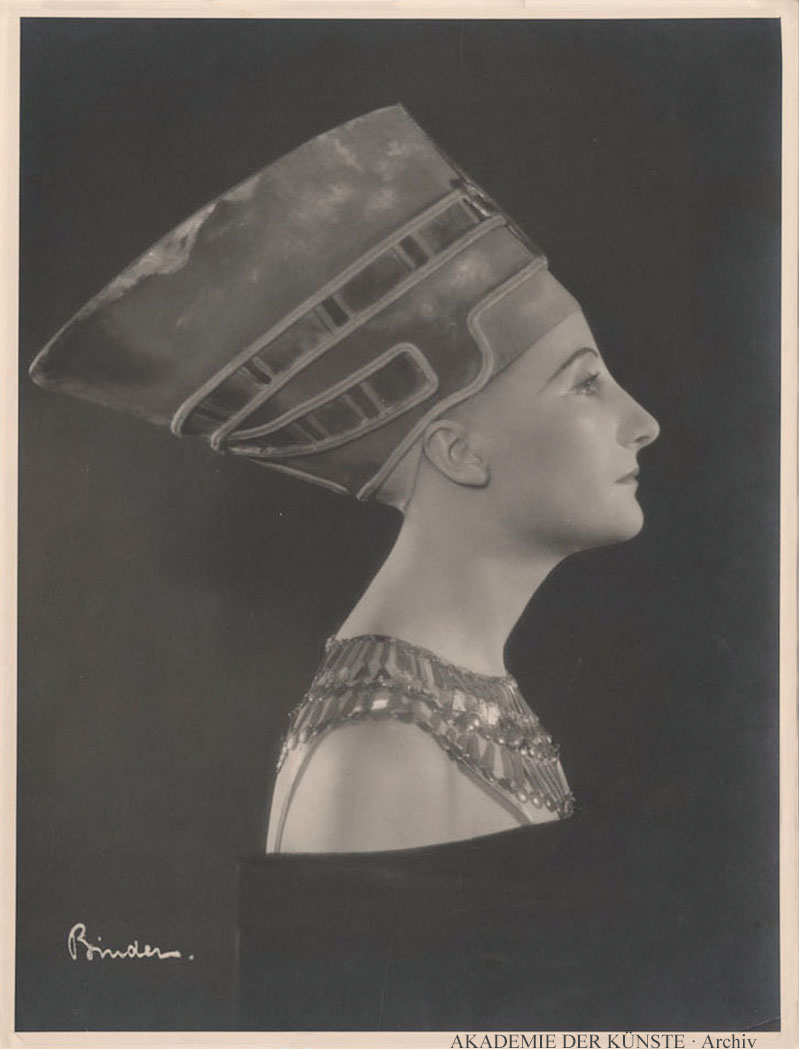
Margo Lion as Nefertiti, 1930

Margo Lion, Cabaret artist, Chansonniere, Actress (1899-1989). Portrait in the role of Nefertiti in the revue 'Quick' by Rudolf Nelson. Music by Friedrich Hollaender. Text: Marcellus Schiffer, ca. 1930. Photographer: Mundphoto, F. Grimm. Published in 'Berliner Morgenpost'; 20-09-1930 | src Getty Images
Margo Lion, cabaret artist, chansonniere, actress (1899-1989). Portrait in the role of Nefertiti in the revue ‘Quick’ by Rudolf Nelson. Music by Friedrich Hollaender. Text: Marcellus Schiffer; ca. 1930. Photographer: Mundphoto, F. Grimm. Published in ‘Berliner Morgenpost’; 20-09-1930 | src Getty Images
Margo Lion als Nofretete in der Revue von Friedrich Hollaender Quick, 19.9.1930. Fotograf: Mundophot
src Akademie der Künste Archiv
Atelier Binder ~ Margo Lion als Nofretete in der Revue von Friedrich Hollaender Quick, Pr 19.9.1930 | src Akademie der Künste Archiv