Jeanne Mammen :: Sie repräsentiert (och Selbstbild), um 1928. [watercolor, pencil] Bild: VG Bild-Kunst, Bonn 2017 | src Svenska.yle
Watercolorist, painter, printmaker. Raised in Paris. Studied art in Paris, Brussels, and Rome from 1906 until 1911. As a German citizen, was forced to flee France with her family at outbreak of World War I; lost all possessions. Impoverished, settled in Berlin in 1916, where she eventually earned a living making illustrations for fashion magazines and posters for Universum-Film AG (UFA), the film distributor.
After 1924 frequently published drawings and watercolors in major satirical periodicals such as Ulk and Simplicissimus, for which she chronicled the experiences of Berlin’s crop-haired, self-reliant “new women” at work and leisure — experiences that mirrored her own. Often showed them in cramped, distorted spaces, some rendered in lurid tones reminiscent of Henri de Toulouse-Lautrec and others in brilliant, orphic colors of the prewar Parisian avant-garde. Enjoyed growing commercial and critical success; in 1930 had first solo exhibition at Galerie Gurlitt in Berlin. At publisher Wolfgang Gurlitt’s behest, made lithographs illustrating a book of erotic Sapphic poetry, Les Chansons de Bilitis, in 1931–32, which was banned by the Nazis.
Under Nazi dictatorship, remained in Germany but lived in a state of “inner emigration”; refused to exhibit or publish. Turned increasingly to painting in Cubist and Expressionist styles out of solidarity with artists who Nazis defamed as degenerate.
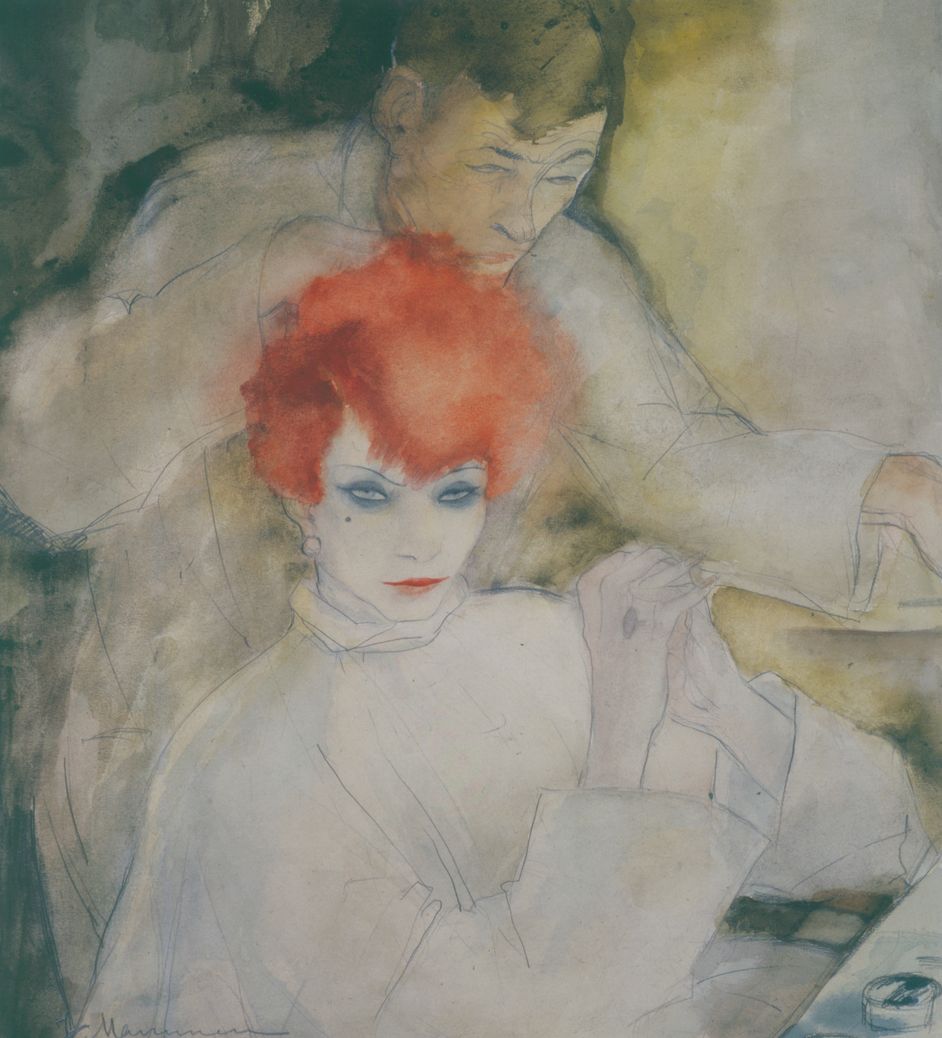
Jeanne Mammen :: Zwei Frauen, tanzend (Two women, dancing), ca. 1928. [Aquarell, Bleistift]. Bild: VG Bild-Kunst, Bonn 2017. | src Svenska.yleJeanne Mammen :: Die Rothaarige | The Redhead (Thoughts at the Hairdresser’s), um 1928. Drawing, watercolour and pencil on paper. | src Berlinische Galerie
Jeanne Mammen (1890–1976) made her name in the late 1920s with illustrations for magazines like Simplicissimus, Ulk and Jugend. In an enthusiastic review, Kurt Tucholsky wrote that her figures leaped “from the paper with skin and hair”. Mammen’s favourite motif were women in the city: in a café, at a ball, at the bar or in some sleazy joint. “The Redhead”, printed in Ulk in 1928, sits in the hairdresser’s chair. She is lost in thought as she looks towards the viewer: we are her mirror. The hairdresser is just finishing off the job. The look is perfect: the pale smock, the white skin, the brown shades in the background are an ideal background to set off her red hair, her lips and the blue shadow around her catlike eyes. “The Redhead”is a vamp rather than the sassy athletic young lass more typical of the times. This capricious creature exudes an air of cold detachment. Her beauty is not intended to seduce but is sufficient unto itself. [quoted from Berlinische Galerie]
Anita Berber Dichterin: Die offen bisexuelle Anita Berber tanzte und provozierte nicht nur, sondern betätigte sich auch als Lyrikerin. In ihrem Gedicht “Orchideen” etwa heißt es: “Ich küsste und kostete jede bis zum Schluss / Alle alle starben an meinen roten Lippen / An meinen Händen / An meiner Geschlechtslosigkeit / Die doch alle Geschlechter in sich hat / Ich bin blass wie Mondsilber.”
Anita Berber as a poetess: The openly bisexual Anita Berber not only danced and provoked, but also was as a poet. In her poem “Orchids”, for example, it says: “I kissed and tasted each one to the end / All died on my red lips / On my hands / On my genderlessness / Which has all genders in it / I am pale as moon silver.”
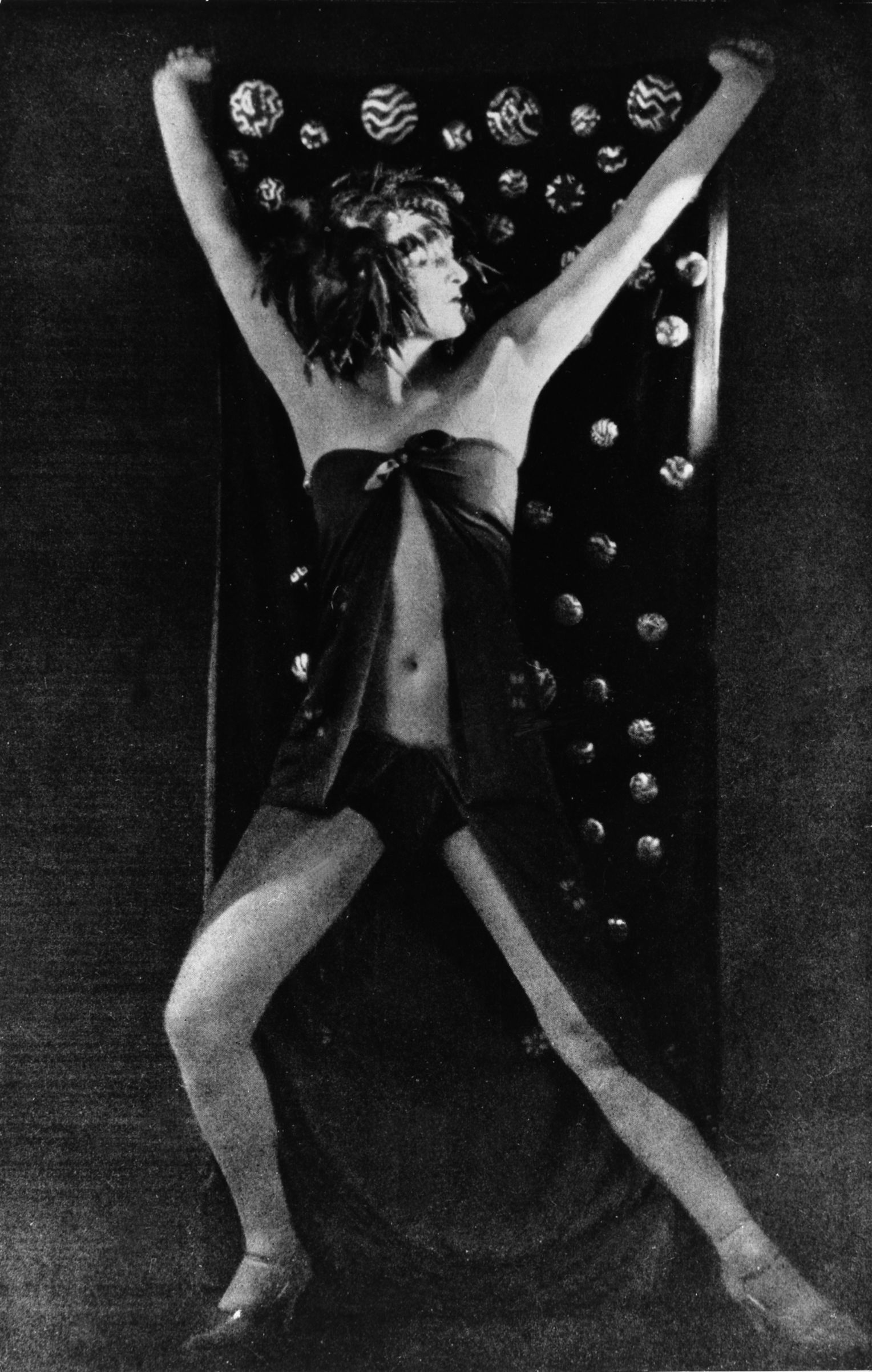
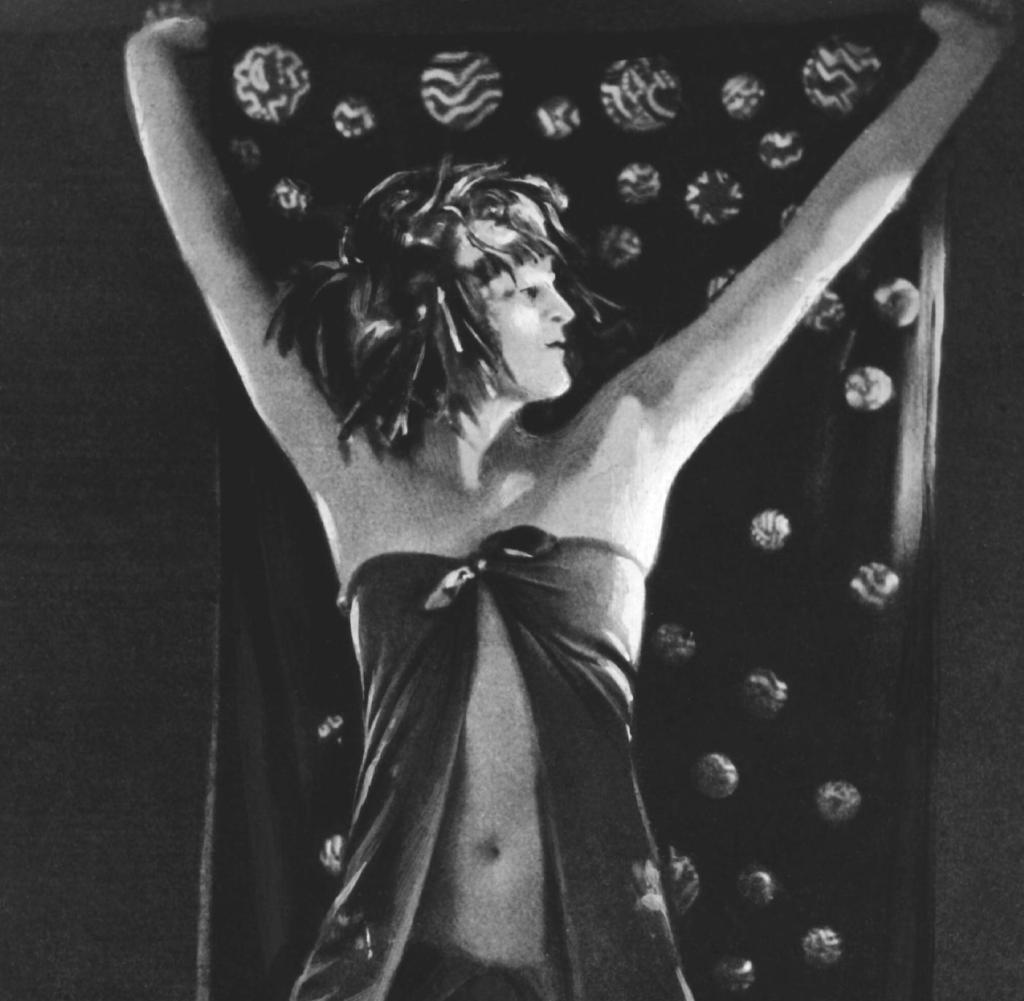
Man Ray ~ Emmanuel Radnitzky (1890 – 1976) :: Helen Tamiris, vers 1930. Epreuve gélatino-argentique. | src Centre PompidouMan Ray ~ Emmanuel Radnitzky (1890 – 1976) :: Helen Tamiris, vers 1930. Epreuve gélatino-argentique. | src Centre PompidouMan Ray ~ Emmanuel Radnitzky (1890 – 1976) :: Helen Tamiris, vers 1930. Epreuve gélatino-argentique. | src Centre Pompidou
Zwanzigerjahre Die Weimarer Republik war ein Tanzparadies / In the 1920s the Weimar Republic was a dance paradise
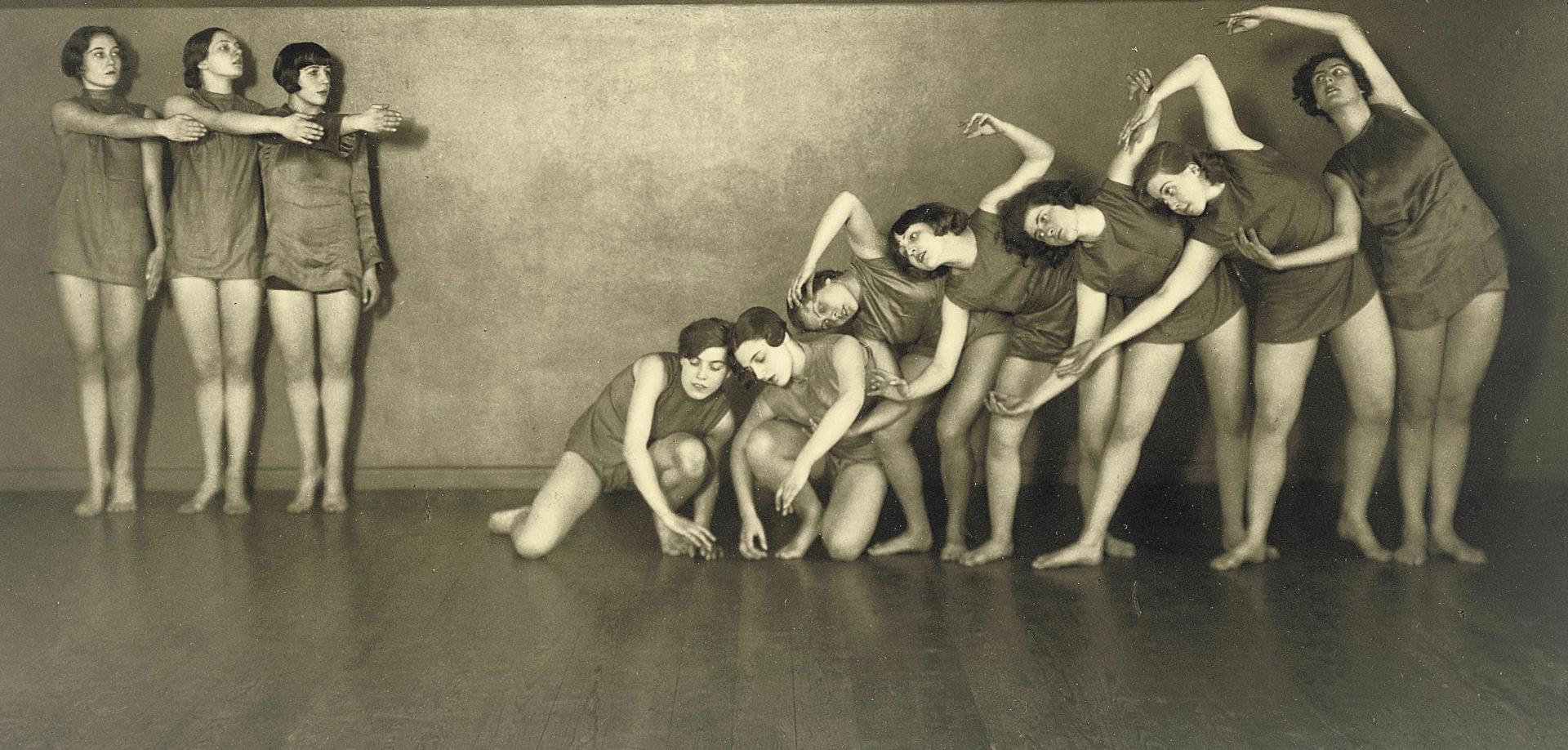
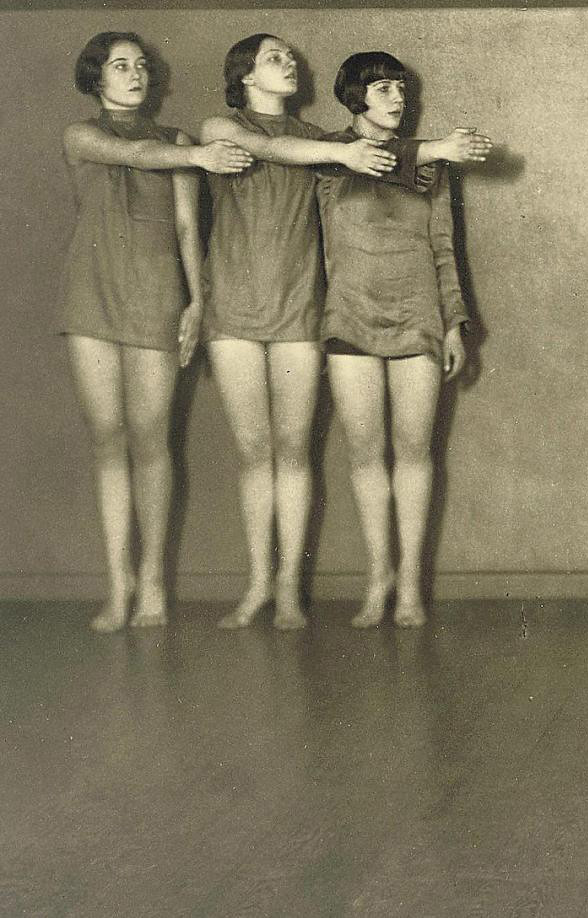
Nothing fascinated people in the Weimar Republic as much as dance. It was a worldview and a lot of fun at the same time. This was mainly due to the fact that women set the stress here for the first time.
There was the nude dance, the masked dance, the grotesque dance. There was the exotic, the ecstatic, the sacred and even the socially critical dance. Yes, at its peak in 1930, the youngest hope of this trendiest art movement of the epoch, Vera Skoronel, who had just created abstract dance, asked, boisterously and of course purely rhetorically: “Non-dancing – does that even exist?”
Vera Skoronel, almost forgotten today, is a good example of how quickly creative and vivacious young women were able to establish themselves in the avant-garde art scene of the 1920s. Because Vera Skoronel, who died in 1932 at the age of only 25 after a short illness, not only became co-director of Berthe Trümpy’s famous dance school in Berlin at the age of 20.
She also received a contract at the Volksbühne a short time later. There Vera Skoronel took over the movement direction for her own pieces, but also for those of the so-called workers’ speech choruses. At that time, they represented a new literary genre and bore promising titles such as “The Divided Man” or “Awakening of the Masses”.
Awakening the masses is the keyword. Because this very specific form of dance without music, which today is usually summarized under the rubrum “expressive dance”, as Mary Wigman and Gret Palucca had invented before the First World War, not only represented a rejection of the classic narrative ballet. It is also about a very fundamental farewell to bourgeois culture.
Like the Bauhaus in architecture and design, or like the Expressionist November Group in the visual arts, dance must be seen as a specific phenomenon of the Weimar Republic. Only conceivable in the turbulent and experimental interwar period. But the dance also carried a fair amount of youthful and typically German worldview with it. Because he really wanted to liberate, awaken, if not redeem.
Tanz als Religionsersatz / Dance as a substitute for religion
Awaken for what? Well, of course, first and foremost to the awareness of one’s own body in its naturalness and in allowing needs to be met. The barefoot dancer Isadora Duncan had already broken with the corseting of the dress code before the First World War. What was added after 1918 was the need to merge with other arts and to convert the old German treatment of art as a substitute for religion into new forms.
Another German cultural phenomenon quickly developed again: the splitting up into high culture and subculture. On the one hand, Anita Berber, who was incredibly popular at the time (she even became a Rosenthal porcelain figurine!) gave solos called “Morphium” or “Cocain”. And she tried to authenticate herself by taking these substances so intensively that she collapsed on the open stage in her late 20s and died shortly thereafter.
On the other hand, Charlotte Bara made herself the brand of a “Gothic dancer”. With deliberately slow movements, she aimed at the sacred, the priestly. Unlike Berber, she did not try to come to terms with the catastrophe of the world war in excess, but to come to terms with the tremendous suffering that the fateful four years had brought to Europe through a new spirituality.
Schmerzensgestik / Pain gesture
And that did not only appeal to Heinrich Vogeler in Worpswede, who left Art Nouveau behind and struggled with new forms after 1918. We owe him a particularly expressive portrait of the Bara, which presents her as almost ecstatically fervent. But even a moderate nature like Georg Kolbe was attracted to Charlotte Bara’s gestures of pain.
With Georg Kolbe we have arrived at the place where the most famous dancers of the Weimar Republic have once again gathered: in Kolbe’s studio museum in Berlin’s Westend. There are eleven of them – perhaps a small nod to the first avant-garde group in Berlin: the exhibition group “The Eleven”, which rallied around Max Liebermann in 1892.
Der absolute Tanz / The ultimate dance
Each of these dancers is different, each unmistakable, each swept up in the whirlpool of that time and often swallowed up by it early on. But they all have one thing in common: they take the viewer on a journey into a time that experienced a rare explosion of creativity. With a staggering abundance of testimonies, the exhibition“Der absolute Tanz” proves that no other art genre can be understood as a metaphor for the restless movement of the 1920s as clearly as dance.
With the help of films, photos, drawings, paintings and sculptures, the Georg Kolbe Museum evokes an attitude to life that seems to stretch in a very unique way between new beginnings here, self-wasting, self-consumption there.
The grotesque dancer Valeska Gert, one of the very few who were granted a comeback after the collapse of civilization, represents the radical side of this attitude towards life. At the peak of her career she said: “The old world is rotten, it cracks at every joint. I want to help break them. I believe in the new life. I want to help build it.”
Solidarität mit Bedürftigen / Solidarity with the needy
Jo Mihaly and Tatjana Barbakoff did the same, to introduce at least two more dancers. The former, whose real name is Elfriede Alice Kuhr, had chosen the name of a Roma-family as a pseudonym, which gave her the name Jo Mihaly out of gratitude, which means something like “one of them”. Mihaly was serious about her solidarity with the needy. For a long time she lived without a permanent address and was successful with solos called “Revolution” or “The Worker”, in which she also portrayed men. Like many of her colleagues, she continued her work in Switzerland after 1933: on Monte Verità.
Tatjana Barbakoff focused on exploring non-European cultures and experimenting with their dance traditions. She was a grateful object of the dance photography of the time, also a new artistic genre that is richly documented in the Georg Kolbe Museum. Anyone who looks at the recordings and sees Barbakoff performing her exotic movements in fantastic costumes cannot help but get the impression that our contemporaries are at work here.
Here, a feminine aesthetic speaks up, self-confident, curious, ready to test itself, which has only fully developed in recent years. We should take note of this dawn of modernity – and allow ourselves to be carried away by its verve.
„Der absolute Tanz. Tänzerinnen der Weimarer Republik“, Georg Kolbe Museum, Berlin.
“The ultimate dance. Dancers of the Weimar Republic”, Georg Kolbe Museum, Berlin.
quoted from Welt, roughly translated by us with the aid of Google-traductor, any amend and/or help will be most welcome.
Organized by Georg Kolbe museum, in the framework of “Die absoluten Tänzerinnen”, available on Spotify (Episode 7) “Vera Skoronel, a true exceptional talent of modern expressive dance. She was confident, charismatic, her enthusiasm infectious. “Not-to-dance – does that even exist?” she once asked, purely rhetorically, of course.” quoted from source
Hänse Herrmann :: Portät von die Tänzerin und Choreographin Vera Skoronel (1906-1932; eigentlich Vera Laemmel, Vera Lämmel) um 1928. Aufnahme: Hänse Herrmann. Originalaufnahme im Archiv von Ullstein Bild. | src Getty Images
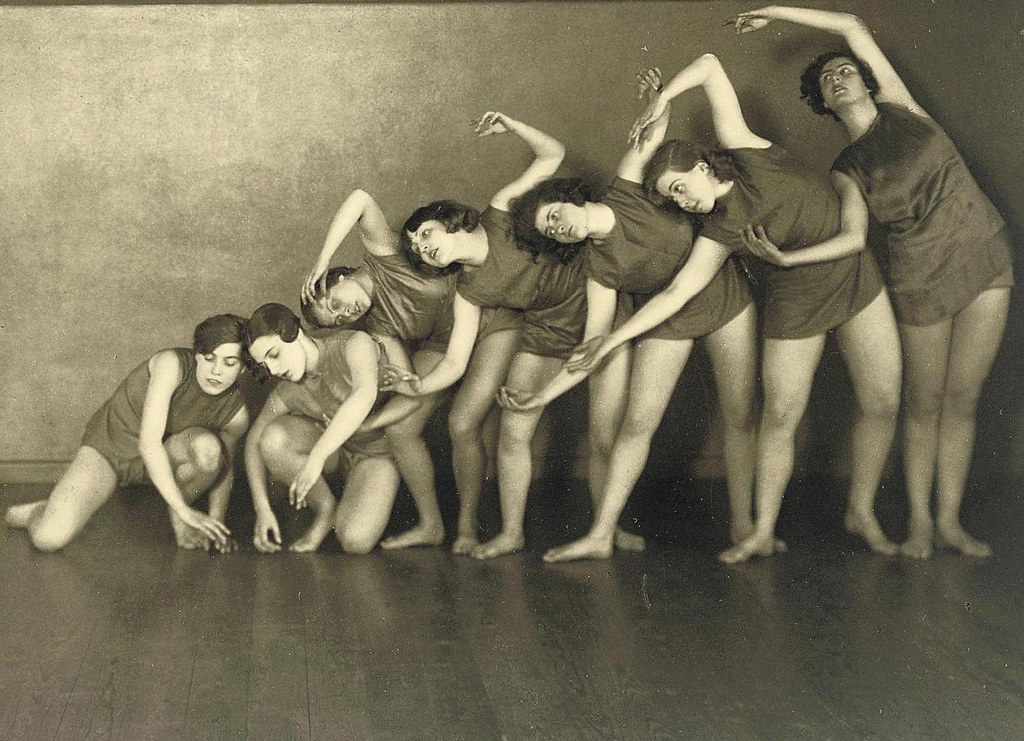
Filmactrice Maria Corda bij een oefening aan de barre, die zij bij de bewegingsschool Lore Sello geleerd heeft. [Frankrijk, Parijs], 1926. Film actress Maria Corda during an exercise at the “barre”, which she learned at the Lore Sello movement school. [France, Paris], 1926. Fotograaf onbekend. Fotocollectie Het Leven (1906-1941) | src Het Geheugen
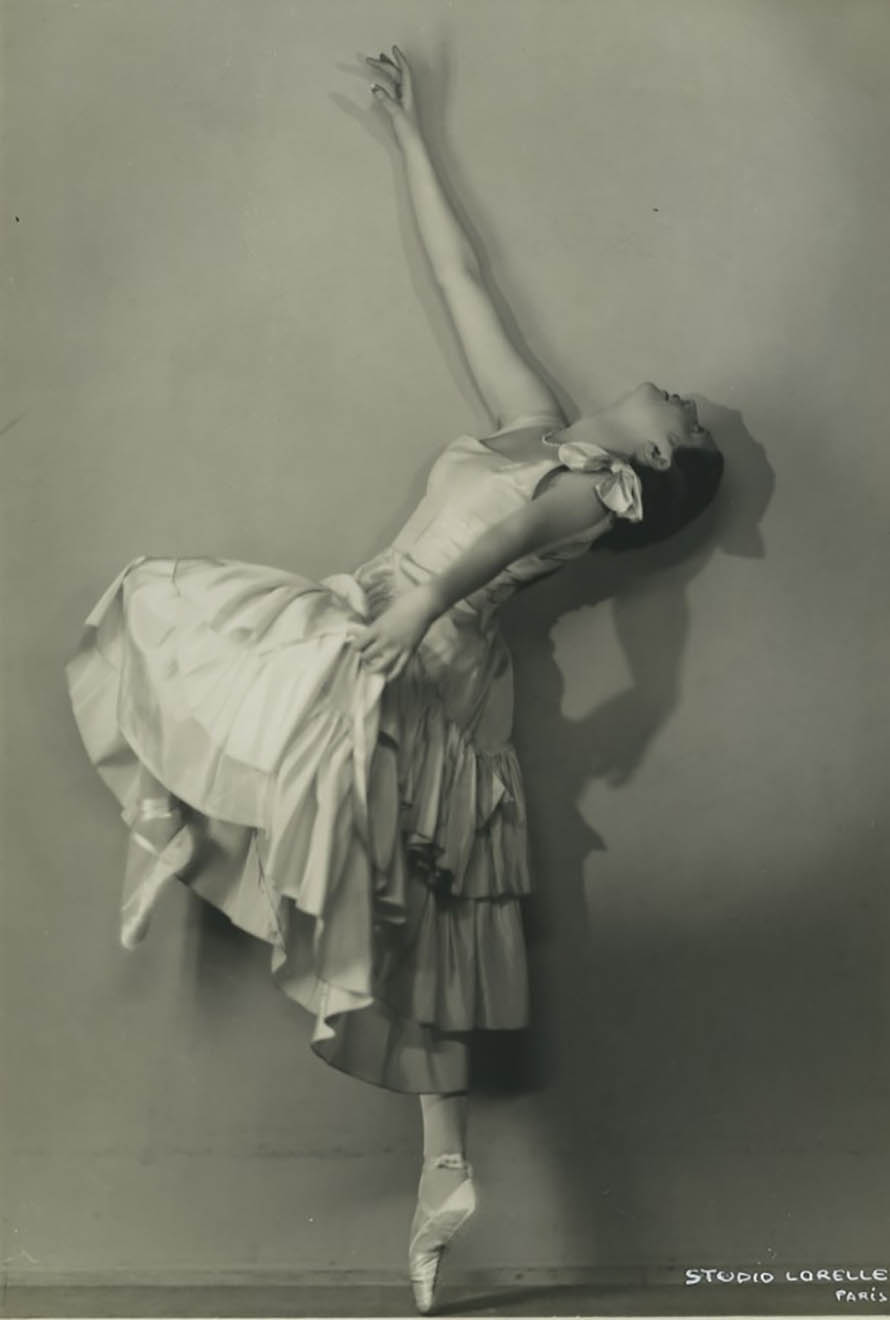
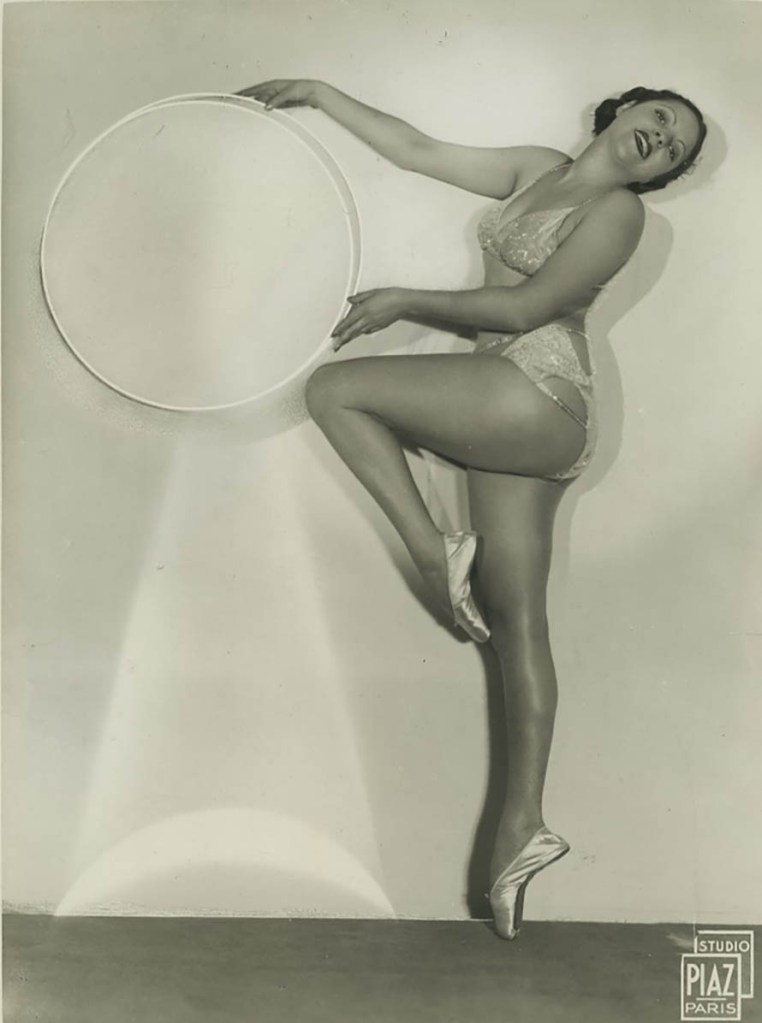
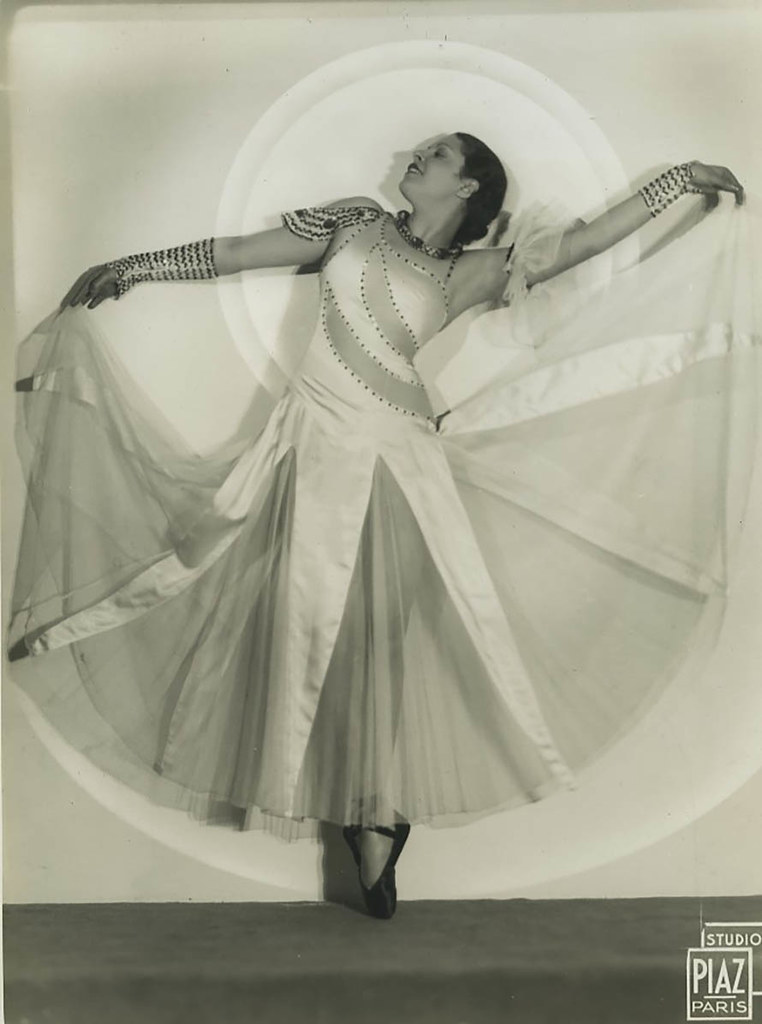
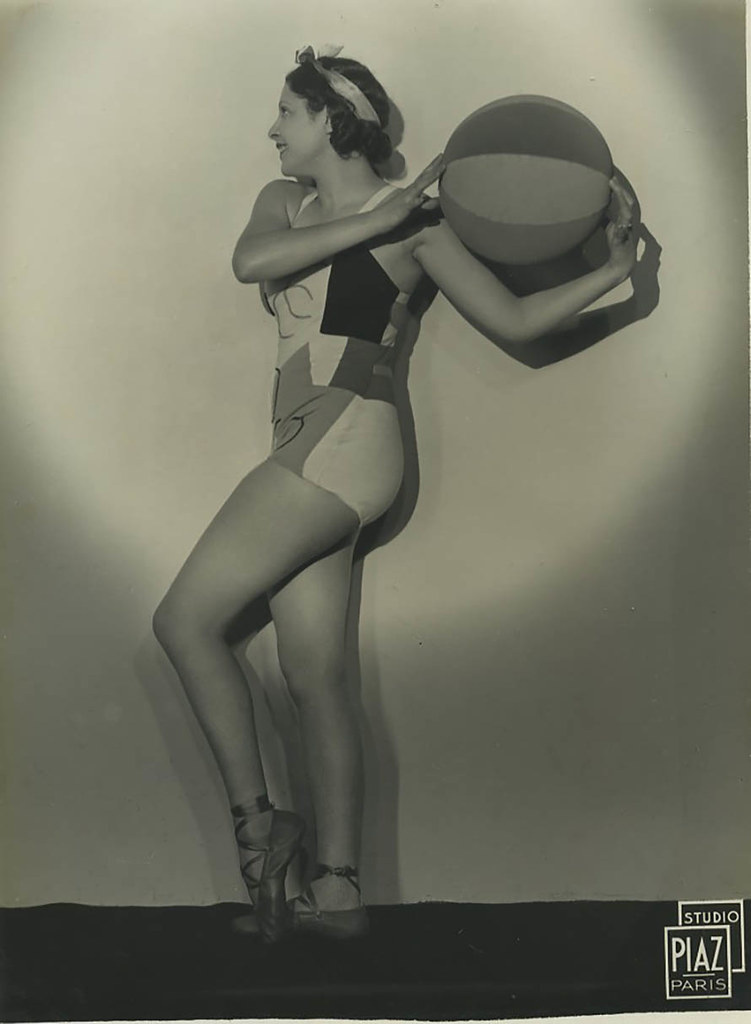
Piaz Studio :: Jacqueline Jako-Mica (Nicole Chaumot) at Casino de Paris, 1940s | src Abebooks and ZvabStudio Piaz :: Jacqueline Jako-Mica (Nicole Chaumot) at Casino de Paris, 1940s | src Zvab and AbebooksStudio Piaz :: Jacqueline Jako-Mica (Nicole Chaumot) at Casino de Paris, 1940s | src Zvab and AbebooksStudio Piaz :: Jacqueline Jako-Mica (Nicole Chaumot) at Casino de Paris, 1940s | src Zvab and Abebooks
![Jeanne Mammen :: Sie repräsentiert (och Selbstbild), um 1928.[watercolor, pencil] Bild: VG Bild-Kunst, Bonn 2017 | src Svenska.yle (selfportrait; self-representation)](https://unregardoblique.com/wp-content/uploads/2022/05/jeanne-mammen-sie-reprasentiert-um-1928.jpg)
![Jeanne Mammen :: Zwei Frauen, tanzend (Two women, dancing), ca. 1928. [Aquarell, Bleistift]. Bild: VG Bild-Kunst, Bonn 2017. | src Svenska.yle](https://live.staticflickr.com/65535/52109345817_2406513c8c_h.jpg)


![Jeanne Mammen :: Illustration für die Zeitschrift "Simplicissimus" - Illustration for the magazine Simplicissimus, around 1930. [Aquarell, Bleistift]. | src arthive](https://live.staticflickr.com/65535/52110616704_b9c964b975_k.jpg)




![Film actress Maria Corda during an exercise at the "barre", which she learned at the Lore Sello movement school. [France, Paris], 1926.
Fotograaf onbekend. Fotocollectie Het Leven (1906-1941) | src Het Geheugen](https://unregardoblique.com/wp-content/uploads/2022/05/filmactrice-maria-corda-bij-een-oefening-aan-de-barre-die-zij-bij-de-bewegingsschool-lore-sello-geleerd-heeft.-frankrijk-parijs-1926.jpeg)





 un regard oblique