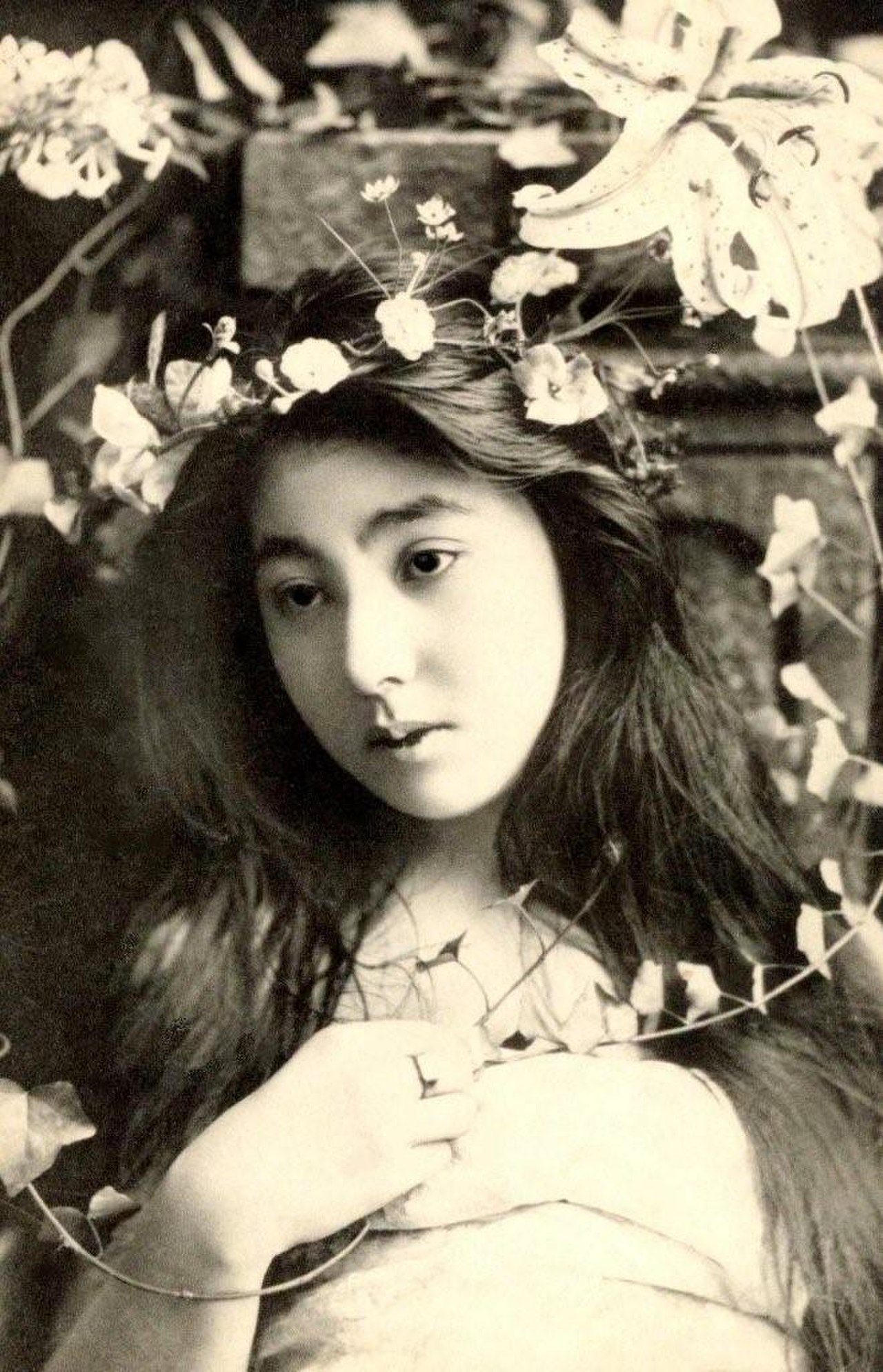
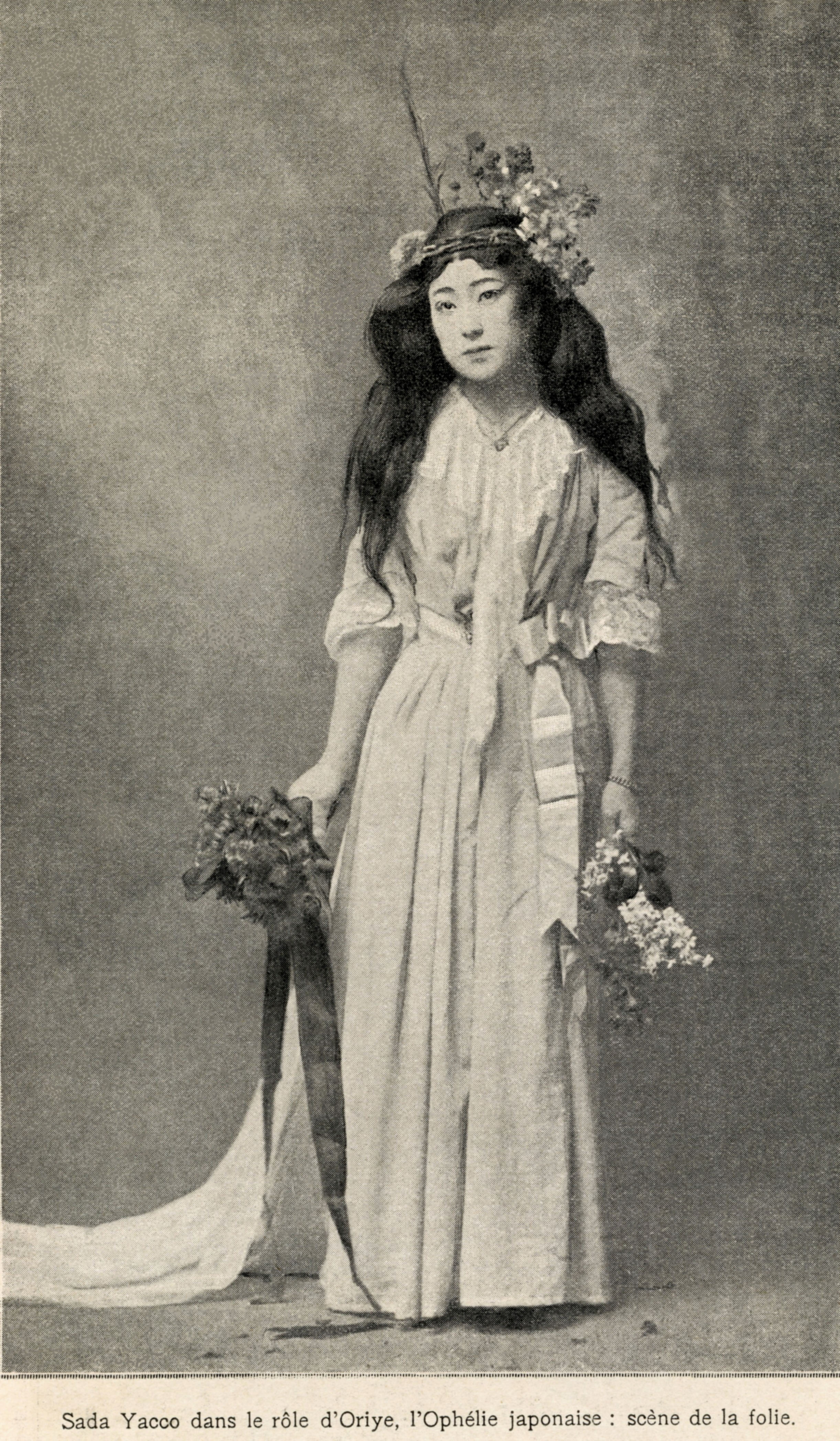
Sadayakko (貞奴), also Sada Yacco, was the stage name of the first Japanese actress and dancer, derived from a combination of her real name, Sada Koyama, and her geisha name, Yakko.

images that haunt us

Sadayakko (貞奴), also Sada Yacco, was the stage name of the first Japanese actress and dancer, derived from a combination of her real name, Sada Koyama, and her geisha name, Yakko.
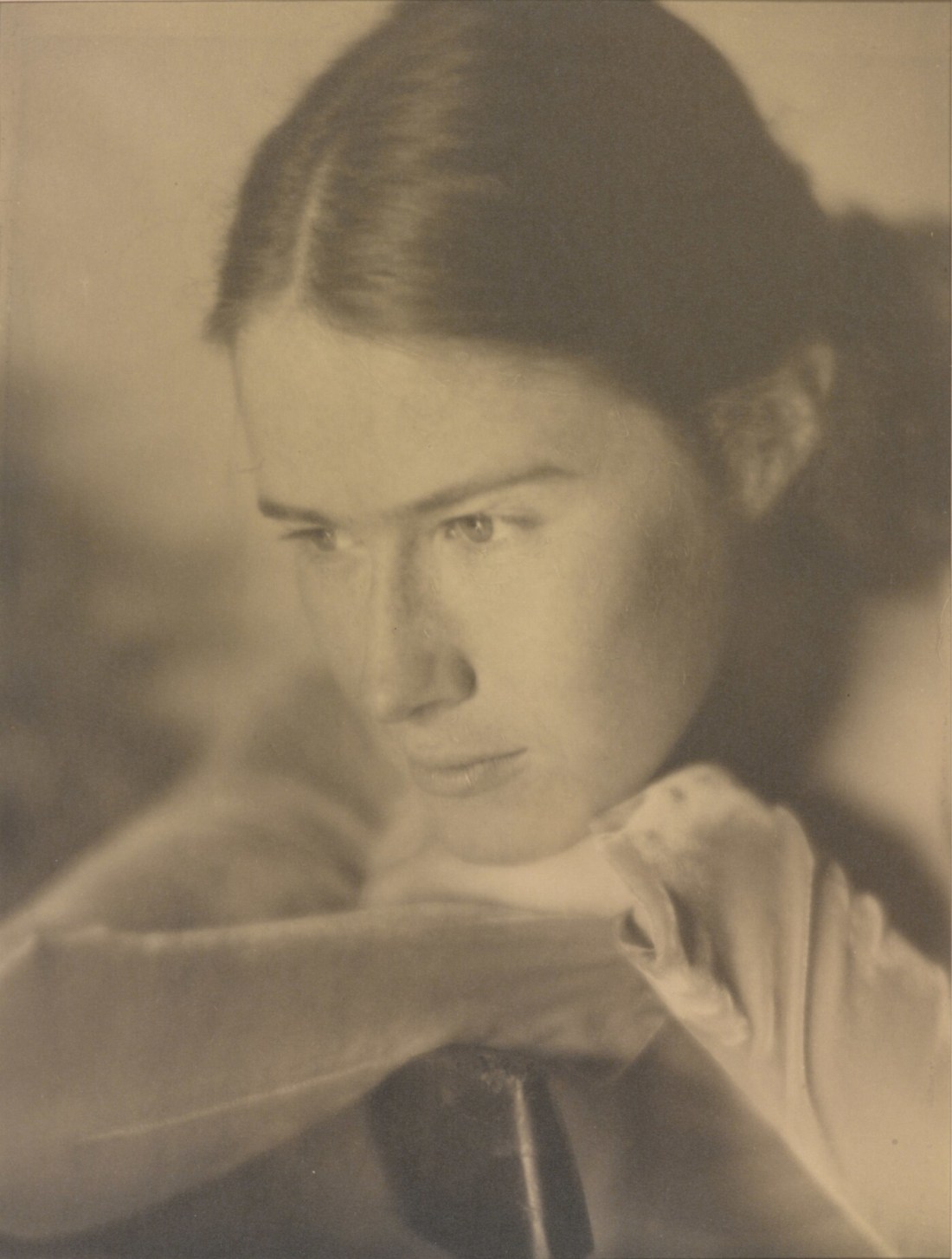
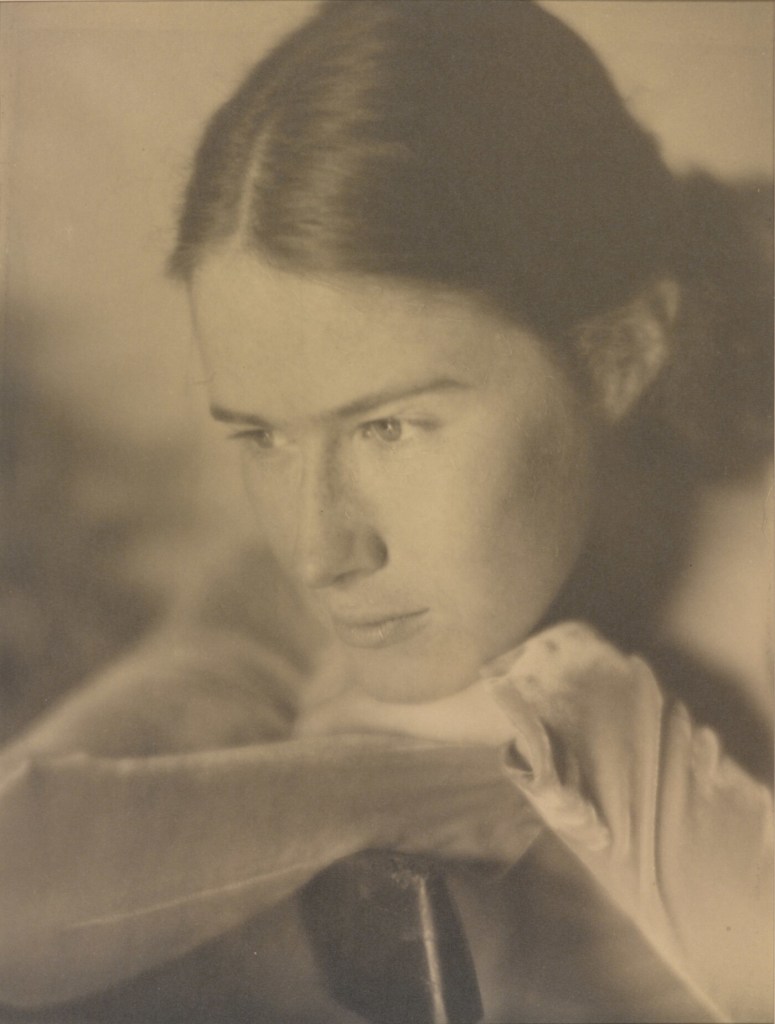
![Clara E. Sipprell (1885-1975) :: [Woman in profile], 1930-1960. Amon Carter Museum of American Art](https://live.staticflickr.com/65535/52199795822_76d376e54c_o.jpg)
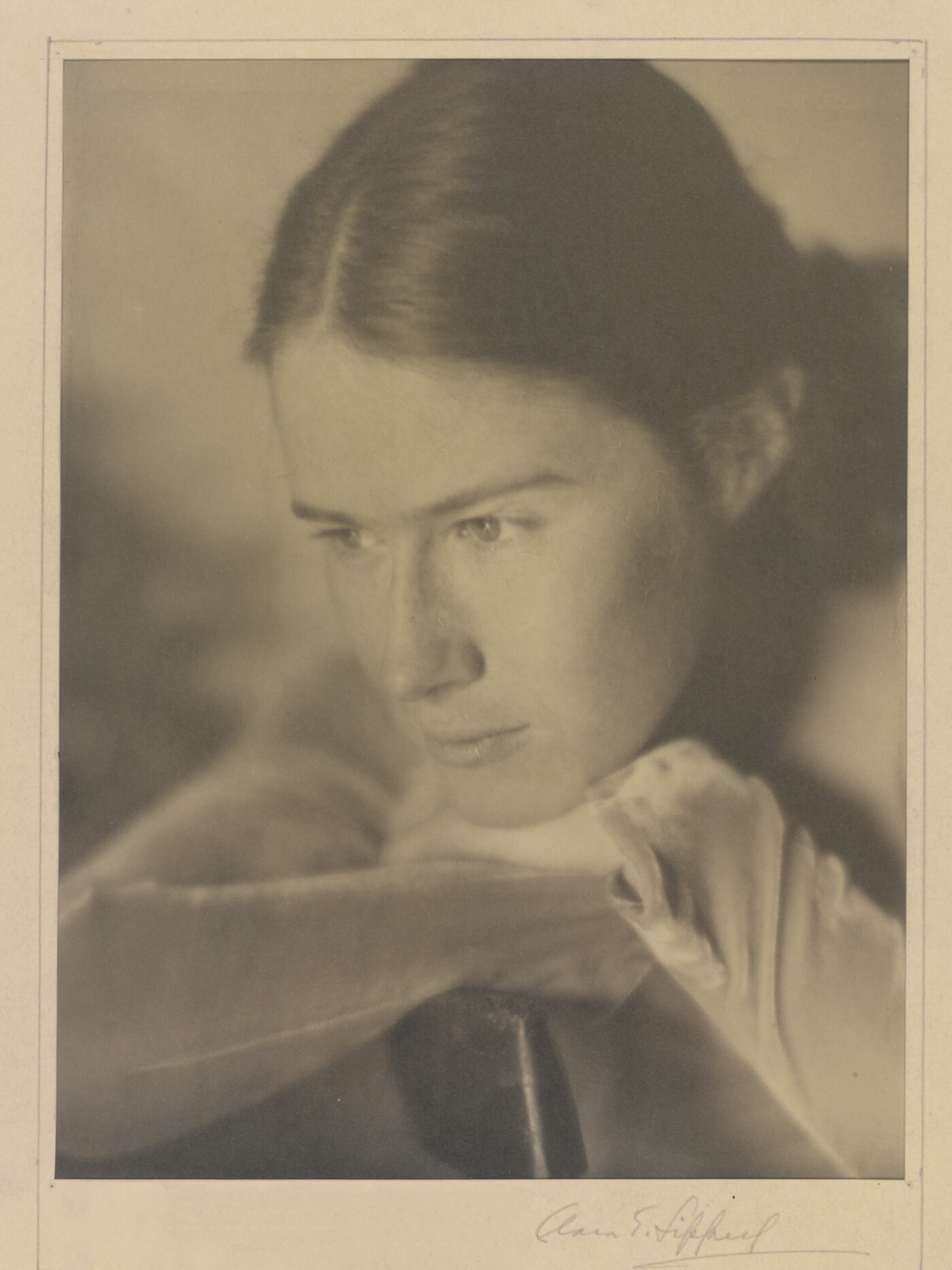
![Clara E. Sipprell (1885-1975) :: [Woman in ruffled blouse], ca. 1930-1960. Gelatin silver print. Amon Carter Museum of American Art](https://live.staticflickr.com/65535/52201043979_e81d7fc18a_o.jpg)
![Clara E. Sipprell (1885-1975) :: [Woman in long scarf], ca. 1930-1960. Gelatin silver print. Amon Carter Museum of American Art](https://live.staticflickr.com/65535/52200794686_742186a1af_o.jpg)
![Clara E. Sipprell (1885-1975) :: [Woman by window], ca. 1930-1960. Gelatin silver print. Amon Carter Museum](https://live.staticflickr.com/65535/52199796102_56f87caa7b_o.jpg)
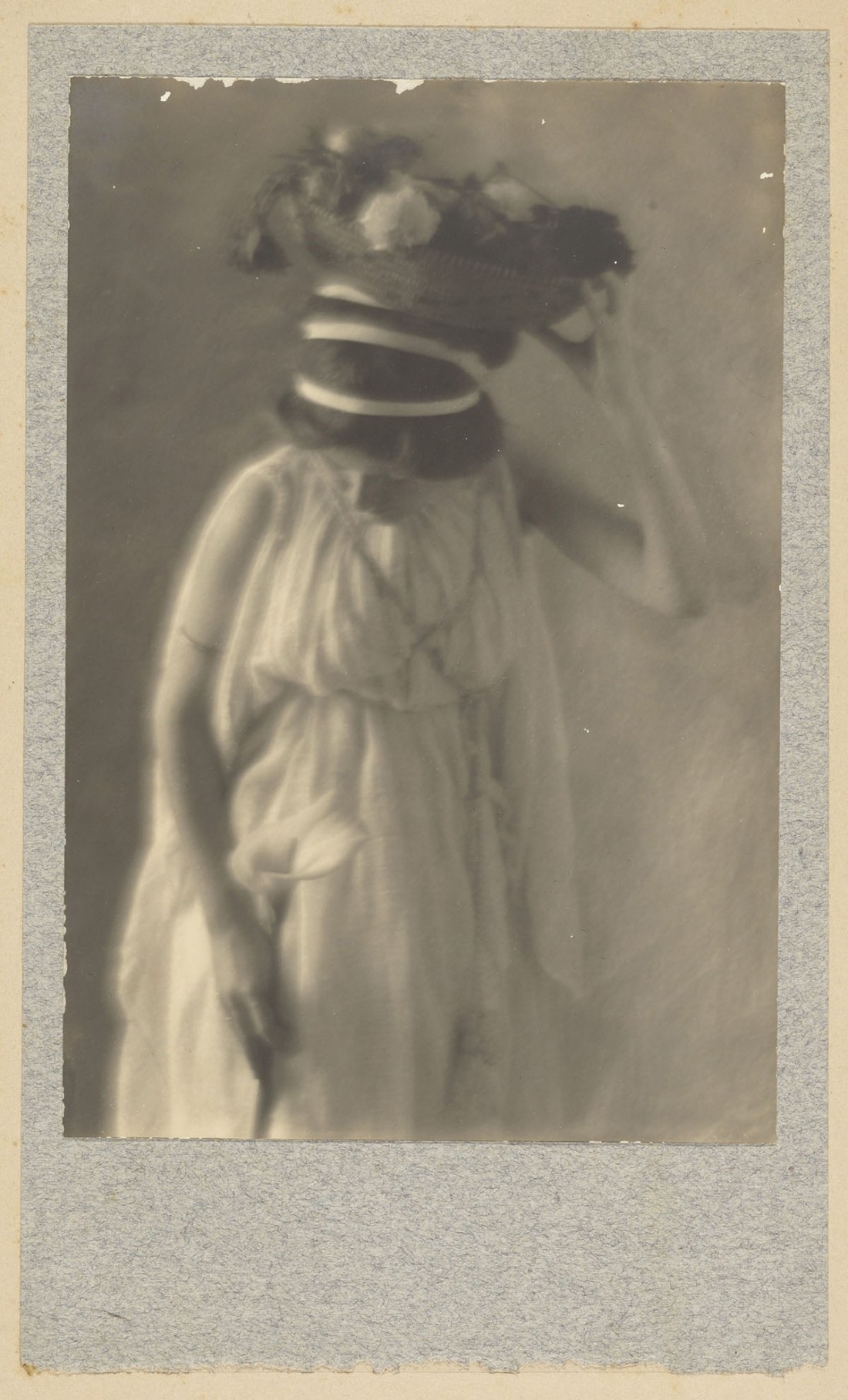
![Louis Fleckenstein :: [Model in Classical Costume],1907-1915. | src The J. Paul Getty Museum](https://unregardoblique.com/wp-content/uploads/2022/07/louis-fleckenstein-model-in-classical-costume-1907-15-src-getty-museum-crp-ptt.jpg)
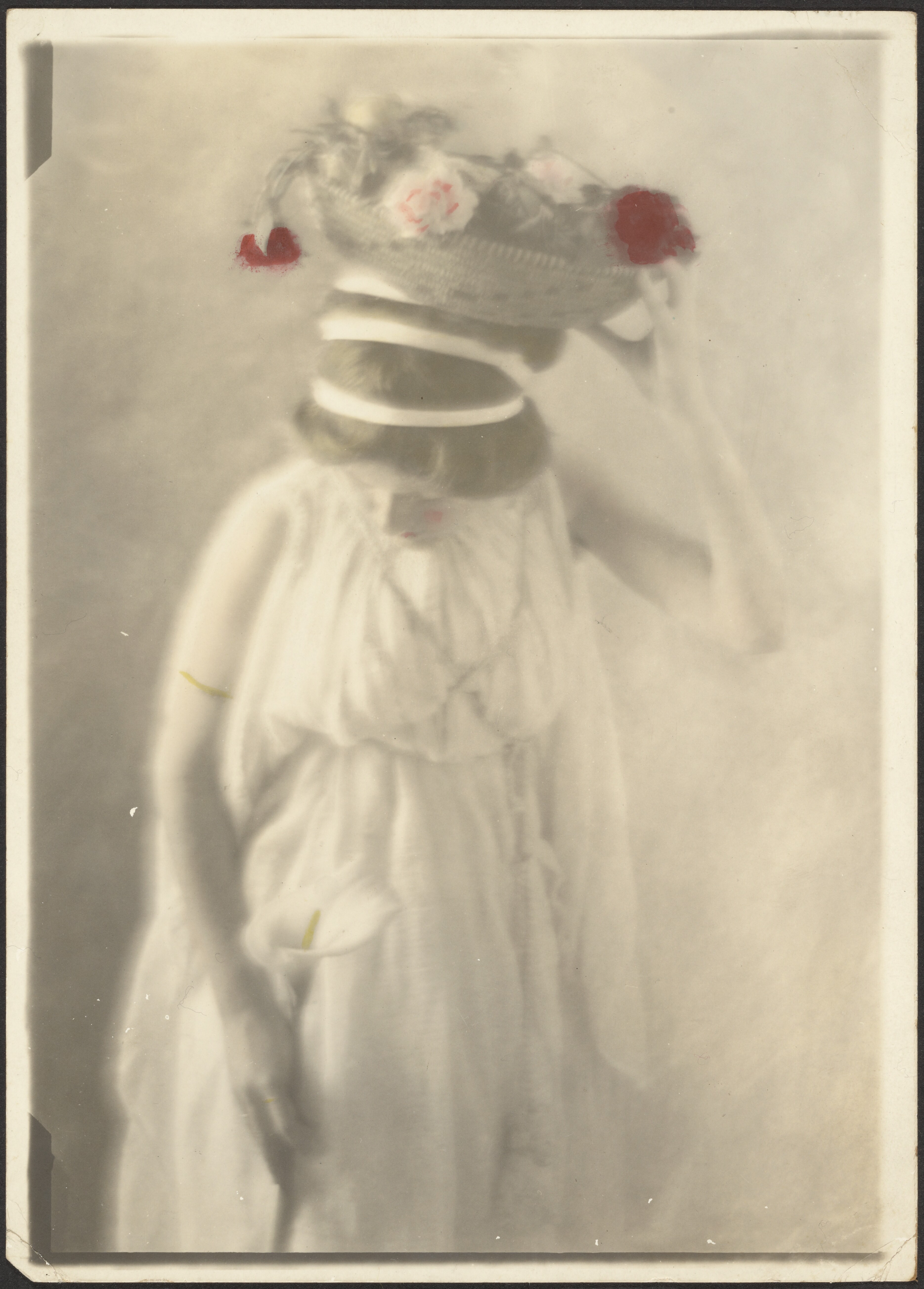
![Louis Fleckenstein :: [Model in Classical Costume],1907-1915. | src The J. Paul Getty Museum](https://live.staticflickr.com/65535/52186613900_e097493c28_o.jpg)
![Laura Gilpin (1891-1979) :: [Woman wearing pink roses on her hat and dress], ca. 1910s. Autochrome. Amon Carter Museum](https://unregardoblique.com/wp-content/uploads/2022/07/laura-gilpin-1891-1979-woman-wearing-pink-roses-on-her-hat-and-dress-ca.-1910s-autochrome-amon-carter-museum.jpg)
![Laura Gilpin (1891-1979) :: [Woman in black and white striped skirt seated in chair], ca. 1910s. Autochrome. Amon Carter Museum](https://live.staticflickr.com/65535/52191264464_03408561fc_o.jpg)
![Laura Gilpin (1891-1979) :: [Hollyhocks], ca. 1910s. Autochrome. Amon Carter Museum](https://live.staticflickr.com/65535/52196669140_a2fbdc2d5f_o.jpg)
![Laura Gilpin (1891-1979) [Grand Canyon], 1916. Autochrome Amon Carter Museum](https://live.staticflickr.com/65535/52196196318_ea63e2e1c8_o.jpg)

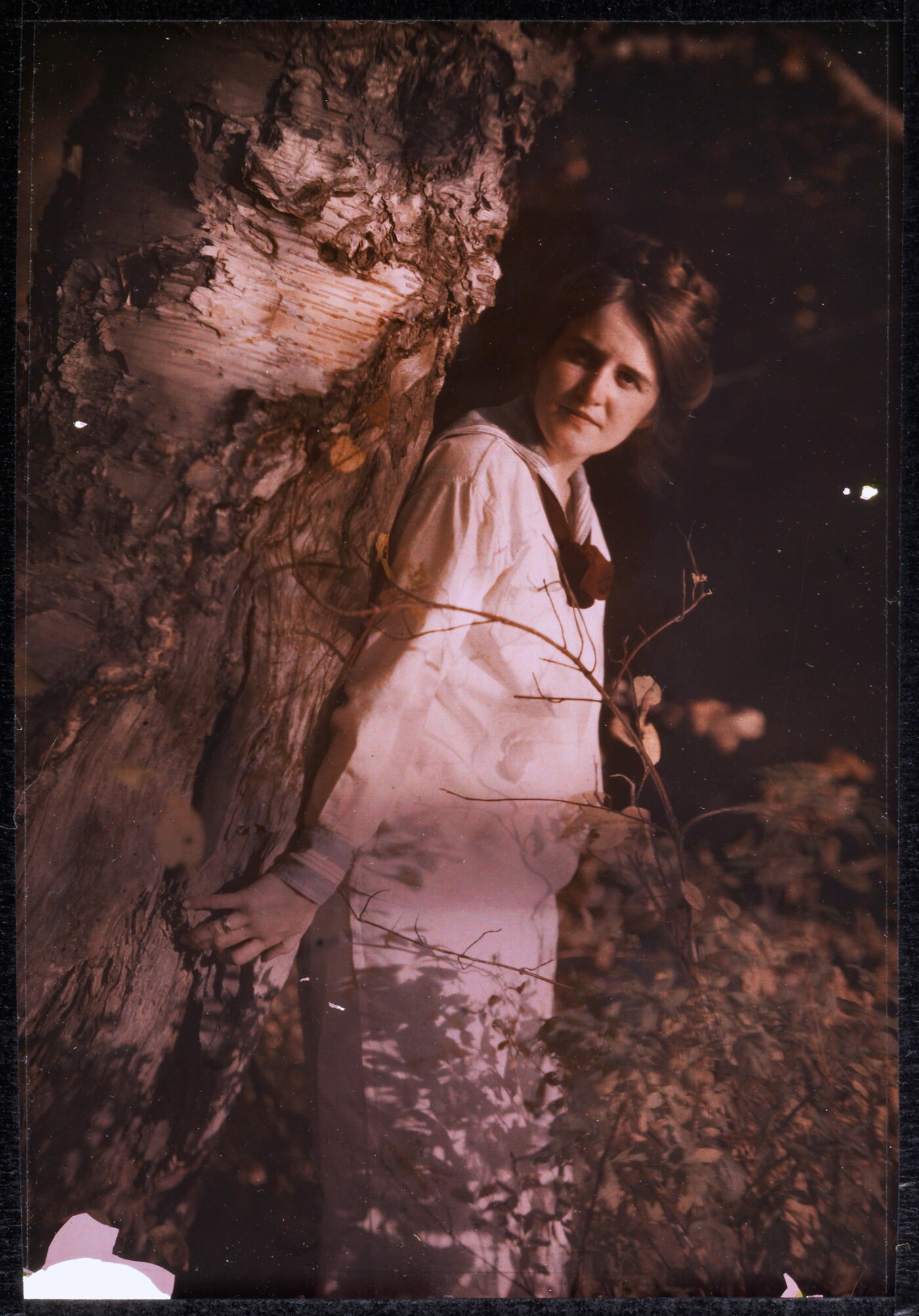
![Clara E. Sipprell (1885-1975) :: [Clara with a rose]; ca. 1910. Additive color screen plate (Autochrome). Amon Carter Museum](https://unregardoblique.com/wp-content/uploads/2022/07/clara-sipprell-clara-with-a-rose-1910s-glass-transparency-additive-color-screen-plate-amon-carter-museum.jpg)

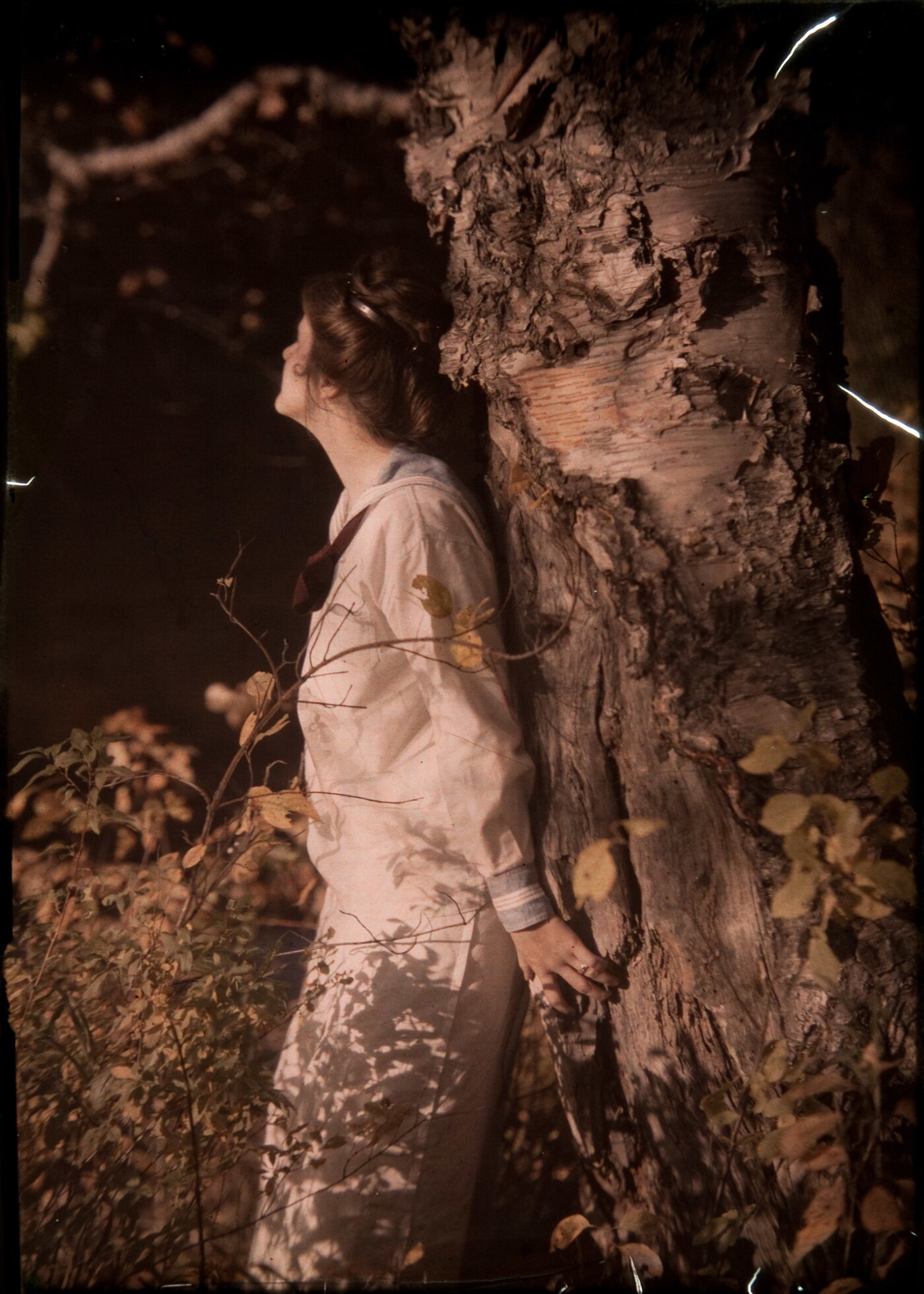
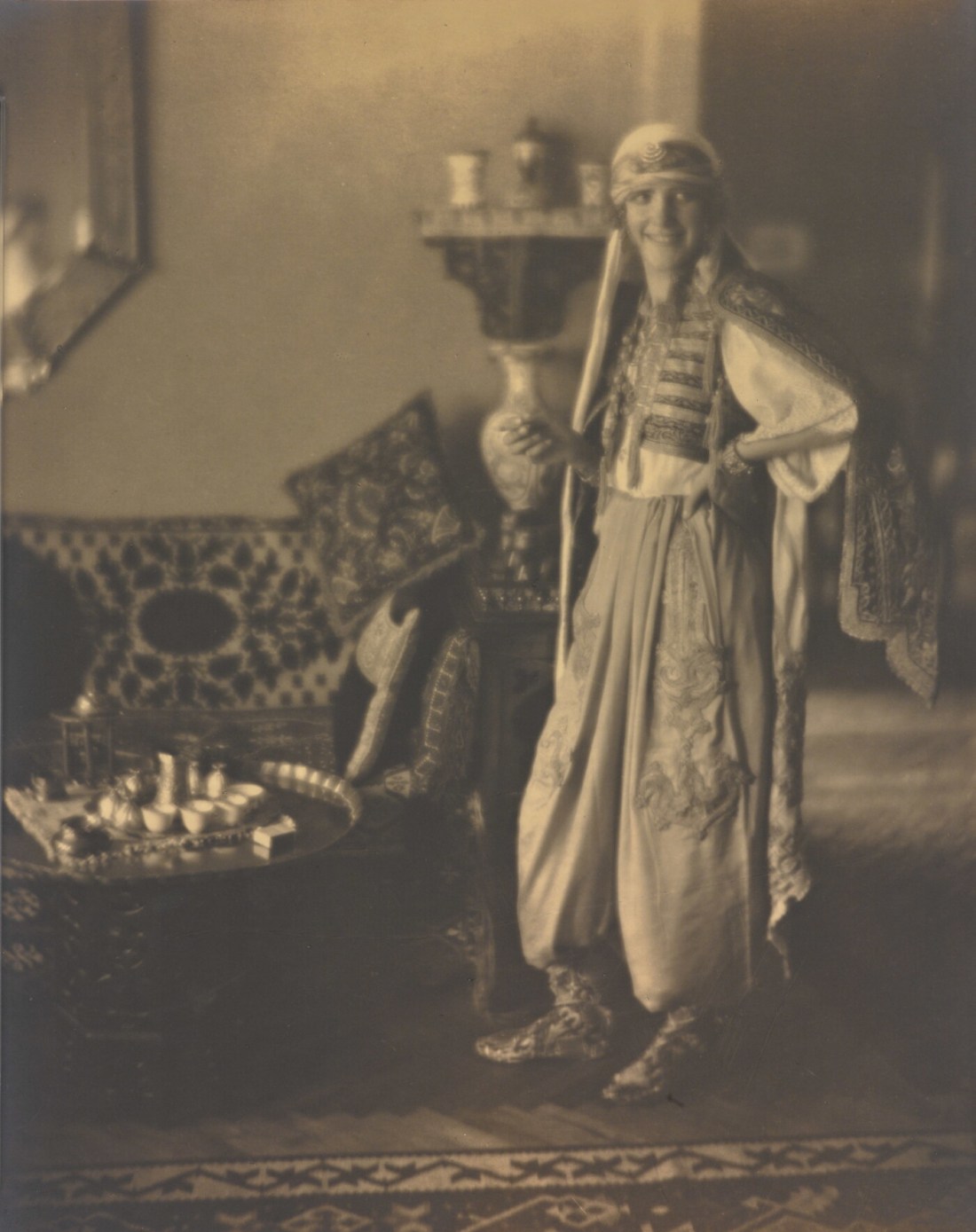
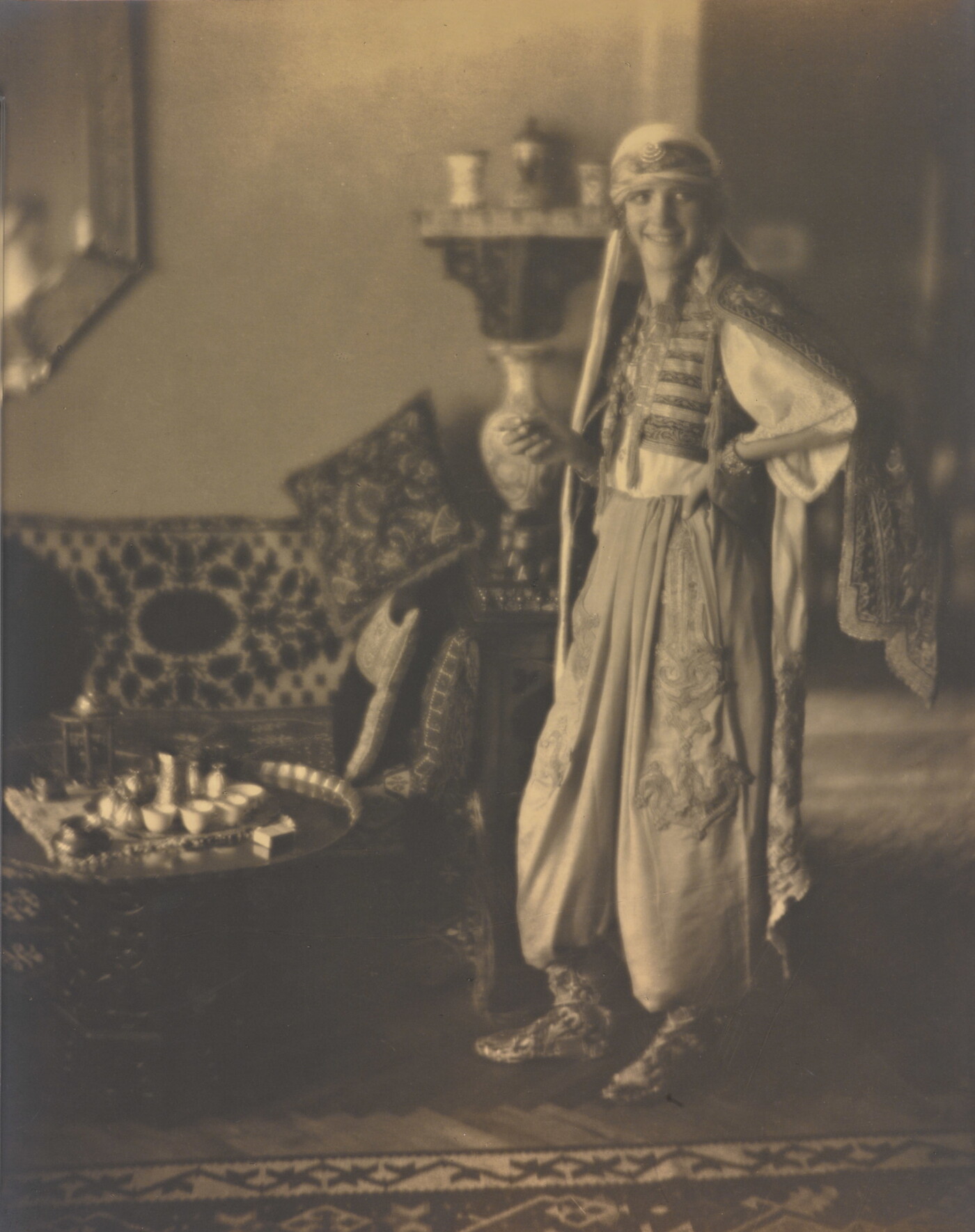
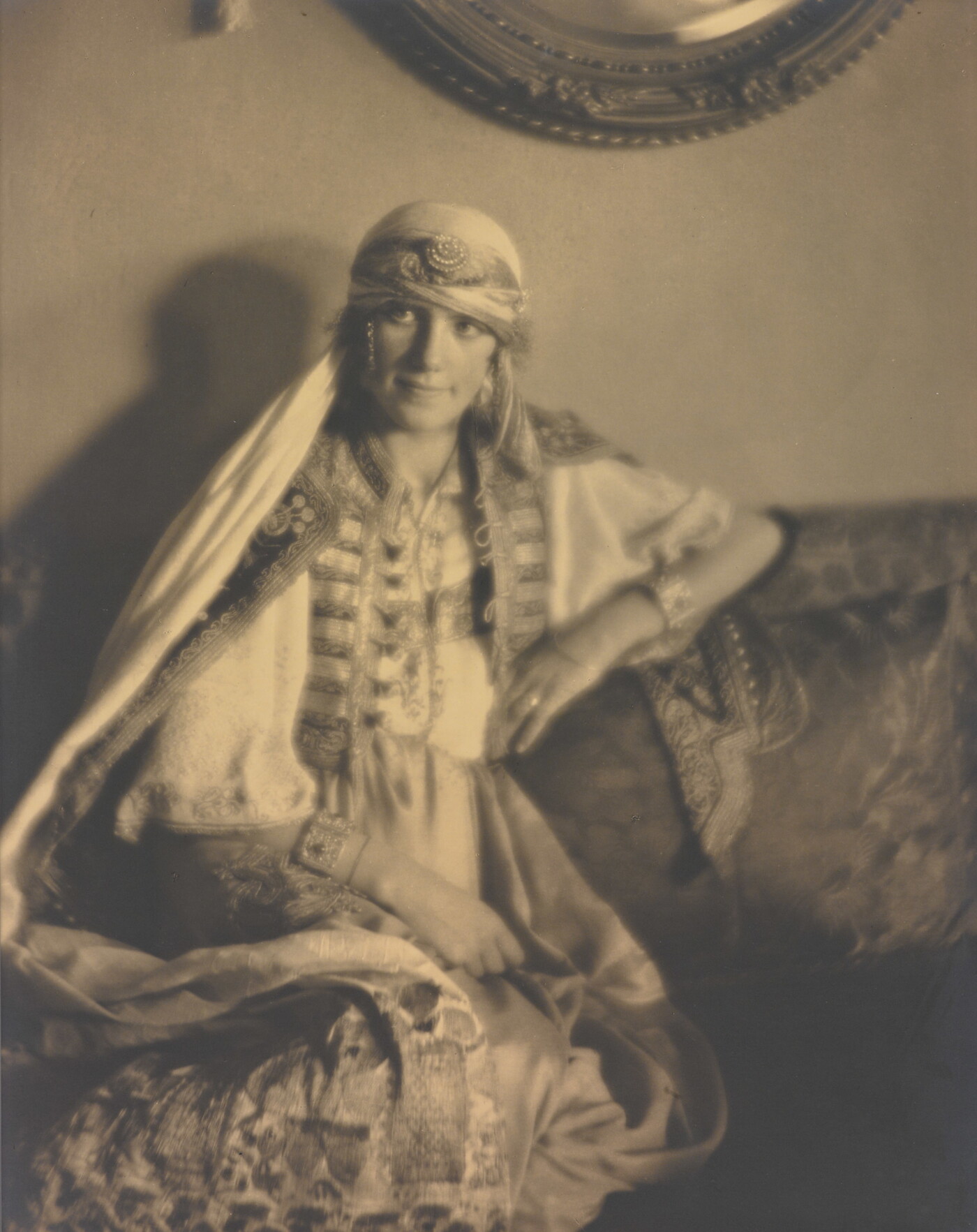
![Clara E. Sipprell (1885-1975) :: [Two women in Turkish dress drinking coffee], 1924. Amon Carter Museum](https://live.staticflickr.com/65535/52201694082_5a2b8c4748_o.jpg)

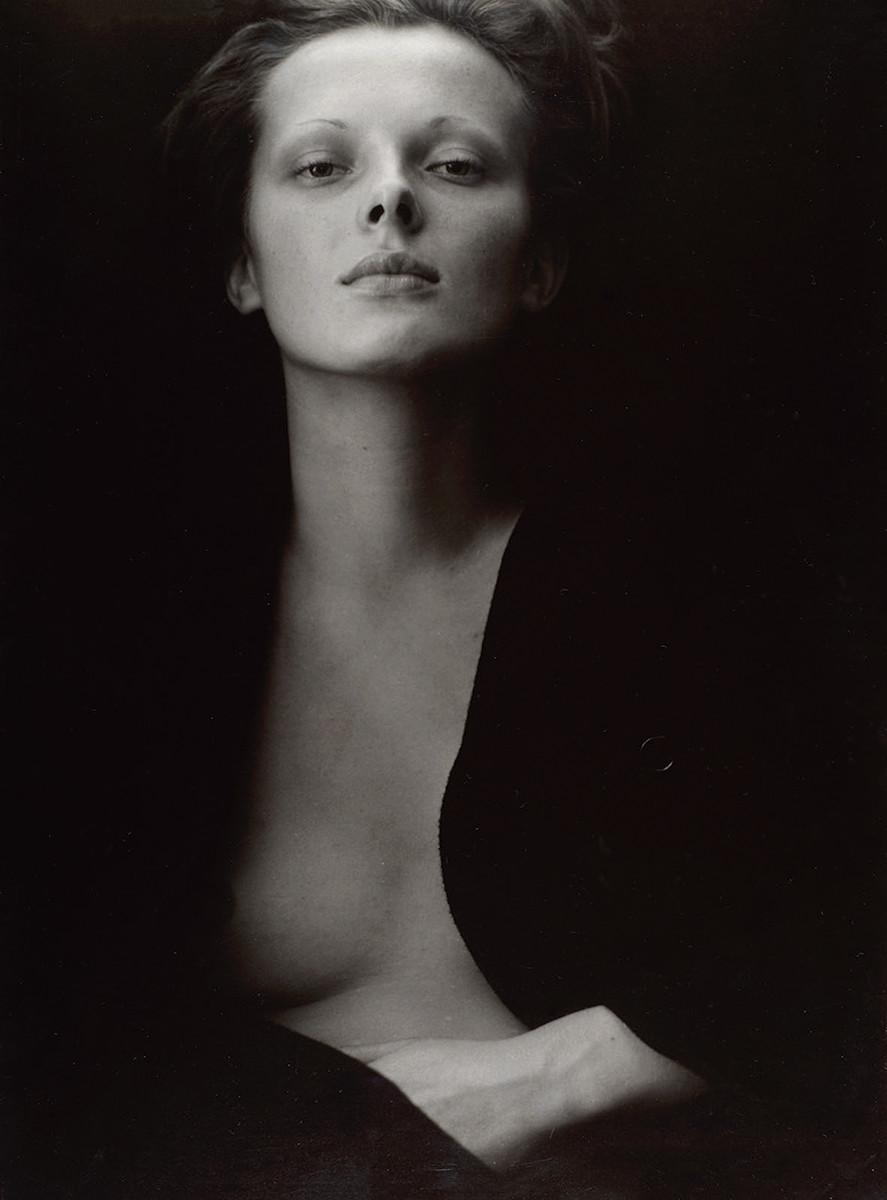
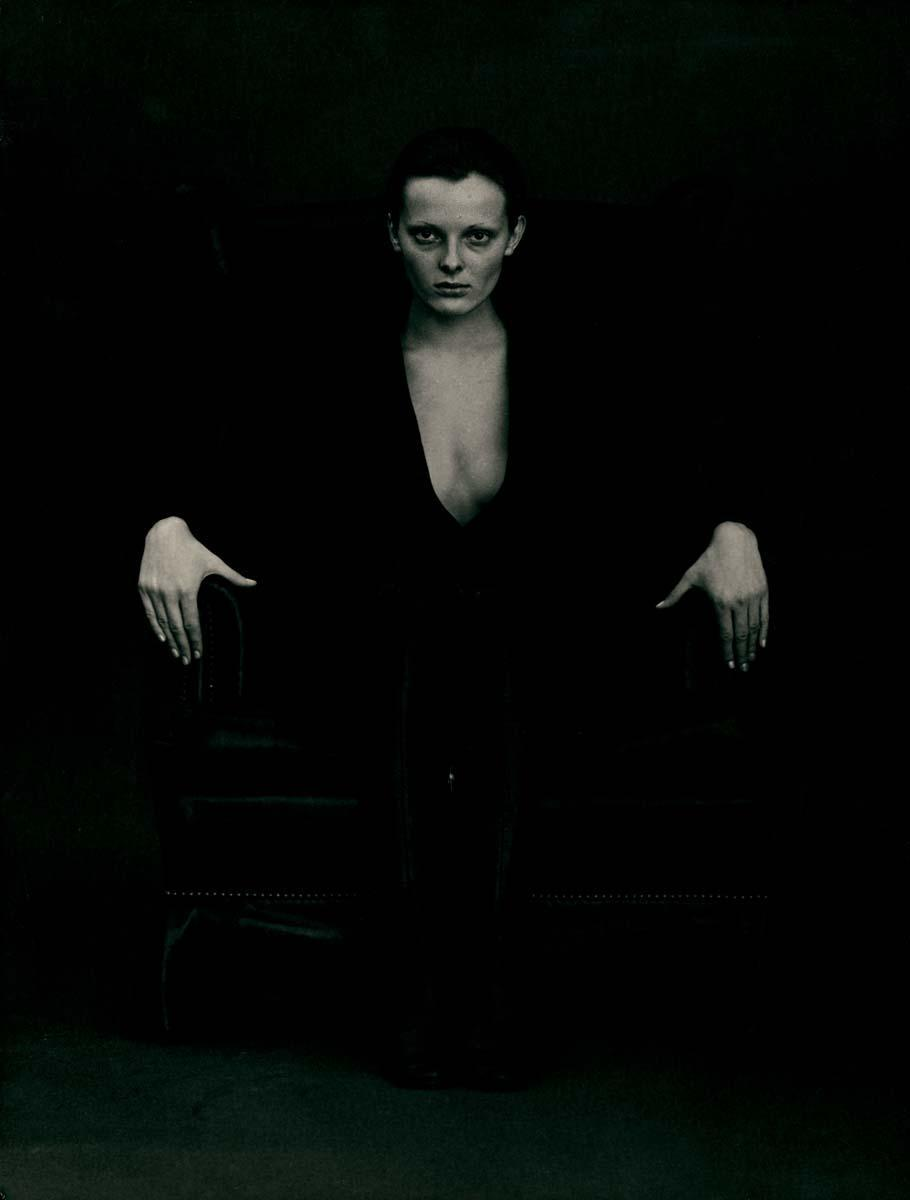
![Karl Struss (1886-1981) :: Natacha Rambova, 1920s. [production still]; Gelatin silver print. | src Amon Carter Museum](https://unregardoblique.com/wp-content/uploads/2022/07/karl-struss-1886-1981-natacha-rambova-1920s-src-amon-carter-museum-portrait-3.jpg)
![Karl Struss (1886-1981) :: Natacha Rambova, 1920s. [production still]; Gelatin silver print. | src Amon Carter Museum](https://live.staticflickr.com/65535/52143091634_19fb55e7d6_o.jpg)
![Karl Struss (1886-1981) :: Natacha Rambova, 1920s. [production still]; Gelatin silver print. | src Amon Carter Museum](https://live.staticflickr.com/65535/52143091614_15d6659744_o.jpg)
![Karl Struss (1886-1981) :: Natacha Rambova, 1920s. [production still]; Gelatin silver print. | src Amon Carter Museum](https://live.staticflickr.com/65535/52143091554_947b9d5c91_o.jpg)
[*] production stills probably from the film Forbidden Fruit (Cecil B. DeMille, 1921). In the film Rambova (b. Winifred Shaughnessy), along with Mitchell Leisen, was the costume designer and Struss the cinematographer.
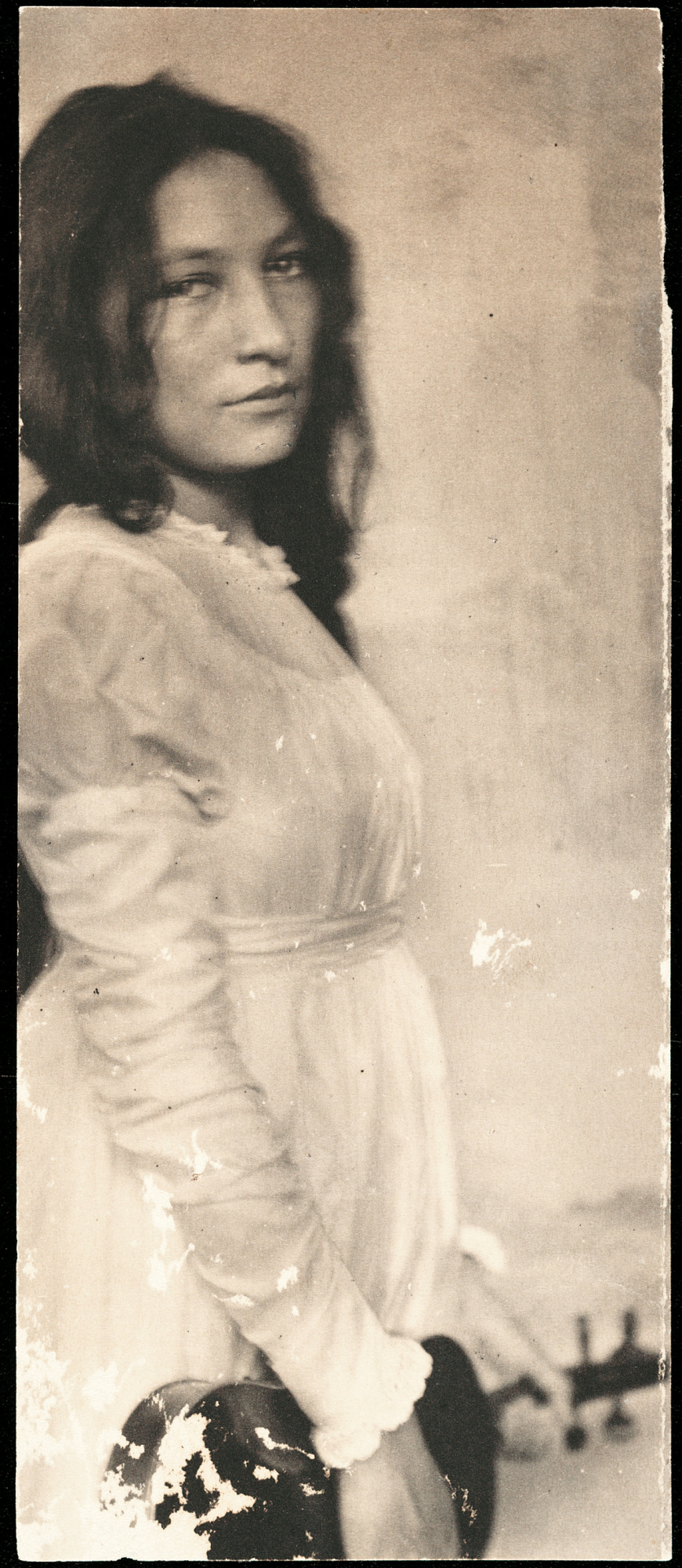
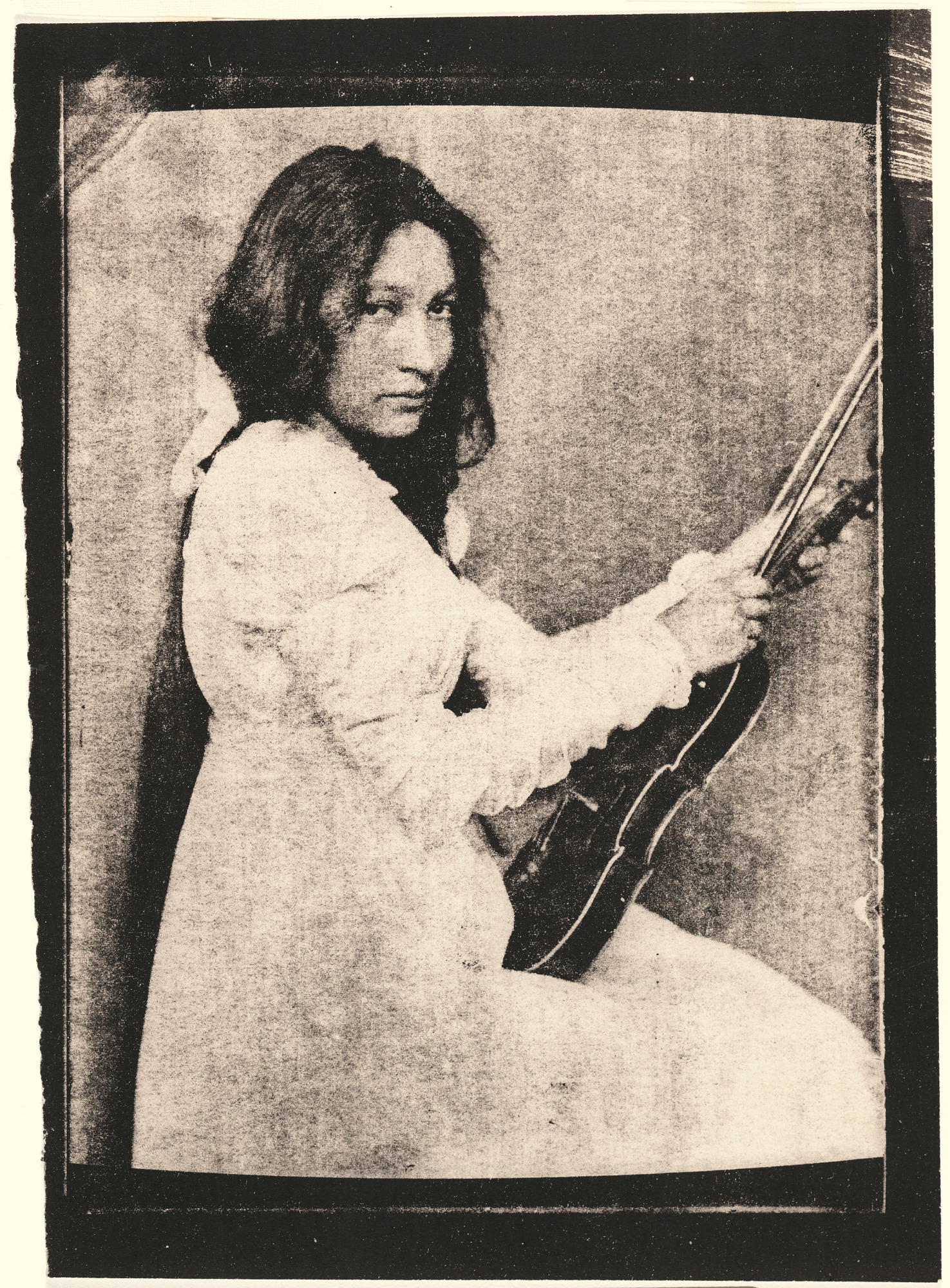
In addition to photographing the Sioux performers sent by Buffalo Bill Cody to her studio, Käsebier was able to arrange a portrait session with Zitkala-Sa, “Red Bird,” also known as Gertrude Simmons (1876-1938), a Yankton Sioux woman of Native American and white ancestry. She was born on the Pine Ridge Reservation in South Dakota, like many of the Sioux traveling with the Wild West show. She was well educated at reservation schools, the Carlisle Indian School, Earlham College in Indiana, and the Boston Conservatory of Music. Zitkala Sa became an accomplished author, musician, composer, and dedicated worker for the reform of United States Indian policies.
Käsebier photographed Zitkala-Sa in tribal dress and western clothing, clearly identifying the two worlds in which this woman lived and worked. In many of the images, Zitkala Sa holds her violin or a book, further indicating her interests. Käsebier experimented with backdrops, including a Victorian floral print, and photographic printing. She used the painterly gum-bichromate process for several of these images, adding increased texture and softer tones to the photographs. (quoted from NMAH)

 un regard oblique