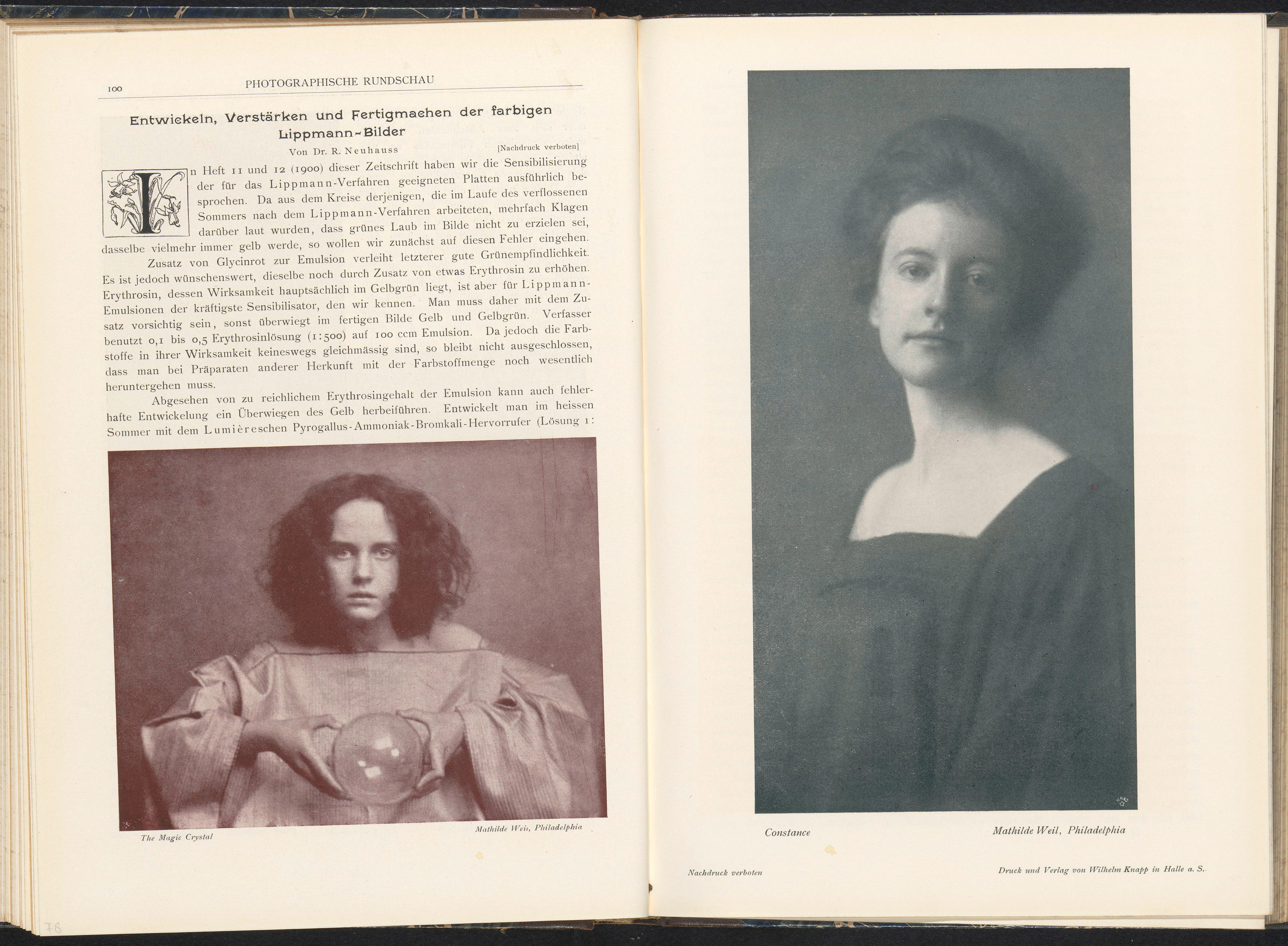
![Mathilde Weil :: The Magic Crystal [Portret van een onbekende vrouw met een glazen bol / Portrait of an unknown woman with a crystal ball], ca. 1896 - in or before 1901. This work belongs to Photographische Rundschau: Zeitschrift für Freunde der Photographie, 1901. | Rijksmuseum](https://unregardoblique.com/wp-content/uploads/2022/08/portret-van-een-onbekende-vrouw-met-een-glazen-bol-mathilde-weil-c.-1896-in-or-before-1901-rijksmuseumcrp.jpg)
![Mathilde Weil :: Constance [Portret van een onbekende vrouw / Portrait of an unknown woman], ca. 1896 - in or before 1901. This work belongs to Photographische Rundschau: Zeitschrift für Freunde der Photographie, 1901. | src Rijksmuseum](https://live.staticflickr.com/65535/52260781178_9c84c1cbd2_o.jpg)
images that haunt us
![Eva Watson-Schütze (1867-1935) :: Woman with Lily [Jane McCall Whitehead], 1905. Truth beauty: pictorialism and the photograph as art, 1845-1945 (George Eastman House, 2009) | src Phillips Collection](https://unregardoblique.com/wp-content/uploads/2022/08/eva-watson-schutze-american-1867-1935-woman-with-lily-1905-artb.jpg)
Photographic pictorialism, an international movement, a philosophy, and a style, developed toward the end of the 19th century. The introduction of the dry-plate process, in the late 1870s, and of the Kodak camera, in 1888, made taking photographs relatively easy, and photography became widely practiced. Pictorialist photographers set themselves apart from the ranks of new hobbyist photographers by demonstrating that photography was capable of far more than literal description of a subject. Through the efforts of pictorialist organizations, publications, and exhibitions, photography came to be recognized as an art form, and the idea of the print as a carefully hand-crafted, unique object equal to a painting gained acceptance.
The forerunners of pictorialism were early photographers like Henry Peach Robinson and Julia Margaret Cameron. Robinson found inspiration in genre painting; Cameron’s fuzzy portraits and allegories were inspired by literature. Like Robinson and Cameron, the pictorialists made photographs that were more like paintings and drawings than the work of commercial portraitists or hobbyists. Pictorialist images were heavily dependent on the craft of nuanced printing. Some photographers, like Frederick H. Evans, a master of the platinum print, presented their work like drawings or watercolors, decorating their mounts with ruled borders filled with watercolor wash, or printing on textured watercolor paper, like Austrian photographer Heinrich Kühn. Kühn achieved painterly effects by using an artist’s brush to manipulate watercolor pigment, instead of silver or platinum, mixed with light-sensitized gum arabic.
The idea that the primary purpose of photography was personal expression lay behind pictorialism’s “Secessionist” movement. Alfred Stieglitz’s “Photo-Secession” was the best-known secessionist group. Stieglitz and his magazine, Camera Work, with its high-quality photogravure illustrations, advocated for the acceptance of photography as a fine art.
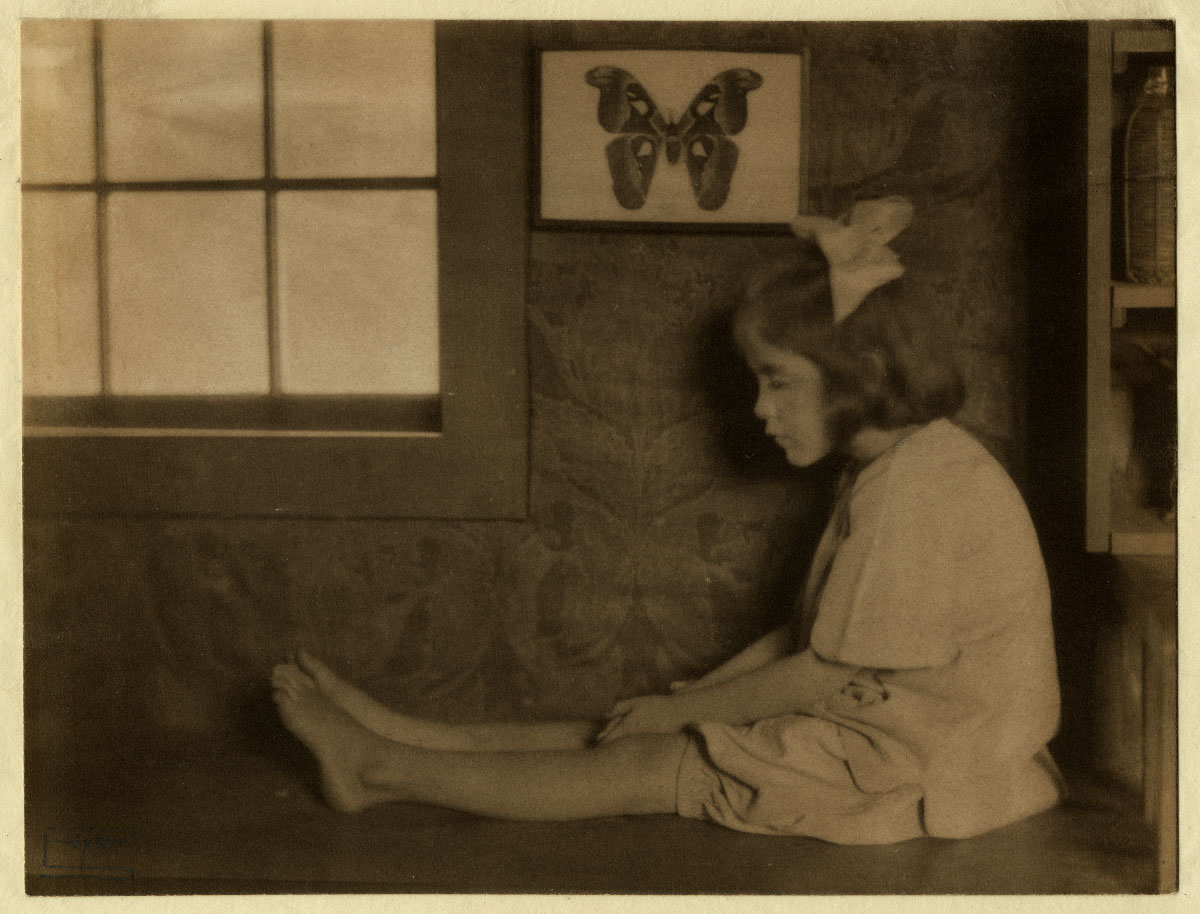
Early in the 20th century, pictorialism began losing ground to modernism: in 1911, Camera Work published drawings by Rodin and Picasso, and its final issue, in 1917, featured Paul Strand’s modernist photographs. Nevertheless, pictorialism lived on. A second wave of pictorialists included Clarence H. White, whose students included such photographers as Margaret Bourke-White, Paul Outerbridge, and Dorothy Lange. White’s colleague, Paul Anderson, continued the pictorial tradition until his death in 1956. Five prints of his Vine in Sunlight, 1944, display five different printing techniques, demonstrating how each process subtly shapes the viewer’s response to the image.
Exhibition organized by George Eastman House International Museum of Photography and Film, and Vancouver Art Gallery. [Quoted from source]
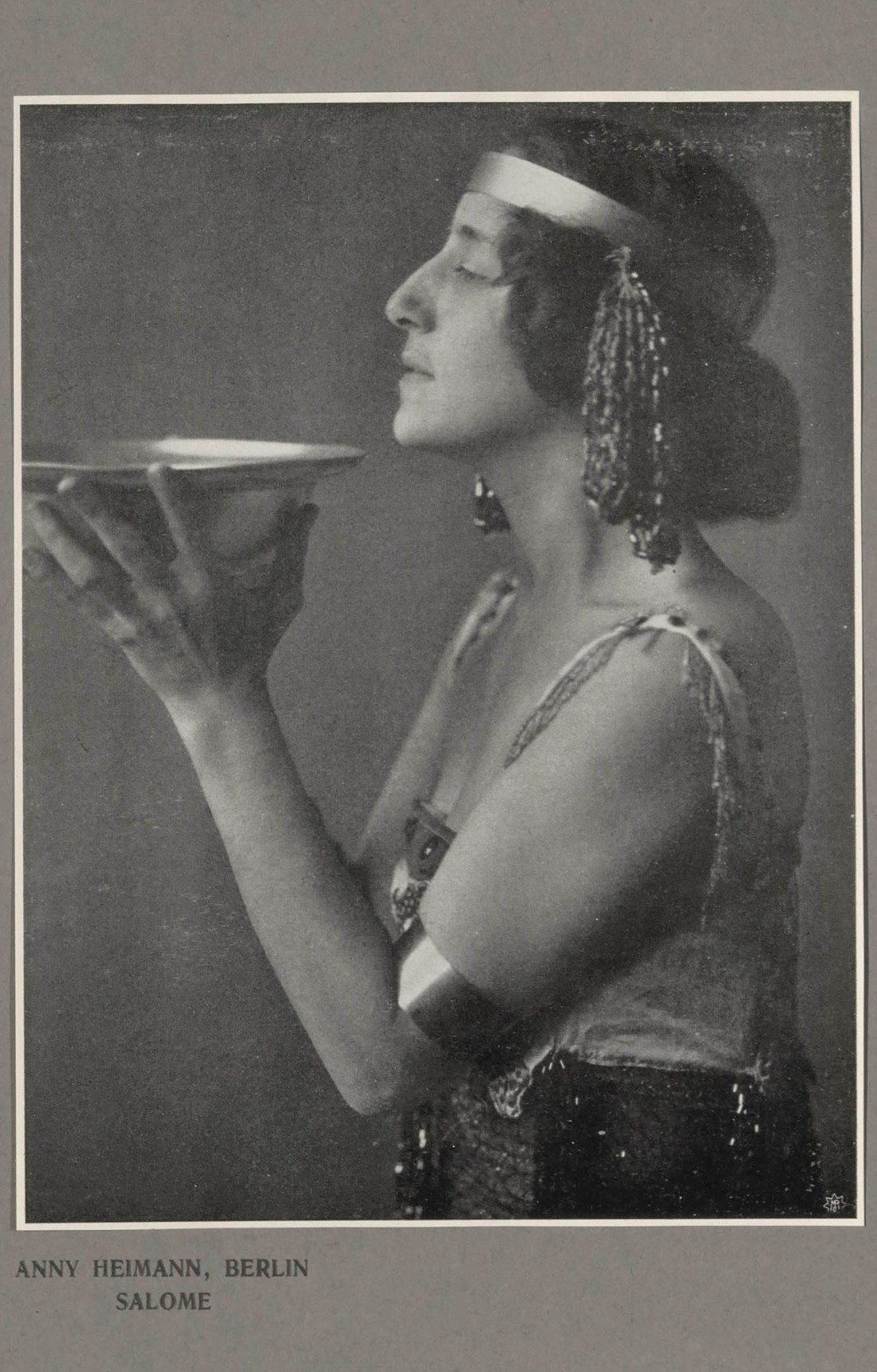
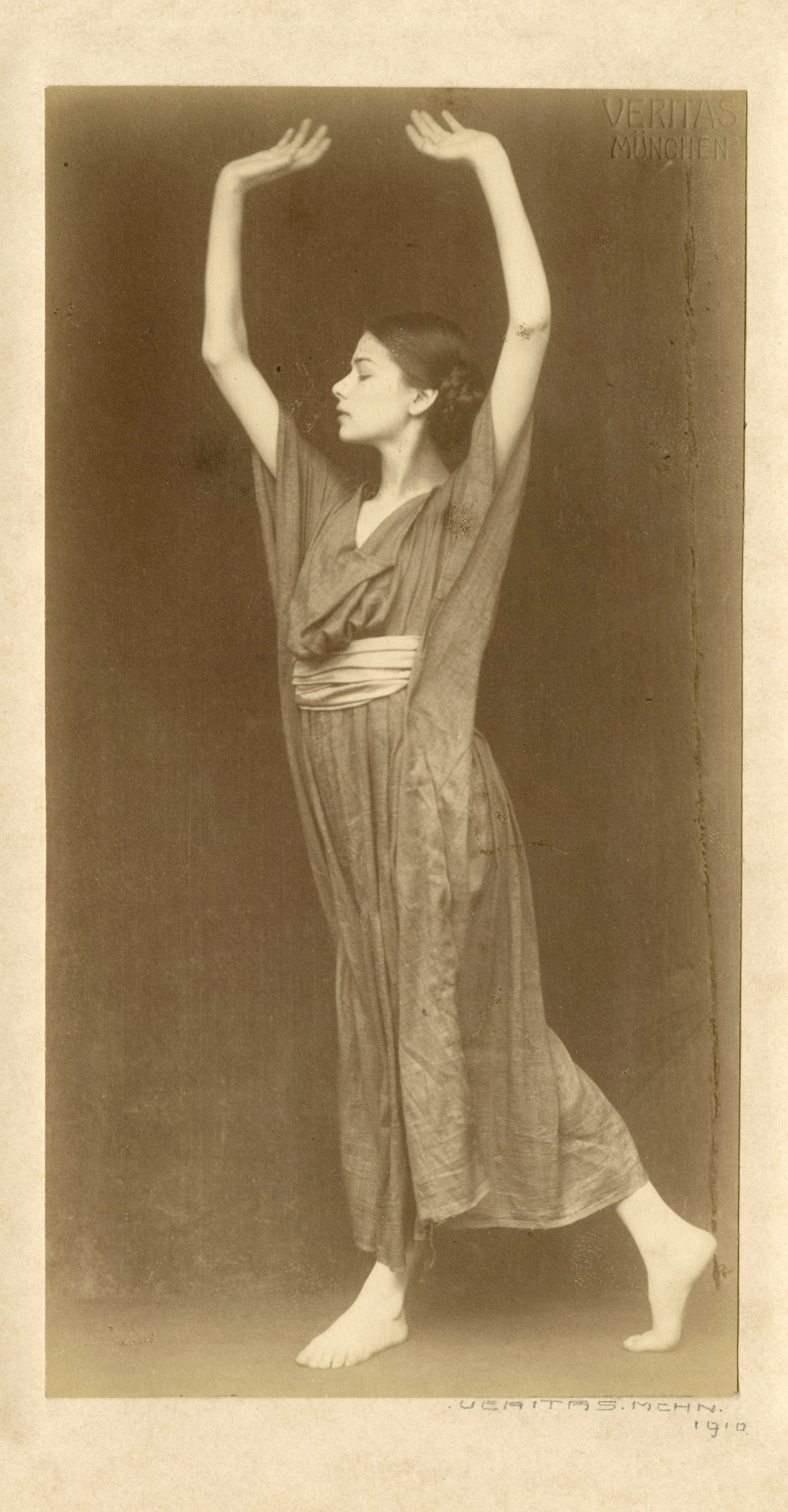
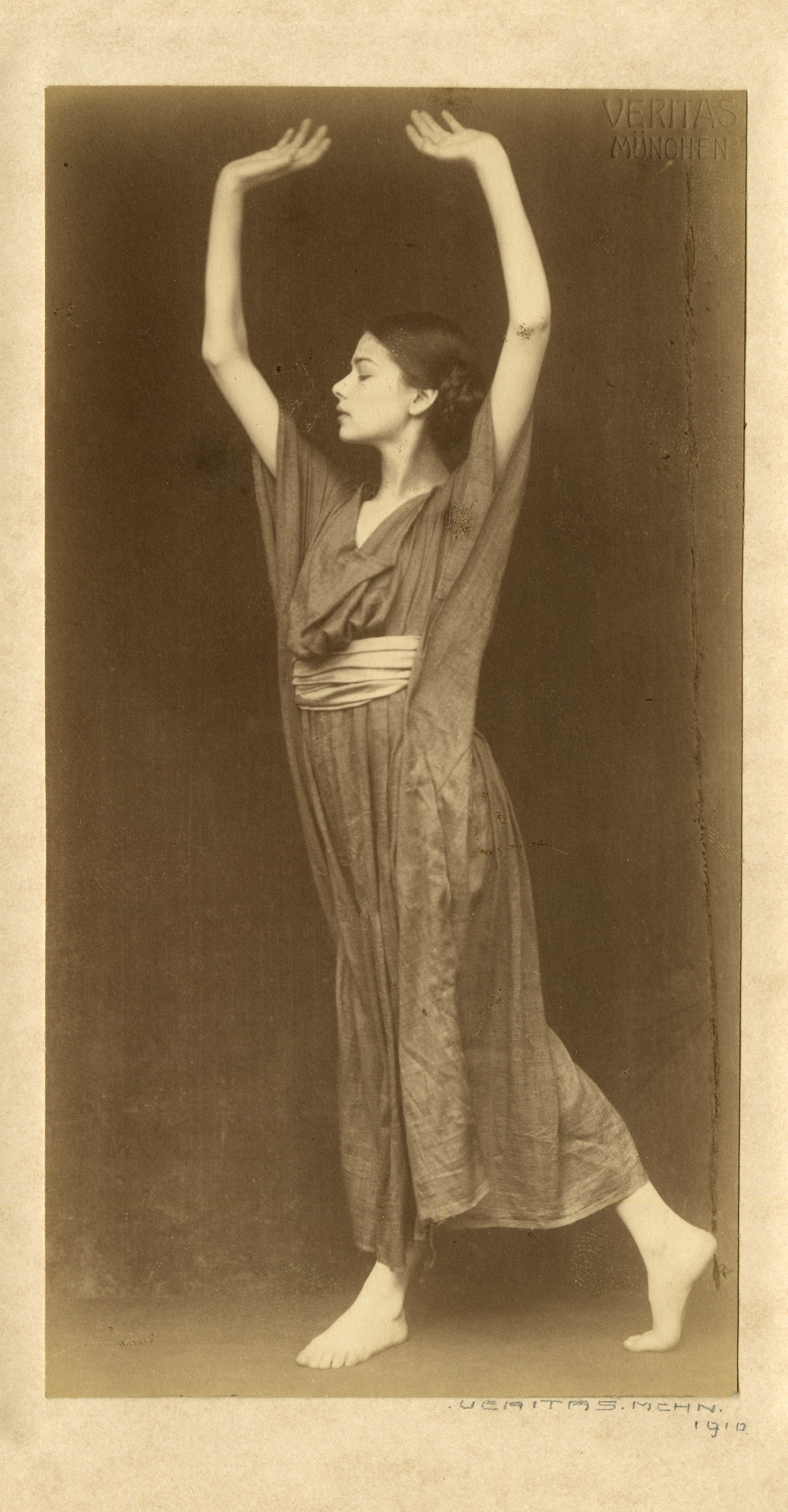
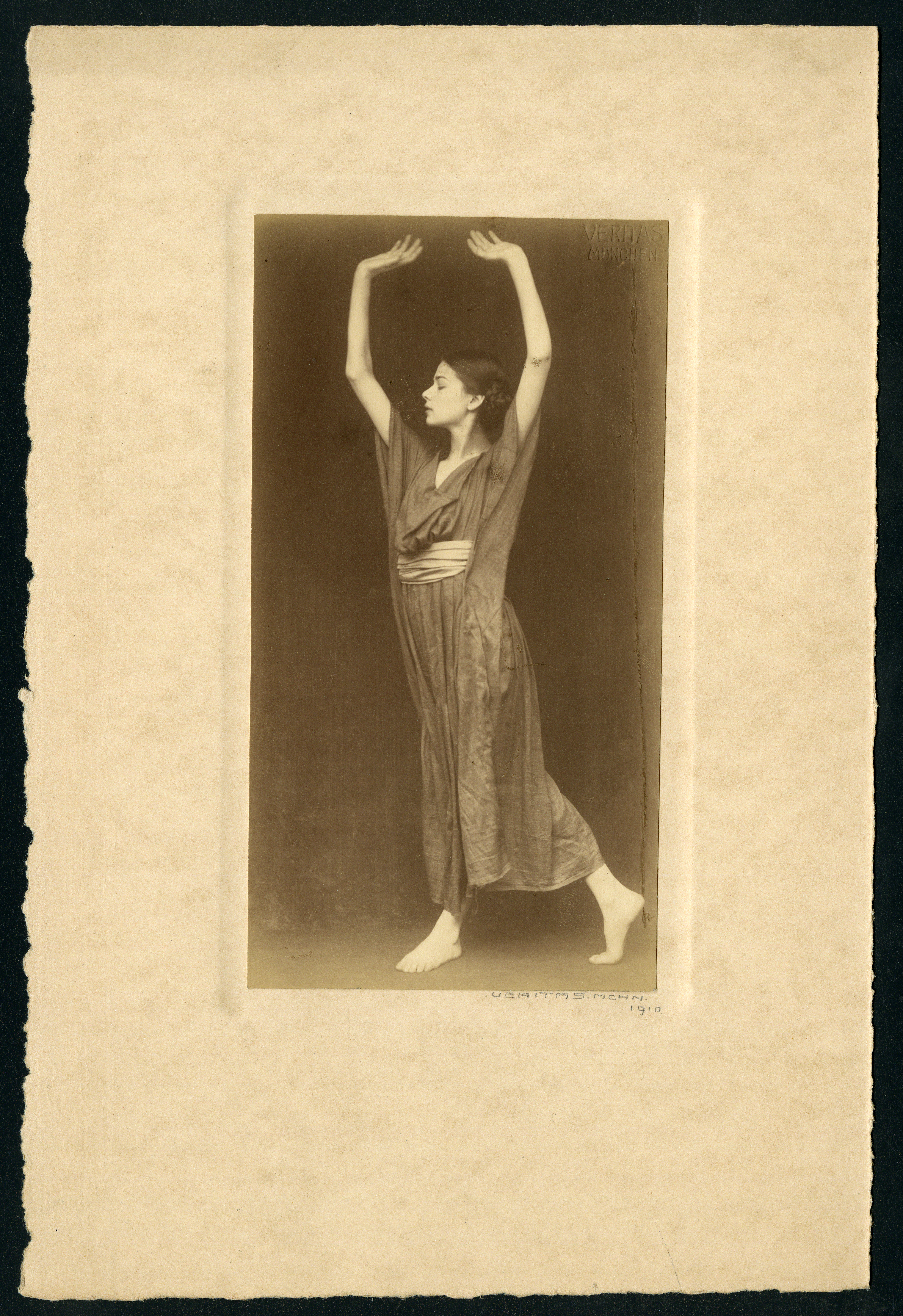
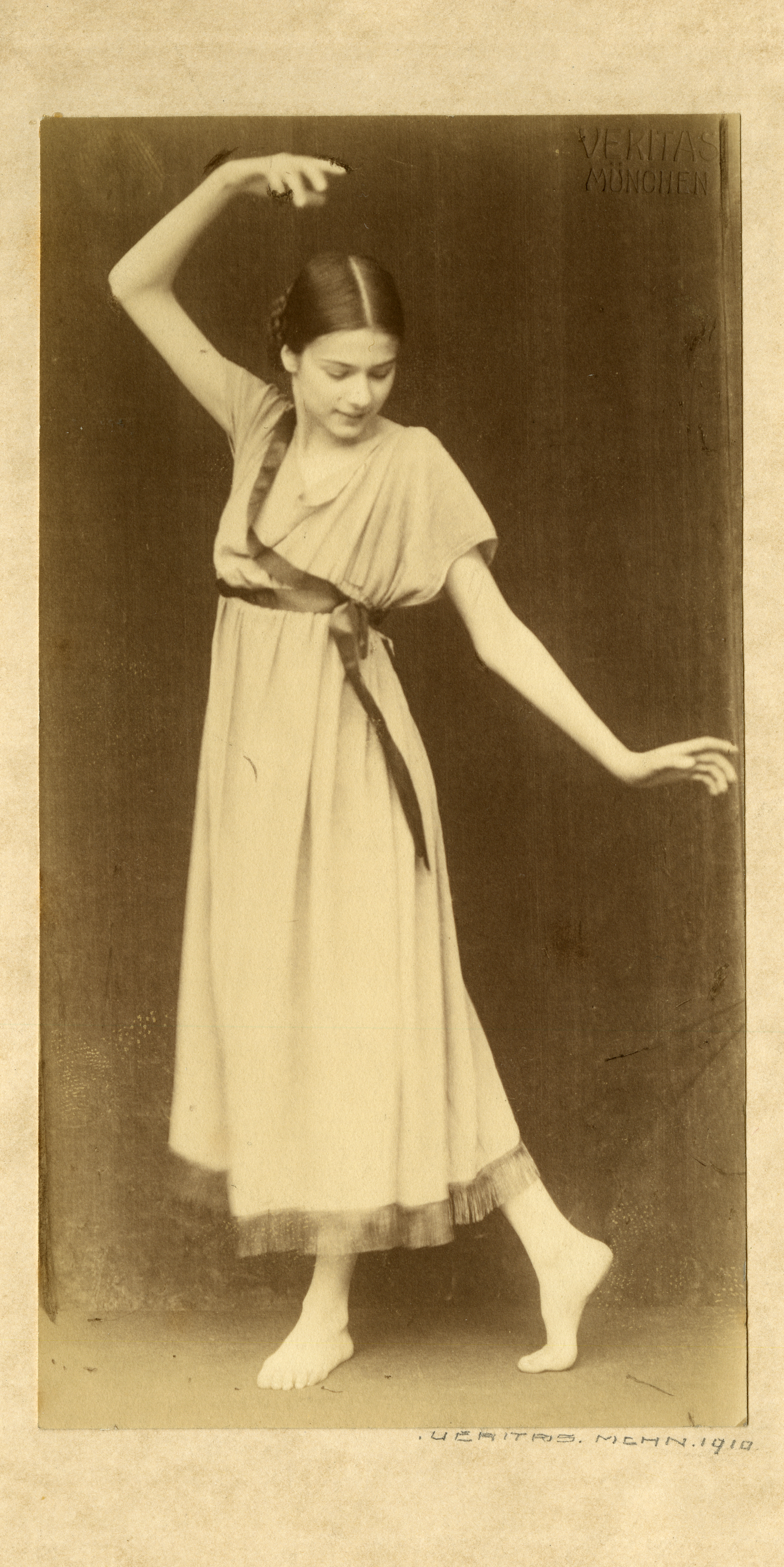
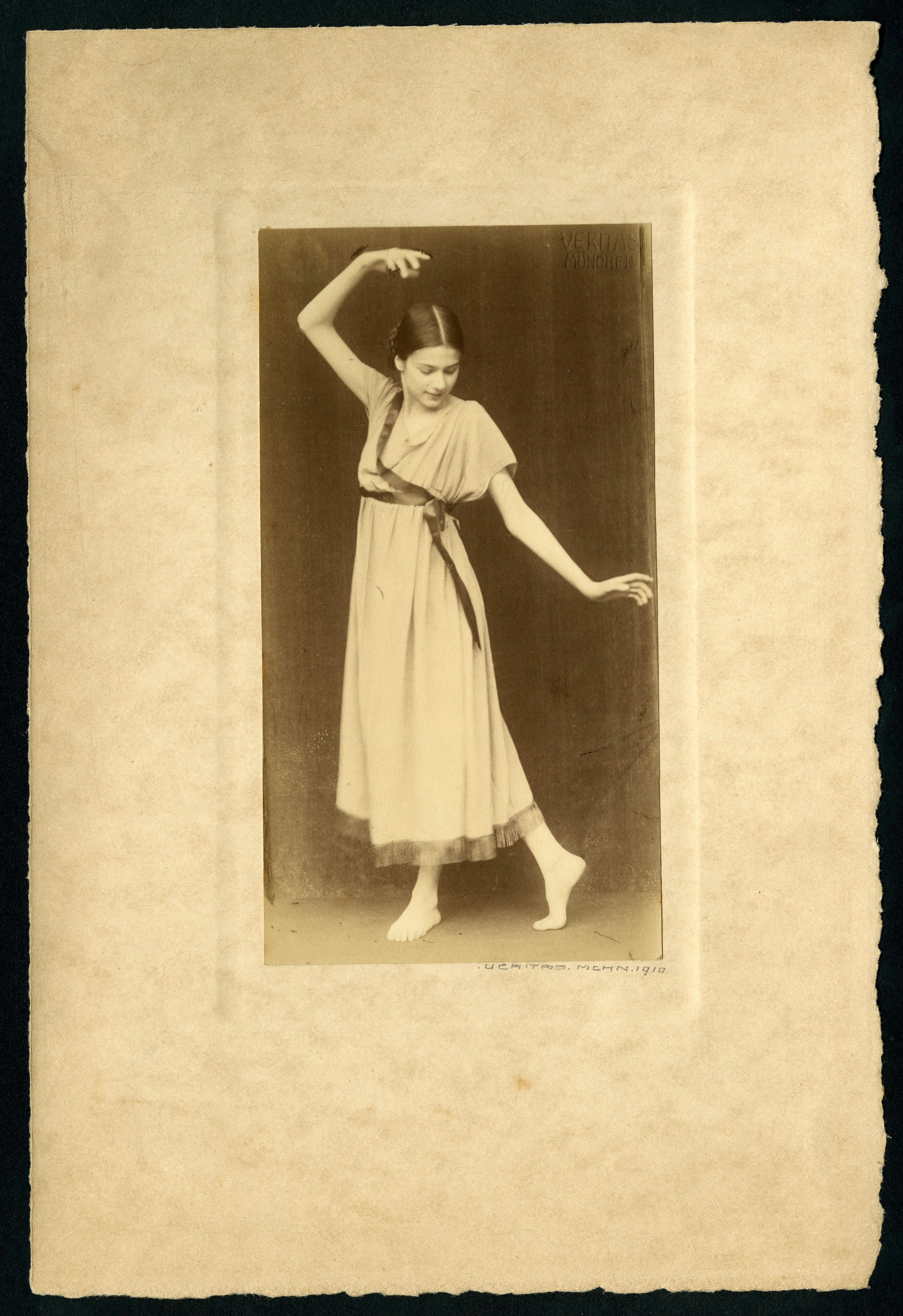
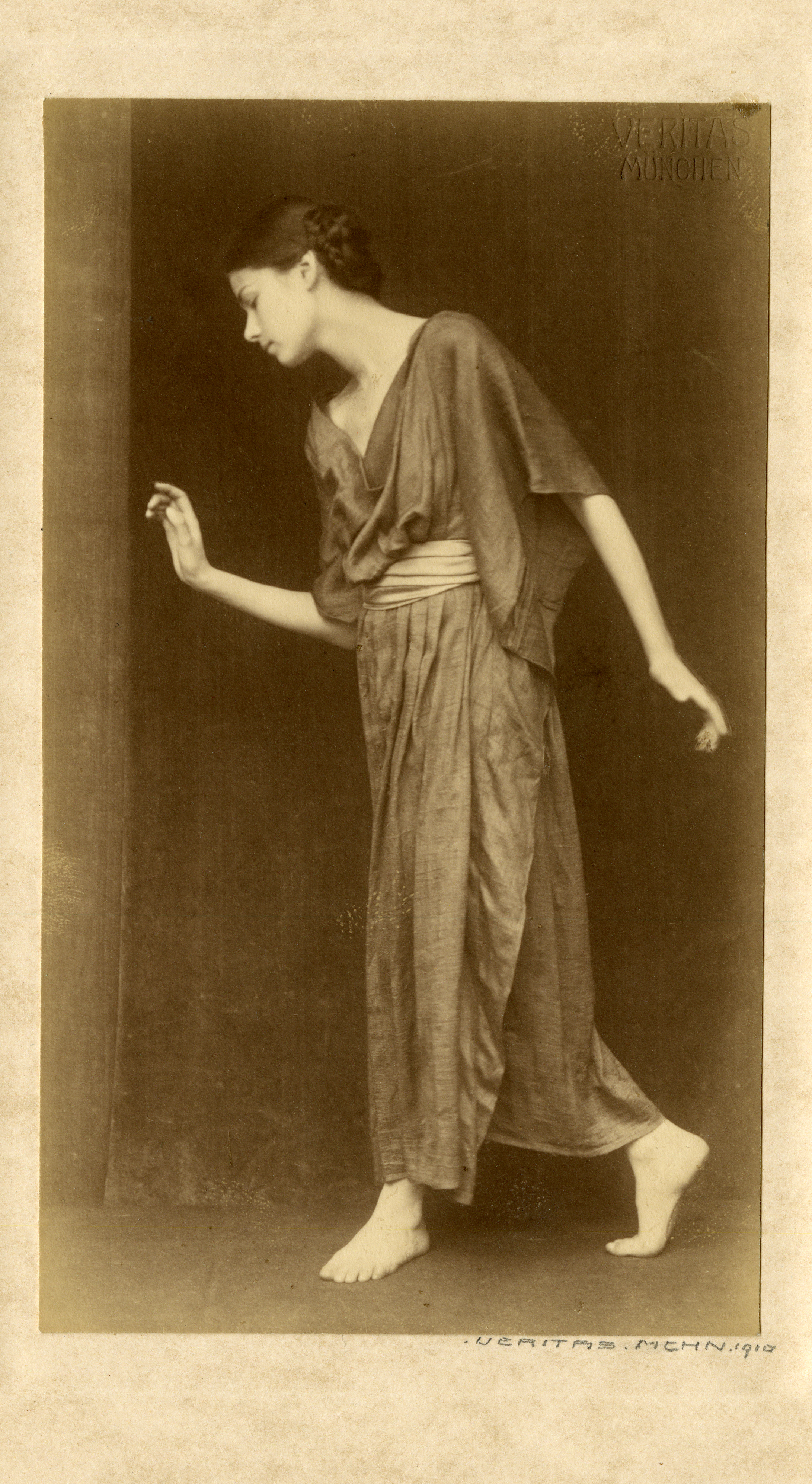
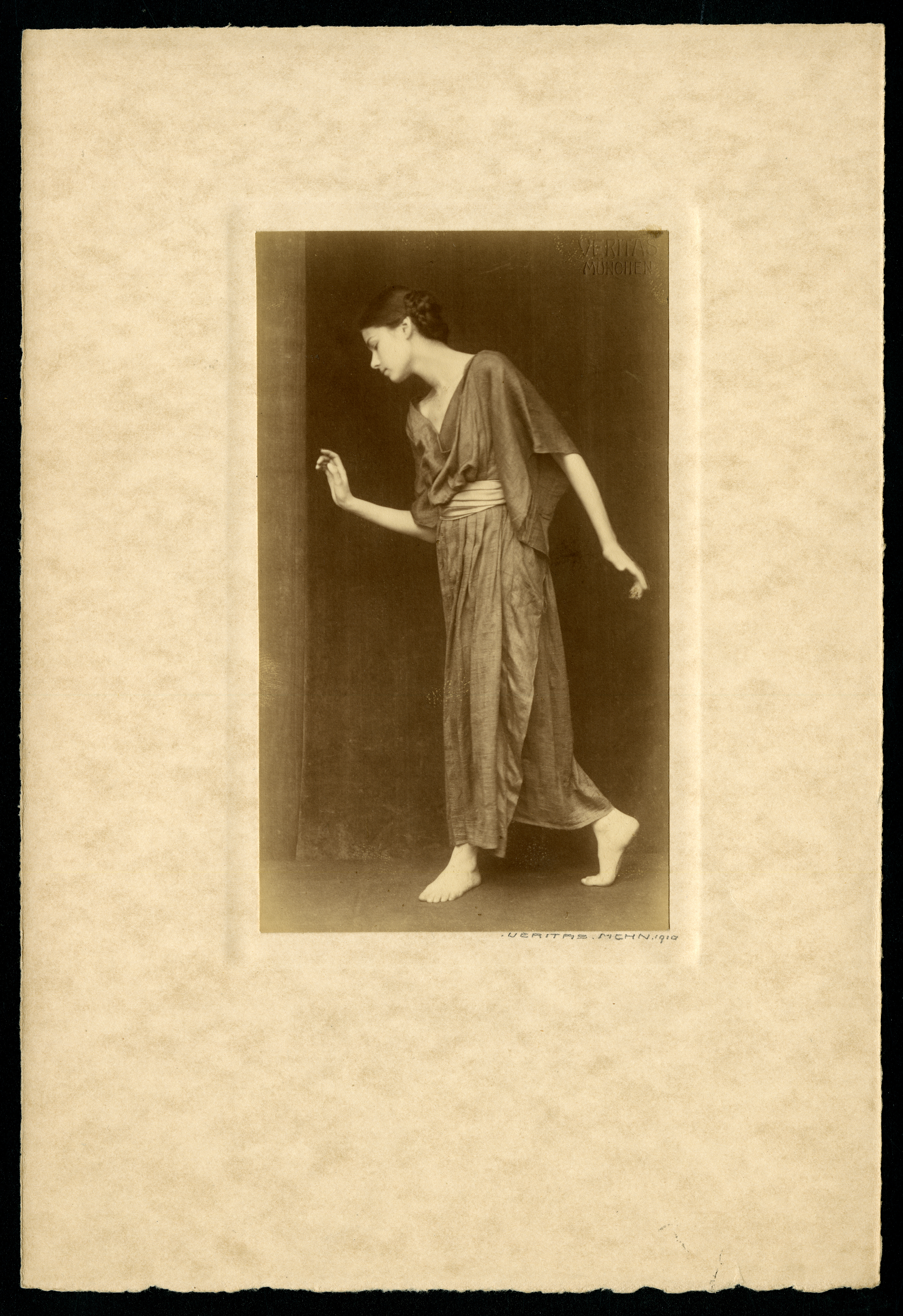
Stephanie Ludwig ran a studio in Munich called Veritas or Atelier Veritas. Some of her clients were expressionist dancers whom she photographed elegantly and simply, using natural light. Although the photo was dated 1905 on source, you can read on bottom right of the frame of the three images of this post “VERITAS. MCHN. / 1910”. The “unidentified expressionist dancer” looks very much like Clotilde von Derp. Clotilde Margarete Anna Edle von der Planitz (1892-1974) grew up in Munich, she received ballet lessons from Julie Bergmann and Anna Ornelli from the Munich Opera and she gave her first performance on 25 April 1910 at the Hotel Union, using the stage name Clotilde von Derp.
Probably these three photographs belong to that period and maybe linked to that performance on April 25th, 1910.
Furthermore, she was photographed by Stephanie Ludwig-Held for Der Kunstlerische Tanz Unserer Zeit (Hermann and Marianne Aubel, published 1928). view post


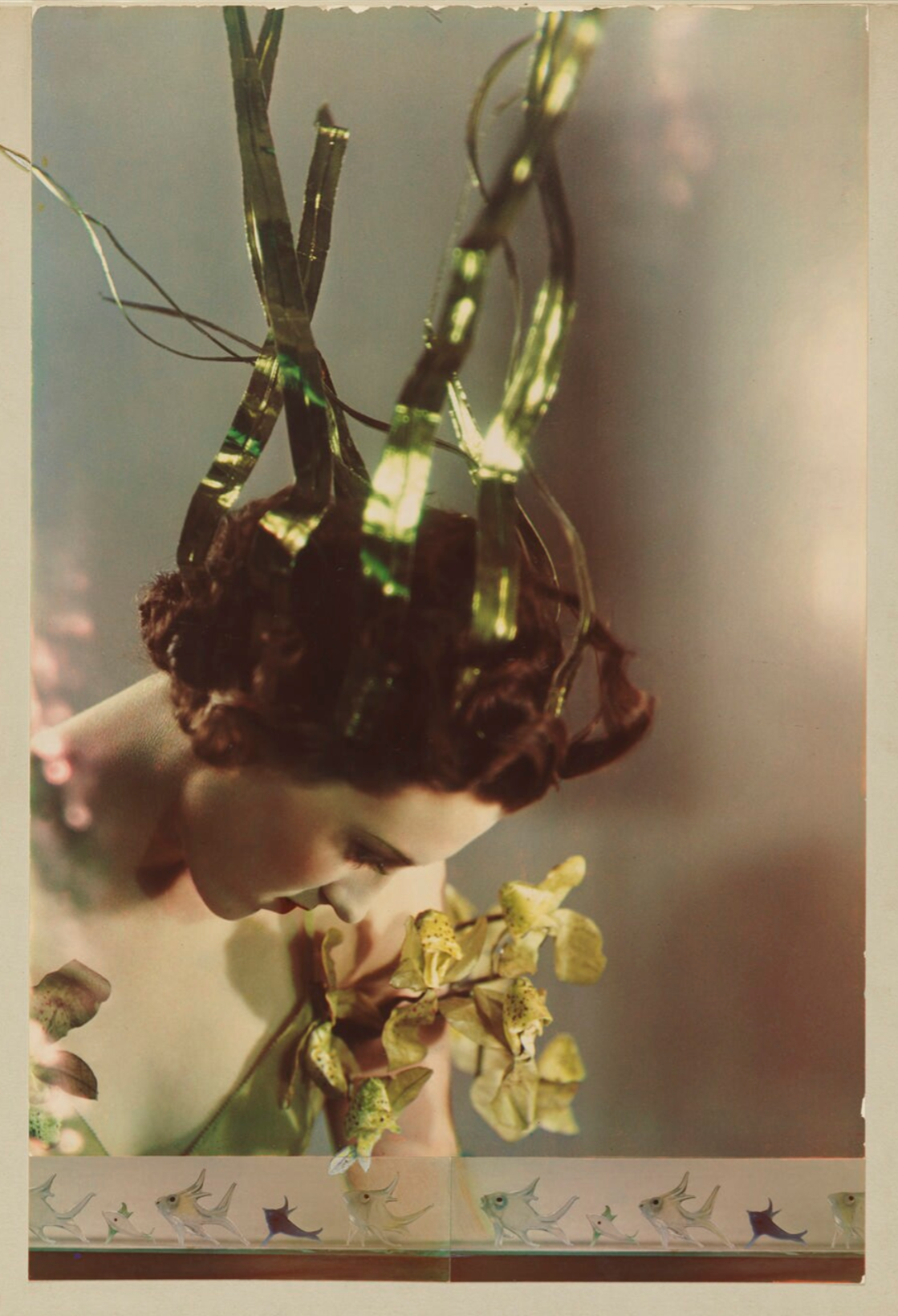
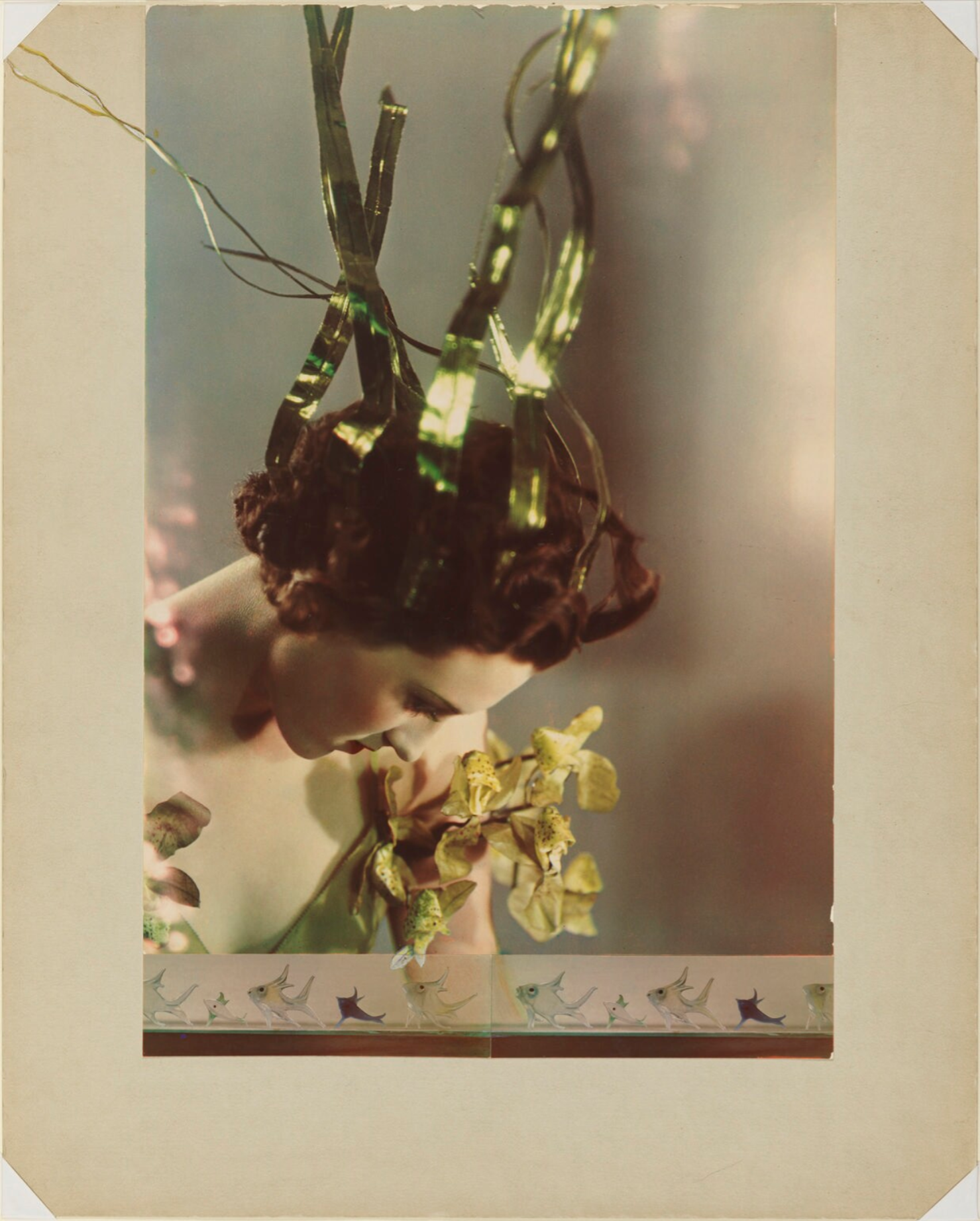
Arethusa was a wood nymph from Elis, associated with the goddess Artemis. Pursued relentlessly by the river-god Alpheus, Arethusa begged for Artemis’s help in escaping his attentions. The goddess opened up a passage under the sea which enabled Arethusa to emerge as a spring in Syracuse, on the island of Ortygia (Sicily) – hence the seaweed in Yevonde’s sitter’s hair. (quoted from NPG)
 un regard oblique