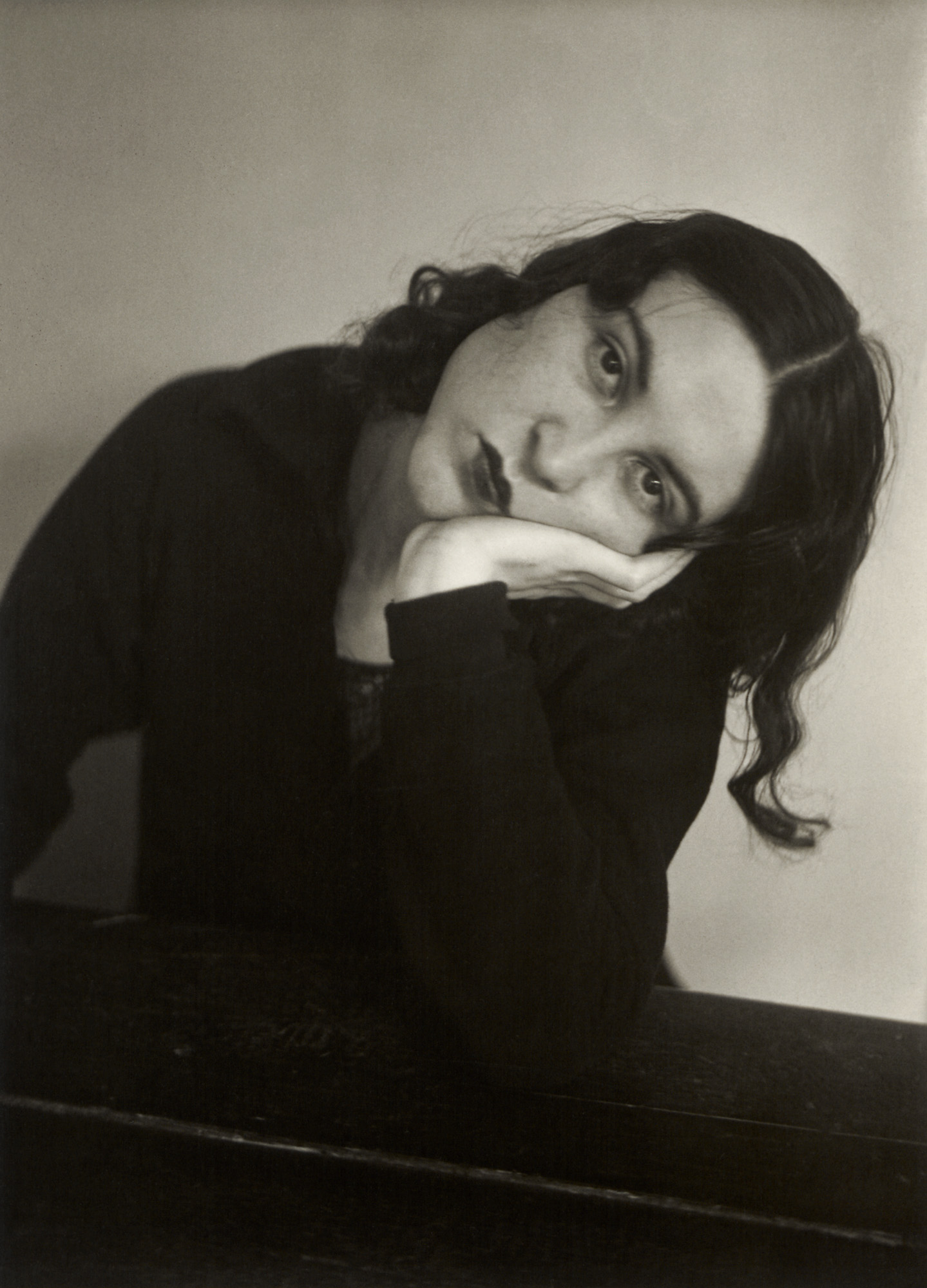
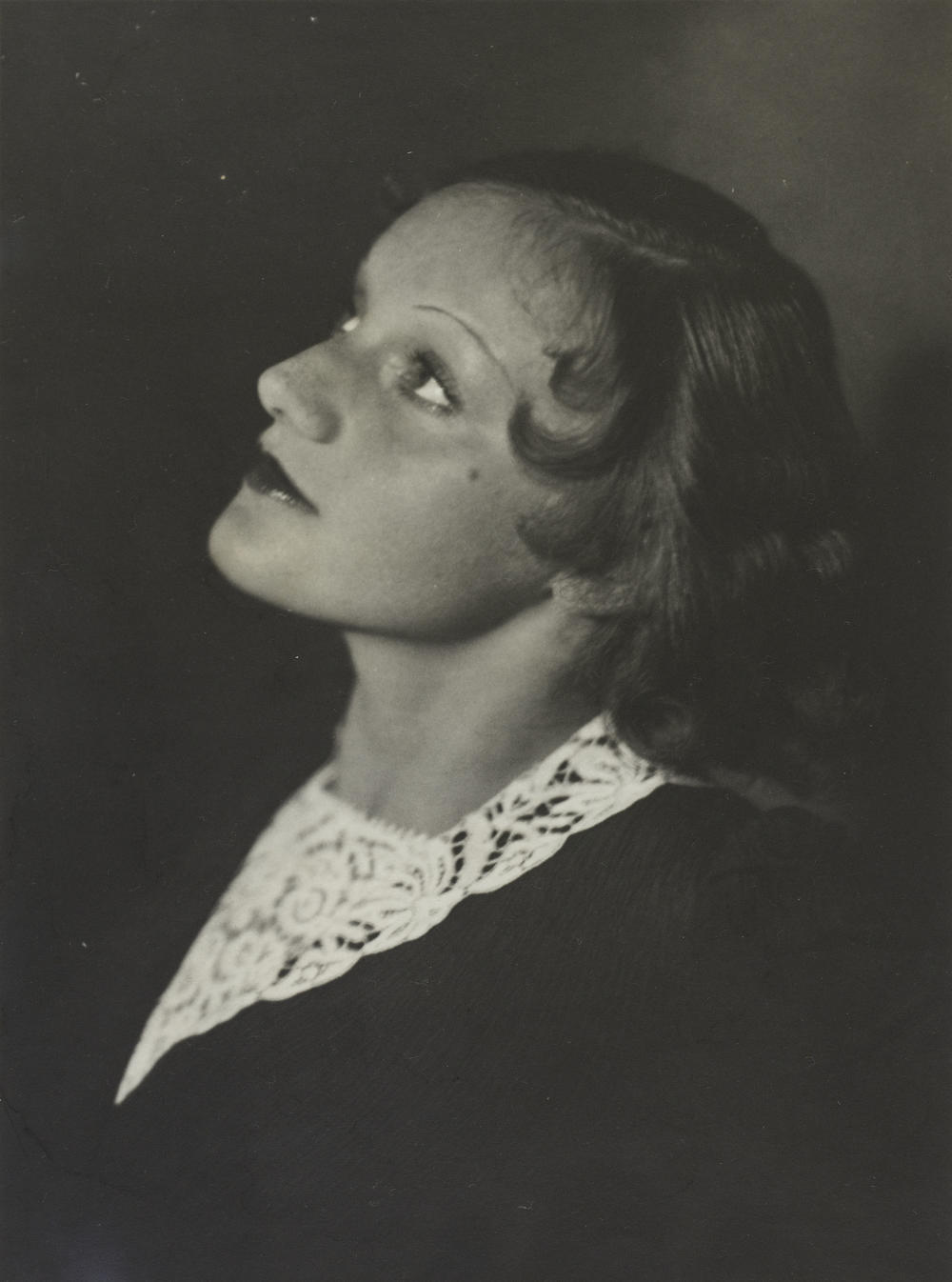
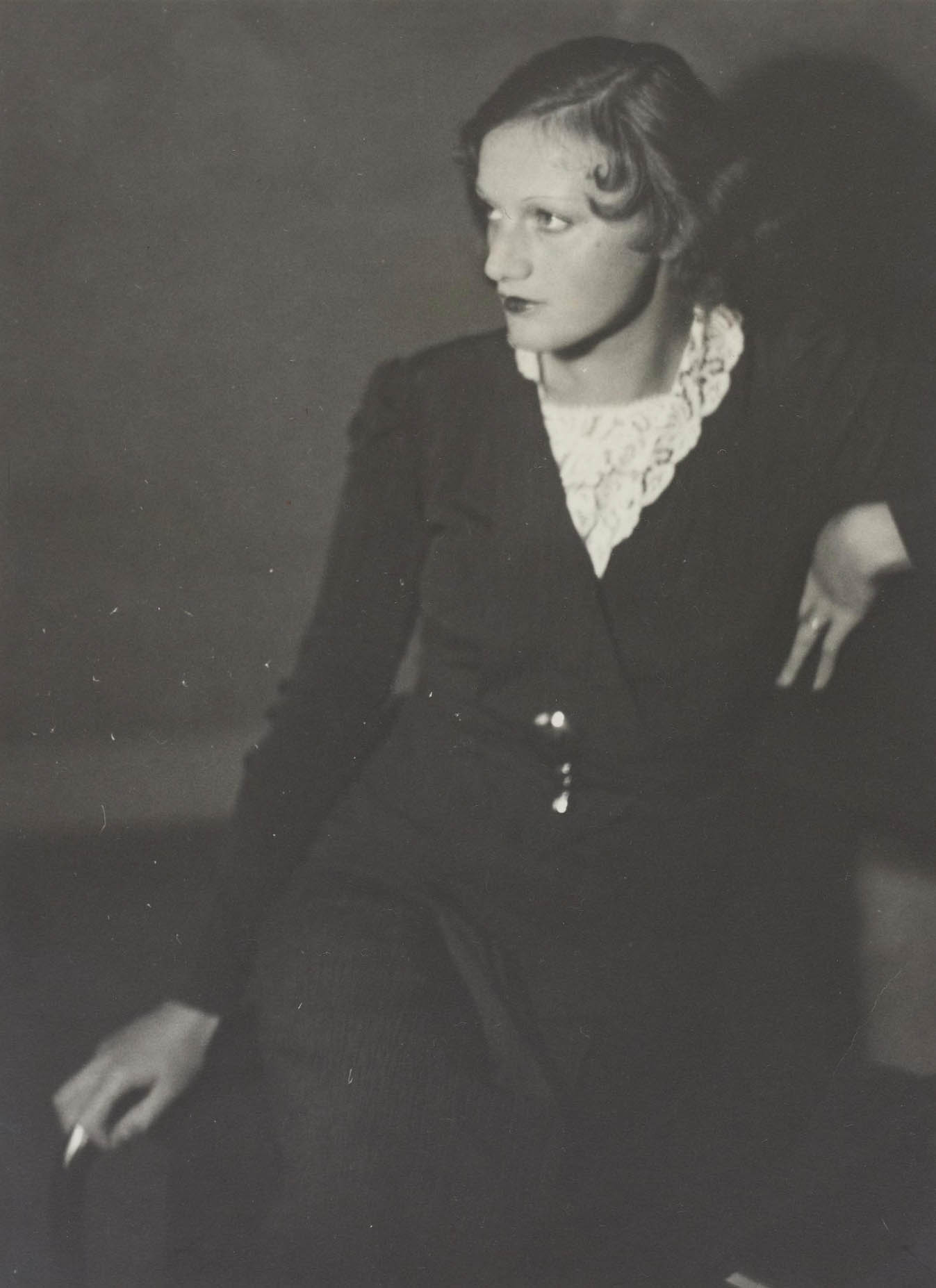
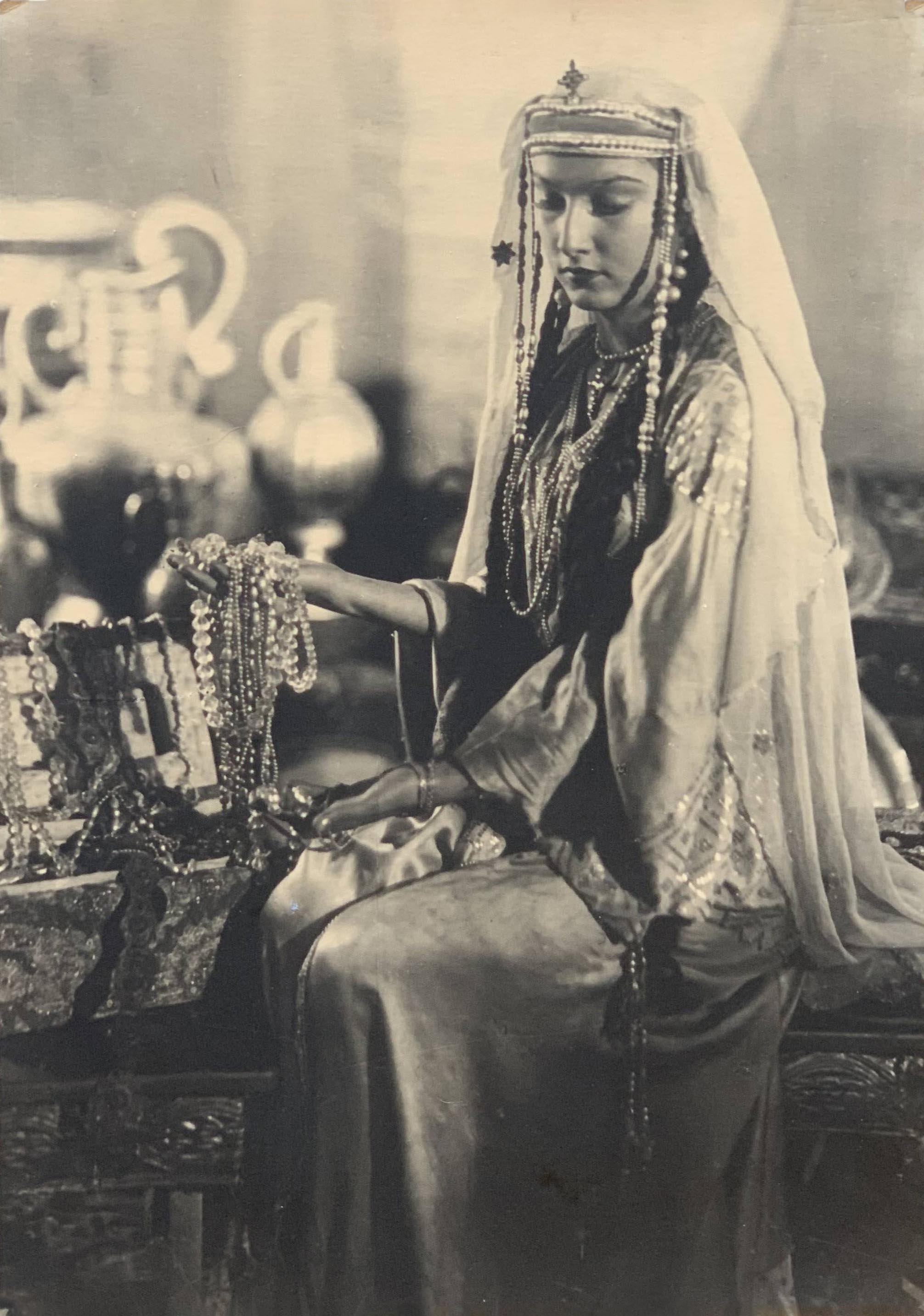
Estella Reed by Paul Citroen
images that haunt us
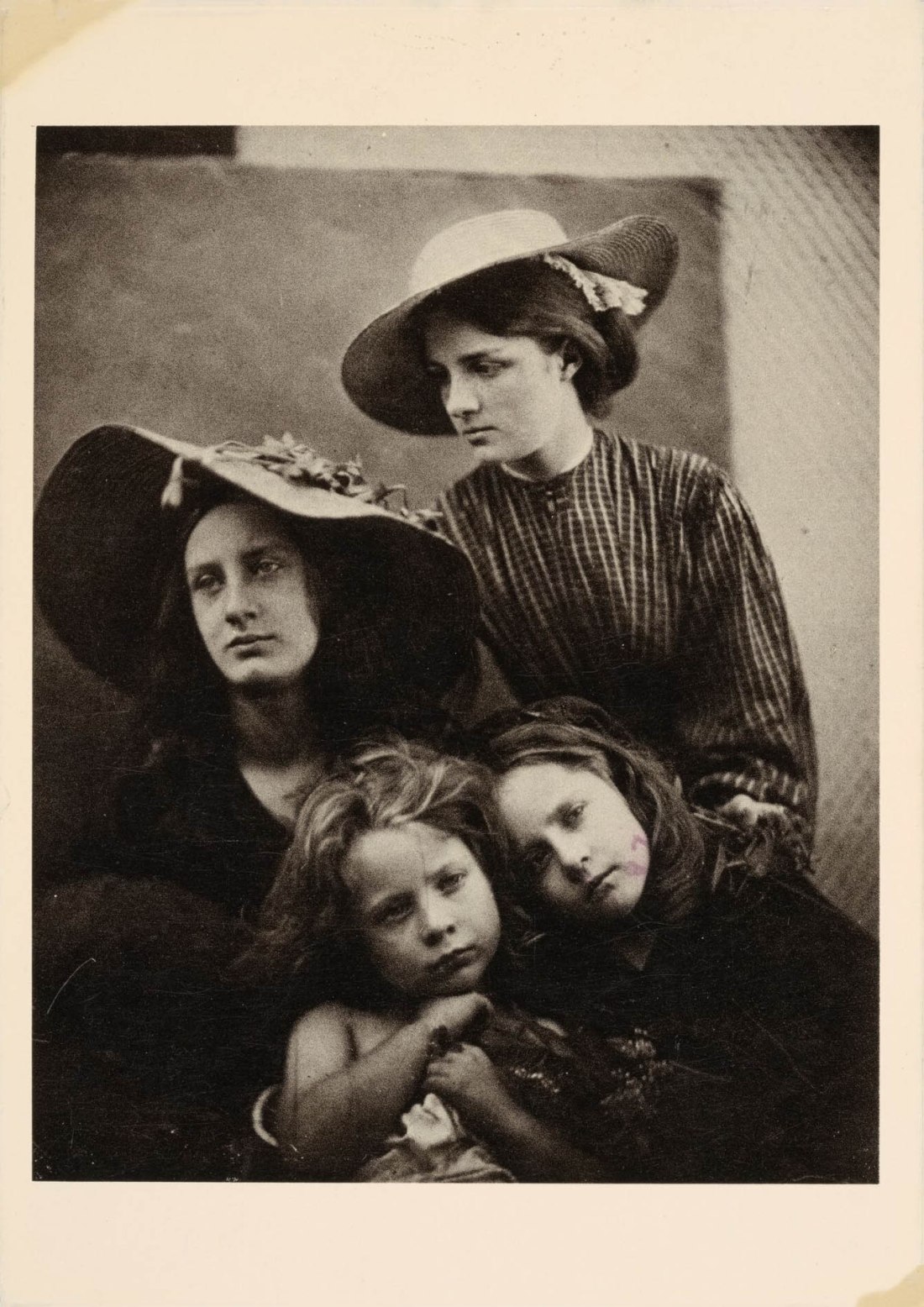
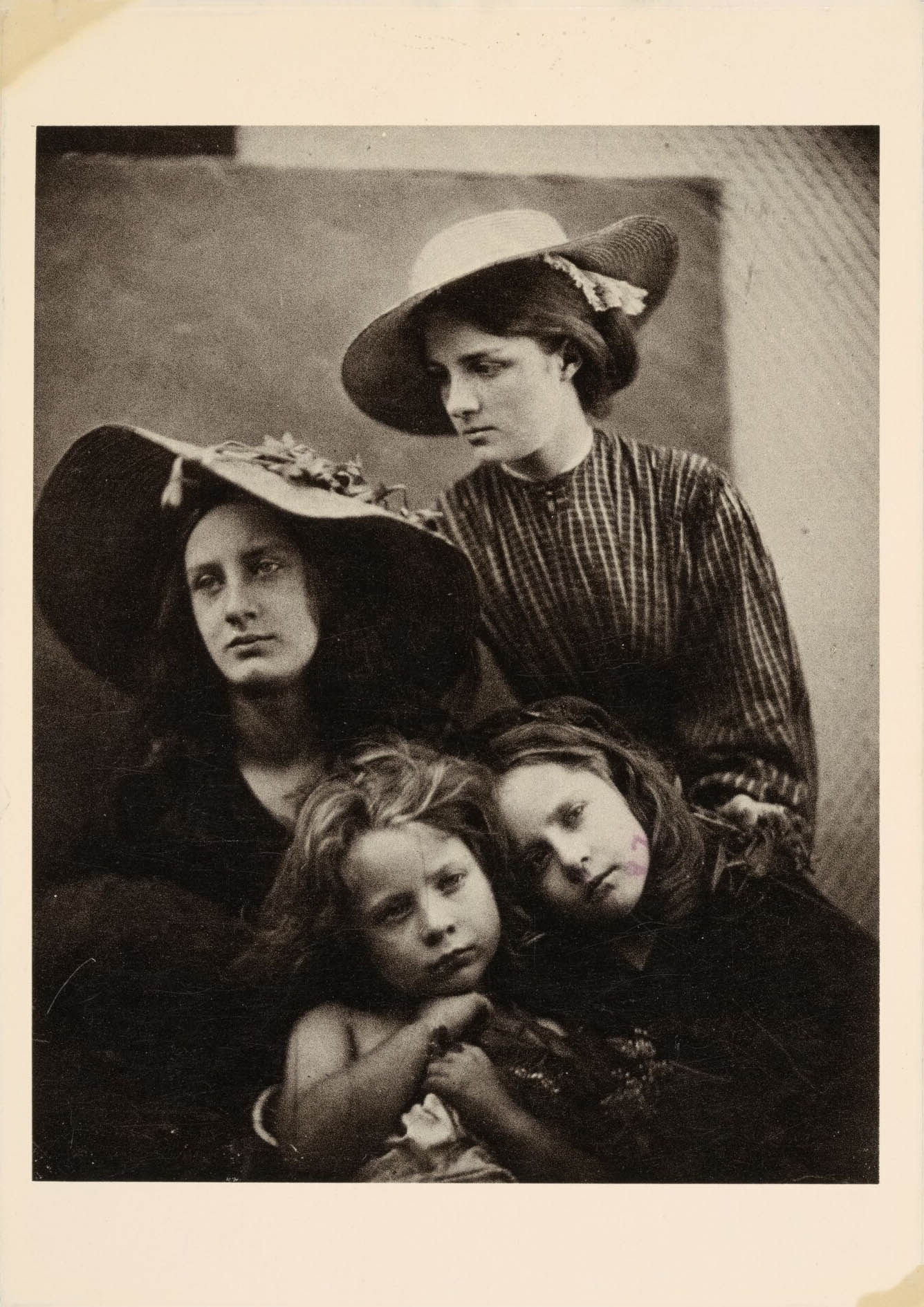
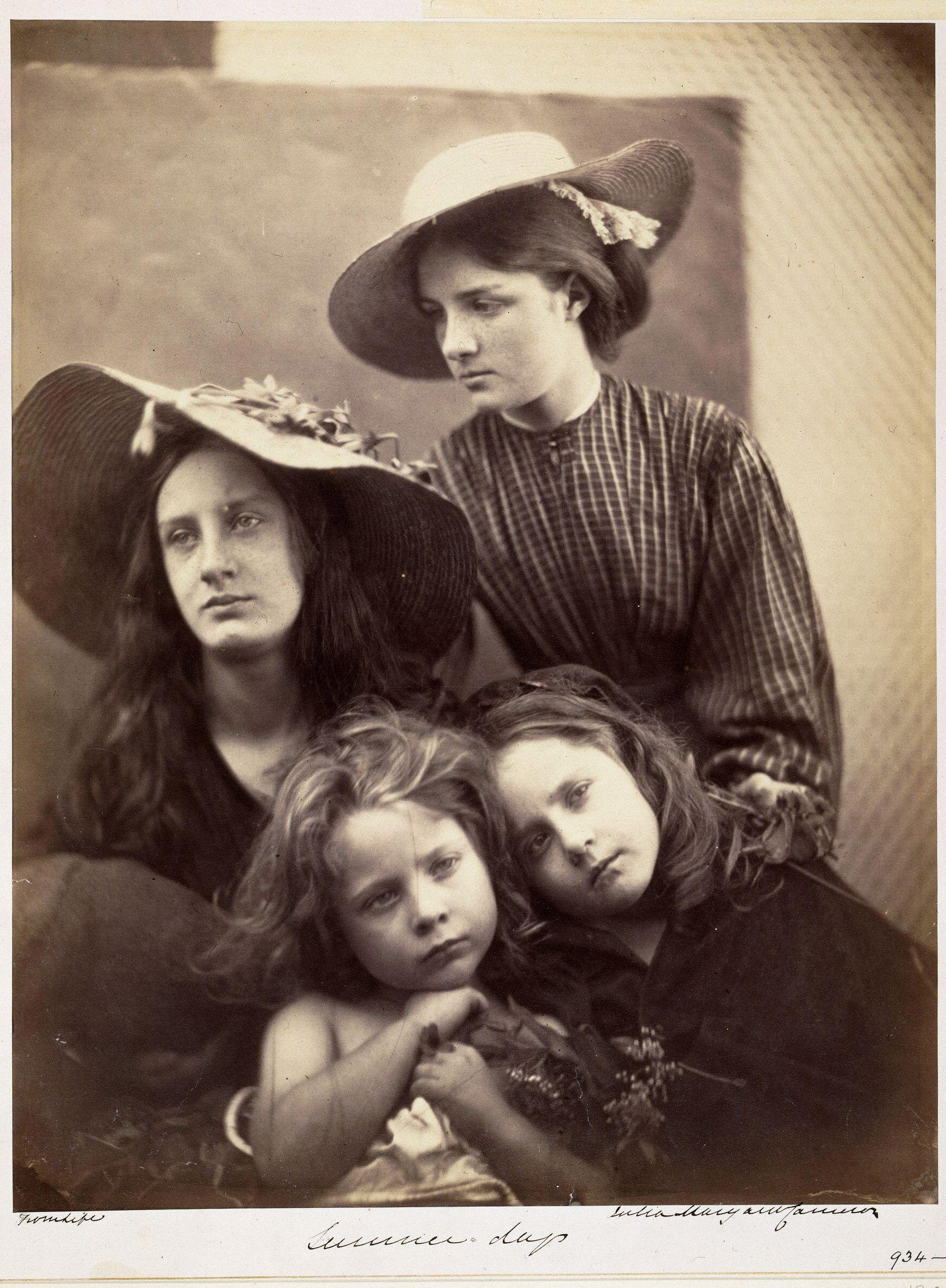
In late 1865, Julia Margaret Cameron began using a larger camera. It held a 15 x 12 inch glass negative, rather than the 12 x 10 inch negative of her first camera. Early the next year she wrote to Henry Cole with great enthusiasm – but little modesty – about the new turn she had taken in her work.
Cameron initiated a series of large-scale, closeup heads that fulfilled her photographic vision. She saw them as a rejection of ‘mere conventional topographic photography – map-making and skeleton rendering of feature and form’ in favour of a less precise but more emotionally penetrating form of portraiture. Cameron also continued to make narrative and allegorical tableaux, which were larger and bolder than her previous efforts.
Cameron’s ability to capture large groups improved with experience as well as with the use of her new, larger lens. Her friend and photographic advisor, the scientist Sir John Herschel, wrote that this picture was ‘very beautiful, and the grouping perfect.’ quoted from V&A
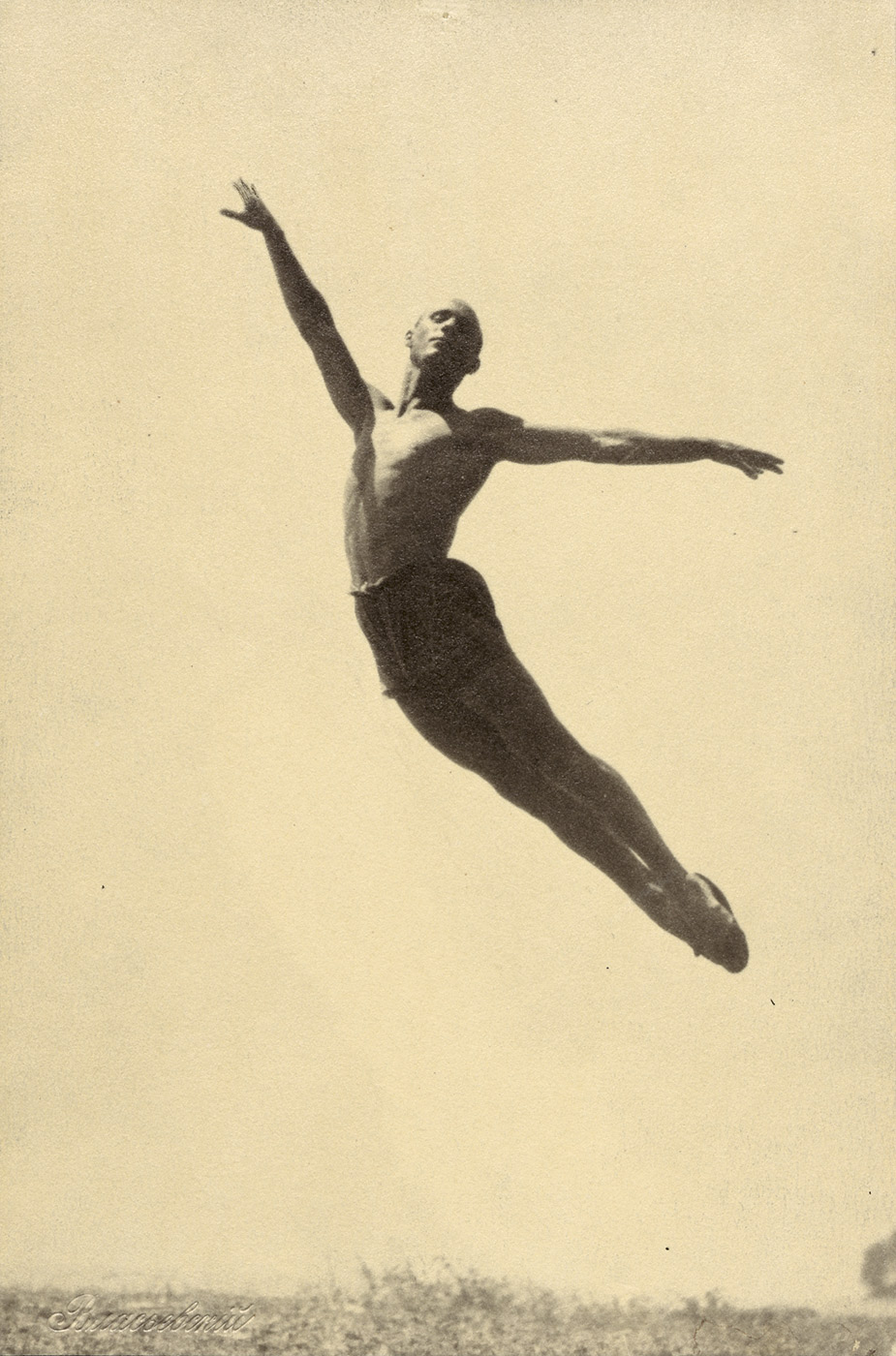




Al verso della fotografia timbri della ‘Casa d’Arte Bragaglia’ e della ‘Rivista Popolo d’Italia’, insieme ad una annotazione manoscritta, parzialmente errata, nella quale si legge il nome della Savina.
La celebre ballerina inglese (Vera Clark, in arte Savina) lavorò a Mosca nel corpo di ballo dei Ballets Russes di Diaghilev e sposò Léonide Massine (Myasin), altro grande coreografo russo. È ripresa seduta nell’atto in indossare una scarpetta. L’acconciatura, il costume di scena, il gioiello ed il bracciolo della sedia corrispondono esattamente a quelli con cui la ritrasse il pittore scozzese Herbert James Gunn nel quadro ‘Sylphide‘ (1927 – collezione privata).
On the back of the photograph, stamps of the ‘Casa d’Arte Bragaglia’ and ‘Rivista Popolo d’Italia’, together with a handwritten annotation, partially incorrect, in which the name of Savina can be read.
The famous English dancer (Vera Clark, aka Savina) worked in Moscow in the ballet troupe of Diaghilev’s Ballets Russes and married Léonide Massine (Myasin), another great Russian choreographer. She is shown sitting in the act of wearing a shoe. The hairstyle, the stage costume, the jewel and the armrest of the chair correspond exactly to those with which the Scottish painter Herbert James Gunn portrayed her in the painting ‘Sylphide‘ (1927 – private collection).
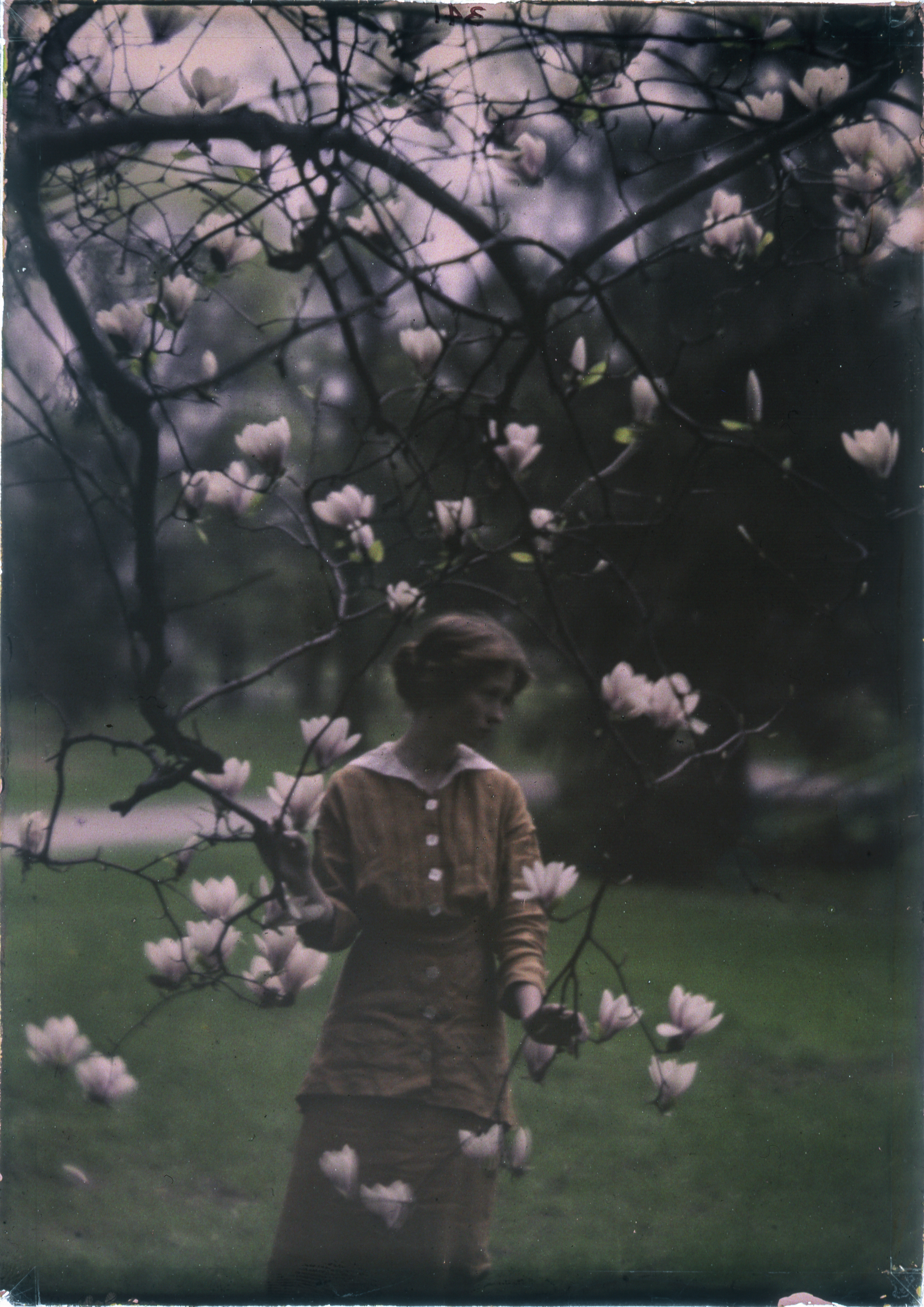
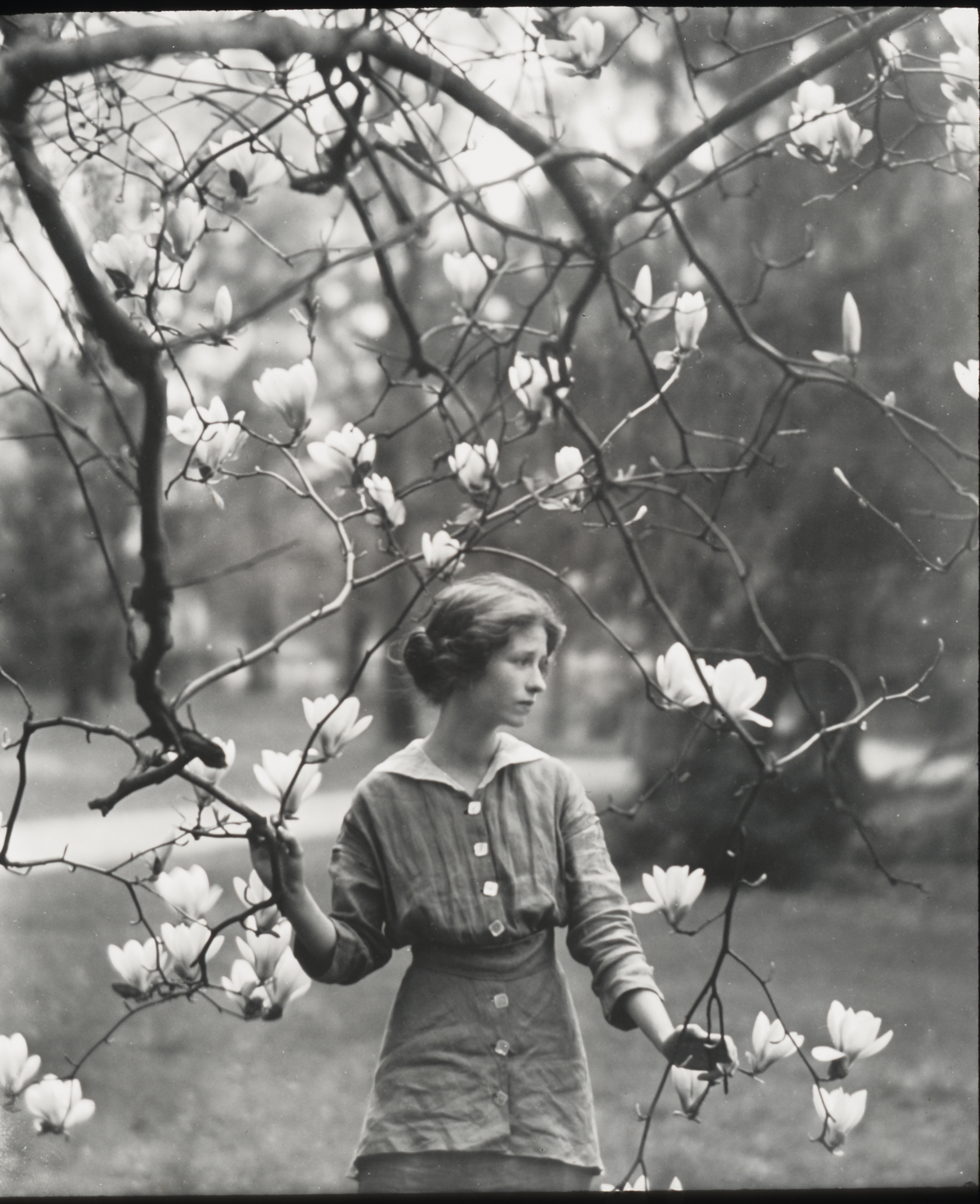


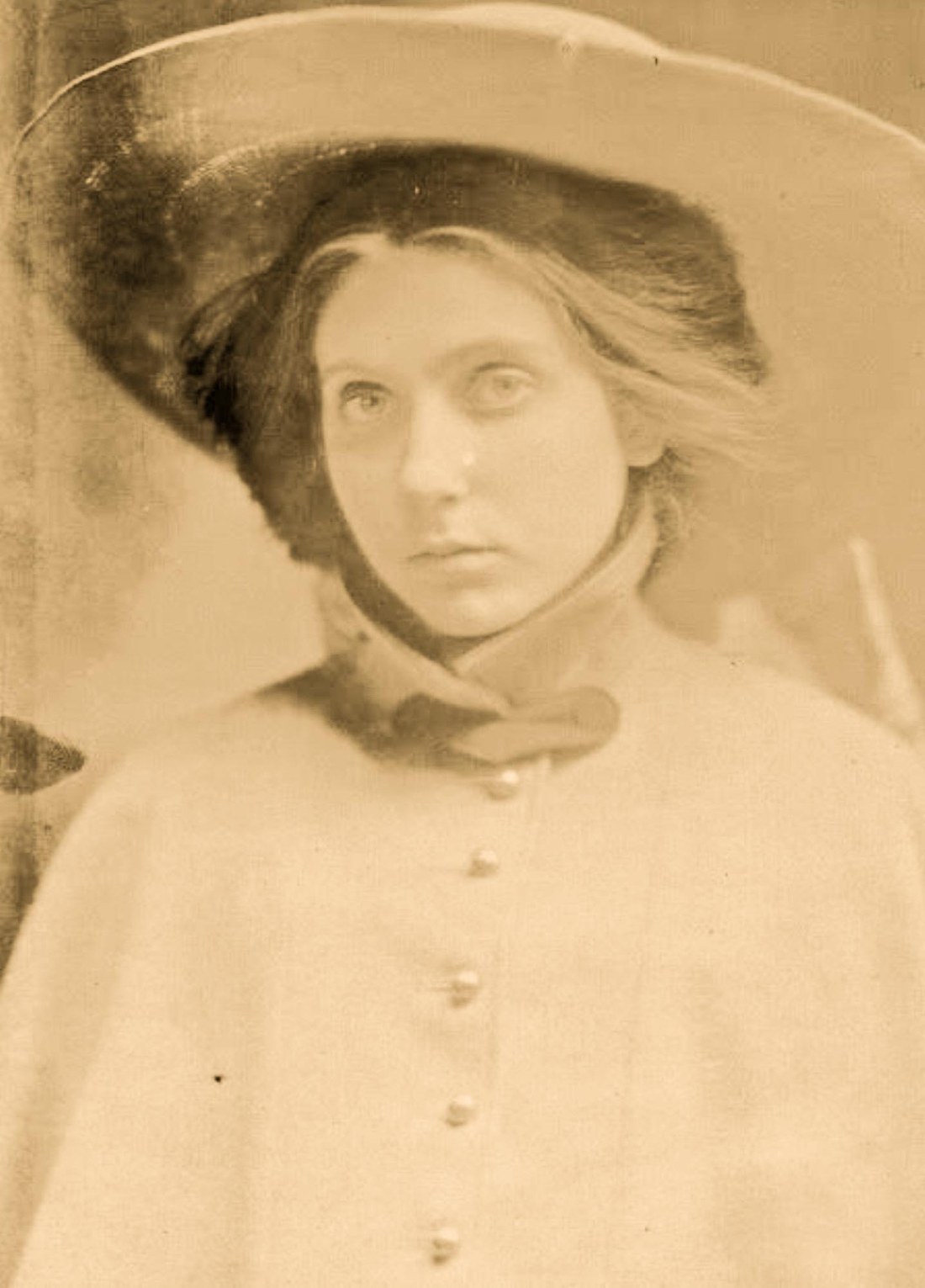
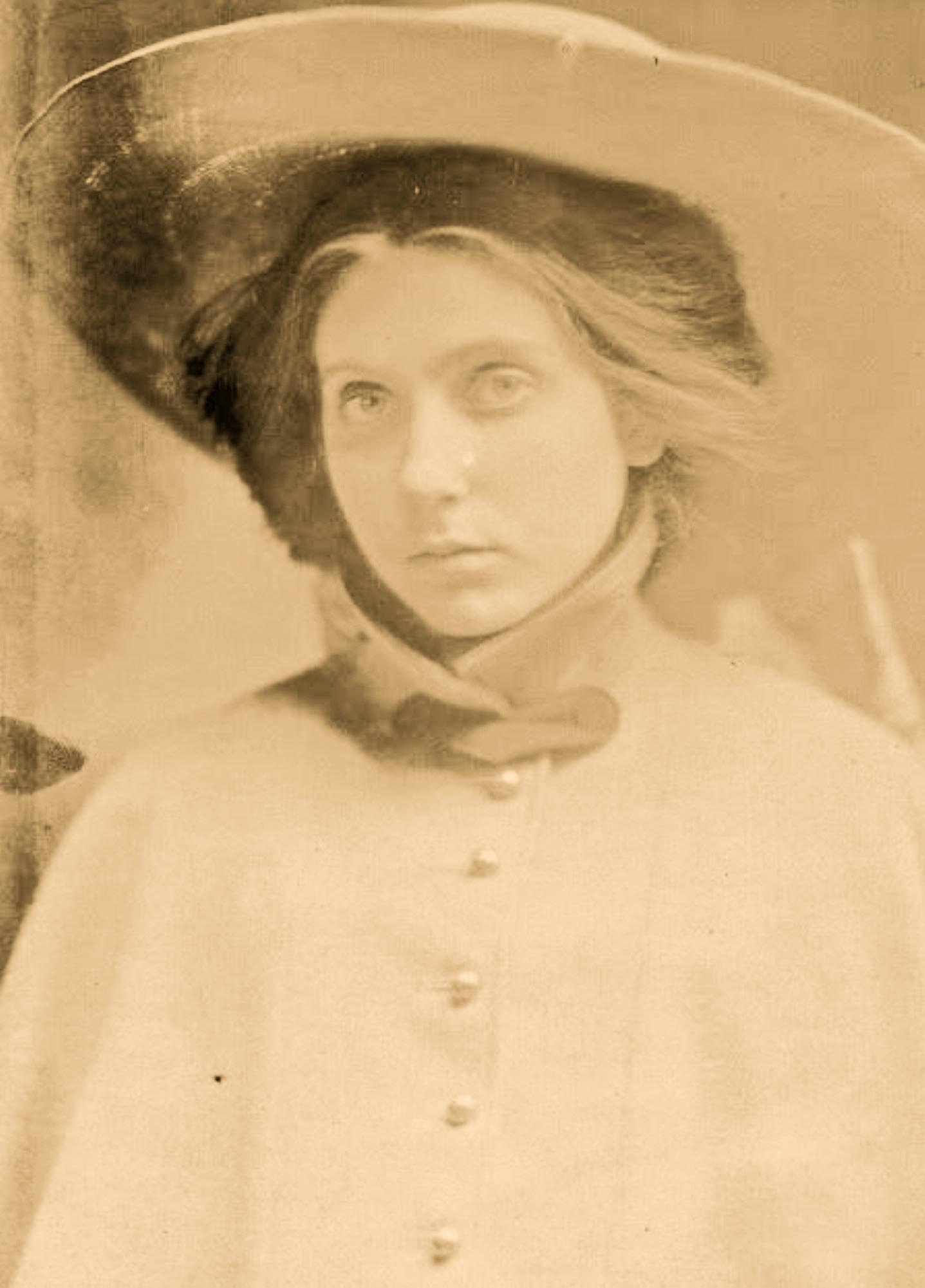
“My life is full of mistakes. They’re like pebbles that make a good road.” ~ Beatrice Wood

“There are three things important in life:
Honesty, which means living free of the cunning mind.
Compassion, because if we have no concern for others, we are monsters.
Curiosity, for if the mind is not searching, it is dull and unresponsive.”
~ Beatrice Wood
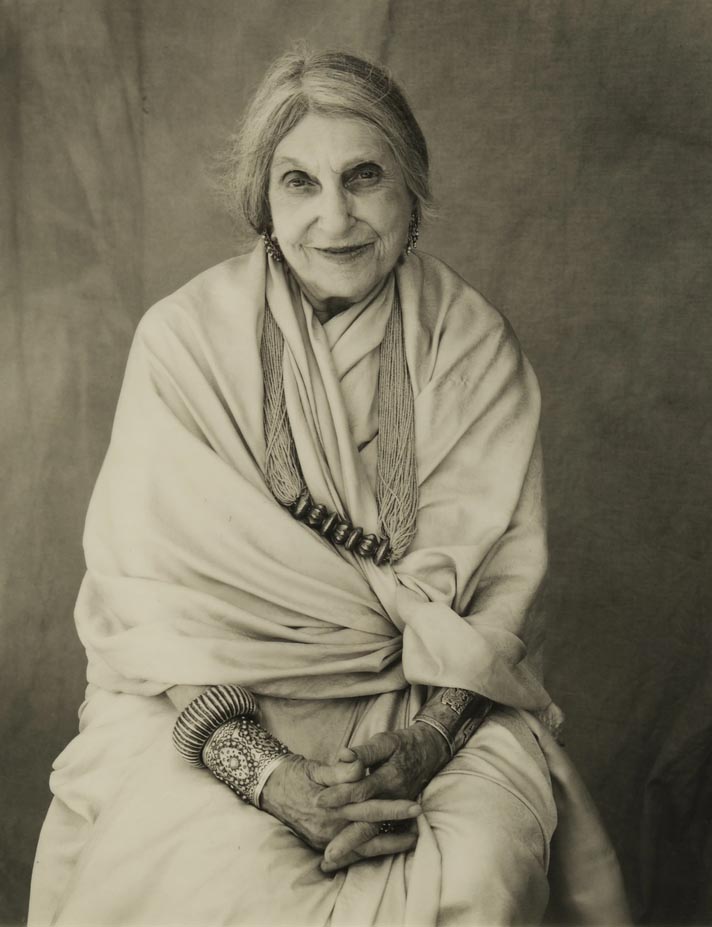
Beatrice Wood, aka the “Mama of Dada” was born into a wealthy San Francisco family in 1893. Defying her family’s Victorian values, she moved to France to study theater and art. On the brink of WWI, her parents brought a reluctant Beatrice back to New York, where her mother did everything within her power to discourage her plans for a career on the New York stage. Despite this, Beatrice’s fluency in French led her to join the French National Repertory Theater, where she played over sixty ingénue roles under the stage name “Mademoiselle Patricia” to save her family’s name and reputation.
Wood’s involvement in the Avant-Garde began in these years with her introduction to Marcel Duchamp and later to his friend Henri-Pierre Roché, a diplomat, writer and art collector. Roché, a man fourteen years her senior, joined the duo, becoming creatively (and romantically) entangled. Together they wrote and edited The Blind Man (and the Rongwrong magazine), a magazine that poked the conservative art establishment and helped define the Dada art movement.
Marcel Duchamp brought Beatrice into the world of the New York Dada group, which existed by the patronage of art collectors Walter and Louise Arensberg. The Arensbergs’ home became the center of legendary soirees that included leading figures of the time including Francis Picabia, Mina Loy, Man Ray, Charles Demuth, Joseph Stella, Charles Sheeler and the composer Edgard Varèse.
Beatrice Wood’s career as an artist of note began when she created an abstraction to tease Duchamp that anyone could create modern art. Duchamp was impressed by the work, arranging to have it published in a magazine and inviting her to work in his studio. It was here that she developed her style of spontaneous sketching and painting that continued throughout her life.
Following the formation of the Society of Independent Artists in 1917, Beatrice exhibited work in their Independents exhibition. [text extracted from Wikipedia entry and Beatrice Wood Center for the Arts]
 un regard oblique