

images that haunt us
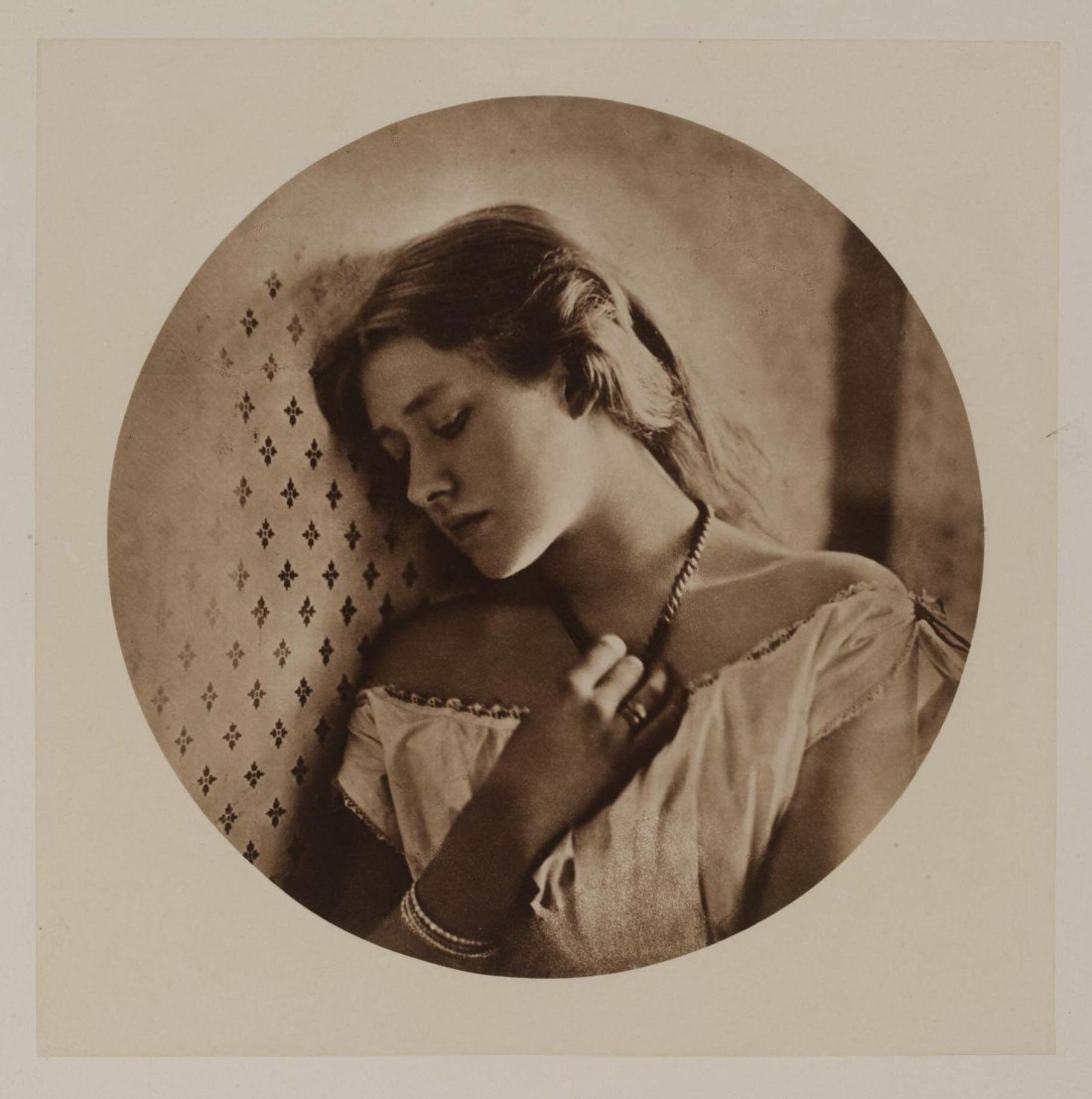

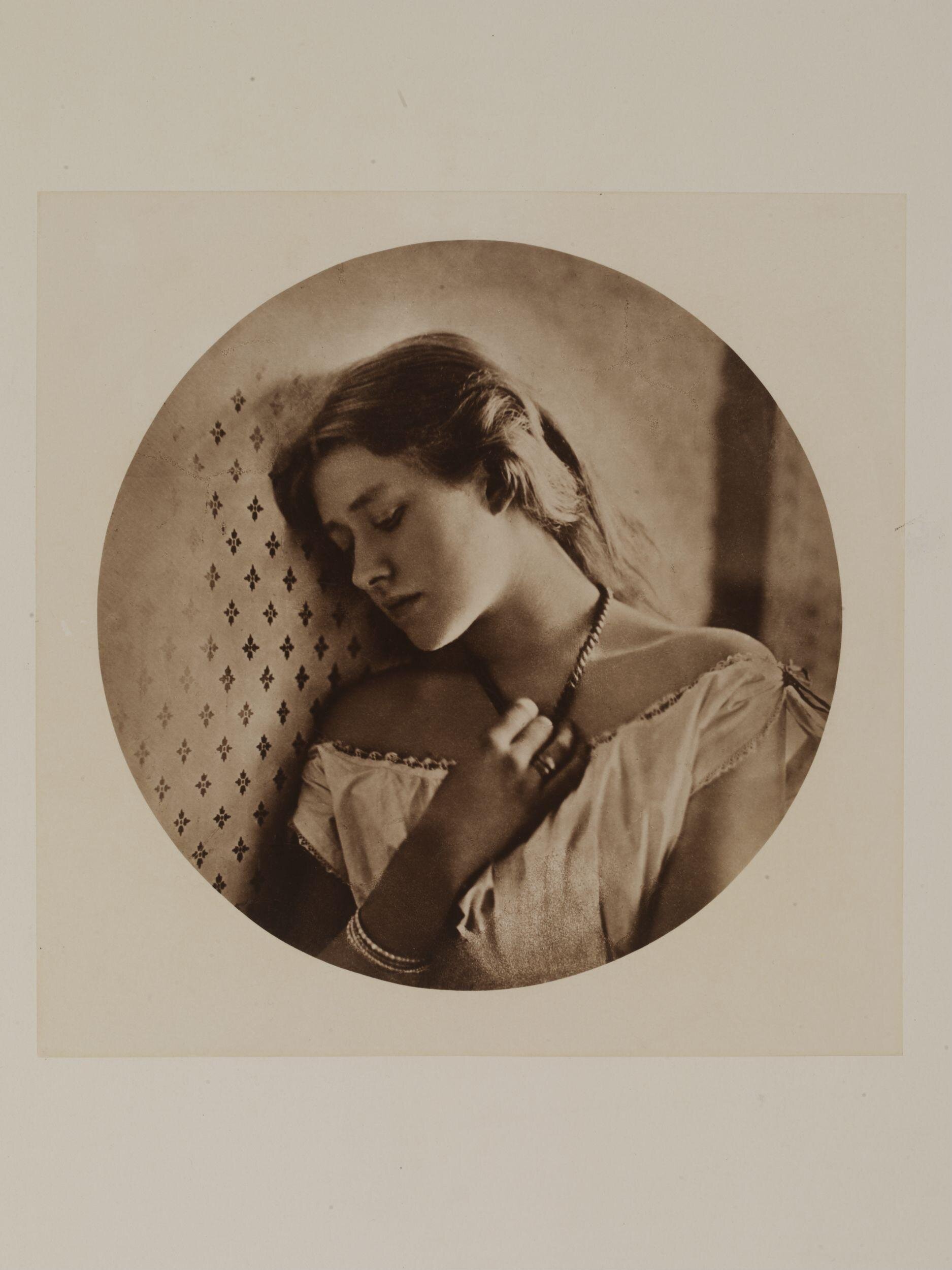
Circular-shaped photograph of a standing woman, shown in profile from the waist up. Her head is leaning against an interior patterned wall and one of her hands is placed at her throat tugging at her necklace.

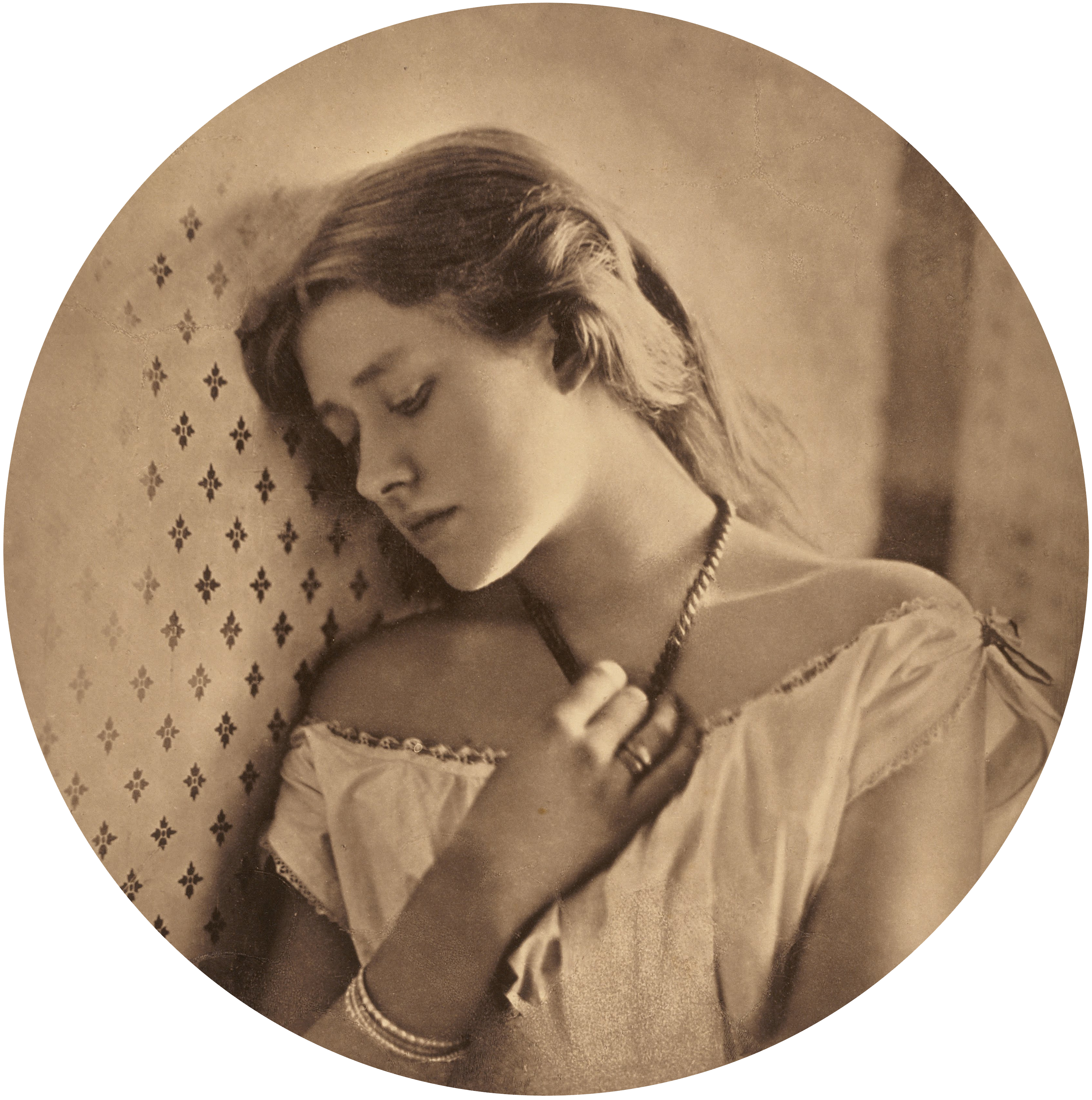
![Julia Margaret Cameron :: [Ellen Terry at Age Sixteen] negative 1864; print about 1875. Carbon print. | The J. Paul Getty Museum](https://live.staticflickr.com/65535/52540020635_1f4c87147e_o.jpg)
This image of Ellen Terry (1847-1928) is one of the few known photographs of a female celebrity by Julia Margaret Cameron. Terry, the popular child actress of the British stage, was sixteen years old when Cameron made this image. This photograph was most likely taken just after she married the eccentric painter, George Frederick Watts (1817-1904), who was thirty years her senior. They spent their honeymoon in the village of Freshwater on the Isle of Wight where Cameron resided.
Terry came from a theatrical family and had her stage debut at age nine. In 1862 she was introduced to Watts, who painted a double portrait of her with her elder sister Kate. In a union engineered by Cameron and her own sisters, Terry and Watts were married on February 20, 1864, when she was just sixteen. Within a year the couple had separated; they were formally divorced in 1877.
The pair spent their honeymoon at Freshwater, and most likely it was at this time that the portrait was made. While the possibility exists that Terry, as an actress, was striking a pose for Cameron, the picture’s title suggests the realization of a mismatched marriage. Terry’s anxiety is plainly evident—she leans against an interior wall and tugs nervously at her necklace. The lighting is notably subdued, leaving her face shadowed in doubt. In The Story of My Life (1909), Terry recalls how demanding Watts was, calling upon her to sit for hours as a model and giving her strict orders not to speak in front of distinguished guests in his studio.
Cameron’s uncertain technique is evidenced by the image loss at the lower center of the picture, where the collodion emulsion peeled away from the glass-plate negative. She must have created only a single negative at this sitting, since she presented this particular print as is in the Overstone Album. The negative was later rephotographed (with the damage repaired) and distributed commercially as a carbon print by the Autotype Company of London (see image above). This later version was also reproduced in 1913 in Alfred Stieglitz’s Camerawork. (*)
Cameron’s portrait echoes Watt’s study of Terry titled Choosing (1864, National Portrait Gallery, London). As in the painting, Terry is shown in profile with her eyes closed, an ethereal beauty in a melancholic dream state. In this guise, Terry embodies the Pre-Raphaelite ideal of womanhood rather than appearing as the wild boisterous teenager she was known to be. The round (“tondo”) format of this photograph was popular among Pre-Raphaelite artists. (*)
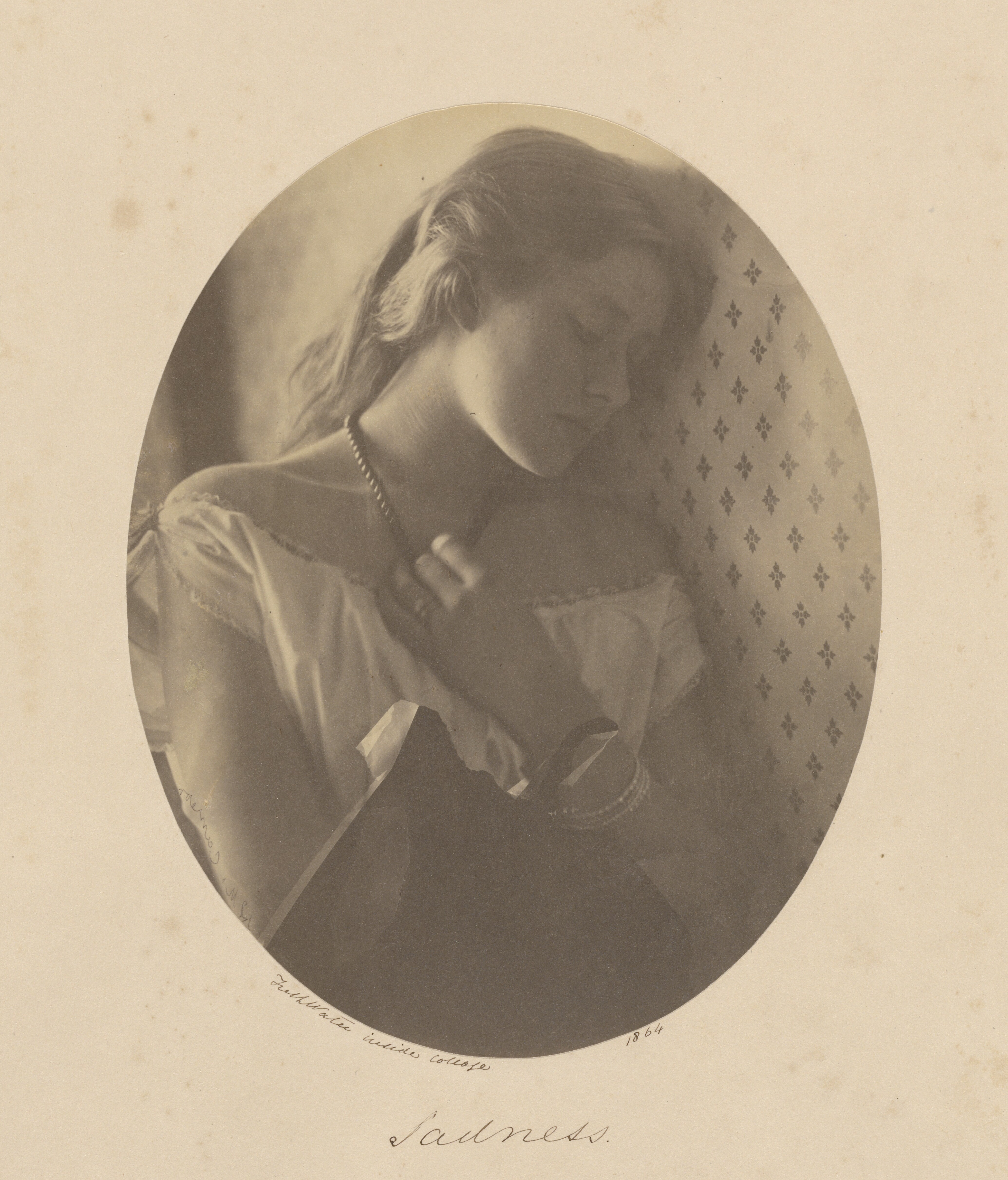
Cameron titled another print of this image Sadness (see image above), which may suggest the realization of a mismatched marriage. Terry’s anxiety is plainly evident—she leans against an interior wall and tugs nervously at her necklace. The lighting is notably subdued, leaving her face shadowed in doubt. In The Story of My Life (1909), Terry recalls how demanding Watts was, calling upon her to sit for hours as a model and giving her strict orders not to speak in front of distinguished guests in his studio.
This particular version was printed eleven years after Cameron first made the portrait. In order to distribute this image commercially, the Autotype Company of London rephotographed the original negative after the damage had been repaired. The company then made new prints using the durable, non-fading carbon print process. Thus, this version is in reverse compared to Sadness. Terry’s enduring popularity is displayed by the numerous photographs taken of her over the years. (*)
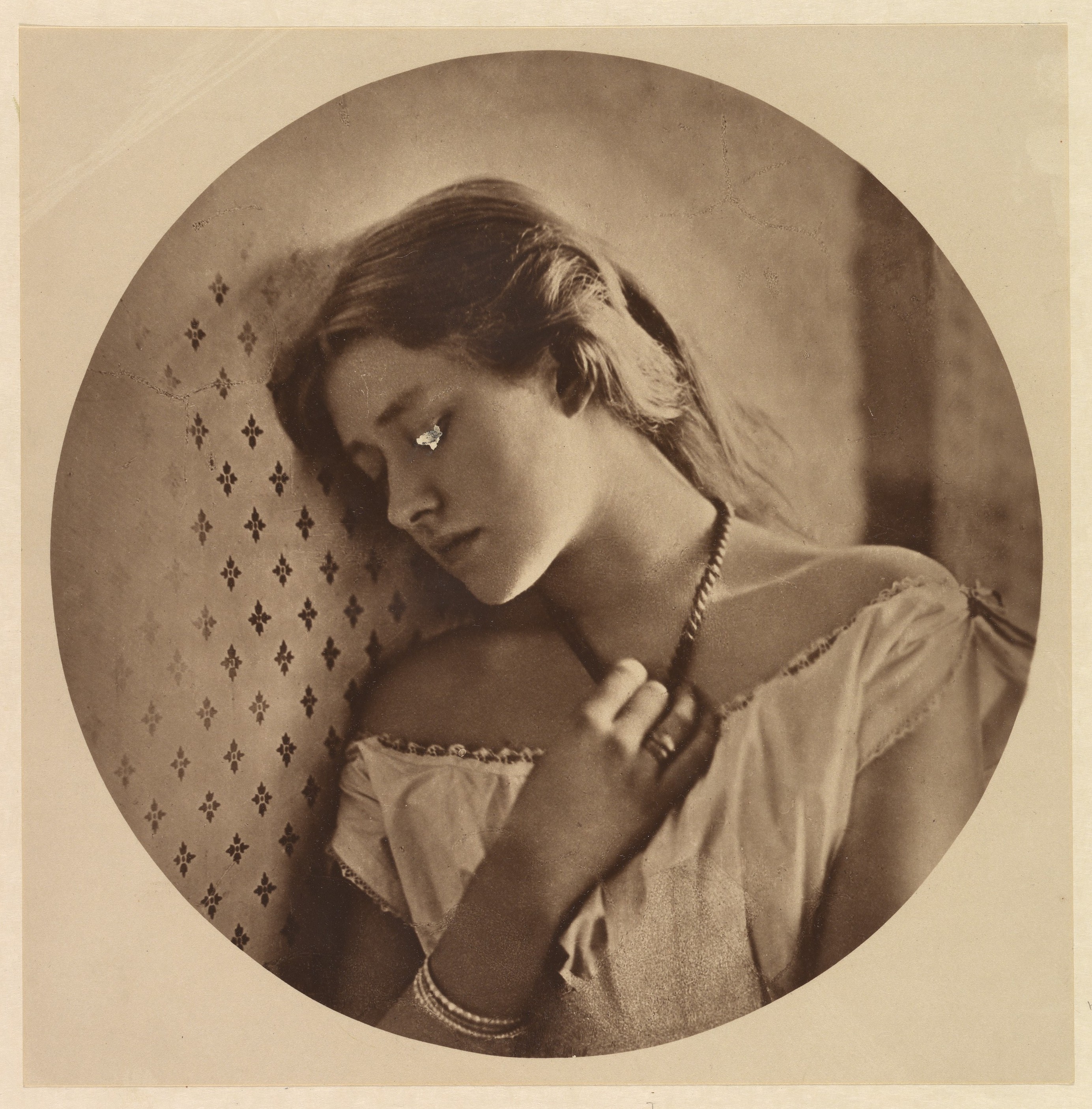
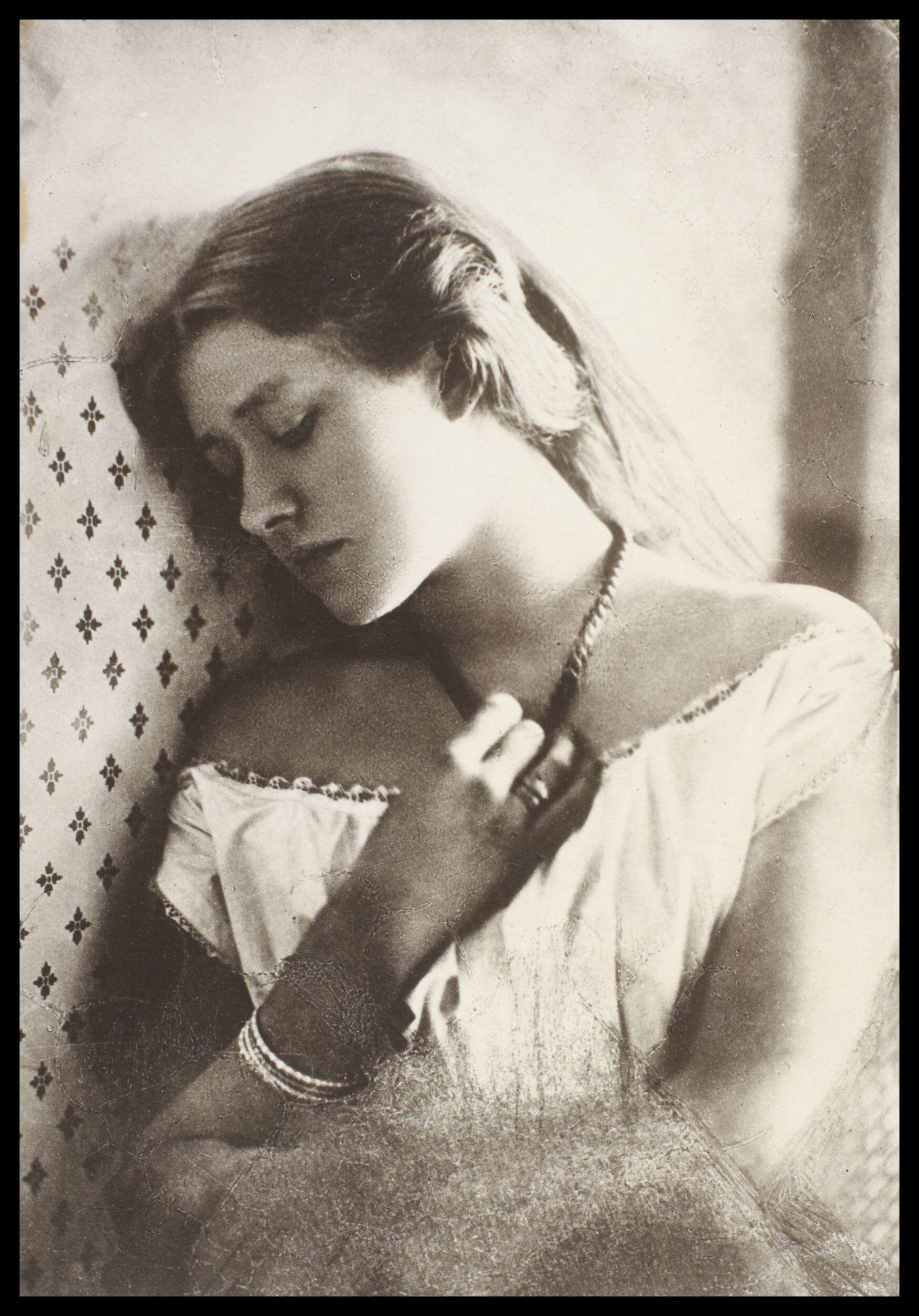
(*) quotations are from The J. Paul Getty Museum, links can be followed from the captions of image 5 and 6 of this post
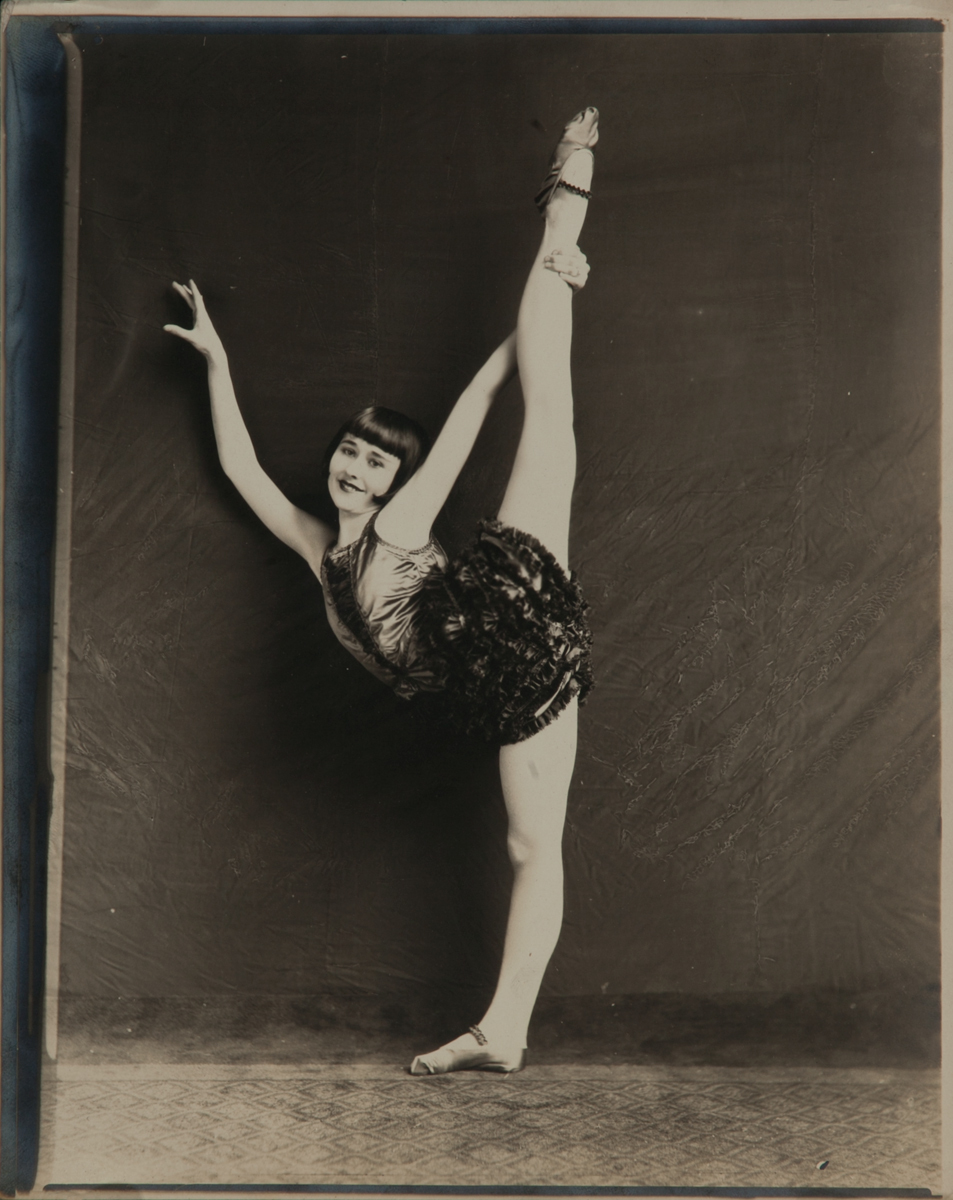
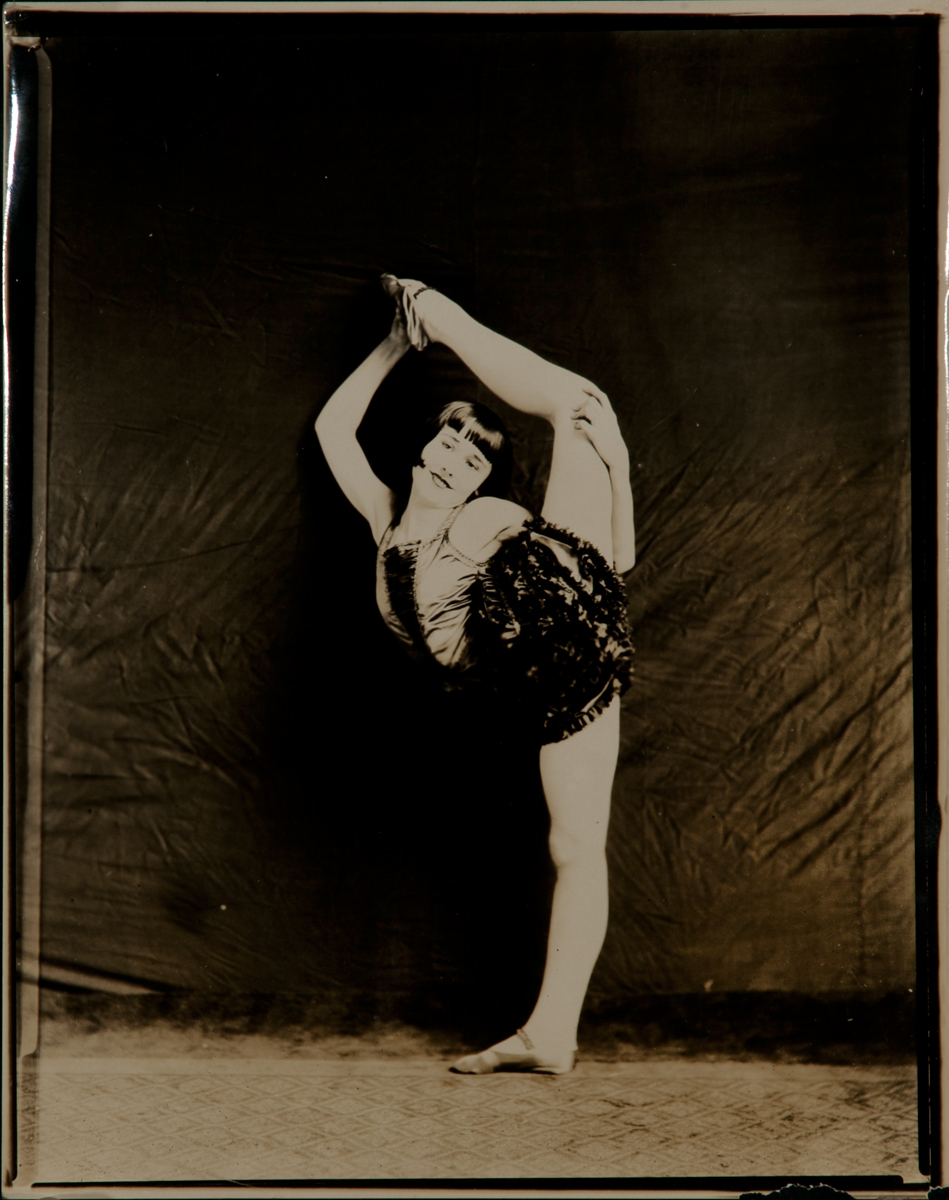


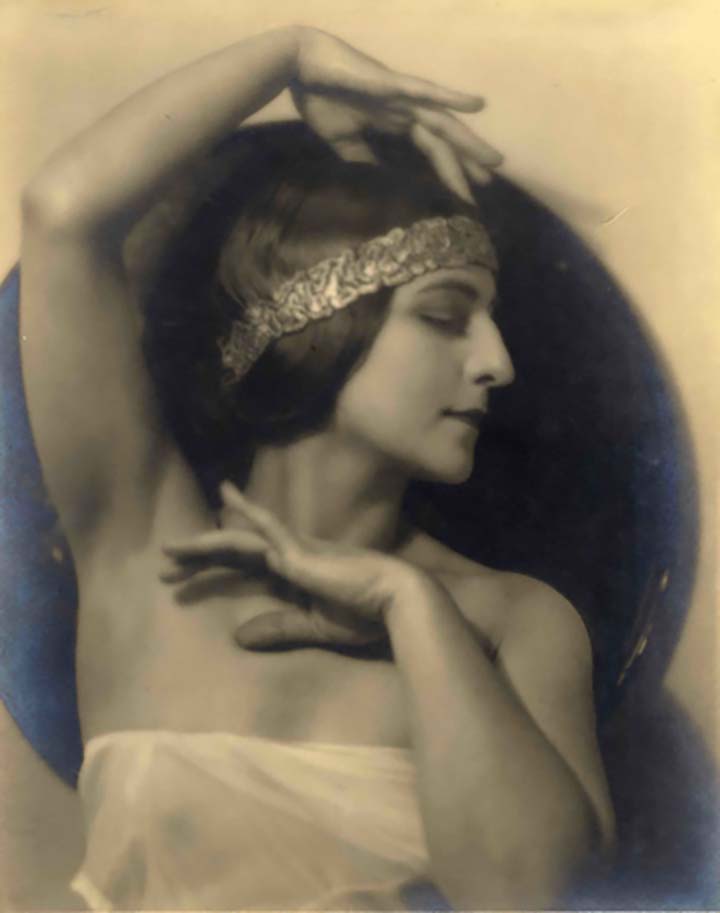
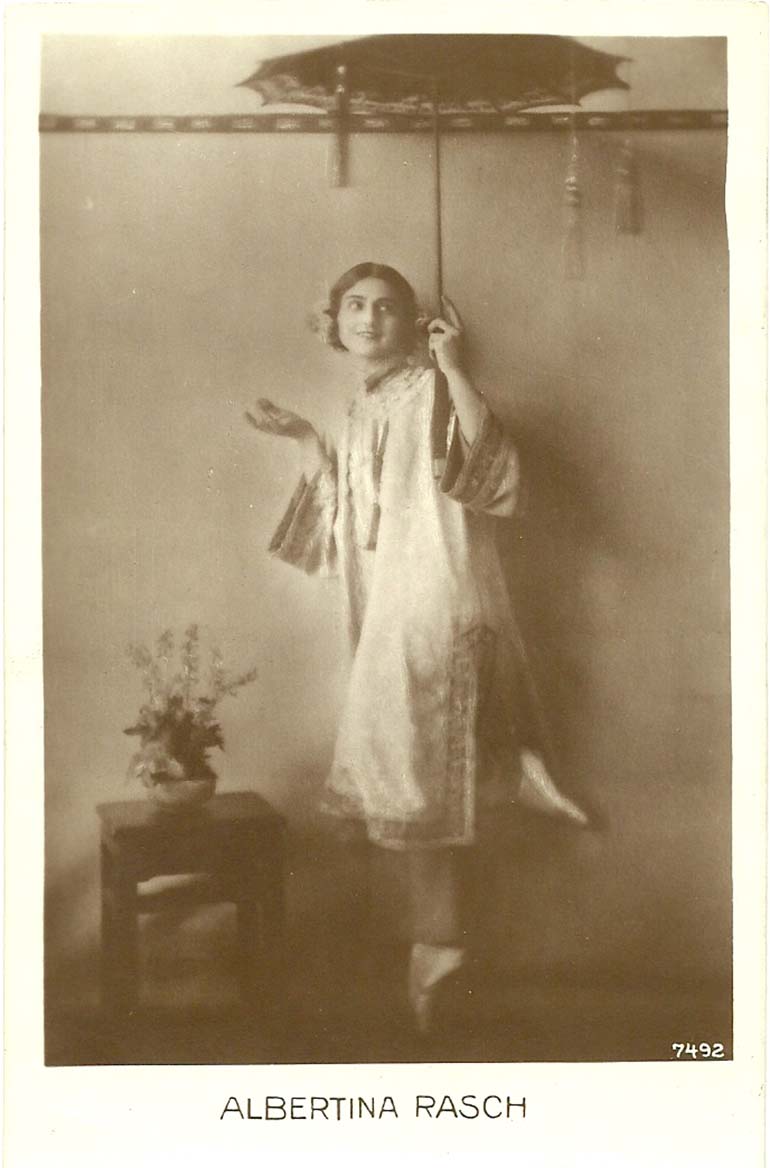
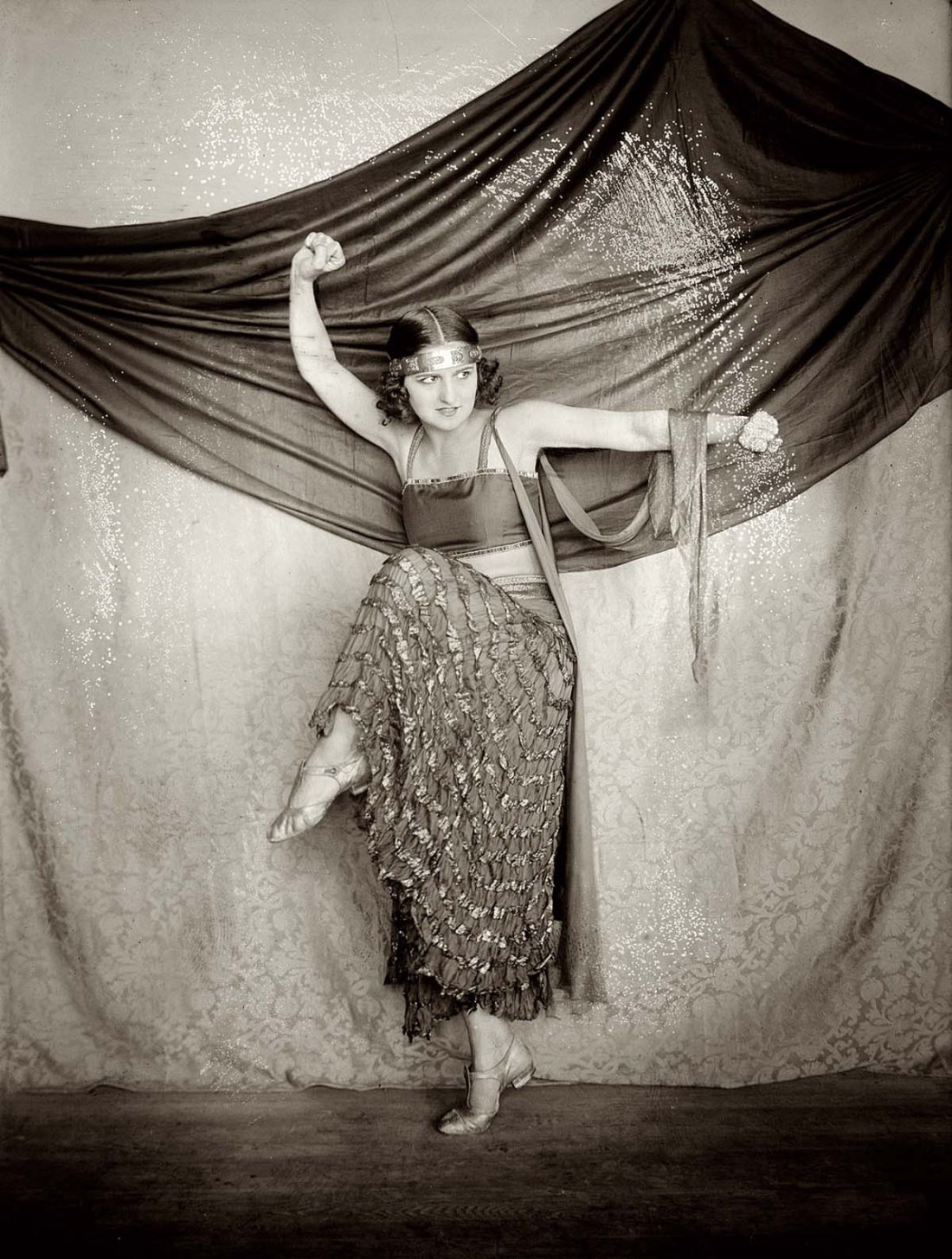
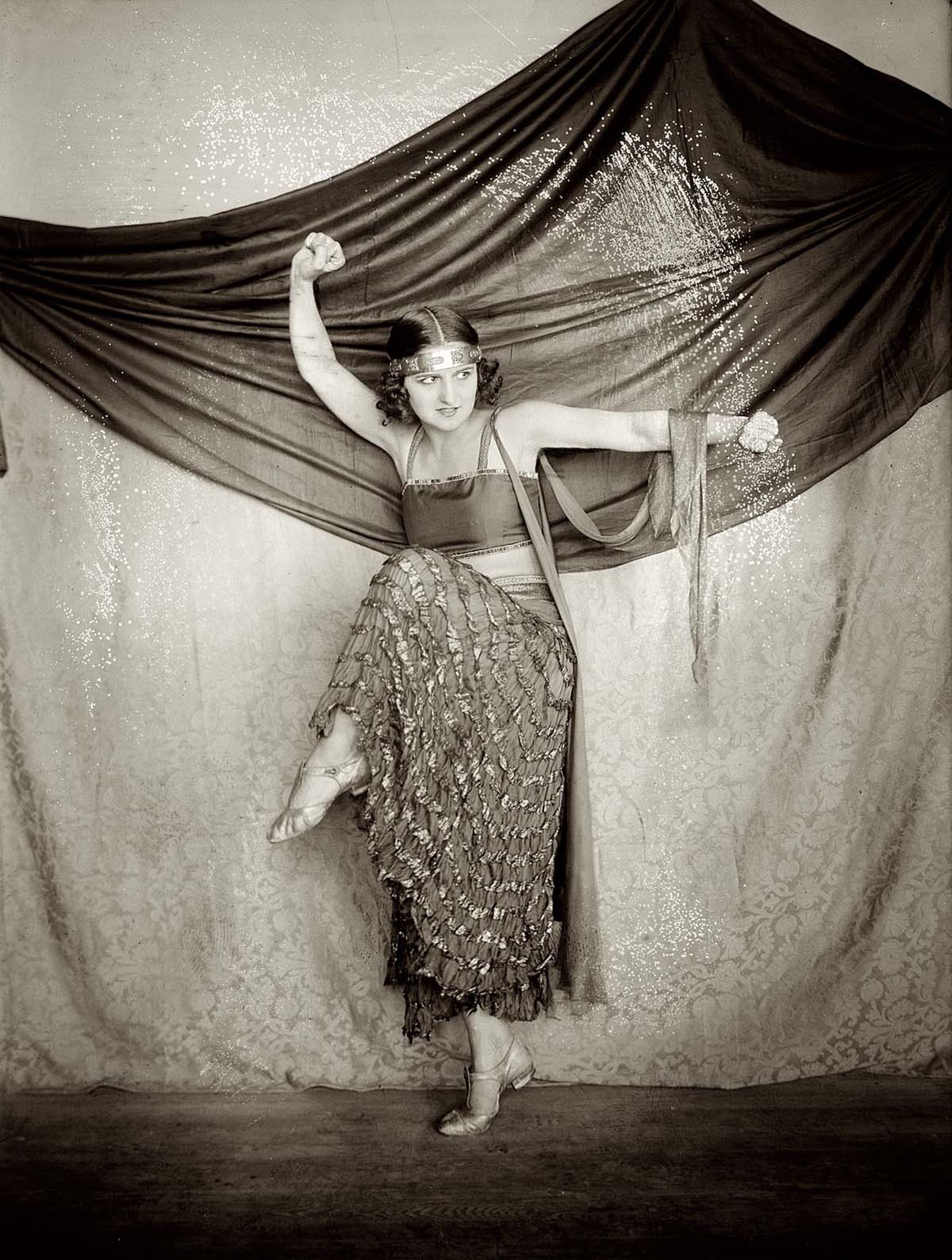
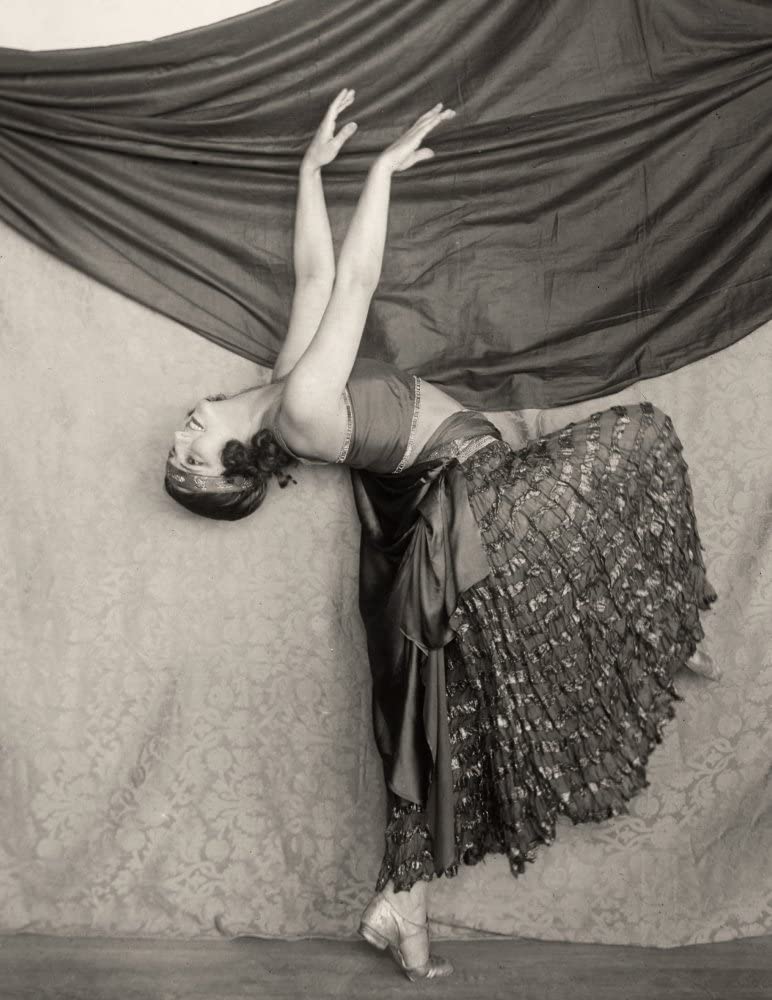
![Albertina Rasch [no date recorded on caption card]. Glass negative. Bain News Services. | src Library of Congress](https://live.staticflickr.com/65535/52526870735_dc0574d03f_o.jpg)
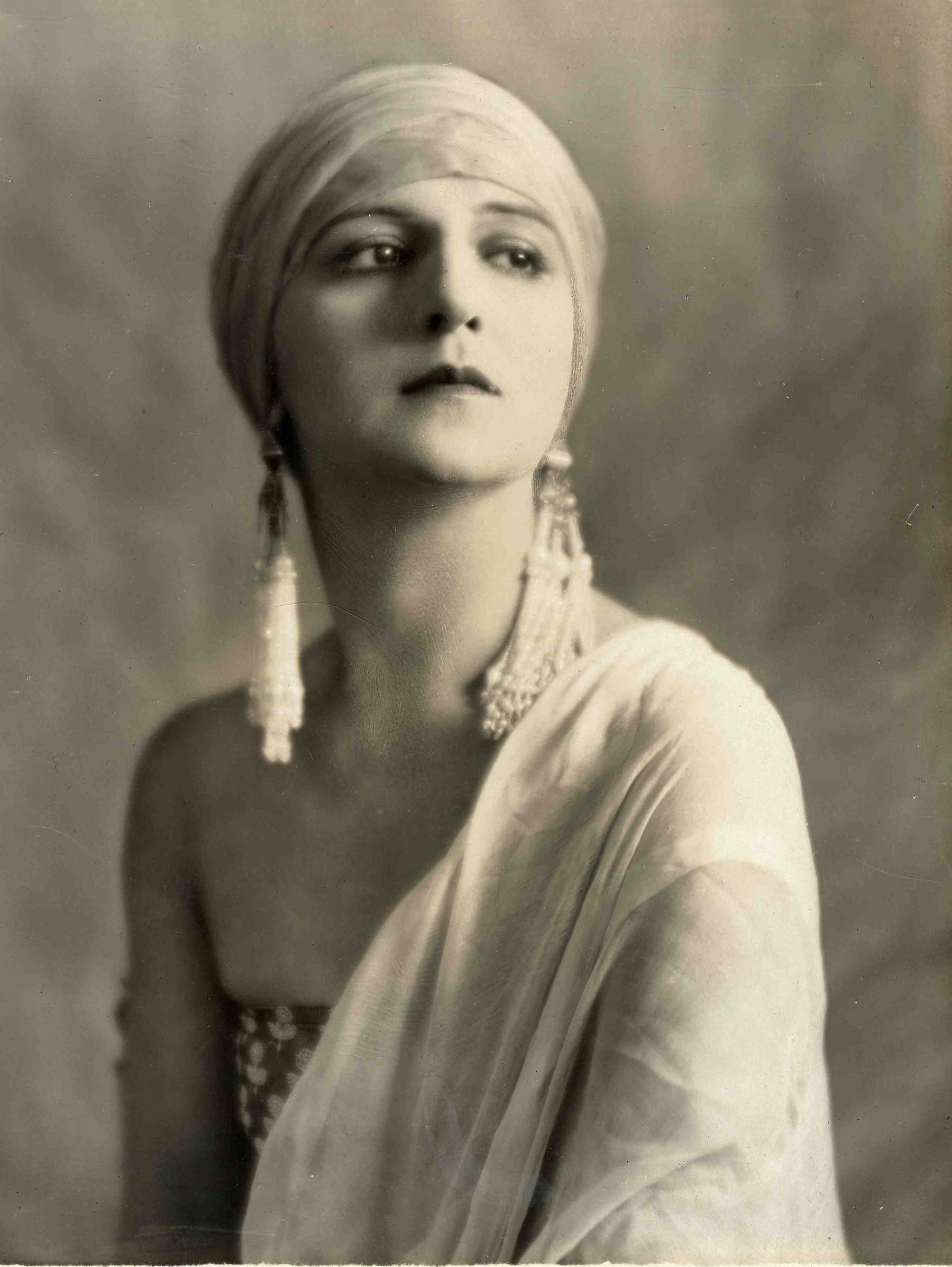
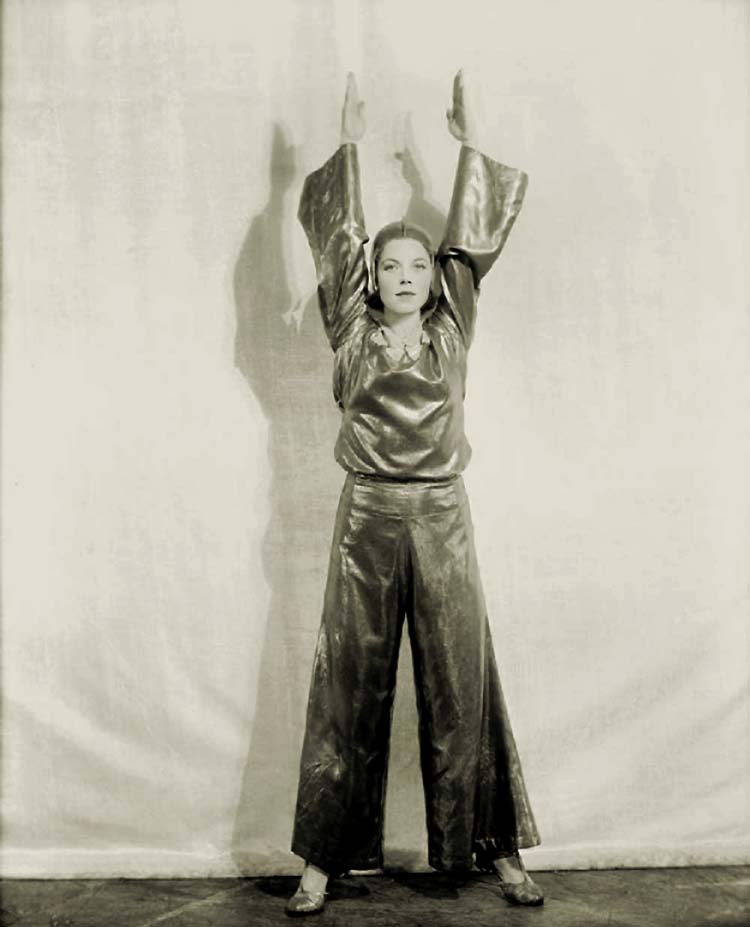
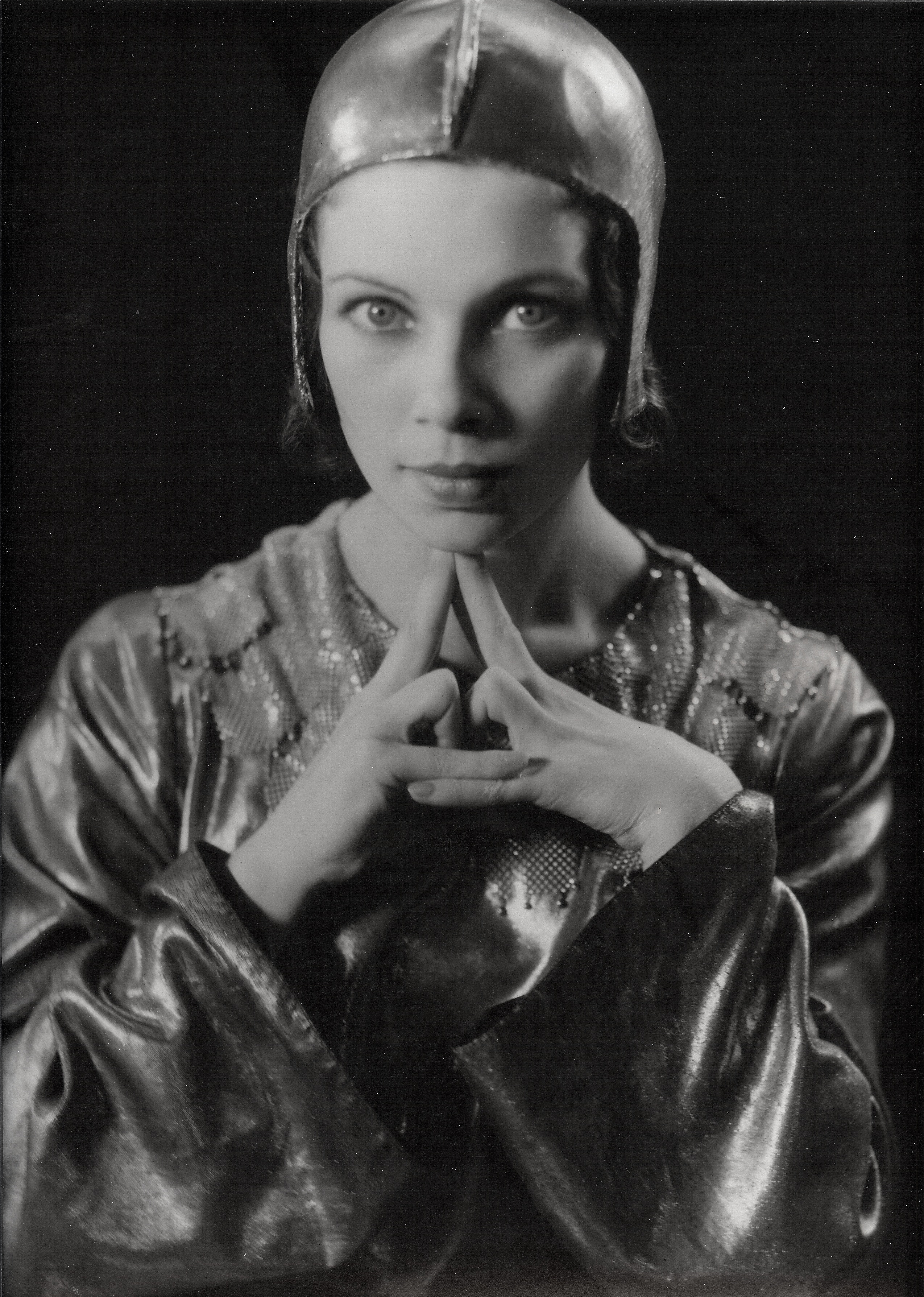
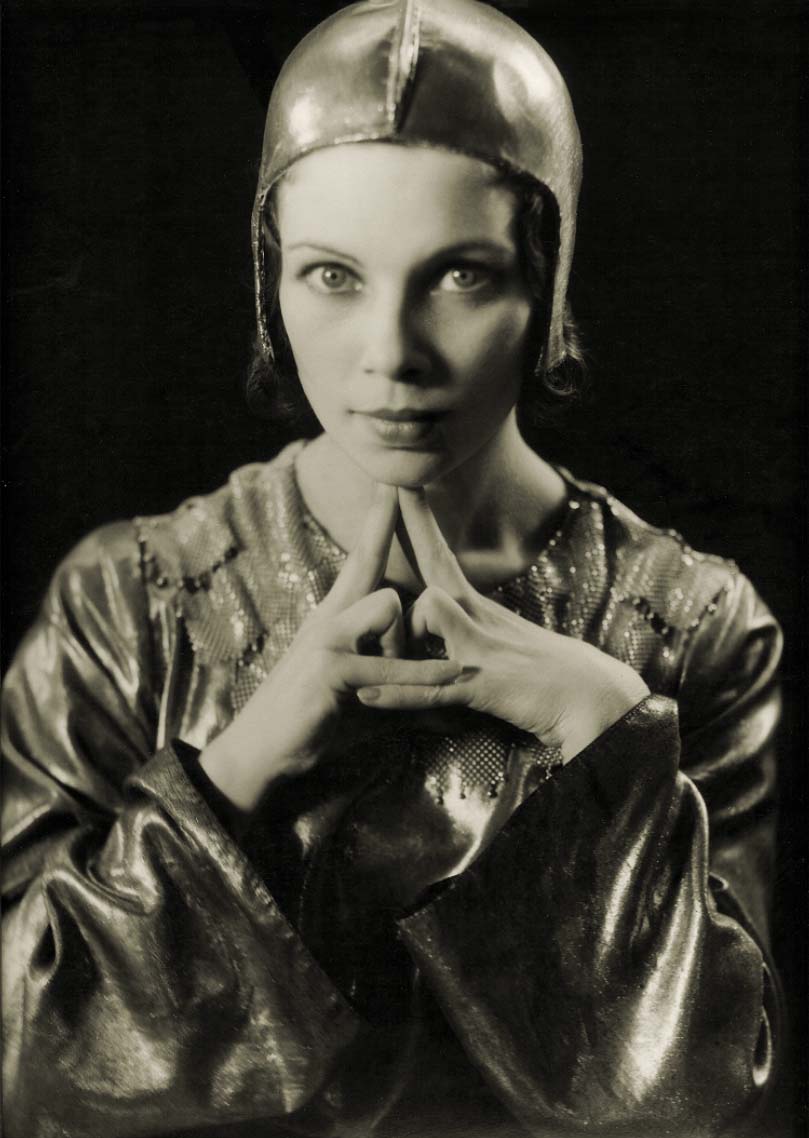
The New York Public Library hosts a group of around 150 photographs (shot by Vandamm Studio) of the musical The Band Wagon, unfortunately the resolution is very poor as well as the information provided: here is the direct link to them: NYPL/Billy Rose Theater Division/Vandamm theatrical photographs.
The Band Wagon opened on Broadway at the New Amsterdam Theater on June 3rd, 1931, and concluded on January 16th, 1932, running a total of 260 performances. Produced by Max Gordon, with book by Walter Thomson and Howard Dietz, lyrics also by Dietz and music by Arthur Schwartz. Staging and lighting were by Hassard Short, choreography by Albertina Rasch, and scenic design by Albert R. Johnson. The cast included Fred Astaire, Adele Astaire, Helen Broderick, Tilly Losch, John Barker and Frank Morgan (among others). The show introduced for the first time Schwartz-Dietz’s song Dancing in the Dark (danced by Losch).
Structure of the revue: the musical comedy consisted in five sketches and thirteen songs or musical numbers divided in two acts. As far as we are aware, Losch took part in three of the musical numbers: The Flag, The Beggar Waltz (with Fred Astaire) and Dancing in the Dark (with John Barker).


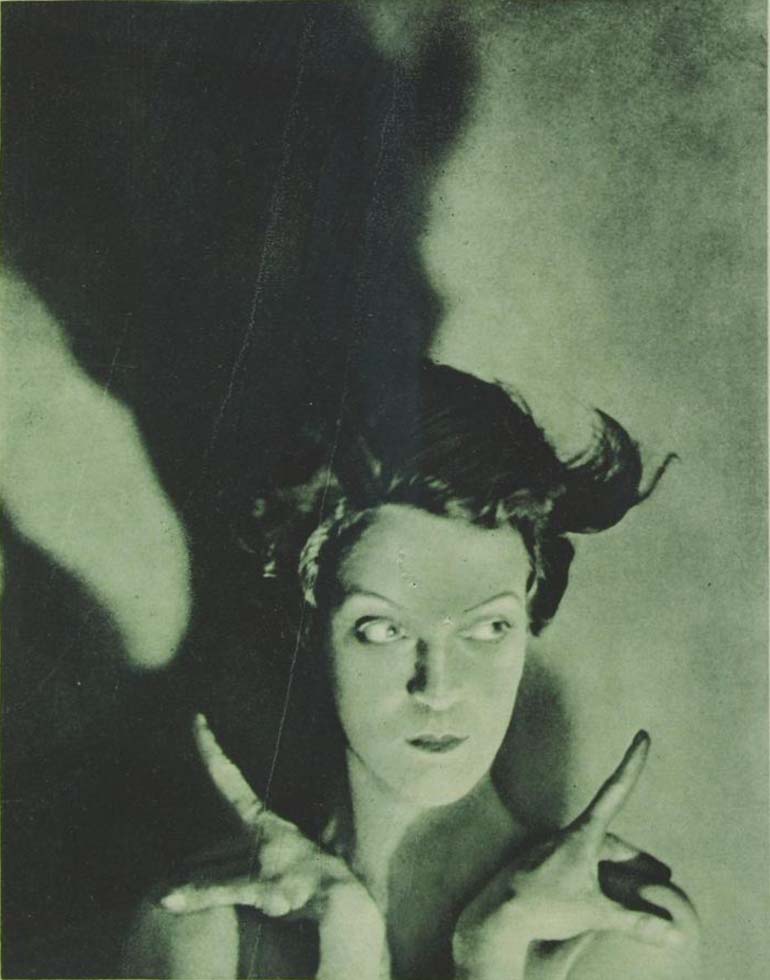
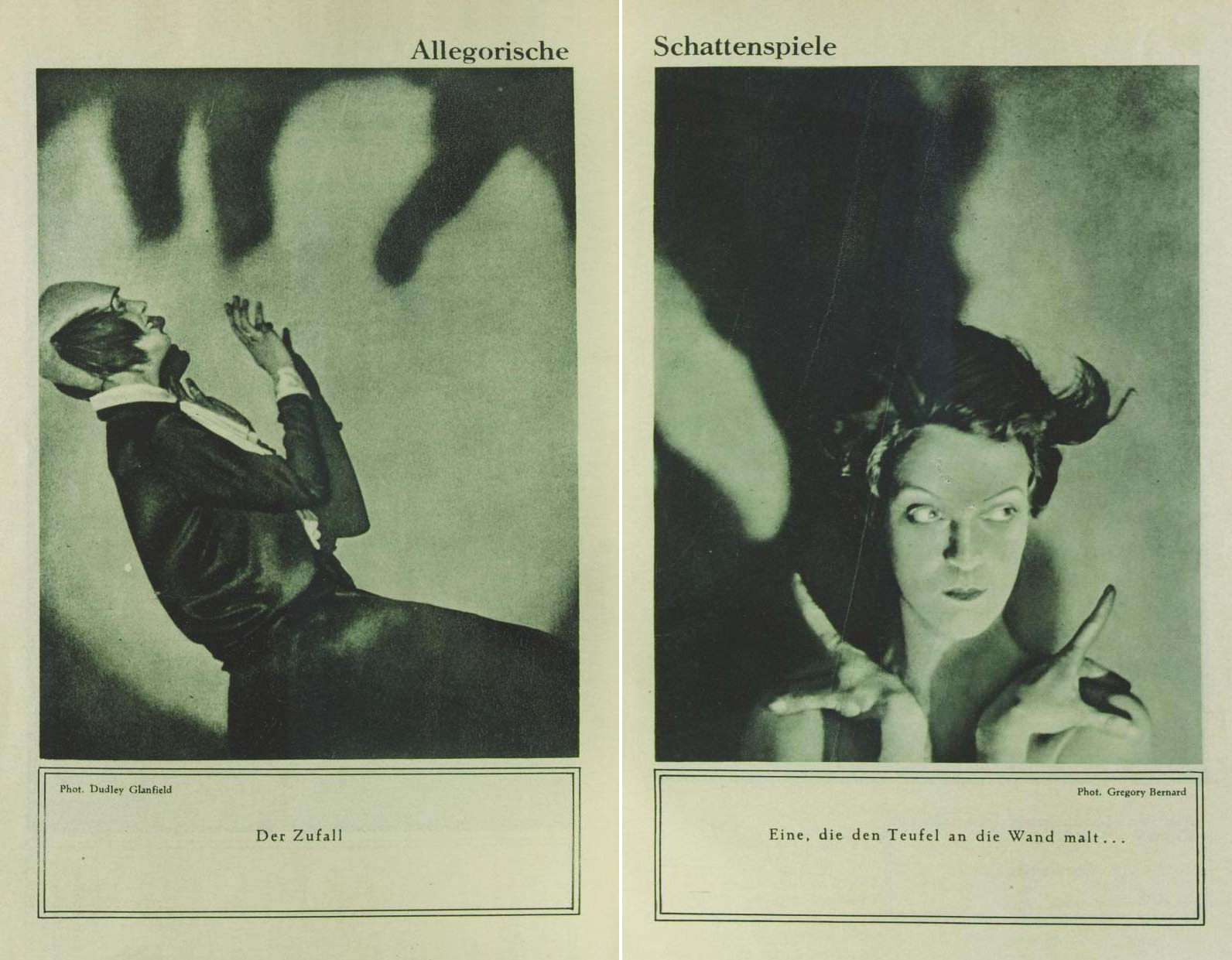
![Schattenspiele. Eine, die den Teufel an die Wand malt... [Phot. Gregory Bernard]. Revue des Monats Band 2, H.11, September 1928](https://unregardoblique.com/wp-content/uploads/2022/11/revue-des-monats-band-2-h.11-september-1928-gregory-bernard-eine-die-den-teufel-an-die-wand-malt-crp.jpg)
![Shadow games. One who draws the devil on the wall… [Phot. Gregory Bernard]. Revue des Monats Band 2, H.11, September 1928](https://live.staticflickr.com/65535/52515985747_1b683781a0_o.jpg)
![Allegorical Shadow Games. The coincidence. [Phot. Dudley Glanfield]. Revue des Monats Band 2, H.11, September 1928](https://live.staticflickr.com/65535/52516939895_25c5b37bc2_o.jpg)
![Allegorische Schattenspiele. Der Zufall. [Phot. Dudley Glanfield]. Revue des Monats Band 2, H.11, September 1928](https://live.staticflickr.com/65535/52516939885_012b082ec7_o.jpg)
 un regard oblique