Die gelbe Jacke by Atelier d’Ora

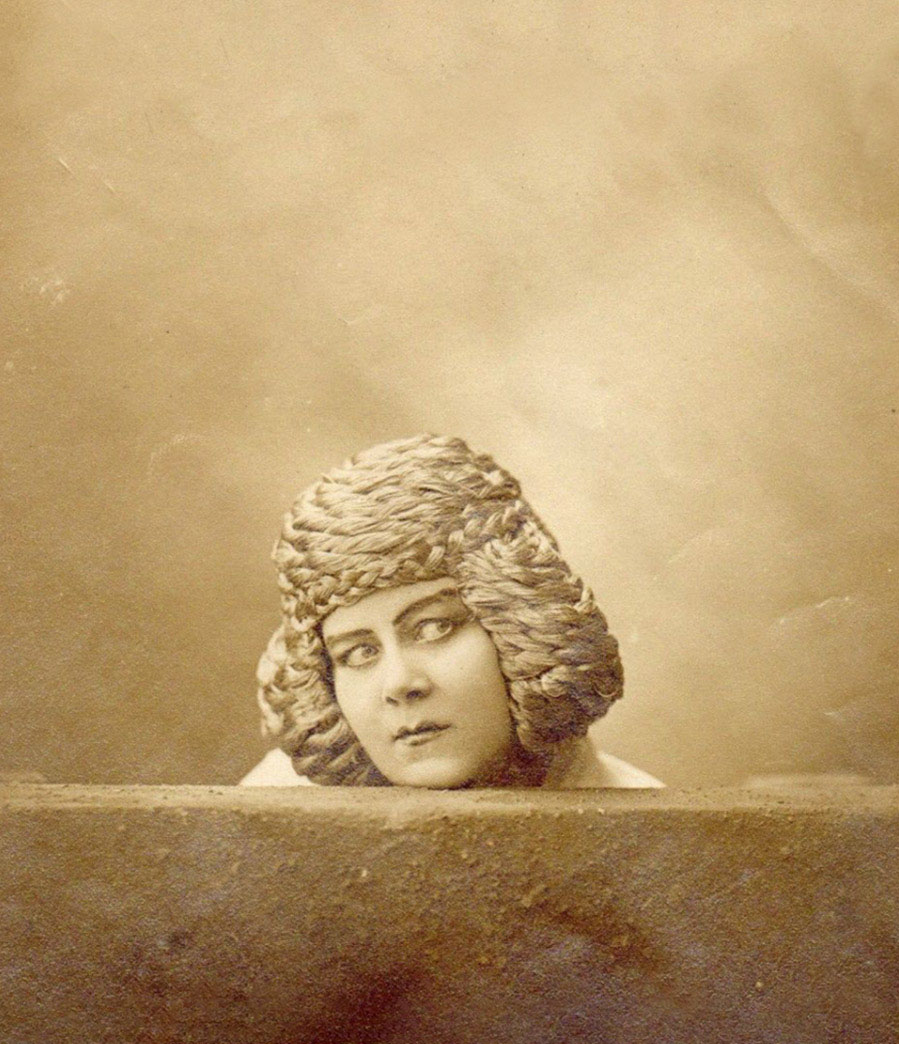
Dora Kallmus ~ Die gelbe Jacke, 1922-23. Bromoil print. From the exhibition Piktorialismus at Albertina Modern
Atelier d’Ora / Dora Kallmus (1881–1963) & Arthur Benda (1885–1969) ~ Die Gelbe Jacke, Wien, 1923 | src MK&G

Cecil Beaton self-portraits

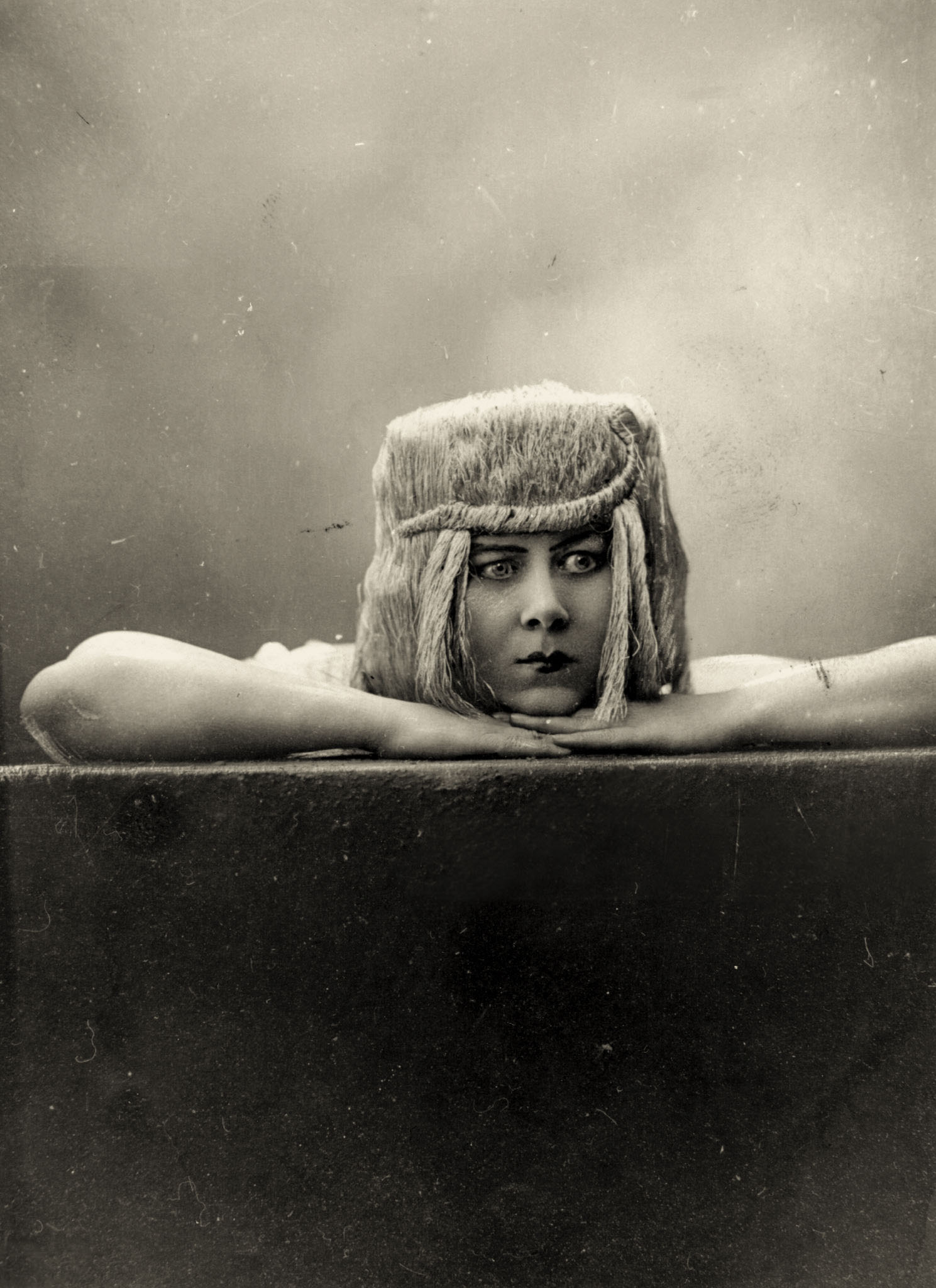
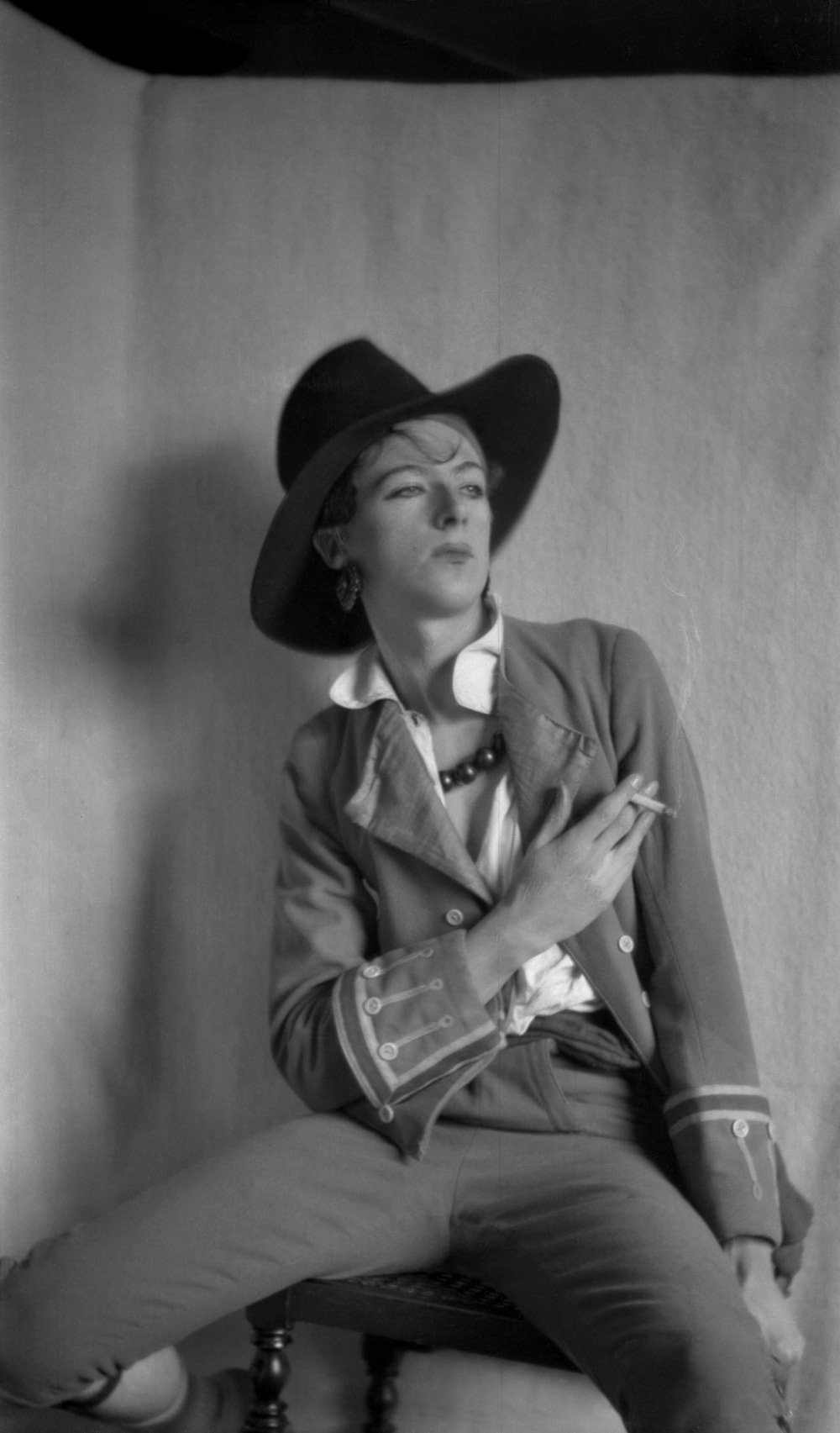
Cecil Beaton (1904-1980) self-portrait in All the Vogue, Cambridge Footlights, 1925 | src Cecil Beaton Studio Archive at Sotheby’s
Cecil Beaton self-portrait, Cambridge Footlights, 1925 | src Cecil Beaton Studio Archive at Sotheby’s via anOther magazine

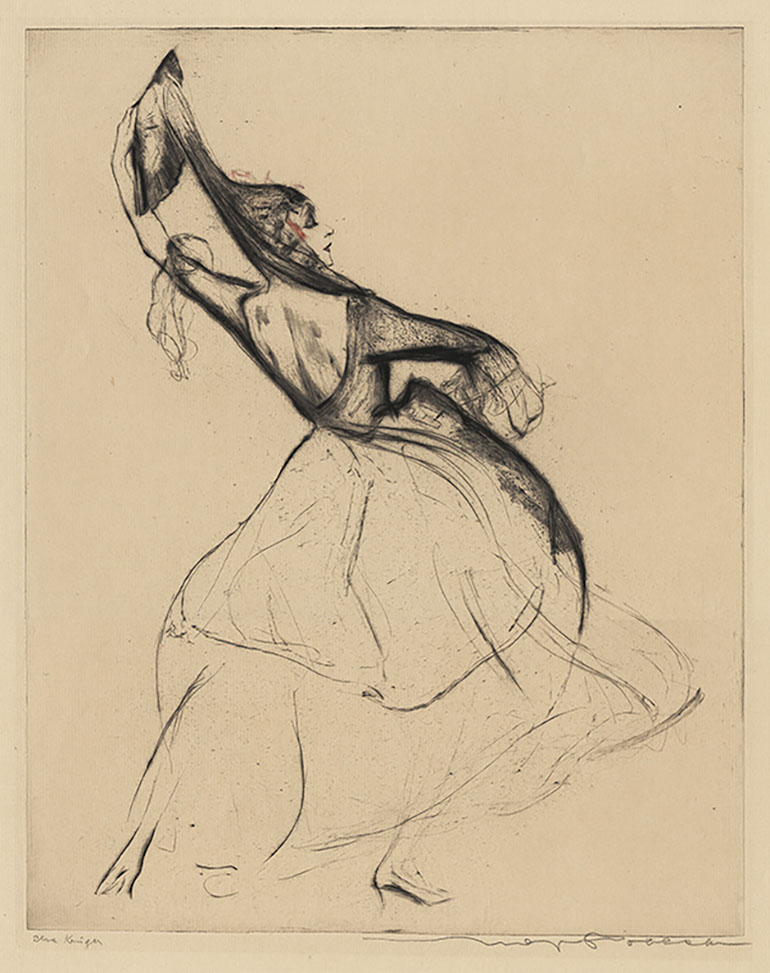
Elsa Krüger by Max Pollak

Max Pollak (1886 – 1970) ~ Elsa Krüger, 1919; drypoint with aquatint printed in color | src Annex galleries

Elsa Krüger by Dührkoop · 1922

Rudolf Dührkoop ~ Elsa Krüger, 1922 | src Stedelijk Museum Amsterdam
Rudolf Dührkoop ~ Elsa Krüger, 1922 | src Deutsches Tanzarchiv

Loïe Fuller in Tragedy of Salome

Loïe Fuller (1862 – 1928) in the Dance of Fear from Salomé (Lyric Pantomime), 1895 or 1896 (*)

(*) Retrieved from: Fifteen years of a dancer’s life, with some account of her distinguished friends / with an introduction by Anatole France (Boston: Small, Maynard & Co.,1913) | src NYPL Research Catalog
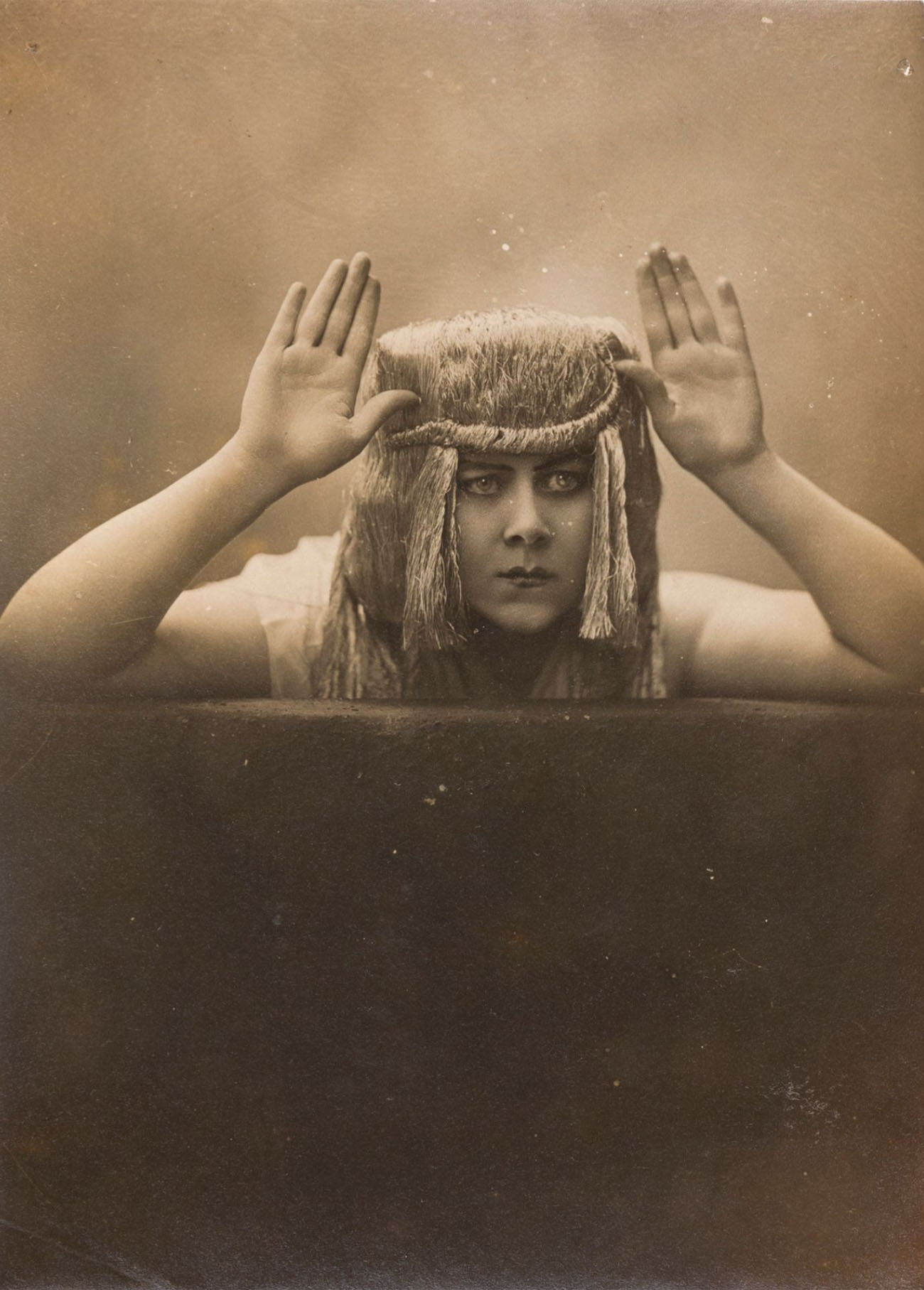
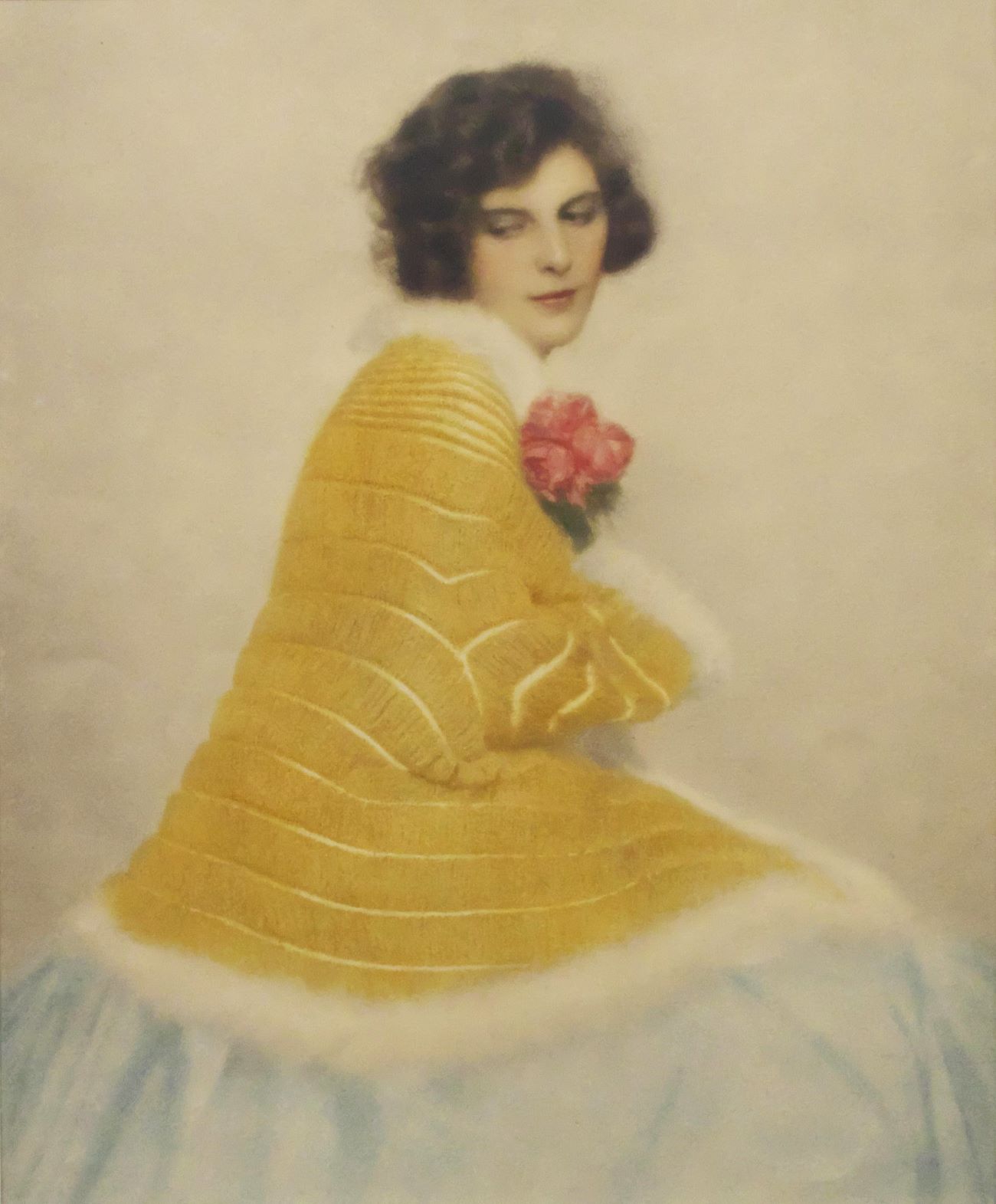
Henri Manuel (1874-1947) ~ Loïe Fuller in Robert d’Humières’ Tragédie de Salomé at the Théâtre des Arts, Paris, 1907 | src Ader
Henri Manuel (1874-1947) ~ Loïe Fuller (1862 – 1928) in attrezzo for the Tragedy of Salome, 1896 | src getty images

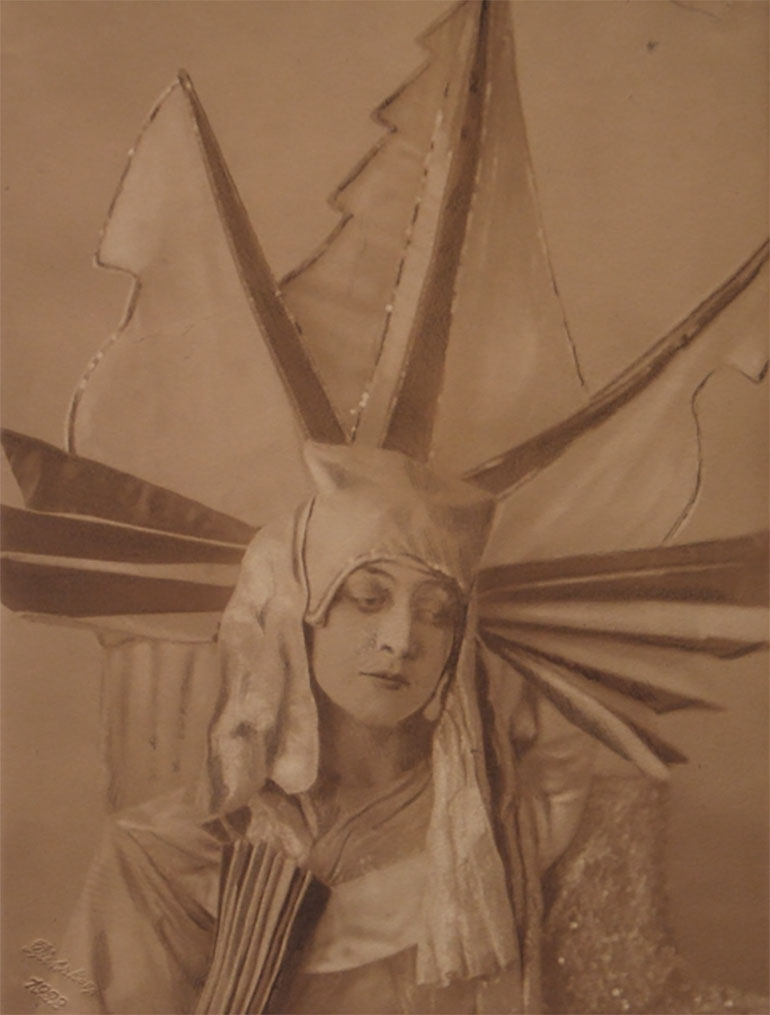
Edna Morton for Elcha studio

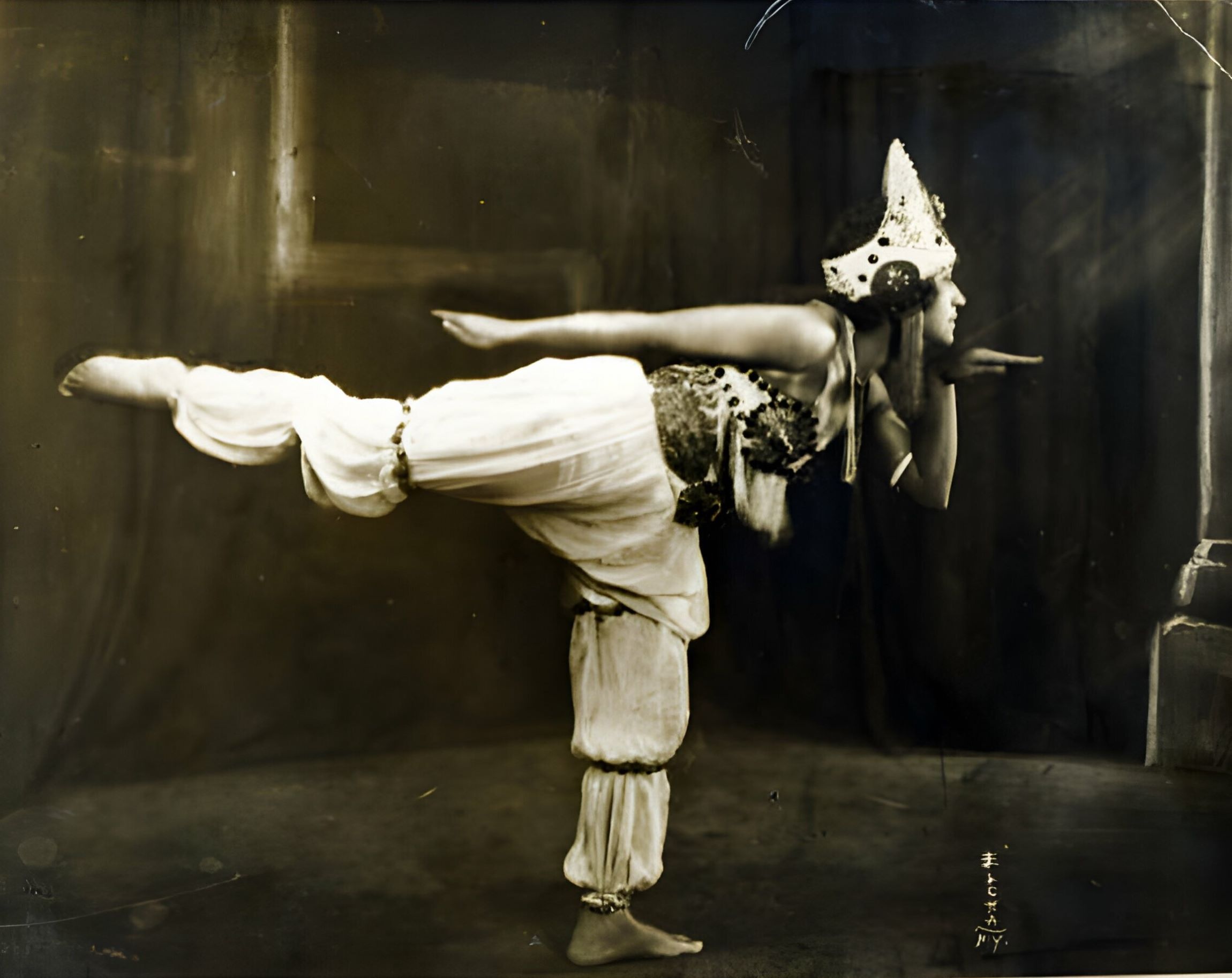
Anthony Barboza ~ Portrait of actress Edna Morton, in costume, early 20th century (studio Elcha, NY) | src getty images

Edna Morton (April 2, 1894 – July 31, 1980) was an American actress who was in films in the 1920s. She starred in mainly race films most of them produced by Reol Productions. Her most notable films being Spitfire (1922), Easy Money (1922), and The Call of His People (1921). She was also in a film by Oscar Micheaux called A Son of Satan (1924). She is known to have been in ten films in total. She was referred to as “the colored Mary Pickford”. (text retrieved from wikipedia entry)

Anthony Barboza ~ Portrait of actress Edna Morton, in costume, early 20th century (studio Elcha, NY stamp on bottom right)

Twins & cat · Finland · 1920s

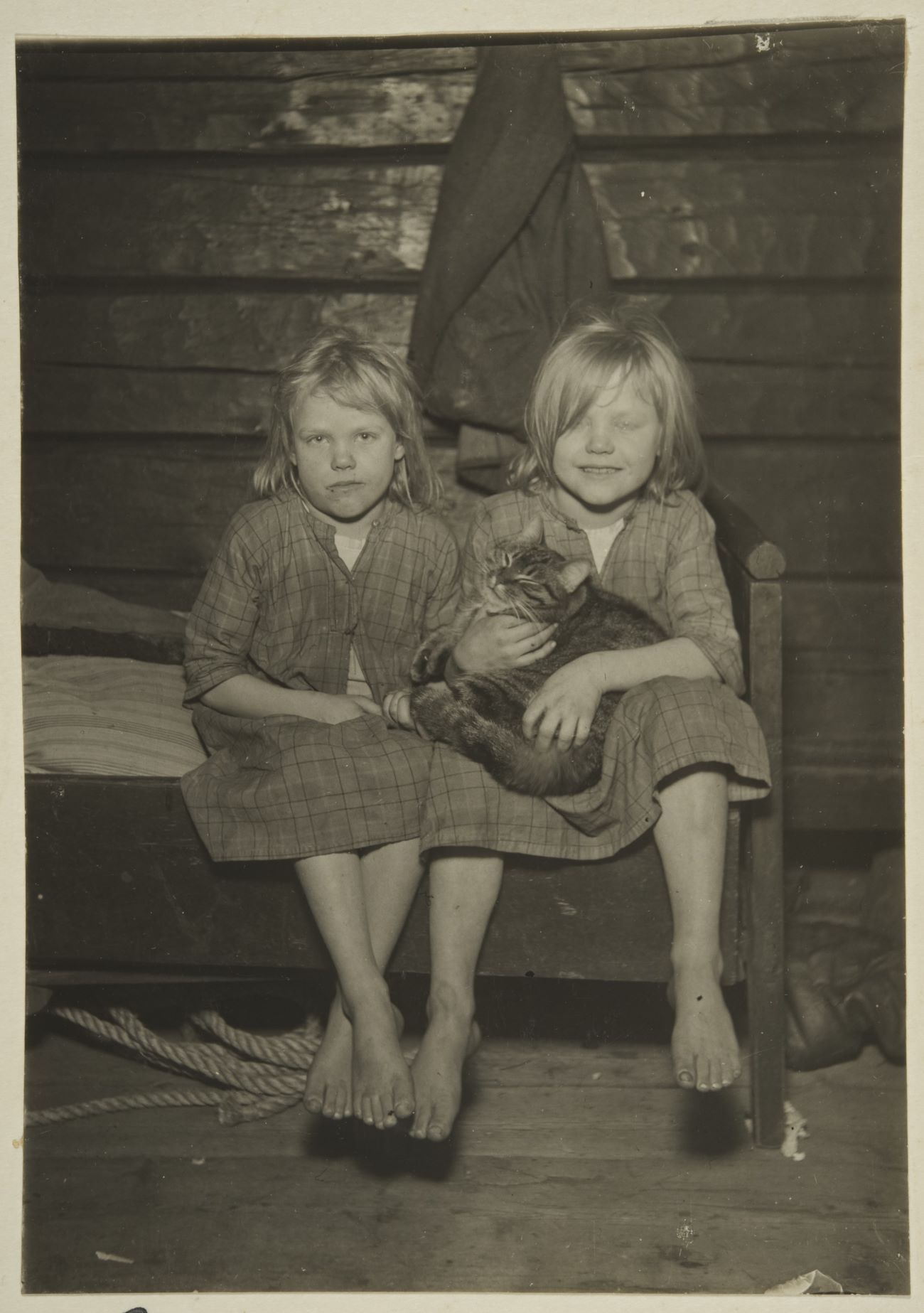
Ahti Rytkönen ~ Twin girls Tyyne and Aili and their cat Matti on the edge of a bed in a chimneyless cabin located in Jokilahti, Pielavesi, Finland, 1920s | src museovirasto
Detail from: Twin girls Tyyne and Aili and their cat Matti, 1920s | src museovirasto

Ntozake Shange · portraits

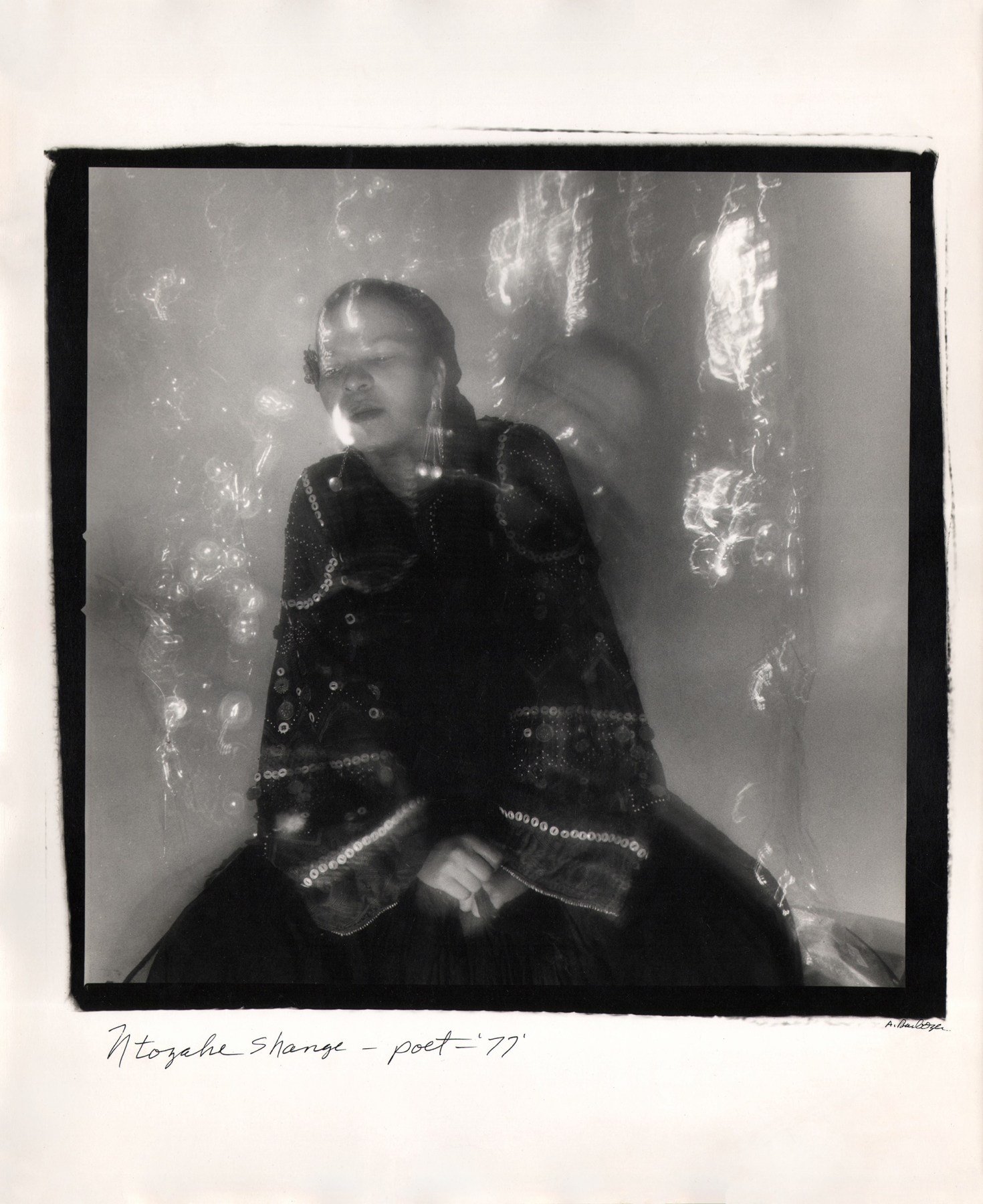
Anthony Barboza (b. 1944) ~ Ntozake Shange – Poet, 1977. The Black Borders | src Keith de Lellis gallery

Shange was born in New Jersey in 1948 and named Paulette Williams. Her father, Paul T. Williams, was a surgeon, and her mother, Eloise, was an educator and psychiatric social worker. […] In 1971, she changed her name from Paulette Williams to Ntozake Shange, which is Zulu for “she who comes with her own things and walks like a lion” […] / quoted from The New Yorker

Sylvia Plachy ~ Ntozake Shange in 1976 | src The New Yorker

Shange was perhaps most famous for her play For Colored Girls Who Have Considered Suicide / When the Rainbow Is Enuf (1975). A unique blend of poetry, music, dance and drama called a “choreopoem”. […] [The Poetry Foundation]

Jack Mitchell ~ Ntozake Shange, 1996 | src NY Times